More
    Home Blog Page 2

    From Acquisition to Governance in Modern Football Clubs

    0
    Youth teams line up before a U19 match in Germany, reflecting structured academy football and long-term development pathways.
    A U19 youth match setting in Germany, highlighting the organised environments that underpin modern football development. Such structures sit at the heart of governance, investment strategy and long-term club planning.

    Welcome back to the series “Private Equity in Football: A Game-Changer or a Risky Bet?”, in this fourth part, we will take a closer look at the process of buying football clubs.

    For investment funds, acquiring a football club is far more than a trophy purchase, it’s a calculated entry into a high-risk and high-reward market. While headlines often focus on the final figure or the brand name, the process behind each acquisition is a carefully engineered mix of financial discipline, legal precision, and strategic intent.

    For investment funds, acquiring a football club is far more than a trophy purchase, it’s a calculated entry into a high-risk and high-reward market.

    Strategic Targeting & Market Research

    Every deal begins with identifying the right target. Investment funds look for clubs that are undervalued relative to their brand potential, market access, or developmental infrastructure. Some funds prioritize historic clubs in top leagues with untapped commercial upside, such as AC Milan (RedBird), while others seek out lower-profile clubs that can serve as feeder or development platforms within a broader network, like Toulouse FC for RedBird or Vasco da Gama for 777 Partners.

    Strategic criteria often include:

    • Broadcasting footprint and media rights potential;
    • Stadium ownership and local infrastructure;
    • Fan engagement metrics and digital presence;
    • Access to youth academies or underexploited talent markets;
    • Financially distressed but historically strong clubs (e.g., Inter Milan before Oaktree’s loan takeover);
    • Underperforming relative to brand potential;
    • Geographic entry points into key markets (e.g., Vasco da Gama in Brazil for 777 Partners).

    Due Diligence & Financial Audits

    Once an investment target is identified, funds enter the due diligence phase, a meticulous process that combines traditional corporate financial audits with the unique complexities of the football industry. For private equity firms, this is where the real work begins: validating the club’s true worth, identifying potential risks, and shaping the final acquisition structure.

    This analysis is typically led by a combination of M&A experts, sports finance consultants, and Big Four audit firms to ensure no detail is overlooked. Here are the key pillars:

    Balance Sheet Strength & Debt Exposure

    Funds review the club’s financial statements, including:

    • Asset base : stadium ownership, player contracts (treated as intangible assets), training facilities;
    • Liabilities : short- and long-term debts, unpaid transfer fees, tax obligations;
    • Debt covenants : restrictions imposed by creditors that could limit cash flow usage.

    Clubs in lower-tier leagues often carry hidden liabilities (e.g. deferred payments), which affect valuation.

    Ownership Structure & Governance

    Understanding who owns what is critical, especially in clubs with:

    • Multiple shareholders;
    • Historical family ownership or municipal stakes;
    • Complex voting rights or golden shares (e.g., some Spanish or German clubs).

    Some European clubs, particularly in Spain and Germany, operate under complex governance frameworks, including voting restrictions and golden shares, that limit external investor control. In Germany, the 50+1 rule mandates majority fan ownership, while in Spain, certain clubs retain member-led structures or legacy rights that affect board-level decision-making.

    Contractual Obligations

    This includes a deep dive into:

    • Player and staff contracts : length, clauses, buy-outs, deferred wages;
    • Commercial deals: sponsorships, stadium naming rights, merchandising;
    • Broadcasting arrangements.

    Revenue Profile & Cost Structure

    A football club’s revenue is highly volatile and cyclical:

    • Revenue mix : matchday, broadcasting, commercial;
    • Exposure to sporting risk : promotion/relegation, UEFA participation, player sales;
    • Wage-to-turnover ratio : a key efficiency metric, which UEFA recommends under 70%.

    Some clubs rely disproportionately on broadcasting income or player trading, which heightens exposure to high risks.

    Legal & Regulatory Compliance

    Football clubs are subject to unique regulatory environments (Financial Fair-Play, National Federation’s rules, etc), and ongoing legal issues can influence potential deals.

    Funds review:

    • Pending lawsuits or disputes;
    • Sanctions risks;
    • Cross-border tax implications (especially in multi-club ownership).

    For private equity investors, due diligence is not a box-ticking exercise, it’s a value-protection strategy. Football clubs may offer brand value and fan loyalty, but they also carry opaque finances, volatile cash flows, and regulatory complexities. This phase is critical not only for pricing the deal but also for identifying restructuring needs. Funds often hire sport-focused advisory teams or big four audit firms (e.g. Deloitte Sports Business Group, Football Benchmark Group, etc) to perform this assessment.

    For private equity investors, due diligence is not a box-ticking exercise, it’s a value-protection strategy.

    Deal Structuring

    Once the due diligence phase is completed; where funds scrutinize a club’s financial health, contractual liabilities, and commercial outlook, the next critical step is deal structuring. This phase determines how the acquisition is financed and what kind of control or exposure the investor will take on. The structure depends heavily on the fund’s risk appetite, the club’s valuation and cash flow situation, and broader market conditions.

    Here are the most common structuring formats in football investments, explained with examples:

    Full Equity Acquisition

    This is the cleanest form of ownership, the investor acquires 100% (or a controlling majority) of the club’s shares using its own capital or co-investors.

    In 2022, RedBird Capital Partners acquired AC Milan for approximately €1.2 billion, marking one of the largest full-club acquisitions in European football. RedBird financed the deal through a combination of its own capital and minority co-investment from Yankees Global Enterprises, seeking to leverage Milan’s brand equity and commercial upside.

    Leveraged Buyouts (LBOs)

    In this structure, the fund acquires the club primarily using borrowed money. Often, the club’s future revenues (e.g., TV rights, ticketing, sponsorship) or real estate assets (e.g., stadiums) are used as collateral to secure the loan.

    Elliott Management gained control of AC Milan in 2018 via a loan default. Elliott had initially loaned €303 million to Chinese owner Li Yonghong to buy the club. When he defaulted, Elliott repossessed the equity.

    In May 2021, Oaktree Capital Management extended a €275 million loan to Suning Holdings, the Chinese majority owner of Inter Milan, to address liquidity challenges exacerbated by the COVID-19 pandemic. By May 2024, the debt had accrued to approximately €395 million due to the high-interest rate and compounding terms. Suning failed to repay the loan upon maturity, leading Oaktree to exercise its rights under the loan agreement and assume control of Inter Milan through debt enforcement mechanisms.

    These examples show a classic distressed LBO, where a creditor seizes ownership through financial failure, then restructures the asset for resale.

    Convertible Debt & Staged Earn-Outs

    In transitional or riskier deals, funds may opt for hybrid instruments, such as convertible debt (a loan that can later be turned into shares) or performance-based earn-outs, where part of the purchase price is deferred and paid only if the club hits predefined financial or sporting milestones.

    This is often used when the fund wants a foot in the door but doesn’t want to overpay upfront. It’s also common in lower league or financially fragile clubs, where future stability is uncertain. While private deals of this type are often not disclosed in detail, several League One and Two clubs in England have attracted investors on this basis, notably US-based groups experimenting with performance-based equity conversion models.

    Minority Stake Investments

    Here, the fund buys a non-controlling interest (typically below 20%), gaining exposure to football’s commercial upside without bearing full operational risk.

    In 2019, Silver Lake, a US tech-focused private equity giant, invested $500 million for a 10% stake in City Football Group, owner of Manchester City and several other clubs. By 2022, Silver Lake increased its holding to 18%, valuing CFG at around $4.8 billion, one of the highest valuations in world football.

    Why Structuring Matters

    Deal structure defines not only the financial exposure of the investor, but also its strategic flexibility. For example:

    • An LBO offers leverage and tax advantages but adds pressure to optimize cash flow for debt service;
    • A minority stake is lower risk, but limits control over decision-making and exit timelines;
    • Convertible debt can offer upside with downside protection, ideal for volatile markets or distressed clubs.

    For funds, the choice isn’t just about acquiring a football club, it’s about engineering a financial vehicle that matches their return expectations, governance preferences, and long-term vision.

    Post-Acquisition Restructuring

    Once an investment fund finalizes the acquisition of a club, governance reform and operational transformation are often the first priorities. The goal is to reshape the institution to unlock long-term value and performance. This phase is critical in aligning the club with the fund’s financial logic, sporting vision, and risk appetite. This often includes:

    Boardroom Realignment & Executive Appointments

    Private equity investors often install a new board, replacing legacy leadership with profiles from finance, law, tech, or elite sports management. These appointments aren’t symbolic, they bring tighter corporate governance, faster decision-making, and clearer KPIs.

    At AC Milan, RedBird Capital appointed Giorgio Furlani as CEO post-acquisition, aligning board oversight with a capital-focused strategy and expertise from the sports, media, and entertainment sectors, reflecting a commercial mindset influenced by American sports business models.

    Sporting Department Recalibration

    Investment groups often reshape the sporting structure, from academy to first team, to optimize talent pipelines and reduce inefficiencies.

    Toulouse FC, under RedBird since 2020, installed a new sporting director, upgraded academy structures, and leveraged data science in recruitment. The result was directly seen with the promotion to Ligue 1 in 2022 and a historic Coupe de France win in 2023.

    Financial Discipline & Budgeting Tools

    Funds enforce rigorous budgeting practices post-acquisition. Clubs adopt centralized spending approval, salary caps relative to revenue, and long-term cash flow forecasts.

    Data Infrastructure & Tech Integration

    Private equity firms are increasingly turning clubs into ‘labs’ for sports tech innovation, deploying platforms for scouting, performance optimization, and injury prevention.

    Silver Lake’s investment in City Football Group enabled a global data infrastructure across clubs. Tech sharing now drives everything from medical protocols to marketing campaigns, multiplying returns across the portfolio.

    Conclusion

    From scouting undervalued clubs to reshaping their governance and integrating them into wider portfolios, private equity investors bring a structured, profit-driven approach to football club management. These acquisitions are rarely emotional, they are data-backed, and designed for long-term asset growth. Yet the real test lies not in how clubs are bought, but in how value is extracted after the deal.

    Now that clubs have entered the hands of financial investors, the question becomes: what happens next? Are these deals creating long-term stability, or simply flipping clubs like assets on a spreadsheet?

    In the next article, we’ll explore how funds attempt to extract value post-acquisition, through debt restructuring, cost optimization, infrastructure upgrades, and recruitment strategies. We’ll also examine their return expectations, the tension between capital gains and sporting legacy, and the risks of turning clubs into short-term financial vehicles at the expense of their soul.

    The business model may be rational, but is it good for the game?

    Who is Nadir Sönmez

    0
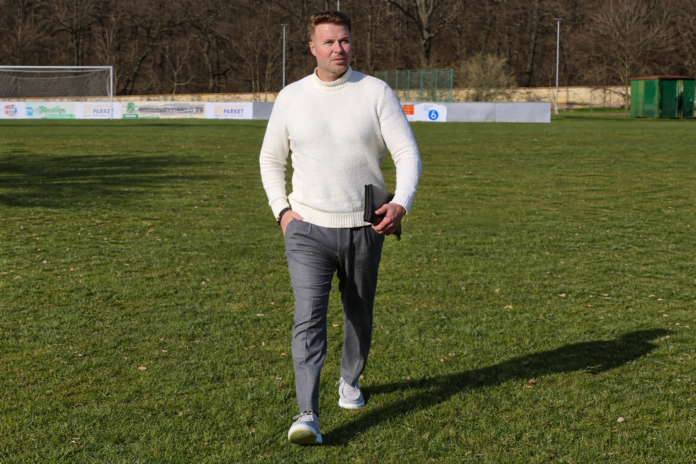
    Nadir Sönmez, UEFA A Licensed football coach, standing on the pitch during a matchday warm-up at a professional stadium.
    Nadir Sönmez on the pitch, reflecting his hands-on approach to coaching and match preparation. His career spans elite youth development and senior football across multiple countries, shaped by a modern and analytical coaching philosophy.

    Nadir Sönmez is a highly qualified UEFA A Licensed football coach whose career spans Germany, England, and Türkiye and who is emerging as part of a new, modern generation of tactically intelligent, culturally adaptable, and academically grounded trainers. Born in Munich in 1990 and holding both German and Turkish citizenship, Sönmez combines the advantages of a multicultural background with strong roots in European football development.

    His educational foundation is exceptional by industry standards. After completing a Bachelor’s degree in Coaching and Sports Management, he earned a Master of Science in Exercise Science and Coaching from the German Sport University Cologne. This academic background strongly shapes his analytical approach to training design, tactical development, and long-term performance planning.

    His educational foundation is exceptional by industry standards.

    Professionally, Sönmez has gathered experience across nearly every essential layer of modern football. He worked as an assistant coach for the Turkish U21 National Team, gained valuable insight into English football during his time with Cardiff City FC in the EFL Championship, and held senior coaching roles in Germany with clubs such as Fortuna Köln and 1. FC Köln Women II. His youth coaching résumé is equally impressive, having won multiple league titles with U16 and U17 teams at clubs including Wuppertaler SV, FSV Duisburg, Kasımpaşa SK, and Viktoria Köln.

    Fluent in Turkish, German, and English, with additional Spanish skills, Sönmez is highly adaptable in international environments. He is known for his calm leadership style, structured methodology, tactical clarity, and his ability to connect with players on a human level. As he prepares for the next step in his career, Nadir Sönmez presents himself as a coach ready to take on greater responsibility and bringing intelligence, adaptability, and modern football thinking to ambitious projects.

    He is known for his calm leadership style, structured methodology, tactical clarity, and his ability to connect with players on a human level.

    Our exclusive interview with Nadir Sönmez

    You have coached in Germany, England, and Türkiye — three very different football cultures. How have these environments shaped your identity as a modern coach, both tactically and personally?

    This cultural combination allows me to approach problems from different perspectives, often producing very different solutions. These perspectives provide a high level of observation not only in the tactical field but also in human relations. Good observation requires analytical thinking and empathy. Understanding people and reading the game are, in my opinion, the most important parts of this profession.

    You hold a Master’s degree in Exercise Science and Coaching and several advanced coaching certifications. How does your academic background influence your day-to-day work on the pitch and your long-term development philosophy?

    Understanding training science and the details of conditioning parameters enables me to plan technical and tactical work in the most effective way. This contributes significantly to tactical development on both macro and micro levels. Together with systematic thinking, the pedagogical aspect of planning makes a big difference whether in youth or professional football. That is why having an academic background and combining it with modern football has benefited me greatly.

    You have already worked in both elite youth development and senior football. How do you adapt your coaching approach when working with young talents compared to experienced professionals?

    It is crucial to give young players the same value that is given to professional footballers. At the same time, it is important to convey to professional players that learning is never complete just as we emphasise with young athletes. I believe it is essential for every player, regardless of age or experience, to receive accurate and timely feedback. What I mean is that I often do not see major differences between player groups the real difference lies in the coach’s working principles and style.

    Many of your youth teams achieved title-winning success. What specific principles or methodologies do you apply to create high-performing, resilient, and intelligent teams?

    I focus on systematically planning exercises that develop players’ thinking and decision-making abilities, always aligned with the main objective of the training session from warm-up to the final drill. Every step taken during the session should serve its overall goal, and players should understand clearly why they are doing each exercise.

    Playing fast, regaining possession quickly and not losing the ball easily are, in my opinion, essential principles. However, the most important factor is knowing which game model suits the players best. In addition, I place great value on individual development and treating each player with the attention they deserve.

    You worked in the EFL Championship with Cardiff City FC — a very demanding league. What were your biggest takeaways from English football, and how did that environment accelerate your growth as a coach?

    My detailed experience across 50 matches in the FA Cup and Carabao Cup during my time in the English second division was the pinnacle of my career. I learned how to plan effectively under a demanding match schedule. Sometimes you even have to anticipate in which matches you might drop points.

    This period taught me how to manage the physical and mental fluctuations that occur throughout a season. Observing formation changes during matches and analysing the resulting advantages and disadvantages was an invaluable learning process. You also realise that even the most important players make simple fundamental mistakes and that every player needs feedback, positive or negative.

    Through individual technical and tactical analyses, I gained deeper insights into the game and the players. It was a wonderful, educational experience for me.

    What is the core of your coaching philosophy? Which values, tactical concepts, and psychological principles define you as a trainer?

    It is not the strongest who survive, but those who adapt best. For me, the most important ability is adapting to what the club and the team can realistically achieve. A good coach must be able to prepare a team according to any philosophy or tactical approach, because ideal conditions are not always available. You must be familiar with every style of play.

    If I had to name one key criterion, it would be the ability to regain possession quickly an absolute must for me.

    As someone who speaks several languages and has coached in multiple countries, how important is communication and cultural awareness in building trust and strong team dynamics?

    I believe that using different languages is one of the best ways to develop empathy, because every language has its own structure and that structure shapes a person’s character. Coaching in Turkish, German and English has given me very diverse qualities and perspectives.

    Looking ahead, what type of club, project, or environment do you feel would allow you to bring your full coaching identity to life? And what can a future employer expect from you as a leader and football educator?

    Sustainable long-term projects may be every coach’s dream, but in football this is only possible in very few clubs. That is why it is essential to work meticulously and achieve success under any circumstances. A good teacher can provide the best education even in the most challenging classroom.

    Promoting to a higher league with an unpredictable club or becoming champions is, in my opinion, one of the most charismatic and meaningful moments in this job.

    Simulacro de Examen Agente FIFA 1

    0
    Rows of desks arranged in a large exam hall, illustrating a formal testing environment for a Spanish mock football agent exam.
    Photo by Akshay Chauhan on Unsplash

    1. Justin, un futbolista profesional establecido, está descontento con su falta de tiempo de juego en su club durante la temporada. Está considerando rescindir su contrato con el club por causa deportiva justificada. El club juega 30 partidos durante la temporada. ¿En cuál de los siguientes escenarios tendría fundamentos para rescindir su contrato de manera anticipada? Seleccione una:

    a. Solo jugó en dos partidos

    b. Solo jugó en siete partidos

    c. Solo jugó en tres partidos

    d. Solo jugó en cinco partidos


    2. AFC Red ha recibido una Notificación de Pago por EUR 100,000, pero no ha realizado el pago a la FIFA Clearing House dentro del plazo de 30 días. ¿Cuánto debe pagar AFC Red a la FIFA Clearing House? Seleccione una:

    a. EUR 125,000

    b. EUR 105,000

    c. EUR 102,500

    d. EUR 100,000


    3. ¿Qué partes podrían ser sancionadas por el Comité Disciplinario de la FIFA por estar involucradas en una transferencia puente? Seleccione una o más:

    a. Solo los clubes

    b. Cualquier parte sujeta a los Estatutos y reglamentos de la FIFA involucrada en una transferencia puente

    c. Solo los jugadores

    Clubes y jugadores


    4. ¿Sobre cuál de los siguientes conceptos un Agente de Fútbol no puede cobrar una tarifa por sus servicios? Seleccione una o más:

    a. La bonificación condicional del club después de que su exjugador ganó una competencia continental

    b. La bonificación por lealtad del jugador después de 12 meses

    c. La bonificación por rendimiento del jugador después de diez goles

    d. La cláusula de porcentaje de venta futura del club


    5. ¿Qué se considera un acercamiento a un jugador? Seleccione una o más:

    a. Un correo electrónico a un jugador

    b. Un mensaje en redes sociales

    c. Una reunión con el hermano de un jugador

    d. Un correo electrónico al club de un jugador sobre la posible transferencia de otro jugador


    6. ¿Cuáles son las posibles consecuencias para un club que no pague las cantidades relevantes ordenadas por el Tribunal del Fútbol? Seleccione una o más:

    a. Una reprimenda

    b. Una prohibición de registrar nuevos jugadores, ya sea a nivel nacional o internacional

    c. Una multa impuesta por el Tribunal del Fútbol

    d. Una suspensión de la participación en torneos


    7. ¿Qué partes pueden ejercer influencia sobre un club en el sentido del artículo 18bis del Reglamento sobre el Estatuto y la Transferencia de Jugadores (RETJ) de la FIFA? Seleccione una:

    a. Cualquier tercero y el/los club(es) contraparte pueden ejercer influencia sobre un club en el sentido del artículo 18bis del RETJ

    b. Solo los Agentes de Fútbol pueden ejercer influencia sobre un club en el sentido del artículo 18bis del RETJ

    c. Solo terceros pueden ejercer influencia sobre un club en el sentido del artículo 18bis del RETJ

    d. Solo los clubes pueden ejercer influencia sobre otro club en el sentido del artículo 18bis del RETJ


    8. Un jugador es estudiante y se muda sin sus padres a otro país temporalmente por razones académicas para participar en un programa de intercambio. ¿Qué requisitos deben cumplirse? Seleccione una o más:

    a. La duración de la inscripción del jugador en el nuevo club hasta que cumpla 18 años o hasta el final del programa académico o escolar no puede exceder un año

    b. La duración de la inscripción del jugador en el nuevo club hasta que cumpla 18 años o hasta el final del programa académico o escolar no puede exceder dos años

    c. El nuevo club del jugador solo puede ser un club puramente amateur

    d. El nuevo club del jugador solo puede ser un club amateur o semiprofesional


    9. ¿Sobre qué monto se calcula la contribución de solidaridad? Seleccione una:

    a. El salario del jugador

    b. El valor de mercado del jugador

    c. Cualquier tarifa de transferencia pagada de un club a otro

    d. Todos los pagos realizados como parte de una transferencia, incluidos los pagos del club al jugador/agente


    10. ¿Cuáles de las siguientes actividades constituyen Servicios de Agente de Fútbol? Seleccione una o más:

    a. Organizar pruebas con clubes

    b. Negociar con un entrenador para que un Cliente sea convocado a su selección nacional para la Copa Mundial de la FIFA™

    c. Negociar la rescisión de un contrato profesional

    d. Representar a clientes ante el Tribunal de Fútbol


    11. Cuando una Entidad Contratante paga la tarifa de servicio en nombre de un Individuo, ¿cuáles de las siguientes condiciones se aplican? Seleccione una o más:

    a. La Remuneración anual negociada debe ser superior a USD 200,000

    b. El Individuo debe ser menor de edad

    c. El Individuo y la Entidad Contratante deben estar de acuerdo

    d. La tarifa de servicio no debe ser deducida de la Remuneración del Individuo


    12. ¿Se requiere algún nivel educativo para ser Agente FIFA? Seleccione una:

    a. Sí, necesitas una Licenciatura

    b. Sí, necesitas una Maestría

    c. Sí, necesitas un Doctorado

    d. No, no hay requisitos educativos


    13. El total acumulado de ambos “Períodos de Registro” en el fútbol no puede exceder: Seleccione una:

    a. 10 semanas

    b. 12 semanas

    c. 14 semanas

    d. 16 semanas


    14. La Compensación por Formación no es exigible en la UE/EEE si el club anterior no ofrece al jugador un contrato cuántos días antes del vencimiento del actual: Seleccione una:

    a. 15 días

    b. 30 días

    c. 60 días

    d. 90 días


    15. ¿Qué ocurre después de que un agente de fútbol no cumple con los requisitos de Formación Profesional Continuo (FPC) tras la expiración del período de suspensión provisional de 60 días? Seleccione una o más:

    a. Sus clientes tienen causa justificada para rescindir todos los acuerdos de representación con ese agente

    b. Todas las tarifas de servicio deben ser devueltas a los clientes

    c. Su licencia de agente de fútbol es retirada

    d. El agente de fútbol es suspendido permanentemente de la profesión y no puede solicitar una nueva licencia


    16. Un presidente de club acude a ti en busca de asesoramiento sobre la manipulación de partidos. Le preocupa que algunos jugadores del club puedan estar involucrados en prácticas de amaño de partidos y se pregunta si el club puede ser considerado responsable de su comportamiento. ¿Es esto cierto?

    a. No, los clubes solo pueden ser responsables del comportamiento de sus propios directivos

    b. Sí, los clubes pueden ser responsables del comportamiento de sus jugadores, pero quedan exonerados de responsabilidad si pueden demostrar la ausencia de culpa o negligencia por parte del club

    c. Sí, los clubes pueden ser responsables del comportamiento de sus propios jugadores bajo el principio de responsabilidad objetiva

    d. No, los clubes no pueden ser responsables del comportamiento de sus jugadores bajo ninguna circunstancia


    17. El Consejo puede convocar un Congreso Extraordinario en cualquier momento y deberá hacerlo si qué proporción de las asociaciones miembro lo solicita por escrito:

    a. ⅓

    b. ½

    c. ⅕

    d. ¼


    18. ¿Cuáles de los siguientes son comités permanentes reconocidos? Seleccione una o más:

    a. Comité de Finanzas

    b. Comité Médico

    c. Comité de Clubes

    d. Comité de Jugadores


    19. La Cámara de Compensación de la FIFA tiene derecho a solicitar a un individuo, club o asociación miembro que proporcione información al realizar una evaluación de cumplimiento. ¿Cuáles de los siguientes son ejemplos de información que la Cámara de Compensación de la FIFA puede solicitar? Seleccione una o más:

    a. Estructura corporativa

    b. Propiedad beneficiaria

    c. Fuente de financiamiento

    d. Fuente de riqueza


    20. ¿Cuál de los siguientes no es un requisito para que una persona natural se convierta en agente de fútbol? Seleccione una o más:

    a. Presentar una solicitud de licencia

    b. Pagar una tarifa anual a la FIFA

    c. Registrar un ID de FIFA

    d. Cumplir con los requisitos de elegibilidad

    RESPUESTAS
    1. A
    2. C
    3. B & D
    4. D
    5. A, B, C
    6. B
    7. A
    8. A & C
    9. C
    10. A & C
    11. C & D
    12. D
    13. D
    14. C
    15. A & C
    16. C
    17. C
    18. A & B
    19. A, B, C, D
    20. C

    Cómo Aprobar el Examen de Agente de Fútbol de la FIFA: Edición 2025

    ¿Cómo te ha ido? ¿Aún tienes aspectos por reforzar? Puedes prepararte con el cuaderno de trabajo Cómo Aprobar el Examen de Agente de Fútbol de la FIFA, una guía práctica y completa diseñada para ayudarte a dominar el contenido del examen.

    Creado por el experto en derecho deportivo y agentes Dr. Erkut Sogut junto a Jamie Khan, este workbook combina conocimientos teóricos, casos prácticos y exámenes simulados para prepararte de forma estructurada y eficaz, basándose en los materiales oficiales más recientes de la FIFA.

    Who is Johannes Stadler?

    0
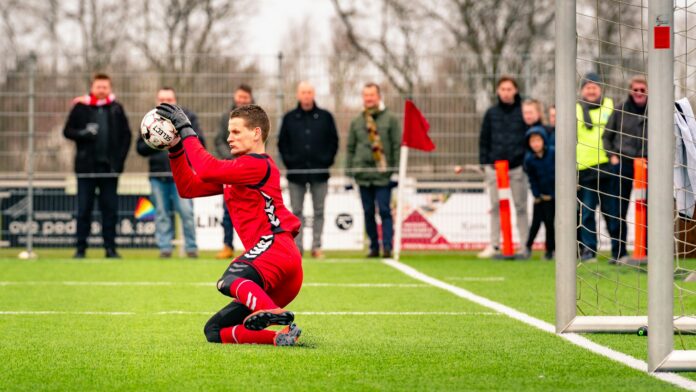
    Johannes Stadler, goalkeeper coach at 1. FC Nürnberg, standing inside the club’s stadium during a training day.
    Johannes Stadler at 1. FC Nürnberg, where he works as a goalkeeper coach at the highest domestic level. His work focuses on holistic development, combining performance, mentality and modern coaching methods.

    In modern women’s football, goalkeeper development is no longer about reacting to shots alone. It is about decision-making, anticipation, leadership and the ability to perform under constant pressure. Johannes Stadler represents a new generation of goalkeeper coaches who combine data, structure and human connection to unlock potential that often remains unseen.

    In modern women’s football, goalkeeper development is no longer about reacting to shots alone. It is about decision-making, anticipation, leadership and the ability to perform under constant pressure.

    At just 26, Stadler is already working at the highest domestic level as a goalkeeper coach at 1. FC Nürnberg, with a clear reputation for developing goalkeepers in a systematic, performance-driven and highly individualised way. His work stands out for its holistic approach, integrating technical excellence, mental development and data-based analysis. Cases such as the rapid development of Larissa Rusek, who progressed from a regional environment to a move to Juventus, underline his ability to identify underrated talent and guide goalkeepers toward elite performance pathways.

    Our exclusive interview with Johannes Stadler

    You are currently working as a goalkeeper coach at 1. FC Nürnberg, with a strong focus on developing female goalkeepers. How would you describe your role and responsibilities within the club environment?

    I understand my role as a goalkeeper coach at 1. FC Nürnberg in a very holistic way. A central focus lies on the individual development of our goalkeepers, technically, tactically and athletically. This includes position-specific training, match preparation and detailed analysis of training sessions and match situations.

    In addition, I see myself as a trusted contact and mentor, as I believe it is essential in football to support goalkeepers not only from a sporting perspective, but also mentally.

    Another key part of my work is close collaboration with the coaching staff, the athletic performance and physiotherapy departments, as well as the analysis team, to ensure the best possible development of each individual player.

    Overall, my goal is to create an environment in which our goalkeepers can develop in a performance-oriented, confident and sustainable way. I am also responsible for the team’s defensive set pieces. I plan and implement structures for corners, free kicks and other dead-ball situations, analyse opponents’ patterns and work specifically on organisation, communication and decision-making.

    Your pathway includes experience as a team coach in the junior sector as well as goalkeeper coach across women’s, men’s and youth football. How has this broad background shaped your understanding of goalkeeper development today?

    My pathway across different areas of football has strongly shaped my perspective on goalkeeper development. My time as a head coach in the youth sector, in particular, helped me to understand the game and the work within a complete team context. I learned how individual positions, units and personalities interact, and how communication and role distribution influence overall performance.

    This experience allows me to develop the goalkeeper position not in isolation, but always in connection with the team, the game model and the demands of the coaching staff. As a result, I can align my work as a goalkeeper coach with the needs of the entire team while strengthening the goalkeeper’s role within it.

    My experience in women’s, men’s and youth football has also shown me that while the framework conditions may differ, the principles of goalkeeper development remain universal. Continuous improvement requires an individual approach that considers performance level, personality and physical characteristics. These experiences enable me to structure training content around clear development steps and help goalkeepers progress both athletically and mentally.

    One recent example of your work is the development of Larissa Rusek, who progressed significantly within a short period and later moved on to Juventus. What does this case say about your approach to identifying and unlocking potential?

    The example of Larissa illustrates very clearly how I approach goalkeeper development in my daily work. From the beginning, the focus was on identifying her potential, developing her strengths in a targeted way and simultaneously working on areas with room for improvement. This requires an individual approach, clear development goals and a close integration of training, analysis and match practice.

    Her rapid progress within a relatively short period of time was no coincidence, but the result of consistent, structured work combined with her own strong willingness to improve every day.

    At the same time, it was important for me to give her confidence and provide mental support so that she could act courageously and take responsibility. Her rapid progress within a relatively short period of time was no coincidence, but the result of consistent, structured work combined with her own strong willingness to improve every day. Her subsequent move to Juventus confirms how effective a clear, individually tailored development strategy can be within a trusting and performance-oriented environment.

    You are known for discovering underrated goalkeepers and recognising qualities others may overlook. What specific indicators do you look for when scouting goalkeepers beyond obvious performance metrics?

    When scouting goalkeepers, I look far beyond classic performance metrics such as save statistics. Mental and personal qualities are particularly important to me. How does a goalkeeper react under pressure? How does she communicate with the defensive line and take responsibility during the game? How committed and eager to learn is she in training?

    In addition, technical and athletic aspects such as movement efficiency, anticipation of game situations and the ability to read and control the game from the back are key elements of my scouting process. Learning ability, adaptability and the capacity to learn quickly from mistakes are also crucial indicators. Often, it is these hidden qualities that make the long-term difference and turn a good goalkeeper into an outstanding one.

    Data plays an increasingly important role in modern goalkeeper scouting and development. How do you integrate data analysis with on-pitch observation and coaching intuition in your daily work?

    In my daily work, I see data analysis, on-pitch observation and personal coaching intuition as complementary pillars. Data provides objective insights into areas such as playing behaviour and save percentages, helping to identify patterns and make development measurable.

    At the same time, direct observation on the pitch remains essential, as it reveals technical details, movement patterns and mental reactions that cannot be captured by numbers alone. My coaching intuition connects these two levels. I use data as a foundation, place it within the context of the game and base targeted training and individual development decisions on it. This creates a holistic approach in which each goalkeeper is optimally supported.

    Your training philosophy follows the principle of “fördern durch fordern”. How do you balance high demands with creating an environment in which goalkeepers feel valued, confident and supported?

    My training philosophy of “challenging in order to develop” means setting clear, high expectations while creating an environment in which goalkeepers feel safe and valued. High demands encourage development, concentration, commitment and personal responsibility, without applying pressure that inhibits performance.

    To maintain this balance, I individualise each training session, make progress visible and use positive feedback in a targeted way. Mistakes are viewed as learning opportunities rather than criticism, and goalkeepers know that I support them throughout their development journey. This creates an environment in which they act courageously, make confident decisions and continuously develop their abilities.

    You structure your goalkeeper training around the WASIC model with a strong focus on situational decision-making. Why is this situational component so central to your development philosophy?

    The WASIC model provides a highly structured yet flexible foundation for goalkeeper development, as it covers all relevant training phases, from warm-up and analytical training to situational and integrated training, followed by cool-down. The situational component is particularly central for me, as goalkeepers do not operate in isolation during matches but must constantly make decisions under changing conditions.

    Situational training therefore goes beyond pure technique and focuses on decision-making processes, anticipation and game understanding in realistic, match-related scenarios. This approach prepares goalkeepers optimally for real game situations and ensures that learned skills transfer seamlessly into match performance.

    Beyond classic goalkeeper technique, you place emphasis on strength training, coordination, mobility, load management and video analysis. How important is this holistic approach in preparing goalkeepers for top-level football?

    A holistic approach is essential to preparing goalkeepers for the highest level. While classic goalkeeper technique forms the foundation, it is not sufficient on its own to meet the demands of the Bundesliga. Strength training, coordination, mobility and targeted load management ensure physical stability, injury prevention and sustained performance.

    At the same time, video analysis and reflective feedback allow for targeted development of decision-making, game understanding and anticipation. Only when technique, athleticism, mental strength and tactical understanding work together can a goalkeeper fully realise her potential and perform consistently at the highest level.

    At just 26, you already hold multiple licences across coaching, athletic training, nutrition and recovery. How does continuous self-optimisation influence the way you lead and coach your goalkeepers?

    Continuous self-optimisation is not only a personal mindset for me, but a central element of my work as a goalkeeper coach. Ongoing education allows me to constantly expand my knowledge and keep my methods up to date.

    I pass this mindset directly on to my goalkeepers by demonstrating the importance of learning, reflection and continuous development. At the same time, my broad expertise enables me to identify individual needs early and implement tailored development measures. This combination creates an environment in which goalkeepers are motivated to continuously maximise their potential.

    Looking ahead, what is your long-term vision as a goalkeeper coach, and how do you want to be perceived within elite women’s football in the years to come?

    My long-term vision is to develop goalkeepers at the highest level and help them realise their full potential. I want to be perceived as a coach who not only strengthens players on the pitch, but also supports them in the long term, inspires them and helps shape them into confident personalities.

    My goal is to contribute to elite women’s football by building sustainable development pathways and by being known for producing goalkeepers who are technically strong, mentally resilient and prepared for the demands of top-level competition.

    AFCON 2025 in Morocco: Success, Controversy and Legacy

    0
    AFCON 2025 trophy ceremony in Morocco showcasing African nations, stadium spectacle and continental football unity.
    The AFCON 2025 trophy stands at the centre of a landmark tournament in Morocco that redefined scale, ambition, and delivery in African football. A moment symbolising both sporting excellence and continental progress. Image courtesy of Yassine Toumi.

    Introduction

    Four weeks of African football, a triumph in chaos and a controversial aftermath, Those were the headlines of the 2025 Africa Cup of Nations, which took place in Morocco from December 21st to January 18th.

    The Kingdom welcomed Africa’s finest teams across six cities, delivering world-class infrastructure, seamless coordination, and a genuine hospitality that drew praise from CAF leadership and international observers alike.

    The tournament shattered commercial records and proved Morocco’s readiness to host the 2030 FIFA World Cup. Yet the celebration has been overshadowed by the dramatic chaos of the final between Morocco and Senegal, followed by substantial disciplinary sanctions

    Despite falling short of lifting the trophy and facing penalties for the final’s incidents, Morocco achieved something more enduring: it demonstrated Africa’s capacity to deliver high-level international sporting events on par with international standards.

    Despite falling short of lifting the trophy and facing penalties for the final’s incidents, Morocco achieved something more enduring: it demonstrated Africa’s capacity to deliver high-level international sporting events on par with international standards.

    Infrastructure Proving Morocco’s Global Credentials

    Morocco’s infrastructure readiness emerged as the tournament’s most compelling validation.

    The six host cities, Rabat with its four stadiums, Casablanca, Tangier, Marrakech, Fez, and Agadir, operated with precision that matched international standards, seamlessly managing massive crowds and complex logistics throughout the competition.

    State-of-the-art stadiums provided venues capable of hosting any major tournament, while Al Boraq, Africa’s only high-speed rail service, efficiently connected major cities.

    Extensive airport networks ensured smooth international travel for tens of thousands of visitors.

    Also, security coordination was praised by international observers, including FBI delegations who monitored Morocco’s crowd control systems and capabilities.

    On the other hand, five of the six stadiums designated for the 2030 FIFA World Cup were successfully tested during AFCON, demonstrating Morocco’s readiness for football’s biggest stage.

    The Kingdom compressed what would typically require a decade of development into just twenty-four months, showing that it can host global sporting events at the highest level.

    A Commercial Revolution For African Football

    AFCON 2025 transformed African football’s commercial landscape, generating unprecedented revenue growth that positioned the tournament alongside the premier sporting events.

    The number of commercial sponsors tripled compared to recent editions, attracting major international brands from Turkey, the United States, China, Japan, and the European Union.

    Long-term partners renewed their commitments while new entrants recognized the growing opportunity in African football.

    Perhaps most significantly, CAF ventured into digital territory through eAFCON, partnering with Konami’s eFootball to mark the confederation’s first entry into eSports and engage younger, tech-savvy audiences worldwide.

    This commercial success demonstrated that when properly managed and strategically positioned, African football can command serious attention and investment from the global sports industry.

    Senegal’s Sadio Mané challenges Morocco’s Brahim Díaz during the AFCON 2025 final in Morocco.
    A decisive on pitch duel during the AFCON 2025 final between Senegal and Morocco that preceded one of the tournament’s most controversial endings. Image courtesy of Yassine Toumi.

    The Final: Chaos On The Pitch

    The final between Morocco and Senegal became one of the tournament’s most controversial moments.

    The match was disrupted when the referee called a foul that canceled a Senegal goal in the stoppage time. Shortly after, he pointed to the penalty spot after Senegal’s El Hadji Malick Diouf pulled down Morocco’s Brahim Díaz in the box.

    Senegal’s coach instructed his players to leave the field in protest, halting play for ten minutes while security managed disturbances in the stands. During the interruption, Moroccan staff members entered the VAR review area to contest decisions, while ball boys allegedly delayed returning the ball to Senegalese players.

    Security personnel intervene as Senegal supporters gather near the pitch during the AFCON 2025 final.
    CAF disciplinary sanctions followed incidents involving supporters and officials during the AFCON 2025 final in Morocco. Image courtesy of Yassine Toumi.

    When the match resumed, Díaz attempted a panenka and missed the penalty. In the extra time, Senegal’s Pape Gueye scored the winning goal to secure the title. FIFA President Infantino condemned the incidents, and Morocco filed a formal complaint with CAF regarding Senegal’s walkoff and other alleged violations. The final highlighted tensions that would later result in disciplinary action against both federations.

    The tournament shattered commercial records and proved Morocco’s readiness to host the 2030 FIFA World Cup.

    CAF’s Verdict: Heavy Sanctions On Both Nations

    Ten days after the final, CAF’s Disciplinary Board imposed significant financial penalties and suspensions on both federations.

    Senegal received substantial fines for supporter misconduct, unsporting conduct by players and staff, and accumulated cautions during the match.

    Pape Thiaw, Senegal’s head coach was also fined and suspended for five official CAF matches and fined, while other players received two-match bans for their behavior toward match officials.

    Morocco, on the other hand, faced considerable fines for inappropriate conduct by ball boys, players invading the VAR area to obstruct the referee’s work, and laser use by supporters.

    Captain Achraf Hakimi received a two-match suspension, while midfielder Ismaël Saibari was handed a three-match ban and a usd 100.000,00 fine.

    CAF rejected Morocco’s formal protest against Senegal, closing the book on the tournament’s most contentious chapter.

    The sanctions sparked debate in both nations about the proportionality and consistency of CAF’s disciplinary standards.

    Economic Impact And Enduring Legacy

    Beyond the drama and sanctions, AFCON 2025 delivered tangible economic benefits that will reshape Morocco’s development trajectory.

    The tournament generated significant multiplier effects across the economy, contributing to robust GDP growth and creating tens of thousands of jobs.

    Domestic consumption surged during the competition as visitors filled hotels, restaurants, and shops across host cities.

    International football stars, including Egypt’s Mohamed Salah, publicly commended Morocco for delivering the best-organized competition they had experienced in Africa.

    The Kingdom’s tourism infrastructure proved capable of absorbing the surge in arrivals, positioning Morocco to achieve its ambitious visitor targets for the coming decade.

    AFCON 2025 validated Morocco’s broader development model: strategic infrastructure investment, professional event management, and leveraging sports to enhance global reputation and attract sustained international attention.

    Conclusion: Losing The Trophy, Winning The Future

    Morocco’s AFCON 2025 journey ended without the trophy the nation desperately sought, and the subsequent sanctions on both federations added an unwelcome postscript.

    Yet the Kingdom accomplished something potentially more valuable: it demonstrated that African nations possess the vision, capacity, and sophistication to deliver sporting events that meet the highest global standards.

    The tournament’s commercial success, operational excellence, and infrastructural readiness created a new template for what’s possible when strategic planning meets sustained investment.

    Morocco proved that African nations can set their own standards.

    While Senegal claimed the championship, Morocco’s organizational achievement resonates far beyond the final score. The blueprint for African sporting excellence now exists, written across six Moroccan cities through meticulous preparation and flawless execution.

    Morocco proved that African nations can set their own standards. The Atlas Lions may not have lifted the trophy, and the financial penalties serve as a reminder of work still to be done. However, Morocco elevated something more significant: it raised the continent’s ceiling of possibility and established itself as the standard-bearer for African ambition on the world stage.

    Qui est Norberto Rodrigues Da Silva?

    0
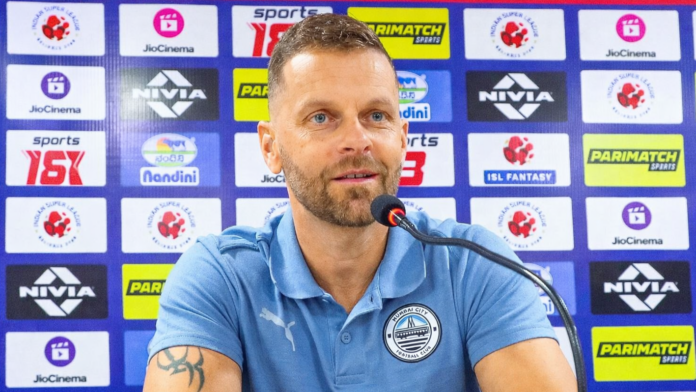
    Norberto Rodrigues Da Silva gives tactical instructions to youth players during a training session on the pitch.
    Norberto Rodrigues Da Silva working closely with young players on the training ground, translating methodology into clear, practical guidance. A snapshot of his hands-on approach to player development and coaching education.

    Parcours et rôle au Maroc

    Norberto Rodrigues Da Silva est un technicien franco-portugais du football au parcours international, aujourd’hui pleinement engagé dans le développement du football marocain. Cadre technique de la Fédération Royale Marocaine de Football (FRMF), il dirige le centre de formation du CODM de Meknès (Botola Pro – 1e div.), où il pilote le projet de formation inscrit dans le dispositif fédéral.

    Dans ce cadre fédéral reliant les pôles espoirs aux clubs partenaires, il organise la formation des U13 à U21 de CODM et développe les compétences des entraîneurs afin d’unifier les méthodes. Sa mission s’inscrit dans une volonté nationale: développer des joueurs formés localement capables d’intégrer les équipes nationales, encore largement composées de binationaux.

    Développer des joueurs formés localement capables d’intégrer les équipes nationales.

    Fort de ses expériences au Portugal, en France et au Maroc, Norberto a façonné une approche structurée. Il accorde une importance centrale au comportement, en cherchant à développer des joueurs réactifs, disciplinés et performants dans toutes les phases du jeu. Sa méthodologie repose sur une organisation précise, chaque séance, semaine ou cycle étant construit autour d’un principe unique pour favoriser une progression cohérente. Enfin, il mise sur le potentiel naturel des jeunes marocains, qu’il s’emploie à transformer en compétence professionnelle grâce à un cadre de formation structuré et exigeant.

    Ancien Directeur Technique du SC Braga, passé également par Benfica et formateur d’entraîneurs UEFA A à la FFF,, il a développé une expertise solide dans la gestion de projets de formation, l’analyse du jeu et l’accompagnement des coachs. Il maîtrise également les nuances entre cultures footballistiques: au Portugal, la formation privilégie le collectif et l’identité de jeu; en France, elle met davantage l’accent sur l’individu, la performance athlétique, parfois au détriment de la dimension tactique.

    Installé au Maroc, Da Silva souhaite poursuivre la structuration du centre du CODM de Meknès et reste ouvert à de futurs projets sur d’autres continents afin d’enrichir continuellement sa vision du football.

    Chaque séance, semaine ou cycle étant construit autour d’un principe unique pour favoriser une progression cohérente.

    Notre Interview exclusive

    Vous faites partie du cadre technique de la Fédération Royale Marocaine de Football (FRMF) en tant que directeur du centre de formation du CODM. En quoi consiste précisément ce rôle et quelles sont vos principales missions ?

    Je suis cadre technique à la Fédération et détaché en tant que directeur du centre de formation du CODM de Meknès. Dans le système marocain, nous avons plusieurs missions: travailler avec les centres, les pôles espoirs, les structures fédérales, et accompagner les clubs auxquels nous sommes assignés. Au CODM, nous encadrons les U13 à U21, soit environ 140 joueurs, avec un staff composé de deux préparateurs physiques, deux analystes vidéo et deux entraîneurs des gardiens. L’objectif est clair: sortir des jeunes pour les équipes nationales et former les coaches afin de structurer durablement le club et le football local.

    Quels sont les objectifs prioritaires fixés par la Fédération en matière de formation des entraîneurs et des jeunes joueurs ?

    Nous mettons surtout l’accent sur le développement individuel du jeune joueur. Aujourd’hui, les sélections nationales de jeunes sont composées en grande partie de binationaux formés à l’étranger, donc l’un des objectifs prioritaires est de former davantage de joueurs ici au Maroc, pour qu’ils puissent intégrer les équipes nationales dès les catégories inférieures.

    Après la victoire récente du Maroc en Coupe du Monde u20, quelles mesures mises en place par la FRMF ont eu un impact sur ce succès ?

    Le niveau d’exigence et d’ambition a clairement augmenté. Ce n’est pas courant de voir une équipe africaine remporter une Coupe du Monde U20; cela crée une pression positive et renforce l’idée de performer dans toutes les catégories. Il faut aussi souligner que, même avant ce titre, le Maroc avait déjà beaucoup investi dans les structures techniques et humaines. Aujourd’hui, on ressent pleinement les effets de ces efforts: une dynamique forte, de l’engagement et une vraie volonté collective de progresser.

    Vous avez coaché en France et au Portugal. Quelles différences majeures observez-vous dans la formation des jeunes ?

    Au Portugal, on travaille avant tout sur le collectif, l’identité du club et la culture de jeu, tout en développant l’individu.

    En France, l’accent est davantage mis sur l’individualité, avec l’objectif de faire émerger des talents. L’identité collective y est parfois moins affirmée.

    Cela se ressent dans les comportements: les joueurs portugais sont généralement plus malléables et s’intègrent facilement au collectif ; les joueurs français, formés avec un focus individuel, peuvent être un peu moins altruistes. Cela peut rendre la gestion de groupe plus délicate. C’est ce que j’ai observé dans mes expériences.

    En tant que Directeur Technique du SC Braga, quelle était votre philosophie de formation et comment l’appliquez-vous ?

    Comme ici, je donnais une importance essentielle au comportement et à l’attitude du joueur.

    Je m’intéresse autant à ce qu’il fait avec ballon qu’à ce qu’il fait sans ballon, notamment dans les phases de transition. Je suis très attentif à ces détails.

    Avant chaque séance, les entraîneurs doivent définir une seule consigne claire: un principe par séance, par semaine ou par cycle, avec différentes variantes pour renforcer l’apprentissage. Je ne me limite pas au volet technique: j’observe la réaction du joueur lorsqu’il perd la balle. Se replace-t-il? Montre-t-il de l’agacement? On veut éviter les comportements “parasites”.. Mon objectif est d’éliminer ces attitudes pour le rendre plus compétitif. Le haut niveau ne laisse aucune marge: il exige une réaction immédiate. C’est un point sur lequel j’insiste beaucoup auprès des entraîneurs.

    Au Maroc, beaucoup de jeunes ont un talent naturel incroyable, souvent acquis dans le football de rue. Notre rôle est de leur offrir des structures adaptées pour qu’ils puissent intégrer des clubs formateurs et exploiter pleinement ce potentiel.

    Vous avez entraîné Portomosense en 3e division portugaise. Que pouvez-vous nous dire sur ce championnat ?

    C’était une aventure humaine exceptionnelle, malgré des moyens limités. Il y avait une vraie volonté de progresser, mais certains aspects, ne nous ont pas permis d’aller plus loin.

    Beaucoup de joueurs de ce championnat sont de jeunes éléments qui n’ont pas encore franchi le cap professionnel et qui sont prêtés pour avoir du temps de jeu. Le niveau se rapproche du bas de tableau du National ou de la National 2 en France.

    En tant que formateur d’entraîneur à la FFF, comment le rôle de l’entraîneur a-t-il évolué ?

    On observe une évolution nette: de nouveaux profils arrivent, pas forcément d’anciens joueurs, mais des jeunes motivés qui souhaitent tenter leur chance dans le métier. Beaucoup disposent déjà de bases pédagogiques solides, ce qui est très intéressant pour le football français. Ces profils peuvent ensuite évoluer vers d’autres rôles du sport, analyse vidéo, data, scouting, mais ils recherchent de plus en plus une formation d’entraîneur, car elle leur permet de mieux comprendre le jeu et d’avoir une vision plus globale. C’est une tendance forte, moderne, et très positive pour l’avenir du football.

    Vous avez entraîné dans plusieurs clubs d’Île-de-France. Que pensez-vous du vivier francilien et de la rigueur du football français ?

    Le vivier parisien est tout simplement exceptionnel. Dans n’importe quel club, à n’importe quel niveau, vous trouverez un bon joueur. Dans l’équipe de la Coupe du Monde U17, j’en ai entraîné 4, 4 en U20. Environ 70 % des joueurs des sélections de jeunes viennent de Paris. Des clubs comme l’ACBB, Montrouge, le Racing, Issy sortent des joueurs chaque année. La saison passé, à Clairefontaine, sur 21 joueurs d’une promotion, cinq viennent du département 92. Cette richesse vient de la mixité culturelle, qui produit des joueurs très forts individuellement. Mais tactiquement, ils sont parfois moins avancés que les jeunes portugais, qui sont baignés très tôt dans la compréhension du jeu.

    Quels sont vos projets ou ambitions pour les prochaines années ?

    Je me sens très bien ici. Je veux continuer à développer ce centre en y intégrant la méthodologie et celle de la Fédération marocaine. Je pense que ce mélange peut vraiment bien fonctionner. J’aime cette culture et la manière dont on vit le football ici. Plus tard, j’aimerais peut-être découvrir un autre continent. Je souhaite continuer à enrichir mes connaissances au contact de différentes cultures footballistiques. Je connais bien l’Europe, et j’ai des collègues qui sont partis au Moyen-Orient, en Arabie Saoudite, pourquoi pas. Je ne me fixe aucune limite.

    5 Activaciones De Marca Que Redefinieron El Marketing En El Fútbol

    0
    Children playing street football in an urban setting, reflecting grassroots engagement and community impact in the football ecosystem.
    Grassroots football remains a powerful platform for brands seeking authentic community engagement and cultural relevance beyond traditional sponsorship assets. Photo by Şahin Sezer Dinçer on Unsplash.

    Las marcas no invierten millones en fútbol solo porque “todo el mundo lo ve”. Lo hacen porque el fútbol es uno de los pocos territorios culturales capaces de generar atención, emoción y pertenencia de forma simultánea. A diferencia de otros espacios de entretenimiento, el fútbol no se consume de manera pasiva: se vive, se defiende, se hereda. Para una marca, entrar en la industria es más que comprar visibilidad, es negociar un lugar en la identidad de las personas.

    Sin embargo, el logo en la camiseta o el banner LED hace tiempo dejaron de ser suficientes. La saturación publicitaria y las nuevas preferencias de los fans obligaron a las marcas a evolucionar. Hoy, el verdadero valor del marketing deportivo está en las activaciones de marca: experiencias, programas y acciones que transforman el patrocinio en algo tangible, útil y emocionalmente relevante.

    Hoy, el verdadero valor del marketing deportivo está en las activaciones de marca: experiencias, programas y acciones que transforman el patrocinio en algo tangible, útil y emocionalmente relevante.

    A continuación, hablamos de 5 activaciones en la industria del fútbol que demostraron cómo una marca puede generar un impacto real.

    Lay’s RePlay: de empaques a canchas

    Lay’s (PepsiCo), en alianza con UEFA Foundation for Children, lanzó RePlay, un programa global de construcción de canchas de fútbol 5 en comunidades con poco acceso a infraestructura deportiva, utilizando materiales reciclados y vinculando el proyecto al reaprovechamiento de empaques. Las canchas construidas en Egipto, Suráfrica, Inglaterra, Brasil, Italia, México y Estados Unidos no son un gesto simbólico aislado, sino parte de una red de espacios acompañados por programas comunitarios y alianzas locales que garantizan su uso y mantenimiento.

    Impacto desde la comunicación: este proyecto deja ver la sostenibilidad como una inciativa tangible, no solamente como un concepto. La marca no “habla de propósito”, lo construye literalmente para traer bienestar, salúd y felicidad a través del fútbol a comunidades con pocas oportunidades.

    Lay’s se posiciona como una marca que vela por la sostenibilidad, reusando empaques para ponerlos al servicio de las personas. Además, la apertura de cada cancha es un hito global de relaciones públicas y mediáticas.

    UEFA refuerza su eslógan “football for good” con iniciativas reales, no sólo campañas. También extiende el valor de sus competencias (UCL, UEL, UECL Y Supercopa) fuera de los estadios.

    La comunidad se beneficia con esta iniciativa ya que tienen acceso al deporte más popular del mundo, mejorando su actividad física y compartiendo con otras personas. La felicidad de jugar al fútbol los hace olvidar por unos momentos de las realidades en las que viven.

    Heineken x UEFA Champions League: Trust Bars

    Heineken detectó un problema bien específico: en Corea del Sur, muchos partidos de Champions caen a horas absurdas (madrugada) y la gente termina viéndolos sola en casa. La activación fue abrir bares seleccionados 24/7 donde, en lugar de staff, los dueños literalmente “confían” las llaves al público: autoservicio de Heineken y snacks, y el bar funciona como punto de encuentro para ver los partidos a cualquier hora. Un aspecto clave fue que la marca se adaptó a la cultura de confianza, seguridad y transparencia surcoreana, permitiéndole a +30.000 personas disfrutar de la mejor competición a nivel de clubes del mundo.

    Impacto desde la comunicación: ejemplo perfecto de cuando una marca deja de decir que entiende al fan y de verdad le arregla la vida. Es comunicación plasmada en un producto y una experiencia, no por discurso.

    Con esta iniciativa, Heineken aumenta la venta de sus productos en un “horario muerto”, además de generar confianza en sus consumidores, posicionandose como una marca que cree en las personas.

    UEFA mejora experiencia del fan en mercados lejanos al europeo, lo cual es clave para crecimiento global. También refuerza el evento como ritual social, no solo contenido de TV.

    Las personas se benefician de esta iniciativa ya que pueden disfrutar del mejor fútbol del mundo y ver a sus ídolos disfrutando de un ambiente social.

    Adidas x Parley: camisetas hechas con plástico marino

    Adidas redefinió el concepto de sostenibilidad cuando formalizó una alianza con Parley, organización mundial del medio ambiente, potenciando el objeto más sagrado para los hinchas del fútbol: la camiseta de su equipo. Diferentes equipos alrededor del mundo (Real Madrid, Bayern Munich y equipos de la MLS) usaron kits especiales de Adidas hechos con plástico marino reciclado en partidos puntuales para crear conciencia. Con camisetas hechas a partir de botellas/plástico recuperado del oceano, se crearon acciones puntuales con clubes y un marco de iniciativa mayor para concientizar a las personas de la importancia que tienen los oceanos para el planeta, y porque debemos cuidarlos.

    Impacto desde la comunicación: la camiseta (uniforme) de competencia de un equipo es un “totem” para el hincha, es lo más sagrado. Al fusionar el uniforme con una causa, los jugadores y fans se convierten en portadores del mensaje. Es una activación que vive en cancha y en la calle.

    Adidas logró un incremento en sus ventas a través de un producto innovador que los hinchas (y las personas del común) compraron ya que sintieron que aportaron al cuidado de los oceanos. Además, la marca obtiene una alta visibilidad en los partidos a través de la narrativa, y gana credibilidad por la alianza con una organización ambiental.

    Los clubes ganan reputación ya que se suman a una iniciativa por el cuidado de nuestro planeta, y obtienen PR y contenido global sin depender del resultado del partido.

    Las personas adquieren conciencia ambiental a través de un símbolo masivo (el fútbol), y se genera un cambio de hábitos como el no tirar plástico en los oceanos.

    Las activaciones de marca bien ejecutadas construyen experiencias, resuelven tensiones reales y materializan el propósito.

    Otras acciones alrededor del mundo

    Santander x CONMEBOL Libertadores

    Santander entendió algo básico: en Sudamérica, la Libertadores no se mira, se sufre. Su activación no se centró en un stunt único, sino en una plataforma regional continua que incluye:

    • Branding narrativo alrededor del concepto de gloria, sacrificio y legado.
    • Activaciones presenciales en finales y partidos clave (fan zones, trofeo, experiencias).
    • Contenido emocional que conecta banca, progreso personal y épica futbolera.

    ¿Por qué importa?

    No intenta “modernizar” al fan sudamericano. Lo respeta. La marca se adapta al tono cultural del torneo.

    Total Energies x AFCON Cup of Nations

    TotalEnergies no se limitó al naming. Construyó una plataforma que conecta:

    • Fan zones en ciudades sede.
    • Programas de apoyo a fútbol base y juventud.
    • Narrativa de “energía” aplicada al desarrollo del continente, no solo al torneo.

    ¿Por qué importa?

    El patrocinio se alinea con una idea macro: el fútbol como motor social africano.

    Scotiabank x CONCACAF

    Scotiabank construyó una plataforma de patrocinio enfocada en:

    • Programas de fútbol juvenil y comunitario.
    • Activaciones en mercados multiculturales (Canadá, Caribe, Centroamérica).
    • Narrativa de inclusión y progreso a través del deporte.

    ¿Por qué importa?

    En CONCACAF, el reto no es la pasión, es la fragmentación cultural. La marca actúa como conector.

    Estas activaciones demuestran que el valor del marketing deportivo ya no está en “estar presente”, sino en ser relevante. Las marcas que triunfan en el fútbol son aquellas que entienden que el patrocinio es solo el punto de entrada, no el objetivo final.

    Las activaciones de marca bien ejecutadas construyen experiencias, resuelven tensiones reales y materializan el propósito. Generan beneficios comerciales, fortalecen a las entidades deportivas y, sobre todo, dejan algo tangible en la vida de las personas. En un contexto donde la atención es escasa y la desconfianza hacia la publicidad es alta, las activaciones son el verdadero campo de juego donde las marcas se ganan su lugar en la cultura del fútbol.

    Descubre más acerca de estas iniciativas

    Alianza Lays x UEFA

    Alianza Heineken x UEFA

    Alianza Adidas x Parley

    What is Soccerex Europe?

    0
    Soccerex Europe setup inside the Johan Cruyff Arena in Amsterdam ahead of the football business conference.
    Soccerex Europe at the Johan Cruyff Arena showcases how elite football venues transform into global meeting points for the business of the game. Amsterdam continues to set the stage for industry leadership and innovation.

    Soccerex Europe Returns to Amsterdam in May 2026 at the Johan Cruyff Arena

    Amsterdam, Netherlands. Soccerex, the world’s leading football business platform, has today confirmed that Soccerex Europe will return to Amsterdam in May 2026, hosted once again at the iconic Johan Cruyff Arena.

    The 2026 edition marks the third consecutive Soccerex Europe event in Amsterdam, reinforcing the city’s status as one of global football’s most influential hubs for innovation, governance, and commercial leadership. Following the success of previous editions, Soccerex Europe 2026 will bring together senior decision-makers from across the football ecosystem, including clubs, leagues, federations, investors, brands, and technology leaders.

    The 2026 edition marks the third consecutive Soccerex Europe event in Amsterdam, reinforcing the city’s status as one of global football’s most influential hubs for innovation, governance, and commercial leadership.

    Amsterdam’s rich football heritage and progressive outlook continue to make it the ideal home for Soccerex Europe. The event builds on the spirit of the previous editions, which proudly carried the tagline “Total Football’s Coming Home”, celebrating the city’s enduring influence on how the game is played, managed, and commercialised around the world.

    Soccerex Europe 2026 Programme and Themes

    Across two days, Soccerex Europe 2026 will feature a high-level conference programme, curated networking experiences, an international exhibitor showcase, and exclusive content produced for Soccerex TV. Key themes will include football governance, investment and ownership, commercial growth, infrastructure and stadia development, fan engagement, performance innovation, and the future of the global game.

    The Johan Cruyff Arena

    The Johan Cruyff Arena once again provides a fitting stage for the event, offering a world-class venue at the intersection of elite sport, technology, and business. Attendees can expect an immersive experience designed to foster meaningful connections, strategic partnerships, and informed debate around the issues shaping football’s future.

    Official Statement

    Garrett Navia, Managing Director of Soccerex, said:

    “We’re incredibly excited to be bringing Soccerex Europe back to Amsterdam for a third time. The Johan Cruyff Arena provides an unrivalled setting to host two days of world-class content, high-level networking, and a truly international exhibition. Attendees can expect engaging discussions on the issues shaping football’s future, innovative activations across the venue, and curated social evenings that create the environment for meaningful relationships to form. Soccerex Europe 2026 will be our most dynamic and connected Amsterdam edition yet.”

    Soccerex Europe 2026 will be our most dynamic and connected Amsterdam edition yet.

    Further announcements regarding speakers, partners, exhibitors, and ticketing will be made in the coming months.

    For more information and to register interest, please visit www.soccerex.com.

    About Soccerex

    Soccerex is the world’s leading football business event platform, connecting the global football industry through conferences, exhibitions, media, and networking. For over 25 years, Soccerex has brought together the most influential stakeholders in the game to shape its commercial, strategic, and institutional future.

    Media Contact

    press@soccerex.com

    Who is Cenk Ergün?

    0
    Cenk Ergün standing inside a football stadium, reflecting his role as a senior executive in elite club management.
    Cenk Ergün brings extensive experience in football governance, transfer strategy, and club leadership at the highest level. His career reflects the evolving demands of modern football executives.

    Background and executive profile

    Cenk Ergün is one of the most influential football executives in modern Turkish football, widely respected for his long standing leadership roles at Galatasaray and his ability to combine administrative expertise with strategic sporting vision. Born in Bursa in 1974, Ergün has spent more than two decades at the highest levels of professional football, contributing to club operations, transfer strategy, squad planning, and long term structural development.

    After studying at Koç University, where he built a strong foundation in management and organisation, Ergün joined Galatasaray in the early 2000s. Over the years, he progressed through several key positions including Team Manager, Administrative Manager, and later Director of Football. His deep understanding of club culture, internal processes, and competitive expectations made him a central figure within the organisation during multiple championship cycles.

    Ergün played an important role in managing complex transition phases, overseeing high profile transfers, contract negotiations, and the daily operational framework around the first team. He was known internally for his structured approach, attention to detail, and ability to maintain stability in demanding environments.

    He returned to Galatasaray in 2022 as Director of Professional Football, where he focused on strengthening the squad, maintaining competitive standards at the highest level, and supporting the gradual integration of academy players into the senior structure. His work during this period reflected a balance between short term performance objectives and longer term sustainability.

    Having lived and worked across different football cultures, including experience in Europe and Saudi Arabia, Ergün combines international perspective with a deep understanding of the Turkish football ecosystem. As of 2026, he is no longer active at Galatasaray and is open to new professional challenges where his experience, leadership, and strategic mindset can add value to ambitious football projects.

    Today, Cenk Ergün is regarded as a pragmatic, detail oriented football executive who believes in structure, clear processes, and responsible decision making. His profile reflects a professional capable of navigating the complex realities of modern football while remaining focused on long term sporting and organisational success.

    Today, Cenk Ergün is regarded as a pragmatic, detail oriented football executive who believes in structure, clear processes, and responsible decision making.

    Our exclusive interview with Cenk Ergün

    You have held multiple leadership roles at Galatasaray over two decades. How has your long-term connection with the club shaped your vision for building competitive teams year after year?

    Spending such a long period inside one club teaches you that success is never accidental. My connection with Galatasaray allowed me to understand the importance of continuity, culture, and institutional memory. Building competitive teams year after year is not only about individual players or single transfer windows, but about maintaining clear standards, discipline, and a shared understanding of what the club represents.

    Being part of different cycles helped me see that stability behind the scenes is just as important as quality on the pitch. My vision was always shaped by the idea that competitive teams are built through consistency in decision making, trust between departments, and respect for the club’s identity.

    During your time as Director of Football, you oversaw both major transfers and important structural decisions. What guiding principles do you rely on when balancing immediate performance with long-term squad planning?

    The key principle is realism. A club must always know where it stands financially, structurally, and competitively. Immediate performance is important, especially at a club with high expectations, but it should never come at the cost of losing long term direction.

    I always believed in planning with multiple horizons in mind. Short term needs must be addressed, but every decision should also fit into a broader squad plan. This includes age balance, contract structures, and the development pathway for younger players. Good planning reduces risk and creates stability even in periods of pressure.

    Building competitive teams year after year is not only about individual players or single transfer windows, but about maintaining clear standards, discipline, and a shared understanding of what the club represents.

    You have spoken about the importance of integrating young academy players into the first-team environment. What qualities must a young player demonstrate for you to believe he is ready to make that step?

    Talent alone is never enough. A young player must show professionalism, discipline, and mental readiness. The first team environment is demanding, and players must be able to handle pressure, criticism, and responsibility.

    I always looked for players who understand their role, are willing to learn, and show consistency in training. Physical readiness is important, but mentality and attitude are decisive. Integration should be gradual and well supported, not rushed, so that young players can develop confidence without being overloaded.

    Having lived and worked across different football cultures, how have international experiences influenced your approach to leadership, communication, and managing the pressure of elite-level football?

    Working in different football cultures teaches you flexibility and respect. Leadership styles that work in one environment may not work in another. International experience helped me become more aware of communication, timing, and cultural sensitivity.

    At the elite level, pressure is constant. I learned that calm and clarity from leadership are essential. When people understand their responsibilities and trust the process, pressure becomes manageable. This applies to players, coaches, and staff alike.

    Modern football demands not only sporting success but also strong internal organisation. What do you consider the most important elements of a high-performing club structure behind the scenes?

    Clear roles, clear communication, and accountability are fundamental. A high performing club structure depends on cooperation between sporting, administrative, and financial departments. Everyone must understand the common objective and their contribution to it.

    I also believe that decision making processes should be transparent and efficient. When responsibilities are defined and trust exists within the organisation, the club can react faster and more effectively to challenges.

    Transfer periods bring both opportunity and pressure. Can you share how you and your team prepare strategically to ensure a football club remains competitive in the global market for talent?

    Preparation starts long before the transfer window opens. Scouting, financial planning, and internal evaluations must be continuous. A club should always know which positions need reinforcement and which profiles fit its sporting and economic framework.

    During the transfer period itself, discipline is crucial. Not every opportunity should be taken, and not every pressure should dictate decisions. Staying aligned with the club’s strategy, budget, and long term objectives allows a club to remain competitive without compromising stability.

    Control Without Ownership in Elite Football

    0
    Chess pieces arranged on a board symbolising strategic control and influence without direct ownership in modern football governance.
    Photo by Damiano Lingauri on Unsplash

    For decades, football economics appeared simple. Clubs bought players, developed them, and either kept them or sold them for profit. Ownership meant control, and transfer fees were the clearest measure of success. But, that logic no longer describes how the top of the game operates.

    Today, elite clubs increasingly separate ownership from control, using contracts to capture value without carrying risk.

    Today, elite clubs increasingly separate ownership from control, using contracts to capture value without carrying risk.

    Why the Nico Paz deal explains the new logic of football power

    The structure surrounding Nico Paz is a clear example of this shift. At first glance, the move seems straightforward: Como signed a 21-year-old midfielder for around €6 million euros from Real Madrid and tied him to a contract running until 2028. Within a short period, his performances pushed his market valuation toward the €60 million-range, attracting interest from major clubs, including Tottenham and former club Real Madrid.

    By traditional standards, this looks like a perfect small-club success story: identify talent early, develop it, and profit massively. In reality, the outcome was largely predetermined.

    Real Madrid ensured that they never truly lost control of the player. The transfer included a sequence of buy-back clauses that allow Madrid to reacquire Nico Paz for a fixed price over several summers.

    Even as his market value multiplied, Madrid retained the right to bring him back for roughly €10 million. A rise of €50 million in value does not change that number. The price was locked in before the player even reached his peak. The buy-back structure is explicit:

    • June 2025: €9 million (now expired)
    • June 2026: €10 million
    • June 2027: €11 million

    From Como’s perspective, this arrangement was not a miscalculation. It was an acceptance of their position within the football hierarchy. The club’s financial upside was capped by design, but that was never the primary objective. What Como acquired was guaranteed access to a high-level player during a crucial stage of development. The return came in sporting performance, league competitiveness, and visibility rather than in the promise of a future windfall. For a club outside the elite, that trade-off can be entirely rational.

    The more revealing side of the deal is Real Madrid’s. In addition to the buy-back clauses, they secured:

    • The right to match any exceptional external offer before buy-back windows
    • A 50% sell-on clause on any future transfer

    If a club bids €70 million, Madrid faces two outcomes:

    • They activate the buy-back and reclaim the player at a fraction of market value
    • They allow the transfer and collect approximately €35 million

    Either way, Madrid captures the majority of the upside.

    What makes this structure so powerful is that Madrid bears almost none of the usual risks. The player does not sit on their balance sheet, wages are paid elsewhere, and there is no amortisation pressure or development uncertainty to manage. The sporting and market risks are externalised, while the upside remains firmly under their control. Ownership becomes optional, influence does not.

    Ownership becomes optional, influence does not.

    This is why deals like this should not be confused with loans, favours, or speculative gambles. They are deliberate systems of distributed responsibility. Sporting risk is carried by the developing club. Financial upside is reserved for the elite club. Market volatility is neutralised through contract design rather than prediction. Everyone involved understands the structure, because each party is optimising within their own constraints.

    Control replaces ownership

    The broader significance of this approach is hard to overstate. Modern football is no longer primarily about who holds a player’s registration. It is about who controls timing, options, and outcomes. Elite clubs increasingly prioritise flexibility and asymmetric upside over direct ownership, allowing them to dominate value chains without inflating costs or exposure.

    Nico Paz is not a special case. He represents a model that is becoming standard at the top of the game. Clubs that still judge success purely by headline transfer fees are measuring the wrong thing. In today’s football economy, control has replaced ownership as the true source of power.