

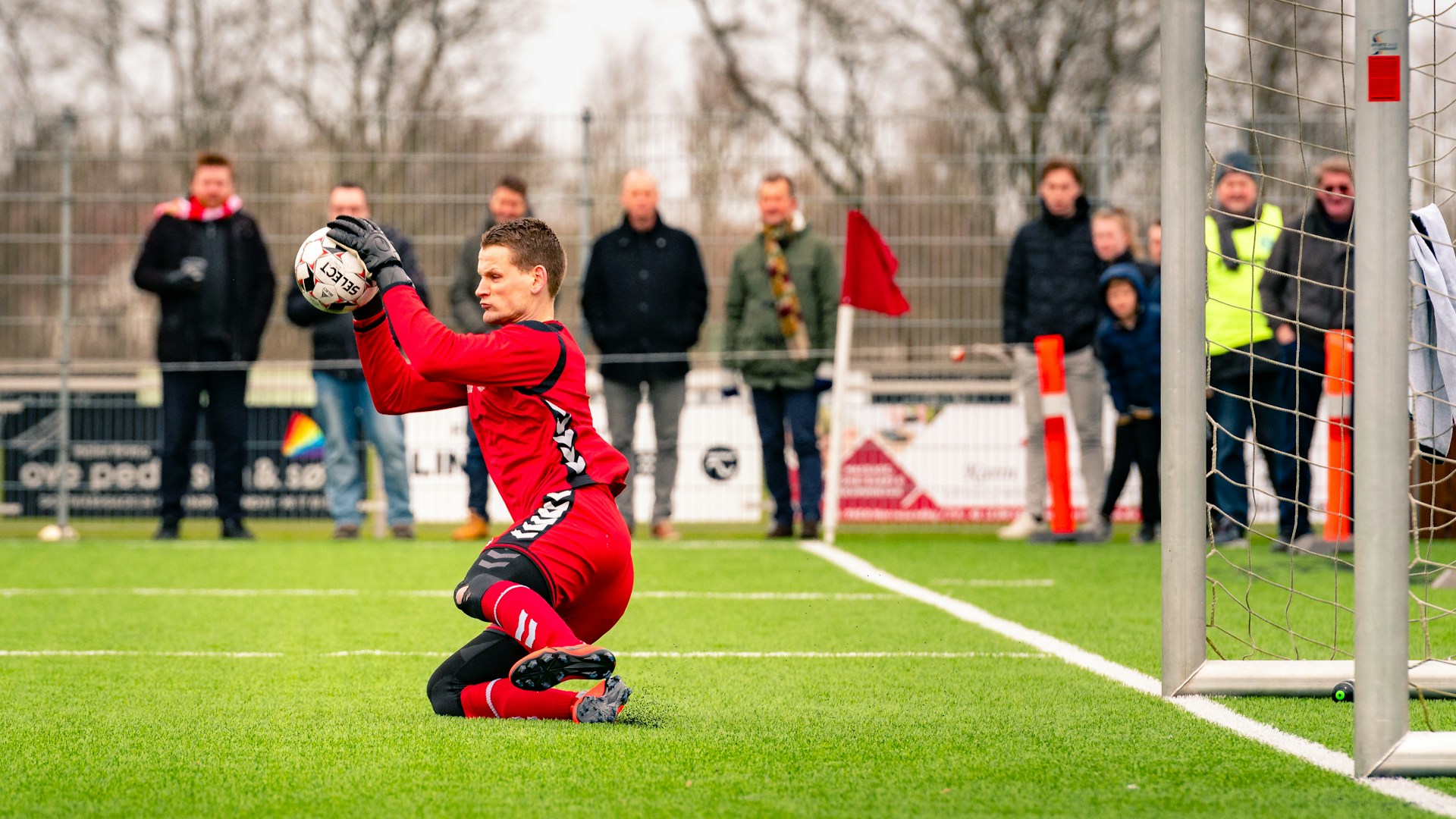
For clubs, developing a talented young goalkeeper is not only a sporting project. It can also become a major market-value strategy.
The latest CIES Football Observatory ranking of the highest-valued U23 goalkeepers shows how valuable young goalkeepers can become when talent is connected with senior experience. CIES ranked the 100 goalkeepers under 23 with the highest estimated transfer value. Mike Penders leads the list with an estimated value of €47 million, followed by Jonas Urbig at €41 million and Robin Risser at €35 million. CIES also highlights “experience capital,” a metric based on senior minutes, match level, and results.
That is the key point for clubs: the market does not only reward potential. It rewards proof.
The market does not only reward potential. It rewards proof.
A young goalkeeper who has already played senior minutes in a high-level league becomes more valuable because clubs can evaluate him under real pressure. They are not just buying talent anymore. They are buying evidence that the goalkeeper can handle the speed, pressure, and responsibility of senior football.
The Pressure That Builds Market Value
Of course, playing a young goalkeeper is often riskier than playing a young field player. The position is different. A young winger can lose the ball and maybe the team still has time to recover. A young midfielder can make a mistake and still be protected by the defensive structure. But when a goalkeeper makes a mistake, it often leads directly to a goal. Mistakes are more visible, more costly, and more heavily judged.
That is why many clubs are cautious with young goalkeepers. The risk is real. But so is the opportunity.
That is why many clubs are cautious with young goalkeepers. The risk is real. But so is the opportunity.
If clubs wait too long, they may protect the goalkeeper from mistakes, but they also delay the experience that increases his development and market value. A talented goalkeeper needs meaningful games to build trust, confidence, decision-making, and reputation.
The smartest clubs do not simply throw young goalkeepers into the fire. They create a clear pathway: strong goalkeeper training, controlled exposure, cup games, second-team minutes, loans, or carefully planned first-team opportunities. The training aspect still matters because the goalkeeper must be prepared for the demands of senior football. But the value increase usually comes when that preparation is tested in real matches.
The Business Case for Playing Young Goalkeepers
This is where high-level playing time becomes so important. A goalkeeper who performs in a competitive senior league gains something training alone cannot fully provide: proof under pressure. He shows that he can deal with all aspects of the game when the result matters.
For clubs, that proof creates value. It makes the player more attractive to other clubs. It strengthens the club’s internal pathway. It can reduce future transfer spending. And if the goalkeeper develops well, the club either has a first-team solution or a valuable transfer asset.
A goalkeeper who performs in a competitive senior league gains something training alone cannot fully provide: proof under pressure.
The CIES data makes the lesson clear: young goalkeepers with senior experience are becoming serious market assets. The clubs that understand this early can benefit twice — they develop better goalkeepers and increase player value.
The formula is simple:
talent + game-realistic training + high-level playing time = development, proof, and market value.