

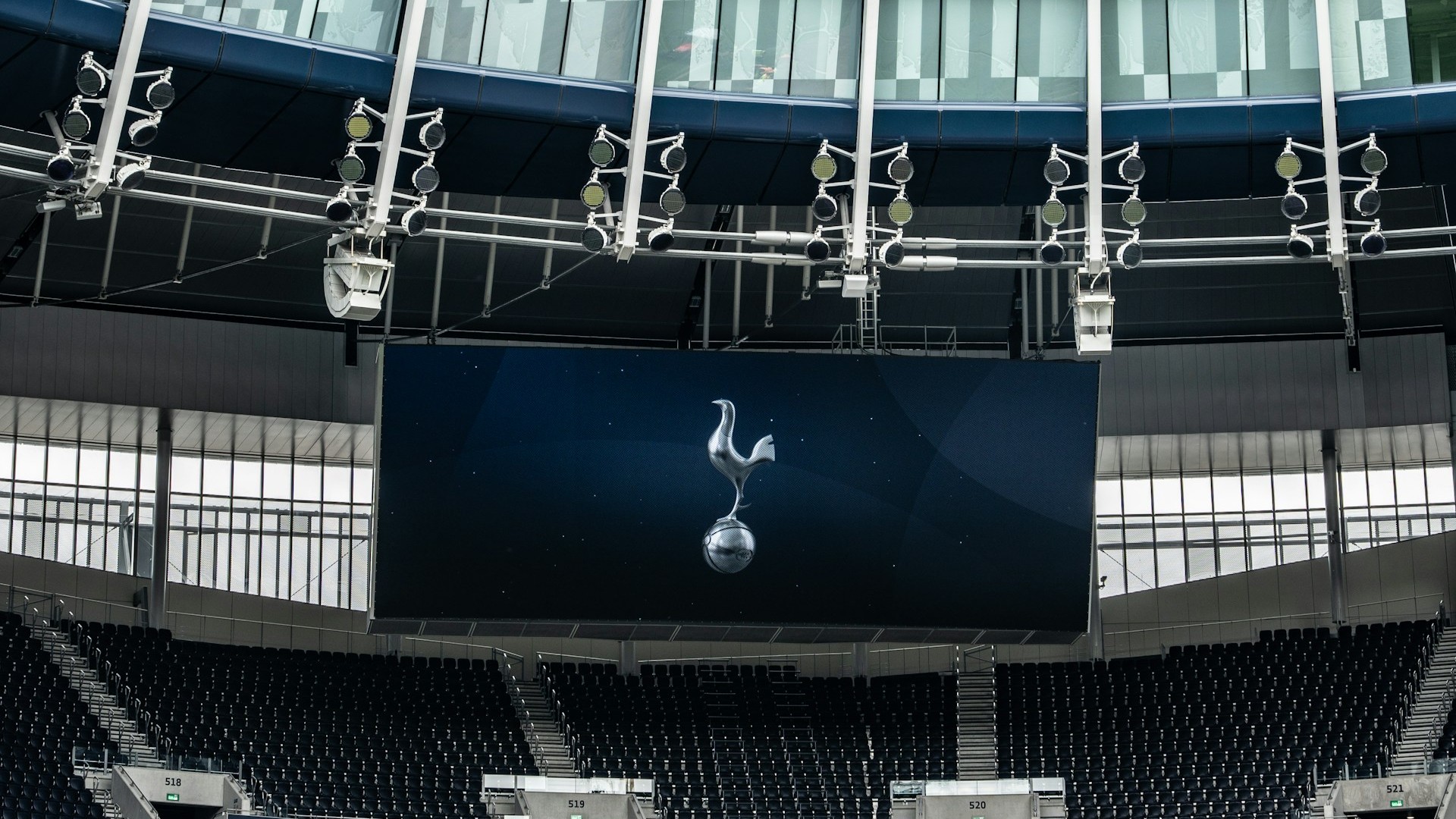
Relegation from the Premier League is a commercial shock that can severely damage an entire business model overnight. For a club like Tottenham Hotspur, which has built itself into a global commercial property over the past decade, the financial and strategic consequences would be severe.
At the time of writing, the threat is very real. Spurs are currently sitting in the relegation zone, with just a handful of games remaining, placing them 18th and fighting to avoid their first relegation since 1977. Their poor form, including a long winless run earlier in the year, has left them with a significant probability of going down, with some models placing their relegation risk at close to 50% or higher.
A Potential £250m-£300m Revenue Shock
Tottenham are one of the highest revenue-generating clubs in world football, with annual revenues previously exceeding £550 million. Relegation would fundamentally disrupt that model.
Broadcast income is the single biggest driver. Premier League clubs typically earn £100m-£170m per season from domestic and international TV rights. In contrast, Championship clubs receive closer to £7m-£10m in central distributions, even with parachute payments softening the drop.
Estimates suggest Spurs could lose up to £250m-£270m in annual revenue if relegated.
Estimates suggest Spurs could lose up to £250m-£270m in annual revenue if relegated. This would immediately impact profitability, transfer budgets, wage sustainability, and overall club valuation.
For a club that has invested heavily in infrastructure, particularly its £1 billion stadium, that level of revenue loss creates significant financial pressure.
Sponsorship Value: Immediate Devaluation
Tottenham’s commercial strength has been built on global visibility. Their partnerships include major front-of-shirt, sleeve, and technical sponsorship deals worth tens of millions per year.
The value of these deals is directly tied to Premier League exposure. Relegation reduces:
- Global broadcast reach
- Media coverage
- Social media engagement
- Matchday visibility
For context, top Premier League shirt sponsorships can exceed £40m-£60m per year. In the Championship, even the biggest clubs typically attract front-of-shirt deals in the £5m-£10m range.
This creates two immediate risks. First, existing sponsors may have relegation clauses that reduce payments or allow renegotiation. Second, future commercial deals become significantly less valuable.
Even if Tottenham retained partners, the pricing power shifts away from the club.
The Stadium Naming Rights Challenge
One of Tottenham’s most high-profile unresolved commercial opportunities is the sale of naming rights for the Tottenham Hotspur Stadium.
Despite being one of the most advanced and commercially versatile venues in world sport, the club has yet to secure a naming rights partner. Estimates have previously suggested a deal could be worth £20m-£30m per year.
Relegation would make this significantly harder.
Relegation would make this significantly harder.
Naming rights deals rely on global exposure and premium brand alignment. A Championship club does not deliver the same visibility, particularly in international markets. The negotiating position weakens, and potential partners may either delay or reduce their offers.
For a club actively seeking to unlock this revenue stream, relegation could delay the deal by several years or reduce its long-term value substantially.
Matchday and Stadium Revenue Under Pressure
Tottenham’s stadium is a multi-purpose entertainment hub hosting NFL games, concerts, and events. This diversification does provide some protection.
However, football still plays a central role in driving demand, prestige, and global attention.
Relegation could lead to:
- Reduced ticket demand for league matches
- Lower hospitality revenues
- Decreased international tourism linked to matchdays
While Spurs may still outperform most Championship clubs commercially due to their infrastructure, the drop in prestige and competitive level would inevitably impact matchday income.
Player Commercial Value and Asset Depreciation
Tottenham’s squad contains players with significant individual commercial value. That value is closely linked to playing at the highest level.
Relegation impacts players in several ways:
- Reduced visibility in global competitions
- Loss of international relevance
- Lower appeal to sponsors
This creates a knock-on effect for the club. Players may push for transfers, reducing squad stability, while their market value may decline due to playing outside the top tier.
For a club that relies on both sporting and commercial asset growth, this is a double hit.
Wage Structure and Financial Risk
One of the biggest structural risks is cost. Premier League wage bills are built on the assumption of Premier League revenue.
Reports suggest Tottenham may not have widespread relegation wage reduction clauses across all contracts. If true, this creates a dangerous imbalance where Championship-level revenue must support Premier League-level salaries.
This forces difficult decisions:
- Selling key players
- Renegotiating contracts
- Cutting operational costs
This forces difficult decisions.
All of which can weaken both sporting performance and long-term commercial strength.
Brand Damage and Global Positioning
Tottenham have spent years positioning themselves as a “big six” Premier League club with global reach.
Relegation disrupts that perception.
Brand equity in football is heavily tied to competition level. Being outside the Premier League reduces:
- Global media exposure
- Relevance in key international markets
- Appeal to global sponsors
This does not disappear overnight, but it erodes quickly if the club remains outside the top tier.
The longer-term risk is the loss of status that comes with a season in the Championship.
The Wider Commercial Ecosystem
Tottenham’s commercial model extends beyond traditional football revenues. Their stadium, partnerships, and global fanbase are part of a broader ecosystem.
Relegation impacts all of these areas indirectly:
- Lower global interest affects merchandise sales
- Reduced media coverage impacts digital growth
- Commercial partners may shift focus to other clubs
Even areas that are not directly tied to league status begin to feel the impact over time.
Conclusion: A High-Stakes Commercial Risk
For Tottenham Hotspur, relegation would be one of the most significant commercial disruptions in modern football.
The club has built a business model based on Premier League stability, global exposure, and premium positioning. Dropping into the Championship would challenge all three pillars simultaneously.
With hundreds of millions in revenue at risk, unresolved commercial opportunities like stadium naming rights still on the table, and sponsorship values closely tied to top-flight visibility, the stakes are high.
This situation highlights a broader truth in modern football. Success is no longer measured only in trophies or league position. It is measured in commercial sustainability, global relevance, and long-term brand strength.
For Tottenham, the fight to stay in the Premier League is as much about protecting a multi-billion-pound business as it is about surviving on the pitch.
For Tottenham, the fight to stay in the Premier League is as much about protecting a multi-billion-pound business as it is about surviving on the pitch.