Home Blog Page 49

फुटबॉल क्लब्स से कैसे जुड़ें एक एजेंट की तरह

Photo by Prashanth Pinha on Unsplash

फुटबॉल एजेंट बनने की अगली बड़ी स्टेप है क्लब्स के साथ काम करना। हां, ज़्यादातर समय तो आप अपने प्लेयर्स को रिप्रेज़ेंट करते हैं, लेकिन क्लब्स भी इस प्रोसेस का बहुत ज़रूरी हिस्सा हैं। आपको अक्सर क्लब ऑफिशियल्स से बात करनी होती है—रिलेशन बनाना हो, ट्रांसफर विंडो के लिए तैयारी करनी हो, या फिर सिर्फ ये जानना हो कि आपके प्लेयर का डेवलपमेंट कैसा चल रहा है।
इस ब्लॉग में हम कुछ आसान और काम के टिप्स सीखेंगे कि क्लब्स से कैसे संपर्क करें और उस रिश्ते को आगे कैसे बढ़ाएं।

स्टेप 1: बिना तैयारी के मैदान में मत कूदो

जब भी आप किसी क्लब से कॉन्टैक्ट करने जा रहे हों, तो ज़रा होमवर्क कर लें। आपको PHD लिखने की ज़रूरत नहीं है, लेकिन इतना तो जान लें कि क्लब कौन है, किस तरह के प्लेयर्स साइन करते हैं, उनका Financial Structure कैसा है, और किस मार्केट से वो आमतौर पर साइन करते हैं। ये बातें बहुत बड़ी नहीं लगेंगी, लेकिन अगर आपने बिल्कुल भी तैयारी नहीं की, तो फर्क साफ दिखेगा। सोचिए, आप इंटरव्यू में जा रहे हैं और कंपनी के बारे में कुछ भी नहीं जानते—क्या होगा?

स्टेप 2: पहला कॉन्टैक्ट बनाना

यंग एजेंट्स के लिए सबसे बड़ा चैलेंज होता है—शुरुआत कहां से करें? LinkedIn एक बहुत अच्छा टूल है—कई क्लब ऑफिशियल्स वहां मौजूद हैं और कनेक्ट होने को तैयार भी रहते हैं। Instagram और Facebook जैसे सोशल मीडिया प्लेटफॉर्म्स भी इस्तेमाल कर सकते हैं, लेकिन हर देश की culture अलग होती है, तो कहीं ये आपको कूल बनाएगा, कहीं क्रिंज।

जब आप कॉन्टैक्ट करने का सोचें, तो एक यूनीक सेलिंग पॉइंट (USP) लेकर आएं। ऐसा कुछ जो सिर्फ आपके पास है। मान लीजिए, आपके पास किसी खास रीजन का एक्सपर्टीज़ है, जहां उस क्लब की पहुंच नहीं है। मेरी एजेंसी का एक पर्सनल USP था—जापानी विमेंस फुटबॉल मार्केट से हमारा कनेक्शन, जो यूरोप और नॉर्थ अमेरिका के क्लब्स के लिए काफी मुश्किल होता है। हमने वो गैप भरा और धीरे-धीरे कई क्लब्स हमसे जुड़ने लगे।

ज़रूरी नहीं है कि USP हो ही, लेकिन अगर हो, तो ज़िंदगी थोड़ी आसान हो जाती है।

स्टेप 3: अब उस रिश्ते को बनाए रखें

अब आता है वो हिस्सा जहां हर एजेंट की अपनी अलग स्टाइल होती है। मैं थोड़ा शांत और सोची-समझी अप्रोच अपनाता हूं—सही टाइम पर फॉलो-अप करता हूं, ज़रूरत से ज़्यादा नहीं। वहीं कुछ एजेंट्स रोज़ कॉल करते हैं जब तक कोई बात न बन जाए। दोनों तरीकों की अपनी जगह है।

लेकिन एक बात याद रखिए: बदतमीज़ मत बनो। सिर्फ शालीनता दिखाने से आप आधे एजेंट्स से आगे निकल जाओगे।

साथ ही, अपने प्लेयर्स के इंटरेस्ट्स और अपने खुद के इंटरेस्ट्स की भी रक्षा करना जरूरी है। अगर आपको किसी डेडलाइन से पहले डील फाइनल करनी है, और क्लब वाले रिप्लाई नहीं दे रहे हैं, तो आपको रिस्क लेने के लिए तैयार रहना चाहिए। हां, हो सकता है कि बार-बार फॉलो-अप करने से क्लब को थोड़ा बुरा लगे—लेकिन सोचिए, क्या आप एक नाखुश प्लेयर और खराब होती अपनी reputation को लंबे समय तक झेलना चाहेंगे, या बस किसी क्लब ऑफिशियल को कुछ दिन तक तंग कर लेना पसंद करेंगे?

ये सब बैलेंस और प्रायोरिटी मैनेज करने की बात है। ये जॉब आसान नहीं है, इसमें रिस्क तो हैं ही—but that’s the game!

स्टेप 4: सही टाइम पे पहुंचो, वरना दरवाज़ा बंद

क्लब्स से कॉन्टैक्ट करने का बेस्ट टाइम होता है—मुख्य ट्रांसफर विंडो से 2-3 महीने पहले, और मिड-सीज़न ट्रांसफर विंडो से 1-2 महीने पहले। बहुत जल्दी गए तो कुछ तय नहीं हुआ होगा, बहुत देर से गए तो सीट भर चुकी होगी।

साथ ही, थोड़ी रिसर्च ज़रूर करें—पिछले ट्रांसफर में किसे रिलीज़ किया, कौन इंजर्ड है—ताकि आप जो प्लेयर सजेस्ट कर रहे हैं, वो सही लगे।

स्टेप 5: किससे बात करें?

क्लब की साइज पर डिपेंड करता है। बड़े क्लब्स में स्काउट्स या एनालिस्ट्स से बात करना ज्यादा असरदार होता है। छोटे या मिड-लेवल क्लब्स में आप स्पोर्टिंग डायरेक्टर या जनरल मैनेजर से डायरेक्ट बात कर सकते हैं।

सारांश:

क्लब्स के साथ काम करना सिर्फ कुछ ईमेल भेजना नहीं है। ये एक सोच-समझ कर बनाया गया प्रोसेस है जिसमें तैयारी, धैर्य और सम्मान की जरूरत होती है। जो एजेंट क्लब्स के साथ लंबे रिश्ते बनाते हैं, वही आगे जाकर टिकते हैं।

तीन अहम बातें इस ब्लॉग से:

  1. जिससे बात कर रहे हो, उसके बारे में जानो – रिसर्च ज़रूरी है, ये दिखाता है कि आप प्रोफेशनल हो।
  2. अपनी यूनीक वैल्यू सामने लाओ – कुछ ऐसा ढूंढो जो सिर्फ आपके पास है, जिससे आप भीड़ से अलग दिखो।
  3. टाइमिंग और टोन सही रखो – सही समय पर संपर्क करो और ज़ुबान मीठी रखो, इससे भरोसा बनता है।

FIFA Agent Exam Glossary: Key Terms You Must Know to Pass

Dictionary
Photo by Joshua Hoehne on Unsplash
Introduction

To pass the FIFA Football Agent Exam, candidates must learn all of the rules, regulations, policies and guidelines contained in the FIFA Study Materials. However, the fundamental aspect of learning these regulations is first understanding the terminology that FIFA uses throughout the document. In all of the relevant clauses, it is hard to comprehend what they are telling you unless you know the definition of each term and abbreviation.

In the beginning of each FIFA Document the definitions of key terms are outlined. This blog provides a complete A-Z list of every definition you need to know when tackling the FIFA Football Agent Exam and where to find them within the FIFA Study Materials. In each definition we have also underlined the main ideas to help your learning.

A-Z of FIFA Terminology

Key:

FFAR = FIFA Football Agent Regulations

FCHR = FIFA Clearing House Regulations

RSTP = FIFA’s Regulations on the Status & Transfer of Players

Statutes = FIFA Statutes

FIFA COE = FIFA Code of Ethics

TERM DOC DEFINITION
Academy FFAR & RSTP An organisation or an independent legal entity whose primary, long-term objective is to provide players with long-term training through the provision of the necessary training facilities and infrastructure. This shall primarily include, but not be limited to, football training centres, football camps, football schools, etc.
Agency FFAR An organisation, entity, firm or private company retaining, comprising, employing or otherwise acting as a vehicle for the business affairs of one or more Football Agents.
Allocation Statement FCHR The document issued by the FIFA general secretariat to

the FIFA Clearing House that provides it with the necessary information to process payments, notably the paying and receiving parties and the amounts to be distributed.

Approach FFAR (i) Any physical, in-person contact or contact via any means of electronic communication with a Client;

(ii) any direct or indirect contact with another person or organisation linked to a Client, such as a family member or friend; or

(iii) any action when a Football Agent uses or directs another person or organisation to contact a Client on their behalf in the manner described in (i) or (ii) above.

Association Statutes A football association recognised as such by FIFA. It is a member of FIFA, unless a different meaning is evident from the context.
Association Football Statutes The game controlled by FIFA and organised by FIFA, the confederations and/or the member associations in accordance with the Laws of the Game
Bridge Transfer RSTP Any two consecutive transfers, national or international, of the same player connected to each other and comprising a registration of that player with the middle club to circumvent the application of the relevant regulations or laws and/or defraud another person or entity.
British Associations Statutes The four associations in the United Kingdom – The Football Association, The Scottish Football Association, The Football Association of Wales and The Irish Football Association (Northern Ireland).
Bureau of the Council Statutes The bureau of the Council as defined in art. 38 of these Statutes.
Client FFAR A member association, club, player, coach, or Single-Entity League that may engage a Football Agent to provide Football Agent Services
Club Statutes A member of an association (that is a member association of FIFA) or a member of a league recognised by a member association that enters at least one team in a competition
Club-trained Player RSTP A player who, between the age of 15 (or the start of the season during which he turns 15) and 21 (or the end of the season during which he turns 21), and irrespective of his nationality and age, registered with his current club for a period, continuous or not, of three entire seasons or of 36 months.
Coach RSTP An individual employed in a football-specific occupation by a professional club or association whose:

i. employment duties consist of one or more of the following: training and coaching players, selecting players for matches and competitions, making tactical choices during matches and competitions; and/or

ii. employment requires the holding of a coaching licence in accordance with a domestic or continental licensing regulation.

Competition Period RSTP The period starting with the first official match of the national league championship or national cup competition, whichever comes first, and ending with the last official match played within those competitions.
Compliance Assessment FCHR The procedure required to be performed by the FIFA Clearing House prior to accepting any potential client in order to satisfy financial regulatory requirements
Confederation Statutes A group of associations recognised by FIFA that belong to the same continent (or assimilable geographic region).
Congress Statutes The supreme and legislative body of FIFA.
Connected Football Agent FFAR A Football Agent is connected to another Football Agent

as a result of their: (i) being employed or contractually retained by the same Agency through which Football Agent Services are conducted; (ii) both being directors, shareholders in, or co-owners of the same Agency through which Football Agent Services are conducted; (iii) being married to one another, domestic partners, siblings of one another, or parent and child or stepchild; or (iv) them having made any contractual or other arrangements, whether formal or informal, to cooperate, on more than one occasion, in the provision of any services or to share the revenue or profits of any part of their Football Agent Services.

Council Statutes The strategic and oversight body of FIFA.
Country Statutes An independent state recognised by the international

community

Dispute Resolution Chamber FCHR The Dispute Resolution Chamber of the Football Tribunal as defined in the Procedural Rules.
Distribution Statement FCHR The document generated by the FIFA Clearing House that

contains information about payments of training rewards to which the training club(s) in question is (are) entitled.

Electronic Domestic Transfer System RSTP An online electronic information system with the ability to administer and monitor all national transfers within an association, in line with the principles of the model implemented at international level through the transfer matching system (cf. Annexe 3). At a minimum, the system must collect the full name, gender, nationality, date of birth and FIFA ID of the player, the status (amateur or professional as per article 2 paragraph 2 of these regulations), the name and FIFA ID of the two clubs involved in the national transfer, as well as any payments between the clubs, if applicable. The electronic domestic transfer system must be integrated with the electronic registration system of the association and with the FIFA Connect Interface in order to exchange information electronically.
Electronic Player Passport RSTP An electronic document containing consolidated registration information of a player throughout their career, including the relevant member association, their status (amateur or professional), the type of registration (permanent or loan), and the club(s) (including training category) with which they have been registered since the calendar year of their 12th birthday.
Electronic Player Registration System RSTP An online electronic information system with the ability to record the registration of all players at their association. The electronic player registration system must be integrated with the FIFA Connect ID Service and the FIFA Connect Interface in order to exchange information electronically. The electronic player registration system must provide all registration information for all players from the age of 12 through the FIFA Connect Interface and, in particular, must assign each player a FIFA ID utilising the FIFA Connect ID Service.
Eleven-a-side football RSTP Football played in accordance with the Laws of the Game as authorised by the International Football Association Board.
Engaging Entity FFAR A club, member association or Single-Entity League that may

engage a player or coach.

Ethics Committee FIFA COE References to the Ethics Committee in this Code shall

include the investigatory and/or adjudicatory chamber.

FCH Terms and Conditions FCHR  The terms and conditions for a party to take part in a transaction involving the FIFA Clearing House.
FIFA Statutes “Fédération Internationale de Football Association”
FIFA Clearing house RSTP The entity that acts as an intermediary in relation to

processing certain payments made in the football transfer system.

FIFA Connect ID Service RSTP A service provided by FIFA assigning globally valid unique identifiers (the FIFA ID) to individuals, organisations, and facilities, providing duplicate information in case of a second registration of the same entity, and keeping a central record of the current registration(s) of all entities with an assigned FIFA ID.
FIFA Connect Interface RSTP A technical interface provided by FIFA within the FIFA

Connect Programme, used to exchange electronic end-to-end encrypted messages between member associations, and between member associations and FIFA.

FIFA Events Any event, including but not limited to FIFA Congress, Council or committee meetings, FIFA competitions, as well as any other event that is within FIFA’s authority or organised by FIFA.
FIFA ID RSTP The worldwide unique identifier given by the FIFA Connect ID Service to each club, association, player and football agent.
First Compliance Assessment FCHR The first step in the FIFA Clearing House’s process of

performing a Compliance Assessment for a specific transaction.

Football Agent FFAR  A natural person licensed by FIFA to perform Football Agent

Services.

Football Agent Services FFAR Football-related services performed for or on behalf of a Client, including any negotiation, communication relating or preparatory to the same, or other related activity, with the purpose, objective and/or intention of concluding a Transaction.
Former Association RSTP The association to which the former club is affiliated.
Former Club RSTP The club that the player is leaving
Futsal RSTP  Football played in accordance with the Futsal Laws of the Game that have been drawn up by FIFA in collaboration with the Sub-Committee of the International Football Association Board.
IFAB Statutes International Football Association Board
Individual FFAR Player or coach
Interest FFAR  (i) Any beneficial ownership of a legal person through which the relevant activities of those entities are conducted, except an ordinary and freely accessible non-transferrable personal membership entitling its owner to a single vote in club affairs; and/or (ii) being in a position that may enable the exercise of a material, financial, commercial, administrative, managerial or any other influence over the affairs of a natural or legal person whether directly or indirectly and whether formally or informally.
International Transfer RSTP The movement of the registration of a player from one association to another association.
Laws of the Game Statutes The laws of association football issued by The IFAB in accordance with art. 7 of these Statutes.
League Statutes An organisation that is subordinate to an association.
Match Agent FIFA COE Contained in FIFA Match Agent Regulations
Matching Exception RSTP The status of an international transfer in TMS when both clubs have entered the basic information correctly (player, clubs and transfer instruction), but there are still transfer details (payment details or loan dates) that do not match in both transfer instructions. This mismatch prevents the transfer from proceeding.
Maternity Leave RSTP A minimum period of 14 weeks’ paid absence granted to a

female player due to her pregnancy, of which a minimum of eight weeks must occur after the birth of the child.

Member Association Statutes An association that has been admitted into membership of FIFA by the Congress
Minor RSTP A player who has not yet reached the age of 18.
National Transfer RSTP The movement of the registration of a player at an association

from one club to another within the same association.

New Association RSTP The association to which the new club is affiliated.
New Club RSTP The club that the player is joining.
Non-Compliant Party FCHR A client of the FIFA Clearing House that fails a First Compliance Assessment and/or a Second Compliance Assessment.
Official Statutes & FIFA COE Any board member (including the members of the Council),

committee member, referee and assistant referee, coach, trainer and any other person responsible for technical, medical and administrative matters in FIFA, a confederation, a member association, a league or a club as well as all other persons obliged to comply with the FIFA Statutes (except players, football agents and match agents).

Official Competition Statutes A competition for representative teams organised by FIFA or any confederation
Official Matches RSTP Matches played within the framework of organised football, such as national league championships, national cups and international championships for clubs, but not including friendly and trial matches.
Organised Football RSTP Association football organised under the auspices of FIFA, the confederations and the associations, or authorised by them.
Other Services FFAR Any services performed by a Football Agent for or on behalf of a Client other than Football Agent Services, including but not limited to, providing legal advice, financial planning, scouting, consultancy, management of image rights and negotiating commercial contracts.
Payment Notification FCHR The document issued by the FIFA Clearing House detailing the amount(s) payable to the FIFA Clearing House.
Platform FFAR The ​digital platform operated by FIFA through which the licensing process, dispute resolution process, continuing professional development (CPD) and reporting shall occur
Player Statutes Any football player licensed by an association.
Procedural Rules FCHR The Procedural Rules Governing the Football Tribunal
Professional Club RSTP  A club that is not a purely amateur club.
Protected Period RSTP A period of three entire seasons or three years, whichever comes first, following the entry into force of a contract, where such contract is concluded prior to the 28th birthday of the professional, or two entire seasons or two years, whichever comes first, following the entry into force of a contract, where such contract is concluded after the 28th birthday of the professional.
Purely Amateur Club RSTP A club with no legal, financial or de facto links to a professional club that:

i. is only permitted to register amateur players; or

ii. has no registered professional players; or

iii. has not registered any professional players in the three years prior to a particular date.

Registration RSTP The act of making a written record containing details of a player that include:

a) the start date of the registration (format: dd/mm/yyyy);

b) the full name (first, middle and last names) of the player;

c) the date of birth, gender, nationality, status as an amateur or a professional (as

per article 2 paragraph 2 of these regulations), and nature of the registration

(on a permanent basis or on loan);

d) the type(s) of football the player will play (eleven-a-side football/futsal/beach

soccer);

e) the name of the club at the association where the player will play (including

the FIFA ID of the club);

f) the training categorisation of the club at the moment of the registration;

g) the FIFA ID of the player;

h) the FIFA ID of the association.

Registration Period RSTP A period fixed by the relevant association in accordance with article 6.
Related Party FIFA COE Any party related to persons bound by the Code shall be considered a related party if they fulfil one or more of the following criteria:

a) representative or employee;

b) spouse or domestic partner;

c) individual sharing the same household, regardless of the personal

relationship;

d) other family member with whom they have a close relationship within

a third degree;

e) legal entity, partnership or any other fiduciary institution, if the person

bound by this Code or the person receiving an undue advantage

alternatively:

i) holds a management position within that entity, partnership or

fiduciary institution;

ii) directly or indirectly controls the entity, partnership or fiduciary

institution;

iii) is a beneficiary of the entity, partnership or fiduciary institution;

iv) performs services on behalf of such entity, partnership or fiduciary

institution, regardless of the existence of a formal contract.

Releasing Entity FFAR A club, member association or Single-Entity League that a player or coach is leaving to be employed and/or registered by an Engaging Entity
Remuneration FFAR Gross financial compensation for employment set out in a

negotiated employment contract, which includes base salary, any sign-on fee, and any amount payable if certain conditions are fulfilled (for example, a loyalty or performance bonus). For the avoidance of doubt, any future transfer compensation agreed to and any non-salary benefits, such as the provision of a vehicle, accommodation or telephony services, are not considered in the calculation of the gross financial compensation.

Representation Agreement FFAR A written agreement for the purpose of establishing

a legal relationship to provide Football Agent Services

RSTP FFAR The FIFA Regulations on the Status and Transfer of Players.
RWWI FFAR FIFA Regulations on Working with Intermediaries.
Season RSTP A consecutive 12-month period fixed by an association during which its official competitions, such as national league championships and national cup competitions, occur.
Second Compliance Assessment FCHR The second step in the FIFA Clearing House’s process of performing a Compliance Assessment for a specific transaction where a client has failed the First Compliance Assessment.
Single-Entity League FFAR An entity affiliated to a member association that organises a league (or leagues) and represents the common interests of its clubs, for example, by acting as the employer of all club players.
Specified Transaction FFAR A Transaction where all of the parties involved are defined

and identified.

Stakeholder Statutes A person, entity or organisation which is not a member association and/or body of FIFA but has an interest or concern in FIFA’s activities, which may affect or be affected by FIFA’s actions, objectives and policies, in particular clubs, players, coaches and professional leagues.
Third Party RSTP A party other than the player being transferred, the two clubs

transferring the player from one to the other, or any previous club, with which the player has been registered.

TMS Manager RSTP The main TMS user and point of contact for a club or association with access to TMS.
TMS User RSTP An individual trained and authorised to access TMS on behalf of a club or association. All TMS users have their own unique login credentials.
Training Compensation RSTP A compensation which a new club of a player pays, or commits to pay to a player’s former club, in exchange for the former club’s acceptance to release the player from a binding contractual relationship. Compensation for breach of contract pursuant to article 17 herein is not considered transfer compensation
Training Rewards RSTP The mechanisms which compensate training clubs for their role in the training and education of young players, namely training compensation (cf. article 20) and the solidarity mechanism (cf. article 21).
Transaction FFAR (i) the employment, registration or deregistration of a player with a club or a Single-Entity League; (ii) the employment of a coach with a club, SingleEntity League or a member association; (iii) the transfer of the registration of a player

from one club to another; (iv) the creation, termination or variation of an Individual’s terms of employment.

Transfer Instruction RSTP The information entered in TMS to transfer a player from one club to another. The transfer instruction type is defined by the information entered: (i) “engage” or “release”; (ii) “permanently” or “on loan”; (iii) “professional player” or “amateur player”; (iv) with transfer agreement” or “without transfer agreement”; (v) “against payment” or “free of payment”
Transfer Matching System RSTP A web-based data information system with the primary objective of simplifying the process of international player transfers as well as improving transparency and the flow of information.
Trial RSTP A temporary period during which a player that is not registered with a club is evaluated by that club.
Validation Exception RSTP An issue relating to an international transfer in TMS that prevents it from proceeding to the next status, thus requiring FIFA’s intervention.


Sign or Sit: The Dark Reality of Contract Pressure in Football

Photo by Cytonn Photography on Unsplash
Introduction

Across global football, one alarming trend continues to surface: players entering the final year of their contract are often pressured covertly or overtly into signing an extension. The message is clear: “Sign, or you won’t play.” This issue cuts across countries, leagues, and levels, placing undue stress not only on players but also on their families and agents.

The Tactics: Pressure, Isolation, Financial Blackmail and Media Manipulation

Clubs may use various methods to coerce players.

Reduced Playing Time: Players are benched or excluded from matchday squads without clear sporting reasons.

Isolated Training: Some are forced to train alone or on a separate schedule from the team, often under harsh or humiliating conditions. Clubs set up double sessions at odd hours, such as 6:30 a.m. and 7:00 p.m., designed to exhaust and isolate the player. In many cases, players are banned from joining any football activities and restricted to the gym, or even made to run alone in nearby woods.

Club staff may deliver unsettling instructions like: “From tomorrow, you’ll train at 6 in the morning and again at 7 in the evening. Just running. No ball. No field.” or “You’re not with the team anymore. You’ll follow your own program, conditioning only.” or “You’ll have a personal coach watching you. Just show up and run.”

These tactics are not designed for athletic development; they are psychological pressure strategies meant to break the player’s will and push them toward signing a new deal or requesting a transfer.

Unpaid Wages as Leverage: In many countries, clubs deliberately delay salary payments, especially in the final year of a player’s contract. Then, when a transfer window opens and the player seeks a move, the club uses that debt as a bargaining chip: “You want to leave? Then forfeit the unpaid wages we owe you.”

This turns the player’s rightful income into a tool of control, forcing them to choose between financial justice and career progress.

Media Pressure: Clubs also weaponize media. Through club-controlled channels or close relationships with local journalists, they portray players as ungrateful, greedy, or disloyal. Stories begin to appear suggesting the player demanded excessive money or is refusing to contribute. The intent is clear. Turn the fans against the player. This tactic not only pressures the player publicly but also isolates them emotionally, making it harder for them to push back or stand their ground.

The Power Imbalance

While clubs protect their interests, the player, especially those still establishing themselves, faces a disproportionate burden. In many countries, domestic football governance lacks the enforcement strength of FIFA. This makes it hard for players to reclaim lost wages or challenge unethical treatment without risking career-damaging retaliation.

Domestic dispute resolution mechanisms are often slow and ineffective. A player may wait years to win a case while dealing with immediate financial hardship.

A Call for Equal Protection

FIFA’s international regulations provide mechanisms for players to appeal contract breaches across borders. But within national leagues, domestic players often lack similar safeguards. Why should a foreign player be better protected than a domestic one?

We need reform that:

Enforces payment obligations for all players within 60 days, regardless of nationality.
Applies automatic sanctions on clubs that fail to comply, without requiring players to file lengthy claims. Guarantees fair and equal treatment of players, including those in the final year of their contract.

The Agent’s Dilemma

From an agent’s perspective, this situation is a nightmare. Promoting a player who isn’t getting minutes due to contract politics is nearly impossible. Clubs looking to sign players want to see recent performance data. A player benched for non-football reasons sees their value drop unjustly.

This is especially damaging for young players, who need playing time for development and visibility. It also limits their next move, both in terms of quality and compensation.

Ethics and Lessons from Other Sports

In U.S. sports like the NBA and NFL, while contract holdouts exist, there are collective bargaining agreements (CBAs) and players’ unions with real teeth. Disputes are handled within structured, legally binding frameworks. European football lacks such strong, universal protections.

Organizations like FIFPro must expand their influence to ensure domestic-level interventions. Clubs should not have the unchecked power to punish players for not extending a contract they are not obliged to sign.

Conclusion: Time to Raise the Flag

Agents, players, and their families must prepare for this reality. Clear, early communication and strategic planning are essential. But beyond that, we must push for systemic change.

No player should be punished for honoring the full length of their contract. Respecting the game starts with respecting the people in it.

Inside FC Tokyo: Philosophy and Ambitions

FC Tokyo

We extend our sincere gratitude to Jiro Kitahara for opening the doors of FC Tokyo to us and providing valuable insights into the club’s strategies, challenges, and ambitions for the future. As both the Method Director and Head of International Sporting Strategy, Jiro plays a pivotal role in shaping the club’s philosophy and global outreach.

Leadership and Strategic Direction

At the helm of FC Tokyo’s football strategy is Jiro Kitahara, who holds dual responsibilities: as Method Director, he oversees the strategic management of the club’s football philosophy, while as Head of International Sporting Strategy, he leads efforts to globalize FC Tokyo’s presence. These roles ensure that FC Tokyo not only excels domestically but also expands its influence internationally.

“The key to our success lies in a clear and consistent football methodology,” Jiro explains. “By developing and refining our game model, we ensure that every player and coach understands their role within our system.”

The club’s challenge is divided into two core areas: football methodology and international sporting relations. The football methodology sector focuses on developing and updating the club’s game model, monitoring performance, and maintaining a structured philosophical framework. Meanwhile, the international strategy department is responsible for global collaborations, talent scouting, and fostering partnerships with foreign clubs.

Competitive Strategies in the J.League

To remain competitive in the J.League, FC Tokyo has implemented a three-pronged approach:

  1. Leveraging Tokyo’s Unique Advantages: With one of the world’s largest metropolitan populations, the club focuses on a strong academy system to ensure long-term sustainability and first-team development. Squad management is optimized for efficiency, balancing competitiveness with financial constraints.
  2. Investment in Youth Development: The club places significant emphasis on match experience and overseas exposure for young players, enhancing their growth through advanced coaching staff, modern training facilities, and structured development programs.
  3. Football Philosophy-Driven Approach: Scouting, training, and coaching at FC Tokyo align with a well-defined game model, ensuring consistency across all levels.

“Our focus is on sustainable success,” Jiro emphasizes. “By investing in our academy and ensuring a seamless transition for young talents into the first team, we create a long-term model of competitiveness.”

The Role of Tokyo in Club Identity

FC Tokyo benefits from strong governmental support, which aids in community engagement and educational initiatives. The club actively contributes to grassroots football by promoting educational programs and inspiring young athletes. This local involvement solidifies FC Tokyo’s identity as a pillar of the Tokyo sports scene.

“Tokyo is more than just our home—it’s an essential part of our identity,” says Jiro. “We strive to represent the city in everything we do, from our playing style to our engagement with the community.”

Global Partnerships and Talent Development

FC Tokyo has established partnerships with international clubs, including Sint-Truiden, Benfica, and Legia Warsaw. These collaborations serve multiple purposes:

  • Generating transfer revenue by developing and exporting talent.
  • Creating international pathways for young professional players.
  • Facilitating coaching and scouting exchanges to enhance first team and academy growth.

Such global ties ensure that FC Tokyo remains at the forefront of football development, integrating European methodologies into its player education programs.

“Globalization is an important pillar for FC Tokyo,” Jiro states. “By strengthening our partnerships and creating pathways for our players, we are opening doors to new opportunities that will elevate the club.”

The J.League’s Global Standing

The J.League boasts a high level of technical ability and tactical diversity, historically influenced by Brazilian football philosophy. However, despite its strong organization and competitive balance, the league faces challenges in global brand awareness. Limited broadcasting revenue and fewer European connections restrict international exposure, but ongoing efforts to market the league and participate in global tournaments aim to change this perception.

“We have the quality to compete on the international stage,” Jiro says. “Now, it’s about increasing visibility and ensuring that the world recognizes what Japanese football has to offer.”

Overcoming Challenges and Embracing Opportunities

One of FC Tokyo’s primary challenges is maintaining squad consistency. Many of Japan’s top talents move to Europe, making it difficult to sustain a competitive roster. To counter this, the club focuses on increasing transfer revenue and reinvesting in top-quality signings while deepening its academy pool to ensure replacements are always available.

Looking ahead, FC Tokyo sees opportunities in aligning its season calendar with the European system (autumn-spring), which could improve player fitness avoiding summer’s game, attract European professional players and staff, and increase the league’s overall competitiveness. Clubs with strong European ties will likely benefit the most from this shift.

“A calendar shift would help us better integrate with the global football market,” Jiro notes. “It would allow our players to transition more smoothly to European leagues and enhance the overall competitiveness of Japanese football.”

The Future of FC Tokyo

FC Tokyo’s long-term ambition is to become the defining club of Japanese football, a team that represents the global image of Tokyo. By 2030, the club envisions itself as a consistent title contender in the J.League, a regular participant in the AFC Champions League, and a leading institution for player development, producing talents who reach both European leagues and the Japanese national team.

“Our goal is clear—we want FC Tokyo to be recognized as a powerhouse, both domestically and internationally,” Jiro states. “Through our structured philosophy, international engagement, and investment in young talent, we are building a future that will sustain long-term success.”

Conclusion

FC Tokyo is not just aiming for domestic success; it is striving to become a global football powerhouse. Through its structured football philosophy, strategic international partnerships, and deep investment in youth development, the club is positioning itself as a model of sustainability and competitiveness in Asia. With a clear vision and strong leadership from Jiro Kitahara, FC Tokyo is set to redefine its role in Japanese and international football over the coming decade.


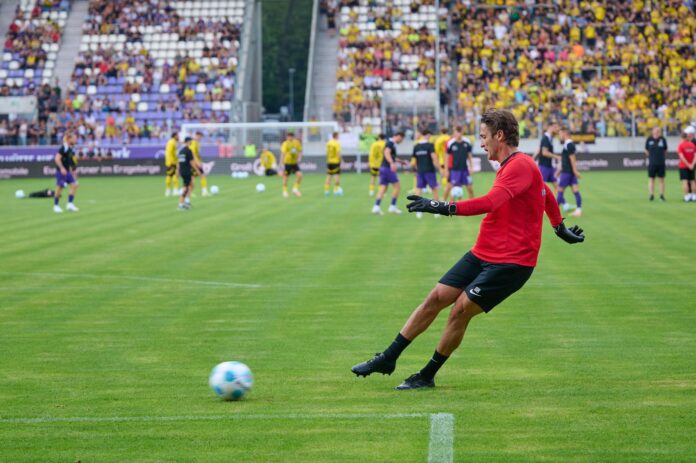
Who is Georgios Berneanou?

Georgios Berneanou

Georgios Berneanou is a seasoned goalkeeping coach with a diverse international background, having contributed to football development across Europe and the United States. His career reflects a commitment to integrating traditional Eastern European methodologies with modern training techniques.​

Early Life and Influences

Born on August 29, 1984, in Thessaloniki, Greece, Berneanou was immersed in football from an early age. His father, a former Romanian national team player and coach, and his brother, a professional footballer in Greece, provided a rich footballing environment. This familial influence sparked his early interest in goalkeeping and coaching.​

Coaching Career

Berneanou began his coaching journey in the United States, working with youth academies such as River Region Rapids in Alabama and Tottenham Hotspur FC Tallahassee in Florida. These roles allowed him to gain valuable experience in youth development and coaching methodologies.​

Returning to Europe, he took on roles with several Greek clubs, including FC Episkopi, FC Kissamikos, and FC Platanias, competing in Greece’s Football League and Super League. In 2015, he founded the “4 Goalkeepers Academy,” focusing on specialized training and hosting annual camps to nurture goalkeeping talent.​

Berneanou’s expertise led him to England, where he continued his UEFA education and served as the head of goalkeeping for Barnet FC, overseeing both men’s and women’s professional goalkeepers and the academy department.​

In August 2019, he joined FC Viktoria Köln in Germany’s 3. Liga as the head goalkeeping coach. His tenure there emphasized the integration of English realism with German precision in training. As of 2024, he is contracted with FC Erzgebirge Aue, continuing his role in developing goalkeeping talent. ​

Coaching Philosophy

Berneanou’s coaching philosophy centers on adaptability and the holistic development of goalkeepers. He emphasizes realistic training scenarios, attention to detail, and the flexibility to tailor coaching to individual needs. His approach combines traditional techniques with modern insights to enhance performance.​

Publications and Contributions

In addition to his coaching roles, Berneanou authored “Football Goalkeeper Integration,” a practical manual aimed at helping coaches incorporate goalkeepers effectively into team training sessions. The book reflects his commitment to advancing coaching methodologies and sharing knowledge within the football community.

He also runs a dedicated YouTube channel (4 Goalkeepers) where he shares insights, training clips, and educational content for aspiring goalkeepers and coaches. His book is available on Amazon, offering a structured, field-tested approach to goalkeeper integration.

Our Exclusive Interview with Georgios Berneanou

Can you recall your first encounters with football and how they sparked your interest in the sport?

I was born into football.

My father was a professional football player that transitioned to coaching soon after. My brother and I were doing football drills in our playtime with dad. He always analyzed football games, idolized players and gave us an insight on tactics, skills and game play. He would ask questions and encourage critical thinking, opinion and ideas. My brother was a football star who reached national team level and I was looking up to him, following his career with admiration and aspiration. But I was interested in performance and development. So the subject of coaching has always been my primary interest. I was attracted to intelligence rather than skills in players, and I prefer a good defense over an impressive goal.

Which moments from your early life do you think were most instrumental in forming your current mindset and principles?

My current and principles are: professionalism, respect and personal growth. Thinking back my father was the first role model of strict professionalism and the value of respect was primary in my family and my upbringing. Growth was an acquired mindset from my early FA licensing all the way through to the UEFA A outfield and Goalkeeping certification. Alongside the official learning path of a coach I have sought growth in areas that I felt were underdeveloped or overlooked with regards to the goalkeeper role, training and performance.

Was there a specific turning point or person that inspired you to pursue a professional career in football?

I was fortunate to grow up in professional football so a professional coaching career was a natural consequence. I can clearly remember the 1994 World Cup. Although just 10 years old, I was able to understand the tactics, critically apprise the teams and not just watch as a fan. All my life I continued to analyze football and be inspired by moments of grandeur and awesome performances.

How did the challenges you faced during your youth shape your perspective and approach to leadership?

One of the greatest challenges in my entire career has been the undervalued perception of the position of the goalkeeper. In recent years the goalkeeper has gained significance and the position has become a lot more demanding in performance. Early on I was inspired by the benefits of integrating the goalkeeper in the team training. The fruit of that inspiration is my book, Football Goalkeeper Integration, that offers a practical manual for coaches on how to effectively include the goalkeeper in the team drills with intent and functionality.

Who has had the biggest impact on your football development, and what lasting advice or guidance did they offer?

I think the biggest impact on me as a Goalkeeper coach was the UEFA A outfield certification. I believe that in order to effectively and innovatively train the goalkeeper your knowledge must include team tactics, methodology and skills. So studying the outfield coaching methods offered me the understanding necessary to grow as a goalkeeper coach beyond the beaten path.

How do you strike a balance between the intense schedule of coaching and maintaining your personal life?

Football is exciting and often times employment in football feels less like a job and more as a passion. In the past, there was time in the day I didn’t do something related to it. A Healthy life balance, however, requires time allocation to other important things as well, such as family, entertainment and well-being. For this reason, I try every day to have quality breaks for all of the above and the that keeps my focus and enthusiasm on my great passion: football.

What hobbies or routines outside of football help you stay grounded and refreshed?

I am all about personal development. That’s why I dedicate time to yoga, working out, meditation, other sports, and lately cooking. These activities help me relax, stay focused on my goals, and improve at the same time. I also enjoy football matches as a spectator for fun, not work, but I do not always success in keeping the coach out of that.

If football wasn’t an option, what alternative path do you believe you would have followed?

As can be seen from my previous answers, it would have been difficult for me not to have a professional career in football. However, if this option did not exist, surely I would have been inspired to work with people and their improvement through guidance and training. I feel fortunate and blessed that I was able to combine both of these passions in my life as a professional football coach.

The Price of Image: Why Some Brands Pay a Premium for Football Endorsements

Photo by at on Unsplash

As we have discussed, in modern football, a player’s influence stretches far beyond what they do on the pitch. Social media has turned top players into global marketing machines. Some have bigger online followings than the clubs they play for. Their posts reach millions instantly, across every continent. This kind of exposure is incredibly valuable for brands, especially those looking to tap into young, engaged, international audiences.

As a result, elite players are courted by all kinds of companies. But not all endorsement deals are created equal. Some industries are a natural fit for footballers: performance gear, hydration products, health supplements, or recovery tech. Others face more resistance. Gambling companies, alcohol brands, and fast food chains are still eager to work with players, but the conversations start very differently. These brands often need to pay a significant premium to get in the room.

‘Embarrassment Tax’

This extra cost is sometimes referred to by agents and marketers as the “embarrassment tax.” It’s not an official term, but it captures the reality well. When a footballer agrees to promote a betting app or a fast food chain, they are associating their image with something that doesn’t align with how they live, or how their audience expects them to live. These industries are often seen as unhealthy, irresponsible, or out of step with elite performance culture. So the brand has to compensate for that tension.

For example, a sportswear brand like Nike or Adidas can offer a deal built around performance and excellence. The player doesn’t need to explain it. The partnership makes sense on its own. The same goes for companies like WHOOP, Gatorade, or Gymshark. These are brands that speak directly to the athlete’s lifestyle. They support recovery, nutrition, training, or personal development. When a player posts about these products, it feels authentic. Fans trust it.

That’s not the case with fast food, alcohol, or gambling. Even if the player personally enjoys the product, the public messaging becomes much harder to control. The media scrutiny is sharper. Parents and younger fans may feel disappointed. Some sponsors may even back away from a player who appears too closely linked to vice industries.

Because of this, when brands from these categories want a deal, they often have to offer two to three times the typical endorsement rate. It’s not just about securing visibility. It’s about buying permission to sit next to someone whose reputation could be damaged by the association. It’s also about making the player feel the risk is worth taking.

In simple terms: if a partnership doesn’t align with how a player trains, eats, or presents themselves publicly, the price to make it happen goes up. And that price is not just financial, it’s reputational too.

The Role Model Dilemma

Footballers operate in a unique space where their responsibilities stretch beyond performance. They are not only judged by how they train or play, but also by how they behave off the pitch, what they say in interviews, and what products they endorse. Whether they like it or not, footballers are role models, especially to younger fans who mimic their behaviour and idolise them.

This creates a constant balancing act when it comes to commercial deals. Promoting a hydration drink, recovery app, or protein supplement reinforces the disciplined lifestyle required at the top level. These choices feel responsible. They align with what parents want their kids to see and with the values clubs and leagues try to promote.

On the other hand, associating with brands that sell gambling, fast food, alcohol, or even controversial fashion items can raise uncomfortable questions. Is this something a professional athlete would actually use? Is it setting the right example? These questions are amplified for players who hold captaincies, represent national teams, or have foundations focused on youth or community work.

From the player’s side, it often comes down to weighing short-term gain against long-term brand equity. A lucrative one-off campaign might make financial sense in the moment, but what’s the cost to credibility? Could it affect future partnerships? Could it alienate part of their fanbase? In an era where players increasingly think like entrepreneurs, many are starting to see their personal image as a long-term asset, something to protect, not just monetise.

Endorsing the wrong product might not just bring online criticism. It could damage trust. And in the age of social media, trust is everything.

Real-World Examples

Wayne Rooney provides a sharp example of the changing tone around commercial deals. Early in his career, he had major mainstream sponsors like Coca-Cola. But after off-field issues and a dip in public perception, those partnerships fell away. Coca-Cola dropped him in 2011 following personal controversies. In the years that followed, Rooney signed with 32Red, a gambling sponsor, during his spell at Derby County. The deal reportedly included the player wearing the number 32 shirt, drawing attention to the brand every time he played. It was a clever marketing play, but also a clear shift in the type of deals available to him as his image changed.

Jack Grealish, now one of England’s most visible football stars, represents the new generation of marketable athletes. His £1 million Gucci deal in 2022 showed his appeal in the fashion and lifestyle space. But later, his campaign with McDonald’s stirred up debate. For a player celebrated for his fitness, physique, and peak performance, promoting fast food seemed off-brand to some. It didn’t stop the campaign, but it did create noise, proof that even charismatic players can’t endorse anything without scrutiny. Still, the financial reward and national reach likely made the deal hard to turn down.

Cristiano Ronaldo gave perhaps the most visible statement on athlete-brand alignment in recent memory. During a Euro 2020 press conference, he removed two Coca-Cola bottles from the table in front of him and lifted a bottle of water instead, saying “Agua!”. The gesture was subtle but symbolic. It aligned perfectly with Ronaldo’s reputation for clean living and body optimisation. The fallout was immediate—Coca-Cola’s market value reportedly dropped by $4 billion. More importantly, it reinforced how seriously athletes like Ronaldo take brand image. He has built his commercial empire on fitness, luxury, tech, and performance, avoiding the so-called “embarrassment tax” altogether.

Ronaldo’s move wasn’t just about health, it was a business signal. By refusing to endorse something that didn’t match his personal brand, he preserved long-term value and set a precedent. That kind of thinking is now becoming the norm among football’s top earners.

Pros and Cons: From the Player’s View

Pros

High financial upside

Controversial or off-brand categories tend to offer the biggest cheques. Gambling companies, alcohol brands, and fast food giants often operate with massive marketing budgets and fewer restrictions on what they can pay for talent. These deals can be worth double or even triple what a sportswear or fitness brand might offer, particularly for a short-term campaign or one-off activation. For players not on top-tier wages or in the later stages of their careers, this kind of money can be a game-changer.

Broader market reach

Partnering with brands outside of the sports or fitness ecosystem can help a player reach new demographics. A fast food campaign might introduce them to mainstream TV viewers, casual fans, or family audiences. A nightlife or fashion collab could boost their relevance with older consumers or audiences who follow culture more than football. These deals can serve as entry points into lifestyle branding, entertainment, or even post-football opportunities.

Diversification of image

For players looking to position themselves as more than athletes, especially those eyeing music, fashion, media, or business ventures, controversial deals can help reshape public perception. A calculated partnership can signal boldness, personality, or individuality, especially if managed correctly and balanced with more traditional campaigns.

Cons

Reputation risk

A poorly judged endorsement can quickly become a PR headache. Once a player is publicly associated with a controversial brand, it’s hard to walk it back. Fans remember, the media amplify it, and screenshots live forever. One wrong move can cut through months or even years of careful brand-building, particularly if the product being pushed contradicts the values the player is known for.

Audience backlash

Younger fans and parents are often sensitive to who their kids look up to. A player promoting a gambling app, for example, might receive direct criticism not just online but at matches or community appearances. Fans want authenticity and consistency, if a player trains hard, eats well, and talks about discipline, then promotes late-night takeaway food or beer, the disconnect is obvious.

Loss of future opportunities

Endorsing one controversial brand can quietly close doors with others. Family-friendly sponsors, tech companies, or high-end lifestyle brands may avoid players who have previously worked with alcohol or betting firms. Even if those partnerships are profitable in the short term, they can block access to longer, more valuable brand relationships in the future. Clean brands want clean reputations, and some won’t risk the association.

Club and sponsor tensions

It’s not just fans and media who care. Some clubs have commercial guidelines or internal policies that frown upon or restrict certain endorsements. Players have to consider how a deal might sit with their team’s main sponsors, especially if there’s potential for brand conflict or moral misalignment.

Conclusion

Endorsements today are no longer just about cashing in, they’re about building something bigger. Players are now thinking like brands themselves. Every deal they sign and every product they promote shapes how they are seen not just now, but long after their playing days are over.

This is why many players and their agents are far more selective. They understand that not all visibility is good visibility, a3d not every offer is worth the money. For brands in controversial or “off-brand” categories, the cost of entry is high because the risk is higher. These companies aren’t just paying for reach, they’re paying to rent credibility.

For the player, it comes down to clarity. What do they stand for? What do they want to be known for? The most successful commercial careers are built when those answers are clear, and every deal reflects them.


Football Agent Regulation in Brazil: FFAR, National Law, and the Legal Battle with CBF

Photo by Gustavo Juliette on Unsplash
A Brief History of Football Agent Regulation in Brazil

The regulation of the football agent profession in Brazil has long been characterized by provisional measures and informality. Following the abolition of the “FIFA Agent” designation in 2015, the industry was left largely unregulated. To fill this gap, the Brazilian Football Confederation (CBF) implemented its own registration system with minimal requirements—moral integrity, a clean criminal record, and the submission of liability insurance coverage.

However, this system was fragile and allowed for a fragmented and often uncontrolled practice. In 2023, with the implementation of the FIFA Football Agent Regulations (FFAR), FIFA required all national federations to adopt regulations consistent with its global standards. In response, the CBF enacted its National Football Agent Regulations (RNAF), aligned with the FFAR.

However, this system was fragile and allowed for a fragmented and often uncontrolled practice. In 2023, with the implementation of the FIFA Football Agent Regulations (FFAR), FIFA required all national federations to adopt regulations consistent with its global standards. In response, the CBF enacted its National Football Agent Regulations (RNAF), aligned with the FFAR.

Simultaneously, Brazil enacted the new General Sports Law (Federal Law No. 14.597/2023), which formally recognized the career of the sports agent. However, it did so without fully incorporating FFAR criteria, which left room for civil service agreements—particularly legal service contracts—to be used as a workaround to regulatory requirements, a practice that had already become widespread in Brazil.

The Sports Agent under Brazil’s General Sports Law

Article 95 of the General Sports Law defines the sports agent as a natural or legal person engaged in the intermediation of sports contracts and the management of athletes’ careers. According to §2 of that article, this activity is subject to the rules established by sports governing bodies and the international legislation of their respective federations.

This statutory provision explicitly recognizes the CBF’s regulatory authority over football agents, thereby granting legitimacy to its National Agent Regulations, developed in line with the FFAR.

The Legal Exception

An important exception is introduced in §1 of Article 95, which allows first-degree relatives, spouses, and lawyers of an athlete—if expressly authorized—to act as intermediaries or career managers without holding a license from either the national governing body or the international federation.

This legal carve-out creates a formal exception to licensing requirements and can be interpreted as a protective measure for athletes, particularly at the early stages of their careers.

The Lawsuit Filed by ABAF (Case No. 0838927-49.2023.8.19.0209)

The Brazilian Association of Football Agents (ABAF) filed a lawsuit against the CBF and FIFA challenging the validity and enforceability of the RNAF and FFAR.

ABAF argues that these regulations impose excessive restrictions on professional freedom and entrepreneurial initiative, thereby violating constitutional principles and infringing on economic freedom and antitrust laws (Law No. 13.874/2019 and Law No. 12.529/2011).

On December 18, 2023, the 7th Civil Court of the Barra da Tijuca Judicial District in Rio de Janeiro granted a preliminary injunction suspending the application of both regulations. The court held, at the preliminary stage, that the imposition of rules by private entities on unaffiliated professionals could violate constitutional principles such as professional freedom and private enterprise.

Critical Analysis

Although the preliminary decision raises valid concerns regarding economic freedom, it is essential to note that Article 95, §2 of the General Sports Law expressly legitimizes the CBF’s role in regulating the profession of sports agent. By referencing the rules of sports governing bodies, the federal legislation clearly allows for regulation by the CBF and FIFA.

Thus, the legal foundation of ABAF’s challenge appears to be weakened when weighed against the express statutory authority granted to these entities. The exception provided in §1 should be interpreted narrowly, as a protective mechanism rather than a loophole to circumvent formal regulation.

Conclusion

Article 95 of Brazil’s General Sports Law establishes a normative framework that recognizes the regulatory authority of the CBF and FIFA over sports agents. The exception under §1 does not invalidate the legitimacy of the CBF and FIFA regulations contested by ABAF. Therefore, under current Brazilian law, these regulations stand on firm legal ground. While ABAF’s arguments are relevant from an economic rights perspective, they hold limited sway against the explicit authorization provided in the federal sports legislation.

The current state of sports intermediation in Brazil remains a fragmented environment. Many agents operate under civil or legal services contracts without any formal registration or institutional protection within the CBF/FIFA system. Others have not pursued international certification due to language, financial, or logistical barriers.

While FFAR aims to establish a global standard, its application in Brazil demands local adaptation, alignment with domestic laws, and pragmatic solutions. Until then, the system remains in limbo, caught between a drive for formalization and a tradition of informality.

Sources:
https://www.conjur.com.br/wp-content/uploads/2024/01/Decisao-37-1.pdf
https://www.conjur.com.br/2024-jan-09/cbf-e-impedida-de-aplicar-regras-para-agentes-de-futebol-no-brasil/
https://leiemcampo.com.br/empresarios-entram-com-acao-na-justica-contra-a-cbf-pedindo-anulacao-do-regulamento-nacional-de-agentes-de-futebol/
https://www.espn.com.br/futebol/artigo/_/id/13008773/justica-concede-liminar-a-empresarios-e-suspende-regulamento-de-agentes-da-cbf


FIFA Ispit za Nogometne Agente: Nove Promjene, Online Format i Stroža Pravila 2025

Photo by Josefa nDiaz on Unsplash
Format i struktura FIFA ispita za nogometne agente

FIFA je uvela značajne strukturne promjene u proces polaganja ispita za nogometne agente, koje su stupili na snagu 4. ožujka 2025. Ove promjene predstavljaju prelazak s ispita održavanih uživo na isključivo online format, uz strože nadzorne protokole i revidirane tehničke zahtjeve. Cilj ovih promjena jest povećati pravednost, transparentnost i standardizaciju, osiguravajući da svi kandidati, bez obzira na lokaciju, polažu ispit pod jednakim i strogo kontroliranim uvjetima.

Ranije su kandidati morali polagati ispit tako da budu prisutni uživo na određenim ispitnim lokacijama koje su osiguravale nacionalne nogometne asocijacije (NA). No, uvjeti na tim lokacijama znatno su varirali – od razlika u tehničkoj podršci, pristupu internetu do dostupnih prostorija. Osim toga, pravila o dopuštenim materijalima nisu bila ujednačena; neke asocijacije su dopuštale tiskane materijale s osobnim bilješkama, dok su druge bile restriktivnije.

Sada je FIFA u potpunosti ukinula polaganje ispita na lokacijama i prebacila ih na online format. Kandidati moraju osigurati vlastiti prostor za polaganje ispita, stabilnu internetsku vezu i odgovarajuću tehničku opremu. Novi sustav uključuje pojačane sigurnosne mjere, poput obaveznog pristupa kameri i mikrofonu na računalu te sekundarnog nadzora putem pametnog telefona. Umjesto fizičkih nadzornika, FIFA će koristiti AI tehnologiju za praćenje ponašanja kandidata i detekciju sumnjivih aktivnosti u stvarnom vremenu.

Još jedna važna promjena jest ukidanje svih pauza tijekom ispita, koji traje 60 minuta. Ranije su kandidati mogli tražiti nadzirane pauze za toalet, ali to sada više nije moguće. Kandidati moraju biti stalno vidljivi na kameri i ostati na svom mjestu do isteka vremena koji je predviđen za polaganje ispita. Svako napuštanje ispitne lokacije, predugo gledanje u stranu ili prekid internetske veze rezultirat će automatskom diskvalifikacijom i potrebom za ponovnim prijavljivanjem na sljedeći ispitni rok.

Postrožena su i pravila vezana uz kršenje ispitnih propisa. Dok su ranije kandidati koji su prekršili pravila mogli ponovno polagati ispit bez daljnjih posljedica, sada ozbiljni prekršaji, poput varanja, snimanja ekrana ili dijeljenja sadržaja ispita, mogu rezultirati suspenzijom ili čak trajnom zabranom polaganja ispita.

Cilj ovih promjena je stvoriti ujednačen i strogo reguliran ispitni proces, eliminirajući nejednakosti i sprečavajući nepravedne prednosti. Kandidati sada moraju biti potpuno spremni, kako u tehničkom smislu tako i u poznavanju pravila, jer svaka neusklađenost može dovesti do gubitka pokušaja polaganja ispita.

Format ispita i kriteriji za prolaz

FIFA-in ispit za nogometne agente sada se u potpunosti provodi online, eliminirajući potrebu za putovanjem do ispitnih lokacija. Ispit i dalje traje 60 minuta, a za prolaz je potrebno ostvariti minimalno 75% bodova.

Test se sastoji od pitanja s višestrukim izborom koja ispituju znanje kandidata o FIFA-inim propisima, uključujući transfere igrača, ugovorne obveze, odgovornosti posrednika i opće nogometno upravljanje. Pitanja nisu samo faktualna, već zahtijevaju i primjenu pravila na stvarne situacije s kojima se agenti mogu susresti u radu s igračima i klubovima.

Kako bi izbjegli tehničke probleme i moguću diskvalifikaciju, FIFA savjetuje kandidatima da unaprijed provjere stabilnost internetske veze, funkcionalnost uređaja i osiguraju tihu, neometanu okolinu.

Tehnički zahtjevi i priprema

S obzirom na to da se ispit provodi isključivo online, FIFA je uvela stroge tehničke zahtjeve kako bi osigurala sigurnost i standardizaciju. Kandidati su odgovorni za vlastitu ispitnu lokaciju, a FIFA neće pružati tehničku podršku tijekom ispita.

Za polaganje ispita kandidati moraju imati:

  • Računalo (laptop ili desktop) s funkcionalnom kamerom i mikrofonom, koji moraju ostati uključeni tijekom ispita. FIFA koristi ove uređaje za praćenje kandidata i otkrivanje nepravilnosti.
  • Pametni telefon za sekundarni nadzor. Telefon mora biti postavljen tako da omogućuje dodatni pregled ispitne lokacije, ali ne smije se koristiti u druge svrhe tijekom ispita.
  • Stabilnu internetsku vezu. Svaki prekid interneta poništava ispitni pokušaj, a kandidat mora pričekati sljedeći ispitni termin za novi pokušaj.

Budući da FIFA ne odobrava dodatno vrijeme ni ponovne pokušaje unutar iste ispitne sesije, kandidati su dužni testirati svoje uređaje unaprijed.

Ispitno okruženje i ponašanje

Iako se ispit polaže online, FIFA zahtijeva da se odvija u mirnom i privatnom okruženju koje oponaša formalni ispitni ambijent. Stroge mjere nadzora uključuju:

  • Video nadzor uživo putem kamere računala. Kandidati moraju ostati jasno vidljivi cijelo vrijeme.
  • Sekundarni nadzor pametnim telefonom radi dodatnog kuta pregleda prostora.
  • AI praćenje ponašanja, koje detektira sumnjive pokrete, predugo skretanje pogleda, neobične zvukove ili druge znakove nepravilnosti.

Bilo kakvo skretanje pogleda, komunikacija ili korištenje zabranjenih materijala može rezultirati trenutnom diskvalifikacijom.

Dopušteni i zabranjeni predmeti

Dopušteno:

Digitalni studijski materijali pohranjeni na računalu.

Korektivne naočale.

Olovka i jedan prazan papir (mora biti prikazan prije i nakon ispita).

Ugrađeni kalkulator na FIFA-inoj ispitnoj platformi.

Zabranjeno:

Fizički materijali (tiskane bilješke, knjige, rukom pisani zapisi).

Dodatni elektronički uređaji (pametni satovi, slušalice, dodatni telefoni).

Pristup vanjskim web-stranicama tijekom ispita.

Kazne za kršenje pravila

  • Varanje: korištenje zabranjenih materijala ili pomoć treće strane rezultira trenutnom diskvalifikacijom.
  • Snimanje i dijeljenje ispita: snimke zaslona, fotografije ili bilo kakvo dijeljenje sadržaja ispita strogo su zabranjeni i mogu dovesti do trajne zabrane polaganja.
  • Neovlaštena komunikacija: razgovor uživo ili putem digitalnih sredstava rezultira automatskom diskvalifikacijom.
  • Naprasno napuštanje ispita: kandidati moraju ostati prisutni cijelo vrijeme; napuštanje ispitne lokacije poništava pokušaj.

Rezultati i proces žalbe

Rezultati ispita bit će dostavljeni e-poštom u roku od 14 dana. FIFA omogućuje pregled odgovora, ali žalbe na rezultate više nisu moguće. Kandidati koji ne prođu moraju čekati sljedeći ispitni termin.

Ove promjene znače strožu regulaciju i osiguravaju poštene uvjete za sve kandidate. Oni koji se žele kvalificirati kao FIFA agenti moraju se temeljito pripremiti i slijediti sva nova pravila.

The Football Week Joins Forces with Soccerex as Official Media Partner

May 10, 2025 – The Football Week, the premier platform for global football innovation and insight, is proud to announce a strategic media partnership with Soccerex, one of the world’s leading football business event organizers.

This collaboration brings together two major players in the football industry, aiming to elevate coverage and engagement around Soccerex events while broadening The Football Week’s reach within the global football business community. As part of this partnership, The Football Week will support Soccerex’s upcoming events through exclusive content, interviews, and live event coverage, reinforcing their joint mission to grow and professionalize the sport worldwide.

Dr. Erkut Sogut, Founder & President of The Football Week:

“Partnering with Soccerex is a natural extension of our mission to connect and inspire football professionals across the globe. Soccerex has long been a hub for impactful conversations and innovation in football business, and we’re excited to contribute our voice, vision, and media platform to further amplify that impact.”

Through this partnership, The Football Week will also offer readers and followers exclusive discounts to Soccerex events, alongside behind-the-scenes access, expert insights, and live reporting.

The Football Week and Soccerex invite football professionals, entrepreneurs, and fans alike to join them on this exciting journey to push the boundaries of the sport.

For more information, contact info@thefootballweek.org.

Applying U.S. Sports Revenue Tactics to European Football

Photo by Ferdinand Stöhr on Unsplash

Top European clubs can unlock new revenue by borrowing from North American leagues. Fan spending is enormous when properly engaged – one Deloitte survey notes U.S. sports fans shell out roughly $50 billion annually when teams maximize engagement. Meanwhile the global sponsorship market is booming (projected from ~$92 B in 2022 to ~$190 B by 2030). Given that, European football can learn from American leagues’ playbook in sponsorship, ticketing, and fan engagement. Below we detail strategies (with examples and data) and actionable takeaways for club executives and marketers.

Sponsorship Strategies

NFL games dominate the U.S. TV (93 of the top 100 live events), so brands pay a premium for in-stadium signage. American stadiums are plastered with sponsor branding: e.g. the Cincinnati Reds’ 1978 scoreboard above carries a Coca-Cola ad. In the U.S., the NFL’s massive audience (93 of last year’s top 100 live TV events) translates into huge exposure for sponsors, driving lucrative deals. Europe’s clubs can tap this logic: pitch global broadcast reach to secure stadium naming rights and category-exclusive partnerships. Indeed, the sports sponsorship industry is on a tear (nearly doubling by 2030), so integrating brands into every touchpoint is key. For example, American leagues tie in tech partners on digital platforms (the NFL’s new Adobe AI partnership personalizes fan content) and run high-profile co-branded activations. European clubs can emulate this by co-creating content with sponsors (e.g. custom social media campaigns) and by highlighting star players in ads. Notably, top franchises (Dallas Cowboys, Manchester United) maintain sponsor value regardless of performance – a reminder to leverage clubs’ global brands in deals.

  • Leverage premium assets. Sell stadium and kit naming rights and exclusive category deals, capitalizing on the league’s media footprint (e.g. NFL’s Nike/Pepsi deals). For instance, league-wide partners and stadium sponsors benefit from huge audience reach.
  • Activate creatively with tech. Collaborate on digital fan experiences: use sponsor-backed apps or AR to engage supporters. The NFL–Adobe tie-up lets fans remix team-branded content and receive personalized updates. European clubs can offer similar branded app features or online platforms (e.g. co-branded fan-editable graphics).
  • Integrate on-site promotions. Run sponsor-led game-day activities. The NBA’s “Fan of the Game” (Toyota) award energizes crowds by giving prizes to an excited fan. Clubs could stage halftime contests or giveaways co-sponsored by partners to heighten the atmosphere.
  • Target marquee clubs. Focus on flagship teams with enduring appeal: brands pay more for top clubs whose fan bases are global. As Brand Finance notes, dynastic teams (Cowboys, Yankees, Manchester United) retain sponsor value despite results. Pitch these legacy brands for long-term deals that emphasize both awareness and loyalty.
Ticketing Strategies

European clubs traditionally use flat ticket pricing, but U.S. teams often dynamically price tickets by game. Studies confirm this drives revenue: once NFL teams could vary prices by matchup, the primary market saw about a +1.6% sales bump per game. Clubs that set wider price ranges (premium for big games, discount on low-demand games) saw larger gains. European clubs might trial caps or partial dynamic pricing for high-profile fixtures (derbies or Champions League nights) while communicating clearly with fans to avoid backlash. Even small flexibility can boost income without upsetting core supporters.

On the tech side, U.S. teams have moved to all-digital ticketing. For example, the Seattle Seahawks app integrates Ticketmaster so fans enter via smartphone and immediately get customized content (stadium map, replays, live stats). European clubs should likewise adopt mobile ticket platforms (eliminating paper passes) and enhance them with real-time features (e.g. food pre-ordering, seat upgrades). This not only modernizes the experience but creates data on fan behavior for targeted offers. Many American teams also maximize premium sales: expansive suites and hospitality packages bundled with catering or sponsor perks significantly lift non-ticket revenue. Top clubs with new stadiums (Tottenham, Bayern Munich) already do this, but others can expand corporate suites and themed premium seating by packaging tickets with F&B and sponsor logos.

  • Apply variable pricing. Experiment with tiered game pricing to match demand. Research in the NFL found teams that vary prices generate more ticket sales (e.g. a ~1.6% increase when pricing freely). Even modest surcharges on high-demand matches can raise revenue. Adjust carefully for market and income levels.
  • Enhance digital convenience. Roll out mobile ticketing and dynamic seat maps. Let fans enter via smartphone QR codes and browse seat upgrades or add-ons in real time, as Seattle’s system does. Offer loyalty points or discounts for mobile transactions to encourage app adoption and reduce scalping.
  • Create flexible packages. Introduce multi-game bundles or flex plans (like the NFL’s “flex” schedules) so casual fans can buy a half-season. Provide discounted family or group tickets early to build attendance. These models boost fill rates while giving budgeting certainty to fans.
  • Expand premium offerings. Sell and market more VIP experiences. American sports fill luxury suites and club seats by bundling game tickets with catering, hospitality rooms, and sponsor meetups. European clubs should ensure they maximize corporate and tour-group sales, packaging experiences that overseas sponsors will underwrite.
Fan Engagement Strategies

U.S. teams treat games as entertainment spectacles (free rally towels, music, etc.). American franchises even give early-arriving fans caps and towels to amp excitement. In North America, the stadium experience is a revenue driver. NFL games open with tailgates, music, and visuals; teams hand out free caps, towels or bobbleheads to early arrivers. NBA and NFL apps use beacon technology to welcome fans in-venue – Miami Heat’s Microsoft partnership actually sends arriving fans mobile messages about nearby food deals. European clubs can take note: giveaways and in-seat perks (even something as simple as a free scarf) can heighten early-match engagement. Apps can recognize ticket-holders and push custom notifications (and sponsor coupons) as fans enter.

Off the pitch, U.S. leagues build festival-like atmospheres around games. For example, Belgian supporters in a World Cup fan park (above) flocked to watch screens together and participate in sponsor contests. Similarly, NFL teams host giant parking-lot tailgate parties and open-training fan fests. These gatherings give sponsors extra exposure and deepen community ties. Investing here pays off – Deloitte finds that engaged fans spend on average ~$50B a year on their teams. European clubs should thus stage more fan events (watch parties, fan zones, meet-and-greets) under sponsor banners to activate supporters beyond the 90 minutes.

  • Elevate game-day atmosphere. Make each match an event: play music, use light shows, and involve fans in chants or sponsor-led contests. NFL games routinely hand out freebies (towels, caps) to pump up the crowd. European clubs can emulate this by co-branding giveaways or halftime skills challenges with sponsors.
  • Personalize via mobile apps. Deploy club apps that greet fans on arrival, offer live stats, and send targeted offers. The Seattle Seahawks and Miami Heat show how an app plus stadium Wi-Fi can deliver on-demand replays and concession deals. Tailor notifications and promotions (for merchandise or sponsor coupons) to registered fans’ interests.
  • Host fan festivals. Organize pre- and post-match fan zones, open training sessions, or watch parties. These community events extend the match experience and let sponsors engage outside the stadium. They also attract casual fans and families, opening new revenue via food, merchandise and branded entertainment.
  • Leverage players and content. Use star players and social media to energize the fan base. Brands often align with top athletes (e.g. Bose used NFL MVP Patrick Mahomes to promote headphones) – European clubs can similarly feature players in co-branded activations. Encourage user-generated content: give fans easy-to-use social templates or AR filters for big games, as the NFL does with its Adobe-powered graphics, and then share the best fan posts through club channels.
  • Build loyalty programs. Reward repeat engagement with points or tokens. American franchises often have loyalty apps or fan tokens (e.g. NBA, NFL rewards). Clubs could launch point systems where attending games, buying jerseys, or engaging on social media earns credit toward discounts or unique experiences. This data-driven approach (common in the U.S.) deepens the fan–club connection and unlocks add-on sales.

By blending these lessons with the local culture, European clubs can unlock fresh revenue streams. For instance, tying hospitality packages to sponsor events or slowly introducing flexible ticket tiers could drive significant gains. Overall, embracing North American tactics – from tech-enhanced fan apps to dynamic pricing – offers actionable ways to grow sponsorship, matchday, and fan-engagement income in European football.