Home Blog Page 64

Scam or Opportunity? The Reality of Football Trials in the United States

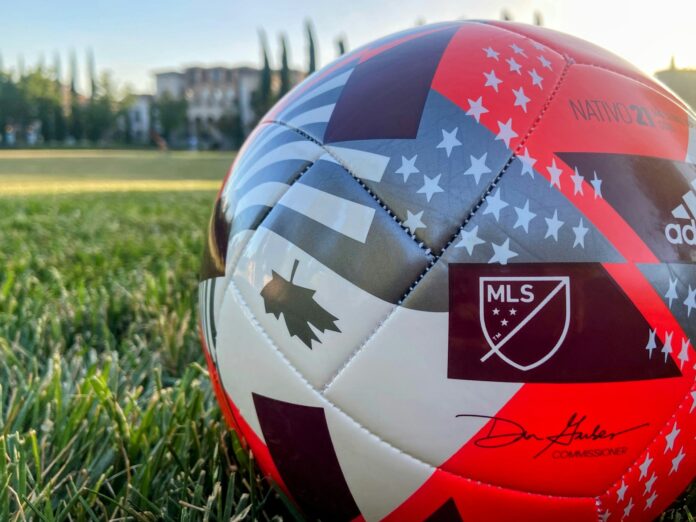
MLS match ball on a training pitch, symbolising youth development pathways and access within the US football system.
Photo by Tareq Ismail on Unsplash
The Structure and Cost of Football Trials

Football trials in the U.S. are a common pathway for aspiring players to showcase their skills to professional clubs. They are particularly popular among college graduates and young players aiming to break into the professional scene. However, the financial model of these trials is unique and often controversial.

Key Costs for Players:

  1. Administrative Fees: Organizers charge players anywhere from $50 to $500 simply to participate.
  2. Travel Expenses: Players must cover their own flights, which in a large country like the U.S., can quickly exceed $400–$800 depending on the distance.
  3. Accommodation and Meals: Multi-day trials often require several nights of lodging, adding another $300–$600 to the cost.

In total, participating in a single trial can cost a player $1,000–$2,000, depending on location and duration. For players attending multiple trials, the financial burden can be significant.

A Comparative Perspective: Trials in Europe vs. the U.S.

The U.S. trial system contrasts sharply with practices in Europe, where players are rarely required to pay for trials. In Europe:

  • Clubs often invite players directly, covering their travel and accommodation costs.
  • There is no administrative fee, the club bears the cost of organizing the trial.
  • The focus is on evaluating talent, not generating revenue.

In the U.S., however, the financial model shifts the burden onto the players. Some argue that this is a necessity for lower-league clubs that operate on tight budgets, while others view it as an exploitative practice that prioritizes profit over talent identification.

Arguments in Favor of the Current System

Supporters of the U.S. trial system point to the financial realities of lower-league football:

  1. Operational Costs: Clubs in leagues like the USL Championship or League One often operate with limited resources. Trials are a way to offset costs while still giving players a chance to prove themselves.
  2. Opportunity for All: Open trials democratize the process, allowing players without connections or professional representation to get in front of scouts and coaches.
  3. Transparency: Many organizers clearly outline the costs upfront, giving players the choice to participate or not.

From this perspective, trials are seen as a fair exchange: players invest in their careers by paying a fee, and clubs provide them with an opportunity to showcase their abilities.

Criticism of the System

On the other hand, critics highlight several issues with the current model:

  1. Financial Barriers: The high costs exclude talented players from less affluent backgrounds, limiting the pool of talent available to clubs.
  2. Unclear Value: The administrative fees are often unexplained, leaving players and parents wondering how the money is used.
  3. Profit-Driven Practices: Some question whether trials are truly about finding talent or simply generating revenue, especially when clubs actively invite players but require them to pay all costs.
  4. Player Expectations: With hundreds of trialists in some cases, players may not receive the individual attention they expect, leading to disappointment and frustration.
The Role of Parents

Parents often play a significant role in these decisions. Desperate to see their children succeed, they may push for participation in multiple trials, even when the costs are overwhelming. This emotional and financial investment can lead to significant stress for families, especially when the outcomes are uncertain.

Parents must balance their hopes with the reality that only a small percentage of players will make it professionally. In the U.S., less than 1% of college soccer players go on to play at the professional level, and the odds are even slimmer for those outside the collegiate system.

The Ethical Debate: Opportunity or Exploitation?

The question remains: are these trials a genuine opportunity or a money-making scheme? Both perspectives hold merit:

As an Opportunity: Trials provide players with a chance to showcase their skills in front of scouts and coaches. For some, this could be the break they need to launch a professional career.

As a Potential Exploitation: The financial burden, coupled with the lack of guarantees, makes the system feel exploitative for many players. Without transparency or clear outcomes, the system risks being perceived as prioritizing profit over player development.

Conclusion: Leaving It to the Reader

The U.S. trial system is complex, and whether it’s a positive or negative depends largely on perspective. On one hand, it democratizes access and provides opportunities for players to pursue their dreams. On the other, the financial costs and lack of guarantees raise valid concerns about fairness and intent.

Ultimately, players and their families must make informed decisions about whether to participate. They should weigh the costs against the potential benefits, research the credibility of organizers, and keep in mind that a career in professional football is not the only pathway to success.


Vom Instinkt zum Algorithmus – Wie Daten das Scouting und die Spielerentwicklung revolutionieren

In den letzten zehn Jahren hat sich die Welt des Scoutings und der Spielerentwicklung radikal verändert. Während früher das Bauchgefühl eines erfahrenen Scouts den Ausschlag gab, dominieren heute Daten, Algorithmen und Analysen die Entscheidungsfindung. Diese Entwicklung hat nicht nur die Art und Weise verändert, wie Talente entdeckt werden, sondern auch, wie Spieler entwickelt und in den Markt eingeführt werden. Doch hat die datengetriebene Revolution das Oldschool-Scouting tatsächlich verdrängt – oder können beide Ansätze voneinander profitieren?
Oldschool-Scouting: Die Kunst des Entdeckens
Der traditionelle Scout war lange Zeit das Herzstück des Spielertransfers. Ausgerüstet mit Notizblock und jahrelanger Erfahrung bereiste er abgelegene Plätze, um unentdeckte Talente zu finden. Ein Paradebeispiel für den Erfolg dieses Ansatzes ist N’Golo Kanté. Der spätere Weltmeister wurde von Leicester Citys Scouts bei SM Caen entdeckt, als kaum jemand auf ihn aufmerksam war. Für eine Ablösesumme von rund 8 Millionen Euro verpflichtet, wurde er ein Schlüsselspieler und später für 35 Millionen Euro an Chelsea verkauft – ein klassischer Coup des Oldschool-Scoutings.
Auch der Erfolg von Eintracht Frankfurt in den letzten Jahren ist eng mit einem solchen Ansatz verknüpft. Ben Manga, ehemaliger Chefscout der Hessen, bewies ein untrügliches Gespür für unentdeckte Talente. Spieler wie Luka Jović, Sébastien Haller und Filip Kostić wurden für vergleichsweise geringe Summen verpflichtet und später für ein Vielfaches verkauft. Der wohl größte Coup gelang jedoch mit Randal Kolo Muani: Der französische Stürmer wurde 2022 ablösefrei vom FC Nantes verpflichtet und entwickelte sich in kürzester Zeit zu einem der begehrtesten Angreifer Europas. 2023 wechselte er für die Rekordsumme von 95 Millionen Euro zu Paris Saint-Germain.
Die Datenrevolution: Algorithmen und Analytics
Parallel zu diesen Erfolgen hat sich die datengetriebene Analyse als neuer Standard etabliert. Clubs wie Brentford und Brighton gelten heute als Vorreiter eines datengetriebenen Ansatzes, bei dem Algorithmen und statistische Modelle eine zentrale Rolle spielen. Der Besitzer von Brentford, Matthew Benham, ein ehemaliger Mathematiker, setzt seit Jahren auf den sogenannten “Moneyball-Ansatz”. Brentford, ein Club mit begrenzten finanziellen Mitteln, hat durch datenbasiertes Scouting Spieler wie Ollie Watkins und Neal Maupay entdeckt, die später für hohe Summen verkauft wurden.
Die Analysen gehen dabei weit über einfache Statistiken hinaus. Systeme wie „Wyscout“ oder „Instat“ sammeln Daten zu Millionen von Ballaktionen, Laufwegen und Passmustern. Algorithmen können Muster erkennen, die dem menschlichen Auge verborgen bleiben. So wurde beispielsweise Billy Beane, der Begründer des Moneyball-Ansatzes im Baseball, auch im Fußball ein Berater für den datengetriebenen Entscheidungsprozess.
Ein prominentes Beispiel aus der Bundesliga ist RB Leipzig. Der Verein nutzt datenbasierte Modelle, um Spieler zu identifizieren, die in das spezifische Spielsystem des Clubs passen. So wurde Naby Keïta 2016 für rund 15 Millionen Euro aus Salzburg geholt und zwei Jahre später für 60 Millionen Euro an Liverpool verkauft.
Oldschool versus Daten: Wer hat die Nase vorn?
Die Frage, ob Datenanalysen das Oldschool-Scouting verdrängt haben, lässt sich nicht einfach beantworten. Während datenbasierte Systeme effizient große Mengen an Spielern analysieren können, fehlt ihnen die menschliche Komponente – das Bauchgefühl, das subtile Beobachtungen berücksichtigt, die nicht in Zahlen zu fassen sind. Ein Beispiel ist die mentale Stärke eines Spielers, die oft erst in Gesprächen oder durch wiederholte Beobachtungen erkennbar wird.
Die Zukunft des Scoutings und der Spielerentwicklung
Das Zusammenspiel von Mensch und Maschine wird das Scouting weiter prägen. Die besten Clubs setzen auf ein Modell, das datengetriebene Analysen mit dem Auge und der Erfahrung von Scouts kombiniert. Spieler wie Erling Haaland, der von Salzburg entdeckt und zu einem Weltstar entwickelt wurde, zeigen, dass es auf die richtige Balance ankommt.
Kostenstruktur im Scouting: Datenscouting vs. Oldschool Scouting im Profifußball
Die Scoutingabteilung ist mit das wichtigste Organ eines Fußballvereins und somit einer der wichtigsten Investitionen in einem Verein, gerade wenn es darum geht, sportliche und wirtschaftlichen Erfolg langfristig zu sichern. Doch was sind die eigentlichen Kosten des Scoutings eines Bundesligisten, und wie unterscheiden sich die Aufwendungen zwischen dem traditionellen Oldschool-Scouting und modernem Datenscouting?
Oldschool-Scouting: Hoher Personalaufwand, intensiver Vor-Ort-Präsenz
Oldschool-Scouting basiert auf einer hohen Anzahl an Scouts von ca. 10-15 Scouts, die regelmäßig Spiele vor Ort beobachtet. Kosten bei einem Bundesligist belaufen sich auf ca. 1,5 bis 2,5 Millionen Euro jährlich für ein traditionelles Scouting.
Datenscouting: Technologie und Expertise im Fokus
Datenscouting setzt auf dein Einsatz moderner Technologien und weniger Scouts vor Ort. Das Setup hierfür ist stark Softwaregetrieben durch Tools wie Wyscout, Impact, Scout7 oder StatsBomb bieten hier Zugang zu umfassenden Datenbanken und Analysemodellen. Manche Klubs nutzen auch KI-gestützte Analysetools, die zusätzliche Entwicklungs- oder Lizenzkosten verursachen können. Kosten je nach Plattform belaufen sich auf rund 50.000 bis 150.000€ pro Jahr.
Fazit: Zwischen Tradition und Innovation
Der Fußball befindet sich in einer spannenden Phase, in der Tradition und Innovation aufeinandertreffen. Daten und Algorithmen haben zweifellos das Potenzial, die Effizienz im Scouting zu steigern und unentdeckte Talente zu identifizieren, die ansonsten übersehen würden. Dennoch bleibt der menschliche Faktor unersetzlich. Die Fähigkeit, einen Spieler ganzheitlich zu beurteilen – nicht nur anhand von Zahlen, sondern auch anhand von Persönlichkeit, Einstellung und Potenzial – bleibt die große Stärke des Oldschool-Scoutings.
Erfolgreiche Clubs wie Eintracht Frankfurt zeigen, dass die Symbiose aus beiden Ansätzen der Schlüssel zum Erfolg ist. Die Zukunft des Scoutings liegt nicht in einem Entweder-oder, sondern in einem Sowohl-als-auch. Denn am Ende entscheidet nicht nur die Datenbank, sondern auch das feine Gespür für das Besondere – und das wird immer einen Platz im Fußball haben.

Was macht ein Trainer ohne Team?

Ein Blick hinter die Kulissen

Die Fußballwelt kennt glorreiche Siege, packende Spiele und emotionale Niederlagen. Doch was passiert, wenn ein Trainer plötzlich und eine Zeit lang ohne Team dasteht? Für viele mag das wie eine Zwangspause wirken, doch für einen ambitionierten Coach beginnt eine Phase, die gleichermaßen herausfordernd wie bereichernd ist.

Erstmal durchatmen – Zeit für Ruhe und Reflexion

Nach der intensiven Zeit als Trainer, in der der Alltag 24/7 von Erfolgsdruck, Trainingsplanungen,Analysen, Spielergesprächen, Staffmeetings, Matchplänen und permanenter Verantwortung geprägt ist, ist es wichtig, erstmal runterzufahren. Ein Urlaub ist dabei mehr als nur Erholung – es ist die Gelegenheit, abzuschalten und den Kopf freizubekommen. Diese Pause ist essenziell, um wieder Energie zu tanken und mit klarem Blick in die Zukunft zu schauen um als noch besserer Coach die nächste Aufgabe anzugehen.

Die ehrliche Selbstanalyse

Nach der Phase der Ruhe folgt ein entscheidender Schritt: die Reflexion. Ein erfolgreicher Trainer analysiert nicht nur Spiele, sondern auch sich selbst. Was hat in der vergangenen Station gut funktioniert? Wo gibt es Verbesserungspotenzial? Was würde man nicht mehr machen und was würde man weiterhin so machen. Nur durch eine schonungslose, ehrliche
Betrachtung der eigenen Stärken und vor allem der Schwächen kann man als Coach aber auch als Mensch wachsen und auf zukünftige Herausforderungen besser vorbereitet sein.

Input sammeln – Den Fußball aus anderen Perspektiven sehen

Ohne den täglichen Druck des Trainingsbetriebs bleibt Zeit, Fußball aus einer anderen Perspektive zu betrachten. Viele Trainer nutzen diese Phase, um Spiele live oder im Fernsehen zu verfolgen und neue Eindrücke von anderen Vereinen, Trainern, Spielideen und Taktiken zu gewinnen. Das Beobachten von Trainingseinheiten anderer Teams ist dabei besonders wertvoll – es bietet Inspiration und zeigt, wie verschiedene Ansätze in der Praxis umgesetzt werden können.

Der Austausch: Lernen von anderen und Netzwerke stärken

Neben dem Beobachten steht der Dialog im Fokus. Gespräche mit Trainerkollegen – sei es der Erfahrene oder der etwas unerfahrenere Trainer, Sportdirektoren oder Spielerberatern helfen, neue Sichtweisen zu gewinnen und das eigene Netzwerk auszubauen. Dabei ist es wichtig, auch mal über den Tellerrand hinauszuschauen. Sich von andere Sportarten wie Basketball oder Handball zum Beispiel inspirieren zu lassen und Abläufe und Idee sammeln. Aber auch Treffen mit CEO‘s von Unternehmen abseits des Sportes – beispielsweise einem Wirtschaftsunternehmen, welcher erfolgreich ein großes Unternehmen vor allem aber eine große Belegschaft führt, kann faszinierende Einblicke in Führungsstrategien, Personalmanagement und Konflikten ermöglichen. Generell kann es nicht schaden, sondern sehr behilflich sein und erweitert vor allem dein Horizont. Schließlich ist das Führen einer Fußballmannschaft in vielerlei Hinsicht mit der Leitung eines Unternehmens vergleichbar.

Warum all das? Die Vorbereitung auf die Zukunft

Diese Phase ist weit mehr als nur eine Übergangszeit – sie ist eine Investition in die eigene Zukunft – in dein eigenes ICH als Trainer! Die kontinuierliche Weiterentwicklung, das Lernen von anderen und das knüpfen neuer Kontakte sorgen dafür, dass ein Trainer nicht nur vorbereitet, sondern auch inspiriert in die nächste Aufgabe starten kann. Die Arbeit an sich selbst, gepaart mit neuen Erfahrungen und Perspektiven, ist der Schlüssel, um langfristig erfolgreich zu sein – sowohl auf dem Spielfeld als auch daneben.

Am Ende geht es darum, immer einen Schritt voraus zu sein: Den eigenen Horizont zu erweitern, besser zu werden und zu 100% bereit zu sein, wenn die nächste Chance kommt.

Denn auch ohne Team bleibt eines klar: Ein Trainer ist immer ein Trainer – und das bedeutet, nie stehenzubleiben.

The Agent of Tomorrow – Redefining The Modern Football Agent

The football agent is one of the most crucial figures in the football industry, playing a central role in three key aspects of a player’s career:

  1. Managing the daily needs of players and maintaining their relationships with current clubs.
  2. Negotiating employment contracts, whether for a new club or the renegotiation of terms with an existing one.
  3. Handling transfer negotiations, including agreements and transfer fees when applicable.

However, in the modern football world, agents are — and must be — much more than simple intermediaries.

Beyond Negotiation: The Role of a Modern Agent

Today’s agents don’t just negotiate deals; they are deeply embedded in the personal and professional lives of players. They engage in post-game analyses, support players through motivational challenges, address family and mental health concerns, assist with recovery from injuries, and help them navigate fears and uncertainties. Mental health, in particular, has become an increasingly critical area of focus, as it directly affects performance and well-being.

Unfortunately, not all agents rise to this level of involvement. Some limit their roles to signing representation contracts or overseeing transfers, neglecting the broader, more complex demands of career management. Intermediation is only one part of the job—often less than half of it. The true value of an agent lies in their ability to holistically manage a player’s career.

The introduction of the 2023 FIFA Football Agent Regulations is a welcome step toward recognizing this reality. The updated terminology acknowledges the evolving responsibilities of agents, moving away from the outdated “intermediary” framework that fails to reflect the multifaceted nature of the role.

The New Generation of Agents

The agent of tomorrow must adapt to an ever-changing football ecosystem. This includes embracing analytics and AI, understanding scouting methodologies, and being deeply familiar with the specific characteristics of the clubs where players may fit best. Agents must possess knowledge of sports law, negotiation techniques, and tax structures—or, at the very least, work closely with experts in these areas.

An effective agent builds a robust support network that includes doctors, nutritionists, tax advisors, media professionals, and more. They are not just advocates for their players during contract negotiations but also strategic partners who ensure every aspect of a player’s career is optimized.

AI, Data, and the Future

In the era of AI and data-driven decision-making, the agent of tomorrow must leverage technology to analyse performance metrics, assess market trends, and identify opportunities for growth. Artificial intelligence can help agents predict player development trajectories, tailor fitness and nutrition plans, and negotiate data-backed contracts that maximize value for their clients.

By integrating AI and data analytics into their practices, agents can offer players a competitive edge. For instance, understanding a club’s tactical tendencies, financial patterns, and historical player utilization can help agents position their clients for success.

The Role of Dopamine, Discipline, and Delayed Gratification

An agent’s role also extends into helping players develop the right mindset. In a world dominated by instant gratification, it’s crucial to guide players toward understanding the value of discipline and delayed gratification. Neuroscience teaches us that dopamine, the brain’s “reward chemical,” plays a key role in motivation and long-term satisfaction.

Players like Cristiano Ronaldo embody this principle. His unparalleled dedication to hard work and delayed gratification has allowed him to maintain peak performance for nearly two decades. By balancing effort and reward, Ronaldo continually increases and balances his dopamine reserves in ways that enhance motivation and fulfilment—an approach every player can learn from.

Agents can influence players to adopt similar mindsets. By encouraging hard work and resilience, agents help players avoid the pitfalls of a “soft” mentality, where too much comfort and too little effort lead to stagnation. This strategy not only improves performance but also cultivates a sense of accomplishment and long-term happiness.

An Example of Holistic Support

Consider a player struggling with poor form. A modern agent doesn’t just negotiate a transfer to a new club. Instead, they work to identify the root causes—whether it’s fitness, mental health, or tactical fit—and provide tailored solutions. This might involve consulting sports psychologists, engaging performance analysts, or even holding frank discussions about the player’s mindset and dedication.

By addressing these issues holistically, the agent ensures the player can overcome challenges and thrive in their career.

Final Thoughts

The agent of tomorrow is more than a negotiator; they are a strategist, a mentor, and a partner in the player’s journey. By embracing technology, fostering discipline, and prioritizing holistic well-being, the modern football agent can redefine what it means to represent a player—ushering in a new era of professionalism and excellence in the football industry.

Ausbildung und Entwicklung des Torwarttrainers – Schlüssel zur modernen Fußballkarriere

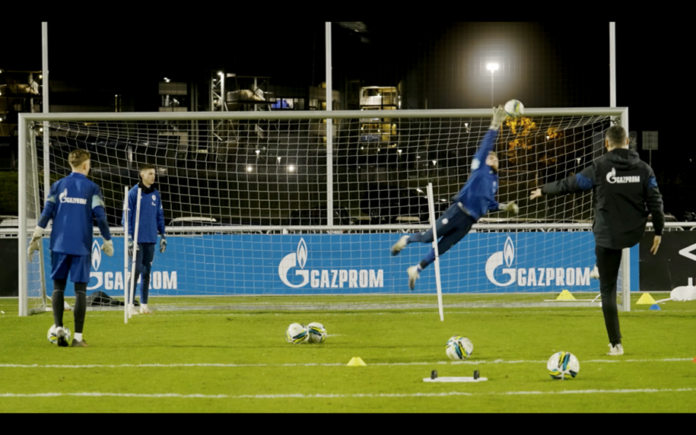
In der heutigen Fußballwelt ist der Torwart weit mehr als nur der letzte Verteidiger – er ist Spielgestalter, Führungsperson und oft der entscheidende Faktor im Spielverlauf. Diese gestiegenen Anforderungen erfordern nicht nur eine exzellente Ausbildung des Torwarts, sondern auch eine umfassende Weiterentwicklung des Torwarttrainers. Torwarttrainer sind keine isolierten Spezialisten mehr, sondern integrale Bestandteile des Trainerteams. Sie begleiten die Torhüter auf ihrem Entwicklungsweg, formen ihre technischen und taktischen Fähigkeiten und sorgen für eine nahtlose Einbindung in das Mannschaftsgefüge. Eine fundierte Ausbildung des Torwarttrainers ist der Schlüssel zu nachhaltigem Erfolg.

Trotz dieser wichtigen Rolle wird der Torwarttrainer in vielen Vereinen noch immer als isolierte Person betrachtet, die sich ausschließlich um die Torhüter kümmert. Diese veraltete Sichtweise ignoriert die tatsächliche Entwicklung des Berufsbildes. In der Realität agieren viele Torwarttrainer längst als Assistenztrainer mit erweiterten Aufgabenbereichen. Ihre Verantwortung beschränkt sich nicht mehr nur auf das Torwarttraining – sie sind aktiv in taktische Planungen eingebunden und unterstützen die Gesamtentwicklung des Teams.

Die moderne Torwarttrainer-Ausbildung umfasst weit mehr als nur praktische Übungen auf dem Platz. Sie beinhaltet taktische Schulungen, psychologisches Training und eine intensive Auseinandersetzung mit Spielanalysen. Ziel ist es, Torwarttrainer zu befähigen, nicht nur isoliert zu arbeiten, sondern aktiv am gesamten Mannschaftstraining teilzunehmen. Technische Schulungen, taktische Einbindung, mentale Stärke sowie Kommunikation und Führung sind zentrale Bestandteile der Ausbildung.

Ein zentrales Problem ist, dass die Rolle des Torwarttrainers oft unterschätzt wird. In vielen Fällen wird er nicht in strategische Entscheidungen des Cheftrainers einbezogen oder nur sporadisch konsultiert. Dies führt dazu, dass Potenziale ungenutzt bleiben und Torhüter weniger effektiv in das Spielsystem integriert werden. Dabei könnten Torwarttrainer durch ihre spezielle Perspektive entscheidende Impulse für das Defensivverhalten der gesamten Mannschaft liefern.

Die Ausbildung zum Torwarttrainer erfolgt in mehreren Stufen. Nationale und internationale Verbände wie der DFB und die UEFA bieten spezifische Ausbildungsprogramme an, die mit verschiedenen Lizenzen abschließen. Diese reichen von der UEFA Goalkeeper B-Lizenz für Grundlagen bis zur UEFA Goalkeeper A-Lizenz, die eine umfassende Integration ins Trainerteam und Spielsystem ermöglicht. Trotzdem bleibt es eine Herausforderung, die Rolle des Torwarttrainers innerhalb vieler Vereine und Verbände neu zu definieren und stärker zu verankern.

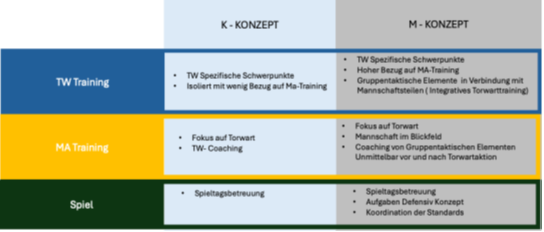
Ein moderner Torwarttrainer arbeitet eng mit dem Cheftrainer und Co-Trainer zusammen. Er bringt seine Expertise in taktische Analysen ein, koordiniert Standardsituationen und stellt sicher, dass der Torwart optimal in das defensive und offensive Spielsystem integriert ist. Die Zusammenarbeit erstreckt sich auf Spieltagsvorbereitungen, Abstimmungen innerhalb der Defensive, Coaching im Mannschaftstraining sowie die Analyse und Korrektur individueller Fehler. In einigen Vereinen übernimmt der Torwarttrainer mittlerweile auch Aufgaben wie die Analyse des gegnerischen Pressings oder die Organisation von Defensivstrategien.


Input headings:

  • alle taktischen Abläufe die den Torwart und die Mannschaft betreffen
  • gruppentaktische Abstimmungen ( zb. Viererkette)
  • Verbesserung der Offensiven und defensiven Abstimmungen
  • Zusammenspiel zwischen Torwart und Mannschaft

Torwarttrainer sind gefordert, sich kontinuierlich weiterzuentwickeln und neue Methoden zu erlernen. Regelmäßige Fortbildungen, Hospitationen bei anderen Vereinen und die Teilnahme an internationalen Workshops sind essenziell, um wettbewerbsfähig zu bleiben. Besonders wichtig sind dabei die Analyse von Spielsituationen, die Integration neuer Trainingsmethoden und die Förderung junger Talente in Nachwuchsleistungszentren.

Die Rolle des Torwarttrainers hat sich von einer isolierten Funktion zu einer zentralen Position im Trainerteam entwickelt. Dennoch bleibt es eine Herausforderung, diese Entwicklung in den Köpfen der Verantwortlichen zu verankern. Eine umfassende Ausbildung und kontinuierliche Weiterentwicklung sind unerlässlich, um den Anforderungen des modernen Fußballs gerecht zu werden. Wer diesen Weg geht, trägt nicht nur zur Entwicklung einzelner Spieler bei, sondern formt den Erfolg des gesamten Teams nachhaltig.

Post–2024 U.S. Elections to Shape New NIL World

Photo by The Now Time on Unsplash

The NCAA and others in college sports have longed for a federal resolution to the confusing and contradictory state NIL laws that govern student-athlete compensation. These non-uniform state laws constantly cause several issues for student-athletes, universities, companies, and NIL collectives about compensation and monetizing student-athlete brands in the different states in our country. Since it was determined there will be a republican majority in Congress to steer all United States legislation, the call for a unified NIL standard may finally be heard. Although this may bring some much-needed uniformity pertaining to regulations and standards to the NIL world, there are also questions surrounding how this may affect student-athletes’ potential earning power.

The elections produced several returning or new republican leaders in our country and their stance on NIL will affect how NIL regulation will be shaped. Texas Senator Ted Cruz stated that NIL reform will be of high priority so that the programs can continue for years down the road. It is also imperative to note Donald Trump’s victory as a republican presidential candidate, which may halt efforts by the National Labor Relations Board (NLRB) to classify student-athletes as employees and reshaping labor discussions in the world of college athletics. Ohio State Representative Brian Stewart has proposed legislation to have protective measures built in NIL agreements so student-athletes’ post-college earning potential isn’t hindered by long-term contracts. Stewart’s legislation is seen welcomed by most in college athletics, especially student-athletes.

While a unified federal approach to NIL is seen as something that the NCAA has desperately wanted and could make navigating the NIL world a lot easier through one standard regulation, it may come at a cost. As mentioned, the cost may pertain to limiting or capping a student-athlete’s potential and limiting student-athlete’s rights. Again, while traditional college sports may be protected with these new proposed NIL uniformity laws, the question remains at what costs to the student-athlete?

Building a Strong Personal Brand as a Football Player

Photo by Fachry Zella Devandra on Unsplash

In our previous articles we have begun to understand that in today’s digital age, the concept of a personal brand has become a key part of a football player’s success both on and off the field. But what exactly is a personal brand? At its core, it’s the perception others have of you, shaped by measurable metrics such as Instagram followers, social media engagement, and other tangible indicators of your public presence. However, it goes beyond numbers, it’s about personality and authenticity. A personal brand reflects how you present yourself, aligning your true self with the image you project to fans and potential sponsors. Players with a strong personal brand often attract more lucrative and exciting commercial opportunities because they connect with their audience and stand out as relatable and influential individuals.

Why a Personal Brand Matters

A well-crafted personal brand is a bridge between the player and opportunities beyond the pitch. Brands want to work with players who resonate with their values and appeal to their target audience. A player’s authenticity, combined with a strategic public presence, makes them an attractive figure for sponsorships, endorsements, and media features. Simply put, a player with a dynamic personal brand can expand their career beyond football, building a legacy that lasts long after their final match.

How to Build a Personal Brand

Developing a strong personal brand is a strategic and ongoing effort. It’s about cultivating a persona that resonates with fans, media, and potential sponsors, while staying authentic to who you are. Here’s a deeper look into how football players can build their personal brands effectively:

  1. Be Consistent on Social Media

Social media is an indispensable tool for building a personal brand in today’s digital landscape. Here’s how players can maximise their presence:

  • Regular Posting: Post frequently to keep your audience This could include training sessions, match highlights, and personal milestones. Aim to share at least 2-3 posts per week across platforms to maintain visibility.
  • Engaging Content: Create posts that go beyond football. Share behind-the-scenes moments, such as your pre-game routines, travel experiences, or even hobbies like cooking, gaming, or charity This helps fans connect with you on a personal level.
  • Tone and Style: Maintain a consistent tone and aesthetic that reflects your personality. Whether you’re funny, motivational, or down-to-earth, ensure your posts align with your true self.
  • Visual Quality: High-quality images and videos are Fans are drawn to visually appealing content that looks professional but still feels authentic.
  1. Interact with Fans

Fans are at the core of any athlete’s personal brand. Building a loyal fanbase requires genuine engagement:

  • Online Interaction: Respond to comments, participate in live Q&A sessions, and use polls or quizzes to engage A simple ‘like’ or reply can make a fan’s day and build long-term loyalty.
  • Offline Interaction: Take time after matches to sign autographs, take photos, and thank fans for their These moments often leave a lasting impression and are frequently shared on social media, amplifying your visibility.
  • Fan-Centric Initiatives: Consider organising fan meet-and-greets or hosting virtual events. Giving back to your community of supporters strengthens the bond between you and your audience.
  1. Be Professional On and Off the Field

Your actions, both during matches and in public, significantly impact your brand perception:

  • On the Pitch: Demonstrate sportsmanship, leadership, and respect for opponents and officials. Avoid negative behaviors like arguing with referees or unsportsmanlike conduct, as these moments can overshadow your performance.
  • Media and Interviews: Be thoughtful and articulate when speaking to the Prepare for common questions, avoid controversial remarks, and stay composed, even under pressure.
  • Public Behavior: Whether at events, charity functions, or casual outings, remember that you’re always in the public A single misstep can quickly become a viral moment, so aim to reflect professionalism at all times.
  1. Share Your Authentic Personality

Authenticity is the secret ingredient of a successful personal brand. Fans and sponsors alike value players who are genuine:

  • Your Story: Share parts of your journey, from challenges to triumphs. Stories of overcoming adversity or achieving childhood dreams resonate deeply with
  • Passions and Interests: Showcase hobbies, interests, or causes you care about, such as environmental sustainability, mental health advocacy, or youth development These elements differentiate you and make you relatable.
  • Candid Moments: Share unfiltered, real-life These could be bloopers during training, family time, or heartfelt reflections after a tough game. Being vulnerable and relatable fosters trust and loyalty.
  1. Be Proactive

Don’t wait for opportunities, create them. A proactive approach ensures you stay ahead in building your brand:

  • Media Engagement: Seek opportunities to appear on podcasts, collaborate with YouTubers, or contribute to blogs. These platforms allow you to showcase your personality and reach diverse audiences.
  • Collaborations: Partner with other players, influencers, or even brands to create joint content. For example, a fitness challenge or charity event collaboration can boost visibility for all involved.
  • Networking Events: Attend industry events, award shows, and sports conferences. Building relationships with key figures in the football and media worlds can open doors to new opportunities.
  • Own Your Narrative: Regularly share updates about your career, achievements, and personal This ensures that your audience hears directly from you, rather than relying on third-party sources.

By consistently implementing these strategies, football players can build personal brands that not only amplify their on-field success but also create a lasting impact off the field. The more visible, authentic, and engaged you are, the stronger your brand becomes, attracting opportunities that elevate your career to new heights.

The Impact of a Strong Personal Brand

A robust personal brand doesn’t just benefit players financially, it builds a legacy. As we have looked at previously, players like Cristiano Ronaldo and Megan Rapinoe have leveraged their personal brands to create massive global followings, becoming icons in their own right. A strong brand positions you as a leader, influencer, and role model, opening doors to exciting opportunities far beyond the football pitch.

By being consistent, authentic, and proactive, football players can cultivate a personal brand that not only reflects who they are but also resonates with fans and commercial partners alike. After all, in the game of football, your personal brand can be just as important as the goals you score.

Creating a Positive Atmosphere: How Parents Can Support Young Football Players

Photo by Adrià Crehuet Cano on Unsplash

The atmosphere surrounding young football players can profoundly impact their experience in the sport. As parents, you have the power to create a positive environment that not only supports your child’s development on the field but also shapes their overall well-being. When children feel encouraged, respected, and supported, they are more likely to thrive both as athletes and as individuals. Cultivating this kind of nurturing atmosphere at home and on the sidelines can make all the difference in their journey.

Presence and attitude

The foundation of a positive environment begins with your presence and attitude. Your child needs to know that you are their biggest fan, not just when they win or play well, but unconditionally. Cheering for them—whether they make a great pass, put in strong effort, or simply enjoy the game—reinforces the idea that they are valued for who they are, not just for their performance. This unconditional support helps build their self-confidence and resilience, making them feel secure in the knowledge that their worth is not tied to results.

Support on the field

Creating a positive environment also means being mindful of how you react during games and practices. Children are incredibly perceptive, and they often pick up on even the smallest cues from their parents. If they see you staying calm, smiling, and offering encouraging words—regardless of the score—they learn to focus on enjoying the game rather than worrying about making mistakes. This is especially important when things don’t go as planned; showing composure and positivity when they miss a shot or lose a match teaches them to handle setbacks with grace.

Promote a growth mindset

One of the most powerful ways to foster a positive environment is by promoting a growth mindset. Instead of emphasizing natural talent, praise your child’s effort, improvement, and willingness to try new things. Statements like, “I noticed how hard you were working on your footwork today,” or “I love how you stayed focused even when the game was tough” help them understand that what truly matters is their dedication and attitude. This approach not only reduces the pressure to be perfect but also encourages them to take on challenges with curiosity and enthusiasm.

Include family members in the process

Additionally, it’s essential to create a supportive atmosphere among the entire family. Encourage siblings and other family members to cheer for your child, celebrate their efforts, and acknowledge their hard work. When children see that everyone around them is rooting for their personal growth, it helps create a network of support that feels like a team beyond the field. This can be particularly comforting when they face difficult moments, reminding them that they are not alone in their journey.

Positive reinforcement

Positive reinforcement shouldn’t stop at the end of a game. Use everyday moments to discuss the lessons they’ve learned and celebrate small wins. This could be during the car ride home, at the dinner table, or even while playing a casual game together in the backyard. Reflecting on their experiences in a relaxed, supportive setting helps reinforce the idea that football is about much more than just competition—it’s about personal growth, joy, and building lasting memories.

Set healthy boundaries

A critical aspect of maintaining a positive environment is to set healthy boundaries around the sport. While it’s great for your child to be passionate about football, it’s also important to ensure they have time for other interests, friends, and relaxation. Encouraging them to explore different hobbies or simply enjoy downtime helps prevent burnout and keeps their love for football fresh and exciting. This balance is crucial in maintaining their physical and mental health, ensuring that football remains a source of joy rather than a source of pressure.

Finally, remember that the most important gift you can give your young football player is the reassurance that, win or lose, their happiness and well-being matter most. By focusing on the joy of playing, the camaraderie of being part of a team, and the life lessons learned along the way, you are helping to create a positive environment that nurtures not just better athletes, but more confident, compassionate, and resilient young people.

Through your consistent support, encouragement, and understanding, you can help transform their football journey into a lifelong source of positive experiences, shaping not just the player they are today but the person they will become in the future.

Prevention of Anterior Cruciate Ligament Injuries in Professional Athletes

Photo by Jeffrey F Lin on Unsplash

The Anterior Cruciate Ligament (ACL) is one of the most injured ligaments among professional athletes, accounting for 40–50% of all knee ligament injuries. Partial ACL tears make up approximately 10–27% of these cases, with the potential to progress into complete ruptures. Sports such as skiing, basketball, and football carry the highest risk of ACL injuries, which predominantly occur during non-contact pivoting movements. Only 30% of ACL injuries are caused by direct contact. Affected athletes often report hearing a distinctive “pop” sound at the time of injury, accompanied by rapid knee swelling within hours. The most frequent complaints following an ACL injury are knee instability and an inability to return to sport.

Higher Risk for Female Athletes

Female athletes are 2 to 8 times more likely to suffer ACL injuries than male athletes, due to anatomical and biomechanical differences. Narrower ligaments, a smaller intercondylar notch, increased joint laxity, and specific landing mechanics are key predisposing factors. Women tend to land in a more upright position, experience greater valgus knee loading, and often exhibit a higher quadriceps-to-hamstring strength ratio, which increases anterior shear forces on the knee.

Associated Injuries and Long-Term Risks

ACL ruptures are frequently accompanied by other knee injuries. Acute lateral meniscal tears are more common than medial meniscal tears, although chronic ACL deficiencies are more often associated with medial tears. Medial collateral ligament (MCL) injuries occur in about 25% of cases, typically managed without surgical treatment. Accompanying posterolateral corner (PLC) injuries are less commonly seen (10%) but can undermine ACL reconstruction if overlooked. Chronic ACL deficiencies often lead to knee instability, causing complex cartilage injuries in long-term.

The relationship between ACL injuries and the development of knee osteoarthritis remains inconclusive. High-level evidence is lacking to confirm that ACL reconstruction reduces knee osteoarthritis risk. However, chondral and meniscal damage at the time of the initial injury are strong predictors of later degenerative changes.

Prevention: A Comprehensive Approach

Preventing ACL injuries is crucial for the longevity of an athlete’s career.

Strengthening the muscles surrounding the knee – particularly the quadriceps, hamstrings, and glutes – provides critical support and stability. Core strengthening exercises, like planks, improve overall body control and help maintain proper movement patterns during sports.

Training programs that emphasize balance, agility, flexibility, and strength have been shown to significantly reduce ACL injury rates. Dynamic warm-ups and plyometric drills that teach proper jumping and landing techniques are essential for the prevention of ACL injuries. Proprioceptive exercises, which focus on maintaining knee alignment during movements like jumping and direction changes, are also key. Athletes should be trained to land with their knees flexed and aligned over their toes to absorb impact effectively and reduce stress on the ACL.

Structured programs like FIFA 11+ have demonstrated remarkable success in reducing ACL injuries. These programs include comprehensive training sessions led by qualified coaches, focusing on proper technique and injury prevention. Adequate rest and recovery are equally important to prevent fatigue, which can compromise biomechanics and increase injury risk.

Incorporating strength training, neuromuscular conditioning, proper technique, education, and awareness into training regimens is essential. This holistic approach not only safeguards knee health but also ensures athletes can enjoy sustained success and longevity in their sports careers.

Transfer Pemain Sepak Bola di Indonesia: Cara Melakukan Kesepakatan

Photo by Rahadiansyah on Unsplash
Pendahuluan

Budaya sepak bola Indonesia sangat kaya dan beragam, ditandai dengan pasar yang luas dan pertumbuhannya yang pesat. Pasar sepak bola di Indonesia sangat populer dan terus berkembang, mengingat Indonesia adalah negara dengan populasi terbesar keempat di dunia dan rumah bagi lebih dari 279 juta orang. Kami akan meninjau liga mereka, struktur organisasi, proses penutupan kesepakatan, sistem, budaya, dan faktor relevan lainnya.

Struktur Liga

Saat ini, struktur kompetisi di Indonesia terdiri dari empat tingkat. Tiga tingkat teratas adalah liga profesional, sementara tingkat sisanya dikategorikan sebagai amatir dan semi-profesional. Liga 1 adalah divisi pertama sepak bola profesional di Indonesia dan saat ini memiliki 18 klub. Liga ini dibagi menjadi dua divisi, yaitu Liga 2 dan Liga 3, dan memiliki sistem promosi dan degradasi.

Cara Transfer Pemain Bekerja di Indonesia

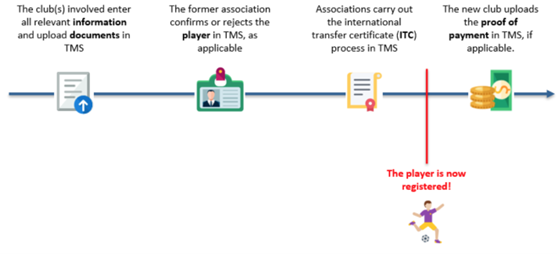
Indonesia memiliki dua jendela transfer setiap tahun. Jendela transfer musim panas, yang berlangsung dari Juni hingga awal September, dan jendela transfer musim dingin yang berlangsung dari pertengahan Desember hingga pertengahan Januari. Proses transfer pemain di Indonesia bervariasi tergantung pada apakah klub sedang mengakuisisi atau melepaskan pemain. Namun, prosedur secara keseluruhan tetap konsisten di seluruh transaksi, apakah klub membeli, menjual, atau meminjamkan pemain, seperti yang digambarkan pada gambar berikut:

Gambar 1, Mekanisme transfer pemain sepak bola. Sumber: https://jiss.publikasiindonesia.id/index.php/jiss/article/view/778/1478.

Menurut Gambar 1, mekanisme transfer pemain menunjukkan bagaimana klub baru pemain menangani proses transfer. Klub baru mulai dengan memasukkan informasi yang diperlukan ke dalam sistem. Kedua, asosiasi klub asal tempat pemain terakhir terdaftar harus mengonfirmasi pendaftaran. Ketiga, asosiasi memproses sertifikat transfer internasional di TMS. Keempat, klub baru mengunggah bukti pembayaran.

Detail Keuangan dan Pembayaran

Rupiah adalah mata uang resmi Indonesia. Gaji dan pendapatan pemain sepak bola Indonesia tetap menjadi misteri. Situs Transfermarkt tidak menyediakan informasi tentang gaji pemain sepak bola di Indonesia. Pemain hanya tercatat berdasarkan nilai transfer mereka. Ada perbedaan mencolok antara gaji pemain sepak bola di Indonesia dan informasi gaji pemain sepak bola di Eropa, yang banyak diberitakan di media. Namun, mantan Manajer Persebaya Surabaya, Candra Wahyudi, mengungkapkan rata-rata gaji yang diterima pemain sepak bola Indonesia di saluran MAINBASKET di YouTube:

  • Pemain asing yang bermain untuk klub Indonesia memiliki gaji bersih berkisar antara Rp 250.000.000,00 IDR ($16,052.45 USD) hingga Rp 300.000.000,00 IDR ($19,262.93 USD) per bulan.
  • Untuk pemain lokal, gaji bersih tertinggi berkisar antara Rp 130.000.000 IDR ($8,347.27 USD) hingga Rp 150.000.000,00 IDR ($9,631.47 USD) per bulan.
Kesimpulan

Tak bisa dipungkiri bahwa budaya sepak bola Indonesia sangat kaya dan beragam, yang ditandai dengan pasar yang besar dan perkembangan yang pesat. Pasar sepak bola di Indonesia sangat populer dan masih terus berkembang, apalagi setelah mereka berhasil menjadi tuan rumah Piala Dunia U-17 FIFA 2023. Belum lagi kemenangan terbaru mereka melawan Arab Saudi, kini mereka berada di peringkat ketiga pada babak ketiga Kualifikasi Piala Dunia, hanya tertinggal dari Australia dan Jepang.