Home Blog Page 65

エージェントと教養の重要性

Photo by Hendrik Schuette on Unsplash

はじめに

高額な交渉が行われるサッカーの世界において、エージェントの役割は極めて重要になります。選手の契約や移籍を担当するエージェントは、キャリア後の指導、ファイナンシャル・プランニング、メンタル面、法的アドバイス等のサポートも求められます。こうした責任の複雑さを考えると、エージェントは適切な教育を受けるべきではないかと疑問が生じます。このブログでは、エージェントにとってなぜ自身の教育が不可欠なのか、そしてエージェント志望者はどのようにして必要な知識とスキルを身につけることができるのかを紹介します。

エージェントが十分な教養を受けるべき理由

エージェントの役割は、単に選手とクラブ間の取引を仲介するだけでなく、年々大きく進化しています。昨今の複雑なサッカーの環境において、エージェントは、契約交渉、ファイナンスプランニング、法律、さらには選手自身の成長のサポート等、選手のキャリアに関連する幅広い側面を管理する責任を負います。このため、エージェントには、クライアントに効果的にサービスを提供するためだけでなく、業界全体のプロフェッショナルな水準を維持・向上させるためにも、十分な教養を身につけることが不可欠となっています。

昨今のフットボール業界は、数百万から数百億の契約規模の事業であり、そこでの決断は選手、クラブ、そしてスポーツそのものに多大な影響を及ぼす可能性があります。仕事が成立した際の報酬は高く、エージェントに求められる期待もそれに比例して大きくなっています。業界の複雑さを十分に理解していないエージェントは、複雑な問題をうまく処理するのに苦労し、クライアントに最適な結果をもたらさない可能性さえあります。一方、スポーツ法、財務管理、交渉戦略などの主要分野で確固たる基盤を備えた教養あるエージェントは、包括的で十分な情報に基づいたアドバイスを提供できる立場にあります。その結果、クライアントに提供するサービスの質が向上し、プロとして全体的な水準が高まります。選手やクラブの要求に対して必ずしもあるあらゆる側面の専門家になる必要はありませんが、より多くの知識を学び、知り得ることができれば、より良いサービスを提供することができます。

教養が重要な役割を果たす分野のひとつに、スポーツ法の理解と適用があります。サッカーを支配する法的枠組みは複雑で、契約法、労働規制、知的財産権、さらには国境を越えた移籍の場合には国際法も含まれる。これらの法的原則を深く理解しているエージェントは、法的紛争や契約違反といった潜在的な落とし穴から身を守りつつ、選手にとって最大限の利益が得られるように契約を交渉することができます。このような専門知識は、有利な条件を確保するために有益なだけでなく、長期的に選手のキャリアを守り、選手の権利が守られ、選手が不必要なリスクにさらされないようにするためにも有効です。

財務に関してもまた、教養が大きな違いを生む重要な側面になります。サッカー選手は多額の収入を得ることが多いですが、適切な財務管理を行わなければ、これらの収入はすぐに散逸してしまいます。税務、投資戦略、資産管理といった分野の知識を持つ教養あるエージェントは、選手に貴重なガイダンスを提供し、選手としてのキャリア中もその後も経済的な安定を築き、維持する手助けをすることができます。契約、スポンサー、投資に関する税金の影響を理解することは特に重要です。選手に効率的な財務構成をアドバイスすることで、エージェントはクライアントの長期的な安定と成功に貢献することができます。

サッカーの商業的側面も飛躍的に成長し、今や選手自体が世界的なブランドと見なされています。そのため、エージェントはマーケティング、広報、ブランド管理に対する理解が求められます。教養のあるエージェントは、エンドースメント契約、スポンサーシップ、その他の商業的機会を通じて、選手がピッチ外で稼ぐ可能性を最大化する手助けをすることができます。これは、選手の収入を増やすだけでなく、選手のイメージを高め、選手時代の後を見据えた遺産を作ることにもなります。このような分野の知識があれば、エージェントはクライアントを市場において戦略的に位置づけることができ、あらゆるチャンスを確実に生かすことができます。

アメリカンフットボールのエージェントの教育要件を他のスポーツのエージェントと比較すると、正式な教育の重要性がさらに強調されます。米国では、ナショナル・フットボール・リーグ選手協会(NFLPA)は、エージェントが認定される前に、学部卒と修士号や法学位などの大学院卒の両方の学位を持っていることを義務付けています。さらに、エージェント志望者は2日間のセミナーを修了し、筆記試験に合格しなければなりません。このプロセスにより、この分野に参入するエージェントは、しっかりとした学歴を持ち、業界を十分に理解していることが保証され、最終的に彼らが代理するクライアントに利益をもたらすのです。

今のところ、FIFAエージェント試験と、エージェントが遵守しなければならない年1回のCPDがあるだけです。しかし、サッカー界にNFLと同様の教育基準を導入すれば、業界に変革的なインパクトを与えることができるかもしれません。エージェントに一定レベルの教育を義務付けることで、プロフェッショナリズムと誠実さを新たな高みへと昇華させることができるはずです。これは、選手が利用できる代理人の質を高めるだけでなく、スポーツ全体の発展と評判にも貢献するでしょう。より良い教育を受けたエージェントがいれば、業界では紛争が減り、より公平な契約が結ばれ、より透明で公正な交渉プロセスが実現するでしょう。

フットボール・エージェントとしての教養を身につけるには

サッカーエージェントになるには、単にサッカーへの情熱だけでなく、法的な複雑さから財務管理まで、スポーツ業界の様々な側面に対する深い理解が求められます。この競争の激しい分野で活躍することを目指す人にとって、適切な教育を受けることは不可欠です。そのための道はいくつかあり、それぞれがサッカーエージェントとして活躍するために必要な知識とスキルを身につけるユニークな機会を提供しています。

必要な教育を得るための最も包括的で伝統的なルートの1つは、スポーツマネジメントまたはスポーツビジネスの大学学位です。これらの学位プログラムは、スポーツ業界を幅広く理解し、複雑なサッカーの世界をナビゲートするために必要な理論的知識と実践的スキルを身につけることを目的としています。コースでは通常、スポーツ法、マーケティング、財務管理、イベント管理、倫理など、不可欠なトピックを扱います。このような学際的なアプローチにより、卒業生はサッカー・エージェントに伴う多様な課題に対処するための十分な準備を整えることができます。

グローバル・インスティテュート・オブ・スポーツ(GIS)のような教育機関は、サッカー業界に特化した学位を提供することで有名です。サッカーのビジネス面に特化した学部課程や大学院課程を幅広く提供している。代理店の世界だけでなく、フットボール・ジャーナリズムからエグゼクティブ・トレーニング、コーチングに至るまで、あらゆる分野に対応しています。これらのプログラムは、業界のニーズを念頭に置いてデザインされており、学問的な厳しさと実社会での応用が組み合わされています。学生は、質の高い指導を受けられるだけでなく、インターンシップ、ゲスト講義、ネットワーキング・イベントなどを通じて、業界のプロフェッショナルと関わる機会も得ることができます。このような実践的な経験は非常に貴重であり、学生は学んだことを実社会で活用することで、自信とプロフェッショナルなネットワークの両方を築くことができます。

知識を増やすだけでなく、大学の学位は、競争の激しいフットボール・エージェンシーの世界で、あなたを際立たせる資格を提供します。業界が専門化するにつれ、正式な資格を持っていることは、プレーするクライアントやクラブ、その他の利害関係者との信頼関係を築く上で大きなアドバンテージとなります。また、業界の主要分野でしっかりとした基礎があり、専門的な能力開発に力を注いでいることを周囲に示すことができます。

大学の学位に加え、サッカー・エージェントになりたい人のために特別にデザインされた専門コースもあります。これらのコースでは、この分野で成功するために必要な独自のスキルと知識に焦点を当て、より的を絞った教育を提供しています。そのうちの2つが、フットボール・ビジネス・アカデミー(FBA)を通じてエルクット・ソグート博士が提供する「フットボール・エージェントになるには」修了証書と科目修了書です。このコースは、契約交渉やクラブとの関係から、FIFA規定の理解、選手のメディア対応まで、その役割のあらゆる側面をカバーするようデザインされています。アークト・ソグト博士とのより深い交流にご興味のある方は、スポーツ・エージェント・アカデミーのプラットフォームまでお問い合わせください。

このような専門コースの利点は、サッカーエージェントを目指す人のニーズに合わせて特別に調整されていることです。一般的なスポーツマネジメント・プログラムではカバーしきれないような、深い知識を得ることができます。例えば、学生は実際の契約交渉のケーススタディに取り組み、エージェントがよく直面する複雑なシナリオの進め方を学ぶことができます。このようなコースには、多くの場合、模擬交渉やワークショップなどの実践的な要素も含まれており、学生は管理された環境でスキルを磨くことができます。このような実践的なアプローチにより、受講者はエージェントとしての理論を理解するだけでなく、その理論を効果的に応用するための実践的なスキルを身につけることができます。

すでにこの業界で働いている方や、さらに専門性を高めたいと考えている方にとって、短期間のバーチャルコースは、特定の専門分野を高めるための柔軟で集中的な方法を提供します。これらのコースは、スポーツ法、スポーツ税、選手ケア、マインドセットと心理学、交渉スキルなど、サッカーエージェントの役割に欠かせないニッチな分野の知識を得るのに特に役立ちます。これらのコースはオンラインで提供されることが多いため、自分のペースで柔軟に学ぶことができ、他の仕事との両立が必要な人にとって理想的な選択肢となります。

例えば、スポーツ法のコースでは、移籍の規定から契約法、知的財産権に至るまで、サッカーを支配する法的枠組みを深く掘り下げることができます。これらの法的側面を理解することは、代理人にとって非常に重要であり、クライアントの利益を守り、プロサッカーの複雑な法的状況をナビゲートすることができるからです。同様に、国際スポーツ税協会(ISTA)とのパートナーシップのようなスポーツ税のコースは、エージェントがクライアントに税効率の良い財務計画をアドバイスするために必要な知識を身につけることができ、法的要件を遵守しながら、選手が収益を最大化できるようにします。

選手ケアと心理学のコースも、現代のサッカー界ではますます重要になってきています。これらの分野は、選手の総合的な成長に焦点を当て、フィールド上でのパフォーマンスだけでなく、精神的、感情的な幸福にも対処します。これらの分野の教育を受けたエージェントは、クライアントにより包括的なサポートを提供することができ、プロサッカーのプレッシャーに対処し、より良いワークライフバランスを実現する手助けをすることができます。

最後に、交渉スキルはエージェントの役割の中心であり、この分野の専門コースはエージェントの効果を大幅に高めることができます。これらのコースでは通常、さまざまな交渉戦略やテクニックを取り上げ、クライアントのために可能な限り最高の取引を成立させる方法を参加者に伝授します。選手の契約交渉、エンドースメント契約の獲得、紛争の解決など、サッカー・エージェントとして成功するためには、強力な交渉スキルが不可欠であるため、学ぶことが不可欠です。

最後に

エージェントが選手のキャリアと将来を左右する重要な役割を果たすフットボールの世界では、教養は単なる財産ではなく、必要不可欠なものです。複雑な現代フットボールの世界では、法的、財務的、商業的な問題などに精通したエージェントが必要とされます。大学の学位、専門コース、短期プログラムなど、サッカー・エージェントを目指す人たちには、卓越した能力を発揮するために必要不可欠な知識とスキルを身につけるための複数の手段があります。教育に投資することで、エージェントは自身のキャリアを向上させるだけでなく、サッカー業界全体のプロ意識と誠実さに貢献し、最終的には選手、クラブ、そしてスポーツ全体にとってより良い結果をもたらすことができると、私たちは信じています。

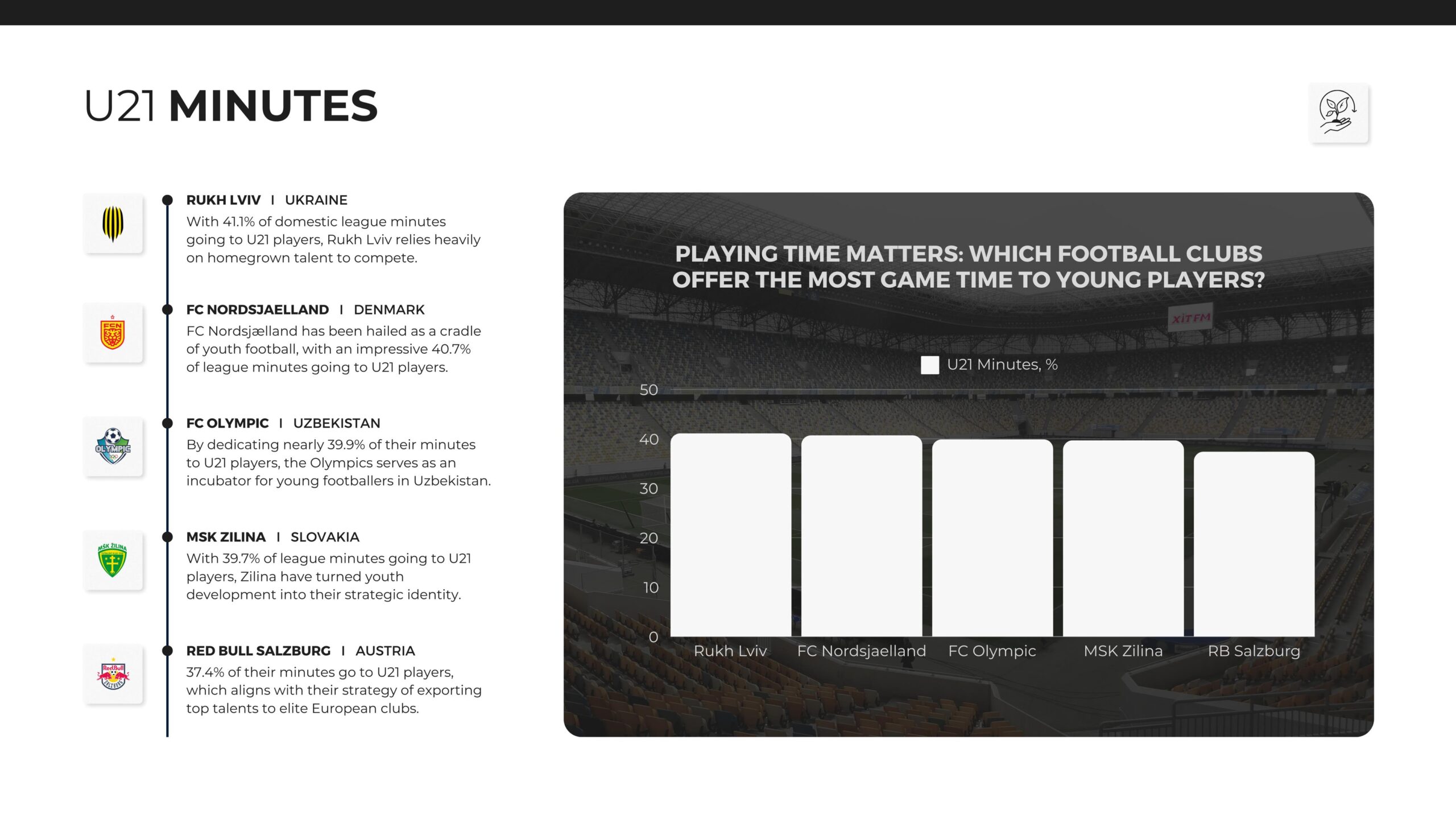
Playing Time Matters: Which Football Clubs Offer the Most Game Time to Young Players?

Youth development has always been a critical pillar in the growth and sustainability of football clubs worldwide. However, the real testament to a club’s commitment to nurturing talent is the actual playing time afforded to young players.

Developing youth prospects is not simply about bringing them into the club’s academy system or signing young talent – it is about giving them significant opportunities to feature in competitive matches.

In modern football, where financial powerhouses often rely on transfers to strengthen their squads, a small group of clubs have embraced the philosophy of offering game time to players under the age of 21. This analysis examines the clubs that provide the most minutes to U21 players, examining the trends, reasoning, and effectiveness behind these youth-oriented approaches.

This data analysis ranks clubs from 58 leagues worldwide based on the percentage of minutes given to players under 21. From this, we can paint a picture of which clubs truly emphasise youth integration into their first-team squads.

The data spans three years, making it possible to observe consistent trends and deduce whether these clubs have a long-term commitment to youth development or if they’re responding to short-term factors like financial constraints. The top youth-oriented clubs range from global powerhouses like Barcelona to lesser-known teams. One of them is Rukh Lviv, a Ukrainian side that tops the chart globally. 41.1% of their domestic minutes go to U21 players.

This focus on youth development spans continents, leagues, and cultures, showcasing that clubs are finding ways to give youngsters meaningful match experience regardless of their footballing stature.

Top Youth-Oriented Clubs

Rukh Lviv – Ukraine – 41.1%

Leading the world in youth-oriented playtime, Rukh Lviv stands as a testament to the power of local player development. The Ukrainian club has integrated its younger generation into the first team, creating a cohesive blend of youth and experience. With over 40% of domestic league minutes going to U21 players, Rukh Lviv relies heavily on homegrown talent to compete. Financial constraints may partly drive this, but it also reflects the Ukrainian footballing culture, which values grassroots development.

FC Nordsjælland – Denmark – 40.7%

The Danish club FC Nordsjælland has long been hailed as a cradle of youth football, with an impressive 40.7% of league minutes going to U21 players. The club is renowned for its commitment to developing young players, primarily through its partnership with Ghana’s Right to Dream Academy, which has contributed immensely to its pool of talented youngsters. FC Nordsjælland’s emphasis on youth has not only helped its sporting achievements but has also seen it transfer talent to larger European clubs, creating a successful business model.

FC Olympic – Uzbekistan – 39.9%

Outside of Europe, FC Olympic from Uzbekistan showcases that youth football is thriving in lesser-known leagues. By dedicating nearly 40% of their minutes to U21 players, the Olympics serves as an incubator for young footballers in Uzbekistan, providing them with the match experience they need to develop at a crucial age. As a result, they stand as a model of how more minor leagues can nurture talent effectively.

MŠK Žilina – Slovakia – 39.7%

In Slovakia, MŠK Žilina has followed a similar path. With nearly 40% of league minutes going to U21 players, they have turned youth development into their strategic identity. Žilina’s focus is critical in a league that doesn’t enjoy the same financial backing as Europe’s elite competitions. This makes the reliance on youth talent not only a philosophy but also an economic necessity. Žilina’s track record of producing talent for top European leagues speaks volumes about the effectiveness of their approach.

Red Bull Salzburg – Austria – 37.4%

While many clubs in smaller leagues focus on youth for economic reasons, Red Bull Salzburg stand out as a unique case. The Austrian club, backed by Red Bull, has vast financial resources but still prioritises the development of young players. Salzburg’s recruitment strategy focuses on attracting young talent, primarily from Africa and other under-scouted regions, developing them through its highly competitive system, and then integrating them into the first team. Nearly 40% of their minutes go to U21 players, which aligns with their broader strategy of exporting top talents to elite European clubs (like Erling Haaland and Dayot Upamecano in recent years).
 

Youth In Europe’s Elite Leagues

While smaller leagues may dominate the global rankings for youth minutes, clubs in Europe’s top five leagues (Premier League, La Liga, Serie A, Bundesliga, and Ligue 1) also make significant contributions to youth development.

However, the percentage of minutes given to U21 players in these leagues is generally lower due to the financial pressures and competition at the highest football levels. Yet, a few clubs have bucked this trend:

FC Barcelona – Spain – 22.6%

Despite being one of the biggest clubs in the world, FC Barcelona has a deep-rooted tradition of integrating youth players through its famed La Masia academy. Even amidst financial turbulence and the pressure to deliver immediate results, Barcelona has remained committed to giving young players significant minutes. Pedri, Gavi, and Alejandro Balde are prime examples of how the club continues to trust in youth, providing 22.6% of league minutes to U21s over the past three years. This speaks to Barcelona’s long-standing philosophy of nurturing talent from within.

Olympique Lyonnais – France – 20.7%

Olympique Lyon has consistently been recognised as a club that promotes young talent, particularly French-born players. Over 20% of their domestic minutes have been given to U21 players, showing how the club continues to rely on its academy and scouting system. Houssem Aouar and Maxence Caqueret are just two of the many players who have emerged from their academy in recent years.

Sunderland AFC – England – 22.1%

Interestingly, Sunderland AFC, a club that now competes in the English Championship, ranks highly among clubs in Europe’s elite leagues for youth minutes. After years of financial difficulty and relegation from the Premier League, Sunderland has had to rely heavily on younger players. This reliance has seen 22.1% of their domestic league minutes given to U21s, with the club hoping that this focus on youth can propel them back to the top flight.

Imported Talent In Youth Development

While many clubs focus on developing homegrown talent, others adopt a more cosmopolitan approach by recruiting young players from abroad. This is particularly evident in teams that have strong scouting networks or academies located outside their domestic market. FC Basel, Red Bull Salzburg, and FC Nordsjælland are leaders in fielding foreign U21 players, showing how clubs can blend local and international talent to form competitive squads.

FC Basel – Switzerland – 24 Foreign U21 Players

FC Basel’s extensive scouting network has allowed them to bring in 24 foreign U21 players over the past three years, giving these young imports substantial playing time. This approach not only helps the club compete domestically but also generates significant transfer revenue, as Basel regularly sells these players to top European leagues.

Red Bull Salzburg – Austria – 22 Foreign U21 Players

RB Salzburg’s global talent pipeline is one of the best in the world.  By signing young players from under-scouted regions such as Africa and South America, Salzburg gives these players a platform to develop in European football. Their system emphasises high-pressing, high-intensity football, which helps develop well-rounded players who are prepared for the next step in their careers.

FC Nordsjælland – Denmark – 21 Foreign U21 Players

Similarly, FC Nordsjælland’s collaboration with the Right to Dream Academy has allowed the club to introduce young talents from Africa to their first team. This not only strengthens the squad but also adds to the diversity and adaptability of the players, making Nordsjælland one of the most exciting teams to watch in Europe.

Why Playing Time Matters For Youth Development

The importance of giving young players game time cannot be overstated.  Youth players develop most effectively through match experience, where they face real competition and pressure situations.

Training sessions alone cannot replicate the intensity and unpredictability of actual matches. By integrating youth into first-team football, clubs allow players to build confidence, adapt to the physical and tactical demands of senior football, and grow their football intelligence.

Furthermore, clubs that give significant minutes to U21 players often see long-term benefits. These players typically have a stronger connection to the club, especially if they are homegrown talents.

The development of these players also represents a significant financial asset, as clubs can sell them for substantial transfer fees. This creates a sustainable cycle where the club can reinvest in both its academy and its first team.

While integrating young players into the first team brings several advantages, it also presents challenges.

Relying too heavily on youth can sometimes lead to inconsistency in performance. Young players are more prone to mistakes and may struggle with the physical and mental demands of professional football over an extended period. Clubs that prioritize youth development must, therefore, strike a balance between giving young players opportunities and ensuring they have experienced professionals to guide and support them.

Additionally, clubs competing in the top tiers of football may face increased pressure to deliver results immediately, making it challenging to integrate youth players. This is especially true in leagues where relegation or missing out on European competition can have significant financial implications.

Therefore, even youth-oriented clubs must be strategic about when and how they introduce young players into their lineups.

Conclusion

Whether driven by financial necessity, philosophical commitment, or a strategic focus on talent development, clubs like Rukh Lviv, FC Nordsjælland, and FC Barcelona show that providing opportunities for youth can lead to both sporting and financial success.

As football continues to evolve, the importance of playing time for young players will remain a vital indicator of a club’s commitment to long-term development. Minutes on the pitch are invaluable for young talents, providing them with the experience and exposure they need to become the next generation of football stars.

For clubs, it’s a reminder that developing homegrown and imported youth talent is not just a pathway to success but an essential strategy for competing in an increasingly global and competitive football market.


The Football Week – Edition #54

Welcome to the 54th edition of The Football Week, your digital source for the latest and most impactful stories in the world of football.

This week, we dive into:

  • Leadership Lineup
    San Diego FC have finalized their coaching lineup for the inaugural MLS season, appointing Frank Hjortebjerg, Kelvin Jones, and Luciano Fusco as Assistant Coaches under Mikey Varas, with Jason Grubb as Goalkeeper Coach.
  • Multi-Club Ownership
    The Friedkin Group (TFG) have officially completed their acquisition of Everton.
  • Who is David Harrison?
    In March 2023, he joined Manchester United as their Director of Football Operations.
  • Who owns Fortuna Sittard?
    In 2016, Fortuna’s fortunes shifted with Turkish investor Işıtan Gün acquiring the club.
  • On the Market: Mark Coonen
    Mark Coonen is a football professional, who lastly served as the Technical Director of Dutch first division club PEC Zwolle.

Revolutionizing Transfers: The Role of FIFA TMS in Global Football Governance

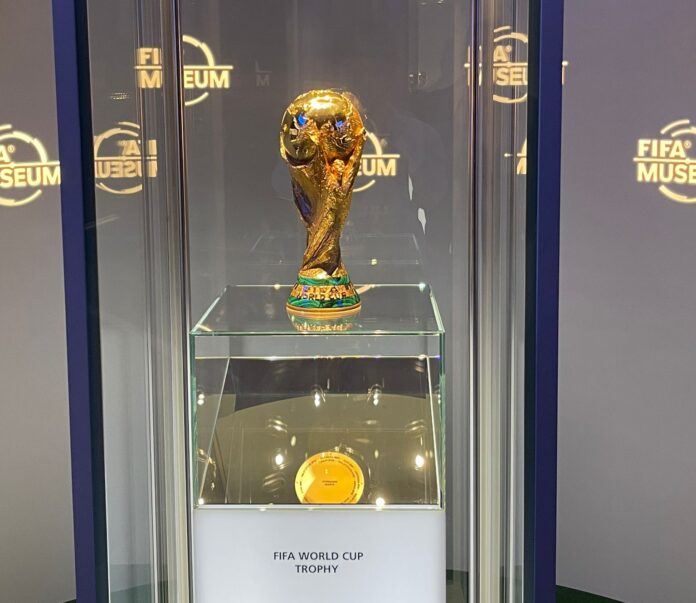
FIFA World Cup trophy displayed inside a glass case at the FIFA Museum.
The FIFA World Cup trophy remains one of the most valuable symbols in global sport and football marketing. As the 2026 tournament approaches, brands and sponsors continue positioning themselves around football’s biggest commercial stage.

The FIFA Transfer Matching System (TMS) is an online platform designed to improve transparency, efficiency, and adherence to regulations in global football transfers. TMS ensures that transfers comply with FIFA rules, particularly the Regulations on the Status and Transfer of Players (RSTP).

Before implementing the TMS, the transfer process relied heavily on manual procedures. This led to inconsistencies, errors, and increased vulnerability to fraudulent activities. Issues such as hidden payments, third-party ownership, and inflated transfer fees undermined the integrity of football transfers. The varying regulatory practices among countries created complications and potential loopholes in international transfers.

TMS introduced a centralized, standardized platform to streamline procedures and ensure compliance with FIFA’s RSTP. The international movement of players under 18 had become a significant concern, as minors were sometimes exploited or transferred under questionable circumstances. To combat this, TMS implemented stricter controls and documentation requirements to protect young players, aligning with FIFA’s commitment to safeguarding minors in football.

By mandating that clubs disclose transfer-related payments and validate them against established standards, TMS enhanced financial transparency and reduced the risk of money laundering and other illegal activities. Additionally, TMS enabled FIFA to monitor transfers in real time, facilitating data collection and analysis for regulatory and policy development. Through the TMS, clubs and football associations submit and verify essential transfer information, including contract details, player identity, and financial transactions. The buying and selling clubs must enter matching information, and the system cross-checks this data to identify any inconsistencies. Any discrepancies are shared among National Associations, which helps to eliminate errors.

Additionally, the TMS assists FIFA in monitoring transfers involving players under 18, ensuring that regulations protecting minors are followed. Over time, the TMS has become an essential tool for combating fraud, promoting fair play, and enhancing the governance of international football transfers. Ultimately, this digital system is crucial for keeping pace with the rapidly evolving technological landscape of the football industry.

2024 NCAA Men’s and Women’s College Cup

Photo by Ariel on Unsplash
Vermont wins 2024 NCAA Men’s College Cup

The University of Vermont is now the 2024 Division I men’s soccer national champion! The Vermont Catamounts made history on December 16th by claiming their first-ever national title with an OT golden goal from Maximilian Kissel to beat Marshall University 2-1 in the NCAA College Cup. The last time Marshall was in a national title game (2020), they won in overtime — this time, it was Vermont on the winning side.

Vermont was down 1-0 in the 67th minute, they battled against Marshall to earn the equalizer in the 80th minute. In overtime, sprinting down the flank, Kissel brought down the long ball out of the back and found himself 1v1 with the keeper, touched around him, and calmly passed the ball into the open net — etching his team into Vermont Catamount history. This was only the third golden goal victory in a national championship since 1985 and Vermont becomes just the eighth team to win a national title in its first College Cup.

Congratulations to the University of Vermont Men’s Soccer Team!

North Carolina wins 2024 NCAA Women’s College Cup

The University of North Carolina is now the 2024 Division I women’s soccer national champion! Olivia Thomas scored on a free kick in the 62nd minute for her fourth goal of the NCAA tournament as North Carolina beat Wake Forest 1-0 on December 9th for the program’s first national championship since 2012. Thomas drew three defenders and was taken down just outside the 18-yard box by Dempsey Brown, who received a yellow card. Thomas found a gap in the wall and curled it past goalkeeper Valentina Amaral for her ninth goal of the season.

North Carolina continues to dominate women’s soccer at the NCAA level. North Carolina (22-5-0) has won 22 of the 43 NCAA women’s soccer titles. The Tar Heels also won the 1981 AIAW title to total 23 national championships. No other women’s soccer team has won more than four.

Congratulations to the University of North Carolina Women’s Soccer Team!

Why Footballers Should Build Their Commercial Personal Brand

In today’s football landscape, being exceptional on the pitch is no longer the only route to success. Building a strong personal brand off the pitch has become a crucial aspect of a player’s career. A commercial personal brand does more than just amplify a player’s social media following; it creates new revenue streams, opens doors to future opportunities, and sets the foundation for life after retirement.

The Power of a Commercial Brand in Football

Football’s global appeal, coupled with the reach of social media, has given players a platform to connect with millions of fans worldwide. Harnessing this power through authentic

self-promotion and collaboration with brands allows players to showcase their personality, values, and style beyond football. This not only elevates their career prospects but also helps them diversify their income and prepare for life beyond their playing days.

Failing to develop a commercial brand often means relying too heavily on football. When the curtain falls on a player’s career, the lack of a well-rounded brand can result in financial instability or the need to pivot into entirely new and unfamiliar industries.

Pushing Boundaries While Staying Authentic

Building a personal brand requires players to step out of their comfort zones while staying true to who they are. It’s about finding the balance between authenticity and ambition. Whether it’s engaging with fans on social media, partnering with reputable brands, or launching their own ventures, players can use their platform to craft a narrative that resonates with their audience.

One of the most effective ways to achieve this is by collaborating with brands that align with a player’s values. Let’s explore some of the most impactful partnerships between footballers and fashion brands to see how players are shaping their identities and influencing trends.

Case Study: CR7 and the Power of Personal Branding

When it comes to personal branding in football, few names shine brighter than Cristiano Ronaldo. His CR7 trademark epitomises the perfect blend of athletic prowess, charisma, and strategic commercial partnerships, making him not only a footballing legend but also a global business phenomenon. Ronaldo’s career earnings have surpassed $1 billion, with over half of that figure stemming from off-field ventures. His partnerships with Nike, Herbalife, and Tag Heuer are just a glimpse of how he has leveraged his personal brand to dominate the commercial landscape.

Ronaldo’s social media presence has been instrumental in amplifying his commercial success. With over 600 million Instagram followers and over 100 million on Twitter, Ronaldo commands unparalleled influence, making him the most followed individual globally. His ability to directly

engage with fans and promote brands has made his social media channels some of the most sought-after advertising platforms, with companies reportedly paying $1.5 million per promotional post. His lifetime deal with Nike, valued at over $1 billion, and ventures like CR7 hotels and fashion lines exemplify how athletes can monetize their public image and create sustainable business models beyond their playing years.

Inspiration from Football’s Branding Icons

Ronaldo’s success is a masterclass in personal branding, but he is not alone. David Beckham, often seen as the pioneer of athlete branding, laid the foundation early in his career and continues to earn millions annually from collaborations with major brands like H&M, Adidas, and Breitling. Similarly, Lionel Messi has built an enduring partnership with Adidas, earning $33 million annually through endorsements with Gatorade, Pepsi, and more. Neymar Jr.’s bold shift to Puma and his collaborations with brands like McDonald’s and Red Bull highlight the diversity in personal branding opportunities.

Other players have seamlessly merged sports with fashion and philanthropy. Marcus Rashford’s partnership with Burberry reflects his commitment to social causes while enhancing his commercial appeal. Zlatan Ibrahimović’s collaboration with H&M Move captures his confident persona and inspires fans to embrace fitness and style. Mo Salah’s work with the Adidas x Gucci campaign underscores how athletes can navigate the intersection of sport and high fashion, showcasing their versatility beyond the field.

The Broader Impact of Building a Brand

Beyond monetary rewards, a strong personal brand empowers athletes to make a lasting societal impact. Ronaldo’s partnerships with UNICEF and Save the Children reflect his commitment to giving back, reinforcing the value of aligning personal interests with charitable causes. Similarly, Rashford’s work with Burberry to empower youth demonstrates how commercial ventures can drive meaningful change.

The examples of Ronaldo, Beckham, Messi, Neymar, and others underscore the importance of players stepping out of their comfort zones to build a brand that resonates with authenticity and values. Whether through strategic endorsements, social media, or philanthropic initiatives, a well-rounded personal brand secures financial stability and positions athletes for a fulfilling post-retirement career.

In today’s digital age, where social media amplifies reach and influence, the potential for footballers to build their brands is limitless. Ronaldo’s journey shows that creating a personal brand is not just about financial gains but about shaping a legacy that transcends the sport and continues to inspire for generations.

The Bigger Picture: Life After Football

Collaborating with brands and engaging on social media aren’t just short-term strategies, they’re investments in the future. By diversifying their identity, footballers can transition seamlessly into new roles, whether it’s in media, fashion, philanthropy, or entrepreneurship. Players like Rashford and Mbappé have shown that these ventures can make a real difference in the world while securing financial independence.

Players who fail to embrace these opportunities risk becoming overly reliant on football. Once the spotlight fades, they may struggle to find purpose and stability. In contrast, those who invest in their personal brand during their playing days leave the sport with a wealth of opportunities and a legacy that extends beyond the game.

Conclusion

In the modern era, building a commercial personal brand is a no-brainer for footballers. By embracing social media, partnering with brands, and staying authentic, players can unlock new revenue streams and opportunities while preparing for life after retirement. Football and fashion’s continued collaboration highlights the potential for athletes to inspire and influence far beyond the pitch. For players, it’s not just about the game, it’s about the legacy they create, both on and off the field.

Building Champions: Creating a Positive Football Environment for Your Child

Photo by Kenny Eliason on Unsplash

The atmosphere surrounding young football players can profoundly impact their experience in the sport. As parents, you have the power to create a positive environment that not only supports your child’s development on the field but also shapes their overall well-being. When children feel encouraged, respected, and supported, they are more likely to thrive both as athletes and as individuals. Cultivating this kind of nurturing atmosphere at home and on the sidelines can make all the difference in their journey.

Presence and attitude

The foundation of a positive environment begins with your presence and attitude. Your child needs to know that you are their biggest fan, not just when they win or play well, but unconditionally. Cheering for them—whether they make a great pass, put in strong effort, or simply enjoy the game—reinforces the idea that they are valued for who they are, not just for their performance. This unconditional support helps build their self-confidence and resilience, making them feel secure in the knowledge that their worth is not tied to results.

Support on the field

Creating a positive environment also means being mindful of how you react during games and practices. Children are incredibly perceptive, and they often pick up on even the smallest cues from their parents. If they see you staying calm, smiling, and offering encouraging words—regardless of the score—they learn to focus on enjoying the game rather than worrying about making mistakes. This is especially important when things don’t go as planned; showing composure and positivity when they miss a shot or lose a match teaches them to handle setbacks with grace.

Promote a growth mindset

One of the most powerful ways to foster a positive environment is by promoting a growth mindset. Instead of emphasizing natural talent, praise your child’s effort, improvement, and willingness to try new things. Statements like, “I noticed how hard you were working on your footwork today,” or “I love how you stayed focused even when the game was tough” help them understand that what truly matters is their dedication and attitude. This approach not only reduces the pressure to be perfect but also encourages them to take on challenges with curiosity and enthusiasm.

Include family members in the process

Additionally, it’s essential to create a supportive atmosphere among the entire family. Encourage siblings and other family members to cheer for your child, celebrate their efforts, and acknowledge their hard work. When children see that everyone around them is rooting for their personal growth, it helps create a network of support that feels like a team beyond the field. This can be particularly comforting when they face difficult moments, reminding them that they are not alone in their journey.

Positive reinforcement

Positive reinforcement shouldn’t stop at the end of a game. Use everyday moments to discuss the lessons they’ve learned and celebrate small wins. This could be during the car ride home, at the dinner table, or even while playing a casual game together in the backyard. Reflecting on their experiences in a relaxed, supportive setting helps reinforce the idea that football is about much more than just competition—it’s about personal growth, joy, and building lasting memories.

Set healthy boundaries

A critical aspect of maintaining a positive environment is to set healthy boundaries around the sport. While it’s great for your child to be passionate about football, it’s also important to ensure they have time for other interests, friends, and relaxation. Encouraging them to explore different hobbies or simply enjoy downtime helps prevent burnout and keeps their love for football fresh and exciting. This balance is crucial in maintaining their physical and mental health, ensuring that football remains a source of joy rather than a source of pressure.

Finally, remember that the most important gift you can give your young football player is the reassurance that, win or lose, their happiness and well-being matter most. By focusing on the joy of playing, the camaraderie of being part of a team, and the life lessons learned along the way, you are helping to create a positive environment that nurtures not just better athletes, but more confident, compassionate, and resilient young people.

Through your consistent support, encouragement, and understanding, you can help transform their football journey into a lifelong source of positive experiences, shaping not just the player they are today but the person they will become in the future.

MLS SuperDraft Explained: Rules, Eligibility, and 2025 Format

What is the SuperDraft?

The MLS SuperDraft is an annual event in the Major League Soccer where teams select eligible players to join their rosters. The primary focus is college soccer players, but it can also include youth internationals and other eligible domestic players.

Before the draft, each MLS team creates a list of college players that they are most interested in potentially drafting. An eligible players pool of over 300 college athletes is compiled and verified by the league office, ensuring accuracy and removing any duplicates to create the final eligible player list.

Eligibility Criteria

  • Players who are collegiate sophomores, juniors or above.
  • Previously, only players who were collegiate seniors and above, along with Generation adidas signings, were eligible for selection.
  • College players can still sign Generation adidas contracts (freshmen and above).

Draft Format

Draft rounds: The 2025 MLS SuperDraft will consist of three rounds of player selection.

Selection clock:

Round 1: Teams have four (4) minutes per selection

Rounds 2 and 3: Teams have three (3) minutes per selection.

Intermission: A ten (10) minute break between Rounds 1 and 2.

Timeouts: Each team gets one (1) timeout. Timeouts are three (3) minutes in duration. Selections must be made immediately following the timeout (no additional time given). More than two (2) timeouts cannot be used consecutively.

Failure to make selection in designated time: Teams failing to pick in the allowed time must wait until the next selection is made. Their choice must immediately follow the next team’s pick.

Trades: All trades must be verified and approved by the Commissioner and/or his designee. Trade announcements will not reveal the identity of players until those players have been contacted by their respective clubs. For example, Team A trades a “player to be named later” for Team B’s first selection.

Team passing: If a team passes on a selection, it forfeits any further picks in the MLS SuperDraft 2025.

What is a Generation Adidas Contract?

Generation adidas (GA) is a joint program between adidas and MLS that identifies and develops top talent, including standout college players and youth national team members.

  • GA player salaries do not count against an MLS team’s annual salary budget, providing an added incentive for that club to develop the player.
  • Over time, GA players graduate to senior player contracts, at which point their salaries count toward the team’s budget.
  • Importantly, a player must be nominated by an MLS team or teams, to be eligible for a GA contract.

2025 MLS SuperDraft Order

The draft order is determined in reverse order of the final standings from the previous MLS season, taking postseason performance into account. The 2025 draft will have San Diego FC, the league’s newest expansion team, hold the first selection in each round.

Key Date

The 2025 MLS SuperDraft: December 20th.

Conclusion

The MLS SuperDraft bridges the gap between college soccer and professional opportunities. It provides MLS teams with a platform to build their rosters while offering young players a chance to showcase their talent and transition into professional soccer.

The Women’s League – Edition #28

Cover image of The Women’s League magazine featuring bold turquoise text on a purple stadium background. Tagline reads: "For women’s football decision makers."

Welcome to the 28th edition of The Women’s League, your digital source for the latest and most impactful stories in Women’s football.

This week we dive into:

  • Leadership Lineup
    Angela Hucles, former General Manager of Angel City FC, has been appointed President of Women’s Soccer at the Houston Dash…
  • Beyond The Stands
    FC Red Bull Salzburg are taking the next big step in women’s football. Starting with the 2025/2026 season, the club will compete in the ADMIRAL Frauen Bundesliga…
  • Who is Katharina Kiel?
    Kiel assumed the role of Technical Director at Eintracht Frankfurt’s women’s team in late 2022, signing a three-year contract until summer 2025. Her focus areas include infrastructure, roster management, and strategic development.


Muscle Cramps

Photo by Joanna Kosinska on Unsplash

Exercise-associated muscle cramps (EAMC) are a common problem for athletes across various sports. Although the exact causes of these cramps are still being studied, recent evidence suggests that they result from a mix of factors rather than just one issue. This article explores what we currently know about muscle cramps and nutrition offering practical solutions and prevention strategies.

The causes of EAMC have been debated in the field of sports medicine. Two main theories have emerged:

Dehydration and Electrolyte Imbalance

This theory suggests that muscle cramps occur due to a loss of fluids and electrolytes, which are essential for muscle function. When athletes sweat excessively, especially in hot and humid conditions, they may lose important minerals like sodium, potassium, magnesium, and calcium. This imbalance can lead to muscle cramps.

However, recent research has raised questions about this theory:

  • Studies show that cramps can happen even when athletes are not dehydrated or have normal electrolyte levels.
  • Experiments indicate that the nervous system plays a significant role in cramp development.
Neuromuscular Fatigue

This newer theory proposes that EAMC is mainly caused by fatigue affecting the nerves and muscles. Key points supporting this idea include:

  • Cramps often occur towards the end of competitions when athletes are most fatigued.
  • Research indicates that athletes who experience cramps have different nerve responses compared to those who do not.
Practical Nutritional Strategies
  • Consume electrolyte-rich foods like pickles, salted watermelon, and coconut water.
  • For cramp-prone athletes, add 0.3 to 0.7 g/L of salt to drinks during exercise.
  • Incorporate potassium-rich foods such as bananas, sweet potatoes, and avocados.
Carbohydrate Intake

Adequate carbohydrate consumption may help delay muscle fatigue and potentially reduce cramping risk.

  • Consume carbohydrate-rich meals before prolonged exercise
  • Consider carbohydrate intake during extended workouts
  • Ensure proper carbohydrate replenishment post-exercise
Micronutrient Focus

While electrolytes are crucial, other micronutrients also play important roles in muscle function and cramp prevention, such as magnesium: Found in nuts, seeds, and leafy greens, Calcium: Abundant in dairy products and leafy vegetables and B vitamins: Present in whole grains, lean meats, and legumes.

Innovative Nutritional Approaches
  1. Pickle Juice Effect: Some athletes find relief from cramps by consuming pickle juice, possibly due to its high sodium content and potential neurological effects.
  2. Beet Greens: These nutrient-dense leaves are rich in potassium, magnesium, and calcium, making them an excellent food for muscle health.
  3. Fermented Foods: Pickles and kimchi are high in sodium and other nutrients that may help reduce muscle cramps.
  4. Greek Yogurt: High in electrolytes and protein, it can support muscle recovery and potentially help prevent cramps.
  5. Nutrient-Rich Smoothies: Combining fruits, vegetables, and dairy or plant-based alternatives can provide a balanced mix of electrolytes and other essential nutrients.

While nutrition plays a significant role in EAMC management, it’s important to note that hydration status, exercise intensity, and individual factors also contribute. A comprehensive approach that includes proper nutrition, adequate hydration, and appropriate training is likely to be most effective in preventing and managing exercise-associated muscle cramps.