
Home Blog Page 62

Pay to Play for National Teams: A Global Scandal Threatening Football’s Future

Photo by Ibrahim Boran on Unsplash

The national team is a place where the best players come together. For many, it is an honor, a source of pride, and a lifelong dream to represent their country. For players and their families, wearing the national jersey is the pinnacle of achievement, proof that their hard work and talent have been recognized at the highest level.

But in many parts of the world, from Europe to Asia, Africa, and Central and South America, this dream is being manipulated, sold, and controlled by money and influence. Instead of selecting the best players based on merit, some national team coaches, scouts, and officials are demanding payments or leveraging personal connections to decide who gets an invitation. The result is a corrupt system that exploits young talents and their families while damaging the integrity of football.

The Corrupt Pay-to-Play System

In many cases, parents are directly asked to pay for their child’s inclusion in youth national team camps. In other instances, political figures or wealthy individuals use their influence to secure spots for players with connections rather than talent. Agents, too, play a role—some promise national team call-ups in exchange for signing contracts with them, using their relationships with officials to get a player invited.

But what happens to kids and families without financial backing or influential agents? Desperate to see their child succeed, some parents take on massive financial burdens, borrowing money just to buy their way into a training camp. Others switch to an agent who can “arrange” an invitation, effectively giving in to the corrupt system.

In most cases, these pay-to-play schemes happen during youth national team training camps rather than official matches or tournaments. This gives national team officials an easy excuse: “We are just testing players.” But the truth is, some of these players are not being tested on merit—they are simply paying for an opportunity that others rightfully deserve.

The Agent’s Dilemma: What Can You Do?

For ethical agents, this creates a difficult situation. Imagine having a player who is clearly more talented than the ones being selected, yet they are overlooked because their family refuses—or cannot afford—to pay. The parents, frustrated and desperate, turn to the agent for help.

But what options does an agent have?
  • If they refuse to pay, their player remains ignored.
  • If they agree to pay, they participate in and strengthen the corrupt system.
  • If they don’t have the money to compete with wealthier agents, their player is left out.

For young agents, this dilemma is even harder. They are trying to build their careers without resorting to bribery, yet they see competitors gaining influence simply by paying the right people. In many cases, agents who refuse to engage in corruption are sidelined, while those who play the game gain access to key decision-makers in federations.

How Can We Solve This?

The first step in fighting this corruption is awareness. The issue is well known within the football industry, but rarely discussed openly. Players, parents, and ethical agents need to speak up and expose these practices. Football federations must acknowledge the problem and take action rather than turning a blind eye.

Beyond awareness, a more structured reporting system could be introduced. This could allow parents, agents, and players to file anonymous complaints about national team officials, coaches, or agents involved in pay-to-play schemes. A global or regional watchdog organization could oversee such cases, investigate patterns, and hold individuals accountable.

FIFA and continental federations (UEFA, CAF, CONMEBOL, etc.) could implement stricter transparency measures regarding national team selections. For example:

  • Public disclosure of selection criteria for youth and senior teams.
  • Independent oversight committees to review squad lists.
  • Protection mechanisms for whistleblowers who expose corruption.

If football is to maintain its credibility, national team selections must be based on talent, not transactions. Until meaningful reforms are introduced, young players and their families will continue to suffer, and the football world will lose potential stars simply because they couldn’t afford to pay their way in.
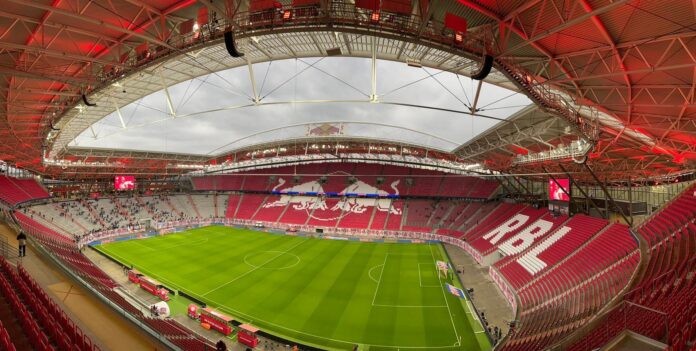

Global Players in Japanese Football: Why Red Bull and City Group are Investing in the J.League

In recent years, Japanese football has become an increasingly attractive market for global investors, with Red Bull and the City Football Group leading the charge. These two giants, known for revolutionizing clubs around the world, have now set their sights on the J.League, aiming to leave an indelible mark on Japan’s football scene.

Red Bull turned heads with its acquisition of Omiya Ardija, the J3 League champions, and has ambitious plans to elevate the club. Leveraging their successful model applied in Europe and the Americas, Red Bull aims to transform Omiya Ardija into a powerhouse by focusing on branding, youth development, and global networking. The integration of Red Bull’s aggressive yet methodical approach could set a new benchmark for other clubs in Japan.

Similarly, the City Football Group has strengthened its foothold in Japan through its long-standing partnership with Yokohama F. Marinos. This collaboration has not only brought financial stability but also introduced advanced training systems and international expertise, cementing the Marinos’ position as one of the top clubs in the J.League. These high-profile moves underscore Japan’s rising appeal as a strategic market in global football expansion.

Why Are Investors Turning to Japan?

Japan offers a unique combination of factors that make it a prime target for football investors. With a rich football culture characterized by deeply passionate fans and consistently high stadium attendance, the country provides a strong base for fostering community-oriented football projects. Fans in Japan have a reputation for their unwavering loyalty and connection to local clubs, creating fertile ground for long-term growth.

Moreover, Japan’s economic stability and robust infrastructure make it an ideal destination for risk-averse investors. Clubs in the J.League are professionally managed and operate under a financially responsible model, which minimizes potential risks and ensures sustainability. Additionally, Japan’s strategic location within Asia allows for easy access to rapidly growing football markets in neighboring countries like South Korea, China, and Southeast Asia.

The J.League’s 100-year vision aligns perfectly with the long-term strategies of global investors. By emphasizing grassroots development, financial responsibility, and sustainable club management, the league has positioned itself as an appealing partner for organizations like Red Bull and the City Football Group. This shared vision of long-term growth creates a natural synergy between foreign investors and Japanese football.

Opportunities and Challenges for Japanese Football

The arrival of global investors such as Red Bull and City Football Group brings with it tremendous opportunities for Japanese football. Clubs stand to benefit from state-of-the-art technology, innovative training methodologies, and advanced marketing strategies. For example, the City Football Group’s data-driven approach has already helped Yokohama F. Marinos refine their tactical strategies, leading to significant on-pitch success and off-pitch growth.

However, these investments also come with challenges. Japanese football is deeply rooted in cultural values that emphasize respect, inclusivity, and community. Balancing these traditional elements with the more commercially driven goals of global investors is no small task. To maintain the league’s identity and authenticity while embracing modernization, clubs and stakeholders must find a careful equilibrium that respects both tradition and innovation.

This tension also extends to the risk of over-commercialization. While international investments can drive growth, there is a need to ensure that the local fanbase continues to feel represented and valued. The key to sustainable success will lie in fostering collaboration between global expertise and Japan’s unique football culture.

Potential New Investors

The moves by Red Bull and the City Football Group could pave the way for other prominent investors to explore opportunities in Japan. Paris Saint-Germain (PSG), owned by Qatar Sports Investments, has already made significant efforts to strengthen its presence in the country through pre-season tours and fan engagement campaigns. A more profound commitment, such as partnering with or acquiring a Japanese club, could solidify their position in the region and capitalize on the growing Asian market.

Another potential investor is 777 Partners, a U.S.-based firm with an expanding portfolio of football clubs across Europe. Known for targeting high-potential markets, they might view Japan as an ideal opportunity for growth. Clubs like the Urawa Red Diamonds, with their extensive fanbase and strong marketability, could be highly appealing to international investors seeking to make an impact in Asia.

The Road Ahead

The entry of Red Bull and the City Football Group into Japanese football marks a transformative period for the J.League. These investments not only bring much-needed financial resources but also introduce cutting-edge expertise and innovative ideas that could reshape the league’s landscape. For Japanese football, this is an opportunity to enhance its global presence, strengthen club infrastructure, and build deeper connections with fans.

Looking ahead, the challenge will be to balance modernization with tradition. The J.League’s ability to maintain its core values while embracing global investment will determine the league’s future trajectory. With potential new players like PSG and 777 Partners on the horizon, the future of Japanese football appears poised for an exciting era of growth and evolution. This dynamic blend of local passion and global ambition could elevate the J.League to new heights, offering a model for other leagues to follow.

The Rise of Revenue Share Commercial Deals for Footballers

Photo by Medienstürmer on Unsplash

In the evolving world of football, players are increasingly seen not just as athletes but as marketable brands. The commercial opportunities available to footballers have expanded significantly, offering ways to monetise their image and build their financial legacies beyond the pitch. One of the most intriguing trends in this space is the rise of revenue share (rev share) deals.

Rather than the traditional model where brands pay a fixed upfront fee for an athlete’s endorsement, revenue share agreements link the player’s earnings directly to the performance of a product or campaign. These deals create unique opportunities for both emerging and established talents, providing innovative ways to collaborate with brands. Let’s delve into why rev share agreements are gaining traction and explore their advantages and disadvantages.

What is a Rev Share Deal?

Revenue share deals are innovative partnership models that allow footballers to collaborate with brands in ways that directly tie their earnings to the success of the product or campaign. Unlike traditional sponsorships, these agreements incentivise both parties to work towards mutual success. The two most common structures of revenue share deals are:

  1. Affiliate Model: Under this arrangement, a player promotes a brand’s product or service and earns a percentage of the sales generated through their unique affiliate link or ambassador code. This model is especially effective for social media campaigns, where athletes can leverage their platforms to reach a wide audience. For example, a footballer might share a custom discount code for a sportswear line, earning a commission for each purchase made using that code. The affiliate model is straightforward, easy to implement, and allows players to generate passive income as long as the campaign remains active.
  2. Co-Creation Model: In this structure, the player collaborates with the brand to create a personalised product line. This could include signature clothing collections, footwear, accessories, or even dietary supplements. The player’s name, input, and personal brand are heavily integrated into the product, giving it a unique appeal to their fan base. In return, the player receives a percentage of the revenue from all sales of their custom line. This model not only provides financial rewards but also strengthens the player’s image as an entrepreneurial and creative force.

Both models offer flexibility and the potential for significant returns, making them attractive options for footballers looking to monetise their influence effectively. These agreements align the financial success of the player with that of the brand, fostering a collaborative and mutually beneficial relationship.

Advantages of Revenue Share Deals
  1. Accessibility for Lesser-Known Talents: Revenue share deals open doors for up-and-coming footballers who may not yet command large endorsement fees. By linking their income to the campaign’s performance, they can begin building their commercial personal brand and prove their value to future partners. These deals allow emerging talents to enter the commercial space without needing a massive following or high initial demand.
  2. Appealing to Brands with Smaller Budgets: For brands with limited cash flow or marketing budgets, rev share deals offer an affordable way to collaborate with sports influencers. Instead of investing large sums upfront, brands can compensate athletes based on actual sales, reducing financial risk. This dynamic is especially valuable for startups or niche companies looking to tap into the athlete’s audience.
  3. Potentially Higher Earnings: When successful, rev share deals can be significantly more lucrative than traditional fixed-fee agreements. Players who actively promote their partnerships and cultivate their audience’s trust can see impressive returns over time. For example, a well-executed campaign for a popular product could result in earnings that far exceed what the player might have negotiated as a one-time endorsement fee.
  4. Ease of Implementation: Rev share structures are particularly suited to tangible products such as apparel, accessories, or fitness gear. These items align naturally with an athlete’s lifestyle, making them easier to market authentically to their fan base. The simplicity of setting up an affiliate link or collaborating on a product line also minimises the logistical barriers for both parties.
  5. Long-Term Collaboration: Longer-term rev share deals, spanning at least a year, give campaigns the time they need to gain traction, build brand equity, and deliver sustained results for both the player and the partner brand. This approach fosters a deeper relationship between the athlete and the company, enhancing credibility and consumer trust.
Structuring the Deal

Revenue share agreements offer flexibility and can be customised to align with the unique goals of both the talent and the collaborating brand. For example, some agreements include a guaranteed minimum payout to the athlete, ensuring that the first few thousand dollars of sales revenue are allocated directly to them. This hybrid model provides the athlete with financial security through upfront payments while offering the potential for additional earnings based on performance through revenue sharing.

Agents play a crucial role in these agreements by facilitating negotiations and ensuring favorable terms for the athlete. Their compensation typically comes from taking a commission, usually a predetermined percentage, of the revenue received by the talent. This creates an incentive for agents to secure and maximize lucrative opportunities for their clients, as their income directly correlates with the athlete’s success.

Additional considerations when structuring these deals include:

  • Commission Rate: Determining a competitive percentage that reflects the athlete’s market influence and aligns with the brand’s revenue projections, ensuring both parties benefit fairly.
  • Exclusivity Clauses: Specifying whether the athlete can engage with competing brands during the agreement’s duration, balancing the needs for broad exposure and brand loyalty.
  • Performance Benchmarks: Setting clear metrics to measure the campaign’s effectiveness, ensuring both the athlete and the brand are accountable for delivering on agreed goals.

These detailed terms ensure clarity, mutual benefit, and a balanced partnership between the athlete, agent, and brand.

Challenges and Considerations

While rev share deals offer many advantages, they aren’t without risks. Players should carefully consider the following:

  1. Uncertain Earnings: Unlike upfront payments, rev share deals rely on the campaign’s
    success. If the product fails to gain traction, the player risks earning far less than they
    might have under a traditional deal. This makes it essential to partner with brands that
    have strong market potential and reliable execution plans.
  2. Investment of Time and Effort: Revenue share arrangements often require the athlete’s active involvement in promoting the product, from social media campaigns to event appearances. This level of engagement can be demanding and time-consuming, especially for players juggling professional commitments.
  3. Risk Mitigation: To offset these risks, talents should seek long-term commitments, ideally spanning a minimum of 12 months, to allow the campaign adequate time to grow. Additionally, it’s crucial to partner with brands that align with their personal values and resonate with their fan base.
The Bigger Picture

Revenue share deals represent a shift in how footballers can monetise their influence. These agreements empower players to take a more entrepreneurial approach to their commercial ventures, aligning their success with that of their partner brands. While these deals come with challenges, they provide valuable opportunities for emerging talents and established stars alike to diversify their income streams and deepen their engagement with fans.

For footballers ready to think beyond the pitch, revenue share agreements offer a dynamic and innovative path forward. By carefully selecting partners and structuring deals strategically, athletes can unlock new dimensions of their personal brand and create lasting commercial value.

Empowering Young Players: How to Offer Technical Feedback Without Overwhelming Your Child

As parents of young football players, it’s only natural to want to help them improve. You’re invested in their success and eager to share observations or advice that might give them an edge. However, too much feedback—especially when it comes to technical skills—can leave young athletes feeling overwhelmed, discouraged, or even disconnected from the sport they love. Knowing when and how to provide guidance can make all the difference in fostering their growth without adding unnecessary pressure.

Here’s how to strike the right balance when offering technical advice, ensuring your input is constructive and supportive.

Pause and Observe Before Speaking

It can be tempting to jump in with feedback right after a game or practice, but it’s essential to assess the situation first. After a tough match or an exhausting practice, your child might need space to process their emotions rather than hear a list of things they could improve.

Before offering advice, ask yourself: Does my child seem open to feedback right now? If they’re visibly upset, tired, or distracted, it’s often better to wait until they’re in a calmer state of mind. This simple act of observation shows empathy and helps create a more receptive environment for discussion later.

Ask If They Want Feedback

Sometimes, the best way to avoid overwhelming your young athlete is to ask for their input first. Questions like, “Would you like some advice about today’s game?” or “How do you feel about how you played?” give them control over the conversation.

If they’re not ready to engage, respect their boundaries and revisit the topic later. By giving them the choice, you’re showing that you value their feelings and autonomy, which strengthens trust and communication between you.

Keep It Simple and Specific

When you do offer feedback, less is more. Stick to one or two key points that are actionable and relevant to their immediate growth. For example, instead of saying, “You need to improve your passing, positioning, and defense,” try focusing on a single area: “I noticed you hesitated to pass in tight spaces—let’s practice making quicker decisions together.”

Specific feedback is easier for young players to understand and apply, while broad or overly detailed advice can feel like a critique of their entire performance.

Balance Critique with Encouragement

Constructive criticism is valuable, but it should always be paired with positive reinforcement. For every piece of advice you offer, aim to highlight something they did well. This approach helps maintain their confidence and keeps the focus on growth rather than mistakes.

For example, you might say, “I really liked how you stayed focused and kept trying even when the game got tough. One thing to work on might be timing your passes a bit earlier—that could make a big difference.”

This balance reassures them that you recognize their effort and potential, even as you encourage them to improve.

Leave the Technical Details to the Coach

It’s important to remember that your role as a parent is different from that of a coach. While it’s fine to offer occasional advice, the coach is responsible for guiding your child’s technical development. Too many voices providing feedback can confuse young players or make them feel like they’re being pulled in different directions.

Focus on supporting your child’s overall experience rather than dissecting every play. Let the coach handle the technical details, and instead, emphasize values like effort, teamwork, and resilience.

Foster Self-Reflection

Encouraging your child to reflect on their own performance can be more effective than providing direct advice. Ask open-ended questions that prompt them to analyze their game: “What do you think went well today?” or “What’s one thing you’d like to work on for next time?”

When players take ownership of their improvement, they’re more likely to stay motivated and engaged. This approach also helps develop critical thinking skills that will serve them far beyond the football field.

Create a Positive Post-Game Routine

After games, focus on celebrating their effort and enjoyment rather than immediately diving into critiques. You might say, “I’m proud of how hard you worked out there” or “What was the most fun part of the game for you?”

Establishing a tradition of positive post-game conversations helps your child associate football with encouragement and support. When they know that your primary focus is their happiness and growth, they’ll feel more confident in seeking your advice when they’re ready.

Know When to Step Back

Sometimes, the most supportive thing you can do is simply watch and cheer. Not every moment requires intervention, and your child will benefit from having the space to learn from their own experiences.

Trust in their ability to grow, and remember that mistakes are an essential part of the learning process. By stepping back when necessary, you allow them to develop independence and resilience—qualities that will serve them well both on and off the field.

A Partnership in Growth

Providing feedback as a parent is a delicate balance, but when done thoughtfully, it can strengthen your relationship with your young athlete and support their development. By focusing on empathy, simplicity, and encouragement, you can help them navigate the challenges of football with confidence and joy.

Remember, your role is not just to guide their skills but to be their biggest source of support and positivity. With your thoughtful approach, they’ll feel empowered to grow, both as a player and as a person.

Günümüz Futbolunda Kişisel Marka İnşa Etmenin Önemi

Photo by Claudio Schwarz on Unsplash

Günümüz futbol dünyasında, sahada mükemmel performans sergilemek başarıya ulaşmanın tek yolu olmaktan çıktı. Saha dışı güçlü bir kişisel marka oluşturmak, bir futbolcunun kariyerinin vazgeçilmez bir parçası haline geldi. Ticari bir kişisel marka, yalnızca bir oyuncunun sosyal medya takipçilerini artırmakla kalmaz; aynı zamanda yeni gelir kaynakları yaratır, gelecekteki fırsatların kapılarını aralar ve emeklilik sonrası hayat için sağlam bir temel oluşturur.

Futbolda Ticari Markanın Gücü

Futbolun küresel cazibesi ve sosyal medyanın erişim gücü, oyunculara milyonlarca hayranla bağlantı kurma fırsatı sunuyor. Bu gücü, otantik bir öz tanıtım ve markalarla iş birliği yoluyla kullanmak, oyuncuların futbol dışındaki kişiliklerini, değerlerini ve tarzlarını sergilemelerine olanak tanır. Bu, kariyerlerini ileriye taşımakla kalmaz, gelirlerini çeşitlendirmelerine ve futbol sonrası hayata hazırlanmalarına yardımcı olur.

Kişisel marka geliştiremeyen oyuncular, yalnızca futbola bağımlı hale gelir. Kariyer sona erdiğinde, kapsamlı bir marka eksikliği finansal istikrarsızlığa veya tamamen yeni ve alışılmadık sektörlere yönelme ihtiyacına yol açabilir.

Sınırları Zorlamak ve Otantik Kalmak

Kişisel bir marka oluşturmak, oyuncuların konfor alanlarının dışına çıkmasını gerektirir ancak bu süreçte kendilerine sadık kalmaları da şarttır. Bu, otantiklik ve hırs arasındaki dengeyi bulmak ile ilgilidir. Sosyal medyada hayranlarla etkileşim kurmak, saygın markalarla iş birliği yapmak veya kendi girişimlerini başlatmak gibi yollarla oyuncular, hedef kitleleriyle yankı uyandıran bir hikâye oluşturabilirler.

En etkili yollardan biri, bir oyuncunun değerleriyle uyumlu markalarla işbirliği yapmaktır. Oyuncuların kimliklerini şekillendirmeleri ve trendleri nasıl etkilediklerini görmek için futbolcular ile moda markaları arasındaki en etkileyici ortaklıklara bir göz atalım.

İnceleme: CR7 ve Kişisel Markalaşmanın Gücü

Futbolda kişisel markalaşma söz konusu olduğunda, Cristiano Ronaldo gibi parlayan isimler çok azdır. CR7 markası, atletik yetenek, karizma ve stratejik ticari ortaklıkların mükemmel bir birleşimini simgeliyor. Ronaldo’yu yalnızca bir futbol efsanesi değil, aynı zamanda küresel bir iş fenomeni haline getirdi. Ronaldo’nun kariyer kazançları 1 milyar doları aştı ve bu rakamın yarısından fazlası saha dışı girişimlerden geldi. Nike, Herbalife ve Tag Heuer ile ortaklıkları, kişisel markasını ticari alanda nasıl ustalıkla kullandığının sadece bir kısmını gösteriyor.

Ronaldo’nun sosyal medyadaki varlığı, ticari başarısını artırmada önemli bir rol oynadı. 600 milyonun üzerinde Instagram ve 100 milyondan fazla Twitter takipçisi ile Ronaldo, dünyanın en çok takip edilen bireyi konumunda. Hayranlarıyla doğrudan etkileşim kurma ve markaları tanıtma yeteneği, sosyal medya kanallarını en çok aranan reklam platformlarından biri haline getirdi. Nike ile 1 milyar doların üzerinde bir ömür boyu anlaşması ve CR7 otelleri gibi girişimleri, sporcuların kamu imajını nasıl gelir getiren sürdürülebilir iş modellerine dönüştürebileceğini gösteriyor.

İlham Veren Futbol İkonları

Ronaldo’nun başarısı kişisel markalaşma konusunda bir başyapıt olsa da, yalnız değil. David Beckham, atlet markalaşmasının öncüsü olarak kariyerinin başlarında bu temeli attı ve H&M, Adidas ve Breitling gibi büyük markalarla iş birliklerinden yılda milyonlar kazanmaya devam ediyor. Benzer şekilde, Lionel Messi’nin Adidas ile kurduğu uzun vadeli ortaklık, Gatorade ve Pepsi gibi markalardan yıllık 33 milyon dolar kazanmasını sağlıyor. Neymar Jr.’ın Puma’ya geçişi ve McDonald’s ve Red Bull gibi markalarla iş birlikleri, kişisel markalaşma fırsatlarının çeşitliliğini gözler önüne seriyor.

Marcus Rashford’un Burberry ile ortaklığı, sosyal nedenlere bağlılığını yansıtırken ticari çekiciliğini artırıyor. Zlatan Ibrahimović’in H&M Move ile işbirliği, kendine güvenen kişiliğini yansıtıyor ve hayranlarını fitness ve stili benimsemeye teşvik ediyor. Mo Salah’ın Adidas x Gucci kampanyasındaki çalışmaları, sporcuların spor ve yüksek moda kesişiminde nasıl yol alabildiklerini, sahadaki rollerinin ötesindeki çok yönlülüklerini sergiliyor.

Marka Oluşturmanın Daha Geniş Etkisi

Maddi ödüllerin ötesinde, güçlü bir kişisel marka, sporcuların toplumda kalıcı bir etki bırakmalarını sağlar. Ronaldo’nun UNICEF ve Save the Children ile yaptığı ortaklıklar, kişisel çıkarları hayırsever amaçlarla uyumlu hale getirmenin değerini güçlendiriyor. Benzer şekilde, Rashford’un Burberry ile gençlere güç kazandırmaya yönelik çalışmaları, ticari girişimlerin anlamlı değişimi nasıl yönlendirebileceğini gösteriyor.

Büyük Resmi Görmek: Futbol Sonrası Hayat

Markalarla iş birliği yapmak ve sosyal medyada etkileşimde bulunmak yalnızca kısa vadeli stratejiler değil, aynı zamanda geleceğe yapılan bir yatırımdır. Kimliklerini çeşitlendiren futbolcular, medya, moda, hayırseverlik veya girişimcilik gibi yeni rollere sorunsuz bir şekilde geçiş yapabilirler. Rashford ve Mbappé gibi oyuncular, bu girişimlerin dünyada gerçek bir fark yaratırken mali bağımsızlığı güvence altına alabildiğini gösteriyor.

Fırsatları değerlendiremeyen oyuncular ise futbolun etkisine fazlasıyla bağımlı hale gelebilir. Sahne ışıkları söndüğünde, amaç ve istikrar bulmakta zorlanabilirler. Oysa kariyerleri boyunca kişisel markalarına yatırım yapanlar, sporun ötesinde bir mirasla oyun dünyasından ayrılır ve pek çok fırsatı beraberinde getirirler.

Sonuç

Modern çağda, ticari bir kişisel marka oluşturmak, futbolcular için bir zorunluluktur. Sosyal medyayı benimseyerek, markalarla iş birliği yaparak ve otantik kalarak oyuncular, yeni gelir kaynaklarını ve fırsatları ortaya çıkarabilir ve emeklilik sonrası hayatlarına hazırlanabilirler.

Futbol ve modanın süregelen iş birliği, sporcuların saha dışında da ilham vermek ve etkilemek için sahip oldukları potansiyeli vurguluyor. Kişisel marka oluşturma süreci, yalnızca finansal kazançlarla sınırlı değildir; aynı zamanda oyuncuların sosyal sorumluluk projelerinde yer alarak topluma katkıda bulunmalarına olanak tanır. Oyuncular, markalarını güçlendirmek için hikayelerini otantik bir şekilde paylaşabilir, değerlerini ön plana çıkarabilir ve kariyerleri boyunca edindikleri deneyimleri başkalarına ilham kaynağı olarak sunabilir.

Büyük resmi görmek, yalnızca bireysel kazançlara odaklanmak yerine, oyuncuların futbol dünyasına ve ötesine kalıcı bir etki bırakmalarını sağlar. Kendi markalarını inşa eden oyuncular, yalnızca saha içindeki başarılarıyla değil, aynı zamanda kültürel etkileri, sosyal sorumluluk projeleri ve girişimleriyle de hatırlanacak bir miras oluşturabilirler.

FC Basara Mainz: A Bridge Between Cultures in German Football

In the bustling football landscape of Germany, one club has managed to carve out a unique identity, blending ambition, cultural exchange, and the pure love of the game. FC Basara Mainz, competing in the Verbandsliga, has become much more than a team; it is a symbol of what football can achieve when passion and vision come together.

Humble Beginnings with Big Dreams

FC Basara Mainz was born out of a dream shared by Shinji Okazaki and Takashi Yamashita, who co-founded the club to bring Japanese and German football cultures together. Starting at the very bottom of the German football pyramid, the club faced immense challenges. Resources were scarce, and convincing players to join this unconventional project was no small feat. “In the beginning, it was just two of us from Japan,” one of the founders recalled. “I even had to step in as a player-coach to keep things moving.”

Despite these struggles, the team began to grow. The founders’ determination resonated with others, and slowly but surely, FC Basara Mainz started to climb the leagues. Their journey is a testament to how far passion and hard work can take a team.

Blending Football Cultures

What truly sets FC Basara Mainz apart is its unique approach to integrating two distinct football cultures. The recruitment of Japanese players early on helped shape the club’s identity. Unlike traditional recruitment processes, the founders relied on their personal networks in Japan, bringing in players who added discipline and stamina to the team.

“The language barrier was a challenge at first,” Takashi Yamashita admitted. “But football is a universal language. The shared goal of winning helped us overcome cultural differences.”

On the pitch, this fusion of cultures has proven to be a strength. The Japanese players contribute their work ethic and tactical discipline, while the German players add physicality and directness. The result is a team that combines the best of both worlds, creating a unique playing style that has captivated fans.

Life in the Verbandsliga

Competing in the Verbandsliga, the sixth tier of German football, presents its own set of challenges. Resources are limited, and balancing ambition with the realities of amateur football is a constant struggle. Yet, FC Basara Mainz has never stopped dreaming.

“Our goal has always been to reach the Oberliga,” Takashi Yamashita stated. The recent arrival of Shinji Okazaki, a Premier League winner and one of Japan’s most renowned players, has added a new layer of ambition. Okazaki’s presence as a coach and mentor has inspired the team to aim higher, pushing themselves to achieve more.

A Strong Connection to Japan

The club’s ties to Japan run deep. FC Basara Mainz maintains a partnership with FC Basara Hyogo, a team in the Japanese fifth division. This relationship not only strengthens the recruitment pipeline but also fosters a unique exchange of ideas and talent.

“Our partnership with Basara Hyogo has been crucial,” Takashi Yamashita explained. “We’ve benefited from their discipline and unique style of play, while Japanese players get the chance to adapt to the faster, more physical European game.”

This partnership has also attracted attention from German clubs, who now approach FC Basara Mainz for advice on recruiting Japanese talent. It’s a clear sign of the growing influence the club has in connecting the two footballing worlds.

Developing Talent for the Future

FC Basara Mainz is not just about climbing the leagues. At its core, the club is a development hub, focused on nurturing players and helping them achieve their potential.

“For us, success is about more than just wins,” Takashi Yamashita emphasized. “It’s about creating opportunities for players to grow and take the next step in their careers.”

The club’s coaching philosophy reflects this mission. With a diverse staff, each player receives individual attention, ensuring they not only improve as athletes but also gain the confidence to take risks and adapt to different playing styles.

The Shinji Okazaki Effect

The addition of Shinji Okazaki has been nothing short of transformative. As a Premier League champion with Leicester City, his experience and reputation have brought credibility to FC Basara Mainz. But Okazaki’s role goes beyond his coaching duties; he is a mentor, motivator, and an ambassador for the club.

“Shinji’s presence inspires everyone,” Takashi Yamashita said. “He’s not just a coach; he’s a symbol of what we can achieve.”

Okazaki’s arrival has also attracted attention from sponsors and fans, providing a boost to the club’s profile. His influence is felt both on and off the pitch, as he helps guide the team toward a brighter future.

Building a Sustainable Future

While FC Basara Mainz’s focus is firmly on football, the management understands the importance of sustainability. Under the guidance of Tomoho Maekawa, the club has made strides in strengthening its business operations, ensuring a solid foundation for future growth.

“We want to build something that lasts,” Takashi Yamashita explained. “With Shinji and Tomoho working together, we’re confident we can create a club that is both competitive and sustainable.”

Conclusion: A Dream Worth Chasing

FC Basara Mainz is more than just a football club; it’s a bridge between cultures, a platform for talent, and a symbol of what can be achieved through vision and hard work. From their humble beginnings to their current ambitions, the club’s journey is a story of resilience, innovation, and the unifying power of football.

As they continue to make strides in the Verbandsliga and beyond, FC Basara Mainz remains a shining example of what’s possible when dreams are pursued with passion and determination. Their story is far from over, and for fans and players alike, the future looks bright.

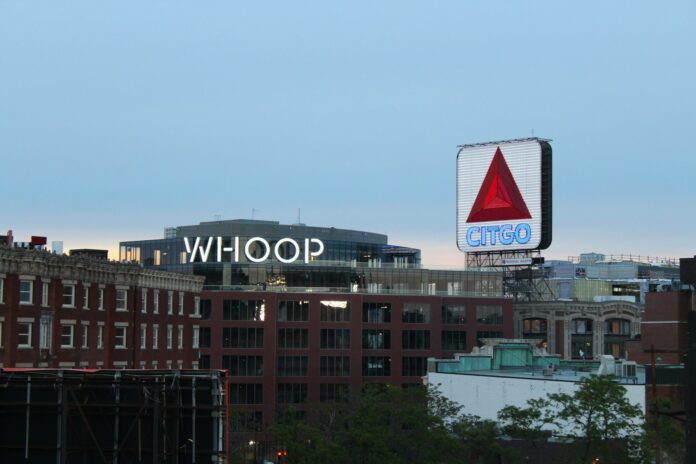
How Cristiano Ronaldo is Changing the Game of Athlete Branding with WHOOP

Photo by Jen Shish on Unsplash

Cristiano Ronaldo is a name that immediately brings to mind jaw-dropping goals, unbelievable athleticism, and a career full of accolades. But let’s be honest, he’s more than just a footballer at this point. He’s a global icon, a business mogul, and someone who’s turned his name into one of the most recognisable brands in the world. From his CR7 clothing and fragrance lines to luxury hotel ventures, Ronaldo has always been about much more than what he does on the pitch. And now, with his latest partnership with WHOOP, a cutting-edge wearable tech company, he’s once again proving why he’s still at the top of his game off the field.

The CR7 Brand

What makes Cristiano Ronaldo stand out isn’t just his incredible footballing skills, it’s his knack for turning those skills into something bigger. Ronaldo’s not just chasing goals; he’s chasing long-term impact. Every business move he makes seems to be carefully thought out, reflecting his personal values and ambitions. He doesn’t just slap his name on a product and call it a day, he gets involved, making sure the partnerships he’s part of genuinely align with who he is and what he stands for.

Take his recent partnership with WHOOP as an example. Announced in 2024, this isn’t just some basic sponsorship where Ronaldo wears a product and smiles for the camera. No, it’s way deeper than that. Ronaldo has actually invested in the company, becoming a real stakeholder in its success. WHOOP, known for its wearable devices that track health and performance metrics, fits perfectly with Ronaldo’s ethos of always pushing boundaries and optimising every aspect of his life. This isn’t just about selling fitness bands; it’s about building a legacy around health, performance, and innovation.

Why WHOOP and Why Now?

You might be wondering, why WHOOP? Why not some flashy tech giant or another luxury brand? Well, the answer lies in Ronaldo’s personal philosophy. At 39, Ronaldo is still competing at a level that’s unheard of for most footballers. That’s not by accident, it’s because he’s obsessed with performance, recovery, and taking care of his body. WHOOP’s mission to enhance human performance with science-backed tools and insights aligns perfectly with what Ronaldo is all about.

Together, Ronaldo and WHOOP have launched the exclusive CR7 SuperKnit Bands. These limited-edition bands, designed in “Home” and “Away” colors, pay tribute to his legendary football career. But they’re more than just accessories; they’re symbols of dedication, excellence, and the relentless pursuit of greatness. Whether you’re a professional athlete or someone just starting their fitness journey, the message is clear: if Ronaldo can push his limits every day, so can you.

Authentic Partnerships

The CR7 x WHOOP partnership is part of a bigger trend in athlete branding, one where endorsements are no longer enough. Previously, being the face of a product was about visibility. Athletes would pose for a few ads, maybe show up in a TV commercial, and call it a day. But times have changed. Fans now expect authenticity. They want to see athletes actually using the products they promote, genuinely believing in them.
Ronaldo’s partnership with WHOOP is a textbook example of this shift. By actively using WHOOP’s technology to optimise his training and recovery, he’s proving that he’s not just a spokesperson, he’s a real user who believes in what the brand stands for. And by investing in the company, he’s showing that he’s in it for the long haul, not just for a paycheck. It’s a win-win for both sides: Ronaldo strengthens his brand as a health and performance icon, and WHOOP gains a partner who brings unmatched credibility and global reach.

A New Standard for Athlete-Brand Collaborations

This partnership also highlights how the lines between sports and business are blurring. Ronaldo isn’t just an athlete anymore; he’s a savvy entrepreneur who understands the power of building equity in the brands he aligns with. By taking an active role in shaping WHOOP’s future, he’s setting a new standard for how athletes can collaborate with companies. It’s no longer about lending your name to a product; it’s about being part of its story.

Think about it: Ronaldo’s career will eventually wind down, but his brand? That’s here to stay. Partnerships like the one with WHOOP ensure that he remains relevant long after he hangs up his boots. And it’s not just about staying relevant; it’s about continuing to inspire. By aligning himself with a company that’s all about helping people be their best, Ronaldo is sending a message that’s bigger than football. He’s telling the world that greatness is within reach for anyone willing to put in the work.

What This Means for the Future of Athlete Branding

Cristiano Ronaldo’s journey from a kid kicking a ball on the streets of Madeira to a global icon is nothing short of extraordinary. But what’s even more impressive is how he’s leveraged his athletic success to build a brand that transcends sports. His partnership with WHOOP isn’t just another deal; it’s a statement. It’s proof that athletes can be more than just players, they can be innovators, entrepreneurs, and role models for the next generation.

As more athletes follow Ronaldo’s lead, we’re likely to see even more collaborations that go beyond endorsements. These partnerships will be about shared values, long-term goals, and making a real impact. And while not every athlete will have the same global reach or business acumen as Ronaldo, his approach serves as a blueprint for how to do it right.
In the end, the CR7 x WHOOP partnership is about more than fitness bands or wearable tech. It’s about pushing boundaries, breaking records, and inspiring people to be the best versions of themselves. And if there’s anyone who knows how to inspire greatness, it’s Cristiano Ronaldo.

Conclusion

Cristiano Ronaldo’s journey from footballer to global brand icon highlights the power of strategic partnerships. His collaboration with WHOOP is a masterclass in how athletes can build meaningful connections with brands while creating value for themselves and their fans. As a pioneer in this space, Ronaldo continues to set the standard for what’s possible when performance meets business acumen.

For those looking to follow in his footsteps, the CR7 x WHOOP partnership offers a compelling case study in aligning personal values with professional opportunities. Ronaldo’s legacy is not just about goals and trophies; it’s about building a brand that inspires millions to aim higher. And in doing so, he’s proving that the game doesn’t end when the final whistle blows.

Boosting Confidence Through Positive Feedback: A Parent’s Guide to Supporting Young Footballers

Football coach preparing tactical instructions during a high performance training session.
Modern player development is shaped by structure, intensity and clear methodology. Coaching environments that reflect the demands of the professional game are essential for long term success. Photo by Nguyen Thu Hoai on Unsplash.

As parents of young football players, you play a crucial role in shaping not just their skills on the field but also their emotional well-being. One of the most powerful tools you have is the ability to provide positive feedback that nurtures their self-confidence and resilience. When used thoughtfully, positive feedback can help your child feel supported, understood, and motivated, both in sports and in life.

Football can be an intense experience for young players. Whether they’re dealing with the pressure to perform, navigating team dynamics, or facing the inevitable challenges of competition, children often internalize these experiences deeply. This is where your role as a parent becomes essential. The feedback you provide after a game or practice can either lift them up or add to the pressures they already feel.

Acknowledge their hard work

Focusing on positive feedback doesn’t mean ignoring areas where they can improve, but rather emphasizing their effort, commitment, and growth. For example, instead of highlighting missed opportunities, you can acknowledge their hard work by saying, “I loved seeing how focused you were during the game” or “I noticed how much effort you put into helping your teammates.” This kind of encouragement reinforces that their worth isn’t tied to winning or scoring goals but to their attitude, dedication, and willingness to learn.

Ask open-ended questions

Effective communication at home goes beyond just praising achievements. It involves asking open-ended questions that allow your child to reflect on their experiences: “What did you enjoy most about the game today?” or “What did you learn during practice?” By showing interest in their personal experiences, you create a safe space where they feel valued and understood. This helps them build self-confidence, knowing that their journey is about more than just results.

Foster resilience

Positive feedback also plays a key role in fostering resilience. When children know they are supported unconditionally, they’re more likely to take on challenges, handle setbacks, and bounce back after tough games. Remind them that mistakes are part of the learning process and that every experience on the field is a chance to grow. This mindset not only benefits their athletic performance but also shapes their outlook on life.

Ultimately, your words and actions as a parent can help transform football into a source of joy, growth, and self-discovery for your child. By focusing on positive, constructive feedback and open communication at home, you’re laying the foundation for them to thrive—not just as players, but as confident, well-rounded individuals.

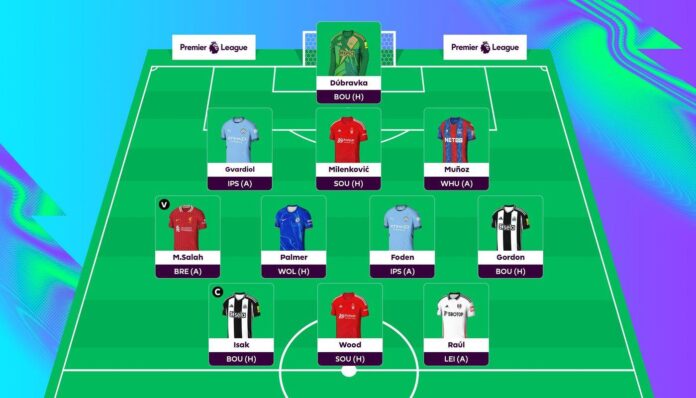
Fantasy Premier League: A Game-Changer in the Premier League’s Digital Strategy

https://fantasy.premierleague.com/
How FPL Became a Key Component of the Premier League’s Digital Strategy

Fantasy Premier League (FPL), with 11.4 million users worldwide, has become an essential part of the Premier League’s fan engagement strategy. Over the last 20 years, FPL has transformed from a simple game into a powerful tool that connects fans, enhances commercial partnerships, and drives global promotion for the league.

FPL’s Role in Global Fan Engagement

FPL serves as an entry point for millions of fans to engage with the Premier League. For many, it’s the first step in building a deeper connection with the league, clubs, and players. Even those who may not follow football closely find themselves becoming more involved through FPL. This creates a cyclical effect where FPL players transition from fantasy engagement to following live matches, interacting with club content, and developing a loyalty to specific teams. The Premier League benefits from this by tracking deeper fan involvement, turning casual participants into long-term supporters.

The game’s success lies in its ability to bring together a diverse community of fans—from those deeply invested in football to casual players looking for a fun way to connect with the sport. By providing a free, engaging experience, FPL has become an important part of the Premier League’s broader digital media strategy.

Providing Value to Partners and Monetizing Engagement

FPL is not just a fan engagement tool; it also plays a crucial role in generating revenue for the Premier League and its partners. The game’s popularity is felt far beyond the league’s official platforms, as broadcasters and clubs leverage FPL content to amplify their engagement eff orts. For instance, Sky Sports uses FPL-related data and graphics to enhance their coverage, while clubs like Manchester City create dedicated FPL content, deepening their connection with fans.

FPL’s integration into broadcast and media strategies allows partners to reach more viewers, extending the Premier League’s reach. This creates a win-win situation where clubs, media partners, and the league itself benefit from a higher volume of content, interactions, and fan engagement.

Moreover, FPL allows for a level of digital gamification that monetizes fan interest without requiring them to leave home. The convenience of participating from anywhere, combined with the community-building aspect of the game, significantly enhances the fan experience while saving time and money. As fans track their fantasy teams, they stay invested in the league between matchdays, adding to the overall content and conversation.

FPL and the Changing Consumption Habits of Gen Z

The way sports are consumed is changing rapidly, especially with the rise of Gen Z fans. With an estimated attention span of just seven seconds, this generation is accustomed to quick, bite-sized content and interactive experiences. For them, traditional sports viewing is no longer enough; they expect to participate in the creation of content and engage in real-time discussions. This shift makes FPL’s gamification model a perfect fit.

As fans increasingly engage in “dual-screening” while watching live sports, they simultaneously interact with content on other devices, looking for opinion-forming discussions or additional insights. This aligns with the fear of missing out (FOMO) that Gen Z experiences. FPL provides an engaging way to participate, giving fans something to focus on while they follow matches. They’re not just watching—they’re actively involved, making decisions, interacting with others, and enjoying the game in an entirely new way.

The game also keeps fans engaged during the off -season and between matchdays. Fans continually assess their fantasy teams, strategize for the next gameweek, and connect with others in the FPL community. This constant interaction keeps fans close to the Premier League, reinforcing their loyalty to the league and its clubs.

Evolving FPL for a Global Audience

FPL’s evolution has been driven by user feedback and changing market demands. The introduction of features like the “Second Chance” league and FPL Draft shows the Premier League’s ability to adapt the game to new audiences, especially in markets like the U.S. where FPL is gaining traction. These innovations ensure the game remains relevant, creating a dynamic experience for both new and returning players.

The Premier League continues to explore ways to expand FPL’s reach, ensuring it can cater to the needs of its growing global fanbase. As digital experiences like FPL continue to evolve, they will remain key in attracting new fans, retaining engagement, and expanding the league’s commercial partnerships.

The Impact of FPL on Matchday Viewership

FPL’s influence extends beyond engagement during non-matchdays; it significantly impacts matchday viewership as well. With millions of fans tracking individual players’ performances, the excitement surrounding every match is amplified. Fans are now more invested in every aspect of the game, from assists to player substitutions, making live matches more exciting and interactive. The heightened attention to individual performances, driven by FPL, leads to more viewers tuning in—not just for the game but for the fantasy implications that come with it.

This has created a dual-purpose for watching live sports: fans are engaged in both the live-action and the fantasy strategy unfolding in real time. This trend is especially prominent with FPL players who are actively engaged in tracking their teams and interacting with others online. As a result, FPL contributes to higher viewership and increased interaction with Premier League content, furthering the league’s global reach.

Conclusion: FPL’s Role in Shaping the Future of Fan Engagement

FPL is more than just a game; it has become a vital tool for enhancing fan engagement, growing the Premier League’s global audience, and boosting commercial opportunities. By connecting with fans on a deeper level, FPL allows the league to foster long-term loyalty and engagement that extends beyond matchday.

For many fans, FPL is now a part of their routine, providing constant interaction with the league and its players, even when matches aren’t taking place. The game’s success is a testament to how digital gamification can transform the sports industry by creating interactive, community-driven experiences that attract, engage, and monetize fans.

Looking ahead, FPL’s continued growth will play a key role in the Premier League’s ability to reach new markets, especially among Gen Z fans, who expect more dynamic and engaging experiences. By continually innovating and adapting to fans’ evolving needs, the Premier League ensures that FPL remains a cornerstone of its digital strategy, driving both fan engagement and revenue for years to come.