
Home Blog Page 61

Fußballer und ihre Finanzen – Vom Millionär zum Bankrott

Photo by Giorgio Trovato on Unsplash
Die Illusion des ewigen Reichtums

Fußball ist eine der lukrativsten Sportarten der Welt. Die Gehälter von Profifußballern steigen kontinuierlich, und Spitzenstars verdienen pro Jahr zweistellige Millionenbeträge in sehr jungen Jahren. Ein unerwartetes Angebot von einem Top-Club kann einen Fußballer zum Multimillionär Übernacht machen. Doch trotz dieser astronomischen Einkommen gibt es zahlreiche Fälle, in denen ehemalige Fußballstars nach dem Karriereende in finanzielle Schwierigkeiten geraten oder sogar bankrottgehen. Jeder von uns hat zumindest in den Medien mitbekommen, dass ebenfalls einige Lotto-Millionäre nach kurzer Zeit wieder in finanzielle Schwierigkeiten geraten. Der Reichtum innerhalb kürzester Zeit ist somit nicht immer einfach zu bewältigen. Doch woran liegt das?

Ein Leben zwischen Millionenverträgen und finanziellen Fehlentscheidungen

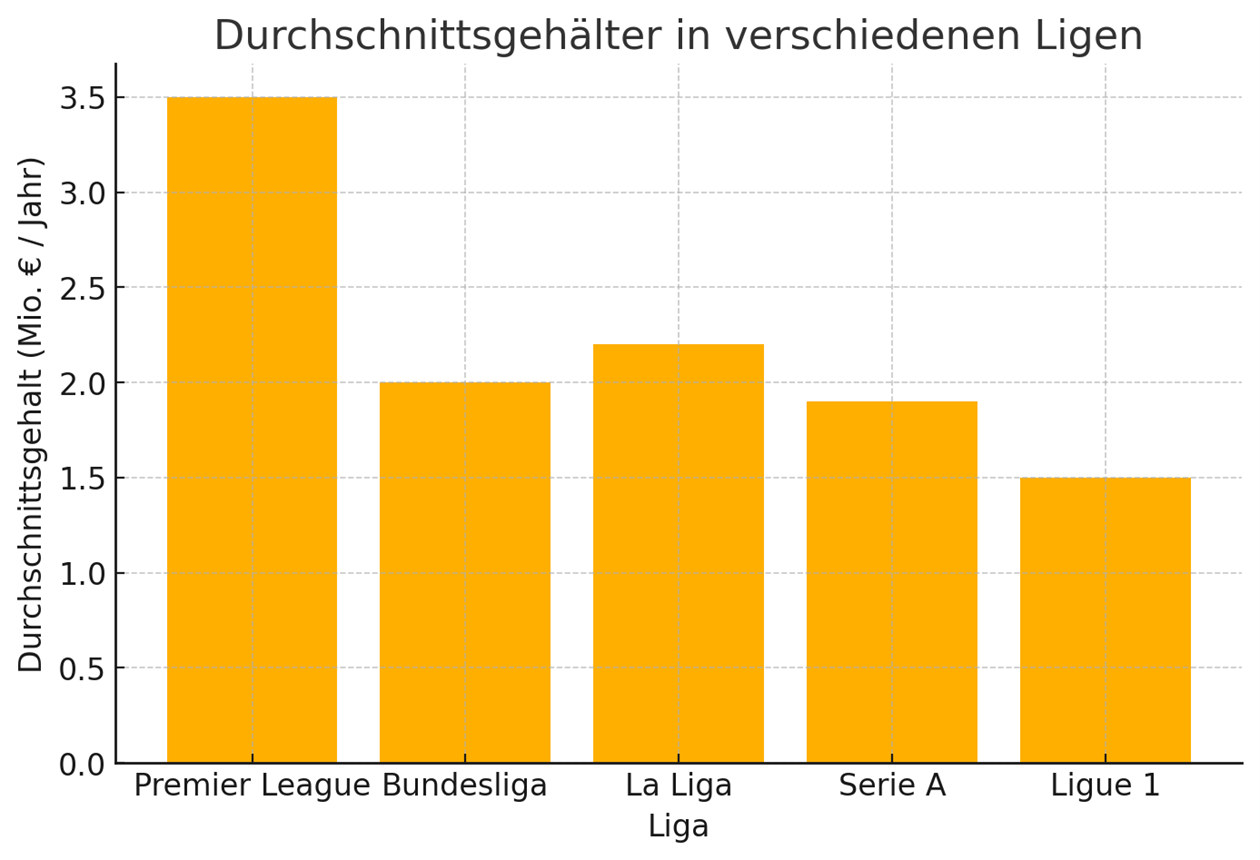
Während ihrer aktiven Zeit verdienen Fußballer meist hohe Summen durch Gehälter, Prämien und Werbeverträge. Ein Spieler in der Premier League verdient im Schnitt 3,5 Millionen Euro pro Jahr, während ein Bundesliga-Profi im Schnitt auf etwa 2 Millionen Euro kommt. Doch mit dem hohen Einkommen kommt oft ein ebenso hoher Lebensstil: Luxusautos, teure Immobilien, Partys, Markenuhren, Designer Klamotten und ein großes Umfeld, das mitfinanziert werden muss. Hinzu kommen häufig schlechte bis keine Investitionsentscheidungen, Betrug durch Berater/Familien und mangelnde Finanzbildung.
*Season 2020/2021
3 Gründe, warum Fußballer meistens finanziell scheitern
  1. Fehlende Finanzbildung

Die meisten Fußballer starten ihre Karriere jung und haben wenig Erfahrung im Umgang mit Geld. Finanzwissen wird im Jugendbereich oft vernachlässigt. Auch im Elternhaus ist das Thema entweder Tabu oder eher mit Schwierigkeiten verbunden. Viele Fußballer und Familien vertrauen auf Berater, andere Familienmitglieder, Freunde und Bekannte, die nicht immer im besten Interesse des Spielers handeln. Der Druck etwas aus dem vorhandenen Geld machen zu müssen ist groß und leitet somit zu erhöhter Unsicherheit.

  1. Teurer Lebensstil & falsche Investments

Luxuriöse Autos, riesige Villen und kostspielige Reisen – viele Fußballer leben auf großem Fuß. Gerade aktuell haben Fußballer einen sehr engen Zeitplan welches mit Trainingseinheiten, Spielen und Turnieren besetzt ist. Die wenigen freien Tage nutzen sie für die Regeneration. Damit ist nicht nur die Physische, sondern auch die Psychische Regeneration gemeint. Gerade die Materiellen Güter verleiten zu sehr kurzfristige Stimulierung der Glückshormone. Wenn dann zusätzlich Investments wie eigene Modelabels, Restaurants oder Immobilienprojekte scheitern, kann der finanzielle Abstieg schnell kommen. Fußballer investieren nämlich öfter in Gegenstände/Projekte, die sie mögen aber kein tiefgründiges und wirtschaftliches Wissen darüber besitzen.

  1. Unerwartete Ereignisse & Betrug

Scheidungen, Unterhaltszahlungen und Betrug durch vermeintlich vertrauenswürdige Personen können erhebliche finanzielle Verluste bedeuten. Dadurch dass Fußballer ein sehr turbulentes und Ereignisreiches Leben führen müssen, scheitern Ehen sehr oft an dieser Belastung. In den meisten Ländern ist eine Unterhaltszahlung an das aktuelle Einkommen geknüpft und geht über viele Jahre hinaus. Gehälter von Fußballer variieren aber sehr stark. Zumal werden die meisten Fußballer nur einige kurze Jahre ihrer Karriere großzügig bezahlt. Ein Beispiel hierfür ist Emmanuel Eboué, der nach seiner Scheidung und Fehlberatung fast mittellos dastand.

3 Wege, wie Fußballer sich absichern können
  1. Finanzberatung & Bildung

Viele Top-Vereine beginnen inzwischen, ihren Spielern Finanzberatung anzubieten, um zukünftige finanzielle Probleme zu vermeiden. Einige Vereine haben spezielle Finanzcoaches engagiert, die den Spielern helfen, ihre Einkünfte sinnvoll zu verwalten und nachhaltige Investments zu tätigen. Zudem gibt es Partnerschaften mit Banken und Finanzinstituten, die Schulungen und Workshops anbieten. In England arbeitet die Premier League beispielsweise mit Finanzexperten zusammen, um Nachwuchsspieler bereits früh auf den Umgang mit hohen Gehältern vorzubereiten. In Deutschland engagieren sich einige Bundesligavereine für finanzielle Aufklärung ihrer Talente, um sie vor Fehlentscheidungen zu schützen. Trotzdem bleibt die Umsetzung solcher Programme oft noch lückenhaft und hängt von der Eigeninitiative der Spieler ab.

  1. Nachhaltige Investitionen

Da bekannterweise Investitionen sich erst nach einer bestimmten Zeit auszahlen, ist das disziplinierte Steuern und Überwachen der eigenen Investitionen sehr wichtig. Eine verstreute Investitionsstrategie sorgt nicht nur für Diversität im Profit, sondern auch für eine Risikoreduzierung. Spieler wie Gerard Piqué (Kosmos Holding) oder Cristiano Ronaldo (CR7, Hotels) haben gezeigt, wie man sinnvoll in die Zukunft investiert.

  1. Langfristige Planung

Das Karriereende kommt oft schneller als erwartet. Ein solider Finanzplan kann dafür sorgen, dass der Lebensstandard auch nach dem Fußball erhalten bleibt. Ein weiterer wichtiger Punkt ist das Budgetmanagement: Viele erfolgreiche Fußballer legen bereits während ihrer aktiven Karriere ein festes Monatsbudget fest und sparen einen großen Teil ihrer Einnahmen für die Zeit nach dem Sport. Einige Profis lassen sich frühzeitig von Beratern begleiten, um sicherzustellen, dass sie mit ihrem Vermögen wirtschaften und einen soliden Puffer für die Zukunft aufbauen.

Einige Clubs und Spielergewerkschaften bieten inzwischen Programme an, die Fußballern helfen, sich frühzeitig auf die Zeit nach dem aktiven Sport vorzubereiten. Dazu gehören Weiterbildungen in Finanzmanagement sowie die Vermittlung von Kenntnissen über alternative Karrierewege, etwa als Trainer, Kommentator oder Unternehmer.

Fazit

Das Beispiel zahlreicher Fußballer zeigt, dass ein hohes Gehalt nicht automatisch langfristigen Wohlstand bedeutet. Fehlende Finanzbildung, teure Lebensweisen und falsche Investitionen führen häufig dazu, dass einstige Millionäre nach dem Karriereende vor dem finanziellen Ruin stehen. Doch durch gezielte Maßnahmen wie bessere Finanzberatung und nachhaltige Investitionen können heutige Profis vorbeugen und ihr Vermögen langfristig sichern.

Manchester City’nin “All or Nothing” Belgeseli: Pazarlama Stratejileri ve Küresel Popülerlik Artışı

Photo by Jonny Gios on Unsplash

Manchester City’nin All or Nothing belgeseli, kulübün sadece spor alanındaki başarısını değil, aynı zamanda markasının nasıl büyüdüğünü ve global taraftar kitlesiyle olan ilişkisini derinlemesine keşfetmek için bir fırsat sundu. Belgesel, City’nin 2017-2018 sezonunu ve teknik direktör Pep Guardiola’nın liderliğinde elde edilen Premier Lig şampiyonluğunu gözler önüne sererken, kulübün ardındaki gerçekleri ve kulüp kültürünü izleyicilere tanıttı. Bu yazıda, All or Nothing belgeselinin Manchester City’nin popülaritesini nasıl artırdığı, kullanılan pazarlama stratejileri ve fan yorumlarıyla nasıl yankı uyandırdığına dair derinlemesine bir analiz sunacağım.

All or Nothing: İçerik ve Etkileşim

All or Nothing belgeseli, sadece Manchester City’nin saha içindeki başarılarını değil, aynı zamanda takımın yönetim tarzını, oyuncuların günlük yaşamlarını ve kulüp içindeki dinamikleri de gözler önüne serdi. Bu içeriğin, global izleyiciler üzerinde büyük bir etki yaratmasında, samimi bir bakış açısının ve kulüp içindeki zorlukların açıkça gösterilmesinin büyük payı vardı. Reddit gibi platformlarda, fanlar genellikle belgeselin samimi havasını ve kulübün iç yaşamına dair sağladığı yeni bakış açılarını takdir etti. Bir Reddit kullanıcısının belirttiği gibi: “Pep’in liderlik tarzı ve oyuncuların kulüp içindeki ilişkileri gerçekten çok ilginçti. Bu belgesel, City’nin arkasındaki gerçek insanları ve hikayeleri görmemizi sağladı.” (Reddit, 2020). Bu tür yorumlar, belgeselin taraftarlar üzerinde bıraktığı derin etkiyi yansıtmaktadır.

Pazarlama Stratejileri ve Dijital Medya Kullanımı

All or Nothing belgeselinin başarısındaki en kritik faktör, Manchester City’nin entegre pazarlama stratejileriydi. Kulüp, dijital medya platformlarını etkin bir şekilde kullanarak belgeselin tanıtımını yaptı ve içerik paylaşımında büyük bir stratejik derinlik sergiledi. Amazon Prime Video ile yapılan işbirliği sayesinde belgesel, dünya çapında büyük bir izleyici kitlesine ulaştı. Ancak, bununla da kalmayıp, City’nin sosyal medya hesaplarında, özel fragmanlar, oyuncularla yapılan röportajlar ve izleyiciyle etkileşimi teşvik eden canlı yayınlar düzenlendi. Bu sosyal medya stratejileri, izleyicileri sadece izleyici olmaktan çıkarıp, aktif katılımcılar haline getirdi.

Sosyal medya üzerinden yürütülen kampanyalarda, kulüp “Hashtags” ve “Call to Action” (CTA) stratejileriyle etkileşim oranlarını artırdı. Belgesel yayınlanmadan önce yapılan teaser paylaşımları, izleyiciler arasında merak uyandırırken, izleyicileri tartışmalara katılmaya teşvik etti. Twitter, Instagram ve YouTube üzerinden gerçekleştirilen özel içerikler, kulübün online topluluğuyla güçlü bir bağ kurmasını sağladı. Bu stratejiler, “digital engagement” ve “community building” kavramlarını etkin bir şekilde kullanarak, Manchester City’nin global imajını güçlendirdi.

Belgeselin yayımlandığı dönemde sosyal medya etkileşim oranları %30 oranında arttı. Aynı zamanda, kulübün Instagram takipçi sayısında %25’lik bir artış gözlemlendi. Bu sayılar, dijital pazarlama ve içerik stratejilerinin etkisini net bir şekilde ortaya koyuyor.

Fan Yorumları ve Kulüp Bağlılığı

Taraftarlar arasında belgesel hakkında yapılan tartışmalar, kulübün pazarlama stratejilerinin ne kadar başarılı olduğunu da gösterdi. Reddit ve Twitter’da yapılan yorumlar, taraftarların kulüple olan bağlarının pekiştiğini ve “brand loyalty” (marka sadakati) oluşturulduğunu açıkça ortaya koyuyor. Bir Reddit kullanıcısı şöyle belirtti: “Manchester City’nin bu belgeseli, kulübün sadece saha içindeki değil, saha dışındaki mücadelelerini de çok iyi bir şekilde yansıttı. Artık City’ye olan bağlılığım bir kat daha arttı. Gerçekten de kulübün kültürünü daha iyi anlıyorum.” (Reddit, 2020).

Fan yorumları, kulübün marka değerinin artmasının sadece saha içi başarılarla değil, aynı zamanda taraftarlarıyla kurduğu duygusal bağla da ilgili olduğunu gösteriyor. Bu bağ, kulübün sunduğu içeriklerin samimiyeti ve şeffaflığı sayesinde güçlendi.

All or Nothing Formatının Tarihsel Gelişimi

All or Nothing formatı, ilk kez 2016 yılında Amerikan futbolu takımı Arizona Cardinals’ta uygulanmış, spor kulüplerinin iç dünyasını ve zorluklarını izleyicilere tanıtmaya başlamıştır. Bu format, izleyicilere kulüp içindeki karar alma süreçleri, takım dinamikleri ve günlük yaşamla ilgili derinlemesine bilgiler sunmayı amaçlar. Manchester City, bu formatın en başarılı uygulamalarından biri olarak öne çıkmaktadır. Kulübün içindeki stratejik kararlar, oyuncularla yapılan birebir görüşmeler ve takım içindeki ilişkiler, belgeselin en dikkat çekici unsurlarını oluşturdu.

Sonuç: Küresel Bir Markanın Yükselmesi

Sonuç olarak, Manchester City’nin All or Nothing belgeseli, kulübün küresel marka değerini artırmada önemli bir stratejik araç olmuştur. Dijital medya ve entegre pazarlama stratejilerinin doğru kullanımı, kulübün sadece saha içindeki başarısını değil, aynı zamanda kulüp kültürünü ve değerlerini de dünyaya tanıttı. Bu tür içeriklerin, spor kulüpleri için yalnızca eğlence sağlamakla kalmayıp, aynı zamanda global bir marka oluşturma sürecinde nasıl etkili bir pazarlama aracı olabileceğini gösteriyor. Manchester City, All or Nothing sayesinde, yalnızca futbol dünyasında değil, markalaşma alanında da önemli bir başarı elde etti.

The Cost of Signing: When Parents Demand Money from Agents to Represent Their Kids

Football contract being signed during a professional athlete agreement negotiation.
Contract negotiations can change a young athlete’s life overnight. In football, managing the emotional impact of sudden wealth can be just as important as securing the deal itself. Photo by Scott Graham on Unsplash.

One of the most common and frustrating challenges in football agency is when a player’s family, usually the father, asks for money in exchange for signing with an agent.

“How much will you pay me to sign my son?”

This is a question that agents hear far too often. Instead of choosing an agent based on their experience, network, or ability to guide the player’s career, some parents approach representation as a business transaction. The highest bidder wins the right to represent their child, for now.

This practice is not only ethically questionable but also financially unsustainable and, in many cases, legally problematic. It is a system that puts money before career development, often harming the player in the long run.

The Reality of Short-Term Relationships

When an agent agrees to pay a family to sign a player, they are entering into a fragile and transactional relationship. These agreements rarely last beyond two years. There is no guarantee that the player will remain with the agent after that period, especially if another agent comes along offering more money.

Under FIFA regulations, agents cannot sign a player for more than two years. Even if the relationship starts well, the player is not bound beyond that period, making any financial investment by the agent highly risky.

In some countries, such as Germany and Austria, the situation is even more precarious. Exclusive representation contracts are not legally enforceable, meaning that a player can leave and sign with another agent at any time, regardless of any prior agreement. This makes it even more questionable for agents to pay families to secure representation. With no legal protection in place, agents who pay parents essentially take an enormous financial gamble with no guarantees.

For independent agents or those without deep financial backing, this creates an impossible situation. Competing with big agencies on financial incentives alone is a losing battle. Worse still, it reduces the role of an agent to that of a financial provider rather than a career mentor.

If a family chooses an agent based on payment rather than trust and expertise, they will leave the moment another agent offers them more.

The Legal and Ethical Dilemma

Beyond the financial risks, these payments often fall into legal grey areas.

  1. In many countries, individuals cannot receive gifts above a certain threshold, often around $10,000, without declaring it to tax authorities.
  2. Many of these transactions occur in cash, which is rarely declared and can constitute tax evasion.
  3. Payments made to influence decisions in business transactions can, in some jurisdictions, be classified as bribery.

For agents, engaging in such practices comes with significant risks. Not only does it set a dangerous precedent, but it can also lead to legal trouble if authorities scrutinize the financial dealings involved.

What Should an Agent Do?

For agents, especially those who are new to the industry, it can be tempting to give in when faced with these demands. But the best course of action is clear.

Do not pay parents money to sign their child.

Here’s why.

  1. It creates a transactional relationship, not a partnership. Parents who demand money are not looking for the best agent for their child. They are looking for the highest bidder. And when someone else offers more, they will switch.
  2. It damages the integrity of the industry. Agents should be chosen for their ability to guide careers, not for how much they can pay up front. Accepting this practice only fuels a toxic cycle in football.
  3. It is legally risky. If undeclared payments come to light, both the agent and the family could face serious legal consequences.
  4. It undermines the player’s best interests. A player’s career should be built on trust, planning, and the right guidance. When money is the primary factor in choosing an agent, the long-term career development of the player is rarely the priority.
Final Thoughts

An agent’s role is to develop careers, build trust, and provide the best opportunities for their players. The moment money becomes the deciding factor in representation, the foundation of that relationship is broken.

A simple rule applies.

Who comes for money will leave for money.

Parents who demand money to sign their child are thinking about their own financial gain, not their child’s future. If they choose an agent based on payment, they are not the type of people an agent should want to work with.

Football is full of talented players and good families who genuinely care about making the right decisions for their children. Those are the ones agents should focus on.

There is no need to compete in an unethical marketplace where representation is sold to the highest bidder. Stay true to your principles, and you will build lasting relationships with the right people.

Simple Guide to Losing Fat and Maintaining Muscle Mass During Ramadan

Photo by Victor Freitas on Unsplash

Observing Ramadan while maintaining athletic performance presents unique challenges that require strategic nutrition planning. This guide provides evidence-based recommendations to help athletes preserve muscle mass, sustain energy levels, and continue making progress during the fast.  By implementing these targeted nutritional strategies, you can honor your religious commitment while supporting your athletic goals.

Breaking Your Fast (Iftar) Immediate Post-Fast (First 15-30 minutes)
  • Priority 1: Strategic Hydration
    • Begin with an electrolyte-rich hydration solution (like Ultima or Genius) without added sugars
    • Alternative: Natural alkalizing drink – 1/4 tsp baking soda, 1 tbsp apple cider vinegar, and fresh lemon juice in 12oz water to balance pH and jumpstart digestion. (you can do both as well if you’ve done it before)
    • Aim for 16-20oz immediately, then continue hydrating throughout the evening
    • Athletes should add extra electrolytes based on training intensity and sweat rate
  • Priority 2: Fast-Absorbing Protein + Moderate Carbs
    • Consume 30-50g of high-quality protein within 30 minutes of breaking fast
    • Include a small amount of fast-digesting carbohydrates to jumpstart glycogen replenishment
    • Example: Greek yogurt (0% fat) + whey protein and berries
Main Meal (After Prayer)
  • Plate Composition
    • ½ plate: Low glycemic vegetables (leafy greens, broccoli, zucchini, cauliflower)
    • ⅓ plate: Complete protein sources (lean meats, fish, eggs, tofu)
    • ⅙ plate: Complex carbohydrates (basmati rice, sweet potatoes, quinoa)
    • ⅙ plate: Traditional foods (preferably non-fried)
    • Add 1-2 tbsp healthy fats (olive oil, avocado, nuts)
  • Muscle Preservation Strategies
    • Prioritize leucine-rich proteins (chicken, fish, whey, eggs) to stimulate muscle protein synthesis
    • Increase protein portions by 20-25% compared to non-fasting periods
    • Consume complex carbohydrates with lower glycemic load for sustained energy
Late Evening Nutrition
  • Continue hydrating (aim for at least 2-3 liters total between Iftar and sleep)
  • Consider a slow-digesting protein source 1-2 hours before sleep
  • Incorporate anti-inflammatory foods to support recovery (berries, omega 3s, turmeric, ginger)
Pre-Dawn Meal (Suhoor)
  • Hydration First
    • Begin with 16-20oz water + electrolytes
    • Continue hydrating until the fast begins
  • Optimal Meal Composition
    • High-quality protein: 30-40g (protein shake, eggs, Greek yogurt)
    • Complex carbohydrates with low glycemic index (oats, sweet potatoes, quinoa)
    • Healthy fats to slow digestion (nut butters, avocado, olive oil)
  • Athletic Performance Options
    • Quick option: Whey protein + banana + nut butter + overnight oats
    • Complete meal: 3-4 egg whites + 1-2 whole eggs + sweet potato + avocado + spinach
    • Sustained energy: Greek yogurt parfait with chia seeds, berries
Training Strategies for Athletes
  • Workout Timing
    • Optimal: 1-3 hours after Suhoor OR 1 hour before Iftar
    • Strength training: Better closer to Iftar when glycogen is depleted but protein synthesis can be stimulated immediately after
    • Endurance work: Better after Suhoor when glycogen stores are available
  • Training Modifications
    • Reduce training volume by 20-30% but maintain intensity
    • Focus on quality over quantity
    • Consider splitting workouts into shorter, more focused sessions
    • Track performance metrics to adjust as needed
  • Recovery Emphasis
    • Prioritize sleep quality and duration (aim for 7-9 hours)
    • Consider contrast therapy (hot/cold) for faster recovery
    • Implement active recovery techniques on rest days
Supplement Considerations
  • Beneficial During Ramadan
    • Electrolytes (sodium, potassium, magnesium) – critical for hydration, take immediately at Iftar and before Suhoor
    • Creatine monohydrate (3-5g daily during feeding window)
    • Essential Amino Acids (EAAs) with leucine (during feeding window)
    • Vitamin D3 (2000-5000 IU daily)
    • ZMA (zinc, magnesium, B6) before sleep
Performance Monitoring
  • Keep a daily log of:
    • Energy levels (scale 1-10)
    • Training performance
    • Recovery quality
    • Hydration status
    • Adjust nutrition strategy based on this data
Key Principles to Remember
  • Total daily calories should be maintained or only slightly reduced
  • Protein intake should be increased to prevent muscle loss
  • Hydration is crucial and should be strategically planned
  • Training should be adapted, not eliminated
  • What you eat when breaking fast has more impact than the hours spent fasting

Remember: Fasting during Ramadan doesn’t mean compromising athletic performance. With strategic nutrition timing and proper food selection, you can maintain muscle mass, support recovery, and even make performance gains during this sacred month.

The Rise of Japanese Football Culture: A Model for Global Inspiration

Photo by Travel with Lenses on Pexels

Japanese football has been on a steady rise, but what truly sets it apart is the fan culture and matchday experience that continues to grow each year. While some European leagues struggle with declining attendance, the J.League is thriving, consistently drawing impressive crowds—not just because of the football on the pitch, but due to the holistic experience surrounding it.

Impressive Attendance Figures

The J.League boasts some of the most passionate and engaged football fans in the world. Looking at club-by-club attendance figures, the Urawa Red Diamonds lead the way with an average of 36,275 spectators per game, followed by FC Tokyo (33,538) and Nagoya Grampus (28,368).

Beyond the sheer numbers, stadium occupancy rates highlight the growing demand for football in Japan. Sanfrecce Hiroshima, for example, boasts a remarkable 89.3% utilization rate, indicating consistent fan enthusiasm. Even more astonishingly, Machida Zelvia achieved an incredible 106.7% stadium capacity utilization, showcasing how even smaller clubs can generate massive local support.

Beyond Football: The Full Fan Experience

Japanese football clubs provide a matchday experience like no other, creating an atmosphere that caters to fans of all ages. A local supporter in Hiroshima sums it up perfectly:

“It’s not just about football—Japanese people genuinely care about their local teams. It’s incredibly hard to get tickets for baseball, football, basketball, and volleyball games here in Hiroshima.

The stadiums are spotless—clean seats, toilets, and aisles. The food is high-quality and absolutely delicious. There are so many activities: pre-match events, halftime shows, post-game interactions. Many stadiums also have kids’ play areas, stroller parking, and child-friendly seating. People are just there to enjoy themselves—zero chaos.

 I hope Japanese football culture inspires other countries.”

This fan-first mentality is a major reason behind the J.League’s continued success and sets it apart from many other leagues around the world.

How Does Japan Compare to Europe?

Despite not having the global star power of Europe’s top leagues, Japan’s average attendance of 20,086 surpasses several major football nations. For comparison:

Japan’s numbers are higher than those of some established European leagues, proving that a well-structured league, strong community engagement, and a top-tier fan experience can keep stadiums packed.

Additionally, some J.League clubs outperform well-known European teams in terms of match attendance:

  • Urawa Red Diamonds (36,275) → Higher than Sevilla FC (35,672)
  • FC Tokyo (33,538) → Far above Atalanta Bergamo (22,621)
  • Nagoya Grampus (28,368) → Surpassing OGC Nice (24,952)

These figures highlight the rapid growth of Japanese football culture, proving that the J.League is not just keeping up, but in some cases exceeding European clubs in fan engagement.

How Do J1 League Stadiums Compare to Europe?

One of the key indicators of a league’s ability to attract fans is not just attendance but also stadium capacity and utilization. In the most recent J1 League season, the average stadium capacity stood at 34,100 seats—a number that rivals or even exceeds many well-established European leagues.

Average Stadium Capacities Across Leagues

Despite not having the same global recognition as Europe’s top leagues, Japanese clubs play in large, modern venues that are comparable to top-tier European competitions. More importantly, the fan experience in Japan rivals or even surpasses many European leagues, thanks to well-maintained facilities, innovative matchday entertainment, and an emphasis on family-friendly atmospheres.

This strong infrastructure, combined with Japan’s deeply rooted football culture, ensures that J.League stadiums remain vibrant and full, proving that passion for the game is about more than just star players—it’s about the bond between clubs and their communities.

Conclusion: A League Worth Watching

Japanese football is proving to be a blueprint for the future of the sport. While many leagues in Europe and beyond struggle to retain stadium crowds, Japan has mastered the art of fan engagement by offering more than just 90 minutes of action.

From clean, well-organized stadiums to top-tier stadium food, exciting matchday events, and a deeply ingrained community spirit, Japan’s football culture is setting a new standard.

As the J.League continues to evolve, its ability to attract large audiences and create unforgettable fan experiences will likely inspire leagues around the world. Perhaps it’s time for more countries to learn from Japan’s fan-first approach to football.

The Business of Stadium Naming Rights in Football

In the high-stakes world of European football, revenue generation off the pitch is just as important as success on it. One avenue that clubs increasingly explore is stadium naming rights, a commercial deal where global corporations and brands pay significant sums to have their name attached to iconic sports venues. This strategy can inject millions into a club’s finances, offering a lucrative income stream that complements broadcasting rights, ticket sales, and merchandise. But as tempting as these deals are, not all clubs embrace them. For some, the history and tradition of their stadiums are too valuable to sell.

The Allure of Stadium Naming Rights

The appeal of naming rights deals is clear: exposure, prestige, and deep community engagement for brands. When a stadium is renamed, the sponsor’s brand gets international recognition through TV broadcasts, media coverage, and matchday experiences. Clubs like Manchester City, Arsenal, and FC Barcelona have tapped into this market, forming partnerships that bring millions in annual revenue. For example, Manchester City’s Etihad Stadium reflects a partnership with Etihad Airways, while Arsenal’s home is known as the Emirates Stadium under a long-term deal with the airline. FC Barcelona, known for its historical reluctance to rename the iconic Camp Nou, recently struck a €20 million-a-year deal with Spotify following their publicly known financial difficulties, rebranding the stadium as Spotify Camp Nou, the most lucrative stadium sponsorship deal in Europe.

Who’s Involved So Far?

A study by Kroll’s Valuations Advisory Services underscores the immense financial potential that lies within stadium naming rights for Europe’s elite football clubs. The analysis estimates that collectively, the top clubs could generate a staggering €303 million annually by securing naming rights deals. This projection highlights how untapped this market remains, with only a fraction of clubs fully capitalising on the opportunity.

At the forefront of this potential windfall are some of the most iconic names in football. Real Madrid CF’s Santiago Bernabéu Stadium leads the rankings with an estimated potential value of €29.7 million per season, a testament to the club’s unparalleled global brand and the stadium’s recent high-profile renovations. Following closely is FC Barcelona’s Spotify Camp Nou, with an active naming rights deal valued at €20 million annually, making it the most lucrative existing agreement in European football.

Paris Saint-Germain F.C. claims the third spot, with the potential for €19.4 million per season if naming rights were applied to their home ground. This is followed by Tottenham Hotspur F.C., whose state-of-the-art stadium is estimated to be worth €18 million per year in naming rights, a reflection of its modern design and multi-purpose functionality, including NFL games and concerts. Rounding out the top five is Manchester United’s Old Trafford, with a theoretical valuation of €15.3 million annually if the club were to pursue a deal, though the historical significance of the venue makes this unlikely.

Interestingly, despite the evident financial upside, only 12 of the top 36 clubs currently have naming rights agreements in place. This leaves a considerable amount of money on the table for clubs that choose to preserve the traditional identities of their stadiums.

La Liga stands out as the leading league in terms of stadium naming rights valuation, driven by the prominence of FC Barcelona and Real Madrid. However, the Premier League emerges as the dominant force in untapped potential. Clubs like Tottenham and Manchester United, with their modern or iconic stadiums, represent some of the highest-value opportunities yet to be monetised through naming rights. Tottenham’s new home, in particular, remains without a naming partner, with the club reportedly holding out for a deal that reflects the venue’s premier status.

This data underscores the delicate balance clubs must strike between tradition and financial growth. As the pressure to diversify revenue streams mounts, particularly in light of rising player wages and transfer fees, more clubs may reconsider their stance on stadium naming rights, unlocking significant commercial potential in the process.

Ultimately, the market for stadium naming rights will grow, but tradition will always play a part in determining just how far clubs are willing to go. For now, the battle between commercial gain and cultural heritage rages on, with millions of euros at stake.

Tradition versus Income

Despite the clear financial upside, the decision to sell naming rights often clashes with the deep-rooted traditions of certain clubs. Manchester United’s Old Trafford, Real Madrid’s Santiago Bernabéu, and Liverpool’s Anfield stand as bastions of history. Fans revere these stadiums as more than just venues – they are cultural landmarks.

Arsenal’s move from Highbury to the Emirates Stadium in 2006 exemplifies the backlash clubs can face. While the deal with Emirates helped finance the new stadium, many fans still refer to it nostalgically as “Ashburton Grove,” the site’s original name. The renaming drew criticism for diluting the club’s heritage in favor of corporate gain.

Similarly, Tottenham Hotspur’s new home, Tottenham Hotspur Stadium, remains without a naming rights partner, reportedly holding out for a £25 million-per-year deal. This reflects a desire to balance financial ambition with protecting the club’s identity.

The Power of Brand Visibility

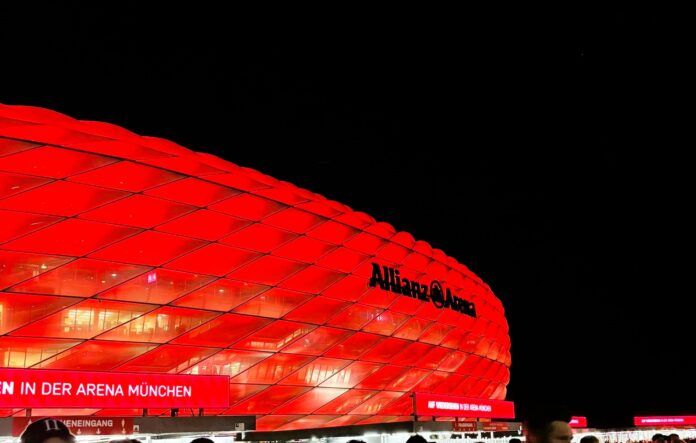
The Power of Brand Visibility For global brands, the appeal of stadium sponsorship extends far beyond football matches. It provides year-round visibility, placing a company’s name front and center during domestic leagues, international tournaments, and even non sporting events held at these venues. Allianz exemplifies this strategy by securing naming rights for FC Bayern Munich’s Allianz Arena and Juventus’ Allianz Stadium. This dual presence across two of Europe’s footballing giants strengthens the brand’s association with elite performance and prestige, reinforcing its image every time these stadiums host high profile matches.

The consistency of branding across multiple leagues also means that Allianz achieves sustained exposure in Germany’s Bundesliga and Italy’s Serie A, amplifying their market reach across diverse fanbases. This uniformity in sponsorship creates a seamless global identity, allowing Allianz to establish a dominant presence in European football, further cementing their influence among millions of fans who recognise their brand with elite sports excellence.

Meanwhile, emerging players in the tech sector are harnessing football’s global popularity to bolster their brand equity. Spotify’s groundbreaking deal with FC Barcelona not only rebranded the iconic Camp Nou but also embedded the music streaming giant deeper into the football ecosystem. This deal is a prime example of tech companies leveraging football’s vast audience to engage with younger, digitally-savvy consumers who follow their favorite teams across social media and streaming platforms. By aligning with one of the most followed clubs in the world, Spotify expands its reach and ingrains itself into the culture of football fandom, ensuring that millions of eyes are on their brand during every matchday and event.

A Growing Market

Despite Europe’s passion for football, the continent lags behind the United States in terms of stadium sponsorship revenue, where individual deals can surpass $700 million annually. This discrepancy reflects the more established culture of commercial partnerships in American sports. However, the European market is rapidly evolving, driven by increasing financial pressures on clubs to diversify income streams and maintain competitiveness in player acquisitions.

The rise in player wages and transfer fees places mounting pressure on clubs to maximise revenue from every potential avenue, making stadium naming rights a compelling source of stable, long-term income. For brands, the allure lies in aligning with some of the world’s most iconic teams, ensuring that their name is showcased to millions of fans globally, both in-stadium and through televised broadcasts.

Furthermore, as new stadiums are developed and existing venues undergo extensive renovations, opportunities for naming rights sponsorship are expanding. Clubs recognise that modern infrastructure and fan engagement technologies make these deals even more attractive to prospective sponsors. The construction of Tottenham Hotspur Stadium and the redevelopment of FC Barcelona’s Spotify Camp Nou exemplify how cutting-edge stadium designs can entice high-value sponsorships, promising premium brand placements in state of-the-art facilities.

The Future of Stadium Naming Rights

The future suggests a balancing act. Clubs will continue to explore naming rights, especially for new stadiums or during major renovations. However, the world’s most historic grounds may resist full rebranding, opting instead for hybrid models where sponsors are integrated into stadium redevelopments without altering the name.

Ultimately, the market for stadium naming rights will grow, but tradition will always play a part in determining just how far clubs are willing to go. For now, the battle between commercial gain and cultural heritage rages on, with millions of revenue at stake.

Guiding Your Young Athlete Through Tough Times: Motivating and Supporting After a Loss

Every athlete, no matter their talent or dedication, will face challenges. Whether it’s a tough loss, a bad game, or a series of performances that don’t meet their expectations, these moments can be emotionally difficult for young players. As a parent, your response during these tough times plays a crucial role in how your child processes setbacks and finds the motivation to move forward.

Here are practical strategies to help you support your child, build their resilience, and turn moments of disappointment into valuable learning experiences.

Acknowledge Their Feelings

The first step in supporting your child is to validate their emotions. It’s normal for young athletes to feel frustrated, sad, or even angry after a tough loss or performance. Instead of minimizing their feelings with statements like, “It’s just a game” or “Don’t worry about it,” try acknowledging what they’re experiencing.

For example, you might say, “I can see that you’re upset. It’s okay to feel this way after a tough game.” This simple act of empathy shows your child that their emotions are valid and that you’re there to support them, no matter what.

Focus on Effort, Not Outcomes

When young athletes are struggling, they often become overly focused on results. As a parent, you can help shift their perspective by emphasizing effort, progress, and perseverance instead of wins or stats.

Highlight what they did well, even in a challenging game: “I was proud of how you kept hustling until the very end” or “You made some great passes out there today.” By recognizing their hard work and dedication, you reinforce the idea that their value goes beyond the scoreboard.

Share Your Own Experiences

One powerful way to connect with your child during difficult times is to share your own experiences with setbacks. Whether it’s a story from your childhood, a professional challenge, or even a personal disappointment, these examples can help them see that failure is a universal part of life.

For instance, you might say, “I remember a time when I struggled with [a specific challenge], and it felt really hard. But I learned that sticking with it helped me improve and feel stronger.” Stories like these show your child that setbacks don’t define them—they’re just part of the journey.

Encourage a Growth Mindset

A bad game or tough streak can feel overwhelming to a young player, but it’s also an opportunity to learn and grow. Help your child develop a growth mindset by framing setbacks as steps in their development.

You might say, “What do you think you learned from today’s game?” or “What’s one thing you’d like to work on for next time?” These kinds of questions encourage self-reflection and focus on progress rather than perfection.

Reinforce the idea that improvement comes from practice, persistence, and learning from mistakes. This perspective helps them view challenges as opportunities rather than obstacles.

Avoid Overloading Them with Advice

While it’s natural to want to help your child improve, too much advice after a tough game can feel overwhelming or even critical. Instead of diving into technical feedback right away, focus on being present and supportive.

Save specific suggestions for a later time when they’re more open to hearing them. For example, you might say, “If you’d like, we can talk about some ideas for improving tomorrow. Let me know when you’re ready.” This approach gives them space to process their feelings first.

Reframe the Importance of the Game

During tough times, it’s easy for young athletes to feel like a single loss or slump defines them. Help them see the bigger picture by reminding them of what truly matters in their football journey.

You might say, “One game doesn’t change who you are as a player. What’s important is how you show up and keep trying, no matter what.” By shifting the focus to their character and effort, you help them build a sense of resilience that extends beyond the field.

Celebrate Small Wins

When your child is in a rough patch, even small improvements can be worth celebrating. Did they hustle harder in practice? Show good sportsmanship? Try a new skill they’ve been working on? Highlighting these moments helps build confidence and reminds them that progress is happening, even if it doesn’t feel like it.

For example, you might say, “I noticed you kept your focus today, even when things got tough. That’s a big step forward!” These small victories can reignite their motivation and help them move past the slump.

Encourage Joy in the Game

When young players are feeling down, it’s a good time to remind them why they started playing football in the first place. Encourage activities that reconnect them with the fun of the game—like playing casually with friends, watching their favorite team, or practicing their favorite moves in the backyard.

Sometimes, stepping away from competition and rediscovering the joy of the sport is the best way to regain confidence and enthusiasm.

Be Their Constant Supporter

Above all, remind your child that your love and pride are unconditional. Whether they win or lose, play well or struggle, your support remains unwavering.

You might say, “I’m proud of you for putting yourself out there and giving it your all. That takes courage, and I admire you for it.” Knowing that you’re in their corner, no matter what, gives them the strength to keep going.

Turning Tough Moments Into Growth Opportunities

Every young athlete will face tough times, but with the right support, these moments can become opportunities for growth and resilience. By listening, encouraging, and focusing on the bigger picture, you can help your child navigate setbacks with confidence and a renewed sense of purpose.

Remember, it’s not about fixing the problem or finding the perfect words—it’s about being there, offering empathy, and showing them that they have the strength to overcome any challenge. With your guidance, they’ll learn that every setback is a step toward becoming not just a better player, but a stronger person.

MLS Transfer Agreements & European Moves: Non-Assignability and other Key Clauses

Photo by Soccer Blur on Unsplash

Major League Soccer (MLS) has a unique single-entity structure, which means that instead of clubs owning player contracts, the league itself owns all player contracts. This structure leads to differences in how transfers, particularly to European clubs, are handled.

  1. Single-Entity System and Its Impact on Transfers
  • MLS signs players directly, not the clubs.
  • When a player is transferred to a European club, the agreement is between MLS and the European club, not the MLS team the player plays for.
  • MLS clubs participate in negotiations but do not hold final authority on player sales.
  1. Non-Assignability Clause: Why It Matters
  • In most football leagues, clubs can assign player contracts freely, meaning they can sell the contract to another club.
  • In MLS, player contracts are not assignable by the individual club because MLS is the sole employer.

This means:

  • The club cannot directly sell a player; MLS must approve and execute the transfer.
  • Even if a club reaches an agreement with a European club, MLS can reject the deal if it does not align with league interests.
  • Sometimes, MLS itself may negotiate separate terms that differ from what the club wants.
  1. Transfer Fees: Who Gets What?
  • Since MLS owns the contract, the league receives the transfer fee.
  • However, MLS clubs typically receive a percentage of the fee, which has varied over time:

– Previously: 75% to the club, 25% to MLS.

– Now: In many cases, MLS takes less (often around 5-10%) if a club sells a homegrown player.

– If a player was signed via Targeted Allocation Money (TAM) or Designated Player (DP) rules, the fee distribution can be different.

  1. Sell-On Clauses
  • MLS often negotiates sell-on clauses when players move to Europe.
  • However, since MLS owns the contract, the league—not the individual club—benefits from future transfers unless negotiated otherwise.
  • This can sometimes frustrate clubs that develop players but see MLS take a cut from future sales.
  1. European Clubs’ Frustrations with MLS Transfers
  • Lack of direct negotiation with clubs: European teams often prefer to deal directly with clubs rather than a centralized league.
  • Lengthy approval processes: Since MLS has internal approval mechanisms, deals can take longer to finalize.
  • High asking prices: MLS has been increasingly demanding higher fees for top talents, which sometimes prices them out of mid-level European transfers.
  1. Exceptions & Workarounds
  • Free Transfers: If a player’s contract expires, he can move to Europe without a transfer fee, though MLS sometimes retains rights of first refusal (meaning an MLS club can claim them if they return to the league).
  • Loan Deals: Some players move on loan with a pre-agreed purchase option, allowing European clubs to avoid MLS’s rigid structure at first.
Summary

The single-entity league as we have now seen is a completely different structure from the european leagues. The non-assignability means the MLS controls transfers, not individual clubs, therefore, clubs get a portion of the transfer fee, but the MLS takes a share as well. Similarly, sell-on clauses primarily benefit MLS as a league, not the originating club. This can lead european clubs to eventually struggle to navigate the MLS’s centralized structure.

Der Druck aus sozialen Medien & Co. – Wie Jugendliche verblendet werden und immer mehr unter psychischem Leistungsdruck stehen

Photo by mahan turga on Unsplash
Die Illusion des perfekten Lebens

„Soy Georgina“ (zu Deutsch: „Ich bin Georgina“) – so heißt die Netflix-Dokumentation über die Partnerin von Cristiano Ronaldo. Inzwischen gibt es bereits zwei Staffeln, in denen es lediglich um den Alltag einer „Spielerfrau“ und Mutter geht. Es ist keine Seltenheit, dass die Partnerinnen weltbekannter Fußballstars in den sozialen Medien sehr aktiv sind. Einige von ihnen waren sogar schon vor ihrer Beziehung mit einem Profifußballer berühmt. Doch inwiefern setzen solche vermeintlich alltäglichen Szenarien Jugendliche unter Druck? Steigt durch diese medial vermittelte Lebensrealität der innere Zwang, ebenfalls ein solches Leben führen zu müssen? Und leidet möglicherweise sogar die schulische Bildung darunter?

Ein Leben zwischen Schule, Social Media und Leistungsdruck

Jugendliche verbringen einen Großteil ihres Tages in der Schule, wo sie oft Stress, Hausaufgaben, frühes Aufstehen und kontinuierliches Lernen mit ihrem Alltag verbinden. Ihre Freizeit ist kostbar, wird aber ebenfalls durch Verpflichtungen und Aktivitäten bestimmt – sei es durch Fußball, andere Hobbys oder durch das ständige Konsumieren sozialer Medien.

Neben ihrer Leidenschaft für den Sport sind Jugendliche tagtäglich einer Flut an Informationen ausgesetzt: Lifestyle, Mode, Politik, Gesundheit, Luxus, Reisen – und natürlich noch mehr Fußball. 

Doch ist all das überhaupt für einen Jugendlichen im Alter zwischen 14 und 18 Jahren zu bewältigen? Zumal sie sich in einer Lebensphase befinden, die ohnehin von hormonellen Umstellungen und Selbstfindung geprägt ist? Die Antwort darauf ist individuell, doch eines steht fest: Jugendliche haben es heute keineswegs einfach.

Die Realität sieht so aus: Viele von ihnen hegen den Traum, einen bestimmten Lifestyle zu leben – nicht nur für sich selbst, sondern auch, um ihren Liebsten ein sorgenfreies Leben zu ermöglichen. Eine enorme Last auf ihren Schultern. Doch wie soll man sich auf die Schule konzentrieren, wenn der Profifußball als einziger gangbarer Weg erscheint?

Welche Verantwortung tragen berühmte Fußballpersönlichkeiten?

Kehren wir zurück zu Georgina und Cristiano Ronaldo. Die Dokumentation zeigt ihren Glamour, ihren Luxus – und präsentiert genau das, was viele Mädchen als absoluten Traum ansehen: teure Markenkleidung, edlen Schmuck, Privatjets für sich und ihre Freunde sowie eine beeindruckende Luxusvilla.

Auch Cristiano Ronaldo selbst teilt seinen extravaganten Lebensstil offen in den sozialen Medien. Seine Disziplin und gesunde Lebensweise sind zweifelsohne vorbildlich, doch gleichzeitig posiert er stolz mit seinen Sportwagen und Luxuskarossen. Die unterschwellige Botschaft scheint zu lauten: „Trainiert so hart wie ich, dann könnt ihr auch dieses Leben führen.“

Doch ist es wirklich so einfach? Nehmen wir das Beispiel eines 16-jährigen Stürmers, der in der U17 eines Bundesligisten spielt. Selbst wenn dieser Spieler noch härter trainiert, seine Ernährung perfektioniert und jede freie Minute in den Fußball investiert – wird er dann automatisch den Erfolg und den Reichtum eines Cristiano Ronaldo erlangen? Die bittere Wahrheit: Nur ein Bruchteil der Talente schafft tatsächlich den Durchbruch in den Profifußball. Die Mehrheit wird es nicht schaffen.

Wenn Träume zerplatzen – die Schattenseiten des Leistungsdrucks

Das Ergebnis dieser unrealistischen Erwartungen? Eine Vielzahl an Jugendlichen mit geplatzten Träumen. Viele von ihnen haben womöglich auch schulisch Defizite, weil sie ihren Fokus vollständig auf den Fußball gelegt haben. Wenn dann die erhoffte Karriere ausbleibt, bleiben Selbstzweifel, mangelndes Selbstbewusstsein und ein geschwächtes Selbstwertgefühl zurück. Doch wann ist der richtige Zeitpunkt, um sie mit der Realität zu konfrontieren? Und was kann man tun, um sie mental zu unterstützen?

Unterstützung und Bewusstsein – der richtige Umgang mit Erwartungen

Wie stark das Selbstbewusstsein und Selbstwertgefühl von Jugendlichen in die Erziehung integriert wird, ist stark von kulturellen Aspekten geprägt. Dennoch liegt die Verantwortung nicht nur bei den Familien, sondern auch bei Fußballvereinen und Offiziellen. Einige Top-Klubs haben den Wandel erkannt und bieten bereits in ihren Nachwuchsmannschaften psychologische und mentale Unterstützung an – allerdings ist dies stark von der finanziellen Situation der Vereine abhängig.

Eine der wichtigsten Maßnahmen bleibt das offene Gespräch. Jugendliche neigen dazu, ihre Gedanken und Sorgen zu verbergen – oft fühlen sie sich ihren Freunden näher als ihrer eigenen Familie. Auch Lehrer und Trainer stehen vor der Herausforderung, den richtigen Umgang zu finden. Wann sollten sie eingreifen? Wie weit dürfen sie gehen, ohne die Jugendlichen zusätzlich zu belasten?

Es gibt keine einzelne Lösung – stattdessen braucht es verschiedene Wege, um Jugendliche mental zu unterstützen. Schon das Bewusstsein der Eltern für die emotionalen Herausforderungen ihrer Kinder kann viel bewirken. Vielleicht dürfen sie das Zimmer mal ein paar Tage später aufräumen oder äußern, wenn ihnen das Abendessen nicht schmeckt. Sie dürfen anderer Meinung sein und auch mal dem Trainer ihre Gedanken mitteilen. Sie dürfen träumen, aber auch zweifeln.

Was wirklich zählt: Liebe, Vertrauen und Perspektiven

Eines sollte man Jugendlichen jedoch niemals nehmen: die Liebe, das Vertrauen und die Dinge, die ihnen am Herzen liegen. Sport – sei es Fußball oder eine andere Disziplin – hat über Jahrzehnte hinweg Jugendliche von negativen Einflüssen bewahrt. Nur weil sie keine Superstars werden oder mit dem Privatjet um die Welt reisen, bedeutet das nicht, dass sie weniger wert sind.

Letztlich ist es wichtiger, dass sie ihren eigenen Weg finden – unabhängig davon, ob er mit Reichtum und Ruhm verbunden ist. Denn am Ende zählt nicht das materielle Glück, sondern die innere Zufriedenheit.

Inside the Game: Unveiling the New 2025 FIFA Club World Cup

Subaru Park in Chester, Pennsylvania, illuminated at sunset ahead of a FIFA Club World Cup 2025 match.
Subaru Park, home of the Philadelphia Union, served as one of the host stadiums for the FIFA Club World Cup 2025.

The 2025 FIFA Club World Cup is set to usher in a new era of global club football with its expanded format and diverse representation. Scheduled from June 14 to July 13, 2025, in the United States, this 21st edition of the tournament will feature 32 teams from six confederations, competing across 12 venues in 11 cities.

Expanded Format and Qualification

This edition marks a significant expansion from previous tournaments, growing from seven to 32 teams. The participating clubs have qualified based on their performances in continental competitions over the past four years. Notably, the tournament includes winners of the UEFA Champions League, Copa Libertadores, and other continental championships, ensuring representation from all corners of the footballing world.

Venues and Host Cities

FIFA has selected 12 stadiums across 11 U.S. cities to host the matches. The tournament will kick off at Hard Rock Stadium in Miami Gardens, Florida, with Inter Miami participating in the opening match. The final is slated for MetLife Stadium in East Rutherford, New Jersey, on July 13, 2025. Other host cities include Atlanta, Charlotte, Cincinnati, Los Angeles, Nashville, Orlando, Philadelphia, Seattle, and Washington, D.C., each offering state-of-the-art facilities to accommodate the global spectacle.

Group Stage and Knockout Rounds

The tournament structure comprises a group stage followed by knockout rounds. The 32 teams are divided into eight groups of four, engaging in a round-robin format. The top two teams from each group will advance to the Round of 16, leading to quarter-finals, semi-finals, and the final. This format ensures a comprehensive competition, allowing clubs multiple opportunities to showcase their prowess on the global stage.

Ticketing and Fan Engagement

Ticket sales commenced on December 19, 2024, with prices starting at $30. Fans can purchase tickets through FIFA’s official website, with allocations available for general supporters and specific club fans. Given the anticipated high demand, early purchase is recommended to secure seats for this historic event.

Broadcasting and Global Reach

In a landmark agreement, DAZN has acquired global broadcasting rights for the tournament. All matches will be streamed for free, with DAZN retaining the option to sublicense rights to free-to-air television channels. This approach aims to maximize accessibility and viewership, bringing the tournament to a worldwide audience.

Challenges and Considerations

Despite the excitement surrounding the expanded format, the tournament has faced criticism regarding potential fixture congestion and player welfare. Organizations such as FIFPRO and the World Leagues Forum have expressed concerns about the increased demands on players and the impact on domestic league schedules. Additionally, legal challenges have arisen, including a case brought by Costa Rican club Liga Deportiva Alajuelense against FIFA, alleging violations of competition regulations.

Conclusion and Future Impact

The 2025 FIFA Club World Cup represents a transformative moment in international club football, offering an expanded platform for clubs worldwide to compete at the highest level.

This expansion could significantly impact football’s global landscape. With a larger, more competitive format, the tournament has the potential to elevate non-European clubs, providing them with a stage to challenge UEFA’s dominance. If successfully executed, it could enhance commercial opportunities, sponsorship deals, and fan engagement across different continents.

However, there are major concerns about fixture congestion, player fatigue, and the balance between club and international commitments. If FIFA can address these issues, the Club World Cup has the potential to become a truly elite tournament, rivaling the UEFA Champions League in prestige. In the long term, this could drive football’s globalization further, strengthening the sport’s presence in emerging markets and elevating clubs outside traditional powerhouses.