
Home Blog Page 60

Soccerdonna: The Ultimate Platform for Women’s Football Data

In August 2010, Transfermarkt launched Soccerdonna.de, a women’s football platform that has since grown into the world’s largest database for women’s football statistics. Entirely volunteer-driven, Soccerdonna mirrors Transfermarkt’s database and forum structure on a smaller scale, offering a comprehensive hub for transfer news, interviews, rumors, market values, and statistics in women’s football.

With the largest collection of women’s football data worldwide, Soccerdonna has established itself as a leading platform for players, coaches, analysts, journalists, and fans alike. Whether tracking transfers, analyzing player market values, or diving into historical statistics, Soccerdonna is an invaluable resource for anyone passionate about women’s football.

Leadership & Growth

Since November 2017, Kay Ole Schönemann has led Soccerdonna as Project Manager, steering the platform toward continuous expansion and innovation. At the end of 2018 and the beginning of 2019, Soccerdonna began focusing more on digital outreach and community engagement, particularly through social media. This strategic shift led to steady growth, increasing the platform’s visibility and engagement within the women’s football community.

What makes Soccerdonna truly unique is that the entire project thrives on the dedication of volunteers. Without the passion and commitment of countless supporters, Soccerdonna would not have reached the level of influence and impact it has today.

Unmatched Data Coverage

Soccerdonna’s database is continuously expanding, currently featuring:

  • Players: 103,382
  • Coaches: 9,682
  • Referees: 19,444
  • Stadiums: 5,071
  • Clubs: 13,385
  • Teams: 14,371
  • Competitions: 223
  • Match Reports: 81,718

Beyond just statistics, Soccerdonna sets the standard for transparency in player market value calculations. The values are based on a detailed methodology that considers performance data, age, market trends, and transfer history. This approach ensures that player valuations are data-driven and comparable. (More on this here).

Additionally, the platform does not just collect data but also analyzes it, helping to identify trends, player development patterns, and market dynamics in women’s football.

A Strong Presence on Social Media

Soccerdonna is not just a database, it’s an active and growing community. The platform connects with fans worldwide through multiple social media channels, offering real-time updates, transfer news, statistics, and analysis.

  • Instagram:
    • @soccerdonna (Global): 109,000+ followers
    • @soccerdonna.de (DACH Region: Germany, Austria, Switzerland): 22,500+ followers
    • @soccerdonna.co.uk (United Kingdom: England, Scotland, Wales, and Northern Ireland): 16,400+ followers

Each account provides a rich mix of daily transfer updates, exclusive insights, and interactive content, making Soccerdonna one of the most engaging digital spaces for women’s football enthusiasts.

  • X (formerly Twitter):
    • @soccerdonna – 32,071 followers, providing breaking news and transfer updates.
  • Facebook:
    • Soccerdonna on Facebook – 28,400 followers, offering in-depth discussions and match reports.
  • Bluesky (Bsky):
    • Soccerdonna on Bluesky – 1,600 followers, expanding into decentralized social media.
Who Uses Soccerdonna?

Soccerdonna is not just a resource for fans, it’s also widely used by journalists, clubs, scouting professionals, and player agents who rely on accurate and up-to-date information. Whether it’s tracking transfers, scouting emerging talents, or analyzing player development, Soccerdonna has become a key reference point in the women’s football ecosystem.

Why Soccerdonna?

With its unparalleled depth of statistics, exclusive insights, and real-time updates, Soccerdonna has become an essential platform for tracking women’s football worldwide. Whether you’re following transfers, analyzing player performances, or keeping up with market values, Soccerdonna is the ultimate resource for women’s football enthusiasts.

For those who want to stay up-to-date, following Soccerdonna on Instagram, X, Facebook, and Bluesky is highly recommended. Each of their accounts provides unique perspectives and real-time updates, making them an essential source for women’s football news and analysis.

Introduction to the 2034 FIFA World Cup: Saudi Arabia’s Historic Moment

Photo by ekrem osmanoglu on Unsplash

The 2034 FIFA World Cup: A Watershed Event for Saudi Arabia. Once again in 2034, the FIFA World Cup will create history as a symbol of worldwide togetherness and joy. The globe will get a rare glimpse of Saudi Arabia, a country where modern technology coexists with age-old customs, as it becomes the second Middle Eastern country to host the event. For Saudi Arabia, this tournament represents much more than just a sports event; it is an opportunity to highlight its culture, technological advancements, and position as a world leader.

Saudi Arabia is set to host a World Cup that will be remembered for all the right reasons: its stunning landscapes, rich cultural history, and world-class infrastructure.

An Extreme Land Winter Tournament

November and December will be the months when the 2034 World Cup will be held in Saudi Arabia due to the country’s very hot summers. This schedule is designed to be as immersive as possible for both players and spectators, much as the very successful 2022 World Cup in Qatar. Under these circumstances, players will be able to give their all on the field, and fans all throughout the country will have a better time.

The kingdom will welcome football enthusiasts with mild temperatures, ideal for outdoor celebrations. World Cup goers will get a real flavor of Saudi Arabia’s history and culture with elaborate fan zones, cultural festivals, and traditional performances held all throughout the host cities.

Finals’ Iconic Kingdom of Saudi Arabia Locations

Five vibrant Saudi cities—Riyadh, Jeddah, Al Khobar, Abha, and NEOM—will come together to realize Saudi Arabia’s ambition for the 2034 World Cup. The cultural, geographical, and architectural diversity of each location will provide for an exciting and varied competition. The capital city of Saudi Arabia, Riyadh, will serve as the event’s epicenter. Riyadh, a city that combines old and new, will play home to many stadiums, one of which being the brand new King Salman International Stadium. Both the first and last matches will take place at this cutting-edge stadium, which has the capacity to hold more than 90,000. Because the city is going to be the center of attention from all around the world, fans can anticipate a lively scene.

The city of Jeddah, Saudi Arabia, is well-known for its rich history and picturesque coastline on the Red Sea. One of the main locations, with its contemporary facilities and breathtaking vistas, is the King Abdullah Sports City Stadium. Another significant feature of Jeddah’s ever-changing skyline is the Jeddah Central Development Stadium, built to host major international athletic events.

The Eastern Province town of Al Khobar, with its picturesque seafront and cutting-edge facilities, will play home to matches at the brand new Aramco Stadium. The city is a popular spot for tourists interested in football and culture because of its mix of modern buildings and old-world charm.

The Asir Mountains are home to the city of Abha, which stands in stark contrast to the hot, arid landscapes that characterize the rest of Saudi Arabia. The projected 45,000-capacity stadium will serve as a platform to showcase the region’s stunning natural scenery as well as the cutting-edge technical prowess of Saudi Arabia.

NEOM: One of the pillars of Saudi Arabia’s Vision 2030 is NEOM, the host city, which is both ambitious and futuristic. The state-of-the-art NEOM Stadium, part of the zero-carbon urban development “The Line,” will play home to NEOM matches as part of its mission to transform city life. With its cutting-edge design, eco-friendly construction, and cutting-edge technology, this stadium embodies the future of Saudi Arabian and world event organizing.

An Ideal Future of Progress and Legacy

As part of its Vision 2030 initiative, Saudi Arabia will host the 2034 World Cup. The country’s plan to diversify its economy and become a world-class center for innovation, sports, and tourism includes this event in addition to football. Each host city is pouring a lot of money on long-term infrastructure, such sustainable stadiums and cutting-edge transportation networks, so the event can go on.

The next generation of Saudi players will be inspired by this World Cup as well. To make sure the event has a long-lasting effect on the sports development of the kingdom, youth academies and grassroots projects are being started all over the place.

Recent years have seen massive investments in Saudi Arabia’s football scene, most notably the Saudi Pro League (SPL). By luring elite players and improving the standard of football in the kingdom, this long-term plan hopes to boost the league’s reputation internationally.

Significant Investments and Signings by Prominent Individuals

Saudi Arabia’s domestic league, the Saudi Pro League (SPL), has undergone a transformation, fueled by heavy investments and marquee signings like Cristiano Ronaldo, Neymar, Karim Benzema, N’Golo Kanté, Riyad Mahrez, Fabinho, and Aleksandar Mitrović. These high-profile arrivals elevate the league’s competitiveness and global appeal, laying the groundwork for Saudi Arabia’s 2034 World Cup.

From a footballing perspective, attracting elite talent enhances local player development, improves coaching standards, and boosts international experience—key for Saudi Arabia’s national team to compete on the world stage.

Beyond football, these investments strengthen infrastructure, tourism, and global partnerships, aligning with Vision 2030’s goal of economic diversification. Increased international exposure, sponsorships, and media rights deals position Saudi Arabia as a global sporting hub, ensuring a well-prepared and commercially successful 2034 World Cup. The SPL’s rise is a strategic step in establishing Saudi Arabia as a major player in global football and beyond.

Saudi Arabia: A Rising Global Hub

Saudi Arabia is one of the youngest countries in the world, with a population of about 36 million, more than two-thirds of whom are under 35. The nation’s desire to become a global center for business, innovation, and sports is fueled by this demographic advantage.

As part of Vision 2030, Saudi Arabia is investing heavily in a number of sectors outside of football, most notably in infrastructure, technology, and tourism. Reducing dependency on oil, creating a knowledge-based economy, and establishing Saudi Arabia as a pioneer in tourism, entertainment, and sustainable development are the objectives of this national transformation plan. The kingdom is ready to host international events beyond the 2034 World Cup thanks to investments in world-class airports, upscale hospitality, and smart cities like NEOM.

One of the biggest sovereign wealth funds in the world, the Saudi Public Investment Fund (PIF), is crucial to this change. In addition to purchasing a majority stake in Newcastle United FC, PIF has made significant investments in international sports, such as Formula 1, boxing, WWE, and LIV Golf. The fund also drives the growth of the Saudi Pro League, bringing elite coaches and players to improve football at home.

Saudi Arabia has become an international sporting powerhouse, as evidenced by recent major sporting events. The Saudi Arabian Grand Prix of Formula 1, the FIFA Club World Cup 2023, and the heavyweight boxing matches between Tyson Fury and Anthony Joshua were all successfully held in the nation. Saudi Arabia is reaffirming its commitment to becoming a top sports destination by bidding for major international sporting events and hosting the 2029 Asian Winter Games in Trojena, NEOM.

What Remains Next

We have only just begun our trek to the year 2034. The next several months will see the unveiling of further information on the stadium’s development, the city’s readiness, and the worldwide collaborations. All of this is leading up to a tournament that will shatter records and bring together billions of people from all around the world to celebrate football and culture.

This historic event will be shaped by stadium innovations, cultural programming, and economic efforts. Future articles will go into each of these host towns. Saudi Arabia is using the 2034 FIFA globe Cup as an opportunity to showcase its history, culture, and aspirations to the globe.

FIFA Football Agent Exam 2025

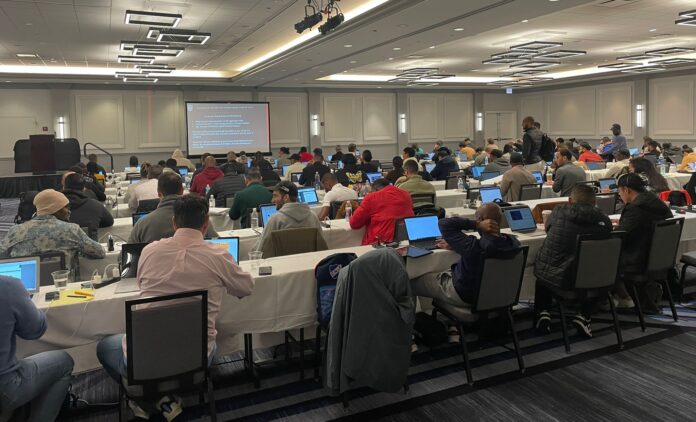
Candidates taking the FIFA Football Agent Exam in Chicago during the 2024 in person exam session.
Candidates sit the FIFA Football Agent Exam during the 2024 in person session in Chicago. Passing the exam is the key step to becoming a licensed football agent under FIFA regulations.

The FIFA Football Agent Exam is governed by a set of rules that outline the conditions for participation, the examination process, and the grading criteria. The purpose of these rules is to ensure transparency, fairness, and integrity in the examination process. FIFA reserves the right to amend these rules at any time and publishes them on its platform.
In this article , we will dive deep into the Football Agent Exam Rules. You can view and download both, the FIFA Football Agent Exam Rules and the FIFA Football Agent Study Materials, by clicking here.

Key Dates for the FIFA Football Agent Exam 2025
  • 4 March 2025 (00:00 CET): Opening of the application window
  • 17 April 2025 (23:59 CET): Application window closes
  • 15 May 2025 (23:59 CET): End of exam booking period
  • 19 May 2025 (23:59 CET): Deadline for submitting medical accommodation requests
  • 30 May 2025 (23:59 CET): Final deadline for changing exam time slot or language
  • 2 June 2025: Launch of Pre-exam Readiness Check for approved candidates
  • 17 June 2025 (12:00 CET): End of Pre-exam Readiness Check window
  • 18 June 2025: Exam day
  • 2 July 2025 (14:00 CET): Notification of exam results
  • 5 July 2025 (23:59 CET): End of exam review period

Note: All times are given in CET, except for the exam day. FIFA reserves the right to modify the schedule as necessary.

Registration

Registration for the exam must be completed through the FIFA platform within a designated application period. The exam fee is mandatory and non-refundable. All candidates must undergo identity verification and a device compatibility check to ensure they have the required equipment—a laptop or PC with a camera and microphone, as well as a smartphone—and a stable internet connection.

Process

The exam is conducted online and lasts 60 minutes. Each candidate receives a unique set of questions, and a minimum score of 75% is required to pass. Only specific materials are allowed during the exam, including official FIFA study materials, a blank sheet of paper with a pen, and approved medical aids. Communication with others, the use of unauthorized software, or the presence of any communication devices is strictly prohibited. No breaks are permitted during the exam.

Breaches of Conduct

FIFA places great emphasis on adhering to conduct rules. Any attempt to cheat—such as communicating with others, copying answers, or using prohibited devices—results in immediate disqualification. However, candidates are allowed to use an unofficial translation tool at their own risk. Technical issues are only considered force majeure if they are reported during the exam.

Results

Once the exam is completed, results are communicated within 14 days via email. Candidates who fail can review their attempt within a limited period. Retaking the exam is possible, but all grading decisions are final and cannot be appealed. Candidates with medical conditions may request special accommodations, such as extra time or assistive technology, provided they submit the necessary documentation. FIFA invigilators monitor the exam, enforce the rules, and have the authority to cancel any exam attempt in case of violations. Technical issues that are not reported in time do not qualify for a retake. In exceptional cases, FIFA may allow a rescheduled exam session in response to unforeseen events.

Enforcement

These rules came into effect on March 4, 2025, replacing the August 2024 edition. Any matters not explicitly covered in the regulations will be decided by FIFA.

FIFA Football Agent Exam Preparation Course

In light of the next FIFA Agent exam taking place on the June 18, 2025, Daniel Geey and Dr Erkut Sogut will once again provide the ultimate virtual and interactive preparatory course to maximise your chances of success. The course includes comprehensive, easy-to-follow and in-depth guidance through all the relevant FIFA Regulations.

The course will cover the new agent regulations and how they will be presented within the exam; creating a successful exam strategy; past paper and mock exam practice; and the six key FIFA documents. Plus helping you to understand specific possible lines of questioning such as the rules on transfers, training compensation, working with minors, the agent licensing system, commission caps, conflicts of interest and more. The Course will be
delivered in English, in an interactive lecture style covering all aspects of the new FIFA Agent Exam. There will also be exam materials that will be made available to all attendees.

Click here for more information.

The Role of Sports Agencies: Powerhouses Behind the Scenes

Photo by Scott Graham on Unsplash

Sports agencies play a crucial role in the modern sports industry, acting as intermediaries between athletes, teams, sponsors, and media organizations. Their core functions extend far beyond contract negotiations, with their influence reaching deep into sponsorship deals, marketing, event management, and the broader commercial strategies that drive the business of sports. Through strategic planning and comprehensive services, sports agencies shape the careers of athletes while enhancing the overall sports ecosystem.

Core Services of Sports Agencies

Sports agencies are involved in a wide range of services that directly impact the careers of athletes and the financial success of sports organizations. These services include:

  • Contract Negotiations: Agencies work to secure lucrative deals for athletes, negotiating salaries, bonuses, and contract terms with teams and organizations.
  • Sponsorship and Endorsements: Agencies identify and broker sponsorship deals, connecting athletes with brands that align with their image and marketability. They often manage endorsements, ensuring athletes’ visibility in various markets.
  • Marketing and Branding: Agencies craft and execute marketing strategies that build the athlete’s personal brand, increasing their visibility and appeal to fans and sponsors.
  • Event Management: Sports agencies often organize events, including charity matches, training camps, and promotional activities, to boost athlete profiles and further their commercial value.
  • Media Rights and Representation: With the rise of digital media, agencies manage media rights for their clients, negotiating broadcast deals and handling media appearances.
Leading Sports Agencies

Several global agencies dominate the sports landscape, providing a comprehensive suite of services for athletes, teams, and sports organizations.

  • Octagon:
    As one of the largest and most well-known sports agencies, Octagon operates in over 20 countries across 5 continents. With more than 1,000 employees, Octagon specializes in talent representation, media rights, and marketing solutions. Its portfolio includes elite athletes in a variety of sports, including soccer, basketball, tennis, and motorsports. Octagon has offices in cities like New York, London, and Sydney, serving clients around the world.
  • Infront:
    Headquartered in Zurich, Infront is one of the leading sports marketing agencies globally, with a presence in 35 countries and more than 20 offices worldwide. Infront focuses on sponsorship management, media distribution, and event organization, handling major global sports events such as the FIFA World Cup and the Winter Olympics. With strategic partnerships across Europe, North America, and Asia, Infront remains a dominant force in sports marketing and media rights.
  • IMG:
    Founded in 1960, IMG is a pioneer in sports and entertainment representation, managing everything from event coordination to talent representation and media rights. IMG operates in more than 25 countries, with offices in major cities like New York, London, Sydney, and Dubai. With a global footprint, IMG is involved in a variety of sports, including tennis, golf, soccer, and motorsports, and is known for representing high-profile athletes like Serena Williams and Tiger Woods.
  • Wasserman:
    Wasserman boasts a significant international presence, operating in over 65 cities across 27 countries, with offices in key locations like Los Angeles, New York, London, and Tokyo. It represents over 2,000 athletes in various sports, including football, basketball, and baseball, while managing sponsorships, media rights, and marketing strategies. The agency has become known for its holistic approach to talent representation, emphasizing long-term career management and brand development.
  • CAA Sports:
    With offices in multiple countries, including the United States, the United Kingdom, and China, CAA Sports has become one of the top agencies in the sports industry. It operates in cities like Los Angeles, New York, London, and Hong Kong, providing global services that include athlete representation, sponsorship deals, and media rights management. CAA Sports handles a diverse range of clients, from Olympic athletes to major league sports stars, and also focuses on corporate partnerships and brand collaborations.
Impact on the Sports Industry

The influence of sports agencies cannot be overstated. These agencies contribute significantly to the financial landscape of sports through strategic sponsorships, media deals, and international expansion. Agencies act as essential advocates for athletes, ensuring their interests are protected while maximizing earning potential both on and off the field.

Beyond individual athlete management, agencies play a key role in shaping the future of sports business by driving sponsorship trends and facilitating major broadcast deals. Their expertise in handling complex, cross-border negotiations makes them indispensable to the global sports economy.

Building Brands: The Crucial Role of Sports Agencies

At the heart of it all is brand building—both for athletes and sports organizations. The most successful individuals and entities today are those that have crafted strong, recognizable brands. Sports agencies are the masterminds behind this process, guiding athletes and organizations through the intricate journey of brand development, from strategy to execution. Their behind-the-scenes work, although often invisible to the public eye, is what drives the immense success of their clients, whether it’s an athlete securing major endorsements or a sports club expanding its global reach. The agencies’ ability to strategically manage and elevate their clients’ personal and professional identities ensures they remain relevant and powerful in a highly competitive industry. Ultimately, it’s this expert brand-building that propels clients to new heights, allowing them to secure long-lasting commercial success and cultural influence.

The Gatekeepers of Football: How Certain Agents Control Access to Clubs and What You Can Do About It

Photo by Pixabay on Pexels
The Hidden Power Brokers in Football

In the world of football transfers, agents often assume that their job is to negotiate directly with clubs to secure deals for their players. However, many quickly realize that access to clubs is not as open as it should be. Instead of speaking directly with the sporting director or club executives, they find themselves dealing with an unexpected intermediary, another agent who appears to control the club’s incoming transfers.

These agents, often referred to as “gatekeepers,” are not officially part of the club but hold significant influence over who gets in and who stays out. They work closely with key figures inside the club, sometimes even giving kickbacks to ensure their position remains strong. If an agent refuses to collaborate with them, the deal is often blocked entirely.

For experienced agents, this is an inconvenient but well-known reality. For newer agents trying to break into the business, it can be a serious roadblock, one that limits opportunities, inflates transfer costs, and damages the integrity of the market.

A Personal Experience: The Meeting That Wasn’t What It Seemed

Years ago, I traveled to France to meet with a sporting director at a hotel. As I walked in, I noticed another agent from a different agency standing in the lobby. I didn’t think much of it until the sporting director greeted me and immediately introduced me to this agent.

“Hey, do you guys know each other? Oh, I thought I’d just introduce you guys!”

That was it. No explanation. Just a casual introduction, as if we were supposed to be working together by default. I went ahead with my meeting, but when I finished, the agent was still waiting for me. We sat down for coffee, and he got straight to the point.

“Look, very straightforward. If we do this deal together, there won’t be any issue, and things will move quickly and fast. So I leave it to you to think about it.”

The message was clear. If I wanted my player to join this club, I had to involve him. But I didn’t accept it. Instead, I took my player to another country.

This wasn’t the only time I encountered such a situation. Many agents, particularly those starting in the business, face similar challenges where a deal is blocked simply because a gatekeeper wants their share of the commission.

How Gatekeepers Operate

Gatekeepers exist because they are protected by club insiders. They maintain their influence in several ways.

Controlling Access to Decision-Makers
Instead of dealing with the sporting director, club president, or head coach, an agent is funneled through a specific intermediary. This agent has the ability to fast-track or kill deals at will.

Blocking Direct Negotiations
Even if an agent has built a relationship with a club, the gatekeeper ensures that no transfer happens unless they are involved. Some sporting directors even refuse to take calls or meetings unless their preferred agent is in the loop.

Financial Incentives
These agents are not just looking to facilitate deals. They want a percentage of the commission. This often involves a structure where the agent takes a cut and may share it with club insiders as a kickback.

Club Culture and Structural Weaknesses
Certain leagues and clubs are more susceptible to this system due to their ownership models, particularly clubs that are run as associations rather than privately owned businesses.

When Family Becomes the Gatekeeper

One of the most overlooked yet powerful forms of gatekeeping happens through family connections inside clubs. This is particularly common in clubs that operate under an association model, such as in Germany, where clubs are not privately owned but run by elected boards.

Why is this problematic? Because in an association, the executives making financial decisions are not spending their own money. They are handling club funds with limited personal accountability. This makes it easier for nepotism and hidden agency deals to thrive.

Some common examples

A sporting director introduces his brother, son, or cousin as the “agent” responsible for a player’s transfer.

A club president’s family member controls access to certain signings, ensuring that no deal happens unless they are involved.

In extreme cases, an entire family network within a club dominates the transfer system, making it impossible for independent agents to operate unless they agree to the terms set by these insiders.

Of course, similar situations occur in privately owned clubs as well. But in those cases, at least the owners are spending their own money. In association-run clubs, financial oversight is often weaker, making it easier to exploit the system.

What Can Be Done

Fighting against gatekeepers is not easy, but agents can take certain steps to protect themselves and ensure a fairer transfer system.

Push for Direct Negotiations
Where possible, build strong relationships with club executives and decision-makers to bypass intermediaries.

Leverage Player Power
Players should be informed and encouraged to question unnecessary intermediaries in their transfers. If a club insists on involving a third party, the player should demand to understand why.

Document and Report
Keep records of conversations where gatekeepers attempt to impose themselves on deals.
If there is clear misconduct, report it to FIFA, national federations, or legal authorities. While proving corruption is difficult, multiple reports can help build a case.

Advocate for Stronger Regulations
FIFA and national associations should enforce transparency in agent dealings.
Clubs should be required to disclose all agents involved in a deal, ensuring there is accountability.

Conclusion: Time to Speak Up

The role of gatekeepers in football is a well-known but rarely discussed issue. It is a system that benefits a select few while making life difficult for honest agents trying to do their job. It also inflates transfer fees, introduces unnecessary intermediaries, and sometimes leads to corruption.

By speaking out about these practices and pushing for greater transparency, we can begin to shift the culture of football transfers toward a fairer and more ethical system. It’s time for agents, players, and clubs to take a stand against the unspoken rules that limit opportunities and distort the market.

FC Imabari: Building a Visionary Future through the Okada Method

In the dynamic world of Japanese football, FC Imabari is steadily making a name for itself, not only through its ambitions on the field but also through its broader impact on community and youth development. At the heart of this growth lies the vision of Mr. Takeshi Okada, a highly respected figure in Japanese football, whose philosophy and leadership have become the foundation of the club’s strategy and daily operations.

We extend our sincere gratitude to Mr. Ikari for opening the doors of FC Imabari to us and sharing his insights into the club’s vision, development strategies, and the transformative role of the Okada Method in shaping its future.

A Vision for 2030

FC Imabari’s long-term vision is structured around four key pillars: People and Organization, Football, Satoyama and Community, and Business. The club’s football ambitions are nothing short of impressive. By 2030, FC Imabari aims to establish the highest quality football pyramid in Japan, known as the ‘Imabari Model,’ driven by the consistent application of the Okada Method. The top team aspires to compete for the J1 title consistently and ultimately win the AFC Champions League (ACL). The club also focuses on nurturing talent, with a goal of producing players for Japan’s national teams at all age levels every year.

The Okada Method: A Blueprint for Success

Mr. Okada, as the Representative Director and Chairman, plays a pivotal role in shaping FC Imabari’s approach. His corporate philosophy emphasizes the richness of the mind over material abundance, guiding the club’s business and community initiatives. The Okada Method itself is a systemized approach to coaching that instills a ‘play model’—the fundamental principles of soccer players need by age 16 to become professionals. This method promotes independence and autonomy in players, ensuring they not only perform well but also think critically about their game.

The club’s youth development strategy embodies this method by prioritizing reflection and self-analysis among young players. Training sessions involve collaborative analysis of matches, fostering a culture of continuous improvement. The ‘Growth Program’ complements this by encouraging individual development through outdoor activities and life skills training.

Path to the J1 League

FC Imabari faces significant challenges on its path to the J1 League. Key hurdles include expanding business operations and increasing the first team’s player budget three to four times its current level. Given Imabari’s status as a regional city, rapid business scaling is not an easy task. The club is focusing on crystallizing its football philosophy and enhancing its scouting network to build a cohesive and effective squad. Additionally, it is diversifying its business ventures, particularly through outdoor education and community engagement programs.

Beyond Football: The FC Imabari Community Initiative

FC Imabari’s ambitions go beyond football success. The club is actively working on the ‘FC Imabari Community’ initiative, aimed at building a ‘mutual support community’ that addresses social issues such as global warming, food scarcity, poverty, loneliness, and disaster resilience. Central to this initiative is the ‘Asics Satoyama Stadium,’ a hub for fostering connections through events, health and education programs, and art initiatives.

Youth Development: The Imabari Model Project

The club’s approach to youth development is encapsulated in the ‘Imabari Model Project,’ which involves consistent, long-term guidance across the city and surrounding areas. Despite Imabari’s modest population of 160,000, the club collaborates with local coaches and teams to build Japan’s highest quality youth development system. The focus is on not only nurturing talent within the club but also contributing to broader societal development through football.

Measuring Success

The Okada Method’s success is evident in FC Imabari’s achievements. The U-18 team, established in 2019, has already produced a player for the top team and performed well in international competitions. The club’s collaboration with Zhejiang FC in China showcases the international influence of the Okada Method, contributing to Zhejiang’s status as a leading youth development club in China.

Scouting and Recruitment Strategy

Balancing young talent with experienced players, including international signings, is a key part of FC Imabari’s strategy. The club maintains a keen eye on young talent that aligns with its style, while also bringing in seasoned players to strengthen critical positions.

Conclusion

FC Imabari is more than a football club; it is a catalyst for change, both on and off the pitch. By combining a clear vision, a unique coaching philosophy, and strong community initiatives, FC Imabari is poised to influence the the landscape of Japanese football. Under the guidance of Mr. Okada and through the Okada Method, the club is steadily building a legacy rooted in talent development, community engagement, and sustainable growth.

Case Study: Wayne Rooney’s Coaching Role with Football Escapes

Photo by Christoph Schulz on Unsplash

Football is a global phenomenon that builds legacies, connects people, and creates icons. But for professional players, the journey on the field is often fleeting. Injuries, form fluctuations, and age are all inevitable hurdles that signal the end of a playing career. So, what comes next for these athletes when they leave the pitch?

In our series, we explore how footballers can leverage their personal brands and public profile to craft meaningful, lucrative post-playing careers and commercial opportunities. This week, we’re spotlighting Wayne Rooney’s recent deal to join Football Escapes, a fascinating case study in blending passion, influence, and opportunity.

From Footballer to Coach to Brand Ambassador

Wayne Rooney’s legacy as a world-class footballer is well-established. From his early Everton days to becoming Manchester United’s all-time top scorer and his extraordinary career as an England international. Now, Rooney is venturing into a new chapter, partnering with Football Escapes to mentor young players and create unforgettable experiences.

This move highlights a growing trend among retired players: utilising their position as a commercial asset. By aligning with lifestyle brands, players like Rooney, Joe Cole, and Rio Ferdinand are redefining what it means to stay connected to the game. They’re not just lending their names; they’re becoming part of commercial experiences that inspire, educate, and resonate with fans and ensure they remain in the public eye and generate income after retirement.

Why Partnerships Like Football Escapes Work

Football Escapes is a coaching clinic organisation built on authenticity, luxury, and impact. These qualities make it an ideal platform for retired players seeking commercial income while enjoying a fulfilling lifestyle.

1. Leveraging Star Power

Rooney’s presence adds an instant draw to the Football Escapes brand. Families and young players are eager to train under the guidance of football icons. This connection enhances both the player’s reputation and the brand’s credibility.

2. Expanding Global Reach

With camps hosted in premier locations like Dubai and Portugal, Football Escapes offers players an international stage. For Rooney and others, this means extending their influence far beyond the UK and Europe, connecting with fans worldwide.

3. Aligning with Lifestyle Branding

Football Escapes is about aspirational living as well as football. Players partnering with the brand are seen as ambassadors of success, family values, and exclusivity. This positioning creates opportunities for further collaborations in sectors like travel, fashion, and wellness.

4. Staying Involved in the Game

Unlike the high-pressure roles of management or punditry, coaching clinics offer a more relaxed way to remain engaged with football and create income. For former players like Rooney, it’s a chance to share their expertise while inspiring the next generation. It offers Rooney a perfect stop gap for now whilst he seeks his next role in coaching, should he want to move on.

The Commercial Opportunity of Coaching Clinics

Coaching programs like Football Escapes are highly strategic business ventures. Here’s why they’re a win-win for retired players:

  1. Monetising Influence: Players earn through direct coaching fees, brand partnerships, and personal appearances. These engagements often come with lucrative paychecks while adding value to their personal brand.
  2. Building Credibility: Participating in hands-on initiatives demonstrates a player’s commitment to giving back, making them relatable and trustworthy figures for fans and brands alike.
  3. Creating Networking Opportunities: Events like these attract influential figures from business, media, and sports, providing invaluable networking opportunities for players planning their next ventures.
  4. Amplifying Reach Through Social Media: Parents and kids attending Football Escapes are eager to share their experiences online, turning them into organic brand ambassadors. This exposure amplifies the player’s visibility in a meaningful way.
Why Football Escapes Is a Blueprint for Success

Football Escapes combines everything a retired player could want: global influence, personal fulfillment, and a chance to give back. For Wayne Rooney, this partnership aligns perfectly with his personal brand, showcasing his love for the game, his dedication to family, and his desire to mentor future stars.

The model is also scalable. As more players recognise the value of their post-playing years, ventures like this could serve as a blueprint for others looking to maximize their legacy and financial potential.

Lessons for Retired Players: Building a Legacy Beyond the Pitch

Footballers often talk about the importance of leaving a legacy. As well as trophies and statistics, legacy is also about impact and commercial presence away from the pitch. Programs like Football Escapes show that retired players can leave a lasting impression by mentoring young talent, inspiring families, and collaborating with reputable brands.

So, what can we learn from Rooney’s journey?

  1. Leverage Your Brand: Your playing career is the foundation. Use it to build a personal brand that resonates beyond football.
  2. Align with Your Values: Choose opportunities that feel authentic and align with your passions. Fans can spot disingenuous efforts from a mile away.
  3. Think Strategically: Explore ventures that combine personal fulfillment with financial gain. Partnerships like Football Escapes are a great example of this balance.
  4. Stay Visible: The transition from player to professional doesn’t mean stepping out of the spotlight. It’s about using your platform to amplify your next chapter.
It’s Just Beginning

Wayne Rooney’s move to Football Escapes is a testament to the endless possibilities for athletes after retirement. The key? Treat your personal brand as an asset, align with the right partners, and invest in ventures that inspire and create impact.

For players contemplating life beyond the pitch, the message is clear: your legacy is in your hands. And with the right strategy, the best chapters might still be ahead.

La Comunicación: El Pilar Fundamental de un Club de Fútbol Exitoso

El fútbol es pasión, estrategia y competencia, pero detrás de cada club exitoso hay un elemento clave que muchas veces pasa desapercibido: la comunicación. Un club de fútbol es una organización compleja con múltiples actores—Junta Directiva, jugadores, cuerpo técnico, empleados del front-office, periodistas, aficionados y entidades organizadoras de torneos—cada uno con sus propias necesidades y expectativas. La forma en que un club se comunica con estos grupos puede determinar su éxito tanto dentro como fuera del campo.

La Junta Directiva: Transparencia y Estrategia

Los dirigentes de un club tienen la responsabilidad de definir la visión y estrategia de la institución. La comunicación interna entre los miembros de la Junta debe ser clara para garantizar una toma de decisiones efectiva. Además, la transparencia con el resto de la organización y con los aficionados es clave para generar confianza y estabilidad, evitando rumores y crisis innecesarias.

Jugadores y Cuerpo Técnico: Un Mensaje Unificado

El vestuario de un equipo es un ecosistema en sí mismo, donde la comunicación juega un papel decisivo en el rendimiento deportivo. Entrenadores y jugadores necesitan estar alineados en objetivos, tácticas y expectativas. Un mensaje claro desde la dirección técnica evita confusiones y fomenta un ambiente de trabajo armonioso.

Además, el club debe proporcionar a los jugadores herramientas y orientación para gestionar su comunicación pública. En la era de las redes sociales, un mensaje mal interpretado puede generar controversia y afectar la imagen del equipo.

El Front-Office: Comunicación Interna para el Éxito Externo

Los empleados administrativos y operativos del club, desde marketing hasta recursos humanos, necesitan estar bien informados sobre las decisiones y estrategias del equipo. La comunicación interna eficiente permite que cada departamento trabaje en sintonía, asegurando que las iniciativas comerciales, de branding y logísticas se ejecuten sin fricciones.

Periodistas y Medios: Construyendo una Relación Positiva

Los medios de comunicación son un canal esencial para conectar al club con su entorno. Un manejo adecuado de la relación con los periodistas garantiza que las noticias sobre el equipo sean precisas y positivas. Responder con rapidez y claridad a sus consultas, ofrecer ruedas de prensa bien organizadas y brindar acceso a fuentes oficiales fortalece la imagen del club y evita la propagación de rumores o desinformación.

Aficionados: El Corazón del Club

El vínculo entre un club y su afición es emocional y profundo. Una comunicación efectiva con los seguidores genera fidelidad, refuerza la identidad del club y fomenta una comunidad activa. Es fundamental que los hinchas reciban información de primera mano sobre fichajes, resultados, iniciativas sociales y decisiones clave.

Las redes sociales han cambiado la forma en que los clubes interactúan con sus hinchas. Un tono cercano, contenido exclusivo y la capacidad de escuchar y responder inquietudes fortalecen la conexión con la afición.

Entidades Organizadoras: Cumpliendo con Normas y Expectativas

Las ligas, federaciones y demás organismos reguladores requieren una comunicación formal y estructurada por parte de los clubes. Cumplir con normativas, gestionar inscripciones y responder a solicitudes en tiempo y forma es esencial para evitar sanciones o conflictos administrativos.

Conclusión: La Comunicación, un Factor de Éxito

Un club de fútbol no solo se construye con talento y estrategia deportiva, sino también con una comunicación eficiente y alineada con todos sus actores clave. La transparencia, la claridad y la capacidad de escucha generan confianza, estabilidad y compromiso. Invertir en comunicación no es un gasto, sino una estrategia fundamental para el crecimiento y éxito sostenible de cualquier institución futbolística.

Un club que se comunica bien es un club que gana dentro y fuera del campo.

अपना पहला क्लाइंट साइन करने का सफर

Photo by Ayush Gupta on Unsplash

यह ब्लॉग “फुटबॉल एजेंट बनने की प्रक्रिया” पर हमारी हिंदी श्रृंखला का दूसरा भाग है: “अपना पहला क्लाइंट साइन करने का सफर।”

परिचय

एक फुटबॉल एजेंट बनने की सबसे चुनौतीपूर्ण लेकिन महत्वपूर्ण प्रक्रिया होती है—अपना पहला क्लाइंट साइन करना। यह समय धैर्य, मेहनत और सही अवसर का इंतजार करने की मांग करता है। खासकर अगर आप किसी बड़ी एजेंसी के साथ नहीं जुड़े हैं और स्वतंत्र रूप से काम कर रहे हैं, तो यह सफर और भी मुश्किल हो सकता है।

इस ब्लॉग में, हम चर्चा करेंगे कि अपना पहला क्लाइंट कैसे खोजें, उनसे संपर्क कैसे करें और उन्हें अपने साथ जोड़ने के लिए किन रणनीतियों का पालन करें। इसके साथ ही, हम उन गलतियों पर भी बात करेंगे, जो नए एजेंट्स को नहीं करनी चाहिए।

अपना लक्ष्य निर्धारित करें

आज के दौर में एजेंट्स सिर्फ खिलाड़ियों के अलावा क्लब्स, कोचेज़ और फुटबॉल अधिकारियों का भी प्रतिनिधित्व कर सकते हैं। लेकिन इस ब्लॉग में हम मुख्य रूप से उन एजेंट्स पर ध्यान केंद्रित करेंगे, जो खिलाड़ियों को साइन करने की कोशिश कर रहे हैं।

पहला कदम है यह तय करना कि आप किस स्तर के खिलाड़ियों को टार्गेट करना चाहते हैं—क्या आप युवा खिलाड़ियों के साथ काम करना चाहते हैं या अनुभवी पेशेवरों के साथ? इसके आधार पर ही आपको अपनी रणनीति बनानी होगी।

सही अवसर की तलाश

पहला खिलाड़ी साइन करना आसान नहीं होता। यह आपकी उम्र, नेटवर्क और फुटबॉल इंडस्ट्री में आपके अनुभव पर निर्भर करता है। अगर आप एक युवा एजेंट हैं, तो ज्यादा से ज्यादा मैच देखने जाना और नेटवर्किंग करना बेहद ज़रूरी है।

  • अकादमी मैचों में भाग लें: युवा खिलाड़ियों और उनके माता-पिता से मिलने का यह सबसे अच्छा तरीका है।
  • स्काउट्स और कोचेज़ से बातचीत करें: वे आपको सही खिलाड़ियों तक पहुंचाने में मदद कर सकते हैं।
  • खिलाड़ियों के बारे में रिसर्च करें: जब लीग समाप्त होती है, तब कई खिलाड़ी नए क्लब की तलाश में होते हैं। यही सही समय होता है जब आप सही अवसर खोज सकते हैं।
क्या न करें

जब पहला अवसर मिले, तो जल्दबाजी में गलत फैसले लेने से बचें।

  • सोशल मीडिया पर सीधे संपर्क न करें: यह अनप्रोफेशनल माना जाता है।
  • खिलाड़ियों या उनके परिवार को बार-बार मैसेज न करें: इससे आपका इम्प्रेशन खराब हो सकता है।
  • अल्पायु खिलाड़ियों से संपर्क न करें: यह FIFA के नियमों के खिलाफ है।
  • झूठे वादे न करें या पैसे का लालच न दें: इससे आपका भरोसा खो सकता है।
सही प्रक्रिया अपनाएं
  • प्रोफेशनल तरीके से बातचीत शुरू करें: खिलाड़ियों या उनके परिवार से सही समय पर संपर्क करें।
  • नेटवर्किंग बनाए रखें: एक बार बातचीत शुरू हो जाए तो लगातार संपर्क में बने रहें।
  • धैर्य और ईमानदारी रखें: विश्वास बनने में समय लगता है, लेकिन यही सबसे महत्वपूर्ण चीज़ होती है।
कैसे मैंने अपना पहला क्लाइंट साइन किया

मैंने अपना पहला क्लाइंट एजेंट बनने के एक साल बाद साइन किया। यह प्रक्रिया धैर्य और सक्रियता की मांग करती है। सही अवसर आने में समय लग सकता है, लेकिन जब यह आए तो आपको तैयार रहना चाहिए।

यह गर्मियों का समय था, जब दुनिया भर की लीग समाप्त हो रही थीं और कई खिलाड़ी अपने क्लब के साथ नए अनुबंध पर हस्ताक्षर नहीं कर रहे थे। मैंने कुछ खिलाड़ियों की सूची तैयार की और उन्हें प्रोफेशनल तरीके से ईमेल भेजा, जिसमें मेरी मंशा स्पष्ट थी।

सौभाग्य से, मुझे एक खिलाड़ी से जवाब मिला। हमने शुरुआती बातचीत की और मैंने उन्हें स्पष्ट रूप से बताया कि मैं एक एजेंट के रूप में क्या पेशकश कर सकता हूं। मेरी प्रोफेशनल अप्रोच और ईमानदार इरादों से प्रभावित होकर उन्होंने हमारी एजेंसी के साथ एक प्रतिनिधित्व अनुबंध (representation agreement) पर हस्ताक्षर किए।

बाद में, हम उनके लिए एक क्लब खोजने में सफल रहे और आज भी उनके साथ काम कर रहे हैं। सबसे महत्वपूर्ण बात यह है कि आपको अपने खिलाड़ियों की अच्छी देखभाल करनी चाहिए, क्योंकि इससे नए खिलाड़ियों के लिए दरवाजे खुलते हैं—जैसा कि हमारे साथ हुआ।

निष्कर्ष

अपना पहला क्लाइंट साइन करना एक लंबी और चुनौतीपूर्ण प्रक्रिया हो सकती है, लेकिन सही रणनीति, धैर्य और पेशेवर रवैये के साथ, आप इसमें सफल हो सकते हैं। असली खेल नेटवर्क बनाने, सही समय पर सही खिलाड़ियों तक पहुंचने और भरोसेमंद रिश्ते बनाने का है।

अगले ब्लॉग में, हम इस पर चर्चा करेंगे कि जब आप अपना पहला खिलाड़ी साइन कर लेते हैं, तो उसके बाद आपको क्या करना चाहिए ताकि आप उन्हें बेहतरीन सेवा दे सकें और एक सफल एजेंट बन सकें!

Fußballer und ihre Finanzen – Vom Millionär zum Bankrott

Photo by Giorgio Trovato on Unsplash
Die Illusion des ewigen Reichtums

Fußball ist eine der lukrativsten Sportarten der Welt. Die Gehälter von Profifußballern steigen kontinuierlich, und Spitzenstars verdienen pro Jahr zweistellige Millionenbeträge in sehr jungen Jahren. Ein unerwartetes Angebot von einem Top-Club kann einen Fußballer zum Multimillionär Übernacht machen. Doch trotz dieser astronomischen Einkommen gibt es zahlreiche Fälle, in denen ehemalige Fußballstars nach dem Karriereende in finanzielle Schwierigkeiten geraten oder sogar bankrottgehen. Jeder von uns hat zumindest in den Medien mitbekommen, dass ebenfalls einige Lotto-Millionäre nach kurzer Zeit wieder in finanzielle Schwierigkeiten geraten. Der Reichtum innerhalb kürzester Zeit ist somit nicht immer einfach zu bewältigen. Doch woran liegt das?

Ein Leben zwischen Millionenverträgen und finanziellen Fehlentscheidungen

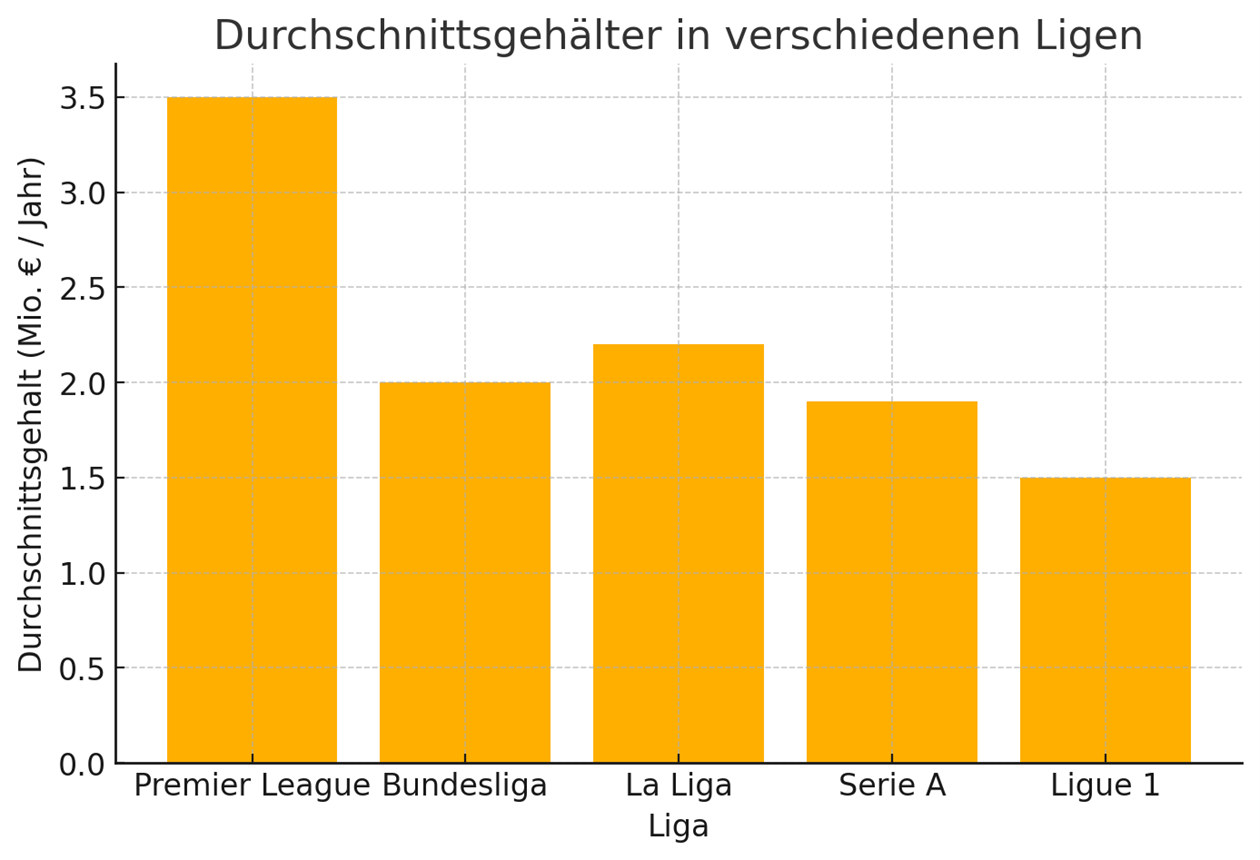
Während ihrer aktiven Zeit verdienen Fußballer meist hohe Summen durch Gehälter, Prämien und Werbeverträge. Ein Spieler in der Premier League verdient im Schnitt 3,5 Millionen Euro pro Jahr, während ein Bundesliga-Profi im Schnitt auf etwa 2 Millionen Euro kommt. Doch mit dem hohen Einkommen kommt oft ein ebenso hoher Lebensstil: Luxusautos, teure Immobilien, Partys, Markenuhren, Designer Klamotten und ein großes Umfeld, das mitfinanziert werden muss. Hinzu kommen häufig schlechte bis keine Investitionsentscheidungen, Betrug durch Berater/Familien und mangelnde Finanzbildung.

*Season 2020/2021
3 Gründe, warum Fußballer meistens finanziell scheitern
  1. Fehlende Finanzbildung

Die meisten Fußballer starten ihre Karriere jung und haben wenig Erfahrung im Umgang mit Geld. Finanzwissen wird im Jugendbereich oft vernachlässigt. Auch im Elternhaus ist das Thema entweder Tabu oder eher mit Schwierigkeiten verbunden. Viele Fußballer und Familien vertrauen auf Berater, andere Familienmitglieder, Freunde und Bekannte, die nicht immer im besten Interesse des Spielers handeln. Der Druck etwas aus dem vorhandenen Geld machen zu müssen ist groß und leitet somit zu erhöhter Unsicherheit.

  1. Teurer Lebensstil & falsche Investments

Luxuriöse Autos, riesige Villen und kostspielige Reisen – viele Fußballer leben auf großem Fuß. Gerade aktuell haben Fußballer einen sehr engen Zeitplan welches mit Trainingseinheiten, Spielen und Turnieren besetzt ist. Die wenigen freien Tage nutzen sie für die Regeneration. Damit ist nicht nur die Physische, sondern auch die Psychische Regeneration gemeint. Gerade die Materiellen Güter verleiten zu sehr kurzfristige Stimulierung der Glückshormone. Wenn dann zusätzlich Investments wie eigene Modelabels, Restaurants oder Immobilienprojekte scheitern, kann der finanzielle Abstieg schnell kommen. Fußballer investieren nämlich öfter in Gegenstände/Projekte, die sie mögen aber kein tiefgründiges und wirtschaftliches Wissen darüber besitzen.

  1. Unerwartete Ereignisse & Betrug

Scheidungen, Unterhaltszahlungen und Betrug durch vermeintlich vertrauenswürdige Personen können erhebliche finanzielle Verluste bedeuten. Dadurch dass Fußballer ein sehr turbulentes und Ereignisreiches Leben führen müssen, scheitern Ehen sehr oft an dieser Belastung. In den meisten Ländern ist eine Unterhaltszahlung an das aktuelle Einkommen geknüpft und geht über viele Jahre hinaus. Gehälter von Fußballer variieren aber sehr stark. Zumal werden die meisten Fußballer nur einige kurze Jahre ihrer Karriere großzügig bezahlt. Ein Beispiel hierfür ist Emmanuel Eboué, der nach seiner Scheidung und Fehlberatung fast mittellos dastand.

3 Wege, wie Fußballer sich absichern können
  1. Finanzberatung & Bildung

Viele Top-Vereine beginnen inzwischen, ihren Spielern Finanzberatung anzubieten, um zukünftige finanzielle Probleme zu vermeiden. Einige Vereine haben spezielle Finanzcoaches engagiert, die den Spielern helfen, ihre Einkünfte sinnvoll zu verwalten und nachhaltige Investments zu tätigen. Zudem gibt es Partnerschaften mit Banken und Finanzinstituten, die Schulungen und Workshops anbieten. In England arbeitet die Premier League beispielsweise mit Finanzexperten zusammen, um Nachwuchsspieler bereits früh auf den Umgang mit hohen Gehältern vorzubereiten. In Deutschland engagieren sich einige Bundesligavereine für finanzielle Aufklärung ihrer Talente, um sie vor Fehlentscheidungen zu schützen. Trotzdem bleibt die Umsetzung solcher Programme oft noch lückenhaft und hängt von der Eigeninitiative der Spieler ab.

  1. Nachhaltige Investitionen

Da bekannterweise Investitionen sich erst nach einer bestimmten Zeit auszahlen, ist das disziplinierte Steuern und Überwachen der eigenen Investitionen sehr wichtig. Eine verstreute Investitionsstrategie sorgt nicht nur für Diversität im Profit, sondern auch für eine Risikoreduzierung. Spieler wie Gerard Piqué (Kosmos Holding) oder Cristiano Ronaldo (CR7, Hotels) haben gezeigt, wie man sinnvoll in die Zukunft investiert.

  1. Langfristige Planung

Das Karriereende kommt oft schneller als erwartet. Ein solider Finanzplan kann dafür sorgen, dass der Lebensstandard auch nach dem Fußball erhalten bleibt. Ein weiterer wichtiger Punkt ist das Budgetmanagement: Viele erfolgreiche Fußballer legen bereits während ihrer aktiven Karriere ein festes Monatsbudget fest und sparen einen großen Teil ihrer Einnahmen für die Zeit nach dem Sport. Einige Profis lassen sich frühzeitig von Beratern begleiten, um sicherzustellen, dass sie mit ihrem Vermögen wirtschaften und einen soliden Puffer für die Zukunft aufbauen.

Einige Clubs und Spielergewerkschaften bieten inzwischen Programme an, die Fußballern helfen, sich frühzeitig auf die Zeit nach dem aktiven Sport vorzubereiten. Dazu gehören Weiterbildungen in Finanzmanagement sowie die Vermittlung von Kenntnissen über alternative Karrierewege, etwa als Trainer, Kommentator oder Unternehmer.

Fazit

Das Beispiel zahlreicher Fußballer zeigt, dass ein hohes Gehalt nicht automatisch langfristigen Wohlstand bedeutet. Fehlende Finanzbildung, teure Lebensweisen und falsche Investitionen führen häufig dazu, dass einstige Millionäre nach dem Karriereende vor dem finanziellen Ruin stehen. Doch durch gezielte Maßnahmen wie bessere Finanzberatung und nachhaltige Investitionen können heutige Profis vorbeugen und ihr Vermögen langfristig sichern.