
Home Blog Page 59

The World of Boot Deals as Antoine Griezmann Joins Decathlon

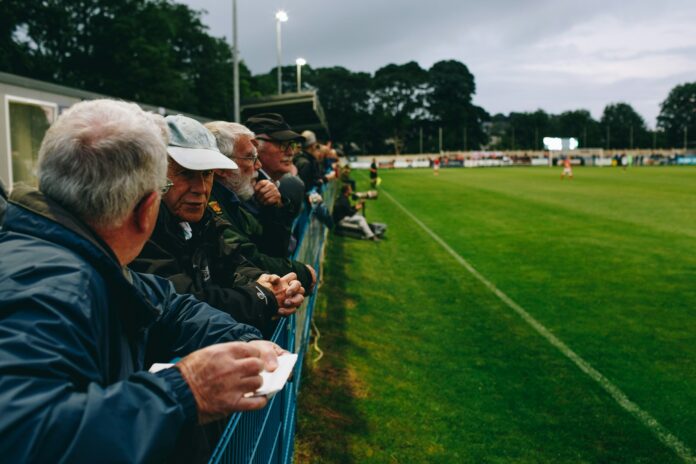
Photo by Alex on Unsplash

Antoine Griezmann’s new partnership with Decathlon and their football division, Kipsta, marks a bold move in the ever-evolving landscape of football boot deals. While industry giants like Nike, Adidas, New Balance and PUMA have historically dominated this space, Decathlon’s collaboration with Griezmann signals a shift in the dynamics of athlete endorsements.

But what exactly goes into a football boot deal? How do they work, and what does this mean for players across different stages of their careers? Let’s break it down.

What Are Boot Deals?

Boot deals are sponsorship agreements between football players and sports brands, where players wear and promote specific boots during matches, training sessions, and sometimes in personal or media appearances. These deals often extend beyond just boots, including apparel, accessories, and broader ambassadorial roles.

At the elite level, boot deals can be worth millions annually and are a key component of a player’s commercial activities. However, even youth players showing promise might begin receiving free boots or small-scale deals as early as their teenage years, especially in football-centric nations.

Antoine Griezmann’s Decathlon Deal

Antoine Griezmann’s decision to part ways with PUMA after 14 years and join Decathlon, a global sporting goods powerhouse, has been a bold and strategic move that challenges industry norms. This partnership marks a turning point for Decathlon’s football division, Kipsta, which has been steadily building its reputation in the sport.

Decathlon and Kipsta’s Growing Presence

While Decathlon is best known for its wide range of affordable sporting goods, its Kipsta division has made significant inroads into professional football. The brand currently supplies match balls for Ligue 1, Ligue 2, the UEFA Europa League, and the UEFA Europa Conference League. By partnering with Griezmann, one of the sport’s most recognisable faces, Kipsta is signaling its ambition to compete directly with giants like Nike, adidas, and PUMA in the highly competitive football boot market.

Key Aspects of Griezmann’s Deal
  • Boot Model: Griezmann has become the ambassador for Kipsta’s CLR boots, which retail at an affordable €80, a fraction of the price of boots from competitors. These boots are designed with speed, comfort, and durability in mind, featuring advanced technology like a Pebax sole for lightweight acceleration and Skin Touch Control for enhanced ball touch. Griezmann’s nine goals this season, including standout performances in the Champions League, have already validated the boots’ performance credentials on the world stage.
  • Active Role: Unlike traditional endorsement deals, Griezmann’s partnership includes a creative element. He will actively collaborate with Kipsta’s design team, contributing his expertise and feedback as a professional athlete. This hands-on approach ensures that future Kipsta products meet the exacting standards of elite players while resonating with grassroots and amateur footballers.
  • Global Visibility: Decathlon’s vast global footprint, with over 2,000 stores across 79 countries, provides an unparalleled platform for promoting Kipsta’s products. Griezmann’s association with the brand elevates its profile, making it more competitive in the premium football boot market while retaining its commitment to accessibility and affordability.

This partnership symbolises a shift in how footballers and brands collaborate, moving beyond traditional endorsement to a more integrated and strategic relationship.

How Boot Deals Work

Football boot deals are among the most significant commercial partnerships for players, offering financial rewards, global exposure, and a direct link to a player’s on-pitch performance. Here’s an in-depth look at how these agreements function:

Core Elements of Boot Deals

At their most basic level, boot deals involve a player wearing and promoting a specific brand’s boots during matches and training sessions. However, elite deals go much further, encompassing:

  • Public Appearances: Players participate in photoshoots, commercials, and promotional events for the brand.
  • Social Media Activations: Players often feature the brand’s products in their posts or engage in online campaigns such as Instagram Live chats or Twitter takeovers.
  • Comprehensive Branding: In addition to boots, players may be required to wear the brand’s clothing, accessories, and even unrelated products like headphones, sunglasses, or watches.
Remuneration and Incentives
  • Base Compensation: Players receive an annual retainer, which varies based on their marketability, club stature, and individual performance. For example, players at clubs like Barcelona or Manchester United, categorised as “Tier 1,” command significantly higher fees.
  • Performance Bonuses: Additional incentives are tied to specific milestones, such as goals scored, appearances made, or team achievements like winning a league title or reaching a Champions League final.
  • Reductions for Non-Performance: Contracts may include clauses reducing payments if the player misses significant portions of the season due to injury or fails to meet minimum appearance thresholds.
Brand Exclusivity and Restrictions
  • Players are often required to exclusively wear and endorse the brand’s products, both on and off the pitch. This can include boots, clothing, and accessories like gloves or bags.
  • These exclusivity clauses may limit players’ ability to enter into other sponsorship agreements, particularly for overlapping product categories (e.g., headphones or sunglasses). As a result, agents must negotiate contracts that adequately compensate for these restrictions.
Youth Deals and Early Investments
  • Brands frequently scout young talent, offering sponsorships as early as age 14. While these deals often start small, providing free boots or modest financial support, they represent a long-term investment in future stars.
  • By signing promising players early, brands aim to secure loyalty and build a strong association as these athletes rise to prominence.
The Changing Landscape of Boot Deals

Antoine Griezmann’s groundbreaking partnership with Decathlon and Kipsta is emblematic of a broader trend in football: players stepping away from the conventional “big three” brands, Nike, Adidas, and PUMA, and exploring alternative, innovative sponsorship opportunities. This shift reflects changing priorities for both players and brands, reshaping the commercial dynamics of football footwear.

High-Profile Moves Challenging Tradition

Recent years have seen several high-profile players breaking the mold of traditional boot deals, opting for unconventional partnerships or securing lucrative contracts:

  1. Harry Kane and Skechers
    Harry Kane made headlines by signing a lifetime deal with Skechers, a brand previously unassociated with football boots. This partnership signifies Skechers’ ambitious entry into the football boot market, leveraging Kane’s global appeal to establish credibility and challenge established competitors.
  2. Erling Haaland and Nike
    Erling Haaland, one of football’s most marketable stars, secured a career-long deal with Nike after a period of speculation where he was seen testing boots from various brands. By committing to Nike for the entirety of his career, Haaland reinforces Nike’s status as a dominant force in the market while setting a new precedent for long-term player-brand relationships.
  3. Jack Grealish and PUMA
    Jack Grealish became the highest-paid British player in boot sponsorship history after signing with PUMA. This move highlights PUMA’s strategy of focusing on marquee players to elevate its brand, positioning itself as a serious challenger to Nike and adidas in the football market.
The Opportunity for Emerging Players in the Market

These high-profile shifts open the door for emerging brands like Kipsta to disrupt the traditional dominance of the big three. Decathlon, through its Kipsta division, has taken a bold step with Griezmann, positioning itself as an accessible yet high-performance alternative. By offering affordable boots without compromising on quality or technology, Kipsta aims to democratise football equipment while challenging the exclusivity of premium-priced brands.

The Drivers Behind the Changing Landscape

Several factors are contributing to this shift in the boot sponsorship landscape:

  • Personalisation and Collaboration: Players like Griezmann are drawn to brands offering creative control and collaborative opportunities. Kipsta’s partnership with Griezmann goes beyond traditional endorsement, involving him in the design and development of future products.
  • Market Saturation: The dominance of Nike, adidas, and PUMA has created a saturated market, prompting both players and smaller brands to seek differentiation through unique partnerships.
  • Consumer Preferences: Modern football fans value authenticity and innovation, making them more receptive to brands that align with these values, even if they are not traditionally associated with football.
  • Affordability and Accessibility: Brands like Decathlon focus on offering high-quality products at affordable prices, appealing to grassroots players and aspiring professionals who may find the big three brands inaccessible.
The Future of Boot Deals

As more players like Griezmann align with emerging or unconventional brands, the boot industry could see increased competition, innovation, and accessibility. Kipsta’s affordable €80 boots, for instance, offer a high-performance option for players without the premium price tag, embodying Decathlon’s ethos of making sports accessible to all.

Griezmann’s role in shaping Kipsta’s future could inspire other players to pursue more collaborative partnerships, influencing not just what they wear but how these products are designed.

Antoine Griezmann’s partnership with Decathlon isn’t just about football boots, it’s a statement about the evolving relationship between players, brands, and fans. As Decathlon continues its push into football, it will be fascinating to see how this partnership reshapes the market and inspires a new generation of players and consumers.


From Contracts to Confidence: The Power of Communication Between Agents and Footballers

Photo by Adem AY on Unsplash

In the world of football, the relationship between an agent and a player is far more than just a business arrangement. It’s a partnership built on trust, understanding, and shared goals. At the heart of this enduring connection lies one crucial element: communication.

Trust Starts with Active Listening

A strong relationship with a footballer isn’t forged through promises but through a genuine understanding of who they are, both on and off the pitch. This begins with active listening.

Listening to what the player values, their professional goals, and their personal concerns allows agents to provide guidance that aligns with the player’s priorities. It also shows the agent’s commitment not just to financial outcomes but to the player’s overall career and well-being.

Empathy: The Universal Language

Football, while thrilling, is full of uncertainties, injuries, team changes, and media pressures. An agent who communicates with empathy becomes an essential source of support during tough times.

Rather than focusing solely on practical solutions, empathetic agents acknowledge the emotions behind each situation. A simple question like, “How are you handling everything?” can be just as impactful as negotiating the next big deal. This kind of human connection not only strengthens the relationship but also fosters mutual loyalty.

Honesty at Every Step

Trust can be lost in an instant if communication lacks transparency. Footballers value agents who are honest about real opportunities and risks.

While it may be tempting to always present the most optimistic outlook, an agent who offers clear, truthful information, even when it’s not what the player wants to hear, demonstrates integrity.

For example, if negotiations with a club reach a critical point, keeping the player informed about the progress (or lack thereof) reduces anxiety and prevents misunderstandings. This openness, though sometimes uncomfortable, is essential for building trust.

Building a Relationship Beyond Football

Footballers aren’t just athletes; they’re people with families, interests, and dreams outside the sport. Recognizing this sets agents apart.

Discussing personal life, showing interest in family well-being, or supporting off-field projects (like investments or charitable work) demonstrates that the relationship isn’t purely professional. This approach creates a deeper bond and helps players feel they have an ally in every aspect of their lives.

Technology as a Support, Not a Replacement

While digital tools can make communication more efficient (from real-time updates to quick video calls), they can’t replace the human touch. A text message might be convenient, but a face-to-face meeting or a heartfelt phone call has a far greater emotional impact.

Using technology as a complement (not a substitute) for personal interactions helps maintain an authentic connection.

The Long-Term Impact of a Strong Relationship

When a footballer feels their agent understands and supports them, the result is a stronger and more mutually beneficial relationship. This bond also positively impacts the player’s performance, as they feel backed and free to focus on their career.

Agents who prioritize effective communication not only retain their players longer but also earn referrals and build a positive reputation in the industry. In a competitive market like football, this can mean the difference between being just another agent and becoming the agent everyone trusts.

The Key Is Human Communication

Building a lasting relationship with a footballer takes more than achieving business objectives; it’s about showing that the partnership goes beyond the game. Through consistent, honest, and empathetic communication, agents can become indispensable figures in their players’ lives and careers, forming alliances that withstand the test of time and the challenges of the sport.

Final Thought: Are you investing in the quality of your conversations with your players?

The next big contract may depend not just on what you say, but on how you say it.

Ramadan and Women’s Football: Navigating Faith and High Performance

Photo by Simon Infanger on Unsplash

Currently, we are in the holy month of Ramadan, which takes place from March 1 to March 29, 2025. Today marks day 16 of this sacred period.

Ramadan, the ninth month of the Islamic calendar, is a sacred period of reflection, spirituality, and community for Muslims worldwide. During this time, observant individuals fast from sunrise to sunset, abstaining from food, drink, and other physical indulgences. The fast is broken after sunset with Iftar, while the pre-dawn meal, Suhoor, helps sustain energy for the day ahead.

For Muslim footballers, balancing the demands of professional sport with the religious obligations of Ramadan requires physical resilience, mental strength, and increasing support from clubs and leagues.

Challenges for Footballers During Ramadan

For elite athletes, fasting presents unique physiological challenges. With training sessions and competitive matches scheduled throughout the day, going extended hours without food, hydration, or energy replenishment can lead to fatigue, dehydration, and reduced endurance, all of which impact performance and recovery.

At the same time, for many Muslim footballers, Ramadan is not just a test of physical endurance but also a time of mental and emotional empowerment. Many describe fasting as a source of spiritual strength and discipline, helping them maintain focus, commitment, and unity both on and off the pitch.

How Players and Clubs Adapt During Ramadan

To help players sustain their performance levels, clubs and medical teams implement tailored strategies, including:

  • Optimized Nutrition Plans: Carefully planned meals before and after fasting hours ensure balanced energy intake and hydration. Sports scientists advise against consuming excessive fluids at once, instead recommending consistent hydration spread over non-fasting hours.
  • Adjusting Training Schedules: Where possible, training sessions are moved to evening hours, reducing exertion during fasting periods. Some players modify their routines to accommodate both religious obligations and peak performance.
  • Medical and Performance Monitoring: Sports scientists and club medical staff work closely with fasting players to track hydration levels, prevent muscle fatigue, and maintain peak conditioning.
  • Guidance from Football Federations: The German Football Association (DFB) provides training recommendations and nutritional guidance for Muslim players during Ramadan. Their official sports science division emphasizes the importance of gradual hydration and balanced food intake to support sustained performance. The DFB also recognizes that coaches and teammates play a crucial role in supporting fasting players, ensuring they do not feel isolated or disadvantaged.
  • Personalized Decisions on Fasting: Some players choose to continue fasting on match days, while others opt to postpone their fast – a permissible Islamic practice for those with demanding physical responsibilities.

How Leagues and Clubs Support Muslim Players

With increasing awareness of Ramadan’s significance, leagues and clubs have introduced policies to accommodate fasting players, ranging from adjusted training regimens to in-game breaks during evening matches. However, support structures remain inconsistent, particularly in women’s football.

Ramadan in Practice: How Football Adapts

Womens Football and Ramadan: A Growing Potential for Inclusion

Although mens football has introduced progressive policies to accommodate fasting players, womens football lags behind in structured support. Unlike their male counterparts, many professional womens teams lack formal protocols for Ramadan, leaving players to navigate fasting challenges independently.

However, the potential for inclusivity in womens football is vast. As the sport grows globally, clubs and federations have an opportunity to lead in cultural and religious inclusivity, setting a precedent for men’s teams to follow. A more systematic approach,  including nutritional guidance, tailored training schedules, and official match policies, could ensure that Muslim women footballers do not have to choose between their faith and their careers.

In 2022, SC Freiburg players Ereleta Memeti and Hasret Kayıkçı discussed their experiences fasting while competing at the highest level. Speaking to SWR, Kayıkçı emphasized that fasting is an integral part of her faith and that she continues to perform at an elite level during Ramadan. She also highlighted the support from her coach and teammates, who respect her commitment to both her faith and the sport.

Premier League and Bundesliga: Leading the Way

Since 2021, the English Premier League has allowed referees to pause matches during sunset, enabling Muslim players to break their fast. This inclusive approach has been widely welcomed.

Similarly, in 2022, the German Bundesliga introduced in-game stoppages for fasting players, with Mainz defender Moussa Niakhaté becoming one of the first to receive an official hydration break after sunset.

Ligue 1s Controversial Stance on Ramadan

France’s Ligue 1, however, has taken a different approach. The French Football Federation (FFF) prohibits match interruptions for fasting players, citing the nation’s strict secularism laws.

One of the most high-profile cases involved FC Nantes defender Jaouen Hadjam in April 2023. After refusing to break his fast on match days, Hadjam was excluded from the squad, with coach Antoine Kombouaré stating that while he respected the player’s religious beliefs, he would not select him during Ramadan.

The Future of Ramadan in Womens Football

While mens football has taken significant steps toward accommodating fasting players, womens football is still in its early stages of implementing structured support systems. As more Muslim women enter the professional game, clubs and federations must recognize the opportunity for proactive change.

Expanding nutritional programs, developing clear training guidelines, and ensuring flexible match policies would set a new standard for religious inclusivity in the sport.

As football continues to globalize, Ramadan policies in womens football could serve as a benchmark for inclusivity, ensuring that no player has to compromise between their faith and their profession.

Key Takeaways:

  • The DFB has developed official training and nutritional guidelines for players fasting during Ramadan.
  • Womens football has significant potential to lead in cultural and religious inclusivity.
  • While some leagues, like the Premier League and Bundesliga, support fasting players, Ligue 1 maintains a strict secular stance.
  • Clubs and federations must expand policies to ensure that Muslim women footballers are fully supported during Ramadan.
Final Thoughts

The discussion surrounding Ramadan and football is evolving, with positive developments in some leagues while others remain resistant to change. As inclusivity becomes an integral part of professional football, it is crucial that womens football is not left behind in this progression. By creating structured, well-researched policies, clubs and federations can ensure that all players, regardless of their faith, can compete at the highest level without compromising their beliefs.

Yurtdışındaki Genç Futbolcular – Hayaller ve Gerçekler Arasında

Bilinmeze Yolculuk

Futbol, gençler için sadece bir spor değil, aynı zamanda büyük bir kariyer fırsatıdır. Ancak, yetenekli gençlerin uluslararası arenada kendilerini göstermeleri için yabancı bir ülkeye taşınmaları ve yepyeni bir hayat kurmaları gerekir. Başka bir ülkede futbol oynamak, daha iyi antrenman olanaklarına ve büyük kulüplerde forma giyme fırsatına kapı aralasa da, beraberinde büyük kültürel ve psikolojik zorlukları da getirir.

Futbol, Uyum Süreci ve Memleket Hasreti

Yeni bir ülkeye adapte olmak sadece sahadaki performansla ilgili değildir. Genç futbolcular, yeni bir dil öğrenmek, farklı antrenman sistemlerine uyum sağlamak ve alıştıkları düzenin dışına çıkmak zorundadır. Bunun yanında, ailelerinden ve sevdiklerinden uzak olmak duygusal açıdan da büyük bir yük oluşturabilir.

Özellikle dil bariyeri, futbolcuların hem saha içinde hem de saha dışında zorlanmasına sebep olabilir. Antrenörlerini, takım arkadaşlarını ve günlük yaşamlarını tam olarak anlayamamak, yalnızlaşmalarına ve performanslarının düşmesine neden olabilir. University of Stirling tarafından yapılan bir araştırma, yabancı bir ülkeye transfer olan genç futbolcuların yüksek stres seviyelerine sahip olduğunu ve uyum süreçlerinin uzun sürdüğünü ortaya koymuştur (Smith et al., 2019). Bu da kulüplerin, oyuncuların psikolojik ve kültürel adaptasyonlarına daha fazla yatırım yapmaları gerektiğini gösteriyor.

Kültürel Farklılıklar ve Zorluklar

Her ülkenin futbol anlayışı, taktik yaklaşımı ve hatta oyunculara olan bakış açısı farklıdır. Kimi liglerde disiplin ve fiziksel mücadele ön plandayken, kimilerinde daha teknik ve taktik ağırlıklı bir oyun tarzı benimsenir. Genç oyuncular, bu değişime ayak uyduramazsa, performansları olumsuz etkilenebilir.

Futbolun dışında, günlük hayata adapte olmak da büyük bir sorundur. Beslenme alışkanlıkları, sosyal yaşam, çalışma disiplini ve hatta iklim bile genç futbolcuların alışması gereken unsurlar arasında yer alır. Kendi kültürü ile yeni ortamı arasında sıkışıp kalan oyuncular, bu süreçte ciddi psikolojik baskı hissedebilirler.

Zihinsel Baskılar ve Performans Kaygısı

Yabancı bir ülkede futbol oynayan genç oyuncuların sadece dil veya kültürel farklarla değil, aynı zamanda yoğun bir sportif baskıyla da başa çıkmaları gerekir. Sahadaki performanslarının sürekli göz önünde olması, yeni takımlarına kendilerini kanıtlama zorunluluğu ve yüksek beklentiler nedeniyle stres seviyeleri artabilir.

Genç futbolcuların en sık yaşadığı psikolojik zorluklar şunlardır:

  • Yalnızlık ve Sosyal İzolasyon: Aile ve arkadaşlarından uzak kalmak, gençlerin mental dayanıklılığını zorlayabilir.
  • Özgüven Kaybı: Dil engeli ve kültürel farklılıklar, futbolcuların kendilerini ifade etmelerini zorlaştırabilir.
  • Yoğun Performans Baskısı: Başarısız olma korkusu, futbolcuların potansiyellerini tam olarak ortaya koymalarını engelleyebilir.
  • Uyum Problemleri: Yeni ülkenin beslenme alışkanlıklarına ve yaşam tarzına uyum sağlamak zor olabilir.
Kulüplerin Çözüm Arayışları ve Destek Programları

Bazı kulüpler, genç futbolcuların adaptasyon süreçlerini kolaylaştırmak için çeşitli destek programları geliştiriyor. İşte bu konuda öne çıkan bazı uygulamalar:

  1. Dil Eğitim Programları: Yeni bir dil öğrenmek, oyuncuların takımlarına daha hızlı entegre olmalarına yardımcı olur. Özellikle futbol terimlerini içeren özel dersler, iletişim sürecini hızlandırabilir.
  2. Psikolojik Destek Hizmetleri: Spor psikologları ve mentorlar, futbolcuların adaptasyon sürecinde karşılaştıkları zorlukları aşmalarına yardımcı olur. Kendi ülkelerinden gelen mentorlar, genç futbolcuların daha hızlı uyum sağlamasını kolaylaştırır.
  3. Kültürel Uyum Çalışmaları: Kültürel farkındalık çalışmaları ve oryantasyon programları, gençlerin bulundukları ülkeyi daha iyi tanımalarını ve sosyal uyum süreçlerini hızlandırmalarını sağlar.
  4. Takım İçi Sosyal Entegrasyon: Takım arkadaşlarıyla düzenlenen etkinlikler ve sosyal projeler, futbolcuların yeni çevrelerine alışmasını destekler.
Örnek Kulüpler ve Uygulamalar

Bazı dünya çapında ünlü kulüpler, genç futbolcuların adaptasyon süreçlerini destekleyen örnek projeler yürütmektedir:

  • FC Bayern Münih, “FC Bayern Global Academy” kapsamında dil kursları, kültürel atölyeler ve psikolojik destek içeren kapsamlı bir entegrasyon programı sunmaktadır.
  • FC Barcelona, La Masia altyapı programı ile genç futbolculara hem sportif hem de kişisel gelişim açısından özel eğitim sunmaktadır.
  • Ajax Amsterdam, genç futbolcuların kendi kültürlerinden mentorlarla eşleşerek daha hızlı adapte olmalarını sağladığı programlarıyla bilinmektedir.
Sonuç

Yabancı bir ülkeye transfer olan genç futbolcular için bu süreç hem büyük bir fırsat hem de büyük bir sınavdır. Dil engelleri, kültürel farklılıklar ve yoğun performans baskısı, oyuncuların kariyerlerini doğrudan etkileyebilir. Ancak, kulüplerin sağladığı profesyonel destek ve futbolcuların mental dayanıklılığı sayesinde bu süreci en iyi şekilde yönetmek mümkündür. Doğru destek mekanizmalarıyla, genç yetenekler uluslararası arenada kendilerini kanıtlayarak uzun vadede başarılı kariyerler inşa edebilirler.

İngiltere Futbol Kulüplerinde Sahiplik Yapıları ve Finansal Risk Yönetimi

Futbol, sadece saha içinde değil, saha dışında da büyük ekonomik ve finansal stratejilerin şekillendirdiği bir sektör haline gelmiştir. Özellikle İngiltere’de, Premier Lig ve alt liglerde faaliyet gösteren futbol kulüpleri, finansal kararlarının doğrudan sportif başarı ve uzun vadeli sürdürülebilirlik üzerindeki etkilerini göz önünde bulundurmak zorundadır. Kulüp sahiplerinin finansal stratejileri, maaş harcamaları ve yatırım politikaları, kulüplerin geleceğini belirleyen en önemli unsurlar arasında yer almaktadır. Son araştırmalar, yerli ve yabancı sahiplerin kulüp yönetimi konusundaki yaklaşımlarının farklılaştığını ve bu durumun finansal risk alma eğilimlerini doğrudan etkilediğini göstermektedir.

Kulüp Sahipliği ve Finansal Stratejiler

İngiltere futbolunda kulüp sahipliği, 1990’lardan itibaren büyük bir dönüşüm geçirmiştir. Önceleri, kulüplerin büyük bir kısmı yerel iş insanları tarafından yönetilirken, küreselleşmenin etkisiyle birlikte yabancı yatırımcıların kulüplere ilgisi artmıştır. Özellikle Premier Lig’in dünya çapında popüler hale gelmesi, bu kulüpleri kârlı bir yatırım fırsatı olarak gören uluslararası iş insanları ve şirketlerin ilgisini çekmiştir. Bugün birçok Premier Lig kulübü, Orta Doğu, Amerika ve Asya merkezli yatırım grupları tarafından yönetilmektedir.

Bu değişen sahiplik yapıları, kulüplerin finansal yönetim anlayışını da doğrudan etkilemiştir. Yerli sahipler genellikle kısa vadeli sportif başarıya odaklanarak daha yüksek maaş harcamalarına yönelirken, yabancı yatırımcılar kulüpleri daha uzun vadeli bir ticari proje olarak yönetme eğilimindedir. Bu iki farklı yaklaşım, finansal risk alma eğiliminde belirgin farklılıkların oluşmasına neden olmaktadır.

Finansal Risk: “Kumar” Oynama Eğilimi

Araştırmalar, yerli ve yabancı sahiplerin futbol kulüplerini yönetirken finansal risk alma eğilimlerini değerlendirmek için maaş harcamalarındaki değişimleri incelemiştir. Bir kulübün “kumar” oynadığı, yani finansal risk aldığı durumlar; oyuncu maaşlarında ciddi bir artış yaşanması, ancak bu artışın gelir veya kârdaki artışla desteklenmemesi olarak tanımlanmıştır.

2009-2019 yılları arasında yapılan analizler, Premier Lig’de yerli sahiplerin kulüplerinin %54’ünde maaş harcamalarında aşırı artış yaptığını, yabancı sahiplerde ise bu oranın %38 seviyesinde kaldığını göstermiştir. Ayrıca, Championship kulüplerinin maaş harcamalarının gelirlerinin %120’sine kadar çıkabileceği, bu nedenle mali krizlerin yaygınlaştığı belirtilmiştir. Derby County ve Reading gibi kulüplerin finansal sorunlar nedeniyle puan silme cezaları aldığı gözlemlenmiştir.

Öte yandan, Premier Lig’de yabancı sahiplerin finansal risk alma eğiliminin düşük olmasının temel sebepleri arasında kulüplerin gelir çeşitliliği, ticari anlaşmalar ve sponsorluk gelirleri yer almaktadır. Büyük kulüpler, yabancı yatırımcılar sayesinde uzun vadeli finansal planlamalar yaparak riskleri minimize edebilmektedir.

Alt Liglerde Finansal Risk ve Yükselme Stratejileri

Alt liglerde ise durum biraz farklıdır. Championship kulüplerinin büyük bir kısmı, Premier Lig’e yükselmenin finansal avantajlarından yararlanabilmek için yüksek maaş harcamalarına yönelmektedir. Bu ligde kulüplerin maaş harcamalarının genellikle gelirlerini aştığını ve birçok kulübün bu yüzden büyük mali zorluklarla karşılaştığını göstermektedir. Özellikle Premier Lig’e çıkma mücadelesi veren kulüplerin, maaş harcamalarını artırarak “kumar” oynadığı, ancak yükselme başarısı gösteremeyen kulüplerin ciddi finansal problemler yaşadığı görülmektedir. Bunun en büyük örneklerinden biri, Derby County ve Reading gibi kulüplerin yüksek maaş harcamaları nedeniyle mali kriz yaşaması ve puan silme cezası almasıdır.

League One ve League Two gibi daha alt seviyedeki liglerde ise finansal risk alma oranı daha düşüktür. Bu liglerde mücadele eden kulüplerin gelir seviyeleri daha düşük olduğu için maaş harcamalarında ani artışlara gitme eğilimleri daha sınırlıdır. Ayrıca, bu seviyelerde yabancı yatırımcıların ilgisi de daha düşük olduğu için sahiplik yapılarında büyük değişiklikler gözlemlenmemektedir.

Futbolun Geleceği: Finansal Düzenlemeler ve Sürdürülebilirlik

Araştırmanın ortaya koyduğu en önemli sonuçlardan biri, futbol kulüplerinin finansal sürdürülebilirliği sağlamak adına daha güçlü düzenleyici mekanizmalara ihtiyaç duyduğudur. Premier Lig’de ve alt liglerde, maaş harcamalarını kontrol altına almak için finansal düzenlemelerin sıkılaştırılması gerekebilir. Son yıllarda, İngiltere’de bağımsız bir futbol düzenleyici otoritenin oluşturulması tartışılmaktadır. UEFA’nın Finansal Fair Play kuralları, kulüplerin aşırı borçlanmasını engellemeyi amaçlasa da, İngiltere özelinde daha kapsamlı finansal denetim mekanizmalarının devreye sokulması gerekebilir. Bu bağlamda, kulüplerin gelir-gider dengesini sağlamalarına yönelik yeni politikalar geliştirilebilir.

Ayrıca, özellikle Championship’te görülen yüksek risk alma eğilimi göz önüne alındığında, kulüplerin finansal dengeyi koruyabilmesi için yeni düzenlemeler gereklidir. İngiltere Futbol Ligi ve Premier Lig yönetimleri, finansal riskleri minimize etmek adına maaş tavanı uygulamaları ve yatırımcıların mali durumlarını daha sıkı kontrol eden düzenlemeler getirebilir.

Sonuç: Sahiplik Modeline Göre Farklı Stratejiler

Sonuç olarak, İngiltere futbolunda kulüp sahipliği modeline bağlı olarak finansal stratejilerde belirgin farklar olduğu görülmektedir. Yerli sahipler genellikle kısa vadeli sportif başarı için daha fazla maaş harcaması yaparak risk alırken, yabancı yatırımcılar daha temkinli ve uzun vadeli bir finansal yaklaşımı benimsemektedir.

Premier Lig’de büyük kulüplerin yabancı sahipleri daha az finansal risk alarak gelirlerini artırmaya odaklanırken, alt liglerde yer alan kulüplerin büyük bir kısmı yüksek maaş harcamalarıyla Premier Lig’e yükselme kumarı oynamaktadır. Bu durum, İngiltere futbolunda finansal sürdürülebilirliğin sağlanması için daha güçlü düzenlemeler yapılmasını zorunlu hale getirmektedir.

Gelecekte, futbol kulüplerinin finansal yönetiminde daha sağlam bir denetim mekanizması oluşturulmazsa, bazı kulüplerin aşırı risk alma nedeniyle ciddi mali krizlerle karşı karşıya kalması kaçınılmaz olacaktır. Bu nedenle, İngiltere futbolunda sahiplik yapıları ve finansal politikalar üzerine daha fazla araştırma yapılması büyük önem taşımaktadır.

Show Me the Money!

Photo by Giorgio Trovato on Unsplash
How Football Agents Make Money

Being a football agent can be a highly lucrative career, but understanding the revenue streams and how commissions work is crucial. In this article, we’ll break down exactly how agents make money in football, who they can represent, and the different structures of commission payments.

Part One: Earning as a Licensed FIFA Agent

In this section, we focus on the ways agents who are FIFA-licensed can generate income. FIFA regulations require an agent license to represent players, clubs, and coaches in official contract negotiations.

Who Can an Agent Represent?

Under FIFA regulations, an agent can represent:

  • Players – The most common representation, negotiating contracts and transfers on behalf of players.
  • Buying Clubs – Helping a club sign a player by facilitating the deal.
  • Selling Clubs – Assisting a club in transferring a player to another team.
  • Coaches/Managers – Representing coaches in contract negotiations and job placements.
  • Football Federations – Agents can also represent coaches in negotiations with national federations.
  • MLS & Single-Entity Leagues – In leagues like Major League Soccer, deals are often conducted with the league itself rather than individual clubs, and agents receive payment accordingly.

These are the key stakeholders that FIFA-licensed agents interact with on a daily basis, creating multiple opportunities to generate income.

How FIFA Agents Get Paid

One of the most widely accepted industry standards is that an agent earns 10% of a player’s gross salary per year. However, payment structures vary:

  • Annual or Split Payments – Some clubs pay agents yearly, while others split payments into two installments (e.g., March/April and September/October).
  • Upfront Fees – In longer contracts, agents can negotiate partial upfront payments.
  • Guaranteed Payments – Agents can negotiate a clause ensuring they get paid for the full contract term, even if the player changes agents or leaves the club.

If an agent negotiates a four-year contract for a player but the player switches to another agent after two years, the original agent continues receiving their commission for the remainder of the original deal. The only exception is if the player signs a new contract—then the new agent earns their commission on that deal.

For club transfers, agents representing the selling club usually earn around 10% of the transfer fee, while agents representing the buying club may take a percentage of the player’s salary. Agents often collaborate, splitting commissions in deals where multiple intermediaries are involved.

Part Two: Commercial & Sponsorship Deals

While many football agents focus solely on contract negotiations, commercial deals and sponsorship agreements offer massive earning potential—and here’s the best part:

You don’t need a FIFA agent license to negotiate commercial deals.

Most agents focus only on club contracts, but sponsorships can be even more lucrative. Unlike player contracts, where commission rates typically hover around 10%, commercial deals often command 20% or more—double the earnings potential.

Types of Commercial Deals Agents Can Negotiate

  • Player Sponsorships – Boot deals, personal sponsorships, and ambassador roles.
  • Coach Sponsorships – Brand partnerships, education deals, and endorsements.
  • Club Sponsorships – Shirt sponsors, training kit sponsors, and official partnerships.
  • Federation & League Sponsorships – Tournament sponsorships and grassroots funding.

Many agents forget to include commercial rights in their representation contracts. If you’re representing a player, make sure the contract explicitly states that you have the right to negotiate sponsorship deals on their behalf.

Agents can also bring commercial deals to players they don’t directly represent and split the commission with that player’s agent. This makes sponsorships a major networking opportunity in the football economy.

Part Three: Earning as a FIFA Match Agent

A FIFA Match Agent is responsible for organizing friendly matches between clubs, national teams, or entire pre-season tournaments.

How Much Can a FIFA Match Agent Earn?

  • Match agents typically earn between 10% and 20% of the match fee.
  • In high-profile matches, agents can make millions of dollars just for setting up a single game.

Becoming a FIFA Match Agent is much easier than becoming a player agent—it’s simply an online application with no exam required. Once approved, you gain official FIFA Match Agent status, allowing you to legally broker matches between clubs.

Part Four: Making Money with Recruitment Deals

While most agents focus on players and coaches, there’s another growing revenue stream in football: recruiting executives.

What is a Recruitment Deal?

Recruitment deals involve helping sporting directors, chief scouts, board members, or other club executives find jobs at new clubs or football federations.

Earnings Potential:

  • 25% to 35% of the executive’s first-year salary (paid only once).

This is common in England, the U.S., and most of Europe but less established in other regions. However, as football becomes more professionalized, clubs increasingly expect to pay recruiters for securing top executives.

Part Five: Becoming a Business Partner, Shareholder & Facilitator

Football agents aren’t just dealmakers for players—some of the biggest agents broker club ownership deals between investors and clubs.

Why is this a huge opportunity?

  • Agents have connections with club owners and wealthy investors.
  • Some investors want to buy a club but don’t know how to enter football.
  • Some club owners want to sell but need the right buyer.
  • Agents can act as the bridge between buyers and sellers, securing a percentage of the deal.

Commissions for club acquisitions can be huge

  • Deals can be worth tens or hundreds of millions.
  • Agents can earn a flat fee or a percentage of the transaction, making this a major income stream.

Beyond that, agents can negotiate equity in startups, partner in real estate deals, or build sports tech businesses with their clients. Football is an entry point into the business world, and the most successful agents leverage their networks to expand into other industries.

Final Thoughts: The Power of Knowledge & Relationships

People often say that football is all about who you know, not what you know. But the truth is:

If you combine “who you know” with “what you know,” you will be one of the most successful people in football.

  • Knowledge alone won’t make you money.
  • Contacts alone won’t make you successful.
  • But when you combine the two—expert knowledge and strong relationships—you become unstoppable.

So, always develop your knowledge and build strong relationships in the industry. If you master both, you will make a lot of deals, a lot of money, and have a lasting impact in football.

“Show Me the Money!” – The Agent’s Path to Wealth

Football agents who think beyond just transfers have the potential to build a thriving, high-income career. The football industry is much bigger than just contracts—it’s a global business full of commercial opportunities.

The best agents? They’re the ones who see every angle of the game.

The Silent Struggle: Mental Health, Player Welfare, and Club Mismanagement in Football

A worn football resting alone on an empty floor, symbolising the uncertainty and pressure of the academy journey.
Photo by Guillaume de Germain on Unsplash.

Football is often celebrated as the beautiful game, but behind the glamour of packed stadiums and lucrative contracts, many players silently endure psychological and emotional struggles. While discussions around mental health in football have gained momentum, the reality is that in some leagues and contexts, players still face mistreatment from club management that goes beyond financial disputes.

The Hidden Pressures Players Face

The majority of football clubs operate with professionalism and respect for their players. However, there are still too many cases where club owners and executives act as if they have unchecked power, disregarding their contractual obligations and treating players unfairly. As a football agent and sports law advisor, I have witnessed players being subjected to:

  • Threats to Withhold Salaries: Some clubs pressure players by delaying or withholding payments unless they perform in a certain way, violating basic contractual rights.
  • Verbal Abuse and Public Criticism: Instead of handling concerns professionally, some managers resort to insults, humiliation, and even media attacks.
  • Persecution and Retaliation: Players who voice concerns or fail to meet unrealistic expectations may be sidelined, excluded from training, or pressured to leave.
  • Threats to Family and Personal Life: In extreme cases, players and their families experience intimidation tactics, adding another layer of psychological distress.

While these cases do not represent the majority, they are still too frequent and highlight a serious problem in the way some football clubs handle their responsibilities.

The Role of FIFA, FIFPro, and Governing Bodies

Organizations like FIFA and FIFPro advocate for player rights, but their actions tend to focus mainly on unpaid salaries. However, financial compensation alone is not enough. Governing bodies must take stronger measures to address mistreatment, including:

  1. Increasing Indemnities for Moral and Social Harassment: Psychological abuse, threats, and social persecution should be met with serious financial penalties for clubs and appropriate compensation for affected players.
  2. Enforcing Stronger Sanctions on Clubs Engaging in Abusive Practices: Clubs that mistreat players should face tangible consequences, such as transfer bans or points deductions.
  3. Implementing Faster Response Mechanisms: Too often, players wait months or years for legal resolutions. Cases involving abuse and threats must be handled urgently.
  4. Making Mental Health Protection a Contractual Obligation: Clubs should be required to provide psychological support and ensure a respectful work environment for their players.
Beyond Words: Real Action is Needed

It is easy for football’s governing bodies to speak about mental health and well-being, but without enforcing stricter regulations on clubs, these discussions remain hollow. The football industry must evolve beyond the outdated mindset that players are mere assets, and instead recognize that their mental health is just as important as their performance on the pitch.

If we truly want to protect footballers, the time for stronger action is now.

Beyond the Pitch: How Footballers Become Pundits

Photo by Feo con Ganas on Unsplash

In our Beyond the Pitch series, we’ve explored how footballers can enhance their personal brand and commercial value away from the pitch. Today, we’re diving into a fascinating post-retirement path that many players take: becoming a pundit. This transition requires careful planning and strategic positioning during a player’s career. From occasional freelance gigs to full-time roles with major broadcasters, players have a wide range of opportunities in this space. Let’s examine how some of the most prominent names in punditry, Thierry Henry, Jamie Carragher, Micah Richards, Rio Ferdinand, Gary Neville, Roy Keane, Alan Shearer, Alex Scott, Karen Carney, and Jamie Redknapp, have made their mark and what aspiring pundits can learn from them.

Learning from the Best

Many of the names we associate with football punditry today have transitioned seamlessly from playing careers to broadcasting, carving out distinct niches in the process. Gary Neville and Jamie Carragher have become mainstays of football analysis, renowned for their tactical insights and lively debates on platforms like Sky Sports. Their deep understanding of the game, coupled with an ability to articulate complex concepts in an engaging manner, has set them apart in the field.

Micah Richards, with his infectious personality and fresh perspective, has emerged as a fan favorite. By blending humor with sharp analysis, he has demonstrated the value of relatability in forging strong connections with audiences. Similarly, Alex Scott and Karen Carney have made significant strides as trailblazers in a traditionally male-dominated space. Their contributions have not only brought diverse perspectives to football coverage but have also raised the bar for inclusivity and expertise in the industry.

Meanwhile, Thierry Henry and Alan Shearer have leveraged their legendary status and global appeal to bring gravitas to their analysis. Their commentary, enriched with credibility and personal anecdotes, offers fans unique insights and a deeper appreciation for the game.

Steps to Position Yourself for Punditry

For players aspiring to transition into a career in punditry after retirement, the groundwork begins long before they hang up their boots. A successful move into broadcasting requires deliberate preparation, the development of key skills, and strategic planning. Here’s a comprehensive guide to how players can prepare for this exciting career path:

Develop Your Media Skills

Mastering media skills is a foundational step for any player looking to become a pundit. The ability to communicate effectively and confidently is essential for connecting with audiences. Players should invest in professional media training to learn how to articulate their thoughts clearly, structure their arguments, and handle live interviews or debates. Public speaking and interview techniques can be honed through workshops or practice with club media staff. Additionally, gaining on-camera experience during their playing career, whether through club promotional activities, commercials, or pre-match interviews, can help them become comfortable in front of the lens.

Build Your Personal Brand

A strong personal brand can set players apart and make them more attractive to broadcasters. This requires a consistent and professional presence on social media platforms, where they can share insights, interact with fans, and establish their voice. Engaging in podcasts or launching a YouTube channel can showcase their personality and opinions while building an audience. Collaborating with brands, not just as an ambassador but also through meaningful partnerships, can expand their reach and demonstrate their marketability beyond football.

Network with Industry Professionals

Connections in the media world can open doors and provide valuable opportunities. Players should actively cultivate relationships with journalists, broadcasters, producers, and other media professionals during their playing career. Networking events, such as award ceremonies or sports industry conferences, are excellent opportunities to engage with key figures in the field. Players can also stay in touch with media personnel who cover their clubs, as these relationships can evolve into professional opportunities later.

Gain Early Experience

Starting small while still playing can be a game-changer. Players can accept guest punditry roles during tournaments or matches they’re not involved in, providing them with real-world experience in front of live audiences. Writing columns or blogs for sports websites or newspapers allows players to practice analysing games, discussing tactics, and expressing opinions in a structured format. These experiences not only improve their skills but also demonstrate their capabilities to potential employers.

Specialise in Analysis

Successful pundits often distinguish themselves by having a unique area of expertise. Players should invest time in understanding the nuances of tactics, player psychology, or the dynamics of specific leagues. Watching games with a critical eye and analysing patterns or strategies can sharpen their analytical skills. Studying how prominent pundits structure their arguments and present their insights can provide valuable inspiration. A specialised focus can also help players position themselves as experts in a particular niche, giving them a competitive edge.

Stay Relevant Post-Retirement

Staying connected to the football world after retirement is crucial for maintaining relevance and credibility. Earning coaching badges or completing courses in sports management or analytics can add depth to a pundit’s tactical insights and enhance their authority. Participating in charity matches, community events, or ambassadorial roles keeps retired players visible to fans and the media alike. Additionally, active engagement on social media ensures their voice remains prominent in football discussions.

By taking these steps, players can build a solid foundation for a punditry career, transforming their on-field expertise into a compelling and influential voice off the pitch. Early preparation, a strong network, and a unique perspective will position them for success in this competitive yet rewarding field.

The Spectrum of Punditry Roles

Football punditry offers a diverse range of career paths, allowing former players to tailor their involvement to suit their skills, interests, and lifestyle. Unlike traditional full-time jobs, punditry can vary greatly in scope and commitment, ranging from occasional appearances to long-term contracts with major broadcasters. Here’s a closer look at the spectrum of roles players might pursue:

Freelance Roles

Freelance punditry provides flexibility and allows players to contribute their insights without committing to a full-time schedule. This option is particularly appealing for those transitioning from playing to broadcasting or balancing other commitments, such as coaching, business ventures, or personal endeavors. Freelance pundits are often called upon during key matches, tournaments, or events to provide specialised analysis, particularly if they have strong ties to the teams or leagues involved. For instance, a former Premier League star might offer commentary during high-profile matches or international competitions. Freelance roles also allow pundits to work across multiple networks, broadening their exposure and opportunities.

Full-Time Roles

Full-time punditry offers a stable and structured career path, typically involving regular appearances on major broadcasters. Players in these roles often become the face of football analysis for networks like Sky Sports, BBC, ITV, TNT Sports, CBS, or ESPN. These positions involve consistent responsibilities, such as providing pre- and post-match analysis, participating in weekly football shows, or hosting special segments. Full-time pundits may also engage in deeper storytelling, using their platform to explore topics like tactics, player psychology, or the social impact of football. This role demands a strong work ethic, as pundits must stay updated on the latest developments, research extensively, and consistently deliver high-quality analysis.

International Opportunities

The globalisation of football has created exciting opportunities for pundits to expand their reach and work with broadcasters in different countries. Former players with significant international appeal or a history of playing in multiple leagues can leverage their reputation to engage with audiences across borders. For example, a European star might appear on U.S. networks like CBS or ESPN, while a player with experience in Asian football could contribute to networks in Japan or China. These roles allow pundits to bring unique perspectives to global audiences, highlighting cross-cultural aspects of the game and expanding their personal brand.

Hybrid Roles

Some pundits choose a hybrid approach, combining aspects of freelance, full-time, and international work. This flexibility enables them to maintain a balance between punditry and other pursuits, such as coaching, business ventures, or philanthropic activities. For example, a pundit might hold a regular spot on a domestic network while making guest appearances for international broadcasters during major tournaments. Others may juggle their media commitments with roles as brand ambassadors or public speakers.

Digital and Emerging Media Roles

Beyond traditional broadcasting, the rise of digital platforms has opened new avenues for punditry. Players can create their own content on platforms like YouTube, Twitch, or podcast networks, reaching audiences directly without the constraints of traditional media. These roles offer creative freedom and the opportunity to engage with niche audiences or explore unfiltered discussions about the game. Some pundits have successfully built their careers through independent channels, later transitioning to mainstream media or maintaining parallel streams of content.

By understanding the spectrum of punditry roles, former players can make informed decisions about the path that best aligns with their career goals, personal preferences, and long-term aspirations. Whether opting for the flexibility of freelancing, the stability of full-time work, or the reach of international opportunities, the world of football punditry offers diverse and rewarding possibilities.

Final Thoughts

The journey from player to pundit is a natural progression for those who love the game and want to stay involved. By building their media skills, personal brand, and industry connections during their playing careers, footballers can set themselves up for success in this competitive field. Whether they aspire to become full-time analysts or occasional commentators, the opportunities are vast and varied.

Aspiring pundits, take note: the work starts before retirement. The voices shaping football conversations tomorrow are the players who prepare themselves today.

Communication: Fundamental Skill of a Successful Football Club

Photo by Richard Boyle on Unsplash

Football is about passion, strategy, and competition, but behind every successful club, there is a key element that often goes unnoticed: communication. A football club is a complex organization with multiple stakeholders: Board of Directors, players, coaching staff, front-office employees, journalists, fans, and tournament organizers, each with their own needs and expectations. The way a club communicates with these groups can determine its success both on and off the pitch.

The Board of Directors: Transparency and Strategy

Club executives are responsible for defining the institution’s vision and strategy. Internal communication among Board members must be clear to ensure effective decision-making. Moreover, transparency with the rest of the organization and the fans is key to building trust and stability, preventing rumors and unnecessary crises.

Players and Coaching Staff: A Unified Message

The team’s locker room is an ecosystem where communication plays a decisive role in performance. Coaches and players need to be aligned on objectives, tactics, and expectations. A clear message from the technical staff prevents misunderstandings and fosters a harmonious working environment.

Additionally, clubs should provide players with the tools and guidance to manage their public communication. In the era of social media, a poorly interpreted message can generate controversy and damage the team’s image.

The Front-Office: Internal Communication for External Success

Administrative and operational club employees, from marketing to human resources, need to be well-informed about decisions and strategies. Efficient internal communication ensures that commercial, branding, and logistical initiatives are executed smoothly.

Journalists and Media: Building a Positive Relationship

The media is an essential channel connecting the club to its environment. Properly managing relationships with journalists ensures that news about the team is accurate and positive. Responding promptly and clearly to inquiries, organizing well-structured press conferences, and providing access to official sources strengthen the club’s image and prevent the spread of rumors or misinformation.

Fans: The Heart of the Club

The bond between a club and its fans is deep and emotional. Effective communication with supporters fosters loyalty, reinforces the club’s identity, and encourages an active community. It is crucial for fans to receive first-hand information about transfers, results, social initiatives, and key decisions.

Social media has transformed how clubs interact with their supporters. A friendly tone, exclusive content, and the ability to listen and respond to concerns strengthen the connection with the fan base.

Governing Bodies: Meeting Standards and Expectations

Leagues, federations, and other regulatory bodies require formal and structured communication from clubs. Complying with regulations, managing registrations, and responding to requests in a timely manner is essential to avoid penalties or administrative conflicts.

Conclusion: Communication as a Key to Success

A football club is not only built on talent and sporting strategy but also on efficient and aligned communication with all key stakeholders. Transparency, clarity, and the ability to listen generate trust, stability, and commitment. Investing in communication is not an expense—it is a fundamental strategy for the sustainable growth and success of any football institution.

A club that communicates effectively is a club that wins on and off the pitch.

Shining a Light on the World of Football Scouting: The European Association of Scouts (EAS)

The world of scouts has long been a mysterious profession – admired by fans but truly understood by few. Despite its crucial role in shaping the beautiful game, scouting remains a profession that is not fully recognized, even by political institutions in some regions. To address this lack of understanding and elevate the role of scouts worldwide, the European Association of Scouts (EAS) was founded one and a half years ago at the UEFA headquarters.

Emerging from the first “UEFA Elite Scout Programme” of the UEFA Academy, the EAS is
commiJed to bringing transparency, recognition, and innovation to the scouting profession
while empowering scouts and recruiters across the globe.

Our Mission: A Voice for Scouts Worldwide

At EAS, we represent the interests of scouts and recruiters across the globe, providing them with opportunities to learn, grow, and connect. The scouting profession is undergoing
significant change, and our mission is to ensure that scouts are prepared for these
transformations while safeguarding their rights and interests.

Protecting the Rights of Scouts

Scouts are more than just talent evaluators – they are essential players in the football ecosystem. EAS is dedicated to ensuring their contributions are recognized and advocating for their professional rights within the industry. Through our efforts, we aim to create a fairer and more transparent working environment for scouts.

A Global Network of Expertise

EAS brings together an international community of professionals from over 30 countries, sharing their knowledge and experiences to shape the football of tomorrow. Through our
global network, we provide a platform for sharing invaluable insights and best practices that shape the game at all levels. From traditional scouting methods to cutting-edge technologies, EAS fosters continuous knowledge exchange to advance the art and science of talent identification.

Driving Industry Development – Partnership with HUDL

Scouting operates at the intersection of tradition and innovation. At EAS, we embrace this dynamic and are committed to the continuous evolution of scouting methodologies. We firmly believe that the future of talent identification lies in the fusion of human expertise and cutting-edge technology. A prime example is our partnership with Skillcorner, a leading company in scouting technology. Furthermore, we are very proud to announce that we have entered into a new strategic partnership with Hudl, global leader in sports technology, to elevate and modernize technical workflows within the industry – another testament to our commitment to innovation and progress.

Exclusive Events and Opportunities

EAS members benefit from unique opportunities to engage with top industry experts. Our live events and virtual webinars include masterclasses, Q&A sessions, and networking forums designed to educate and inspire. Through these events, scouts and recruiters gain valuable insights into current trends, technological innovations, and best practices that enhance their professional development – for example, insights already shared by industry leaders like Les Reed (former sporting director and advisor) or Thomas Henning (head of recruitment at VfB Stuttgart).

Join a Thriving Global Community

By becoming a member of EAS, you join a vibrant international community. Whether you’re an experienced recruiter or new to scouting, EAS offers you the chance to expand your network, exchange experiences, and collaborate with like-minded professionals from around the world. Together, we are redefining what it means to be a scout in modern football.

A Promising Future for Scouting

The European Association of Scouts is more than just an organization – it is a movement. A movement that highlights the importance of scouting, empowers those who dedicate their careers to talent discovery, and elevates the profession to new heights. With the support of the UEFA Academy and our growing partnerships, the future of scouting is in safe hands.

For more information about EAS and its benefits, visit our website:
www.eascouts.com/#benefits

Membership is currently free – Take advantage of this opportunity to be part of a
groundbreaking movement! Sign up today and enjoy exclusive benefits.

Ready to join? Sign up now:
www.eascouts.com/popup