Home Blog Page 58

K League’s Biggest Signing Yet? Lingard’s Move to Seoul Explained

Image by qian xie from Pixabay

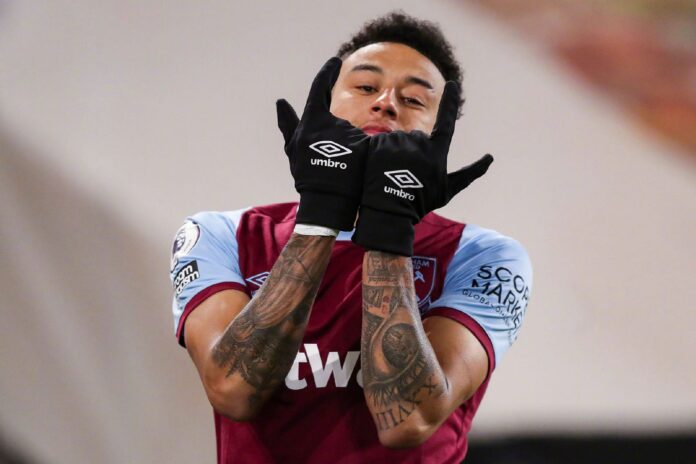
Jesse Lingard’s move to FC Seoul has sent shockwaves through the football world. The former Manchester United and England international’s decision to head to South Korea is a landmark event for the K League, signaling a new era of ambition and global attraction. But this transfer is about more than just football—it’s a story of personal reinvention, league expansion, and financial strategy.

A Fresh Start for Lingard

After an inconsistent spell at Nottingham Forest and a period without a club, Lingard found himself at a crossroads. Despite trials with various teams in England and beyond, he opted for an unexpected destination: South Korea.

For Lingard, this move is as much about personal growth as it is about football. Seoul provides a fresh environment, away from the intense scrutiny of European football, allowing him to focus purely on his game. The K League offers a passionate yet respectful fan culture, a lower-pressure media landscape, and an opportunity to rediscover his form in a competitive setting.

The former England international has embraced life in South Korea, quickly adapting to the local culture. In a surprising twist, he even released a rap song titled “Kamsahamnida” (Korean for “Thank You”), a move that resonated well with fans and showcased his willingness to immerse himself in his new surroundings.

K League’s Global Expansion and Lingard’s Role

Lingard’s arrival is more than just a boost for Seoul—it’s a statement of intent from the K League. For years, Japan’s J League has been the dominant force in East Asian football, but South Korea is now making moves to raise its international profile.

A Premier League veteran choosing the K League over more traditional destinations like the MLS or Saudi Arabia is significant. His presence will inevitably draw more global attention to South Korean football, potentially paving the way for other European players to follow. Some reports suggest that if Lingard thrives, other ex-Premier League stars may consider similar moves, adding further credibility to the league.

Lingard’s Early Impact on the Pitch

While fitness concerns lingered early on, Lingard wasted little time making his mark in Seoul. He scored a stunning goal against Gwangju, curling the ball into the top corner, reminding fans of the quality he still possesses. His performances were strong enough to earn him the captain’s armband in June 2024, highlighting his growing influence within the team.

Financial and Commercial Implications

Lingard’s deal with FC Seoul is reportedly worth around €1.1 million per year—a significant figure by K League standards, though far less than he might have earned in the Middle East or MLS. However, financial incentives go beyond salary.

Korean football is an emerging commercial powerhouse, and Lingard’s marketability makes him an asset beyond the pitch. His move has already boosted ticket sales, merchandise, and international viewership. Sponsors and broadcasters are taking notice, with expectations that his presence will bring increased revenue for both the club and the league.

His embrace of Korean culture has also played a role in his rising popularity. Fans have responded positively to his efforts to integrate, and brands have taken notice, with potential endorsement deals likely to follow. If his on-field performances continue to impress, FC Seoul could even profit from a future transfer within Asia or a return to Europe.

Furthermore, Lingard has secured contractual freedom to pursue business ventures in South Korea. This includes investments in gastronomy, fashion, and e-sports, industries that are thriving in the Korean market. His JLINGZ Esports brand partnered with the Korean e-sports company FearX in August 2023, capitalizing on South Korea’s booming gaming industry, which generated €500 million in revenue in 2023. With a strong gaming culture and a rapidly growing digital market, Seoul could be the perfect location for Lingard to expand his brand beyond football.

Expert Insight: Davis Ross on Lingard’s Impact

“Lingard’s move to the K League caught everyone in Korea by surprise, to say the least. He is, without a doubt, the highest-profile player to join the league. After the initial shock came the doubters, both internationally and locally in Korea, who questioned the longevity of Lingard’s stay—many believing he wouldn’t last more than a few months.

After a slow start and an injury, Lingard has done a remarkable job of turning things around and has certainly found his feet again. He took over the captaincy at FC Seoul at the end of last season when Ki Sung-yeung was injured and has retained it for the current season. His consistent performances and leadership qualities have made him an important asset for the capital club, which is searching for its first title since 2016. Last season, they finished in the top half for the first time in five years, and this season, they are expected to compete in the ACLE as well as mount a title challenge.

The move has been a success not only on the pitch but also off it, with improved attendances directly linked to Lingard’s arrival. Despite playing in a lesser league, his passion remains evident—most recently seen when he kicked over some water bottles after being subbed off against Suwon FC, frustrated by his own poor performance. This moment reflected his will to win rather than mere petulance.

His contract expires at the end of this season, and it’s not beyond the realm of possibility that he could extend, as I expect the club will offer him a new deal.”

A Breakdown of Commercial Rights in Modern Football

The biggest football clubs in the world generate hundreds of millions in revenue from commercial partnerships, with the English Premier League leading the way in sponsorship value. From multinational corporations to emerging brands, companies see football as a powerful platform to reach global audiences. However, not all sponsorships hold the same value. Some, like front-of-shirt deals and stadium naming rights, demand eye-watering sums due to their visibility and prestige, while others, such as digital partnerships and in-stadia advertising, provide more cost-effective ways to engage fans. Understanding these opportunities is crucial for brands looking to invest wisely and for clubs aiming to maximize commercial revenue. This breakdown covers the key commercial rights available in football, ranking them by cost, visibility, and strategic value, with a particular focus on the English Premier League unless otherwise stated. 

Front-of-Shirt Sponsorship  
  • What is it? The most visible real estate on a club’s kit, front and center on matchdays, training sessions, and global broadcasts. 
  • Cost? Can range from £5m per season (mid-table clubs) to £50m+ (elite clubs like Man United, Real Madrid, or Barcelona). 
  • Why is it valuable? Non-stop exposure to millions of fans worldwide, plus visibility in every highlight reel and press conference. 

Sleeve Sponsorship  

  • What is it? The logo placed on the club’s sleeve, introduced in 2017 in the Premier League. 
  • Cost? £2m–£15m per season, depending on the club’s reach. 
  • Why is it valuable? Although less prominent than front-of-shirt deals, sleeves still get strong TV exposure, especially in close-up shots. 
Back-of-Shirt and Short Sponsorship 
  • What is it? Logos placed on the lower back of the shirt or shorts. 
  • Cost? £1m–£10m per season, depending on club stature. 
  • Why is it valuable? Less prominent but still seen in celebrations, goal replays, and fan merchandise. 
Training Kit Sponsorship 
  • What is it? Sponsorship of training kits, worn in pre-match warm-ups and official training sessions. 
  • Cost? £5m–£20m per season for elite clubs.
  • Why is it valuable? While not seen on matchdays, brands gain exposure in club-produced content, social media, and press coverage. 
Stadium Naming Rights  
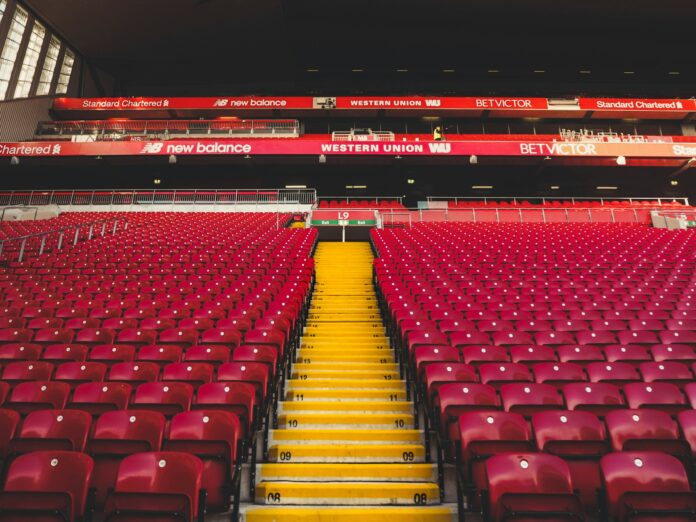
  • What is it? A brand buys the right to name the stadium (e.g., Etihad Stadium, Emirates Stadium, AMEX Stadium, Gtech Stadium). 
  • Cost? £10m–£50m per year, often signed as long term 10–20-year deals. 
  • Why is it valuable? Consistent exposure, deep brand association, and an opportunity to shape fan culture over decades. 
Training Ground Naming Rights  
  • What is it? Similar to stadium naming rights but for the club’s training base (e.g., AXA Training Centre for Liverpool). 
  • Cost? £1m–£10m per year. 
  • Why is it valuable? Seen in behind-the-scenes content, interviews, and club media but lacks matchday visibility. 
Official Club Partnerships in Individual Categories 

Clubs sign deals with a range of “Official Partners” across different industries. Prices vary significantly based on industry and exclusivity. 

  • Official Banking Partner (e.g., Liverpool & Standard Chartered) – £3m–£10m per year 
  • Official Airline Partner (e.g., PSG & Qatar Airways) – £5m–£15m per year 
  • Official Crypto Partner£1m–£5m per year 
  • Official Fashion Partner£500k–£5m per year 
  • Official Travel Partner£500k–£3m per year 
  • Official Watch Partner (e.g., Rolex, TAG Heuer) – £2m–£10m per year 

These deals offer global credibility but less direct visibility compared to kit sponsorships. 

In-Stadium Advertising  
  • What is it? Matchday visibility, digital LED boards, static hoardings, big screens, and concourse branding. 
  • Cost? £100k–£5m per season, depending on placement and frequency. 
  • Why is it valuable? Seen by fans inside the stadium and during broadcasts but competes with other visuals. 
Digital and Social Media Sponsorship  
  • What is it? Sponsored club content, YouTube series, or official club social media posts. 
  • Cost? £50k–£2m per campaign, based on audience reach. 
  • Why is it valuable? Direct fan engagement, measurable analytics, and targeted branding opportunities. 
Matchday Sponsorships (One-Off or Seasonal Deals) 
  • What is it? Brands sponsor a specific match or become an official “Matchday Partner.” Cost? £50k–£1m per match. 
  • Why is it valuable? Brands can create exclusive experiences, giveaways, or activations tied to a single game. 
  • Logo Placement on Tickets and Official Club Merchandise  
  • What is it? Brands place logos on match tickets, membership cards, or club shop bags. 
  • Cost? £50k–£500k per season. 
  • Why is it valuable? A direct way to engage matchgoing fans, but limited visibility beyond attendees. 
Final Thoughts: Which Sponsorships Offer the Best ROI? 

Not all football sponsorships deliver the same level of exposure or impact. Some, like front-of-shirt deals and stadium naming rights, guarantee global visibility but come with a hefty price tag. Others, such as digital content partnerships and in-stadia advertising, provide more targeted engagement at a lower cost. The best return on investment depends on a brand’s budget, industry, and marketing objectives. 

For brands seeking maximum exposure, front-of-shirt sponsorship remains the gold standard. These deals place a brand at the heart of every match, from televised games to highlight reels and press conferences. Stadium naming rights, though less direct, offer long-term branding and deep-rooted association with a club’s identity. Official airline and banking partnerships also deliver strong global recognition, particularly for brands looking to align with high-traffic industries that serve international audiences. 

For those prioritising cost-effectiveness, in-stadia advertising and digital partnerships provide strong alternatives. LED perimeter boards and big-screen ads offer regular exposure during matchdays without the multi-million-pound commitments of kit sponsorships. Meanwhile, official club partnerships in niche industries, such as gaming, e-commerce, or regional sponsors—allow brands to tap into a club’s audience at a lower cost. Social media sponsorships, including branded content and YouTube collaborations, give brands direct access to engaged fans while providing measurable results through clicks, shares, and interactions. 

Some sponsorships carry high prestige but less visibility, making them valuable for brand credibility rather than pure exposure. Official watch and fashion partnerships, for example, align brands with luxury and exclusivity but don’t always generate widespread recognition. Training ground naming rights fall into a similar category, while not front-facing on matchdays, these deals still feature in behind-the-scenes content, club media, and training sessions, reinforcing brand association with elite performance. 

Ultimately, the right sponsorship depends on what a brand wants to achieve. While front-of-shirt deals dominate headlines, savvy brands can still carve out valuable partnerships in more creative, cost-effective ways. Whether it’s owning a digital content series, securing a training ground deal, or sponsoring in-stadia activations, football offers a range of commercial opportunities for brands willing to think strategically about their investment.

United Vision: The Power of Communication in Football Club Success

Photo by Benjamin Child on Unsplash

A football club is much more than just a team on the pitch. It is a complex organization with multiple stakeholders, each playing a crucial role in the club’s success. The Board of Directors holds the responsibility of setting the club’s direction, making key decisions, and ensuring its long-term stability. However, a well-defined strategy is only effective if it is communicated clearly and consistently to all those involved.

Strong communication from the Board to players, coaches, employees, fans, media, and governing bodies is essential to build trust, align expectations, and foster a culture of transparency. Here’s why effective communication from the top is a game-changer.

Players and Coaching Staff: Clarity in Vision and Expectations

The Board’s strategic decisions directly impact the team’s sporting performance. Whether it’s investment in new players, hiring a new manager, or setting long-term goals, the team needs clarity on the club’s vision.

  • Alignment with sporting objectives: Players and coaches perform at their best when they understand the club’s ambitions, whether it’s winning titles, developing young talent, or strengthening financial sustainability.
  • Job security and motivation: Inconsistent communication about the future of the team, contract renewals, or managerial changes can create uncertainty and distractions. Keeping the team informed fosters stability and focus.
Club Employees: Engaging the Front-Office for Operational Excellence

From marketing and finance to ticketing and logistics, the club’s employees ensure smooth day-to-day operations. Without clear communication from the Board, inefficiencies and misalignment can arise.

  • A unified message: Employees need to understand the club’s objectives and values to represent them accurately in their work.
  • Empowerment through information: When staff members feel informed about key decisions, they can anticipate challenges, work proactively, and contribute to the club’s overall success.
Fans: Building Trust and Strengthening Loyalty

Football fans are the heartbeat of any club. Their passion fuels the team, and their loyalty sustains the institution. The way the Board communicates with supporters can significantly influence their engagement and trust.

  • Transparency and honesty: Fans want to feel connected to their club. Communicating openly about financial health, transfer policies, or stadium developments fosters trust and prevents speculation.
  • Crisis management: When results don’t go as planned, or difficult decisions are made, proactive communication can prevent frustration from turning into disengagement or protest.
  • Emotional connection: Beyond formal updates, storytelling and direct engagement through social media, press conferences, and fan forums help maintain a strong relationship between the club and its supporters.
Media: Shaping Public Perception and Reputation

The media plays a crucial role in shaping the club’s image. The Board must manage its relationship with journalists carefully to ensure accurate reporting and avoid unnecessary controversy.

  • Controlled messaging: Providing clear and timely information through official channels helps avoid speculation and misinformation.
  • Accessibility and professionalism: Maintaining open, professional relationships with the press ensures that the club’s story is told accurately and fairly.
Governing Bodies and Sponsors: Strengthening Institutional Relationships

Football clubs operate within a larger ecosystem that includes leagues, federations, and commercial partners. The way a Board communicates with these entities can impact financial opportunities, regulatory compliance, and overall credibility.

  • Professionalism in negotiations: Sponsors invest in clubs with a strong, well-communicated vision. Clearly outlining long-term goals and brand values helps attract and retain partners.
  • Regulatory compliance: Engaging transparently with governing bodies ensures that clubs operate within the rules and avoid unnecessary sanctions.
Conclusion: Communication as a Leadership Tool

A football club’s Board of Directors is not just responsible for decision-making; it is responsible for leading through communication. Effective engagement with players, staff, fans, media, and institutional partners fosters trust, stability, and long-term success.

By prioritizing transparency, consistency, and openness, the Board can create a unified club culture where everyone—from the dressing room to the stands—feels informed, engaged, and connected to the club’s journey.

A club that communicates well is a club that wins—on and off the pitch.

Ramadan und Frauenfußball: Zwischen Glaube und Höchstleistung

Photo by Anis Coquelet on Unsplash

Aktuell befinden wir uns im heiligen Monat Ramadan, der vom 1. bis zum 29. März 2025 stattfindet. Heute ist der 23. Tag dieses besonderen Zeitraums.

Der Ramadan, der neunte Monat des islamischen Kalenders, ist eine heilige Zeit der Reflexion, Spiritualität und Gemeinschaft für Muslime weltweit. Während dieser Zeit fasten gläubige Muslime von Sonnenaufgang bis Sonnenuntergang und verzichten auf Essen, Trinken und andere körperliche Genüsse. Das Fasten wird nach Sonnenuntergang mit dem Iftar gebrochen, während die Mahlzeit vor Sonnenaufgang, Suhoor, hilft, die Energie für den kommenden Tag aufrechtzuerhalten.

Für muslimische Fußballerinnen und Fußballer bedeutet der Ramadan eine Herausforderung, denn sie müssen ihre religiösen Pflichten mit den Anforderungen des professionellen Sports in Einklang bringen. Dies erfordert körperliche Belastbarkeit, mentale Stärke und zunehmend auch Unterstützung von Vereinen und Ligen.

Herausforderungen für Fußballerinnen und Fußballer während des Ramadan

Für Profisportler bringt das Fasten besondere physiologische Herausforderungen mit sich. Da Trainingseinheiten und Wettkämpfe über den Tag verteilt stattfinden, kann der lange Verzicht auf Nahrung, Flüssigkeit und Energiezufuhr zu Erschöpfung, Dehydrierung und verminderter Ausdauer führen – alles Faktoren, die sich auf Leistung und Regeneration auswirken.

Gleichzeitig ist der Ramadan für viele muslimische Fußballer nicht nur eine Prüfung der körperlichen Belastbarkeit, sondern auch eine Zeit der mentalen und emotionalen Stärkung. Viele beschreiben das Fasten als eine Quelle der spirituellen Kraft und Disziplin, die ihnen hilft, sowohl auf als auch neben dem Platz fokussiert, engagiert und geeint zu bleiben.

Wie sich Spieler und Vereine während des Ramadan anpassen

Um die Leistungsfähigkeit der Spielerinnen und Spieler aufrechtzuerhalten, setzen Vereine und medizinische Teams gezielte Strategien um, darunter:

  • Optimierte Ernährungspläne: Sorgfältig geplante Mahlzeiten vor und nach den Fastenzeiten gewährleisten eine ausgewogene Energieaufnahme und ausreichende Hydration.
  • Anpassung der Trainingspläne: Wo möglich, werden Trainingseinheiten in die Abendstunden verlegt, um die Belastung während der Fastenzeit zu minimieren.
  • Medizinische und leistungsbezogene Überwachung: Sportwissenschaftler und medizinische Betreuer der Vereine arbeiten eng mit den fastenden Spielern zusammen.
  • Leitlinien von Fußballverbänden: Der DFB stellt Trainings- und Ernährungsempfehlungen für muslimische Spieler während des Ramadan bereit.
  • Individuelle Entscheidungen zum Fasten: Manche Spieler fasten auch an Spieltagen, während andere ihr Fasten verschieben – eine im Islam erlaubte Praxis für Personen mit hohen körperlichen Anforderungen.
Wie Ligen und Vereine muslimische Spieler unterstützen

Mit wachsendem Bewusstsein für die Bedeutung des Ramadan haben Ligen und Vereine Maßnahmen eingeführt, um fastende Spieler zu unterstützen – von angepassten Trainingsplänen bis hin zu Spielunterbrechungen bei Abendspielen. Allerdings sind diese Unterstützungsmaßnahmen nicht einheitlich, insbesondere im Frauenfußball.

Ramadan in der Praxis: Wie sich der Fußball anpasst

Frauenfußball und Ramadan: Ein wachsendes Potenzial für Inklusion

Während im Männerfußball zunehmend Fortschritte gemacht werden, um fastende Spieler zu unterstützen, hinkt der Frauenfußball in dieser Hinsicht hinterher.

Premier League und Bundesliga: Vorreiter in Sachen Inklusion

Seit 2021 erlaubt die englische Premier League Schiedsrichtern, Spiele bei Sonnenuntergang zu unterbrechen, um muslimischen Spielern das Fastenbrechen zu ermöglichen.

Ligue 1: Ein umstrittener Umgang mit dem Ramadan

Die französische Ligue 1 verfolgt hingegen eine andere Politik. Der französische Fußballverband (FFF) verbietet Spielunterbrechungen für fastende Spieler unter Berufung auf die strikten Säkularismus-Gesetze des Landes.

Die Zukunft des Ramadan im Frauenfußball

Mit dem wachsenden Anteil muslimischer Frauen im Profifußball müssen Vereine und Verbände nun die Chance erkennen, proaktiv Veränderungen voranzutreiben.

Wichtige Erkenntnisse
  • Der DFB hat offizielle Trainings- und Ernährungsempfehlungen für fastende Spieler entwickelt.
  • Der Frauenfußball hat großes Potenzial, in Sachen kulturelle und religiöse Inklusion voranzugehen.
  • Während die Premier League und Bundesliga das Fastenbrechen während Spielen ermöglichen, bleibt Ligue 1 bei ihrer strikten säkularen Haltung.
  • Vereine und Verbände müssen ihre Maßnahmen ausweiten, um muslimische Fußballerinnen während des Ramadan voll zu unterstützen.
Fazit

Die Diskussion über Ramadan und Fußball entwickelt sich weiter. Während einige Ligen bereits positive Schritte unternehmen, bleibt die Unterstützung in anderen Bereichen aus.

New era begins for U19 & U17 talents in Germany – Reformation of the “Nachwuchsliga”

Starting with the 2024/25 season, the German Football Association (DFB) has completely overhauled its top youth leagues. The new system replaces the former A-Junioren-Bundesliga and B-Junioren-Bundesliga for both the U19 and U17 age groups. The reform aims to enhance player development, provide more balanced competition, and reduce unnecessary travel for young athletes. Both the U19 and U17 competitions follow a similar two-phase format, with slight differences reflecting the specific needs and structure of each age group.

Phase One: Preliminary Round

Structure:

  • Regional Groups:
    • All 64 teams in each age category are divided into eight regional groups.
    • Each group consists of up to eight teams.

Objectives and Format:

  • Geographical and Performance-Based:
    • The allocation is designed to minimize travel distances and to ensure that teams compete against regional opponents.
    • Teams are placed into groups based on their performance (using a multi-year rating system) rather than strict state or regional boundaries.
  • Match Format:
    • Each team plays a home-and-away round-robin over 14 matchdays.
    • The results from these 14 games determine the team rankings within each group.

The regional teams of season 2024/2025 were geographically created as follows:

Phase Two: Main Round (Hauptrunde)

After the preliminary round, teams are sorted into two separate leagues based on their finishing positions:

League A:

  • Qualification:
    • The top three teams from each preliminary group qualify for League A.
    • This creates a pool of 24 teams (for instance, the first two from each group plus the six best third-placed teams).
  • Grouping and Format:
    • These 24 teams are then divided into four groups of six teams each.
    • They play an additional round-robin series (with ten matchdays) to further refine rankings.
  • End-of-Phase Objective:
    • The best teams from League A will advance to the knockout stage (playoffs) to determine the overall German Youth Champion in the respective age group.

League B:

  • Qualification:
    • All remaining teams from the preliminary round are placed in League B.
    • Additionally, up to 11 extra amateur clubs (which do not have a formal youth academy structure) qualify via performance in the second-tier youth leagues.
  • Grouping and Format:
    • League B is organized into groups of up to eight teams.
    • These teams also play a home-and-away format over 14 matchdays.
  • Purpose:
    • League B ensures that clubs not in the top tier still have a competitive platform, and it helps maintain a broader competitive balance across all teams.
Final Stage: Playoffs (Championship Phase)

For the U19 competition in League A:

  • Knockout Rounds:
    • At the conclusion of the main round, the best 16 teams from League A progress to a knockout stage.
    • This phase is a single-elimination tournament starting with the round of 16 (often referred to as the “Achtelfinale”).
  • Champion Determination:
    • The winner of the knockout phase is crowned the German Youth Champion for that age group.

Note: The U17 competition follows a similar structure with minor adaptations in the qualification and group distribution to suit the developmental needs of younger players.

For the U19 competition in League B:

  • Qualification for Future Seasons:
    • For clubs with a youth performance center (NLZ), finishing in League B typically secures automatic participation in the next season’s U19 Nachwuchsliga.
    • Amateur clubs (without an NLZ) must finish within the top four of their group in League B to qualify for participation in the following season. This mechanism creates a pathway for these clubs to gain experience at a higher competitive level.
  • DFB Junior Cup Participation:
    • In addition to league placement, the top finishing teams in League B are also eligible to qualify for the DFB Junior Cup, offering further competitive exposure.
Practical Experience from the New Youth League

The first impressions from clubs confirm that the reform is already bringing noticeable benefits. Ismail Gülec, head coach of SSV Ulm 1846 Fußball U17, draws a positive conclusion after about 60% of the season:

“Week after week, we compete against the best, which pushes our players to their limits. While individual development remains the top priority, football is still a results-driven sport. Without relegation pressure, we can plan more effectively, give younger players more playing time, and prepare them for the next season. At the same time, non-professional teams have the opportunity to prove themselves and qualify for the league. Of course, the increased travel and logistical efforts are a challenge, but they serve as valuable preparation for a future in professional football.”

This ability to combine high-level youth competition with better planning security and structured player development highlights the long-term vision of the new system.

Key Innovations and Objectives
  • Focus on Development:
    • The reform shifts the emphasis away from rigid promotion and relegation systems. Teams with established youth academies (Leistungszentren) do not face relegation, allowing them to focus on long-term player development rather than short-term results.
  • Balanced Competition:
    • By grouping teams regionally in the preliminary phase and then sorting by performance in the main round, the new system aims to ensure that games are competitive and that players are regularly challenged at the appropriate level.
  • Inclusion of Amateur Clubs/Non-Academy Clubs:
    • Up to 11 additional amateur teams are given an opportunity to participate in League B, creating a pathway for emerging talent outside the established youth academies.
  • Efficient Scheduling Travel & Load Management:
    • The regional grouping in the preliminary round minimizes travel, reducing the physical and logistical burden on young players, thus allowing more time for training and education.
  • Focus on More Playtime
    • To allow for more playing time and optimize individual player development, each team in the DFB Youth League can make up to seven substitutions per match (six field players plus a goalkeeper). This enables all 18 players of the permitted matchday squad to participate. Three substitution windows plus halftime are allowed.
  • The Focus and Difference Between U19 & U17
    • While both leagues share a common two-phase format and similar regional groupings, the U19 league is structured to provide a more intense, championship-oriented experience for players nearing the professional level, whereas the U17 league emphasizes technical and tactical growth with a slightly more developmental and less pressure-driven environment.
How successful is the German youth league system for talents’ path to become a professional?

Talking about concrete numbers is very difficult since the underlying data is not entirely transparent. However, if we look at the rosters of top professional teams, a clear trend emerges: many clubs consistently field a significant number of homegrown players. For instance, in the Bundesliga, it is not uncommon to see between 30% and 50% of a team’s lineup composed of players who came through the club’s own youth system. Clubs like Bayern Munich, Borussia Dortmund, and Schalke 04 are prime examples these teams regularly integrate several academy graduates into their first squads.

This pattern is a strong indicator that investing in youth football is an effective and efficient way to produce professional players who succeed both domestically and on the world stage. Not only do these figures highlight the success of the German youth league system in fostering talent, but they also underscore the importance of maintaining and further developing these youth structures as a cornerstone for long-term football excellence.

We will see in coming years how the new structure of the German youth league will influence the ratio of young players becoming professional. The numbers below reflect more the old known system.

Here are the first three teams per professional league in Germany with the most players from their own youth academy:

Bundesliga

  • TSG 1899 Hoffenheim
    • Currently 9 players in first team squad with a market value of ~32 Mio. € from their own youth academy
  • SC Freiburg
    • Currently 8 players in first team squad with a market value of ~30 Mio. € from their own youth academy
  • Borussia Dortmund
    • Currently 7 players in first team squad with a market value of ~67 Mio. € from their own youth academy

2nd Bundesliga

  • Hertha BSC
    • Currently 15 players in first team squad with a market value of ~28 Mio. € from their own youth academy
  • FC Köln
    • Currently 11 players in first team squad with a market value of ~21 Mio. € from their own youth academy
  • FC Schalke 04
    • Currently 8 players in first team squad with a market value of ~5 Mio. € from their own youth academy

3rd Bundesliga

  • VFB Stuttgart II
    • Currently 22 players in first team squad with a market value of ~8 Mio. € from their own youth academy
  • SpVgg Unterhaching
    • Currently 13 players in first team squad with a market value of ~3 Mio. € from their own youth academy
  • Hannover 96 II
    • Currently 13 players in first team squad with a market value of ~2 Mio. € from their own youth academy
A new milestone for the future of German football – highly important to keep an eye on

A Development-Oriented Approach for the Future Germany has long been known for its strong youth development, and the U19 and U17 DFB Nachwuchsliga represents a strategic shift to enhance player progression. By prioritizing competition, development, and sustainability, the new system aims to better prepare young players for the challenges of professional football. With the first season set to begin in 2024/25, this restructuring marks an important step in maintaining Germany’s reputation as a leader in youth football development. Will other markets follow that strategy?

Want to read more?

The New FIFA Football Agent Exam Structure

men researching in laptop about fifa exam
Photo by Glenn Carstens-Peters on Unsplash
The Format and Structure of the FIFA Football Agent Exam

FIFA has introduced major structural changes to the Football Agent Exam, which take effect from March 4, 2025. These updates mark a shift from the previous in-person, venue-based assessments to a fully online format, with stricter monitoring protocols and revised technical requirements. The changes are designed to increase fairness, transparency, and standardisation, ensuring that all candidates, regardless of location, take the exam under consistent and tightly controlled conditions.

Under the previous system, candidates were required to sit for the exam in person at designated testing venues provided by their National Football Associations. While this setup allowed for controlled exam conditions, there were significant variations in exam environments, with some associations offering different levels of technical support, internet access, and venue facilities. Additionally, the rules on permitted materials were inconsistent, with some NAs allowing candidates to bring printed study notes (including personally annotated hard copies), while others imposed stricter limitations.

Now, FIFA has removed all venue-based exams and replaced them with an online-only format, meaning candidates must take the test in a private, self-managed setting. This shift places a greater responsibility on candidates to ensure they have the necessary technology, internet stability, and a suitable workspace. The new system also introduces enhanced security measures, including mandatory camera and microphone access on the candidate’s computer, as well as secondary monitoring via a smartphone device. Unlike before, where invigilators supervised candidates in person, FIFA will now use AI-driven monitoring tools to track behavior and detect suspicious activity in real time.

Another critical change is the removal of all breaks during the 60-minute exam period. Previously, candidates were permitted to take toilet breaks under supervised conditions, but this is no longer allowed. Once the exam begins, candidates must remain visible on camera and stay seated until the time expires. If a candidate leaves their position, looks away for an extended period, or experiences a loss of internet connection, their attempt will be invalidated immediately, requiring them to reapply for a future session.

Additionally, FIFA has introduced stricter rules on exam misconduct. Under the previous system, violations such as unauthorised communication, accessing external materials, or using electronic devices could result in disqualification from that session, but candidates were often able to reapply for the next available exam date without further consequences. Under the new regulations, serious breaches, such as cheating, taking screenshots, or sharing exam content externally, could lead to a suspension from future exams. In extreme cases, candidates may even face a permanent ban from obtaining a FIFA agent license.

With these updates, FIFA aims to create a uniform and strictly regulated exam process, eliminating inconsistencies in exam conditions and preventing unfair advantages. Candidates must now be fully prepared, both in terms of technical setup and understanding of the rules, as any failure to meet the requirements could result in forfeiting their attempt.

Exam Format and Pass Requirements

The FIFA Football Agent Exam is now conducted entirely online, replacing the previous in-person, venue-based format. This change eliminates the need for candidates to travel to designated testing locations and places greater responsibility on them to ensure they have the necessary technical setup and a distraction-free environment. The exam is still 60 minutes long, and candidates must achieve a minimum score of 75% to pass.

The test consists of multiple-choice questions that evaluate a candidate’s knowledge of FIFA regulations, including player transfers, contractual agreements, intermediary responsibilities, and general football governance. The questions are designed to test not only factual knowledge but also a candidate’s ability to apply FIFA’s rules to real-world scenarios that agents may encounter when representing players and clubs.

One of the most significant rule changes is the strict prohibition on breaks during the exam. Previously, candidates were allowed to request supervised toilet breaks, but under the new system, no interruptions of any kind are permitted. This means that once the exam begins, candidates must remain seated, visible on camera, and engaged with the test until the full 60 minutes have elapsed. Leaving the session for any reason, whether due to a technical issue, personal needs, or accidental disconnection, will result in automatic disqualification, and the candidate will have to wait for the next available exam date to retake the test.

Given these stricter conditions, FIFA strongly advises candidates to prepare thoroughly before starting the exam, ensuring that they have a reliable internet connection, all necessary equipment, and a quiet, uninterrupted space to complete the test without issues.

Technical Requirements and Setup

Since the exam is now conducted entirely online, FIFA has introduced strict technical requirements to ensure a secure, standardised, and closely monitored testing environment. Candidates are solely responsible for setting up and maintaining their own exam conditions, as FIFA will not provide technical support during the test.

To take the exam, candidates must have access to the following:

  • A laptop or desktop computer with a fully functional camera and microphone, both of which must remain enabled and active throughout the entire exam. FIFA’s monitoring system relies on these devices to track candidate behavior and detect any irregularities.
  • A smartphone, which will be used for secondary monitoring purposes. Candidates may be required to position their phone in a way that provides an additional view of their workspace. The phone itself cannot be used for any other purpose during the exam.
  • A stable and reliable internet connection. FIFA has made it clear that any internet disruption will invalidate the exam attempt, with no opportunity to resume the test. If a candidate loses connection at any point, their session will be terminated, and they will have to reapply for the next available exam date.

Given the high stakes of these technical requirements, FIFA strongly advises candidates to test their devices, internet speed, and webcam functionality well in advance of the exam date. If any technical issues arise during the exam, whether related to internet connectivity, hardware failure, or software malfunctions, the candidate will not be granted additional time or a retake in the same session. They will need to wait until the next scheduled exam and reapply.

Candidates should also ensure they have a quiet, well-lit workspace, free from distractions, as any movement out of frame, loss of visibility, or suspicious behavior could result in their attempt being flagged for review or disqualification.

Exam Venue and Conduct

Although the exam is now conducted entirely online, FIFA requires candidates to complete it in a quiet, private environment that is free from distractions and external assistance. The testing conditions must closely resemble a formal exam setting, ensuring fairness and integrity across all candidates worldwide. To enforce these standards, FIFA has implemented strict monitoring measures to detect and prevent any form of cheating or rule violations.

The monitoring system includes the following:

  • Live video surveillance via the candidate’s laptop or desktop camera, which must remain enabled and unobstructed throughout the entire exam.
  • Secondary monitoring using the mandatory smartphone device, which may be required to provide an additional viewing angle of the candidate’s workspace. This ensures that the exam is completed without unauthorised assistance or external reference materials.
  • AI-driven behavior tracking, which detects suspicious movements, excessive eye wandering, unusual background noises, or any signs of potential misconduct. If flagged by the system, the candidate’s session may be reviewed, leading to possible disqualification or suspension from future exams.

Candidates must remain seated, visible on camera, and fully engaged for the entire 60-minute duration of the exam. Looking away from the screen for an extended period, engaging in any form of communication, or attempting to use unauthorised materials may trigger an automatic violation flag. Even minor infractions, such as adjusting one’s position too frequently or appearing to speak aloud, could lead to further scrutiny and potential disqualification.

To avoid unnecessary issues, FIFA strongly recommends that candidates set up their exam environment in advance, ensuring good lighting, a neutral background, and no potential distractions. Any interruptions, such as people entering the room, background noise, or internet disruptions, could result in automatic disqualification, forcing the candidate to reapply for the next available exam date.

Permitted and Prohibited Items

FIFA has established clear guidelines on what candidates can and cannot have in their exam environment. Any unauthorised items found in the workspace may result in immediate disqualification and, in serious cases, suspension from future exam attempts.

✔️ Permitted Items

Candidates are allowed to have the following:

  • Study materials, but only if they are saved digitally on the candidate’s laptop or desktop. Printed materials, handwritten notes, or any external storage devices containing study resources are strictly prohibited.
  • Prescription glasses, if required for vision correction.
  • A pen and a single blank sheet of paper for note-taking during the exam. However, the sheet must be shown to the camera before and after use to ensure it does not contain pre-written notes.
  • The built-in calculator integrated into the FIFA online exam platform. External calculators are not allowed.

❌ Prohibited Items

The following items are strictly forbidden during the exam:

  • Mobile phones, except for the one required for monitoring purposes. This phone must be placed as instructed and cannot be used for any other function during the test.
  • Smartwatches, headphones, or any other smart devices capable of connecting to the internet.
  • Accessing external websites beyond the official FIFA exam platform. Any attempt to browse the internet or open unauthorised tabs will be flagged as a violation.
  • Printed documents, handwritten notes, or any physical study materials. Unlike previous exams where candidates could sometimes bring printed regulations, the new system only permits digital study materials on the laptop being used for the exam.
  • Physical calculators. All necessary calculations must be done using the FIFA platform’s built-in calculator.

FIFA has emphasised that any attempt to access unauthorised materials, communicate with others, or use prohibited devices will be treated as a serious violation. Candidates caught breaking these rules risk immediate disqualification and may be barred from taking future exams. To avoid issues, candidates should thoroughly check their workspace before starting the exam and ensure they comply with all permitted and prohibited item regulations.

Exam Misconduct and Consequences

FIFA has adopted a strict zero-tolerance policy regarding misconduct during exams. Candidates are expected to adhere to all guidelines and regulations, as failure to do so could result in severe consequences, including permanent bans from future exams. The following behaviors are strictly prohibited:

  1. Cheating: Any attempt to gain an unfair advantage, such as using unauthorised materials, tools, or receiving outside help (whether from another person or digital source), will result in immediate disciplinary action. This includes but is not limited to the use of notes, books, or unauthorised online resources.
  2. Recording or Sharing Exam Content: Candidates are prohibited from taking screenshots, recording, or sharing any content from the exam. This includes distributing information via screenshots, videos, or any form of digital communication. Sharing exam material, whether in part or in whole, is a direct violation of FIFA’s policies.
  3. Unauthorised Communication: Speaking to anyone, whether in person or through any electronic means (e.g., phone, chat applications, or social media), during the exam is prohibited. This includes any form of communication that could be perceived as an attempt to gain assistance or exchange information.
  4. Leaving the Exam Without Permission: Candidates must remain in the designated exam session until it is officially completed. Leaving the exam room or session without proper authorisation constitutes a serious breach of conduct.
  5. Impersonation: Any attempt to impersonate another candidate or have someone else take the exam on behalf of the candidate will be met with the highest level of scrutiny and punishment. This includes both direct impersonation and any form of collusion where one candidate submits work on behalf of another.

If a candidate is found to be in violation of any of these rules, FIFA has the authority to suspend them from participating in the next scheduled exam, and in more serious instances, impose a permanent ban on future participation in FIFA exams. The severity of the consequences will depend on the nature of the violation, with repeat offenders facing stricter penalties.

Furthermore, FIFA has integrated advanced AI-driven monitoring systems into their exams to detect any suspicious activity. These AI tools can identify patterns that suggest cheating or dishonesty, making it increasingly difficult for candidates to bypass the system unnoticed. This technological innovation is designed to protect the integrity of the exam process and ensure a fair environment for all participants.

Candidates are strongly advised to review and follow the exam rules carefully to avoid any complications. Violating these policies not only risks their exam success but can also jeopardise their reputation and eligibility for future opportunities within FIFA.

Results and Appeals Process

Candidates will receive their exam results via email within 14 days of completing the test. FIFA has also introduced a review process that allows candidates to see their answers and understand where they made mistakes. However, appealing exam results is no longer permitted.

If a candidate fails, they must wait for the next available exam date to retake the test. There are no exceptions, and FIFA will not offer individual reassessments.

Final Thoughts

The new FIFA Football Agent Exam rules mark a major shift toward a more secure, standardised, and transparent assessment process. With stricter monitoring, no breaks, and zero tolerance for misconduct, candidates must be fully prepared before entering the exam.

To increase your chances of success:

  1. Ensure your laptop, smartphone, and internet connection meet FIFA’s requirements.
  2. Familiarise yourself with the regulations using permitted digital study materials.
  3. Follow all conduct rules carefully to avoid disqualification.

By understanding and adhering to these updated guidelines, candidates can navigate the new exam format confidently and work toward earning their FIFA Football Agent License.

The Language Barrier: Why FIFA Should Make the Agent Exam More Accessible

Photo by Sam Balye on Unsplash

Becoming a FIFA-licensed football agent is a dream for many. It’s an opportunity to be part of the game at the highest level, guiding players, negotiating contracts, and shaping careers. But for some aspiring agents, the biggest hurdle isn’t their knowledge of football regulations—it’s the language of the exam itself.

A Positive Step Forward: German Added to the Exam

Until now, the FIFA agent exam was only available in three languages: English, Spanish, and French. However, starting in June 2025, German will be added for the first time.

This is an important step forward. It shows that FIFA recognizes the need for greater accessibility and is willing to take action. However, as positive as this change is, it doesn’t yet solve the wider issue.

Even with German included, the exam is still out of reach for many aspiring agents from footballing nations where Portuguese, Japanese, Arabic, Indonesian, and other major languages are spoken.

A Challenge for Many Candidates

Before 2015, the FIFA agent exam was available in multiple languages in different countries, making it accessible to a truly global audience. Language wasn’t a barrier to entry. I remember when I took my exam at the German Football Federation headquarters in Frankfurt, and for me, language wasn’t something I had to worry about. I could focus entirely on studying the regulations and preparing for the test.

Today, many candidates don’t have that same advantage. If they don’t speak one of the four official exam languages, they first have to learn a new language before even starting their football studies.

This means:

  • A candidate in Brazil has to take the exam in English, Spanish, French, or German but not in Portuguese, even though Brazil is one of the biggest football nations in the world.
  • A candidate in Indonesia (with over 200 million people) has no option in Bahasa Indonesia, making the process much harder.
  • A Japanese-speaking candidate must learn another language just to have the chance to qualify as an agent, despite Japan’s strong football culture and growing influence in the global game.
A Step Forward, But More Can Be Done

The addition of German is progress, and it’s a sign that FIFA is open to improving accessibility. However, there’s still a long way to go.

A key issue is that there are currently no official study materials available in German. While candidates will now have the opportunity to take the exam in German, they still have to prepare using English, Spanish, or French materials. Hopefully, these resources will be introduced soon, but this shows that the rollout of new languages needs to be more structured to give candidates an equal chance to prepare.

Similarly, with only one exam per year, the challenge becomes even greater. If a candidate fails—especially due to language difficulties—they must wait a full year for another chance. This puts extra pressure on non-native speakers who already have to study in a language that isn’t their own.

A Practical Solution for the Future

With today’s technology, there are secure and reliable ways to offer the exam in more languages. Many universities, businesses, and global institutions conduct high-level exams in multiple languages using AI-powered translation and secure digital platforms.

Expanding the exam into more widely spoken languages—while maintaining security and fairness—would help ensure that talented, knowledgeable professionals from all parts of the world have an equal opportunity to become FIFA agents.

Candidates Are Investing in the Process

While the exam fee is not a significant financial burden (under €100), it is still a paid service. And once an agent passes, they must also pay an annual license fee to maintain their status.

Given this, it seems reasonable to expect that FIFA would continue to invest in making the process fairer and more accessible—by adding more language options over time and ensuring that study materials match the languages offered in the exam.

Football is Global and The Agent Exam Should Be Too

Football is the world’s most universal sport. It’s played, loved, and managed by people from all backgrounds and languages. FIFA has already taken a step in the right direction by adding German to the exam. The next step should be to continue expanding accessibility, ensuring that the process is truly open to talented individuals from every part of the football world.

By using modern technology and making further improvements, FIFA has an opportunity to strengthen the global football ecosystem—creating a fairer, more inclusive system for the next generation of agents.

After all, the goal of the exam should be to identify the best football professionals—not just those who happen to speak one of four specific languages.

Ramadan: Fasting, Food & Football

Photo by Rauf Alvi on Unsplash

Back in 2022, Dr Erkut Sogut and I had the opportunity to present all things Fasting, Food and Football, as we shared insights about Ramadan Fasting in the unifying sport of Football and cultural implications for players to a global audience.

I was originally inspired to look into the topic of Ramadan Fasting for footballers further, when in 2021 for the first time in Premier League history, Leicester City and Crystal palace agreed pre-game to pause their match at sundown during the first half to allow both Wesley Fofana and Cheikhou Kouyate to break their Ramadan fasts.

Leicester’s boss at the time commented on Fofana’s performance, stating ‘‘It’s remarkable, if you think of his performance in an FA Cup semi-final, he hasn’t eaten all day and he can still perform at that level. I’ve worked with lots of players with devotion to their faiths and for a lot of guys, it gives them strength’’. 

The general expectation is players would become weaker when fasting, and often the opposite is often true. Many top Muslim players often see performances peak. Take Karim Benzema, in Real Madrid’s 2022 Champion’s League-winning campaign, he sensationally scored a hat-trick against Chelsea after fasting all day.

How does Ramadan make Footballers better?

During this period, players are more connected to their faith and spirituality and this is where the strength is drawn upon. Physical food is substituted for spiritual food. Football is a sport that relies on the mind as well as the physical attributes of players. Focus on community, giving back and with this heightened level of focus is where often the gains are seen. But physical performance needs good nutritional strategies.

Iftar and Suhoor are the two meals eaten in Ramadan. Slow releasing energy based foods and gradual hydration are key. Training sessions being switched early morning and evening can also be of huge benefit.

Other Ramadan Accommodating Leagues?

2024 also brought Australia’s A-League to introduce special in-match pauses to allow players observing Ramadan to break their fast during matches, following the example of the MLS and the UK’s Premier League. During the 2023 season, the Premier League stopped a total of eight matches to allow Muslim players to eat and drink on the pitch side.

In 2023, The US’s Major League Soccer (MLS) instituted a policy allowing for a pause in play during games played during Ramadan for observing players and match officials to break their daily fasts, as needed.

Promoting Ramadan

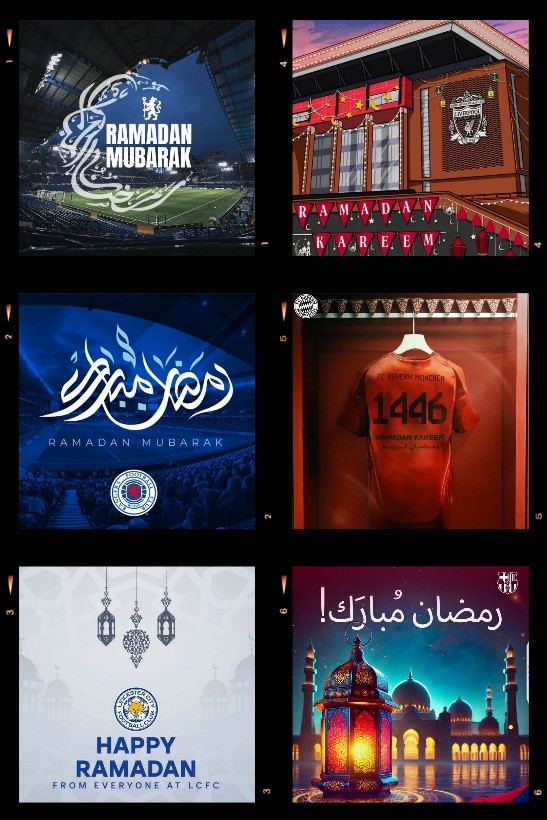
As the sport becomes more global and top athletes join from a range of backgrounds, it is inevitable that the presence of practicing Muslim footballers will increase in football. Fast forward to 2025 and Football Clubs from across the leagues, celebrated the coming of Ramadan with welcoming messages at the end of February and March. From Spanish Clubs like Barcelona FC to Italy’s AC Milan, Germany’s Bayern Munich through to Chelsea, Liverpool and Scotland’s Rangers, social media posts contained messages of Ramadan Mubarak in Arabic and English:

Brands

Whilst clubs are welcoming Ramadan, brands have also captured headlines with the opportunity to send a message of inclusivity when selling their products. Perhaps most celebrated was the Adidas x Ramadan 2023 campaign created for the Swedish market – a country where Muslims represent around 8% of the population, accounting for approximately one million people.

Adidas collaborated with athletes of the Muslim community, including former FC Union Berlin football player Aissa Laidouni, to launch a Ramadan health initiative focused on nutrition and physical activity. This campaign aimed to inspire and motivate the community to maintain a healthy balance during the holy month, addressing the challenges that this period can pose on the mind and the body. Featuring personal stories of early morning meals and night-time workouts, the initiative highlighted the importance of maintaining discipline during fasting and doing sports, promoting individual and collective growth.

FA Rules

In the UK alone, Muslims account for 6% of the population (~4 million people) and the FA rules make it clear that all faiths are observed and respected.

The FA rule B5 football & religious observance states

a. A Participant cannot be compelled to play football on bona fide occasions where religious observance precludes such activity, save where the Participant:

(i) has consented to do so on such occasions; or

(ii) is registered as a player under written contract, which shall be taken as consent to play on such occasions unless otherwise provided for in the contract.

b. Annually, when planning programmes, Competitions shall define and notify agreed dates of such occasions.

The PFA

The Professional Footballers’ Association (PFA) has been delivering Muslim Player Considerations awareness workshops at clubs for over 10 years – designed to help coaches and multidisciplinary teams support players who are fasting during the religious month.

These important workshops provide participants with essential understanding and real actions to help improve the working conditions for Muslim players leading into and during the month of Ramadan, such as helping clubs successfully balance nutrition, hydration, recovery and rest. The workshops also encourage clubs to sit down with players leading up to the religious month to help build a tailored, individualised schedule that will optimise player performance and wellbeing during that time.

The PFA has been visiting clubs across England’s Football League pyramid, from League Two to the Premier League, delivering to support staff and players. Brentford, was one club that benefited from sessions in 2024 which gave guidance on day-to-day assistance for Muslim players, as well how clubs can best support players during Ramadan. Brentford FC’s Thomas Frank requested the workshop because he wanted to know more about Ramadan, why the players do it, and how to navigate the month as a head coach.

Coaches are sometimes unsure how players at the elite level can undertake Ramadan fasting and perform, but these players have been doing it for a long time. They’re used to it and the experienced players will usually self-regulate and start conversations early with their support teams.

Club Events

During Ramadan, many Muslim players in youth football will be affected. Ramadan fasting can start as early as the age of 8, but tends to impact older age groups from 13/14 upwards (after the age of puberty).

Feb 2025: Chelsea’s Academy hosted its third consecutive special Ramadan gathering fostering a strong sense of community and inclusivity.

Chelsea made a statement ‘’We proudly support 16 Muslim players across all age groups, and this event provided a meaningful opportunity to strengthen those connections. The afternoon was filled with thoughtful discussions and moments of unity.’’

Mar 2025: The Ramadan Tent project (RTP) is an award-winning charity that brings communities together and spreads the spirit of Ramadan through various initiatives. For the first time in its 1000 year history, an open Iftar was hosted at Windsor Castle where more than 350 people gathered to break fast.

RTP has hosted open iftar events at Brighton & Hove Albion FC as well as Chelsea FC and most recently at AFC Wimbledon, which welcomed none other than surprise guest football legend Mesut Özil on 16th March.

Ramadan Nutrition Guides

Layla Banaras became the first South Asian female to represent Ramadan in the professional era with Birmingham City FC. At 15, she worked with a club nutritionist to produce a Ramadan Nutrition Guide and Meal Planner recognising the need to understand the best ways to fuel herself for elite level sport. Working with sports nutritionist Isobel Cotham, Layla’s guide gives examples of food to be consumed, the science of what, when and why Muslim athletes should be eating and drinking during the religious period. She has also worked with the PFA to produce a meal planner.

Layla was scouted by Birmingham City aged eight. Her efforts were recognised by The Sunday Times a few years ago, when she was named as Young Inspiration of the Year. Speaking on her Ramadan Nutrition Guide, Layla said: “Religion and football are both big parts of my life, so when it comes to fasting, I need to be prepared for both. I train and play a lot, so keeping my energy levels up without any professional guidance is hard – that’s why I wanted to create these plans, so that Muslim athletes can carry on performing at their best”.

Key Considerations

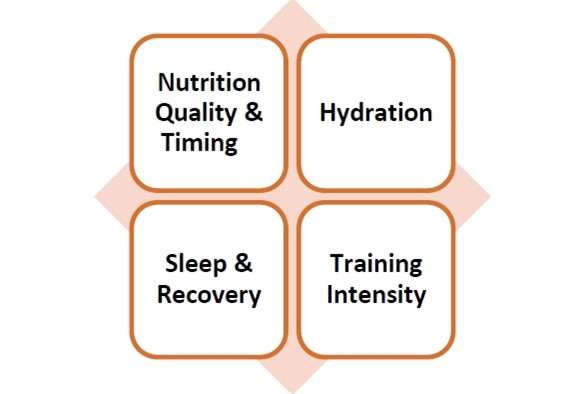
Four key considerations, need to be factored into a sportsperson’s regime during Ramadan:

(1) Nutrition: Fuelling with nutrient rich, smaller meals, providing slow releasing energy

(2) Hydration: Adequate hydration along with electrolyte balance

(3) Sleep: Altered sleep patterns, shorter naps during the day, and more recovery time

(4) Training: Ideally to be tapered, or ensuring intense sessions occur after eating post sundown

What Does the Research Say?
  • Stem Cell based regeneration through fasting: Fasting triggers the down-regulation of nutrient-sending pathways, bringing adaptive cellular responses – reducing inflammation and oxidative stress and improving energy metabolism. (2015 Bradhorst S et al. A Periodic diet that mimics fasting promotes multi-system regeneration, enhanced cognitive performance and healthspan. Cell Metab,. 22(1):86-99))
  • 12 weeks of football raises oxygen processing by 10-15% (University of Copenhagen 2015 study)
  • Young male national footballers observing Ramadan Fasting showed ‘no compromise in physical & physiological performance’ and no reduction in subjective wellbeing (2012 FIFA Medical Research Centre)

Ramadan fasting is influenced by the length of fast, climatic conditions (i.e. intense heat or cold), an athletes body composition and muscle mass. The fasting itself induces a shift to greater reliance on fat oxidation to meet energy needs, with a possible increase in protein breakdown. As a result, timing and what a player eats is key.

Of note also is that over 29-30 days, the body experiences a detoxification effect, whereby in the first days with glycogen being pulled from muscles, some muscle fatigue can occur with headaches as well.

As fats are broken down to release glycerol, from glyceride molecules, there may be a visible increase in ‘oiliness of the skin’.

As the weeks progress and body starts to adapt and ‘embrace’ fasting the digestive system can rest and cellular repair occurs. In the final stages of Ramadan, with the colon, liver, kidneys, lungs and skin eliminating toxins, the body then becomes more energetic with heightened focus and emotional clarity. Memory and concentration also often improves.

Hydration should therefore include water, coconut water and also herbal teas such as Dandelion tea (to support the liver detoxification pathways).

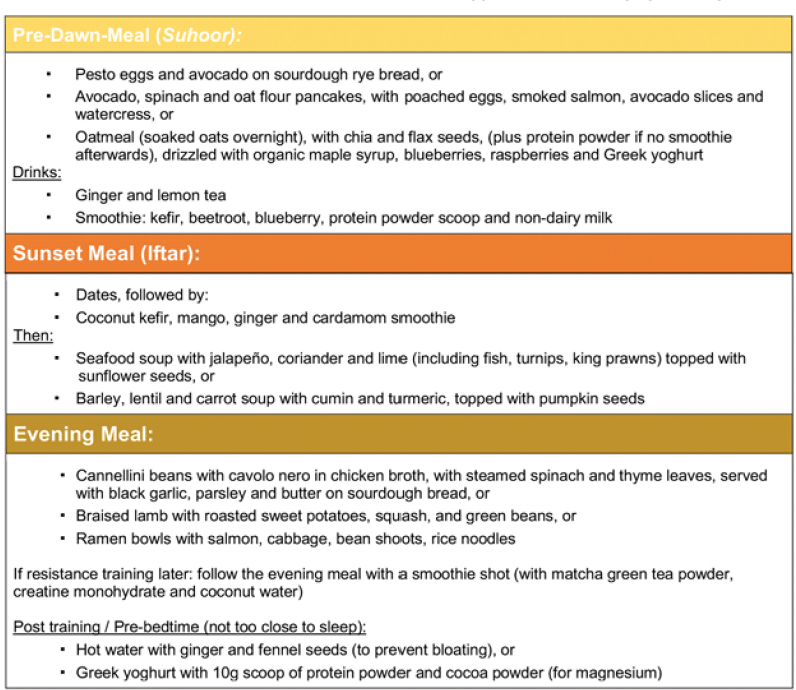
Below are my suggestions for a typical Ramadan Fasting Day for UK Muslim Footballer:

Useful Links:

Here are some useful Ramadan resources to tap into:

2025 Probeklausur 1

Exam room
Photo by MChe Lee on Unsplash

1. Justin, ein etablierter Profifußballer, ist unglücklich darüber, dass er während der Saison in seinem Verein keine Spielzeit erhält. Er erwägt, seinen Vertrag mit dem Verein aus sportlich triftigen Gründen zu kündigen. Der Verein bestreitet während der Saison 30 Spiele. In welchem der folgenden Fälle hätte er einen Grund, seinen Vertrag vorzeitig zu kündigen? Wählen Sie eine Antwortmöglichkeit aus:

a. Er hat nur in zwei Spielen gespielt

b. Er kam nur in sieben Spielen zum Einsatz

c. Er kam nur in drei Spielen zum Einsatz

d. Er kam nur in fünf Spielen zum Einsatz


2. Der AFC Rot hat eine Zahlungsaufforderung in Höhe von EUR 100.000 erhalten, hat aber nicht innerhalb der 30-tägigen Frist an die FIFA-Verrechnungsstelle gezahlt. Wie viel muss der AFC Rot an die FIFA-Verrechnungsstelle zahlen? Wählen Sie einen Betrag aus:

a. EUR 125.000

b. EUR 105.000

EUR 102.500

EUR 100.000


3. Welche Parteien könnten von der FIFA-Disziplinarkommission wegen ihrer Beteiligung an einem Bridge-Transfer bestraft werden? Wählen Sie eine oder mehrere Antwortmöglichkeiten aus:

Nur Vereine

Jede Partei, die den FIFA-Statuten und -Regularien unterliegt und an einem Brückentransfer beteiligt ist

Nur Spieler

Vereine und Spieler


4. Für welchen der folgenden Fälle darf ein Spielervermittler keine Servicegebühr verlangen? Wählen Sie eine oder mehrere Antwortmöglichkeiten aus:

a. Die an Bedingungen geknüpfte Prämie des Vereins nach dem Gewinn eines kontinentalen Wettbewerbs durch den ehemaligen Spieler

b. Die Treueprämie des Spielers nach 12 Monaten

c. Die Leistungsprämie des Spielers nach zehn Toren

d. Die Ablösesumme des Vereins


5. Was wird als Annäherung an einen Spieler betrachtet? Wählen Sie eine oder mehrere Antwortmöglichkeiten aus:

a. Eine E-Mail an einen Spieler

b. Eine Nachricht in den sozialen Medien

c. Ein Treffen mit dem Bruder eines Spielers

d. Eine E-Mail an den Verein eines Spielers über einen möglichen Transfer eines anderen Spielers


6. Was sind die möglichen Konsequenzen für einen Verein, der die vom Fußballgericht angeordneten Beträge nicht zahlt? Wählen Sie eine oder mehrere Antwortmöglichkeiten aus:

a. Ein Verweis

b. Ein Verbot, neue Spieler zu registrieren, sei es auf nationaler oder internationaler Ebene

c. Eine vom Fußballgericht verhängte Geldstrafe

d. Eine Sperre für die Teilnahme an Turnieren


7. Welche Parteien können im Sinne von Artikel 18bis des FIFA-Reglements über den Status und den Transfer von Spielern (RSTP) Einfluss auf einen Verein ausüben? Wählen Sie eine Antwortmöglichkeit aus:

a. Jede dritte Partei und der/die gegnerische(n) Verein(e) können Einfluss auf einen Verein im Sinne von Artikel 18bis des RSTP nehmen

b. Nur Spielervermittler können im Sinne von Artikel 18bis RSTP Einfluss auf einen Verein nehmen

c. Nur Dritte können im Sinne von Artikel 18bis RSTP Einfluss auf einen Verein nehmen

d. Nur Vereine können im Sinne von Artikel 18bis RSTP Einfluss auf einen anderen Verein nehmen.


8. Ein Spieler ist Student und zieht ohne seine Eltern aus akademischen Gründen vorübergehend in ein anderes Land, um an einem Austauschprogramm teilzunehmen. Welche Voraussetzungen müssen erfüllt sein? Wählen Sie eine oder mehrere Antwortmöglichkeiten aus:

a. Die Dauer der Registrierung des Spielers für den neuen Verein bis zur Vollendung des 18. Lebensjahres oder bis zum Ende des akademischen oder schulischen Programms darf ein Jahr nicht überschreiten

b. Die Dauer der Registrierung des Spielers für den neuen Verein bis zur Vollendung des 18. Lebensjahres bzw. bis zum Ende des Studiums oder der Schule darf zwei Jahre nicht überschreiten

c. Der neue Verein des Spielers darf nur ein reiner Amateurverein sein.

d. Der neue Verein des Spielers darf nur ein Amateur- oder semiprofessioneller Verein sein.


9. Auf der Grundlage welchen Betrags wird der Solidaritätsmechanismus berechnet? Wählen Sie eine Antwortmöglichkeit aus:

a. Das Gehalt des Spielers

b. Der Marktwert des Spielers

c. Jede Ablösesumme, die von einem Verein an einen anderen Verein gezahlt wird

d. Alle Zahlungen, die im Rahmen eines Transfers geleistet werden, einschließlich Zahlungen von Verein zu Spieler/Vermittler


10. Welche der folgenden Tätigkeiten stellen Dienstleistungen von Spielervermittlern dar? Wählen Sie eine oder mehrere Antwortmöglichkeiten aus:

a. Organisation von Probetrainings bei Vereinen

b. Verhandlungen mit einem Trainer über die Berufung eines Kunden in die jeweilige Auswahlmannschaft für die FIFA Fussball-Weltmeisterschaft™

c. Verhandlung über die Beendigung eines Profivertrags

d. Vertretung von Klienten vor dem Fußballtribunal


11. Welche der folgenden Bedingungen treffen zu, wenn ein aufnehmender Verein die Dienstleistungsgebühr im Namen eines Spielers oder Trainers zahlt? Wählen Sie eine oder mehrere Antwortmöglichkeiten aus:

a. Die ausgehandelte Jahresvergütung muss über 200.000 USD liegen

b. Die Person muss minderjährig sein

c. Die natürliche Person und der Auftraggeber müssen sich einig sein

d. Die Dienstleistungsgebühr darf nicht von der Vergütung der Person abgezogen werden.


12. Gibt es eine Ausbildungsvoraussetzung für die Tätigkeit als Spielervermittler? Wählen Sie eine Antwortmöglichkeit aus.

a. Ja, Sie benötigen einen Bachelor-Abschluss

b. Ja, Sie benötigen einen Master-Abschluss

c. Ja, Sie benötigen einen Doktortitel

d. Nein, keine Bildungsvoraussetzungen


11. Die Gesamtsumme an Wochen der beiden „Registrierungsperioden“ im Fußball darf nicht überschritten werden: Wählen Sie eine Antwortmöglichkeit aus.

a. 10 Wochen

b. 12 Wochen

c. 14 Wochen

d. 16 Wochen


12. Eine Ausbildungsentschädigung ist in der EU/EAA nicht fällig, wenn der ehemalige Verein dem Spieler wie viele Tage vor Ablauf seines aktuellen Vertrags keinen neuen anbietet?

a. 15 Tage

b. 30 Tage

c. 60 Tage

d. 90 Tage


13. Welche der folgenden Fälle treten ein, wenn ein Spielervermittler nach Ablauf der vorläufigen Aussetzung von 60 Tagen die Weiterbildungsanforderungen nicht erfüllt? Wählen Sie eine oder mehrere Antwortmöglichkeiten aus:

a. Seine Klienten haben einen triftigen Grund, alle Vertretungsvereinbarungen mit diesem Spielervermittler zu kündigen.

b. Alle Dienstleistungsgebühren müssen an die Klienten zurückerstattet werden.

c. Die Lizenz des Spielervermittlers wird entzogen

d. Der Spielervermittler wird dauerhaft vom Beruf ausgeschlossen und kann keine neue Lizenz beantragen.


14. Der Präsident eines Vereins bittet Sie um Rat in Sachen Spielmanipulation. Er ist besorgt, dass einige Spieler des Vereins in Spielmanipulationen verwickelt sein könnten, und fragt sich, ob der Verein für deren Verhalten haftbar gemacht werden kann. Ist dies der Fall?

a. Nein, die Vereine können nur für das Verhalten ihrer eigenen Funktionäre haftbar gemacht werden.

b. Ja, Vereine können für das Verhalten ihrer Spieler haftbar gemacht werden, sind aber von der Haftung befreit, wenn sie nachweisen können, dass der Verein weder schuldhaft noch fahrlässig gehandelt hat.

c. Ja, die Vereine können für das Verhalten ihrer eigenen Spieler nach dem Grundsatz der verschuldensunabhängigen Haftung haftbar gemacht werden.

d. Nein, die Vereine können unter keinen Umständen für das Verhalten ihrer Spieler haftbar gemacht werden.


15. Der Rat der FIFA kann jederzeit einen außerordentlichen Kongress einberufen und muss dies tun, wenn wie viele der Mitgliedsverbände dies schriftlich beantragen?

a. ⅓

b. ½

c. ⅕

d. ¼


16. Welche der folgenden sind anerkannte ständige Ausschüsse? Wählen Sie eine oder mehrere Antwortmöglichkeiten aus.

a. Finanzausschuss

b. Medizinischer Ausschuss

c. Vereinsausschuss

d. Spieler-Kommission


17. Die FIFA-Clearingstelle ist berechtigt, von einer Einzelperson, einem Verein oder einem Mitgliedsverband Informationen anzufordern, wenn sie eine Prüfung der Einhaltung der Vorschriften durchführt. Welche der folgenden Informationen kann die FIFA-Clearingstelle anfordern? Wählen Sie eine oder mehrere Antwortmöglichkeiten aus:

a. Unternehmensstruktur

b. Wirtschaftliches Eigentum

c. Quelle der Finanzierung

d. Quelle des Vermögens


18. Welche der folgenden Bestimmungen ist keine Voraussetzung dafür, dass eine natürliche Person Spielervermittler werden kann? Wählen Sie eine oder mehrere Antwortmöglichkeiten aus.

a. Einreichen eines Lizenzantrags

b. Entrichtung einer Jahresgebühr an die FIFA

c. Registrierung einer FIFA-ID

d. Erfüllung der Zulassungsvoraussetzungen

Richtige Antworten:
  1. A
  2. C
  3. B & D
  4. D
  5. A,B,C
  6. B
  7. A
  8. A & C
  9. C
  10. A & C
  11. C
  12. D
  13. D
  14. C
  15. A & C
  16. C
  17. C
  18. A & B
  19. A,B,C,D
  20. C

Wie sind Sie vorangekommen? Haben Sie noch lernbedarf? Nehmen Sie hier mit Dr. Erkut Sogut am ultimativen Vorbereitungskurs für die FIFA-Spielervermittlerprüfung teil! Ein 4-stündiger, umfassender Kurs, der Prüfungsinhalte, Übungsfragen und erfolgreiche Strategien sowie eine Whatsapp-Gruppe für Alumni-Netzwerke und Diskussionen umfasst.

K League: Growth, Struggles, and the Battle for Relevance

Photo by Daniel Bernard on Unsplash

South Korea’s K League 1 has long been trailing behind its more illustrious Asian counterparts, the J.League and the Chinese Super League. While it has developed a reputation for disciplined football and a strong pipeline of talent heading to Europe, it has fallen behind the J.League and risks falling further behind if key structural and financial challenges are not addressed

To get an insider’s perspective, I spoke with Ross Davis, a Northern Irishman who has made Korea his home, working in the country’s football business. From tactical trends to financial struggles, Davis offers a candid and in-depth look at the current state of K League 1.

K League 1: Key Facts

The K League is South Korea’s top-tier football league, consisting of 12 clubs. The season runs from March to December, with each team playing a total of 38 matches33 in the regular season, followed by a league split into a championship and relegation group of six teams each. The top three teams qualify for the AFC Champions League Elite, with the champion and runner-up securing direct spots, while the third-placed team enters the qualification rounds. At the bottom of the table, the last-placed team is relegated directly to K League 2, while the 11th-placed club faces a promotion/relegation playoff against a team from the second division. The league’s current total market value is approximately €144 million, with significant financial disparities among clubs.

Tactical Evolution: Keeping Up but Falling Short

On the pitch, K League has attempted to modernize, integrating trends such as high pressing and playing out from the back. However, Davis believes these efforts have yielded limited success. “Most teams rely on a structured 4-4-2 defensive setup, sitting in mid-to-low blocks,” he explains. “Gwangju FC stands out with their fluid positional buildup, influenced by Manchester City. Ulsan HD has also embraced a more European style under Kim Pan-gon, employing a higher defensive line and a lower PPDA (Passes Per Defensive Action).”

The Giants and the Chasing Pack

When discussing dominant teams, two names stand out: Jeonbuk Hyundai Motors and Ulsan HD. Jeonbuk, with nine league titles, dominated until 2021. However, Ulsan has won the last three titles and looks poised for another. “Jeonbuk is struggling to adapt under Gus Poyet, while Ulsan is setting the standard,” Davis explains. Historically, teams like Pohang Steelers and Seongnam FC also played key roles, though their influence has waned.

Fan Culture and Matchday Experience

Despite financial struggles, K League has seen significant growth in attendance and fan culture. “The atmosphere has improved tremendously,” Davis says. “It’s similar to the J.League, with choreographed singing and passionate supporter groups. Clubs like Jeonbuk, Ulsan, and FC Seoul have strong home support, while K2’s Suwon Bluewings boast one of the best traveling fanbases in Korea.”

A unique aspect of K League is its family-friendly environment. “There’s almost never any hostility between fans,” Davis explains. “One quirky tradition is that home fans shout ‘goal’ before set pieces, something I could never imagine happening in the UK—it feels like a jinx!”

K League 1’s Place in the Global Football Pyramid

Despite its ambitions, K League  has struggled to become a true stepping stone for players moving to Europe. Davis points to the rigid stance of club executives when it comes to transfers. “Ideally, K League should serve as a pathway to Europe, but Korean clubs often hold out for buyout clauses to be met, making it difficult for players to move early,” he says. “Seol Young-woo, now at Crvena Zvezda, could have left much earlier than at 25.”

Adding to the challenge is Korea’s mandatory military service, which disrupts players’ careers. “It’s a major obstacle,” Davis notes. “Unless a player wins an exemption through an international tournament, their career progression can be stalled for up to two years.”

Youth Development and Rising Stars

South Korea has consistently produced players who succeed in Europe, and its youth development system remains solid. “Each K League team has youth teams linked to high schools and universities,” Davis explains. “The best young players come through this system, but they often face a tough path to the first team.”

Among the rising stars, Davis highlights Yoon Do-young of Daejeon Hana Citizen, who is set to join Brighton this summer. “Kang Sang-Yoon at Jeonbuk is another great talent, though he’s struggling for minutes under Poyet. Defenders like Shin Min-ha, Kang Min-woo, and Jo Hyun-woo are also ones to watch.”

The Missing Piece: Foreign Investment

Unlike Japan, where Red Bull has invested in Omiya Ardija and City Football Group owns a stake in Yokohama F. Marinos, K League  remains largely untouched by foreign investors. “Every year, rumors circulate about City Group or Red Bull entering Korea, but nothing materializes,” Davis laments. “It’s a major reason why the league is falling behind.”

Financially, the league is in a weak position. Civic clubs rely on city budgets, and company-backed teams like Samsung have shifted their focus to other sports, such as baseball. “The money just isn’t there, and without investment, it’s tough to compete with leagues like the J.League or and not a chance of doing anything like the Saudi Pro League,” says Davis.

The Challenges Ahead

Looking forward, Davis sees both obstacles and opportunities for K League . “The biggest issue is the state of the pitches,” he says. “It’s been a problem for years, but without investment, it’s hard to play quality football.”

Additionally, restrictive league policies—such as the ban on foreign goalkeepers and strict rules on under-22 players—have hampered growth. “Foreign coaches are also in decline, which has hurt the league’s competitiveness in the AFC Champions League,” Davis points out.

On the positive side, Korea’s football pyramid is opening up, which could create new opportunities for clubs. “If investment comes in and league policies evolve, K League  could regain momentum,” Davis concludes. “But right now, it’s in a difficult place.”

The Verdict

K League  is at a crossroads. While its fan culture and youth development remain strong, financial struggles, restrictive policies, and a lack of foreign investment continue to hold it back. The next few years will be crucial in determining whether it can close the gap with Japan or risk falling further behind in the ever-evolving Asian football landscape.