Home Blog Page 53

Das deutsche Duo – Zwei Deutsche schreiben Geschichte im Fernen Osten

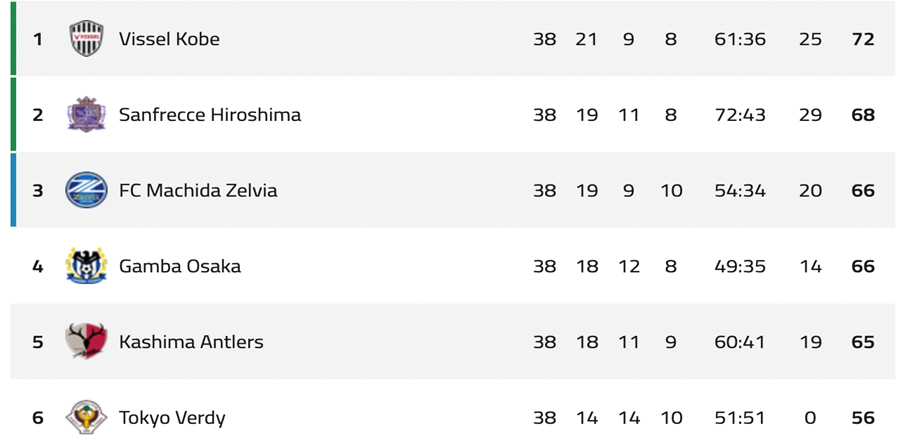
Während viele europäische Fußballprofis und Trainer den Erfolg in den Topligen Europas suchen, haben Michael Skibbe und Tolgay Arslan neue Kapitel ihrer Karrieren in Japan geschrieben. Beide haben sich nicht nur in der J-League etabliert, sondern auch Schlüsselrollen übernommen – Skibbe als Cheftrainer von Sanfrecce Hiroshima, Arslan als zentraler Spieler in einer der spannendsten Ligen Asiens.

Dieser Artikel beleuchtet den Weg zweier Deutscher, die weit entfernt von ihrer Heimat durch Hingabe und Fachwissen überzeugt haben – und damit die Verbindung zwischen der deutschen und der japanischen Fußballkultur stärken.

Michael Skibbe – Eine Erfolgsgeschichte mit Sanfrecce Hiroshima

Seit seinem Amtsantritt als Cheftrainer von Sanfrecce Hiroshima am 1. Februar 2022 hat Michael Skibbe eine beeindruckende Bilanz vorzuweisen. In 1085 Tagen als Verantwortlicher leitete er 144 Spiele, von denen 80 gewonnen, 28 unentschieden und 36 verloren wurden. Mit einem Punkteschnitt von 1,86 Punkten pro Spiel ist dies die erfolgreichste Station seiner Trainerkarriere.

Vor Skibbes Übernahme kämpfte Sanfrecce Hiroshima in der J-League – mit Platzierungen auf Rang 6, 8 und 11 in den drei vorherigen Saisons. Unter seiner Leitung verwandelte sich das Team in eine echte Spitzenmannschaft: Platz 3 in den Jahren 2022 und 2023, gefolgt von einem beeindruckenden 2. Platz in der vergangenen Saison – dem besten Ergebnis seit Jahren. Zudem führte Skibbe das Team zum ersten J. League Cup-Titel der Vereinsgeschichte – ein historischer Moment, der seinen Status als einer der erfolgreichsten Trainer des Klubs festigte.

Skibbe setzt auf ein flexibles 3-4-2-1-System, das eine ideale Balance zwischen Offensive und Defensive bietet. Sein Ansatz steht für attraktiven, offensiven Fußball, der die Fans begeistert und gleichzeitig konstanten Erfolg liefert.

Tolgay Arslan – Aufblühen in der J-League

Seit seinem Wechsel zu Sanfrecce Hiroshima zeigt Tolgay Arslan seine Vielseitigkeit und Klasse als Mittelfeldspieler in der J-League. In der J1 League absolvierte er bislang 14 Spiele und erzielte dabei 8 Tore – eine beeindruckende Quote. In diesen Partien holte das Team 28 von 42 möglichen Punkten, was Arslans großen Einfluss auf die Mannschaft unterstreicht.

Doch Arslans Leistungen beschränken sich nicht nur auf die Liga: Im J. League Cup traf er einmal in zwei Einsätzen, im Kaiserpokal (Emperor’s Cup) erzielte er ein Tor und eine Vorlage in zwei Spielen. Auch in der laufenden Saison 2025 überzeugt er in der AFC Champions League Two mit einem Tor und einer Vorlage in drei Partien. Diese Leistungen zeigen nicht nur seine offensive Durchschlagskraft, sondern auch seine Konstanz über verschiedene Wettbewerbe hinweg.

Bemerkenswert: Arslan bringt diese Leistung im Alter von 34 Jahren. Seine Fitness, Erfahrung und Spielintelligenz machen ihn zu einer unverzichtbaren Figur bei Sanfrecce Hiroshima.

Ein Blick nach vorn

Die Erfolge von Michael Skibbe und Tolgay Arslan sind mehr als nur persönliche Triumphe – sie zeigen, wie europäisches Know-how und japanische Fußballkultur sich ideal ergänzen können. Mit Sanfrecce Hiroshima an der Spitze ihrer AFC Champions League-Gruppe und dem Einzug ins Achtelfinale trägt Skibbes beeindruckende Arbeit weiterhin Früchte.

Auch Tolgay Arslan bleibt ein Schlüsselspieler, dessen Erfahrung und Torgefahr entscheidend für den weiteren Erfolg der Mannschaft sein werden. Ihre Geschichten sind der Beweis dafür, dass der japanische Fußball eine Bühne bietet, auf der europäische Profis aufblühen und neue Maßstäbe setzen können.

Es bleibt spannend zu beobachten, wie dieses “deutsche Duo” die J-League und den asiatischen Fußball in den kommenden Jahren weiter prägen wird.

Who is Anne Pochert?

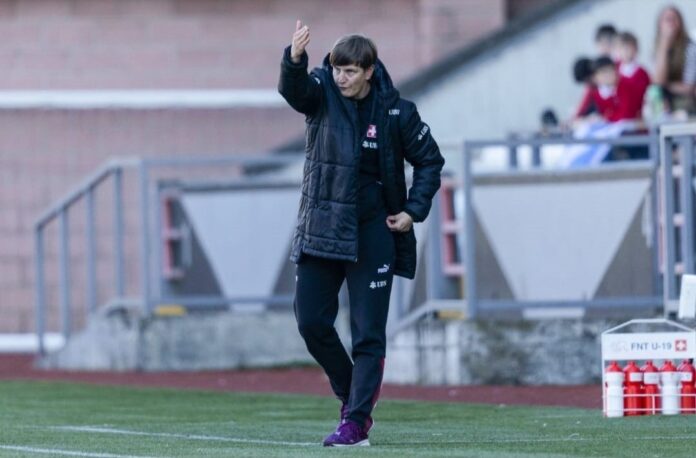
Anne Pochert

At The Football Week, we go beyond covering games—we celebrate the people who make the sport great. Today, we introduce Anne Pochert, a coach whose journey from player to leader is both inspiring and educational.

Early Life and Football Beginnings

Born on February 4, 1986, in Dresden, Germany, Anne’s love for football began early. She started her playing career as a midfielder with FF USV Jena. Those early years in German football helped her build a strong work ethic and a deep passion for the game, setting the stage for everything that followed.

From Player to Coach

After a successful playing career, Anne retired in 2014. Instead of stepping away from the sport, she chose to give back by coaching. She began by working with the U-17 girls at FF USV Jena, where she focused on helping young players learn the basics of the game and develop their skills.

Building Her Coaching Style

Anne’s coaching journey truly took off when she became the head coach of the FC Carl Zeiss Jena women’s team in 2020. She quickly earned a reputation for her mix of clear planning and creative strategies. Her teams became known for playing smart, keeping solid positions on the field, and encouraging individual improvement.

A New Chapter in Switzerland

In May 2022, Anne Pochert took on an exciting role as head coach of Grasshopper Club Zürich’s women’s team. In her first season, she led the team to a third-place finish in the qualification round and reached the playoff semifinals. However, after a challenging start to the following season, she and the club mutually parted ways in October 2023.

Since January 2025, Anne has been serving as the interim head coach of the Swiss U19 women’s national team, having previously worked as assistant coach starting in September 2024.

Why Anne Pochert Matters

For anyone involved in football—from club directors to fellow coaches—Anne represents a new kind of leader. Her move from the field to the sidelines shows that with passion and hard work, change is possible. Her story is not just about football tactics, but about guiding a team, nurturing talent, and continuously learning on the job. She is a role model for those who believe in the power of teamwork and the beauty of the sport.

Our Exclusive Interview with Anne Pochert

Can you tell us about your early years and share any memories that sparked your love for football?

I started playing football relatively late. I only got into it at the age of 11. Before that, I tried athletics and chess. I also used to play an instrument. What fascinated me most about football was the team aspect and the tactical side. You compete against others, but you do it together, and in the end, it’s often not the technically better team that wins, but the one that reads the opponent best and adapts accordingly. As a team, you win and lose together. That can be a great source of strength.

What experiences from your childhood do you feel most contributed to who you are today?

My mother was once a competitive athlete and represented the former East Germany in speed skating at the Olympics and World Championships. I definitely inherited my ambition and athleticism from her. She taught me perseverance, discipline, and that one should never give up. Her consistently positive attitude had a strong influence on me. She never forced me into anything and always made me feel that if I wanted to achieve something and believed in it, I could accomplish anything. I’m very grateful to her for that.

Was there a specific moment or influence that made you decide to pursue a career in football?

As a child, I tried out many different things, and one day while I was doing cross-country running in athletics, I saw a football team training nearby. That’s when it clicked for me. The girls were having so much fun. The energy on the field convinced me.

How did the challenges you faced as a young player help shape your approach to the sport and leadership?

As a young footballer, I quickly became better than the other girls. That’s why I also trained with the boys from the youth academy of SG Dynamo Dresden. It was a valuable but tough time for me as the only girl among boys. I learned to assert myself and stand my ground—both physically and personally. I was able to apply what I had learned very effectively in matches with the girls’ teams. I was usually the captain from an early age. Leading and communicating are definitely my strengths.

Who in your life has had the biggest impact on your journey in football, and what valuable lessons did they teach you?

My mother passed on many values from competitive sports to me, even though she doesn’t know much about football. I also learned a lot from various coaches in both boys’ and girls’ football. During my time at the sports school in Dresden, we worked with excellent coaches who placed great emphasis on technical refinement—thousands of repetitions in heading or passing. These are the things that shaped me. That obsession with detail had a lasting impact on me.

How do you balance the pressures of your coaching career with maintaining a fulfilling personal life?

I have a strong family by my side that supports me in every way. They make many sacrifices and love me for who I am because they know that football is a major part of my life. A coach has little time for themselves. Over time, I had to learn that personal breaks are essential to recharge and generate new ideas. Having a family that walks this path with you for years and provides the stability that the football world as a coach often cannot—that is a tremendous gift. I’m very grateful for that.

When you’re away from the football field, what hobbies or activities do you enjoy that keep you grounded?

I enjoy being in nature. I also like cycling and bouldering. When time allows, I also enjoy going to the gym in the morning.

If you hadn’t chosen a career in football, what other passion or profession might have captured your interest?

I would have liked to become a firefighter. Helping others and working in a team are things I would have enjoyed doing professionally outside of football as well.

The Era of the Monkey in Goal is Over – I’m Changing the Way Goalkeepers Are Trained

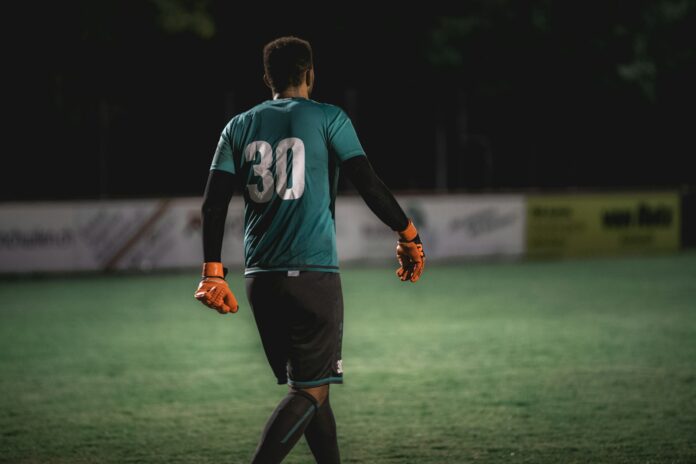
Photo by Janosch Diggelmann on Unsplash

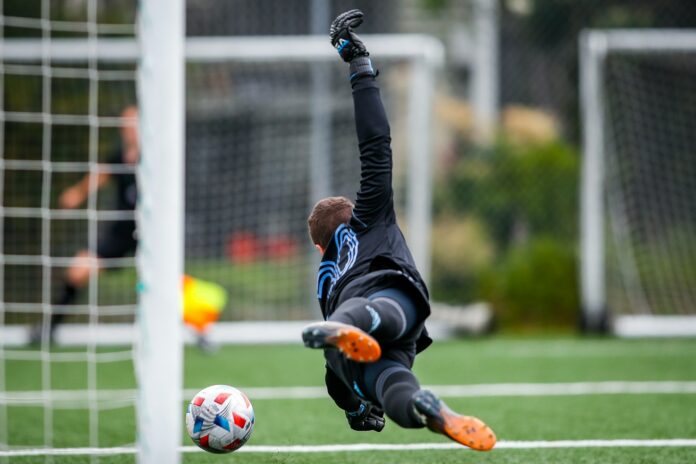
Most of you see just the final moment of a goalkeeper’s job – the intervention. For a long time, that moment was the main focus of training, regardless of whether the keeper was 12 or 30 years old. Goalkeeper training was based on managing randomness and being physically prepared to react to shots. Today, I want to draw your attention to what happens at the end of an action – but more importantly, to what many still fail to notice earlier. It’s obvious that modern goalkeepers are involved in all five phases of the game: offense, defense, transition to defense, transition to offense, and set pieces. It’s beyond debate that this position has undergone the greatest evolution among all sports in the last couple of decades. In what other discipline have we seen such major rule changes affect the very core of the position during the careers of top players? Goalkeepers who once excelled at saving shots suddenly had to learn how to attack.

So if the position itself is evolving this rapidly, why does the training still look like nothing has changed?

In my opinion, many head coaches and sporting directors still fail to unlock the full potential of the goalkeeper – often because they lack the tools to properly evaluate goalkeeper training. These days, it’s rare to meet a head coach who wouldn’t love to have a “Neuer” in their team – a goalkeeper who understands the game, manages space, and supports their teammates throughout every phase of play. With this article, I want to spark curiosity and start a conversation: there is a huge opportunity to evolve the way we train goalkeepers. And the act of saving a goal is just one example to help illustrate what I mean.

Let’s start with this: When working with goalkeepers, we must deeply understand what kind of goalkeeper we need. What kind of goalkeeper does the head coach want? What kind does your team need? Can you recognize that? This is a crucial step before designing the training process. A completely different type of goalkeeper is needed for a team that plays in a deep defensive block with quick transitions to attack, compared to one that dominates possession and plays with a high defensive line. And of course, league characteristics and the level of competition – whether it’s academy or professional – also matter.

Why is this so important? Because these different profiles of goalkeepers can process different types of information. They require different tasks, and they develop optimally through specific, targeted training. We can no longer afford to train all keepers the same way. Just like head coaches and fitness coaches have long understood the need for specialized programs, goalkeeper training must follow suit. 1. 2. 3. 4.

I could talk about the world of goalkeeping for hours – which is why I’ve chosen just one topic as an example to help you grasp the bigger picture: goalkeeper shot-stopping. My 16 years of experience as a coach have allowed me to create a training system that I’ve implemented at both youth academy level and top professional clubs in Poland. Everywhere I’ve worked, I’ve helped goalkeepers earn international transfers. So I’d like to share just a few thoughts with you, based on this single element: “the save.”

Why the phrase “the era of the monkey in goal is over”? It’s a metaphor that compares training a goalkeeper to react like a monkey catching a flying object – purely motor, no analysis, no understanding. It reflects a type of training that only focuses on building physical reactions to the ball using goalkeeping technique.

As a player, I spent years in a training system that never asked “why.” I wasn’t taught to analyze situations or decisions. My only job was to react to the ball and ensure technical quality. I always wondered after training – why do I only train with a stationary ball? In a match, that only happens during kick-off, free kicks, corners, and penalties. The rest of the game is dynamic. Match effectiveness is about positioning in motion – it’s about timing.

So I developed a training system that, in the defensive phase of a goalkeeper’s game, breaks down every situation into four categories, each with four distinct phases. Only once these are identified do I select the appropriate technique. I teach keepers to concentrate more broadly within a situation, to understand the stages of action that increase their chance of success.

When analyzing a conceded goal, I always rewind through those four stages to understand what went wrong.

  1. Starting Position – Where was the goalkeeper when the final pass before the shot was played?
  2. Movement – Did the goalkeeper use the time from the pass to reposition effectively, using proper technique and awareness of the ideal space?
  3. Set Position – Was the timing and choice of stance correct? Different situations call for different set positions.
  4. Intervention – Only now do we arrive at the actual save, the part most visible to fans.

Thanks to this breakdown, I can identify where the main issue lies in a keeper’s performance. I can train each stage independently. I can help the goalkeeper understand their role better.

The above is just a general outline – each type of pass, zone of the pitch, and opponent strategy introduces new variables. You need a plan, backed by analysis and evidence, to convince a goalkeeper to train this way. We must understand that goalkeeper saves come in two types:

  • Reactive (decisions before the shot)
  • Decisional (decisions after the shot).

There are countless components that form an effective training system and deepen a keeper’s understanding of the game. I’ve only scratched the surface with one example here.

My goal with this article is to inspire you to ask more questions – to recognize that goalkeeper training must evolve to match the growing demands of modern football. Today, we need keepers who can understand the game, anticipate, organize, and think. The era of keepers whose training focused only on physical preparation and reaction speed is over. We must help them unlock their potential to thrive in a sport that leaves less and less room for randomness.

Which Social Media Channel is Best for Footballers to Build Their Personal Brand?

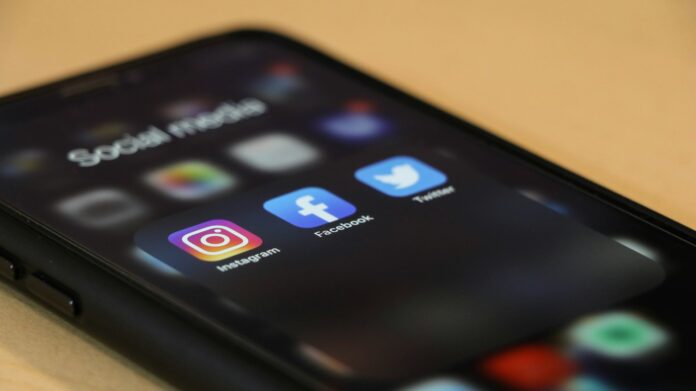
Photo by dole777 on Unsplash

In modern football, a strong social media presence is just as valuable as performance on the pitch. Players are no longer just athletes; they are global brands with the power to influence millions. Social media gives them a direct connection to fans, opens up lucrative sponsorship opportunities, and allows them to shape their personal narrative.

Choosing the right platform is crucial. Each social media channel offers unique benefits, catering to different audiences and content styles. Some are ideal for polished branding and sponsorship deals, while others thrive on unfiltered, behind-the-scenes access. Let’s explore the best platforms for footballers looking to grow their personal brand.

Instagram: The All-in-One Powerhouse

Instagram is the go-to platform for footballers because it blends visuals, engagement, and commercial potential into one. Whether it’s match-day photos, training clips, or glimpses into personal life, Instagram allows players to curate an aspirational yet relatable brand.

One of Instagram’s biggest strengths is high engagement. Fans interact heavily with posts, particularly when players share behind-the-scenes content like dressing room celebrations, travel moments, or personal milestones. This level of connection helps build a strong fanbase beyond just footballing ability.

From a commercial standpoint, Instagram is a goldmine for sponsorship potential. Brands prioritise Instagram for influencer marketing, with sponsored posts and Stories generating millions in revenue for top athletes. Footballers can partner with sports brands, lifestyle companies, and even non-endemic sponsors like luxury fashion or tech companies. Players like Cristiano Ronaldo and Lionel Messi command some of the highest sponsorship fees on the platform, thanks to their massive followings and high engagement rates.

The platform’s Reels and Stories features keep engagement levels high. Reels allow players to post short, entertaining videos, perfect for training clips, match highlights, or even casual moments. Meanwhile, Stories offer a less permanent way to interact with fans, disappearing after 24 hours. This makes them ideal for more frequent, off-the-cuff updates, such as travel moments, celebrations, or Q&A sessions.

Best for: Players who want to strike a balance between football, personal life, and commercial opportunities. Instagram is essential for any footballer looking to build a strong and profitable brand.

TikTok: Viral Growth & Younger Fans

TikTok has transformed the way content spreads online, and for footballers, it presents an unparalleled opportunity to go viral overnight. Unlike Instagram or X (formerly Twitter), where reach depends largely on existing followers, TikTok’s algorithm favors engaging content regardless of account size. This means that even lesser-known players can amass millions of views with the right video.

The platform is especially powerful for trendy, fun content. Goal celebrations, locker room pranks, skill challenges, and meme-worthy moments perform exceptionally well. Younger fans, especially Gen Z, use TikTok as their primary source of entertainment, making it the perfect place for footballers to connect with the next generation of supporters. Players like Jude Bellingham and Vinícius Júnior have embraced TikTok, using it to showcase their personality beyond the pitch.

One of TikTok’s most unique features is its fan engagement tools. The “Duet” and “Stitch” functions allow fans to interact with a player’s content directly, whether by reacting to a goal celebration, attempting a skills challenge, or simply sharing their thoughts. This creates a level of interaction that feels personal and immediate, strengthening fan loyalty.

For players who enjoy entertaining, TikTok is a must. Whether it’s sharing training routines, reacting to football trends, or just posting fun, offbeat content, TikTok offers an organic way to grow an audience and stay relevant.

Best for: Players who want to connect with younger fans and capitalise on viral content trends.

X (formerly Twitter): News & Thought Leadership

X remains one of the most influential platforms in football, despite the rise of more visual-based social media. It is the fastest way for players to communicate with fans, journalists, and the football world in real time. Whether announcing a contract extension, reacting to a match, or addressing speculation, X gives players an immediate voice.

One of its key advantages is instant communication. Unlike Instagram or TikTok, where content requires more production, a simple text post on X can generate huge discussions within minutes. Players can share personal thoughts on their performance, respond to big football moments, or even post motivational messages to their followers.

Another major factor is journalist and media influence. Most football journalists, news outlets, and pundits use X as their primary platform for breaking stories and engaging with fans. This makes it the best place for players to shape their own narrative. If a transfer rumor is circulating, a quick post from the player can confirm or deny speculation before it spirals out of control. X also provides a space for more thoughtful engagement, players can discuss important topics like racism in football, mental health, or social justice, showing their personality beyond the game.

For fan engagement, X offers several interactive features. Q&A sessions, where players answer fan questions in real time, are popular and help strengthen their brand. Polls allow for direct fan involvement, players can ask fans about match predictions, favorite goals, or even off-pitch interests like music or fashion. The ability to reply and quote-tweet fans also makes interactions feel personal, building stronger connections.

However, X can be a double-edged sword. It’s a platform where emotions run high, and controversial takes can escalate quickly. Many footballers have faced backlash for poorly worded tweets or emotional reactions. Players who use X effectively either keep their messaging professional or embrace a more charismatic, outspoken persona while managing their public image carefully.

Best for: Players who want to build a voice beyond football, interact with the media, and engage in real-time discussions about the sport.

Facebook: Legacy & Global Reach

While Facebook might seem outdated compared to newer platforms, it remains hugely relevant for footballers with a global fanbase. The platform is particularly strong in regions like Africa, Asia, and South America, where many passionate football fans still use it as their primary social network.

One of Facebook’s biggest strengths is its strong global presence. Players who want to connect with fans outside of Europe, where platforms like Instagram and X dominate, will find that Facebook still holds significant influence. Many of the world’s top clubs maintain active Facebook pages, and players with international recognition, such as Neymar and Cristiano Ronaldo, still generate millions of interactions on the platform.

Another advantage is its capability for long-form storytelling. Unlike X, which limits posts to short text, or Instagram, which focuses on visuals, Facebook allows players to share detailed posts, longer videos, and personal reflections. Players can use it to write about their career journeys, post match analysis, or share deeper insights into their personal lives. The platform is also well-suited for posting vlogs, charity work updates, and official statements in a way that feels more personal than a press release.

Facebook also offers official page monetisation, making it a solid revenue stream. Players can earn money from in-stream ads on videos, branded content, and exclusive content subscriptions. It’s a platform where footballers can continue to engage with fans even after their playing career, as it supports long-term community building.

However, Facebook’s engagement levels are generally lower compared to Instagram or TikTok, especially among younger fans. It works best as a secondary platform, ensuring that a player remains accessible to a wider audience while focusing more actively on visual and viral content elsewhere.

Best for: Players with international fanbases who want a presence on all major platforms and the ability to share long-form content.

Snapchat: Casual, Direct, and Exclusive

Snapchat is an underrated platform for footballers, offering a more personal and direct way to engage with fans without the pressure of maintaining a polished feed. Unlike Instagram or X, which focus on permanent content, Snapchat thrives on ephemeral content, meaning posts disappear after 24 hours. This makes it ideal for players who want to share behind-the-scenes moments without overthinking their brand image.

The ephemeral nature of Snapchat allows players to be more unfiltered. A quick video from the dressing room after a big win, a pre-match ritual, or a travel clip can give fans an inside look at a player’s life in a way that feels spontaneous and authentic. Because there’s no expectation for highly curated content, it’s a great way to maintain engagement without spending too much time crafting posts.

Snapchat also enables close fan connection through features like direct messages and subscriptions. Fans who subscribe to a player’s Stories get exclusive content, and since Snapchat isn’t as flooded with public comments like Instagram or X, interactions feel more personal. Some players use it to share candid thoughts, interact with fans in a casual way, or even tease upcoming announcements.

Additionally, Snapchat allows for private interactions with select fans, making it a great platform for exclusive fan experiences. Some footballers use it to drop hints about upcoming sponsorships, host small Q&A sessions, or share exclusive content with their most engaged followers.

The downside is that Snapchat’s reach isn’t as powerful as Instagram or TikTok for viral growth. It’s more of a secondary platform, best suited for players who already have a strong following elsewhere but want a more intimate, less polished way to engage with fans.

Best for: Players who prefer a casual, behind-the-scenes approach without worrying about maintaining long-term content.

YouTube: The Ultimate Long-Form Storytelling Platform

YouTube is a powerhouse for footballers looking to create deeper, more meaningful connections with their audience. Unlike Instagram, TikTok, or X, which focus on short-form, high-frequency content, YouTube thrives on long-form storytelling, making it ideal for players who want to showcase more than just quick updates or viral clips. Whether through personal documentaries, training vlogs, or behind-the-scenes series, YouTube allows players to build an enduring digital presence that extends beyond their playing career.

One of YouTube’s biggest advantages is its monetisation potential. Unlike most social platforms where income primarily comes from sponsorships, YouTube offers multiple revenue streams, including ad revenue from views, brand partnerships, and even premium content subscriptions. Some players have even launched their own shows or podcast-style content, creating a sustainable business model beyond football. Former professionals like Rio Ferdinand and Ben Foster have built entire media brands on YouTube, using it as a platform to stay relevant in football conversations long after retiring from the pitch.

Another key benefit is the longer content lifespan. Unlike Instagram Stories, TikTok videos, or X posts, which often fade within days or hours, a well-produced YouTube video can remain relevant for months or even years. This means that content such as matchday vlogs, personal training routines, or in-depth interviews can continue to gain views and engagement long after they’re published, making it an excellent investment of time and effort.

YouTube also allows for deeper fan engagement. Fans who watch long-form content are more likely to feel a personal connection with the player, as they see more than just curated highlights or promotional posts. Players can use this to show their personalities, interests outside of football, and even their business ventures. Some of the most successful YouTube footballers, like Michail Antonio and Ben Foster, use the platform to share unfiltered perspectives on the game, bringing fans closer than ever to the realities of professional football.

The diverse content formats on YouTube give footballers the freedom to explore multiple content styles. Matchday vlogs, off-season training routines, lifestyle videos, Q&A sessions, and personal reflections can all coexist on one channel, offering fans a rich variety of content. This flexibility makes YouTube an essential platform for players looking to build a long-term personal brand.

Best for: Players who want to showcase their personalities beyond the game, build deeper connections with fans, and create a long-term media brand.

Threads: The X Alternative

Threads is Meta’s answer to X (formerly Twitter), offering a text-based engagement platform with a less toxic environment. While it’s still growing and not yet a must-have for footballers, some players are already using it to share insights, updates, and opinions in a more controlled space.

One of its biggest advantages is that it’s less toxic than X. With fewer trolls and controversies, Threads allows footballers to engage in discussions without the same level of hostility or scrutiny that often comes with X posts. This makes it a potentially safer space for players who want to share their thoughts without risking backlash or online abuse.

Threads also benefits from being tied to Instagram, making it easy for footballers to build a following by leveraging their existing Instagram audience. Since Instagram is already the most popular platform for athletes, having a built-in audience on Threads means players don’t have to start from scratch to build engagement.

The platform’s focus on text-based engagement makes it a useful alternative for footballers who enjoy interacting with fans but don’t want to deal with X’s unpredictable environment. Players can use Threads for casual updates, discussing football news, or sharing their opinions without the pressure of creating highly polished visual content.

However, Threads is still in its early stages, and it remains to be seen whether it will become a key player in the social media landscape for footballers. Right now, it’s more of an experimental platform rather than an essential one.

Best for: Players experimenting with new platforms and those wanting a calmer alternative to X.

Which Platform Wins?

There’s no single best platform; each offers unique benefits, and footballers should use multiple to maximise their reach. The best strategy is to tailor content for each platform and engage where their fans are most active.

  • For all-around brand building: Instagram
  • For viral moments & Gen Z engagement: TikTok
  • For news, updates & media interactions: X
  • For international reach & monetisation: Facebook
  • For casual, behind-the-scenes content: Snapchat
  • For text-based engagement without X’s toxicity: Threads

The most successful players leverage multiple platforms strategically. Cristiano Ronaldo dominates Instagram, while younger stars like Jude Bellingham thrive on TikTok. YouTube is the go-to for in-depth storytelling, while X remains key for football news and debates. The key is not just being present but using each platform effectively to connect with fans, attract sponsorships, and build a lasting personal brand.

The Uneven Path into Sports Jobs and Why Education Matters More than Ever

Photo by Changbok Ko on Unsplash

For those dreaming of a career in sport, getting a foot in the door can feel more like navigating a labyrinth than climbing a ladder. It’s a field powered by passion and prestige, yet one that remains famously difficult to break into. Despite sports being one of the world’s most visible and influential industries, behind the scenes, access is anything but transparent.

And yet, change is underway. A growing number of education providers, including traditional universities, online bootcamps, and specialist institutions, have recognised the demand and are stepping into the gap. What was once a world defined by “who you know” is gradually opening up to those who are willing to build what they know.

At institutions such as my own, The Global Institute of Sport, students aren’t just sitting in lecture halls. They’re embedded in real time projects with clubs, brands, agencies, and leagues. From working on tournament bids and media campaigns to gaining insight from executives during global summits, the idea of the classroom has been completely reimagined. Education becomes immersive, global, and in sync with the actual rhythm of the industry — delivered online, from iconic stadium campuses, immersive academies, and innovative Live Labs around the world.

And it’s not just niche providers leading the charge. Players’ unions are also adopting new models to meet the needs of the modern athlete. The PFA Business School, for example, under the leadership of fellow educator and innovator Alejandro Cardenas, uses Arsène Wenger as a programme leader to help connect with players who are transitioning out of professional football and into the industry. It’s part of a growing recognition that education must be tailored not just to the sport itself, but to the lived experience of those within it.

Why Sports Education Isn’t Just a Shortcut. It’s the Foundation

Critics often see education in this space as an optional extra, or worse, a backup plan. But the truth is, in an industry that’s becoming more global, more digital, and more commercial by the day, specialised education is not just valid. It’s essential.

From player care and performance analysis to media production and commercial strategy, the modern sports sector is powered by expertise that rarely makes headlines. The best programmes don’t just prepare students to get into the industry. They prepare them to thrive once they’re in.

The Quiet Complexity of Breaking In

Ask ten people how they landed their first job in sport, and you’ll likely get ten wildly different answers. A lucky break. A friend of a friend. A last minute internship. A chance encounter. The lack of clear pathways has created an ecosystem where opportunity can often feel arbitrary and exclusive.

That’s where education plays a crucial levelling role. When done right, it creates structured access to what was previously off limits: mentorship, work placements, live briefs, and global networking events that act as springboards into careers in football, basketball, esports, and beyond.

The Rise of Niche Expertise

As the industry evolves, so too does its demand for niche skillsets. Understanding sports governance isn’t just a legal exercise. It’s political. Running a club’s operations now involves supply chain knowledge, fan engagement strategy, and data security. A good marketer in sport doesn’t just sell tickets. They build experiences that span physical, digital, and social platforms.

That’s why forward thinking programmes go beyond surface level insights. They go deep into football specific entrepreneurship, women’s sport, performance environments, media innovation, and fan psychology. And increasingly, they’re international. They recognise that a career in sport is no longer confined to your local team or national league.

Access Isn’t the Same as Opportunity Until It’s Designed That Way

What makes sports education powerful isn’t just the modules. It’s the access it creates. The best initiatives don’t just give you information. They put you in the room. They bridge the gap between aspiration and access with intention. They recognise that talent is everywhere, but opportunity needs a runway.

The Future of Getting In

As the business of sport continues to grow in size, scope, and sophistication, the idea of “breaking in” is changing. It’s no longer about waiting for a door to open. It’s about building your own path, brick by brick, skill by skill, connection by connection.

Education isn’t a guarantee. But it’s one of the few reliable launchpads in an industry known for its opacity. And when paired with exposure, mentorship, and momentum, it becomes more than a degree. It becomes a gamechanger.

For those looking to turn their passion for sport into a sustainable career, the message is simple. The pathway might still be competitive, but it’s no longer invisible. You just need the right platform to see it clearly, and the right support to help you take the first step.

Az új FIFA futballügynök vizsgastruktúra

Photo by Iñaki del Olmo on Unsplash
A FIFA Football Agent vizsga formátuma és felépítése

A FIFA jelentős strukturális változtatásokat vezetett be a futballügynökvizsgán, amelyek 2025. március 4-től lépnek életbe. Ezek a frissítések a korábbi személyes, helyszínalapú értékelésről egy teljesen online formátumra való elmozdulást jeleznek, szigorúbb megfigyelési protokollokkal és felülvizsgált technikai követelményekkel. A változtatások célja a méltányosság, az átláthatóság és a szabványosítás növelése, biztosítva, hogy helyszíntől függetlenül minden vizsgázó következetes és szigorúan ellenőrzött feltételek mellett tegye le a vizsgát.

A korábbi rendszerben a vizsgázóknak személyesen kellett letenniük a vizsgát a nemzeti labdarúgó-szövetségük által kijelölt tesztelési helyszíneken. Noha ez a beállítás lehetővé tette az ellenőrzött vizsgakörülményeket, jelentős eltérések voltak a vizsgakörnyezetben, és egyes szövetségek különböző szintű technikai támogatást, internet-hozzáférést és helyszíni lehetőségeket kínáltak. Ezenkívül az engedélyezett anyagokra vonatkozó szabályok következetlenek voltak, egyes NA-k megengedték a jelölteknek, hogy nyomtatott tanulmányi jegyzeteket hozzanak magukkal (beleértve a személyes megjegyzésekkel ellátott nyomtatott példányokat is), míg mások szigorúbb korlátozásokat írnak elő.

Most a FIFA eltávolított minden helyszínalapú vizsgát, és csak online formátumra cserélte őket, ami azt jelenti, hogy a vizsgázóknak privát, saját kezelésű környezetben kell letenniük a tesztet. Ez a váltás nagyobb felelősséget ró a jelöltekre, hogy biztosítsák a szükséges technológiát, az internet stabilitását és a megfelelő munkaterületet. Az új rendszer emellett fokozott biztonsági intézkedéseket is bevezet, beleértve a kötelező kamera- és mikrofon-hozzáférést a jelölt számítógépén, valamint a másodlagos megfigyelést okostelefonon keresztül. A korábbiaktól eltérően, ahol a felügyelők személyesen felügyelték a jelölteket, a FIFA mostantól mesterséges intelligencia által vezérelt megfigyelőeszközöket használ a viselkedés nyomon követésére és a gyanús tevékenységek valós időben történő észlelésére.

Egy másik kritikus változás az összes szünet megszüntetése a 60 perces vizsgaidőszakban. Korábban a jelöltek felügyelt körülmények között tarthattak WC-szünetet, de ez már nem megengedett. A vizsga kezdete után a vizsgázóknak láthatónak kell maradniuk a kamera előtt, és ülniük kell az idő lejártáig. Ha egy jelölt elhagyja pozícióját, huzamosabb ideig elnéz, vagy megszakad az internetkapcsolat, kísérletét azonnal érvénytelenítjük, és újból kell jelentkeznie egy jövőbeli ülésre.

Ezen túlmenően a FIFA szigorúbb szabályokat vezetett be a vizsgahibákra vonatkozóan. A korábbi rendszerben az olyan jogsértések, mint a jogosulatlan kommunikáció, a külső anyagokhoz való hozzáférés vagy az elektronikus eszközök használata kizárást vontak maguk után az adott szekcióból, de a vizsgázók gyakran újabb következmények nélkül jelentkezhettek a következő vizsgaidőpontra. Az új szabályozás értelmében az olyan súlyos jogsértések, mint a csalás, képernyőképek készítése vagy a vizsgatartalmak külső megosztása, a jövőbeli vizsgákról való felfüggesztést vonhatják maguk után. Szélsőséges esetekben a jelöltek akár végleges eltiltással is szembesülhetnek a FIFA-ügynöki licenc megszerzésétől.

Ezekkel a frissítésekkel a FIFA egységes és szigorúan szabályozott vizsgafolyamatot kíván létrehozni, kiküszöbölve a vizsgafeltételek inkonzisztenciáit és megakadályozva a tisztességtelen előnyöket. A pályázóknak most teljesen fel kell készülniük mind a technikai beállítások, mind a szabályok megértése tekintetében, mivel a követelmények be nem tartása a próbálkozás elvesztését vonhatja maga után.

A vizsga formátuma és a sikeres teljesítési követelmények

A FIFA Football Agent Exam most már teljes egészében online zajlik, felváltva a korábbi személyes, helyszínalapú formátumot. Ez a változás megszünteti annak szükségességét, hogy a jelöltek a kijelölt tesztelési helyszínekre utazzanak, és nagyobb felelősséget ró rájuk a szükséges műszaki beállítások és a figyelemelvonásoktól mentes környezet biztosításában. A vizsga továbbra is 60 perces, és a vizsgázóknak legalább 75%-os pontszámot kell elérniük a sikeres teljesítéshez.

A teszt feleletválasztós kérdésekből áll, amelyek értékelik a jelölt FIFA-szabályzatának ismeretét, beleértve a játékosok átigazolását, a szerződéses megállapodásokat, a közvetítői felelősséget és a futball általános irányítását. A kérdések nem csak a tényszerű ismereteket próbálják tesztelni, hanem azt is, hogy a jelölt képes-e alkalmazni a FIFA szabályait olyan valós helyzetekre, amelyekkel az ügynökök találkozhatnak játékosok és klubok képviseletében.

Az egyik legjelentősebb szabályváltozás a vizsgaközi szünetek szigorú tilalma. Korábban felügyelt WC-szüneteket kérhettek a jelöltek, de az új rendszer szerint semmiféle megszakítás nem megengedett. Ez azt jelenti, hogy a vizsga megkezdése után a vizsgázóknak ülniük kell, a kamerán láthatóknak kell lenniük, és részt kell venniük a tesztben, amíg a teljes 60 perc le nem telik. A foglalkozásról bármilyen okból kifolyólag, akár technikai probléma, személyes igény vagy véletlen megszakítás miatti elhagyása automatikus kizárást von maga után, és a vizsgázónak meg kell várnia a következő szabad vizsgaidőpontot, hogy ismételten le tudja tenni a vizsgát.

Tekintettel ezekre a szigorúbb feltételekre, a FIFA nyomatékosan javasolja a vizsgázóknak, hogy alaposan készüljenek fel a vizsga megkezdése előtt, biztosítva, hogy megbízható internetkapcsolattal, minden szükséges felszereléssel, valamint csendes, zavartalan térrel rendelkezzenek a teszt problémamentes teljesítéséhez.

Műszaki követelmények és beállítás

Mivel a vizsga már teljes egészében online zajlik, a FIFA szigorú technikai követelményeket vezetett be a biztonságos, szabványos és szorosan ellenőrzött tesztelési környezet biztosítása érdekében. Kizárólag a jelentkezők felelősek saját vizsgakörülményeik kialakításáért és fenntartásáért, mivel a FIFA nem nyújt technikai támogatást a teszt során.

A vizsga letételéhez a vizsgázóknak az alábbiakhoz kell hozzáférniük:

  • Laptop vagy asztali számítógép teljesen működőképes kamerával és mikrofonnal, mindkettőnek engedélyezve és aktívnak kell lennie a vizsga teljes ideje alatt. A FIFA megfigyelőrendszere ezekre az eszközökre támaszkodik a jelöltek viselkedésének nyomon követéséhez és az esetleges szabálytalanságok észleléséhez.
  • Egy okostelefon, amelyet másodlagos megfigyelési célokra használnak majd. Előfordulhat, hogy a jelentkezőknek úgy kell elhelyezniük telefonjukat, hogy további rálátást biztosítsanak a munkaterületükre. Maga a telefon a vizsga során más célra nem használható.
  • Stabil és megbízható internetkapcsolat. A FIFA egyértelművé tette, hogy az internet bármilyen fennakadása érvényteleníti a vizsgát, és nincs lehetőség a teszt folytatására. Ha a vizsgázó bármikor megszakad a kapcsolata, a foglalkozása megszakad, és újra kell jelentkeznie a következő vizsgaidőpontra.

Tekintettel ezeknek a technikai követelményeknek a nagy tétjére, a FIFA nyomatékosan javasolja a vizsgázóknak, hogy jóval a vizsga időpontja előtt teszteljék eszközeiket, internetsebességüket és webkameráikat. Ha a vizsga során bármilyen technikai probléma merül fel, akár internetkapcsolattal, hardverhibával vagy szoftverhibával kapcsolatos, a vizsgázó nem kap többletidőt vagy ismétlést ugyanazon a foglalkozáson. Várniuk kell a következő tervezett vizsgáig, és újra kell jelentkezniük.

A pályázóknak gondoskodniuk kell arról is, hogy csendes, jól megvilágított, zavaró tényezőktől mentes munkaterületük legyen, mivel a kereten kívüli mozgás, a láthatóság elvesztése vagy a gyanús viselkedés azt eredményezheti, hogy kísérletüket felülvizsgálat céljából megjelölik vagy kizárják.

A vizsga helyszíne és lebonyolítása

Bár a vizsgát ma már teljes egészében online bonyolítják le, a FIFA megköveteli a vizsgázóktól, hogy csendes, privát környezetben, zavaró tényezőktől és külső segítségtől mentesen teljesítsék. A tesztelési feltételeknek szorosan hasonlítaniuk kell a formális vizsgakörülményekhez, biztosítva a méltányosságot és az integritást az összes jelölt számára világszerte. E szabványok betartatása érdekében a FIFA szigorú ellenőrző intézkedéseket vezetett be a csalás vagy szabálysértés bármilyen formájának észlelésére és megelőzésére.

A felügyeleti rendszer a következőket tartalmazza:

  • Élő videó megfigyelés a vizsgázó laptopján vagy asztali kameráján keresztül, amelynek engedélyezve és akadálytalannak kell lennie a vizsga teljes ideje alatt.
  • Másodlagos megfigyelés a kötelező okostelefon-eszköz használatával, amelyre szükség lehet a jelölt munkaterületének további látószögének biztosításához. Ez biztosítja, hogy a vizsga illetéktelen segítség és külső referenciaanyagok nélkül lezajlik.
  • AI által vezérelt viselkedéskövetés, amely észleli a gyanús mozgásokat, a túlzott elkalandozást, a szokatlan háttérzajokat vagy a lehetséges helytelen magatartás bármely jelét. Ha a rendszer megjelöli, a jelölt ülését felülvizsgálhatják, ami a jövőbeli vizsgákról való kizáráshoz vagy felfüggesztéshez vezethet.

A vizsgázóknak a vizsga teljes 60 perces időtartama alatt ülve kell maradniuk, kamerán láthatóan és teljesen lekötve kell maradniuk. Ha huzamosabb ideig elnézi a képernyőt, bármilyen formában vesz részt a kommunikációban, vagy megkísérli illetéktelen anyagok felhasználását, az automatikus szabálysértési jelzőt válthat ki. Még a kisebb szabálysértések is, mint például a pozíció túl gyakori megváltoztatása vagy hangos beszédnek látszása, további vizsgálathoz és esetleges kizáráshoz vezethetnek.

A felesleges problémák elkerülése érdekében a FIFA nyomatékosan javasolja, hogy a vizsgázók előre állítsák be vizsgakörnyezetüket, biztosítva a jó világítást, a semleges hátteret és az esetleges zavaró tényezőket. Bármilyen megszakítás, például emberek belépése a terembe, háttérzaj vagy internet-megszakítás, automatikus kizárást vonhat maga után, ami arra kényszeríti a vizsgázót, hogy újra jelentkezzen a következő vizsgaidőpontra.

Engedélyezett és tiltott tárgyak

A FIFA világos iránymutatásokat határozott meg arra vonatkozóan, hogy a vizsgázóknak mi lehet és mit nem lehet vizsgakörnyezetükben. A munkaterületen talált illetéktelen tárgyak azonnali kizárást vonhatnak maguk után, súlyos esetekben pedig a jövőbeni vizsgakísérletekből való felfüggesztést.

✔️ Engedélyezett tételek

A jelöltek rendelkezhetnek a következőkkel:

  • Tananyagokat, de csak abban az esetben, ha azokat digitálisan mentik a vizsgázó laptopjára vagy asztali számítógépére. Szigorúan tilos nyomtatott anyagok, kézzel írott jegyzetek vagy bármilyen külső tárolóeszköz, amely tanulmányi forrásokat tartalmaz.
  • Dioptriás szemüveg, ha szükséges a látásjavításhoz.
  • Egy toll és egyetlen üres papírlap a vizsga közbeni jegyzeteléshez. A lapot azonban használat előtt és után meg kell mutatni a kamerának, hogy ne tartalmazzon előre megírt megjegyzéseket.
  • A FIFA online vizsgaplatformjába integrált beépített számológép. Külső számológépek használata nem megengedett.

❌ Tiltott tárgyak

A vizsga során szigorúan tilos a következő tárgyak:

  • Mobiltelefonok, kivéve a megfigyeléshez szükséges telefont. Ezt a telefont az utasításoknak megfelelően kell elhelyezni, és a teszt során semmilyen más funkcióra nem használható.
  • Okosórák, fejhallgatók vagy bármilyen más okoseszköz, amely képes csatlakozni az internethez.
  • Külső webhelyek elérése a hivatalos FIFA vizsgaplatformon kívül. Minden internetes böngészési vagy jogosulatlan lap megnyitási kísérlete szabálysértésként lesz megjelölve.
  • Nyomtatott dokumentumok, kézzel írt jegyzetek vagy bármilyen fizikai tananyag. A korábbi vizsgákkal ellentétben, ahol a vizsgázók esetenként nyomtatott szabályzatot hozhattak magukkal, az új rendszer csak a digitális tananyagokat engedélyezi a vizsgához használt laptopon.
  • Fizikai számológépek. Minden szükséges számítást a FIFA platform beépített számológépével kell elvégezni.

A FIFA hangsúlyozta, hogy súlyos jogsértésként kezelik a jogosulatlan anyagokhoz való hozzáférést, másokkal való kommunikációt vagy tiltott eszközök használatát. Azok a pályázók, akiket ezen szabályok megszegésén kapnak, azonnali kizárással fenyegetik, és a jövőbeni vizsgák letételétől is eltilthatják őket. A problémák elkerülése érdekében a vizsgázóknak alaposan meg kell vizsgálniuk a munkaterületüket a vizsga megkezdése előtt, és meg kell győződniük arról, hogy megfelelnek az összes engedélyezett és tiltott tárgyra vonatkozó előírásnak.

Vizsgahibák és következmények

A FIFA szigorú zéró tolerancia politikát fogadott el a vizsgák során elkövetett helytelen magatartással kapcsolatban. A vizsgázóknak minden irányelvet és előírást be kell tartaniuk, mivel ennek elmulasztása súlyos következményekkel járhat, beleértve a jövőbeli vizsgákról való végleges kitiltást is. A következő viselkedések szigorúan tilosak:

  1. Csalás: Bármilyen tisztességtelen előny megszerzésére irányuló kísérlet, mint például jogosulatlan anyagok, eszközök használata vagy külső segítség (akár más személytől, akár digitális forrásból) azonnali fegyelmi eljárást von maga után. Ez magában foglalja a jegyzetek, könyvek vagy jogosulatlan online források használatát, de nem kizárólagosan.
  2. A vizsga tartalmának rögzítése vagy megosztása: A vizsgázóknak tilos képernyőképeket készíteni, rögzíteni vagy megosztani a vizsga tartalmát. Ez magában foglalja az információk képernyőképek, videók vagy bármilyen digitális kommunikáció útján történő terjesztését. A vizsgaanyagok megosztása akár részben, akár egészben a FIFA irányelveinek közvetlen megsértését jelenti.
  3. Jogosulatlan kommunikáció: A vizsga ideje alatt tilos bárkivel beszélni, akár személyesen, akár bármilyen elektronikus úton (pl. telefonon, chat-alkalmazásokon vagy közösségi médián keresztül). Ez magában foglalja a kommunikáció bármely formáját, amely segítségnyújtási vagy információcsere-kísérletnek tekinthető.
  4. A vizsga engedély nélküli elhagyása: A vizsgázóknak a kijelölt vizsgaszakaszban kell maradniuk, amíg az hivatalosan le nem zárul. A vizsgaterem vagy a vizsgaterem engedély nélküli elhagyása súlyos magatartási szabálysértésnek minősül.
  5. Mások személyi adataival való visszaélés: Minden olyan kísérletet, amely egy másik jelöltnek kiadni magát, vagy a jelölt nevében valaki mást vizsgáztat, a legmagasabb szintű vizsgálatot és büntetést vonja maga után. Ez magában foglalja mind a közvetlen megszemélyesítést, mind az összejátszás bármely formáját, amikor az egyik jelölt a másik nevében nyújt be munkát.

Ha egy jelöltről kiderül, hogy megsérti ezen szabályok bármelyikét, a FIFA-nak jogában áll felfüggeszteni a következő tervezett vizsgán való részvételt, súlyosabb esetekben pedig végleges eltiltást rendelni a jövőbeni FIFA vizsgákon való részvételtől. A következmények súlyossága a jogsértés természetétől függ, a visszaesőket szigorúbb büntetések várják.

Ezenkívül a FIFA fejlett, mesterséges intelligencia által vezérelt megfigyelő rendszereket integrált vizsgáiba, hogy észleljen minden gyanús tevékenységet. Ezek az AI-eszközök képesek olyan mintákat azonosítani, amelyek csalásra vagy tisztességtelenségre utalnak, így egyre nehezebbé válik a jelöltek számára, hogy észrevétlenül megkerüljék a rendszert. Ezt a technológiai újítást úgy tervezték, hogy megvédje a vizsgafolyamat integritását, és tisztességes környezetet biztosítson minden résztvevő számára.

A vizsgázóknak nyomatékosan javasoljuk a vizsgaszabályzat áttekintését és betartását, hogy elkerüljék a bonyodalmakat. Ezen irányelvek megsértése nemcsak a vizsgák sikerét kockáztatja, hanem a hírnevüket és a FIFA-n belüli jövőbeni lehetőségekre való jogosultságát is.

Eredmények és fellebbezési folyamat

A vizsgázók e-mailben kapják meg vizsgaeredményeiket a teszt kitöltését követő 14 napon belül. A FIFA egy felülvizsgálati eljárást is bevezetett, amely lehetővé teszi a jelöltek számára, hogy lássák válaszaikat, és megértsék, hol hibáztak. A vizsgaeredmények fellebbezése azonban már nem megengedett.

Ha egy vizsgázó megbukik, meg kell várnia a következő elérhető vizsgaidőpontot, hogy megismételje a tesztet. Nincsenek kivételek, és a FIFA nem kínál egyéni újraértékelést.

Végső gondolatok

A FIFA Football Agent Exam új szabályai jelentős elmozdulást jeleznek a biztonságosabb, szabványosabb és átláthatóbb értékelési folyamat felé. A szigorúbb ellenőrzés, a szünetek hiánya és a zéró tolerancia miatt a vizsgázóknak teljes mértékben fel kell készülniük a vizsgára.

A siker esélyének növelése érdekében:

  1. Győződjön meg arról, hogy laptopja, okostelefonja és internetkapcsolata megfelel a FIFA követelményeinek.
  2. Az engedélyezett digitális tananyagok felhasználásával ismerkedjen meg a szabályzattal.
  3. Gondosan kövesse az összes magatartási szabályt, hogy elkerülje a kizárást.

A frissített irányelvek megértésével és betartásával a vizsgázók magabiztosan navigálhatnak az új vizsgaformátumban, és dolgozhatnak a FIFA futballügynöki licenc megszerzésén.

¡Muéstrame el Dinero!

Photo by Ricardo IV Tamayo on Unsplash
Cómo Ganan Dinero los Agentes de Fútbol

Ser agente de fútbol puede ser una carrera muy lucrativa, pero comprender las fuentes de ingresos y cómo funcionan las comisiones es fundamental. En este artículo, desglosamos exactamente cómo ganan dinero los agentes en el fútbol, a quiénes pueden representar y las diferentes estructuras de pago por comisión.

Parte Uno: Ganar Dinero como Agente Licenciado por FIFA

En esta sección, nos enfocamos en las formas en que los agentes con licencia FIFA pueden generar ingresos. Según las regulaciones de FIFA, se requiere una licencia de agente para representar a jugadores, clubes y entrenadores en negociaciones oficiales de contratos.

¿A Quién Puede Representar un Agente?

Según las regulaciones de FIFA, un agente puede representar a:
– Jugadores – La representación más común, negociando contratos y traspasos en nombre de los futbolistas.
– Clubes Compradores – Ayudando al club a fichar a un jugador, facilitando el acuerdo.
– Clubes Vendedores – Asistiendo al club en la venta de un jugador a otro equipo.
– Entrenadores / Directores Técnicos – Representando entrenadores en negociaciones contractuales y búsqueda de empleo.
– Federaciones Nacionales – También pueden representar entrenadores en negociaciones con selecciones nacionales.
– MLS y Ligas de Entidad Única – En ligas como la MLS, los acuerdos se hacen con la liga, no con los clubes, y los agentes reciben el pago en consecuencia.

¿Cómo se les Paga a los Agentes FIFA?

Uno de los estándares más comunes en la industria es que un agente gana el 10% del salario bruto anual del jugador. Sin embargo, existen varias estructuras de pago:
– Pagos Anuales o Divididos – Algunos clubes pagan al agente una vez al año, otros lo hacen en dos cuotas.
– Pagos Por Adelantado – En contratos largos, el agente puede negociar pagos iniciales parciales.
– Pagos Garantizados – Se puede incluir una cláusula que garantice el pago completo, incluso si el jugador cambia de agente o sale del club.

Si un agente negocia un contrato de cuatro años y el jugador cambia de agente después de dos años, el agente original sigue recibiendo su comisión. La única excepción es si el jugador firma un nuevo contrato—entonces el nuevo agente gana su comisión.

En traspasos entre clubes, los agentes del club vendedor suelen ganar el 10% del monto del traspaso, y los del club comprador un porcentaje del salario del jugador. A menudo, los agentes colaboran y dividen las comisiones cuando hay varios intermediarios.

Parte Dos: Acuerdos Comerciales y de Patrocinio

Aunque muchos agentes se enfocan solo en negociar contratos con clubes, los acuerdos comerciales y de patrocinio ofrecen un enorme potencial de ganancias.

No necesitas una licencia FIFA para negociar acuerdos comerciales.

Tipos de Acuerdos Comerciales que Pueden Negociar los Agentes:
– Patrocinios de Jugadores
– Patrocinios de Entrenadores
– Patrocinios de Clubes
– Patrocinios de Federaciones y Ligas

Muchos agentes olvidan incluir los derechos comerciales en sus contratos. Si representas a un jugador, asegúrate de que el contrato lo indique claramente.

También es posible llevar acuerdos a jugadores que no representas directamente y compartir la comisión con su agente. Esto convierte los patrocinios en una gran oportunidad de networking.

Parte Tres: Ganancias como Agente de Partidos FIFA

Un Agente de Partidos FIFA organiza partidos amistosos entre clubes, selecciones nacionales o torneos de pretemporada.

¿Cuánto Gana un Agente de Partidos FIFA?
– Generalmente, ganan entre el 10% y el 20% del valor del partido.
– En partidos de alto perfil, un agente puede ganar millones solo por organizar un encuentro.

Convertirse en Agente de Partidos FIFA es mucho más fácil que ser agente de jugadores. Solo es necesario llenar una solicitud online, sin examen.

Parte Cuatro: Ganar Dinero con Contratación de Ejecutivos

Mientras la mayoría de los agentes se centran en jugadores y entrenadores, reclutar directivos es una fuente de ingresos en crecimiento.

¿Qué es un Acuerdo de Contratación?
Consiste en ayudar a directores deportivos, jefes de scouting, miembros del consejo o ejecutivos a encontrar trabajo en otros clubes o federaciones.

Potencial de Ganancia:
– Entre el 25% y 35% del salario del primer año del ejecutivo (pago único).

Es común en Inglaterra, Estados Unidos y Europa occidental. Sin embargo, a medida que el fútbol se profesionaliza, los clubes están dispuestos a pagar por reclutar talento ejecutivo.

Parte Cinco: Ser Socio Comercial, Accionista o Facilitador

Los agentes no solo negocian contratos de jugadores. Algunos intermedian la compra y venta de clubes entre inversores.

¿Por qué es una gran oportunidad?
– Tienen conexiones con propietarios de clubes e inversores.
– Algunos quieren comprar un club pero no saben cómo.
– Otros quieren vender, pero no encuentran comprador.
– Los agentes pueden ser el puente entre comprador y vendedor, ganando un porcentaje del acuerdo.

Las comisiones por adquisiciones de clubes pueden ser enormes:
– Los acuerdos pueden valer decenas o cientos de millones.
– Los agentes pueden recibir una tarifa fija o un porcentaje de la operación.

Además, pueden negociar participación en startups, participar en proyectos inmobiliarios o crear empresas tecnológicas deportivas. El fútbol es una puerta de entrada al mundo empresarial.

Reflexión Final: El Poder del Conocimiento y las Relaciones

Se suele decir que el fútbol se basa en “a quién conoces, no lo que sabes”. Pero la verdad es:

Si combinas “a quién conoces” con “lo que sabes”, serás de los más exitosos en el fútbol.

Solo el conocimiento no te hará ganar dinero.
Solo los contactos no garantizan éxito.
Pero combinando ambos—conocimiento experto y relaciones sólidas—te vuelves imparable.

Desarrolla tus conocimientos y construye relaciones en la industria. Si dominas ambas cosas, harás muchos acuerdos, ganarás mucho dinero y dejarás una huella duradera en el mundo del fútbol.

“¡Muéstrame el Dinero!” – El Camino del Agente hacia la Riqueza

Los agentes que piensan más allá de los traspasos tienen el potencial de construir una carrera exitosa y altamente rentable. La industria del fútbol es mucho más que contratos—es un negocio global lleno de oportunidades comerciales.

¿Los mejores agentes? Son los que ven todas las facetas del juego.

الهيكل الجديد لاختبار وكلاء كرة القدم من الفيفا

Photo by Haidan on Unsplash
تنسيق وهيكل اختبار وكلاء كرة القدم من الفيفا

أدخلت الفيفا تغييرات هيكلية كبيرة على اختبار وكلاء كرة القدم، على أن يبدأ العمل بها اعتبارًا من 4 مارس 2025. وتمثل هذه التحديثات تحولًا من نظام الامتحانات الحضورية في أماكن محددة إلى صيغة إلكترونية بالكامل عبر الإنترنت، مع تطبيق بروتوكولات مراقبة أكثر صرامة ومتطلبات تقنية جديدة. تهدف هذه التغييرات إلى تعزيز العدالة والشفافية والتوحيد، بما يضمن أن جميع المتقدمين يؤدون الامتحان تحت ظروف موحدة وخاضعة للرقابة الدقيقة، بغض النظر عن موقعهم الجغرافي.

في النظام السابق، كان يجب على المتقدمين التوجه إلى مراكز امتحانية معتمدة من الاتحادات الوطنية لكرة القدم لأداء الاختبار حضوريًا. وبينما كانت هذه الطريقة تضمن قدرًا من الانضباط، إلا أن بيئة الامتحان كانت تختلف من اتحاد لآخر، سواء من حيث الدعم الفني، توفر الإنترنت، أو تجهيزات القاعة. كذلك، كانت القواعد المتعلقة بالمواد المسموح استخدامها خلال الامتحان غير متسقة؛ إذ سمحت بعض الاتحادات بإحضار ملاحظات مطبوعة (بما في ذلك نسخ مشروحة يدويًا)، بينما فرضت اتحادات أخرى قيودًا أكثر تشددًا.

الآن، ألغت الفيفا جميع الاختبارات المعتمدة على المراكز، واستبدلتها بصيغة عبر الإنترنت فقط، ما يعني أن على المتقدمين أداء الامتحان في بيئة خاصة يديرونها بأنفسهم. ويترتب على هذا التغيير مسؤولية أكبر على المرشحين لضمان توفر التكنولوجيا المناسبة، واستقرار الاتصال بالإنترنت، وتوفير مكان ملائم لأداء الاختبار. كما يتضمن النظام الجديد إجراءات أمنية مُعززة، بما في ذلك الوصول الإجباري للكاميرا والميكروفون في جهاز الكمبيوتر، بالإضافة إلى مراقبة ثانوية عبر الهاتف الذكي. وعلى عكس النظام السابق، حيث كان هناك مراقبون للإشراف المباشر، ستستخدم الفيفا الآن أدوات مراقبة تعتمد على الذكاء الاصطناعي لرصد السلوك واكتشاف الأنشطة المشبوهة بشكل لحظي.

ومن التغييرات الحاسمة الأخرى إلغاء جميع الاستراحات خلال فترة الامتحان البالغة 60 دقيقة. ففي السابق، كان يُسمح للمرشحين بأخذ استراحات للذهاب إلى الحمام تحت إشراف، لكن لم يعد ذلك ممكنًا. فعند بدء الامتحان، يجب أن يبقى المرشح ظاهرًا أمام الكاميرا وجالسًا في مكانه حتى انتهاء الوقت. وإذا غادر مكانه، أو أدار وجهه بعيدًا لفترة طويلة، أو انقطع الاتصال بالإنترنت، تُعتبر المحاولة ملغاة على الفور، ويجب التقديم لجلسة لاحقة.

بالإضافة إلى ذلك، أدخلت الفيفا قواعد أكثر صرامة بشأن السلوك غير المشروع في الامتحان. ففي النظام السابق، كان من الممكن لمن يُضبط متلبسًا باستخدام وسائل غير مسموح بها أن يُستبعد من تلك الجلسة فقط، مع إمكانية إعادة التقديم في موعد لاحق. أما الآن، فإن المخالفات الجسيمة، مثل الغش، أو التقاط صور للشاشة، أو مشاركة محتوى الامتحان، قد تؤدي إلى الحرمان من التقديم في جلسات مستقبلية، وفي بعض الحالات، إلى الحظر الدائم من الحصول على رخصة وكيل في الفيفا.

من خلال هذه التحديثات، تهدف الفيفا إلى إنشاء عملية امتحان موحدة وخاضعة لرقابة صارمة، مما يُنهي التفاوت في الظروف ويمنع أي امتيازات غير عادلة. ويجب على المرشحين الآن الاستعداد الكامل، سواء من الناحية التقنية أو من حيث فهم القواعد، إذ إن أي تقصير في تلبية المتطلبات قد يؤدي إلى فقدان فرصة إجراء الامتحان.

تنسيق الامتحان ومتطلبات النجاح

يُعقد اختبار وكلاء كرة القدم من الفيفا الآن بشكل كامل عبر الإنترنت، بعد أن تم إلغاء الصيغة السابقة التي كانت تعتمد على الحضور في مواقع اختبار معتمدة. هذا التغيير يُلغي الحاجة إلى السفر إلى مراكز معينة، ويحمّل المرشحين مسؤولية التأكد من جهوزيتهم التقنية وبيئتهم المناسبة. لا تزال مدة الامتحان 60 دقيقة، ويجب على المرشح تحقيق نسبة نجاح لا تقل عن 75%.

يتكوّن الاختبار من أسئلة اختيار من متعدد تقيس معرفة المرشح بلوائح الفيفا، بما يشمل انتقالات اللاعبين، الاتفاقيات التعاقدية، مسؤوليات الوسطاء، والحاكمية العامة لكرة القدم. تهدف الأسئلة إلى اختبار المعرفة النظرية والقدرة على تطبيق قوانين الفيفا في مواقف عملية قد يواجهها الوكلاء عند تمثيل اللاعبين والأندية.

أحد أهم التغييرات في القواعد هو الحظر التام للاستراحات أثناء الامتحان. ففي السابق، كان يمكن طلب استراحة قصيرة تحت إشراف، أما الآن، فلا يُسمح بأي نوع من المقاطعات. ما يعني أنه بمجرد بدء الامتحان، يجب على المرشح البقاء جالسًا، مرئيًا بالكاميرا، ومشاركًا بنشاط حتى انقضاء 60 دقيقة كاملة. مغادرة الجلسة لأي سبب – سواء بسبب عطل تقني أو ظرف شخصي أو انقطاع مفاجئ – تؤدي إلى إلغاء المحاولة، ويجب الانتظار حتى موعد الامتحان التالي لإعادة التقديم.

نظرًا لهذه الظروف الصارمة، تنصح الفيفا بشدة بأن يستعد المرشحون جيدًا قبل بدء الامتحان، من خلال ضمان وجود اتصال إنترنت قوي، وتوفر جميع المعدات المطلوبة، ومكان هادئ خالٍ من المقاطعات.

المتطلبات التقنية وإعداد الامتحان

نظرًا لأن الامتحان يُجرى الآن عبر الإنترنت فقط، فرضت الفيفا متطلبات تقنية دقيقة لضمان بيئة اختبار موحدة وآمنة وتحت مراقبة دقيقة. تقع مسؤولية الإعداد الكامل للبيئة الامتحانية على عاتق المرشحين، إذ لن تقدم الفيفا دعمًا فنيًا أثناء الجلسة.

لأداء الامتحان، يجب أن يمتلك المرشح:

  • جهاز كمبيوتر مكتبي أو محمول يحتوي على كاميرا وميكروفون فعالين، ويجب إبقاؤهما مفعلين طوال مدة الامتحان. تعتمد أنظمة المراقبة على هذه الأجهزة لرصد السلوك واكتشاف أي مخالفات.
  • هاتف ذكي سيُستخدم لأغراض المراقبة الثانوية. وقد يُطلب من المرشح وضع الهاتف بحيث يوفر زاوية رؤية إضافية لمكان الامتحان. لا يجوز استخدام الهاتف لأي غرض آخر أثناء الامتحان.
  • اتصال إنترنت ثابت وموثوق. أكدت الفيفا أن أي انقطاع في الإنترنت سيؤدي إلى إلغاء محاولة الامتحان، دون إمكانية الاستئناف. في حال فقدان الاتصال، تُنهى الجلسة فورًا، ويجب إعادة التقديم للموعد القادم.

نظرًا لأهمية هذه المتطلبات، تنصح الفيفا بأن يقوم المرشحون باختبار أجهزتهم وسرعة الإنترنت ووظائف الكاميرا قبل موعد الامتحان بوقت كافٍ. في حال حدوث أي خلل أثناء الامتحان، سواء في الاتصال أو الأجهزة أو البرمجيات، لن يتم منح وقت إضافي أو فرصة إعادة في نفس الجلسة.

كما ينبغي على المرشحين التأكد من تهيئة بيئة امتحان هادئة، مضاءة جيدًا، وخالية من التشويش أو المقاطعات، إذ إن أي خروج عن الكادر، أو فقدان الرؤية، أو سلوك مشبوه قد يؤدي إلى مراجعة الجلسة أو إلغائها.

مكان الامتحان والسلوك الواجب اتباعه

رغم أن الامتحان يُعقد الآن بالكامل عبر الإنترنت، تشترط الفيفا أن يتم أداؤه في بيئة خاصة وهادئة، خالية من أي مقاطعات أو مساعدات خارجية. يجب أن تشبه ظروف الامتحان غرفة اختبار رسمية، لضمان النزاهة والعدالة لجميع المرشحين حول العالم. ولتطبيق هذه المعايير، قامت الفيفا بتفعيل أنظمة مراقبة صارمة للكشف عن أي نوع من الغش أو مخالفة القواعد.

تشمل آلية المراقبة ما يلي:

  • مراقبة مباشرة عبر الفيديو باستخدام كاميرا الكمبيوتر المحمول أو المكتبي الخاصة بالمرشح، والتي يجب أن تظل مفعّلة وغير محجوبة طوال مدة الامتحان.
  • مراقبة ثانوية باستخدام الهاتف الذكي الإلزامي، والذي قد يُطلب وضعه لتوفير زاوية رؤية إضافية لمكان الجلوس، بهدف ضمان عدم وجود مساعدة غير مصرح بها أو مواد خارجية.
  • تعقب السلوك عبر تقنيات الذكاء الاصطناعي، التي ترصد الحركات المشبوهة، الشرود المتكرر بالنظر، الأصوات الغريبة في الخلفية، أو أي مؤشرات محتملة على خرق القواعد. وإذا تم رصد نشاط مشبوه، قد تُراجع جلسة المرشح وقد يُلغى الامتحان أو يُمنع من التقديم مستقبلاً.

يجب على المرشحين أن يظلوا جالسين، ظاهرين أمام الكاميرا، ومشاركين بنشاط طوال مدة الامتحان البالغة 60 دقيقة. النظر بعيدًا عن الشاشة لفترة طويلة، أو التواصل مع أي شخص، أو محاولة استخدام مواد غير مصرح بها قد يؤدي إلى رفع علامة تحذيرية فورية. حتى المخالفات البسيطة – كالحركة المتكررة أو الكلام بصوت مسموع – قد تستدعي التدقيق وإجراءات إضافية.

لتجنّب أي مشكلات، توصي الفيفا بشدة بأن يُجهّز المرشحون بيئة الامتحان مسبقًا، بحيث تكون مضاءة جيدًا، بخلفية محايدة، ودون أي مصادر إزعاج. المقاطعات مثل دخول شخص إلى الغرفة، أو الأصوات في الخلفية، أو انقطاع الإنترنت قد تؤدي إلى الإلغاء الفوري للجلسة، مما يستلزم إعادة التقديم للموعد التالي.

المواد المسموح بها والممنوعة

وضعت الفيفا إرشادات واضحة حول ما يمكن وما لا يمكن تواجده في بيئة الامتحان. قد تؤدي ملاحظة أي عنصر غير مصرح به في المكان إلى الإلغاء الفوري للامتحان، وفي بعض الحالات، إلى منع المشاركة في محاولات مستقبلية.

✔️ المواد المسموح بها

يسمح للمرشحين باستخدام:

  • مواد دراسية، ولكن فقط إذا كانت محفوظة رقميًا على جهاز الكمبيوتر المستخدم في الامتحان. لا يُسمح بأي مواد مطبوعة، ملاحظات مكتوبة باليد، أو أجهزة تخزين خارجية.
  • النظارات الطبية، إذا كانت ضرورية لتصحيح النظر.
  • ورقة واحدة بيضاء وقلم لأخذ ملاحظات خلال الامتحان. لكن يجب عرض الورقة أمام الكاميرا قبل وبعد الاستخدام للتأكد من خلوّها من أية ملاحظات مسبقة.
  • الآلة الحاسبة المدمجة داخل منصة الامتحان الخاصة بالفيفا. لا يُسمح باستخدام أي آلة حاسبة خارجية.

✖️ المواد الممنوعة

المواد التالية ممنوعة تمامًا خلال الامتحان:

  • الهواتف المحمولة، باستثناء الهاتف المستخدم للمراقبة. يجب وضع هذا الهاتف كما هو مطلوب، ولا يجوز استخدامه لأي غرض آخر.
  • الساعات الذكية، سماعات الرأس، أو أي أجهزة ذكية أخرى يمكنها الاتصال بالإنترنت.
  • الوصول إلى أي مواقع إلكترونية خارج منصة امتحان الفيفا. أي محاولة لتصفح الإنترنت أو فتح علامات تبويب أخرى ستُعتبر انتهاكًا.
  • الوثائق المطبوعة، الملاحظات المكتوبة باليد، أو أي مواد دراسية ورقية. بعكس النظام السابق، الذي كان يسمح أحيانًا بإحضار اللوائح مطبوعة، النظام الجديد يسمح فقط بالمواد الرقمية المحفوظة على نفس الجهاز.
  • الآلات الحاسبة المادية. يجب إجراء جميع العمليات الحسابية باستخدام الآلة المدمجة داخل منصة الامتحان.

شددت الفيفا على أن أي محاولة لاستخدام مواد غير مصرح بها، أو التواصل مع الآخرين، أو استخدام أجهزة ممنوعة ستُعامل كمخالفة جسيمة. وقد تؤدي إلى الإقصاء الفوري من الجلسة، وربما الحظر من المحاولات القادمة. لتفادي ذلك، يجب على المرشحين مراجعة بيئة الامتحان بدقة قبل البدء والتأكد من الالتزام بجميع القواعد المتعلقة بالمسموح والممنوع.

المخالفات والعواقب

تبنت الفيفا سياسة حازمة تقوم على “عدم التسامح” في ما يتعلق بأي مخالفة خلال الامتحان. يُتوقع من المرشحين الالتزام بجميع الإرشادات والقواعد، إذ إن أي إخلال بها قد يؤدي إلى عواقب وخيمة، بما في ذلك الحظر الدائم من تقديم الامتحانات.

السلوكيات التالية محظورة تمامًا:

  • الغش: أي محاولة للحصول على ميزة غير عادلة، مثل استخدام مواد غير مصرح بها، أدوات، أو المساعدة من شخص آخر (سواء بشكل مباشر أو رقمي)، ستؤدي إلى اتخاذ إجراءات فورية. ويشمل ذلك استخدام ملاحظات أو كتب أو مصادر إلكترونية غير معتمدة.
  • تصوير أو مشاركة محتوى الامتحان: يُمنع تمامًا التقاط لقطات شاشة، أو تسجيل، أو مشاركة أي محتوى من الامتحان. ويشمل ذلك توزيع المعلومات عبر الصور، الفيديوهات، أو أي وسيلة تواصل رقمية.
  • التواصل غير المصرح به: يُمنع التواصل مع أي شخص، سواء بشكل مباشر أو من خلال وسائل إلكترونية (مثل الهاتف، تطبيقات الدردشة، أو وسائل التواصل الاجتماعي) أثناء الامتحان. يشمل هذا أي محاولة يُمكن تفسيرها كمحاولة للحصول على مساعدة أو تبادل معلومات.
  • مغادرة الامتحان دون إذن: يجب على المرشحين البقاء في الجلسة حتى انتهاء الوقت رسميًا. الخروج من الغرفة أو الجلسة دون إذن يُعد انتهاكًا جسيمًا.
  • انتحال الهوية: أي محاولة لانتحال شخصية مرشح آخر أو تكليف شخص آخر بتقديم الامتحان بدلاً من المرشح ستقابل بأقصى درجات العقوبة. ويشمل ذلك أيضًا أي شكل من أشكال التعاون غير القانوني بين المرشحين.

إذا ثبتت مخالفة أحد هذه القواعد، تملك الفيفا الصلاحية لتعليق مشاركة المرشح في الجلسة التالية، وفي الحالات الخطيرة، منعه نهائيًا من التقديم لأي امتحانات مستقبلية. تتفاوت شدة العقوبة حسب نوع المخالفة، ويُعامل تكرار الانتهاكات بصرامة أكبر.

إضافة إلى ذلك، دمجت الفيفا أدوات مراقبة تعتمد على الذكاء الاصطناعي قادرة على رصد أنماط السلوك التي قد تشير إلى الغش أو عدم الأمانة، مما يجعل تجاوز النظام دون ملاحظة أمرًا بالغ الصعوبة. تهدف هذه الابتكارات التقنية إلى حماية نزاهة عملية الامتحان وضمان بيئة عادلة للجميع.

يُنصح جميع المرشحين بمراجعة القواعد جيدًا والالتزام بها لتجنب أي تبعات. فالمخالفات لا تهدد فقط فرص النجاح، بل قد تضر أيضًا بسمعة المرشح ومستقبله المهني مع الفيفا.

النتائج وآلية الاستئناف

سيتلقى المرشحون نتائجهم عبر البريد الإلكتروني خلال 14 يومًا من تاريخ أداء الامتحان. كما وفرت الفيفا آلية مراجعة تتيح للمرشحين الاطلاع على إجاباتهم والتعرف على الأخطاء التي ارتكبوها. ومع ذلك، لم يعد الاستئناف على النتائج ممكنًا.

إذا فشل المرشح في اجتياز الامتحان، يجب عليه الانتظار حتى موعد الجلسة التالية لإعادة التقديم. ولا توجد استثناءات أو فرص تقييم فردية.

خلاصة

تشكل قواعد امتحان وكلاء كرة القدم الجديدة من الفيفا تحولًا كبيرًا نحو عملية تقييم أكثر أمانًا وشفافية وتوحيدًا. مع اعتماد نظام مراقبة صارم، حظر الاستراحات، وسياسة عدم التسامح مع المخالفات، يجب أن يكون المرشحون على أتم الاستعداد قبل بدء الامتحان.

لزيادة فرص النجاح:

  • تأكد من أن جهاز الكمبيوتر، الهاتف الذكي، والاتصال بالإنترنت يفي بمتطلبات الفيفا.
  • اطّلع جيدًا على اللوائح باستخدام مواد دراسية رقمية مسموحة.
  • التزم بجميع قواعد السلوك لتجنب الإقصاء.

من خلال فهم هذه التحديثات والامتثال لها، يمكن للمرشحين التعامل بثقة مع النسخة الجديدة من الامتحان والعمل نحو الحصول على رخصة وكيل معتمد من الفيفا.

Czas “małpy w bramce” dobiegł końca – wprowadzam zmiany w szkoleniu bramkarzy

Photo by My Profit Tutor on Unsplash

“Co za obrona bramkarza!” – to najczęstsze, co słyszymy, oglądając spektakularne interwencje. Niestety, większość z nas widzi tylko ten ostatni moment, nie dostrzegając całej złożoności, która prowadzi do skutecznej obrony. Przez długie lata właśnie ten fragment gry dominował w treningach bramkarskich – niezależnie od wieku zawodnika, nacisk kładziono na reakcję, przygotowanie fizyczne i obronę strzału.

Dziś chciałbym skierować waszą uwagę na coś, co dzieje się przed interwencją – na procesy, które ją poprzedzają, i które w moim odczuciu są kluczem do skutecznego szkolenia nowoczesnego bramkarza.

Bramkarz dziś – zawodnik pięciu faz gry

Współczesny bramkarz uczestniczy w każdej z pięciu faz gry: ofensywie, defensywie, przejściu do defensywy, przejściu do ofensywy oraz w stałych fragmentach. To pozycja, która przeszła największą ewolucję w całym sporcie – nie tylko w piłce nożnej. W której innej dyscyplinie zasady gry zmieniały się aż tak bardzo w trakcie kariery zawodników?

Wielu topowych bramkarzy świata musiało nauczyć się atakować, mając już status legendy jako świetni obrońcy. Dlaczego więc trening bramkarzy w wielu klubach nadal wygląda tak samo jak dekadę temu?

Dlaczego system nie działa?

Główni trenerzy czy dyrektorzy sportowi często nie mają narzędzi ani wiedzy, by właściwie ocenić trening bramkarzy. A przecież każdy trener marzy dziś o “swoim Neuerze” – bramkarzu, który nie tylko broni, ale też rozumie przestrzeń, wspiera zespół, zarządza grą.

Problem leży w braku zindywidualizowanego podejścia. Każdy zespół potrzebuje innego typu bramkarza, w zależności od stylu gry. Kto inny będzie potrzebny w drużynie grającej niską obroną i szybkim kontratakiem, a kto inny w zespole dominującym w posiadaniu piłki i grającym wysoką linią.

Trening szyty na miarę

Nie można dziś trenować wszystkich bramkarzy według jednego schematu. Potrzebujemy takiego samego podziału i personalizacji, jaką mają główni trenerzy czy trenerzy przygotowania motorycznego. W moim systemie każde działanie bramkarza ma swoje uzasadnienie – nie tylko fizyczne, ale też taktyczne i decyzyjne.

Chcę się z Wami podzielić podejściem opartym na 16 latach doświadczenia pracy z bramkarzami – od poziomu akademii po najwyższy profesjonalny poziom w Polsce. Na każdym etapie udawało mi się rozwijać zawodników aż do transferów zagranicznych – i nie była to zasługa “szczęścia”, a systemu.

Czas małpy się skończył

Tytułowy “czas małpy w bramce” to metafora. Odnosi się do sposobu szkolenia opartego wyłącznie na reakcji – jak zwierzęcia, które rzuca się na lecący przedmiot. Bez analizy, bez zrozumienia sytuacji, bez pytania „dlaczego?”. Sam przez lata byłem szkolony w takim systemie – miałem po prostu dobrze reagować i bronić, nie rozumiejąc przyczyn zdarzeń.

Zawsze zastanawiało mnie jedno: dlaczego trenujemy z piłką, która stoi, skoro w meczu niemal wszystkie sytuacje są dynamiczne? Dlatego mój system opiera się na zrozumieniu dynamiki gry i sytuacyjności.

Cztery etapy skutecznej obrony

W fazie defensywnej dzielę działania bramkarza na cztery kategorie sytuacji, a każda z nich ma cztery fazy. Dopiero na tej podstawie dobieram techniki działania. Dzięki temu bramkarz rozumie, co się dzieje, i może reagować z większą skutecznością.

Oto przykład jednej sytuacji:

  1. Pozycja startowa – gdzie bramkarz znajdował się w momencie ostatniego podania przed strzałem?
  2. Poruszanie się – czy wykorzystał czas na zmianę pozycji w odpowiedni sposób?
  3. Zatrzymanie i ustawienie – czy timing był odpowiedni, czy pozycja dobrana była do konkretnej sytuacji?
  4. Interwencja – dopiero na końcu jest technika obrony, czyli to, co widzi kibic.

Ten podział pozwala analizować stracone bramki z większą precyzją, trenować każdy etap osobno, a przede wszystkim – budować u zawodników zrozumienie, co naprawdę wpływa na skuteczność.

Bramkarz myślący to bramkarz przyszłości

Dziś potrzebujemy bramkarzy, którzy:

  • rozumieją grę,
  • przewidują zdarzenia,
  • zarządzają przestrzenią i partnerami,
  • potrafią myśleć.

Czasy zawodników skupiających się wyłącznie na fizycznej stronie gry odchodzą. Trening musi ewoluować razem z wymaganiami współczesnej piłki nożnej. A to wymaga zmiany podejścia – nie tylko u trenerów bramkarzy, ale w całym sztabie szkoleniowym.

Na zakończenie – inspiracja, nie gotowiec

Mam nadzieję, że ten artykuł będzie dla was inspiracją. Nie jako gotowy przepis na sukces, ale jako początek pytań. Zadajcie je sobie: Jaki bramkarz pasuje do mojego zespołu? Jakie ma zadania? Czy mój trening daje mu narzędzia do ich realizacji?

Nowoczesny bramkarz nie może być przypadkowym bohaterem interwencji. On musi być świadomym uczestnikiem gry – a to zaczyna się na treningu.

The Agents Week – Edition #60

Welcome to the 60th edition of The Agents Week, your digital source for the latest and most impactful stories in the world of football agency.

This week we dive into:

  • The Cost of Signing: When Parents Demand Money from Agents to Represent Their Kids
  • Agent Spotlight: Introducing William Martínez Fernández, a versatile professional with a strong foundation in Sports Journalism, Communication, and Management
  • FIFA Football Agent Mock Exam 2025: Test your knowledge with three mock exam questions.