Home Blog Page 54

Case Study: A Deeper Analysis of the Economic Impact of Major Football Tournaments

Photo by My Profit Tutor on Unsplash
1. Introduction and Objectives

Mega-events such as the FIFA World Cup and UEFA European Championship are often promoted as catalysts for economic growth. This case study investigates the multifaceted economic impacts of these events—from direct fiscal injections to longer-term infrastructural and social legacies. The primary objectives are to:

  • Quantify both immediate and multiplier effects on host economies.
  • Analyze the roles of public and private investments.
  • Evaluate the sustainability of post-tournament economic benefits.
2. Conceptual Framework

2.1. Economic Multipliers and Spillover Effects
The analysis employs economic multipliers to differentiate:

  • Direct Impacts: Immediate spending on construction, security, and event services.
  • Indirect Impacts: Supply chain effects, such as increased demand in local construction, hospitality, and transportation.
  • Induced Impacts: Additional spending by households benefiting from the initial spending wave.
2.2. Cost-Benefit Analysis (CBA)
A thorough CBA compares:
  • Investments: Public and private spending on stadiums, transportation, and related infrastructure.
  • Returns: Increases in GDP, tourism revenue, job creation, and tax income over both short- and long-term periods.
3. In-Depth Economic Analysis with Official Statistics

3.1. Tourism and Consumer Spending

  • UEFA EURO 2024 (Germany):
    Official reports indicate that the tournament generated over €7.4 billion in economic activity, driven primarily by 2.7 million visitors. Data from the German Federal Statistical Office noted that hotel occupancy rates in host cities increased by as much as 12% during the event compared to previous years.
  • UEFA EURO 2012 (Poland/Ukraine):
    According to official UEFA documentation, the tournament produced an estimated €3.4 billion boost to the local economies. Econometric models used by local governments suggested a tourism multiplier of approximately 1.5, meaning that each euro spent by visitors contributed an additional €0.50 in economic activity.
3.2. Infrastructure Investments and Job Creation
  • FIFA World Cup 2022 (Qatar):
    An International Monetary Fund (IMF) report stated that the 2022 World Cup contributed about 1.1% to Qatar’s GDP in the event year. Moreover, official Qatari government data highlighted that hundreds of thousands of jobs were generated—both directly in construction and indirectly through service industries.
  • FIFA World Cup 2010 (South Africa):
    Official South African government sources reported that the 2010 tournament attracted over 600,000 international visitors and contributed roughly 1% to national GDP growth in the host regions during that year. Temporary job creation figures were estimated at over 200,000, though long-term employment benefits were more modest.
3.3. Broadcasting, Sponsorship, and Media Rights
  • FIFA World Cup Broadcasting Revenues:
    FIFA’s own reports have detailed that recent World Cups have generated billions through media rights. For example, the 2018 World Cup secured approximately $6.1 billion in broadcasting revenue, reflecting a significant year-on-year increase and underscoring the global demand for live sports content.
  • Sponsorship and Commercial Partnerships:
    UEFA has reported that major tournaments like EURO events attract a large portfolio of sponsorships. In EURO 2024, over 10 official sponsors contributed to a revenue pool that helped boost not only tournament funding but also local economic activity through related marketing campaigns.
3.4. Opportunity Costs and Fiscal Risks
  • Brazil 2014 and Russia 2018:
    Official analyses by government auditors in both countries highlighted that the cost overruns were significant. For instance, Brazil’s expenditure on stadiums for the 2014 World Cup exceeded initial budgets by billions of dollars, with post-event utilization rates remaining low. Russia’s 2018 tournament reportedly involved public spending of around $11.6 billion, with debates continuing over whether the long-term benefits justified these costs.
  • Economic Multiplier Ranges:
    Additional official studies from bodies like the Economic Commission for Europe (ECE) indicate that sports events can yield multipliers ranging from 2 to 2.0. These figures vary based on factors such as local economic integration, pre-existing infrastructure, and the extent of public–private partnerships.
4. Methodological Considerations
  • Data Sources:
    This analysis draws on a range of official data, including:

    • IMF and national government reports.
    • UEFA and FIFA official economic impact studies.
    • Independent econometric models and post-event evaluations.
  • Limitations:
    • Counterfactual Complexity: Estimating what the economic conditions would have been without the tournament remains challenging.
    • Measurement of Intangible Benefits: Soft outcomes, such as enhanced national prestige and global exposure, are difficult to quantify.
    • Temporal Variability: Some benefits (or costs) may only become apparent over longer time horizons.
5. Discussion: Policy Implications and Future Considerations
  • Strategic Infrastructure Planning:
    The data suggest that while immediate economic boosts are tangible, long-term benefits depend on sustainable planning. Adaptive reuse of stadiums and related infrastructure is essential to avoid “white elephant” scenarios.
  • Balanced Investment Approaches:
    Governments need to balance the short-term influx of economic activity against potential long-term liabilities. Transparent, independent evaluations of projected multipliers and opportunity costs are vital for future host cities.
  • Broader Socioeconomic Impacts:
    Beyond fiscal metrics, these tournaments can have significant social and cultural benefits, such as enhanced national pride and international visibility. However, these softer benefits must be weighed against concrete economic risks.
6. Conclusion

Mega football tournaments undeniably stimulate significant economic activity. However, as official statistics from FIFA, UEFA, and institutions like the IMF illustrate:

  • While direct spending and tourism boosts are measurable, the net long-term benefit hinges on effective infrastructure management and fiscal planning.
  • Public investments require thorough evaluation against potential opportunity costs and future maintenance burdens.
  • With strategic planning and sustainable practices, host nations can better transform transient economic booms into lasting developmental gains.

This in-depth analysis—with its inclusion of additional official statistics—underscores the necessity for robust, transparent economic planning when leveraging mega-events as engines for economic growth.


“It Was Only a Loan. Pay Me the Money Back!”

Photo by rupixen on Unsplash

The football world is full of moments that inspire. A young player signing their first professional contract. A family celebrating after years of sacrifice. But behind the scenes of these stories lies a concerning reality that too often goes unnoticed. It is a growing trend that targets players and their families at their most vulnerable moments.

This article explores a hidden practice in the player-agent relationship: agents giving money to players or their families under the appearance of support, only to later demand it back. What may seem like a generous offer can become a powerful tool of manipulation.

The Hidden Strings of Financial “Support”

Many young talents come from families who struggle financially. They work hard for years, hoping football can provide a better future. Some agents see this struggle as an opportunity.

They offer money. Sometimes it is a few thousand euros to cover living costs or travel. In other cases, it is hundreds of thousands. There is often no clear documentation and no discussion of conditions. What appears to be a gift is later treated as a loan.

This is where problems begin.

Players or families believe they have received help. But once the player considers working with another agent, the previous one suddenly appears with a demand for repayment. What once felt like support now becomes pressure.

How the Money Is Paid

This money can be paid in various ways:

  • Directly to the player’s personal bank account (most common)
  • To a family member, such as a parent or sibling
  • In cash, often handed over in front of witnesses

Bank transfers are the most common method. They leave a record. If the payment is labeled as a loan or simply left unclear, the agent can later use it in court. In countries like Germany, even without a signed agreement, a bank transfer may be enough to legally reclaim the money.

There are cases where families receive anything from €5,000 to €500,000. The agent may stay silent until the player decides to leave. Then, they use the transfer record to demand the money back.

The Cash and Tax Threat

While bank transfers are used to reclaim money legally, cash payments bring a different risk—especially related to taxes.

In many cases, agents give large amounts of cash. Later, if the player wants to leave, the agent responds with a threat:

“If you leave us, we will report the cash to the tax authorities.”

Most families are unaware that large cash gifts or income must be declared. In many countries, undeclared amounts above €10,000 can lead to tax evasion charges.

This threat puts families in a vulnerable position. What once felt like help becomes intimidation.

When the “Gift” Is a Trap

Not all agents behave this way. Many are honest, ethical, and care for their clients. But this article highlights a specific practice:

When agents offer money not to help, but to control.

This is not about families who ask for money. It is about agents who initiate payments with hidden motives. The aim is loyalty through financial pressure—not through trust or performance.

Advice to Families and Players

To protect themselves, families should take the following steps:

  • Always ask: Is this a gift or a loan?
  • Request everything in writing, with clearly stated terms
  • Consult a lawyer before accepting financial support
  • Avoid cash payments. They carry the greatest risk
  • Ideally, do not accept any money at all

A good agent does not buy loyalty. They earn it.

A Final Word

Football needs stronger protections against these practices. Until regulations improve, awareness is the first line of defense.

Because when the agent no longer benefits from the relationship, and the player decides to walk away, that act of kindness may return with a threat:

“It was only a loan. Pay me the money back.”

فوتبال یا فریب؟ پشت پرده کلاهبرداری از والدین بازیکنان

Photo by Aida L on Unsplash

فوتبال علاوه بر آنکه “یک بازی زیبا” است و همواره مورد توجه نسل‌های زیادی در دنیا بوده، امروزه یک صنعت بزرگ است که افراد زیادی را به خود جذب کرده. گروه بزرگی که به این صنعت علاقه‌مند هستند، خانواده‌هایی بوده که تمام تلاش خود را همراه با از خودگذشتگی می‌کنند تا فرزندشان بتواند روزی یک فوتبالیست بزرگ شوند و از محل آن درآمد بالایی داشته باشند. این تلاش والدین با تهدیدهایی همچون کلاهبردارانی که از این رویا برای خود درآمدی کسب می‌کنند، مواجه می‌شود.

در بسیاری از کشورها من‌جمله ایران دیده می‌شود که افراد به اصطلاح ایجنتی به والدین بازیکنان زیر 18 سال نزدیک می‌شوند و ابتدا با تعاریفی اغراق‌آمیز و دروغین، فرزند آنان را یک استعداد فوتبالی بسیار مهم معرفی می‌کنند. سپس، با حالتی محزون اعلام می‌کنند که متاسفانه زیرساخت فوتبال در اینجا ضعیف است و استعداد بازیکن رشد و توسعه پیدا نمی‌کند. اما اگر این کودک در اروپا بود، یکی از بهترین بازیکنان دنیا می‌شد. نهایتا هم با وسوسه خانواده آنها را موظف می‌دانند که هرطور شده فرزندشان را به اروپا برای آموزش و پیوستن به باشگاه‌های بزرگ بفرستند. این دروغ‌ها با هدف قراردادن احساسات والدین موجب کسب درآمدهای گزافی برای افراد سودجو شده است. والدین تمام حاصل سال‌ها تلاش خود را فروخته و به یک متقلب می‌دهند تا فرزندشان را در آکادمی‌های بزرگ فوتبال ثبت‌نام کنند. نتیجه این قبیل اقدامات نیز از پیش مشخص است؛ در بهترین حالت، کودک در یک باشگاه تماما آماتور یا مدرسه فوتبال بدون ارتباط با یک باشگاه حرفه‌ای در کشور دیگری ثبت نام می‌شود. پس از گذر یکسال، همان متقلب با تقاضای دریافت مبلغی گزاف‌تر مدعی می‌شود که کودک باید بیشتر آموزش ببیند. این عمل تا جایی ادامه پیدا می‌کند که خانواده یا از نظر مالی دیگر توانی برای پرداخت نداشته باشد ویا پس از صرف هزینه زیاد متوجه دروغین بودن آن وعده‌های خیالی شود.

از طرفی، نه تنها این هزینه گزاف فایده‌ای برای کودک نداشته بلکه حتی بعدها می‌تواند موجب بروز اختلالات شخصیتی نیز در آن کودک می‌شود.

از نزدیک شاهد آن بوده‌ام که والدینی خانه خود که تنها سرمایه‌شان بود، فروختند‌ ویا مبلغی را قرض کردند تا بتوانند برای فرزندشان آینده‌ی خوبی بسازند. اما نه تنها چیزی ساخته نشد که متاسفانه زندگیشان به سختی بسیار رسید. در این نوشتار تلاش می‌کنیم تا با بیان مقررات فیفا درخصوص انتقال بین‌المللی بازیکنان زیر 18 سال و درادامه با بیان توصیه‌هایی برای جلوگیری از این رویافروشی دروغین، خانواده‌هایی که رویای موفقیت و درخشش فرزندان خود در فوتبال را دارند، آگاه نماییم.

الف) مقررات فیفا

ماده 19 مقررات وضعیت و انتقالات بازیکنان فیفا درخصوص انتقال بازیکنان زیر 18 سال (صغار) محدودیت‌هایی را در راستای حمایت از آنان وضع نموده است. قاعده اصلی و مهم که همواره باید مورد توجه باشد، در بند 1 این ماده چنین بیان شده است:«انتقالات بین الملی بازیکنان فقط برای بازیکنان بالای 18 سال مجاز است.» با توجه به این صراحت، هر انتقالی برای بازیکنان زیر 18 سال باید غیرممکن فرض شود مگر آنکه ذیل یکی از موارد استثنایی باشد.

هدف فیفا، حمایت از بازیکنان است تا پیش از بلوغ هدف انتقالات قرار نگیرند چراکه در آن سنین، بچه‌ها باید از فوتبال لذت ببرند و هدف تجاری را دنبال نکنند. منطقی است که کودک ویا نوجوانی که ممکن است یک استعداد خطاب شود، پیش از شکوفایی، برای همیشه از فوتبال خداحافظی نماید. اگر تمام تمرکز آن کودک معطوف به فوتبال بوده باشد، هم لذت کودکی را از دست داده و هم نتوانسته برای آینده خود آماده شود.

در تمام استثنائات این قاعد باید توجه داشته باشیم که ثبت شدن نام بازیکن در فدراسیون کشورش ملاک نخواهد بود. همچنین بازیکنانی که بیشتر از ده سال ندارند، پیش از تقاضای ITC، باید انتقالشان توسط کمیته وضعیت بازیکنان فیفا تایید شود. موارد استثنایی قاعده کلی فوق به شرح ذیل است:

  1. نقل مکان بازیکن به کشور باشگاه جدید

ممکن است بازیکنی به تنهایی ویا همراه با والدین خود به کشور جدیدی نقل مکان نماید. این نقل مکان نباید مانع دنبال نمودن علاقه ویا استعداد وی شود. بنابراین فیفا مواردی را برای این نقل مکان لحاظ نموده: همراه با خانواده یا برای حفظ جان.

1.1- طبیعی است که خانواده‌ای برای ادامه زندگی خود، کشور جدیدی را انتخاب نمایند ، پس از جابه‌جایی والدین بازیکن به کشور یا محل جدید، بازیکن باید این حق را داشته باشد تا بتواند علاقه خود را دنبال نماید. با توجه به سوءاستفاده‌های احتمالی از این استثنا، این نقل مکان با محدودیت مواجه شده است: «برای یک دلیل غیرمرتبط با فوتبال». درواقع تنها نقل مکان‌هایی ذیل این استثنا قرار خواهند گرفت که والدین بازیکن برای ادامه فوتبال آن کودک نقل مکانن ننموده باشند. بنابراین، اگر خانواده‌ای بخواهند برای ادامه فوتبال فرزندشان نقل مکان نماید، نمی‌توانند از این استثناء استفاده کنند.

2.1- ممکن است فرد زیر 18 سالی به منظور تحصیل در خارج از محل اقامت خود نقل مکان نماید. این نقل مکان نیز جز استثنائات محدودیت جابه‌جایی بین‌المللی بازیکن قرار خواهند گرفت. برای اعمال این استثناء باید به آن توجه شود که بازیکن دانشجو یا دانش‌آموزی است که بصورت موقت بدون والدین خود به محل جدید نقل مکان نموده است. البته در این استثناء باشگاه جدید باید یک وضعیت آماتور داشته باشد که نه مستقیم و نه غیرمستقیم، با باشگاه حرفه‌ای همکاری ننماید.

3.1- بازیکنی که بصورت موقت و جهت حفظ جان ویا آزادی خود بنا بر دلایلی از قبیل سیاسی، قومی و نژادی به کشور جدیدی نقل مکان نموده است.

  1. بازیکنان 16 تا 18 سال

شاید بازه سنی مذکور کمی فریب دهنده باشد اما باید توجه داشته باشیم که استثنایی است ذیل قاعده فوق. در دوصورت افراد در این سنین می‌توانند در انتقال ببین‌الملی قرار بگیرند:

1.1- اگر انتقال بین‌المللی بازیکن درون اتحادیه اروپا یا منطقه اقتصادی اروپا باشد. برای نمونه، بازیکن 17 ساله‌ای از کشور پرتغال با باشگاهی در آلمان قراردادی را منعقد نماید.

2.1- انتقال بین‌المللی میان دو فدراسیون در یک کشور باشد.

  1. انتقالات مرزی

ممکن است کودکی در نزدیکی مرز کشور خود با کشور همسایه باشد. در این شرایط درصورتیکه محل اقامت بازیکن تا مرز بیشتر از پنجاه کیلومتر نباشد، می‌تواند با باشگاهی در کشور همسایه که آن باشگاه نیز تا مرز مشترک بیشتر از پنجاه کیلومتر فاصله نداشته باشد، قرارداد منعقد نماید. درهرصورت فاصله میان محل اقامت بازیکن و باشگاه نباید بیش از صد کیلیومتر باشد.

ب) توصیه‌ها

پیش از هرچیز بهتر است همان فلسفه فیفا در خصوص بازیکنان زیر 18 سال را رعایت نمایید چراکه این طرز فکر حاصل سال‌ها تجربه برای افراد بسیار زیادی است. بهتر است صبور بوده و اجازه بدهید فرزند شما اگر استعدادی دارد، از طریق درست رشد نماید. اگر بنا به هر دلیلی نیز قصد فاصله گرفتن از این مهم را دارید، پیشنهاد می‌شود موارد ذیل را لحاظ نمایید:

  1. شناخت استعداد واقعی فرزندتان

ممکن است به صرف خوب بازی کردن در یک مسابقه ویا تعریف‌های دروغین همان افراد کلاهبردار، والدین گمان کنند که فرزندشان یک استعداد فوتبالی است که می‌تواند به طور کلی غلط باشد! بهتر است قبل از هرگونه سرمایه‌گذاری به این مهم توجه نمایید و از متخصصین استعدادیابی بهره ببرید. شاید استعداد فرزند شما در ورزش دیگر یا حتی خارج از ورزش باشد. برای نمونه، مایکل فیلپس یکی ازمدال‌آورترین ورزشکاران تاریخ المپیک است اما احتمالا او هرگز نمی‌توانست در ورزش فوتبال در سطح ملی حتی به نیمی از موفقیت‌های خود در شنا در سطح جهانی برسد.

  1. آگاهی از محدودیت‌های انتقال بازیکنان زیر 18 سال

اگر بله، شما شانس استفاده از آن انتقال را دارید. اگر خیر، مسیر دشوار و پر هزینه‌ای را طی خواهید نمود تا به این نتیجه برسید که این امر ممکن نیست. شاید فرد مدعی خیلی خود را توانمند معرفی نماید اما یادتان باشد که باشگاه‌ها براساس سختگیری‌های فیفا، ریسک برخوردهای احتمالی فیفا و محرومیت را نمی‌پذیرند و در عمل فرزند شما شانسی برای پیوستن به یک باشگاه حرفه‌ای را نخواهد داشت. برای نمونه بارسلونا در سال 2014، چلسی در سال 2019 و اتلتیکو در سال 2016 با دو پنجره بسته مواجه شدند. این محرومیت‌ها همگی به دلیل نقض همین ماده بوده است.

  1. اعتبارسنجی مدعیان

در بررسی وضعیت کسی که قرار است سرنوشت فرزندتان در اختیارش قرار گیرد، کوتاهی نکنید. پیش زمینه فعالیتش، همکارانش، تعداد انتقال‌های مثبت، شخصیت وی و … را درنظر بگیرید. بررسی کنید که آیا لایسنس فیفا را دارد و اگر بله، آیا مجوز کار با بازیکنان زیر 18 سال را دارد؟

  1. قرارداد قانونی، مستحکم و جامع

درصورتیکه تمام موارد بالا را رعایت نمودید، باید حتما قرارداد مکتوبی فیمابین شما و او نوشته شود. در نگارش این قرارداد حتما از متخصصین بهره ببرید تا درصورتیکه به تعهدات خود عمل ننمود، یا در این میان اکاذیبی را بیان کرده بود، حقوق قانونی شما حفظ شود.

نتیجتا حمایت از بازیکنان زیر ۱۸ سال در انتقالات بین‌المللی، تنها یک مقرره فیفا نیست، بلکه یک ضرورت برای حفظ آینده آنان است. در حالی که رؤیای موفقیت در فوتبال برای بسیاری از خانواده‌ها ارزشمند است، نباید این رؤیا به دست افراد سودجو و کلاهبردار تبدیل به یک فریب بزرگ شود. تصمیم‌گیری عجولانه و اعتماد به افراد ناشناس، می‌تواند نه‌تنها سرمایه، بلکه آینده فرزندتان را به خطر بیندازد. آگاهی از قوانین، شناخت مسیرهای قانونی و بهره‌گیری از مشاوره تخصصی، بهترین راه برای جلوگیری از قربانی شدن در این چرخه فریب است. در نهایت، مهم‌ترین اولویت باید رشد سالم و اصولی بازیکن باشد، نه صرفاً یک انتقال پرریسک و پرهزینه به فوتبال اروپا. امیدوارم از تجربیات تلخ و سنگین بسیاری از والدین در این مسیر جهت رشد فرزند خود بهره ببرید.

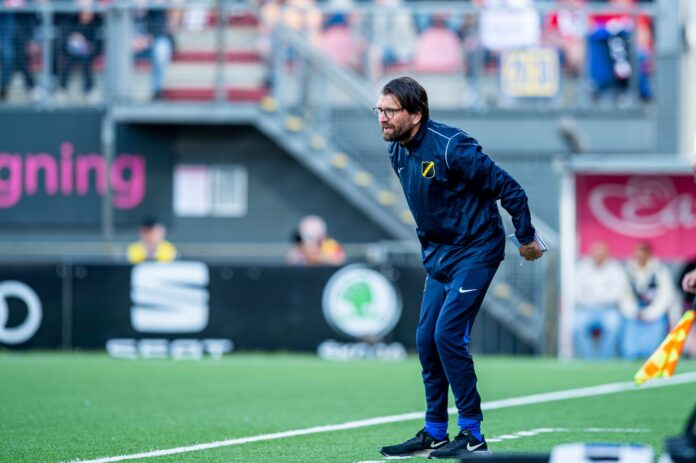
Who is Peter Hyballa?

Peter Hyballa
Early Life & Roots in Football

Born on December 5, 1975, in the town of Bocholt, Germany, Peter Hyballa grew up at the intersection of two football cultures—German and Dutch. His father was German, his mother Dutch, and this blend of identities shaped his football philosophy from an early age. While he never played professionally, Hyballa was obsessed with the tactical and psychological side of the game. He was drawn not to fame but to understanding football’s deeper mechanics: systems, movements, communication.

By his early 20s, Hyballa had already committed to coaching full-time. He earned his UEFA Pro License while still in his twenties and quickly made a name for himself as one of the brightest minds in German youth development.

Youth Coaching Foundations – Dortmund and National Recognition

Hyballa’s early coaching journey included stints at Preußen Münster, Arminia Bielefeld, and VfL Wolfsburg, but his breakthrough came at Borussia Dortmund’s U19 team (2007–2010). There, he coached future stars and led the team to the national final. His energy on the sidelines, combined with his deep tactical understanding and communication skills, marked him as a standout figure in Germany’s next generation of coaches.

At Dortmund, he began refining his signature high-pressing, high-intensity playing style—one that would follow him throughout his career.

Transition to Senior Football – Alemannia Aachen and Leverkusen

In 2010, Hyballa took on his first senior head coach role at Alemannia Aachen in the 2. Bundesliga. While results were mixed, his style and honesty made him a recognizable figure in German football. He later joined Red Bull Salzburg as U19 coach and then became assistant coach at Bayer Leverkusen, working in one of the Bundesliga’s top technical environments. These roles gave him greater exposure to elite football structures and the commercial realities of top-tier clubs.

European Journey – A Career Across Borders

Hyballa’s career would soon span the continent, reflecting his appetite for challenge and adventure. Known for revitalizing struggling teams and bringing identity to clubs, he embraced roles many coaches would avoid:

  • Sturm Graz (Austria): Imposed a pressing philosophy and developed young talent.
  • NEC Nijmegen (Netherlands): Became a fan favorite and media sensation for his passionate coaching, direct interviews, and bold football. Despite relegation, he left with admiration for his transparency and effort.
  • DAC Dunajská Streda (Slovakia): A golden period, leading the team to a historic second-place finish, bringing European football to the club and earning cult hero status with fans.
  • NAC Breda (Netherlands), Esbjerg fB (Denmark), Wisła Kraków (Poland): Short but impactful stints, where Hyballa worked to bring structure and spark to clubs in transition.
  • AS Trenčín (Slovakia): Most recently, he returned to Slovakia to once again push a young side with attacking, expressive football.
A Coach Who Writes, Teaches, and Challenges the Norm

Beyond the sidelines, Hyballa is a prolific educator. He has authored over 10 books on football tactics, player development, and coaching methodology—translated into multiple languages. His writing combines passion with practicality and is widely respected in coaching circles across Europe.

He regularly gives lectures, teaches coaching courses, and mentors aspiring managers. For him, football is not only a profession—it’s a platform for education, storytelling, and social connection.

The Hyballa Philosophy – Passion, Pressing, and People

Peter Hyballa is not just known for his tactics but also for his authentic and emotional leadership style. His football is bold, his touchline presence fiery, and his communication unfiltered. He demands maximum effort from players and staff alike, building trust through his clarity, intensity, and commitment to shared goals.

At his core, Hyballa is a builder—a coach who takes underdog teams and instills belief, energy, and identity.

What’s Next?

Having worked in seven different countries and coached at nearly every level—from elite youth teams to top-flight clubs—Peter Hyballa remains one of football’s most fascinating free agents. A coach, teacher, author, and personality—he is still hungry for the next project that values bold ideas and authentic leadership.

To better understand the man behind the tactics, The Football Week sat down with Peter Hyballa for a candid conversation. We asked him about his life, his philosophy, and what continues to drive him forward in the ever-evolving world of football.

Let’s start from the beginning—where did you grow up, and how did football become such an important part of your life?

I grew up in Bocholt, Germany – a stone’s throw from the Dutch border. My father is German and my mother is Dutch. I joined the football club – Borussia Bocholt – when I was six. And then, like many others, football became everything to me – first as a player and then, quite early on, as a coach – I started coaching at 16 – so I’ve been a coach for over 30 years now. Crazy!

Can you tell us about the moment or period when you realized you wanted to become a coach rather than pursue another path in football?

I was playing for Borussia Bocholt’s U17 team, and then the youth director came into the locker room and asked if anyone wanted to coach the U6 team—the youngest team—because there was a coach shortage. My friend Thorsten and I raised our hand, and that’s how I fell in love with coaching. I’ve seen half the world through coaching, and Thorsten is still with Borussia Bocholt! Cool story!

You’ve worked across various countries and cultures—how did your early life and upbringing shape your coaching style and philosophy?

I’m half Dutch and half German, and that’s clearly reflected in my playing philosophy. High discipline and a lot of pressing – with the German attributes on the ball – and a fine attacking game, sometimes through the center and wings (Dutch), with lots of dribbling. There’s always a lot of spectacle with me – because I’m not timid; quite the opposite:

I have a lot of courage and want to win!

My master’s thesis at university was also “Analyzing Dutch Talent Development,” where I put many of these ideas into practice over the course of my multifaceted career!

Looking back, what were the biggest challenges you faced breaking into the professional coaching world, and how did you overcome them?

Dealing with the media is very challenging, something you don’t always experience to such an extreme degree in youth football. And then there’s the public pressure, too – even from fans. As a head coach, you’re often recognized, and many are interested in you.

I’ve always been authentic – I’ve also fallen for the wrong people from time to time – but those are painful experiences, but they’re part of the process.

I haven’t let myself be influenced and I’m a strong personality with very clear ideas that I want to implement.

You’ve had coaching spells in Germany, Austria, the Netherlands, Slovakia, and beyond. What have been the most eye-opening differences in football cultures across these countries?

There aren’t actually that many – because today’s generation of players are similar everywhere. They’re becoming more and more similar. Sure, in the Netherlands they might be a bit more direct, while in Central Europe they’re more reserved – but that’s more a question of personality.

I think that in some countries football is fully embraced and in others less so. But it’s becoming more and more of a business – it’s about winning and selling players. And selling players and developing talent – ​​I’m an absolute expert at that!

Is there a particular team or moment in your coaching career that stands out as your proudest achievement so far?

There are many – but you always achieve it together!

I think I was the first German youth coach to reach both German finals, the league and the cup, with Borussia Dortmund’s U19 team – and I also trained many players, such as Rüdiger, Götze, Arslan, etc.

But the Slovakian runner-up finish with FC DAC in the club’s over 100-year history was also extremely successful.

Staying in the league with Wisla Kraków as a firefighter was also great, as were the cup sensations with Alemannia Aachen against Mainz and Frankfurt and then playing against van Gaal’s Bayern, or beating favorites AZ Alkmaar with NAC Breda under Arne Slot were clear highlights!

You’ve coached many players throughout your career. Are there any who left a special impression on you—whether through talent, mentality, or development?

Mario Götze for his spatial awareness, Tolgay Arslan for his technical feel in tight spaces, Antonio Rüdiger for his obsession in tackling, Danjuma for his speed dribbling, Ferdi Kadioglu for his cheeky 1v1 situations, Bayo for his heading ability, Jan-Paul van Hecke for his ambition, Awoniyi for his attacking deep runs and Bart Verbruggen with his obsession with training!

How would you describe your approach to managing young players versus experienced professionals? Has your approach evolved over the years?

Young players are full of ambition. Everyone wants to improve! Their whole life revolves around football, and I’ve been able to work with them excellently because I also enjoy training a lot!

Older players also have different interests and a lot of experience – they have a different mindset, which you have to restructure with a lot of arguments. Younger players believe you more, but that’s normal, too, since they have less experience. I really enjoy working with both groups!

What’s something about being a football coach that people outside the game often misunderstand or underestimate?

You always have to make decisions—even negative ones, like when choosing a lineup, etc.

You want to make every player better and win games at all costs, but you’re also a disappointment when you have to sit players on the bench or sit them on the stands, for example.

Something else that’s underestimated is training planning. Everyone talks about people management, but I’ve inspired many players through training and the locker room talks, which you develop very creatively in your head—and you simply have so many roles as a coach, which you should play perfectly in many stressful situations!

And finally—what’s next for Peter Hyballa? Are there still dreams or goals you’re chasing in the world of football or beyond?

I don’t have dreams, just goals. I want to return to work as a head coach soon, as I can give a club so much.

Spectacular, attacking football, which is also reflected in my stats. I’ve also produced so many world-class stars, which means I’m brave enough to work with young talent and let them play – and that’s why I want to return to work as a coach soon, because I miss the dressing room, the pitch, and the stadium!

I’m currently giving a lot of workshops, have written my tenth book about football, have my own podcast, and have spoken to companies as a keynote speaker and coached young coaches in the background.

I’ve also recently worked as a coach at an academy in the USA. These are all exciting projects, but I want to get back to working as a head coach as soon as possible.

Nurturing Talent the Sint-Truiden Way: Inside the Youth Philosophy of STVV

Introduction: A Club Bridging Cultures

Nestled in the heart of Belgium’s Limburg region, Sint-Truidense Voetbalvereniging (STVV) may not boast the budget or prestige of Europe’s footballing giants, but its influence stretches far beyond its modest size. Known for its unique connection to Japanese football—cemented by past stars like Shinji Okazaki and an ownership link to Japan—STVV has become a quietly powerful incubator of talent.

At the core of this developmental engine is Mr. Takano, the club’s Youth Director, whose vision combines European pragmatism with Japanese discipline. In our exclusive interview, he opens up about STVV’s scouting model, cultural integration strategies, and why he views his work more as artistry than administration.

Scouting with Purpose: A Blend of Intuition and Integrity

STVV’s youth scouting process is defined by selectivity and trust. With a dedicated team of seven to eight scouts overseeing age groups from U7 to U23, the club emphasizes quality over quantity. “From U7 to U15, everything is based on scouts’ judgment,” Takano explains.

“We don’t chase numbers. We aim to identify the right kind of character early on.”

From U16 upwards, the focus shifts from technical skill to mental attributes, especially discipline—a trait Takano praises as aligning with “Japanese mentality.” Over 80% of the youth players at STVV come through the internal system, reflecting a rare level of continuity. Promises, he notes firmly, are never made lightly. “You can’t break trust—not with players, and not with their families.”

A Cultural Exchange with Japan: Strategic and Symbolic

STVV’s identity is inextricably linked to Japan, not just due to ownership, but because of a deep-rooted cultural affinity. Mr. Takano, who did his homework on the club long before joining, sees shared values in humility, structure, and respect. “Japan has a benchmark in Europe now—players like Kagawa and Okazaki showed they belong.”

While many Japanese players have succeeded in Belgium, the transition isn’t without challenges. “Culture shock, different environments, language barriers,” Takano says, “all of it makes bringing young Japanese players a risk. But it’s worth it when you see them thrive.”

Unique Among Equals: What Sets STVV Apart

STVV’s youth model is defined not by extravagant spending, but by the trust of families and a clear developmental pipeline. “We don’t spend money on players,” Takano says, noting that clubs have offered to buy STVV youth talents—like Jay David Mblanda—but STVV stood firm. “We believe in our process. Other clubs see our work, otherwise they wouldn’t offer money for our boys.”

With limited resources, STVV leans heavily on consistency and cohesion. Coaches follow a streamlined philosophy, making transitions between age groups seamless. “It’s not about the budget—it’s about football education,” Takano asserts. “That’s what separates us from others.”

A Launchpad for Bigger Stages

While STVV is focused on its own first team—a priority Takano describes as “crystal clear”—the club also embraces its role as a stepping stone. “Of course, the club expects a return on investment. But we focus 100% on preparing players for our senior squad first.”

This dedication is echoed by a community of 8 full timers, 11 part timers and nearly 60 volunteers who commit themselves to the club’s mission. Their collective effort ensures that the players understand the expectations early: development is not an individual journey, but a communal investment.

Holistic Development: Football, Intelligence, and Identity

At STVV, technical training is just one part of the equation. The coaching curriculum focuses on tactical intelligence—both on and off the ball. Principles such as support play, infiltration, pressing, and structured defending are drilled into players at every level.

“We teach football in its full context,” Takano says. “Every player should understand the team structure, the why behind decisions, and the rhythm of the game.”

The program also emphasizes personality and responsibility. “My job is like being an artist,” he adds, reflecting on the creative aspect of youth development.

Conclusion: A Quiet Revolution

With a youth system rooted in integrity, identity, and education, Sint-Truiden offers a compelling counterpoint to the money-driven academies dominating European football. Under Takano’s leadership, the club has turned limited resources into a strength—proving that belief, structure, and cultural harmony can cultivate players ready for the highest levels of the game.

STVV may not always make headlines, but the players it shapes—and the values it instills—are building blocks for football’s future, one disciplined step at a time.

How Young Is Too Young? The Ethics of Football’s Rising Stars Signing Commercial Deals

Football is no longer just a sport, it’s a multi-billion-dollar business where commercial interests drive decision-making at every level. Global brands such as Nike, Adidas, and Puma are in constant competition to identify the next global superstar, and in today’s market, that search starts younger than ever. But with footballers being offered commercial deals before they even hit their teenage years, the question arises: how young is too young?

The Race to Sign Young Talent

The battle for the next Lionel Messi or Cristiano Ronaldo doesn’t begin when a player turns professional, it starts far earlier these days. In recent years, major sportswear brands have been scouting footballers as young as 10-12 years old, hoping to sign them to outfitting deals. These agreements, though not the multi-million-pound endorsements seen at the elite level, are still significant. They typically involve a brand supplying boots, training gear, and match-day kits to a player in exchange for exclusivity. This means the youngster must wear only that brand’s products, essentially tying them to the company long before their career even begins.

While these deals might seem like a win-win, free gear for the player, future marketing potential for the brand, they raise serious ethical concerns. The biggest issue is that at such a young age, a player may not fully understand what they’re agreeing to. These agreements are legally binding contracts, and while they may not be as complex as senior sponsorship deals, they still come with expectations and obligations.

The Ethics of Signing Child Athletes

When a brand approaches a 10- or 12-year-old with a commercial deal, who is truly making the decision? In most cases, it’s the parents or guardians, as young players themselves don’t have the legal standing to sign contracts. But this raises a critical issue: are families equipped to negotiate with multi-billion-dollar corporations? Unlike professional players, who have teams of agents and lawyers advising them, most young footballers have only their parents representing them, people who may have little to no experience in the world of sports marketing and contracts.

In most countries, footballers under the age of 16 are not permitted to have an agent, meaning there is no professional representation to ensure they get a fair deal. This leaves the door open for potential exploitation. Are families given full transparency about the terms of these contracts? Are there hidden clauses that restrict the player’s future commercial opportunities? Are parents under pressure to accept a deal without fully understanding its long-term consequences?

Then there’s the question of fairness. If a player signs an outfitting deal at 12, but by 16 they are among the best in their age group, should they still be bound to a contract they signed years ago, possibly at much lower terms than they are now worth? The football industry moves fast, and young players’ values can change dramatically. But in some cases, early contracts can lock them into unfavourable agreements, benefiting brands far more than the players.

The Psychological Impact of Early Commercialisation

Beyond the legal and financial risks, there’s also the psychological toll. A 12-year-old with a deal from Nike or Adidas might suddenly feel added pressure, not just to perform on the pitch, but to live up to the expectations of a global brand. Social media intensifies this. If a young player builds a following based on their commercial affiliations, they could feel the need to constantly project a certain image, even at an age where their primary focus should be development and enjoyment of the game.

In extreme cases, early commercialisation can even hinder performance. Some young footballers, lured by the promise of sponsorships, might focus more on branding themselves than improving as players. Others might feel trapped, afraid to take risks on the pitch because they don’t want to lose their commercial backing.

Opportunity or Exploitation?

Of course, there are arguments in favour of these deals. Some believe that early sponsorship provides young players with financial security and access to high-quality gear, coaching, and networking opportunities. In a sport where success is never guaranteed, an early deal can provide a safety net in case a playing career doesn’t materialise.

But the flip side is that these players are still children. Unlike established professionals who enter commercial negotiations with full awareness and proper legal backing, these youngsters are making career-altering decisions before they’ve even finished school. Without strict regulation and proper representation, the risk of exploitation remains high.

Financial Compensation and Risks: The True Cost of Early Deals

For young footballers, securing a deal with a global sportswear brand can seem like a dream come true. In some cases, these contracts extend beyond free boots and kits, brands may also pay young players a fee to exclusively wear their products. While this may appear to be an incredible opportunity, it also comes with significant risks, raising serious questions about the impact of early financial rewards on a developing athlete.

The most immediate concern is the pressure that comes with financial backing at such a young age. A 12-year-old who suddenly receives money from a major brand may feel an obligation to meet expectations, not just from their coaches and family, but also from the company investing in them. Football is already a high-pressure environment for young players, with academies demanding elite performances week in and week out. Adding commercial expectations to that mix can make the situation even more stressful.

Does Financial Incentive Affect Development?

A fundamental question in this debate is whether commercial deals at such a young age shift a player’s focus away from footballing development. With money and branding at stake, young athletes may feel the need to prioritise their marketability over their performance on the pitch.

For example, instead of experimenting with different types of boots to find what best suits their playing style, a player under contract must wear the brand that sponsors them, regardless of comfort or performance. More worryingly, social media plays a role in this shift, as players with endorsement deals often feel pressure to post branded content, engage with followers, and maintain a certain public image. Rather than focusing on refining their skills, they may start prioritising their social media presence, viewing themselves as a brand rather than a developing footballer.

This raises another critical issue: what happens if the player’s career does not progress as expected? Football is an unpredictable sport, and many highly promising young players fail to make it to the professional level. If a child has been financially reliant on sponsorship deals from a young age and their career doesn’t take off, they may suddenly find themselves without income or support. Unlike established professionals who have already secured financial stability, young players who sign these deals often do not have backup plans in place.

Lamine Yamal and the Commercialisation of Young Athletes

A recent example of this growing trend is Barcelona’s teenage sensation Lamine Yamal, who has already become a commercial target at just 15 years old. Major brands are eager to sign him to long-term deals, recognising his potential to become a global football icon. Yamal is not alone, football’s biggest companies are competing to align themselves with the game’s youngest and brightest stars before they even become full-time professionals.

However, this phenomenon extends beyond football. In Olympic sports such as gymnastics, diving, and skateboarding, children as young as 10-13 years old are signing lucrative sponsorship deals. The difference, however, is that in many of these individual sports, athletes turn professional much earlier, meaning commercial partnerships are a more natural part of their journey. In football, the traditional pathway to stardom is longer, and early commercialisation can create conflicts between development and business interests.

Social media has supercharged the commercialisation of young athletes. In the past, brands primarily scouted talent based on performances on the pitch. Today, a strong social media presence can be just as valuable. A 14-year-old with hundreds of thousands of Instagram followers has immense marketing potential, even before they’ve played a senior match. This adds an entirely new dimension to the debate. Are players being signed based on their ability or their online influence? While this creates opportunities, it also raises ethical concerns about whether young players are being treated as footballers first, or as marketable assets.

The Need for Better Protection

As commercial deals involving young footballers become more common, the football industry must adapt to protect its future stars. There are several key areas where improvement is needed:

  1. Stricter Regulations on Contracts for Minors
     There needs to be a clearer framework governing how and when young players can sign commercial agreements. At present, the rules are inconsistent, and in some cases, heavily in favour of brands rather than players. Introducing stricter regulations, such as limiting the length of contracts signed before a player turns 16, could prevent long-term exploitation.
  2. Mandatory Legal Representation
     Since players under 16 are not allowed to have agents in most countries, there should be a requirement that any young athlete entering a commercial contract has access to independent legal representation. This would ensure that contracts are fair, transparent, and in the best interest of the player rather than the brand.
  3. Education for Families and Players
     Many parents of young footballers do not have experience dealing with sports marketing or contract law. Providing education and resources for families would empower them to make informed decisions and negotiate deals that truly benefit their children.
  4. Balancing Commercial Growth with Footballing Development
     Clubs, federations, and brands must work together to ensure that commercial interests do not interfere with a player’s growth. Footballers should be allowed to develop their skills without the burden of excessive branding commitments.
Conclusion: Opportunity vs. Exploitation

There is no doubt that early commercial deals offer exciting opportunities for young players. They can provide financial stability, access to elite resources, and a pathway to global stardom. However, without the right safeguards, they can also expose young athletes to exploitation, commercial pressure, and career uncertainty.

Football must strike a balance. Brands, clubs, and governing bodies must prioritise protection over profit, ensuring that players develop first and monetise their talent only when they are ready. After all, the world’s next footballing superstar should be known for what they do on the pitch, not just for the brand they wear.

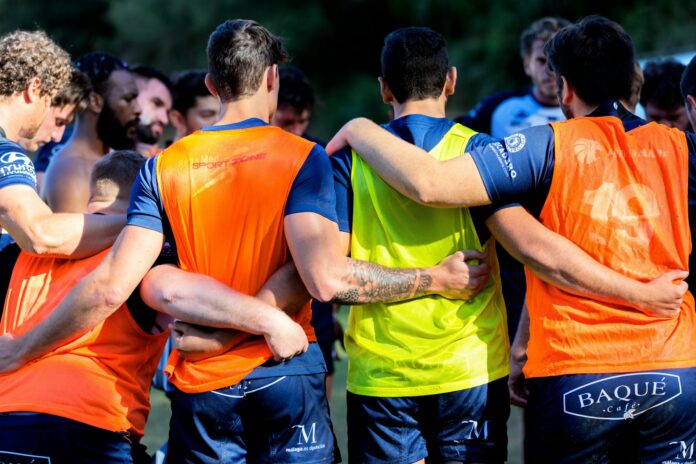
Club, Players and Coaching Staff: The Importance of a Unified Message

Photo by Quino Al on Unsplash

In football, strategy and talent are essential, but one factor can make the difference between success and failure: communication. Within a club, the relationship between the Board of Directors, players, and coaching staff must be aligned through a unified message. When communication is clear and consistent, the team can focus on performance without distractions. On the other hand, when there are contradictory messages or a lack of transparency, tensions, uncertainty, and negative effects on team performance arise.

Alignment with the Club’s Objectives

Players and coaching staff not only represent the club on the pitch but also embody its identity and values. The Board of Directors must clearly communicate the club’s short- and long-term sporting objectives so that the entire team understands its direction.

  • Clear sporting goals: Is the focus on winning titles immediately, or is the priority a long-term project developing young talent? With a clear answer, players will feel certain, confident, and coaches will have better tools to make decisions that align with the club’s vision.
  • Playing philosophy and stability: Constant managerial changes or shifts in strategy make it difficult for players to adapt. Effective communication between the Board and coaching staff ensures a consistent approach.
Transparency in Key Decisions

In football, decisions made by the Board (such as coaching changes, transfers, or contract renewals) directly affect the locker room. When these decisions are communicated late or ambiguously, rumors and speculation arise, affecting team morale.

  • Handling managerial changes: If a coach is dismissed without a clear explanation, players may feel insecure about their future and the team’s direction. The Board must be transparent about the reasons for changes and the new project vision.
  • Managing transfers and departures: Uncertainty during the transfer window can affect player performance. Clearly communicating transfer plans and avoiding false promises builds trust and stability within the squad.
Communication in Moments of Crisis

Every season has its ups and downs, and in difficult moments, clear communication from the Board to players and coaching staff is crucial.

  • Support during tough times: When results are not favorable, players and coaches need to feel the backing of the Board. A clear message that avoids blame and reinforces confidence can make a difference in the team’s recovery.
  • Avoiding contradictory statements: If the Board, coach, and players send different messages about the team’s situation, confusion spreads both inside and outside the locker room. A coordinated communication strategy prevents misunderstandings and maintains unity.
Preparing for Public Communication

In the digital era, any statement from a player or coach can have an immediate impact on the media and fans. That’s why clubs must prepare their squad to handle external communication in a way that aligns with the club’s philosophy.

  • Media training: Providing players and coaches with guidance on how to speak to the press and manage social media helps prevent unnecessary controversies.
  • Coordinated messaging: When a club faces difficult situations, it is essential that players and coaching staff deliver a unified message that reinforces stability and trust in the project.
Communication as a Key to Success in the Locker Room

A successful football club does not just rely on talent on the pitch, it also needs a clear and well-structured communication framework. When the Board of Directors, coaching staff, and players are aligned in their objectives, decisions, and messaging, the team can focus on what they do best: competing and winning.

A well-communicated team is a stronger team.

Muundo na Uundaji wa Mtihani wa Wakala wa Mpira wa Miguu wa FIFA

Photo by Glenn Carstens-Peters on Unsplash

FIFA imezindua mabadiliko makubwa ya kimuundo kwenye Mtihani wa Wakala wa Mpira wa Miguu, ambayo yataanza kutekelezwa kuanzia tarehe 4 Machi 2025. Mabadiliko haya yanaashiria mabadiliko kutoka kwenye mtihani wa awali unaofanyika kimwili hadi kwenye mtindo wa mtandaoni, pamoja na taratibu kali za ufuatiliaji na mahitaji ya kiteknolojia yaliyosasishwa. Mabadiliko yanalenga kuongeza haki, uwazi, na uboreshaji wa kiwango, kuhakikisha kwamba wagombea wote, bila kujali eneo, hufanya mtihani chini ya hali sawa na zilizodhibitiwa kikamili.

Mabadiliko ya Kimuundo

Awali, wagombea walitakiwa kufanya mtihani kimwili katika maeneo maalum yaliyowekwa na Mashirika ya Mpira wa Miguu ya Kitaifa (NAs). Ingawa mfumo huo uliruhusu udhibiti wa hali za mtihani, kulikuwa na tofauti kubwa katika mazingira ya mtihani, ikiwa ni pamoja na tofauti za ufadhili wa kiteknolojia, ufikiaji wa mtandao, na uboreshaji wa vifaa vya maeneo. Zaidi ya hayo, sheria kuhusu vifaa vilivyoruhusiwa hazikuwa sawa: baadhi ya NAs ziliruhusu wagombea kuleta nakala za kuchapwa (zikiwemo zile zilizoandikwa kwa mikono), wakati nyingine zilizuia kikamili.

Kwa sasa, FIFA imeondoa mtihani wowote unaohusisha maeneo maalum na kuchukua nafasi yake kwa mtindo wa mtandaoni pekee. Hii inamaanisha kwamba wagombea lazima wafanye mtihani katika mazingira binafsi yaliyojengwa na wao wenyewe. Mabadiliko haya yanaweka mzigo mkubwa kwa wagombea kuhakikisha kuwa wana teknolojia inayohitajika, mtandao thabiti, na eneo linalofaa la kufanya kazi. Mfumo mpya unaanzisha hatua za usalama zilizoimarishwa, ikiwa ni pamoja na lazima ya kutumia kamera na kipaza sauti kwenye kompyuta ya mgombea, pamoja na ufuatiliaji wa sekondari kupitia kifaa cha simu janja. Tofauti na awali, ambapo walinzi walikuwa wakishuhudia wagombea kimwili, FIFA sasa itatumia zana za ufuatiliaji zinazotumia akili bandia (AI) kufuatilia tabia na kugundua shughuli za kushuku kwa wakati halisi.

Sheria Mpya Kuhusu Vikomo 

Mabadiliko mengine muhimu ni uondoaji wa vikomo yoyote wakati wa dakika 60 za mtihani. Awali, wagombea waliruhusiwa kuchukua vikomo vya msalani chini ya udhibiti, lakini hii haikubaliki tena. Mara tu mtihani unapoanza, wagombea lazima waonekane kwenye kamera na kukaa kwenye kiti hadi muda utakapokwisha. Kama mgombea ataondoka, ataangalia kwingine kwa muda mrefu, au kupoteza muunganisho wa mtandao, jaribio lao litabatilishwa mara moja, na watalazimika kujiandikisha tena kwa kipindi kijacho.

Adhabu Kali kwa Ukiukwaji

FIFA pia imeanzisha sheria kali zaidi kuhusu ukiukwaji wa sheria za mtihani. Chini ya mfumo wa awali, ukiukwaji kama mawasiliano yasiyoidhinishwa, kufikia vyanzo vya nje, au kutumia vifaa vya kielektroniki vingeweza kusababisha kufutwa kwa muda wa mtihani huo, lakini wagombea walikuwa wakiweza kujiandikisha tena kwa mtihani ujao bila adhabu zaidi. Chini ya kanuni mpya, ukiukwaji mkubwa (kama kudanganywa, kupiga picha ya skrini, au kushiriki maudhui ya mtihani) unaweza kusababisha kufutwa kwa ushiriki katika mitihani ijayo. Kwa hali mbaya, wagombea wanaweza kupigwa marufuku kudumu kupata leseni ya wakala wa FIFA.

Lengo la FIFA

Kwa mabadiliko haya, FIFA inalenga kuunda mchakato wa mtihani unaodhibitiwa kikamili na kuondoa tofauti za mazingira ya mtihani. Wagombea lazima wawe tayari kikamili, kwa mujibu wa mahitaji ya kiteknolojia na uelewa wa sheria, kwani kushindwa kufuata masharti yoyote kunaweza kusababisha kufutwa kwa jaribio lao.

Muundo wa Mtihani na Mahitaji ya Kupita

Mtihani wa Wakala wa FIFA sasa unafanyika mtandaoni kikamili, badala ya mtindo wa awali wa kimwili. Mabadiliko haya yanaondoa hitaji la kusafiri kwenda kwenye vituo maalum. Mtihani bado una muda wa dakika 60, na wagombea wanatakiwa kupata angalau 75% ili kupita.

Maswali ni ya kuchagua jibu sahihi na yanahusu kanuni za FIFA kama vile uhamisho wa wachezaji, mikataba, majukumu ya wakala, na utawala wa mpira wa miguu. Maswali pia yanalenga kujaribu uwezo wa mgombea kutumia kanuni za FIFA katika hali halisi za mazoezi.

Vikomo Vimekataliwa Kabisa

Moja ya mabadiliko makubwa ni marufuku ya vikomo wakati wa mtihani. Awali, wagombea waliruhusiwa kuomba vikomo vya msalani chini ya usimamizi, lakini sasa hakuna uwezekano wa kusitisha mtihani. Hivyo, wagombea lazima wawe wamejitayarisha vyema kabla ya kuanza mtihani.

Mahitaji ya Kiteknolojia 

Kwa kuwa mtihani unafanyika mtandaoni, FIFA imeweka mahitaji madhubuti ya kiteknolojia:

Kompyuta yenye kamera na kipaza sauti vinavyofanya kazi kikamili.

Simu janja kwa ajili ya ufuatiliaji wa sekondari.

Muunganisho thabiti wa mtandao. Kuvurugika kwa mtandao kunaweza kusababisha kufutwa kwa mtihani.

FIFA inashauri wagombea kujaribu vifaa vyao na mtandao kabla ya tarehe ya mtihani.

Vifaa Vinavyoruhusiwa na Visivyoruhusiwa 

✔️ Vinavyoruhusiwa:

– Vyanzo vya kusoma vya kidijitali kwenye kompyuta.

– Miwani ya matibabu (ikiwa inahitajika).

– Kalamu na karatasi moja tupu kwa ajili ya kuchukua maelezo (inaonyeshwa kwenye kamera kabla na baada ya matumizi).

– Kikokotoo kilichojengwa ndani ya jukwaa la mtihani.

Visivyoruhusiwa:

– Simu janja (isipokuwa ile inayotumika kwa ufuatiliaji).

– Vifaa vya kielektroniki kama vile smartwatch au vipokezi sauti.

– Nakala za kuchapwa, maandishi ya mikono, au vyanzo vya nje.

– Vikokotoo vya nje.

Adhabu kwa Ukiukwaji 

FIFA ina sera kali ya “kutokubaliana kabisa” na ukiukwaji wowote, ikiwa ni pamoja na:

– Udanganyaji (kutumia vyanzo visivyoruhusiwa).

– Kuchukua skrini au kushiriki maudhui ya mtihani.

– Mawasiliano yasiyoidhinishwa.

– Kuacha mtihani bila idhini.

Ukiukwaji unaweza kusababisha kufutwa kwa mtihani, marufuku ya muda, au hata kudumu. FIFA pia inatumia mfumo wa AI kuchunguza tabia za kushuku wakati wa mtihani.

Matokeo na Ruzuku 

Matokeo yatatumwa kwa barua pepe ndani ya siku 14. Hakuna ruzuku ya matokeo. Kama mgombea atashindwa, anahitaji kusubiri mtihani ujao.

Mwisho

Mabadiliko ya FIFA yanaonyesha mwelekeo wa kuimarisha usalama na haki katika mtihani. Kwa kufuata miongozo kwa makini na kujiandaa kikamili, wagombea wanaweza kuongeza nafasi zao za mafanikio.

Saudi Arabia’s World Cup Stadiums: Icons of Design, Culture, and Innovation

Image Courtesy of FIFA / Saudi Arabia 2024 Bid

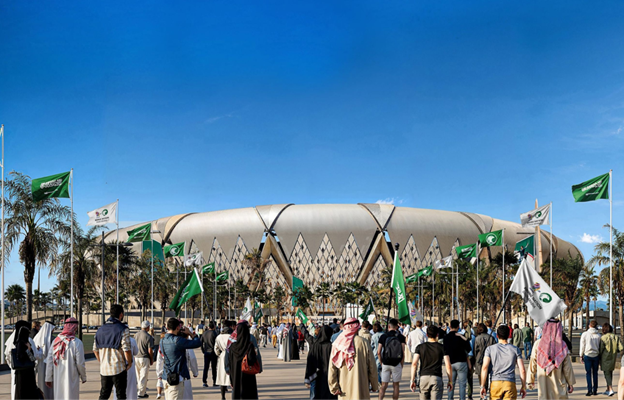
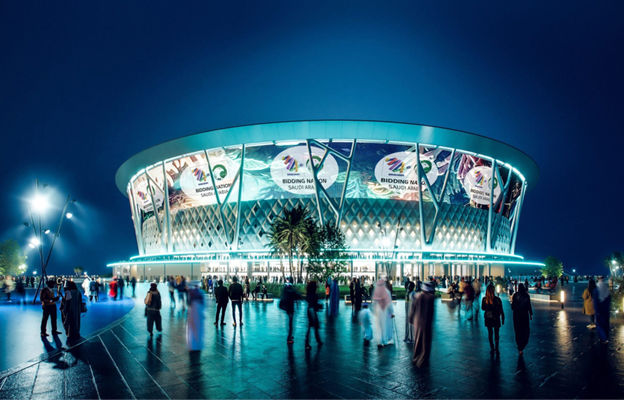
The Kingdom of Saudi Arabia is revealing a string of modern stadiums that combine innovative architecture with cultural relevance in anticipation of hosting the 2034 FIFA World Cup. The five cities of Riyadh, Jeddah, Al Khobar, Abha, and NEOM will host the fifteen venues that will make up the tournament. Each one is a reflection of the country’s determination to provide an unforgettable sporting experience and make a lasting impression.

Riyadh: The Sporting Wonders of the Capital

King Salman International Stadium

Image Courtesy of FIFA / Saudi Arabia 2024 Bid

This Riyadh stadium, with its 92,760 seats, is going to be the showpiece of Saudi Arabia’s World Cup infrastructure. Its architecture, by the world-renowned Populous, blends in with the surrounding environment, making use of natural shading and ventilation. It will play host to the first match and the championship when it opens in 2029.

King Fahd Sports City Stadium

Image Courtesy of FIFA / Saudi Arabia 2024 Bid

This iconic stadium will be refurbished and enlarged to accommodate 70,200 spectators. The design, which draws inspiration from Bedouin tents, will be updated to meet FIFA standards while preserving its essence.

New Murabba Stadium

Image Courtesy of FIFA / Saudi Arabia 2024 Bid

Inspired by the layered bark of native acacia trees, this 46,000-seat stadium is part of Riyadh’s pioneering New Murabba stadiums urban development. Its exterior features textured, angular forms and illuminated entrances. The stadium is designed for adaptability, equipped with immersive technology and features that prioritize the needs of fans. After hosting World Cup group and knockout matches, it will transform into a multi-use arena for public gatherings, concerts, and gaming events. This building embodies the vision of Saudi Arabia, which is to combine urban vitality with architectural artistry.

Prince Mohammed bin Salman Stadium

Image Courtesy of FIFA / Saudi Arabia 2024 Bid

This one-of-a-kind cliff-top venue, situated atop picturesque Tuwaiq Mountain, will have a retractable roof and a planned capacity of 46,979 spectators. It will provide an unparalleled atmosphere for matchdays and expansive views of the desert.

ROSHN Stadium

Image Courtesy of FIFA / Saudi Arabia 2024 Bid

With a focus on sustainability and innovation, ROSHN Stadium will offer a 46,000-seat experience with advanced technology and enhanced spectator amenities.

Prince Faisal bin Fahd Sports City Stadium

Image Courtesy of FIFA / Saudi Arabia 2024 Bid

A complete redesign will transform this 1971-built venue into a 46,865-capacity stadium. Emphasizing energy efficiency and Salmani architecture, it will be set within a new green park zone.

King Saud University Stadium

Image Courtesy of FIFA / Saudi Arabia 2024 Bid

Originally a 25,000-seat venue, this stadium will expand to host over 46,000 spectators. A lightweight elliptical roof design will cap this venue, which will return to university and community use post-World Cup.

South Riyadh Stadium

Image Courtesy of FIFA / Saudi Arabia 2024 Bid

Among the most eco-friendly stadiums in the Kingdom, South Riyadh Stadium is located close to Wadi Namar. With a design influenced by Salmani and eco-friendly features like solar panels and rainwater collection, this stadium can accommodate more than 47,000 spectators. It strikes a balance between old-fashioned reverence for nature and cutting-edge ecological consciousness with its drought-resistant landscaping and site-specific architecture. The stadium is set to become an iconic part of the Saudi Pro League and a thriving community hub after playing host to early-stage World Cup matches.

Jeddah: Coastal Sporting Excellence

King Abdullah Sports City Stadium

Image Courtesy of FIFA / Saudi Arabia 2024 Bid

Nicknamed “The Shining Jewel”, this  iconic stadium will retain its faceted architectural identity while being upgraded to meet FIFA’s highest standards.

Qiddiya Coast Stadium

Image Courtesy of FIFA / Saudi Arabia 2024 Bid

Representing innovation combined with natural beauty, Qiddiya Coast Stadium will seat more than 46,000 spectators and be located along the picturesque Red Sea shoreline close to Jeddah. The venue’s design, which takes design cues from the nearby coastline, is reminiscent of waves. Group stage and knockout matches will be held at the stadium, which is set to open in 2032. Removable upper tiers and flexible spaces for concerts, esports, and exhibitions will highlight its long-term versatility and entertainment potential as it transforms into a dynamic complex after the World Cup.

Jeddah Central Development Stadium

Image Courtesy of FIFA / Saudi Arabia 2024 Bid

A brand-new stadium with a 45,794 capacity, it will be a central piece in Jeddah’s urban transformation, combining modern flair with traditional design elements.

King Abdullah Economic City Stadium

Image Courtesy of FIFA / Saudi Arabia 2024 Bid

This 45,700-seat stadium is situated in KAEC, north of Jeddah. The architectural firm AFL drew design inspiration from coral reefs in the Red Sea for its shape. In addition to hotels and retail spaces, the precinct will house sports clinics.

Al Khobar: Eastern Province’s Rising Star
Image Courtesy of FIFA / Saudi Arabia 2024 Bid

Located in Al Khobar, Aramco Stadium showcases the perfect blend of modern architecture with industrial history. Supported by Saudi Aramco, a global powerhouse in the energy sector, this stadium is being constructed with an anticipated capacity of more than 46,000. With Aramco’s help, the Kingdom is showing that it is serious about improving its sports infrastructure by using its economic might. The stadium’s design echoes Aramco’s tradition of innovation and precision through its emphasis on sustainability, efficiency, and amenities for fans’ comfort. In addition to hosting crucial group and knockout matches during the World Cup, Aramco Stadium, located in the Eastern Province, will also function as a regional sports and entertainment center in the long run.

Abha: The Elevated Experience

Abha Stadium

Image Courtesy of FIFA / Saudi Arabia 2024 Bid

Located in the picturesque Asir Mountains, this 45,428-seat stadium will blend in with its natural surroundings, providing fans with a refreshing atmosphere, panoramic views, and an international football experience like no other.

NEOM: A Stadium of the Future

NEOM Stadium

Image Courtesy of FIFA / Saudi Arabia 2024 Bid

Situated 350 meters above ground inside the revolutionary city of The Line, NEOM Stadium will seat 46,010 spectators. As a symbol of futuristic urbanism, it will incorporate the highest levels of sustainability, smart technology, and architectural ambition.

These stadiums are more than venues; they are monuments to Saudi Arabia’s transformation and cultural pride. Each one tells a story of heritage, innovation, and the Kingdom’s unwavering commitment to hosting a groundbreaking 2034 FIFA World Cup.

Top 10 Tips to Pass the FIFA Football Agent Exam

Exam Paper
Photo by Louis Bauer on Pexels
Introduction

As preparations for the next FIFA Football Agent exam begin, let us provide you with our top 10 tips for passing the exam and some final points to remember. Pay close attention, following these may just be the difference between passing and failing!

1. Read through and highlight the FIFA Study Materials

Perhaps the most demanding of the top 10 tips is to take sufficient time to sit down and read through the entirety of the 800 page FIFA Study Materials document. Although this may seem a mammoth task, by taking a bit of time each day you can work through each section of the document and will quickly become accustomed to the content of each of the smaller documents contained within it. The FIFA Agent Exam questions will be formed from questions on the FIFA Football Agent Regulations (FFAR), the Regulations on the Status and Transfers of Players (RSTP), FIFA Code of Ethics, FIFA Disciplinary Code, FIFA Statutes, Clearing House Regulations, Procedural Rules Governing the Football Tribunal, and two FIFA Child Safeguarding components. Therefore, it is essential to have read each one at least once to ensure you are aware of everything that is covered within the document.

As you work through the Study Materials, it is also worth using a coloured pen or highlighter on a printed version to emphasise key clauses and articles of the different documents. For example, key sections such as definitions and the most difficult topics or lengthy paragraphs can be simplified by highlighting the relevant parts that can then help you remember which information is in which section of the document and can make answering questions more efficient.

Remember though, that in the exam it is no longer possible to have a printed version of the study materials with you. You should ensure that you focus on finding the digital version easier to navigate, but may find benefit in utilising a printed copy during your preparation.

2. Develop a Study Material Navigation System

We have just mentioned the use of a highlighter and this is one way of exercising this next tip; to develop an efficient, accurate and fast navigation system to find an answer quickly during the time-pressured exam. Navigation is of utmost importance as it can relieve a lot of stress and pressure during the exam if a candidate has a useful system in place. One way of doing this is to ensure you have repeatedly read and understood the table of contents at the beginning of the study materials and for each separate document.

For example, if a question comes up on registration periods, as one of the most challenging examinable topics, it will enhance the chances of successfully answering the question correctly if you can immediately know the relevant location in the digital Study Materials. Due to time constraints, it is best to avoid spending time trying to find where each section is before you can even get around to reading it and locating the answer. We would advise that the best way of preparing a navigation system is to use another piece of paper and write out the pages where each new document begins and noting down which bits of content are covered in each one, as well as also identifying the page numbers and article numbers of the most difficult topics that are commonly examined such as training compensation, solidarity contributions, the FIFA Football Tribunal, and Protection of Minors. We have given some examples in the table below to give you an idea for formulating your own navigation system:

Topic Document Study Material Page
Training Compensation RSTP Page 195

Pages 234-237

Solidarity Mechanism RSTP Page 195

Pages 238-239

FIFA Football Tribunal Procedural Rules Governing the Football Tribunal Pages 258-282
Protection of Minors RSTP Pages 188-193


3. Take a Course

For many, this may be the first examination setting they have been in for a particularly long time, since their days in school. It can be a foreign environment and creates uncertainty for how to prepare to take the exam and how to conduct yourself when actually sitting it. In reality, preparing for this exam is very similar to how one might prepare for an exam at school. At school, teachers were on hand to explain everything to you, answer questions and help you be best prepared to take an exam successfully. For the agent exam, this should be the same.

By registering for our course via thefootballweek.org/course, you have access to experts and teachers, Daniel Geey and Dr Erkut Sogut, who can do exactly this. Our course has an 88% pass rate, nearly double the global pass rate for the exam. It is composed of two different courses, one 8-hour full day session which takes place approximately one month before the exam, and then another shorter 5-hour course which takes place in the week preceding the exam to iron out your final queries. The course brilliantly compliments what you will have learned in this book, it brings everything together and allows you to ask questions, interact and to network and learn with others in the same position as you.

If you wish to compare courses, the key things to remember is to check the pass rates, reviews, credibility and reputation of each course. There are now several available to candidates which offer different approaches to preparation such as live webinars over several weeks, a one day live course, practice question access, and written reading material. Depending upon your own learning preferences some may appeal more than others but in simple terms, it is vital that you take a course which provides accurate information and useful guidance for the exam. We would advise taking a live preparation course as you can ask questions and learn with others which is often more beneficial.

Financial constraints may make taking a course, as well as paying the examination fee, seem less attractive but we would advise that it is worth the money if it is a course that is guaranteed to increase your chances of success. Remember that the pass rate for the exam is very low and therefore courses that have pass rates well above this level are worth the money to avoid retaking and paying the exam fee twice.

We would also strongly encourage you to subscribe to the “Agents Week,” your go-to magazine for all the latest updates and essential information in the agents’ world. Stay informed on recent changes in regulations, get insights into the FIFA Football Agent exam, and discover many other intriguing topics. This weekly publication is designed to keep you ahead in your career. To further enhance your preparation, you can also read our Monday blogs and engage with the LinkedIn Questions on Sports Agent Academy, starting 50 days before the exam. Don’t miss out on these valuable resources!

Do feel free to reach out to the Sports Agent Academy on all of our relative social media platforms to ask us any questions about our available courses and further exam support resources.

4. Do As Many Practice Questions as Possible

As with the majority of things in life, practising answering questions will create the most improvement and preparation. Most of the courses available as mentioned above will offer access to a large number of practice questions which can be a benefit to attendees. There are also questions available as a ‘mock exam’ via the FIFA Agent Platform and Portal which we would highly recommend attempting as it is also presented and structured in the exact manner of the real exam. It can help candidates learn how the exam appears and the logistics of answering questions, skipping and returning and time management.

Specific topics and content within the FIFA Study Materials create more anxiety for candidates than others. However, we have found that those that engage directly with these topics by answering many practice questions around the subject quickly begin to develop a smart method of correctly answering them. This will help them feel more confident going into the exam if the topic comes up.

5. Learn With Others

As well as taking a course with experts in the FIFA Football Agent Exam, communicating and interacting with your personal network can be one of the best ways to learn. Different people in the industry have different areas of knowledge. This means that some of the topics you are finding easier or more difficult will not be the same for others. Reach out to your network, have phone calls and coffee meet-ups and go through different areas of the Study Materials. This will help you identify which topics you are most comfortable with and also those which you need to dedicate more revision time to. It may also raise some uncertain questions and queries that you can discuss and discover the correct answer. Fundamentally, it is important to remember that almost every candidate taking the exam will be concerned about at least one area of questioning in the exam. Working together can help squash these worries and increase the chances of success for everyone!

6. Master Time Management

We have the luxury of a very simple task. Answer 20 questions in 60 minutes. This means that the average time available per question is 3 minutes. Hence, one of our top 10 tips concerns time management. When practising answering questions and working through different examples, it is key to bear in mind these time constraints. Try to answer each question within the 3 minutes.

Then when it comes to sitting the real exam, remember your timings. The worst possible scenario would be to finish the hour period having to leave several questions unanswered. You stand a better chance of getting 15 questions right if you answer all 20 questions. Therefore, a candidate needs to have good awareness and a time management system to ensure they are not rushed or panicked within the exam.

7. Write Out Calculations

Yes this is an exam for football agents, but something you may be asked to do is maths! Topics such as training compensation and the solidarity mechanism will require accurate mathematical calculations to accurately determine the exam figure of the fee due to training clubs from a new buying club. Don’t try and attempt these purely mentally. It becomes a lot easier when you use a piece of paper to write out all the key details such as the category being used for the contribution as well as the age of the player in each calendar year. Take the time to write down these calculations and be careful not to make simple mathematical mistakes. Practice, as always, is key for these to familiarise yourself with ‘football maths’!

8. Read the Question Fully

There are two key points that you may quickly notice when you begin trying practice questions for the FIFA Agent Exam. By reading each question thoroughly and attentively you will avoid making unnecessary simple errors.

Firstly, you must identify whether the question is asking ‘positively’ or ‘negatively’. For example a question may begin ‘which of the following is the best definition of…’ or it will say ‘which of the following is NOT part of the definition of…’. Looking for a keyword such as not will help make sure you answer the exact question being asked rather than assuming what it is asking.

Secondly, FIFA have commonly included questions which ask candidates to ‘select one or more’. This means that of the answer options provided, more than one of these may be right. A common mistake is for candidates to choose the first correct answer they see and presume it is the only right option and will move on to the next. Even if you select two correct options, but a third is also correct, you score 0 on this question so it can make a real difference to your result. Make sure that if it asks you to select one or more, you highlight EVERY correct option.

9. Process of Elimination

It is likely that you will encounter at least one question in the exam that you may not immediately know the answer to. Our top tip in such a situation is to work methodically through each option, paying attention to the key words and components in the question, and begin to dismiss each incorrect option. This is known as the ‘process of elimination’ and can be an effective method of pinpointing the right answer. Once you know that it definitely cannot be two of the options, suddenly finding the right option becomes a lot simpler. Just be careful that using this process may take up a significant portion of the 3 minutes per question.

10. Don’t Panic

After the first exam since its reintroduction in April, many candidates we spoke to that failed to pass on this attempt told us that their biggest issue was getting flustered and losing their composure when faced with a difficult question. The exam is designed to challenge your knowledge so it can be expected that several questions may seem challenging initially. Don’t panic. Depending on the time you have left, there are different options available. Firstly, you can turn to our previous tips such as navigating to the right part of the Study Materials and using the process of elimination to narrow down the answers. Alternatively, you can move on for now, if time allows, and continue to answer the other questions you are more confident on. Once these are done, you can return to the skipped question and approach it with a fresh mind, hopefully arriving at the correct answer.

Summary

Have we missed anything? Let us know your best tip to pass the exam by getting in touch today!