Home Blog Page 51

2025 FIFA Agent Mock Exam 5

fifa exam room Exam Room

1. Which of the following natural & legal persons are not considered to be a “third party” in the context of third party ownership?

a. Football Scout

b. Football Player

c. Investment Fund

d. Sporting Director


2. Which one is not considered as “Remuneration” under the FIFA Football Agent Regulations (FFAR)?

a. Sign-on fee

b. Performance bonus

c. Future transfer compensation

d. Loyalty bonus


3. Female players are entitled to maternity leave during the term of their contract, paid at the equivalent of how much of their salary?

a. ⅓ of their salary

b. ½ of their salary

c. ⅔ of their salary

d. Full salary


4. In which of the following situations can the FIFA Council convene an extraordinary congress? Select one or more

a. At any time

b. If ⅕ of the member associations have requested it in writing

c. If the general secretariat orders for one to convene

d. If the Bureau of the Council submits a proposal


5. Which of these statements is / are incorrect? Select one or more.

a. A player may play friendly matches for 2 or 3 clubs in a single season

b. A player may play official matches for 3 clubs in any one season in the same national association

c. A player is permitted to play official matches for 3 clubs in any one season only if the third club and the second club have overlapping seasons

d. A player can only ever play official matches for 2 clubs in any one season


6. When a training rewards trigger is identified as defined in these Regulations and in accordance with articles 20 and 21 of the RSTP, a provisional EPP for the relevant player will be generated by TMS. How long will the provisional EPP be available for inspection after generation in TMS by all member associations (known as the inspection period)?

a. 7 days

b. 10 days

c. 14 days

d. 30 days


7. How many members will the Council consist of in total?

a. 27

b. 49

c. 37

d. 47


8. Which of the following is not a right of a member association?

a. To take part in the congress

b. To nominate candidates for the FIFA Congress

c. To take part in competitions organised by FIFA

d. To draw up proposals for inclusion in the agenda of the congress


9. Which of the following are recognised standing committees? Select one or more

a. Finance Committee

b. Medical Committee

c. Club Committee

d. Player Committee


10. Which of the following could be a sanction given to a member association that fails to automatically communicate or manually declare a training rewards trigger to FIFA?

a. A ban on registering new players internationally

b. A ban on registering new player domestically

c. A levy of 2.5% of the calculated training rewards due, payable to the training club(s) through the FIFA Clearing House

d. None of the answers listed


11. The FIFA Clearing house is entitled to request an individual, club, or member association to provide information when performing a compliance assessment. Which of the following are example(s) of information that the FIFA Clearing House may request? Select one or more

a. Corporate structure

b. Beneficial ownership

c. Source of funding

d. Source of wealth


12. Which of the following is responsible for investigating compliance with the eligibility requirements of FIFA Football Agent Applicants?

a. FIFA Football Agent Regulations

b. The Football Tribunal

c. The FIFA General Secretariat

d. FIFA Council


13. Training compensation is not due in which of the following situations? select one or more

a. A player registers with a training category IV club

b. A player is transferred during the calendar year of their 24th birthday

c. A player’s former club terminates their contract without just cause

d. A player terminates their contract with their former club without just cause


14. Which of the following best describes the solidarity contribution that will be due in regards to the calendar year of a player’s 15th birthday, given that a transfer fee has been paid for the player who is now aged 22.

a. 5% of 5% of any compensation

b. 5% of 10% of any compensation

c. 10% of 5% of any compensation

d. 10% of 10% of any compensation


15. A representation contract with a “minor” needs to be signed by which parties?

a. Player and agent

b. Player, agent and guardian

c. Guardian and club

d. Player, agent, guardian, club


16. You negotiated for your client (you only represent the player) a gross salary of $300,000 per year. How much is your commission?

a. $21,000

b. $13,000

c. $23,000

d. $15,000


17. Article 15 of the FIFA Code of Ethics states that: “In dealings with government institutions, national and international organisations, associations and groupings, persons bound by this Code shall, in addition to observing the basic rules of article 14, remain politically neutral, in accordance with the principles and objectives of FIFA, the confederations, associations, leagues and clubs, and generally act in a manner compatible with their function and integrity”. How will violation of this article be sanctioned?

a. An appropriate fine of up to CHF 10,000 as well as a ban on taking part in any football-related activity for a maximum of two years.

b. An appropriate fine of up to CHF 10,000 as well as a ban on taking part in any football-related activity for a minimum of two years.

c. An appropriate fine of at least CHF 10,000 as well as a ban on taking part in any football-related activity for a minimum of two years.

d. An appropriate fine of at least CHF 10,000 as well as a ban on taking part in any football-related activity for a maximum of two years.


18. Where can decisions passed by the Disciplinary & Appeal Committees be appealed against?

a. FIFA General Secretariat

b. CAS

c. The Football Tribunal

d. National Courts


19. You are representing a client who has the following clubs registered on their Electronic Player Passport since the age of 12:

Ages 12-14: Rio Equipo (Brazil)
Ages 14-17: Beachtown FC (Spain)
Ages 17-19: Tea FC (England)

You are using the EPP to figure out the solidarity contribution that is due to his former clubs as he will be transferring to a new club, Buckingham Palace FC (England), in the calendar year of his 23rd birthday for a transfer fee. Based on the information you are given, which of your client’s former clubs will receive solidarity contribution as a result of the transfer?

a. None of the former clubs

b. Tea FC only

c. Rio Equipo and Beachtown

d. All three former clubs


20. Which of the following is not a provision for a natural person to become a football agent?

a. Submitting a licence application

b. Paying an annual fee to FIFA

c. Registering a FIFA ID

d. Complying with eligibility requirements


Answers

1. B
2. C
3. C
4. A & B
5. B & D
6. B
7. C
8. B
9. A & B
10. D
11. A,B,C,D
12. C
13. A,B,C
14. A
15. B
16. B
17. D
18. B
19. C
20. C

How did you get on? Still some work to do? Join Dr Erkut Sogut and Daniel Geey for the ultimate FIFA Football Agent Exam preparation course here! An 8-hour comprehensive course covering exam content, practice questions and successful strategy as well as an Alumni networking and discussion Whatsapp group.

Want more questions? Get the How to Pass the FIFA Football Agent Exam: 2025 Edition. Perfect for preparing for the exam.
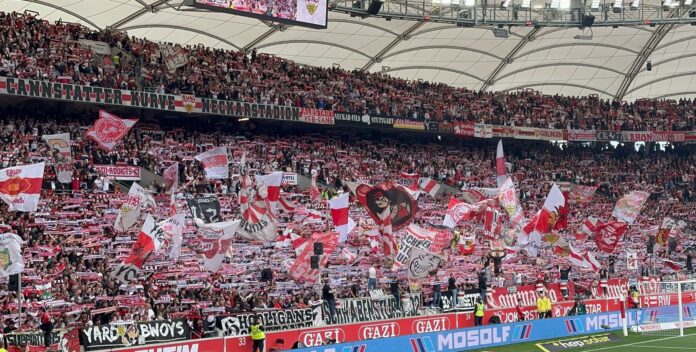
The Power of Real Fans: A New Era in Sports Marketing

In the dynamic world of sports marketing, a significant shift is occurring. Brands are moving beyond the traditional focus on star athletes to embrace the authentic experiences of fans. This evolution is not merely a trend but a strategic response to the changing landscape of consumer engagement, where emotional connections and community involvement are paramount.

Understanding Fan Psychology: The Role of Social Identity

At the heart of this transformation lies the Social Identity Theory, which posits that individuals derive a sense of belonging and self-esteem from their group affiliations. In the context of sports, fans identify deeply with their teams, experiencing victories and defeats as personal events. This identification fosters loyalty and emotional investment, making fans more receptive to brand messages that align with their values and experiences.

Emotional Branding: Creating Resonant Narratives

Emotional branding capitalizes on this psychological framework by crafting narratives that resonate with fans’ identities. By aligning brand messages with the emotions and values of the fan community, companies can foster deeper engagement and loyalty. This approach moves beyond transactional relationships, aiming to create lasting emotional bonds between brands and consumers.

Market Trends: The Rise of Fan-Centric Engagement

The sports industry is experiencing significant growth, with global revenues projected to reach new heights. Women’s sports, in particular, have seen a surge in popularity, driven by increased media coverage and investment. This expansion presents new opportunities for brands to engage with diverse and digitally native fan bases, emphasizing inclusivity and community involvement.

Esports is also on the rise, with an expected global audience of over 318 million by 2025. This burgeoning sector offers brands a platform to connect with younger audiences through innovative and interactive experiences.

Case Studies: Successful Fan-Focused Campaigns

Several brands have successfully implemented fan-centric campaigns that highlight the power of authentic engagement:

  • Quilmes – “Coincidences”: The Argentine beer brand created a campaign highlighting the similarities between the 1986 and 2022 World Cup victories, tapping into national pride and superstition to boost sales and brand affinity.
  • Guinness – “Don’t Jinx It”: Ahead of the Rugby World Cup, Guinness embraced Irish fans’ superstitions by encouraging them not to vocalize their hopes, creating a relatable and culturally resonant campaign.
  • Michelob Ultra – “Dreamcaster”: By enabling a visually impaired fan to commentate an NBA game using innovative technology, Michelob Ultra demonstrated inclusivity and the power of sports to transcend barriers.
  • Heinz – “Heinzjack”: During the 2022 World Cup, Heinz cleverly circumvented sponsorship restrictions by featuring a fan named Heinz as a human billboard, generating significant media coverage and consumer engagement.
Corporate Social Responsibility: Building Community Through Sports

Sports organizations are increasingly recognizing the importance of social responsibility in building community and fostering fan loyalty. Liverpool FC’s “Respect 4 All” program exemplifies this approach by offering free coaching and facilities for individuals with disabilities. Such initiatives not only reinforce the club’s commitment to inclusivity but also strengthen its bond with fans.

Future Directions: Embracing Technology and Purpose

Looking ahead, brands are expected to leverage technologies like augmented reality (AR), virtual reality (VR), and artificial intelligence (AI) to create personalized and immersive fan experiences. These innovations offer new avenues for engagement, allowing fans to interact with their favorite teams and athletes in unprecedented ways.

Additionally, aligning brand initiatives with social causes will become increasingly important in building authentic connections with audiences. Purpose-driven marketing that reflects the values and concerns of the fan community can enhance brand reputation and foster long-term loyalty.

The Power of Authentic Engagement

The future of sports marketing lies in embracing the genuine emotions and experiences of fans. By understanding the psychological underpinnings of fan loyalty and leveraging current market trends, brands can create meaningful and lasting relationships with their audiences. This approach not only enhances brand equity but also contributes to the broader cultural and social impact of sports.

The Agents Week – Edition #62

Welcome to the 62nd edition of The Agents Week, your digital source for the latest and most impactful stories in the world of football agency.

This week we dive into:

  • The Language Barrier: Why FIFA should make the agent exam more accessible.
  • Agent Spotlight: Introducing Ilyass Kaadoud, a FIFA-licensed football agent with a rich and diverse background in coaching, scouting, data analysis, and international football consultancy.
  • FIFA Football Agent Mock Exam 2025: Test your knowledge with four mock exam questions.

From Youth Star to Forgotten Talent: Why So Many Players Get Lost Between 18 and 21

Where the Light Starts to Fade: Reality After Youth Success

At 17, you’re a sensation. You dominate games. Scouts write your name. Coaches build plans around you.

At 18, you sign your first professional contract. Big dreams feel within reach.

By 19, you’re barely playing. Sometimes not even making the squad. Confused. Frustrated.

What changed?

Between 18 and 21, everything shifts. It’s no longer about potential. It’s about performance. This is the critical window where dreams either move closer—or quietly fade away. Many young players don’t fail because they lack talent. They stumble because they aren’t prepared for the reality of professional football.

Growth Isn’t a Straight Line

Everyone expects a steady climb: more minutes, more goals, more applause. But real development is a rollercoaster. One season you’re flying high. The next, you’re battling injuries, form slumps, or coaching changes. Those who expect constant progress lose faith at the first setback.

Remember: True growth is measured by how you stand up after you fall.

Youth Football and Pro Football Are Worlds Apart

In youth games, talent and creativity make you shine. But in professional football, survival demands much more: tactical discipline, physical strength, mental resilience, and the ability to thrive under relentless pressure. Those who can’t adapt quickly find themselves left behind.

Key: Talent gets you noticed. Intelligence and endurance keep you alive.

Parents: Whose Dream Is It?

Parents are the biggest supporters. But sometimes, the dream becomes theirs, not the player’s. Too much interference, too much pressure, unrealistic expectations—they crush a young player’s spirit.

True Support: Listening, encouraging, guiding—not controlling.

The Wrong Agent, the Wrong Road

A good agent builds a career step by step. A bad agent chases quick fame and fast money, without a proper plan. Jumping too early to a big club without a clear development path often ends in career stagnation.

When choosing: Pick a partner who plans for years, not headlines.

Clubs Often Forget Future Stars

In academies, every player is a project. In first teams, every player must deliver now. Players who aren’t immediately ready are loaned out, benched, or simply forgotten. Without a personalized plan, many fade away.

Solution: Choose clubs that invest in your growth, not just your present form.

Football Rewards Survivors

Failure is inevitable. The difference between those who make it and those who don’t isn’t avoiding failure—it’s how they respond to it. Mental resilience is just as critical as physical strength.

Key: Build a mind as strong as your body

Fall in Love with Football, Not Fame

In the era of social media, it’s easy to chase followers, sponsorships, and image over pure passion. When love for the game is replaced by love for attention, careers crumble.

Never Forget: Why you started. The ball, the joy, the fight.

Patience: Chasing Legacy, Not Likes

Today’s world demands quick wins. But football greatness is built over years, not months. Patience isn’t just a virtue—it’s a career strategy.

Lesson: Don’t rush the start. Build for the long road ahead.

Final Thought: The Marathon Wins, Not the Sprint

You don’t “make it” at 18. You build your legacy at 19, 20, 21, and beyond—through hard work, learning, failing, getting up, and pushing forward. The brightest stars at 17 aren’t always the ones who endure. Those who adapt, evolve, survive setbacks, and keep their passion burning are the true winners.

Stay patient.
Stay humble.
Stay hungry.

Because the real dream isn’t just starting the journey.

The real dream is staying on the journey and loving every step of it.

Maitiro Ekuita Soccer Transfer muZimbabwe

Photo by Cytonn Photography on Unsplash
Biggest Clubs
  • Dynamos :22 Titles
  • Caps United: 5 Titles
  • Highlanders: 7 Titles

Kutadza kukunda kweDynamos kwanga kuri kukuru munhoroondo — kunyanya kuma80s okupedzisira, kuma90s, uye kuma2000s ekutanga.

Nhau dzeBhora reMunyika (Zimbabwe)

Premier Soccer League (PSL) ndiyo nhanho yepamusoro yemitambo yebhora muZimbabwe, iine makirabhu 18.

Makirabhu akaita se Dynamos, Highlanders, ne CAPS United achiri ane vatsigiri vakawanda, asi makirabhu matsva akaita se FC Platinum ne Chicken Inn ari kuita zvakanaka munguva ichangopfuura.

Makwikwi ari pasi pePSL (Division One, Two, neThree) anopiwa nzvimbo maererano nematunhu asi anosangana nedambudziko rekushaikwa kwemari uye kusashanda kwehunyanzvi.

Chikwata chenyika (Warriors)

Chikwata chenyika, Warriors, chine tarenda asi chakasangana nematambudziko mukupinda mumakwikwi epasi rose.

Zimbabwe yakakwanisa kusvika ku AFCON muna 2017 ne 2019, asi matambudziko ezvematongerwo enyika nehutungamiriri akakanganisa kufambira mberi.

Vatambi veZimbabwe Vari Kunze
  • Zimbabwe yakaburitsa vatambi vane mukurumbira vakaita sa:
  • Khama Billiat (aive neKaizer Chiefs, South Africa now Scotland FC Zimbabwe)
  • Marvelous Nakamba (Luton Town, England)
  • Knowledge Musona (aive kuAnderlecht neAl-Tai)
  • Marshall Munetsi (Wolverhampton Wanderers (English Premier League))
Legends

Peter Ndlovu

Muna 1991, Peter Ndlovu akava mutambi wekutanga wekuAfrica kutamba mu English Premier League! Akatambira Coventry mitambo inopfuura 150 uye akapinda magedhi akawanda anoyeukwa.

Benjani Mwaruwari

Benjani akatanga basa rake rekuve mutambi wezvematambudziko kuJomo Cosmos kuSouth Africa, apo akaratidza kugona kwake kupinza magedhi. Muna 2001, akatamira kuEurope kuGrasshopper Club Zürich muSwitzerland. Gore rimwe chete, akasaina chibvumirano neAJ Auxerre kuFrance, uko akawana kuzivikanwa kwakanyanya. Muna 2006, akatamira kuPortsmouth muEnglish Premier League kwe£4.1 miriyoni, kuchiitwa nemaneja wenguva iyoyo, Harry Redknapp. Panguva yake kuPortsmouth, Benjani akave mutambi anodiwa nevatsigiri, achizivikanwa nekushanda nesimba uye kugona kwake kupinza magedhi.

Muna Ndira 2008, Benjani akatamira kuManchester City mushure mekufamba kwemaitiro akaoma ekutengeswa. Akapinda muCity kwe£3.87 miriyoni, iyo inogona kukwira kusvika ku£7.6 miriyoni kana zvibodzwa zvizadzikiswa. Akaita chiziviso pakarepo, achipinza goli rekukunda mumutambo weManchester derby vachirwisana neManchester United maminitsi mashoma mushure mekunge atamira.

Process Ye Transfer- Ma Key Points

1. Tarisa Chimiro CheMutambi uye Tora Clearance

Usati watanga transfer, ita izvi:

  • Chibvumirano: Tarisa kana mutambi achiri pasi pechibvumirano kana kuti akasununguka (free agent).
  • Clearance Letter: Kana mutambi achibva kune imwe club, tora tsamba inokuratidza kuti haasisina chibvumirano nechikwata chavo. Izvi zvinodzivirira matambudziko pakunyoresa.

2. Shandisa Intermediary Akanyoreswa kuZIFA

  • Transfer inofanirwa kuitwa nerubatsiro rwemumiriri (agent) akanyoreswa neZIFA.
  • Maererano nemitemo yeFIFA neZIFA, mubhadharo wemumiriri haafanire kudarika 10% ye signing-on fee yemutambi.
  • Chenjerera ma agents anoda kukukanganisa kana kuda mari zhinji zvisiri pamutemo.

3. Shandisa Zimbabwe Connect System

  • Kune ma transfers epasi rose, ZIFA inokurudzira kushandisa Zimbabwe Connect:
  • International Transfer Certificate (ITC): Iva nechokwadi kuti uri kukumbira ITC kubva kuassociation yakakodzera.
  • Registration: Nyoresa mutambi paZimbabwe Connect kuti zvifambe zvakanaka.

4. Tevedzera Mitemo yeMari dzeTransfer uye Compensation

  • ZIFA yakaisa mari dzemutambi zvichienderana nezera nemutambo wechikwata chiri kutenga:
  • Makore 18-23: $2,300 kana chikwata chiri muPremier League.
  • Makore 23-28: Mari inokwira kusvika $3,200 sezvo iri “prime age.”
  • Makore 28+: Mari inoderera.

Izvi zvinobatsira kudzivirira kuti makirabhu madiki asabirwe mutambi asina muripo wakakodzera.

5. Gadzirisa Makakatanwa eContracts Zvakanaka

Kana paine kusawirirana pakati pemutambi nechikwata:

  • ZIFA Inokurudzira: Kuti mutaurirane zvakanaka uye mugadzirise nyaya musati maenda kumatare.
  • Registration Panguva yekukakavadzana: ZIFA inogona kunyoresa mutambi kune chimwe chikwata achiri kugadzirisa nyaya yacho.

6. Tevedzera Mitemo yeFIFA neZimbabwe

  • Third-Party Influence: FIFA inorambidza kuti munhu wechitatu ave nemvumo yekutonga chikwata.
  • Mutemo weNyika: ZIFA inofanira kutevedzera mitemo yeZimbabwe pamwe chete nemitemo yeFIFA.

Mazano Ekupedzisira

  • Zvinyorwa: Chengeta zvinyorwa zvese zvemabvumirano nemataurirano.
  • Kutsvaga Kwakadzama: Ita shuwa kuti agent wawashandisa ane mvumo yakakodzera.
  • Ramba Uchiziviswa: Gara uchitarisa zviziviso zveZIFA kuti uzive mitemo mitsva.

Kana ukatevedzera izvi, unokwanisa kuita soccer transfer muZimbabwe zviri pamutemo uye zvakarongeka.

Pakupedzisira

Kusimudzirwa kwebhora reZimbabwe mberi kunoenderana nezvinhu zvakawanda zvakakosha. Kutanga, panodiwa kuisa mari yakawanda mukuvandudza tarenda revatambi vadiki nekusimudzira zvikoro zvebhora nemapurogiramu evana munzvimbo dzakasiyana-siyana munyika. Makirabhu anofanira kuvandudza maitiro avo ehunyanzvi, kusanganisira hutungamiriri hwakanaka, kutungamira mari zvakanaka, uye kuchengetedza zvakanaka vatambi. Kuvandudza zvivakwa zvakaita semastadium nenzvimbo dzekudzidzira kuchava kwakakosha pakukudziridza tarenda nekuunza mitambo yemhando yepamusoro munyika. Panguva imwecheteyo, vatungamiriri vebhora vanofanirwa kuisa pamberi kuvimbika, kutonga kwakachena, uye kukwezva vatsigiri vezvemari (sponsorships) kuitira kuti bhora rigare rakasimba. Kuvaka patsva kuvimba nevatsigiri uye kusimbaradza kubatana nenharaunda kuchabatsirawo kukurudzira rutsigiro rwebhora. Kana zvinhu izvi zvikatariswa nemazvo, Zimbabwe ine mukana mukuru wekuzova nyika ine simba mubhora muAfrica mumakore anouya.

Wie können Spielerberater Geld verdienen?

Photo by CARTIST on Unsplash

Spielerberater zu sein kann eine sehr lukrative Karriere sein – aber nur, wenn man die Einkommensquellen versteht und weiß, wie Provisionsmodelle funktionieren. In diesem Artikel zeigen wir dir ganz genau, wie Spielerberater im Fußball Geld verdienen, wen sie vertreten dürfen und welche verschiedenen Provisionsstrukturen es gibt.

Teil 1: Geld verdienen als FIFA-lizenzierter Spielerberater

In diesem Abschnitt geht es darum, wie Spielerberater mit FIFA-Lizenz Einnahmen generieren können. Laut den FIFA-Regularien benötigt man eine offizielle Lizenz, um Spieler, Vereine und Trainer in Vertragsverhandlungen zu vertreten.

Wen darf ein Spielerberater vertreten?

Laut FIFA-Regularien kann ein Berater folgende Parteien vertreten:
– Spieler – Die häufigste Form der Vertretung: Verhandlungen von Verträgen und Transfers im Namen von Fußballprofis.
– Kaufende Vereine – Unterstützung des Vereins bei der Verpflichtung eines Spielers und bei der Abwicklung des Deals.
– Verkaufende Vereine – Hilfe beim Transfer eines Spielers zu einem anderen Verein.
– Trainer / Cheftrainer – Vertretung von Trainern bei der Jobsuche und bei Vertragsverhandlungen.
– Nationale Verbände – Auch bei Nationalteams können Trainer durch Spielerberater vertreten werden.
– MLS & Einzelliga-Systeme – In Ligen wie der MLS werden Verträge mit der Liga abgeschlossen, nicht direkt mit dem Verein. Entsprechend erfolgt auch die Bezahlung der Berater.

Wie werden FIFA-Spielerberater bezahlt?

Der Branchenstandard ist oft: 10 % des Bruttojahresgehalts des Spielers. Es gibt jedoch unterschiedliche Modelle:
– Jährliche oder geteilte Zahlungen – Einige Vereine zahlen die Provision jährlich, andere halbjährlich.
– Vorauszahlungen – Bei längeren Verträgen kann eine Teilzahlung im Voraus vereinbart werden.
– Garantierte Zahlungen – Manchmal wird vertraglich festgelegt, dass die Provision vollständig gezahlt wird, auch wenn der Spieler den Berater wechselt oder den Verein verlässt.

Wenn ein Berater z. B. einen Vierjahresvertrag verhandelt und der Spieler nach zwei Jahren wechselt, erhält der ursprüngliche Berater trotzdem weiterhin seine Provision – außer der Spieler unterschreibt einen neuen Vertrag, in dem Fall bekommt der neue Berater die Provision.

Bei Transfers erhalten die Berater des verkaufenden Vereins häufig 10 % der Transfersumme, die Berater des kaufenden Vereins dagegen meist einen Anteil am Spielergehalt. Oft arbeiten mehrere Berater zusammen und teilen sich die Provision.

Teil 2: Werbedeals & Sponsoring

Viele Berater konzentrieren sich nur auf Vertragsverhandlungen mit Vereinen – dabei bieten Sponsoring- und Werbeverträge enormes Potenzial.

Für Sponsoringverträge brauchst du keine FIFA-Lizenz.

Welche kommerziellen Deals können Spielerberater aushandeln?

– Spielersponsoring
– Trainersponsoring
– Clubsponsoring
– Sponsoring von Verbänden & Ligen

Viele Berater vergessen, die kommerziellen Rechte in ihren Spielerverträgen abzusichern. Wenn du einen Spieler vertrittst, stelle sicher, dass sein Vertrag das klar regelt.

Du kannst auch Sponsoringdeals für Spieler vermitteln, die du gar nicht selbst vertrittst – die Provision wird dann mit ihrem Berater geteilt. Dadurch entstehen tolle Networking-Möglichkeiten.

Teil 3: Geld verdienen als FIFA-Match-Agent

Ein FIFA-Match-Agent organisiert Freundschaftsspiele zwischen Vereinen, Nationalmannschaften oder auch Vorbereitungsturniere.

Was verdient ein Match-Agent?

– In der Regel zwischen 10 % und 20 % des Spielwerts.
– Bei großen Spielen kann ein einziger Deal Millionen wert sein.

Match-Agent zu werden ist deutlich einfacher als Spielerberater: Es reicht eine Online-Bewerbung – kein Examen nötig.

Teil 4: Executive Search – Vermittlung von Führungskräften

Während sich die meisten Berater auf Spieler und Trainer konzentrieren, wird das Recruiting von Führungspersonal (Sportdirektoren, Scouts, Vorstände etc.) immer wichtiger – und lukrativer.

Was ist ein Executive-Search-Deal?

Hier geht es darum, Sportmanager, Scouts oder Vorstände bei der Jobsuche zu unterstützen und sie mit passenden Vereinen oder Verbänden zu vernetzen.

Verdienstpotenzial:
25 %–35 % des Bruttojahresgehalts des Managers (einmalige Zahlung).

Diese Form der Vermittlung ist besonders in England, den USA und Westeuropa verbreitet – und wird mit der Professionalisierung des Fußballs weltweit zunehmen.

Teil 5: Beteiligungen, Club-Deals & Vermittlerrolle

Spielerberater verhandeln nicht nur Verträge – manche vermitteln ganze Vereinsübernahmen zwischen Investoren.

Warum ist das so eine große Chance?

– Spielerberater haben Kontakte zu Clubbesitzern & Investoren.
– Manche wollen kaufen, wissen aber nicht wie.
– Andere wollen verkaufen, finden aber keinen Käufer.
– Der Berater wird zur Brücke zwischen beiden Seiten – und verdient kräftig mit.

Provision bei Club-Deals:
– Deals sind oft mehrere Millionen oder sogar Hunderte Millionen Euro wert.
– Berater erhalten eine Fixgebühr oder einen Prozentsatz vom Gesamtvolumen.

Zusätzlich können Spielerberater Anteile an Start-ups verhandeln, in Immobilienprojekte einsteigen oder Sport-Tech-Unternehmen gründen. Der Fußball ist oft der Einstieg in die Business-Welt.

Abschließender Gedanke: Wissen + Beziehungen = Erfolg

Es heißt oft: „Im Fußball zählt, wen du kennst – nicht, was du weißt.“
Doch die Wahrheit ist:

Wenn du beides kombinierst – Know-how & Kontakte – wirst du im Fußball ganz nach oben kommen.

Nur Wissen reicht nicht, um Geld zu verdienen.
Nur Kontakte reichen nicht für echten Erfolg.
Aber beides zusammen macht dich unschlagbar.

Baue dein Fachwissen aus. Pflege dein Netzwerk. Wenn du beides meisterst, wirst du viele Deals abschließen, viel Geld verdienen – und im Fußball eine bleibende Spur hinterlassen.

Futbolun Doğan Güneşi: Japonya’nın Küresel Yetenek Fabrikası Olma Yolu

Image by CRISTIAN PIZARRO CESPEDES from Pixabay

Suudi Arabistan, Katar veya Birleşik Arap Emirlikleri gibi mali açıdan güçlü ligler dünya çapında manşetlere çıkarken, Japonya sessiz ama istikrarlı bir şekilde dünyanın en heyecan verici futbol ülkelerinden biri haline geldi. Bu başarının merkezinde, disiplin, yenilikçilik ve stratejik planlamayı birleştiren düşünülmüş ve sürdürülebilir bir yetenek geliştirme sistemi yer alıyor.

Güçlü Temeller: Okullar, Akademiler ve Üniversiteler

Birçok genç Japon futbolcunun yolculuğu okulda başlıyor. Futbol, eğitim sistemine sıkı bir şekilde entegre edilmiştir. İlkokuldan liseye kadar yapılandırılmış turnuvalar düzenleniyor; bunlar arasında ülkenin en çok izlenen spor etkinliklerinden biri olan All Japan High School Soccer Tournament da bulunuyor. Takefusa Kubo gibi yıldızlar burada ilk adımlarını attı.

Profesyonel J.League kulüpleri de kendi altyapı akademileriyle önemli katkılarda bulunuyor. Neredeyse her kulübün, genç oyuncuların profesyonelliğe doğrudan geçiş yapabileceği modern tesisleri bulunuyor. Takehiro Tomiyasu ve Hiroki Ito gibi oyuncular bu sistemlerde yetişerek uluslararası arenada yıldızlaştı.

Üniversiteler de ayrı bir yol sunuyor: Kyogo Furuhashi ve Kaoru Mitoma gibi oyuncular hem akademik hem futbol gelişimlerini üniversite eğitimiyle birleştirdiler – bu model, geç gelişim gösteren yeteneklere de fırsat tanıyor.

Federasyonun Rolü: JFA Elit Programı ve 100 Yıllık Plan

Japonya Futbol Federasyonu (JFA) burada kilit bir rol oynuyor. JFA Elit Programı, genç yetenekleri erken yaşta keşfederek uluslararası deneyim, profesyonel antrenman ve hedefli destek sağlıyor. Ritsu Doan ve Tomiyasu gibi oyuncular bu programdan faydalandı.

Bu çaba, Japonya’yı 2050 yılına kadar bir futbol süper gücü yapmayı amaçlayan 100 Yıllık Plan ile tamamlanıyor. Plan üç temel üzerine inşa edilmiş:

  • Elit Program gibi projelerle altyapı geliştirme
  • 2092 yılına kadar 100’den fazla profesyonel kulüp oluşturmak
  • Japon oyuncuların Avrupa’nın üst düzey liglerine entegrasyonunu artırmak
Başarıyı Yaratan Yapı: Yerli ve Yabancı Oyuncu Kuralları

J.League kulüpleri, en az üç yıl kendi altyapısında eğitim almış genç oyuncuları geliştirmekle yükümlü. U21 oyuncularını düzenli oynatan kulüpler finansal teşvikler alıyor – bu, yerli yeteneklerin gelişimi için etkili bir yöntem.

Aynı zamanda, lig akıllı bir yabancı oyuncu politikası uyguluyor: Sahada aynı anda en fazla beş yabancı oyuncuya izin veriliyor. Asya Futbol Konfederasyonu (AFC) üyesi ülkelerden gelen oyuncular bu sınırlamadan muaf – bu da hem lig kalitesini hem de bölgesel işbirliğini güçlendiriyor.

Küresel Bir Sıçrama Tahtası: Sportif ve Finansal Olarak Cazip Yatırımlar

Japon oyuncular sadece teknik ve mental olarak değil, ekonomik açıdan da son derece cazip. Transfer hikayeleri potansiyellerini gözler önüne seriyor:

  • Takehiro Tomiyasu, 2018’de Avrupa’ya 800.000 € karşılığında transfer oldu – piyasa değeri daha sonra 35 milyon €’ya ulaştı.
  • Kaoru Mitoma, Brighton tarafından sadece 3 milyon €’ya transfer edildi – bugün değeri 45 milyon €’ya çıktı.
  • Yuito Suzuki, Brøndby’de piyasa değerini iki yıldan kısa sürede %1000’den fazla artırdı.

Hiroki Ito, Ko Itakura ve Ritsu Doan gibi diğer örnekler gösteriyor ki: Japon yeteneklere yatırım yapanlar hem sportif hem finansal anlamda büyük kazanımlar elde ediyor.

Tutku ve Altyapı: J.League Bir Model Olarak

Maç başına 20.000’in üzerinde seyirci ortalaması ve Saitama Stadyumu veya Panasonic Arena gibi modern tesislerle J.League, Avrupa seviyesinde profesyonel bir ortam sunuyor. Urawa Red Diamonds ve Yokohama F. Marinos gibi kulüpler, topluluklarıyla güçlü bir şekilde bütünleşmiş durumda ve tutkulu, saygılı taraftarları çekiyorlar.

Sonuç: Geleceği Olan Bir Sistem

Japonya’nın futbol modeli, sürdürülebilir kalkınmanın mükemmel bir örneği. Okul futbolundan üniversitelere, akademilere, J.League’e ve uluslararası başarıya kadar her aşama stratejik olarak planlanmış. Mitoma, Tomiyasu ve Kamada gibi oyuncular, küresel sahnede kendilerini kanıtlayan bir neslin temsilcileri.

Ancak bu sadece bir başlangıç: Net bir vizyon, disiplin ve inovasyon gücüyle Japonya, dünya futbolunda çok daha büyük bir rol oynamaya hazır. “Doğan güneşin” yükselişi bir anlık bir parlama değil – küresel futbolun geleceğine verilmiş uzun vadeli bir söz.

Who is Bruno Costa?

Bruno Costa
Overview

Bruno Costa is a highly experienced football executive who has worked across South and North America, leaving a significant mark at the club and federation levels. Known for his strategic vision, calm leadership, and expertise in building football departments from the ground up, Costa has held major roles at Fluminense FC, Fortaleza EC, San Jose Earthquakes, and the Brazilian Football Federation (CBF).

From developing youth systems at a national level to qualifying a Brazilian team for the prestigious Copa Libertadores, Costa’s journey reflects a blend of football intelligence, adaptability, and international scope.

Personal Life

Born and raised in Brazil, Bruno Costa brings the values of humility, discipline, and lifelong learning into his work. Outside of football, he’s known to enjoy reading, especially books on leadership and human behavior, and he strongly values time with his family. His personal experiences have shaped his professional philosophy—calm under pressure, methodical in planning, and always focused on people before processes.

Bruno is also passionate about mentoring young professionals and sharing knowledge about the complexities of modern football operations. His career reflects a quiet, determined leadership style shaped by a deep understanding of both South American and international football cultures.

Early Career & the Brazilian Football Federation (CBF)

Bruno Costa’s career began in youth football development, where his analytical mind and structured approach quickly caught attention. He joined the Brazilian Football Federation (CBF), where he played a key role in national team operations and youth development pathways. At CBF, Costa worked closely with the men’s youth national teams, contributing to the preparation, logistics, and structural planning required for success at the international level.

His time at the federation gave him firsthand experience with top Brazilian talent and a unique view into the developmental backbone of Brazilian football. It was also where he honed his strategic thinking—translating football philosophy into actionable plans on and off the pitch.

Fluminense FC: Academy and Title-Winning Years

From 2007 to 2010, Costa served as Assistant General Manager and Academy Director at Fluminense FC, one of Brazil’s most prestigious clubs. During his time there, the club won the Brazilian Serie A title, reached the finals of the Copa Sudamericana and Copa Libertadores, and became one of the top academies in the country. Under his academy leadership, more than 40 players graduated to the first team, contributing over $70 million in player transfer revenue. His work helped solidify Fluminense’s reputation as a powerhouse for player development and competitive success, both nationally and internationally.

Experience in the United States – San Jose Earthquakes

Following his work at Fluminense and CBF, Costa took his first international step by joining San Jose Earthquakes in Major League Soccer (MLS). There, he took on a key football operations and scouting role, helping reshape the club’s long-term sporting structure.

Costa was instrumental in refining the player recruitment strategy, building data-informed scouting systems, and establishing internal processes that aligned the technical staff with club management. His understanding of both Latin American talent and North American football dynamics made him a valuable bridge between markets.

His MLS experience gave him valuable insights into the commercial side of football, league structures, and multicultural team environments.

Return to Brazil – Sporting Director at Fortaleza EC

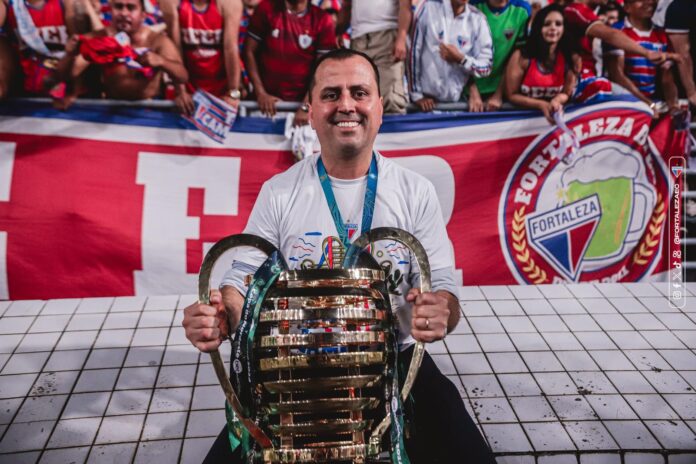
In 2022, Bruno Costa was appointed Sporting Director at Fortaleza Esporte Clube, one of Brazil’s most exciting projects in recent years. His arrival came at a time when the club was seeking greater consistency in performance, smarter recruitment, and international competitiveness.

During his time at Fortaleza, Costa led the sporting department through a historic period. Under his guidance:

  • The club qualified for the Copa Libertadores, marking a major milestone in its modern history.
  • The squad was strengthened with strategic signings and internal development.
  • He implemented efficient, data-driven processes in recruitment and performance analysis.
  • He built a stronger link between the academy and the first team.

Costa’s leadership played a central role in professionalizing the club’s sporting vision, enabling Fortaleza to compete both domestically and continentally with greater consistency and ambition.

What’s Next?

Having recently concluded his chapter at Fortaleza, Bruno Costa is currently exploring his next steps in football. Whether his future lies in Brazil, Europe, or North America again, one thing is clear: his experience, philosophy, and leadership will be a major asset to any project seeking structure, vision, and long-term success.

Our Exclusive Interview with Bruno Costa

Who is Bruno Costa outside of football?

Outside of football, I’m a husband and a father before anything else. My family is the core of my life my wife has been the biggest pillar in my journey. She’s been by my side through every move, every challenge, and every new beginning. Her strength and support have allowed me to focus on my work with clarity and stability. And of course, being a father changes your entire perspective. My child motivates me to be a better person every day, not just a better professional.

I’m also someone who values stillness in a world that moves fast. I enjoy calm moments, especially early in the morning or late in the evening. I reflect a lot, and I’ve built a habit of meditation into my daily routine. It grounds me. Professionally, things can get chaotic but internally, I try to stay balanced. That’s who I am: a quiet thinker, a family man, and someone who believes in doing things the right way even if that means taking the longer road.

What kind of books or subjects do you enjoy reading?

I’m constantly searching for knowledge. Not just in football, but across industries and sports. There are so many great books and resources out there what matters to me is learning how people lead, how organizations are built, how resilience is developed. I read across different sports, but also dive into leadership, business strategy, and human behavior. For me, learning is a lifelong process.

I don’t look for quick lessons I like to reflect on what I read and apply it in my work. I believe that the best leaders are the ones who never stop learning, no matter how far they’ve come. I also love talking to people and listening to their experiences. Sometimes the best insights don’t come from books but from real conversations.

Describe your daily routine when you’re working inside a club.

My routine is structured but also flexible because in football, no two days are ever the same. I usually start early, reviewing any urgent matters that came in overnight. The first part of the day is about aligning the team: touching base with coaches, performance staff, and department leads to make sure everyone is moving in the same direction.

I prioritize communication it’s the foundation of high performance. I always want people around me to feel clarity in the plan, but also feel empowered to contribute. Throughout the day, I shift between operational matters and longer term strategy. I carve out time for scouting meetings, data analysis sessions, and, very importantly, informal conversations with staff. Those often reveal the most about how the team is functioning.

I try to end each day with 15-20 minutes of quiet reflection. That could mean reviewing the day or simply meditating. Football can be intense so building space into the routine is key for staying grounded.

What do you do to disconnect and recharge from the pressures of the game?

Time with my family is the number one way I recharge. My wife and my child bring me back to what really matters. Football can consume your time and energy completely, so I’ve learned how essential it is to step away and be fully present at home. Even something simple like a walk together or reading to my child helps me refocus and re center.

I also meditate. It’s something I discovered a few years ago, and now it’s part of my life. Even 10 or 15 minutes of focused breathing can shift your mindset completely. It helps me detach from the noise and get back in touch with myself.

I believe that if you’re not taking care of your own energy and mental health, you’re not showing up fully for your team or your family. So disconnecting isn’t a luxury it’s a necessity.

Who has had the biggest influence on your journey so far?

There are many people I’m grateful for, but without question, my wife has been the most influential. Her belief in me, her strength during difficult transitions, and her ability to keep our life balanced those things have made my career possible. Behind every move, every decision, she’s been there offering perspective and support.

Professionally, I’ve had the chance to work with brilliant minds at CBF, in MLS, and in Brazil. But even more than technical knowledge, I’ve learned from people who lead with integrity. People who don’t just talk about values they live them. And I try to bring that into my own leadership every day.

What were the most valuable lessons you learned while working at the Brazilian Football Federation (CBF)?

Working at CBF was a foundational experience for me. I had the opportunity to understand how high level football operates at the national team level, especially with youth categories. The margin for error is very small you need to prepare with precision, anticipate problems, and support the technical staff in a way that lets them focus fully on the field.
I learned how to think strategically while managing extreme detail. You don’t just plan for what’s happening today you prepare for what’s happening months from now. And when you’re representing a country, the stakes are different. Every decision carries weight, and the level of professionalism expected is very high. It taught me how to work under pressure while still keeping a long term mindset.

How was your transition into Major League Soccer (MLS) with San Jose Earthquakes?

It was eye opening. MLS is a unique league, with its own set of rules, financial models, and structural constraints. Coming from Brazil, I had to adapt quickly to a different football culture but that challenge was one of the most valuable experiences of my career.

What impressed me most was the level of organization and the long term vision many clubs have. In San Jose, I was involved in building processes that aligned performance, scouting, and development in a very structured way. We worked to bridge gaps between departments and to think globally in a league that’s still growing.

It also helped me become more flexible. When you operate in two completely different football environments South America and the U.S. you learn to build systems that respect local context but also raise global standards.

What are you most proud of from your time at Fortaleza EC?

Qualifying for the Copa Libertadores is definitely a highlight it was a historic moment for the club and a result of a lot of hard work behind the scenes. But beyond that, I’m most proud of the structure we built. We created a more professional, integrated sporting department that could support the club’s growth beyond a single season.

We improved the recruitment process, introduced better use of data, and brought in staff who shared the vision. We also paid attention to internal culture how people work together, how departments communicate. That kind of cultural alignment is what sustains success in the long run.

How do you approach building a successful football department?

It always starts with people. You need the right staff not just skilled, but aligned in values and committed to collective goals. Once you have the people, you create the framework: define responsibilities, build transparent systems, and make communication the top priority.

I also believe in using data wisely. It’s not about replacing intuition it’s about enhancing it. Data helps you ask better questions, reduce risk, and see trends that aren’t obvious.

Finally, planning is everything. Short term results are important, but without a mid to long term vision, you’re always reacting. A successful department needs to be proactive, consistent, and constantly learning.

What’s next for Bruno Costa?

Right now, I’m taking time to reflect. I’ve been fortunate to work in incredible environments, and I want my next step to align with who I am and what I believe in. I’m having conversations, exploring opportunities, and staying open.

What matters most to me is joining a project with purpose where there’s trust, shared vision, and space to build something meaningful. I don’t just want to be part of a club; I want to help shape its future in a sustainable and human centered way. Wherever that is, I’m excited for the next chapter.

Struktura E Re E FIFAs Për Provimin Të Agjentëve Të Futbollit

Image by Michi S from Pixabay
Formati dhe Struktura e FIFAs për Provimin e Agjentëve të Futbollit

FIFA ka prezantuar ndryshime të mëdha strukturore për Provimin e Agjentëve të Futbollit, të cilat hyjnë në fuqi nga data 4 Mars 2025. Këto përditësime shënojnë një ndryshim nga vlerësimet e mëparshme me prezencë fizike në qendra të caktuara, drejt një formati plotësisht online, me protokolle më të rrepta monitorimi dhe kërkesa të reja teknike. Qëllimi i këtyre ndryshimeve është të rritet ndershmëria, transparenca dhe standardizimi, duke siguruar që të gjithë kandidatët, pavarësisht nga vendndodhja e tyre, ta japin provimin në kushte të barabarta dhe të kontrolluara rreptësisht.

Nën sistemin e mëparshëm, kandidatët ishin të detyruar të jepnin provimin fizikisht në qendra të caktuara nga Federatat Kombëtare të Futbollit. Kjo lejonte kushte të kontrolluara, por kishte variacione të konsiderueshme në mjediset e provimit. Disa federata ofronin mbështetje të ndryshme teknike, akses të internetit dhe kushte të ndryshme infrastrukturore, kurse disa të tjera, jo dhe aq shumë. Për më tepër, rregullat për materialet e lejuara nuk ishin konsistente: disa federata lejonin shënime të printuara, të tjera vendosnin kufizime më të rrepta.

Tani, FIFA ka hequr të gjitha provimet në këto qëndra dhe i ka zëvendësuar me një format vetëm online, që do të thotë se kandidatët duhet ta japin testin në një ambient privat, të vetë menaxhuar. Ky ndërrim vendos më shumë përgjegjësi mbi kandidatët për të siguruar teknologjinë e nevojshme, stabilitetin e internetit dhe një hapësirë të përshtatshme për të dhënë provimin. Sistemi i ri sjell masa të shtuara sigurie, duke përfshirë akses të detyrueshëm të kamerës dhe mikrofonit në kompjuterin e kandidatit, si dhe monitorim të dytë përmes një telefoni smartphone. Ndryshe nga më parë, ku vëzhguesit ishin të pranishëm fizikisht, FIFA tani do përdorë mjete të monitorimit të bazuara në inteligjencën artificiale për të ndjekur sjelljen dhe për të zbuluar aktivitet të dyshimtë në kohë reale.

Një ndryshim tjetër i rëndësishëm është heqja e të gjitha pushimeve gjatë periudhës 60-minutëshe të provimit. Më parë, kandidatëve u lejohej të bënin pushime për nevoja personale, por kjo nuk lejohet më. Pasi të fillojë provimi, kandidati duhet të qëndrojë i dukshëm në kamera dhe i ulur deri në përfundim të kohës. Nëse një kandidat largohet nga pozicioni, shikon larg për një periudhë të gjatë, ose humbet lidhjen e internetit, përpjekja e provimit do të anullohet menjëherë, duke e detyruar kandidatin të aplikojë për një seancë të ardhshme.

Gjithashtu, FIFA ka vendosur rregulla më të rrepta për sjelljet e papërshtatshme gjatë provimit. Në sistemin e vjetër, shkeljet si komunikimi i paautorizuar, përdorimi i materialeve të jashtme ose pajisjeve elektronike, mund të çonin në diskualifikim nga ajo seancë, por kandidatët shpesh mund të aplikonin përsëri në datën e radhës. Sipas rregullave të reja, shkeljet serioze si mashtrimi, marrja e pamjeve të ekranit ose shpërndarja e përmbajtjes së provimit, mund ta çojnë kandidatin në pezullim nga provimet e ardhshme, madje edhe ndalim i përhershëm për te marrë licencën e agjentit të FIFAs.

Me këto përditësime, FIFA synon të krijojë një proces provimi të unifikuar dhe të rregulluar, duke eliminuar mospërputhjet në kushtet e provimit dhe duke parandaluar avantazhet e padrejta. Kandidatët duhet të jenë plotësisht të përgatitur, si nga ana teknike, ashtu edhe nga ana e njohjes së rregullave të provimit, pasi çdo dështim për të përmbushur kërkesat mund të rezultojë në humbjen e seancës së tyre.

Formati i Provimit dhe Kërkesat Minimale për Kalim

Provimi për tu bërë një Agjent Futbolli i liçencuar nga FIFA tani zhvillohet tërësisht online, duke zëvendësuar formatin e mëparshëm me prezencë fizike. Kjo bën që kandidatët të mos kenë nevojë të udhëtojnë në qendra të caktuara nga federatat dhe u vendos më shumë përgjegjësi për të siguruar pajisjet teknike dhe mjedisin pa shpërqëndrime. Provimi zgjat 60 minuta dhe për të kaluar, kandidatët duhet të përgjigjen saktë të paktën 75% të pyetjeve.

Provimi përbëhet nga pyetje me alternativa të shumëfishta që vlerësojnë njohuritë e kandidatëve mbi rregulloret e FIFAs, duke përfshirë transferimet e lojtarëve, marrëveshjet kontraktuale, përgjegjësitë e ndërmjetësuesve dhe qeverisjen e përgjithshme të futbollit. Pyetjet janë të dizajnuara të testojnë jo vetëm njohuritë faktike, por edhe aftësinë për të aplikuar rregullat e FIFAs në situata reale që mund të ndeshen gjatë përfaqësimit të lojtarëve dhe klubeve.

Një nga ndryshimet më të rëndësishme është ndalimi i rreptë i pushimeve gjatë provimit. Më parë, kandidatët mund të kërkonin pushime të mbikëqyrura, por tani nuk lejohet asnjë ndërprerje. Kjo do të thotë se, pasi të fillojë provimi, kandidati duhet të qëndrojë ulur, i dukshëm në kamera dhe i përqendruar deri në përfundim të 60 minutave. Çdo largim, qoftë për arsye teknike, personale apo shkëputje aksidentale, rezulton në diskualifikim automatik dhe kandidati duhet të presë datën e ardhshme për të riprovuar.

Duke pasur parasysh këto kushte më të rrepta, FIFA këshillon fort kandidatët të përgatiten mirë para fillimit të provimit, duke siguruar një lidhje të qëndrueshme interneti, pajisjet e nevojshme dhe një hapësirë të qetë pa ndërprerje.

Kërkesat Teknike dhe Konfigurimi

Meqenëse provimi zhvillohet plotësisht online, FIFA ka vendosur kërkesa të rrepta teknike për të garantuar një mjedis të sigurt dhe të standardizuar. Kandidatët janë tërësisht përgjegjës për vendosjen dhe mirëmbajtjen e kushteve të tyre të provimit, pasi FIFA nuk ofron mbështetje teknike gjatë testit.

Për të dhënë provimin, kandidatët duhet të kenë:

  • Një laptop ose kompjuter desktop me kamera dhe mikrofon funksional, të cilët duhet të qëndrojnë të aktivizuar gjatë gjithë provimit. Sistemi i monitorimit të FIFAs mbështetet në këto pajisje për të ndjekur sjelljen e kandidatit dhe për të zbuluar parregullsi.
  • Një telefon smartphone, që do të përdoret për monitorim të dytë. Mund të kërkohet që telefoni të vendoset në mënyrë që të japë një kënd shtesë të hapësirës së ku merrni provimin. Telefoni nuk mund të përdoret për asnjë funksion tjetër gjatë provimit.
  • Lidhje të qëndrueshme dhe të besueshme interneti. FIFA ka sqaruar se çdo ndërprerje e internetit do të anullojë përpjekjen e provimit, pa mundësi për të vazhduar testin. Nëse kandidati humbet lidhjen në çdo moment, seanca e tij do të ndërpritet dhe kandidatit do ti duhet të aplikojë për një seancë të ardhshme.

Për shkak të rëndësisë së këtyre kërkesave teknike, FIFA këshillon kandidatët të testojnë pajisjet, shpejtësinë e internetit dhe funksionimin e kamerës përpara datës së provimit. Nëse ndodhin probleme teknike gjatë provimit, qofshin të lidhura me internetin, pajisjet ose programet, kandidati nuk do të marrë kohë shtesë apo mundësi për riprovim në të njëjtën seancë. Do të duhet të presë provimin e radhës dhe të riaplikojë. Kandidatët duhet të sigurojnë gjithashtu një hapësirë të qetë, të ndriçuar mirë dhe pa shpërqendrime, pasi çdo lëvizje jashtë kornizës, humbje e dukshmërisë ose sjellje e dyshimtë mund të çojë në shqyrtim ose diskualifikim.

Vendi i Provimit dhe Sjellja e Kandidatëve

Edhe pse provimi tani zhvillohet tërësisht online, FIFA kërkon që kandidatët ta përfundojnë atë në një ambient të qetë, privat dhe pa ndihmë të jashtme. Kushtet duhet të ngjajnë me një mjedis zyrtar provimi, për të garantuar ndershmëri dhe integritet globalisht. Për të zbatuar këto standarde, FIFA ka implementuar masa të rrepta monitorimi për të zbuluar dhe parandaluar çdo formë mashtrimi apo shkelje të rregullave.

Sistemi i monitorimit përfshin:

  • Mbikëqyrje të drejtpërdrejtë me video përmes kamerës së laptopit ose desktopit, e cila duhet të jetë e aktivizuar dhe pa pengesa gjatë gjithë provimit.
  • Monitorim të dytë të detyrueshëm me telefon smartphone, që mund ti kërkohet kandidatit të tregojë një kënd më të madh të hapësirës së punës. Kjo siguron që provimi të përfundohet pa ndihmë të jashtme apo materiale referuese të paautorizuara.
  • Ndjekje të sjelljes me inteligjencë artificiale, që zbulon lëvizje të dyshimta, shikime të shpeshta larg ekranit, zhurma të pazakonta në sfond ose shenja të tjera të mundshme të shkeljes. Nëse sistemi e shënon kandidatin, seanca mund të rishikohet, duke çuar në diskualifikim ose pezullim nga provimet e ardhshme.

Kandidatët duhet të qëndrojnë ulur, të dukshëm në kamera dhe plotësisht të përqendruar gjatë gjithë 60 minutave të provimit. Shikimi larg ekranit për një kohë të gjatë, komunikimi i çfarëdo lloji apo përdorimi i materialeve të paautorizuara mund të shkaktojë sinjalizim automatik të shkeljes. Edhe shkeljet e vogla, si ndryshimi i shpeshtë i pozicionit apo të folurit me zë të lartë, mund të çojnë në shqyrtim të mëtejshëm dhe potencialisht diskualifikim.

Për të shmangur probleme të panevojshme, FIFA rekomandon që kandidatët të përgatisin ambientin për provim paraprakisht, duke siguruar ndriçim të mirë, sfond neutral dhe pa shpërqendrime. Çdo ndërprerje, si hyrja e dikujt në dhomë, zhurma në sfond ose ndërprerje të internetit, mund të çojë kandidatin në diskualifikim automatik dhe ai ose ajo duhet të aplikojë për provimin e ardhshëm.

Artikuj të Lejuar dhe të Ndaluar

FIFA ka vendosur udhëzime të qarta mbi artikujt që kandidatët mund dhe nuk mund të kenë në ambientin e provimit. Çdo artikull i paautorizuar mund të çojë në diskualifikim të menjëhershëm dhe, në raste serioze, pezullim nga provimet e ardhshme.

✔️ Artikuj të Lejuar

Kandidatët mund të kenë:

  • Materiale studimi, vetëm nëse janë të ruajtura në mënyrë dixhitale në laptopin ose desktopin e përdorur për provim.
  • Syze optike me numër, nëse nevojiten për korrigjimin e shikimit.
  • Një stilolaps dhe një fletë të bardhë për shënime gjatë provimit. Fleta duhet të tregohet në kamera para dhe pas përdorimit për të siguruar që nuk ka shënime të parapërgatitura.
  • Kalkulatorin e integruar në platformën online të FIFAs.

❌ Artikuj të Ndaluar

Të ndaluara gjatë provimit janë:

  • Telefona smartphone, përveç atij që përdoret për monitorim. Ky telefon duhet të vendoset sipas udhëzimeve dhe nuk mund të përdoret për asnjë funksion tjetër gjatë testit.
  • Ora smartwatch, kufje ose pajisje të tjera që mund të lidhen me internetin.
  • Hyrja në faqe të jashtme interneti përveç platformës zyrtare të provimit të FIFAs. Çdo përpjekje për të shfletuar internetin ose për të hapur faqe të paautorizuara do të konsiderohet shkelje.
  • Dokumente të printuara, shënime me dorë ose materiale fizike studimi. Ndryshe nga provimet e mëparshme, tani lejohen vetëm materiale dixhitale në laptopin e përdorur për provim.
  • Kalkulatorë fizikë. Të gjitha llogaritjet duhet të bëhen me kalkulatorin e platformës së FIFAs.

FIFA ka theksuar se çdo përpjekje për të aksesuar materiale të paautorizuara, për të komunikuar me të tjerët ose për të përdorur pajisje të ndaluara do të trajtohet si shkelje serioze. Kandidatët që kapen duke shkelur këto rregulla rrezikojnë diskualifikim të menjëhershëm dhe mund të ndalohen nga provimet e ardhshme. Për të shmangur këto probleme, kandidatët duhet të kontrollojnë mirë ambientin para fillimit të provimit dhe të sigurohen që po respektojnë të gjitha rregullat për artikujt e lejuar dhe të ndaluar.

Sjelljet e Papërshtatshme dhe Pasojat

FIFA ka shprekur se do të ketë zero toleranë ndaj sjelljeve të papërshtatshme gjatë provimeve. Kandidatët duhet të ndjekin të gjitha udhëzimet dhe rregullat, pasi dështimi për ta bërë këtë mund të sjellë pasoja të rënda, duke përfshirë ndalim të përhershëm nga provimet e ardhshme. Sjelljet e mëposhtme janë rreptësisht të ndaluara:

  • Mashtrimi: Çdo përpjekje për të fituar avantazh të padrejtë, si përdorimi i materialeve të paautorizuara, mjeteve ose marrja e ndihmës nga jashtë (nga persona të tjerë ose burime dixhitale), do të sjellë masa disiplinore të menjëhershme. Kjo përfshin përdorimin e shënimeve, librave ose burimeve të paautorizuara online.
  • Regjistrimi ose Shpërndarja e Përmbajtjes së Provimit: Kandidatët nuk lejohen të marrin pamje të ekranit, të regjistrojnë ose të shpërndajnë ndonjë përmbajtje nga provimi. Kjo përfshin shpërndarjen e informacionit përmes pamjeve, videove ose çdo forme të komunikimit dixhital. Shpërndarja e materialit të provimit, qoftë pjesërisht apo tërësisht, është shkelje direkte e rregullave të FIFAs.
  • Komunikimi i Paautorizuar: Të flasësh me dikë, qoftë fizikisht apo përmes mjeteve elektronike (telefon, aplikacione chat, rrjete sociale) gjatë provimit është e ndaluar. Kjo përfshin çdo formë komunikimi që mund të konsiderohet si përpjekje për të marrë ndihmë ose për të shkëmbyer informacion.
  • Largimi nga Provimi pa Leje: Kandidatët duhet të qëndrojnë në seancën e provimit deri sa të përfundojnë provimin. Largimi nga dhoma ose seanca pa autorizim përbën shkelje serioze të sjelljes.
  • Imitimi: Çdo përpjekje për të imituar një kandidat tjetër ose për të lejuar dikë tjetër të japë provimin në emër të kandidatit do të trajtohet me masat më të rënda. Kjo përfshin imitimin direkt ose çdo formë bashkëpunimi ku një kandidat dorëzon punën në emër të një tjetri.

Nëse një kandidat shkel ndonjë nga këto rregulla, FIFA ka autoritetin ta pezullojë nga provimi i ardhshëm ose, në raste më serioze, të vendosë ndalim të përhershëm nga pjesëmarrja në provimet e FIFAs. Ashpërsia e pasojave varet nga natyra e shkeljes, dhe ata që përsërisin këto thyerje të rregullave, përballen me ndëshkime më të rënda.

Për më tepër, FIFA ka integruar sisteme të avancuara monitorimi me inteligjencë artificiale për të zbuluar aktivite të dyshimtë. Këto mjete mund të identifikojnë modele të sjelljes që sugjerojnë mashtrim ose jo-ndërshmëri, duke e bërë gjithnjë e më të vështirë për kandidatët të anashkalojnë sistemin pa u vënë re. Kjo teknologji është krijuar për të mbrojtur integritetin e procesit të provimit dhe për të siguruar një mjedis të ndershëm për të gjithë pjesëmarrësit.

Kandidatëve u këshillohet të rishikojnë dhe të ndjekin me kujdes rregullat e provimit për të shmangur komplikacionet. Shkelja e këtyre rregullave, jo vetëm që rrezikon suksesin në provim, por mund të dëmtojë reputacionin dhe mundësitë e ardhshme të kandidatëve brenda FIFAs.

Rezultatet dhe Procesi i Ankesave

Kandidatët do të marrin rezultatet e provimit me email brenda 14 ditëve nga përfundimi i testit. FIFA ka prezantuar gjithashtu një proces rishikimi që lejon kandidatët të shohin përgjigjet e tyre dhe të kuptojnë gabimet. Megjithatë, nuk lejohet më apelimi i rezultateve të provimit.

Nëse një kandidat dështon, duhet të presë datën e ardhshme të provimit për ta riprovuar. Nuk ka përjashtime dhe FIFA nuk ofron rivlerësime individuale.

Mendime Përfundimtare

Rregullat e reja të Provimit për Agjentët e Futbollit të licencuar nga FIFA shënojnë një ndryshim të madh drejt një procesi të sigurt, të standardizuar, më të aksesueshëm, efikas dhe transparent. Me monitorim më të rreptë, pa pushime dhe tolerancë zero për sjelljet e papërshtatshme, kandidatët duhet të jenë plotësisht të përgatitur para se të hyjnë në provim.

Për të rritur shanset për sukses:

  • Siguroni që laptopi, telefoni smartphone dhe lidhja e internetit të plotësojnë kërkesat e FIFAs.
  • Njihuni me rregulloret duke përdorur materiale studimi të lejuara dixhitale.
  • Ndiqni me kujdes të gjitha rregullat e sjelljes për të shmangur diskualifikimin.

Duke kuptuar dhe zbatuar këto udhëzime të përditësuara, kandidatët mund të navigojnë me besim formatin e ri të provimit dhe të punojnë drejt fitimit të Licencës nga FIFA për Agjent Futbolli.

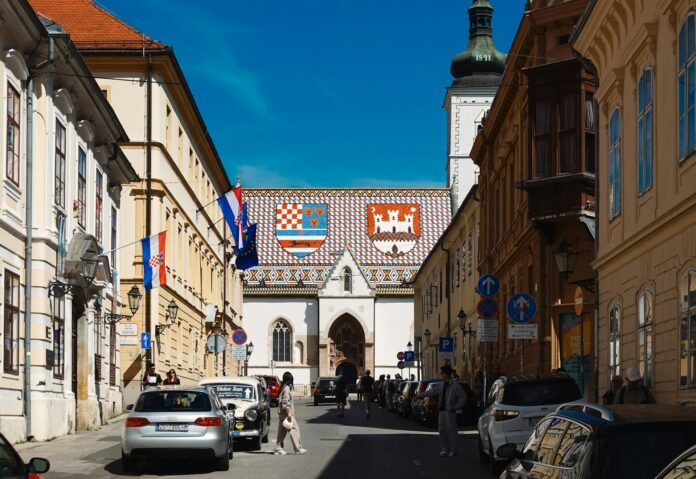
Inside Zagreb: A FIFA Agent’s Journey into Croatian Football Culture

Photo by Daniel Trofimov on Unsplash

As a licensed FIFA agent based in France, navigating the competitive landscape of international football representation requires more than ambition – it demands adaptability, cultural fluency, and a willingness to step outside one’s comfort zone. In an effort to distinguish myself in an increasingly saturated market, I embarked on a scouting mission to Zagreb, Croatia. My objectives were clear: to uncover emerging talent and to establish genuine connections within one of Europe’s most passionate football cultures.

Croatia holds a special place in European football history. From legends like Davor Šuker and the Kovač brothers, to modern icons like Luka Modrić, Ivan Perišić, and Joško Gvardiol, the country continues to punch above its weight on the world stage. With a population of just around 4 million, it’s amazing how Croatia consistently produces world-class talent.

The more time I spent there, the more I realized the secret is in the culture. Not long ago, the country was torn apart by war. That hardship created a generation of people who are tough, resilient and determined. Football, here, is both an escape and a symbol of progress.

Kids often grow up playing on concrete pitches, a tough training ground that builds both grit and skill. Even youth teams in the lower divisions, such as 3rd tier U19, will train up to four times a week, which is more intense than in most countries. The commitment is commendable.

Still, Croatian football is a bit of the wild west. Club presidents hold immense power, often controlling key decisions from the top down. But that’s part of the charm and challenge.

So how does a foreign agent break into this tight-knit scene? Simple: Show up. Go to games. Visit training sessions. Introduce yourself to the staff. A firm handshake and a bit of conversation go a long way. And always have a few strong opening lines ready – it’s your ticket in.

I facilitated a trial for an American player with a second-division team in Croatia this way. Given the relatively straightforward visa process and the league’s value as a platform for young players, it presents a good opportunity for progression to higher-tier competitions. The player’s salaries at this level are typically modest, the key aspect of any agreement lies in negotiating a percentage of a future sell-on fee.

Croatia may be small in size, but in footballing terms, it is a giant, and there is much to learn from the way it continues to nurture the beautiful game. My time in Zagreb taught me that football here is more than a game: it’s a way of life, shaped by history, hardship, and unwavering passion.

As a foreign agent with an international background, you come expecting to scout talent, but you leave having learned what it truly means to fight for something bigger than yourself. The city, its people, and its passion for the game remind you that football isn’t just played with feet, but with heart, soul, and identity. The global football industry is often driven by metrics and market value, whereas Croatia offers a humbling contrast where loyalty, grit, pride, and community still reign.