Home Blog Page 44

日本サッカーへの世界的投資家の進出:なぜレッドブルとシティ・フットボール・グループはJリーグに注目するのか?

近年、日本サッカーは国際的な投資家にとってますます魅力的な市場となっている。その先頭に立つのが、レッドブルとシティ・フットボール・グループだ。世界各地で画期的なクラブ運営を展開する両社は、いまJリーグに注目し、日本サッカー界に持続的なインパクトを残そうとしている。

レッドブルは、J3リーグの王者・大宮アルディージャの買収で注目を集めた。欧米で実績あるモデルを活用し、ブランディング、ユース育成、グローバルネットワークを通じてクラブを新たな象徴へと導こうとしている。攻撃的かつ体系的なレッドブルのアプローチは、日本に新たな基準をもたらす可能性がある。

同様に、シティ・フットボール・グループは横浜F・マリノスとの長期的なパートナーシップを通じて、日本における存在感を高めてきた。この協業は資金的安定に加え、最新のトレーニングシステムや国際的なノウハウをもたらし、マリノスをJリーグ屈指のクラブへと押し上げた。これらの大規模投資は、日本が世界サッカー市場における戦略的な成長拠点であることを改めて示している。

なぜ投資家は日本に注目するのか?

日本には、投資先として理想的な条件が揃っている。情熱的なファンと高い観客動員数を誇る強固なサッカー文化があり、地域密着型のプロジェクトに適した土壌がある。日本のファンはクラブへの忠誠心が高く、地域社会とのつながりを大切にしており、長期的成長を見込むには最適な市場だ。

さらに、日本は経済的にも安定しており、インフラも整備されているため、リスクを嫌う投資家にも魅力的に映る。Jリーグのクラブはプロフェッショナルに運営され、持続可能なビジネスモデルを確立しており、長期的な安定性が期待できる。地理的にも韓国、中国、東南アジアといった成長著しいサッカー市場へのアクセスが容易だ。

Jリーグが掲げる「100年構想」は、グローバル投資家の長期的なビジョンと親和性が高い。ユース育成、財務の健全性、クラブ経営の持続可能性に重きを置くこの方針は、レッドブルやシティ・フットボール・グループのような組織にとって理想的なパートナーシップとなりうる。

日本サッカーのチャンスと課題

レッドブルやシティ・フットボール・グループの参入は、日本サッカーに大きなチャンスをもたらす。クラブは最新技術、革新的なトレーニング法、先進的なマーケティング戦略の恩恵を受けられる。たとえば、シティ・フットボール・グループのデータドリブンなアプローチは、横浜F・マリノスの戦術的進化と競技・経済両面での成功を後押ししている。

一方で、課題も存在する。日本サッカーは「敬意」「一体感」「地域とのつながり」といった文化的価値観に深く根ざしている。これらの伝統と、国際的投資家が持ち込む商業的な目標とのバランスを取ることが求められる。クラブとリーグの意思決定者は、伝統と革新の間で繊細な調和を図らなければならない。

さらに、過度な商業化というリスクもある。国際的投資が成長を後押しする一方で、地元ファンの声や価値観がないがしろにされないよう注意が必要だ。持続的成功の鍵は、グローバルな専門性と日本独自のサッカー文化を調和させることにある。

次なる投資家の可能性

レッドブルやシティ・フットボール・グループの動きは、さらなる投資家を呼び込む可能性がある。カタール・スポーツ・インベストメンツが所有するパリ・サンジェルマン(PSG)は、すでに日本でのトレーニングツアーやファン向けキャンペーンを通じて存在感を高めている。今後、日本のクラブとのパートナーシップや買収が進めば、地域における影響力が一層強まるだろう。

もう一つ注目すべきは、欧州でサッカーポートフォリオを拡大している米国の投資会社「777パートナーズ」だ。成長ポテンシャルの高い市場を狙う戦略を持つ彼らにとって、日本は次の大きな機会となるかもしれない。熱狂的なファンとブランド力を持つ浦和レッズのようなクラブは、国際的投資家にとって非常に魅力的な存在だ。

未来への展望

レッドブルとシティ・フットボール・グループの参入は、日本サッカーの転換点を示している。資金だけでなく、先進的な知見と革新的な手法がもたらされることで、Jリーグは大きく変化する可能性を秘めている。日本サッカーは今、世界的な存在感を高め、クラブのインフラを強化し、ファンとの絆を深める絶好の機会を迎えている。

最大の課題は、近代化と価値観の共存だ。Jリーグが文化的アイデンティティを守りながら、国際的投資の可能性を最大限に活かせるかどうかが、今後の成否を分ける鍵となるだろう。PSGや777パートナーズのような新たなプレーヤーが参入すれば、日本サッカーはさらなる成長と進化の時代を迎えることになる。地域の情熱とグローバルな野心が交差するJリーグは、やがて他リーグの模範となる存在へと飛躍する可能性を秘めている。

Yeni FIFA Menajerlik Sınavı 2025: Çevrimiçi Format, Kurallar ve Başarı Rehberi

Photo by Nguyen Dang Hoang Nhu on Unsplash
FIFA Menajerlik Sınavının Formatı ve Yapısı

FIFA, 4 Mart 2025’ten itibaren geçerli olmak üzere Menajerlik Sınavında önemli yapısal değişiklikler yapmıştır. Bu güncellemeler, önceki fiziksel sınav merkezlerinde yapılan yüz yüze değerlendirmelerden tamamen çevrimiçi bir formata geçişi ifade etmektedir. Yeni sistem, daha sıkı gözetim protokolleri ve revize edilmiş teknik gereksinimler içermektedir. Bu değişiklikler, sınavın adalet, şeffaflık ve standartlaştırma ilkelerine daha uygun olmasını sağlamak amacıyla yapılmıştır. Böylece tüm adayların, konumlarından bağımsız olarak, aynı denetim altında ve eşit şartlarda sınava girmesi sağlanacaktır.

Önceki sistemde adaylar, sınavı kendi ülkelerindeki Ulusal Futbol Federasyonları tarafından belirlenen test merkezlerinde yüz yüze tamamlamak zorundaydı. Bu sistem kontrollü sınav koşulları sunarken, sınav ortamlarında önemli farklılıklar bulunuyordu. Bazı federasyonlar teknik destek, internet erişimi ve sınav salonu olanakları açısından daha iyi şartlar sunarken, diğerleri sınırlı imkanlar sağlayabiliyordu. Ayrıca, adayların sınav sırasında kullanabileceği materyaller konusunda da tutarsızlıklar vardı; bazı federasyonlar basılı notlar (kişisel notlar içeren basılı kopyalar dahil) kullanılmasına izin verirken, diğerleri daha sıkı kısıtlamalar uyguluyordu.

FIFA, tüm fiziksel sınav merkezlerini kaldırarak sınavı tamamen çevrimiçi bir formata geçirdi. Adayların artık sınavı kendi belirledikleri özel bir ortamda tamamlamaları gerekmektedir. Bu değişiklik, sınav koşullarının oluşturulması konusunda adaylara daha büyük bir sorumluluk yüklemektedir. Adayların, gerekli teknolojiye, istikrarlı bir internet bağlantısına ve uygun bir çalışma alanına sahip olmaları zorunludur. Yeni sistem, güvenlik önlemlerini artırarak adayların bilgisayarlarında kamera ve mikrofon erişiminin zorunlu hale getirilmesini ve ek olarak bir akıllı telefon üzerinden ikinci bir gözetim mekanizmasının kullanılmasını içermektedir. Önceden, gözetmenler sınav merkezlerinde fiziksel olarak adayları denetlerken, artık FIFA yapay zeka destekli izleme araçlarını kullanarak aday davranışlarını gerçek zamanlı olarak takip edecek ve şüpheli faaliyetleri tespit edecektir.

Bir diğer önemli değişiklik, 60 dakikalık sınav süresi boyunca ara verilmesine tamamen yasak getirilmesidir. Önceden, adaylar denetimli koşullarda tuvalet molası alabiliyordu, ancak yeni sistemde herhangi bir kesintiye izin verilmemektedir. Sınav başladıktan sonra adayların kamera karşısında görünür olması ve oturdukları yerde kalmaları zorunludur. Adayın yerinden kalkması, uzun süre ekrandan uzaklaşması veya internet bağlantısının kopması durumunda sınav denemesi derhal geçersiz sayılacak ve aday bir sonraki sınav oturumuna yeniden başvurmak zorunda kalacaktır.

FIFA ayrıca sınav usulsüzlükleri konusunda daha katı kurallar getirmiştir. Önceki sistemde, izinsiz iletişim kurmak, dış materyallere erişmek veya elektronik cihaz kullanmak gibi ihlaller sadece o oturumdan diskalifiye edilmeye yol açabiliyor ve adaylar bir sonraki sınava sorunsuz bir şekilde başvurabiliyordu. Ancak yeni düzenlemelere göre, kopya çekme, ekran görüntüsü alma veya sınav içeriğini dışarıya sızdırma gibi ciddi ihlaller, adayın gelecekteki sınavlara katılmaktan men edilmesine neden olabilir. Ağır ihlallerde, adayın FIFA menajeri lisansı alma hakkı kalıcı olarak iptal edilebilir.

Bu güncellemelerle birlikte FIFA, sınav sürecini küresel ölçekte daha tutarlı ve sıkı bir şekilde düzenlemeyi amaçlamaktadır. Adayların teknik gerekliliklere tam olarak uyması ve sınav kurallarını eksiksiz anlaması gerekmektedir; aksi takdirde, sınav denemeleri geçersiz sayılabilir.

Sınav Formatı ve Başarı Koşulları

FIFA Menajerlik Sınavı artık tamamen çevrimiçi olarak yapılmaktadır ve fiziksel sınav merkezleri kaldırılmıştır. Bu değişiklik, adayların belirlenen test merkezlerine seyahat etme zorunluluğunu ortadan kaldırırken, sınav koşullarının sağlanması konusundaki sorumluluğu adaylara yüklemektedir. Sınav süresi 60 dakika olup, başarılı olmak için adayların en az %75 puan alması gerekmektedir.

Sınav, adayların FIFA düzenlemeleri hakkındaki bilgilerini değerlendiren çoktan seçmeli sorulardan oluşmaktadır. Sorular, oyuncu transferleri, sözleşmeler, menajer sorumlulukları ve genel futbol yönetimi gibi konuları kapsamaktadır. Sınav yalnızca teorik bilgi ölçmekle kalmayıp, adayların FIFA kurallarını gerçek dünya senaryolarında nasıl uygulayabileceğini de değerlendirmektedir.

Yeni sistemde molalar tamamen kaldırılmıştır. Önceden adaylar denetimli koşullarda tuvalet molası alabiliyordu, ancak artık sınav boyunca hiçbir kesintiye izin verilmemektedir. Sınav başladıktan sonra adaylar kamera karşısında görünür, oturur ve teste odaklanmış şekilde kalmalıdır. Teknik bir sorun, kişisel ihtiyaç veya kazara bağlantı kopması nedeniyle sınavdan ayrılan adaylar otomatik olarak diskalifiye edilecek ve bir sonraki sınav oturumuna kadar beklemek zorunda kalacaktır.

Bu sıkı koşullar göz önüne alındığında, FIFA adayların sınav öncesinde cihazlarını, internet bağlantılarını ve teknik ekipmanlarını önceden test etmelerini şiddetle tavsiye etmektedir.

Teknik Gereksinimler ve Kurulum

FIFA, sınavın tamamen çevrimiçi olarak gerçekleştirilmesi nedeniyle belirli teknik gereksinimler belirlemiştir. Adaylar, sınav sırasında teknik destek almayacakları için sınav koşullarını sağlamak ve sürdürmekten tamamen kendileri sorumludur.

Sınava girebilmek için adayların aşağıdaki gereksinimleri karşılaması gerekmektedir:

  • Kamera ve mikrofonu açık olan bir dizüstü veya masaüstü bilgisayar. FIFA’nın izleme sistemi, adayların davranışlarını takip etmek için bu cihazlara ihtiyaç duymaktadır.
  • İkincil gözetim amacıyla kullanılacak bir akıllı telefon. Bu telefon, adayın çalışma alanını farklı bir açıdan göstermek için konumlandırılmalıdır.
  • Kararlı ve güvenilir bir internet bağlantısı. FIFA, sınav sırasında bağlantının kesilmesi durumunda denemenin geçersiz sayılacağını ve adayın sınavı tekrar edemeyeceğini açıklamıştır.

FIFA, adayların sınavdan önce cihazlarını test etmelerini, internet hızlarını kontrol etmelerini ve kamera-mikrofon işlevlerini doğrulamalarını önermektedir.

İzin Verilen ve Yasaklanan Eşyalar

✔️ İzin Verilenler

  • Dijital formatta kayıtlı çalışma materyalleri (yalnızca sınavın yapıldığı bilgisayarda saklanmış olmalıdır).
  • Reçeteli gözlükler.
  • Not almak için bir kalem ve boş bir kağıt. Ancak, kağıt sınavdan önce ve sonra kameraya gösterilmelidir.
  • FIFA’nın sınav platformunda entegre hesap makinesi.

Yasaklananlar

  • Mobil telefonlar (yalnızca gözetim amacıyla kullanılan telefon hariç).
  • Akıllı saatler, kulaklıklar veya internete bağlanabilen diğer akıllı cihazlar.
  • FIFA sınav platformu dışında herhangi bir web sitesine erişim.
  • Basılı belgeler, el yazısı notlar veya fiziksel çalışma materyalleri.
  • Fiziksel hesap makineleri.

FIFA, sınav sırasında yetkisiz materyallere erişim sağlamaya çalışan veya kuralları ihlal eden adayların diskalifiye edileceğini ve gelecekteki sınavlara katılmalarının yasaklanabileceğini açıklamıştır. Adayların, sınav öncesinde çalışma alanlarını titizlikle kontrol etmeleri ve tüm kurallara tam uyum sağlamaları önemlidir.

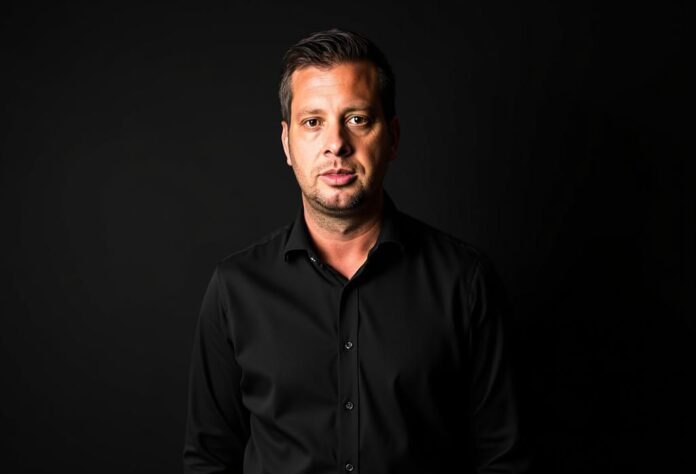
Who is Mark Coonen?

Mark Coonen

Mark Coonen is a people-oriented, business-driven leader with a distinctive dual perspective in football: both as a former player agent and as a technical leader within a professional club. This combination enables him to bridge the often-separated worlds of player representation and club management, bringing a strategic, relational, and deeply informed approach to football leadership.

Over the years, Mark has gained a deep understanding of the football ecosystem from multiple angles. As a licensed football agent, he was involved in high-level negotiations, talent development, and international networking, gaining firsthand insight into the personal and professional journeys of players. On the club side, his roles as Head of Scouting and Interim Technical Director at PEC Zwolle allowed him to apply that knowledge toward building sustainable team structures, data-informed recruitment strategies, and a long-term vision for performance and development.

What sets Mark apart is his ability to see beyond short-term transactions. He understands the emotional, financial, and sporting stakes involved in every decision, making him a balanced and trusted figure for both players and stakeholders. His agency experience gives him an edge in negotiations, relationship management, and talent assessment, while his club background equips him with the strategic thinking and organizational skills needed to build lasting success.

In today’s football landscape, where alignment between agents, players, and clubs is more critical than ever, Mark represents a new generation of technical leaders: relationship-savvy, strategically grounded, and capable of operating across the full spectrum of the game.

Our Exclusive Interview with Mark Coonen

Who is Mark Coonen beyond football, and how have your personal experiences shaped the way you approach leadership in the game?

Beyond football, I am someone who values connection, clarity, and purpose in all areas of life. My background in business, particularly in media, communication, and partnership-focused roles, taught me that success is rarely about individual brilliance. It comes from building strong teams, setting a clear direction, and inspiring others to work toward it. I bring those same values into football leadership through open communication, long-term thinking, and a deep respect for individual motivation. Whether managing client relationships or leading a team, it always comes down to trust, consistency, and alignment.

What first inspired your move into the world of player representation, and how did that path evolve into technical leadership within a club?

My move into player representation was driven by a combination of passion and opportunity. I had worked in corporate roles centered around partnerships and negotiation and realized those skills could be applied to football, a field I have always been passionate about. As an agent, I built strong networks and gained a deep understanding of what players need to succeed. Over time, I became more interested in shaping the bigger picture at club level. That led me to a technical leadership role at PEC Zwolle, where I could help build long-term strategies and contribute to the club’s overall vision.

What has been the most unexpected or fulfilling aspect of working on both the agency and club sides of football?

The most fulfilling part has been understanding both perspectives and using that insight to create solutions that work for everyone. It is rare to have been both an agent advocating for a player and a technical leader building a squad and managing budgets.

What surprised me most is how often clubs and agents misinterpret each other’s goals. My experience on both sides allows me to bring clarity and alignment, which would not have been possible without living both realities.

How do you personally define effective leadership in football, especially when navigating the complex dynamics between players, agents, and clubs?

Effective leadership means having a clear vision, communicating with transparency, and making balanced decisions that consider performance, people, and business. Football is filled with emotional highs and lows, so leaders need to be a calm and steady presence who can earn trust across every level, from players to executives.

My background in both commercial business and player representation taught me to handle diverse interests with empathy and clarity. Strong leadership means knowing when to listen, when to act, and when to stand firm.

You have worked in roles that require both negotiation skills and long-term strategy. Which achievements are you most proud of in bridging those two areas?

One example I am proud of is my time at PEC Zwolle, where we implemented a data-driven scouting system while staying within strict financial limits. My experience as an agent helped ensure that we recruited players who matched our sporting needs and financial goals.

In my business career, I worked on complex projects that required strategic planning and commercial execution. I brought the same thinking into football by balancing short-term performance with long-term development.

What qualities do you think are essential for young professionals entering football management or talent representation today?

Three qualities stand out: emotional intelligence, strategic thinking, and adaptability. Modern football involves much more than on-field talent. It includes data, psychology, branding, and negotiation.

Having worked across different sectors, I learned the importance of shifting perspectives and anticipating change. Young professionals must understand the full context of their role. Whether working in scouting, management, or representation, their success depends on understanding football’s broader financial, social, and competitive landscape.

How has your dual experience shaped your views on the current transfer market and the evolving role of agents in modern football?

My experience taught me that the transfer market is becoming more strategic and data-oriented. Relationships still matter, but clubs now demand forward planning and financial discipline. Agents are no longer just deal-makers. They are career advisors. Technical directors are not only experts in football. They must also be strong communicators and decision-makers.

Having worked on both sides, I believe in closer collaboration between clubs and agents. Agents who understand how clubs operate internally can add significant value. Clubs that see agents as partners tend to achieve more sustainable success.

Looking ahead, what is next for you in football, and how do you envision your role evolving in the future of the game?

I want to continue growing as a strategic leader in football, ideally in a role where I can build long-term value across performance, development, and club culture. My goal is to help create environments where players, staff, and executives work toward a shared and unified vision.

As football becomes more global, data-driven, and commercially complex, I believe my cross-industry background will continue to be an asset. Whether as a technical director or in a broader leadership position, I aim to operate at the intersection of performance, people, and purpose.

Struktur Ujian FIFA untuk Agen Sepak Bola 2025: Format Daring, Aturan Baru, dan Tips Lulus

Photo by Burst on Unsplash

FIFA telah memperkenalkan perubahan besar dalam struktur Ujian Agen Sepak Bola, yang mulai berlaku pada 4 Maret 2025. Pembaruan ini menandai pergeseran dari sistem ujian tatap muka di lokasi khusus ke format yang sepenuhnya daring, dengan protokol pengawasan yang lebih ketat serta persyaratan teknis yang diperbarui. Perubahan ini bertujuan untuk meningkatkan keadilan, transparansi, dan standarisasi, memastikan bahwa semua kandidat, tanpa memandang lokasi, mengikuti ujian dalam kondisi yang seragam dan terkendali dengan ketat.

Pada sistem sebelumnya, kandidat diwajibkan mengikuti ujian secara langsung di tempat yang telah ditentukan oleh Asosiasi Sepak Bola Nasional mereka. Meskipun metode ini memberikan pengawasan yang ketat, terdapat variasi signifikan dalam kondisi ujian, termasuk perbedaan dalam dukungan teknis, akses internet, dan fasilitas yang tersedia di setiap asosiasi. Selain itu, aturan mengenai materi yang diperbolehkan selama ujian juga tidak seragam; beberapa asosiasi mengizinkan kandidat membawa catatan studi cetak (termasuk salinan yang telah diberi anotasi), sementara yang lain menerapkan batasan yang lebih ketat.

Kini, FIFA telah menghapus sistem ujian berbasis lokasi dan menggantinya dengan format daring sepenuhnya, yang berarti kandidat harus mengikuti ujian di lingkungan pribadi yang mereka kelola sendiri. Perubahan ini menempatkan tanggung jawab yang lebih besar pada kandidat untuk memastikan mereka memiliki teknologi yang memadai, koneksi internet yang stabil, dan ruang kerja yang sesuai. Sistem baru ini juga memperkenalkan langkah-langkah keamanan yang lebih ketat, termasuk persyaratan akses kamera dan mikrofon wajib pada komputer kandidat, serta pengawasan sekunder melalui perangkat ponsel pintar. Berbeda dengan sistem sebelumnya, di mana pengawas mengawasi secara langsung, FIFA kini akan menggunakan alat pemantauan berbasis kecerdasan buatan (AI) untuk melacak perilaku kandidat dan mendeteksi aktivitas mencurigakan secara real-time.

Perubahan penting lainnya adalah penghapusan semua jeda selama periode ujian yang berlangsung selama 60 menit. Sebelumnya, kandidat diperbolehkan mengambil jeda toilet dalam kondisi yang diawasi, tetapi kebijakan ini kini tidak lagi berlaku. Setelah ujian dimulai, kandidat harus tetap terlihat di kamera dan tetap duduk hingga waktu habis. Jika seorang kandidat meninggalkan posisinya, terlalu lama mengalihkan pandangan dari layar, atau mengalami gangguan koneksi internet, upaya mereka akan langsung dianggap tidak sah, dan mereka harus mendaftar ulang untuk sesi berikutnya.

Selain itu, FIFA telah menerapkan aturan yang lebih ketat terhadap pelanggaran dalam ujian. Pada sistem sebelumnya, pelanggaran seperti komunikasi yang tidak sah, akses ke materi eksternal, atau penggunaan perangkat elektronik dapat mengakibatkan diskualifikasi dari sesi tersebut, tetapi kandidat masih dapat mendaftar untuk ujian berikutnya tanpa konsekuensi lebih lanjut. Di bawah regulasi baru, pelanggaran serius, seperti kecurangan, mengambil tangkapan layar, atau menyebarkan konten ujian ke pihak luar, dapat berujung pada skorsing dari ujian berikutnya, atau dalam kasus ekstrem, larangan permanen untuk mendapatkan lisensi agen FIFA.

Dengan pembaruan ini, FIFA bertujuan menciptakan proses ujian yang seragam dan sangat teratur, menghilangkan ketidakkonsistenan dalam kondisi ujian serta mencegah keuntungan yang tidak adil. Kandidat kini harus benar-benar siap, baik dalam hal persiapan teknis maupun pemahaman terhadap aturan, karena kegagalan memenuhi persyaratan dapat menyebabkan kehilangan kesempatan mengikuti ujian.

Format Ujian dan Persyaratan Kelulusan

Ujian Agen Sepak Bola FIFA kini dilakukan sepenuhnya secara daring, menggantikan format sebelumnya yang berbasis lokasi fisik. Perubahan ini menghilangkan kebutuhan bagi kandidat untuk bepergian ke lokasi ujian yang telah ditentukan dan memberikan tanggung jawab lebih besar kepada mereka untuk memastikan lingkungan yang kondusif dan bebas gangguan. Durasi ujian tetap 60 menit, dan kandidat harus mencapai skor minimal 75% untuk lulus.

Tes ini terdiri dari pertanyaan pilihan ganda yang menguji pemahaman kandidat terhadap regulasi FIFA, termasuk transfer pemain, perjanjian kontrak, tanggung jawab perantara, dan tata kelola sepak bola secara umum. Pertanyaan-pertanyaan ini dirancang untuk menguji tidak hanya pengetahuan faktual, tetapi juga kemampuan kandidat dalam menerapkan peraturan FIFA ke dalam skenario dunia nyata yang mungkin dihadapi oleh agen dalam mewakili pemain dan klub.

Salah satu perubahan aturan yang paling signifikan adalah larangan ketat terhadap jeda selama ujian. Sebelumnya, kandidat dapat meminta izin untuk jeda toilet dengan pengawasan, tetapi dalam sistem baru, tidak ada interupsi yang diperbolehkan. Ini berarti bahwa setelah ujian dimulai, kandidat harus tetap duduk, terlihat di kamera, dan fokus pada tes hingga waktu 60 menit habis. Jika terjadi gangguan teknis, kebutuhan pribadi, atau koneksi terputus, upaya ujian akan langsung dianggap tidak sah, dan kandidat harus menunggu sesi berikutnya untuk mengulang ujian.

Mengingat kondisi yang lebih ketat ini, FIFA sangat menyarankan kandidat untuk melakukan persiapan menyeluruh sebelum memulai ujian, memastikan mereka memiliki koneksi internet yang stabil, perangkat yang diperlukan, serta lingkungan yang tenang dan bebas gangguan.

Persyaratan Teknis dan Persiapan

Karena ujian kini dilakukan sepenuhnya secara daring, FIFA telah menetapkan persyaratan teknis yang ketat guna memastikan lingkungan ujian yang aman, standar, dan diawasi dengan ketat. Kandidat bertanggung jawab penuh atas pengaturan dan pemeliharaan kondisi ujian mereka sendiri, karena FIFA tidak akan memberikan dukungan teknis selama ujian berlangsung.

Untuk mengikuti ujian, kandidat harus memiliki:

  • Laptop atau komputer desktop dengan kamera dan mikrofon yang berfungsi penuh, yang harus tetap aktif selama ujian. FIFA menggunakan perangkat ini untuk melacak perilaku kandidat dan mendeteksi ketidakwajaran.
  • Ponsel, yang digunakan untuk pengawasan sekunder. Kandidat harus meletakkan ponsel mereka sesuai instruksi untuk memberikan sudut pandang tambahan terhadap ruang kerja mereka. Ponsel ini tidak boleh digunakan untuk tujuan lain selama ujian berlangsung.
  • Koneksi internet yang stabil dan andal. FIFA menegaskan bahwa gangguan internet akan membatalkan upaya ujian, tanpa peluang untuk melanjutkan kembali. Jika kandidat kehilangan koneksi, sesi ujian mereka akan segera dihentikan, dan mereka harus mendaftar untuk sesi berikutnya.

Karena pentingnya persyaratan teknis ini, FIFA sangat menyarankan kandidat untuk menguji perangkat mereka, kecepatan internet, dan fungsi kamera jauh sebelum tanggal ujian. Jika terjadi masalah teknis selama ujian, baik yang terkait dengan koneksi internet, kegagalan perangkat keras, atau malfungsi perangkat lunak, kandidat tidak akan diberikan tambahan waktu atau kesempatan untuk mengulang di sesi yang sama. Mereka harus menunggu hingga jadwal ujian berikutnya.

Pelanggaran Ujian dan Konsekuensinya

FIFA menerapkan kebijakan nol toleransi terhadap pelanggaran ujian. Kandidat yang terbukti melanggar aturan dapat menghadapi konsekuensi serius, termasuk larangan permanen untuk mengikuti ujian FIFA di masa mendatang. Pelanggaran yang dilarang meliputi:

  1. Kecurangan – Menggunakan materi tidak sah, alat bantu, atau menerima bantuan dari pihak lain.
  2. Merekam atau Membagikan Konten Ujian – Mengambil tangkapan layar, merekam, atau menyebarkan isi ujian ke pihak luar.
  3. Komunikasi Tidak Sah – Berbicara dengan orang lain atau menggunakan perangkat elektronik untuk berkomunikasi.
  4. Meninggalkan Ujian Tanpa Izin – Meninggalkan sesi ujian sebelum selesai tanpa persetujuan.
  5. Impersonasi – Mengizinkan orang lain mengikuti ujian atas nama kandidat.

FIFA telah mengintegrasikan sistem pemantauan berbasis AI untuk mendeteksi pola kecurangan, sehingga semakin sulit bagi kandidat untuk menghindari deteksi. Kandidat yang terbukti melakukan pelanggaran dapat langsung didiskualifikasi, dilarang mengikuti sesi berikutnya, atau bahkan mendapatkan larangan seumur hidup.

Kandidat sangat disarankan untuk memahami dan mematuhi semua peraturan untuk menghindari komplikasi yang dapat membahayakan kelulusan mereka serta peluang masa depan sebagai agen FIFA.

The Women’s League – Edition #52

Cover image of The Women’s League magazine featuring bold turquoise text on a purple stadium background. Tagline reads: "For women’s football decision makers."

Welcome to the 52nd edition of The Women’s League, your digital source for the latest and most impactful stories in Women’s football.

This week we dive into:

  • Pablo Piñones-Arce has been named the new head coach of ACF Fiorentina Women, as coaching shifts continue across Europe from Juventus and Sparta Prague to Monaco and Oxford City.
  • Who is Nergiz Bulut?
  • FC Bayern’s “EmpowerHer” program redefines player support, pairing athletes with corporate mentors from Allianz, SAP, and more to prepare them for life beyond football.

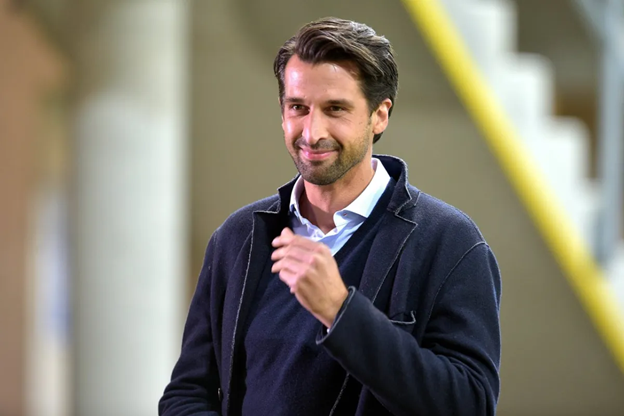
Who is Jonas Boldt?

Jonas Boldt

Jonas Boldt (born 1982) is a German football executive known for his leadership roles at Bayer 04 Leverkusen and Hamburger SV. He began his career at Leverkusen in 2007 under sporting director Rudi Völler, working as a scout before advancing to head of scouting, then sporting manager, and eventually becoming the club’s sporting director. During his tenure, Leverkusen consistently qualified for European competitions and developed a reputation for strong recruitment and youth integration. Club chairman Werner Wenning credited Boldt for his drive and commitment, while Rudi Völler highlighted his influence on personnel strategy and the club’s European consistency.

At Leverkusen, Boldt helped build a data-informed scouting and development structure. He earned recognition across Europe and South America for identifying talent early, including players like Arturo Vidal, Dani Carvajal, and Toni Kroos. He championed a leadership style based on placing the right people in development roles, mentoring youth, and creating a sustainable pipeline of talent. His time at Leverkusen saw the rise of players like Kai Havertz, Benjamin Henrichs, and Dominik Kohr from the academy to the first team.

In May 2019, Boldt was appointed Director of Sport at Hamburger SV, replacing Ralf Becker. His appointment was seen as a strategic move by HSV’s board to rebuild the club’s sporting identity. In 2020, his contract was extended through 2023, reflecting trust in his vision and methods. At HSV, Boldt was responsible for the club’s overall sporting direction, including transfer strategy, academy structure, and managerial appointments, as well as communication, brand, and marketing. He also led the People & Culture initiatives and oversaw a growth in club membership from 90,000 to 120,000.

His time at HSV involved multiple managerial changes, including the appointments of Dieter Hecking, Daniel Thioune, Tim Walter, and eventually Steffen Baumgart. Despite moments of promise, HSV failed to achieve promotion to the Bundesliga. In the 2023–24 season, the team finished fourth in the 2. Bundesliga, five points short of the playoff spot, while rivals St. Pauli secured direct promotion. Boldt’s decision to replace Walter with Baumgart late in the season did not reverse the team’s trajectory.

In May 2024, HSV’s board announced Boldt’s immediate departure from his role. The club acknowledged his contributions and expressed gratitude for his commitment during a demanding period. Boldt described his five-year tenure as both challenging and rewarding, reflecting on the foundations laid for long-term growth despite the missed targets.

Boldt’s management philosophy focuses on long-term planning, alignment between club identity and staff, and a proactive approach to recruitment and player development, as well as a strong leadership role and running a club in a business-minded way. He has emphasized a playing style centered on possession-based, attacking football, and has consistently sought coaches who reflect this approach. His work has been characterized by a methodical, people-first mindset aimed at sustainable success.

As of mid-2025, Jonas Boldt is not affiliated with a club. He is among the founders of POWWOW Sports, a digital community platform designed for athletes and sports professionals. In this new venture, he applies his Bundesliga experience and network to support emerging players and sports organizations through strategic guidance from both the sporting and economic sides.

Jonas Boldt remains one of Germany’s most respected football executives, known for his ability to bridge youth development with professional-level performance and his forward-thinking approach to club leadership.

Our Exclusive Interview with Jonas Boldt

Who is Jonas Boldt outside of football, and how have your personal experiences shaped the way you lead within the sport?

I would describe myself as a calm, thoughtful, and decisive individual. I have high ambitions not only for myself but also for those around me, while never losing sight of the human element. Much of what I have learned has come from observing the behavior and leadership styles of top athletes and business leaders. Beyond that, I have been fortunate to gain valuable insights through personal collaboration and exchange with figures such as Jupp Heynckes, Rudi Völler, Roger Schmidt, Reiner Calmund, and Michael Reschke on the sporting side. On the corporate side, I learned from Wolfgang Holzhäuser, Michael Schade, and Werner Wenning.

Looking back, what first sparked your interest in football management, and did you ever imagine dedicating so much of your career to it?

From an early age, my father sparked my passion for both sports and management. He regularly took me to the stadium, where I had the unique opportunity to encounter influential figures like Reiner Calmund and Uli Hoeneß. These early experiences fueled my fascination and cemented a dream to one day work in this world. I always knew that entering this field without a professional playing career would be a significant challenge. Still, I never let go of that ambition. I believed in it deeply and was willing to subordinate many things in life to pursue it with focus and dedication.

What moments from your time at Bayer Leverkusen stand out as especially formative for your leadership style and philosophy?

There are many defining moments, but one recurring theme that has always impressed me is when leaders step up for their teams in difficult situations while remaining calm and composed under pressure. I often think of Rudi Völler in such situations, particularly his composed reaction after the so-called “phantom goal” in Hoffenheim. That was a case without precedent in any textbook. Jupp Heynckes also left a lasting impression on me. His leadership created a sense of ease and trust within the team without compromising his authority. Everyone knew he could be uncompromising when someone threatened the team’s goals or chemistry. If there is one principle that has stayed with me, it is leading by example.

During your years at Hamburg, what did you learn about resilience, both personally and professionally, through the club’s ups and downs?

The status of the club and the wide-ranging public interest it attracts make it truly unique. Combined with the emotional intensity surrounding it, I quickly realized that without a strong inner compass, it is easy to lose yourself. What helped me is that I am naturally a calm and pragmatic person, someone others can rely on. That mindset aligns well with the Hanseatic culture. Still, I had to learn how to create distance at times, because the size and sheer force of a club like this can consume you. Even though I met many great people within the club, having close friends and family as a private anchor has been essential. They see you not as a functionary, but simply as a person.

How do you define effective leadership in modern football, especially in an era where clubs face growing expectations from fans, media, and players?

Leadership as a whole has evolved. People want to be included more, which can sometimes blur lines of accountability. I believe it is essential to set clear expectations and create an environment where people are both challenged and supported. The younger generation is especially looking for role models. They do not shy away from responsibility as long as they feel guided rather than left alone. Honest, direct conversations behind closed doors can make a big difference.

You have always placed value on scouting and development. Was there a moment or player that reminded you why investing in youth systems matters?

Every day spent interacting with people in the academies leaves a mark. The bond with the club and its people becomes part of your identity. Even today, I see how shared time creates lasting connections. No matter how far a player has gone or what kind of person he has become, certain character traits are instantly recognizable when you run into former youth players. This awareness should drive us to invest especially in good educators and mentors. Jonathan Tah is one player who always comes to mind. He was developed in Hamburg before my time and later brought to Leverkusen while I was there. We have both been part of these two clubs for many years, sometimes together and sometimes not. Without having to say much, there is a mutual understanding rooted in the identity and history of those places. It is in the small things, and it speaks volumes.

What advice would you give to young professionals who aspire to work in football management or club leadership today?

With hard work, discipline, perseverance, and courage, a great deal is possible. The path to the top is rare due to limited opportunities and intense competition, but it can be achieved.

Looking ahead, what part of the football ecosystem excites you most, and where do you see yourself making the biggest impact in the years to come?

The world is in flux and full of uncertainties. Football will always reflect society. As a result, the demands on leaders are becoming more complex. I am convinced that my future role will lie more in leadership and strategic direction rather than in day-to-day operational management.

Формат и структура экзамена на футбольного агента FIFA

Photo by Firmbee.com on Unsplash

FIFA внесла значительные структурные изменения в экзамен на футбольного агента, которые вступят в силу с 4 марта 2025 года. Эти обновления означают переход от традиционного очного формата к полностью онлайн-экзамену с более строгими протоколами мониторинга и пересмотренными техническими требованиями. Новая система призвана повысить справедливость, прозрачность и стандартизацию, обеспечивая одинаковые и строго контролируемые условия для всех кандидатов, независимо от их местоположения.

Ранее кандидаты сдавали экзамен в специально назначенных местах, организованных национальными футбольными ассоциациями. Однако условия сдачи экзамена варьировались: разные ассоциации предоставляли различный уровень технической поддержки, доступа в интернет и удобств в местах тестирования. Кроме того, правила относительно разрешённых материалов были непоследовательными — некоторые ассоциации позволяли использовать печатные конспекты, включая персонально аннотированные документы, в то время как другие накладывали более строгие ограничения.

В данный момент FIFA полностью отказалась от экзаменов в очном формате, заменив их онлайн-тестированием, что означает, что кандидаты должны сдавать экзамен в частном, самостоятельно организованном пространстве. Это накладывает на них дополнительную ответственность за техническое обеспечение, стабильность интернет-соединения и выбор подходящего рабочего места. Были введены усиленные меры безопасности, включая обязательное использование камеры и микрофона на компьютере, а также дополнительный мониторинг через смартфон. Вместо наблюдателей, следящих за кандидатами в экзаменационных центрах, FIFA теперь будет использовать AI-системы для отслеживания поведения и выявления подозрительных действий в реальном времени.

Формат экзамена и требования для прохождения

Экзамен проходит онлайн, без необходимости посещения тестовых центров. Длительность — 60 минут, а минимальный проходной балл составляет 75%.

Тест включает вопросы с несколькими вариантами ответов, оценивающие знания кандидатов о регламентах FIFA, включая трансферы игроков, контрактные соглашения, обязанности посредников и управление футболом. Вопросы проверяют не только знание фактов, но и способность применять правила FIFA к реальным ситуациям, с которыми агенты сталкиваются в своей практике.

Одно из ключевых изменений — полный запрет на перерывы во время экзамена. Ранее кандидаты могли выходить под наблюдением, но теперь они должны оставаться в кадре и на своём месте в течение всех 60 минут. Любая потеря соединения или выход из кадра приведут к аннулированию попытки, и кандидат сможет пересдать экзамен только в следующей сессии.

FIFA рекомендует кандидатам заранее протестировать своё оборудование, интернет-соединение и подготовить бесшумное рабочее пространство, чтобы избежать дисквалификации из-за технических проблем.

Технические требования и подготовка

Так как экзамен проводится исключительно онлайн, FIFA установила строгие технические требования для обеспечения безопасности и единого стандарта тестирования. Кандидаты несут полную ответственность за настройку и контроль условий экзамена, так как FIFA не предоставляет техническую поддержку во время теста.

Для сдачи экзамена кандидатам необходимы:

  • Ноутбук или настольный компьютер с рабочей камерой и микрофоном, которые должны быть активны на протяжении всего экзамена.
  • Смартфон для дополнительного наблюдения. Он должен быть установлен так, чтобы обеспечивать дополнительный угол обзора рабочего пространства. Телефон нельзя использовать для других целей во время экзамена.
  • Стабильное интернет-соединение. Любой разрыв связи приведёт к немедленному аннулированию попытки без возможности продолжить экзамен.

Кандидатам рекомендуется заранее протестировать устройства, скорость интернета и функциональность камеры. В случае технических сбоев (проблем с соединением, аппаратным или программным обеспечением) дополнительное время не предоставляется, и кандидат сможет пересдать экзамен только в следующей сессии.

Место проведения и правила поведения

Несмотря на онлайн-формат, FIFA требует, чтобы экзамен проходил в тихом, уединённом месте без посторонних людей и отвлекающих факторов. Тестовая среда должна максимально соответствовать формальным условиям экзамена, чтобы обеспечить честность и равные условия для всех кандидатов.

Система мониторинга включает:

  • Видеонаблюдение через веб-камеру ноутбука или компьютера. Камера должна оставаться включённой и не закрытой на протяжении всего экзамена.
  • Дополнительный контроль через смартфон, который может фиксировать рабочее пространство под другим углом.
  • AI-анализ поведения, отслеживающий подозрительные движения, отклонение взгляда от экрана, посторонние звуки и другие возможные нарушения. В случае подозрений экзамен может быть аннулирован.

Кандидаты обязаны оставаться в поле зрения камеры, не отводить взгляд надолго и не взаимодействовать с посторонними предметами. Любая попытка общения, использование запрещённых материалов или нарушение правил может привести к дисквалификации.

Разрешённые и запрещённые предметы

✔️ Разрешено

  • Цифровые учебные материалы, сохранённые на компьютере.
  • Очки, если они необходимы по медицинским показаниям.
  • Одна ручка и один чистый лист бумаги для заметок (должен быть показан камере до и после использования).
  • Встроенный калькулятор на платформе FIFA.

Запрещено

  • Любые бумажные материалы, рукописные заметки или печатные документы.
  • Смарт-часы, наушники или любые другие электронные устройства, подключённые к интернету.
  • Доступ к веб-сайтам, кроме официальной экзаменационной платформы FIFA.
  • Физические калькуляторы (разрешён только встроенный инструмент FIFA).

FIFA строго предупреждает, что любое использование запрещённых предметов приведёт к немедленной дисквалификации, а в некоторых случаях — к запрету на повторную сдачу экзамена.

Нарушения и последствия

FIFA ввела жёсткую политику нулевой терпимости к нарушениям во время экзамена. Нарушителями считаются кандидаты, которые:

  • Используют запрещённые материалы или получают внешнюю помощь.
  • Записывают или распространяют содержание экзамена (включая скриншоты).
  • Нарушают правила поведения перед камерой.

За такие нарушения могут последовать дисквалификация, запрет на пересдачу или даже пожизненный запрет на получение лицензии футбольного агента FIFA.

FIFA подчёркивает, что кандидаты должны тщательно ознакомиться с новыми правилами и убедиться, что их рабочее пространство и техническое оборудование соответствуют всем требованиям, иначе они рискуют потерять возможность сдать экзамен.

The Fans Week – Edition #12

Welcome to the 12th edition of The Fans Week, your weekly guide to the biggest stories, controversies, and trends shaping the fan experience around the globe.

This week we explore:

Premier League Clubs Rebuild for the Future
Eight top-flight English clubs are investing over £6 billion in stadium upgrades and new builds. From Manchester United’s proposed “Wembley of the North” to modernized venues at Aston Villa and Crystal Palace, fans can expect state-of-the-art matchday experiences designed for comfort, community, and global standards.

Tech-Driven Fan Engagement on the Rise
From VR match experiences and AR overlays to smart loyalty apps and AI-powered content suggestions, clubs across Europe are transforming how fans interact with the game. These innovations are turning passive spectators into engaged digital communities.

Fenerbahçe Returns to Adidas
After a tense breakup with Puma, Turkish giants Fenerbahçe will reunite with Adidas for the 2025–26 season. The new deal boosts revenue share from kit sales and reflects fan-driven demand for a supplier more aligned with the club’s identity.

Inside Brighton’s Blueprint: Leadership Lessons from the Premier League’s Rising Star

Photo by Alex Simpson on Unsplash

Series: Leading the Game: Leadership in Football

A series exploring how football executives can lead with clarity, purpose, and resilience in today’s game.

“You cannot build a club if you keep changing everything all the time.”

— Paul Barber, CEO of Brighton & Hove Albion

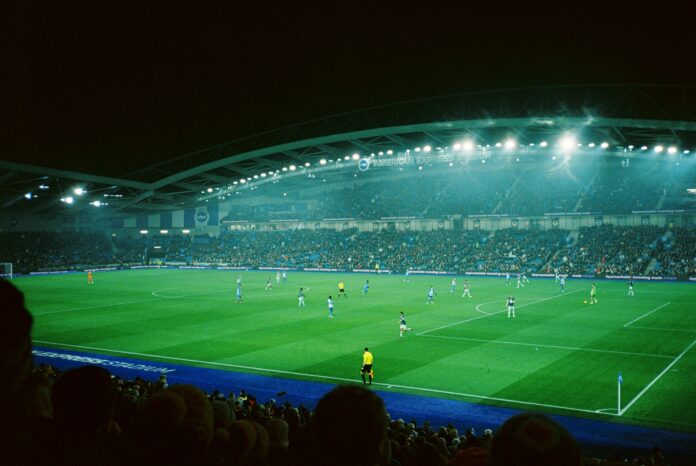
Attending Soccerex Europe last month gave me a front-row seat (literally) to a fascinating conversation on modern football leadership. In a standout session, Paul Barber OBE, Chief Executive of Brighton & Hove Albion FC, shared his insights on how intentional leadership and innovative club culture have propelled Brighton to new heights.

Brighton’s Rise in the Premier League

Brighton & Hove Albion FC’s journey to the Premier League and their ability to stay competitive is a testament to their forward-thinking approach. The club has earned a reputation for smart management, strategic planning, and a commitment to long-term success, all while maintaining a strong connection to their community. This rise is not accidental; it’s the result of deliberate leadership choices that other clubs can learn from.

– Brighton’s success is rooted in long-term thinking and a strong connection to its community (not luck or short-term spending).

Leadership Philosophy at Brighton

During his talk, Paul Barber emphasized a few core principles that guide Brighton’s leadership. First and foremost is the importance of a long-term vision. Rather than chasing quick wins, Brighton’s leadership focuses on sustainable growth, building a strong foundation that can support the club’s ambitions for years to come.

Another key aspect of Brighton’s philosophy is fostering a positive club culture. Barber highlighted the importance of transparency, communication, and trust within the organization. By prioritizing these values, Brighton has created an environment where players, staff, and executives feel aligned and motivated to achieve common goals.

– Sustainable success begins with long-term vision and a culture of transparency, trust, and clear communication.

Practical Lessons for Football Executives

What can other football executives learn from Brighton’s approach? One major takeaway is the importance of building a cohesive team culture. This means investing in relationships, encouraging open communication, and ensuring that everyone in the organization understands and shares the club’s vision.

Another lesson is the value of innovation. Brighton’s leadership is not afraid to embrace new ideas, whether in recruitment, training, or fan engagement. This willingness to innovate keeps the club adaptable and competitive in a rapidly changing industry.

– Great leadership means fostering unity and embracing innovation. These are the two forces that keep clubs resilient and forward-focused.

Case Study: Brighton’s Club Culture in Action

One of the standout examples of Brighton’s leadership philosophy in action is their approach to recruitment. The club is known for its data-driven scouting and commitment to finding players who not only have talent but also fit the club’s culture and values. This careful, thoughtful approach has helped Brighton build a cohesive and motivated squad that consistently punches above its weight.

– Brighton’s recruitment strategy shows that aligning talent with culture creates stronger, more motivated teams.

Conclusion

Brighton & Hove Albion FC’s success story is a powerful reminder that great leadership is about more than just making decisions. It is about creating a shared vision, building trust, and staying committed to long-term goals even when the pressure to deliver short-term results is intense.

Executives across football can take inspiration from Brighton’s approach. Leadership rooted in clarity, consistency, and culture is not only sustainable, it is transformational.

If clubs want to grow, compete, and thrive in today’s football landscape, they must lead with purpose, just as Brighton has shown.

Nueva Estructura del Examen FIFA para Agentes de Fútbol: Lo Que Debes Saber en 2025

Photo by Felicia Buitenwerf on Unsplash
El Formato y la Estructura del Examen de la FIFA para Agentes de Fútbol

La FIFA ha introducido importantes cambios estructurales en el Examen para Agentes de Fútbol, los cuales entraron en vigor a partir del 4 de marzo de 2025. Estas actualizaciones marcan un cambio significativo respecto al sistema anterior, pasando de evaluaciones presenciales en sedes físicas a un formato completamente en línea, con protocolos de supervisión más estrictos y requisitos técnicos revisados. El objetivo de estos cambios es aumentar la equidad, la transparencia y la estandarización, garantizando que todos los candidatos, sin importar su ubicación, realicen el examen bajo condiciones coherentes y estrictamente controladas.

Bajo el sistema anterior, los candidatos debían presentarse físicamente al examen en sedes designadas por sus Asociaciones Nacionales de Fútbol. Aunque este formato permitía cierto control, existían grandes diferencias entre las condiciones de los exámenes, ya que algunas asociaciones ofrecían distintos niveles de soporte técnico, acceso a internet e instalaciones. Además, las reglas sobre los materiales permitidos también variaban: algunas asociaciones permitían apuntes impresos con anotaciones personales, mientras que otras imponían restricciones más estrictas.

Ahora, la FIFA ha eliminado completamente los exámenes presenciales y los ha reemplazado por un formato exclusivo en línea, lo que significa que los candidatos deben rendir el examen desde un entorno privado y autogestionado. Este cambio implica una mayor responsabilidad al candidato, quien deberá asegurarse de contar con la tecnología necesaria, una conexión estable a internet y un espacio de trabajo adecuado. El nuevo sistema también introduce medidas de seguridad reforzadas, como el acceso obligatorio a la cámara y micrófono del ordenador del candidato, además de una supervisión secundaria mediante un dispositivo móvil. A diferencia del pasado, donde supervisores observaban en persona, ahora la FIFA utilizará herramientas de monitoreo con inteligencia artificial para detectar comportamientos sospechosos en tiempo real.

Otro cambio importante es la eliminación de todas las pausas durante los 60 minutos del examen. Anteriormente, los candidatos podían tomar descansos para ir al baño bajo supervisión; sin embargo, esto ya no está permitido. Una vez que el examen comienza, el candidato debe permanecer visible en cámara y sentado hasta que finalice el tiempo. Si el candidato se levanta, desvía la mirada por un periodo prolongado o pierde conexión a internet, su intento será anulado inmediatamente, y deberá volver a postularse para una futura sesión.

Además, la FIFA ha implementado reglas más estrictas sobre conducta indebida durante el examen. En el sistema anterior, infracciones como comunicarse con otros, acceder a materiales externos o utilizar dispositivos electrónicos podían causar la descalificación de esa sesión, pero a menudo los candidatos podían volver a presentarse en la siguiente convocatoria sin mayores consecuencias. Bajo el nuevo reglamento, infracciones graves como hacer trampas, tomar capturas de pantalla o compartir contenido del examen podrían conllevar la suspensión de futuras oportunidades para rendir el examen. En casos extremos, incluso se podría imponer una prohibición permanente para obtener la licencia de agente FIFA.

Con estas actualizaciones, la FIFA busca establecer un proceso de examen uniforme y rigurosamente regulado, eliminando desigualdades en las condiciones de examen y evitando ventajas injustas. Los candidatos ahora deben estar completamente preparados, tanto en lo técnico como en el conocimiento de las normas, ya que cualquier incumplimiento puede invalidar su intento.

Formato del Examen y Requisitos de Aprobación

El Examen de la FIFA Agente de Fútbol ahora se realiza completamente en línea, reemplazando el formato anterior presencial en sedes físicas. Este cambio elimina la necesidad de que los candidatos viajen a lugares designados para rendir el examen y requiere una mayor responsabilidad en los aspirantes, quienes deben asegurarse de contar con el equipo técnico necesario y un entorno libre de distracciones. El examen sigue teniendo una duración de 60 minutos, y los candidatos deben obtener un mínimo del 75% de respuestas correctas para aprobar.

La prueba consiste en preguntas de opción múltiple que evalúan el conocimiento del candidato sobre las regulaciones de la FIFA, incluyendo transferencias de jugadores, acuerdos contractuales, responsabilidades de los intermediarios y la gobernanza general del fútbol. Las preguntas están diseñadas no solo para medir el conocimiento teórico, sino también la capacidad del candidato para aplicar las normas de la FIFA a situaciones reales que los agentes pueden enfrentar al representar a jugadores y clubes.

Uno de los cambios más significativos es la prohibición estricta de pausas durante el examen. Anteriormente, se permitían descansos supervisados para ir al baño, pero bajo el nuevo sistema, no se permiten interrupciones de ningún tipo. Esto significa que, una vez iniciado el examen, los candidatos deben permanecer sentados, visibles en cámara y concentrados en la prueba hasta que transcurran los 60 minutos completos. Abandonar la sesión por cualquier motivo, ya sea por un problema técnico, necesidades personales o desconexión accidental, resultará en descalificación automática, y el candidato deberá esperar a la próxima convocatoria disponible para volver a presentarse.

Dadas estas condiciones más estrictas, la FIFA recomienda encarecidamente a los candidatos que se preparen a fondo antes de comenzar el examen, asegurándose de contar con una conexión a internet confiable, todo el equipo necesario y un espacio silencioso y sin interrupciones para completar el examen sin inconvenientes.

Requisitos Técnicos y Configuración

Dado que el examen ahora se realiza completamente en línea, la FIFA ha introducido estrictos requisitos técnicos para garantizar un entorno de evaluación seguro, estandarizado y cuidadosamente supervisado. Los candidatos son los únicos responsables de configurar y mantener sus propias condiciones de examen, ya que la FIFA no proporcionará soporte técnico durante la prueba.

Para realizar el examen, los candidatos deben contar con acceso a lo siguiente:

  • Un ocomputador portátil o de escritorio con cámara y micrófono totalmente funcionales, los cuales deben permanecer activados y operativos durante todo el examen. El sistema de supervisión de la FIFA depende de estos dispositivos para monitorizar el comportamiento del candidato y detectar cualquier irregularidad.
  • Un teléfono móvil, que se utilizará con fines de supervisión secundaria. Es posible que se requiera que el candidato coloque el teléfono de manera que ofrezca una vista adicional de su espacio de trabajo. El teléfono no podrá ser utilizado para ningún otro propósito durante el examen.
  • Una conexión a internet estable y confiable. La FIFA ha dejado claro que cualquier interrupción de la conexión invalidará el intento, sin posibilidad de reanudar la prueba. Si un candidato pierde la conexión en cualquier momento, su sesión será terminada automáticamente, y deberá volver a postularse para la próxima fecha disponible del examen.

Dada la importancia de estos requisitos técnicos, la FIFA recomienda encarecidamente a los candidatos que prueben sus dispositivos, la velocidad de su internet y el funcionamiento de su cámara con suficiente antelación a la fecha del examen. Si durante la prueba surgen problemas técnicos, ya sea por fallos de conexión, errores de hardware o problemas de software, no se concederá tiempo adicional ni se permitirá repetir el examen en esa misma sesión. Será necesario esperar hasta la siguiente convocatoria programada y volver a inscribirse.

Los candidatos también deben asegurarse de contar con un espacio de trabajo tranquilo, bien iluminado y libre de distracciones, ya que cualquier movimiento fuera del encuadre, pérdida de visibilidad o comportamiento sospechoso podría hacer que su intento sea marcado para revisión o incluso resulte en descalificación.

Lugar y Condiciones del Examen

Aunque el examen se realiza actualmente de forma completamente en línea, la FIFA exige que los candidatos lo completen en un entorno tranquilo y privado, libre de distracciones y asistencia externa. Las condiciones del entorno deben asemejarse lo más posible a una sala de examen formal, garantizando la equidad e integridad entre todos los candidatos a nivel mundial. Para hacer cumplir estos estándares, la FIFA ha implementado estrictas medidas de supervisión para detectar y prevenir cualquier forma de trampa o violación de las reglas.

El sistema de supervisión incluye lo siguiente:

  • Vigilancia en vivo por video a través de la cámara del portátil o computador de escritorio del candidato, la cual debe permanecer activada y sin obstrucciones durante todo el examen.
  • Supervisión secundaria mediante un dispositivo móvil obligatorio, que puede ser requerido para proporcionar un ángulo adicional del área de trabajo del candidato. Esto garantiza que el examen se realice sin ayuda no autorizada ni el uso de materiales de consulta externos.
  • Seguimiento del comportamiento mediante inteligencia artificial (IA), que detecta movimientos sospechosos, desvío excesivo de la mirada, ruidos inusuales de fondo o cualquier señal de posible mala conducta. Si el sistema detecta alguna anomalía, la sesión del candidato podrá ser revisada, lo que podría derivar en descalificación o suspensión de futuros exámenes.

Los candidatos deben permanecer sentados, visibles ante la cámara y completamente concentrados durante los 60 minutos que dura el examen. Mirar fuera de la pantalla por un período prolongado, comunicarse de cualquier forma o intentar usar materiales no autorizados puede activar automáticamente una señal de violación. Incluso infracciones menores, como moverse constantemente en la silla o parecer estar hablando en voz alta, podrían generar una revisión adicional y una posible descalificación.

Para evitar problemas innecesarios, la FIFA recomienda encarecidamente que los candidatos preparen con anticipación el entorno donde realizarán el examen, asegurando una buena iluminación, un fondo neutro y la ausencia total de distracciones. Cualquier interrupción, como la entrada de personas en la habitación, ruidos de fondo o problemas con la conexión a internet, podría resultar en una descalificación automática, obligando al candidato a volver a postularse para la próxima fecha disponible del examen.

Objetos Permitidos y Prohibidos

La FIFA ha establecido directrices claras sobre qué objetos pueden y no pueden estar presentes en el entorno del examen. Cualquier objeto no autorizado encontrado en el área de trabajo puede resultar en una descalificación inmediata y, en casos graves, en la suspensión de futuros intentos de examen.

✔️ Objetos Permitidos

Los candidatos pueden tener lo siguiente:

  • Materiales de estudio, pero únicamente si están guardados digitalmente en el portátil o computador de escritorio del candidato. Están estrictamente prohibidos los materiales impresos, notas manuscritas o cualquier dispositivo de almacenamiento externo con recursos de estudio.
  • Gafas graduadas, si son necesarias para corregir la visión.
  • Un bolígrafo y un folio en blanco para tomar notas durante el examen. Sin embargo, la hoja debe mostrarse a la cámara antes y después de su uso para confirmar que no contiene notas preescritas. Una vez terminado el examen, se le pedira a los candidatos que destruyan sus notas.
  • La calculadora integrada en la plataforma del examen en línea de la FIFA. No se permiten calculadoras externas.
  • Frasco de bebida sin alcohol
  • Material médico o accesorios para personas con discapacidad (p. ej. audífonos) acompañados de la receta o justificante correspondiente, autorizados previamente por la FIFA de conformidad con el reglamento.

Objetos Prohibidos

Los siguientes objetos están estrictamente prohibidos durante el examen:

  • Teléfonos móviles, excepto el que se requiere para la supervisión remota del examen. Este dispositivo debe colocarse según las instrucciones y no puede utilizarse para ninguna otra función durante el examen.
  • Relojes inteligentes, auriculares u otros dispositivos inteligentes con capacidad de conexión a internet.
  • Acceder a sitios web externos fuera de la plataforma oficial del examen de la FIFA. Cualquier intento de navegar por internet o abrir pestañas no autorizadas será marcado como infracción.
  • Documentos impresos, notas manuscritas o cualquier material físico de estudio. A diferencia de exámenes anteriores en los que a veces se permitía llevar reglamentos impresos, el nuevo sistema solo permite materiales digitales de estudio en el ordenador utilizado para realizar el examen.
  • Calculadoras físicas. Todos los cálculos necesarios deben realizarse con la calculadora integrada en la plataforma de la FIFA.

La FIFA ha enfatizado que cualquier intento de acceder a materiales no autorizados, comunicarse con otras personas o utilizar dispositivos prohibidos será considerado una infracción grave. Los candidatos que infrinjan estas normas corren el riesgo de ser descalificados inmediatamente y podrían quedar inhabilitados para rendir futuros exámenes. Para evitar problemas, se recomienda que los candidatos revisen minuciosamente su espacio de trabajo antes de comenzar el examen y aseguren el cumplimiento de todas las normas relacionadas con objetos permitidos y prohibidos.

Conducta Inapropiada en el Examen y Consecuencias

La FIFA ha adoptado una política de tolerancia cero con respecto a la mala conducta durante los exámenes. Se espera que los candidatos cumplan con todas las directrices y normativas, ya que el incumplimiento puede conllevar consecuencias severas, incluyendo la prohibición permanente de participar en futuros exámenes. Las siguientes conductas están estrictamente prohibidas:

  1. Copiar o Hacer Trampa: Cualquier intento de obtener una ventaja injusta, como usar materiales o herramientas no autorizadas, o recibir ayuda externa (ya sea de una persona o fuente digital), resultará en sanciones inmediatas. Esto incluye, pero no se limita a, el uso de apuntes, libros o recursos en línea no permitidos.
  1. Grabar o Compartir Contenido del Examen: Está prohibido tomar capturas de pantalla, grabar o compartir cualquier contenido del examen. Esto incluye la difusión de información mediante imágenes, videos o cualquier forma de comunicación digital. Compartir material del examen, total o parcialmente, constituye una violación directa de las políticas de la FIFA.
  1. Comunicación No Autorizada: Hablar con cualquier persona, ya sea en persona o mediante medios electrónicos (teléfono, aplicaciones de mensajería, redes sociales, etc.), durante el examen está estrictamente prohibido. Cualquier forma de comunicación que pueda interpretarse como un intento de obtener ayuda o intercambiar información será considerada una infracción.
  1. Abandonar el Examen sin Autorización: Los candidatos deben permanecer en la sesión de examen designada hasta que esta concluya oficialmente. Salir de la sala o de la sesión del examen sin autorización previa se considera una infracción grave de conducta.
  1. Suplantación de Identidad: Cualquier intento de hacerse pasar por otro candidato o permitir que alguien más realice el examen en su nombre será objeto de la sanción más severa. Esto incluye tanto la suplantación directa como cualquier tipo de colaboración en la que un candidato presente el examen por otro.

Si se determina que un candidato ha violado alguna de estas normas, la FIFA tiene la autoridad para suspenderlo del próximo examen programado, y en casos más graves, imponer una prohibición permanente de participar en futuros exámenes de la FIFA. La severidad de las consecuencias dependerá de la naturaleza de la infracción, siendo más estrictas para reincidentes.

Además, la FIFA ha incorporado sistemas avanzados de monitoreo con inteligencia artificial en sus exámenes para detectar cualquier actividad sospechosa. Estas herramientas de IA pueden identificar patrones que sugieran trampa o deshonestidad, dificultando que los candidatos evadan el sistema sin ser detectados. Esta innovación tecnológica busca proteger la integridad del proceso de evaluación y garantizar un entorno justo para todos los participantes.

Se recomienda encarecidamente a los candidatos que revisen y respeten cuidadosamente las reglas del examen para evitar complicaciones. Violar estas políticas no solo pone en riesgo el éxito en el examen, sino también la reputación y la elegibilidad del candidato para futuras oportunidades dentro de la FIFA.

Resultados y Proceso de Apelación

Los candidatos recibirán los resultados del examen por correo electrónico y en la plataforma en el plazo de los 14 días posteriores a la realización del examen. La FIFA también ha implementado un proceso de revisión que permite a los candidatos ver sus respuestas y comprender en qué se equivocaron. Sin embargo, ya no está permitido apelar los resultados del examen.

Si un candidato suspende el examen, deberá esperar a la próxima fecha disponible para volver a presentarse. No se harán excepciones y la FIFA no ofrecerá reevaluaciones individuales.

Reflexión Final

Las nuevas normas del Examen de la FIFA para Agentes de Fútbol representan un cambio importante hacia un proceso de evaluación más seguro, estandarizado y transparente. Con una supervisión más estricta, sin pausas y una política de tolerancia cero ante la mala conducta, los candidatos deben estar completamente preparados antes de iniciar el examen.

Para aumentar tus posibilidades de éxito:

  • Asegúrate de que tu portátil, teléfono móvil y conexión a internet cumplan con los requisitos de la FIFA.
  • Familiarízate con la normativa utilizando materiales de estudio digitales permitidos.
  • Cumple cuidadosamente con todas las normas de conducta para evitar la descalificación.

Al comprender y seguir estas directrices actualizadas, los candidatos podrán afrontar el nuevo formato del examen con confianza y avanzar hacia la obtención de su Licencia de Agente de Fútbol FIFA.