Home Blog Page 45

Top 5 Mistakes to Avoid in the FIFA Football Agent Exam (and How to Pass)

a boy frustrated due to mistakes in fifa football agent exam
Photo by Towfiqu barbhuiya on Unsplash

Becoming a FIFA-licensed football agent is a coveted achievement that opens doors to representing some of the world’s most talented players. However, the FIFA Football Agent Exam continues to challenge even well-prepared candidates. After analysing countless exam experiences and preparation strategies, we’ve identified the five most critical mistakes that prevent candidates from achieving the passing score they need.

Understanding these pitfalls can be the difference between success and having to retake the exam. Let’s explore each mistake in detail and learn how to avoid them.

Mistake #1: Rushing Through Questions Without Proper Reading

The Problem: The most costly mistake candidates make is not reading questions carefully enough. In the pressure of a timed exam, many candidates scan questions quickly and jump to conclusions about what’s being asked.

Why It Happens: With only 60 minutes for 20 questions, candidates feel intense time pressure and try to save seconds by speed-reading. This backfires spectacularly when they misinterpret whether a question asks for “one correct answer” versus “one or more correct answers.”

The Hidden Trap: Some questions explicitly state “select one or more” but may still have only one correct answer. Candidates who don’t read carefully might assume multiple selections are required and choose additional incorrect options.

The Fix: Take time to read each question at least once, and if it’s complex or lengthy, read it twice. Pay particular attention to instruction words like “select,” “identify,” “choose,” and numerical indicators. This investment of 10-15 extra seconds per question can prevent costly misunderstandings.

Mistake #2: Poor Time Management and Getting Stuck

The Problem: Candidates frequently get bogged down on difficult questions early in the exam, leaving insufficient time for easier questions they could have answered correctly.

Why It Happens: When faced with a challenging question, many candidates feel compelled to solve it immediately rather than moving on. This creates a domino effect where time pressure builds, anxiety increases, and performance deteriorates.

The Real Impact: With an average of just three minutes per question, spending five or six minutes on one difficult question can create a time deficit that’s impossible to recover from.

The Strategic Solution: Adopt a two-pass approach. First, answer all questions you’re confident about. Flag challenging or time-consuming questions and return to them with your remaining time. This ensures you capture all the “easy points” before tackling the more complex problems.

Mistake #3: Failing to Use Process of Elimination Effectively

The Problem: Many candidates treat multiple-choice questions as if they need to immediately identify the correct answer, rather than systematically eliminating incorrect options.

Why It’s Ineffective: This approach often leads to overthinking and second-guessing, especially when candidates aren’t entirely certain about the correct answer.

The Strategic Advantage: Process of elimination is particularly powerful in the FIFA exam because incorrect answers often contain subtle clues that point toward the correct choice. The way wrong options are phrased can actually guide you to the right answer.

Best Practice: Start by identifying obviously incorrect answers and cross them out mentally. Then, use the FIFA study materials to verify your reasoning between the remaining options. This methodical approach significantly improves accuracy rates.

Mistake #4: Letting Anxiety and Panic Take Control

The Problem: Exam anxiety causes candidates to lose focus, make careless errors, and abandon their preparation strategies when they need them most.

Why It’s Particularly Damaging: Previous years have seen additional stressors like noise and distractions in exam centers, compounding the natural nervousness candidates feel. When panic sets in, even well-prepared candidates can forget information they know well.

The Physiological Impact: Anxiety triggers fight-or-flight responses that impair memory recall and logical thinking, exactly what you need most during the exam.

Practical Solutions: Develop breathing techniques and mental reset strategies before exam day. If you encounter a difficult question, acknowledge it, flag it, and move on without dwelling on it. Remember that you can return to challenging questions after securing points from easier ones.

Mistake #5: Inadequate Navigation of Study Materials

The Problem: Despite the exam being open-book with digital access to FIFA study materials, many candidates are unprepared to navigate these resources efficiently during the exam.

Why This Is Critical: The ability to quickly locate specific information in the FIFA regulatory documents can be the difference between a correct and incorrect answer, especially for detailed regulatory questions.

The Time Trap: Candidates who struggle with navigation waste precious minutes searching for information they could locate quickly with proper preparation.

The Preparation Solution: Before exam day, you must become intimately familiar with the table of contents and organisation of all FIFA study materials. Practice looking up specific regulations, definitions, and procedures until you can navigate to any section within seconds. Your digital document navigation skills should be so refined that you can trust them completely under exam pressure.

The Path to Success: Turning Mistakes into Strategy

The good news is that each of these mistakes is entirely preventable with proper preparation and strategy. The candidates who succeed in the FIFA Football Agent Exam are not necessarily those who know the most, they’re the ones who execute their exam strategy most effectively.

Key Takeaways for Success:

  • Precision Over Speed: Take time to read questions carefully rather than rushing through them
  • Strategic Time Allocation: Answer easy questions first, flag difficult ones for later review
  • Systematic Problem-Solving: Use process of elimination to improve your odds on challenging questions
  • Emotional Regulation: Develop techniques to stay calm and composed throughout the exam
  • Technical Proficiency: Master navigation of FIFA study materials until it becomes second nature
Final Thoughts

The FIFA Football Agent Exam is challenging by design, it ensures that only properly prepared and strategically minded candidates earn their licenses. By understanding and avoiding these five critical mistakes, you’ll be positioning yourself among the successful candidates who can demonstrate not just knowledge of football regulations, but the professional competence to apply that knowledge effectively.

Remember, the exam tests not only what you know, but how well you can perform under pressure while managing time, resources, and decision-making processes. These are exactly the skills you’ll need as a successful football agent.

The difference between passing and failing often comes down to execution rather than preparation. Make sure your exam strategy is as well-developed as your knowledge of FIFA regulations, and you’ll be well-positioned for success.

Who is Theodoros Dedes?

Theodoros Dedes

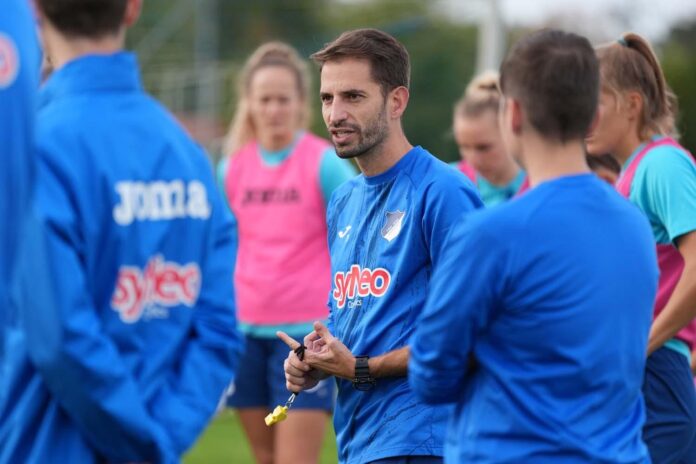
Theodoros Dedes is a Greek football coach with a reputation for leading with clarity, tactical discipline, and long-term team development. Born on February 17, 1990, in Athens, he has built his coaching career across both women’s and men’s football in Germany. In 2024, he was appointed head coach of the Frauen-Bundesliga team at TSG 1899 Hoffenheim, returning to women’s football after two seasons as assistant coach in the German 3. Liga. His coaching journey reflects adaptability, strong communication, and a player-first philosophy shaped by years of experience at multiple competitive levels.

Early Career and Playing Background

Dedes began his football journey in Germany at Lüneburger SK while studying abroad, and continued his playing career as a central midfielder at 1. FC Ohmstede, during his university studies in Sport and German Studies at the University of Oldenburg. He later played for SV Achternmeer in Lower Saxony. His transition into coaching was driven by a deep interest in tactical systems and team structure.

Coaching Roles and Development Path

Before joining SV Meppen, Dedes gained broad experience in coaching across nearly all youth levels. He worked with boys’ teams at U17, U19, and U21 levels, contributed to talent development at the U13 regional training centers (Stützpunkt), served as a C-license instructor, and held an academic position at the University of Oldenburg.

In 2018, he joined SV Meppen’s women’s department, initially coaching the U17 side. He was promoted to head coach of the first team for the 2019–20 season. Over three years, he led the club through two promotions to the Frauen-Bundesliga and managed a relegation, gaining valuable experience in squad management, performance under pressure, and youth integration.

In the summer of 2022, Dedes moved into men’s professional football, becoming assistant coach at SV Waldhof Mannheim in Germany’s 3. Liga. There, he worked under head coaches Christian Neidhart and Rüdiger Rehm, contributing to match preparation, training organization, and tactical planning in a high-intensity, results-driven environment.

Return to Women’s Football and Hoffenheim Appointment

In 2024, Dedes returned to the Frauen-Bundesliga as head coach of TSG 1899 Hoffenheim, taking over from Stephan Lerch. His return marked a strategic decision by Hoffenheim to invest in modern, development-oriented coaching leadership. Dedes began his UEFA Pro Licence training in January 2025, reinforcing his commitment to continuous professional development and top-level coaching standards.

Coaching Style and Vision

Dedes is known for his structured, process-oriented coaching style. He prioritizes team cohesion, tactical flexibility, and clear communication with players and staff. His coaching approach blends tactical realism with an emphasis on developing individual player potential, particularly among younger talents. Dedes sees the coach’s role as both a strategist and a mentor, focusing on building resilient, intelligent teams capable of long-term growth.

Our Exclusive Interview with Theodoros Dedes

Who is Theodoros Dedes outside of football?

Outside of football, even though there’s not much time outside of football, I spend as much time as possible with friends and especially with family, particularly when I’m in Greece. I really enjoy traveling in my free time, both within Greece and abroad, where I also love taking my camera with me and photographing, with culture and history being very important factors. And yes, speaking of culture, football is also a topic again. I also like watching matches abroad, visiting stadiums, or watching the occasional documentary when I have time, ones that still revolve around football.

What philosophies guide your leadership and coaching approach, both in women’s and men’s football?

My philosophy when it comes to leadership is fundamentally based on a high-performance culture, which can only be achieved, especially in team sports, through teamwork. So, a lot of it is about the cohesion and unity of a team, and on the other hand, about creating a sense of well-being among players. If someone feels comfortable and important, regardless of their role, I believe they can develop to their full potential and use their strengths to help the team. That’s why I aim to create an environment in which as many players and staff as possible, ideally everyone, feel fulfilled, while always keeping the team goal in focus, so that team development can take place.

In addition, in response to the second question about leadership philosophy: over the years, I’ve really tried to establish open communication and feedback within my teams. I like to work on many things together with the players. Of course, there are training regulations and guidelines, but much of it develops in a way that creates the feeling of “we are shaping something together,” where the players are actively involved.

How did your experience in both Bundesliga promotions and relegation with SV Meppen shape your perspective as a coach?

The experience of relegation and then the direct promotion back up, especially as champions, was one of the most valuable in my career so far. In the first league, we had to focus a lot on the topic of resilience due to the limited resources of SV Meppen compared to the big, established professional clubs. How to deal with that and still lead a team with energy, even when you lose match after match, despite often performing at eye level, was definitely a huge learning experience. I took that with me into the following season, where we managed to maintain consistency with the team, finishing in first place from the first to the last matchday.

We learned that it’s worth staying consistent, always aiming to win every moment, whether it’s in training, small personal victories, or individual development, rather than focusing solely on the final result. That’s why those two seasons were extremely important for my development as a coach, to learn that things don’t always go the way you want, but that it’s important to keep going, keep working, keep developing, and not be swayed by short-term success or failure.

What influence did your time in men’s football at SV Waldhof Mannheim have on your tactical thinking and team management?

My experience at Waldhof Mannheim was, of course, my first in a fully professional environment. Through that, I gained some very important insights into how a head coach manages certain things, by observing and interacting with my head coaches. For example, how players’ motivations change, how to still achieve peak performance across 38 matches plus cup games, what motivates and what demotivates, and what might be too much.

So the dosage of information, of emotions, and so on became very important. On the other hand, there was the tactical side. It’s a league with a wide range of playing philosophies, teams that focus solely on results, teams that take a very physical approach, and on the other hand, teams that played very good football. From those, you can take inspiration but also need to develop your own ideas to find solutions against them.

That’s why I found this season at SV Waldhof very cool and very instructive, especially since I was responsible for match plan development. I had to constantly reinvent myself and learn or adapt new things so we could put something good on the pitch.

What does a typical workday look like for you as head coach of TSG Hoffenheim’s women’s team?

A typical day at TSG is very easy to describe. I’m usually in the office at 8 a.m. That’s when we meet with our coaching staff for our meeting, where we finalize the training plans, defining the specific contents of the session and who will be responsible for which parts.

Before training, there’s usually also a video analysis, which we review and present to the team, either as a review of a past match or to prepare for the upcoming opponent.

Then we have the training session. After training, we debrief briefly, talking about how the session went and looking ahead to the next day’s session.

There are various meetings throughout the day, sometimes with the staff, like the psychologist, or when we need to prepare set pieces for the upcoming match, or with the sporting director or players for individual talks.

A big part of my role is trying to stay in communication with the players, emphasis on “trying,” because it’s not always possible.

And then it’s usually around 7 or 8 p.m. when I head home, often with some clips or matches I’ve gathered for individual analysis or for studying the next opponent, to get a good feeling for what we’re up against at the weekend.

What is next for you in your professional development, and what do you hope to achieve with Hoffenheim in the coming seasons?

My goals are essentially twofold. On one hand, I want to complete the Pro License course by January. That’s when the course ends, and I’m very happy to (hopefully) reach the highest level of my coaching education.

On the other hand, with TSG, the goal is to continue developing the team, and to maintain the level of consistency we showed in the second half of this season.

We also want to keep helping talents grow, and ideally retain them at the club long term, but even if not, to prepare them for their next step. The aim is to stabilize and solidify everything we’ve established this season: a new culture, a new playing identity and philosophy.

So now it’s really about cementing ourselves with TSG, continuing to refine things, and also smoothly integrating new talents into our environment.

Kraften i ett Gemensamt Språk inom Elitfotbollen

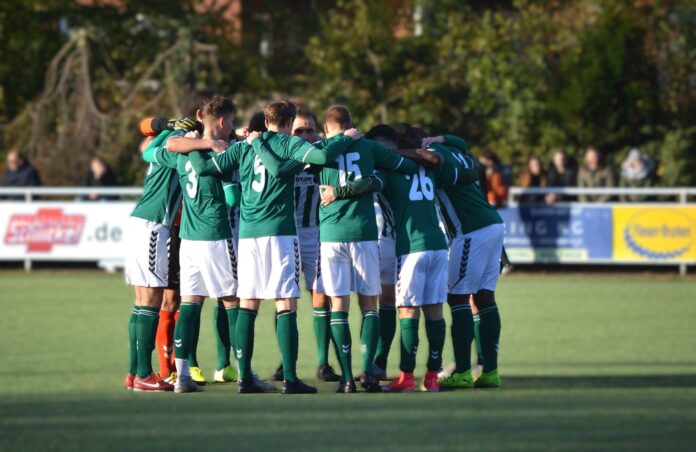
Image by vfloldenburg from Pixabay
Ett Skifte i Perspektiv

När jag först blev tillfrågad om att bidra med några tankar här, gick mina funderingar genast till fotbollsplanen – till taktik, lag och det kommande EM i Schweiz. Jag började skriva en analys av spansk och svensk damfotboll. Och jag kommer fortfarande att göra det. Men något oväntat fick mig att ändra riktning: en vän skickade mig en video med Davide Ancelotti.

På bara några minuter fördes jag genom min egen tränarkarriärs minnen och lärdomar. Det handlade inte om formationer. Det handlade om något ännu mer grundläggande – kommunikation. Ett gemensamt språk. Och jag insåg: detta är berättelsen jag måste börja med.

En Resa Genom Gränser och Kulturer

Tränaryrket har tagit mig på en resa som spänner över kontinenter och kulturer – från Japan till Jamaica, Spanien till Sverige. Jag har haft förmånen att arbeta med spelare från en fantastisk mångfald av bakgrunder, där varje individ tillfört något unikt till laget.

Men med mångfald kommer också komplexitet. Olika kulturer. Olika fotbollstraditioner. Olika sätt att tolka även de enklaste instruktionerna. Min egen tränarutbildning har formats i tre länder – Spanien, Norge och Sverige – vilket innebar att jag inte bara behövde lära mig nya språk, utan också att verkligen nå fram genom dem.

Kommunikation, har jag lärt mig, handlar inte bara om ord. Det handlar om innebörd. Och mening måste vara gemensam för att bli kraftfull.

Lärdomar i Språk

En av mina första insikter kom i Östersunds FK, där jag arbetade tillsammans med Ian Burchnall. Vi stötte på en oväntad utmaning: vi talade inte samma fotbollsspråk. Det jag kallade “mellan linjerna” kallade han för “pockets”. En liten skillnad? Kanske. Men inom elitfotbollen kan små skillnader avgöra matcher.

I Hammarby, med Pablo Piñones-Arce, förändrades utmaningen. Hur gör man lagmöten inkluderande för både svenska och icke-svenska spelare? Hur ser man till att alla röster hörs – och förstås?

När jag sedan tog över Linköping FC mötte jag ännu en prövning. Jag introducerade nya begrepp till spelare som var vana vid sin förra tränares språk. Förändring, även med goda avsikter, kan skapa förvirring om den inte hanteras varsamt.

Varje klubb, varje lag, har lärt mig detta: språk är ledarskap.

Att Skapa ett Gemensamt Fotbollsspråk

Lösningen är inte så enkel som att dela ut ett ordlexikon på första dagen eller hänga upp några affischer i omklädningsrummet. Att skapa ett gemensamt språk är inte en punkt på att-göra-listan. Det är ett åtagande.

Det handlar om att ta sig tid – redan från början – att skapa tydlighet. Att definiera vad vi menar när vi säger “press”, “kompakt” eller “omställning”. Att säkerställa att hela tränarstaben använder samma ord, på samma sätt, varje dag.

Ännu viktigare är att se till att alla, från stjärnspelaren till akademispelaren som tränar med oss i en vecka, förstår visionen. För först när vi talar samma fotboll, kan vi spela samma fotboll.

Det Fortsatta Arbetet med Förståelse

Men även då är arbetet inte klart. Språket i ett lag är något levande. Det förändras. Och det kräver ständig omsorg.

Vi måste bygga system för att upprepa, förstärka och kontrollera förståelsen. Vi måste möta spelarna där de befinner sig – språkligt, emotionellt och kulturellt. Det är inte bara huvudtränarens ansvar. Det är ett gemensamt uppdrag för hela tränarstaben.

För när språket brister, brister även förtroendet. Och när det blomstrar, blomstrar även laget.

Varför Det Verkligen Spelar Roll

Inom elitfotbollen är marginalerna minimala. Kommunikation är ingen “mjuk kompetens”. Det är grunden för taktisk precision, spelarutveckling och kollektiv strävan.

Ett gemensamt språk bygger enhet. Det skapar tillhörighet. Det ger spelare mod att fatta beslut med klarhet och trygghet. Och i slutändan bygger det lag som är större än summan av sina delar.

Så om du står inför en ny roll, ta dig tiden. Definiera dina begrepp. Lyssna mer än du talar. Och anta aldrig att bara för att något har sagts, så har det också förståtts.

För inom fotboll, liksom i livet, blir det vi delar i språk till det vi bygger i anda.

Who is Aslı E. Koç Tiryaki?

Aslı E. Koç Tiryaki

Aslı E. Koç Tiryaki is a football executive with over a decade of experience in strategic football management, specializing in sustainability, commercial growth, and fan engagement. Her leadership at İstanbul Başakşehir FK is defined by a commitment to innovation, social responsibility, and education-driven transformation within football.

Education & Early Career

Aslı E. Koç Tiryaki holds a master’s degree in Sports Management from Bahçeşehir University and is a graduate of the European Club Association’s Club Management Programme and Women On Board program, which prepare executives for modern football leadership. Prior to entering the football industry, she gained experience in the private sector in areas such as corporate communications and strategic planning.

Leadership at İstanbul Başakşehir FK

Koç Tiryaki served as Manager of Commercial & Sustainability at İstanbul Başakşehir FK. She spearheaded the development and implementation of the club’s first sustainability roadmap, OwlTogether—a six-year plan aligned with global ESG benchmarks and the UN Sustainable Development Goals (SDGs). Her work emphasized gender equality, quality education, and reducing inequalities, reinforcing the club’s identity as a progressive and inclusive institution. She has since embarked on a new journey as the co-founder of LOBA, a strategic advisory firm for visionary football.

Innovation in Fan Engagement

Through her role, she led İstanbul Başakşehir FK’s adoption of immersive technologies—AR, VR, and MR—in partnership with DevelAd to elevate matchday experiences and digital fan interaction. These efforts positioned the club at the forefront of innovation in Turkish football and helped build a dynamic, tech-forward fan base.

Professional Football Management Certificate Program (PFYSP)

Aslı E. Koç Tiryaki is one of the founding organizers of the Professional Football Management Certificate Program (PFYSP), Turkey’s first football management education initiative created by a football club. Officially supported by the European Club Association since 2024, PFYSP blends academic rigor with real-world insights from club professionals. Offered free of charge, the program champions diversity and inclusion while preparing participants for leadership roles in football through networking, mentorship, and internship pathways.

International Representation & Thought Leadership

She has represented İstanbul Başakşehir FK in various international football forums and committees, and contributed as a speaker to FIFA’s Diploma in Club Management, sharing the club’s approach to brand positioning and sustainability. Her cross-sector expertise and advocacy for integrating business innovation into football governance make her a respected voice in the global sports management landscape.

LOBA: Pioneering Strategic Advisory for Football

As co-founder of LOBA, a strategic advisory firm, Aslı Koç Tiryaki is driving change in football by helping brands harness untapped opportunities to set future standards and accelerate growth. LOBA delivers full-cycle solutions across six pillars: Business, Brand & Marketing, Brand & Communications, Experience Design, Sustainability, and Capacity Building. Through creative campaigns, value-driven storytelling, world-class sportainment experiences, and purposeful sustainability programs, LOBA expands each client’s presence and relevance in global football. Tailored training led by industry experts converts organizational talent into long-term strength, ensuring every vision is translated into meaningful results.

Vision & Leadership Style

Aslı E. Koç Tiryaki is known for her principled, future-oriented leadership and ability to blend commercial strategy with social impact. With a strong focus on inclusion, innovation, and continuous learning, she continues to shape the evolution of football management in Turkey and across Europe.

Our Exclusive Interview with Aslı Koç Tiryaki

Who is Aslı Koç Tiryaki outside of football?

I am a curious soul, a reader, a dreamer, a lifelong learner, and a woman in constant evolution. I believe in the unseen power of purpose. Beyond the stadiums, I am building a life anchored in meaning, creativity, and feminine strength. Outside of football, I am on a mission to live as fully, consciously, and courageously as I lead. As a proud mother, I am reminded daily through her eyes why representation matters. What we normalize today defines what is possible tomorrow.

What philosophies guide your leadership in football and business?

I act and lead with the belief that leadership is not about hierarchy but harmony. Whether in football or business, I focus on building systems that are human-centered, sustainable, and rooted in purpose. I believe in listening deeply, acting consciously, and leading courageously. Being a woman in a traditionally male-dominated industry has taught me that true leadership is not about having all the answers but asking better questions and creating space for others to contribute. I value empathy as much as strategy. I see vulnerability not as a weakness but as a bridge to trust. Ultimately, my philosophy is simple: create impact, lift others as you rise, and never forget that every decision shapes not just results but culture.

How do you balance long-term goals with the day-to-day demands of the club?

Balancing the long game with the urgency of daily demands is one of the most important and often underestimated aspects of leadership. I approach every short-term action as part of a larger story. Even the smallest action must align with our broader purpose. I build systems that absorb daily pressures without losing sight of long-term impact. This means empowering people, designing processes that serve our mission, and constantly asking, “Is this sustainable?” In a dynamic environment like football, it is easy to get caught up in what is urgent. However, I believe what truly defines a leader is the ability to hold both the present and the future simultaneously, responding with agility while staying anchored in vision.

Who has had the biggest influence on your career?

I have been shaped by many, but I owe the deepest influence to the women who dared before me and to my inner voice, which never let me settle for comfort over growth. This inner compass, often forged through challenges, has kept me aligned with my values. Becoming a mother has added a new layer to that voice. Now, I lead not only with ambition but with intention, knowing that everything I do echoes beyond me. I have also been fortunate to work with and learn from several leaders, mentors to me, who did not just manage but inspired.

What kind of books or topics do you enjoy in your personal time?

I am drawn to books that explore transformation, particularly through the lens of feminine strength, storytelling, and mythology. Works like Women Who Run with the Wolves by Clarissa Pinkola Estés and Dare to Lead by Brené Brown have been companions on my journey, offering powerful insights into vulnerability, leadership, and wholeness. I also find deep nourishment in spiritual and mystical writings, from the timeless wisdom of Rumi to esoteric explorations of consciousness, energy, and the soul’s path. These readings ground me, especially when life moves too fast. At the same time, I have a genuine curiosity for science, particularly cosmology, creation, and the mysteries of the universe. For me, reading is a sacred space where intuition meets intellect, and imagination and insight walk side by side. It is a lifelong practice that shapes how I dream.

What does a typical workday look like for you during the season?

During the season, every day is unique, but the underlying structure focuses on balancing short-term demands with long-term goals. I start my day early, usually with a quiet moment to center myself, whether through reading, writing, or reflecting on the big picture. This helps me stay grounded when the day gets busy. Mornings are dedicated to creation: exploring new projects and collaborations, reviewing my department’s performance, monitoring ongoing and upcoming projects, and conducting routine checks of European and domestic fixtures to stay on top of deadlines. I maintain close contact with my colleagues to ensure alignment on key objectives. Afternoons are more operational, focusing on overseeing the details of each project. I also prioritize personal development by reading industry-related content to stay sharp. Evenings are typically reserved for reflection and planning for the next day. Balancing a full schedule with the emotional energy of the season requires focus, so I make time to unwind with my family. Each day is driven by a sense of purpose. I’m constantly thinking about how we can make football more inclusive, sustainable, and impactful through meaningful partnerships and value-driven projects.

How do you manage international relations and strategy at Başakşehir FK?

My perspective on international relations extends beyond mere networking; it’s about building long-term value. At Başakşehir FK, we approach international relations as a means to shape the future, not only for our club but for football itself. Our focus is on fostering meaningful, strategic collaborations that align with our core values: sustainability, innovation, and purpose. We have several long-standing international partnerships that have inspired us to think globally while acting locally. I have also been representing Başakşehir FK on various committees within the European Club Association (ECA), where I contribute to policy and innovation agendas across Europe. For us, being international doesn’t mean being everywhere; it means being intentional. It involves building international relationships that create lasting value, elevate our club’s vision, and contribute to the game beyond borders.

What’s next for you in your professional journey?

I’m entering a phase where I’m not just contributing to football but helping to reshape it. My ambition is to play a more active role in transforming Turkish football into a more professional, inclusive, and sustainable ecosystem through several initiatives. I’m currently focused on amplifying sustainability and innovation in football governance, and I’m committed to contributing to projects that further professionalize our football environment, elevate women’s leadership, and align football with global best practices. Internationally, I aim to continue bridging worlds, bringing Turkish football into global conversations while infusing global expertise into our local context. I’m deeply committed to elevating women’s leadership in football. Through LOBA, I work in the football environment to integrate purpose-driven strategies that reflect football’s true potential as a force for cultural and social impact. For me, this journey is not about titles. It’s about creating what does not yet exist and sending the elevator down for another LOBA.

Who is Óscar Hernández Romero?

Óscar Hernández Romero

Óscar Hernández Romero is a Spanish football coach, analyst, and scout with over two decades of experience across elite clubs and national teams. He is widely respected for his tactical intelligence, player development expertise, and sharp talent identification, most notably credited for discovering Lamine Yamal.

Hernández began his coaching journey at FC Barcelona’s youth academy, La Masia, where he spent more than ten years nurturing generations of elite talent. He played a pivotal role in the early development of players such as Takefusa Kubo, Xavi Simons, Eric García, Gavi, Alejandro Balde, Héctor Fort, Marc Guiu, and Iker Bravo. In 2015, while coordinating the pre-benjamín (U8) category, he sent the decisive email that ensured Lamine Yamal stayed with Barcelona instead of moving to Espanyol, a move that proved vital as Yamal went on to become one of the brightest young stars in world football.

Beyond Barcelona, Hernández contributed to the global development of the game. He spent two years giving lectures on FC Barcelona’s methodology and game model, and advised the methodology department and first-team scouting at Bayer Leverkusen. He later joined Albirex Niigata in Japan as assistant coach under Albert Puig, where he helped implement a modern game model that laid the foundation for the club’s eventual promotion to the J1 League.

In 2021, Hernández accepted a dual role in Argentina, working with the Argentine Football Association (AFA) as both assistant coach for the U20 national team and head of the AFA’s Methodology Department. Collaborating with Javier Mascherano, he supported the development of a golden generation of Argentine talent, including Alejandro Garnacho, Nico Paz, Valentín and Franco Carboni, Facundo Buonanotte, Matías Soulé, and Luca Romero. His contributions coincided with Argentina’s major international triumphs at Copa América 2021 and the FIFA World Cup in Qatar 2022.

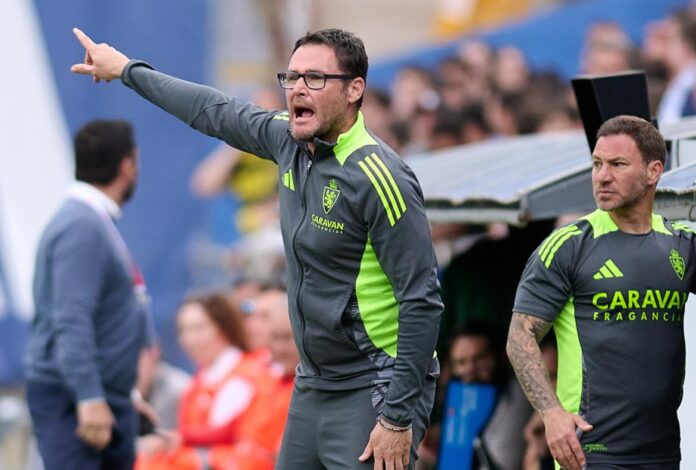
In 2023, he joined Girona FC as assistant coach and Head of International Scouting within the City Football Group structure. His work was instrumental in the club’s historic qualification for the UEFA Champions League, the best league finish in Girona’s history. Currently, he serves as Technical Assistant and Analyst at Real Zaragoza, working alongside Gabi Fernández to build a competitive, tactically disciplined team.

Hernández is known for combining deep tactical knowledge with a methodical, player-first approach to coaching. His philosophy centers on creating environments that empower young talents to develop confidence, adaptability, and performance under pressure. A strong believer in holistic development, he integrates psychological and cognitive growth as core components of player and team evolution. With a UEFA Pro License and experience across Europe, Asia, and South America, Óscar Hernández remains a key figure in modern football’s coaching and development landscape.

Our Exclusive Interview with Óscar Hernández Romero

Who is Óscar Hernández outside of football, and how have your personal experiences shaped your coaching approach?

I am a very hardworking, methodical, calm, and respectful person, married and the father of a nine-year-old girl to whom I try to instill the values I consider fundamental in her growth and education, such as humility, empathy, and effort, which have allowed me to grow both personally and in sports.

For example, in the sports field and based on my experiences, I consider it essential to understand the philosophy and culture of the project being undertaken above personal interests, to understand its people, that empathy I mentioned, whether with the fans, management, players, in other words, everything that encompasses the club and the city. To summarize, adaptability would be the word; without it, it is very difficult to achieve short-term goals and even more difficult to reach the highest objectives in the long term.

To adapt does not mean to give up one’s core principles. On the contrary, I identify with a specific style and model when working, but it must be flexible within the work model or methodology in relation to the surrounding environment to achieve the best performance for the institution, the team, and personally.

What core values guide your work with young players, especially when helping them transition into elite environments?

I would say the same values I try to instill in my daughter when raising her: conveying dedication, effort, perseverance, and the ability to be very self-critical, not thinking you are superior to anyone.

There are many factors involved in the process, not just in football, but in life. Virtues and the resulting talent must be accompanied by discipline, dedication, excellent guidance, and most importantly, the ability to listen and make decisions, which is essential to turn something good into something optimal. Patience is another aspect that is being lost and must continue to be taught. We are living in the era of immediacy, which is a big mistake, since these processes should be measured by their effectiveness, and in many cases, the real perspective is lost by trying to speed up the timing. Everyone wants to move up very quickly, but that path is reserved for only a few “chosen ones.”

How did your years at La Masia influence the way you see talent, development, and long-term player success?

It is a very interesting question because the way things are done at F.C. Barcelona is unlike anywhere else. This is not an opinion, it is information, my experiences allow me to speak in these terms.

Let me explain. This success comes from paying attention to the smallest details, both on a human and sporting level. Talent exists all over the world. The difference lies in how that talent is managed. At early ages, I prefer to speak of conditions or virtues, which later become talent when a player reaches semi-professional or professional football. That process, turning conditions or virtues into real talent through development, is vitally important.

We must provide young players with the tools to continue enhancing their innate strengths, optimize potential weaknesses, and allow hidden aspects of their abilities to surface. For this, the work methodology is key. No aspect of the game should be overlooked, but there must be interrelation and progression in its application over the years. In this, F.C. Barcelona is different, always following the same pattern and method of work, evolving it across the player’s developmental stages.

The goal is not to rush the process, as I mentioned earlier. In F.C. Barcelona’s case, it is the method itself that ensures its effectiveness. That is why many young players manage to reach the first team at such an early age, which is the primary objective of the club’s development model.

As an anecdote, I’ll say that when people tell me F.C. Barcelona succeeds because it signs the best, I always respond the same way: it is impossible to know whether an eight, nine, or even sixteen-year-old will become a professional player. The club signs players with good technical qualities, and it is the process and the method that refine them and help them understand and interpret the different situations of the game, thus turning those virtues into talent. I consider this an intelligent process.

Can you walk us through the moment you decided to intervene and keep Lamine Yamal at Barcelona? What made him stand out?

Scouts don’t really discover anyone. It is the players who discover themselves. We are simply facilitators of opportunities, and in 2014, as a coach and scout for F.C. Barcelona, I was able to facilitate such an opportunity. Lamine was a child like many others I had observed and signed, with very good abilities and who stood out football-wise compared to other children his age. When I made the decision to propose him for a trial with F.C. Barcelona, I was already convinced he was a player for the club, but a protocol must be followed, so I submitted the trial request accordingly.

I had been following him for an entire month together with Isidre Gil, the scouting area coordinator. We both agreed on Lamine’s virtues and abilities, and as the final decision-maker, I decided to accelerate the process to sign him since other clubs were also interested. The head of youth football, Albert Puig Ortoneda, approved our decision, and about ten days later, Lamine committed to the club.

His technical skills stood out above the rest, which anyone could see, and that alone could justify a positive decision. But other very important aspects were also evaluated, such as his determination in the game, decisiveness, courage in attacking duels, defensive effort to win the ball back, and spatial awareness. He didn’t just chase the ball; he positioned himself in areas where he could make the most of his actions, which is very rare to see in a child his age, as egocentrism is a common trait at that stage, usually resulting in constantly chasing the ball.

Under the methodology we had at the time, Lamine was a player with the potential and ability to grow within F.C. Barcelona.

Working across Argentina, Japan, and Spain, what have you learned about adapting your methodology to different football cultures?

I am one of those who believe that an identity and style of play can be applied anywhere in the world, but with cultural and sporting nuances. It is essential to understand the history and philosophy of the club or federation where you begin a project and adapt your own style and model of play to the characteristics and abilities of the players.

It is also true that, generally, when you are signed by a club or federation, it is because they are attracted to your knowledge and footballing vision. Being aligned with the leadership is crucial when starting a project.

Having knowledge of other working contexts or cultures allows you to integrate aspects into your idea or model of play, and that is the main adaptation I personally incorporate into my methodology for future projects. In other words, conveying a personal footballing philosophy that the player can identify with.

For example, in Argentina, when I was with the U20 national team alongside Javier Mascherano, I learned a lot from Matías Manna. There, the game is more free-flowing, known as functionalism or relationalism. Not limiting the player in any way and allowing him to step outside of structural order is important to bring out his maximum performance. In Japan, on the other hand, the coach’s idea is prioritized, and players need very specific instructions regarding the game and the behaviors they must adopt to perform at their best. It is one of the countries where I have seen the most individual talent. In Spain, for example, we find a hybrid between the two approaches, depending on the player.

In conclusion, the different experiences I have had have allowed me to learn and stay open to improving an idea for the benefit of the player and, therefore, the team.

What is your vision when building or contributing to a team’s game model, both tactically and psychologically?

In my approach, the ball is the axis through which the game is managed. What I mean is that I prioritize spending more time in the offensive phase than in the defensive one. This does not mean I value one more than the other, but I do try to control the rhythm of the match through possession and generate constant superiorities, whether numerical, positional, or qualitative. This aspect allows me to gain more advantages over the opponent. I like teams that take initiative, where the main goal is to progress in the game. I do not aim to win the possession stats; my primary objective is to use possession as a tool to create advantages and reach the opponent’s goal as quickly as possible, or to control the game’s tempo, for example, keeping the ball to defend.

Regarding the defensive phase, I learned a lot from Gabi Fernández, former Atlético de Madrid player who was coached for seven years by Cholo Simeone. From him, I acquired an approach that prioritizes high pressing, trying to defend forward, as far away from my goal as possible. Aggressive counter-pressing and staying very compact with constant support are essential in each of these concepts. I value double efforts or double pressures, instilling in the player the need to have the capacity to make intense efforts with the goal of recovering the ball quickly and returning to the offensive phase. The players know these efforts are necessary and punctual because the sooner we regain the ball, the more rest we will get while in possession.

In daily training, I stress the importance of being proactive rather than reactive, because that allows you to have two or three solutions in the same game situation. I insist to my players that the most important thing is to decide before receiving the ball, not once they already have it. I believe that the game is not something to be understood intellectually, it is something to be played. What is important is that the player understands the environment around him in relation to the ball, his teammates, and the opponents, within a specific spatial location and the time available to execute the two or three solutions he has identified.

On the psychological side, it is essential to transmit optimism, that the player feels you are a winner and that any challenge is possible. There must be no doubt at any time. As a leader and group manager, the player must know that your support is available to him at all times, both personally and professionally. And above all, not treating everyone the same, because each player is different and needs personal and specific treatment. This is achieved by getting to know the person, talking to them. Communication is part of the closest success. This aspect will help us improve the person and the player. It is important to convey a sense of belonging to the group. If things go well for the team, they will go well for the individual too.

How do you balance your dual focus on player development and team performance in your current role at Real Zaragoza?

To be honest, at Real Zaragoza we arrived in a very difficult situation where the main objective was to save the team from relegation, and fortunately, that was achieved. This scenario does not allow for the development of a logical process based on a desired and concrete footballing idea. You must adapt to the current situation, to its environment, and prioritize improving the aspects that are causing the team to be stuck in a negative dynamic.

As a priority, we focused on the mental aspect, helping the players regain confidence and positivity, because let’s not forget we are dealing with excellent footballers who had fallen into a very negative spiral, which made them perform below their potential. On the footballing side, we aimed to make the team more compact defensively. We identified that it was a very stretched team, offering too much space to the opponent and conceding many goals. Offensively, we worked on better ball management to help the team feel more comfortable based on the characteristics of the players. Obviously, no two opponents are the same, and we tried to guide the players before each match on where the free spaces were and their possible solutions to progress in the game by getting to those spaces and identifying who could arrive to take advantage of the opponent’s weaknesses. We are pleased because in eleven matches we maximized the process and were able to offer players new roles they had not previously taken on. They discovered new aspects of their game that they didn’t know, such as repositioning a midfielder as a right back or a winger as an attacking midfielder or forward.

Looking ahead, what are your personal and professional ambitions in football? What kind of legacy do you hope to leave behind?

I’ll be honest. After more than 23 years of experience working in top clubs and federations, serving as an assistant coach and contributing in areas such as team and opponent analysis or scouting, I believe my next step, sooner rather than later, is to become the head coach of a professional team. I want to lead with my own footballing vision as the main identity and apply everything I have learned alongside excellent professionals.

The title or role is just a label. Even without being the head coach and depending on the situation, I have had to plan entire seasons, run daily training sessions, coach and lead the group, give halftime talks, and speak to players individually for various reasons. In other words, as an assistant coach, I have often acted as a head coach for full seasons. I am ready for that step and hope the opportunity comes, whether nationally or internationally.

Legacy? The best legacy you can leave behind is to be seen as a good person, someone who helped others regardless of their role, and who showed dedication and sacrifice for the good name of the institution. That goes beyond any victory. It is a victory in itself.


Einblicke in FC Tokyo: Philosophie und Ambitionen

FC Tokyo

Wir danken Jiro Kitahara herzlich dafür, dass er uns die Türen von FC Tokyo geöffnet und wertvolle Einblicke in die Strategien, Herausforderungen und Zukunftsambitionen des Klubs gewährt hat. Als Methodendirektor und Leiter der internationalen Sportstrategie spielt Jiro eine zentrale Rolle bei der Ausrichtung der Vereinsphilosophie und der globalen Vernetzung.

Führung und strategische Ausrichtung

An der Spitze der sportlichen Strategie von FC Tokyo steht Jiro Kitahara. In seiner Doppelfunktion als Methodendirektor verantwortet er das strategische Management der Fußballphilosophie, während er als Leiter der internationalen Sportstrategie die Globalisierung des Klubs vorantreibt. Diese Rollen sorgen dafür, dass FC Tokyo sowohl national als auch international erfolgreich agiert.

„Der Schlüssel zu unserem Erfolg liegt in einer klaren und konsistenten Fußballmethodik“, erklärt Jiro. „Indem wir unser Spielmodell stetig weiterentwickeln, stellen wir sicher, dass jeder Spieler und jeder Trainer seine Rolle im System versteht.“

Die Herausforderungen des Klubs gliedern sich in zwei zentrale Bereiche: Fußballmethodik und internationale Sportbeziehungen. Der Bereich Methodik fokussiert sich auf die Weiterentwicklung des Spielmodells, Performance-Monitoring und ein strukturiertes philosophisches Rahmenwerk. Die internationale Abteilung hingegen ist verantwortlich für globale Kooperationen, Scouting und Partnerschaften mit ausländischen Vereinen.

Wettbewerbsstrategien in der J.League

Um in der J.League wettbewerbsfähig zu bleiben, verfolgt FC Tokyo einen dreigliedrigen Ansatz:

  1. Nutzung Tokyos einzigartiger Vorteile:
    Als eine der größten Metropolen der Welt setzt der Klub auf ein starkes Akademiesystem für nachhaltigen Erfolg und Entwicklung der ersten Mannschaft. Die Kaderplanung ist auf Effizienz ausgerichtet – im Spannungsfeld zwischen Wettbewerbsfähigkeit und finanziellen Rahmenbedingungen.
  2. Investitionen in die Nachwuchsförderung:
    Junge Spieler sammeln gezielt Spielpraxis und Auslandserfahrung. Dies wird durch moderne Trainingsanlagen, strukturierte Förderprogramme und ein erfahrenes Trainerteam ermöglicht.
  3. Philosophiegetriebener Ansatz:
    Scouting, Training und Coaching basieren auf einem klar definierten Spielmodell – für einheitliche Abläufe auf allen Ebenen.

„Unser Fokus liegt auf nachhaltigem Erfolg“, betont Jiro. „Indem wir in unsere Akademie investieren und einen nahtlosen Übergang in die erste Mannschaft ermöglichen, schaffen wir ein langfristig wettbewerbsfähiges Modell.“

Die Rolle Tokyos in der Klubidentität

FC Tokyo profitiert von starker staatlicher Unterstützung – insbesondere bei Bildungs- und Gemeinschaftsinitiativen. Der Verein engagiert sich im Breitensport und inspiriert junge Talente über schulische Programme. Dieses Engagement festigt die Identität von FC Tokyo als festen Bestandteil der Sportlandschaft der Stadt.

„Tokyo ist mehr als nur unser Zuhause – es ist ein essenzieller Teil unserer Identität“, sagt Jiro. „Wir repräsentieren die Stadt – auf dem Platz und darüber hinaus.“

Globale Partnerschaften und Talententwicklung

Der Klub unterhält Partnerschaften mit internationalen Vereinen wie Sint-Truiden, Benfica und Legia Warschau. Diese Kooperationen verfolgen mehrere Ziele:

  • Transfererlöse durch Talententwicklung und -export
  • Internationale Entwicklungspfade für junge Profis
  • Austauschprogramme im Bereich Coaching und Scouting

Diese globalen Verbindungen ermöglichen FC Tokyo die Integration europäischer Methoden in die Ausbildung junger Spieler.

„Die Globalisierung ist ein zentrales Standbein von FC Tokyo“, erklärt Jiro. „Durch starke Partnerschaften und internationale Wege für unsere Spieler eröffnen wir neue Chancen für den Klub.“

Die globale Stellung der J.League

Die J.League überzeugt durch technische Qualität und taktische Vielfalt – historisch geprägt vom brasilianischen Fußball. Trotz starker Organisation und ausgeglichener Wettbewerbsstruktur steht die Liga international vor Herausforderungen: Geringe TV-Einnahmen und schwache europäische Vernetzung begrenzen die globale Sichtbarkeit. Doch Marketinginitiativen und internationale Turniere sollen das ändern.

„Wir haben die Qualität, international zu bestehen“, so Jiro. „Nun geht es darum, die Sichtbarkeit zu erhöhen und die Stärken des japanischen Fußballs global bekannt zu machen.“

Herausforderungen meistern, Chancen nutzen

Eine der größten Herausforderungen für FC Tokyo ist die Kaderstabilität. Viele Top-Talente wechseln früh nach Europa, was die Kontinuität erschwert. Um dem zu begegnen, setzt der Klub auf höhere Transfereinnahmen, gezielte Reinvestitionen und eine starke Nachwuchsarbeit.

Ein strategischer Zukunftsschritt könnte die Anpassung des Saisonkalenders an das europäische Modell (Herbst-Frühjahr) sein. Dies würde die Spielerfitness steigern, Sommerhitze vermeiden, europäische Profis und Trainer anziehen und die Gesamtwettbewerbsfähigkeit erhöhen.

„Ein Kalenderwechsel würde uns besser in den globalen Fußballmarkt integrieren“, meint Jiro. „Unsere Spieler könnten sich leichter an europäische Ligen anpassen – das stärkt den japanischen Fußball insgesamt.“

Die Zukunft von FC Tokyo

Langfristig verfolgt der Klub das Ziel, das Aushängeschild des japanischen Fußballs zu werden – ein Verein, der Tokyos globales Image widerspiegelt. Bis 2030 will sich FC Tokyo als Titelkandidat in der J.League etablieren, regelmäßig in der AFC Champions League vertreten sein und als Talentschmiede für europäische Top-Ligen und die Nationalmannschaft fungieren.

„Unser Ziel ist klar: FC Tokyo soll national wie international als Spitzenklub wahrgenommen werden“, sagt Jiro. „Mit unserer strukturierten Philosophie, internationalen Ausrichtung und dem Fokus auf junge Talente bauen wir eine nachhaltige Zukunft auf.“

Fazit

FC Tokyo strebt nicht nur nach nationalem Erfolg, sondern nach internationaler Relevanz. Mit einer klaren Spielphilosophie, gezielten globalen Partnerschaften und intensiver Nachwuchsförderung positioniert sich der Klub als Vorbild für nachhaltigen Erfolg in Asien. Unter der starken Führung von Jiro Kitahara hat FC Tokyo die Weichen gestellt, um seine Rolle im japanischen und internationalen Fußball neu zu definieren.

Who is Nergiz Bulut?

Nergiz Bulut

Nergiz Bulut is an emerging leader in Turkish football administration, with a growing portfolio across women’s football management, academic research, and sports governance. With a foundation in sport management and pedagogy, she brings a multifaceted perspective to club operations, youth development, and gender equity in football.

Education & Academic Contributions

Nergiz holds a bachelor’s degree in Sport Management from Kocaeli University, where she graduated with honors, and is currently pursuing her master’s degree in the same field. Her academic focus includes sports law, sport economics, club governance, communication in sports, and the management of sports organizations. Her undergraduate thesis on aggression and violence in amateur football competitions was presented to the Kocaeli Provincial Sports Security Board, which included the Governor, District Governors, Police Chief, and presidents of 122 clubs.

She has presented and published research on esports and communication skills, as well as social integration in traditional and electronic sports. Her work has been showcased at the 2022 International Congress on Multidisciplinary Approaches in Sports and Social Sciences and is scheduled for publication in a peer-reviewed academic journal in December 2024.

Club & Federation Experience

Nergiz currently serves as the Administrative Manager of the Beşiktaş JK Women’s Football Team, where she contributes to player operations, logistics, matchday coordination, and long-term planning. Prior to joining Beşiktaş, she held the role of Team Administrator for Trabzonspor’s Women’s Football Team, helping to shape the early structure of the club’s women’s football department from December 2021 to June 2022.

Her earlier experiences include internships and assistant roles at institutions such as the Turkish Ministry of National Education, the Ministry of Youth and Sports, and the Faculty of Sport Sciences at Kocaeli University, offering her exposure to administrative procedures and youth development initiatives at various levels.

Content & Editorial Work

In addition to her club roles, Nergiz has also contributed to Turkish sports media as a Content Editor at Sporosfer, where she published analytical pieces on the governance and legal structure of the Turkish Football Federation, particularly emphasizing transparency and centralization. One of her widely circulated pieces, titled “Bir Tiranlık Örneği: TFF’nin Hukuki İşleyişi ve Yönetim Yapılanması,” critiques the federation’s internal processes and was published during her editorial tenure in 2021.

Certifications & Professional Development

She has completed several key industry trainings and certificates, including:

  • TFF Women’s Football Strategy Meeting (2024)
  • DoublePass Football Academy Project (2024)
  • Sports Law Program – Istanbul Bar Association
  • Sport Management and Event Marketing – Sport Center Academy
  • Social Media in Professional Life – Sports Center Academy
  • Sport Management Academy – TÜGVA (2018)
Refereeing & Volunteering

Between 2016 and 2019, Nergiz was a licensed football referee under the Turkish Football Federation, reflecting her firsthand knowledge of the game’s technical and regulatory side. She has also been an active participant in volunteering symposia and civic sports initiatives, reinforcing her commitment to grassroots sports and inclusive development.

Our Exclusive Interview with Nergiz Bulut

Who is Nergiz Bulut outside of football?

I was born in 1998 in Istanbul. I was a girl growing up in a house where football was always talked about and followed, with two older brothers. I think I’ve always felt that football was the sport that brought me the most joy and captured my interest the most. That’s why I focused on football and football management throughout my undergraduate and graduate education. Since 2021, I’ve been actively involved in football management.

I love football, winning in football, and learning while losing. But I know this is my profession, my job, and I frequently remind myself not to become completely consumed by it, to diversify my life outside of football. I care about reading and making time to read. I’m interested in art forms like literature, painting, and music.

I have a curious and questioning personality. I love learning new things and engaging with different fields. My interest in art both inspires and nourishes me. I’m also someone who never gets tired of discovering Istanbul. Amid the flow of daily life, while advancing in my job without losing myself, I try to live a life where I also transform and develop myself by touching on areas beyond football.

In short, Nergiz is someone who can keep up with the pace on the pitch but doesn’t neglect her inner world and truly enjoys living life this way.

What values or philosophies shape your leadership approach in club management and football governance?

I try to integrate being a good and fair person into every part of my life. I often remind myself not to judge when listening to people, to try to understand why someone is following a certain idea, and to consider what in their life and thought shaped that stance.

I constantly remind myself that my colleagues can do their jobs best within their fields because they are the experts, and I take great pleasure in seeing a collective and strong result in the end.

Follow-up and accountability are among the most important criteria for me. I believe that someone who values their work will be sensitive about it. At the same time, I believe that being harmonious and tolerant is extremely important in team-based work, especially in emotionally intense sectors like football. I strive to adhere to these values in my professional life as well.

How do you stay focused on long-term development while navigating the daily demands of working in top-flight women’s football?

This may be the most challenging area for us. Daily tasks often require serious time and energy. However, for the mission we created for Beşiktaş JK Women’s Football Team to truly take root and for our long-term goals to be realized, we need to act not only with today in mind but also with a vision for tomorrow.

As of May 2025, when we finished our league season, we’ve been working even harder than we did during the season to prepare for the new one. We evaluate our shortcomings, determine areas for improvement, and take new steps accordingly.

Additionally, to achieve lasting, economic, and sustainable results in the long term, we place great importance on our youth development. We don’t only focus on the First Team, but also address the needs of the academy players and try to build a strong foundation for them too.

Who has been the most influential figure in your personal or professional journey so far?

One of the most influential people in my personal journey is Prof. Dr. Zekiye Başaran from Kocaeli University’s Faculty of Sports Sciences. My curiosity about life and my profession, my desire to research, and my questioning nature were largely shaped by her guidance. She contributed greatly to me not only academically but also in how I view life.

In my professional life, I always had the support of my former Administrative Director Hasan Sarıgül, with whom I worked shoulder to shoulder for three years and overcame every challenge. Working with Mr. Hasan gave you a sense of confidence that you could overcome any difficulty, no matter how hard it seemed. Our former Sporting Director Olgay Kızılkaplan, with his energy and resilient character, taught me not only work discipline but also many things about life.

The former Board Member of Beşiktaş Football Inc. responsible for Women’s Football, Fırat Fidan, with his visionary approach, gave me the chance to view women’s football from a broader and different perspective. Thanks to him, I learned to evaluate many things from a much wider framework.

And of course, my mother, father, and brothers, with the justice and compassion they embody and the love they carry, raised me, and I’ve always felt incredibly lucky because of that.

Whatever I do today, whatever values I hold on to, all of them are rooted in the influence of these people. I’m endlessly grateful to each of them for transforming and improving me.

What kind of books, topics, or areas do you enjoy exploring in your free time?

I’m very interested in literature and poetry. I especially enjoy reading the complete works of Late Ottoman–Early Republican Era authors. It’s hard for me to put into words how important Yaşar Kemal is in shaping my outlook on life. Experiencing Istanbul through the eyes of Orhan Veli is also a unique pleasure for me. During stressful times, books are the most effective way for me to relax. I believe reading heals me mentally. Zülfü Livaneli has a quote that sums this up beautifully: “A person who reads rests their back on the mind of the world.” That’s exactly how I feel.

Besides that, I follow French and Iranian cinema and am interested in art films. I especially see a strong resemblance between the cinematic language of Iranian director Abbas Kiarostami and the styles of Nuri Bilge Ceylan and Ercan Kesal, and I greatly admire it. I think stories from this region feel more familiar and close to me, which is why I’m more affected and find them more intriguing.

On my days off, I enjoy spending time reading and watching films, discovering Istanbul, exercising, or simply having a fulfilling day with close friends.

What does a typical in-season workday look like for you at Beşiktaş?

This depends on our match schedule and what stage of the season we’re in. I usually work in our office in Fulya. At the start of each week, if we have a home match, I organize safety, private security, protocol arrangements, and medical precautions. If there’s an issue related to the stadium, I deal with it. I also take care of any missing parts of the matchday operations.

If it’s an away game, I handle everything from accommodation to flights, city transportation, and security measures. During transfer windows, I prepare offers for players, manage contract processes, and if the player is international, I handle ITC procedures. If the player is domestic, I take care of the TFF’s internal transfer processes.

In addition, I manage player accommodation, insurance, and health issues, as well as residence permits for foreign players, and direct them to relevant club departments when needed. I follow up on internal club and Turkish Football Federation documentation and assist with the needs of our technical, administrative, and medical teams. If the mid-season break is approaching, I organize the training camp.

While our team is training at the Fulya facilities, I coordinate all these and similar tasks from our administrative office.

Who is Sean Burt?

Sean Burt
Overview

Sean Burt is a leading figure in women’s football recruitment, recognized for his strategic leadership and talent identification expertise at Heart of Midlothian. With a UEFA A License and deep knowledge of the women’s football landscape, he has designed and implemented innovative recruitment and performance strategies that have transformed the club’s trajectory.

Burt’s reputation is built on an ability to combine football intelligence with business acumen, aligning recruitment strategy with club vision, fostering high-performance culture, and attracting top talent through a global network. His tenure at Hearts marked the most successful period in the club’s women’s history, underpinned by a data-driven, people-first philosophy.

Personal Life

Based in Scotland, Sean values inclusivity, community, and development—principles he brings into every role. Away from the pitch, he’s passionate about coaching at all levels, including children and individuals with special needs, reflecting his belief in football’s power to uplift lives. Calm, driven, and collaborative, Sean is also known for mentoring young coaches and professionals across the sport.

Heart of Midlothian FC – Head of Women’s Recruitment

Appointed in 2021, Burt was instrumental in redefining Hearts Women’s football strategy. His leadership secured increased investment, executed a first-ever dedicated recruitment plan, and delivered tangible returns through successful signings and strategic player sales.

Key achievements:

  • Transformed recruitment structures aligned with UEFA/FIFA compliance
  • Strengthened the squad with top-tier talent and development pathways
  • Delivered club-record performance periods and commercial partnerships
  • Built alignment between coaching, performance, and operational departments
Coaching Background

Sean has extensive coaching experience across men’s and women’s football, holding positions at Rangers, Hibernian, St Johnstone, and Glasgow University. His coaching philosophy emphasizes development, tactical awareness, and building environments where players thrive.

What’s Next?

With a track record of results and a reputation for forward-thinking leadership, Sean Burt is positioned to make a major impact at any club or federation aiming to elevate its women’s football operations.

Our Exclusive Interview with Sean Burt

You’ve led one of the UK’s most successful women’s recruitment strategies at Hearts—what was your approach to building a sustainable and competitive squad?

At Hearts, our recruitment strategy has focused on building a sustainable and competitive squad by blending high-potential players with experienced domestic talent. We’re committed to developing players with long-term upside—those who are technically and tactically strong, but also have the hunger and attitude to grow within our environment. Alongside that, we’ve been deliberate in recruiting players with proven experience in the Scottish game—individuals who understand the demands of the league and can provide leadership, consistency, and a benchmark for our younger players. That balance has been crucial. It allows us to compete now while also building a squad with a strong succession plan. We’ve also placed emphasis on character—players who not only fit our footballing style but contribute to a high-performance culture. Ultimately, it’s about cohesion and progression—signing the right people, not just the right profiles.

How do you balance immediate first-team needs with long-term player development and succession planning in recruitment?

Balancing the immediate with the long-term is one of the most important parts of recruitment. Every window, we start with a detailed analysis of the current squad—identifying positional gaps, contract situations, and performance trends. From there, we overlay our long-term planning—looking at where our academy players are in their development, which positions might need succession in 12–24 months, and how individual players are progressing. If we bring someone in, we ask: are they solving a short-term issue, or are they part of the bigger picture? Ideally, it’s both. We’ve found success by recruiting players who can impact the first team now but still have significant upside to grow within the club. At the same time, we’re very mindful not to block the pathway for players coming through. That means careful planning, open communication across departments, and a commitment to making recruitment decisions that serve both today’s team and the future of the squad.

Can you walk us through a recent transfer or signing that reflects your strategic thinking and scouting philosophy?

One recent signing that really reflects our recruitment strategy was a young Scottish player who had been performing well at another SWPL club but hadn’t yet reached her full potential. She ticked all the boxes technically, but what stood out was her mentality—driven, coachable, and hungry to progress. We’d tracked her over multiple windows, built a full profile through live and video scouting, and spoke with people who’d worked with her to understand her off-pitch character. What made the signing strategic was timing—we brought her in at a stage where she could contribute immediately but still had significant upside. She’s since adapted really well, and her trajectory reflects the kind of recruitment we aim for: players who align with our football identity, improve our squad right away, and still have room to grow into bigger roles within the club.

What role does data play in your recruitment decisions, and how do you integrate it with traditional scouting methods?

Data plays a key supporting role in our recruitment process—it helps us work smarter and more objectively, but it never replaces live scouting or our understanding of context. We use data at the front end of the process to identify potential targets, especially when casting the net wider—looking at physical outputs, technical contribution, consistency, and positional trends. It helps us filter and flag players who align with our playing model. From there, traditional scouting takes over—live match observations, character references, and video analysis are all essential. Data might tell you a player completes a high number of passes, but only through watching can you see how and why those passes matter. We also use data retrospectively to benchmark our decisions and track progress. The key is integration—not relying too heavily on either method, but using both to build a complete picture of the player.

How have you built and maintained your global network of agents, clubs, and talent contacts—and how has it impacted recruitment outcomes?

Having a broad and reliable network is crucial in recruitment. Agents, club contacts, and coaches all play a key role in helping us build a complete picture of a player. While data and scouting provide valuable insights into performance, it’s often the information we gather through trusted relationships that makes or breaks a decision. We rely heavily on our network for reference checking—not just to verify what a player is like on the pitch, but to understand their mentality, professionalism, adaptability, and how they respond to challenges. These are aspects that aren’t always visible during a game. Strong, long-standing relationships mean we receive honest, in-depth feedback rather than just surface-level opinions. It also allows us to move quickly and quietly when the right opportunity arises. Ultimately, our network gives us confidence in our decisions—and in a competitive market, that can be the difference.

What are the key differences you’ve observed between working in men’s and women’s football, and how have those shaped your leadership style?

One of the key differences I’ve observed between men’s and women’s football is the strong sense of collaboration and openness that’s present across all levels of the women’s game. There’s a real collective mindset—players, coaches, and staff are all very engaged in building something together. This culture of collaboration has certainly influenced my approach in recruitment. I place a great emphasis on maintaining open communication and building strong relationships, not just with players but with staff, agents, and other key stakeholders. While the men’s game also has these dynamics, the women’s game offers a unique opportunity to shape environments with a shared vision of growth and development. As a leader in recruitment, my focus is on nurturing these collaborative relationships, ensuring we’re all aligned in our objectives, and creating an atmosphere where we can be both ambitious and supportive. The professionalism and competitiveness in women’s football are growing at an incredible rate, and that excites me to constantly adapt and refine our recruitment strategies to meet those demands.

What Makes a Great Football Leader? Lessons for Executives in the Modern Game

Series: Leading the Game: Leadership in Football

A series exploring how football executives can lead with clarity, purpose, and resilience in today’s game.

“The secret is to have a good team spirit and strong leadership. You must lead by example, but you must also listen.”

— Sir Alex Ferguson

Football has never been more complex, more global, or more scrutinized than it is today. Clubs are no longer just sports teams. They are brands, businesses, and cultural institutions. The pressure on executives to lead effectively continues to grow.

In the dressing room, leadership is often visible and celebrated. But in the boardroom, it is harder to define and even harder to develop. What makes a great football CEO? How do sporting directors shape a winning culture? And what separates those who simply react from those who lead with intent?

This article is the first in a weekly series, Leading the Game, where we explore what leadership truly means in modern football. Drawing from real-world examples, leadership research, and the unique demands of the game, I will share insights for football executives who want to lead with greater clarity, resilience, and long-term impact.

Let’s begin with the fundamentals. What makes a great football leader today?

5 Traits of Great Football Leaders

1. Vision

The best leaders in football think beyond the next match. They understand where the club needs to be in five or ten years and make decisions that align with that long-term direction. Leaders like Edwin van der Sar at Ajax helped build a clear philosophy that shaped everything from recruitment to academy development. Without vision, clubs drift.

– A great football leader defines a long-term destination and aligns the entire organisation toward it.

2. Emotional Intelligence

Leadership in football is people-focused. Managing players, agents, coaching staff, and board members requires self-awareness, empathy, and strong communication. Leaders with emotional intelligence, like Carlo Ancelotti, are able to read the room, build trust, and manage pressure calmly.

– Great leaders manage relationships with emotional balance and listen more than they speak.

3. Crisis Management

Football is full of volatility, poor form, injuries, media storms, and financial challenges. Resilient leaders remain composed during chaos. Think of how well-run clubs responded to COVID disruptions or financial scrutiny. Leaders who can make clear decisions under stress create stability when it is needed most.

– Resilient leaders prepare for crisis and respond with clarity, not panic.

4. Culture Builders

Culture is the invisible engine behind every successful team. Strong leaders shape culture through values, standards, and daily behaviours. At clubs like Brighton & Hove Albion F.C. and Brentford F.C., leadership decisions off the pitch created unity, clarity, and overachievement on the pitch.

– Culture is not what you say. It is what you tolerate and what you reinforce, every day.

5. Consistent Communicators

Football clubs are complex systems. Without clear communication, they fracture. Great leaders make communication a habit, not just a reaction to problems. Whether it is setting expectations with staff or aligning departments on strategy, consistency builds trust and performance.

– Leaders communicate early, clearly, and often. Silence creates confusion.

Great leadership in football is no longer a luxury. It is a necessity. Whether you are guiding a global brand or rebuilding a local club, your ability to lead with vision, emotional intelligence, resilience, and clarity will shape everything from results on the pitch to culture behind the scenes.

In the weeks ahead, this series will explore how football executives can lead more effectively in real, practical ways. If you are ready to reflect on your own leadership and take the next step, I invite you to connect. The journey starts here.

The Financial Revolution in Football

Photo by Sajad Nori on Unsplash

Football is undergoing a profound transformation, not only in the pitch, but in the boardroom. As traditional club models struggle under mounting financial pressure, private equity and investment funds are stepping in, redrawing the sport’s economic map. This article is the first part of a series, “Private Equity in Football: A Game-Changer or a Risky Bet?”, exploring how football is becoming less a community pastime and more a financial product, driven by asset valuation, commercial growth, and brand leverage. The implications are vast, raising a central question: is this the future of the game, or the start of a deeper identity crisis?

Football’s Growing Financial Instability

In the past decade, the operating costs for elite European football clubs have skyrocketed. These costs would include player wages and staff salaries, transfer fees, administrative and operational costs, stadium operations and maintenance, matchday expenses, training facilities and youth academy. According to Deloitte’s Annual Review of Football Finance, Premier League clubs’ total wage expenditure increased by 10% and exceeded £4 billion for the first time during the 2022/2023 season. During the same period,  although revenue grew by £603 million, surpassing the £377 million increase in wages, rising salary expenditures and higher amortisation costs still drove a 14% increase in pre-tax losses across Premier League clubs, totalling £685 million. This surge in wages, driven by higher player salaries and lucrative contracts, has been a key factor in the escalating costs faced by clubs. Also, Premier League clubs saw their operating profits (excluding player trading) decline by 18% to £393 million, as overall operating costs rose to approximately £1.6 billion, partly due to inflation. Meanwhile, net debt increased by £473 million, rising from £2.7 billion to £3.1 billion in 2022/23, as a result of ongoing investment in infrastructure projects.

Additionally, transfer fees have also seen a dramatic rise. For example, the record transfer fee for a player in 2022 was £200 million, paid by PSG for Neymar Jr, highlighting the ever-increasing amounts clubs are willing to pay for talent. This inflation in transfer fees raises concerns about the financial sustainability of clubs. The gap between leagues is widening, with clubs in the English Premier League enjoying significantly greater financial resources than many of their European counterparts.

Moreover, the COVID-19 pandemic triggered a severe economic downturn for many football clubs, particularly in terms of matchday revenues. UEFA’s Financial Report revealed that the combined net losses of European clubs exceeded €7 billion (£5.95 billion) during the COVID period (2020 and 2021), with clubs in Serie A and La Liga experiencing some of the largest deficits. The main factors behind this significant loss include a sharp decline in matchday revenue due to empty stadiums, resulting in an estimated €4.4 billion (£3.74 billion) shortfall, alongside reduced commercial and sponsorship income, projected to fall by €1.7 billion (£1.45 billion). Broadcast rights were also slightly affected, contributing to nearly €1 billion (£850 million) in additional losses. The COVID-19 pandemic also affected national associations, as UEFA allocated €236.5 million (£201 million) to support its 55 member associations in overcoming the challenges brought about by the pandemic.

During the 2019/20 season, the financial impact of COVID-19 hit Europe’s top football leagues hard. According to Deloitte, Premier League revenues dropped by 13%, from £5.2 billion to £4.5 billion, leading to significant projected losses. Germany’s Bundesliga saw a more modest 4% decline, falling to £2.8 billion. In Spain, La Liga revenues decreased by 8% to £2.7 billion. France, which cancelled its season entirely, recorded a 16% drop to £1.4 billion. Meanwhile, Italy’s Serie A experienced the sharpest fall, with an 18% reduction in revenue to £1.8 billion.

This crisis also impacted the 2020 summer transfer window where clubs in Serie A and La Liga dramatically reduced their expenses on the market. As per CIES Football Observatory, La Liga’s expenditures went from €1.4 billion (£1.19 billion) in 2019 to €348 million (£296 million) in 2020, whereas Serie A’s expenditures declined from €1.2 billion (£1.02 billion) in 2019 to €667 million (£567 million) in 2020.

These financial challenges questioned the business models of football clubs. It forced many of them to seek new sources of capital, and private equity funds increasingly saw football as a lucrative, albeit risky, opportunity. Historically, football clubs were often financially self-sustaining, relying on revenue from matchdays, local sponsorship deals, and fan ownership models. However, the rise of elite clubs with billionaire owners and global sponsorship deals has placed increasing pressure on traditional clubs. The ability to compete at the top level now requires significant capital injection, something community-based models can no longer support at the highest levels of competition.

Emergence of Investment Funds as new power players

Private equity firms have become key players in the global football market. For instance, RedBird Capital Partners, CVC Capital Partners, Silver Lake, and 777 Partners have all made significant investments in football clubs across Europe. These new players of the game are defined as Multi-club Ownership (MCO). UEFA distinguishes between multi-club ownership, where a single entity exercises control or decisive influence over multiple clubs, and multi-club investment, which involves financial stakes without direct operational control. In recent years, the expansion of multi-club networks has accelerated dramatically.

Multi-club ownership is not a recent innovation. As early as the 1990s, ENIC (English National Investment Company) began acquiring stakes in clubs like Tottenham Hotspur, Rangers FC, Slavia Prague, and AEK Athens, viewing football primarily as an investment vehicle. Then the model evolved further with Red Bull’s acquisition of multiple clubs as a marketing strategy, and later with the emergence of City Football Group (CFG), widely seen as the first structured and strategic example of modern MCO. CFG’s global portfolio now spans 13 clubs across five continents.

What began as a niche investment strategy has evolved into a global phenomenon, with over 125 active MCO groups now overseeing approximately 380 clubs and more than 13,000 players worldwide. The growing trend of multi-club ownership is one of the key strategies private equity firms are using to maximize returns. This highlights the growing presence of funds in football and their consideration of this industry as a strong financial asset.

What This Means for the Future of the Game

Shift from Community-Driven to Capital-Driven Football

The influx of private equity into football is shifting the sport from its traditional roots of community-based clubs to a more capital-driven model. Investment funds are less concerned with preserving local identity and more focused on financial returns. This has led to the professionalization of club operations, but it also raises concerns about the loss of the community spirit that football once embodied.

MCO models often reduce historic clubs to assets within a broader commercial portfolio, clashing with traditional values of community, identity, and local heritage. Football clubs were founded to serve local communities, not as vehicles for franchising or profit maximization. Moreover, the financial return on MCO investments remains questionable. Developing effective player pathways across clubs is rare, and maintaining competitiveness demands substantial ongoing investment. For many, the model’s long-term sustainability remains uncertain.

Optimized Management and Operations

European professional sport finds itself at a structural crossroads. Football clubs are cultural cornerstones, deeply rooted in their communities, yet many remain persistently unprofitable. In most industries, unviable companies are allowed to fail; in football, emotional attachment makes failure almost unthinkable. This sentimental value, however, hides a troubling economic reality.

In 2022, more than 55% of European clubs recorded net losses, even amidst a post-pandemic rebound. The multi-club ownership (MCO) model introduces a rational business structure, by applying the classic private equity strategy. This framework consists of:

With private equity in control, clubs have become more professionally managed, with a greater emphasis on optimizing revenue streams and controlling costs. This includes cutting unnecessary expenses, maximizing commercial partnerships, and focusing on financial return. The implementation of data-driven decision-making has also become more prevalent, as investors push for better tracking of financial performance, KPI’s and revenue maximization. More than a growth engine, this approach is increasingly seen as a lifeline for long-term sustainability.

Potential Risks

The key risk in this transition is the potential for football clubs to lose their core identity. It might prioritize shareholders over supporters. The community-driven aspect of football, where supporters’ passions and traditions partially influence club’s decision-making, may be replaced by a financial model where profit maximization is the main objective. This could result in a short-termist mentality, where clubs prioritize quick returns rather than long-term success, potentially harming the sporting side of football.

Despite its financial appeal, the multi-club ownership model presents significant structural and cultural challenges. Clubs under shared ownership may struggle to preserve their individual identity, risking a dilution of heritage and fan loyalty. The challenge lies in balancing the competitive ambitions, history, and identity of each club within the group. It is imperative that each club within the group remains ambitious, both to support player development at the highest level and to ensure fans continue to see the best version of their team.

Conclusion

Looking ahead, the rise of multi-club ownership is set to accelerate, as more investors aim to diversify their assets and exploit operational synergies across affiliated clubs. However, this growing concentration of ownership is already drawing scrutiny from governing bodies like UEFA, particularly around issues of competitive integrity and potential conflicts of interest. However, if this model is successful, it might not remain exclusive to football, it could pave the way for broader adoption across other professional sports as part of a global multi-sport ownership trend.

Is the increasing influence of private equity in football inevitable, or are we witnessing the beginning of a dangerous revolution that could undermine the sport’s heritage? This question remains central as football continues to evolve under the pressure of financial imperatives. In the next article, as part of this series about private equity in football, we will take a closer look at the emergence of MCO’s and examine how they view football as a vehicle for long-term value creation, brand expansion, and strategic portfolio diversification.