Home Blog Page 43

Chaos, Frustration, and Injustice: June 2025 FIFA Football Agent Exam Review

girl facing chaos and injustice in fifa football exam
Photo by SEO Galaxy on Unsplash

The June 2025 sitting of the FIFA Football Agent Exam was supposed to mark a new beginning after some interesting in-person exam reviews. The new format was set to offer a streamlined, global digital experience. Instead, it left thousands of candidates across the world frustrated, locked out, or flat-out robbed of the opportunity they spent months preparing for.

Held for the first time exclusively online, FIFA’s transition to a fully virtual format meant every candidate had to configure their own setup: software downloads, dual-device compatibility, system checks, Secure Exam Browser installations, and exam app synchronisation. In theory, it was a way to modernise the process. In reality, it was an unmitigated disaster.

Candidates Did Their Part

This wasn’t a test people stumbled into. It was a moment months and maybe years in the making, particularly for those who have operated as agents since the regulations changed in 2015.

Aspiring agents around the world treated the FIFA exam with the gravity it deserved. They cleared work calendars. Some took unpaid leave. Many paid hundreds for preparation courses, revision guides, private tutors, and mock exams. They joined study groups, worked through hundreds of case scenarios, and memorised regulatory frameworks line by line.

They understood the stakes: this exam governs their right to operate professionally in football, to build a business, to legally represent players and clubs, and to shape careers at every level of the game.

They did the work. But when it mattered, the system let them down.

Candidates logged in early. Devices tested. Internet speeds checked. Cameras working. Mics working. Yet the platform failed them.

“Everything works on my end but they couldn’t connect my computer to share the screen. I wasn’t able to take it. What a waste.”

“The invigilator’s screen froze, the session disconnected and he couldn’t give me the PIN. I stayed restarting over and over until it finally worked, 20 minutes in.”

These weren’t isolated glitches. They were global and systemic. Entire exam sessions collapsed due to technical malfunctions. Screens froze. Audio cut out. Invigilators lost connection or couldn’t assist. Basic functionality, like the search bar in an open-book exam, disappeared without explanation.

“When I finally joined, only 35 minutes were left. I told the invigilator. Nothing they could do.”

“My study materials disappeared 25 minutes before the end. So I had to go from memory. The invigilator just shrugged.”

Some candidates were logged in, present, and prepared, but couldn’t even begin.

Others fought through system crashes only to see their hard work wiped out mid-exam due to bugs and poor platform design.

“I noticed that upon scrolling, some answers had disappeared. I had to go back and re-enter them.”

“The bar froze halfway through. I couldn’t search anything. It’s an open-book exam where you can’t open the book.”

One candidate put it bluntly:

“Deplorable exam conditions that are totally inexcusable.”

Poor Support and Unequal Conditions

For many, the tech issues were compounded by inadequate, or at times, hostile, invigilation.

“I tested my camera and mic before joining. All worked. Then the invigilator accused me of being unprepared. No support, just blame.”

“When I couldn’t share my screen, I asked if I could resit later in the day. She said no, wait until next year.”

Some invigilators never turned up. Others left mid-session. In several cases, it was the invigilator’s platform that failed, not the candidate’s.

“My invigilator was supportive, but he couldn’t send the PIN. I waited 25 minutes with the app open before it worked again.”

There were also clear inconsistencies between candidates. Some had working search functions. Others didn’t. In an exam where the regulations are hundreds of pages long, that’s not just an inconvenience, it’s a fundamental inequality.

“I didn’t have the search bar. Others did. Isn’t this supposed to be a level playing field?”

The confusion didn’t end with technical problems. Several candidates reported misleading questions that didn’t fairly test their understanding of the regulations.

“You could fully understand the concept, but still drop a mark because the wording was intentionally confusing. What’s the point of that?”

A Heavy Financial and Emotional Toll

Beyond the exam itself lies the real cost, emotional, financial, and professional.

Candidates paid substantial entry fees. Many invested in expensive study courses. Some travelled abroad to take the exam from more reliable internet environments. Others paused work commitments or turned down client opportunities while preparing.

Now, under the current system, they may have to wait a full year to try again.

“It’s shameful. We did everything we could. We were prepared. This was out of our hands.”

“FIFA stripped away our chance to even sit the exam. It’s not fair, people’s livelihoods are on the line.”

“They must add another sitting this year. It’s not optional anymore. It’s necessary.”

What Needs to Happen Now

This goes beyond technical glitches. It’s a question of fairness, accountability, and the credibility of a system that regulates careers and licenses in the most powerful sport on the planet.

FIFA cannot proceed as if this was a minor inconvenience. The agent exam isn’t just a test, it’s a gateway. For many, it’s years of study, sacrifice, and investment in a future within football. And that future was taken out of their hands by a system failure they couldn’t control.

FIFA must immediately commit to running a second exam sitting this year. One annual attempt is no longer good enough, not after this breakdown. Dozens, possibly hundreds, of well-prepared candidates were denied the opportunity to take the exam through no fault of their own. Their careers are now on hold indefinitely.

That’s unacceptable.

A re-sit is not a bonus. It’s a bare minimum. FIFA owes it to the individuals affected, and to the integrity of the profession, to put this right.

The New Club World Cup: A Financial Goldmine?

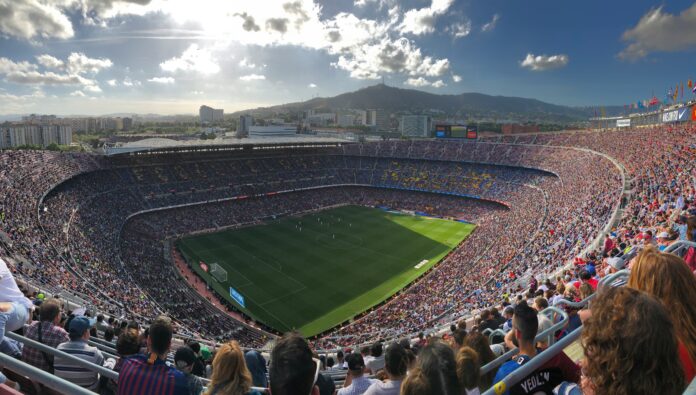
Photo by Alessio Patron on Unsplash

Trent Alexander-Arnold’s recent free transfer to Real-Madrid was, undoubtedly, the worst kept secret in football- an expected end to a saga that had dominated the headlines for months. However, it seems that even certainties can offer twists: Real Madrid reportedly paid €10m to register Alexander-Arnold a month before his official contract expiry on July 1st, in order to ensure his participation in Madrid’s Club World Cup run.

Similarly, other participating clubs have also used the unique Club World Cup transfer window to strengthen ahead of the competition, with Manchester City and Chelsea spending a combined £205m. Shockingly, Al-Hilal almost succeeded with an astonishing proposal to take N’golo Kante from Rivals Al-Ittihad on a loan specifically designed for the competition.

These peculiar short term transfer moves seem to paint a distinct picture: Clubs are beginning to place great emphasis on the ability of their squads to compete in the Club World Cup. Why, one could ask, would the titans of modern football suddenly seem to care so greatly about a competition colloquially branded as a ‘mickey mouse’ trophy?

In this article, I wish to explore the main driving factors behind the new financial benefits of the club world cup, and how that is informing the way clubs approach transfer business in the run up to the competition. In the run up to the first iteration of the new format, we have a pattern of transfer business that shows a distinct preference towards the short-term, contrasting the typical long-term approach of most clubs. This article will hopefully illuminate the primary reason for this change in strategy- the flexibility the windfall from the club world cup brings to modern football finance planning.

The New Format

The Club World Cup has undergone a significant financial transformation: it has expanded from a 7 team tournament with a £15m prizepool, to a 32 team competition with a  £775m (USD $1B) prize pool. Already, this guarantees clubs a healthy windfall for participation, with European clubs in particular being expected to earn between £9.93–£29.59m.

This provides clubs with the incentive to qualify for the Club World Cup itself, but it doesn’t explain the importance that participating clubs are placing on the competition through their transfers- the answer to this lies in the financial value of deep runs in the competition.

In addition to the participation windfall, clubs that go far into the competition stand to earn record revenues for a single tournament. For example, the club that wins the competition is expected to take home a resounding £97m ($125m). This means that winning the Club World Cup allows clubs to earn amounts similar to the UEFA Champions League’s £115m winner prize pool, despite playing significantly fewer games- only 7 compared to the Champions Leagues’ 13.

A Balancing Act

Speaking from a club’s view, then, a deep run in the club world cup offers such a high financial upside for the amount of games played that paying €10m to get a world-class player for the tournament seems like a fair price to pay. Furthermore,  it is not only the amount of money that clubs can earn that is spearheading this short-term mentality in transfer business- it is also what kind of money a tournament generates.

Tournament winnings, for clubs, directly increase revenue. As a result, participation becomes a simple equation for high expenditure clubs: the more revenue a club makes, the more it can spend on player wages, transfer fees and organisational costs, without the pressing need to sell players. For a club like Real Madrid, combining the Champions League revenue with the potential windfall from the club world cup allows them to exercise far more flexibility in the transfer market than before.

Premier league clubs, like Chelsea and Man City, are also painfully aware of this fact: the Premier league’s Profit and Sustainability Rules (PSR) allow for revenue to be used towards the allowed losses a club is able to incur over a three year period. This creates a situation where, if Man City were to win the Club World Cup, the revenue that they receive could directly ‘pay off’ the recent transfers of Tiijani Reijnders and Rayan Cherki- which could give them the ability to spend a similar amount of money on players in future windows.

These examples show two important points. First is that the expanded club world cup provides an unprecedented opportunity for big-spending European  clubs to offset previous expenditures, and second, that the opportunity for clubs to do so will change the landscape of how clubs view transfers in the weeks leading up to the Club World Cup.

Perhaps, then, we will see more ‘Alexander-Arnold’ type transfer situations: instances where a club decides that an extreme short-term expenditure is validated by the possibility to secure long-term financial health through a significant cash injection. Or, perhaps, we will see an even shorter-term move, like the proposed type of move Al-Hilal tried to accomplish with N’golo Kante become a cogent and constant reality within the football world. This revamped format of the Club World Cup actively invites clubs to consider a new dimension of strategy: the short-term extreme expenditure of terminating a contract a month early, in order to secure the financial future for the next two years of a club’s transfer business.

Conclusion

Ultimately, a football club reaching the latter stages of the revamped Club World Cup offers a level of financial flexibility that was not previously possible in the modern world of Financial Fair Play. It offers the ability to do away with the ‘pound in, pound out’ model, and place emphasis on continental success in order to fuel domestic success. It is no wonder that clubs are attempting to maximise their chances of achieving this freedom.


The Agents Week – Edition #69

Welcome to the 69th edition of The Agents Week, your trusted source for the latest insights, challenges, and updates in the world of football agency.

This week we explore:

  • National Laws vs FIFA Regulations
    As legal battles escalate, we break down the critical differences between FIFA’s global agent rules and national laws, and what agents must know to navigate this complex legal landscape across jurisdictions.
  • Who is Audry Matadi?
    Belgian agent with Congolese Roots and a legal background. Active in both Belgium and the Netherlands, Audry Matadi brings an ethical, detail-driven mindset to football agency. His story is a masterclass in building value through trust and preparation.
  • Should Parents Become Their Child’s Agent?
    This guide explores the motivations, risks, and mindset needed for parents considering agency roles—offering clarity for families navigating one of football’s toughest choices.

Who is Rita Guarino?

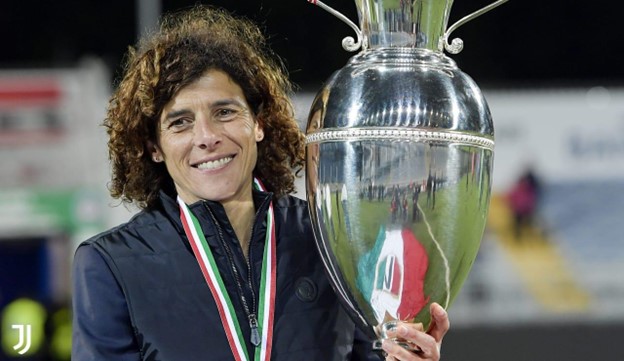
Rita Guarino

Rita Guarino (born 1971 in Turin) is an Italian football manager and former forward. A prolific striker in her playing days (approximately 35 goals in 99 Italy caps), she transitioned early into coaching. In 2015 she took charge of Italy’s U-17 women’s national team, after having worked with Italy’s youth national teams as assistant coach since 2008 and two years later was appointed as the first head coach of Juventus Women. Under Guarino’s leadership (2017–2021) the newly formed Juventus side quickly became dominant in Serie A. In June 2021 she left Juventus and was hired as head coach of Inter Women. After three seasons at Inter, the club announced in June 2024 that it had “reached an agreement” to terminate her contract.

Coaching Career and Timeline
  • 2008-2015 Italy U-17 (Assistant Coach). During this period, she helped develop Italy’s top youth talent and achieved two bronze medals at European championship in 2013 (England) and at the world cup in 2014 (Costa Rica).
  • 2015–2017: Italy U-17 (Head Coach). Guarino made her coaching debut with Italy’s U-17 women’s team in 2015, leading the team to the final European Championship in the 2016.
  • 2017–2021: Juventus Women (Head Coach). In June 2017 Guarino was named the head coach of Juventus Women – the club’s inaugural season. She would lead Juventus to unprecedented success over four seasons (details below).
  • 2021–2024: Inter Women (Head Coach). On 17 June 2021 Guarino was announced as the new head coach of Inter Milan’s women’s team. She remained in charge for three seasons, leaving by mutual agreement in June 2024.

Guarino is widely respected as one of Italian women’s football’s leading figures. As Pirelli’s life-magazine notes, “Guarino is one of the most important faces of Italian women’s football,” both as a former champion player and as a coach. She herself has said she feels “part of the path taken by women’s football…our journey has just begun,” emphasizing the ongoing development of the women’s game.

Juventus Women (2017–2021): Dominance and Silverware

Guarino’s tenure at Juventus Women was marked by instant and sustained success. She took charge of a newly formed team and immediately instilled a winning culture. In their 2017–18 debut Serie A season, Juventus and Brescia finished level on points. In a historic title playoff on 20 May 2018 at Novara, Guarino’s side won on penalties (5–4) to claim Juventus’s first-ever Scudetto. This victory set the tone for an era of dominance.

Over the next three seasons, Guarino’s Juventus swept almost all domestic honours:

  • 2018–19: Retained the Serie A title and won the Coppa Italia for the first time.
  • 2019–20: Won a third consecutive Serie A title and captured the Supercoppa Italiana (her first Super Cup).
  • 2020–21: Delivered a fourth straight Serie A title – this time completing a perfect 22–0 record in the league – and a second Supercoppa.

Her four league titles, one Coppa Italia, and two Supercoppa titles earned her a total of seven trophies during four seasons in Turin. (As Inter’s announcement notes, Guarino “boasts four league titles, one Coppa Italia, and two Italian Super Cups”.) In all competitions she won over 80% of her games with Juventus, and her teams scored far more goals than they conceded. Juventus’s official farewell message praised her leadership and “ruthless” high standards, noting that under her tutelage the players developed a winning mentality from the very first match.

Guarino’s Juventus teams were known for attacking width and possession control. In tactical analyses of her play, observers note that she favored a 4-3-3 formation, with fullbacks and wingers stretching the field. For example, in one analysis of a 2019–20 match against Milan, Juventus was described as “the most comfortable side” in the first half – they “held onto possession better” than Milan and built play through close passing triangles. Guarino’s teams frequently switched the ball to open up the flanks, and attackers such as Cristiana Girelli and Barbara Bonansea had the freedom to exploit space. Her emphasis on possession with purpose and technical skill was praised by players. England star Eniola Aluko, who played for Guarino in Turin, called her “one of the best technical coaches I have had in my career” and noted that Guarino often personally demonstrated techniques to the team. Aluko also said Guarino was “an extremely technical coach who gave me a lot of freedom last season to express myself on the field”. These comments reflect Guarino’s reputation for technical training and player freedom.

Crucially, Guarino’s impact extended beyond tactics. Juventus credited her with exceptional leadership and player development: under Guarino, the young squad “established itself as the best in Italy right from the start”. She coached and developed many of Italy’s top players – for example, long-time captain Sara Gama, goal keeper Laura Giuliani, defenders Lisa Boattin and Cecilia Salvai, midfielders Martina Rosucci, Aurora Galli, Arianna Caruso and Valentina Cernoia, forwards Barbara Bonansea, Benedetta Glionna, Sofia Cantore and Cristiana Girelli (now Italy’s leading scorer) all flourished under her (Guarino has been praised for giving young Italians confidence – “her leadership, work ethic and knowledge” allowed players to pursue and achieve their dreams.) Team players have spoken warmly of her; in one interview Aluko thanked teammates like Lisa Boattin and Aurora Galli for their support, implicitly noting the positive environment Guarino helped create. In interviews, Guarino emphasized values such as passion, loyalty, and sportsmanship. She has remarked that the values of women’s football – passion, fairness and close fan support – should never change, praising the healthy support fans show their teams.

Key Juventus Matches and Moments
  • Serie A Playoff 2018 (Juventus 5–4 Brescia on penalties): Clinched Juventus’s first title under Guarino.
  • Coppa Italia 2019 (Final vs Fiorentina): Juventus won the cup under Guarino’s guidance (semi- and quarter-finals in the cup also saw tactical switching that Guarino highlighted as crucial).
  • Supercoppa 2019 & 2020: Victories over Fiorentina (2019) and Roma (2020) added to her trophy haul.
  • Last Match 2021 (Juventus 2–0 Napoli): Juventus clinched the 2020–21 league with a 22nd win in a row, a “business-like effort for Rita Guarino and Co.” (as a fan recap noted) and a fitting final match for her Juventus tenure.

Guarino stepped down after the 2020–21 season, seeking a new challenge. As Juventus noted, she left a “glorious” legacy of “unforgettable memories, silverware and pure joy”.

Inter Women (2021–2024): Development, Identity and Structural Challenges

In June 2021, Guarino took charge of Inter Women with a clear objective: not to win immediately, but to structure the technical project and close the competitive gap with Italy’s top teams. The club entrusted her with the task of developing the potential of a young group and gradually raising the team’s level.

From her very first season, Inter showed signs of growth: in the 2021–22 campaign, the team finished fifth and delivered strong performances, especially against the league’s top sides such as Juventus, Roma, Fiorentina and Milan. Guarino’s teams maintained a clear tactical identity, based on possession, organization, and attacking football—even when facing more experienced opponents.

However, over the course of her tenure, there was no consistent long-term planning in building a truly competitive squad. This lack of continuity limited the team’s ability to stabilize results and build a winning cycle. Despite these challenges, Guarino left a clear mark in terms of both methodology and sporting culture.

In June 2024, Guarino and Inter mutually agreed to part ways. The results of her three-year tenure should be viewed in light of the original objectives: growing the team, enhancing its style of play, and strengthening its technical foundations—rather than simply chasing immediate success.

Titles and Achievements (by Season)
  • 2017–18 (Juventus): Serie A Champions (first-ever title; won playoff vs Brescia on penalties).
  • 2018–19 (Juventus): Serie A Champions, Coppa Italia
  • 2019–20 (Juventus): Serie A Champions, Supercoppa Italiana ( the Coppa Italia was cancelled due to Covid-19.)
  • 2020–21 (Juventus): Serie A Champions (22–0 record), Supercoppa Italiana

In total Guarino’s Juventus era yielded 4 league titles, 1 Coppa Italia and 2 Supercoppa (7 trophies), establishing the club as Italy’s dominant women’s side. (No trophies were won at Inter, though the team improved its domestic standing under her guidance.)

Notable Players Coached

Guarino worked with many of Italy’s top players. Many of these players thrived in her system and later featured prominently for the Italian national team. Juventus commentators have noted that “many players had played together… but it was Guarino who got this team to establish itself as the best in Italy right from the start”. In interviews, players have highlighted Guarino’s role in allowing their talents to flourish.

At the youth national team level, she helped develop future Italy internationals (for example, several U-17 and U-19 players she coached have since earned senior call-ups). Her reputation for technical training and player trust has made her a respected figure among young Italian footballers.

Coaching Style and Philosophy

Guarino is known as a technically focused, possession-oriented coach. Multiple players and analysts emphasize her emphasis on ball skills and team play. Eni Aluko, writing about her time at Juventus, praised her technical coaching: “There is also a lot of emphasis on technical drills… Rita Guarino is one of the best technical coaches I have had in my career – often she demonstrates a specific technique and shows the players up!”. Tactical analyses describe her teams using width and close passing: Juventus under Guarino used 4-3-3 with fast wingers and overlapping fullbacks, “attacking with speed and width” to break down opponents. Her sides typically build patiently from the back, providing multiple passing options (“close triangles”) so the ball carrier can always find an outlet.

Guarino also emphasizes adaptability and professionalism. In press conferences she has noted that “tactics and organisation will be crucial” against strong opponents. Club statements repeatedly praised her leadership and work ethic. Juventus’s official homage remarked on “Guarino’s impact beyond the trophies,” highlighting that “her leadership, work ethic, [and] knowledge” enabled players to realize their ambitions effortlessly. Her personal philosophy stresses values: she often speaks about passion, loyalty and respect as the core of the women’s game and believes that continuous improvement (rather than complacency) is the key to success.

In sum, Guarino’s methods blend technical training, tactical organization, and man-management. Players are given creative freedom within a structured system. As one Juventus profile noted, from her very first training session she instilled “a winning mentality” and belief in development. This approach has allowed both established stars and young prospects to thrive under her coaching.

Influence and Legacy

Rita Guarino has been a pioneering figure in Italian women’s football. She took on the challenge of building Juventus Women from scratch and led them to national prominence. Her success helped raise the profile of the women’s game in Italy – Juventus’ four titles under her (2018–2021) coincided with a surge of interest and investment in the league. Players and observers credit Guarino with helping to set a professional standard; for example, her physical preparation and training regimes at Juventus introduced new ideas to Italy’s women (as noted by Eni Aluko).

Off the pitch, Guarino has spoken widely about the growth of women’s football. In interviews she has remarked that the game has changed dramatically since 2015, when major men’s clubs began forming women’s sides, and that “women’s football has become an integral part of the professional system”. She remains vocal about the importance of fostering a strong football culture for women, including support for professionalization of the league. Indeed, her public comments – and high-profile roles at Juventus and Inter – have made her an influential voice. As she told Pirelli: “I feel part of the path taken by women’s football…we have experienced standstill moments, but now there is growth, and in reality…our journey has just begun”.

Her legacy also includes mentoring a new generation of Italian coaches and players. Having co-authored a book on women’s coaching methods and regularly speaks at FIGC coaching courses, Guarino is contributing to the development of coaching expertise in Italy. In media coverage, she is often cited as an example of a successful former player turned coach, helping to change perceptions about the role of women in Italian football leadership.

In summary, Rita Guarino’s career is distinguished by consistent winning, technical emphasis, and leadership. Her Juventus teams were unprecedentedly dominant, and her tenure helped elevate the status of the women’s game in Italy. Players and clubs repeatedly highlight her influence: as Juventus wrote, Guarino gave her players the tools to achieve their dreams “effortlessly and with finesse”. With her departure from Inter in 2024, Guarino leaves behind a legacy of trophies, talent development, and an enduring impact on Italian women’s football.

Our Exclusive Interview with Rita Guarino

Who is Rita Guarino outside of football? What values or experiences have shaped your approach to life and leadership?

Outside of football, I’m a curious and reflective person, passionate about discovery. I love traveling, reading, and staying active in the mountains, experiences that help me recharge and maintain personal balance. But I also find deep joy in simple things: a family lunch, dinner with friends, an honest conversation.

The values that guide me were instilled early on. My father, a serious and tireless man, taught me the importance of hard work, respect, and integrity. These principles have become the compass in both my personal and professional life: responsibility, passion, and authenticity are at the heart of everything I do.

You built Juventus Women from the ground up into a dominant force. What were the biggest challenges and lessons in leading a brand-new team to sustained success?

Juventus was a fascinating and unique challenge. When I arrived, there was no existing team and no history, we had to create everything from scratch. Alongside Sport Director Braghin, we immediately built a competitive squad and laid the foundations for an ambitious and forward-thinking project.

The biggest challenge wasn’t just winning, it was winning and continuing to win, maintaining the highest standards over four consecutive seasons. That required an exceptionally strong mindset, both in the staff and the players. We learned that true growth demands vision, structure, daily motivation, and a deep sense of team unity. Every season became a new challenge within the challenge, with new goals to achieve and limits to push beyond.

Your coaching style is often described as technical, possession-based, and player-focused. How would you define your football philosophy, and how has it evolved over the years?

My philosophy has always been centred on the quality of play and the individual. I believe in a structured, possession-oriented style where the team has a clear identity, but within that structure, players are given the freedom to express themselves. Technique, intelligence, and timing are fundamental. Over the years, I’ve refined my tactical ideas, but my core belief remains: football is a game of space, movement, and decision-making. As the women’s game has evolved, I’ve also adapted to new demands, blending tactical discipline with creativity and emotional intelligence in managing the group.

You’ve worked closely with many of Italy’s top talents. What qualities do you look for in a player, and how do you foster growth on and off the pitch?

First of all, I look for an attitude. Talent is important, but without humility, dedication, and the desire to grow, it’s not enough. I value players who are curious, willing to learn, and open to feedback. On the pitch, I encourage them to take responsibility, to think, and to develop technical confidence. Off the pitch, I try to support their growth as people, through dialogue, trust, and a shared culture of professionalism and respect. Growth is holistic: if a player feels seen and supported, she will give her best in every aspect.

Women’s football in Italy has grown significantly in the past decade. What role do you think you’ve played in that transformation, and what still needs to change?

I’ve had the privilege of being part of a key moment of transition, especially through my work at Juventus, where we helped raise the professional standards and visibility of the women’s game. I believe I’ve contributed by building not only winning teams, but a culture based on work ethic, ambition, and credibility. However, there is still a lot to do. We need more continuity in investment, stronger youth development programs, and above all, more female leadership in technical and executive roles. The foundation is there, but the next step is consolidation.

After your time with Inter, what are your future goals? Are you considering club or national roles, or perhaps contributing to the game in a different capacity?

I’m strongly motivated to continue coaching, that remains my passion and my priority. I deeply enjoy the day-to-day work on the pitch: the preparation, the competition, the growth of a team. Right now, I’m evaluating the seriousness and vision behind the projects being proposed, because I believe in working within clear, structured environments where there’s room for development and ambition. I’m open to both club and national roles, as long as they align with my values and my idea of football. At the same time, I remain attentive to broader opportunities that contribute to the game’s evolution, whether in youth development, technical education, or mentoring. Whatever the next step is, it must be meaningful and built on commitment, professionalism, and long-term vision.


Genç Futbolcuların Yurtdışı Deneyimi: Hayaller, Zorluklar ve Adaptasyon Süreci

Bilinmeze Yolculuk

Futbol, gençler için sadece bir spor değil, aynı zamanda büyük bir kariyer fırsatıdır. Ancak, yetenekli gençlerin uluslararası arenada kendilerini göstermeleri için yabancı bir ülkeye taşınmaları ve yepyeni bir hayat kurmaları gerekir. Başka bir ülkede futbol oynamak, daha iyi antrenman olanaklarına ve büyük kulüplerde forma giyme fırsatına kapı aralasa da, beraberinde büyük kültürel ve psikolojik zorlukları da getirir.

Futbol, Uyum Süreci ve Memleket Hasreti

Yeni bir ülkeye adapte olmak sadece sahadaki performansla ilgili değildir. Genç futbolcular, yeni bir dil öğrenmek, farklı antrenman sistemlerine uyum sağlamak ve alıştıkları düzenin dışına çıkmak zorundadır. Bunun yanında, ailelerinden ve sevdiklerinden uzak olmak duygusal açıdan da büyük bir yük oluşturabilir.

Özellikle dil bariyeri, futbolcuların hem saha içinde hem de saha dışında zorlanmasına sebep olabilir. Antrenörlerini, takım arkadaşlarını ve günlük yaşamlarını tam olarak anlayamamak, yalnızlaşmalarına ve performanslarının düşmesine neden olabilir. University of Stirling tarafından yapılan bir araştırma, yabancı bir ülkeye transfer olan genç futbolcuların yüksek stres seviyelerine sahip olduğunu ve uyum süreçlerinin uzun sürdüğünü ortaya koymuştur (Smith et al., 2019). Bu da kulüplerin, oyuncuların psikolojik ve kültürel adaptasyonlarına daha fazla yatırım yapmaları gerektiğini gösteriyor.

Kültürel Farklılıklar ve Zorluklar

Her ülkenin futbol anlayışı, taktik yaklaşımı ve hatta oyunculara olan bakış açısı farklıdır. Kimi liglerde disiplin ve fiziksel mücadele ön plandayken, kimilerinde daha teknik ve taktik ağırlıklı bir oyun tarzı benimsenir. Genç oyuncular, bu değişime ayak uyduramazsa, performansları olumsuz etkilenebilir.

Futbolun dışında, günlük hayata adapte olmak da büyük bir sorundur. Beslenme alışkanlıkları, sosyal yaşam, çalışma disiplini ve hatta iklim bile genç futbolcuların alışması gereken unsurlar arasında yer alır. Kendi kültürü ile yeni ortamı arasında sıkışıp kalan oyuncular, bu süreçte ciddi psikolojik baskı hissedebilirler.

Zihinsel Baskılar ve Performans Kaygısı

Yabancı bir ülkede futbol oynayan genç oyuncuların sadece dil veya kültürel farklarla değil, aynı zamanda yoğun bir sportif baskıyla da başa çıkmaları gerekir. Sahadaki performanslarının sürekli göz önünde olması, yeni takımlarına kendilerini kanıtlama zorunluluğu ve yüksek beklentiler nedeniyle stres seviyeleri artabilir.

Genç futbolcuların en sık yaşadığı psikolojik zorluklar şunlardır:

  • Yalnızlık ve Sosyal İzolasyon: Aile ve arkadaşlarından uzak kalmak, gençlerin mental dayanıklılığını zorlayabilir.
  • Özgüven Kaybı: Dil engeli ve kültürel farklılıklar, futbolcuların kendilerini ifade etmelerini zorlaştırabilir.
  • Yoğun Performans Baskısı: Başarısız olma korkusu, futbolcuların potansiyellerini tam olarak ortaya koymalarını engelleyebilir.
  • Uyum Problemleri: Yeni ülkenin beslenme alışkanlıklarına ve yaşam tarzına uyum sağlamak zor olabilir.
Kulüplerin Çözüm Arayışları ve Destek Programları

Bazı kulüpler, genç futbolcuların adaptasyon süreçlerini kolaylaştırmak için çeşitli destek programları geliştiriyor. İşte bu konuda öne çıkan bazı uygulamalar:

  1. Dil Eğitim Programları: Yeni bir dil öğrenmek, oyuncuların takımlarına daha hızlı entegre olmalarına yardımcı olur. Özellikle futbol terimlerini içeren özel dersler, iletişim sürecini hızlandırabilir.
  2. Psikolojik Destek Hizmetleri: Spor psikologları ve mentorlar, futbolcuların adaptasyon sürecinde karşılaştıkları zorlukları aşmalarına yardımcı olur. Kendi ülkelerinden gelen mentorlar, genç futbolcuların daha hızlı uyum sağlamasını kolaylaştırır.
  3. Kültürel Uyum Çalışmaları: Kültürel farkındalık çalışmaları ve oryantasyon programları, gençlerin bulundukları ülkeyi daha iyi tanımalarını ve sosyal uyum süreçlerini hızlandırmalarını sağlar.
  4. Takım İçi Sosyal Entegrasyon: Takım arkadaşlarıyla düzenlenen etkinlikler ve sosyal projeler, futbolcuların yeni çevrelerine alışmasını destekler.
Örnek Kulüpler ve Uygulamalar

Bazı dünya çapında ünlü kulüpler, genç futbolcuların adaptasyon süreçlerini destekleyen örnek projeler yürütmektedir:

  • FC Bayern Münih, “FC Bayern Global Academy” kapsamında dil kursları, kültürel atölyeler ve psikolojik destek içeren kapsamlı bir entegrasyon programı sunmaktadır.
  • FC Barcelona, La Masia altyapı programı ile genç futbolculara hem sportif hem de kişisel gelişim açısından özel eğitim sunmaktadır.
  • Ajax Amsterdam, genç futbolcuların kendi kültürlerinden mentorlarla eşleşerek daha hızlı adapte olmalarını sağladığı programlarıyla bilinmektedir.
Sonuç

Yabancı bir ülkeye transfer olan genç futbolcular için bu süreç hem büyük bir fırsat hem de büyük bir sınavdır. Dil engelleri, kültürel farklılıklar ve yoğun performans baskısı, oyuncuların kariyerlerini doğrudan etkileyebilir. Ancak, kulüplerin sağladığı profesyonel destek ve futbolcuların mental dayanıklılığı sayesinde bu süreci en iyi şekilde yönetmek mümkündür. Doğru destek mekanizmalarıyla, genç yetenekler uluslararası arenada kendilerini kanıtlayarak uzun vadede başarılı kariyerler inşa edebilirler.

The Student Athlete – Edition #49

The Student Athlete magazine cover with stadium background and text reading "for student-athletes".

Welcome to the 49th edition of The Student Athlete, your digital source for the latest and most impactful stories in the life of student-athletes.

This week we dive into:

The Transfer Portal Surge
Over 20,000 athletes entered the NCAA transfer portal this year, reshaping recruiting, team dynamics, and career paths. We break down the data, the trends, and what families need to know in this fast-moving environment.

Inside the Journey: Becca Moros (Arizona Women’s Soccer)
From standout student-athlete at Duke to a rising star in college coaching, Becca Moros is building a resilient, high-performance culture at Arizona. Her story blends tactical brilliance with leadership on and off the pitch.

How to Fake a Rest Day
You don’t need to skip training to recover smart. This practical guide shares how to stay sharp, show up, and protect your body when it’s begging for a break.

Who is Jovan Damjanovic?

Jovan Damjanovic

Jovan Damjanovic is a Serbian football coach and former professional striker whose career spans over two decades, reflecting both international playing experience and a strong commitment to youth development. Known for his leadership qualities and tactical understanding, Damjanovic has held key roles within Serbian club football and the national team setup.

Early Life and Playing Career

Born on October 4, 1982 in Knin, former SFR Yugoslavia, Damjanovic began his football journey in the youth academy of Red Star Belgrade. Standing at 1.93 meters, he was a classic center forward with a strong aerial presence and physical style of play. His professional career took him across Europe and Asia, with stints at clubs such as Sutjeska Nikšić, Radnički Obrenovac, FK Rad, FK Železnik, and Borac Čačak. His goal-scoring form earned him moves abroad to clubs including SV Ried in Austria, SC Paderborn 07 and SV Wehen Wiesbaden in Germany, Dinamo Minsk and Dinamo Brest in Belarus, and Hunan Billows in China. He later returned to Serbia, playing for FK Novi Pazar and FK Voždovac before retiring in 2016. Over his career, he played 299 professional matches and scored 65 goals.

On the international stage, Damjanovic represented FR Yugoslavia at the U16 and U18 levels, featuring in the 2001 UEFA European Under-18 Championship where he scored three goals. He earned three senior caps for Serbia in 2011, making his debut against South Korea.

Coaching and Technical Leadership

After retiring, Damjanovic transitioned into coaching and technical leadership, starting at FK Voždovac where he served as academy manager, sporting director, and first-team head coach. He led the club’s efforts to professionalize its development pipeline and strengthen its competitive standing in the Serbian SuperLiga.

Between 2021 and 2024, he worked within the Serbian Football Association, coaching national youth teams at U17, U18, and U19 levels. His work focused on identifying and developing young talents, preparing them for international competition and professional careers. His teams were noted for their discipline, structure, and tactical identity.

In August 2024, he was appointed head coach of FK TSC Bačka Topola. Over the course of 28 matches, he recorded 10 wins, 3 draws, and 15 losses, with an average of 1.18 points per match. He favored a 4-1-4-1 tactical setup that emphasized balance between compact defending and dynamic transitions.

Philosophy and Personal Life

Damjanovic is known for his focus on structure, development, and long-term planning. He believes in building club cultures that prioritize education, tactical intelligence, and professionalism. His ability to connect with young players and his commitment to mentoring has made him a respected figure in Serbian football.

He is also a father and mentor at home. His son, Aleksa Damjanovic, is part of the Red Star Belgrade U17 team, continuing the family’s connection to Serbian football.

Jovan Damjanovic’s evolution from a prolific striker to a methodical and forward-thinking coach highlights his dedication to football and his influence on the next generation of players and leaders.

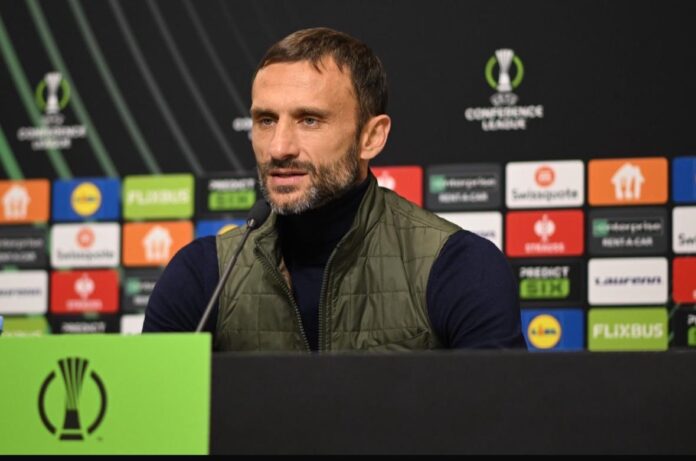
Our Exclusive Interview with Jovan Damjanovic

Who is Jovan Damjanovic outside of football, and how have your personal experiences influenced your coaching approach?

I would describe myself as a husband and a father to a 16-year-old boy, Aleksa, and a 6-year-old girl, Anja. My wife Sabina and I do our best to raise them in the right way and enjoy every moment of their upbringing as a family. Aleksa is a football player, a youth international, and a member of Red Star Belgrade, which further deepens the connection between my personal life and my professional coaching career. Football is a constant topic in our household. We either watch it or talk about it, and it serves as a continuous source of inspiration and motivation for my work. I am closely connected to young players professionally. At home, I have a teenager, which gives me insight into what the new generations are like: their habits, environments, and ambitions. This helps us understand how to shape and prepare them for the football of the future, not only as athletes but as individuals.

After a diverse playing career across Europe and Asia, what motivated your transition into coaching and management?

I have been fortunate to spend my entire life in football. My playing career brought me incredible life experiences, allowed me to discover different cultures, and left me with many beautiful memories, both on and off the pitch. But football also brings many difficult moments, especially for a young person still growing and developing. My initial motivation for becoming a coach was the desire to stay in the field I love and preserve the passion I feel for football. At the same time, I wanted to use my experience and education to help young people develop and achieve their dreams and full potential. It is not easy. There are many challenges, ups and downs, and doubts but I realized that the coach and the players’ environment are the most critical factors in their development. I ended my playing career nine years ago, even though I could have kept playing, because I saw the club I was at as the right environment to begin my coaching journey. That starting environment and the people around you is very important at the beginning.

How did your time at FK Voždovac shape your leadership style and understanding of club development?

My first club was a family-oriented organization with huge development potential and a clear goal to promote strong values throughout the entire structure. I started as the academy director and was very involved, often taking on multiple roles within the club. I was preparing for the role of head coach by learning from all angles and gaining the experience needed to build a proper system. I needed to understand how each layer of the club functions, from top to bottom, to create a productive working atmosphere and select the right people. After five years in several roles, I left proudly, knowing that the core values we established still define the club, which is now recognized as one of the best-organized in the region, especially when it comes to developing young players and coaches.

What were the key challenges and learnings during your tenure with Serbia’s youth national teams and how do you approach balancing tactical discipline with individual player development, especially in youth football?

Working with top talents is both a great privilege and a huge responsibility. The good thing is that they learn quickly and absorb information well, which is important because there is not much time to work with national team players. I believe football is evolving toward even shorter preparation periods, from six to seven days in the past to just two to three days between matches. Because of that, we had to elevate our preparation systems to the highest level, not just on the pitch but also off it, through individual, group, and team approaches. Analysis, tactics, and especially the psychological side play key roles. Working with the most talented players gave us access to international tournaments where we competed with the best football federations and the most promising young talents in the world. That experience helped us grow and refine our own ideas. We achieved strong results, but more importantly, we played modern and attractive football. I firmly believe that in order to develop players for the highest level, they must play demanding and structured football in all phases of the game. From our U17 national team, two players, Maksimović and Cvetković, have already made it to the senior team, which is the ultimate goal of youth development at the national level.

During your time at TSC Bačka Topola you achieved something historic in the club’s history, The qualification for the Conference League knockout stages. What do you think were the key factors behind that success despite being one of the smaller clubs in Serbia?

Our historic success came because the players believed in my vision and had the courage to play proactive and brave football, even in Europe. We stayed true to our style and principles, both in the domestic league and on the European stage, regardless of the opponent. Of course, each match is different, and European competition is demanding, so we prioritized it strategically over the domestic league and cup. That strategy paid off with a series of memorable European nights, including our historic first win in Europe, a 4–1 victory over Lugano, as well as becoming the first Serbian club, apart from Red Star and Partizan, to earn an away point in Europe (against St. Gallen), and a thrilling 4–3 home win over Noah. We secured seven points and qualified for the knockout phase, the only Serbian club this season to do so. Only Red Star and Partizan have managed that before us in Serbian football history. We played high-level football, which allowed our players to deliver the best seasons of their careers. Pantović became the second top scorer in the group stage with five goals, Ćirković was the top assist provider, and Stanić was the most successful dribbler. Several players significantly raised their market value. Ćirković and Đakovac were transferred for three million euros, and Pantović, Stanić, and Mboungou are expected to follow, which will bring both points and financial return from the Conference League. All of this was made possible by the belief of my staff and players in a bold, clear football identity.

What tactical principles and stylistic elements of your team’s play do you believe were most instrumental in achieving that success?

We aim to create a clearly structured system that remains flexible and predictable to us, but unpredictable to the opponent. When I say “protagonist style,” I mean high intensity and pressing all over the pitch. We always want to have the ball, so we must be aggressive in winning it back in every area. We want possession and control. The better we are without the ball, the more we will have it. With the ball, we are patient, without it, we are aggressive. We keep opponents away from our goal through intensity and possession. Our defensive line spends most of the time high up the pitch, so we know exactly where our weaknesses are and what we need to work on. That is why we emphasize extreme intensity and compactness, a key principle that must not be broken, whether we have the ball or not. This also requires the right player profiles, compatible pairs, and groups that bring team balance. We did not have much time, so from day one, our coaching staff set high demands and some players encountered this level of intensity for the first time. Thankfully, they embraced it and saw the benefits. We had to reach our playing style quickly, and, of course, win matches, which we managed to do. As I mentioned, we played every two to three days all season long, and this is where football is heading: short preparation windows, many details.

TSC Bačka Topola has built a reputation for developing young talents and providing them with a platform to move on to bigger European clubs. How did you prepare such a team, relatively inexperienced on the international stage, both mentally and tactically for the challenges of European competition?

From day one, I was clear about what I wanted and how we should play. I showed the players I believed in them. It was essential that they quickly saw the difference and began believing in the idea that this style of football would bring success. Luckily, I had previously coached some of the players in the national team and at Voždovac, and others were already familiar with me and my work. Our first European match in Kazakhstan brought us a lot, even though we lost 1-0. We had nearly 30 shots on Astana’s goal and hit the post four times, which made us realize that our plan controlled the game. We imposed our style on foreign soil and after that match, the players and staff saw the value of our approach, despite the defeat. It became only a matter of time before results would come with our style of play. Alongside player and staff education, we also had to educate club leadership, which is the most difficult part. They had never seen such an extreme approach, so it was foreign to them. That is why we needed to start winning as soon as possible.

In your view, what does Serbian football need to improve in order to better prepare young players for international careers?

We have a lot of talent in our people, coaches, and players, but there is very little systemic work. The environment around young players is unstable, and things often happen by chance rather than through planning. We also lack education to ensure that the great talent we do have, both in players and coaches, can remain relevant in the football of the future. Football is constantly evolving, and if we do not evolve with it, we all lose and take the harder path.

What core values define your identity as a head coach, and how do you implement them daily within your teams?

My values and football philosophy remain constant, everything else depends on the environment and context. The foundation is an extreme approach to everything we do, clear direction, and insistence on our playing identity and principles. I want to have a well-defined structure, but within it, I want players to fully express themselves, to improvise, create, and feel inspired. I also strongly advocate for an individual approach to players in every sense. Players are human beings first, and only then professionals. They are all different, and I want to give them not only knowledge and guidance but also attention, to make them feel valued within the team. At the same time, I demand a lot from them. I expect responsibility, but when a player underperforms, I take it upon myself. My staff and I need to be better to bring the player to his full potential

What are your future goals in coaching, and how do you see your role evolving in modern football?

I want to surround myself with quality people, those I can grow with, both professionally and personally. So far, I have always chosen my environments carefully, and I hope I will measure my next step just as well, so that it will be inspiring. We have sent strong messages and achieved results on an international level, and I want to continue testing myself and presenting my ideas at an even higher level. That kind of environment brings me joy. Competing with well-organized teams, exchanging ideas, because those experiences help me improve in every way.

UEFA Women’s Euro 2025: Dates, Host Cities, Teams, and What to Expect in Switzerland

From 2 to 27 July 2025, Switzerland will host the UEFA Women’s Euro for the first time in the tournament’s history. Sixteen national teams, eight host cities, and 31 matches – with modern technology, record-breaking numbers, and a strong cultural programme, this tournament promises to be one of the highlights of the European sports summer.

HOST COUNTRY: SWITZERLAND

Switzerland offers the ideal stage for an international tournament of this scale – compact, organized, and passionately sporting. Known for its neutrality, efficiency, and hospitality, the country provides a perfect blend of infrastructure, accessibility, and scenic diversity.

  • Capital: Bern
  • Largest City: Zurich (economic and cultural hub with over 440,000 residents)
  • Population: approx. 8.8 million
  • Official Languages: German, French, Italian, Romansh
  • Geography: From Alpine peaks to lakeside cities – diverse and easily reachable
  • Transport: High-performance public transit system; all match tickets include free nationwide travel
  • Sporting Credentials: Co-host of UEFA Euro 2008 (men) and home to UEFA headquarters in Nyon

With the Women’s Euro 2025, Switzerland is not only making history – it’s reinforcing its role as a leader in fair, inclusive, and forward-thinking football.

TOURNAMENT OVERVIEW
  • Dates: 2–27 July 2025
  • Participating Teams: 16
  • Matches: 31
  • Final: St. Jakob-Park, Basel
  • Reigning Champion: England
FORMAT & GROUPS
  • Four groups of four teams each
  • Top two teams per group advance to the quarter-finals
  • Followed by semi-finals and the final

Group A: Switzerland, Norway, Iceland, Finland
Group B: Spain, Portugal, Belgium, Italy
Group C: Germany, Poland, Denmark, Sweden
Group D: France, England, Wales, Netherlands

HOST CITIES & STADIUMS
City Stadium Capacity
Basel St. Jakob-Park 38,512
Bern Stadion Wankdorf 31,500
Geneva Stade de Genève 30,084
Zurich Letzigrund 24,061
St. Gallen Kybunpark 17,317
Lucerne swissporarena 16,000
Sion Stade de Tourbillon 14,283
Thun Arena Thun 10,398
TECHNOLOGY IN USE
  • VAR (Video Assistant Referee)
  • Goal-line Technology
  • Semi-automated Offside Technology
  • Connected Ball Technology
  • Main Technology Centre: VAR Hub in Nyon
TICKET SALES & RECORDS
  • Over 550,000 tickets sold as of May 2025
  • Target: 673,000 total spectators
  • 90,000 tickets sold in the first 24 hours after the draw
ECONOMY & PRIZE MONEY
  • Prize Pool: €41 million – a record for women’s tournaments
  • Estimated Impact: CHF 180 million (approx. €192 million) in economic activity
BROADCASTING & MEDIA

Live coverage in 190+ countries, including:

  • Germany: ARD & ZDF
  • France: France Télévisions
  • Italy: RAI
  • Spain: RTVE
  • UK: BBC & ITV
  • USA: CBS Sports / Paramount+
  • Australia: Optus Sport

UEFA’s digital platforms will also offer global livestreams, highlights, and fan content.

FAN EXPERIENCE & SUSTAINABILITY
  • Mascot: “Maddli”, the St. Bernard puppy
  • Opening Event: Show match at Jungfraujoch – Europe’s highest railway station
  • Fan Zones: In every host city with public viewing, music, and food
  • Tickets: Include public transport passes across Switzerland
VOLUNTEER PROGRAMME
  • Over 2,500 volunteers in all host cities
  • Roles range from accreditation to stadium services
  • Focus on integration, diversity, and local engagement
  • Inclusive roles for people with disabilities
ACCESSIBILITY & INCLUSION

UEFA prioritizes barrier-free access:

  • Reserved seating
  • Audio description for blind and visually impaired fans
  • Volunteers trained in sign language
LEGACY PROGRAMMES
  • “Time for Action”: UEFA’s programme for long-term growth of women’s football in Switzerland
  • School projects, local clubs, and development pathways
  • More girls in football, more qualified coaches, stronger club infrastructure
SUSTAINABILITY IN FOCUS
  • Eco-friendly materials used across venues
  • Plastic-free stadium policies
  • Regional partnerships and short delivery chains
  • CO₂ offsetting for all tournament-related activities
SAFETY & ORGANISATION
  • Close coordination with Swiss authorities
  • Central UEFA operations centre to manage all venues
  • Security planning based on UEFA Euro 2008 best practices
CONCLUSION

UEFA Women’s Euro 2025 is more than a football tournament – it’s a celebration of progress, equality, and unity. Switzerland offers not just the perfect stage, but a model for how international sport can inspire lasting impact.

The Parents Week – Edition 61

Delivered every other Wednesday.

Subscribe