Home Blog Page 42

المؤهلات المطلوبة لوكلاء كرة القدم: هل يكفي امتحان الفيفا؟

Photo by Marjhon Obsioma on Unsplash
المقدمة

يعرف عن دور وكلاء كرة القدم أنه معقد ويؤثر بشكل متزايد على اللعبة، خاصةً مع إعادة تقديم امتحان وكيل كرة القدم منذ عامينويثير هذا التحول مناقشات حول ما إذا كان الامتحان وحده كافيًاأو إذا كانت هناك حاجة لمؤهلات إضافية لضمان الاحترافية في العمل.

 القضية لصالح امتحان وكيل كرة القدم من الفيفا

إعادة تقديم امتحان وكيل كرة القدم من الفيفا في عام 2023 استهدفت استعادة التنظيم ومراقبة الجودة في هذا الإطار من اللعبةخاصة بعد إلغائه عام 2015, مما أدى إلى زيادة كبيرة في عدد الوكلاء المسجلينهذا الوضع نتج عنه سوق مشبعة بمستويات متفاوتة من الاحترافية والخبرة. 

مزايا إعادة تقديم الامتحان

تساهم إعادة تقديم الامتحان في إنشاء مستوى موحد من المعرفة والكفاءة بين الوكلاء بشأن تمثيل اللاعبين والالتزامات التعاقديةيهدف الامتحان الموحد إلى حماية اللاعبين من الممارسات الضارةكما يعمل الامتحان كنقطة دخول للمهنة، مما يعزز الاحترافية العامة.

عيوب إعادة تقديم الامتحان

رغم رفع المعايير، قد يستبعد الامتحان الأفراد الموهوبين الذين يتفوقون في الجوانب العمليةينتقد البعض أن الامتحان يغطي مستوى أساسي فقط، وهو غير كافٍ لمواجهة التحديات التي قد يواجهها الوكيلكما قد يؤدي إعادة تقديم الامتحان إلى تقليل ديناميكية السوق.

هل يجب أن تُفرض مؤهلات إضافية؟

توجد حجة متزايدة بأن امتحان الفيفا قد لا يكون كافيًا لتجهيز الوكلاء بالأدوات اللازمة للتنقل في عالم كرة القدم المعقد، مع اقتراح بعض الخبراء بضرورة الحصول على درجة جامعية في مجالات مثل إدارة الرياضة أو القانون أو المالية.

تحديات فرض متطلبات تعليمية

يمكن أن تفرض مثل هذه المتطلبات التعليمية الصارمة تحديات كبيرة، حيث ليس لدى جميع الطامحين ليصبحوا وكلاء وسائل أو وقت أو إمكانية الوصول لمتابعة التعليم المكثف.

الحجة لصالح إلغاء التنظيم

يدعو البعض إلى نهج غير منظم، حيث يحدد السوق بنفسه من ينجح كوكيل، دون وجود حواجز تنظيمية صارمة.

التوازنالحل الوسط؟

تدور النقاشات حول مؤهلات وكلاء كرة القدم حول إيجاد التوازن الصحيح بين الحفاظ على معايير عالية وضمان أن تبقى المهنة متاحة لمجموعة متنوعة من الأفراد.

الخاتمة وأفكارك؟

بينما تستمر صناعة وكلاء كرة القدم في التطور، يجب أن تتطور أيضًا المؤهلات واللوائح التي تحكمهاما رأيك؟ هل يجب أن يُطلب من وكلاء كرة القدم الحصول على مزيد من المؤهلات، أم ينبغي ترك السوق لتنظيم نفسه؟ شارك أفكارك وتعليقاتك.

The Women’s League – Edition #53

Cover image of The Women’s League magazine featuring bold turquoise text on a purple stadium background. Tagline reads: "For women’s football decision makers."

Welcome to the 53rd edition of The Women’s League, your digital source for the latest and most impactful stories in Women’s football.

This week we dive into:

WSL Financial Growth and Expansion Plans
The Women’s Super League is preparing to expand to 14 teams and saw a 34% surge in club revenues last season, with every club surpassing £1 million in revenue. Big changes are on the horizon for the 2026/2027 campaign.

adidas Launches Women-Specific Football Boot
adidas has introduced the first F50 boot designed exclusively for women, a landmark moment in sportswear innovation tailored to elite female athletes.

Exclusive: Lindsey Eckhouse on Building the Commercial Future
Mercury/13’s Chief Revenue Officer shares how her experience in Formula 1, esports, and the NFL is now driving a new era of sponsorship and fan engagement in women’s football.

Who is Holger Schmidt?

Holger Schmidt

Holger Schmidt is a veteran sports journalist, communications expert, and lecturer whose career reflects over two decades of excellence at the intersection of media, football, and strategic communication. From 2000 to 2024, he worked at Germany’s most influential news agencies, SID (Sport-Informations-Dienst) and dpa (Deutsche Presse-Agentur), serving in key editorial leadership roles, most recently as Head of Sports for West and Southwest Germany. Throughout this period, he covered nearly every major international sporting event, bringing firsthand insight from all FIFA World Cups and UEFA European Championships since 2000, with the sole exception of EURO 2021 due to the COVID-19 pandemic.

Schmidt’s reporting spans 32 countries, where he covered high-stakes finals in football, Formula 1, the Olympic and Paralympic Games, and the Tour de France. His versatility as a journalist allowed him to handle high-pressure assignments involving global icons, national narratives, and live reporting from major venues. As a newsroom leader, he not only managed coverage of the German national team but also oversaw regional and national editorial strategy. He played a critical role in training and mentoring emerging journalists, shaping the next generation of media professionals.

His contributions extend beyond reporting. Schmidt authored a biography of a renowned athlete, a project that underscores his ability to translate sports narratives into lasting stories. He is an active member of the Academy for Football Culture in Germany and served for many years as the head of the jury for the “Football Slogan of the Year,” a unique cultural initiative that blends sport, language, and social commentary.

In 2024, Schmidt quit journalism and set up his own media and communications consultancy. His current work focuses on coaching and advising individuals and institutions across the sports world, from club executives, coaches, and managers to players, federations, and press teams. He supports clients with both strategic positioning and practical communication needs, such as media training, press conference preparation, interview techniques, and message development. His expertise also facilitates meaningful connections between his clients and the media landscape, ensuring relevance, credibility, and clarity in their public messaging.

Complementing his consultancy work, Schmidt lectures in sports journalism at the University of Applied Management, where he educates students on media dynamics and industry trends. With a deep understanding of journalism and a growing influence in communication strategy, Holger Schmidt continues to shape the way sports are reported, understood, and managed in the modern era.

Our Exclusive Interview with Holger Schmidt

What has covering major football tournaments like the World Cup and EUROs taught you about the global impact of the game?

In Germany, we say: “Football is the last campfire of society.” And that is the truth. Not least through the tournaments from Japan to South Africa to Qatar, I have experienced the unifying power of football firsthand. I got to know people from all over the world who spoke one language: the language of football. Despite all their differences or rivalries, they shared a common theme and generally treated each other with great respect.

How did your role reporting on the German national team influence your understanding of football culture and leadership?

Here, too, I’d like to start with another quote that is often used in Germany: “The national team is the Germans’ favourite child.” You treat a child with love, but also with severity. Sometimes you despair of them. But the love will always be there. As a player, coach or manager of the national team, and every club team, you have to realise that. A great sense of responsibility and humility must arise from this. The feeling of being observed and judged. But also the feeling of being loved and having the strength to bring a lot of joy to other people.

From your experience, how has the relationship between football clubs and the media evolved over the last two decades?

It has changed a lot, and unfortunately almost exclusively for the worse. Clubs often see journalists as a nuisance, and critical companions are frequently curtailed or marginalised. Closeness is hardly allowed anymore. On the other hand, the number of journalists has grown and become almost impossible for clubs to control. Many media outlets, especially those with little or no access, have focused primarily on clickbait to sell their stories. Because this has unfortunately worked well, it has put pressure on many larger and more reputable media outlets to adapt, which has increased the scepticism and isolation of the clubs. As someone who knows both sides well, I see it as my job, to a certain extent, to ensure that both sides understand each other better. That they approach each other and work together rather than against each other.

What do you believe is the most critical media skill a modern football coach or player should develop?

This includes many things. It’s important to speak a language that appeals to everyone. It’s not crude or vulgar, but not too elitist either. Conciseness is also very important in order to convey depth of content in a clear, tangible form. Empathy is essential to understand how the fans feel about the club, what their hopes and concerns are. Also important: approachability, emotionality, optimism, a clear opinion, and the right amount of humour. The ideal coach is someone tangible for the fans, almost a friend, but always a person of respect. In short: be a human being.

Can you share an example where media training significantly improved a football professional’s public image or communication?

Not a single one, especially none of my partners, because I often work in the background. But media training and media support usually lead to noticeable improvements in the external image in every case. It’s not about pleasing everyone. It’s about being yourself first. Feeling confident instead of nervous helps you show yourself as you are, because you know that nothing can happen to you. In turn, you become sensitised to seize opportunities when they arise. Lionel Messi didn’t need that; he didn’t have to give interviews in English, almost none at all. But he was one in a million. Media training doesn’t turn a mediocre footballer into a Messi in the public eye. But saying the right thing at the right moment ensures that a player can still be perceived as an interesting person with character, opinion, eloquence, empathy, humour, and individuality.

How do you help clubs or federations develop long-term communication strategies that align with their football identity?

Unfortunately, long-term strategies are difficult in football. Just one or two defeats often cause such hysteria that everything fundamental is reconsidered. This makes experience, in-depth knowledge, and empathy even more important to be able to react quickly to all situations. However, not getting caught up in the hectic pace is part of the strategy. Go your own way, no matter what. Never play a role. Get in front of the wave in communication, never be driven, never be in a defensive role, always be in an active role. Stay in control of the situation. The details of current communication will always be determined by the latest results and events within the framework of this guide. Adapting to these, within the framework of your own philosophy, is the biggest secret. Because that is called authenticity.

What role do storytelling and narrative play in shaping the public perception of football teams or players?

A very big one. Real football fans know well over 1,000 names of current players, often with positions and shirt numbers. But it’s not enough to be number 7 or 9 at Real Madrid or 1 or 10 at Liverpool FC, because at some point, someone else will be. Ideally, as a player and as a coach, you are remembered as a person, as an individual, perhaps even as a brand. With rough edges, strengths and weaknesses. And above all, with things, stories, and experiences that set you apart from all the others.

Looking ahead, how do you envision your role evolving within football media and communication in the coming years?

It’s the same as with the strategic communication we just talked about. I will keep my convictions and ideals, but I am also flexible enough to react to the things that happen around football. Seize opportunities, stand up for something, take risks from time to time, but avoid pitfalls. And always be human and as authentic as possible. These are the maxims that will always remain, and which I want to represent and convey. Of course, the ways and means will change. But I once heard a wonderful quote from a musician, whose name I unfortunately can’t remember. He said: “First I made music for vinyl, then for MCs, then for CDs, then for MP3s, and now for streaming. Of course, that always changes the approach a bit. But the core of everything is and remains the music.” Those who never forget that will always have their finger on the pulse.


El Front-Office: Comunicación Interna para el Éxito Externo

Photo by Mario Gogh on Unsplash

En un club de fútbol, cada gol y cada victoria tienen detrás un esfuerzo coordinado que va mucho más allá del terreno de juego. El funcionamiento del front-office (formado por las áreas de administración, marketing, comunicación, finanzas, logística, atención al cliente y operaciones) es clave para sostener el día a día del club. Pero para que ese engranaje funcione de manera eficaz, hay un ingrediente imprescindible: la comunicación interna.

Cuando la Junta Directiva se comunica con claridad y constancia con el personal del front-office, se genera alineación, compromiso y capacidad de respuesta. Y cuando el front-office trabaja bien informado, el impacto positivo se refleja directamente hacia el exterior: en la experiencia de los aficionados, en la eficiencia de los procesos y en la reputación del club.

Una dirección clara para todos los equipos

Los clubes son organizaciones vivas, con múltiples proyectos en marcha al mismo tiempo. Sin una comunicación clara desde la alta dirección, los distintos departamentos pueden operar de manera descoordinada, con objetivos que no siempre se complementan.

Alineación estratégica: El personal del front-office necesita comprender cuál es la visión y los objetivos del club para tomar decisiones en sintonía. Por ejemplo, si se prioriza el desarrollo de talento joven, las campañas de marketing, los contenidos digitales y los eventos deben reflejar esa identidad.

Agilidad en la toma de decisiones: Cuando la información circula fluidamente, se reducen los cuellos de botella. Los equipos pueden anticipar necesidades, actuar con mayor autonomía y responder con rapidez a cambios del entorno.

Coordinación entre todas las áreas

Las decisiones del club afectan simultáneamente a múltiples áreas: un nuevo fichaje, un cambio de entrenador o la organización de un partido internacional requieren de acciones sincronizadas en comunicación, logística, comercial y relaciones institucionales.

Reuniones entre diferentes áreas y flujos de información: Establecer espacios regulares de coordinación entre áreas permite compartir información clave, evitar duplicaciones y generar sinergias.

Herramientas digitales de gestión: Plataformas colaborativas, tableros de seguimiento y canales internos ayudan a mantener a todo el equipo actualizado y enfocado.

Cultura organizacional y sentido de pertenencia

La comunicación interna no solo transmite información; también construye cultura. Cuando el personal se siente parte del proyecto, trabaja con mayor motivación y compromiso.

Reconocimiento y feedback: Compartir los logros, celebrar hitos y dar espacio a la retroalimentación fortalece el sentido de pertenencia y mejora el clima laboral.

Mensajes coherentes: Lo que se comunica internamente debe ser coherente con lo que el club proyecta hacia afuera. Esa congruencia fortalece la credibilidad de la institución de todos los stakeholders externos.

Impacto directo en la experiencia del aficionado

Un front-office bien informado y alineado repercute directamente en la experiencia del hincha: desde una compra sin contratiempos hasta una atención al cliente empática y resolutiva.

Coordinación en días de partido: La venta de entradas, los accesos, la seguridad y la animación del estadio requieren de una operación integrada y bien comunicada.

Comunicación multicanal: Las redes sociales, las apps del club, los correos informativos y los canales de atención deben transmitir mensajes consistentes y actualizados.

El éxito empieza desde adentro

Un club de fútbol no puede brillar hacia afuera si no está bien conectado por dentro. La comunicación interna con el front-office no es un aspecto administrativo secundario: es una herramienta estratégica para construir identidad, mejorar procesos y ofrecer experiencias memorables.

Cuando todos dentro del club reman en la misma dirección, los resultados llegan dentro y fuera del campo.

Football or Fraud? Protecting Families from Scams Targeting Young Players

Photo by Andres Vera on Unsplash

Football is not only “a beautiful game” and a passion for generations worldwide, but it has also become a massive industry that attracts countless individuals. Among those deeply invested in this industry are families who sacrifice everything to help their child become a top footballer, hoping for a lucrative career. Unfortunately, these efforts are often threatened by fraudsters who exploit this dream for financial gain.

In many countries, including Iran, so-called “agents” approach parents of players under 18. They start by making exaggerated and false claims, portraying the child as a footballing prodigy. They then sorrowfully explain that the local football infrastructure is too weak to develop such talent, insisting that if the child were in Europe, they would become one of the world’s best players. Ultimately, they persuade the parents to do whatever it takes to send their child to Europe for training and trials at big clubs. This emotional manipulation allows these fraudsters to make huge profits.

Parents, often selling their life’s savings, hand over large sums to these scammers, hoping their child will be registered in elite football academies. However, the outcome is almost always the same: at best, the child is enrolled in an amateur club or a football school with no connection to professional teams. A year later, the fraudster demands even more money, claiming the child needs further training. This cycle continues until the family either runs out of money or finally realizes the promises were all lies.

Beyond the financial loss, this deception can also cause severe emotional and psychological damage to the child. Many children end up disillusioned, with shattered self-esteem and no backup plan for their future.

I have personally witnessed cases where parents sold their only home or took out loans to secure a “bright future” for their child—only to find themselves struggling financially while their dreams collapsed.

In this article, we aim to raise awareness among families dreaming of their child’s success in football by outlining FIFA’s regulations on international transfers of players under 18 and offering recommendations to prevent falling victim to these fraudulent schemes.

FIFA Regulations

Article 19 of FIFA’s Regulations on the Status and Transfer of Players imposes strict limitations on international transfers of minors (players under 18) to protect them. The core rule, stated in paragraph 1, is:
“International transfers of players are only permitted if the player is over 18 years old.”

This means that any transfer of a player under 18 should be considered impossible unless it qualifies under one of FIFA’s strict exceptions.

FIFA’s goal is to safeguard young players from being transferred before they mature. Children should enjoy playing football rather than being subjected to commercial exploitation. A young talent may never fulfill their potential if forced into an intense, high-pressure environment too soon. If their entire focus is on football, they risk losing both their childhood and proper preparation for the future.

It’s crucial to understand that merely being registered with a football federation does not requires an ITC. Additionally, for players under 10, their transfer must be explicitly approved by FIFA’s Player Status Committee before requesting an International Transfer Certificate (ITC).

The exceptions to the general ban on international transfers for minors are as follows:

Relocation of the Player to the New Country

A minor may move to a new country alone or with their parents, but such relocation must not be football-related. FIFA recognizes two main cases:

Moving with Family for Non-Football Reasons

If a player’s family moves to another country for work, residence, or other non-football-related reasons, the player has the right to continue their football development. However, to prevent abuse of this exception, FIFA requires that the move must not be made for football purposes. If a family relocates solely to advance their child’s football career, this exception does not apply.

Moving for Education

If a minor relocates alone for educational purposes, they may qualify for an exemption. However, this applies only if the new club is amateur and has no direct or indirect affiliation with a professional club.

Moving for Humanitarian or Political Reasons

Minors who move due to war, political persecution, racial discrimination, or other threats to their safety may be allowed to register with a new club in their new country.

Transfers of Players Aged 16 to 18

Although minors generally cannot be transferred, FIFA makes an exception for players aged 16–18 in two cases:

  1. Transfers within the EU or EEA: players in aforementioned ages are able to transfer freely within the EU or EEA. For instance, a 17-year-old player from Portugal can legally sign with a club in Germany.
  2. Transfers between federations within the same country: If two football associations exist in the same country, a player may transfer between them.

Cross-Border Transfers

A minor living near a national border may sign with a club in a neighboring country if:

  • Their residence is within 50 km of the border, and
  • The club they join is also within 50 km of the border.
    In any case, the total distance between the player’s home and the club must not exceed 100 km.
Recommendations

The best way to protect your child is to follow FIFA’s philosophy on youth players. These regulations are based on years of experience and are designed to safeguard young athletes. If your child truly has talent, patience and the right development process are key. However, if you still consider an alternative path, consider the following:

Assess Your Child’s True Talent

Playing well in one match or receiving exaggerated praise from fraudsters does not make someone a football prodigy. Before making any financial commitment, seek assessments from professional talent scouts. Your child’s true talent may lie in another sport—or even outside of sports altogether. For example, Michael Phelps, one of the greatest Olympians, would never have reached the same level of success in football.

Understand FIFA’s Transfer Restrictions

If your situation does not fall under one of FIFA’s exceptions, any international transfer attempt will be extremely difficult, expensive, and ultimately unsuccessful. Many parents believe “powerful connections” can bypass FIFA rules, but this is a dangerous misconception. FIFA has sanctioned major clubs like Barcelona (2014), Chelsea (2019), and Atlético Madrid (2016) with transfer bans for violating these rules.

Verify the Credibility of Agents and Scouts

Never entrust your child’s future to someone without verifying their background. Research their previous transfers, collaborations, and reputation. Check if they hold a valid FIFA agent license and whether they are authorized to work with minors.

Always Have a Strong Legal Contract

If, after thorough verification, you still decide to work with an agent, ensure you sign a comprehensive written contract. Consult a legal expert to draft a contract that protects your rights in case of deception or fraud.

Conclusion

Protecting minors in international transfers is not just a FIFA regulation—it is a necessity for safeguarding their future. While achieving success in football is a dream for many families, allowing opportunists to exploit this dream can turn it into a nightmare. Rushed decisions and blind trust in unverified individuals can cost not only money but also your child’s future.

Understanding the rules, following legal pathways, and seeking professional advice are the best ways to avoid falling victim to this deception. Ultimately, the priority should always be the healthy and sustainable development of the young player, rather than an expensive, high-risk transfer to European football. Learn from the painful experiences of many other parents, and ensure your child’s growth is guided by wisdom, not desperation.

Who is Alessandro Recenti?

Alessandro Recenti

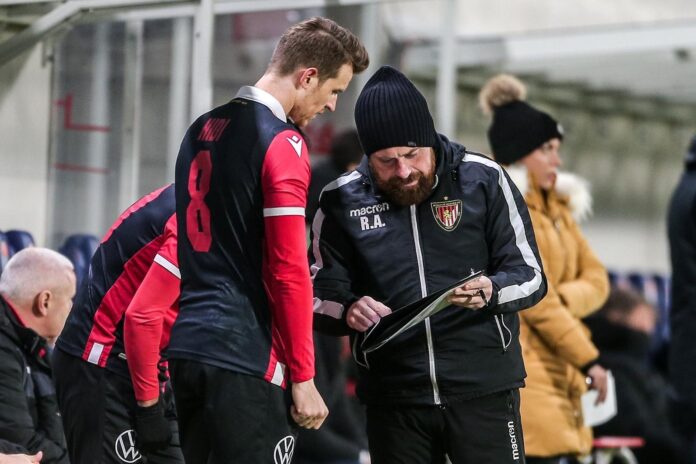
Alessandro Recenti is a highly experienced UEFA A licensed football coach whose career reflects tactical depth, international versatility, and a modern, data-driven coaching philosophy. Born and raised in Italy, Recenti has built a reputation as a forward-thinking manager capable of leading both men’s and women’s teams across various European football systems. His track record includes significant roles at the national, professional, and youth levels, blending elite-level preparation with player development expertise.

Recenti began his coaching career with the Albanian Football Federation, first as an Assistant Coach for the Women’s U19 National Team in 2013 and 2014, and later as Head Coach of the U15 National Team in 2016. These early international experiences shaped his holistic approach to player growth and tactical structure. His move into club football saw him enter the Swiss Super League, serving as Assistant Coach at FC Lugano (2016–2017) and FC Sion (2017–2018), where he also took over the club’s second team competing in the Swiss Promotion League.

After gaining experience in Switzerland, Recenti continued his professional journey with Honvéd Budapest in Hungary’s top flight, the OTP Bank Liga, as Assistant Coach (2019–2020). Returning to Italy, he transitioned into women’s football, leading Ravenna Women (2020–2021) and later Tavagnacco (2022–2023) in the Italian Serie B. His recent roles include youth development in men’s football, serving as Head Coach for Virtus Verona Primavera 4 (2023–2024) and currently leading US Pergolettese Primavera 3 in the 2024–2025 season.

Tactically, Recenti is known for his structured yet aggressive playing style. Offensively, he builds from the back using high full-backs and a deep-lying playmaker to create numerical superiority and break lines quickly. He emphasizes midfield rotations and sharp, vertical movements in the final third, particularly exploiting half-spaces. Defensively, his teams apply intense 1v1 pressure, high pressing, and immediate counter-pressing upon ball recovery. He views 1v1 duels as key to building responsibility, leadership, and on-field communication.

His preparation is meticulous. He maintains a personal database of over 400 set-piece routines and collaborates closely with a video analyst to develop opponent-specific strategies and training sessions. Performance is monitored using GPS technology to optimize physical load, and he integrates weekly mental coaching into his program to build resilience and instill a winning mentality across the squad.

Fluent in Italian, with professional working proficiency in English and French, and developing German skills (B1 level), Recenti is equipped to thrive in multicultural environments. He is a strong advocate for staff collaboration, constant learning, and modern coaching tools. Whether working with youth prospects or senior professionals, Alessandro Recenti brings intensity, preparation, and adaptability to every touchline he stands on.

Our Exclusive Interview with Alessandro Recenti

Who is Alessandro Recenti outside of football, and how have your personal experiences influenced your leadership on and off the pitch?

Off the pitch, I’m a student of the game. I’m deeply passionate about international football, an avid reader, and the game is an integral part of my life. I’m also the co-founder of Coaches, a community of over 3,400 registered coaches.

I’m drawn to anything that can help me improve and help those who work with me grow as well.

My international coaching experiences have shaped my leadership style profoundly. Being exposed to different methodologies and cultures has taught me not only which tools are most effective as a coach but, first and foremost, how to grow as a person.

What core principles define your coaching philosophy, especially when developing young players in both men’s and women’s football?

My coaching philosophy is built on observation and understanding team dynamics. You must know your own squad inside and out before studying the opposition. That’s non-negotiable.

Over the years, I’ve realized how vital it is to observe in order to understand, even before saying a word. The core values of my coaching toolkit and methodology revolve around the development of the individual. My goal is always to improve every player I work with, taking them from point A to point B.

My methodological approach draws heavily from concepts of relational football, where the relationships between players guide decision-making and movement.

I also strongly believe in integrating mental coaching into the process. It’s crucial for managing the emotional and psychological dynamics that arise over a long season.
From category to category, beyond adapting time and space, communication must also evolve. Coaches must understand the communication tools best suited to the age group or context they’re working with.

At the same time, collaboration with the technical and medical staff is essential. You can’t achieve great results on your own. Mutual respect and trust within the staff form the foundation of my football philosophy.

How did your time in Switzerland, Hungary, and Albania shape your tactical thinking and approach to team management?

Switzerland, Hungary, and Albania each have completely different footballing identities. In Switzerland and Hungary, I worked with Italian coaching staffs, but the most important aspect was learning and respecting the culture of the country where I was working.

For any coach, this is essential and undeniably a value-added asset. Learning the local language also plays a key role in communication and team management.
In Albania, I coached the U15 National Team and served as assistant for the U19 Women’s National Team. Those experiences taught me that coaching a national team is vastly different from managing a club side.

I encountered several elements that contrasted with my background, and this pushed me to grow further as a coach. That was when I began shaping my idea of an “offensive defensive phase,” built around full-pitch 1v1 pressing and identifying the most effective areas of the field for ball recovery, with a view to immediately reorganizing the attack.

I also came to understand that tactical relationships within space between players—not just between units—are crucial. It’s a subtle but powerful distinction that truly elevates the game.

What kind of playing identity do you strive to create in your teams, both in and out of possession?

My football identity is a blend of my ideas and the qualities of the players I have at my disposal. In that sense, I see myself as a modern “club man.” I love a team that dominates the game, but to do that, it needs clarity of ideas and an understanding of what to do in every phase of play. To control the game is to possess a strong technical and tactical identity, exploiting space with precision and intention.

Looking ahead, what type of club project or environment excites you most at this stage of your career?

My next step is to specialize in a first-team environment as a recognized head coach. I’ve coached both men’s and women’s teams, and now I want to fully dedicate myself to a path that allows me to refine and apply my methodology consistently. My ambition is to continue building international experience and develop even more competencies in that direction. The short-term goal is to coach in a top-tier league.

What’s next for you in your coaching journey, and how do you envision evolving as a manager in the coming years?

I want to continue studying languages, focusing specifically on football-specific terminology, which I consider essential for any modern coach.
At the same time, I aim to bring new perspectives into my methodology by integrating tactical and technical growth within my staff.

In addition, I want to deepen my understanding of the cognitive and mental aspects of the individuals I work with.

Knowledge leads to improvement. That has always been my motto.

The Fans Week – Edition #13

Welcome to the 13th edition of The Fans Week, your weekly guide to the biggest stories, controversies, and trends shaping the fan experience around the globe.

This week we explore:

Bundesliga’s Sustainable Rise
With a record €5.87 billion in combined revenue, the Bundesliga and 2. Bundesliga are setting the standard for financial stability and fan engagement. The DFL’s governance model and low wage-to-revenue ratios show why German football continues to thrive.

Club World Cup Struggles in the U.S.
Despite marquee matches and promotional efforts, the expanded Club World Cup is drawing sparse crowds in most host cities. With underwhelming attendance, visa complications, and slashed ticket prices, FIFA’s test run for the 2026 World Cup is under scrutiny.

Català FC Brings Spanish Football to Miami
A unique fusion of Real Madrid and Barcelona youth philosophies is taking root in Florida. Català FC’s La Masia-meets-La Fábrica model offers U.S. players elite training and international exposure—bridging cultures and reshaping local development.

Who is Levent Sürme?

Levent Sürme

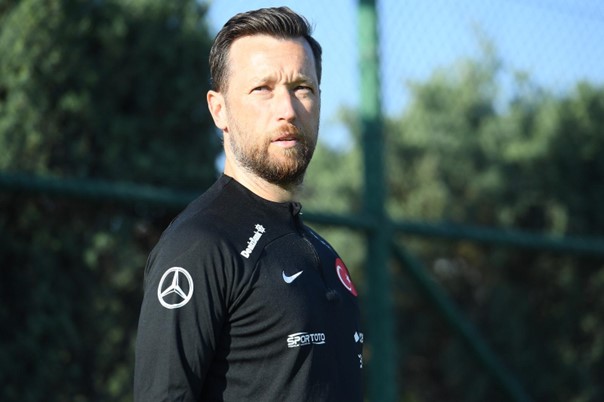
Levent Sürme (born Arca Levent Sürme on March 30, 1983, in Istanbul) is a UEFA Pro–licensed football coach with over two decades of experience across elite youth development and international management. His career path includes long-term roles at FC Augsburg and RB Leipzig, where he worked alongside coaching luminaries such as Thomas Tuchel, Ralf Rangnick, and Manuel Baum. In his consulting work, he continues to collaborate with performance experts like Bernhard Peters, combining tactical innovation with a deep understanding of player psychology and development.

Sürme is known for his high-intensity football and for adapting his tactical systems to the strengths and personalities of his players, rather than enforcing rigid structures. His work with emerging Turkish stars such as Arda Güler (Real Madrid), Kenan Yıldız (Juventus Turin), Barış Alper Yılmaz (Galatasaray), Bertuğ Yıldırım (Getafe) and Yunus Emre Konak (Brentford) reflects his ability to prepare talents for elite European football.

Early Life & Education

Born in Istanbul to a bicultural Turkish–German family, Sürme moved to Germany to pursue higher education. He earned a degree in Business Administration from the University of Augsburg while building his coaching foundations. In parallel to his academic path, he pursued all UEFA coaching licenses, culminating in the UEFA Pro Licence in 2023.

Coaching Career
  • Turkey U21 (2021–2024)
  • RB Leipzig Youth (2018–2020)
  • FC Augsburg Youth (2003–2018)
Mentorship & Influences

Throughout his career, Sürme has had the opportunity to collaborate with and learn from some of the most respected figures in football:

  • Thomas Tuchel (FC Augsburg): Shared insights during their time at the club’s youth academy.
  • Ralf Rangnick & Helmut Groß (RB Leipzig): Worked within the Red Bull philosophy, focusing on pressing, transitions, and data integration.
  • Bernhard Peters: Joint work on high-performance concepts and consulting projects for clubs and federations.

These collaborations have shaped Sürme’s holistic approach to coaching, merging tactical clarity with psychological empowerment and modern leadership.

Our Exclusive Interview with Levent Sürme

What inspired you to transition from youth coaching in Germany to taking on national-team roles for Turkey?

From 2003 to 2020, I worked in club football, first at FC Augsburg, then at RB Leipzig. When the opportunity came to contribute to Turkish football at the national level, I saw it as more than just a step forward. In Turkey, people often talk about the untapped potential that gets lost along the way. I wanted to change that. My goal was to unlock that potential—to help players realize what they’re truly capable of, both on and off the pitch.

Over the past years, we’ve guided several young players into European top leagues, and we didn’t just work on football. We focused on mindset, habits, communication, and emotional resilience. For me, national-team work isn’t just about matches, it’s about shaping people, not just players. That’s what inspired me.

How do you balance long-term project development with the daily demands of preparing a youth national team for competitive qualifiers?

It’s all about clarity and consistency. We define strong development principles that guide everything we do, from training design to team communication. At the same time, we must deliver results. I treat every training session as a moment to build the bigger picture while preparing players to compete today. We empower players by helping them understand the “why,” not just the “how.” When they feel ownership, they commit deeply.

Which mentor or figure has had the greatest influence on your coaching philosophy?

I’ve learned from many, but working around people like Thomas Tuchel, Ralf Rangnick, and Bernhard Peters shaped my thinking profoundly. Tuchel taught me to look deeper into details. Rangnick inspired me with his clarity, intensity, and systemic thinking. Peters showed me how to connect long-term development with performance. I’ve always aimed to take the best from each and translate it into something that fits my own style.

What books, research topics, or areas of study do you pursue in your personal time to sharpen your tactical and leadership skills?

I read broadly across psychology, leadership, and tactical theory. Books like “Legacy” by James Kerr or “The Culture Code” by Daniel Coyle have influenced how I think about team dynamics. I’m interested in game theory, decision-making under pressure, and tactical periodization. I also explore topics like cognitive training and the impact of language in leadership.

How do you navigate the cultural and operational differences you’ve encountered coaching in Germany’s academy systems versus Turkey’s national setup?

Germany offers structure, planning, and long-term thinking. Turkey brings passion, flexibility, and emotional strength. I tried to bring the best of both worlds together. In Turkey, I introduced more structured processes and data usage. At the same time, I embraced the emotional power and adaptive mindset of Turkish players. Coaching across cultures teaches you to lead with empathy and precision.

After leaving the U21s in 2024, what are your next ambitions, are you targeting senior club roles, international appointments, or perhaps another path within football?

I’m ready for a new challenge, ideally in senior club football. I’m looking for a project that allows me to build a team identity, develop individuals, and compete at a high level. Whether it’s in Germany, Turkey, or elsewhere in the world, I want to work in an environment that values growth, honesty, and shared responsibility. Long-term success requires clarity, courage, and collaboration, that’s what I bring to the table.

The Players Week – Edition #19

Welcome to the 19th edition of The Players Week, your essential guide to the insights and strategies shaping every step of a footballer’s journey.

This week we explore:

Club World Cup Spotlight
The expanded 32-team FIFA Club World Cup kicks off in the U.S. with a $1 billion prize pool, historic attendance highs—and empty seats. We break down the money, surprises like Botafogo’s shock win over PSG, and what it means for players like Dembélé sidelined by injury.

Confidently Achieve Your Goals – Part I
Self-efficacy is the hidden superpower behind peak performance. This mindset guide offers key questions players can ask themselves to gain clarity, confidence, and control over their football journey.

How Footballers can Transition into Business Angels: Part II
In part two of our angel investing series, we dive into the mindset, strategy, and legacy-building opportunities for footballers entering the startup world. It is not just about profit, it is about purpose.

Stay focused, stay curious. Your football journey is about more than just the game.

Who is João Aroso?

João Aroso

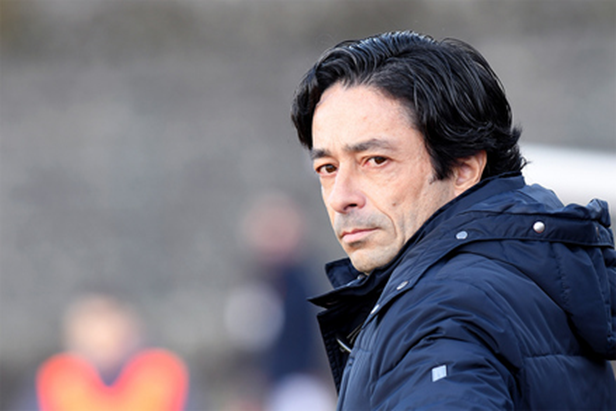
João Aroso is a respected Portuguese football coach, lecturer, and technical expert with over 20 years of experience in elite football. He is currently the Assistant Head Coach of the South Korea national team, where he is responsible for the team’s overall preparation. This includes developing the tactical framework, designing and leading training sessions, and coordinating closely with fitness coaches and game analysts. He plays a key role in supporting head coach Hong Myung-bo in shaping the team’s identity and performance.

Aroso holds a UEFA Pro Licence and a Master’s degree in Sports Sciences with a focus on High Performance Training from the University of Porto. He has taught at the University of Lisbon and is also a regular lecturer in an international post-graduate program in High Performance Football Coaching, founded in connection with José Mourinho. This course has featured several well-known participants, including Rúben Amorim.

His coaching journey began in 2003 at Sporting CP, where he worked as assistant to Fernando Santos, José Peseiro, and Paulo Bento. During this period, Sporting reached the 2005 UEFA Cup Final, won two Portuguese Cups and two Super Cups, and earned multiple Champions League appearances. In 2005, he moved to AEK Athens with Fernando Santos before returning to Sporting.

In 2010, he joined Paulo Bento on the Portuguese national team staff, contributing to a Euro 2012 semifinal run and qualification for the 2014 World Cup. He later took on head coach roles with Portugal’s U15 team, Braga B, and Morocco’s U20 side, guiding the latter to the semifinals of the Arab Cup. His ability to work across youth and senior levels reflects his adaptability and long-term approach to player development.

In the 2022–23 season, Aroso led Vitória SC in the Primeira Liga. Officially registered as head coach, he handled media duties and helped the club qualify for the UEFA Europa Conference League. He also stepped in as interim manager for one match, which he won. Shortly after, he worked as Technical Director at FC Famalicão, overseeing football development from the U16 level to the first team, before returning to coaching.

Known for his modern football philosophy, Aroso favors an attractive, offensive, and efficient style of play. His approach to training is built around tactical clarity and ensuring that every session reflects the demands of the game itself.

Outside of coaching, he is deeply involved in coach education, contributing to both academic and professional development settings. Over the years, he has worked with many top players and collaborated with respected managers across Europe, Africa, and Asia.

João Aroso speaks Portuguese (native), English, Spanish, and French. His biggest aim is to work in the United Kingdom in the future.

Our Exclusive Interview with João Aroso

Who is João Aroso outside of football, and how have your personal experiences influenced your coaching journey?

I have always tried to guide my professional conduct by the same values I follow in my personal life. I often say, “a better person is a better coach,” because coaching is a complex process where human relationships play a major role. I also want to highlight the importance of family. I’ve been fortunate to maintain a good balance between my coaching career and family life, and the time I can spend with them is always a key factor when deciding whether to accept a job.

Looking back, what first drew you to the technical and strategic side of football, and did you ever imagine building such a long-standing career in it?

Since I was a child, I was passionate about football, both watching and playing. I couldn’t become a professional player, so I pursued a degree in Sport Sciences. I started as an academy coach at 22 and had my first experience in professional football as a fitness coach at one of the top clubs in Portugal, Sporting CP. However, my role went far beyond fitness, as I was deeply involved in training methodology and tactical team development.

I also worked as a head coach at the U23 and youth national team levels, which helped strengthen my leadership skills. These experiences have been valuable in my recent roles as Assistant Head Coach at Vitória SC and with the Korea National Team, as well as during my time as Technical Director at FC Famalicão.

It has been nearly 30 years since I started coaching. While I have had fortunate moments in terms of opportunities, I believe they only come when we are perceived as competent.

What has been the most rewarding or unexpected part of working with national teams and top-level clubs?

I would say that representing our country while working with the Portuguese National Team and hearing the national anthem was truly an unforgettable honor. Another remarkable moment was when I started at Sporting CP and found myself working with players I had only seen on TV, some of whom were almost idols to me.

How do you define leadership in a football environment, especially when working across cultures and age groups?

Leadership is our ability to influence others, whether players or coaching staff, to follow our direction. This depends primarily on the quality of our human relationships. We may have deep knowledge of training and the game itself, but if those relationships fail, everything else falls apart.

You’ve been part of significant projects, from Sporting CP to the Portuguese national team. Which moment or contribution are you most proud of?

At Sporting CP, winning my first trophy in professional football, the Portuguese Cup, was a special moment. With the Portuguese National Team, reaching the semi-finals of Euro 2012 and losing to that great Spanish side only on penalties was also a proud and memorable achievement.

What qualities do you believe young coaches need today to succeed in modern football?

The level of exigence is higher now, as there are many coaches competing for limited opportunities. They must prepare thoroughly and show strong dedication, because only the best will succeed. I still believe that maintaining a good attitude always plays a key role in that journey.

How has your work as a lecturer and educator shaped your approach to coaching and football methodology?

When we teach, we also learn. Educating other coaches in post-graduate courses helps us develop the ability to identify strengths and weaknesses in their coaching, which in turn improves our own approach. By sharing experiences in training methodology and tactics, and engaging in discussion and reflection, we refine our own process as well.

Looking ahead, what aspects of the game do you think require the most development, and how do you see yourself contributing to that progress?

I would highlight tactical flexibility, which allows us to maintain our core tactical concepts while adjusting our actions in both offensive and defensive phases based on the opponent’s positioning. Football is often a cat-and-mouse game, with both teams trying to surprise each other through different shapes or dynamics. This approach helps develop intelligent players who can adapt to various tactical challenges.