Home Blog Page 41

Who is İsmail Güleç?

Ismail Gulec

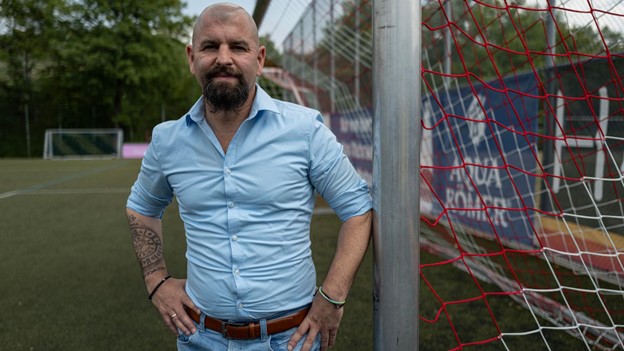
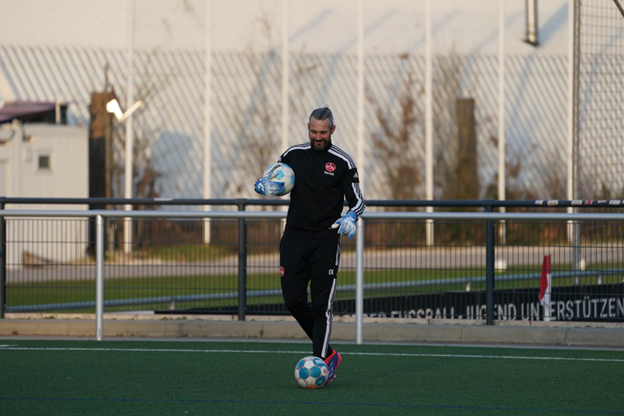
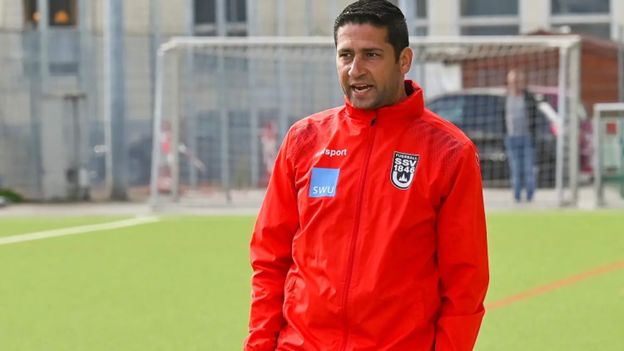
İsmail “Isi” Güleç is a German-born football coach of Turkish descent, currently serving as the head coach of the U17 team at SSV Ulm 1846, competing in the U17 Bundesliga. Born in Pforzheim in 1981, Güleç holds a UEFA A License and is a Pro License candidate. With over two decades of experience across both youth and senior levels, he is regarded as a well-respected and development-focused coach within the German football landscape.

Coaching Education and Background

Güleç began his coaching journey in 1998 as a student mentor and earned his first C License in 2000. He completed his UEFA A License in 2017 at the DFB headquarters in Hennef and is a member of the German Football Coaches Association (BDFL). Alongside his football credentials, he holds academic qualifications in business and IT.

Coaching Career

Güleç’s career includes a range of roles from grassroots to Bundesliga-level youth teams, with notable achievements in talent development and team management:

  • SSV Ulm 1846: Currently in his third season as head coach of the U17 Bundesliga team. Previously served as head coach of the U16 squad and assistant coach for the U19 Bundesliga side.
  • VfB Stuttgart: Between 2015 and 2019, he coached at the club’s youth academy and football school, helping shape the foundational skills of young talents.
  • Senior Football: Held head coach and player-coach roles at clubs such as SG Untertürkheim, FC Fatihspor Pforzheim, and 1. FC Ersingen, gaining hands-on leadership experience in competitive environments.
Playing Career

Güleç’s playing career began in 1987 with 1. FC Eutingen and spanned several German clubs across the Oberliga and Landesliga levels. He also spent the 2003–2004 season with Adana Demirspor in Turkey’s second division, gaining international playing experience as a central defender.

Coaching Philosophy

Güleç’s football philosophy emphasizes balance, flexibility, and intensity. He advocates a style of play that combines structured possession with compact, coordinated defending. His teams are expected to play every match as if it were their last, with high focus, tactical discipline, and collective effort. Key principles in his tactical approach include zonal pressing, transitional awareness, and positional responsibility.

Leadership Approach

Güleç leads through empathy, clear communication, and accountability. He values creating a culture of trust and development, building strong one-on-one relationships with players while maintaining a clear collective identity. Open to innovation and continuous learning, he fosters an environment where both staff and players are encouraged to grow.

Personal Life

Based in Stuttgart, he is a dedicated family man and father. Outside of football, he shows interest in personal development, mentoring, and education, aligning with his broader vision of developing players both on and off the field.

Vision

İsmail Güleç is committed to nurturing not only future professionals but also well-rounded individuals. His goal is to add long-term value to every footballing structure he is part of by creating sustainable pathways, fostering responsibility, and promoting intelligent, team-oriented football.

Our Exclusive Interview with İsmail Güleç

Who is İsmail Güleç outside of football?

Outside of football, I work as a Key Account Manager in IT sales, and I’m a husband and father. The little free time I have, I prefer spending with my family, especially with my five-year-old son. Among friends, I’m known as a funny person, and most would agree with that.

What philosophies guide your coaching style and leadership approach, particularly in youth development?

It is important to me that my players give their maximum effort in every phase of training and matches. I coach to support and try to speak with the players rather than talk at them. Training is my domain, and that is where we discuss what we want to achieve. The match belongs to the players. I am there as a supporter. We go through various training methods, but in competition, players must find the right decisions on their own. In youth elite football, it is also essential to respond to individual needs. One player may prefer explanations on the field, another may understand better with a tactics board, and a third may prefer video analysis.

How do you balance long-term player development with the competitive demands of Bundesliga-level youth football?

It is not always easy to speak about long-term player development. I tend to think in monthly terms. At the club, we conduct monthly player evaluations to support each player’s individual growth. In the youth Bundesliga, players compete weekly against the best in their age group. This applies both to football performance and personal development. The demands are high. Players must be prepared each week for matches, travel, and different stages of the season. From a competitive standpoint, I think week by week. In terms of development, we think month by month. It is not realistic to say I will develop a player to their peak in 12 months, but I can improve them month by month. If we succeed in that over time, we reach the bigger goal without realizing it. We set milestones and support players individually beyond team training. A U17 player should aim to move up to the U19 level. That is our shared goal. Of course, the player wants to become a professional, but that is not a goal, it is a dream. I cannot promise a championship, but I can promise improvement. If each player gets better, and we improve as a team and function well together, our chances of becoming champions increase. The motto is to reach goals in order to fulfill a dream.

Which experiences or mentors have had the greatest impact on your career so far?

I have had the advantage or luck to work with children, teenagers, and adult footballers. I know both amateur and professional conditions. In every area, I have had experiences that have helped shape my path. You learn from every situation, on and off the pitch. As a player, I had the opportunity to work with strong coaches and teammates. During my U17 and U19 years, there were no youth Bundesligas. We played with a small club in the top division against the biggest teams. That is where I learned that you can achieve a lot even with limited resources if you have team spirit and determination. Every coach, staff member, and player I worked with left an impact. When I was still a student and player, some of my coaches and teachers told me I should become a coach.

What kind of books, topics, or activities do you enjoy that contribute to your growth as a coach and educator?

I have to admit I prefer reading sports articles over football or training books. I enjoy everything related to football and like to observe things directly. Conversations with fellow coaches and players are essential for me. I am interested in training methods and prefer learning from practice over theory. Ideally, a coach should find a balance between both. I believe every conversation, training session, and match helps you grow and improve.

What are your future goals as a coach, both in terms of team success and personal development?

Regarding team success, we are currently very satisfied. Most of our players are progressing to the U19 level, and they have developed well over the past months. The step from U17 to U19 Bundesliga is not to be underestimated, especially as it involves two age groups and more physical challenges. My future goal is to continue working in a professional environment, help players improve, grow personally, and one day work in the licensed professional sector. That remains my dream.


How Footballers Build Meaningful Partnerships with Charities as Ambassadors and Patrons

Photo by Joel Muniz on Unsplash

In today’s football world, success is no longer measured just by trophies or goal tallies. Many top players use their platform for social good, building deeper legacies off the pitch through strategic partnerships with charities.

Becoming a charity ambassador or patron isn’t just about showing up at events, it’s a carefully considered commitment that involves reputation, alignment of values, and genuine passion for a cause.

Here’s how it all works, and why it matters:

Choosing the Right Cause: Passion Over Publicity

When players enter partnerships with charities, the most effective relationships are built on authentic passion, not PR strategy.

Charities and players typically work together to ensure there’s a clear, meaningful connection between the cause and the player’s personal story or interests.

Marcus Rashford’s campaign against child food poverty is a perfect example. Rashford’s own upbringing gave him firsthand understanding of the issue, making his partnership with FareShare and his broader advocacy for free school meals deeply personal and widely respected.

Brands, media, and the public quickly pick up on whether a player’s involvement is genuine, or simply superficial. True passion drives better engagement, stronger campaigns, and lasting impact.

The Role of a Charity Ambassador vs. Patron

While the terms “ambassador” and “patron” are sometimes used interchangeably, they come with different expectations.

An ambassador typically takes on a more public-facing role appearing in campaigns, raising awareness through media interviews, participating in events, and using their platform to drive fundraising. Ambassadors are often seen as the ‘face’ of a cause for a set period (sometimes six months to two years).

A patron, by contrast, usually holds a more honorary, long-term position. Patrons lend their name and credibility to the charity’s work but may not always be actively involved in daily campaigning. Their presence helps open doors for sponsorships, major donations, or high-level partnerships.

David Beckham, for example, is a long-standing UNICEF Goodwill Ambassador, actively promoting children’s welfare worldwide, while also serving as a patron to smaller charities in the UK.

Responsibilities and Expectations

Players partnering with charities take on a range of responsibilities, depending on the agreement.

Typical ambassador duties include:

  • Participating in media days or photoshoots
  • Posting regularly about the charity on their own social channels
  • Speaking at or attending fundraising events, galas, and awareness campaigns
  • Visiting projects or initiatives supported by the charity (often leading to powerful photo opportunities)
  • Sometimes fronting major campaigns, including TV commercials or documentary-style features
  • Patrons, though slightly less active, are often expected to attend flagship events annually and remain available for key moments, like charity anniversaries or major appeals.
  • Both roles require players to be mindful of their image, a single scandal or poorly thought-out social media post could undermine not only their own credibility but also that of the charity they represent.
Legal and Commercial Agreements

While charity partnerships are primarily philanthropic, formal agreements are almost always involved, particularly when the player’s image is being used at scale.

Standard charity-player agreements typically cover:

  • Use of image rights (how the player’s photos/videos can be used)
  • Duration of the partnership
  • Level of commitment (minimum number of appearances or posts)
  • Media obligations
  • Exit clauses (for example, allowing either party to terminate the partnership in case of reputational damage)
  • Sometimes players also agree to cover their own travel or event costs to ensure the charity’s resources are not drained. Legal clarity ensures that both sides understand expectations and protects the integrity of the partnership.
Financial Contributions and Fundraising Power

Although not a requirement, many players support their charity partners financially, either through personal donations, fundraising initiatives, or pledging percentages of commercial earnings.

For example, Mohamed Salah has been widely praised for his donations to schools, hospitals, and community projects in his hometown of Nagrig, Egypt, often alongside his commercial partnerships.

In ambassador roles, players are often tasked with helping charities unlock new funding streams. Their presence can significantly boost auction values at gala events, inspire corporate sponsors to donate larger sums, and supercharge public fundraising drives.

One high-profile post from a footballer can sometimes generate more donations in a day than traditional marketing efforts could achieve in months.

Launching Personal Foundations: A Parallel Path

Some players take their charity involvement even further by launching their own foundations. This approach allows for more control and focus on causes closest to their heart, but comes with added responsibility, financial management, governance, compliance, and administration.

Didier Drogba’s Foundation, founded in 2007, has funded hospitals, education programs, and health initiatives across Africa. Similarly, Juan Mata’s Common Goal project, where players donate 1% of their wages to charitable causes, demonstrates how individual efforts can evolve into collective movements.

Players who launch foundations often still serve as ambassadors or patrons for external charities, blending their personal philanthropic work with wider partnerships.

Media and Brand Synergy

Charity partnerships can also strengthen a player’s broader personal brand, when handled authentically.

Aligning with respected causes boosts a player’s public image, attracts positive media coverage, and can enhance relationships with existing commercial sponsors, who increasingly value corporate social responsibility.

For instance, when Megan Rapinoe partners with human rights charities, it not only furthers the causes she supports but also reinforces her broader brand of activism and leadership, making her even more valuable to socially conscious brands like Nike and Visa.

However, players must be cautious not to let charity work appear too commercialised. Audiences are sensitive to insincerity, and using charity work purely as a marketing tool can backfire.

Long-Term Legacy and Impact

True charity partnerships are not just about moments, they’re about movement.

When players commit over the long term, their impact deepens. Ryan Giggs’ decade-long patronage of Manchester’s Christie Hospital has helped fund critical cancer research and patient support. Similarly, Lionel Messi’s role with UNICEF stretches back over fifteen years, with long-term investments in children’s healthcare and education.

These lasting relationships shape a footballer’s post-career legacy, turning them from sports stars into global changemakers.

For many, the partnerships they build with charities will matter more in the long run than any trophy they lift.

Final Thought

When done with genuine heart and strategic care, charity partnerships allow footballers to leverage their fame for real social change.

It’s not about photo ops, it’s about long-term commitment, mutual respect, and using influence to amplify the voices that need it most.

In a world where platforms matter more than ever, footballers who partner authentically with charities have the power to move not just markets, but humanity itself.

The Agents Week – Edition #70

Welcome to the 70th edition of The Agents Week, your trusted source for the latest insights, challenges, and updates in the world of football agency.

This week we explore:

FIFA Agent Exam Disaster: A Global Meltdown
Thousands of aspiring agents were locked out, disconnected, or derailed by technical issues during the June 2025 FIFA Football Agent Exam. From missing PINs to frozen screens, the first fully digital exam became a worldwide crisis, triggering outrage and demands for reform. We break down what went wrong, share firsthand accounts, and ask: how can FIFA fix this?

Agent Profile: Luis Rabell Zariñana
At just 25, Luis is building trust-based relationships across Europe by putting people first. With a Football Business Academy degree and a clear mission to empower athletes, his story proves that values-driven agency is the future.

Practical Mindfulness in High-Stakes Moments
When emotions run high during negotiations or client setbacks, clarity matters most. This piece explores how mindfulness tools can help agents lead with calm, empathy, and long-term perspective.

Who is Sascha Glass?

Sascha Glass
Education & Early Career

Sascha Glass, born on October 12, 1972, in Germany, has built a distinguished career in women’s football management. While specific details about his early education are not publicly documented, his professional journey reflects a deep commitment to the sport.

Coaching Career

Glass began his managerial career with 1. FFC Frankfurt (2011 to 2014), where he laid the foundation for his coaching philosophy. He then moved to VfL Wolfsburg Women (2014 to 2017), contributing to the team’s competitive stature in German women’s football. His tenure at SC Sand (2017 to 2019) further showcased his ability to develop and lead teams effectively. In 2020, Glass took the helm at 1. FC Köln Women, aiming to establish the club firmly in the Bundesliga. Despite facing challenges, his leadership was instrumental in the team’s development until his departure in March 2023.

Role at VfB Stuttgart

In June 2023, Sascha Glass was appointed as the General Manager for VfB Stuttgart’s women’s football division. His arrival marked a significant step in the club’s commitment to advancing women’s football. Under his strategic guidance, the team achieved remarkable success:

  • 2023 to 2024 Season: The team clinched the Oberliga Baden-Württemberg title, securing promotion to the Regionalliga Süd.
  • 2024 to 2025 Season: Demonstrating consistent performance, the team won the Regionalliga Süd, earning promotion to the 2. Frauen-Bundesliga.

Glass’s leadership has been pivotal in these achievements, reflecting his strategic vision and commitment to excellence.

International Engagement

Beyond domestic success, Glass has engaged in international collaborations to enhance the club’s global perspective. In November 2023, he traveled to Japan to exchange concepts and establish contacts aimed at opening new perspectives for women’s football at VfB Stuttgart. During his visit, he attended various meetings with counterparts in Japanese women’s football and observed matches, gaining insights into different football cultures.

Leadership Philosophy

Sascha Glass is recognized for his strategic approach to football management, emphasizing youth development, international collaboration, and sustainable growth. His tenure at VfB Stuttgart is marked by efforts to integrate academy players into the first team and enhance the club’s competitiveness on both domestic and international stages.

Personal Life

While Glass maintains a professional focus, he is known for his dedication to the sport and his teams. His career reflects a commitment to advancing women’s football through strategic leadership and a focus on sustainable club development.

Our Exclusive Interview with Sascha Glass

Who is Sascha Glass outside of football, and how have your personal experiences influenced your leadership in the women’s game?

I am a family-oriented person, value personal contact greatly, and have been working in women’s football for 15 years. Back then, I had the choice between a position at a youth performance center for boys and was supposed to take over a U17/U19 Bundesliga team. However, I chose women’s football because I saw more opportunities for myself in scouting and youth coordination. And that decision was absolutely right. Through my roles as head coach in Frankfurt, Wolfsburg, Sand, and Cologne, I have come to know various sides of women’s football. I know the market well and have a strong network. That has especially helped me during the transition to my current position as General Manager at VfB.

What principles guide your management philosophy, particularly in leading a rapidly growing women’s football department like VfB Stuttgart’s?

In the beginning, it was important to attract talented and well-known players to VfB. Our athletic success and strengthening the team’s quality were the main priorities. The positive appeal and public impact that come with standout players, Olympic champions or former Bundesliga players are a welcome side effect. In a very short time, we managed to further establish VfB as a key destination for football-enthusiastic girls and women in the region, thanks to a strong team surrounding the squad and the club’s unconditional support. Trust and honesty are very important to me on this path. I am a team player and always willing to have difficult conversations. Personal exchange and contact matter a lot to me.

How do you balance short-term competitiveness with long-term player development in a newly promoted team?

Our planning is long-term and goes beyond the upcoming season. We want to continue developing young, talented players and help them reach their next level with us. It is important to have a good balance between integrated youth players, including from our own U17 team, and experienced players, both domestic and international.

Which mentors, experiences, or turning points have had the most impact on your football journey so far?

I have been working in women’s football for 15 years. In addition to my experience at major women’s football clubs in Germany, it was honestly mostly my own ambition that drove me forward. Both good and bad experiences have shaped my career and made me who I am today.

What international partnerships or strategies do you envision pursuing to elevate VfB Stuttgart Women in the coming years?

Women’s football is included in VfB’s internationalization strategy. Most recently, in November 2023, I traveled to Japan for a conceptual exchange. In addition to various meetings with officials from Japanese women’s football, I attended a WE League match and several other test matches. Through different conversations and constructive sporting exchange, I gained deeper insight into Japanese women’s football. It was also important for me to raise the visibility of VfB Women’s Football in Japan. Talks with coaches, officials and Japanese professional players, as well as watching their performances in the WE League, expanded my knowledge in an area that holds strategic importance for VfB Women’s Football. The outcomes have been diverse. For example, in February 2025, we hosted the JFA Academy Fukushima for a test match during our winter training camp in Stuttgart. Separately, during our summer preparations, we welcomed the Chinese team Shanghai FA.Most recently, we announced the signing of Japanese U23 national team player and experienced WE League striker Haruka Osawa. Our personal exchange also took place during my trip to Japan.

The Student Athlete – Edition #50

The Student Athlete magazine cover with stadium background and text reading "for student-athletes".

Welcome to the 50th edition of The Student Athlete, your digital source for the latest and most impactful stories in the life of student-athletes.

This week we dive into:

Historic Leap: University of St. Thomas Goes D-I
St. Thomas makes NCAA history by jumping directly from Division III to Division I. We break down what this means for the university and the broader college sports landscape.

Beetroot Power: Shave 45 Seconds Off Your 5K
No hype, just science. Beetroot powder is a proven performance booster for endurance athletes. Learn how to use it right and avoid common mistakes.

Exclusive Interview: Deniz Ertan (ASU Swim & Dive)
The standout swimmer shares her journey from transfer challenges to thriving at Arizona State. Her advice for future athletes? Prioritize the right fit over the biggest name.

Burnout Warning Signs Before Midterms & Midseason
Feeling exhausted, irritable, or unmotivated? Learn how to recognize and prevent burnout before your body hits the wall and how to bounce back stronger.

The Real Power Game: What Football Professionals Must Know about Politics

Photo by sk on Unsplash
It Was Never Just a Game: Football Has Always Been Political

It’s easy to assume that politics only recently entered football. That only now, in the era of billion-dollar takeovers and government-backed investments, has the game started to intersect with power. But football has always been political, sometimes openly, sometimes in the shadows. From Mussolini’s Italy using the 1934 World Cup as nationalist propaganda, to Argentina’s military regime hosting the 1978 tournament to distract from human rights abuses, to city-based clubs across Europe representing class, faith, or ideology, football has never existed in isolation. The difference today is visibility. Politics isn’t more present, it’s more transparent. And in an age of global media and public accountability, professionals working in football can no longer afford to overlook the world shaping their sport. Political awareness isn’t a burden. It’s a tool. One that helps you lead with foresight, confidence, and clarity.

The Strategic Game Behind Club Takeovers

When a sovereign wealth fund buys a football club, it is usually not just for financial return. These kinds of purchases are often part of a bigger plan involving international visibility, influence, and national image. In 2008, Manchester City was bought by Abu Dhabi’s investment group. This move transformed the club and became an example of how a country can use football to raise its global profile through success, branding, and new infrastructure. A few years later, Qatar took control of Paris Saint-Germain. Since 2011, PSG has played a major role in promoting Qatar on the world stage, especially in the lead-up to the 2022 World Cup. In 2021, Saudi Arabia’s Public Investment Fund took over Newcastle United, using one of England’s most historic clubs to support the country’s international image. These takeovers are not random or purely sporting choices. They are carefully planned strategies. For professionals working in football, understanding what drives these moves is important. It helps you understand the competitive landscape and prepare for the changes these powerful owners can bring.

When Decisions in Parliament Reach the Dressing Room

Politics influences football in many ways, and sometimes the effects are very direct. One clear example is Brexit. What started as a national political decision quickly changed how English clubs could sign players. After the UK left the European Union, clubs were no longer allowed to freely bring in young European talent. New work permit rules made the process more complicated. Academies had to adjust their development plans, and scouting departments began focusing more on regions like South America, Asia, and Africa. These changes were not just headlines. They became real, daily challenges for coaches, directors, and scouts. Being aware of political decisions does not mean being involved in politics. It simply means being ready to adapt when the rules of the game change.

World Cups, World Narratives

Today’s major football tournaments are no longer just about matches. They have become powerful moments where countries tell stories, share values, and shape how the world sees them. The 2022 World Cup in Qatar was a clear example. While it brought football to the Middle East for the first time, it also led to worldwide discussions about working conditions, gender equality, and freedom of expression. The 2018 tournament in Russia carried similar weight, happening during a period of growing global tension. These events show us that tournaments are now just as much about identity and reputation as they are about sport. For professionals in football, this adds a new kind of responsibility. Understanding what a tournament stands for can help protect your club’s image, guide your public message, and support your players as they step onto a stage that is bigger than football alone.

The Part of Football Fans Can’t See but Can Feel

Football depends on trust. The game only stays strong when fans believe in its fairness, when players trust the system around them, and when clubs know they are competing on equal terms. But in some cases, that trust can fade. Political interference sometimes takes the place of proper governance. In certain leagues, governments put pressure on federations, influence referee appointments, or interfere with financial controls. When this happens, it affects everyone. Fans begin to lose interest. Sponsors hesitate. Players feel uncertain. You are not expected to fix entire systems, but being aware of where and how interference happens makes a difference. The more we understand these pressures, the better we can protect the values that make football matter.

Leading the Game with Awareness

Football does not exist in a bubble. Every transfer, every sponsor, and every decision a club makes connects to a much wider picture. Political climates shift, global conversations evolve, and football moves with them even when it is not always visible. In this landscape, being aware of the world beyond the pitch is not a distraction. It is part of being prepared. You do not need to be an expert in global affairs to succeed in this game. But staying curious, asking the right questions, and understanding the forces around you can make all the difference. Those who see the broader context are the ones who adapt with purpose, lead with clarity, and help shape the future of football with confidence and care.

Who is Christian Krüger?

Christian Krüger
Goalkeeper Coach & Talent Developer

Christian Krüger is a German goalkeeper coach and talent developer with over a decade of experience in youth development, performance training, and coaching education. Known for his structured and individualized coaching style, he has played a key role in nurturing a generation of goalkeepers within club and academy environments across Bavaria.

Coaching Path and Academy Roles

Krüger began his coaching journey in 2013 while still playing semi-professionally. His dedication and innovative approach led to a full-time role as goalkeeper coach at 1. FC Nürnberg in 2017. In 2019, he was appointed Goalkeeper Coordinator for the club’s youth academy (NLZ), and in 2022, he took on the same role for the women’s division, where he contributed to raising both technical standards and development practices.

Playing and Educational Background

As a former player, Krüger featured for clubs such as SSV Jahn Regensburg, FC Ingolstadt 04, and SpVgg Greuther Fürth, spending two years in the U17 and U19 teams at Jahn Regensburg. Academically, he holds a Bachelor of Arts in Corporate Health Management from the German University for Prevention and Health Management. His background in athletic training, rehabilitation, and personal coaching provides him with a well-rounded perspective on goalkeeper performance.

Coaching Philosophy and Impact

Holding the DFB A-License for goalkeeper coaching, Krüger blends academic depth with practical insight. His philosophy centers around technical precision, mental strength, and personalized development pathways. His approach is informed by sports science and modern performance principles, ensuring long-term growth and sustainability.

Goalkeepers Trained Under Krüger
  • Jan Reichert (1. FC Nürnberg, 2. Bundesliga) – Trained for two years in the U23
  • Nicolas Ortegel (1. FC Nürnberg, 2. Bundesliga) – Trained for nine years across all youth levels
  • Nikola Vasilj (FC St. Pauli, Bundesliga) – Trained for two years in the U23
  • Johannes Kreidl (KuPS, Veikkausliiga) – Trained for two years in the U23
  • Jonas Wendlinger (Almere City, Eredivisie) – Trained for four years in U17/U19/U23
  • Dimitrios Gkoumas (PK-35, Ykkösliiga) – Trained for one year in U19
  • Benedikt Willert (FC Eintracht Bamberg) – Trained for six years across U15 to U23
  • Luca Petzold (Greifswalder FC, Regionalliga NordOst) – Trained in U16/U17

Krüger continues to shape the next wave of goalkeepers in Germany with a clear vision for technical excellence, long-term development, and performance sustainability.

Our Exclusive Interview with Christian Krüger

Who is Christian Krüger outside of football, and how have your personal experiences shaped your coaching approach?

I’m a balanced and grounded person who enjoys reading books over a good cup of coffee and continuing to learn in different areas. I’m especially interested in personal development, time management, and communication skills. A special trip to Africa sparked a deep interest in the continent and wildlife.

I love traveling with my girlfriend or spending free time with my best friends or parents. These people mean the most to me, and without them, I wouldn’t be who I am today.
I believe in constant self-development. Progress is essential. As a coach, as a goalkeeper, and as a person. I value reliability and humility and aim to pass these values on to my players.

What core values guide your work as a goalkeeper coordinator and coach across both men’s and women’s football?

Trust, respect, and appreciation are always my top priorities in working with goalkeepers. I strive to support all goalkeepers as best as I can, at all times. Not everyone will become a professional, but everyone deserves the chance to be a good person and the best version of themselves.

That is my core belief. Every individual should be treated, seen, and respected as a valuable person. It’s extremely important to me that my goalkeepers feel this and know that I genuinely want the best for each of them.

How do you balance long-term player development with the competitive demands of academy football at 1. FC Nürnberg?

Competitive sports are about winning. That’s the nature of high-performance environments. But we must always remember that we are working with children and teenagers who are still developing, both personally and athletically, and they will make mistakes.

A healthy error culture is essential. Mistakes must be seen as opportunities to learn. As coaches, we must always support our athletes. And for the players, it’s important to grow and, as a valued colleague always says, never make the same mistake twice.

In practice, this means isolating goalkeeper techniques during the week, applying them in game-like drills, and then implementing them successfully on matchday. It’s a continuous process that repeats weekly.

Training forms and routines are regularly reviewed, adjusted, and changed to ensure broad and effective development. Pressure situations must also be part of training to build resilience because we expect goalkeepers to handle pressure on matchdays. We train for the game to be fully prepared.

Which coaching education milestones or mentors have most influenced your philosophy and methodology?

Working personally with André Wachter (now first-team GK coach at Borussia Mönchengladbach) and Dennis Neudahm (first-team GK coach at FCN) had a big influence on me. I learned a lot from them about personal interaction, scouting processes, and data analysis.

At the start of my time in Nürnberg, we had a clear framework and philosophy for goalkeeping. Within that structure, I had the freedom to conduct my sessions and develop my own methods. That’s still how I work with my goalkeeper coach colleagues today. Same framework, individual implementation.

The DFB A-License for goalkeeper coaching and my personal curiosity also shaped my development. I studied sessions from other coaches and combined them with my experience to form my own coaching identity.

That identity includes not only empathy and respectful interaction, but also high standards in training. I like working with strong-charactered players who are committed to intense, performance-driven training.

What excites you most about working with the next generation of goalkeepers in Germany?

I find it exciting to observe and support the development of individual goalkeepers. Even though the training content may often be similar, each personality is unique, which makes every working relationship special.

I believe a good goalkeeper coach must be able to adapt to different characters and communicate in varied ways.

I also think it’s increasingly important today to help young goalkeepers truly understand that the truth lies on the pitch. That means investing heavily and going the extra mile to succeed.

How does your role as an instructor with the Bavarian Football Association contribute to your vision for goalkeeper development?

I’m very proud to be part of the goalkeeper coach education program at the Bavarian Football Association. I was once a participant in that same course. It remains vital to train and especially further develop goalkeeper coaches.

Since it can be time-consuming and demanding to obtain certain licenses, I regularly give individuals the opportunity to observe our sessions at the academy. We have nothing to hide, and the visitors are always very thankful for the time, feedback, and insights we share.

You can really feel how much deeper they dive into the subject through that experience and how they leave more motivated. Seeing that regularly is fantastic. We must pass on our knowledge, especially at the grassroots level, as broadly and effectively as possible. I truly believe that everyone benefits from this.

The Parents Week – Edition 62

Delivered every other Wednesday.

Subscribe

Cerezo Osaka: Where Local Roots Meet Global Ambition

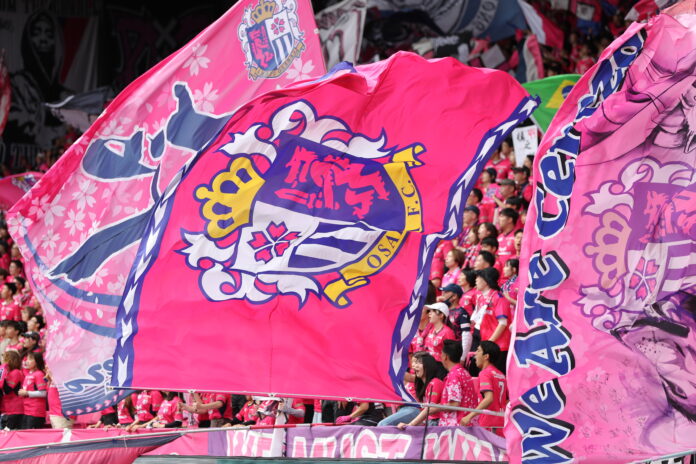
In a country where baseball still dominates the sports landscape, Cerezo Osaka has carved out a unique identity. The club is more than just a football team. It has become a cultural institution in one of Japan’s most vibrant cities, blending a deep connection to its community with an ambitious international vision.

Football in the Heart of a Baseball City

Osaka is known across Japan as a city where baseball captures the public imagination. In this environment, building interest in football requires more than just on-field success. Cerezo Osaka recognized this early and chose not to follow a traditional path. Instead, the club embraced creativity and cultural relevance.

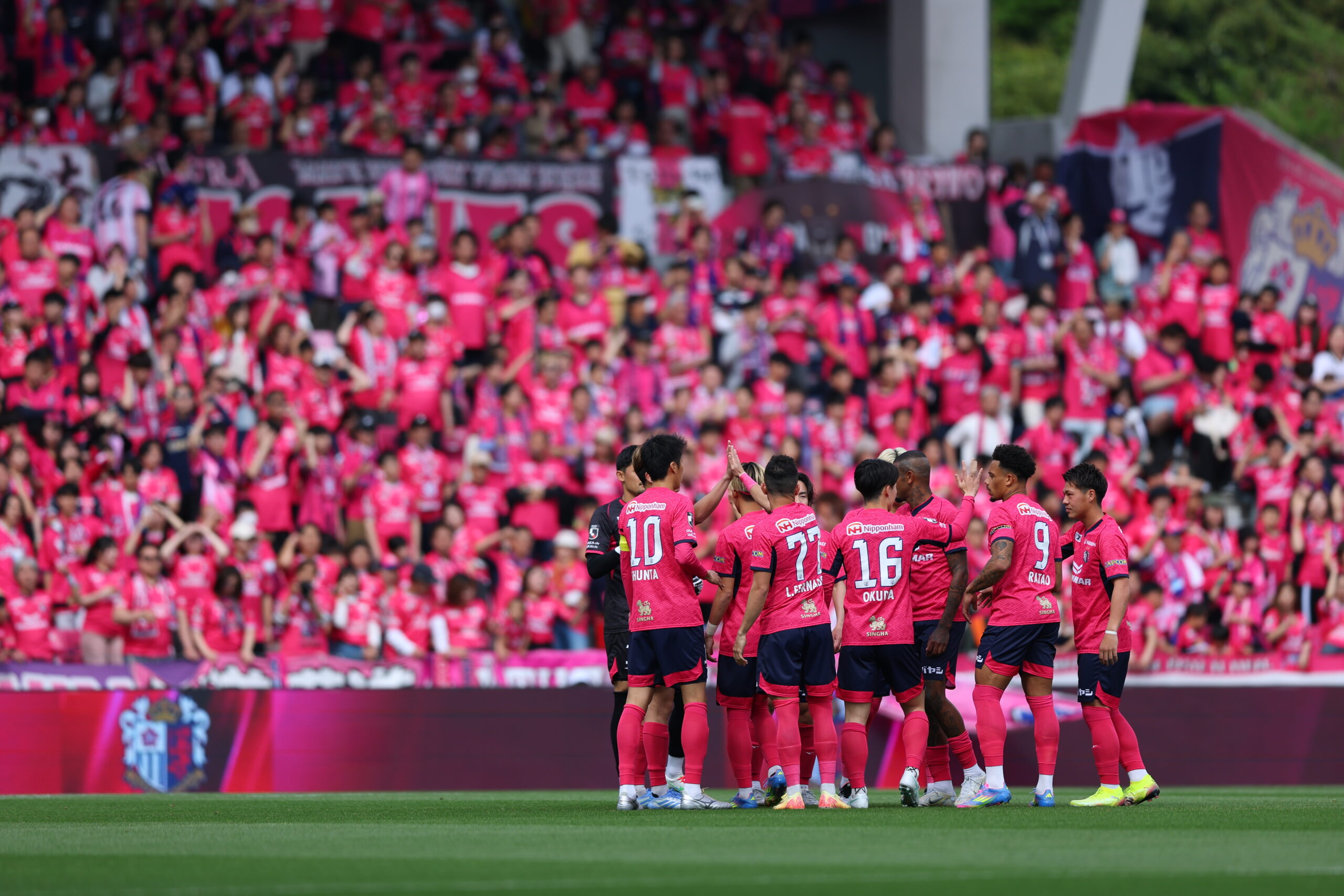
Home matches often feature performances by local comedians, and club events tap into Osaka’s rich cultural life. This strategy aims to attract people who may not have grown up with football. Younger fans, in particular, are a key focus. Through these bold and engaging initiatives, Cerezo has created a brand that feels deeply rooted in its hometown while still being fresh and forward-looking.

A Club with a Clear Philosophy

Cerezo Osaka’s ambitions are not limited to the pitch. The club wants to be seen as a symbol of Osaka and to be recognized across Asia and beyond. This vision is shared across all levels of the organization, from players to business staff. Everyone involved works with the same purpose – to deliver excitement, to lead in sport and beyond, and to build something that truly matters.

Community First

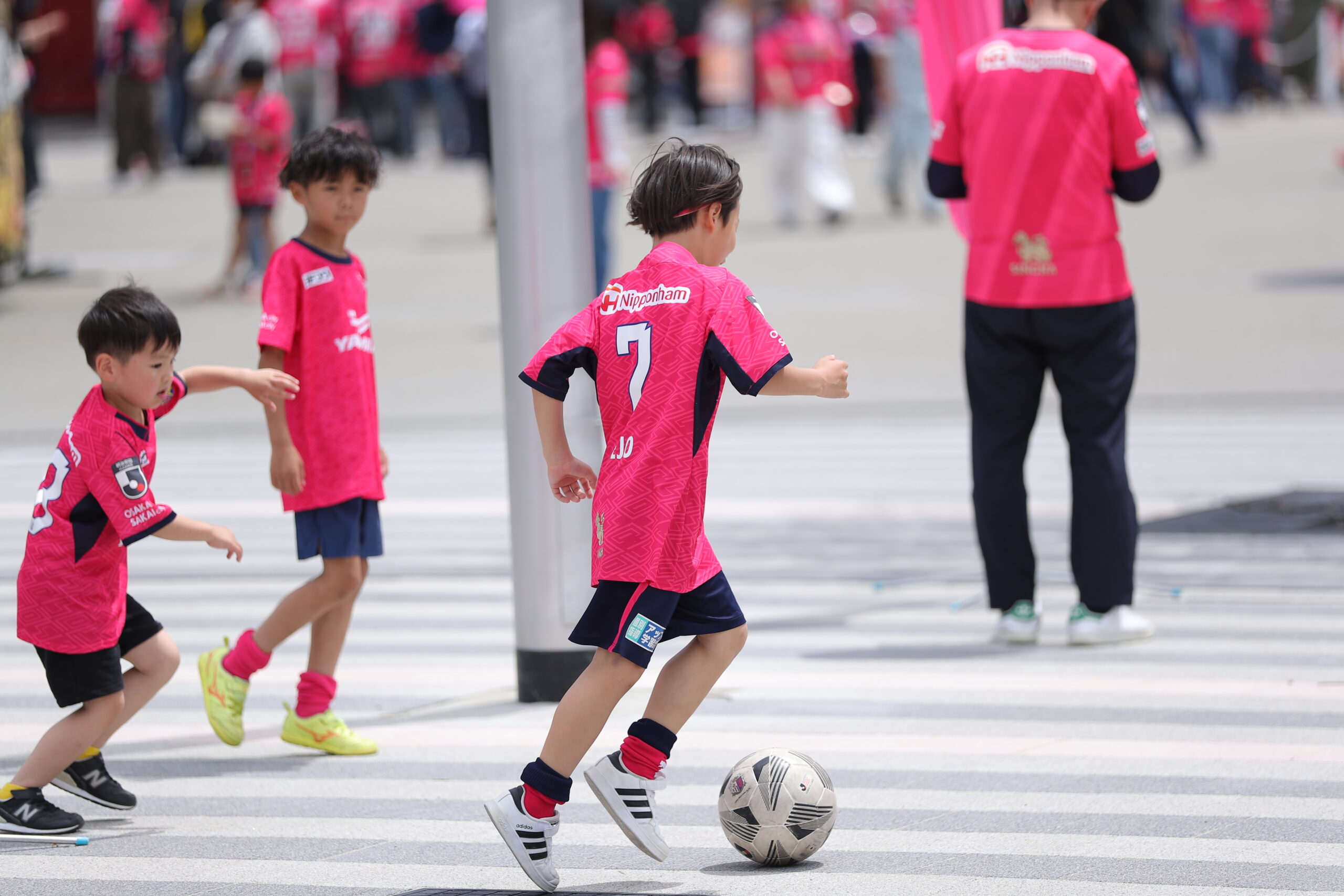
For Cerezo, being part of the local community is not just a slogan. It is a responsibility. The club considers both Osaka City and Sakai City its hometowns and regularly organizes youth football classes, neighborhood cleanups, and projects with welfare facilities.

These activities are not simply public relations. They reflect a core belief that sport should give back to society. The club sees its role as delivering hope, excitement, and positive change through everything it does.


Developing More Than Just Players

The club’s youth academy is one of its most respected achievements. With the support of the Hanasaka Club, a dedicated sponsor group, academy players are given international exposure from an early age. Overseas trips and training experiences are fully funded, allowing young players to grow both as athletes and individuals.

What makes Cerezo’s development model different is its focus on personality and character. The aim is not only to create strong players but to shape thoughtful, disciplined individuals who can represent the club – and Japan – on the global stage.


Playing with Purpose

Cerezo’s football identity is shaped by a simple but powerful philosophy called “Sakura Spectacle.” It encourages creativity, individuality, and global readiness. This approach runs through every age group. The club maintains strong networks in Europe and Asia and gives its youth regular opportunities to compete and train abroad.

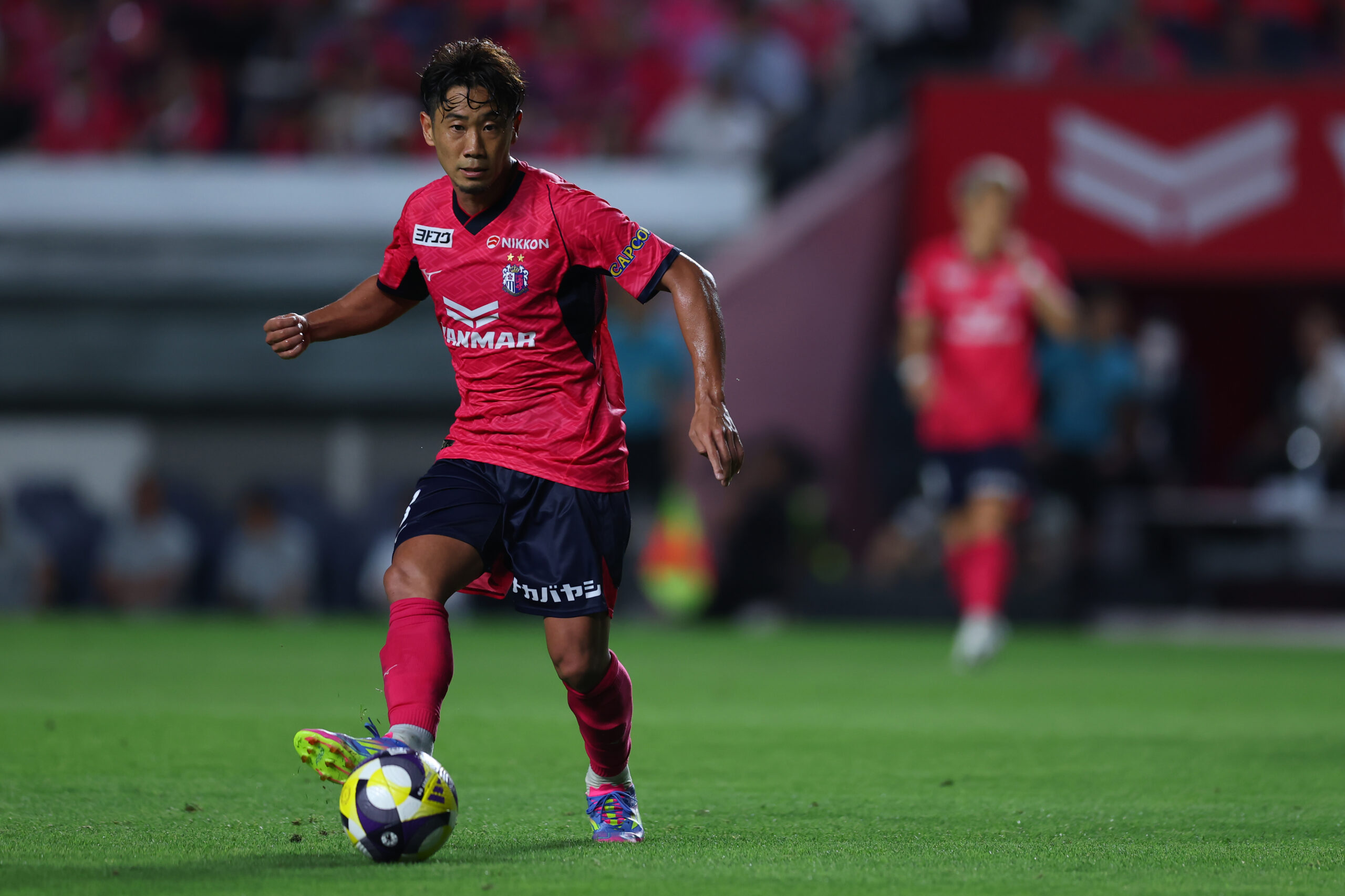
The results speak for themselves. Former academy players like Shinji Kagawa and Takumi Minamino have gone on to play in top European leagues, proving that Cerezo’s vision is more than just talk.


Fans Who Feel Like Family

Cerezo supporters are known not only for their passion but for their warmth. Whether the team wins or loses, fans stand by the players with loyalty and pride. This sense of belonging makes the club more than a sports organization – it feels like a family.

A Future Built on Ambition

Looking ahead, Cerezo wants to compete at the highest level in Japan and build lasting success across Asia. But the club’s goals are not just sporting. It wants to deepen its cultural impact and create a legacy that future generations can be proud of.

Thinking Beyond Borders

International growth is already underway. Cerezo has established partnerships with clubs in Thailand and operates football schools in Indonesia. Academy players regularly participate in overseas training camps and tournaments. These efforts are not side projects – they are part of a long-term strategy to connect the club with the wider world.

Cerezo Osaka is writing a story that blends tradition with innovation, local pride with global reach. It is a club that understands where it comes from and where it wants to go.

Who is Martin Masaryk?

Martin Masaryk

Martin Masaryk is a Slovak football coach and educator whose career spans over 14 years in women’s football, including multiple appearances in the UEFA Women’s Champions League. A specialist in tactical development and high-performance coaching, Masaryk has emerged as one of Central Europe’s leading voices in modern women’s football. Since 2023, he has served as the head coach of Budapest Honvéd FC Women, where he led the club to promotion to Hungary’s top flight in his first season at the helm.

Masaryk began his coaching career in 2012 and took his first major step in 2013 as the assistant coach of ŠK Slovan Bratislava’s women’s team. He became head coach in 2016, and over the following years, he led the team in three UEFA Women’s Champions League qualification campaigns. During the 2016–2017 season, he was the youngest manager in the competition, taking charge of a Champions League team at just 25. His rise in the Slovak football scene was marked by a blend of tactical clarity, player-centered methodology, and relentless preparation.

In 2020, he was appointed head coach of AC Sparta Prague Women. In his debut season, he won the Czech league title and guided the team to the round of 16 in the UEFA Women’s Champions League, where they faced Paris Saint-Germain. This period marked a milestone in Masaryk’s career, proving his ability to compete and succeed at the highest level of European women’s club football.

A graduate of Comenius University in Bratislava, Masaryk earned his Master’s degree in 2017 from the Faculty of Physical Education and Sports, with a focus on football coaching. He holds a UEFA A coaching license and continuously supplements his practical knowledge with academic and scientific methodologies. He completed internships at several of Europe’s elite women’s clubs, including Bayern Munich, AC Milan, and Juventus, where he studied training systems, performance models, and leadership strategies that have shaped his evolving coaching style.

Masaryk’s coaching philosophy is rooted in high-tempo, offensive football with a focus on technical mastery, tactical intelligence, and physical dominance. He believes in proactive play, encouraging creativity under pressure and discouraging “alibi football” such as aimless clearances. His teams are trained to build from the back, with the goalkeeper acting as the first attacker and the striker as the first line of defense. Defensive organization revolves around high pressing and counter-pressing, with the instruction to stay compact and aggressive immediately after losing possession.

Off the ball, Masaryk’s players are required to maintain intensity, energy, and anticipation. On the ball, he emphasizes bravery, fluid rotations, and the courage to take risks in tight spaces. He integrates a structured style of play that includes detailed periodization, high-level conditioning, and regular physical and movement screenings. His strength and conditioning program addresses injury prevention, speed development, and mobility, while movement testing results are used to design individualized rehab or performance protocols for players.

Beyond the tactical and physical, Masaryk values emotional intelligence and human connection. He believes coaching is not just about winning games but about influencing people to become better versions of themselves. Communication, mutual respect, and personal growth are central themes in his daily work. He advocates for a growth mindset across his staff and players, fostering a culture of learning, curiosity, and shared responsibility.

Masaryk operates on the belief that consistent, high-quality training translates directly to matchday performance. His coaching motto—“You play exactly how you practice”—reflects his attention to detail, discipline, and commitment to process-driven development. His ambition remains clear: to keep building strong, fearless, and intelligent teams that can compete with the best in Europe, while advancing the profile and standards of women’s football at every step.

Our Exclusive Interview with Martin Masaryk

Who is Martin Masaryk outside of football, and how have your personal experiences shaped your coaching approach?

Honestly, I don’t have much time outside of football. I’m an ordinary guy from a small town in Slovakia.

I live for football 24 hours,7 days a week. For me, football is not just a process and a match. I try to take an interest in my colleagues, my players, and to build strong relationships that can push us all forward together. All the preparation and communication with people can take up all your time. And that’s what I love about this job, when I can positively influence people and work together towards our goals. If I have any time, I really enjoy spending it in nature or in the mountains.

What core values define your coaching philosophy, especially when working with young female athletes?

Communication is very important for me and my work. For me, working with a player means not just what happens with her on the field, but also outside of it. It’s about being interested in the players, trying to listen to them, and showing them respect not only through words but also through actions. The fundamental value is humanity and honest. If a coach can manage this, they can earn trust and be successful.

How did your experiences at clubs like Bayern Munich, AC Milan, and Juventus influence your coaching methods today?

Very greatly. First of all, I want to take this opportunity to thank for being able to see the process in these big clubs. I gained an enormous amount of new experiences and saw how people work in TOP clubs. I am a type of coach who tries to learn every day, to listen and perceive other people, and to transfer the acquired experiences into my own process.

Can you describe the tactical identity you aim to instill in your teams, both in and out of possession?

The basic tactical identity our playing style are described in simple points. We don’t wait for the opponent to decide what to do. We want to be dominant and dictate the pace of the game. High ball possession and having control over it. Forcing the opponent to run without the ball. Pressure on the opponent in every zone of the field, striving for full-field pressing. Quick transitions from attacking to defensive play after losing the ball with repressing. Our off-the-ball play is focused on quickly regaining possession. Of course, we always need to respond to the quality of the opponent and find a path that can be successful for us in a given match.

What are your long-term goals as a coach, and how do you envision your next step in women’s football?

I live in the present and always try to give my best for my team. I would really like to have the chance to play in the Women’s Champions League again. My dream is to get a job in a top club one day. I will work and improve every day to make this dream of mine come true.

How do you balance the demands of performance, development, and well-being in a competitive team environment?

Every player must feel that she is needed, that she is part of this community. It is necessary to talk a lot. Give the girls clear and simple tasks, what is her job. We try to create a competitive environment, focused on development. We try to constantly motivate the players in the process and outside of it. You need to feel it,  when is the best time to insert some type of team building or a more fun form of training unit.