
Welcome to the 66th edition of The Agents Week, your trusted source for the latest insights, challenges, and updates in the world of football agency.
This week we explore:
Welcome to the 66th edition of The Agents Week, your trusted source for the latest insights, challenges, and updates in the world of football agency.
This week we explore:
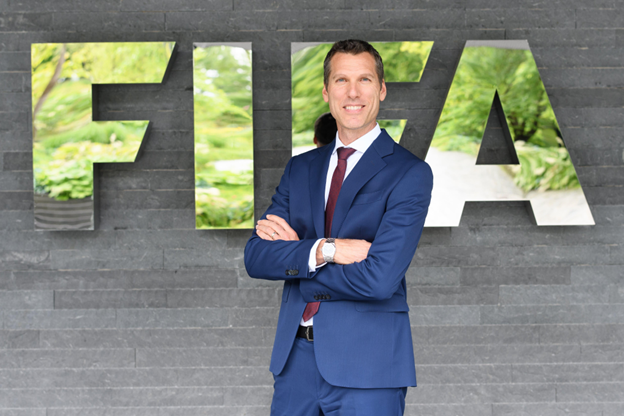
Nicola Innocentin is a distinguished football executive, former professional player, and former FIFA-licensed agent with over 25 years of experience across Europe, North America, and the Middle East. His multifaceted career spans player development, club management, international consultancy, and strategic leadership, reflecting a deep commitment to the global evolution of football.
Born on August 1, 1977, in Ancona, Italy, Innocentin began his professional football journey in Italy before moving on to play in Germany, Scotland, and the United States. During his time in Major League Soccer (MLS), he pursued a course in Marketing and Management at Boston University. This academic foundation facilitated his transition into executive leadership. He retired in 2010, with his final club being Cosmos in San Marino.
In 2011, Innocentin became Head of Recruitment at Bologna FC (Serie A), beginning his management career. In 2013, he transitioned to freelance consultancy, obtained his FIFA agent license, and founded Global Football Service (GFS), a firm offering comprehensive football consulting services including international training camps, friendlies, team and player management, sponsorship, marketing strategy, scouting, and match analysis.
That same year, he successfully managed high-profile transfers including Roberto Mancini to Galatasaray and Nicolas Anelka to Mumbai City FC, establishing his reputation as an internationally capable football agent.
From 2014 to 2018, Innocentin also served as Sales Director for Germany and Austria at the renowned Italian sportswear company Macron S.p.A.. Operating out of Munich, he generated over €5 million in revenue by establishing multiple retail outlets and securing partnerships with prestigious football clubs such as 1860 Munich, Hannover 96, and Karlsruher SC, all of which were outfitted by Macron under his leadership.
In 2023, Innocentin served as Sporting Director of Al-Fateh in the Saudi Pro League, where he oversaw strategic signings and the professionalization of team operations. His role at Al-Fateh confirmed his ability to navigate the complexities of football management in emerging markets.
He has also worked as an advisor to several top-tier clubs and federations, including Bologna FC, Inter Milan, Zenit St. Petersburg, FC Schalke 04, SSC Napoli, the Royal Belgian Football Federation, and Anorthosis Famagusta (Cyprus), reinforcing his commitment to football development on a global scale.
Recognized for his leadership in the sport, Innocentin was selected to participate in the prestigious FIFA Club Management Programme, designed to enhance the capabilities of global football executives.
He is also a frequent speaker at leading industry events such as the World Football Summit, Social Football Summit, and Football Forum Hungary, where he shares his insights on football governance, talent development, and the evolution of the football ecosystem in the Middle East and beyond.
Building on his recent experience in the Middle East, Innocentin was appointed by the Mahd Sports Academy to develop a high-performance project focused on nurturing the most promising underage Saudi football talents selected by the Academy throughout the Kingdom.
As of September 2024, Innocentin serves as Project Leader of the Mahd Sports Academy “Elite” Programme, which will see the top youth prospects relocate to Italy to join the H-Farm International School. There, they will continue their academic and athletic development with the long-term goal of becoming eligible players for the Saudi national team at the 2034 FIFA World Cup.
Innocentin is fluent in six languages: Italian, English, German, French, Spanish, and Portuguese. This multilingual fluency has enabled him to engage effectively in diverse football cultures and markets.
He also serves as Vice President of the charity association “Unbeatables”, demonstrating his personal commitment to social impact through sport.
Nicola Innocentin’s extensive experience as a professional footballer, agent, and executive—combined with his strategic vision and global expertise—positions him as a leading figure in modern football. His contributions to the sport emphasize innovation, leadership, and a deep understanding of the game’s international dynamics. His work continues to influence and shape the development of football across continents, fostering growth, excellence, and global connection through the sport.
Our Exclusive Interview with Nicola Innocentin
Who is Nicola Innocentin outside of football?
I’m happily married for 14 years and the proud father of two children, 11 and 8. We’ve been living in Cyprus for the past four years, and when I’m not immersed in football-related responsibilities, I try to dedicate as much time as possible to my family, especially through traveling, which is something we all enjoy deeply.
What philosophies guide your leadership in football and business?
A leader, as the word itself suggests, can only be one if recognized as such by the group. For me, being a leader means helping each person you work with become the best version of themselves, both professionally and personally. This can only be achieved by truly listening and understanding the people and the environment around you. The best leaders never impose themselves through hierarchy, but rather earn respect through action, consistency, and by fostering cohesion while respecting everyone’s role.
How do you balance long-term goals with the day-to-day demands of club management?
I strongly believe that success lies in having the right people in the right positions from the very beginning. When everyone knows their role and what they need to do on a daily basis, they can move step-by-step toward the club’s long-term objectives. Just like winning a league comes from winning more games than others, long-term goals are achieved one well-managed day at a time. Clarity, structure, and shared purpose are key.
Who has had the biggest influence on your career?
As a player, without a doubt, my father was the most influential person in my journey. As a football executive, I’ve learned something from every professional I’ve worked with. That said, I want to highlight two individuals who had a particularly strong impact on me: Stefano Mazzardo, former Commercial Director of Macron, and Ornella Desiree Bellia, Director of Professional Football Relations and Development at FIFA. Both of them are incredible examples of professionalism and resilience, able to achieve ambitious goals without losing their human touch, which is often overlooked in high-level roles.
What kind of books or topics do you enjoy in your personal time?
Whenever I can, I like to read and explore topics related to longevity and mindfulness. I think we live in a society that pushes us to move, think, and act too fast, and that often leaves little room for reflection on what truly matters in life. In such a fast-paced environment, physical and mental health must be a top priority.
Professionally, I’m highly interested in data analytics and artificial intelligence in football. AI today plays a crucial role in helping professionals make more informed, preventive, and predictive decisions, complementing human experience with sharper accuracy.
What does a typical workday look like for you during the season?
When I’m working with a club, my day typically starts by reviewing my schedule and checking whether any recent developments require adjustments to stay aligned with our medium- and long-term goals. I usually lead a technical meeting once a week (as Sporting Director) and a board meeting once a month. That said, I make it a point to be present in every department on a daily basis, I believe visibility, inclusion, and consistency are essential for strong leadership.
How do you manage international relations and strategy across different clubs?
One of the things I love most about my job is interacting with people. That’s why I’ve made international relations one of my strongest assets. If you want to operate at a global level in football, you simply can’t stay behind a desk, you need to stay updated and connected with clubs and stakeholders around the world. For that reason, I consider it essential to regularly attend FIFA events and as many football forums as possible, as they offer unique opportunities for exchange and networking.
What’s next for you in your professional journey?
Right now, I’m proud to be leading a talent development project for Mahd Sports Academy, supporting Saudi Arabia in preparing young players who could represent the national team at the 2034 FIFA World Cup, which will take place in Saudi Arabia.
That said, I’m looking forward to returning to a club or football federation in the role of Sporting Director or even General Manager (CEO). Given the wide-ranging experience I’ve built over the years, I feel fully prepared and comfortable to take on either challenge with confidence and purpose.

مطابق با مطالب منعکس شده در فضای فوتبال ایران اینگونه برداشت میشود که بر اساس دستورالعمل سال گذشته فدراسیون فوتبال، افزایش دستمزد بازیکنان در سالهای آینده صرفاً تا سقف ۳۰ درصد مجاز خواهد بود. این محدودیت نهتنها به یک قرارداد خاص، بلکه به کل دوران حرفهای بازیکن تسری داده شده است.
چنین برداشتی را مستند به ماده ۲۹ «دستورالعمل حاکم بر قراردادها و سقف بودجه باشگاههای لیگ برتر» میدانند. با این حال، در شرایط فعلی، دو تفسیر متفاوت از این ماده وجود دارد. تفسیر نخست بر این باور است که اگر بازیکنی در فصل گذشته قراردادی داشته، در فصل آتی – خواه با همان باشگاه و خواه با باشگاهی جدید – صرفاً میتواند تا ۳۰ درصد افزایش دریافتی داشته باشد. در این نوشتار، این ماده را با استناد به متن مقرره، عرف فوتبالی و اصول حاکم بر بازار کار فوتبال تحلیل و تفسیر میکنیم.
تفسیر متن ماده ۲۹
ماده ۲۹ دستورالعمل فوق مقرر میدارد: «با توجه به ابلاغ دستورالعمل سقف بودجه باشگاهها، انعقاد قراردادهای بازیکنان و یا کادر فنی برای هر فصل، حداکثر تا سقف سی درصد نسبت به فصل قبل قابل افزایش میباشد.» صدر ماده به «دستورالعمل سقف بودجه» ارجاع داده است؛ بنابراین، هرگونه تفسیر از ماده ۲۹ باید با ملاحظه هدف و مفاد آن دستورالعمل صورت گیرد.
در بند ۸ دستورالعمل سقف بودجه باشگاههای لیگ برتر آمده است:«سقف بودجه برای فصول ۱۴۰۵–۱۴۰۶ و ۱۴۰۴–۱۴۰۵ مطابق با جدول مذکور، حداکثر تا سقف ۳۰ درصد نسبت به فصل قبل قابل افزایش است.»
این تنها بند مرتبط با ماده ۲۹ است. با توجه به آنکه افزایش ۳۰ درصدی ناظر بر سقف بودجه یک باشگاه در مقایسه با فصل قبل است، منطقی است که محدودیت موضوع ماده ۲۹ نیز به قراردادهای متوالی بازیکن با یک باشگاه خاص محدود شود. تعمیم این محدودیت به قراردادهای جدید با باشگاههای دیگر – بدون ارتباط با سقف بودجه آن باشگاه – فاقد مبنای حقوقی است.
عرف و رویه بازار فوتبال
بر اساس عرف بازار نقلوانتقالات و رویه رایج در فوتبال حرفهای، دستمزد بازیکن معمولاً متناسب با عملکرد وی افزایش یا کاهش مییابد. همین اصل موجب شکلگیری مفاهیمی چون «فسخ موجه ورزشی» و «دلایل موجه ورزشی» شده است تا بازیکنان بتوانند در صورت عدم دریافت فرصت بازی، امکان پیشرفت و افزایش ارزش بازار خود را داشته باشند.
برای مثال، بازیکنی ۲۰ ساله را در نظر بگیرید که اولین قرارداد حرفهای خود را با مبلغ یک میلیارد تومان امضا میکند. او تلاش میکند تا به تیم ملی دعوت شده و عملکرد درخشانی داشته باشد. در این مسیر، افزایش دستمزد او نیز بهعنوان نتیجه طبیعی پیشرفت حرفهایاش متصور است.
حال اگر تفسیر محدودیت ۳۰ درصدی را به کل دوران فعالیت وی تعمیم دهیم، بازیکن حتی بدون تلاش نیز میتواند بهصورت سالانه این افزایش را دریافت کند، و این باعث کاهش انگیزه و بر هم خوردن سازوکار رقابتی خواهد شد.
تبعیض در ارزشگذاری دستمزدها
تعمیم اشتباه ماده ۲۹ به تمامی قراردادهای سالهای آتی ممکن است به تضییع حقوق بازیکنانی منجر شود که سطح بالاتری دارند، اما در شروع دوران حرفهای با دستمزد پایینتری قرارداد امضا کردهاند.
برای روشن شدن موضوع، دو بازیکن ۲۰ ساله را در نظر بگیرید:
ده سال بعد، بازیکن الف به ستاره لیگ و کاپیتان تیم ملی تبدیل شده و در جام جهانی نیز عملکرد درخشانی داشته، اما بازیکن ب در تمام این مدت صرفاً بازیکن باشگاههای میانهرده بوده است.
با فرض افزایش سالانه ۳۰ درصد برای هر دو، دستمزد بازیکن الف کمتر از ۱۴.۵ میلیارد تومان خواهد بود، در حالی که بازیکن ب بیش از ۲۹ میلیارد تومان دریافت خواهد کرد. چنین نتیجهای برخلاف اصل شایستگی و تناسب در ارزشگذاری عملکردی است.
نتیجهگیری
با توجه به مفاد ماده ۲۹، اصول حقوقی قراردادها، و رویه بازار فوتبال، تفسیر صحیح آن است که محدودیت افزایش دستمزد تنها ناظر بر قراردادهای متوالی یک بازیکن با یک باشگاه مشخص در فصلهای متوالی است. چنانچه قرارداد بازیکنی با یک باشگاه به پایان برسد، قرارداد جدید او با باشگاهی دیگر نمیتواند مشمول محدودیت ۳۰ درصدی مقرر در ماده ۲۹ شود. حتی وضع مصوبهای با صراحت کامل در اینخصوص نیز نمیتواند صحیح و منطبق با موارد پیشگفته باشد.

A topic is stepping into the spotlight that was long overlooked: pregnancy in professional football. More and more players and coaches are choosing to start families, and more leagues, clubs, and federations are creating the conditions to make that possible.
This article looks at what is currently changing around the world, what rights are in place, and which clubs and leagues are already taking bold action.
In 2021, FIFA introduced specific protections for pregnant players for the first time. These were added to the Regulations on the Status and Transfer of Players (RSTP), under Article 18quater. As of July 2024, these protections now also apply explicitly to female coaches. For the first time, both groups are covered equally, globally and with legal force.
The regulations establish a global minimum standard. National laws or collective agreements offering better protections still take precedence.
Key Provisions of the FIFA Regulations:
USA: NWSL (National Women’s Soccer League) The NWSL was one of the first leagues with extensive rights: 6 months of fully paid maternity leave, medical care, guaranteed return, childcare support, and travel accommodations for families. Players like Sydney Leroux, Amy Rodriguez, and Jessica McDonald successfully returned to play as mothers.
Australia: A-League Women Up to 12 months of parental leave, guaranteed return to work, and union-supported protections, all available to both players and coaches.
Norway: Toppserien Norway’s top division is currently Europe’s leading model for structural equality. Since April 2025, the rule is clear: if a player or coach becomes pregnant during their final contract year, the contract is automatically extended by one year. This applies across all clubs in the league and was developed jointly with the federation – a powerful example of sustainable policy change.
Italy: AC Milan AC Milan was one of the first European clubs to introduce its own family-friendly policies. These include contract extensions for pregnant players, medical follow-up, childcare support, and flexible working models – a strong example of club-level leadership, even in a league without unified regulations.
Germany: TSG Hoffenheim In May 2025, TSG Hoffenheim became the first professional club in Germany to introduce a new rule: if a player or coach becomes pregnant during their contract, it is automatically extended. This is a new step in German football and aligns with international best-practice models.
Coaches are also leading the way:
Other coaches around the world live similar realities, even if they haven’t yet shared their stories publicly.
If you work in professional football – as a player or a coach – you have clear rights:
???? For questions, support is available through your players’ union, national federation, or directly via legal@fifa.org
FIFA has laid the legal foundation. Some leagues and clubs have acted. But a family-friendly culture in football is still far from the norm.
Which clubs will follow Milan, Hoffenheim, and the NWSL? Which league will be next to implement binding standards – for all professionals, on and off the pitch?
The answers to these questions will help define how ready football really is for the future.
In den letzten Jahren ist der japanische Fußball zu einem immer attraktiveren Markt für internationale Investoren geworden – angeführt von Red Bull und der City Football Group. Diese beiden Giganten, bekannt für ihre revolutionären Ansätze bei Vereinen auf der ganzen Welt, richten nun ihren Blick auf die J.League und streben an, einen nachhaltigen Eindruck in der japanischen Fußballszene zu hinterlassen.
Red Bull sorgte für Aufsehen mit der Übernahme von Omiya Ardija, dem Meister der J3 League, und verfolgt ehrgeizige Pläne, den Verein zu einem neuen Aushängeschild zu formen. Mit dem aus Europa und Amerika bewährten Erfolgsmodell will Red Bull Omiya Ardija durch gezieltes Branding, Nachwuchsförderung und globale Vernetzung an die Spitze führen. Die Integration des aggressiven, aber systematischen Ansatzes von Red Bull könnte in Japan neue Maßstäbe setzen.
Ähnlich hat die City Football Group ihre Position in Japan durch die langjährige Partnerschaft mit Yokohama F. Marinos gestärkt. Diese Zusammenarbeit brachte nicht nur finanzielle Stabilität, sondern auch modernste Trainingssysteme und internationales Know-how, was die Marinos zu einem der Spitzenvereine der J.League gemacht hat. Diese hochkarätigen Investitionen unterstreichen die wachsende Attraktivität Japans als strategischen Wachstumsmarkt im globalen Fußball.
Japan bietet eine einzigartige Kombination von Faktoren, die es zu einem idealen Ziel für Fußballinvestitionen machen. Eine ausgeprägte Fußballkultur mit leidenschaftlichen Fans und konstant hohen Stadionbesucherzahlen schafft eine solide Basis für gemeinschaftsorientierte Projekte. Japanische Fans sind für ihre unerschütterliche Treue und enge Bindung an ihre lokalen Vereine bekannt – perfekte Voraussetzungen für langfristiges Wachstum.
Hinzu kommen Japans wirtschaftliche Stabilität und eine hervorragend ausgebaute Infrastruktur, die besonders für risikoaverse Investoren attraktiv sind. Die J.League-Vereine sind professionell organisiert und wirtschaftlich nachhaltig aufgestellt, was potenzielle Risiken minimiert und langfristige Stabilität sichert. Zudem ermöglicht die strategische Lage Japans einen einfachen Zugang zu weiteren schnell wachsenden Fußballmärkten in Südkorea, China und Südostasien.
Die 100-Jahres-Strategie der J.League passt ideal zu den langfristigen Visionen globaler Investoren. Durch die Betonung von Nachwuchsentwicklung, finanzieller Verantwortung und nachhaltigem Clubmanagement positioniert sich die Liga als attraktiver Partner für Organisationen wie Red Bull und die City Football Group. Diese gemeinsame Vision schafft eine natürliche Synergie zwischen ausländischen Investoren und dem japanischen Fußball.
Der Einstieg von globalen Investoren wie Red Bull und der City Football Group bringt enorme Chancen für den japanischen Fußball. Die Vereine profitieren von modernster Technologie, innovativen Trainingsmethoden und fortschrittlichen Marketingstrategien. So hat beispielsweise der datengesteuerte Ansatz der City Football Group Yokohama F. Marinos dabei geholfen, ihre taktische Ausrichtung zu optimieren und sowohl sportlich als auch wirtschaftlich Erfolge zu feiern.
Dennoch bringen diese Investitionen auch Herausforderungen mit sich. Der japanische Fußball ist tief in kulturellen Werten wie Respekt, Inklusivität und Gemeinschaftsgefühl verwurzelt. Diese traditionellen Elemente mit den stärker kommerziellen Zielen internationaler Investoren in Einklang zu bringen, ist eine große Aufgabe. Um die Identität und Authentizität der Liga zu bewahren und gleichzeitig die Modernisierung voranzutreiben, müssen Vereine und Entscheidungsträger ein sensibles Gleichgewicht zwischen Tradition und Innovation finden.
Ein weiteres Risiko besteht in einer möglichen Überkommerzialisierung. Während internationale Investitionen das Wachstum fördern können, muss sichergestellt werden, dass die lokale Fanbasis weiterhin repräsentiert und wertgeschätzt wird. Der Schlüssel zu nachhaltigem Erfolg liegt darin, globale Expertise mit der einzigartigen Fußballkultur Japans harmonisch zu verbinden.
Die Aktivitäten von Red Bull und der City Football Group könnten den Weg für weitere große Investoren ebnen. Paris Saint-Germain (PSG), im Besitz von Qatar Sports Investments, hat bereits erste Schritte unternommen, seine Präsenz in Japan durch Vorbereitungstouren und Fan-Engagement-Kampagnen auszubauen. Eine noch tiefere Verpflichtung, etwa durch eine Partnerschaft oder Übernahme eines japanischen Clubs, könnte ihre Position in der Region erheblich stärken.
Ein weiterer potenzieller Investor ist 777 Partners, eine US-amerikanische Investmentfirma mit wachsendem Fußball-Portfolio in Europa. Bekannt für die gezielte Erschließung von Märkten mit hohem Wachstumspotenzial, könnten sie Japan als nächste große Chance betrachten. Vereine wie die Urawa Red Diamonds – mit großer Fanbasis und starker Markenpräsenz – wären für internationale Investoren besonders attraktiv.
Der Einstieg von Red Bull und der City Football Group markiert einen Wendepunkt im japanischen Fußball. Diese Investitionen bringen nicht nur dringend benötigte finanzielle Mittel, sondern auch bahnbrechendes Fachwissen und innovative Ansätze, die die J.League nachhaltig verändern könnten. Für den japanischen Fußball bietet sich nun die einmalige Chance, seine globale Präsenz auszubauen, die Infrastruktur der Vereine zu stärken und die Fanbindung zu vertiefen.
Die größte Herausforderung wird sein, die Modernisierung mit der Bewahrung der eigenen Werte zu verbinden. Die Fähigkeit der J.League, ihre kulturelle Identität zu wahren und gleichzeitig das Potenzial globaler Investitionen zu nutzen, wird über den zukünftigen Erfolg entscheiden. Mit möglichen weiteren Akteuren wie PSG und 777 Partners am Horizont steht dem japanischen Fußball eine spannende Ära des Wachstums und der Weiterentwicklung bevor. Die dynamische Mischung aus lokaler Leidenschaft und globalem Ehrgeiz könnte die J.League zu neuen Höhen führen – und zu einem Vorbild für andere Ligen weltweit werden.
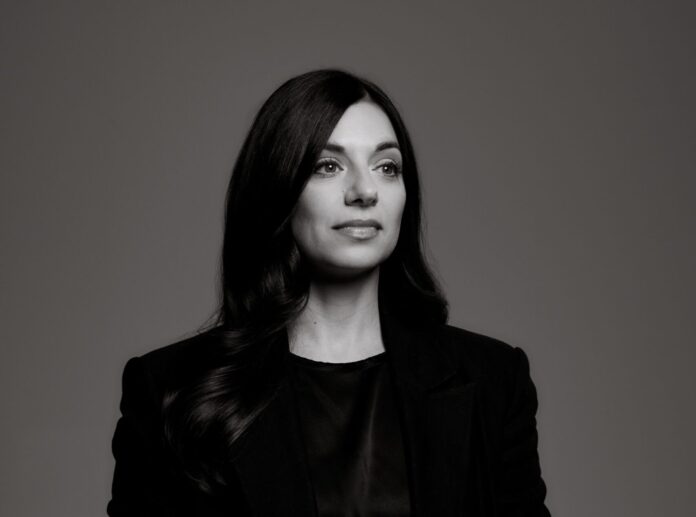
Lindsey Eckhouse, Chief Revenue Officer at Mercury/13, is a top commercial strategist in global sport. She has built successful revenue models across Formula 1, esports, and the NFL. Now, she brings that expertise into women’s football, helping Mercury/13 grow its multi-club ownership platform across Europe’s top leagues.
With over 15 years of experience in international sport, Eckhouse is known for leading high-performance strategies in sponsorship, licensing, digital products, and fan engagement. Her appointment signals Mercury/13’s commitment to professionalizing the business of women’s football and unlocking new commercial value in the game.
Before joining Mercury/13 in 2025, Eckhouse developed her commercial expertise at some of the world’s most dynamic sports brands. She began her career at IMG, then spent seven years at the National Football League (NFL). Starting in New York and later becoming Director of Partnerships in London, she helped grow the league’s presence in international markets.
She then joined G2 Esports as Commercial Director, where she led strategic partnerships and brand growth in one of the most fast-moving digital sports sectors.
In 2021, she became Director of Licensing and Digital Products at McLaren Racing. Over three years, she developed new licensing programs, expanded McLaren’s digital product offerings, and built innovative revenue streams that connected with global fan bases. Her work consistently blended creativity with measurable outcomes.
As Chief Revenue Officer at Mercury/13, Eckhouse now leads all commercial, sponsorship, and fan engagement efforts. Her role focuses on scaling revenue, forming meaningful brand partnerships, and developing strategies that support the long-term growth of women’s football clubs across Europe.
“This is a once-in-a-generation opportunity to redefine how the women’s game engages fans and partners,” Eckhouse said. “Mercury/13 is building with purpose, scale, and ambition, and I’m excited to help shape its commercial future.”
She approaches her role with a clear goal: to build a commercially powerful ecosystem around women’s football that is both sustainable and aligned with the values of the modern fan.
Eckhouse is widely recognized for her collaborative leadership and her ability to align cross-functional teams across sales, marketing, and product. She excels in fast-paced environments where insight, creativity, and adaptability are key. Her success has always come from combining commercial growth with fan-first thinking.
She has a proven track record of driving impact across diverse sports sectors, always prioritizing strong stakeholder relationships and integrated business strategy.
Lindsey holds both an MBA and an MSA in Sport Administration from Ohio University, along with a Bachelor’s degree in Communications from the University of Missouri, where she was also a member and team manager for the gymnastics program. These early experiences combined communications expertise with an insider’s view of competitive sport, helping shape the leader she is today.
At a time when women’s football is reaching new heights, Lindsey Eckhouse brings the commercial vision and operational discipline needed to turn momentum into lasting success. Her experience across legacy sports and emerging platforms makes her uniquely qualified to help Mercury/13 grow into one of the most commercially innovative organizations in the game.
She is not just building partnerships. She is building the business of women’s football for the next generation.
Our Exclusive Interview with Lindsey Eckhouse
Who is Lindsey Eckhouse outside of football?
I’m a mother to a beautiful toddler, a wife to my husband, a sister to a bariatric surgeon, a daughter to an immigrant mother and American father, and an American expat who’s lived in UK/ Europe for ten years. I’m passionate about spending time with friends and family, love cooking and have a deep love of sport.
You’ve worked across iconic sports brands like the NFL and McLaren Racing, as well as fast-evolving spaces like esports. What key lessons or strategies have you carried from those worlds into your role at Mercury/13?
In a lot of ways, I grew up professionally at the NFL, which allowed me to learn from arguably the strongest commercial rights holder in global sports. This provided me with a strong foundation of ways to carve up rights and intellectual property in optimal ways to deliver brand and business return. Following my stint at the league, I dove into the burgeoning world of esports where I was quickly exposed to the power of community. The team I worked for, G2 Esports, is a top European org who were (and are) brilliant at knowing what their fans and their community want – having that level of knowledge and a finger on the pulse of an influential collective group is critical whenever building brands or striving for share of attention. Lastly, at McLaren Racing I learned about the power of relationships and partnerships. Of course, I had a strong baseline of this from my previous experiences but the way in which McLaren’s CEO puts his relationships and partners at the heart of the business is a shift in thinking and in my view a reason the team are going from strength to strength. These aspects are all going to be paramount to our business and our story. At Mercury 13 we are building brands in women’s football, bringing in new audiences, and looking for the right partners to join us on our journey.
You’ve built commercial success through licensing, digital products, and fan engagement. How do you see these pillars translating into women’s football and what’s your approach to unlocking new revenue opportunities for the game?
Without divulging too much of the strategy, I’m most excited about this opportunity because of the green field nature of it. We’re building our digital estate from scratch so can do so in a way that future proofs revenue and fan growth. Equally, we have an opportunity to establish partnerships with select licensees that can allow us to engage with our audience where they already shop or consume content. All of this will certainly take time but feels so exciting to put in place given the size of the opportunity and existing market indicators.
As someone who’s worked at the intersection of marketing, media, and partnerships, how do you balance data-driven strategy with the emotional and cultural power of sport to create meaningful fan connections?
The beautiful part of working at Mercury13 is the diverse experiences of our group and the club / future clubs who are part of it – from players to front office to board members and advisors. Because of this, we are able to evolve our ‘art meets science’ approach constantly. We try and utilise data as much as possible to understand insights which ground our strategic direction and then measure our execution against that. The bits in the middle are the creative execution or the “art” part which feels incredibly exciting because of the different experiences of the people involved. This approach and combination of styles is one we will never perfect, but is what allows us to lean into culture and lifestyle to push the limits of what’s possible. We want to be purposeful and unexpected building football brands for the next 100 years, and this formula combined with the people behind it, are what will help us achieve it.
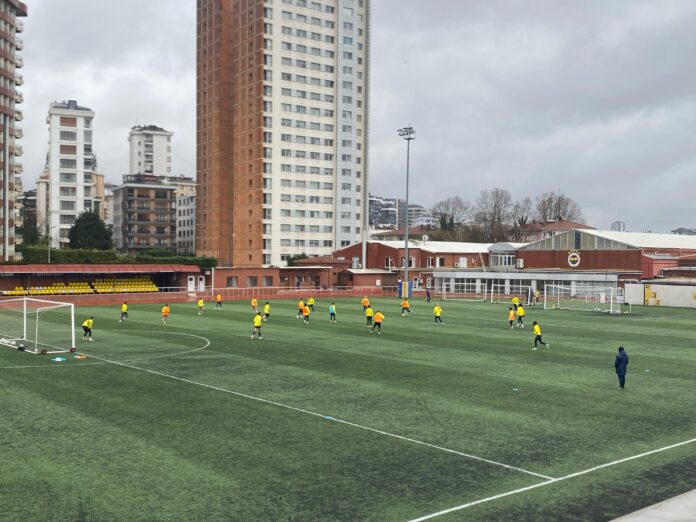
Every few years, the global sporting calendar presents brands with a unique commercial opportunity: a rare moment where the world’s attention converges, broadcast coverage multiplies, and athletes transform into household names almost overnight. These moments, World Cups, Olympic Games, continental championships, are predictable, powerful, and packed with potential. The summer of 2025 is one of those moments, particularly in women’s football.
With the UEFA Women’s European Championship taking place across Europe, players like England’s Alessia Russo and Spain’s Aitana Bonmatí will be front and centre across television screens, social media feeds, and news headlines. These are athletes who are not only leaders on the pitch but also recognisable faces in an increasingly commercialised and globalised women’s game. For brands, this creates a strategic opportunity to align their products or services with players who are both culturally relevant and highly visible, especially in European markets, but with resonance far beyond.
However, as visibility increases, so does demand. And that comes with rising costs. Brand deals around major tournaments are competitive, and brands must move early and strategically if they want to secure meaningful partnerships.
Major tournaments offer clear windows of heightened attention. The FIFA World Cup, Olympic Games, and UEFA Euros follow set cycles, allowing brands to plan ahead. The smartest brands do not wait until the opening match or final whistle, they start their planning 6 to 12 months in advance. They invest time into scouting the right athletes, identifying those with strong fan engagement, growing media profiles, and a likely chance of performing well or gaining public attention during the tournament.
By doing so, brands position themselves to ride the wave of anticipation and momentum that surrounds these events. The result is not just increased visibility, but amplification through various media channels: earned press coverage, viral social content, live broadcasts, and post-match commentary. A single, well-executed campaign with a relevant ambassador can cut through in multiple territories and reach millions of consumers in a short time.
In 2025, women’s football represents one of the most fertile commercial landscapes for this type of activation. The game’s popularity is surging across Europe and beyond. Fanbases are growing more emotionally connected to individual athletes, not just teams or federations. And as these players gain greater screen time and social influence, the power of ambassador partnerships grows significantly. Brands now have the opportunity to create campaigns that are both emotionally resonant and performance-driven, tapping into powerful narratives around ambition, equality, and national pride.
This isn’t just a golden opportunity for brands, it’s also a prime moment for players and their representatives to maximise their value. Athletes and agents are acutely aware that a major tournament is when their influence and visibility will peak. They understand the marketing lifecycle, and they know that sponsors are often willing to pay more to partner with players during this critical window.
As a result, expect to see players command higher fees during tournament years. Brand partnerships won’t always come cheap, especially with top-tier talent or those predicted to shine. In many cases, agents will aim to avoid short-term, transactional deals and instead push for longer-term contracts. These might cover both the tournament and the following domestic season, helping players sustain their commercial relevance after the media buzz fades.
This could take several forms:
Agents are increasingly sophisticated in how they package their clients. They understand that the goal isn’t just to cash in on a tournament, but to convert short-term exposure into sustained commercial opportunity.
For brands, this means thinking bigger than a logo on a jersey or a quick photoshoot. It means building relationships and assets that last.
The most successful brand activations don’t just ride the wave, they extend it. While it’s tempting to focus all efforts on the weeks surrounding a tournament, the real value comes from building campaigns with a longer arc. Some of the best work in sports marketing has been tied to content series, digital platforms, and physical products that launch in the buildup to a major event and continue well after it ends.
Think of a branded documentary or behind-the-scenes series that launches in the weeks before the tournament and showcases the athlete’s preparation. Or a health and fitness app that integrates the athlete’s training philosophies, timed to launch during the tournament and updated regularly through the season. Or even a social impact campaign that the player champions post-tournament, keeping the brand’s presence aligned with values and purpose.
These are the kinds of ideas that create true brand equity, not just short-term impressions.
When it comes to ambassador deals and global events, the fundamentals are clear:
In sports marketing, timing provides the spark. But longevity is what builds the flame. Brands that understand both will stand out, not just during a tournament, but long after the final whistle blows.
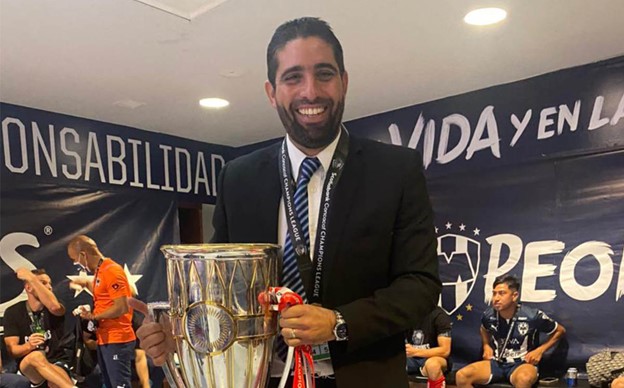
Football Executive | Strategic Leader in Mexican Football
Carlos Vela is a seasoned football executive with over a decade of leadership experience across top-tier Mexican clubs, including CF Monterrey and Mazatlán FC. With a profile that blends analytical expertise, sporting vision, and operational precision, he has built a reputation as one of the most effective behind-the-scenes professionals in Liga MX. His career has spanned youth development, senior team operations, international scouting, and high-level negotiations, consistently contributing to competitive success and long-term institutional growth.
After beginning his front-office career in 2011 as Administrative Manager of Youth Teams at CF Monterrey, Vela steadily climbed the football executive ladder. His early work focused on budget execution, youth contract negotiations, facility operations, and the human development of academy players. He quickly became a key figure in Monterrey’s infrastructure, working closely with coaches and players at the youth level.
By 2014, Vela took on a more analytical role as Scouting and Analytics Manager, designing data-driven scouting strategies and recruitment for senior team players. Also, his expertise in opponent analysis and modern training methodologies added depth to Monterrey’s technical staff.
Between 2016 and 2023, he served as First Team Soccer Director at CF Monterrey, overseeing daily senior team operations, fitness and nutrition protocols, and maintaining a close working relationship with head coaches. As a member of the decision-making committee for player signings and staff appointments, Vela played a central role in one of the most successful periods in club history. During this time, Monterrey won multiple major titles, including the Liga MX (2019), two CONCACAF Champions League titles (2019 and 2021), and finished third at the 2019 FIFA Club World Cup.
In 2023, Vela was appointed Sporting Director at Mazatlán FC, where he led the club to its highest-ever point total in a single season (Apertura 2023) and oversaw a record-breaking year in player sales in 2024. His work at Mazatlán reflected a commitment to sustainable team building, institutional alignment, and competitive ambition. He ensured the club’s sporting project—from academy to first team—was structurally sound, strategically aligned, and operationally efficient.
Beyond his club roles, Vela is also passionate about education and professional development. He currently teaches at the Johan Cruyff Institute Mexico, delivering the Soccer Project Development module. Academically, he holds multiple master’s degrees including a Master in High Management Affairs from IPADE Business School, an International Master in Sport Management from the Johan Cruyff Institute, and a Master in Management from ITESM. He also holds a PRO Coaching License from the Federación Mexicana de Futbol.
Carlos Vela’s journey from professional footballer to respected executive reflects a deep understanding of the game from all angles. With a foundation built on discipline, vision, and integrity, he continues to shape Mexican football through a combination of innovation, strategic planning, and a deep respect for the sporting culture.
Our Exclusive Interview with Carlos Vela
Who is Carlos Vela outside of football and what personal values guide your work?
Outside of football, I am a very easy-going person who enjoys spending most of my free time with my family. It is funny, because I have 3 sons who also love football, so one of our main hobbies as a family, is actually, watching more football games. I consider myself a lifelong learner, so I also enjoy reading good books or watching some real-life movies.
Regarding the values that guide my work, I can say that integrity, discipline and long-term vision are my pillars. I believe in leading with empathy while making data-informed decisions to achieve sustainable success.
What philosophies shape your approach to building sustainable football projects from youth academies to first teams?
I believe in a holistic, long-term approach that aligns sporting identity across all levels. Development starts with values, education and performance culture. My strategy integrates high-performance structures with highly committed professionals, multidisciplinary support, and clearly defined pathways from youth teams to the first team. A unified game model and institutional consistency are essential too.
How do you balance long-term institutional goals with the immediate demands of match performance and results?
Perhaps, this is one of the hardest tensions to manage in football leadership, however they can be balanced when there is a coherent framework in place and by building robust structures that support both timelines.
The main job of any Sporting Director is to focus on aligning short-term decisions – such as player recruitment or coaching staff – with the club´s long term identity and strategy. It is important that every single decision is made within the long-term context of the club´s vision and economic possibilities. It is easy to be reactive in football, but great institutions resist volatility by having some guidelines. In my case, I always define key metrics, which give light and help for decision-making at any moment.
Which mentor or experience has had the greatest impact on your development as a football executive?
My transition from being a professional player to executive at CF Monterrey was a turning point in my career. I was fortunate to be mentored by leaders who didn´t just teach me about football operations; they showed me how to think strategically, how to build trust, and how to see the whole field from an organizational perspective. Working alongside experienced professionals and fostering a great teamwork environment during those Monterrey´s title-winning years deeply shaped my management style and strategic thinking.
What kinds of books, topics or activities do you pursue in your free time to stay inspired and informed?
I do read a lot. Generally, I choose books that talk about leadership, high performance psychology, or sports analytics. I have just ended a very interesting book from George Mumford, called “The mindful athlete”. I also stay active in academic settings – currently teaching at the Johan Cruyff Institute – which constantly challenges me to stay updated, refining and rethinking my ideas. And finally, I think that having conversations with colleagues and attending conferences is always a “must” in our job.
What does a typical season-day look like for you when overseeing both sporting and operational aspects of a club?
My days start early – usually with department updates from medical, performance, and operations. Before the training session, I regularly have a coffee or quick breakfast with the first team coach and his staff. I try to see every single training session of the first team. Afterwards, the morning passes reviewing analytics, scouting reports or data regarding the training session. Midday is often spent with coaches of the academy and multidisciplinary teams, ensuring alignment on game models, squad dynamics or upcoming match preparation. The afternoons are typically about balancing the strategic with the immediate: contract renewals, market intelligence, reviewing KPI´s.
But beyond the tasks, a season-day is about presence. Being on the ground. Talking to players, listening to staff, supporting coaches. The most important part of my job is understanding the mood, the culture, the energy. That´s in my opinion, where real leadership happens.
How do you integrate data-driven scouting with traditional talent identification to shape your recruitment strategy?
I see data and human insight as complementary forces. At the core, recruitment is about reducing uncertainty. We use analytics for filtering and validating prospects, focusing in KPIs aligned with our game model. From there, traditional scouts must do personal observation and give their feedback regarding not only about all the sporting details, but also evaluating body language, and mentality during the games. It is important to also consider background checks and of course, meet the player, understand how he thinks and how he may fit into the group dynamic. Definitively, this kind of disciplined, hybrid model between data and traditional talent identification has proven to be effective and sustainable.
What are your next ambitions in football management, and where do you see your career heading over the next five years?
At this stage of my journey, I am drawn to the kind of scenario that forces growth – the kind that comes with leaving your comfort zone to build something meaningful in a new environment, culture, structure, or country. I´ve always like to challenge myself and be part of a project that stretches my understanding of football management and leadership. Regarding the future, I believe football still has the power to connect and inspire people. That´s the space I want to inhabit. Hopefully, I´ll be leading a project where I can trascend not only in a sporting sense, but also through meaningful work that leaves a mark beyond the pitch.
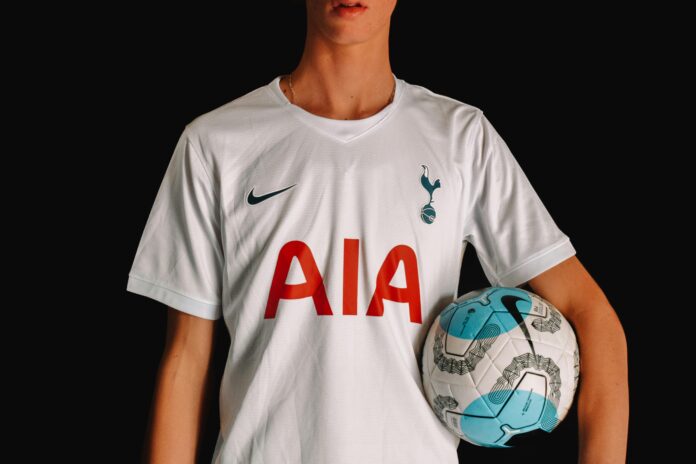
Son Heung-min’s rise from a promising youth in South Korea to a global football icon has been marked by on-field excellence and a consistently positive public image. A prolific attacker at Tottenham Hotspur and captain of the South Korean national team, Son has collected honours including two Premier League Golden Boots and nominations for the Ballon d’Or as the first Asian player ever. His 2021/22 season saw him top the Premier League scoring charts (sharing the Golden Boot) and surpass 100 combined goals and assists in England’s top flight. UEFA and Asian Football Confederation awards attest to his status: Son was AFC’s International Player of the Year three times, and captained Korea to an Asian Games gold medal (earning a military exemption). These achievements have made him a household name in both Europe and Asia, cementing his reputation as one of the world’s leading forwards.
Son’s personal qualities – humility, optimism and a strong work ethic – have further burnished his brand. Teammates praise him for infectious positivity; Gareth Bale once told reporters, “Son is the nicest guy on the planet” who “cheers the room up” with his smile. He leads by example: in 2020 he paid for a chef to cook Korean meals for Tottenham’s backroom staff, and he even mediated a scuffle in an international match as an unofficial peacemaker. Off the pitch, Son is quietly philanthropic and patriotic. He says that when disasters strike his homeland, “it’s something I should do,” donating £100,000 after huge wildfires in 2019 and another £65,000 to COVID-19 relief in South Korea. Such actions – plus lighthearted moments like the viral video of Son holding a “Welcome to Seoul” sign and penning a warm letter to visiting teammates – show a humble, team‑oriented character. Brands value that “clean” image: Son enjoys virtually no scandals or distractions, and fans respect his loyalty (for example, a South Korean news clip noted that fans admired how he politely declined an iPhone for a selfie due to his new Samsung endorsement). In Korea Son is treated like a national hero: his victory goal against Germany at the 2018 World Cup made him a household name across Asia and even won him unexpected affection in Mexico, as Spurs capitalized on that moment to engage Latin American fans. All of this cultural impact – being a role model abroad and “absolutely worshipped in his homeland” – has made Son a powerful ambassadorial figure well beyond the pitch.
Son’s on- and off-field stature has translated into a lucrative endorsement portfolio spanning sports, fashion, grooming and lifestyle brands. He has been sponsored by Adidas since his early days in Germany – the company even makes signature F50 boots for him – and Gillette features him in regional ad campaigns. In luxury fashion, Son has scored major deals: in 2022 British label Burberry made him a global ambassador following his Golden Boot season, and Son himself said it was “his honour to partner with a brand so rich in British heritage,” noting that Burberry’s emphasis on “imagination and innovation” reflects values he champions. That same summer, he became the face of Calvin Klein Underwear in South Korea; Son quipped that CK has “had a special place in my wardrobe for years” and that it was “exciting and surreal” to star in its fall campaign.
In luxury lifestyle, Son fronts campaigns that blend style and storytelling. The high-end luggage brand Tumi tapped him as a global ambassador, featuring him in travel-themed ads for its 19 Degree Aluminum collection. Tumi’s marketing chief praised Son for bringing “a fresh perspective” to the campaign and “bridging the gap between travel accessories and fashion.” Son has also worked with high-end watch and electronics firm Samsung; in 2023 Samsung announced him as a Galaxy mobile ambassador, lauding how Son “has given so much joy to Koreans via soccer” and showcasing him with their latest foldable phones. Beverage and lifestyle brands seek him too: Heineken’s Tiger Beer signed Son for its Asia-Pacific “Year of the Tiger” campaign (launched Feb 2022), tying his ambition to lift a trophy for Korea with the beer’s bold, adventurous message. And in insurance, pan-Asian underwriter AIA made Son its first Singapore-based ambassador in 2023, with the company calling him “one of the greatest ever football players Asia has produced… an icon and inspiration for many” whose values of “self-improvement, grit and determination” mirror the brand’s ethos.
| Brand | Industry | Role/Scope |
| Adidas | Sportswear | Kit and footwear sponsor (global) |
| Gillette | Personal Care | Grooming endorser (Asia/Global) |
| Burberry | Luxury Fashion | Global brand ambassador |
| Calvin Klein | Apparel (Underwear) | Brand ambassador (South Korea) |
| Tumi | Travel/Luggage | Global ambassador |
| Samsung (Galaxy) | Electronics/Tech | Global brand ambassador |
| AIA | Insurance (Finance) | Regional ambassador (Singapore/Asia) |
| Tiger Beer | Beverage (FMCG) | Regional ambassador (Asia-Pacific) |
Son’s appeal to brands lies in his global reach and cross-cultural resonance. He is hugely popular across Asia – a study noted he alone commands the attention of roughly 12 million Koreans – while also being a star in Europe’s flagship league. Fluent in Korean, English and German, he can communicate with diverse fan bases and media. Brands prize his clean, family-friendly image: he is never embroiled in controversy, and even pledged to repay fans’ support after a national tragedy, underscoring his responsibility. His leadership credentials add appeal: Son captains South Korea and is seen as a team player and motivator. In interviews and campaigns he emphasizes hard work, unity and positivity – traits that translate easily to product messages. For example, Adidas’ recent initiative used Son on a youth field to “showcase the positive behaviors athletes need…to believe ‘You Got This’.” All these aspects – immense social media following, multi-market recognition, sportsmanship and personal values – make Son a “prized global asset,” as industry analysts note. Whether bridging East and West for a luxury fashion house or connecting with young fans in Asia, Son embodies a brand-safe image with broad marketability in Asia and Europe alike.
Athletes and professionals can draw clear lessons from Son’s example:
By combining sporting success with authenticity, charity, and strategic partnerships, Son Heung-min has crafted a powerful personal brand. Athletes aiming to grow their own brand can follow his lead: excel at the game, show genuine character, and partner with brands that tell an authentic story about who you are.

Breaking into the football agent industry after graduation can seem like a daunting task. With the competitive nature of the field, it’s crucial to approach your journey strategically, and with an understanding of what it takes to succeed. Whether you’re still in university or have already graduated, the key to entering this industry is to look inward, set clear goals, and take actionable steps toward building your career.
Before you take any steps toward becoming a football agent, it’s essential to first define your career goals and purpose. Ask yourself: Why do you want to pursue this career in football? What would a successful career as a football agent look like to you? Do you have the drive and passion required to work in this fast-paced, high-pressure industry? Reflecting on your motivations and ambitions will help you understand if football agency is the right fit for you. Knowing your ‘why’ gives you the foundation to make more informed, purposeful decisions as you progress.
The football agent industry is vast, with many moving parts. You’ll need to understand who the major players are, where the opportunities lie, and how you can create value. Football agents must be able to spot talent, negotiate contracts, and understand the intricacies of legal agreements. However, football agents don’t all play on the same field; some focus on the women’s game, others stick to domestic deals, while some manage international transfers across multiple markets. Ultimately, it is important to evaluate which environments you can thrive in.
Start by researching agencies, learning about current trends, and understanding the business dynamics within the industry. Understanding the landscape will help you build a strong foundation and give you the context needed for effective decision-making.
A football agent is expected to have in-depth knowledge of the sport, the players, and the legalities surrounding transfers and contracts. Whether it’s by gaining certifications, reading books, or attending industry seminars, build your knowledge base to stand out in the field. However, it’s not just about knowledge, it’s about demonstrating it to the world.
Having a visible, well-rounded profile increases your chances of being noticed by potential employers or clients. The most effective method to do so is to create an online presence through social media, share insightful posts about the industry, and engage with football-related content. Showcase your expertise by writing articles or analyses on players, games, or contracts, and get your name known in the community.
In football, who you know is often just as important as what you know. For aspiring football agents, it’s even more important to start building relationships early. Networking opens doors to job opportunities, industry insights, and valuable connections with key people such as managers, scouts, players, and other agents.
To become a football agent, you need to act like one. Show up at your local youth football matches, attend networking events (such as the World Football Summit and Soccerex), and actively engage with people in your field on social media platforms such as LinkedIn or X. When it comes to football, relationships are key, and establishing a broad network can be the difference between securing your first internship or missing out on valuable opportunities that could kickstart your career as an agent.
While applying for jobs is an important step, internships offer a far more valuable experience for breaking into the football agent industry. Internships provide hands-on, real-world exposure to the industry, enabling you to gain experience, learn from seasoned professionals, and develop skills that are hard to acquire in a classroom. Remember that, as long as you can keep yourself financially afloat, making money should not be your #1 priority; provide value wherever you go and the money will follow.
Seek internships or assistant roles at established agencies or football clubs. Be proactive and volunteer your time, as this could lead to more permanent opportunities down the line. Real-world experience will help you build a strong foundation, giving you insight into the inner workings of the football industry and making you a more appealing candidate.
The road to becoming a successful football agent is a marathon, not a sprint. Understand that success in this field takes time and that you’ll need to start small. As you begin, it’s important to remember that you don’t have to go it alone. Building relationships with fellow agents and mentors in the industry can accelerate your progress. Collaborating with others not only gives you access to their expertise but also opens doors that might otherwise be closed. Football is a team sport, and so is being a successful agent.
The football industry isn’t just for ex-pros or insiders. With the right mindset, a bit of courage, and consistent effort, graduates can carve out meaningful, exciting careers in the game. Don’t wait for permission, start learning, start contributing, and start building the future you want in football. It’s a journey that demands resilience and patience, but with each step you take, you’ll find that the barriers between where you are now and where you want to be in the industry become smaller. The path won’t always be straightforward, and the competition is fierce, but remember: every experience builds your foundation. Each connection, every skill you develop, and all the knowledge you gain will put you closer to your goals. Football agents are not just middlemen; they’re key players in shaping the future of the sport and the careers of young talent. So, embrace the challenge, stay focused, and be persistent. The opportunities are there for the taking, and with dedication, you can be part of the game in ways you’ve always dreamed of.
Explore our exclusive newsletters, designed to keep you informed and engaged with every aspect of the game. Sign up today to stay ahead.
The Football Week is an innovative sports media company designed to become the premier source of information, education, publishing, event and networking for stakeholders in the football industry.
© Copyright 2025- All Right Reserved By The Football Week.