Home Blog Page 38

Zusammenarbeit mit Fußballvermittlern: Was Vereine, Spieler und Eltern wissen sollten

Photo by Hyoshin Choi on Unsplash

Fußballvermittler sind aus dem modernen Profifußball nicht mehr wegzudenken. Sie begleiten Spielerkarrieren, öffnen Türen zu neuen Klubs und verhandeln Verträge. Ihre Rolle kann entscheidend sein, sowohl für sportliche Chancen als auch für langfristige Laufbahnplanung. Doch wer als Spieler, Elternteil oder Verein mit einem Vermittler zusammenarbeitet, sollte genau wissen, worauf es ankommt.

Dieser Leitfaden bietet Orientierung im komplexen Umfeld internationaler Vermittlungsregeln und hilft dabei, fundierte Entscheidungen zu treffen.

Einheitliche Regeln, unterschiedliche Anwendung

Mit den FIFA Football Agent Regulations (FFAR) hat der Weltverband 2023 ein global gültiges Regelwerk eingeführt. Es definiert unter anderem:

  • die Lizenzpflicht für alle Vermittler,
  • verbindliche Inhalte von Vertretungsverträgen,
  • Regeln für den Umgang mit minderjährigen Spielern,
  • Grundsätze zur Vergütung, Vertragsdauer und zum Schutz vor Interessenkonflikten.

Doch: In einigen Ländern – etwa Deutschland, England oder Spanien – sind Teile der Regelungen derzeit rechtlich eingeschränkt oder gerichtlich ausgesetzt. Daher lohnt sich ein genauer Blick auf die geltende nationale Lage.

Für Vereine

Vereine, die mit Vermittlern arbeiten, tragen Verantwortung, nicht nur gegenüber dem Spieler, sondern auch gegenüber sich selbst. Denn laut FIFA ist eine gültige FIFA-Lizenz zwingende Voraussetzung, um als Vermittler tätig sein zu dürfen.

  • Jede Zusammenarbeit sollte schriftlich dokumentiert werden.
  • Für jede Transaktion empfiehlt sich ein eigener Vertrag mit klaren Rollen und Zuständigkeiten.
  • Bei Doppelvertretung (Spieler und Klub) ist die schriftliche Zustimmung beider Parteien
  • Mögliche Interessenkonflikte sollten offen benannt und vertraglich geregelt werden.
Für Spieler

Ein Vermittler kann Türen öffnen oder sie verschließen. Für Spieler gilt daher: Sorgfalt geht vor Schnelligkeit. Die Zusammenarbeit mit einem Vermittler ist nur dann erlaubt, wenn dieser über eine FIFA-Lizenz verfügt.

  • Es darf keine Tätigkeit ohne schriftlichen Vertretungsvertrag
  • Die maximale Vertragslaufzeit beträgt zwei Jahre.
  • Spieler müssen vorab schriftlich über ihr Recht auf unabhängige Rechtsberatung informiert werden.
  • Es ist eine schriftliche Erklärung erforderlich, ob Beratung in Anspruch genommen wurde oder darauf verzichtet wurde.
  • Spieler dürfen sich jederzeit selbst vertreten.

Ein zusätzlicher Hinweis: Wenn ein Vermittler nicht offenlegt, mit welchen Klubs er gesprochen hat, wie er dich vertreten hat oder wie du präsentiert wurdest, solltest du hinterfragen, ob du bei der richtigen Person bist. Sprich mit mehreren Vermittlern und informiere dich umfassend, bevor du dich bindest.

Für Eltern

Im Umgang mit minderjährigen Spielern gelten besondere Schutzregeln. Die FIFA schreibt vor, dass Vermittler in diesem Bereich eine gültige Lizenz besitzen und zusätzlich das Zertifikat „FIFA Safeguarding of Minors Certification erfolgreich abgelegt haben müssen.

  • Kontaktaufnahme darf nur erfolgen, wenn die schriftliche Zustimmung der Eltern vorliegt.
  • Erlaubt ist der Erstkontakt frühestens sechs Monate vor dem möglichen Profivertragsabschluss.
  • Der Vertretungsvertrag muss von Spieler und Erziehungsberechtigten gemeinsam unterzeichnet

Auch für Eltern gilt: Fehlt die Transparenz, etwa zu Kontakten mit Klubs oder zum Vorgehen bei Empfehlungen, ist Vorsicht geboten. Holen Sie sich Vergleichsangebote ein und prüfen Sie Qualifikation und Auftreten sorgfältig.

Was gehört in einen Vermittlungsvertrag?

Ein professioneller Vertrag sollte Folgendes beinhalten:

  • Namen aller Vertragsparteien
  • Vertragsdauer (bei Spielern max. 2 Jahre ohne automatische Verlängerung)
  • Umfang der vereinbarten Leistungen
  • Vergütungsstruktur
  • Hinweis auf das Recht auf Rechtsberatung
  • Schriftliche Erklärung über die Beratung oder den Verzicht
  • Unterschriften aller Parteien
Fazit

Ein seriöser Vermittler bringt Expertise, Marktkenntnis und Integrität mit. Doch ohne klare Strukturen, etwa Lizenznachweis, schriftliche Vereinbarung und nachvollziehbares Handeln, kann aus Unterstützung schnell Abhängigkeit werden. Wer auf Beratung setzt, sollte sich gut vorbereiten, offen vergleichen und bewusst entscheiden.

Kontakt

Sie sind Spieler, Elternteil oder Vereinsverantwortlicher und suchen einen geeigneten Ansprechpartner?

Über unser Netzwerk bei der IFFA – International Federation of Football Agents helfen wir Ihnen dabei, einen lizenzierten, qualifizierten Vermittler für Ihren Markt zu finden.

Sie sind unsicher, welche Regeln in Ihrem Land oder auf FIFA-Ebene gelten?

Wir unterstützen Sie gerne mit Orientierung, Kontakten und regulatorischer Einordnung.

The Women’s League – Edition #55

Cover image of The Women’s League magazine featuring bold turquoise text on a purple stadium background. Tagline reads: "For women’s football decision makers."

Welcome to the 55th edition of The Women’s League, your digital source for the latest and most impactful stories in Women’s football.

This week we dive into:

Coaching and Leadership Moves Across Women’s Football
From Manchester City’s appointment of Andrée Jeglertz as head coach to leadership changes in Italy, Germany, Türkiye, and beyond, we bring you a detailed roundup of new coaching roles, CEO appointments, and management updates shaping the future of women’s football across Europe and beyond.

Gail Newsham: Preserving the Legacy of the Dick, Kerr Ladies
We profile Gail Newsham, former player, author, and historian who dedicated her life to telling the story of the Dick, Kerr Ladies. Learn how her work revived the history of this pioneering team that defied bans and drew massive crowds, ensuring their achievements are never forgotten.

Gareth Taylor’s Tenure at Manchester City Women
A look at Gareth Taylor’s impactful years leading Manchester City Women, including silverware, developing top talent, and maintaining City’s status among England’s elite. We explore his dynamic approach, challenges faced, and the legacy he leaves as the club transitions to new leadership.

La Révolution Financière dans le Football

Tablet and monitor displaying financial charts with rising trend lines, alongside a keyboard and calculator on a desk in a trading workspace.
Photo by Jakub Żerdzicki on Unsplash

Le football connaît une transformation profonde, non seulement sur le terrain, mais aussi dans les instances dirigeantes. Alors que les modèles traditionnels de clubs peinent à faire face à une pression financière croissante, les fonds d’investissement interviennent, redéfinissant la carte économique du sport. Cet article inaugure une série intitulée « Le capital-investissement dans le football : révolution ou pari risqué ? », qui explore la manière dont le football tend à devenir moins un loisir communautaire et davantage un produit financier, porté par la valorisation des actifs, la croissance commerciale et la puissance des marques. Les implications sont considérables, et une question centrale se pose : s’agit-il de l’avenir du football ou du début d’une crise identitaire plus profonde ?

L’instabilité financière croissante du football

Au cours de la dernière décennie, les coûts d’exploitation des clubs de football d’élite en Europe ont fortement augmenté. Ces coûts incluent notamment les salaires des joueurs et du personnel, les indemnités de transfert, les frais administratifs et opérationnels, la gestion et l’entretien des stades, les dépenses liées aux jours de match, ainsi que l’entretien des infrastructures d’entraînement et des centres de formation. Selon l’Annual Review of Football Finance de Deloitte, les clubs de Premier League ont vu leur masse salariale totale augmenter de 10 %, dépassant pour la première fois les 4 milliards de livres sterling lors de la saison 2022/2023. Sur la même période, bien que les revenus ont progressé de 603 millions de livres sterling, une hausse supérieure à l’augmentation des salaires (377 millions de livres sterling), la croissance des charges salariales et des coûts d’amortissement a tout de même entraîné une augmentation de 14 % des pertes avant impôts des clubs de Premier League, pour atteindre un total de 685 millions de livres sterling. Cette flambée des salaires, alimentée par des contrats toujours plus lucratifs pour les joueurs, constitue l’un des principaux facteurs de la hausse des coûts pour les clubs. Par ailleurs, les profits d’exploitation des clubs de Premier League (hors ventes de joueurs) ont chuté de 18 %, s’établissant à 393 millions de livres sterling, tandis que les coûts d’exploitation globaux ont grimpé à environ 1,6 milliard de livres, en partie en raison de l’inflation. Enfin, la dette nette a augmenté de 473 millions de livres sterling, passant de 2,7 à 3,1 milliards en 2022/2023, en raison des investissements continus dans les projets d’infrastructure.

Les montants des transferts ont également connu une hausse spectaculaire. Par exemple, le montant record pour un transfert en 2022 s’élevait à 200 millions de livres, payé par le PSG pour Neymar Jr, illustrant les sommes toujours plus importantes que les clubs sont prêts à investir pour attirer les meilleurs talents. Cette inflation des transferts soulève des inquiétudes quant à la viabilité financière des clubs. L’écart entre les différentes ligues européennes ne cesse de se creuser, les clubs de Premier League anglaise bénéficiant de ressources financières nettement supérieures à celles de nombreux de leurs homologues continentaux.

Par ailleurs, la pandémie de COVID-19 a provoqué une grave récession économique pour de nombreux clubs de football, en particulier en ce qui concerne les revenus liés aux jours de match. Le rapport financier de l’UEFA a révélé que les pertes nettes cumulées des clubs européens ont dépassé les 7 milliards d’euros (5,95 milliards de livres sterling) durant la période COVID (2020 et 2021), les clubs de Serie A et de La Liga enregistrant certains des plus importants déficits. Les principales causes de ces pertes massives incluent une chute brutale des recettes de billetterie due aux stades vides, représentant un manque à gagner estimé à 4,4 milliards d’euros (3,74 milliards de livres sterling), ainsi qu’une baisse des revenus commerciaux et de sponsoring évaluée à 1,7 milliard d’euros (1,45 milliard de livres sterling). Les droits de diffusion ont également été légèrement impactés, contribuant à environ 1 milliard d’euros (850 millions de livres sterling) de pertes supplémentaires.

La pandémie a aussi affecté les fédérations nationales : l’UEFA a ainsi alloué 236,5 millions d’euros (201 millions de livres sterling) pour soutenir ses 55 associations membres face aux difficultés engendrées par la crise sanitaire.

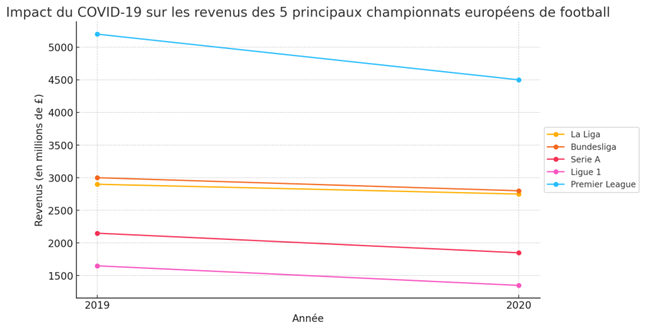
Au cours de la saison 2019/2020, l’impact financier de la pandémie de COVID-19 a durement frappé les principales ligues de football européennes. Selon Deloitte, les revenus de la Premier League ont chuté de 13 %, passant de 5,2 milliards de livres sterling à 4,5 milliards de livres sterling, entraînant d’importantes pertes prévues. La Bundesliga allemande a connu un recul plus modéré de 4 %, pour atteindre 2,8 milliards de livres sterling. En Espagne, les revenus de La Liga ont diminué de 8 %, s’établissant à 2,7 milliards de livres sterling. La France, qui a annulé sa saison en intégralité, a enregistré une baisse de 16 %, à 1,4 milliard de livres sterling. L’Italie, quant à elle, a connu la chute la plus marquée : les revenus de la Serie A ont reculé de 18 %, tombant à 1,8 milliard de livres sterling.

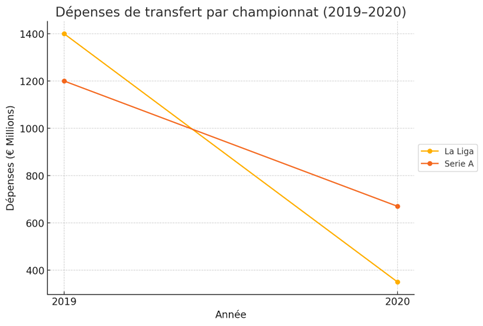
Cette crise a également eu un impact significatif sur le marché des transferts de l’été 2020, poussant les clubs de Serie A et de La Liga à réduire drastiquement leurs dépenses. Selon l’Observatoire du football CIES, les dépenses des clubs de La Liga sont passées de 1,4 milliard d’euros (1,19 milliard de livres sterling) en 2019 à 348 millions d’euros (296 millions de livres sterling) en 2020. De son côté, la Serie A a vu ses dépenses chuter de 1,2 milliard d’euros (1,02 milliard de livres sterling) en 2019 à 667 millions d’euros (567 millions de livres sterling) en 2020.

Ces défis financiers remettent en question les modèles économiques traditionnels des clubs de football. Beaucoup ont été contraints de rechercher de nouvelles sources de financement, et les fonds d’investissement ont de plus en plus perçu le football comme une opportunité lucrative, bien que risquée. Historiquement, les clubs de football étaient souvent autosuffisants sur le plan financier, s’appuyant sur les recettes des jours de match, les partenariats locaux et parfois sur des modèles de propriété communautaire.

Cependant, l’essor des clubs d’élite soutenus par des milliardaires et des contrats de sponsoring mondiaux a exercé une pression croissante sur les clubs plus traditionnels. Pour rivaliser au plus haut niveau, il est désormais nécessaire de disposer de capitaux importants, un besoin que les modèles communautaires ne peuvent plus satisfaire dans les compétitions les plus exigeantes.

L’émergence des fonds d’investissement comme nouveaux acteurs du football

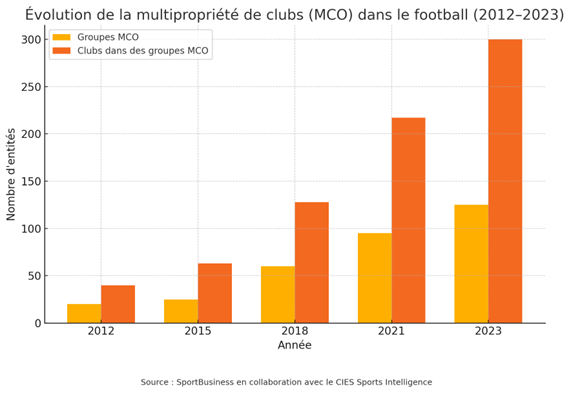
Les fonds d’investissement sont devenus des acteurs clés du marché mondial du football. Des sociétés comme RedBird Capital Partners, CVC Capital Partners, Silver Lake ou encore 777 Partners ont réalisé d’importants investissements dans des clubs européens. Ces nouveaux acteurs du jeu sont regroupés sous la notion de multipropriété de clubs (Multi-club Ownership, ou MCO). L’UEFA distingue la multipropriété, où une entité unique exerce un contrôle ou une influence décisive sur plusieurs clubs, de l’investissement multi-clubs, qui consiste à détenir des parts financières sans en assurer la gestion opérationnelle.

Ces dernières années, l’expansion des réseaux multi-clubs s’est fortement accélérée. Pourtant, la multipropriété n’est pas une innovation récente : dès les années 1990, la société ENIC (English National Investment Company) avait commencé à acquérir des parts dans des clubs comme Tottenham Hotspur, les Rangers FC, le Slavia Prague ou encore l’AEK Athènes, abordant le football avant tout comme un vecteur d’investissement.

Le modèle a ensuite évolué avec la stratégie marketing de Red Bull, qui a acquis plusieurs clubs pour renforcer sa marque, puis avec l’émergence du City Football Group (CFG), largement considéré comme le premier exemple structuré et stratégique de MCO moderne. Le portefeuille mondial du CFG s’étend aujourd’hui à 13 clubs répartis sur cinq continents.

Ce qui n’était au départ qu’une stratégie d’investissement de niche est devenu un phénomène mondial : on recense aujourd’hui plus de 125 groupes de multipropriété actifs, supervisant environ 380 clubs et plus de 13 000 joueurs à travers le monde. La multipropriété de clubs est l’une des principales stratégies utilisées par les fonds d’investissement pour maximiser leurs rendements. Cette évolution illustre la présence croissante des fonds dans le football, ainsi que leur perception de ce secteur comme un actif financier de premier plan.

Ce que cela signifie pour l’avenir du football

Du football communautaire au football business

L’arrivée massive du capital-investissement dans le football fait basculer ce dernier de ses racines traditionnelles, fondées sur les clubs communautaires, vers un modèle davantage centré sur le capital. Les fonds d’investissement se soucient moins de préserver l’identité locale que de générer des rendements financiers. Cela a conduit à une professionnalisation des opérations des clubs, mais soulève aussi de vives inquiétudes quant à la perte de l’esprit communautaire qui faisait autrefois l’essence même  du football.

Les modèles de multipropriété (MCO) réduisent souvent les clubs historiques à de simples actifs au sein d’un portefeuille commercial plus large, en contradiction avec les valeurs traditionnelles de communauté, d’identité et d’héritage local. Les clubs de football ont été fondés pour servir leurs communautés locales, non pour devenir des franchises ou des outils de maximisation du profit. De plus, la rentabilité financière des investissements en MCO reste sujette à débat : la mise en place de passerelles efficaces pour le développement des joueurs entre clubs est rare, et maintenir un haut niveau de compétitivité exige des investissements continus et conséquents. Pour beaucoup, la viabilité à long terme de ce modèle demeure incertaine.

Une gestion et des opérations optimisées

Le sport professionnel européen se trouve à un tournant structurel décisif. Les clubs de football sont des piliers culturels profondément ancrés dans leurs communautés, et pourtant, nombre d’entre eux restent structurellement déficitaires. Dans la plupart des secteurs, les entreprises non viables sont autorisées à faire faillite ; dans le football, l’attachement émotionnel rend cette idée presque impensable. Cette valeur sentimentale masque cependant une réalité économique préoccupante.

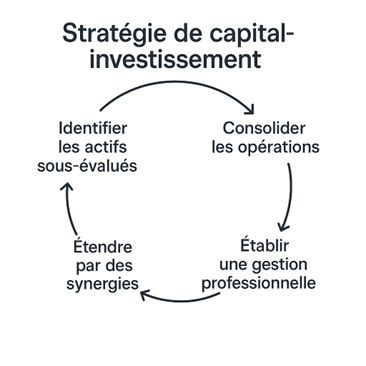
En 2022, plus de 55 % des clubs européens ont enregistré des pertes nettes, et ce malgré un rebond après la pandémie. Le modèle de multipropriété (MCO) introduit une structure économique rationnelle, en appliquant une stratégie classique du capital-investissement. Ce cadre repose sur les principes suivants :

Avec la prise de contrôle par les fonds d’investissement, les clubs sont désormais gérés de manière plus professionnelle, avec une attention accrue portée à l’optimisation des sources de revenus et à la maîtrise des coûts. Cela se traduit par la réduction des dépenses superflues, la valorisation des partenariats commerciaux et un recentrage sur la rentabilité financière. L’usage de données dans la prise de décision s’est également généralisé, les investisseurs exigeant un meilleur suivi des performances financières, des indicateurs clés (KPI) et de la maximisation des recettes. Plus qu’un simple levier de croissance, cette approche est désormais perçue comme une bouée de sauvetage pour assurer la pérennité à long terme.

Risques potentielles

Le principal risque de cette transition réside dans la possibilité que les clubs de football perdent leur identité profonde. Il se pourrait que les intérêts des actionnaires prennent le pas sur ceux des supporters. L’aspect communautaire du football, où les passions et les traditions des supporters influencent en partie les décisions du club,  pourrait être remplacé par un modèle financier centré sur la maximisation des profits. Cela risquerait d’instaurer une logique court-termiste, dans laquelle les clubs privilégient les gains rapides au détriment du succès à long terme, avec des conséquences potentiellement néfastes sur le plan sportif.

Malgré ses attraits financiers, le modèle de multipropriété soulève d’importants défis structurels et culturels. Les clubs appartenant à un même groupe peuvent avoir du mal à préserver leur identité propre, au risque de voir leur héritage et la fidélité de leurs supporters s’affaiblir. Le véritable défi consiste à concilier les ambitions sportives, l’histoire et l’âme de chaque club au sein de l’ensemble. Il est impératif que chaque entité conserve une ambition forte, à la fois pour favoriser le développement des joueurs au plus haut niveau, et pour que les supporters continuent d’avoir le sentiment de voir la meilleure version possible de leur équipe.

Conclusion

La montée en puissance de la multipropriété de clubs semble vouée à s’accélérer, à mesure que de plus en plus d’investisseurs cherchent à diversifier leurs actifs et à exploiter les synergies opérationnelles entre clubs affiliés. Toutefois, cette croissance de la multipropriété suscite déjà l’attention des instances dirigeantes comme l’UEFA, notamment en ce qui concerne l’intégrité des compétitions et les potentiels conflits d’intérêts. Si ce modèle s’avère efficace, il pourrait ne pas rester exclusif au football : il pourrait ouvrir la voie à une adoption plus large dans d’autres disciplines sportives professionnelles, dans le cadre d’une tendance mondiale à la multipropriété sportive.

L’influence grandissante du capital-investissement dans le football est-elle inévitable, ou assistons-nous aux prémices d’une révolution périlleuse qui risque de détériorer l’héritage du sport ? Cette question demeure centrale alors que le football continue de se transformer sous la pression des impératifs financiers. Dans le prochain article de cette série consacrée au capital-investissement dans le football, nous nous pencherons de plus près sur l’émergence des groupes multi-clubs (MCO) et analyserons comment ces derniers perçoivent le football comme un levier de création de valeur à long terme, d’expansion de marque et de diversification stratégique de portefeuille.

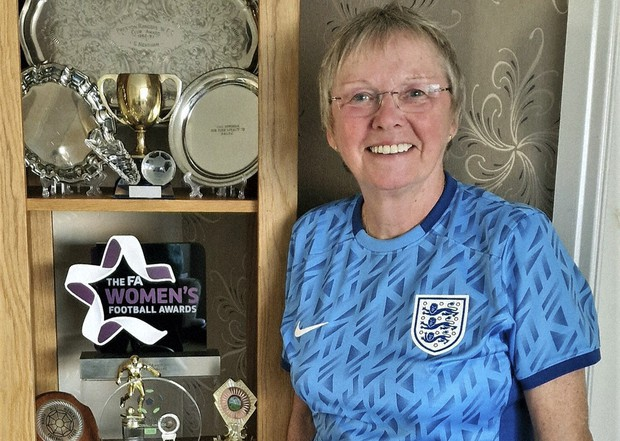
Who is Gail Newsham?

Gail Newsham is a former footballer, author, public speaker, and one of the leading historians of the women’s game in England. She is best known for her lifelong dedication to uncovering and preserving the story of the Dick, Kerr Ladies Football Club, widely regarded as one of the most important teams in the history of women’s football. Her work has played a central role in bringing national and international attention to a team that had long been overlooked by mainstream football history.

Born and raised in Preston, just minutes from the Dick, Kerr & Co. factory where the team was originally formed during the First World War, Gail was always aware of their name but not their full story. In 1992, she organized the first-ever reunion of surviving Dick, Kerr Ladies players, an event that sparked a two-year research journey involving in-depth interviews, archival discoveries, and oral histories with former players. Many of the women she spoke to had played before the Football Association’s 1921 ban on women’s football, giving Gail the rare opportunity to document their stories firsthand. The result was her groundbreaking book In a League of Their Own!, first published in 1994, which remains a cornerstone text on the history of the women’s game.

Gail’s efforts have led to several landmark moments in women’s football history. Her advocacy contributed directly to Lily Parr becoming the first female player inducted into the National Football Museum Hall of Fame in 2002. She also played a key role in gaining formal recognition for the Dick, Kerr Ladies, including a Special Recognition Award from The Football Association in 2017 and commendations from the Royal British Legion and the North West Football Awards in 2018.

Before turning to writing and research, Gail had a nearly twenty-year playing career in women’s football, starting in the early 1970s. She played for Preston Rangers WFC, reaching two Women’s FA Cup semi-finals and winning titles in the North West Women’s Football League. Off the pitch, she served on the League Management Committee and worked to promote the women’s game both locally and internationally. In 1986, she established The Lancashire Trophy, an international women’s tournament that attracted clubs from Sweden, Germany, Austria, Switzerland, and beyond. It was at this event in 1992 that the Dick, Kerr Ladies were reunited for the first time in four decades.

Over the past thirty years, Gail has become a respected public speaker, invited to lecture at universities such as Cambridge, Manchester, and UCLan, and at events organized by the NHS, the National Football Museum, and women’s organisations across the UK. Her talks are consistently praised for their passion, depth, humor, and emotional resonance. In 2019, she was awarded an Honorary Fellowship by the University of Central Lancashire in recognition of her outstanding contribution to sport and history.

Today, Gail continues to advocate for the recognition of women’s football pioneers, ensuring that the legacy of the Dick, Kerr Ladies and their role in shaping the game is not forgotten. Her website and revised edition of In a League of Their Own! remain key resources for those interested in learning about one of the most compelling stories in football history.

Our Exclusive Interview with Gail Newsham

What first inspired you to research and document the story of the Dick, Kerr Ladies, and how did that journey begin in 1992?

I was always aware there was a ladies football team in my home town of Preston, but thought how strange it was because when I was growing up, girls were not allowed to play football. I wasn’t aware there had been a ban on women playing, it was just how it was back then and you just accepted the situation while still feeling it wasn’t fair. A chance meeting with former player Brenda Eastwood in 1991, gave me the idea of organising a reunion of the team to take place at our football tournament, The Lancashire Trophy, in 1992. An appeal in the local paper was successful and I initially managed to locate seventeen former players to come to the reunion, and that is all it was meant to be. But, the first lady I went to see after the article in the press, showed me a team picture from 1952, it was taken in a field, just outside Preston, and I couldn’t believe how many people were on the touchline. When I was playing, no one came to watch us, it was just members of our team and a few friends, and it blew me away, I couldn’t understand how they could attract so many people to their matches. The next lady I visited, showed me some newspaper clippings from the Daily Herald of 1946, and I couldn’t believe how much media coverage they had. It became obvious to me then, that this was a much bigger story than anyone realised, and if something hadn’t have been done, their history could have been lost forever. So I spent the next couple of years researching their unique story, travelling all over the North West of England, meeting former players and family members of players who were no longer with us, and managed to piece together their incredible story.

As someone who spoke directly with players from the pre-FA ban era, what were the most powerful or surprising stories you uncovered during your research?

Meeting ladies who played before the ban was indeed a great privilege, I feel very lucky to have met them and hear their stories first hand. Alice Norris was eighty nine when I met her, she was as bright as a button and shared many stories with me, in fact it was her Mum who took in Lily Parr when she first came to Preston to play for the team, and this is where these stories originated. Alice was thrilled that a book was being written about her team, and she should have come to my book launch in 1994, but she was taken ill. However, her daughter read her an extract of the book when she visited her every day in hospital. Sadly, Alice passed away on Boxing Day (26 December), but not until her daughter had read her the last chapter, so she got to hear it all before she left. There are so many stories I uncovered during all my research but one that I think is probably one of the most powerful, is one shared by Alice. She told me of the team taking part in The Blackpool Carnival in 1923. The factory had prepared a float for the Dick, Kerr Ladies to be part of a huge procession. Alice said that at one point, as they were parading along the route through the town, the Ex Servicemen’s float stopped opposite their float and they stood up and saluted them. The team had dedicated all their fund raising efforts to the Ex Servicemen’s Appeals after WW1 and there is no doubt they raised an enormous amount for them, and this was their way of saying a special thank you. It was seventy years after the event when Alice told me this story, but she still remembered with immense pride that very special moment in her life.

How did your own experience as a footballer influence your connection to the history of the women who came before you?

I grew up in the same area as many of the Dick, Kerr Ladies, just a stone’s throw from the factory where they worked during the War, and the early 1920s. I have walked in their footsteps and I genuinely feel a connection with them. When I discovered the injustice of what had happened to them, and that for so long they had been forgotten, I wanted to tell their story so that they could have the recognition they deserved and bring them back to life. I knew how important football was to me, and I can’t begin to imagine how I would have felt if we had had our light snuffed out as ruthlessly as they had. For so long, they were football’s best kept secret and they deserved to have their place in the record books.

In what ways do you think the legacy of the Dick, Kerr Ladies continues to shape the women’s game today, both in the UK and internationally?

The vast majority of people are still unware of the FA Ban in 1921, and when they hear of this injustice, it’s a jaw dropping moment as it becomes apparent that women’s football was banned for fifty years. Hearing of their glittering success in the years before the ban, the size of crowds they were attracting makes it all the more unbelievable that the FA could inflict such a devastating blow, but their refusal to give up no matter what the establishment threw at them, makes them stand out above all others. There is no one else like them and thankfully, their history is now being celebrated.

You have been a tireless advocate for recognition and commemoration of these pioneers. What moment of recognition or tribute has meant the most to you personally?

Their Centenary year was in 2017, and I think having the first Blue Plaque in the world for women’s football, placed on the factory wall where they were formed in 1917, ranks pretty high on the list. The memorial tribute at Preston North End I think was another first for women’s football in this country, and the first ever National Women’s Walking Football Tournament, The Dick, Kerr Ladies Cup, is another way of keeping their name alive and continuing the legacy. The recognition from the FA for their Contribution to Football, and the North West Football Awards gave another special recognition award in 2018, when they were described as ‘probably the most important team in the history of women’s football’, was another special moment. Considering that when my book was first published in 1994, no one really knew who they were, for them to receive an accolade like that, just fills my heart with joy.

Looking ahead, what are your hopes for the future of women’s football history and how it is remembered and taught to new generations?

My hopes for the future of women’s football history is that people just tell it like it is and keep its authenticity. Back everything up with facts and evidence without making things up to make it something it’s not. There is so much incorrect information on Wikipedia, particularly about Dick, Kerr Ladies, and especially Lily Parr, it takes my breath away. I also think that perhaps academics tend to put a 21st century take on life back then, and it’s not necessarily a true reflection of how it really was.

What Carlo Ancelotti Taught Me About Leadership

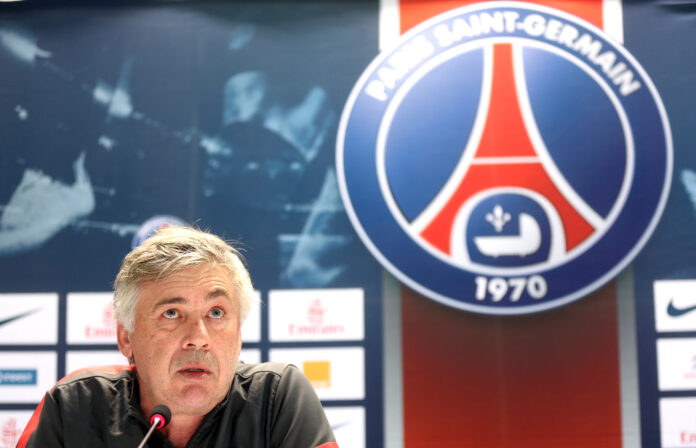
Carlo Ancelotti speaking at a press conference with the Paris Saint-Germain (PSG) club logo visible in the background.
Photo by Mohan / Doha Stadium Plus Qatar (CC BY 2.0), via Wikimedia Commons.

Series: Leading the Game: Leadership in Football

A series exploring how football executives can lead with clarity, purpose, and resilience in today’s game.

“I have never shouted at anyone to get respect. I have always listened, and tried to understand.”


— Carlo Ancelotti

Introduction

Leadership books are everywhere, but few of them feel truly human. Quiet Leadership by Carlo Ancelotti, or Don Carlo as I like to call him, stood out to me immediately. It was not just another book of motivational slogans or top-down strategies. Instead, it felt calm, personal, and respectful.

Reading it, I could see why players trusted him, why clubs across Europe sought him out, and why he is known for his understated authority. He leads without shouting. He listens, understands, and then acts.

One thing that made me instantly warm to Don Carlo was discovering that The Godfather is one of his favourite films. It is also my favourite book and movie, and in Quiet Leadership he references it more than once. It made perfect sense to me. The respect, the calm authority, the quiet power that comes not from fear but from trust.

This is not a typical book review. It is a reflection on what Quiet Leadership taught me about football, leadership, and the kind of qualities I believe every executive should try to develop.

Cover of Quiet Leadership by Carlo Ancelotti, a book about calm and respectful football management and leadership.
Cover of Quiet Leadership by Carlo Ancelotti. Published by Penguin Books.

Why Quiet Leadership Resonated with Me

What struck me most about Quiet Leadership is that it stands apart from so many other leadership books that focus on charisma, dominance, or big motivational speeches. Don Carlo’s approach is rooted in respect, listening, and calm authority. He shows that leadership is not about being the loudest voice in the room but about understanding the people you lead.

His style reminded me of the servant leadership model that was first described in the 1970s. That concept is now fifty years old, and leadership thinking has evolved a lot since then. But Don Carlo brings it to life in a modern, real-world context. He does not just serve for the sake of being liked. He serves to build trust, align his teams, and achieve real results.

Reading the book, I felt like he had mastered the balance between empathy and authority. He understands that respect is not given automatically just because of a title. It has to be earned every day through consistency, humility, and clear communication.

What I loved most is that Ancelotti’s philosophy is not complicated. It is simple, but not easy. He models calm under pressure, shows emotional intelligence in tough situations, and focuses on building relationships first. For me, this is what true leadership should look like, on and off the pitch.

Key Themes and Lessons from the Book

Calm Authority

One of the strongest lessons I took from Don Carlo is that authority does not have to be loud or aggressive. Throughout Quiet Leadership, he explains how staying calm under pressure builds confidence in those around you. Players, staff, and even fans respond to a leader who does not panic, who thinks before acting, and who offers stability when emotions run high.

Key Takeaway: Calm leadership creates trust and steadies the team in tough moments.

Building Relationships and Trust

One of my favourite stories in the book is about how he convinced Adriano Galliani of AC Milan to hire him. Instead of a formal meeting in an office, Don Carlo invited Galliani to his home and cooked him an incredible pasta dinner using the best ingredients. It is such a human moment that I felt like I was there at the table.

This is not just charm. It is intentional leadership. Ancelotti knows trust cannot be demanded. It must be built slowly, with respect and genuine connection. For any executive, this lesson is clear: relationships matter more than hierarchies.

Key Takeaway: Building trust means meeting people on their level and showing respect beyond titles and roles.

Managing Big Egos

Ancelotti has coached some of the world’s biggest stars, and he shares in the book how he approaches these players. Instead of challenging them publicly or trying to dominate them, he speaks privately, listens carefully, and treats them as people first.

He knows that players respond better when they feel heard, respected, and valued. His approach is subtle but effective. For leaders in any field, it is a reminder that managing talent is not about control but about understanding individual motivations.

Key Takeaway: Leading high performers requires empathy, respect, and private, honest communication.

Adaptability Across Cultures

Don Carlo is one of the few managers to win in Italy, England, France, Germany, and Spain. But his success was not about imposing a single style everywhere. He adapted to the local football cultures without losing his own values of calm and trust.

Before joining Chelsea, he took English lessons so he could communicate properly with his players and staff. It was not easy for him, but he understood that speaking their language, both literally and culturally, was essential to building trust. Humility and preparation are essential qualities in any leader.

Key Takeaway: True leadership adapts to culture, values communication, and respects the people you lead.

Personal Reflections

Reading Quiet Leadership was more than just studying a successful football manager’s playbook. It felt like listening to a wise mentor who understands people. Don Carlo’s style resonates with me deeply because it shows that leadership does not have to rely on force or authority alone. It can be built on respect, listening, and genuine human connection.

When I learned that The Godfather is one of Ancelotti’s favourite movies, I smiled immediately. It is my favourite book and film too. In the book, he references it more than once, using it as a model for calm, quiet authority that earns loyalty without fear. That connection made me like him even more. It is the kind of leadership that is subtle but strong, respected rather than enforced.

I also appreciated his humility. The story about learning English before managing Chelsea is a perfect example. He did not assume he could lead without making the effort to understand his players and communicate clearly. That level of preparation and respect is something I believe every leader should strive for.

These are the kinds of lessons I think every football executive, and in truth every leader, should consider. Leadership is not about being the loudest voice in the room. It is about understanding people, adapting to different situations, and building trust one conversation at a time.

Conclusion

Quiet Leadership is not a book filled with flashy slogans or complicated models. It is a thoughtful, honest account of how one of football’s most successful managers leads with respect, calm, and understanding.

For me, Don Carlo’s approach is a reminder that true leadership is not about power plays or dominating the room. It is about trust, humility, and the willingness to meet people where they are. It is about preparing carefully, listening closely, and adapting without losing your core values.

I believe these lessons are valuable for anyone in football or business who wants to build stronger teams and more resilient organisations. Quiet Leadership is more than a guide for managers. It is an invitation to think deeply about how we lead, how we communicate, and how we earn the respect of those around us.

Every executive can learn from Don Carlo’s calm, respectful, and human approach to leadership. It is a blueprint for leading with purpose, clarity, and quiet strength.

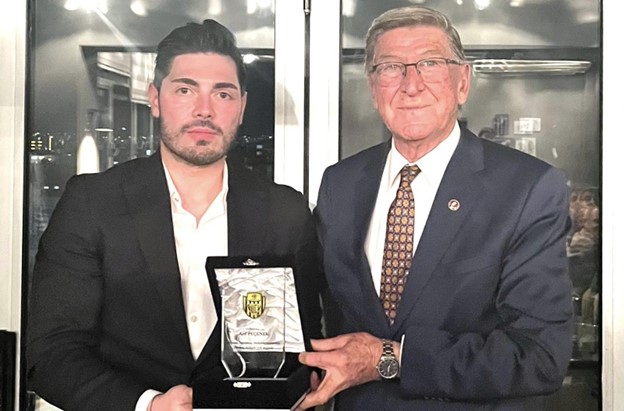
Who is Ali Can Peçenek?

Ali Can Peçenek is a rising figure in Turkish football, combining experience in club management, academic research, and football governance. With a background in international relations and sports management, he offers a well-rounded perspective on football operations and youth development.

Education & Academic Work

Ali holds a BA in Political Science from Bilkent University, an MA in Global and Regional Studies from Ankara University, and an MA in Sports Management from Gazi University, where he graduated with honors. He is now pursuing a PhD., which will be completed at the end of July, on football club management structures in England and Spain, with a planned bilingual book release in the UK and Spain by late summer 2025.

Since 2023, he has been co-lecturing on football management and globalization at Gazi and Lokman Hekim Universities. His published research covers football economics, transfer systems, and Olympics.

Football Club Experience

Currently working as a freelance consultant, Ali advises clubs on club management, talent identification, performance analysis, and commercial planning. He helps clubs align operations with market trends and governance demands, working closely with technical staff, executives, and external partners.

In 2023–2024, he was involved in a club acquisition project, meeting with over 40 clubs across Europe. This led to the successful takeover of a Romanian SuperLiga team.
Previously, he served as Assistant Sporting Director at MKE Ankaragücü, focusing on institutional development, legal affairs, economic transformation, international relations, and performance strategy. Since 2022, Ali has been active in the Association of Sporting Directors (ASD), contributing to knowledge-sharing, innovation, and strategic leadership development in football.

Our Exclusive Interview with Ali Can Peçenek

What inspired you to pursue a career that blends football management with academic research?

As the son of a linguistics professor and a former national team goalkeeper, my life has always been shaped by both football and academia. While building my career in football, I have consistently prioritized education. I aim to pursue a dual path, contributing to the academic field of sport management through teaching and research, while also applying this expertise in executive or consultancy roles within professional football organizations.

What are your future plans in combining academic work with hands-on roles in football management?

My future plans focus on creating a strong link between academic lecturing and practical involvement in football management. At the university level, my goal is to develop and teach a curriculum that is both theoretically sound and aligned with industry needs, using current case studies and personal field experience. This includes incorporating modules on governance, strategic management, performance analytics, and ethical decision-making in football. I also aim to supervise graduate research that addresses real-world challenges faced by clubs, federations, and leagues, contributing to the evidence-based development of football management practices.

Parallel to my academic work, I plan to maintain an active role within the professional football ecosystem. Involvement in football operations will keep me closely aligned with the evolving realities of modern club management, while ensuring that my academic efforts stay grounded in practical experience. This dual engagement enables a dynamic exchange of knowledge: theoretical models can inform strategic decisions and organizational processes, while real-world insights can refine academic theories and teaching methods.

What were the biggest challenges and lessons from your recent club acquisition project across Europe?

One of the most significant challenges in the recent club acquisition project across Europe was navigating the diverse regulatory frameworks and financial governance models of different national football associations. Each country had unique legal requirements, licensing procedures, and stakeholder dynamics, requiring a highly adaptive, jurisdiction-specific strategy. Cultural differences in organizational behavior and governance practices further complicated efforts to align investor expectations with local operations.

A key lesson from this process was the importance of due diligence beyond financial metrics, especially in evaluating institutional culture, youth development systems, and stakeholder relationships. The experience also highlighted the need to involve local legal and sport management experts early in the process to reduce risks and support smoother post-acquisition integration.

How do you see the role of football consultants evolving in today’s increasingly data-driven and global football landscape?

The role of football consultants is evolving rapidly in response to the growing datafication, financialization, and globalization of the sport. Modern consultants operate as strategic intermediaries, working across analytics teams, ownership structures, legal departments, and ESG frameworks. They are tasked with connecting institutional strategy to detailed performance metrics, ensuring alignment between sporting success, financial health, and regulatory demands.

A key driver of this shift is the rise of data-driven decision-making. Metrics such as expected goals, player load indexes, biometric data, and recruitment algorithms have replaced intuition with evidence-based analysis. Consultants must now translate complex data into practical insights for executives, technical directors, and coaching staff, often integrating concepts from behavioral economics, organizational psychology, and AI-based scouting.

They also play a critical role in embedding sustainability and governance into club operations. As scrutiny from fans, regulators, and investors increases, consultants guide organizations in adopting diversity initiatives, environmental reporting, and anti-corruption measures.

Today’s football consultant is no longer a peripheral figure, but a central architect of sustainable, data-informed, and globally competitive football structures. Their value lies in synthesizing diverse inputs into strategic direction that connects performance with institutional goals.

What changes would you like to see in Turkish football governance and club structures in the coming years?

In the coming years, Turkish football governance and club structures must undergo a fundamental transformation rooted in data-driven decision-making, institutionalization, and a renewed commitment to transparency and accountability. A critical area requiring reform is the organizational design of football clubs. Most Turkish clubs still operate with outdated hierarchies and informal governance structures that hinder innovation, agility, and long-term planning. Implementing modern governance frameworks with clearly defined roles, performance metrics, and decision rights will create the structural discipline needed for continuous improvement and strategic alignment.

Moreover, cultivating a high-performance culture must become a central organizational objective. This entails fostering a meritocratic environment in which competency, professional education, and multilingual capabilities are prioritized in executive appointments. Leaders fluent in multiple languages and trained in global sport management practices can serve as critical conduits between local realities and international opportunities.

Equally important is the enhancement of accountability mechanisms. Independent auditing, internal compliance units, and transparent reporting systems must become institutional norms rather than exceptions.

Lastly, a fundamental shift in footballing perspective is necessary. Turkish football must embrace a more systems-oriented, long-term vision that balances performance with development, business growth with social responsibility, and domestic priorities with international networking. Establishing transnational partnerships and participating in global knowledge exchange platforms will be key in repositioning Turkish football as a strategic actor within the European football economy.

In summary, the transformation of Turkish football requires a convergence of institutional reform, cultural realignment, and global integration, anchored in principles of transparency, meritocracy, and data intelligence.

Where do you see yourself making the biggest impact in football over the next decade?

Over the next decade, I envision my most significant impact in football emerging at the intersection of institutionalization, digital transformation, and integrity-centered governance. As football faces increasingly complex challenges, from financial volatility to reputational risks, there is a growing need for leadership rooted in transparency, data-driven decision-making, and sustainable growth models. I aim to contribute by designing institutional frameworks that promote accountability, reduce operational inefficiencies, and embed anti-corruption measures as essential standards of conduct.

A key element of this vision is the development of centralized data hubs within clubs and federations, integrating performance metrics, financial data, fan engagement analytics, and ESG compliance into a unified operational system. This integration will enhance decision-making across departments, from recruitment to sponsorship strategy, while reducing human error and bias and enabling faster, more objective learning cycles.

At the same time, I will focus on building a high-performance culture based on meritocracy, cross-functional learning, and psychological safety. These values are often overlooked in traditional football structures. This cultural shift will support broader European integration goals and ensure alignment with UEFA and EU governance standards, particularly in regions with weaker institutional foundations.

Ultimately, I see my role as a credibility multiplier, helping clubs and federations earn lasting trust from fans, partners, and regulators by consistently upholding transparency, ethical leadership, and strategic foresight. Through this comprehensive approach, I aim to help shape a football ecosystem that is competitive, commercially strong, institutionally resilient, and socially responsible.


The Fans Week – Edition #15

Welcome to the 15th edition of The Fans Week, your weekly guide to the biggest stories, controversies, and trends shaping the fan experience around the globe.

This week we explore:

Swiss Women Pioneers Celebrate the Game’s Transformation
From being denied licenses in the 1960s to seeing thousands of registered players today, Switzerland’s women football pioneers share their memories and hopes. We highlight the legacy of Madeleine Boll, the country’s first licensed female player, and how this year’s Women’s Euro represents a powerful moment of recognition and change.

Meet Maddli, the Mascot of UEFA Women’s Euro 2025
Switzerland introduces Maddli, an energetic Saint Bernard puppy named in tribute to Madeleine Boll. More than a cute mascot, Maddli embodies Swiss heritage, inclusivity, and the spirit of the Women’s Euro. Discover how her story connects the country’s past struggles to its ambitions for the future of women’s football.

Europe’s ‘Big Five’ Leagues Reach New Heights
A detailed look at the 2023/24 season finances as the Premier League, LaLiga, Serie A, Ligue 1, and Bundesliga all post strong revenues. We break down key figures, from Premier League clubs passing £6 billion in revenue to Ligue 1’s creative funding approaches, showing how football’s commercial power continues to grow across the continent.

Football Shirts: From Sport to Fashion Icon

Photo by Vladislav Glukhotko on Unsplash

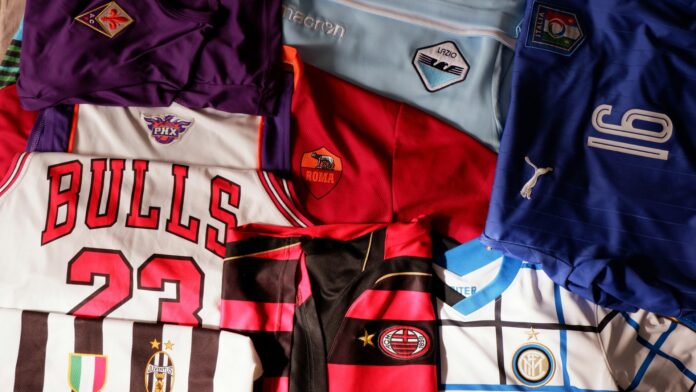
From the streets of London to Los Angeles, football jerseys have evolved from stadium essentials to full-on fashion statements. What was once just a symbol of club loyalty is now a canvas for self-expression; mixing heritage, nostalgia, and bold design. With the World Cup at bay in just 12 months in the United States, this evolution isn’t just reshaping fan identity; it’s transforming the finance of football and brand marketing within the game.

At the core of this transformation is the way football kits have moved beyond the pitch to become lifestyle garments. Retro shirts from the ‘90s have made a massive comeback, becoming streetwear staples worn worldwide. The Nike T90 template, the Arsenal bruised banana strip, and Nigeria’s iconic 2018 zig-zag design aren’t just fan favorites—they’re cultural artifacts that resonate across generations. Fans no longer just wait for matchday to wear their team’s colors. Kits are now styled with denim, layered under bomber jackets, or paired with sneakers and jewelry, creating a new visual language around football culture; and as the World Cup approaches U.S. soil, brands and clubs alike are doubling down on this moment, blending sport and style to captivate both traditional fans and fashion-savvy newcomers.

Global brands like Adidas have leaned into this shift, helping define the intersection between fashion and football. In 2024, instead of limiting special collections to their “Elite” clubs, Adidas released retro heritage lines that celebrated the histories of a broader range of teams—from Arsenal and Bayern to AS Roma and Ajax. These collections revived iconic designs from the ‘70s, ‘80s, and ‘90s, reintroducing the Trefoil logo and classic crests with modern silhouettes and fabrics. Additionally, cross collaborations have brought fresh energy into the kit space. Adidas’ 2023/24 collaboration with Manchester United and Manchester-based music legends The Stone Roses captured Manchester’s deep cultural identity, blurring the lines between football, music, and fashion. These projects not only tap into nostalgia but also tell richer stories that appeal to a global, style-conscious audience.

This storytelling has become a key pillar in the commercial strategy of top clubs. Jersey drops are now timed like fashion collections—complete with cinematic launch videos, influencer rollouts, and exclusive retail partnerships with platforms like END. and KITH. From pre-match gear to training collections and one-off anniversary kits, clubs are building full wardrobes around their brands. These releases cater especially to Gen Z, who value design, identity, and exclusivity in what they wear; and as clubs lean into fashion-forward marketing, the impact is clear: revenue from merchandise is soaring, global visibility is growing, and club branding is evolving from team apparel into lifestyle expression.

More importantly, this fashion-first approach is helping clubs break into non-traditional football markets. From North America to parts of Asia and Africa, teams are using kits, collaborations, and cultural partnerships to attract younger fans who may not follow match results, but follow style, music, and creators. PSG’s alignment with Jordan, Inter Milan’s work with Moncler, and Arsenal’s partnership with Stella McCartney show how clubs are embedding themselves in new cultural spaces. In doing so, they are no longer just selling kits—they’re selling belonging, identity, and aspiration. As the line between streetwear and sportswear continues to blur, football clubs are positioning themselves not only as competitors on the field but as globally relevant brands redefining what fandom and sports marketing looks like in the 21st century.

This shift is particularly crucial in the U.S., where football, still building its cultural foothold, has found a surprising entry point through fashion. For many younger Americans, the football shirt isn’t about the 90 minutes on the pitch; it’s about an aesthetic, storytelling, and a global connection. As MLS clubs begin to launch bolder designs and European giants increase their investment in U.S. retail activations and influencer marketing, kits are becoming the most visible, and wearable, form of football fandom and marketing. In a country where streetwear culture drives entire economies, the jersey has emerged as a marketing bridge: an accessible product that introduces the sport to new audiences without requiring them to know league tables or follow any sort of transfer news. With the World Cup on the horizon, this fashion-first strategy is converting casual consumers into emotionally invested fans; and unlocking fresh revenue streams in the process.

Driving this cultural and commercial shift are platforms like Classic Football Shirts, which have turned retro kits into coveted fashion items and storytelling devices. Started by Matthew Dale, Gary, and Doug Bierton from their dorm room at the University of Manchester, their brand has seen them expand to having three flagship stores in major U.S. markets (Los Angeles, New York, Miami.) Their curated drops, pop-up events, and collaborations with creators have made vintage kits not only accessible but aspirational both digitally and in-person. Content creators like Ellis Platten have amplified this movement, using social media to showcase the emotional value and cultural relevance of historic shirts, blending fan knowledge with modern aesthetics, and matchday vlogs. By treating kits as both collectible artifacts and wearable art, CFS and voices like Ellis are helping reframe football apparel for a generation less focused on matchday tradition and more attuned to identity, fashion, and individuality. In doing so, they’re not just preserving football history: they’re marketing it to the future.

The rise of football fashion isn’t just a trend—it’s a transformation. What began as simple sportswear has become a powerful tool for storytelling, identity, and market expansion. From legacy clubs leveraging nostalgia to creators turning kits into cultural currency, the modern football jersey now lives far beyond the pitch. As the 2026 World Cup approaches, especially in a market as style-driven and culturally fragmented as the U.S., this fusion of football and fashion offers a once-in-a-generation opportunity. Clubs, brands, and creatives that understand this moment aren’t just selling shirts, they’re shaping how the next generation connects with the game.

The Players Week – Edition #21

Welcome to the 21st edition of The Players Week, your essential guide to the insights and strategies shaping every step of a footballer’s journey.

This week we explore:

Data Analysis: Agents in Youth Academies
An in-depth look at how European academies manage relationships with agents. We share key findings from the latest European Club Association report, revealing varying rules, practices, and attitudes. This analysis offers essential context for players, parents, and agents navigating one of the most critical and often misunderstood aspects of youth development.

A Tribute to Diogo Jota and André Silva
Football mourns the heartbreaking loss of Diogo Jota and his brother André Silva following a tragic car accident. We remember their careers, character, and the profound impact they made on teammates, coaches, and fans. This tribute is a reminder that behind the headlines are human stories of dedication, family, and love for the game.

How to Start as a Business Angel: Part II
Football careers are short, but smart planning can open new paths. This guide continues our series on how current and former players can become business angels, providing practical steps on building your team, joining investor networks, and assessing your first startup pitches. A must-read for those looking to secure their future beyond the pitch.

How Brands Calculate the Commercial Value of a High-Profile Footballer

Computer screen showing marketing analytics dashboard in an office setting
Photo by Anastassia Anufrieva on Unsplash

In today’s sports and marketing landscape, a high-profile footballer is more than just an athlete. They are a brand in themselves, a gateway to millions of fans, a cultural icon, and a walking advertisement.

When companies look to sign a player for sponsorship, endorsement, or ambassadorial deals, they weigh up a mix of hard numbers, softer intangibles, and strategic fits.

Here’s what’s really in play behind the scenes:

1. Social Media Reach and the True Quality of It

A footballer’s follower count on Instagram, TikTok, X (formerly Twitter), and YouTube is the first metric most brands look at. However, numbers alone don’t tell the full story. Brands dive into the quality of a player’s social audience: how engaged their followers are, how often they comment or share posts, and whether the player’s fanbase is growing organically or inflated by bots and paid promotions. A player with five million engaged followers, fans who genuinely care and interact, is often more commercially valuable than one with fifteen million passive, detached followers. Brands also examine the demographics of a player’s audience: where they live, their age range, gender breakdown, and even consumer behaviors. The goal isn’t just reach, it’s relevant reach. A brand targeting Gen Z consumers in North America or Europe, for instance, will prioritise players whose audiences mirror that target market.

2. Authenticity and Brand Fit

In the era of instant feedback and public scrutiny, authenticity is everything. Consumers today can spot a fake endorsement from a mile away, and when a partnership feels forced, both the brand and the player lose credibility. That’s why brands carefully evaluate whether a player’s image, values, and lifestyle naturally align with their product or service. A footballer with a genuine passion for fashion and design, for example, will naturally be a stronger and more convincing partner for a luxury apparel brand. Similarly, a player known for fitness, recovery, and mindfulness is a far better fit for a health tech brand than someone whose public image centers on nightlife. Authenticity drives better content, deeper audience trust, and ultimately, greater commercial success. Brands today are not just buying visibility, they’re buying into a narrative that feels real.

3. Public Image and Media Presence

Brands also study how a footballer is portrayed in the broader media and not just within the sports world. Positive coverage in mainstream media outlets, appearances on talk shows, thoughtful podcast interviews, and presence at high-profile public events all boost a player’s profile and increase their perceived commercial value. A player who is charismatic, articulate, and relatable in interviews becomes more valuable because they can comfortably represent a brand in multiple formats, from television commercials to live events. On the flip side, players who are routinely in the news for controversies or who shy away from media obligations carry more risk. Media presence isn’t just about frequency, it’s about tone and positioning. Brands are investing in faces and voices that enhance their own reputation, not gamble with it.

4. On-Field Performance and Career Trajectory

While off-field factors are critical, on-field performance still plays a major role in commercial evaluations. Success on the pitch drives visibility, relevance, and association with excellence; qualities that every brand wants to tap into. A player who is starring in the Champions League or at a World Cup can offer exponential exposure compared to a player stuck in mid-table obscurity. Brands also consider the player’s career trajectory: a rising young star with a strong narrative of potential might represent a smart, long-term investment, while an established veteran who commands deep respect offers immediate prestige and credibility. Injuries, form slumps, or transfers to less visible leagues can affect commercial value overnight, which is why brands tend to favour players who not only perform but do so consistently on the biggest stages.

5. Personal Story and Background

Narrative sells. A compelling personal story can elevate a player’s brand value far beyond what statistics alone ever could. Brands seek players whose journeys resonate with their target audiences, whether it’s overcoming adversity, breaking new ground, representing underrepresented communities, or symbolising hope and ambition. A player who has risen from poverty to stardom, for instance, offers an inspirational arc that a financial services company might build a campaign around. Similarly, a player known for embodying national pride or cultural heritage can ignite powerful emotional connections in regional markets. When a brand can tell a real, human story through a player, the marketing becomes more memorable, and more valuable.

6. Community Presence and Off-Field Projects

Today’s most valuable footballers are not just judged by their performances or trophies; they are also measured by what they give back. Community involvement, charitable foundations, social activism, and grassroots engagement all add depth to a player’s public image. Brands increasingly prefer to partner with players who are seen as socially responsible and who use their platforms for positive impact. A footballer who regularly participates in local initiatives, launches youth academies, or champions social causes signals integrity and leadership. These qualities reflect positively on the brands they endorse, reinforcing values like trustworthiness, authenticity, and community spirit. In a marketing environment where consumers expect brands to stand for more than just profit, a player’s off-field presence can significantly enhance their commercial appeal.

7. Risk Assessment and Reputational Management

Before signing any deal, brands undertake detailed risk assessments. Past controversies, questionable associations, or hints of volatile behaviour can all raise red flags. Sponsorship deals are not just investments; they are reputational gambles. One misstep by a player, whether it’s a social media blunder, legal issue, or off-field scandal, can cause immense damage to the brand’s image. That’s why companies prioritise players with a clean history, consistent professionalism, and strong support networks. Brands also monitor potential “red flag” industries such as betting, alcohol, and politically sensitive causes, making sure that a player’s affiliations don’t contradict the brand’s own corporate values. In today’s hyper-connected world, reputational damage travels fast, and brands would rather walk away from a deal than take on unnecessary risk.

8. Cultural Relevance and Global Appeal

Finally, a player’s commercial value often hinges on how culturally relevant they are, and how far their influence reaches. Some players are global superstars whose name and face are instantly recognised from London to Lagos to Los Angeles. Others may have a more regional but equally powerful pull. A player who dominates European football might be a perfect ambassador for a luxury brand targeting EU markets, while a beloved South American hero could open up unique opportunities in Latin America. Understanding not just where a player is known, but where they are revered, helps brands localise campaigns and drive deeper resonance. In a fragmented, globalised market, the right player offers not just reach, but cultural currency, an authentic bridge between brand and audience.

Final Thought

The commercial value of a footballer is never about one single factor. It’s a blend of numbers, narrative, and nuance.

The best brand-player partnerships aren’t just transactional, they feel like a natural extension of who the player is and what the brand stands for.

When those pieces align, the value created can far exceed anything that can be captured in a spreadsheet.