Home Blog Page 37

The Players Week – Edition #22

Welcome to the 22nd edition of The Players Week, your essential guide to the insights and strategies shaping every step of a footballer’s journey.

This week we explore:

Data Analysis: Schools and Academies
New ECA research shows 91% of youth academies align training with academics. See how clubs are prioritising education to support well-rounded player development.

Emotional Regulation in Football
Even the best managers and players lose composure under pressure. Learn practical tips to manage emotions on the pitch and transform stress into motivation.

Jamal Musiala Injury Update and Recovery
A detailed look at Musiala’s serious ankle injury, his road to recovery, nutrition tips for bone healing, and what the future holds for Bayern’s young star.

How to Start as a Business Angel: Part II
Football careers are short. This guide continues our series on investing, offering practical advice for players planning their financial futures beyond the game.

Футбол без границ: как развивается российский рынок несмотря на санкции

Photo by Dmitry Ant on Unsplash

By Maxim Evstigneev, Licensed Football Agent & Takhir Kholikberdiev (partner Level Sport Agency) & Ivan Bakulin, Licensed Football Agent.

Весной 2022 года российский футбол выглядит так, словно его закрыли в комнате без окон и оставили выживать. Еврокубков нет, международные трансферы осложнены. Но если заглянуть во внутрь в 2025 году, то там идёт бойкая жизнь. Кто-то строит академии, кто-то покупает таланты на другом конце света, а кто-то неожиданно берёт золото.

Никто не ожидал, но именно сейчас российский футбол стал похож на самого себя не глянцевого, но удивительно живого.

Когда «Зенит» не чемпион

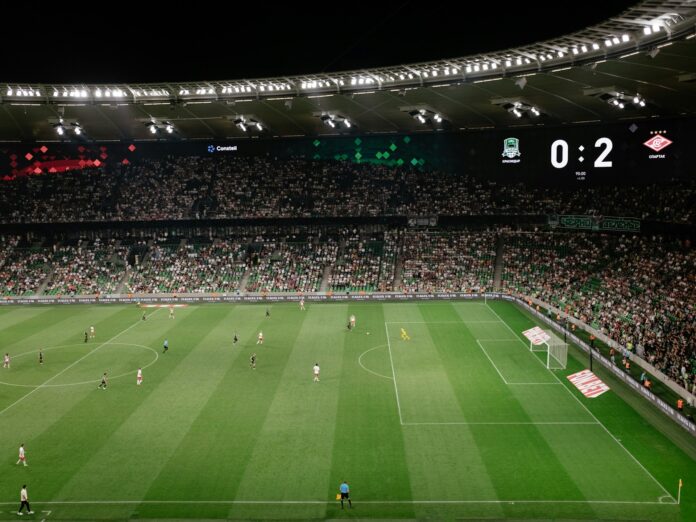
За несколько туров до конца чемпионата многие терли глаза: это правда? «Зенит» – не первый? Нет, не первый. Чемпионом стал «Краснодар». Клуб, который долго называли «игрушкой бизнесмена» Сергея Галицкого неожиданно оказался не только командой с философией, но и с характером. Победа в РПЛ результат не случайной вспышки, а системной работы: свои воспитанники, один из лучших стадионов в Европе, академия мирового уровня, грамотный свой доморощенный тренер Мурад Мусаев и главное – терпение. За 17 лет своего существования, команда преодолела путь от любительской команды с Юга России до чемпиона огромной страны.

Миллиардный пульс

Они говорили: «денег не будет». Но как оказалось ошиблись. В 2024 году российские клубы заработали около 1,5 миллиардов евро. Это не нефтяные времена, не эпоха безлимитных контрактов, но деньги есть. И они работают.

«Зенит» тратит как привык более 40 миллионов евро только в зимнее трансферное окно. Еще больше потратил «Спартак» около 50 миллионов. «Краснодар» тратит меньше, но эффективнее. Новоиспеченный чемпион России продал игроков на 35 миллионов долларов. А в общей кассе лиги  рекордные цифры: почти 150 миллионов евро были потрачены на трансферы новых игроков.

Футбол в России стал внутренним рынком. Закрытым, но очень активным. Российская футбольная лига больше не витрина для Европы – это полноценная система со своей экономикой, логикой и даже модой.

Где играют, там и строят

В каждом клубе что-то строится. Наследие чемпионата мира 2018 года уже не наследие, а нормальность. В Краснодаре стадион, куда приятно привести иностранного агента. В Казани, Москве, Санкт-Петербурге, Самаре, Сочи такие условия, что можно проводить матчи уровня Лиги чемпионов. Даже в условиях санкций и ухода европейских подрядчиков, клубы не останавливают свое развитие.

Российский футбол делает ставку на то, что не обесценится. На стены. На поля. На детей.

Бразильская кровь и экспорт в ПСЖ

Пока Европа закрывает глаза, Южная Америка наоборот, открывает двери. В этом сезоне в Россию приехали молодые аргентинцы, уругвайцы, колумбийцы. Те, кто в Европе стоит дороже, а в РПЛ может еще больше вырасти в цене.

Бюджеты на трансферы варьируются, но даже клубы из нижней части РПЛ могут потратить от 500 тысяч до 2 миллионов евро на иностранного игрока. А топ-клубы готовы инвестировать десятки миллионов в трансфер, если речь идёт о футболисте с потенциалом стать лидером и продвинуть клуб в турнирной таблице. Например, спартаковский трансфер Барко за 14 миллионов евро не просто дорого, это заявление: мы ещё играем. «Зенит» тратит на Латинскую Америку больше, чем некоторые клубы Серии А. Например, недавний трансфер вингера Луиса Энрике из «Ботафого» за 33 млн €.

Российские клубы при выборе иностранцев смотрят не только на статистику, но и на личность футболиста: психологическая устойчивость, адаптивность, командный интеллект. Игрок с сильной техникой, но слабым характером в России не задерживается. Поэтому агенту важно заранее оценить и ментальные качества игрока, и его готовность к смене культуры, климата и футбольной философии.

Что касается продажи игроков, то и здесь тоже все хорошо. «Краснодар» продал вратаря Матвея Сафонова в ПСЖ за 20 миллионов евро. А летом развернется настоящая борьба за воспитанника Академии и  капитана «Краснодара» и сборной Армении Эдуарда Сперцяна, который под пристальным вниманием английского Лидса, итальянского Ювентуса и некоторый испанских клубов. Изолированная лига делает громкие сделки.

Агенты снова в деле

Когда всё сложно, нужны те, кто умеет договариваться. Поэтому сейчас золотое время для агентов. Комиссии выросли, но и работа усложнилась. В отличие от Европы в России по-прежнему большую роль играют человеческие связи и внутри взаимоотношения.  Знание культурного кода, доверие между агентом и спортивным директором, умение правильно “зайти в кабинет” – это нередко важнее, чем просто цифры из Whyscout. На российском трансферном ценится не столько сухая аналитика, сколько способность выстраивать доверие, понимать контекст и действовать в рамках сложной клубной и культурной экосистемы.
Скаутинг на российском рынке – это не просто поиск по метрикам, а внимательное чтение контекста и оценка личности игрока. В таких условиях агент превращается в важнейшего медиатора, способного связать интересы клуба, футболиста и страны происхождения. Это делает рынок гибким, живым и устойчивым к шаблонным решениям.

Почему хорошие игроки хотят ехать в Россию?

Здесь они могут стать центральными фигурами, а не игроками ротации. Потому что здесь есть стабильность контрактов, высокий уровень зарплат, качественная инфраструктура и уважение к их роли в команде. В эпоху, когда многие лиги перегружены или зависимы от алгоритмов, Россия остается местом, где личность и уровень по-прежнему решают.

Who is Kim André Pedersen?

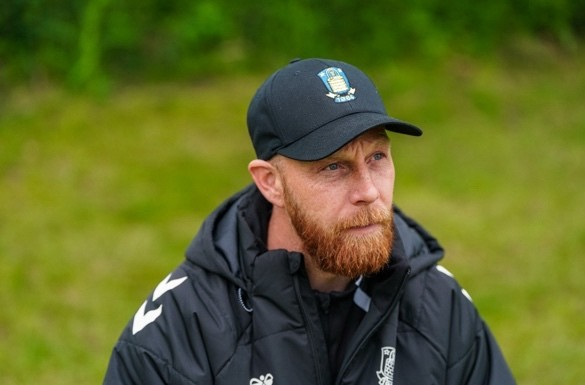
Kim André Pedersen is a 38-year-old football professional with extensive experience in both men’s and women’s football across Norway and Denmark. He currently serves as Sports Director and Coach at Brøndby IF Women, where he has led the club through a major transition to full-time professionalism. His focus at Brøndby includes long-term squad planning, implementing a clear recruitment strategy, and re-establishing the team as a top contender in Danish and European women’s football.

Prior to his role at Brøndby, Pedersen spent six years with Stabæk Women, holding key positions such as Head of Development, Head Coach, Assistant Coach, Player Developer, and Sports Director. On the men’s side, he has coached and developed players at clubs including Skedsmo Fotballklubb, Viking FK, and FK Jerv. His leadership philosophy emphasizes structured strategy, systematic development, and the importance of a clear pathway for both players and staff.

Pedersen holds a UEFA A Licence, a UEFA Player Developer A Licence, and has completed the UEFA Masterclass for Sports Directors. He also earned a bachelor’s degree in sports science in Norway. He believes that strong alignment between the Head Coach and Sports Director is essential for the long-term success of any football club. His strategic mindset, combined with hands-on coaching and leadership experience, has positioned him as a respected figure in the evolving landscape of Scandinavian football.

Our Exclusive Interview with Kim André Pedersen

Who is Kim André Pedersen outside of football? How would you describe yourself beyond your coaching and leadership roles?

A family person, dad and husband. I spend most of my time with my wife and family. Some time is spent with my friends and light training to keep my mind and body free from stress. I am a humble, hardworking and loyal person who enjoys the small things in life (a good movie, a nice evening with my family or simply relaxing with a good red wine).

What inspired you to transition from coaching into a dual role as Sports Director and Coach, particularly in women’s football?

The role as Sports Director and coach. When I saw the movie Moneyball and the story of Billy Beane, I realized that my knowledge as a coach and my leadership skills, combined with a clear vision of the football business, could be my competitive edge. I love working on the field, closely observing the environment and using that insight to drive the changes we aim for. It gives me first-hand understanding to guide the right processes moving forward.

Can you share a moment or experience from your time at Brøndby or Stabæk that significantly shaped your approach to player development?

When you set your goals, define the pathway and tools to get there, and evaluate the process along the way, it is not the end goal but the journey toward it that I enjoy being part of. At Brøndby, we became the fourth-best team in the league despite many changes throughout the season. Many moments were tough since we did not reach our performance goals, but looking back on all the changes we implemented, I am still proud of the work and the club. Those are the moments that drive me.

You’ve worked with both men’s and women’s teams across different clubs. What are the key differences or similarities in managing these environments?

Men and women: Different football education and industry exposure from early ages (though that is starting to change). Boys have been taught to play football, while girls have often been taught to follow instructions. This is now shifting, and that is a positive development. Football is all about understanding the game and how it evolves. Unfortunately, many “old school” coaches have worked in the women’s game, which has held back its development. The new generation of coaches, both men and women, are more like teachers of the football curriculum. I appreciate that approach.

How has your education and training through UEFA licenses and the Sports Director Masterclass influenced your day-to-day decision-making?

Education and knowledge are everything. It is essential to learn how to be a teacher, understand the roles and responsibilities, how the game develops, and the different methods of learning such as peer learning, mastery learning, and coach-led learning. What does the game look like? What are the trends, tendencies, and insights into individual player pathways? These are the questions we need to explore to guide development effectively.

What are your long-term goals in football, and how do you see your role evolving in the years to come?

My long-term goal is to build Brøndby into a strong club competing at the highest level of football. I am a builder by nature and enjoy projects that involve creating something lasting for the future of the game. Sustainability, a strong organization, and a high-performance culture are key pillars for me. In the future, I want to work in a high-performance environment driven by passion and the desire to win and be the best, no matter where that is. I want to be a winner.

The Agents Week – Edition #72

Welcome to the 72nd edition of The Agents Week, your trusted source for the latest insights, challenges, and updates in the world of football agency.

This week we explore:

Football or Fraud? Protecting Families
A look at scams targeting young players and their families. Learn how to spot fraudulent promises and understand FIFA’s strict rules for under-18 transfers.

Who is Aniss Benchabane
Meet the Regional Director for North Africa at IFFA. From government work in Algeria to international football deals, Aniss shares lessons on trust, cultural nuance, and building a reputation the right way.

Mental Health Mastery: Building Self-Belief
Why agents need unshakeable confidence that is not tied to results. Practical strategies for staying resilient, clear-headed, and trustworthy in every negotiation and setback.

Transfers in der MLS: System und Regeln erklärt

Warum die Transferwelt in den USA völlig anders tickt und was Spielerberater weltweit darüber wissen sollten

Wenn man an Transfers im Profifußball denkt, kommen einem meist hohe Ablösesummen, Verhandlungen zwischen Beratern und Clubs sowie spektakuläre Deadline-Day-Deals in den Sinn. In der US-amerikanischen Major League Soccer (MLS) läuft vieles jedoch ganz anders – nämlich strukturiert, reguliert und kollektiv gesteuert. Wer den US-Markt verstehen möchte, muss das System hinter Trades, Allocation Money und Drafts kennen.

Die MLS unterscheidet sich grundlegend von europäischen Ligen. Während europäische Clubs eigenständig handeln, basiert die MLS auf einem zentralisierten „Single-Entity“-Modell: Alle Spieler stehen bei der Liga unter Vertrag, nicht bei den Clubs. Transfers innerhalb der Liga erfolgen als Trades, externe Transfers über ein komplexes Regelwerk mit festen Budgetgrenzen, Transferrechten und Spielerkategorien.

Was Berater unbedingt wissen müssen:

Transferfenster:

Die MLS hat zwei feste Transferperioden pro Jahr:

• Primäres Transferfenster: Anfang Februar bis Ende April
• Sekundäres Fenster: Anfang Juli bis Anfang August

Nur in diesen Zeiträumen dürfen neue internationale Spieler registriert werden

Ausnahmen sind nicht zulässig. Der jeweilige „International Transfer Certificate (ITC)“ muss rechtzeitig vorliegen.

Kader- und Budgetlimits:

• Jeder Club darf maximal 30 Spieler registrieren
• Davon zählen nur die ersten 20 Slots vollständig gegen den Salary Cap
• Slots 21–30 sind für Nachwuchsspieler, Homegrowns oder Mindestgehalt-Spieler reserviert
• Salary Cap 2025: ca. $5,47 Mio. mit vielen Ausnahmen (Designated Player, GAM, TAM, etc.)

Internationale Spieler:

• Jeder Club hat eine begrenzte Anzahl an „International Roster Slots“ (meist 7–9 pro Club)
• Diese können getauscht oder gekauft werden
• Die Nationalität allein ist nicht entscheidend. Entscheidend ist der Aufenthaltsstatus.

  • Keine klassischen Ablösen innerhalb der Liga:
    Spieler werden zwischen Clubs nicht gegen Geld getauscht, sondern gegen interne Ressourcen wie General Allocation Money (GAM), Draft Picks oder andere Tauschwerte.

Keine freien Transfers nach außen:

Auch bei auslaufenden Verträgen besitzt der jeweilige MLS-Club unter Umständen weiterhin „Rechte“ an einem Spieler (z. B. Right of First Refusal, Re-Entry Draft oder Free Agency Regeln), was einen Wechsel erschweren kann sogar, wenn der Vertrag formell endet.

Fazit:

Das Transfersystem der MLS ist kein freier Markt – es ist ein strukturierter, ligaüberwachter Prozess mit festen Regeln und zentralen Freigaben. Wer erfolgreich Spieler in diesen Markt platzieren oder herausholen will, benötigt nicht nur Fachwissen über den Fußball, sondern auch ein präzises Verständnis für das MLS-Regelwerk.

Die wichtigsten Transfermechanismen im Überblick

1. Draft-System: Einstieg über den College-Fußball

Wie im US-Sport üblich, werden viele junge Talente über den „MLS SuperDraft“ in die Liga integriert. Dabei wählen Clubs reihum Spieler aus dem College-Fußball aus. Die Reihenfolge richtet sich nach der Platzierung der Vorsaison: Die schwächsten Teams dürfen zuerst wählen. Auch 2025 war der Draft ein bedeutendes Ereignis – u.a. sicherte sich Vancouver Whitecaps den kanadischen U23-Nationalspieler Anthony Beniot an Position 2.

2. Trades: Spieler gegen Geld – oder besser gesagt: gegen Budgetmittel

In der MLS können Spieler nicht nur gegen andere Spieler, sondern auch gegen interne Budgetmittel getauscht werden.

Konkret: General Allocation Money (GAM) oder Targeted Allocation Money (TAM).

Was ist GAM?

General Allocation Money ist flexibles Budgetgeld, das Clubs jährlich von der Liga erhalten (2025: ca. $2,5 Mio.). Es kann verwendet werden, um:

• das Gehalt eines Spielers für die nicht-überschreitung der Salary Cap zu reduzieren
• Ablösesummen bei internationalen Transfers zu „verrechnen“
• Als Tauschmittel bei Transfers innerhalb der Liga.

Was ist TAM?

Targeted Allocation Money ist zweckgebunden und darf nur verwendet werden, um Spieler im Gehaltsbereich über der Salary Cap (bis ca. $1,65 Mio.) „einzupreisen“, ohne dass sie als Designated Player gelten müssen.

Beispiele 2025 für GAM & TAM:

• Inter Miami tradete Verteidiger Ryan Sailor zu St. Louis City SC für $300.000 GAM.
• NY Red Bulls nutzten $200.000 TAM, um das Gehalt von Rayan Raveloson strukturell unter dem DP-Limit zu halten.
• Columbus Crew bot $400.000 GAM plus einen Draft Pick für die Rechte an einem Rückkehrer aus Europa.

3. Designated Player Rule: Stars außerhalb der Cap

Die 2007 eingeführte Designated Player Rule (auch bekannt als „Beckham Rule“) erlaubt jedem Club, bis zu drei Spieler zu verpflichten, deren Gehalt über der festgelegten Cap liegt. Für jeden DP wird ein fixer Cap-Hit angerechnet ($683.750 in 2025), alles darüber zahlt der Club selbst. Eine Sonderform betrifft U22-Spieler (Young DP), deren Cap-Hit noch geringer ist ($200.000–300.000).

4. Gehälter, Cap & Budget-Strategien

Die MLS arbeitet mit einer Team-Gehaltssumme von ca. $5,47 Mio. pro Team (2025). Nur die ersten 20 Spielerverträge zählen voll gegen diese Cap.

Wichtige Ausnahmen:

• Allocation Money (GAM/TAM) reduziert Gehälter cap-technisch.
• Designated Players (max. 3 pro Club) können oberhalb der Cap bezahlt werden.
• Homegrown Player Rule: Spieler aus dem eigenen Nachwuchs zählen nicht voll gegen den Cap.

Salary Budget Slots:

• Maximal 30 Spieler
• Slots 1–20: volle Cap-Relevanz
• Slots 21–30: Homegrowns und Low-Budget-Spieler

5. Transfers aus Europa: Strategische Planung nötig

Für externe Berater gilt: Ein MLS-Transfer erfordert Planung. Wer einen Spieler mit Gehalt über $650.000 vermitteln will, braucht:

• freien DP-Slot oder Einsatz von TAM/GAM,
• einen verfügbaren International Slot,
• Klärung von Discovery Rechten.

Fazit: Die MLS – Ein System mit Struktur und Strategie

Die MLS verfolgt eine klare Philosophie: wirtschaftliche Stabilität, sportliche Ausgeglichenheit und langfristige Planbarkeit. Für Berater bietet sich hier ein strukturierter Markt mit klarem Regelwerk, aber auch hoher Einstiegshürde. Wer das System versteht, kann Spieler nachhaltig in einem wachsenden Markt mit hoher medialer Reichweite platzieren ohne die Risiken eines überhitzten Marktes wie in Europa.

Tipp: Für technische Details siehe das MLS Roster Rules & Regulations Manual (mlsplayers.org).

Integration for Realism: Revolutionizing Goalkeeper Training Design

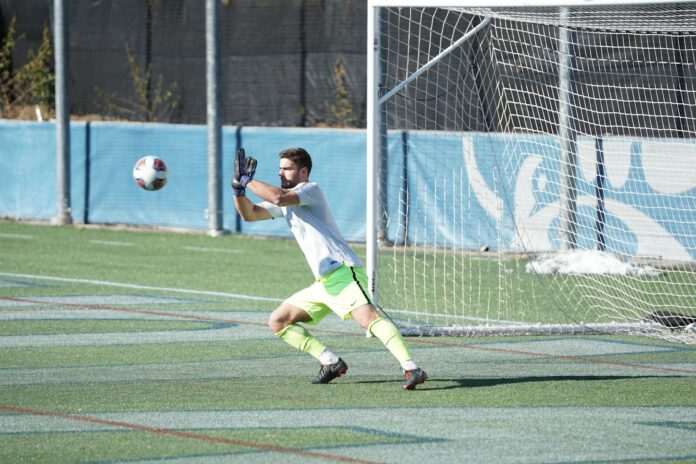
Goalkeeper preparing to make a save during training on a football field
Photo by Jeffrey F Lin on Unsplash

The modern goalkeepers are no longer confined to the goal line, as mere shot-stoppers. Their role has expanded dramatically, demanding them to be playmakers, communicators, and even initiators of attacks. As football continues to accelerate in pace and tactical complexity, goalkeeper training must evolve beyond static, repetitive drills to mirror the dynamic realities of a match. This evolution points strongly towards game-based situation training.

Why Traditional Drills Fall Short

Traditionally, goalkeeper training was designed from Warmup to Final Game thus comprising of “exhausting individual drills, filled with endless shots without any break”. While fundamental techniques like handling, diving, and footwork are crucial, isolated drills often fail to replicate the split-second decision-making and unpredictable nature of live game situations. UEFA has turned this tradition on its head, instructing coaches to design their trainings from Game to Warmup, asserting that the true value of training comes when it presents “true distances, actual timing, game conditions”.

Insights from the 2022 World Cup: Understanding Match Realities

Recent analysis, including a study on goalkeeper performance in the 2022 FIFA World Cup, provides crucial insights into tailoring training strategies to specific shot locations. This research categorized 432 on-target shots from all 64 matches, examining factors like shot location, outcome, and preceding events. It highlighted that areas near the center of the goal (classified as ‘AN’ and ‘BN’) are particularly dangerous, leading to a significantly higher frequency of goals than expected.

These dangerous areas often see one-touch shots, especially from crosses, creating high time and spatial constraints for the goalkeeper. The ball moves quickly from the touchline to an area in front of the goal, requiring the goalkeeper to rapidly adjust position and perform actions in time with the shot. In contrast, areas farther from the goal (‘AF’, ‘BF’, ‘CF’) are less pressurized, with goalkeepers having more time to react. Shots from these ‘far’ areas often involve two or more touches after receiving a pass, allowing shooters more control and goalkeepers more time to adjust.

Tailoring Drills for Optimal Response

These findings underscore the need for training to be specifically tailored to different shot scenarios.

  • For dangerous, high-pressure areas (like AN and BN), quick, reactive movements such as ‘blocking’ are paramount. Blocking allows goalkeepers to proactively approach the shooter and narrow the angle, prioritizing shot prevention.
  • In less pressurized areas (AF, BF, CF), where there’s more time to react, techniques like ‘catching’ and ‘stepping and diving after preparatory motion’ are more frequently observed and effective. It is worth noting that “diving after preparatory motion” is the most frequently observed action by goalkeepers across all areas, suggesting its overall importance.
Technology and Team Play

To effectively implement Realistic training, modern tools are indispensable. Video analysis is an essential component, providing “objective criticism and personalized development plans”. Coaches can review subtle errors in posture or timing, and show goalkeepers the precise impact of their actions, turning mistakes into learning opportunities and enhancing self-esteem and motivation. Advanced technologies like motion capture and ball trajectory analysis can provide precise data on reactivity, agility, and technique.

Furthermore, integrating goalkeepers into full team drills is vital. As I elaborate in my book, Football Goalkeeper Integration, bringing the goalkeeper into team training “instantly every decision process involves a realistic picture for everyone: True distances, actual timing, game conditions”. This integrated approach ensures that goalkeepers develop not only their technical skills but also their tactical awareness, decision-making under pressure, and communication with outfield players. The goal is to create training sessions that don’t just maintain, but improve performance by working on weaknesses in game-like conditions.

A Holistic Approach to Goalkeeping Development

The physical demands on goalkeepers are unique, requiring specialized fitness regimes that focus on explosive movements, strength, agility, and balance. Moreover, the immense psychological demands of the position necessitate a focus on mental fortitude, with techniques like mindfulness and performance psychology coaching becoming integral to building resilience and confidence. For youth development, this means encouraging multi-sport participation for overall athleticism and promoting positional versatility to foster better game awareness.

Conclusion

By embracing realistic training, underpinned by detailed match analysis and full team integration, we can equip goalkeepers with the adaptability, decision-making prowess, and technical mastery required to thrive in the fast-paced, tactically complex world of modern football. This forward-thinking approach ensures our last line of defense is also a crucial first line of attack.

References:

  • Numazu, N., Hirashima, Y., & Matsukura, K. (2024). Analysis of soccer goalkeeper performance and shot scenarios in the 2022 World Cup. Journal of Physical Education and Sport24(12), 2115-2125.
  • Berneanou, G. (n.d.). Football Goalkeeper Integration. (e-book).
  • Hugh, P. (2025, January 5). The Future of Goalkeeping: Trends and Innovations in Training. Soccer Wizdom.
  • El Assouri, A. (n.d.). The role of video analysis in goalkeeper development. Keeper in Motion.

The Student Athlete – Edition #52

The Student Athlete magazine cover with stadium background and text reading "for student-athletes".

Welcome to the 52nd edition of The Student Athlete, your digital source for the latest and most impactful stories in the life of student-athletes.

This week we dive into:

From College to Pro: The Real Odds
Less than 2% of NCAA athletes go pro. We break down the numbers and highlight the real value of the student-athlete journey, from education to career opportunities beyond sport.

Inside the Journey: Skyler Young at Seattle University
Meet Seattle U’s new women’s basketball coach. With decades of experience, Skyler Young focuses on building a winning culture that values character, academics, and long-term success.

Toolkit: Staying Confident on the Bench
Not starting? That is not the end. Learn mental strategies to stay ready, support your team, and turn this challenge into growth for when your chance comes.

FC東京の内側:哲学と野望

FC Tokyo

この度、FC東京の扉を開き、クラブの戦略、課題、そして未来への野望について貴重なお話を聞かせてくださった北原二郎氏に心より感謝申し上げます。同氏はメソッドディレクターおよび国際スポーツ戦略部門責任者として、クラブの哲学とグローバルな発信において重要な役割を担っています。

リーダーシップと戦略的方向性

FC東京のサッカー戦略の舵を取るのは北原二郎氏です。メソッドディレクターとしてクラブのサッカー哲学の戦略的管理を担当し、国際スポーツ戦略部門責任者としてはFC東京のグローバル化を推進しています。この二つの役割により、FC東京は国内での成功だけでなく、国際的な影響力の拡大も実現しています。

「私たちの成功の鍵は、明確で一貫したサッカーメソッドにあります。」と北原氏は語ります。「ゲームモデルを開発・洗練させることで、選手とコーチ全員がシステム内での役割を理解できるようにしています。」

クラブの課題は大きく二つの分野に分かれています。一つはサッカーメソッド、もう一つは国際スポーツ戦略です。サッカーメソッドでは、ゲームモデルの開発と更新、パフォーマンスのモニタリング、哲学的枠組みの維持を行っています。一方、国際戦略部門ではグローバルな連携、タレントスカウティング、海外クラブとのパートナーシップ構築を担っています。

Jリーグでの競争戦略

FC東京はJリーグで競争力を維持するため、三つの柱で戦略を展開しています。

1️⃣ 東京の独自の強みの活用
世界有数の大都市圏を有する東京の利点を生かし、アカデミーシステムを強化して長期的な持続可能性とトップチームへの人材供給を確保。チーム編成は競争力と財務的制約のバランスを取りながら効率化しています。

2️⃣ ユース育成への投資
若手選手への試合経験と海外経験の提供に力を入れ、高度なコーチングスタッフ、近代的なトレーニング施設、体系的な育成プログラムを通じて成長を支援しています。

3️⃣ 哲学主導のアプローチ
スカウティング、トレーニング、コーチングは全て明確に定義されたゲームモデルに沿って行われ、一貫性を保っています。

「私たちは持続可能な成功を目指しています。」と北原氏は強調します。「アカデミーへの投資と若手選手のトップチームへのスムーズな移行を確立することで、長期的な競争力のモデルを作り上げています。」

クラブアイデンティティにおける東京の役割

FC東京は強力な行政支援を受けており、地域社会との連携や教育プログラムの推進を通じて地域貢献を行っています。特に、グラスルーツフットボールの促進と若手アスリートへの刺激を与える活動を通じて、東京スポーツ界の支柱としてのアイデンティティを確立しています。

「東京は私たちのホームである以上に、私たちのアイデンティティの核心です。」と北原氏は語ります。「プレースタイルから地域との関わりに至るまで、あらゆる面で東京を代表できるよう努めています。」

グローバルパートナーシップと人材育成

FC東京はシント=トロイデン、ベンフィカ、レギア・ワルシャワなどの海外クラブとパートナーシップを締結しています。これらの提携には以下の目的があります。

✅ タレントの育成・輸出による移籍収入の創出
✅ 若手プロ選手の国際的な進路確保
✅ コーチング・スカウティングの交流を通じたトップチームとアカデミーの成長促進

このような国際的な連携により、FC東京はヨーロッパのメソッドを取り入れながら、プレーヤー教育プログラムを強化し、アジアのフットボール発展の最前線に立っています。

「グローバル化はFC東京の重要な柱です。」と北原氏は述べています。「パートナーシップを強化し、選手たちの進路を切り拓くことで、クラブの成長に繋げています。」

Jリーグのグローバルな地位

Jリーグはブラジルサッカーの哲学に影響を受け、高い技術力と戦術的多様性を誇ります。しかし、組織力と競争力のバランスが取れている一方で、世界的なブランド認知には課題があります。放映権収入の少なさや欧州との繋がりの不足が国際的な露出を制限していますが、マーケティング活動や国際大会への参加を通じてこの状況を変えようとしています。

「私たちには国際舞台で戦うだけのクオリティがあります。」と北原氏は語ります。「今必要なのは可視性を高め、日本サッカーの価値を世界に認めさせることです。」

課題の克服と機会の活用

FC東京の大きな課題の一つは、チームの一貫性を維持することです。日本のトップタレントがヨーロッパへ移籍することが多く、競争力のあるロースターを維持するのが困難だからです。この課題に対して、クラブは移籍収入の増加と質の高い補強への再投資、そしてアカデミー層の拡充による常時代替可能な体制の構築で対応しています。

将来的には、シーズンカレンダーを欧州の秋春制に合わせることにより、夏場の試合を避けて選手のコンディションを維持し、欧州の選手・スタッフを呼び込み、リーグ全体の競争力を高める機会があるとFC東京は見ています。この移行により、欧州との強い繋がりを持つクラブが恩恵を受ける可能性が高いと考えられます。

「カレンダーの移行は、グローバルなフットボール市場との統合を助けるでしょう。」と北原氏は指摘します。「選手がヨーロッパリーグへスムーズに移行できるようになり、日本サッカー全体の競争力を高めることができます。」

FC東京の未来

FC東京の長期的な目標は、日本サッカーを代表するクラブになることです。2030年までにJリーグで常に優勝争いを繰り広げ、AFCチャンピオンズリーグに定期的に出場し、ヨーロッパリーグや日本代表に選手を送り出す育成機関としての地位を確立することを目指しています。

「私たちの目標は明確です。国内外でFC東京が強豪クラブとして認知されることです。」と北原氏は語ります。「体系的な哲学、国際的な関わり、若手への投資を通じて、長期的な成功を支える未来を築いています。」

結論

FC東京は国内での成功だけでなく、グローバルなフットボールの強豪クラブを目指しています。体系的なサッカー哲学、戦略的な国際パートナーシップ、若手育成への深い投資を通じて、アジアにおける持続可能で競争力のあるクラブモデルを構築しています。北原二郎氏の強力なリーダーシップと明確なビジョンのもと、FC東京は今後10年間で日本および国際サッカー界における役割を再定義していくことでしょう。

Who is Ole Nielsen?

Ole Nielsen is a highly respected football executive and talent scout with over 30 years of experience across Scandinavian and European football. Currently serving as Chief Scout at SK Brann and International Scout for Everton FC, Nielsen has built a reputation for his deep understanding of the game, sharp eye for talent, and strategic leadership in football operations.

Nielsen’s career began in Danish football, where he held scouting and leadership roles at clubs such as Odense Boldklub (OB), Silkeborg IF, and Esbjerg fB. His expertise led him to international positions, including scouting roles at Premier League clubs Leicester City (2012–2017), Newcastle United (2007–2010), and Everton FC (2017–2018, reappointed in 2024) . At OB, he served as Chief Scout from 2015 to 2022, overseeing talent identification and contributing to the club’s competitive performance.

In 2022, Nielsen briefly took on the role of Sporting Director at FC Helsingør. Despite his short tenure, his appointment was seen as a strategic move to leverage his extensive scouting experience and network .

Nielsen’s return to Everton FC in 2024 as an International Scout focuses on strengthening the club’s presence in the Scandinavian market. His dual role with SK Brann and Everton is managed without conflict, as he emphasizes the differing resources and objectives of the two clubs .

Beyond his club commitments, Nielsen contributes to the development of football scouting in Denmark as a Talent ID instructor with the Danish Football Association (DBU). He holds a UEFA B coaching license and has completed certifications from the Johan Cruyff Institute, including a Postgraduate Diploma in Football Business and a course in Strategic Planning in Football.

Colleagues commend Nielsen for his structured approach, effective communication, and unwavering work ethic. His dedication to football extends beyond professional obligations, reflecting a lifelong passion for the sport.

Based in Odense, Denmark, Ole Nielsen continues to influence European football through his roles in scouting and football operations, contributing to the identification and development of talent across the continent.

Our Exclusive Interview with Ole Nielsen

Who is Ole Nielsen outside of football? How do you spend your time away from scouting and club duties?

I am married to Claudia, and we have two grown-up sons. Football is more than just a passion for us — it’s a way of life. I also make time for fitness to stay in shape and enjoy reading, especially football-related books and biographies.

With over 30 years in the game, what continues to drive your passion for football?

As mentioned earlier, football has become a lifestyle, and I’ve had the privilege of turning it into my profession. I enjoy watching matches from various countries and levels — both senior and youth — to build an extensive player database and stay updated on tactical trends and the evolving demands of modern playing styles.

How did your early experience in Danish football shape your approach to talent identification?

In the beginning, I worked only with pen and paper, but today I have access to a wide range of data and can watch matches from all over the world. I’ve grown alongside the game and the times. In the past, it was just my eyes and gut feeling, but now I also use data to support my instincts. With experience, I’ve gained deeper knowledge of the game both on and off the field.

What are the core traits you look for when scouting a player for top-tier European clubs?

First of all, it’s about understanding the strategy and playing style of the club I work for. Which players are currently in the squad, and what are the short- and long-term perspectives regarding transfers? How is the talent ID defined for each position? Within that framework, I aim to find the most suitable options.

It’s crucial that the player fits both the dressing room and the playing style in terms of personality and language. If a player can’t adapt off the field, it becomes difficult — if not impossible — to perform on the field.

How do you balance your responsibilities at SK Brann and Everton without conflicts of interest?

I work a lot and don’t count the hours. The roles vary slightly, especially as Chief Scout at SK Brann, where I have much more communication with agents. When watching matches, I often come across players who could be interesting for either SK Brann or Everton. I have a lot of autonomy in my job and always strive to give my best. I know I’m privileged, but I also believe the clubs benefit from my work.

What impact has working in the Premier League had on your scouting philosophy?

I believe that every time I work with new colleagues, I learn something, regardless of the level, club, league, or country. The principles of scouting remain the same, but the resources in terms of manpower and budget can vary greatly. It always comes down to having a clear talent ID, maintaining shadow teams, watching a high volume of matches, building strong networks, and combining passion with hard work.

As a Talent ID instructor at the Danish FA, how do you mentor the next generation of scouts?

There are some important theories, such as the Relative Age Effect (RAE), and rules about how and when to approach clubs and players. It also involves discussing playing philosophies, player demands in different formations and styles, how to set up a database, and how to lead a team of scouts. I share my experience and offer my best advice, but ultimately, it’s about inspiring them to develop their own methodology.

Looking ahead, what are your long-term goals within football management and scouting?

First of all, I am grateful for what I have achieved so far, but one of my goals is definitely to move closer to decision-making in a role such as Sporting Director or Technical Director. That said, it all depends on the club and the people I work with. I wouldn’t rule out continuing as Chief Scout or Head of Recruitment, as that has been my focus for the past 30 years. I’ve worked for clubs in Denmark, Norway, and England, and exploring new countries and leagues could be very interesting as well.

The Parents Week – Edition 64

Delivered every other Wednesday.

Subscribe