Home Blog Page 31

Who is Meg Patten?

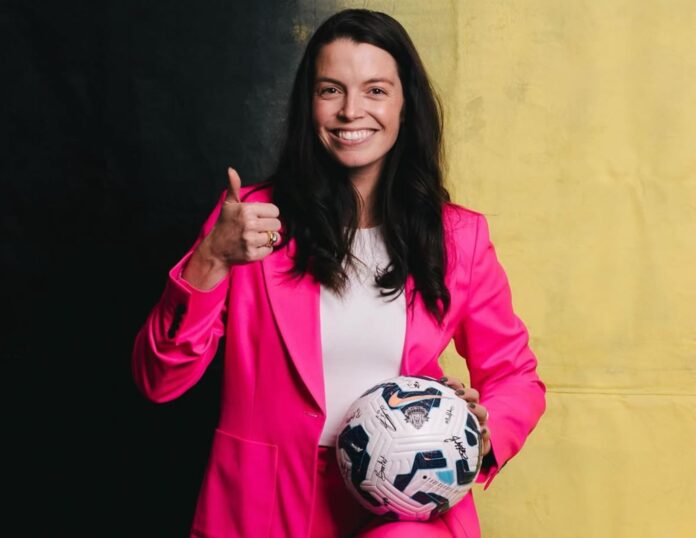
Meg Patten is an accomplished marketing executive with over a decade of experience in sports, brand strategy, and experiential campaigns. She currently serves as the Head of Event Marketing for the FIFA World Cup 2026, leading marketing strategy and campaign development across the United States. In this role, she is responsible for building national excitement and local connection ahead of the largest and most ambitious World Cup in history, bringing the tournament to life through culturally resonant, high-impact experiences and campaigns that inspire fans and partners alike.

Previously, Meg was the Senior Director of Marketing for the Washington Spirit, where she oversaw social, digital, and brand marketing efforts. During her tenure, she led multi-channel campaigns that deeply connected with fans and partners and drove meaningful impact on and off the field, including throughout the club’s run to the 2024 NWSL championship. She also spearheaded the launch of the “That’s The Spirit” campaign, which aired during the 2023 Women’s World Cup, and led the unveiling of the club’s 2025 “Shockwave” kit in collaboration with Nike.

Meg brings a proven track record of delivering large-scale experiential projects for leading global brands such as Twitter, the NFL, NBA, Equinox, Nike, and Google. She specializes in harnessing the power of sports and technology to create bold, strategic campaigns that drive revenue, user growth, and brand visibility. Her approach is grounded in cultural relevance, innovation, and community-building, consistently delivering work that resonates both culturally and commercially.

Beyond her strategic capabilities, Meg is a strong team player who consistently elevates those around her. She fosters a collaborative, high-performance culture, and instinctively steps into leadership roles during challenging situations. Passionate about authentic fan connection, she thrives at the intersection of culture, community, and creativity, always pushing boundaries to craft marketing that truly moves people.

A former collegiate soccer player at NYU, Meg’s passion for the game continues to shape her leadership style. She has been recognized for her commitment to advancing women in sports, stating, “Being a woman in sports means breaking barriers and paving the way for the next generation of girls who dream of a future in the game.”

Our Exclusive Interview with Meg Patten

Who is Meg Patten outside of football, and how have your personal experiences shaped your journey in the sport?

Outside of football, I’m a proud daughter, sister, friend, and dog mom to Murphy, my 100-pound Bernedoodle. In my (limited) free time, I love staying active, whether that’s working out or exploring new places. I’m also an avid reader, a Spanish learner, and I always enjoy planning my next international adventure.

Growing up, I had the unique experience of moving frequently and living in different parts of the world. That constant change taught me to embrace new environments with flexibility and curiosity, to lead with empathy, and to appreciate the power of human connection. Sport has always been a constant for me,  it has the ability to transcend language and culture, and serves as a universal way to bring people together. That perspective has deeply influenced my approach to working in sport.

What initially drew you to the world of sports marketing, and how did your journey evolve into leading event marketing for the FIFA World Cup 2026?

Sports have been a central part of my life for as long as I can remember. Growing up around the world, sport, especially soccer/football, was a universal language that helped me connect with others, even when we didn’t speak the same one. I played various sports throughout my life, but soccer was always my constant, all the way through to playing at the college level.

While at NYU, a teammate invited me to sit in on her “Intro to Sports Management” class, and that was the moment everything clicked for me. I instantly knew this was the path I wanted to pursue. After graduation, I was eager to break into sports marketing, but like many people in this industry, my first step was adjacent: I joined FOX Networks in a distribution role, but had an amazing boss that allowed me to work a bit more on one of our RSNs, YES Network.

Since then, my journey hasn’t followed a straight line, but I’ve always found ways to stay close to sport, whether through volunteering, game-day only roles, or through the events I helped bring to life. Each opportunity gave me tools that eventually led me here.

Who have been the most influential figures in your career, and what impact did they have on your professional development?

I’ve been fortunate to have a handful of mentors who’ve played a pivotal role in shaping my career. While I won’t name names, they’re individuals I’ve worked closely with and deeply admire, not just for their expertise, but for how they lead and support their teams.

These are the people I can call when I’m navigating a tough decision, need a sounding board, or want to share a professional “win”. They’ve helped me grow by challenging me to think bigger, trust my instincts, and approach leadership with both confidence and empathy. Their guidance has been invaluable, and I strive to pay that forward by showing up for others the way they’ve shown up for me.

What are the key ingredients to building a strong, high-performing team culture in sports marketing?

It all starts with trust. Trust isn’t something that’s given, it’s earned over time through consistency, accountability, and empathy. And while it takes time to build, it can break in an instant, which is why it has to be actively nurtured.

Beyond that, I believe a strong team culture is built on psychological safety, creating an environment where people feel comfortable showing up as themselves, speaking openly, and taking creative risks. When team members feel seen, heard, and supported, they’re more likely to collaborate effectively, push boundaries, and deliver great work. That kind of culture doesn’t happen by accident, it requires intentional leadership, clear communication, and shared purpose.

During your time at the Washington Spirit, which campaign are you most proud of and why?

I’m most proud of launching our inaugural brand campaign, “That’s the Spirit,” during the 2023 season. Our goal was to elevate brand awareness and ultimately drive ticket sales, and we did so by hero’ing our players and creating messaging that authentically connected with the DC community.

We took a bold, city-forward approach: plastering DC with Washington Spirit branding, airing a television commercial during the FIFA Women’s World Cup, and securing radio spots across our market. Every touchpoint of the campaign was designed to make the Spirit feel visible, proud, and authentic to the city.

The results were significant: over the course of two seasons, we nearly doubled brand awareness, grew our season ticket base by 71%, saw a 30% year-over-year increase in attendance, and an 85% lift in merchandise revenue. I worked closely with our COO, Theresa McDonnell, and our incredible marketing team to bring this campaign to life, turning strategy into results and helping build something that left a lasting impact on the club and our city.

As a former collegiate soccer player, how has your playing background influenced your work in sports business?

My experience as a college goalkeeper has shaped the way I lead, collaborate, and show up professionally. The role itself taught me to see the full pitch, but also focus on my role at the same time. Being a goalkeeper taught me to anticipate, communicate, and make quick, high-stakes decisions, all skills that translate directly into my roles.

Being a student-athlete also instilled in me the importance of time management, resilience, and accountability. You learn quickly that success isn’t just about the most talented person doing the work, but about how consistently you prepare, support your teammates, and adapt under pressure. That mindset has stayed with me and continues to influence how I approach challenges personally and professionally.

Looking back, is there a pivotal career moment or decision that significantly shaped your professional path?

When I reflect on my journey, I don’t see one defining moment, but rather an invisible thread that connects a series of intentional choices I’ve made and experiences I’ve had. It’s been a combination of consistent daily effort and a “never-stop” mindset that have shaped who I am and where I’m headed.

Throughout my career, I’ve been open to new opportunities,  whether that meant taking on unfamiliar roles, relocating, or stepping outside of my comfort zone. It’s often been the willingness to say “yes” to something new that’s opened doors I couldn’t have anticipated. And along the way, it’s been the relationships I’ve built, the conversations I’ve had, and the lessons I’ve learned that have made the biggest impact.

What are your future plans and goals as you look ahead in your career?

In the near term, I’m focused on continuing to grow and learn in my role at FIFA, there’s nothing quite like the scale and impact of the World Cup, and I’m motivated by the opportunity to bring it to life.

Longer term, my goal is to become a Chief Commercial or Chief Marketing Officer within the global sports space or start my own sports marketing agency. I’m passionate about the business of soccer and the power of major events to unite fans across cultures and continents. I want to continue creating work that not only drives results, but also leaves a lasting impact on the fan experience.

Above all, I will always strive to lead with purpose, mentor the next generation, and build teams that do bold, meaningful work together.

The Parents Week – Edition #63

Welcome to the 63rd edition of The Parents Week, your trusted source for the most meaningful stories in football family dynamics and development.

This week, we dive into:

Side by Side: Why Walking and Talking Matters
Mindset coach Simon Rogers explains how simply walking together can open deeper conversations with your child, lower pressure, and strengthen your connection when they need support most.

UEFA U21 Euros Grand Finale and the He-Rowe Moment
England claims back-to-back U21 titles in a thrilling 3-2 win over Germany. We spotlight Harvey Elliott’s leadership, Jonathan Rowe’s dramatic winner, and why tournaments like these are essential for developing the next generation.

Football or Fraud? Protecting Families from Scams
An essential guide to spotting and avoiding scams targeting young players and their families. Learn about FIFA’s transfer rules for minors, common fraud tactics, and steps parents can take to protect their child’s future.

The Importance of Good Governance in Football: Avoiding Market Disruption

Photo by Mark Autumns on Unsplash

The Iranian Football Federation (hereinafter: IRIFF) enacted a new directive on June 2024 with the declared objective of maintaining market stability and preventing the excessive increase of players’ salaries.

One of the main factors behind the current increase in player salaries in the Persian Gulf Pro League is Article 15 and its accompanying note in this new regulation.

Regarding Article 15 of the new directive issued by the IRIFF, only contracts officially registered by clubs are considered valid. If a player signs a contract with a club but the contract is not registered, it will be deemed legally void and null! The note appended to this article also sets a strict timeframe for the registration of contracts: 48 hours for submission to the provincial football board and seven working days for registration with the league organization.

While this article was adopted as part of a directive that purportedly aimed to control or even reduce salary levels, in practice, the result has been the exact opposite. During the adoption process of this provision in June 2024, numerous warnings were issued to the Federation regarding its possible consequences and its inconsistency with fundamental legal principles. Unfortunately, these concerns were not heeded.

To illustrate the issue more clearly, consider the following example:

Suppose a player signs a contract worth USD 500,000 with Club A ten days prior to the opening of the registration period. Following the agreement, Club A has no choice but to wait for the transfer window to begin.

Meanwhile, three days after the conclusion of the agreement, the executives of Club B, who are also seeking to sign a player in the same position, approach the same player and offer a contract worth USD 700,000. The player responds by saying that he has already signed with Club A, but Club B informs him that the previous contract is invalid because the 48-hour deadline for registration has passed and the contract was never officially lodged with the relevant authorities.

In such a situation, the player may accept the higher offer. Subsequently, when Club A becomes aware of the development and threatens legal action, the player asserts — relying on the aforementioned article — that the original contract is not legally valid and therefore no claim can be brought. As a result, in order to retain the player or reach a compromise, the contract value may rise significantly — from USD 500,000 to USD 1,000,000 or even more. Should Club C also enter the negotiations, the amount may increase further still.

In the past, under well-established legal principles, a signed contract was considered valid upon signature, even before formal registration. However, the current requirement of a strict registration deadline has paved the way for unhealthy competition, excessive increase of salaries, and ethically questionable conduct. While removing the registration deadline entirely could also introduce certain complications, the current framework has effectively produced results contrary to its stated objectives.

Conclusion

This situation once again underscores the critical importance of adhering to the principles of Good Governance in the decision-making processes of sports federations. Rulemaking without proper evaluation of practical outcomes, without transparency, and without consultation with experts and stakeholders, not only fails to achieve its intended goals, but also risks creating serious market disruptions, legal conflicts, and a loss of trust in the governing body. Good governance is not merely an ideal — it is a fundamental requirement for sustainable, fair, and professional football administration. Ignoring it leads to consequences that extend far beyond the scope of a single regulatory article.

The Pressure from Social Media: Supporting Young Footballers Under Stress

Photo by dole777 on Unsplash
The Illusion of the Perfect Life

“Soy Georgina” – translated as “I Am Georgina” – is the name of the Netflix documentary about Cristiano Ronaldo’s wife. There are already two seasons focusing solely on the daily life of a “footballer’s wife” and mother. It’s not uncommon for the partners of world-famous football stars to be very active on social media. Some of them were even famous before entering a relationship with a professional football player. But how do such seemingly ordinary scenarios put pressure on young people? Does this media-driven portrayal of life increase the internal urge to live the same kind of lifestyle? And could it even negatively affect their academic performance?

A Life Between School, Social Media, and Pressure to Perform

Teenagers spend a large part of their day at school, where they often associate their routine with stress, homework, early mornings, and continuous learning. Their free time is precious but still shaped by obligations and activities – be it football, other hobbies, or the constant consumption of social media.

Alongside their passion for sports, teenagers are exposed to a daily flood of information: lifestyle, fashion, politics, health, luxury, travel – and, of course, more football.

But is this even manageable for a teenager between the ages of 14 and 18? Especially during a stage of life already defined by hormonal changes and the search for identity? The answer is individual, but one thing is clear: being a teenager today is anything but easy.

The reality is this: many of them dream of living a specific lifestyle – not just for themselves, but also to give their loved ones a worry-free life. An enormous burden on their young shoulders. But how is one supposed to focus on school when professional football seems like the only viable path?

What Responsibility Do Famous Football Figures Bear?

Let’s go back to Georgina and Cristiano Ronaldo. The documentary showcases glamour and luxury – and portrays exactly what many girls consider the ultimate dream: expensive designer clothes, fine jewelry, private jets for her and her friends, and an impressive luxury villa.

Cristiano Ronaldo himself also openly shares his extravagant lifestyle on social media. His discipline and healthy lifestyle are undoubtedly admirable, but at the same time, he proudly poses with his sports cars and luxury vehicles. The underlying message seems to be: “Train as hard as I do, and you can have this life too.”

But is it really that simple? Take the example of a 16-year-old striker playing for a Bundesliga U17 team. Even if this player trains harder, perfects his diet, and dedicates every spare moment to football – will he automatically achieve the success and wealth of a Cristiano Ronaldo? The harsh truth: only a small fraction of talents actually make it to professional football. Most will not succeed.

When Dreams Shatter – The Dark Side of Pressure to Perform

The result of these unrealistic expectations? A multitude of young people with shattered dreams. Many of them may also have academic gaps because they placed all their focus on football. When the hoped-for career doesn’t materialize, what’s left are self-doubt, a lack of confidence, and diminished self-worth. But when is the right time to confront them with reality? And what can be done to support them mentally?

Support and Awareness – The Right Way to Handle Expectations

How deeply self-confidence and self-esteem are integrated into upbringing is largely shaped by cultural factors. Still, the responsibility doesn’t lie with families alone – football clubs and officials also play a key role. Some top clubs have recognized the shift and already offer psychological and mental support in their youth programs – although this often depends heavily on the clubs’ financial resources.

One of the most important measures remains open communication. Teenagers tend to hide their thoughts and worries – often feeling closer to their friends than to their own families. Teachers and coaches also face the challenge of finding the right approach. When should they step in? How far can they go without putting additional pressure on the youth?

There’s no one-size-fits-all solution – instead, a variety of approaches is needed to offer mental support. Just parents being aware of their children’s emotional challenges can make a big difference. Maybe the room doesn’t need to be cleaned up right away, or it’s okay to say they don’t like what’s for dinner. They should be allowed to disagree – and to share their thoughts with the coach. They should be allowed to dream, but also to doubt.

What Truly Matters: Love, Trust, and Perspective

One thing should never be taken away from young people: love, trust, and the things they care about. Sport – whether football or any other discipline – has protected generations of youth from negative influences. Just because they won’t become superstars or travel the world by private jet doesn’t mean they are worth any less.

In the end, what matters most is that they find their own path – regardless of whether it leads to wealth and fame. Because in the end, it’s not material happiness that counts, but inner contentment.

The Women’s League – Edition #54

Cover image of The Women’s League magazine featuring bold turquoise text on a purple stadium background. Tagline reads: "For women’s football decision makers."

Welcome to the 54th edition of The Women’s League, your digital source for the latest and most impactful stories in Women’s football.

This week we dive into:

Coaching and Leadership Moves
From Filipa Patão joining Boston Legacy FC to Jo Potter at Crystal Palace, this edition tracks key appointments and changes across the UK, Europe, and beyond, spotlighting the evolving landscape of women’s football management.

Exclusive: Who is Holly Murdoch?
Meet the Chief Operating Officer of WSL Football, leading the Women’s Super League through a critical period of independence and growth. Her journey from racing to football shows what it takes to manage the game at the highest level.

UEFA Women’s Euro 2025 Guide
Get ready for Switzerland’s first time hosting the Euros with our in-depth preview. Explore venues, technology innovations like the adidas Connected Ball, and the tournament’s cultural program set to redefine the fan experience.

Working with Football Agents: Guide for Clubs, Players and Parents

Photo by Hyoshin Choi on Unsplash

Football agents are a fixture of the professional game. They guide careers, open doors to new opportunities, and negotiate crucial deals. But with influence comes responsibility. For clubs, players and families, working with an agent requires structure, clarity and critical thinking.

This guide outlines the key elements of professional cooperation under FIFA regulations and highlights what to watch for when choosing representation.

A Global Rulebook, National Variations

The FIFA Football Agent Regulations (FFAR), implemented in 2023, establish a standardized global framework. They cover:

  • mandatory FIFA licensing for all agents,
  • content requirements for representation agreements,
  • rules governing minor protection,
  • principles of compensation, contract duration and conflict of interest.

However, legal implementation varies. In some countries, including Germany, England and Spain, parts of the regulations are under legal review or suspended. Stakeholders are advised to consult local rules alongside FIFA’s framework.

For Clubs

Clubs must ensure that any agent they engage is properly licensed. A valid FIFA license is required to provide Football Agent Services.

  • All engagements should be based on a written agreement.
  • A separate contract per transaction is strongly recommended.
  • Dual representation is only allowed with the written consent of both parties.
  • Potential conflicts of interest must be addressed early and transparently.
For Players

Choosing an agent is a defining decision in a footballer’s career. FIFA regulations clearly state: only those with a valid license may act as agents.

  • No representation may begin without a written contract.
  • Maximum duration is two years.
  • Automatic contract renewals are not permitted.
  • Players must receive a written notice of their right to independent legal advice.
  • They must confirm in writing whether they obtained or waived legal counsel.
  • Players may always choose to negotiate on their own.

A practical reminder:

If an agent fails to explain who they contacted, how they promoted you, or how they positioned you with clubs, stop and reflect. Speak to multiple agents. Ask questions. Make informed decisions.

For Parents

Special provisions apply when working with minors. FIFA mandates that agents must hold a valid license and have successfully completed the FIFA Safeguarding of Minors Certification before representing any underage player.

  • Agents may only make contact with written parental consent.
  • Contact is permitted no earlier than six months before the player becomes eligible for a professional contract.
  • Representation agreements must be signed by both the player and a legal guardian.

If an agent avoids transparency, such as who was contacted or how your child was represented, that’s a warning sign. Compare professionals. Look for clarity. Choose wisely.

What a Representation Contract Should Include?

  • Names of all parties
  • Duration (maximum two years for players)
  • Scope of services
  • Fee arrangement
  • Written notice regarding legal advice
  • Player’s signed confirmation (received or waived legal counsel)
  • Signatures from all involved parties
Conclusion

A competent agent can be a valuable asset, but only when the relationship is built on licensing, transparency and mutual trust. When in doubt, ask questions, compare options and protect your long-term interests.

Contact

Are you a player, parent or club seeking trusted representation?

Through our network at the IFFA (International Federation of Football Agents), we help connect you with licensed and experienced agents in your market.

Not sure which rules apply in your country or under FIFA?

We’re here to help, with orientation, guidance and professional referrals.

Who is David Dóniga?

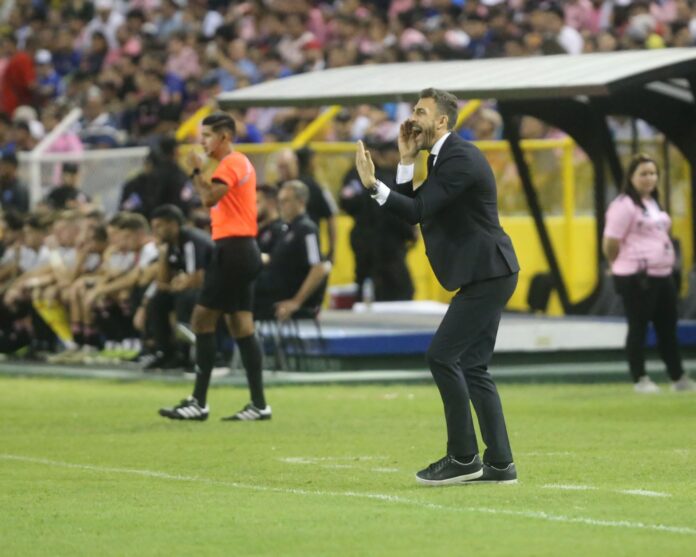
El Salvador Debut: El Salvador vs Inter Miami, 19th January 2024.
The Architect of Adaptation in Modern Football

From La Liga touchlines to World Cup qualifying campaigns in CONCACAF, David Dóniga has crafted a coaching journey that is both dynamic and deeply methodical. Beginning his career in Spanish football as a trusted assistant at clubs like Deportivo de La Coruña, Real Betis, and Olympiakos, Dóniga has gradually carved his own path as a head coach, embracing the immense pressures of international management with Panama and El Salvador. His career is a blend of tactical sophistication, technological integration, and a relentless pursuit of structure in the face of chaos. Now, with national team experience under his belt, Dóniga stands as a symbol of the modern, adaptable coach… Disciplined, visionary, and battle-tested.

Coaching Process & Methodology

Dóniga thrives in high-stakes scenarios. “High-stakes jobs are what I’m looking for in professional football,” he says. “To get to the summit of the mountain, you must climb all the difficulties, and that’s something I understand as part of my career. Pressure, results, and changing environments… I adapt in 24 hours.

His philosophy hinges on preparation and a universal methodology. “The point is to be ready every day: scout, study, read, gain specific knowledge… just in case ‘tomorrow I must leave.’ I use a systematic program: planning, tech applications to process information, and a global work system that adapts to any context.”

When asked about preserving his football identity within a national team context, Dóniga is clear: “It’s mandatory to know the characteristics of local players and the idiosyncrasies of the national team. Once you get that, my system lets me adapt anywhere.

Whether the formation is a 4-4-2 or a fluid back three, his system holds. “I’ve created a style that fits every kind of team while keeping their strengths. Off the pitch, everything is organized in ‘folders’: team analysis, week plan, drill settings, training sessions, opponent scouting… all accessible in one click.

Leadership Evolution

Having served as an assistant at top-level clubs before assuming head coach duties, Dóniga credits those experiences for shaping his leadership. “Top-flight players, top-flight stadiums, top-flight professionals, I soaked in everything.” He recalls moments that sharpened his edge: “Drawing at Camp Nou to stay in La Liga, adjusting set plays midweek before facing Real Madrid at the Bernabéu, Champions League nights with Olympiakos, these moments train you to beat even the toughest challenges.

Weekly Workflow in a National Team Window

A typical international week is, as he describes, “real craziness you cannot face without a plan and proper systems.

Before camps even begin, he and his staff build an extensive player database. “I analyze my main list out of the FIFA window. That’s the hardest job, preparation before the week.” Once players arrive, it’s straight into a streamlined routine: “First group talks, sessions, opponent analysis with video, key points on the pitch. We train 3 – 4 times in 3 days, recover, and prepare again. Then, another match.

Club Collaboration and Opponent Prep

Dóniga’s commitment to player welfare and continuity is evident in his ongoing collaboration with club coaches. “I call and message every single week after the matchday. Monday morning talks with coaches are mandatory. I share the weekly program and player metrics.

When preparing for CONCACAF opponents, he highlights the value of understanding the competition format: “Whether it’s round robin or knockout, knowing the structure helps set objectives.” But he stresses balance. “Sometimes the key isn’t tactics, it’s fans, pitches, or even family. Still, tactics and formations are built on our rival’s strengths and weaknesses. Back to my system.

El Salvador Experience

Asked about his biggest challenges, Dóniga references both highs and turnarounds: “I coached a Cup final in Ecuador in 2022, qualified for the Gold Cup in 2024, and promoted El Salvador to Nations League A.

When he took over El Salvador, the team had gone 17 games without a win. “We were relegated to League B, morale was low. But we won again, got promoted to League A, and reached the last round of 2026 qualifiers.

The foundation was mindset. “The team grew most in mentality… winning mentality. I had to choose the best players, scout naturalized talent abroad, and prepare tactically to compete at the top level. We got it.

Player Development & Squad Building

Player selection, Dóniga says, depends on the context. “Whether I choose the squad or inherit one, my anthem is to take advantage of the resources I have instead of complaining.

He’s created an environment where every player must buy into a shared vision. “All players are suitable if they understand they’re part of something bigger than themselves. When that happens, magic appears.

He doesn’t rely solely on association scouts. “I’ve got my own software, my own scout, and my own data. Big data and metrics help me pick the best list, every time, not just from my experience.

Vision & Progress

His biggest recent contribution? “My own software, ScoutYou Pro.” It’s had immediate impact: “I make lists quicker and more accurately. Even my exercises improve with feedback.

For Dóniga, success is more than just results. “I compare pre-match analysis with post-match video, then link stats and metrics with images. All match data goes into a campaign-wide database.

Reflection & Adaptation

International football has undeniably reshaped his worldview. “Every experience gives you knowledge for your next reality, even if they seem unrelated. So pay attention.

What has he learned about himself? “Adaptation, humility, and stepping into everyone else’s shoes.

Between breaks, Dóniga keeps his edge through rhythm and recovery. “No way to stop. I need 2–3 days to analyze and set the plan for the next window. After that, I stay close to my family to mentally recover. Then I’m ready to return.

Public & Media Role

How does he handle the pressure of representing an entire nation?

It’s a pressure I love. It’s awesome to represent so many people. They want the best from you, and I take that responsibility with pride.” Dóniga thrives under the spotlight: “The more pressure I feel, the more I perform.

In David Dóniga, we see the evolution of the modern manager: organized but open-minded, rooted in principle but responsive to change. He’s not just building teams, he’s building systems that endure beyond matches, and mindsets that thrive under pressure.

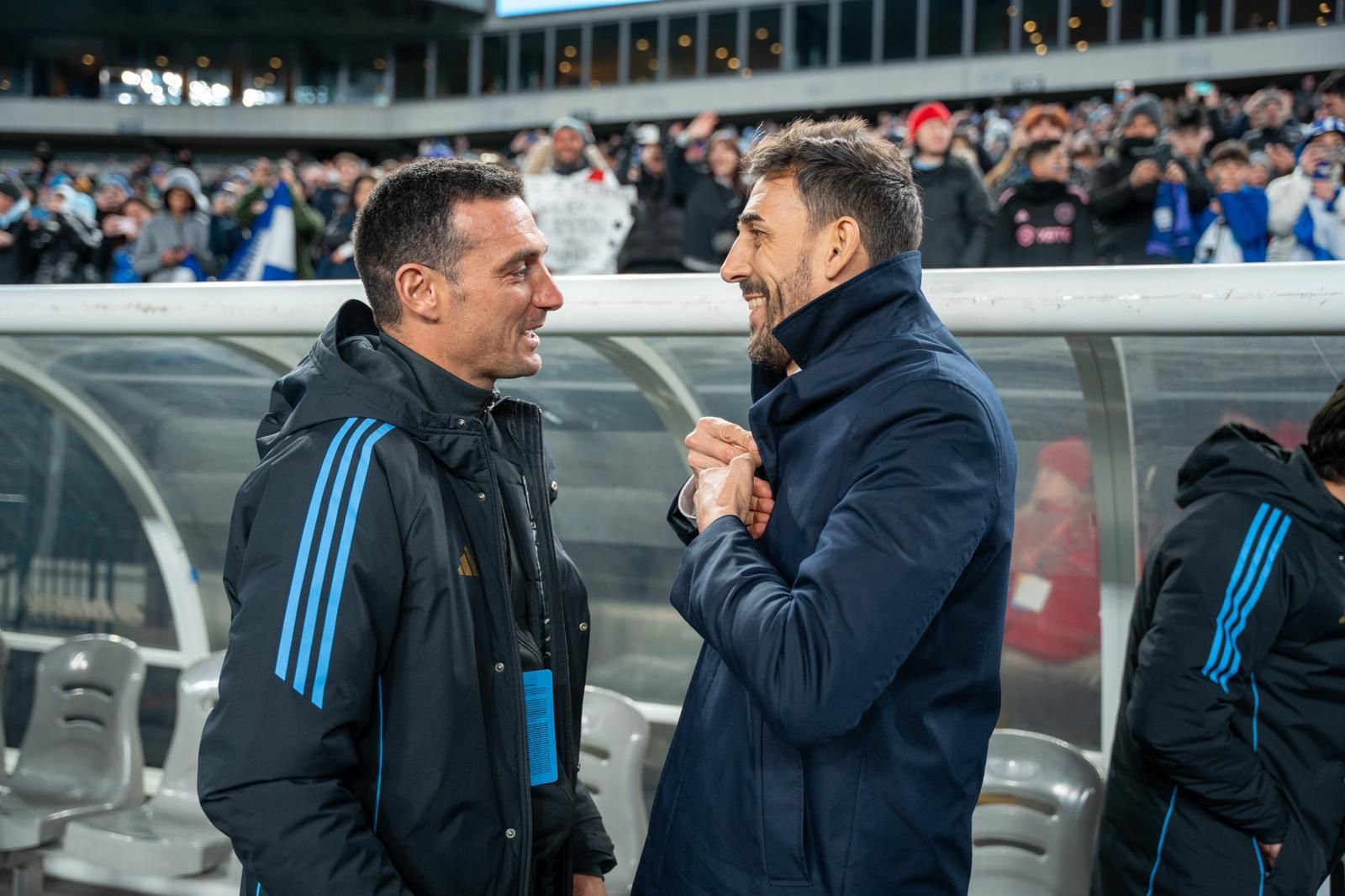
Friendly El Salvador vs Argentina in Philadelphia, 22nd March 2024 – Exchange between David Dóniga and Lionel Scaloni.
Our Exclusive Interview with David Dóniga
Coaching Process & Methodology

Your managerial journey includes high-stakes jobs, Panama, El Salvador… What is the overarching vision you bring to each role, and what methodology or philosophy do you implement?

High-stakes jobs are what I’m looking for in professional football. To get to the summit of the mountain, you must climb all the difficulties, and it is something I understand as a part of my career. Pressure, results, and changing environments to adapt myself in 24 hours. The point is to be ready every day (scouting, studying, reading, specific knowledge) just in case ‘tomorrow I must leave’, and a systematic program: planning, technological applications to run the info, and a universal system of work you can use worldwide just adapting the features of the context.

When taking charge of a national team, how do you preserve your football identity while adapting to existing systems, culture, and talent pools?

It is essential to understand the characteristics of the local players and the idiosyncrasies of the National Team. Once that’s clear, the system I mentioned allows me to adapt to any context, as I approach every phase of the game in the same way, regardless of the formation required or the specific traits of the new players. Some contexts are better suited to an X formation or a Y style of play. I’ve developed a style that can accommodate any type of team or player while preserving their strengths. Off the pitch, I organize my work into “folders” that give me instant access to everything I need: team analysis, weekly planning, drill design, training sessions, opponent analysis, and match preparation.

You’ve often worked as a top flight level assistant, before taking on head coach roles. How has that shaped your personal leadership style?

I took advantage of every top-flight level context I lived in: top-flight level players every day, top-flight level talks with top-flight level professionals, top-flight level stadiums, top-flight level games in top-flight level leagues… Every single moment, I focused and got the best of every situation I experienced. To be used to feeling these sensations (last match in Camp Nou against Barça getting a draw to keep in La Liga, switching the set plays you prepared during the week because in the next matchday against Real Madrid in Bernabéu Zidane will replace Rafa Benítez, Champions League matches coaching at Olympiakos, or competing to get the World Cup with a whole country supporting you) gives you the capacity to face the most difficult challenges you can imagine with the feeling that you can beat all.

What does a typical week look like for you during a national team window, between training, analysis, and preparation?

I spend a lot of time analyzing the performance of my main list players out of the FIFA window week, because everywhere I go I create a database with all the players I can choose. It is the most difficult job before getting in charge. And it is something I create by myself with my staff. Just as we enter the week, we run the system I told you before: hello to the players, first group talks, training session, analysis of the opponent with our own images and opponent highlights, and practice the key points on the pitch during the training sessions: 3 – 4 sessions in 3 days to recover the player and prepare the match before another match 3 days after. Real craziness that you cannot face if you don’t have a plan and a proper system with established habits.

How do you communicate and collaborate with club coaches to manage player fitness and continuity between call-ups?

By messages and calls every single week after the matchday finishes. It’s very important for me. I send them the weekly program and the metrics of their players, and I discuss with them about all I guess can be good for us both. Monday morning talks with coaches are mandatory.

Can you walk us through how you prepare for a CONCACAF opponent? How much is the preparation tactical; how much is it mental?

The deep knowledge of the kind of championship you play (round robin, Swiss model, round of 32…) is also very important because it allows you to clearly set the objectives. As well, it’s the same as the rest of the clubs or national teams: the point is identifying pretty well the keys you can use in that case, and sometimes it is about fans, sometimes about the pitch, sometimes about our families… The tactics, formations, and strategies are set from my analysis of strengths and weaknesses of the rival. Back to my system.

El Salvador

What was your biggest challenge while coaching El Salvador or other national teams?

I’ve got a Cup final in Ecuador, 2022, and a Gold Cup qualification in 2024 and promoted to Nations League A in Nations League of CONCACAF in 2024.

In what areas do you feel the national team has grown the most during your tenure so far?

Mentality, in their winning mentality…

I was in charge of a team that was 17 matches in a row without winning, relegated to B league and with a mood far away from the one needed to get the World Cup; we won again, we were promoted to the A series and we got the last round of 2026 qualifiers.

It was necessary to choose the best players, point out the ones who could be naturalized living abroad and prepare tactically and strategically to compete at the top flight level. We got it!

Player Development & Squad Building

What specific qualities do you look for when selecting players for your system?

Depending on if I can support the signing or the choosing (in national teams) or if I have to adapt myself to the squad list of a club. My anthem is to take advantage of the resources I have instead of complaining. In my system, all the players are suitable if they understand being a part of something really bigger than every one of them. When it happens, magic appears.

How does the Talent ID process work for scouting players for national teams? Do you work with your own scout network, or do you rely on the help of the National Association scouts?

I’ve got my own software, my own scout, and my own database (with big data) and reports. It allows me to get the best list I need every single time, not only based on my expertise but with metrics and data as well.

Vision & Progress

What’s one thing you’ve changed or implemented in your recent coaching roles that you believe is already making an impact?

My own software (ScoutYou Pro). It allows me to make my lists more quickly and accurately. The rest of my System, even my exercises, are improved through practice and feedback.

How do you measure success beyond just results at this stage?

Comparing my analysis with the analysis after checking the match on video, and linking the stats and metrics with the images. And every match data goes to a database where we can have a sight of the whole campaign.

Reflection & Adaptation

Has coaching international football forced you to adapt or evolve your philosophy in any way?

For sure: every experience you live, gives you a knowledge suitable to your next reality, even when it is far away from the other apparently. So pay attention.

What’s something you’ve learned about yourself since taking these different coaching jobs?

Adaption, humility and putting yourself in the shoes of everybody.

How do you stay mentally sharp and motivated between international breaks?

No way to stop. After the analysis and setting the plan for the next FIFA window (it takes me 2–3 days), it is necessary for me to be near my family and recover myself mentally; so then I’m ready to go back to the routine.

Public & Media Role

How do you handle the pressure and expectations from fans and media in a national team role?

It’s a pressure I love. It’s awesome to represent so many people. They want you to get the best of the team and make them happy, so the responsibility is massive and I take pride in being the one to lead the project. It’s my job. The more pressure I feel, the more I run.

FIFA Builds Its Own Blockchain: A New Era for Digital Collectibles and Fan Engagement

Photo by Shubham Dhage on Unsplash

In a move that signals the future of digital fandom in football, FIFA is laying the groundwork for its very own blockchain infrastructure. This marks a pivotal shift in how the global governing body intends to interact with its audience in the Web3 era, bringing fan engagement, digital collectibles, and on-chain innovation directly under its control.

As Web3 technologies continue to redefine how fans engage with their favorite teams, athletes, and sports leagues, FIFA’s decision to build its own blockchain represents more than just a technological upgrade. It is a statement of intent. With this bold step, FIFA aims to strengthen its position at the intersection of sports and digital innovation, crafting a new ecosystem where fans don’t just consume content passively but become active participants in an evolving digital universe.

The Transition: What Users Need to Know

The migration to FIFA’s custom blockchain is slated to begin no earlier than May 20, 2025, and will require a brief 12-hour maintenance window during which the FIFA Collect platform will go offline.

For collectors already engaged in FIFA’s digital offerings, the transition promises to be seamless: all existing NFTs hosted on FIFA Collect will be automatically transferred at no cost or action required from users.

However, there is one important caveat. If users have previously exported any collectibles to external wallets, those assets must be re-imported into the FIFA Collect platform by May 20 to ensure their migration. FIFA will temporarily reactivate the “import” functionality for this purpose. After the deadline, recovery will still be possible but will likely involve additional customer support steps.

A Shift in Wallet Compatibility

This new blockchain will be EVM-compatible, meaning it will support widely used Ethereum-based wallets such as MetaMask. At the same time, it spells the end of support for wallets native to the Algorand ecosystem, including Pera and Defly, which had previously served as FIFA’s blockchain partners.

Current users relying on Algorand-compatible wallets will need to transition to EVM-friendly alternatives before the switchover to maintain seamless access.

What Happens to USDC and Existing Listings?

Users with USDC (USD Coin) balances on the platform can continue to transact with them right up until the migration. Post-transition, any remaining USDC will still be eligible for withdrawal but can no longer be spent within the platform’s ecosystem.

Meanwhile, any NFTs currently listed for sale will automatically carry over to the new system unless users choose to delist them beforehand.

Why Build Its Own Blockchain?

At the heart of this move lies a clear ambition: autonomy, flexibility, and long-term innovation. By establishing its own blockchain network, FIFA positions itself at the helm of its digital universe, able to dictate updates, introduce novel features, and design fan experiences without relying on external platforms.

More importantly, this shift paves the way for future innovations such as interactive collectibles, blockchain-based ticketing, and perhaps even gamified loyalty programs. It also grants FIFA deeper insight into user behavior, unlocking a treasure trove of data that can inform partnerships, personalized content, and monetization strategies.

Still, the announcement leaves some questions unanswered, chief among them: how FIFA plans to tackle concerns around data security, decentralization ethics, and user privacy in a space often criticized for its opacity.

A Strategic Pivot Toward Web3 Maturity

FIFA’s earlier experiments with third-party blockchains, including partnerships with Algorand and Polygon, hinted at exploratory interest. This latest development, however, suggests a long-term strategic commitment to Web3 technologies and their potential to reshape how global football connects with its fanbase.

Closing Thoughts

For everyday users, this may seem like a quiet update. Their collectibles will remain untouched, their access uninterrupted, and the transition largely invisible. But beneath the surface, this is a tectonic shift.

FIFA’s move to build and control its own blockchain signals something far bigger than a backend upgrade. It is the beginning of a new digital frontier for global football, one where fans are not just spectators, but verified stakeholders in a living, breathing digital ecosystem.

As the lines between sports, technology, and ownership continue to blur, FIFA is stepping into the arena with purpose. This is not a trial run. It is a clear declaration that the world’s biggest sport intends to lead, not follow, in the Web3 era.

Football’s future will not just be televised. It will be tokenized, interoperable, and undeniably on-chain. And FIFA is making sure it’s the one holding the keys.

From the Dressing Room to the Boardroom: What Executives Can Learn from Captains

Photo by Dane Deaner on Unsplash

Series: Leading the Game: Leadership in Football

A series exploring how football executives can lead with clarity, purpose, and resilience in today’s game.

“You’ve got to take responsibility and do everything in your power to get results. Hopefully players look at that and try and follow it.”

— Steven Gerrard

There are lessons in everyday life for those who look for them, and nowhere is this more evident than in the world of sports. In the beautiful game of football, every match is more than just a contest; it’s a microcosm of life. Whether it’s the resilience of a team fighting back from behind or the humility of a gracious winner, football offers a treasure trove of analogies that apply directly to leadership and personal growth. In essence, sports serve as a stage where strategy, teamwork, and character come to life in a drama that mirrors the challenges and triumphs we face off the pitch.

From the dressing room to the boardroom, the parallels are striking. Captains on the pitch embody leadership in its purest form: they inspire their teammates, maintain composure under pressure, and exemplify resilience and determination. These qualities are not only essential for success in sports but also form the foundation of exceptional leadership in business and life. As executives, there is much to learn from the captains who lead by example, foster unity, and navigate their teams through adversity.

By examining the attributes of great football captains, we can uncover valuable insights into effective communication, motivation, and strategic thinking. These lessons remind us that the principles that drive success on the field are the same ones that can transform organizations and inspire teams to achieve greatness.

The Captain’s Mindset: Leadership Qualities on the Pitch

Captains are not just the loudest voices on the pitch. They are the emotional and strategic anchors of their teams. Their mindset is shaped by the demands of the game, where leadership is not optional but necessary. Understanding how captains operate gives us a blueprint for effective leadership in high-stakes environments.

Communication: Clarity, Calm, and Command

On the pitch, communication is everything. Captains must relay tactical adjustments, motivate teammates, and keep tempers in check, often in moments of extreme pressure. But great captains do more than speak. They listen, assess, and respond in ways that keep their team focused and united. Steven Gerrard, for instance, was known for his calm presence and ability to deliver messages that mattered. His leadership style showed that the right words at the right time can elevate an entire team.

Resilience: Leading When It Matters Most

Captains are often remembered for how they lead when things go wrong. Whether it’s a player sent off, a goal conceded, or a season on the line, great captains rise to the moment. Roy Keane’s performance in the 1999 Champions League semi-final is a prime example. Despite knowing he would miss the final, he played with intensity and drive, inspiring his team to victory. That kind of resilience is just as essential in business leadership, where setbacks are inevitable and leaders are defined by their response.

Strategic Thinking: Decisions in Real Time

Great captains are tacticians in real time. They scan the pitch, make quick decisions, and influence outcomes without needing direct orders from the bench. Vincent Kompany often anticipated danger before it appeared and made decisions that changed the course of games. His leadership was marked by intelligence and composure, qualities that are equally vital for executives who must balance short-term demands with long-term vision.

– Great captains lead with calm communication, resilience under pressure, and sharp decision-making – qualities that translate directly into effective leadership beyond the pitch.

Translating Lessons to the Boardroom

While football captains wear armbands and lead in front of thousands, executives guide organisations in more complex but equally high-pressure environments. The leadership traits captains display on the pitch can be applied directly to boardrooms and beyond.

Building Team Cohesion

Captains excel at fostering unity. They ensure that every player, from star striker to backup goalkeeper, feels valued and aligned with the team’s goals. This culture of inclusion builds loyalty and performance. In a corporate setting, leaders can mirror this by encouraging collaboration across departments, recognising contributions, and promoting a shared sense of purpose.

Leading by Example

The most respected captains never ask others to do what they won’t do themselves. They turn up early, train hard, and accept responsibility when things go wrong. Executives who lead with the same integrity, consistency, and accountability inspire those around them. When staff see leadership that walks the talk, trust grows and standards rise.

Navigating Challenges

Whether managing egos in the locker room or facing a crushing defeat, captains show emotional control and focus. Business leaders face their own storms: economic downturns, internal conflict, and reputational crises. Those who can stay steady, communicate clearly, and refocus their teams are the ones who lead lasting turnarounds.

– Executives who adopt the leadership traits of football captains (unity, accountability, and composure) build stronger teams and more resilient organizations.

Real-Life Examples and Anecdotes

The leadership lessons from football captains come alive when we look at those who have embodied them at the highest level. Their actions under pressure and commitment to their teams offer timeless lessons for leaders in every field.

Steven Gerrard: Leading by Responsibility

Gerrard captained Liverpool through triumphs and heartbreaks. What set him apart was his relentless sense of responsibility. Whether scoring critical goals or lifting the team after tough losses, he carried the emotional weight of the squad. His leadership was not about volume. It was about presence. Business leaders who carry responsibility without blaming others create cultures of ownership and trust.

Roy Keane: Demanding Standards

Known for his fierce determination, Roy Keane was uncompromising in his standards. He demanded effort, focus, and excellence from teammates. While his style was intense, it came from a place of belief in the team’s potential. Executives can learn from this clarity. When expectations are clear and high, teams often rise to meet them.

Vincent Kompany: Calm in the Storm

As Manchester City captain, Kompany was the steady hand in moments of chaos. Injuries, title pressure, media noise, he managed it all with emotional intelligence. He also studied the game obsessively, preparing himself and others with discipline. This combination of calm leadership and deep knowledge is a model for any executive facing change or uncertainty.

Business Parallels

Leadership wisdom from sports has long inspired top business minds.

Jeff Bezos, founder of Amazon, has spoken about how watching his favourite American football team taught him about resilience, comeback strategies, and the importance of a clear game plan. His “Day One” mindset mirrors the focus and intensity of a team captain preparing for every match like it’s a final.

Sara Blakely, founder of Spanx and the youngest self-made female billionaire, credits her years playing basketball for teaching her how to handle pressure and stay positive in the face of rejection. Her perseverance and ability to rally people around a mission reflect a captain’s mindset both on and off the court.

Reed Hastings, co-founder of Netflix, played sports competitively and later applied that team-first thinking to build Netflix’s famed culture of freedom and responsibility. Like a captain, he believes in setting high standards while giving people space to perform and grow.

– The captain’s mindset is universal and can be found in successful organisations across the globe.

Conclusion: Embracing the Captain’s Spirit

Great captains are not defined by armbands or applause. They are defined by how they lead when no one is watching, how they rally teams when everything is on the line, and how they carry themselves in moments of both triumph and failure. These traits are not limited to the pitch. They are the same principles that drive exceptional leadership in boardrooms, businesses, and beyond.

For football executives and business leaders alike, adopting a captain’s mindset means leading with clarity, building trust, and staying composed under pressure. It means setting standards through action, communicating with purpose, and facing setbacks with resilience. Most importantly, it means recognising that leadership is service to the team, the vision, and the values that bind them together.

Sports and business are different arenas, but the best leaders in both understand that people follow those who show up and speak up when it matters most.

Every executive can learn from the captains who lead on the pitch. They are a blueprint for resilient, purpose-driven leadership.