
Home Blog Page 32

Schwangerschaft im Frauenfußball: Rechte, Vorbilder & globale Entwicklungen

Pregnant woman in a white sweater and jeans gently holding her baby bump while sitting by a window.
Photo by Anastasiia Chepinska on Unsplash

Ein Thema rückt ins Rampenlicht, das lange übersehen wurde: Schwangerschaft im Profifußball. Immer mehr Spielerinnen und Trainerinnen entscheiden sich bewusst für eine Familie und immer mehr Ligen, Vereine und Verbände schaffen die Voraussetzungen, damit das möglich ist.

In diesem Artikel geht es darum, was sich aktuell weltweit verändert, welche Rechte gelten und welche Clubs und Ligen schon heute mutig vorangehen.

FIFA schafft klare Regeln für Spielerinnen seit 2021, für Trainerinnen seit 2024

Im Jahr 2021 führte die FIFA erstmals Schutzrechte für schwangere Spielerinnen ein. Diese wurden im Reglement zum Status und Transfer von Spielern (RSTP) unter Artikel 18quater verankert. Seit Juli 2024 gelten diese Schutzrechte nun auch für Trainerinnen. Damit sind beide Gruppen erstmals gleichgestellt – weltweit und verbindlich.

Die Regelungen setzen einen globalen Mindeststandard. Nationale Gesetze oder Tarifverträge mit besseren Bedingungen gelten weiterhin vorrangig.

Zentrale Punkte der FIFA-Regelung:

  • Mutterschaftsurlaub: 14 Wochen, mindestens 8 davon nach der Geburt. Zahlung: mindestens zwei Drittel des Gehalts.
  • Adoptions- und Familienurlaub: Bis zu 8 Wochen, auch für nicht-biologische Mütter.
  • Vertragssicherheit: Kündigungen wegen Schwangerschaft oder Elternzeit gelten als „ohne just cause“ – mit sportlichen und finanziellen Sanktionen für den Club.
  • Flexible Rückkehr: Spielerinnen und Trainerinnen entscheiden selbst, wann und wie sie zurückkehren. Clubs müssen medizinisch und organisatorisch unterstützen.
  • Stillzeit: Geeignete Stillräume müssen vorhanden sein. Gehaltseinbußen sind ausgeschlossen.
  • Menstruationsgesundheit: Bei Beschwerden kann mit Attest bezahlter medizinischer Urlaub genommen werden.

Diese Clubs und Ligen setzen Maßstäbe

Einige Vereine und Ligen setzen die FIFA-Vorgaben aktiv um und gehen darüber hinaus.
Sie schaffen langfristige Sicherheit und ein professionelles, familienfreundliches Umfeld.

USA: NWSL (National Women’s Soccer League)

Die NWSL war eine der ersten Ligen mit umfassenden Rechten: 6 Monate voll bezahlter
Mutterschutz, medizinische Versorgung, Rückkehrrecht, Kinderbetreuung und familiensensible Reiseplanung. Spielerinnen wie Sydney Leroux, Amy Rodriguez und
Jessica McDonald kehrten erfolgreich als Mütter zurück.

Australien: A-League Women

Bis zu 12 Monate Elternzeit, garantierte Rückkehr in den Beruf und Unterstützung über die
Spielergewerkschaft, sowohl für Spielerinnen als auch für Trainerinnen.

Norwegen: Toppserien

Die norwegische Liga ist aktuell das europäische Vorbild, wenn es um strukturelle Gleichstellung geht. Seit April 2025 gilt: Wird eine Spielerin oder Trainerin im letzten Vertragsjahr schwanger, verlängert sich ihr Vertrag automatisch um ein Jahr. Diese Regelung gilt verbindlich für alle Clubs der höchsten Spielklasse und wurde gemeinsam mit dem Verband entwickelt, ein starkes Beispiel für nachhaltige Systemveränderung.

Italien: AC Milan

AC Milan hat als einer der ersten Clubs in Europa eigene familienfreundliche Maßnahmen eingeführt. Dazu gehören die Vertragsverlängerung bei Schwangerschaft, medizinische Nachsorge, Kinderbetreuungszuschüsse und flexible Arbeitsmodelle, ein positives Beispiel für Clubverantwortung innerhalb eines noch nicht einheitlich geregelten Ligabetriebs. Deutschland: TSG Hoffenheim

Im Mai 2025 führte die TSG Hoffenheim als erster deutscher Profiverein eine neue Regelung ein: Wird eine Spielerin oder Trainerin während der Vertragslaufzeit schwanger, verlängert sich ihr Vertrag automatisch. Diese Maßnahme ist neu im deutschen Fußball und orientiert sich an internationalen Best-Practice-Beispielen.

Vorbilder, die Mut machen

  • Sara Björk Gunnarsdóttir gewann eine Klage gegen Olympique Lyon, nachdem ihr
    während der Schwangerschaft das Gehalt verweigert wurde – ein Grundsatzurteil mit
    weltweiter Wirkung.
  • Melanie Leupolz kehrte nach der Geburt ihres Sohnes zum FC Chelsea zurück, mit
    Unterstützung des Vereins und als Führungsspielerin auf dem Platz.
  • Alex Morgan, Amy Rodriguez und Sydney Leroux zeigen, dass Weltklasse und
    Mutterschaft sich nicht ausschließen.

Auch im Trainerbereich setzen Frauen Zeichen:

  • Imke Wübbenhorst (YB Bern) kehrte nach der Geburt ihres Kindes auf die Trainerbank zurück, unterstützt durch einen strukturierten Rückkehrplan.
  • Theresa Merk (SC Freiburg) spricht offen über ihre Rolle als Mutter und Cheftrainerin,
    ein Vorbild für viele.

Weitere Trainerinnen weltweit leben ähnliche Realitäten, auch wenn sie öffentlich (noch)
nicht darüber sprechen.

Was Spielerinnen und Trainerinnen wissen sollten

  • Wer im Profifußball arbeitet, hat klare Rechte, ob als Spielerin oder als Trainerin:
  • Anspruch auf 14 Wochen bezahlten Mutterschaftsurlaub (mind. 2/3 des Gehalts)
  • Kein Jobverlust oder Vertragsende aufgrund einer Schwangerschaft
  • Adoptionsurlaub und Familienzeit für nicht-biologische Mütter
  • Rückkehr zur Arbeit auf eigene Entscheidung mit medizinischer Unterstützung
  • Stillrecht inklusive geeigneter Räumlichkeiten und vollem Gehalt
  • Bezahlte Freistellung bei menstruationsbedingten Beschwerden mit ärztlichem Attest Bei Fragen helfen: Spielergewerkschaften, Landesverbände oder die FIFA direkt unter legal@fifa.org

Was Clubs und Ligen jetzt tun können

  • Verträge anpassen: Schutzklauseln und Rückkehrregelungen fest verankern
  • Infrastruktur schaffen: Stillräume, flexible Zeitmodelle, familienfreundliche Maßnahmen
  • Führungskräfte sensibilisieren: Schulungen für Trainer- und Managementteams
  • Ligaweite Standards etablieren: Einheitliche Lösungen wie in Norwegen oder den USA
    stärken die gesamte Struktur
  • Offen kommunizieren: Familienfreundlichkeit ist ein Wettbewerbsvorteil

Blick nach vorn: Wer zieht nach?

Die FIFA hat den rechtlichen Rahmen geschaffen. Einige Ligen und Clubs haben
gehandelt. Doch noch ist Familienfreundlichkeit im Fußball keine Selbstverständlichkeit.

Welche Vereine folgen dem Beispiel von Milan, Hoffenheim und der NWSL? Und welche
Liga wird als Nächstes verbindliche Standards schaffen, für alle Profifrauen, auf und
neben dem Platz?

Die Antwort auf diese Fragen wird mitentscheiden, wie zukunftsfähig der Fußball wirklich
ist.

Mistakes Footballers Make That Kill Commercial Deal Potential

Empty chair under spotlight in dark room, symbolizing lost opportunities or public silence
Photo by Robin Jonathan Deutsch on Unsplash

In today’s football world, a player’s off-pitch presence is almost as important as their on-pitch performance, especially when it comes to attracting commercial deals. Whether it’s fashion partnerships, sponsorships, or ambassador roles, brands are more cautious than ever about who they associate with. While the right endorsement can elevate a player’s public image and earning power, the wrong move, or even a poorly judged tweet, can have the opposite effect.

There are countless examples of players who’ve had multi-million-pound endorsement deals fall through, not because of injury or form, but because of reputation. Bad press, controversy, and brand misalignment are silent killers of commercial opportunity, and they often come down to avoidable mistakes.

Mistake #1: Underestimating the Damage of Bad Publicity

In an age of instant headlines and social media virality, one misstep can quickly snowball into global coverage. Players who get caught up in scandals, whether legal trouble, relationship drama, or off-field behaviour, risk far more than a fine from their club. Brands don’t want their logos tied to controversy.

When negative press breaks, one of the first things to go is a brand deal. Sponsors have pulled out of campaigns due to leaked videos, inappropriate social media content, or damaging stories involving player conduct. In some extreme cases, brands have even issued public statements to distance themselves from a player to protect their own reputation.

It’s not always just about legality, it’s about perception. Racist remarks, sexist behaviour, or political affiliations can all trigger backlash and lead brands to quietly blacklist the player for future opportunities. When public trust erodes, so does commercial value.

Mistake #2: Saying Yes to Every Brand, Even When It Doesn’t Fit

Not all deals are good deals. And sometimes, the biggest mistake isn’t bad behaviour, it’s poor strategy.

A growing number of brands, especially in the luxury or high-performance space, are selective about who they work with. They want ambassadors who reflect their values, brand image, and customer base. If a player is plastered across every fast fashion brand, energy drink, and betting company campaign, they may no longer be seen as an aspirational figure in the eyes of a high-end label.

Luxury brands, in particular, look for consistency. A player who’s appeared in mass-market sponsorships might struggle to land a long-term deal with a heritage fashion house or prestige watch brand. The clash of brand values becomes a blocker. Even mid-range lifestyle brands are increasingly conscious of brand dilution and won’t want to work with someone who has “said yes to everything.”

Players and agents need to understand that brand association is cumulative, and that one wrong deal can push future opportunities off the table.

Mistake #3: Failing to Curate a Long-Term Commercial Strategy

Commercial success in football doesn’t happen by accident. It requires intentional choices, a strong sense of personal brand, and, crucially, a team around the player that can protect and grow their off-field presence. This is where agents and advisors play a key role.

The agent’s job isn’t just to bring in offers, it’s to protect the player’s long-term image. That means saying no to deals that don’t align, steering the player clear of unnecessary controversy, and planning campaigns that complement the player’s goals. It also means managing social media closely, avoiding impulsive posts, and understanding how a comment can be interpreted differently across global markets.

In the commercial world, consistency, control, and credibility are king. Without them, brands walk away.

What Smart Players and Agents Do Instead

Stay off the radar when it matters

Sometimes, the most valuable thing a player can do is nothing at all. In today’s media climate, where every clip can go viral in seconds, even a night out with friends can be spun into a headline. This is especially true during high-pressure periods like international breaks, injury layoffs, or when a player is under public scrutiny. Smart players know when to step back. They avoid unnecessary attention, whether that’s late-night clubbing videos, reactive social media posts, or being drawn into online debates. Staying silent, even when provoked, can prevent bigger problems. Silence isn’t weakness, it’s control. A single misstep during these windows can cost not only credibility, but millions in potential endorsements. For agents, this means actively advising players to think before they post, to keep private moments off public feeds, and to recognise that not everything needs a response.

Build a consistent public image

The most marketable players in football are not always the most talented, they’re the most recognisable. That doesn’t mean being famous for the sake of it. It means having a clear, consistent identity that brands and fans can understand. Some players lean into a sporty, clean-cut image. Others take a more fashion-forward or outspoken route. Whatever the lane is, the key is consistency. Jumping between contradictory messages, one week promoting a sustainable lifestyle, the next wearing fast fashion for cash, confuses the market and dilutes credibility. Smart agents work with players to craft a strong personal brand that reflects both their values and commercial goals. Over time, this builds a sense of trust and authenticity that brands want to align with.

Be selective with partnerships

Not every deal is worth taking. In fact, some can do more harm than good. Players who say yes to every offer often find themselves overexposed, underwhelming, and boxed out of bigger, more strategic opportunities. Brands, especially in premium categories, are paying close attention to who a player has worked with before. If a player is associated with five unrelated low-cost products, it becomes harder to position them as aspirational or high-value. The smartest commercial strategies focus on quality over quantity. A few well-chosen, long-term deals that make sense for the player’s audience, lifestyle, and ambitions can do far more for their image—and earning power, than dozens of one-off campaigns. Agents play a critical role here in filtering offers, protecting brand alignment, and negotiating deals that support the long game.

Work with a PR team

Commercial success isn’t just about exposure, it’s about managing it. Players who invest in proper public relations support are far better equipped to handle the attention that comes with fame. This includes media training, crisis communication planning, social media support, and a proactive approach to their digital footprint. A well-managed PR team can prevent issues before they arise and control narratives when something does go wrong. It’s no longer enough to rely on natural charm or a few good interviews. Modern footballers are public figures 24/7, and the public’s expectations are higher than ever. Agents should encourage players to build a team that includes professionals in media, comms, and digital presence, especially as brand partners are increasingly evaluating these areas before making a deal.

Think long-term, not just tournament-to-tournament

Commercial image should be treated like a second career, because in many ways, it is. Some of the most successful players have built brand empires that far outlast their playing days. That kind of longevity doesn’t happen by accident. It comes from planning, discipline, and knowing which short-term decisions could block long-term rewards. While tournaments like the World Cup or Euros offer major spikes in exposure, the most valuable commercial profiles are those that stay relevant year-round. This means being mindful of endorsements that might limit future options, building a media presence that tells a long-term story, and thinking beyond just what’s trending now. Agents and players who take this long view consistently unlock better deals, stronger partnerships, and more lasting career opportunities.

Final Takeaway: Reputation Is Currency in the Endorsement Game

While talent on the pitch gets players into the game, it’s discipline, strategy, and image management that keep them in demand commercially. Players who allow controversy, poor judgment, or misaligned partnerships to define their public image often find the phone stops ringing.

In today’s football landscape, where the line between athlete and influencer is increasingly blurred, one thing is clear: brand value is built on trust. And trust, once broken, is hard to repair.

Agents and players who understand this, and treat reputation like currency, are the ones who unlock the biggest commercial wins.

Quiet Negotiations: Ethical Strategies for Football Agents in Japan

Businessman walking through a modern, arched tunnel with subdued lighting, symbolising discretion and focus in professional negotiations.
Photo by Alex Eckermann on Unsplash

Introduction

With Japanese players growing to become some of the most sought-after players in the world, it is undeniable that competition between agents to sign a young rising Japanese star is at the highest it has ever been. However, with increasing competition it is important for agents to understand and adapt to the culture, market and the overall ecosystem to effectively approach Japanese High Schools and Universities to strike a deal for one of their young talents.

The opportunity

Japan has a massive youth football system, with 3800+ high school teams and over 300 university club’s opportunities are there to be taken, however the importance for agents to step in ethically and professionally cannot be understated when dealing with High Schools and Universities. In addition, with many of Japan’s rising stars often blooming late a question remains: “Is agents intervenening earlier in the Japanese system work.” And “Does a Western mindset work in recruitment of Japanese players?”

Understanding the Philosophy: The importance of school

Players are raised in a system that looks beyond just football, every student understands the importance of being able to have a backup plan and staying humble. The goals are shared by both players and teachers as teams are often coached by teachers and not full-time professionals.

Having grown up in Japan, the importance of education had always come first and at times it felt like education was the only thing that mattered. Every student/player will understand the importance of education, with parents making sure that the discipline and academic balance is kept.

By an agent understanding the importance of education they can better present a vision for the player which includes a clear educational pathway such as Scholarships or dual-career programs abroad. This will help additionally, with building the trust between you and their family. It can reassure them of your intentions and the fact that you are providing their child with the best developmental pathway to success.

Hierarchy matters

Japanese schools run under a senpai-kõhai (senior-junior) hierarchy system. This system is also kept within their football teams. Therefore, agents must understand the bigger picture when approaching a young player. Having thorough research of the environment the player is working within and going through their ‘football hierarchy’ is vital to maintain respect and trust. This can be where the coaches start to play a vital role.

Coaches play a vital role

The school coach or head of football department often acts as a gatekeeper between players and the outside world. Coaches will have a feeling of responsibility to protect their players from guiding them down a route of distraction or being pulled away from education, as at the end of the day the player is working as a student in a school environment.

Key tournaments and the Ethics of timing

Key competitions are some of the most visible and important tournaments for players to showcase themselves on some of the biggest stages in Japan. Here are 2 of the most important tournaments:

  • High school – All Japan High School Soccer tournament – Televised nationally (10M+ Viewers) + 50,000 attendance
  • University – All Japan University Championship – Final step for many before attending Pro trials

These events may be some of the most important and significant sporting stages in japan, but it is important for agents to understand that they are school showcases with school teams competing.

Thus, approaching a player during or immediately after these events without school consent is seen as poaching and can result in blacklisting.

Understanding the circumstances with University players

For those players who decide to take the route of university many will be 21-22 years old and therefore legally an adult. This makes the situation for an agent slightly simpler.
Players will be more open to engaging directly with the agent, along with coach endorsement.

Leveraging the SDP system strategically

With many young players needing to gain professional experience, in order to make the strides necessary in their career, Japan allows talented school/university players to be able to play in the J. League under a system called the “Special Designated Player” program. This allows players to be able to play professional matches whilst still being registered with their school team.

Therefore, as an agent, being able to utilize the program effectively can be essential for attracting young players. The program can help make an agent more appealing, if they can primarily assist a young high school prospect into being registered under the SDP system. Even before any negotiation for pro contracts begin. This helps maximize the player’s development and support the balance between taking the risk of pursuing a profesional career and still having a backup plan in education and a school team to fall back on. This avoids any agents who may be pushing for a full pro contract, and a full transfer at too early of a stage in the player’s career.

Recognizing a different mindset and taking an adapted approach

Understanding that working in a unique market such as the Japanese market starts from recognizing the cultural differences and being adaptable. An aggressive and potentially overly promising and convincing style, which may work in Europe will not correlate over to the Japanese market. The importance of protecting the career of the player will always be the main priority, this means agents needing a long-term thinking. Simple aspects such as waiting until the right time to avoid disrupting any academic goals will be crucial in building real relationships. This makes the player feel that you are more like a mentor, not a deal maker and can start to build the trust needed.

Conclusion

To conclude, I hope my article has helped paint a bigger picture for you. By understanding the full eco system which surrounds a player (student), you can help to approach any situation with precision. Effectively increasing your chances of signing the player and avoiding any mishaps which could have simply been avoided through preparation for before hand.

Success comes not just from singing the right player, but from earning the trust of their entire ecosystem that they thrive in.

Who is Toni Bilandžić?

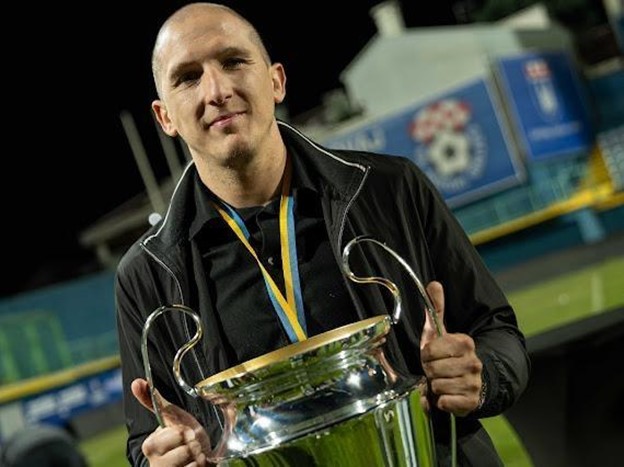
Toni Bilandžić holding a championship trophy on the football pitch, wearing a medal around his neck.
Toni Bilandžić celebrates a title win, showcasing his success and dedication in football.

Toni Bilandžić is a Croatian football recruitment specialist and Head of Recruitment and Scouting at FK Sarajevo, known for his structured approach to talent identification, squad-building strategy and using different scouting techniques for informed decisions. Born and raised in Osijek, Toni holds a Master’s degree in Economics and has worked across multiple European clubs in various scouting and analysis capacities, quickly building a reputation for combining technical insight with operational efficiency.

His journey began in video analysis at NK Osijek B, where he focused heavily on individual development and opponent scouting. He then joined Vålerenga IF in Norway, where he progressed from Technical Scout to Chief Scout. During his time there, he not only built data-backed scouting systems but also mentored aspiring analysts through internship programs, helping several secure full-time roles across Europe. His work involved detailed video and data analysis, squad planning, and direct communication with agents and club leadership.

In April 2024, Toni took on the role of Head of Recruitment and Scouting at FK Sarajevo, where he built the department from the ground up. He currently oversees all recruitment operations, scouting workflows, and player evaluations. Toni brings a modern, analytical lens to football recruitment, working closely with coaches and boards to align recruitment with club objectives. The first season was a big success with the club making noticeable growth in giving young players a chance, but also because the club won its first trophy after 3 seasons being trophyless.

Beyond club work, Toni has contributed written scouting reports and analysis for Total Football Analysis and served as a video scout for Vélez CF, showing his commitment to continuous learning and knowledge sharing. Fluent in Croatian and English, and currently expanding his language skills in French, Toni is part of a new generation of forward-thinking football professionals shaping the game through data, detail, and development.

Our Exclusive Interview with Toni Bilandžić

Who is Toni Bilandžić beyond football? How would you describe yourself outside your professional work?

I’d say I’m just an ordinary guy who enjoys spending time with my girlfriend, family, and friends. What makes me especially happy is gathering loved ones for a barbecue, something I really enjoy. Lately, I’ve been reading a lot of books, which didn’t interest me much during school, but I can read a lot when the topic is football or self-improvement.

You’ve built scouting departments from scratch and mentored scouts into full-time roles. What do you believe makes an effective modern scouting structure?

It’s been a good challenge, especially since I joined FK Sarajevo, as the club was handling most of its recruitment in a traditional way. What’s important is having a quality database and a platform where all reports and notes are stored in one place. That way, you can organize scouting effectively and access any report or information with just a few clicks, which is crucial given the volume of information we receive daily. It’s also essential that scouts have clear guidelines on how to report and understand the club’s expectations and their responsibilities.

When it comes to mentoring scouts, I’ve noticed in recent years that many internships are more focused on the club offering the internship than on the intern. An internship should serve as a valuable experience, helping aspiring scouts learn how to operate in a professional environment and receive consistent feedback, which is key to their development. What many clubs miss is providing that feedback. Interns often submit reports and input but rarely get value in return for the time they invest in watching games and creating reports. All the interns we had at Vålerenga can confirm that they were never pressured to watch a set number of matches or produce a specific number of reports. The more time they invested, the more time I invested in giving them meaningful feedback. I’m proud that many of them now work at clubs, either part-time or full-time.

Having worked in the Croatian, Bosnian and Norwegian football systems, how do you compare the recruitment cultures and player development approaches in each?

Recruitment cultures differ across countries. In Norway, there is a strong focus on signing young players with resale value, while also maintaining a high number of domestic players for quicker adaptation. For example, players from Africa often adapt well in Norway due to the country’s inclusive environment. In Croatia and Bosnia, what bothers me most is the tendency toward low-risk decisions. Clubs often prefer signing older players from other teams rather than giving chances to their own youth or bringing in promising young talent.

I see this as a cultural mindset. In the Balkans, people are very competitive and tend to choose players who can help win the next match over younger players who, with a bit of patience and development, could become key contributors within a few months. This is true across both top and bottom half teams. While there are exceptions, the general mentality is similar among clubs and fans. Many fans would rather welcome a well-known player past his prime and call it a “great move” than support an under-the-radar signing before the player even steps onto the pitch.

One thing I admire in Norway is the role of the transition or development coach, originally funded by the FA, where each club employs a coach dedicated solely to player development. This helps accelerate individual growth by focusing on specific weaknesses. At FK Sarajevo, we introduced a similar role, which allows us to target areas of improvement and better prepare players for senior football. When I was at Osijek B as an analyst, I worked closely with our most talented players through one-on-one video analysis and provided input to coaches on the specific skills those players needed to develop in training.

At FK Sarajevo, you’re leading the recruitment strategy and talent identification. What’s your approach to balancing data, video analysis, and live scouting in decision-making?

We use video analysis most of the time because it’s cost-effective and there is an abundance of footage available today. If you do detailed work and watch enough matches, you’ll rarely see something completely new by watching the player live. Still, seeing a player in person is useful when possible, as it helps confirm the full evaluation process before making a signing. When the opportunity arises, especially within our target market in the Balkans, we make an effort to watch players live.

We also scout in Africa and last year visited five countries in West Africa, attending eight different scouting tournaments. I broke into football through data storytelling, as I’ve always been able to interpret numbers in a way that makes sense even to those who aren’t data-oriented. I’ve never used data as an exclusive tool. Instead, we use it as a first filter to identify interesting players in certain leagues. From there, we monitor them more closely through video, and finally, we use data to support the decision-making process. It gives us valuable context, but it’s never the sole factor in whether we sign a player.

You’ve used platforms like Wyscout, MetricaPlay, and Tableau extensively. How important is technology and data literacy for today’s scouting professionals?

It’s just part of my journey. In my current role, I mostly use Wyscout, but in previous positions, I had to be familiar with various tools for analysis, data visualization, or creating video reports. These tools are essential for working efficiently. Football is a fast-paced and often chaotic environment, where things can change quickly, and you may be asked by a sporting director or head coach to deliver something on short notice. These tools help you stay sharp and respond quickly.

I remember my time at Total Football Analysis, where I spent hours building dashboards to visualize player data profiles or identify interesting players using scatter plots. Nowadays, I mostly use those tools for squad depth planning. I have templates saved and simply update the inputs based on any changes that occur.

Looking ahead, what are your long-term goals in football, and how do you see the role of recruitment evolving in the next decade?

Since I recently agreed with the club to expand my role and take on assistant sporting director duties, I’m now focused on developing myself further with the goal of becoming a sporting director in the future. There is still plenty of room for me to grow, and I’m committed to improving every day to eventually reach that position. Recruitment needs to evolve significantly, especially with more clubs now using AI platforms to support their scouting processes. I hope smaller clubs also begin to realize that staying competitive with wealthier teams requires proactive thinking and a willingness to embrace modern approaches by hiring ambitious and knowledgeable professionals.

Liderar con claridad: Comunicación efectiva de la Junta Directiva en el fútbol

Four people in a modern glass-walled meeting room engaged in discussion around a conference table, with a cityscape visible through large windows.
Photo by Rodeo Project Management Software on Unsplash

Un club de fútbol es mucho más que un equipo en el campo: es una organización compleja con múltiples actores, cada uno desempeñando un papel crucial en su éxito. La Junta Directiva tiene la responsabilidad de definir el rumbo del club, tomar decisiones clave y garantizar su estabilidad a largo plazo. Sin embargo, una estrategia bien definida solo es efectiva si se comunica de manera clara y constante a todos los involucrados.

Una comunicación sólida desde la Junta hacia los jugadores, el cuerpo técnico, los empleados, los aficionados, los medios de comunicación y los organismos rectores es esencial para generar confianza, alinear expectativas y fomentar una cultura de transparencia. Estas son las razones por las que una comunicación efectiva desde la directiva marca la diferencia.

Jugadores y Cuerpo Técnico: Claridad en la Visión y Expectativas

Las decisiones estratégicas de la Junta afectan directamente el rendimiento deportivo del equipo. Ya sea en la inversión en fichajes, la contratación de un nuevo entrenador o el establecimiento de objetivos a largo plazo, el equipo necesita claridad sobre la visión del club.

  • Alineación con los objetivos deportivos: Jugadores y entrenadores rinden mejor cuando comprenden las ambiciones del club, ya sea ganar títulos, desarrollar jóvenes talentos o fortalecer la sostenibilidad financiera.
  • Seguridad laboral y motivación: La falta de comunicación sobre el futuro del equipo, renovaciones de contratos o cambios en la dirección técnica puede generar incertidumbre y distracciones. Mantener al equipo informado fomenta estabilidad y enfoque.

Empleados del Club: Compromiso del Front-Office para la Excelencia Operativa

Desde el área de marketing y finanzas hasta la venta de entradas y la logística, los empleados del club aseguran el buen funcionamiento diario. Sin una comunicación clara desde la Junta, pueden surgir ineficiencias y falta de alineación.

  • Un mensaje unificado: Los empleados deben comprender los objetivos y valores del club para representarlos correctamente en su trabajo.
  • Empoderamiento a través de la información: Cuando los empleados se sienten informados sobre decisiones clave, pueden anticiparse a los desafíos, trabajar proactivamente y contribuir al éxito del club.

Aficionados: Construyendo Confianza y Fortaleciendo la Lealtad

Los aficionados son el alma de cualquier club. Su pasión impulsa al equipo y su lealtad sostiene la institución. La forma en que la Junta se comunica con ellos influye directamente en su compromiso y confianza.

  • Transparencia y honestidad: Los seguidores quieren sentirse conectados con su club. Comunicar de manera abierta sobre la salud financiera, la política de fichajes o el desarrollo del estadio genera confianza y evita especulaciones.
  • Gestión de crisis: Cuando los resultados no son los esperados o se toman decisiones difíciles, una comunicación proactiva evita que la frustración se transforme en desconexión o protestas.
  • Conexión emocional: Más allá de los comunicados oficiales, el storytelling y la interacción directa a través de redes sociales, conferencias de prensa y foros de aficionados ayudan a mantener un vínculo sólido entre el club y su hinchada.

Medios de Comunicación: Construyendo una Imagen Positiva

Los medios de comunicación desempeñan un papel clave en la percepción pública del club. La Junta debe gestionar su relación con los periodistas de manera estratégica para garantizar una cobertura precisa y evitar polémicas innecesarias.

  • Control del mensaje: Proporcionar información clara y oportuna a través de canales oficiales ayuda a evitar rumores y desinformación.
  • Accesibilidad y profesionalismo: Mantener una relación abierta y profesional con la prensa garantiza que la historia del club se cuente de manera justa y precisa.

Organismos Rectores y Patrocinadores: Fortaleciendo las Relaciones Institucionales

Los clubes de fútbol operan dentro de un ecosistema más amplio que incluye ligas, federaciones y socios comerciales. La forma en que la Junta se comunica con estas entidades puede influir en oportunidades financieras, cumplimiento normativo y credibilidad general.

  • Profesionalismo en las negociaciones: Los patrocinadores invierten en clubes con una visión sólida y bien comunicada. Explicar claramente los objetivos a largo plazo y los valores de marca ayuda a atraer y retener socios comerciales.
  • Cumplimiento regulatorio: Una comunicación transparente con los organismos rectores garantiza que el club opere dentro de las normativas y evite sanciones innecesarias.

Conclusión: La Comunicación como Herramienta de Liderazgo

La Junta Directiva de un club de fútbol no solo toma decisiones, sino que también lidera a través de la comunicación. Una interacción efectiva con jugadores, empleados, aficionados, medios de comunicación y socios institucionales fomenta confianza, estabilidad y éxito a largo plazo.

Al priorizar la transparencia, la coherencia y la apertura, la Junta puede crear una cultura unificada en la que todos, desde el vestuario hasta las gradas, se sientan informados, comprometidos y conectados con el futuro del club.

Un club que comunica bien es un club que gana, dentro y fuera del campo.

F.C. Como Women and Nike Launch the 2025/26 Kits in “The Next Wave” Campaign

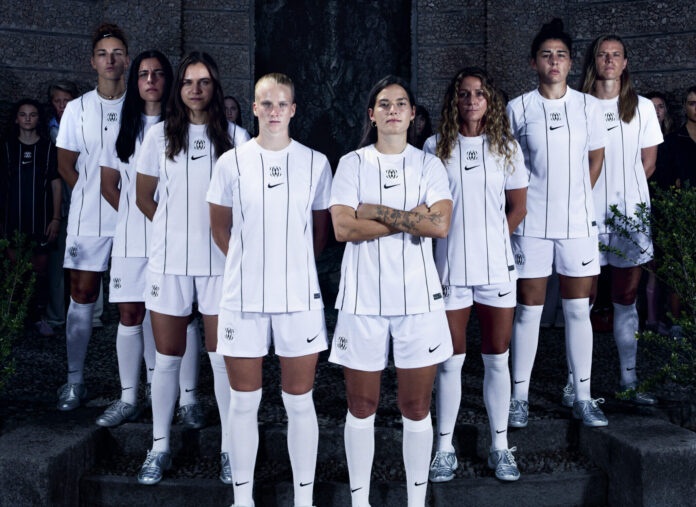
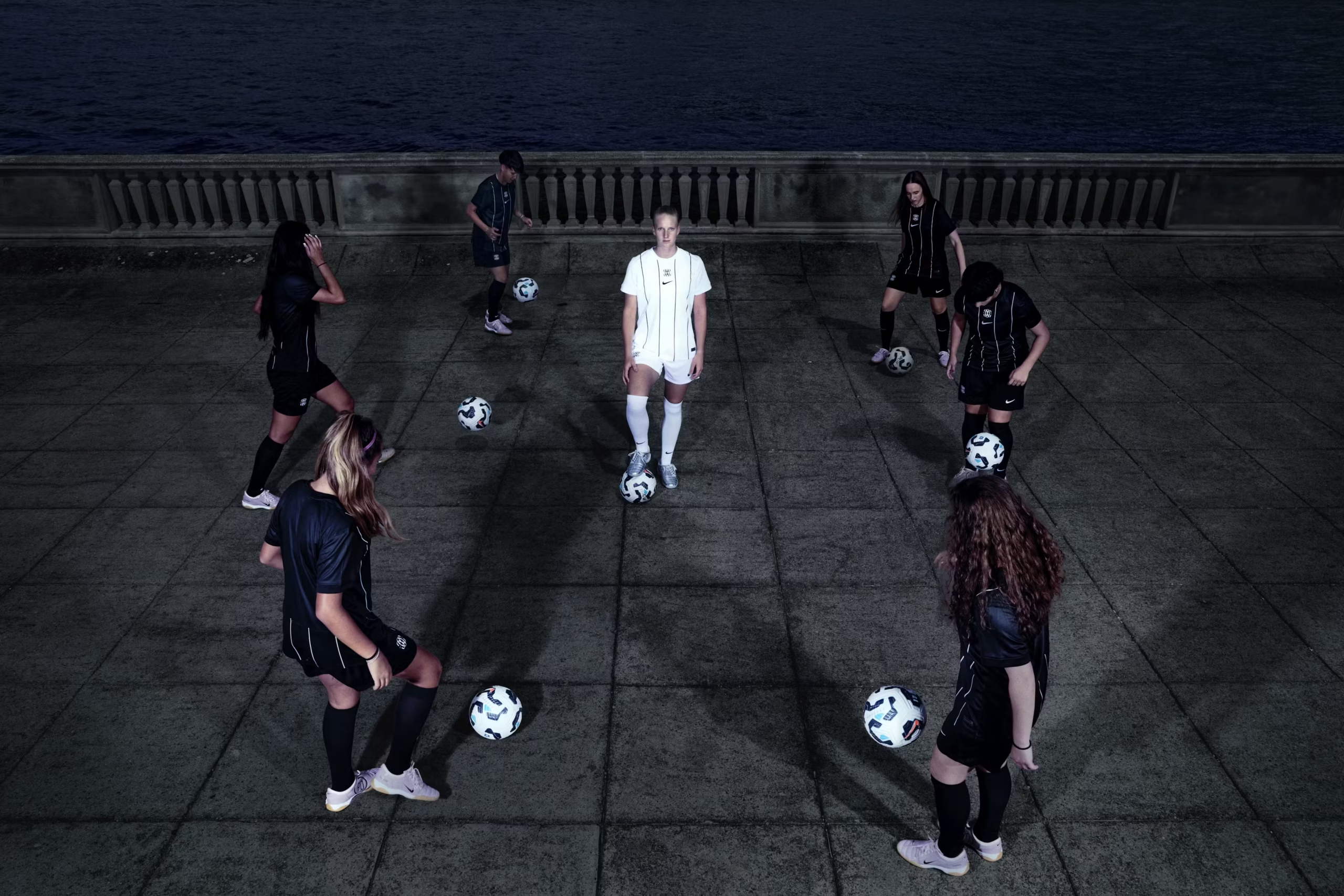
F.C. Como Women players model the new 2025/26 Nike kits during “The Next Wave” campaign photoshoot on the shores of Lake Como.
F.C. Como Women unveil their 2025/26 Nike home and away kits as part of “The Next Wave” campaign, shot against the iconic backdrop of Lake Como.

Independent spirit, timeless design, and a bold vision for the future of women’s football.

One year after embarking on a historic partnership, F.C. Como Women and Nike unveil the new Home and Away kits for the 2025/26 season, featured at the heart of The Next Wave campaign, shot against the iconic scenery of Lake Como.

The official on-field debut will take place on August 14, in the match against Juventus at Milan’s Arena Civica, as part of The Women’s Cup.

Como, August 13, 2025 – Exactly twelve months after joining forces with Nike, F.C. Como Women proudly reveal their official kits for the 2025/26 season. The unveiling is part of The Next Wave, a visual and narrative campaign that reflects the club’s identity: ambitious, independent, rooted in local heritage, and united by a shared vision.

Filmed along the shores of Lake Como, the campaign is more than a kit launch—it’s a statement of intent. F.C. Como Women is an ever-growing wave, propelled daily by the women & men who make the club possible—both on and off the pitch.

An Elegant Design. A Bold Vision.

The new jerseys feature a refined pattern of vertical black and white stripes, available in both Home and Away versions. The design is timeless yet forward-looking—rooted in football tradition while embracing the future.

Created by Nike, the kits combine high-quality technical materials, clean lines, and chromatic harmony. The result is a look that embodies the club’s modern, liberated, and independent identity.

“We are not anyone’s women’s team. We are F.C. Como Women. And this jersey tells our story.” – Nadine Nischler, midfielder and campaign star.

Free. Independent. Unique.

F.C. Como Women is among the very few truly independent women’s clubs in Europe. Not affiliated with any men’s team, the club has built a unique culture grounded in empowerment, innovation, and self-reliance.

“This is a club that does not live in the shadow of men.” – Alexandra Chidiac, midfielder and Australian national player.

The campaign features Nischler and Chidiac, as well as captain Giulia Rizzon, Katja Schroffenegger, Ramona Petzelberger, Astrid Gilardi, Liucija Vaitukaitytė, and Zara Kramzar—alongside Academy players, fans, collaborators, and long-standing community members. Together, they represent The Next Wave: a new generation of athletes, professionals, and supporters rewriting women’s football in Italy.

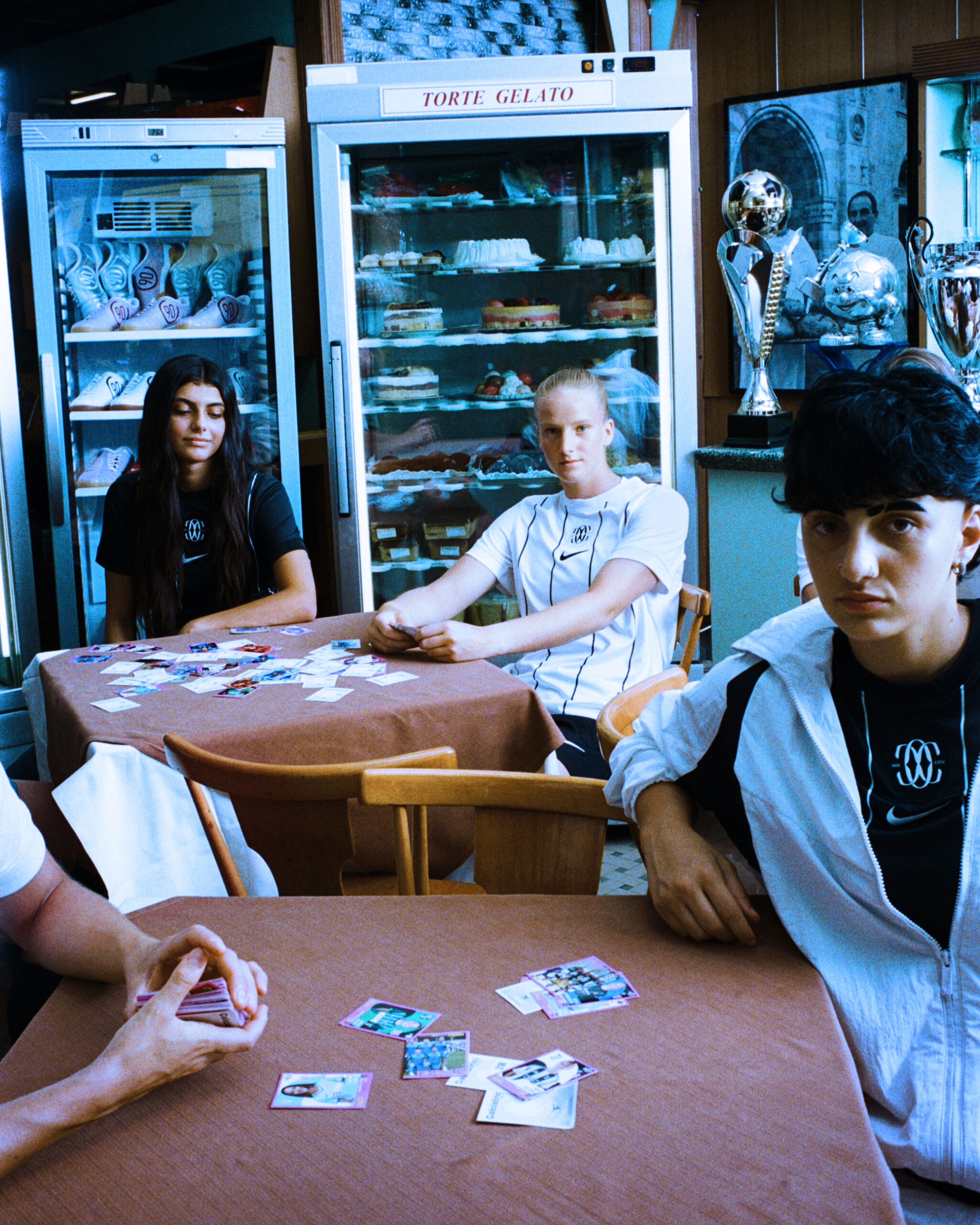
F.C. Como Women players sit at café tables covered with football stickers during The Next Wave campaign shoot, with trophies and desserts displayed in the background.
The Next Wave campaign, celebrating the club’s new 2025/26 kits in partnership with Nike.

A Growing Partnership

The collaboration with Nike, announced in 2024, marked a milestone for the club. Backed by Mercury 13 — the pioneering multi-club ownership group dedicated to women’s football — F.C. Como Women continues its long-term growth with ambition and strategic vision.

“This alliance is not just a technical agreement: it’s the sharing of a vision. Through the The Next Wave campaign, we celebrate a new generation of athletes, professionals, and supporters who are rewriting women’s football. Together with Nike, we aim to build a different model: one that is more independent, inclusive, and capable of inspiring real change, on and off the field.” – Nicola Verdun, CEO of F.C. Como Women.

The International Debut

The first official match in the new kits will take place on August 14, 2025, at 6:00 PM CET, during the prestigious The Women’s Cup at Milan’s historic Arena Civica, against Juventus. Known for its innovative format and global visibility, the tournament will mark the debut of the club’s refreshed visual identity.

The official kits will be available starting August 13, 2025, at select Nike stores (Nike Corso Vittorio Emanuele and Nike Arese) and online at www.comowomen.com.

F.C. Como Women players wearing the 2025/26 Home kit during a promotional shoot for The Next Wave campaign.
F.C. Como Women unveil their 2025/26 Home kit as part of The Next Wave campaign with Nike.

Behind the Scenes of The Next Wave Campaign

The campaign’s creative concept merges football, fashion, and contemporary culture. Filming locations highlight rarely seen corners of Lake Como—from Villa Pizzo in Cernobbio to the historic Luisita café—reinforcing the deep connection between the club and its region.

Players featured in the campaign: Giulia Rizzon, Nadine Nischler, Alexandra Chidiac, Ramona Petzelberger, Katja Schroffenegger, Astrid Gilardi, Liucija Vaitukaitytė, Zara Kramzar.

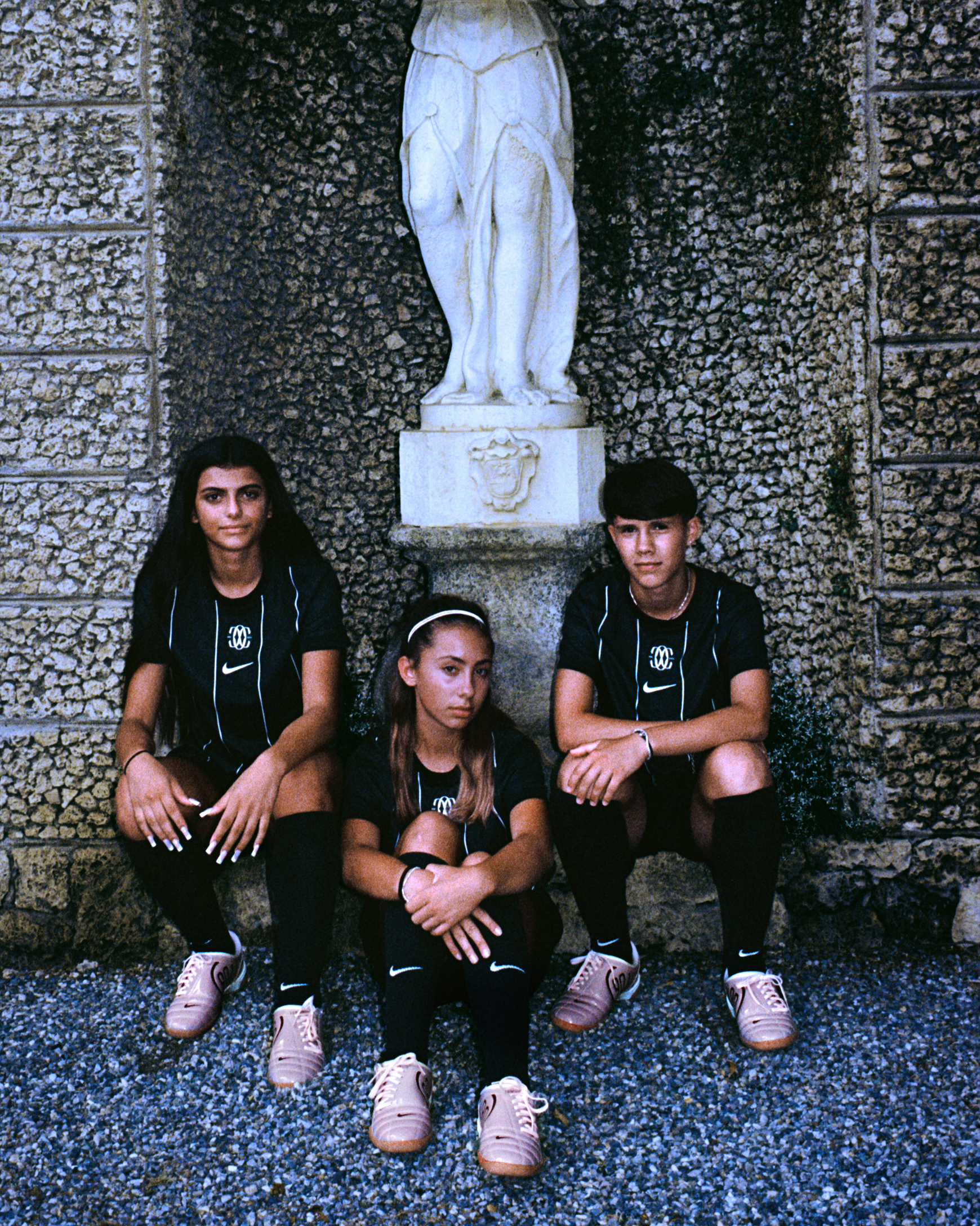
Three F.C. Como Women youth players wearing the 2025/26 Home kit sit in front of a stone statue during The Next Wave campaign shoot.
Youth players showcase the new 2025/26 Home kit in The Next Wave campaign with Nike.

Media Contact
Alejandra S Depalma
CCO / Mercury 13
press@mercury13.com

Who is Laura Lücker?

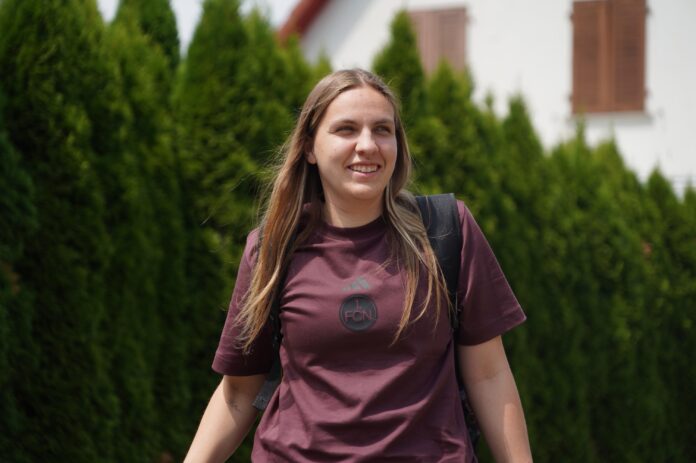
Laura Lücker, Organizational Lead of 1. FC Nürnberg’s women’s team, walking outdoors in casual club attire with a backpack.
Laura Lücker, Organizational Lead at 1. FC Nürnberg, bringing her player experience and leadership skills to the heart of women’s football operations.

Laura Lücker, born on March 17, 1999, is a former professional footballer and a rising figure in German football management. She began her football journey at the Carl-von-Weinberg Sports School in Frankfurt, where she completed both her Realschule and Abitur with a focus on sport and biology. As a goalkeeper, she played for MSV Duisburg during the 2018–2019 season and continued her career at 1. FC Nürnberg until 2023. Her playing style was marked by strong positional awareness and leadership in the backline, traits that later translated into her off-pitch career.

Parallel to her playing career, she pursued a degree in Business Management with a focus on Sport at Campus M University, graduating in 2024 with a final grade of 1.9. She also gained early professional experience through internships and short-term work in the healthcare sector, which provided her with a disciplined and service-oriented approach to team management.

After retiring from professional play, Lücker transitioned into administrative roles within football. She began as a working student in team management at 1. FC Nürnberg, where she was responsible for coordinating team logistics and supporting the coaching staff. In July 2024, she was promoted to Organisational Lead of the women’s team, overseeing daily operations, player support systems, and internal coordination across departments.

Laura Lücker is part of a new generation of former athletes moving into leadership roles within the sport. Her ability to bridge the player experience with structured operational insight positions her as a key figure in the professionalization of women’s football in Germany. With a deep understanding of both the athletic and business dimensions of the game, she continues to shape the future of club football from the inside.

Our Exclusive Interview with Laura Lücker

Who is Laura Lücker beyond your roles as a former player and current football operations leader?

Beyond my role as the Organizational Lead at 1. FC Nürnberg and my time as a player, I’m someone who genuinely cares about the people around me. I try to be helpful and always have an open ear. Since it’s hard to describe myself, I asked a few friends. They see me as reliable, funny, and someone who is always up for anything and does everything for others. Being dependable is also something I bring to my job. Most of all, I’m a family person. I love spending time at home with my family and my two dogs. My friends are just as important and I enjoy spending quality time with them.

What motivated your shift from playing professionally to building a career behind the scenes in club management?

Unfortunately, a knee injury and several surgeries forced me to end my playing career. I always loved being around my teammates and close to the team. When I was asked if I could imagine working in team management, I didn’t hesitate. It allowed me to stay connected to football and remain involved with the team even without playing. Football has always been a major part of my life, and I couldn’t imagine walking away from it completely.

How do you see your role contributing to the growth and professionalization of women’s football at 1. FC Nürnberg?

My focus is on improving and simplifying organizational processes so that the team can fully focus on football. I want everything outside the pitch to run as smoothly as possible. This is especially important for new players, so they can settle in easily and concentrate on their performance.

Can you share more about the evolution of your responsibilities from player to Organizational Lead within the same club?

The role is completely different from being a player. Now it’s all about what happens off the field. At the beginning, I had to find my way and grow into the position. The club gave me a lot of trust from the start, which helped me take on more responsibilities quickly. Over time, I developed into the Organizational Lead. At first, I had to ask a lot of questions because I was still inexperienced, but now that I’ve completed my studies, I can fully focus on my job.

What challenges have you faced as a young leader in a traditionally male-dominated football environment?

Thanks to the trust I received from the club and the strong position of women’s football in Nürnberg, I didn’t face any challenges because of my age or gender. I was recognized early on for stepping into this role at a young age, and that support helped a lot.

Looking ahead, what are your personal ambitions for your career in football and the impact you hope to make?

I’m still very young at 26 and have a long career ahead of me. My goal is to keep growing both as a person and as an Organizational Lead. Football is fast-paced and you have to be ready for anything. I’m open to the future and excited for what’s to come.

How European Football Federations Can Unlock New Sponsorship Revenue

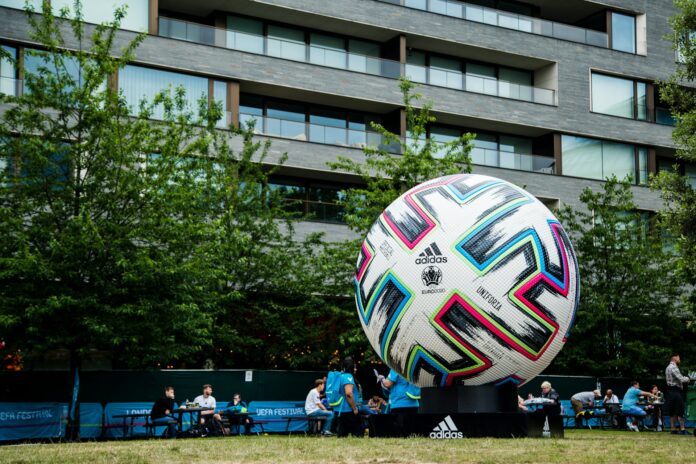
Giant Adidas Uniforia football on display at a UEFA Festival event, symbolizing European football branding and sponsorship.
Photo by Robert Anderson on Unsplash

European football’s global popularity and booming sponsorship market mean national associations have a prime opportunity to grow commercial revenues. Football’s reach is staggering and the sports sponsorship market grew to about $114.4 billion in 2024, projected to reach around $190 billion by 2030. Brands are investing heavily in digital fan engagement, data analytics, and immersive technologies. To compete in this dynamic landscape, European federations must modernize their sponsorship models. That means building rich digital platforms, offering diverse partnership packages, activating rights creatively, and proving clear ROI with data. Below are key strategies and examples from federations like The FA (England), DFB (Germany), and FFF (France) on staying competitive and attractive to global sponsors.

Enhance Digital Engagement and Fan Data

Modern federations must meet fans on today’s digital platforms. By creating robust apps, OTT streaming, social content, and CRM systems, associations can engage fans anywhere and collect valuable first-party data. The French Football Federation (FFF), for example, ranked best-in-class for digital maturity, scoring 100% in both data-collection capability and digital-product diversity. England’s FA has also invested in digital: its “FA MatchDay” mobile app and competition management platform has over 150,000 downloads and 68,000 weekly users – double the original target. These tools give the FA a 360-degree view of five million fans. By segmenting these digital audiences, federations can tailor content to fan interests and give sponsors precise demographic targets.

  • Own multi-channel digital platforms. Develop mobile apps, websites, and OTT channels for news, live streams, ecommerce, and interactive features. Collect registrations and preferences to build fan profiles.
  • Personalize content. Use analytics to segment followers and serve them content that boosts engagement. The FA, for instance, leveraged real-time social listening to craft sponsored content aligned with fan conversations.
  • Engage globally. Promote content in multiple languages and regions. Streaming platforms can reach overseas fans and sponsors.

Investing in digital platforms both grows fan engagement and provides analytics that sponsors crave. Sponsors can measure the impact of their sponsorship deals in real time. This means federations can offer sponsors transparent metrics on reach and engagement, a key selling point in negotiations.

Diversify Sponsorship Packages and Assets

Football federations should expand beyond traditional kit and tournament sponsors. Create multi-tiered partnerships (global, regional, and local) and package different assets so that brands at every level find value. Italy’s FIGC recently moved from Puma to Adidas for national team kit supply: the four-year deal is worth about €35 million per year, up from €20 million under Puma. Coca-Cola’s long-running sponsorships with federations also illustrate package diversity. It has backed France’s FFF since 1997 and was also a global partner of Germany’s DFB since 1981. These deals covered grassroots youth programs, national teams, and fan events.

  • Expand categories. Offer partners rights to men’s teams, women’s teams, youth programs, fan festivals, and even esports teams. Germany’s DFB, for instance, added Google Pixel as a sponsor of the women’s national team, including digital rights to co-produce campaigns with players.
  • Tailor tiered packages. Define “Official Partner,” “Supplier,” or “Regional Sponsor” levels with escalating benefits. Include non-traditional sponsors: tech firms, telecoms, fintech, or sustainability brands.
  • Leverage events and digital assets. Auction sponsorship for friendly tournaments, qualification campaigns, or digital content series.

By packaging a broader range of rights, federations make themselves attractive to more brands. The FA noted increased revenues through partnership opportunities tied to its new platforms. Offer each sponsor a customized bundle of exposure and engagement tools – from TV spots to branded content and experiential activations.

Activate Sponsorships with Creative Campaigns

A logo on a kit or banner is no longer enough. Federations must help sponsors activate their investment by creating engaging experiences and content for fans. During their renewed deal with the French FA, Coca-Cola ran social-media quizzes, a “Football Stories” video series, and even quirky fan events like “Barber Football.” Google’s DFB deal went beyond naming rights: the Pixel campaign built exclusive stories and behind-the-scenes videos with players, distributed across Google’s platforms.

  • Co-create fan experiences. Host contests, quizzes, fantasy games, or branded mini-apps. Activate sponsors at matchdays with fan zones or at grassroots camps.
  • Content collaborations. Produce documentaries, social videos, or podcasts featuring players and the sponsor’s brand.
  • Celebrate communities. Tie sponsors to community initiatives and make them champions of the game off the pitch.

Spending on activations can boost sponsorship ROI by three times. Design engaging fan interactions, gamified mobile apps, social challenges, VIP experiences, so that both brand and federation connect emotionally with supporters.

Leverage Data Analytics to Demonstrate ROI

Sponsors demand accountability. Federations must arm themselves with metrics to prove value. By collecting and analyzing fan data from digital platforms and events, federations can provide concrete ROI reports. The FA’s new digital platform created a unified database of over five million fans. This intelligence lets the FA show sponsors who the fans are and how often they see sponsor content. They even used analytics to estimate “purchase intent” of fans talking about sponsors.

  • Provide detailed metrics. Offer sponsors data on impressions, engagement, traffic, and demographics.
  • Use advanced analytics. Apply AI and business intelligence tools to tie sponsor exposure to brand lift and consumer actions.
  • Build dashboards and reports. Create post-campaign summaries with insights and recommendations.

Demonstrating ROI makes partnerships more attractive. If France’s FFF reports 21.5 million social media engagements during the World Cup, a sponsor sees a strong return on visibility. Federations that track every interaction make it easier for brands to justify renewal and expansion.

Embrace Emerging Trends to Stay Competitive

The sponsorship landscape is evolving fast. Federations should be early adopters of new trends. Smart stadiums with Wi-Fi, AR replays, and targeted ads enhance sponsor visibility. AI-driven personalization can recommend content or offers to fans. NFTs and fan tokens can create new engagement and sponsorship touchpoints. Federations should also emphasize social responsibility.

  • Multimedia sponsorship rights. Offer exposure on TikTok, podcasts, or esports, not just in stadiums.
  • Women’s and youth football. Showcase women’s or U21 matches as sponsorship opportunities. The DFB’s women’s sponsorship by Google highlights this potential.
  • Sustainability and CSR. Partner with eco-conscious brands and promote sustainability initiatives.

Staying ahead of trends keeps a federation’s brand relevant. UEFA’s digital initiatives and centralized login systems are strong examples. Federations should position sponsors as co-creators of innovation, whether through AR match graphics or behind-the-scenes VR tours.

Conclusion

European football federations have a growing pie of sponsorship funds to win, but only those that innovate will capture the biggest slice. Key strategies include:

  • Digitize fan engagement through apps, streaming, and CRM tools.
  • Broaden sponsorship assets to include all teams and digital rights.
  • Activate creatively with content, contests, and real-life experiences.
  • Use data analytics to prove sponsor ROI and deepen partnerships.
  • Embrace technology and social trends to stay attractive to global brands.

By combining these approaches, national federations can grow sponsorship revenue and ensure long-term commercial success in a competitive football landscape.

How to Build a Winning National Team: David Dóniga Lara’s Lessons from Coaching El Salvador

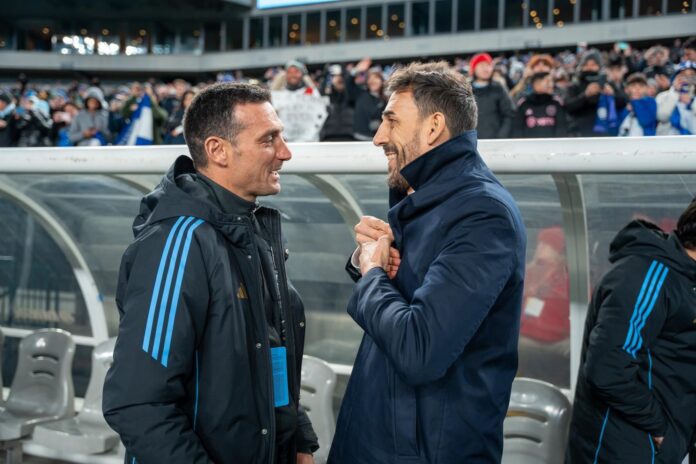
avid Dóniga and Lionel Scaloni share a friendly exchange on the sidelines during the El Salvador vs Argentina match in Philadelphia on March 22, 2024.

A recurring question occupies the minds of professionals, friends, and family every time I have had the good fortune to coach a national team: Don’t you miss the day-to-day life of the clubs? If those who have not had the experience knew how I work with national teams, they would see the frenetic pace of an elite team as a relief!

I have now managed two national teams in my 43 years. The specific nature of the job of national team coach deserves an article in itself to explain the key aspects of the work I have done in preparing for two World Cup qualifiers (Qatar 2022 and United 2026), a Gold Cup qualifier (2025) and promotion to the top group in the Concacaf Nations League (Nations League A for 2025, 2026 and 2027); as well as in the development of talent for high performance in the Panama U21 and U23 National Teams, which now make up almost half of the group that will attempt to reach the World Cup finals for the second time in its history next September. Join me as I delve into the exciting world of preparing a national team for the sole objective that millions of people, compatriots, who cheer and pressure in equal measure, desire: to win.

The first step

15 November 2024. It is 11 p.m. in San Salvador. The Cuscatlán stadium empties as the players, after celebrating their victory in matchday 6 of Group A of League B of the Nations League on the pitch with their teammates, families and friends, slowly make their way to the dressing room. On the hundred steps separating the entrance to the pitch from the dressing room, the camaraderie between each player, member of the coaching staff and myself translates into shouts of joy and hugs to celebrate the fact that, one year later, La Selecta is back in League A of the Nations League. And, incidentally, it has qualified directly for the 2025 Gold Cup. With one more victory in the two remaining World Cup qualifying matches in June 2025, the team would be in the final phase, the last round of qualifying for United 2026: six matches away from the dream return to the competition that saw them bid farewell in 1982 for 42 years…

How did I approach this achievement on 1 January 2024, when I took charge of the El Salvador national team, a team that had gone seventeen games in a row (a year and seven months) without winning a match? How do you turn a broken, aimless team into a winning team in the best competitions? I’ll tell you below.

It is impossible to summarise an entire year of work based on more than ten years of experience in elite football in one article. Here are the basic parameters around which my work system revolves, allowing me to approach each project with a general foundation and specific adaptation:

Understand the competition

Although all the national teams in the world fight every four years for a common goal, to reach the World Cup, each confederation has its own competition system, apart from its own competition; and on top of that, you have to identify the specific characteristics of the federation you work for, the national team and the country. My experience in Panama at Qatar 2022 and at the Central American Club Cup in 2023 gave me a perfect understanding of the context. When previous experience is not so specific, as has happened on other occasions, the organisation of the team study, the comparison with my scout, the analysis of recent performance through data (Opta/Wyscout) and the standard template for presentations together with my reference software (ScoutYouPro) allow me to have control over the context I am addressing within 24-48 hours. In this case, my practical knowledge was added to this systematic organisation: I was clear about which players were missing from the squad, what organisational model the competition required, and how to approach their preparation.

The first objective was to win some of the friendly matches played up to June while shaping the core squad and helping the players who would form the backbone of the team to assimilate the system. The second objective was to achieve one draw and one victory in the two matches in June (out of the four to be played in this second round, with Swiss groups of five teams). In these groups, it is essential to score points every match day, and an average of a win at home and a draw away will get you through, as two teams out of the five qualify. I’ll give you a heads up: with the team having assimilated the system perfectly, and after failing to secure a win against very tough opponents (Inter Miami, draw; Honduras, draw; and defeats against Costa Rica and Argentina), in June the long-awaited victory came after two years and the goal of a draw and a win was achieved. The Nations League remained for September, October and November in a group of four teams. Only two home games, the last two. And they were promoted with five wins out of six games. Adding a friendly against Guatemala, played in July 2024, which was won, the numbers stood at seven wins out of fifteen matches, with four draws and four defeats, the best numbers in the last five years for La Selecta. How important would you say it is to know the competition you are playing in order to optimise performance and apply your efforts at the decisive moments?

Understand the concentrations and the players

To achieve this performance, it is necessary to know how the place where you work operates. National teams in Central America give greater weight to the national team than to clubs. Collaboration between the federation and the league is considered essential so that the functioning of the local competition enhances the work of the national team and, in turn, the national team improves the performance of the league. This involves developing intermittent but recurring work with local players who, playing in the country’s league, are often called up to the national team. As FIFA windows are scheduled five times a year and players competing outside the country are required to attend, between windows we have weeks that can be devoted to team training in order to assimilate the system, the working methodology and the key ideas, as well as being able to call up young players or those who stand out in the local competition who would otherwise be very difficult to train. This advantage over teams from other confederations, which can only count on players during official windows, allows the intensity and lack of time during FIFA weeks throughout the year to be offset by prior basic preparation that ensures players arrive at the match with clear ideas. That is why we must take advantage of every microcycle, every training session, in what is truly essential.

Understand the fans’ objectives

Being responsible for the results of a team followed by more than ten million people is a huge demand. I love that pressure! And it’s much easier to handle if you know what people want. We all want to win. Watching your country’s team play game after game for two years without a single victory is a burden that, under national sentiment, is mitigated by the hope that next time will be different. And it’s a momentum that must be harnessed: people love their team. And they want you to give your all to represent them. Every step you take with that responsibility on your shoulders requires the awareness that nothing will be left in your hands to unite so many people in the excitement of victory. If the job of a coach requires implicit passion and a professional organisational system, the job of a national team coach requires something more, and that something more has an emotional charge of unlimited strength. Knowing how to convey to the players the physical and mental sensations I feel as part of their family, that of an entire country, embraced by a flag, is synonymous with success when it comes to competing by putting a system, a strategy, an operational plan on the table. You can win and you can lose, but that’s how we undoubtedly get closer to success. And I refer to the evidence.

Who is Simone Fornari?

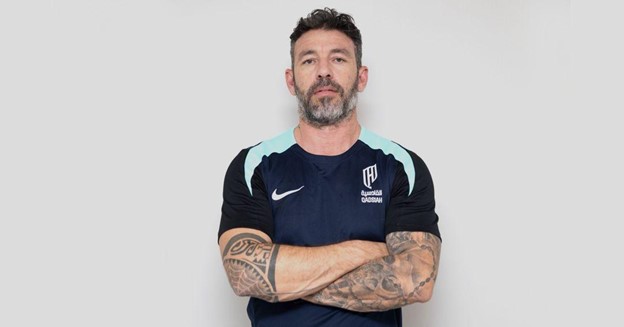
Dr. Simone Fornari, Italian football performance expert, wearing a training shirt with arms crossed.
Dr. Simone Fornari brings decades of experience in sports science and conditioning to help footballers reach peak performance.

Simone Fornari is a highly respected Italian sports performance expert with over two decades of experience working in elite football environments across Europe and the Middle East. Born on 20 July 1976 in Novi Ligure, Italy, after many years of field experience, he completed a PhD focused on athlete performance and the science of coaching, integrating practical expertise with a solid scientific foundation. His academic foundation is complemented by advanced training in leadership, intercultural communication, and applied sports performance, including certifications from FOCUS Sports Education and STATSports in GPS analysis for example.

Throughout his career, Dr. Fornari has held strength and conditioning roles with a wide range of professional football clubs. His journey includes positions at Genoa U17, Paniliakos in Greece, CSKA Sofia in Bulgaria, Universitatea Cluj and CS Universitatea Craiova in Romania, and Al-Kharaitiyat SC in Qatar. In 2022, he also worked with Politehnica Timișoara before moving to Saudi Arabia, where he collaborated with Al-Faisaly. From January 2024, he held a dual role as Strength & Conditioning Coach for the U19 team and Physical Performance Lead Coach at Al-Qadsiah Academy, becoming Head of Performance in July 2024. These experiences have given him a broad international perspective and deep familiarity with different footballing cultures, youth development systems, and high-performance environments. His diverse background in both youth and senior teams allows him to be adaptable and prepared to work at various levels of professional football.

Known for his evidence-based, athlete-centred methodology, Dr Fornari applies principles of ecological dynamics to create adaptable and resilient athletes. He places strong emphasis on data-driven training strategies, using tools like GPS analytics to optimise physical performance and minimise injury risks, while always keeping the athlete’s individuality at the center-recognizing them as a complex human being rather than a mere machine. He is an advocate for holistic development and promotes the concept of “invisible preparation,” which includes managing off-field behaviours and fostering psychological readiness. His coaching philosophy also incorporates complexity theory through frameworks such as the Cynefin model, enabling him to navigate uncertain and dynamic sporting contexts.

In parallel with his field work, Dr Fornari has made significant academic contributions. His doctoral research involved the development of applied tools like the Satisfaction Scale for Athlete in different contests and the High-Level Football Coach Profile, which aim to connect theoretical knowledge with real-world coaching practice. He often collaborates with players and coaches for survey-based projects and regularly publishes reflections and insights on LinkedIn, covering themes such as skill acquisition, self-organization, chaos in learning environments, and systems thinking in coaching.

His professional journey is marked by a deep commitment to continuous learning, innovation, and performance excellence. Whether through academic research or practical application on the training ground, Dr Simone Fornari continues to shape the future of football performance by blending scientific rigor with a human-centred coaching approach.

Our Exclusive Interview with Dr. Simone Fornari

Who is Simone Fornari outside of football? What experiences or values shaped your path into high-performance coaching?

Outside of football, I consider myself a facilitator of authentic leadership in complex contexts. My experience is rooted in understanding social, organizational, and interpersonal systems, developed through international contexts where I have collaborated with diverse teams across different cultures. These experiences have taught me the importance of deep listening, adaptability, and valuing each unique context. Values such as mutual respect, empathy, and integrity underpin my approach: I believe progress occurs by creating open environments where every voice is heard, and every variable is part of a dynamic system. I am convinced that true authentic leadership arises from self-awareness, active listening, and the ability to integrate rationality with emotional intelligence, presence, and responsibility. I believe that a genuine leader is not someone who has all the answers but someone who asks the right questions, fostering curiosity and deepening understanding.  Additionally, I am passionate about Philosophy and Communication, currently studying these fields out of personal interest. Although not directly part of my professional work, these studies profoundly influence who I am and how I approach challenges, fostering critical reflection, active listening, and empathetic communication. This passion enriches my everyday life, encouraging me to question, find meaning, and cultivate an open, conscious mindset.

Across your international career, how have cultural differences influenced your approach to athlete development and team management?

Working within diverse cultural contexts has taught me that each culture perceives the roles of the individual, the group, and leadership differently. This awareness has led me to develop a highly adaptable way of working, valuing diversity and promoting inclusion. For example, in some cultures, communication tends to be more direct, whereas in others, a more indirect and hierarchical approach is preferred. Being able to read and respect these differences allows me to build collaborative environments where people feel valued, secure, and motivated to contribute. I have understood that trust and active listening are essential for creating resilient teams capable of sustainably facing challenges, especially in complex and constantly evolving environments. Recognizing cultural differences becomes a vital tool for building meaningful relationships, fostering inclusion, co-creation, and long-term sustainability.

You have worked with clubs like CS Universitatea Craiova, Al-Faisaly, and Genoa. Which players or teams left a lasting impression on you and why?

Among the teams and players I’ve had the pleasure to work with, none stand out as more important than others. Every experience, athlete, and coach has been a piece of my professional growth. I’ve learned that there are no “more important” or “less important” individuals; each interaction contributes to shaping my approach. From working with high-level athletes to collaborating with emerging talents, I’ve realized that success is built on authentic relationships, active listening, and adaptability within the system. Emergent performance results from the interaction of multiple variables, and my role as a coach is to facilitate this interconnectedness, promoting autonomy and fostering sustainable, growth-oriented environments. True leadership manifests through qualities such as transparency, awareness, and ethical vision, not just managing people but building trust and facilitating shared growth processes.

How do you integrate data and performance analytics, such as GPS or constraint-led approaches, into daily training environments?

Technologies like GPS, sensors, and data analysis tools are fundamental for understanding the dynamics of athlete-environment interaction. I use these tools to gather objective data on movements, intensities, and behavioral patterns, which help identify strengths, areas for improvement, and critical issues. However, my approach always prioritizes the human element: data support decision-making but does not replace it. I contextualize this information within a broader framework that respects individual variability and promotes environments encouraging situational awareness, self-organization, and mental resilience. Technology thus becomes a facilitator of continuous learning and flexible adaptation, aiding in creating smarter, more sustainable growth environments while maintaining the centrality of human relationships.

In your PhD research and academic contributions, what key insights have you found most relevant for bridging theory and coaching practice?

My research and experience have taught me that effective coaching is based on facilitating interactions among many variables, with the goal of promoting autonomy and adaptation. My method involves creating training environments that foster self-organization, emergent learning, and resilience through systemic and practical approaches. I utilize tools such as continuous feedback, interaction analysis, and self-reflection techniques to help athletes and coaches interpret environmental signals and respond flexibly and creatively. My philosophy is grounded in the principle that optimal performance results from a dynamic balance among variables, and the coach’s role is to facilitate this interconnectedness – enhancing self-awareness and the capacity to adapt sustainably. By integrating the “three brains”, the rational neocortex, the emotional limbic system, and the instinctive reptilian brain, it is possible to develop a centered, credible leadership rooted in self-awareness and understanding of others..

Looking ahead, what is your long-term vision as a coach and sports performance professional?

I intend to continue innovating, including leveraging advanced technologies such as artificial intelligence and predictive analytics to better understand interaction dynamics and support more informed decision-making. Yet, the core of my work remains human-centered: relationships, empathy, and perception of human system variations are central to every intervention. My ambition is to promote an ethical coaching model that respects human complexity and diversity and can respond to the challenges of a rapidly evolving world. I aim to help athletes and teams develop resilient, adaptable, and sustainable performance systems over time, creating conditions that facilitate voluntary and sustainable change. The key lies in aligning rationality, emotionality, and presence: leaders who integrate these aspects, activating neural functions discussed by neuroscience, build credible, solid systems capable of facing the challenges of an ever-changing world, with social responsibility, ethics, and sustainability at the core.