Home Blog Page 30

Who is Jamie Swinney?

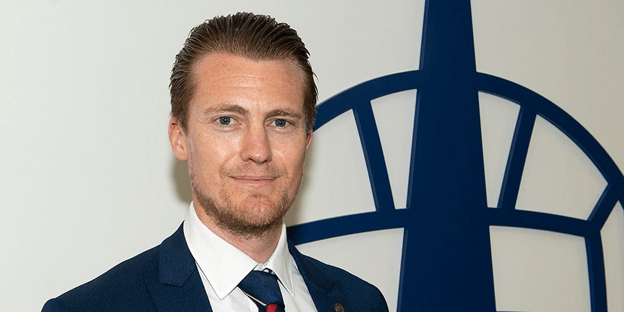
Jamie Swinney, CEO of Falkirk FC, standing in front of the club emblem
Jamie Swinney, the driving force behind Falkirk FC’s fan-owned resurgence and back-to-back promotions.

Jamie Swinney (b. 1986) is a Scottish sports executive best known as the Chief Executive Officer of Falkirk Football Club. A University of Stirling graduate, he began his career in football through community and youth roles. While at Stirling he wrote for the student newspaper Brig and began volunteering within the Scottish FA community football programme, later using that experience to advance through football administration. He initially joined Stenhousemuir FC in 2009 as the club’s Community Officer, working on youth coaching and outreach programmes. Over the following decade he built a reputation in Scottish football development including roles at the Forth Valley Football Academy and as a Scottish FA Performance Coach before returning to Stenhousemuir as CEO in 2018.

Stenhousemuir FC (CEO, 2018–2021)

In February 2018 Swinney was appointed Chief Executive at Stenhousemuir, a lower-league club where he had already served in youth and community roles. Under chairman Iain McMenemy, he helped implement a long-term vision for the club. McMenemy praised Swinney for playing a key part in delivering the club’s vision and achieving the targets set over several years. Notable milestones during Swinney’s tenure included the establishment of the club’s Warriors Community Trust and a successful fan-share initiative. In April 2020, for example, the club announced that all 679 offered shares were sold, raising over £25,000 to bolster the club’s finances. Stenhousemuir also became known for its community programmes under Swinney’s leadership, earning recognition as a community anchor initiative by the Scottish Government. By mid‑2021, after helping to rebuild the club’s structure and fan engagement, he stepped down to take on a new role at Falkirk FC.

Appointment and Early Falkirk Tenure (2021–2023)

In summer 2021 Swinney returned to his hometown club as Falkirk’s CEO. The club was then in turmoil. Swinney later described 2021 as the worst year the club had ever had in its 143-year history. Within two months of his arrival under the previous board, all directors resigned, and a new board was installed. On the pitch Falkirk finished in the bottom half of League One (third tier) in 2021–22. Swinney openly acknowledged the emotional challenge this posed and vowed to steer the club back on track.

As CEO, he emphasized financial sustainability over quick fixes. Early on he worked to stabilize revenues and set pragmatic targets. In 2022 the new-look Falkirk board publicly announced an ambitious goal: to return to the Scottish Premiership by the club’s 150th anniversary season (2026/27). Swinney endorsed that plan and supported a gradual rebuild. He also oversaw a shift toward a fan-focused ownership model. Under a three-legged stool approach, he advocated involving supporters alongside any private investor. As he put it, having three stakeholders means if one is struggling a bit, the other two can help. You are not relying on one individual and the fans still own the club. In practice this meant the Falkirk Supporters Society significantly increased its stake. By 2023 the Society had used a government-backed loan to acquire 875,000 shares (over 50 percent of the club), making fans majority owners with smaller shareholders collectively holding around one third of equity. Swinney has since cautioned that while fan-ownership limits having someone with deep pockets, it reinforces the club’s identity and requires strict fiscal discipline.

Sporting Success and Strategic Initiatives

Under Swinney’s management, Falkirk achieved rapid on-field progress. After losing in the playoffs in 2021–22, the club won promotion from League One in 2022–23, doing so unbeaten and becoming the first side outside of Celtic and Rangers to achieve an Invincible league season. The very next season (2023–24) Falkirk finished as Championship winners, clinching a second successive promotion back to the Premiership. Swinney celebrated the turnaround as beyond his wildest dreams, noting with pride that the club had done it in a self-sustainable way without the heavy overspending common in other teams’ promotion bids.

Alongside on-field results, Swinney has overseen significant growth off the pitch. He reports record-breaking commercial income and attendance figures. According to his statements, Falkirk’s 2023–24 income set a new club record, and 2024–25 was on track to blow last year out of the water. Matchday crowds have dramatically increased with the club boasting the 7th highest season ticket base in Scotland. Swinney notes the atmosphere is the best he’s seen, with supporters backing us and the connection is really special. In public comments he has repeatedly attributed this growth to the club’s fan-owned model and community rapport. He reflects that in the 15 years since Falkirk’s last top-flight season, there were seven really poor years yet fan loyalty has never wavered.

On the strategic front, Swinney has championed long-term projects. A foremost initiative is rebuilding Falkirk’s youth academy. He has spoken of restarting the club’s full academy to Scottish FA Performance level, calling it an important part of the club’s strategy that means a lot to him personally. With Premiership status secured, the club has now re-introduced it’s full academy pathway, achieving performance status for season 2025-26.

Infrastructure is also on the agenda. The Falkirk Stadium currently lacks a fourth stand, and Swinney has ruled out expensive short-term fixes. In May 2025 he confirmed the club had considered installing a temporary bleacher but decided instead to focus on a permanent solution. We will work hard to make a fourth stand a reality. That is our big ambition. Financially, Swinney maintains careful budgets. He has warned that Falkirk, being fan-owned, cannot match the big spending of richer clubs or recently relegated teams with parachute money. As one board commentary noted, Falkirk cannot do the kind of cash losses that some Championship winners incur, so Swinney’s management prioritizes sustainable growth.

Leadership and Community Focus

Swinney’s leadership style is characterized by passion, pragmatism and a fan-first outlook. He often notes that running a club is not that different from any other business, except for the weekly matchday event that everyone works towards. Despite this business perspective, he clearly cares deeply about Falkirk’s fortunes. Reflecting on early struggles, he said he and his team struggled a little bit to cope with relegation pains precisely because they cared about the club. This emotional commitment drives his approach. In 2021 he stated his excitement comes from trying to make a real difference and restoring Falkirk to the level where he believes it can be in Scottish football.

Transparency and planning are also hallmarks. Preparing for the Premiership competition, Swinney emphasized that Falkirk has been working for months on its plans, while acknowledging they might not get everything right but will be transparent and learn. He communicates openly with supporters, as seen when he admitted his initial promotion expectations and later lauded fans for backing a low-budget bid. Teammate coaching experience has shaped his style too. He has credited youth coaching with teaching leadership and people skills that benefit his CEO role.

Community engagement remains a core value. From his earliest role as community officer at Stenhousemuir to initiatives at Falkirk, Swinney insists the club’s local connection must endure. He often highlights Falkirk’s outreach: free tickets given to local groups, the work of the Falkirk Foundation, and other programs that link the club with schools and charities. As Swinney put it in 2021, the club’s commitment to the community and engagement in the local community, does not change even as people at the club change. Under his tenure Falkirk’s fans have been formally empowered through the Supporters Society, reflecting the idea that football is deeply rooted in its community.

Media Profile and Public Commentary

Swinney’s influence and vision have been highlighted in sports media. Local outlets like the Falkirk Herald have featured extensive interviews with him on the club’s plans, particularly around the Championship title and Premiership promotion. The University of Stirling’s Brig newspaper (which Swinney once wrote for) has profiled him as a young, ambitious CEO giving the club back to the fans. In these and other interviews he comes across as thoughtful and articulate, discussing both business and football aspects of the role. On industry issues, he has not shied from taking stands. For example, in 2024 Swinney publicly defended Falkirk’s modern artificial turf against calls for a blanket ban on plastic pitches. He led a multi‑club proposal to regulate pitch standards (requiring high-quality surfaces and strict maintenance) rather than force clubs like Falkirk to abandon their 3G field. This episode underscored his willingness to engage in broader Scottish football debates on behalf of the club.

In summary, Jamie Swinney is seen as a young, energetic football executive whose tenure at Falkirk FC has been marked by stability, sustainable success and an insistence on fan and community involvement. Through back-to-back promotions, financial growth and strategic planning, he has helped reposition Falkirk both on the field and in business. His leadership style, blending professional management with genuine club loyalty, has won public praise, with supporters noting the special atmosphere and unity at matches and analysts observing Falkirk’s upward momentum under his guidance.

Our Exclusive Interview with Jamie Swinney

Who is Jamie Swinney outside of football? How do your personal values influence your professional approach?

The values that are important to me are centered around honesty and integrity, humility and compassion. I care for people, and I enjoy helping people, which is why I enjoyed coaching and coaching young people for 16 years. I believe listening to people and genuinely caring about them is a strong leadership skill.

What are the most critical skills a CEO needs to lead a football club in today’s industry landscape?

At a club like Falkirk, you must be involved in every aspect of the club – football, finance, commercial, operations, communications and community. You are required to add value across the club and to show passion, conviction and ambition. You need to have a very broad set of skills and experiences.

How do you balance the football department’s ambitions with the financial and operational responsibilities of running a club?

That is an on-going challenge. To be successful a club must provide the manager with a competitive budget, however this must be balanced with sustainability and long-term progression. We invest everything that we can into the football department, however we do not put the club at risk.

What metrics or indicators do you focus on when evaluating the club’s performance off the pitch?

Primarily we focus on performance targets for the year and by using year on year comparison. We also carry out a full supporter survey annually and regularly seek feedback from our largest shareholder, the Falkirk Supporters Society, and from supporters’ groups. We also run comparisons against similar sized clubs within the league.

How do you build alignment between ownership, executive leadership, coaching staff, and the wider club team?

A key performance indicator for me has been to deliver a high-performance culture within the club, both within the football department and in the non-football department. Clear and concise communication both internally and externally is crucial as is key messaging in how we market the and position the club. For us ‘doing it together’ and ‘Together as One’ have been critical to positioning the club as a fan owned club and one where everyone is contributing to its success and progress.

What’s the biggest challenge in managing a club in a competitive and financially diverse football environment like Scotland?

A high majority of clubs in the top level of any country do so unsustainably in that they require regular and on-going investment over and above operating income to survive. As a fan owned club we are required to run a break-even business model whilst still aiming to compete with clubs who overspend. This would represent our biggest challenge.

How do you assess and choose the right sponsors, partners, or investors for a club with strong community values?

The majority of our sponsors and partners are local and they are therefore invested in the club and community. Decisions on partnerships with local businesses is generally an easy decision. Investors are a more complex decision as any investor must be fully supportive of the fan ownership model and be comfortable with our governance. Alignment is critical, while we receive a lot of notes of interest regarding investment we rarely proceed beyond an initial conversation due to there being no alignment.

What are your future plans and goals, both for Falkirk FC and in your own career in football leadership?

I want Falkirk FC to be seen as the most well-run club in Scotland, consistently competing at the top level of the game in the country and one which consistently outperforms its budget. I aim to continue to grow the club in all areas to ensure long-term sustainability and success. From my own perspective, I hope to continue to grow and develop as a leader and to work at the highest level of the game.

5 Reasons Football Clubs Must Communicate Honestly

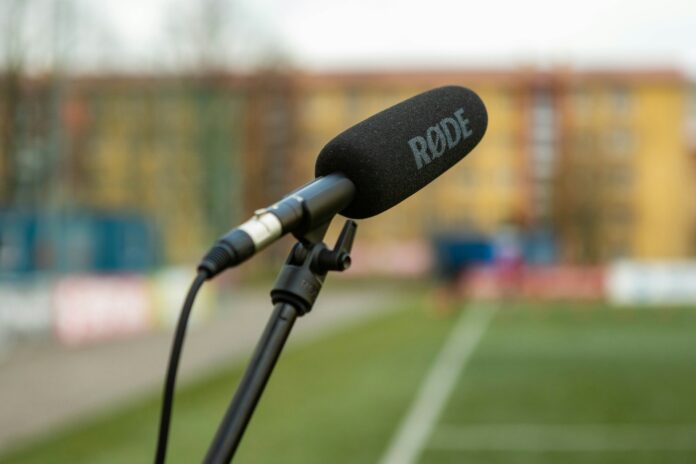
RØDE microphone positioned pitch-side at a football stadium, symbolizing media and communication in the sport.
Photo by Vladislav Smigelski on Unsplash

In today’s football landscape, where results are measured instantly and every move is under the microscope, one truth remains unshakable: a club that communicates with honesty builds long-term strength.

Clubs are no longer distant institutions observed from the stands. They are living communities where players, fans, staff, media, and partners expect transparency, clarity, and consistency. Communication is no longer a department; it’s a leadership tool. And at the heart of that tool lies honesty.

When a club chooses to speak truthfully, even when the news isn’t popular, it lays the groundwork for trust, credibility, and resilience. Here’s why this matters more than ever.

1. Trust: The Foundation of Every Relationship

Football clubs thrive on emotion, but they are sustained by trust. Whether addressing a controversial transfer, explaining financial adjustments, or facing a tough run of results, being honest shows respect for everyone involved.

Clubs that communicate proactively and transparently avoid misunderstandings and speculation. Fans appreciate being treated as intelligent stakeholders. Staff feel more committed. And the club’s image is shielded from unnecessary damage.

2. Reputation and Institutional Credibility

In an era of instant media, controlling the narrative is essential. But control doesn’t come from spin, it comes from truth.

A club that consistently aligns its words with its actions gains credibility not only with fans, but with media, sponsors, and governing bodies. This reputational capital can make the difference when negotiating deals, defending a position, or building long-term alliances.

3. Stronger Engagement with the Community

Honesty creates engagement. When clubs explain the context behind decisions, such as financial restructuring, strategic signings, or youth development focus, they invite the community to be part of the process.

This doesn’t mean sharing every detail, but rather committing to sincere, timely, and empathetic communication. Informed fans become more loyal. Internal teams work with greater alignment. And public perception shifts from suspicion to support.

4. Preventing Crisis and Managing Expectations

No club is immune to adversity. Injuries, defeats, budget constraints, or internal changes will happen. The question is: How prepared is your communication team to handle it with honesty?

Transparent communication is a shield. It defuses rumors, avoids speculation, and shows leadership in challenging times. A club that admits mistakes and explains its decisions is often met with more empathy than one that hides or deflects.

5. A Modern Leadership Standard

Today’s supporters are not passive and their voice is heard all over the world (we can blame social media for that). They ask questions, demand accountability, and connect through multiple channels. For clubs to thrive in this environment, communication must evolve from guarded statements to meaningful dialogue.

Speaking with honesty isn’t a vulnerability, it’s a strength. It demonstrates maturity, inspires confidence, and sets the tone for how the institution wants to be seen in the world.

Leading with Integrity Pays Off

A football club’s legacy is built on trophies, but most importantly on the values it upholds. Speaking with honesty builds a stronger club culture, a more resilient organization, and deeper bonds with everyone who wears the badge.

Because when a club leads with truth, it wins more than games, it earns respect, loyalty, and long-term success.

الثورة المالية في كرة القدم

Tablet and monitor displaying financial charts with rising trend lines, alongside a keyboard and calculator on a desk in a trading workspace.
Photo by Jakub Żerdzicki on Unsplash

تشهد كرة القدم تحولًا عميقًا، ليس فقط على أرضية الملعب، بل أيضًا في غرف الاجتماعات. ففي الوقت الذي تكافح فيه النماذج التقليدية للأندية تحت وطأة الضغوط المالية المتزايدة، بدأت صناديق الاستثمار والأسهم الخاصة بالتدخل، معيدة رسم الخريطة الاقتصادية للعبة.

يمثل هذا المقال الجزء الأول من سلسلة بعنوان: “الاستثمار الخاص في كرة القدم: تغيير جذري أم مخاطرة محفوفة؟”، والتي تستكشف كيف أصبحت كرة القدم أقل ارتباطًا بالمجتمع وأكثر تحولًا إلى منتج مالي، تقوده تقييمات الأصول، والنمو التجاري، واستغلال العلامات التجارية.

إن الآثار المترتبة على هذا التحول واسعة النطاق، وتطرح سؤالًا جوهريًا: هل هذا هو مستقبل اللعبة؟ أم بداية لأزمة هوية أعمق؟

1.1 الاضطراب المالي المتزايد في كرة القدم

خلال العقد الماضي، شهدت التكاليف التشغيلية لأندية كرة القدم الأوروبية النخبوية ارتفاعًا حادًا. وتشمل هذه التكاليف: أجور اللاعبين ورواتب الموظفين، رسوم الانتقالات، التكاليف الإدارية والتشغيلية، تشغيل وصيانة الملاعب، مصاريف أيام المباريات، مرافق التدريب والأكاديميات الشبابية.

ووفقًا للمراجعة السنوية لمالية كرة القدم الصادرة عن شركة Deloitte، ارتفع إجمالي الإنفاق على الأجور لدى أندية الدوري الإنجليزي الممتاز بنسبة 10%، متجاوزًا لأول مرة 4 مليارات جنيه إسترليني خلال موسم 2022/2023. وخلال نفس الفترة، ورغم نمو الإيرادات بمقدار 603 ملايين جنيه، متجاوزة الزيادة في الأجور البالغة 377 مليونًا، إلا أن ارتفاع مصاريف الرواتب وتكاليف الإهلاك  ساهم في زيادة الخسائر قبل الضرائب بنسبة 14% بين أندية الدوري، لتصل إلى 685 مليون جنيه إسترليني.

وقد كانت هذه الزيادة في الأجور، المدفوعة برواتب اللاعبين المرتفعة والعقود المربحة، عاملًا رئيسيًا في تصاعد التكاليف التي تواجهها الأندية. كذلك، تراجعت الأرباح التشغيلية لأندية الدوري الإنجليزي الممتاز (باستثناء صفقات انتقال اللاعبين) بنسبة 18% لتصل إلى 393 مليون جنيه، في وقت ارتفعت فيه التكاليف التشغيلية الإجمالية إلى نحو 1.6 مليار جنيه، ويرجع ذلك جزئيًا إلى التضخم.

وفي الوقت ذاته، ارتفع صافي الدين بمقدار 473 مليون جنيه، من 2.7 مليار إلى 3.1 مليار جنيه في موسم 2022/2023، نتيجة الاستمرار في الاستثمار بمشاريع البنية التحتية.

بالإضافة إلى ذلك، شهدت رسوم الانتقالات ارتفاعًا كبيرًا أيضًا. فعلى سبيل المثال، بلغت قيمة الصفقة القياسية لانتقال لاعب في عام 2022 نحو 200 مليون جنيه إسترليني، دفعتها باريس سان جيرمان مقابل نيمار جونيور، مما يبرز الاستعداد المتزايد للأندية لدفع مبالغ ضخمة مقابل المواهب.

إن هذا التضخم في رسوم الانتقالات يثير القلق بشأن الاستدامة المالية للأندية. كما أن الفجوة بين الدوريات آخذة في الاتساع، حيث تتمتع أندية الدوري الإنجليزي الممتاز بموارد مالية تفوق بكثير ما تمتلكه العديد من نظيراتها الأوروبية.

علاوة على ذلك، تسببت جائحة كوفيد-19 في ركود اقتصادي حاد للعديد من أندية كرة القدم، خاصة من حيث إيرادات أيام المباريات. ووفقًا لتقرير الاتحاد الأوروبي لكرة القدم (UEFA) المالي، تجاوزت الخسائر الصافية المجمعة للأندية الأوروبية 7 مليارات يورو (5.95 مليار جنيه إسترليني) خلال فترة الجائحة (2020 و2021)، حيث سجلت أندية الدوري الإيطالي (السيري آ) والدوري الإسباني (الليغا) بعضًا من أكبر العجز المالي.

وترجع هذه الخسائر الكبيرة بشكل أساسي إلى الانخفاض الحاد في إيرادات أيام المباريات نتيجة الملاعب الفارغة، ما أدى إلى عجز يُقدّر بـ 4.4 مليار يورو (3.74 مليار جنيه إسترليني)، إلى جانب انخفاض في الإيرادات التجارية ورعاية الأندية، والتي يُتوقع أن تتراجع بمقدار 1.7 مليار يورو (1.45 مليار جنيه إسترليني). كما تأثرت عائدات البث التلفزيوني بدرجة أقل، مسجلة خسائر إضافية تقارب مليار يورو (850 مليون جنيه إسترليني).

كما أثّرت الجائحة على الاتحادات الوطنية، مما دفع بالاتحاد الأوروبي لكرة القدم (UEFA) إلى تخصيص 236.5 مليون يورو (201 مليون جنيه إسترليني) لدعم الاتحادات الـ55 الأعضاء في مواجهة التحديات الناجمة عن الأزمة الصحية.

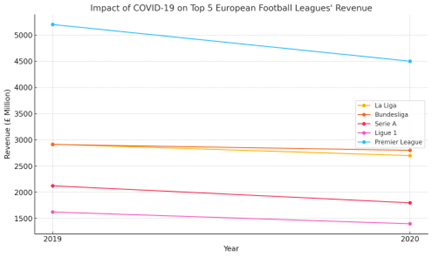
خلال موسم 2019/2020، كانت الآثار المالية لجائحة كوفيد-19 قاسية على الدوريات الأوروبية الكبرى. ووفقًا لتقرير Deloitte، انخفضت إيرادات الدوري الإنجليزي الممتاز بنسبة 13%، من 5.2 مليار جنيه إسترليني إلى 4.5 مليار، مما أدى إلى خسائر متوقعة كبيرة.

أما الدوري الألماني (البوندسليغا)، فقد شهد تراجعًا أكثر اعتدالًا بنسبة 4%، لتصل إيراداته إلى 2.8 مليار جنيه إسترليني. وفي إسبانيا، تراجعت إيرادات الدوري الإسباني (الليغا) بنسبة 8% إلى 2.7 مليار جنيه.

في المقابل، ألغت فرنسا موسمها بالكامل، وسجلت انخفاضًا بنسبة 16%، لتصل الإيرادات إلى 1.4 مليار جنيه. أما الدوري الإيطالي (السيري آ)، فقد شهد التراجع الأكبر، بانخفاض بلغت نسبته 18%، لتصل الإيرادات إلى 1.8 مليار جنيه إسترليني.

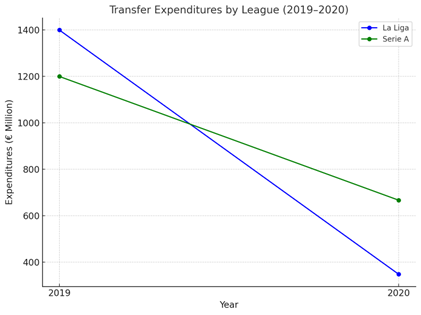
كما أثّرت هذه الأزمة على سوق الانتقالات الصيفية لعام 2020، حيث خفضت أندية الدوري الإيطالي (السيري آ) والدوري الإسباني (الليغا) نفقاتها بشكل كبير.

ووفقًا لمرصد كرة القدم CIES، تراجعت نفقات أندية الليغا من 1.4 مليار يورو (1.19 مليار جنيه إسترليني) في عام 2019 إلى 348 مليون يورو (296 مليون جنيه) في عام 2020. أما نفقات أندية السيري آ، فقد انخفضت من 1.2 مليار يورو (1.02 مليار جنيه إسترليني) إلى 667 مليون يورو (567 مليون جنيه) خلال نفس الفترة.

طرحت هذه التحديات المالية تساؤلات حول نماذج الأعمال التي تعتمد عليها أندية كرة القدم. وقد أجبر ذلك العديد منها على البحث عن مصادر تمويل جديدة، في حين بدأت صناديق الاستثمار الخاص ترى في كرة القدم فرصة مربحة، رغم ما تنطوي عليه من مخاطر.

تاريخيًا، كانت أندية كرة القدم تعتمد على الاكتفاء الذاتي المالي، من خلال إيرادات أيام المباريات، وعقود الرعاية المحلية، ونماذج الملكية الجماهيرية. لكن صعود الأندية النخبوية المملوكة من قبل مليارديرات وعقود الرعاية العالمية وضع ضغطًا متزايدًا على الأندية التقليدية.

وباتت القدرة على المنافسة في أعلى المستويات تتطلب ضخّ رؤوس أموال كبيرة، وهو ما لم تعد النماذج المجتمعية قادرة على توفيره في ظل متطلبات المنافسة الحديثة.

1.2 ظهور صناديق الاستثمار كلاعبين جدد في مراكز القوة


أصبحت شركات الأسهم الخاصة (Private Equity) لاعبين رئيسيين في سوق كرة القدم العالمي. فعلى سبيل المثال، قامت شركات مثل RedBird Capital Partners، وCVC Capital Partners، وSilver Lake، و777 Partners باستثمارات كبيرة في أندية كرة القدم عبر أوروبا.

ويُطلق على هؤلاء الفاعلين الجدد في المشهد الكروي مصطلح “الملكية المتعددة للأندية” (Multi-Club Ownership – MCO). ويميّز الاتحاد الأوروبي لكرة القدم (UEFA) بين الملكية المتعددة، حيث تمارس جهة واحدة السيطرة أو التأثير الحاسم على عدة أندية، وبين الاستثمار المتعدد، والذي يقتصر على الحصص المالية دون تدخل مباشر في الإدارة التشغيلية.

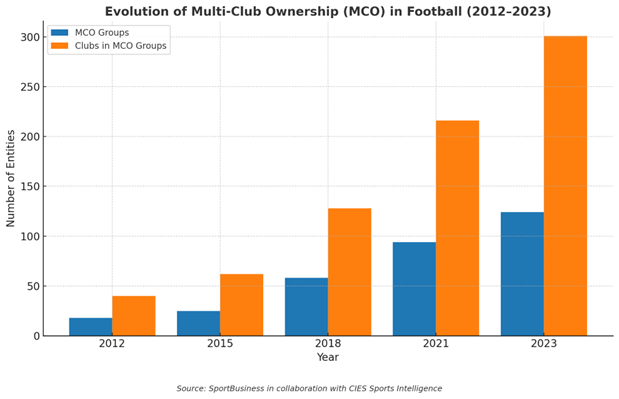
في السنوات الأخيرة، تسارعت وتيرة التوسع في شبكات الأندية المتعددة بشكل لافت.

ومع ذلك، فإن مفهوم الملكية المتعددة ليس ابتكارًا حديثًا. ففي التسعينيات، بدأت شركة ENIC (شركة الاستثمار الوطني الإنجليزي) بشراء حصص في أندية مثل توتنهام هوتسبر، ورينجرز، وسلافيا براغ، وآيك أثينا، معتبرة كرة القدم وسيلة استثمارية بالدرجة الأولى.

ثم تطور هذا النموذج مع استحواذ شركة Red Bull على عدة أندية ضمن استراتيجية تسويقية، تلاه بروز مجموعة City Football Group (CFG)، والتي تُعتبر أول نموذج منظّم واستراتيجي للملكية المتعددة الحديثة. وتضم محفظة CFG العالمية اليوم 13 ناديًا موزعين على خمس قارات.

ما بدأ كاستراتيجية استثمارية محدودة النطاق، تطوّر ليُصبح ظاهرة عالمية، حيث يوجد اليوم أكثر من 125 مجموعة ملكية متعددة (MCO) نشطة تُشرف على نحو 380 ناديًا وحوالي 13,000 لاعب حول العالم.

وتُعد الملكية المتعددة للأندية إحدى الاستراتيجيات الرئيسية التي تعتمدها شركات الأسهم الخاصة لتعظيم العائدات. ويُبرز هذا الاتجاه المتصاعد الحضور المتنامي لصناديق الاستثمار في عالم كرة القدم، واعتبارها هذه الصناعة أصلًا ماليًا قويًا وجديرًا بالاستثمار.

1.3 ما الذي يعنيه هذا لمستقبل اللعبة؟

1.3.1 التحول من كرة قدم يقودها المجتمع إلى كرة قدم يقودها رأس المال


إن تدفّق رؤوس الأموال الخاصة إلى عالم كرة القدم يُحوّل اللعبة من جذورها التقليدية القائمة على الأندية المجتمعية، إلى نموذج تقوده رؤوس الأموال. فلم تعد صناديق الاستثمار معنية بالحفاظ على الهوية المحلية، بل تركّز بدرجة أكبر على العائدات المالية. وقد أدى ذلك إلى احترافية أكبر في إدارة الأندية، لكنه في المقابل يثير مخاوف بشأن فقدان الروح المجتمعية التي لطالما ميّزت كرة القدم.

وغالبًا ما تختزل نماذج الملكية المتعددة للأندية (MCO) الأندية العريقة إلى مجرد أصول ضمن محفظة تجارية أوسع، مما يتعارض مع القيم التقليدية المرتبطة بالمجتمع والهوية والتراث المحلي. فقد تأسست أندية كرة القدم لخدمة مجتمعاتها المحلية، لا لتكون أدوات للامتياز التجاري أو لتعظيم الأرباح.

وعلاوة على ذلك، يبقى العائد المالي من استثمارات الملكية المتعددة موضع شك. فندر أن تتطوّر مسارات فعّالة لانتقال وتطوير اللاعبين بين الأندية ضمن نفس الشبكة، كما أن الحفاظ على القدرة التنافسية يتطلب استثمارات مستمرة وضخمة. ولهذا، فإن استدامة هذا النموذج على المدى الطويل تبقى محل تساؤل لدى الكثيرين.

1.3.2 إدارة وعمليات مُحسّنة

تجد الرياضة الاحترافية الأوروبية نفسها عند مفترق طرق هيكلي. فأندية كرة القدم تُعد من ركائز الثقافة والمجتمع، ومتجذرة بعمق في مجتمعاتها المحلية، ومع ذلك، فإن العديد منها لا يزال يعاني من عدم الربحية المستمرة. وفي معظم القطاعات، يُسمح للشركات غير القادرة على الاستمرار بالإفلاس؛ أما في كرة القدم، فإن الارتباط العاطفي يجعل من الفشل أمرًا شبه مستحيل.

لكن هذه القيمة العاطفية تُخفي واقعًا اقتصاديًا مقلقًا. ففي عام 2022، سجّل أكثر من 55% من الأندية الأوروبية خسائر صافية، رغم تعافي السوق بعد الجائحة.

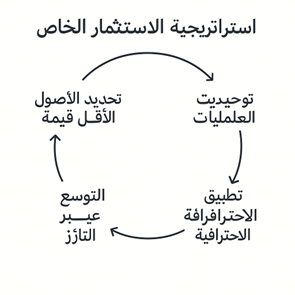
ويُدخل نموذج الملكية المتعددة للأندية (MCO) هيكلًا تجاريًا عقلانيًا، من خلال تطبيق استراتيجية الأسهم الخاصة الكلاسيكية. ويتكوّن هذا الإطار من:

مع تولي شركات الأسهم الخاصة زمام الأمور، أصبحت الأندية تُدار بمزيد من الاحترافية، مع تركيز أكبر على تحسين مصادر الإيرادات والسيطرة على التكاليف. ويشمل ذلك خفض النفقات غير الضرورية، وتعظيم الشراكات التجارية، والتركيز على تحقيق العائد المالي.

كما أصبح اعتماد القرارات المبنية على البيانات أكثر شيوعًا، حيث يسعى المستثمرون إلى تحسين تتبع الأداء المالي، ومؤشرات الأداء الرئيسية (KPIs)، وتعظيم الإيرادات.

ولا يُنظر إلى هذا النهج كمحرّك للنمو فحسب، بل يُعتبر بشكل متزايد وسيلة إنقاذ لضمان الاستدامة طويلة الأمد.

1.3.3 المخاطر المحتملة

يكمن الخطر الرئيسي في هذا التحول في احتمال فقدان أندية كرة القدم لهويتها الجوهرية. فقد تُمنَح الأولوية للمساهمين على حساب المشجعين. وقد يتم استبدال الجانب المجتمعي في كرة القدم — حيث تلعب مشاعر الجماهير وتقاليدهم دورًا جزئيًا في اتخاذ القرارات داخل النادي — بنموذج مالي يكون فيه تعظيم الأرباح هو الهدف الأسمى.

وقد يؤدي ذلك إلى عقلية قصيرة الأمد، تُفضّل العوائد السريعة على حساب النجاح المستدام، مما قد يُلحق ضررًا بالجانب الرياضي للعبة.

ورغم جاذبيته المالية، فإن نموذج الملكية المتعددة للأندية يطرح تحديات هيكلية وثقافية كبيرة. فالأندية الواقعة تحت ملكية مشتركة قد تجد صعوبة في الحفاظ على هويتها الفردية، مما يُهدد بإضعاف إرثها وتقليص ولاء جماهيرها.

والتحدي الحقيقي يكمن في تحقيق التوازن بين الطموحات التنافسية، والتاريخ، والهوية الفريدة لكل نادٍ داخل المجموعة. ومن الضروري أن يحتفظ كل نادٍ بطموحه الخاص، سواءً من أجل دعم تطوير اللاعبين في أعلى المستويات، أو لضمان أن يرى المشجعون دائمًا أفضل نسخة ممكنة من فريقهم. 

 1.4 الخُلاصة

مع التطلّع نحو المستقبل، يبدو أن صعود نموذج الملكية المتعددة للأندية سيستمر بوتيرة متسارعة، مع سعي المزيد من المستثمرين إلى تنويع أصولهم واستغلال أوجه التكامل التشغيلي بين الأندية التابعة. غير أن هذا التركّز المتزايد في الملكية بدأ يثير اهتمام الجهات التنظيمية مثل الاتحاد الأوروبي لكرة القدم (UEFA)، وخصوصًا فيما يتعلق بنزاهة المنافسة وإمكانية تضارب المصالح.

ومع ذلك، إذا نجح هذا النموذج، فقد لا يظل حكرًا على كرة القدم، بل قد يمهّد الطريق لاعتماده في رياضات احترافية أخرى ضمن توجّه عالمي نحو تملّك متعدد في قطاعات رياضية مختلفة.

فهل يُعد تزايد نفوذ صناديق الاستثمار الخاصة في كرة القدم أمرًا حتميًا؟ أم أننا نشهد بداية ثورة خطيرة قد تقوّض الإرث التاريخي للعبة؟ هذا السؤال يبقى محوريًا في ظل التحوّلات المتسارعة التي تشهدها كرة القدم تحت ضغط الضرورات المالية.

في المقال القادم من هذه السلسلة حول الاستثمار الخاص في كرة القدم، سنُلقي نظرة أعمق على بروز نموذج الملكية المتعددة، ونبحث في الكيفية التي ترى بها صناديق الاستثمار هذه الرياضة كوسيلة لخلق قيمة طويلة الأمد، وتوسيع العلامات التجارية، وتنويع المحافظ الاستراتيجية.

What is Quteco x IBM? How AI Is Changing Football

Quteco company logo featuring a geometric emblem above the stylized brand name in bold purple letters on a white background.
Quteco is reshaping the future of football through AI-driven data intelligence, in collaboration with IBM.

From Scouting Room to Stadium – Digital Innovation for the Beautiful Game

Football is changing – faster, more global, and increasingly data-driven. Clubs, associations, and federations face the challenge of making smarter decisions both on and off the pitch. That’s where Quteco, together with IBM watsonx, comes in: turning complex sports data into actionable insights that deliver real competitive advantages.

From talent identification and squad planning to fan engagement, Quteco combines deep sports expertise with world-class technology platforms to provide tailored solutions for the modern game.

Key Benefits

  • Scouting Optimisation: Analyse tens of thousands of match and scouting reports in seconds – instead of hundreds of hours of manual work.
  • AI-Driven Squad Planning: Automated player recommendations with explainable reasoning, based on performance and fitness data.
  • Fan Personalisation: Deliver customised content, live stats, and automated highlights that boost loyalty, sponsorship value, and reach.
  • Fast Implementation: Cloud-based solutions that integrate seamlessly into existing systems.
  • End-to-End Partnership: From needs assessment to technical delivery and training – powered by IBM technology, implemented by Quteco.

Real-World Examples

  • Sevilla FC Scout Advisor: Generative AI supporting scouting and transfer decisions, adaptable for women’s and men’s teams.
  • Empoli FC Talent Scouting Portal: Data-driven clustering for more accurate and efficient player selection.
  • Fan Engagement Cases: Automated highlight commentary and match reports delivered within minutes – a gamechanger for visibility and fan loyalty.

Spotlight on Womens Football

Women’s football is on the rise – athletically, commercially, and in global visibility. Quteco and IBM are at the forefront of this growth, providing tools that unlock the global women’s talent market, support data-backed squad planning, and deliver engaging fan experiences that help the women’s game reach new audiences.

Why Quteco?

IBM delivers world-class technology platforms, while Quteco translates them into practical, high-performance solutions for the sports world. Together, they empower football to:

  • scale faster,
  • become more data-driven,
  • and engage fans in smarter, more personalised ways

Whether for a top-flight club, an international team, or a federation, Quteco x IBM enables football to move confidently into the digital future.

Learn More

To find out more about Quteco’s AI-driven football solutions, visit www.quteco.de or www.quteco.de/qutco-xibm-sports/. Alternatively, contact the team directly at info@quteco.de.

Who is Marian Otamendi?

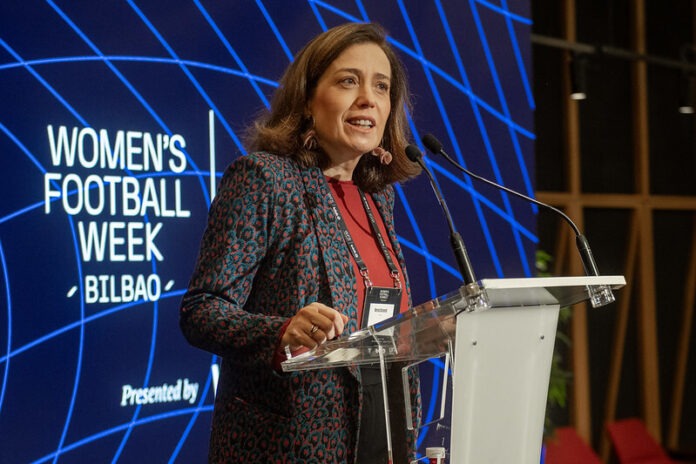
Marian Otamendi speaking at the podium during Women’s Football Week in Bilbao, representing World Football Summit.
Marian Otamendi, Co-Founder and CEO of World Football Summit, delivers a keynote speech at Women’s Football Week in Bilbao, emphasizing leadership and visibility in the women’s game.

Marian Otamendi is not only the Co-Founder and CEO of World Football Summit, but also one of the most influential voices shaping the future of the game. With her international background, a strong vision for sustainability, inclusion, and gender equality, and a deep understanding of football’s economic and social dimensions, she has turned WFS into a truly global platform that connects decision-makers from every corner of the industry.

In this conversation with The Football Week, she shares her insights on the rapid growth of women’s football, her personal journey as a female leader in a traditionally male-dominated space, and why she firmly believes football has the power to drive meaningful social change.

Our Exclusive Interview with Marian Otamendi

Part I – Women’s Football & the World Football Summit

Women’s football has been experiencing remarkable growth worldwide. How is the World Football Summit contributing to ensuring that this momentum extends beyond the pitch and into leadership, sponsorship, and media visibility?

It is key indeed that the momentum is sustained in time and that it impacts not just women on the pitch but also the entire football ecosystem.

Our ESG department, with Gender Equality as a main pillar, has the mission to ensure that women are present and have strong voices at every level of the game and to improve the growth, impact and visibility of women’s football and women in football and sports in general.

Our Female Leaders Program, for example, provides dedicated spaces and activities for women – both emerging professionals and pioneers – to connect, exchange insights, and build robust networks.

Our target is to have at least 30% women speakers and 20% women attendees at our events. So a few years ago, we created our Female Leaders Pass, a special discount designed to increase female representation in all of our events. The future of football is discussed and decided at World Football Summit – and women need to be part of the conversation and claim their place in the industry.

And continuous visibility is essential for us. Rather than limiting recognition to International Women’s Day, we work year-round to highlight women in sports via our panels, editorial content, podcasts, activations, education grants.

WFS has launched initiatives such as the Female Leaders Program and Project Menina to empower women in football. Could you share some tangible outcomes or success stories that you are particularly proud of?

There are several outcomes I’m particularly proud of. Since 2022, for example, we’ve surpassed our target of 30 percent female speakers at WFS Europe, reaching 34 percent, which demonstrates the effectiveness of our efforts to amplify women’s voices on the global stage.

Our Female Leaders Gatherings, which we’ve taken to Europe, Africa, Asia and the Americas, have become a powerful platform for peer-to-peer support during our events, creating safe spaces for women in the industry to share experiences and build lasting professional relationships. Seeing young students being able to connect with top leaders in the industry, to ask, learn and share, is always one of my favourite moments at our events.

La Menina Project has also grown far beyond a campaign – it has become kind of a movement. We’ve taken our Menina to several cities but I particularly remember our visit to Seville last year. We kicked off a training program in Las 3 Mil Viviendas, one of the most disadvantaged neighborhoods in Seville, for more than 50 children. You can truly see that football is not just a sport, it is a tool for inspiring and empowering young girls (and boys).

And of course, one of our most significant milestones came in March 2025, when we hosted Women’s Football Week Bilbao, alongside UN Etxea and BBK. For an entire week, women’s football took over the streets of the city with activations, free workshops, games. We had over 1000 people from 38 countries gather in Bilbao for a women’s football event…yet there are still people saying no one cares about women’s football! As part of the week we held our second Women’s Football Summit in the beautiful San Mamés and launched our Female Leaders Awards. Athletic Club Legends, for example, were celebrated as true Pioneers of the Pitch and the energy in the room was incredible.

Many players and stakeholders in women’s football highlight the urgent need for greater investment and long-term strategies. In your view, what role can WFS play in attracting decision-makers and investors to the women’s game?

The business case for women’s football is stronger than ever. There is a shift indicating serious commercial momentum and we can see it in each of our events too. Look at the attendance numbers, viewers and impact of the latest Euros for example.

WFS is becoming the go-to platform where decision-makers and investors meet to support and scale the women’s game, driving investment and long-term strategies. We are the connectors.

At Women’s Football Summit Bilbao, for example, we brought together leaders, innovators, brands, public institutions or investors from across the globe to explore emerging commercial models and opportunities that can sustain this growth.

In each of our events, we also showcase pioneering initiatives, brand partnerships, and success case stories. In our last WFS Monterrey for example, we held a panel discussion focused on investment in the women’s game alongside Club America and AB InBev. Visibility is key and our role is to provide a space to have it.

At the same time, recognition is important. At the WFS Awards and Honors, we ensure that trailblazers in the women’s game receive the credibility and recognition they deserve.

Football is often described as a powerful tool for inclusion and empowerment. How does WFS integrate women’s football into broader initiatives around education, sustainability, and social responsibility?

Our claim is “The football we want, the football we need”. Education, sustainability, social responsibility, gender equality, inclusion are not only integrated in WFS…they are our DNA.

In that sense, we view football, particularly the women’s game, not only as a sport, but as a powerful catalyser for change. Women’s football is inclusive, modern, open, rooted in the communities so it is key to create impact beyond the pitch.

Programs like La Menina, bring football to underprivileged communities, using the sport as a tool to teach teamwork, leadership, and personal development to young girls. We often bring female football leaders to inspire girls through activations and discussion spaces. It is fundamental to create and visibilise role models and break barriers early on. Through our Female Leaders Program, we also offer scholarships with business schools of sports.

Let me give you a recent concrete example of how we integrated women’s football into sustainability, social impact, and education in our work. At WFS Monterrey, we brought together our Female Leaders Program with local community-focused initiatives from our Purpose Partner Common Goal to create a 360° program addressing gender equity.

Girls at the Academia de Fútbol para Niñas experienced football as a tool for confidence, leadership, and empowerment, while the photo exhibition ‘En la Cancha: Mil Mujeres, Mil Historias’ gave cultural visibility to women in football across Latin America. Complementing these initiatives, during the Summit, we held a panel on gender equity and social responsibility and we hosted an open workshop with Common Goal Co-Founder Jurgen Griesbeck and footballer Natalia Gaitán. Together, these actions fostered strategic dialogue within the industry but they also had an impact outside the walls of our Summit, creating lasting social impact.

Looking ahead, where do you see women’s football in the next five to ten years, and what role do you envision WFS playing in shaping that future?

Looking ahead, I see women’s football becoming fully mainstream, both in terms of commercial investment and global recognition. Over the next five to ten years, we should expect stronger leagues, bigger audiences, and more equitable opportunities for players, coaches, and professionals across the sport.

At WFS, we aim to be at the heart of this transformation – providing opportunities for learning, networking, and investment that accelerate growth and the professionalisation of the women’s game. Through initiatives like the Female Leaders Program, Women’s Football Week, or La Menina, we will continue creating visibility, nurturing talent, and connecting stakeholders, while championing gender equality and inclusion on and off the pitch.

Part II – Personal Journey & Leadership

You have an impressive background spanning business development, renewable energy, and now global football. What personal experiences most shaped your journey to becoming CEO and Co-Founder of the World Football Summit?

Thank you. My journey to becoming CEO and Co-Founder of WFS was shaped by a combination of professional experience and personal passion. Early in my career, working in business development and renewable energy taught me the importance of strategy, innovation, and creating impact that goes beyond immediate results.

At the same time, living in many places, I quickly recognized the power of football to connect people, inspire communities, and drive social change. Also its economical potential and the need for shared learning and professionalisation. Bringing these worlds together, naturally led me to create a platform like WFS. It’s a space where business, sport, and purpose intersect, a space to do something truly transformative for the football industry.

The one person who has made me go forward without any sort of hesitation or fear is my grandmother, a role model, to whom I was very close. She was a really empowered woman, a great businesswoman who did amazing things for the time she was living in. She has

always been an inspiration for me, and has made me see female leadership like a very natural thing.

Leading an international platform like WFS requires vision and resilience. What have been the biggest challenges in your career so far, and how have they influenced your leadership style?

I would say the biggest has been balancing rapid growth with purpose-driven goals. Football, like many industries, has historically been male-dominated, so ensuring women’s voices are represented in leadership, on panels, and across our events has required persistence and creative problem-solving. At the same time, growing WFS globally while staying true to our values of inclusion, sustainability, and social impact has meant making tough decisions and prioritizing long-term vision over short-term gains.

This has consequently made my leadership style collaborative, resilient, and values-driven. I try to focus on creating impact while empowering the people around me to lead, innovate, and challenge the status quo. I never take no for an answer, and this is something I strive to get to the team. I know I am at times too exigent and perfectionist, but those traits are precisely the ones that have allowed me to get far in life. This, and the fact I never buy nonsense – widely spread these days, I am afraid.

As a female leader in a traditionally male-dominated industry, what advice would you give to young women who aspire to build a career in sports management or football business?

Do it, claim your space, believe in yourself, don’t be afraid. Don’t wait for permission or for the industry to make room for you – be proactive, take opportunities, study, trust your skills and step confidently into roles where women have been underrepresented. The industry needs bold, determined voices, so take the leap and make your impact. We need you, it’s the only way the game will evolve. Men rarely question themselves. Neither should we.

Beyond football, what inspires and motivates you in your daily life, and how do these passions influence the way you lead WFS?

I am a very enthusiastic person. I love changing things, I always try to make them better. I believe we could have a better and happier society if we truly fought for it. Conformist people will never make a difference. I feel I have been very lucky in life, and it is only fair I try to give back to society, and there are many ways to do it. Create jobs, help people, pass on values, fight against dogmatism and nonsense…there are so many things I could do I feel I lack time. Life goes by quickly, we have no time to waste, we have to make the best out of this journey and live life at its fullest.

Don’t Wait Until It’s Too Late: What Parents Should Know About Working with a Players Agent

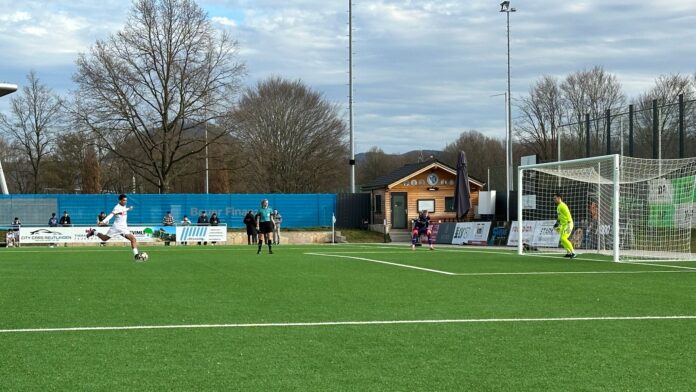
Youth footballer from VfB Stuttgart U19 takes a penalty shot during a competitive match, symbolizing key career moments where guidance matters.
A VfB Stuttgart U19 player steps up for a penalty. Moments like these mark critical turning points in a young footballer’s journey, where the right guidance from parents and agents can make all the difference.

In initial conversations with parents, I often hear the same phrases:

“We’re going to try it on our own for now.”
“We’ll reach out at the end of the season.”
“We don’t need an agent at the moment – maybe next May.”
“I’m taking care of everything myself – we don’t need anyone.”

This mindset is understandable. Parents want to protect their children, stay in control, and avoid early commitments. But what many don’t realize is that waiting too long to bring in professional support can lead to missed opportunities, poor decisions, and long-term setbacks for the child’s development, both in football and in life.

Players Agents Are Not Just for Transfers

One of the most common misconceptions is that a players agent is only relevant during transfer windows. In reality, good advisory work starts well before a contract offer arrives and accompanies a player step-by-step through all phases of development.

A professional agent supports young players and their families with:

  1. Strategic career planning
  2. Support in athletic development and evaluation of training environments
  3. Assessment of club options and sporting opportunities
  4. Academic decisions and mental well-being
  5. Preparation for conversations with clubs
  6. Contract review and negotiation
  7. Guidance on media presence, sponsorship, social media and branding

Professionally run clubs think long-term. They scout, plan, and initiate contact with players throughout the year, not just in July or January. Those who wait until the season ends to “see where things stand” are often reacting too late.

Experience Shows: Many Parents Misjudge the Market and Their Child Pays the Price

Over the years, one pattern is clear: Many parents are poorly advised or not advised at all. Not because they mean harm, but because they lack real insight into how football decisions are made at the professional level.

They underestimate how clubs operate, misread signals, overestimate verbal promises, or play the wrong hand at the wrong time. Often, they wait too long or gamble without understanding the risks.

The one who ends up paying the price is not the parent  –  it’s the player.

Don’t Be Impressed by Flashy Promises – They Rarely Lead to Real Value

Another thing I often hear:

“Another agent promised us a deal with a sportswear brand.”
“He knows someone at Nike or Adidas.”
“They offered us sponsorships right away.”

It sounds exciting – but in most cases, it’s just a sales pitch.

A sponsorship deal at age 14 or 15 rarely brings real benefits. More often, it ties a player to long-term commitments they don’t fully understand, in exchange for minimal rewards and maximum distraction.

The real danger? It pulls attention away from what really matters: training, performance, everyday structure, and school.

A good agent doesn’t make loud promises, they guide with clarity, experience, and perspective.

A Lesson from the Startup World: Would You Let a Teen Run a Business Alone?

Let’s take a look at a different industry: startups and entrepreneurship.

Imagine your 17-year-old is building a tech startup  –  highly talented, innovative, getting attention from investors. Would you, as a parent, negotiate investment terms alone, structure growth strategy, and navigate legal and financial frameworks?

Probably not.

You’d bring in someone experienced  –  a coach, a lawyer, a business mentor. Someone who understands the landscape and helps avoid costly mistakes. The same logic applies to football.

Anyone who understands the system can act early, protect development, and make sound decisions. Anyone who doesn’t is flying blind and risks the long-term path for short-term illusion.

Early Support Beats Last-Minute Crisis Management

Too many families only reach out when things aren’t going well  –  lack of game time, no offers, or loss of confidence. But by then, critical time and positioning may already be lost.

Good advisory work begins early. When there’s time to explore, build trust, and make calm, strategic decisions. Not under pressure  –  but with foresight.

A players agent is not a dealmaker. They are a long-term partner who understands both the business and the human side of the game.

A Message to Parents: Get Informed

Not every agent works professionally. Not every promise is sincere. So please:

  • Ask whether they are FIFA licensed.
  • Get a clear breakdown of what services are offered.
  • Question anything that sounds too good to be true.
  • Choose based on values, not marketing.

A FIFA license isn’t just a piece of paper  –  it’s a standard of accountability, quality, and ethical conduct. It means the agent is bound to rules, transparency, and oversight.

Final Thought: Trust Isn’t Claimed  –  It’s Earned

As a parent, you want the best for your child. But the best doesn’t mean doing everything yourself. It means knowing when expert support adds real value  and choosing that support wisely.

A professional players agent doesn’t replace your role,  they complement it, with structure, insight, experience, and the ability to challenge decisions when necessary. Because a successful career isn’t built on logos or luck. It’s built on planning, integrity, and the right team behind the scenes.

日本サッカー躍進の鍵:世界唯一の育成システムとは?

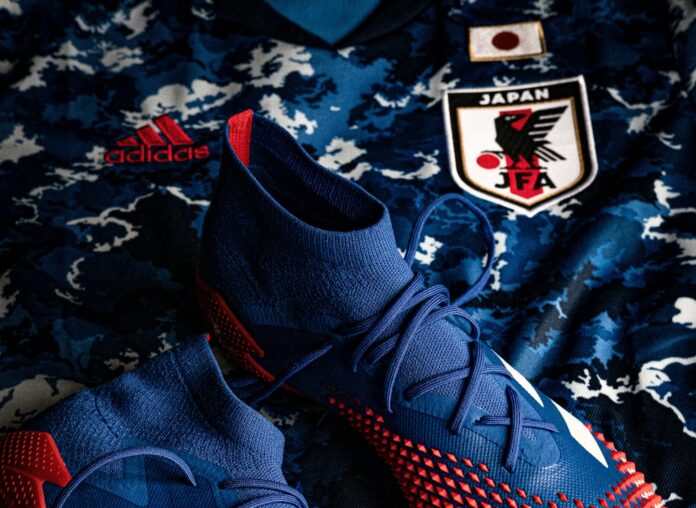
Close-up of blue and red Adidas football boots placed on the Japanese national team jersey, featuring the JFA (Japan Football Association) crest.
Photo by Braden Hopkins on Unsplash

近年、日本サッカーは目覚ましい進化を遂げている。多くの日本人選手がヨーロッパのトップリーグで活躍し、2022年のカタールワールドカップではドイツ、スペインといった強豪国を相手に堂々たる戦いを繰り広げる姿が世界中の注目を集めている。「史上最強」とも評される日本代表の強さの背景には、他国には見られない独自の育成システムの存在がある。

サッカー大国とされる欧州では、才能ある若手選手は10代半ばからプロクラブのアカデミーに所属し、徹底したトレーニングと厳しい競争の中で育成される。そして18歳前後にはトップチームデビューを果たし、早ければ10代のうちに世界の舞台に立つことも珍しくない。

一方、日本の育成システムはこれとは大きく異なる。もちろん、プロクラブのアカデミー出身者も多いが、日本では依然として高校・大学サッカーがプロへの重要な登竜門として根強い人気と実績を誇っている。特に近年は、大学を経て20〜22歳でプロ入りするルートが「成熟した即戦力」を生み出すパターンとして注目されている。

この背景には、日本独特の教育・文化的要素が関係している。日本では「文武両道」が重視され、学業とスポーツの両立が当然とされている。サッカー選手を目指す若者も、進学を重視する親の意向や、将来を見据えた堅実な考え方から、高校・大学を経てプロを目指す傾向が強い。実際、プロ契約を結んだからといってすぐにトップチームの試合に出場できるわけではなく、フィジカルや戦術理解、人間性といった面を大学サッカーでしっかりと鍛えることが、むしろ選手のキャリアを安定させる近道となっている。

その象徴ともいえるのが、ブライトンで活躍する三笘薫や、ポルトガルのスポルティングで主力としてプレーする守田英正だ。彼らはともに大学サッカーで実力と経験を積み、満を持してプロの世界に飛び込んだ。その結果、欧州の高いレベルにも即座に適応し、短期間で存在感を示すことに成功している。

さらに、日本独自のもう一つの特徴が、Jリーグの下部組織と学校サッカーの共存だ。多くの国では、プロクラブのアカデミーに入れなければ高いレベルでサッカーを続けることは難しいが、日本では高校や大学といった「学校サッカー」の道が確立されており、選手自身が自分に合った環境やタイミングを選択できる柔軟性がある。

この多様な選択肢と、焦らず段階的に成長を重ねる文化こそが、近年の日本サッカーの層の厚さと競争力を生み出しているのだ。単に「早熟の天才」を追い求めるのではなく、選手がそれぞれのペースで着実に力をつけ、結果的に世界の舞台で活躍する——こうした独自の育成環境は、今や「世界で唯一のモデル」として注目を集め始めている。

今後、日本サッカーのさらなる飛躍には、このシステムをいかに磨き、欧州や世界と戦う中でアップデートし続けられるかが鍵となるだろう。しかし、これまでの成果が示すように、日本は確かな道を歩んでいる。

Who is Islam Gamal Ahmed?

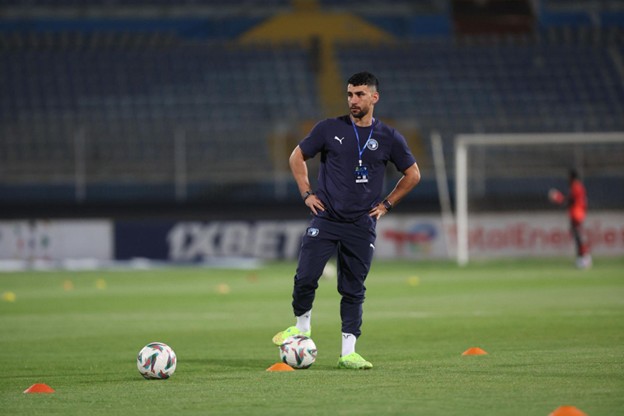
Islam Gamal Ahmed standing on the pitch during a training session with Pyramids FC, wearing official team gear and surrounded by footballs and cones.
Islam Gamal Ahmed leads a high-performance training session at Pyramids FC, where he serves as a key figure in fitness, recovery, and return-to-play protocols.

Islam Gamal Ahmed, widely known as Jimmy, is an elite Sports Performance Coach, Return-to-Play Specialist, and former professional footballer with a career that bridges top-tier football environments across Egypt, Kuwait, and the United States. A UK graduate in Sports Science, he has built his expertise through a combination of academic excellence and hands-on experience, earning multiple elite certifications including the FIFA Diploma in Football Medicine, High-Performance Football Coaching Certificate (FSI), Strength & Conditioning and GPS Analysis (Sports Science UK), and NCSF (USA). He is also a UEFA C License coach and is currently working toward the Fitness UEFA B badge, further expanding his technical and tactical depth.

Jimmy’s professional playing career saw him represent prestigious clubs and competitive leagues, including Al Ahly Academy and Al Nasr in Egypt, Al Sahel in Kuwait, and several UPSL and NPSL teams in the United States. This first-hand experience as a player allows him to approach coaching with an insider’s understanding of the game’s physical and mental demands.

Currently serving as a Sports Performance Coach at Pyramids FC, Jimmy specializes in load management, injury rehabilitation, and high-performance conditioning tailored for elite athletes. His approach blends cutting-edge sports science with practical strategies to optimize player readiness, accelerate recovery, and reduce injury risk. He works closely with athletes to bridge the gap between medical clearance and match readiness, ensuring peak performance on game day.

Career Highlights & Achievements

  • Egyptian Cup winner — first in club history
  • African Champions League winner — first in club history
  • Proven track record of preparing athletes for peak performance at domestic and continental levels

Our Exclusive Interview with Islam Gamal Ahmed

How did your transition from professional footballer to elite performance coach shape your approach to athlete development?

Being a footballer put me in a good spot among my players since I had experience in that field. As a player, I know how they feel and can read their facial expressions. I was in the same shoes as them, and I brought that knowledge to my team and individual players. I combine the perspective of a former footballer with the authority of a coach to get the best out of them. I also have the advantage of being able to personally demonstrate exactly what needs to be done, executing it 100% correctly to convince them.

What specific methodologies do you use in load management and return-to-play programs at Pyramids FC?

We use different methods such as RPE, GPS data, and force platform analysis to understand where our players stand. Our microcycle relies on these metrics plus medical data. Each player has his own tailored program, and each position has different requirements that we account for. In return-to-play (RTP), the priority is dealing with the player mentally first to prepare him for the next stage. The medical report is crucial at the first stage, after which we take over and work on the whole body, not just the injured limb. We collect RPE daily from the player and monitor for any reactions through clinical checks and force platform readings. If the doctor allows, I begin working on the injury with methods such as isometric holds. I also integrate EMS technology in RTP phases to maintain muscle strength. Once the player is ready for phase 3, we move to pitch work tailored to his position, focusing on anaerobic endurance. This is never neglected in any stage and is crucial for ensuring players return ready to perform without struggle.

Which of your certifications or academic experiences has had the biggest impact on your current coaching philosophy?

The Sports Science degree gave me a strong foundation in physiology, biomechanics, and performance analysis. The FIFA Sports Medicine Diploma shaped how I integrate injury prevention and return-to-play strategies into high-performance environments. The High-Performance Football Coach certification from FSI and my Strength & Conditioning qualification from Sports Science UK helped me connect the science with the real-world demands of elite football.

Can you share the most challenging injury case you’ve managed and how you brought the player back to peak performance?

One of the most challenging cases was Emam Ashour, an Al Ahly player and one of Africa’s top talents. He came to me with shoulder and knee pain, low muscle mass, and was mentally out of the game. I tailored a performance transformation program for him, using equipment and methods such as Flycone, BlazePods, BFR, Flywheel training, and position-specific drills. He went on to become the best player in the Egyptian League, African Champions League, and also the top scorer. Other challenging cases include Hamdy (LB at Pyramids and national team), Marie (CB at Pyramids and national team), and Lakay (South African national team and Pyramids FC). I tailored programs for each of them, leading to outstanding performances that helped us win the African Champions League and compete for the league title in the final round.

How do you adapt high-performance training methods for players competing in different leagues and climates?

We start by profiling league demands. Each player has his own program, but we also use a classification system with three groups of players who share similar profiles. For climate adaptation, we adjust training load based on heat, humidity, or altitude. We apply specific nutritional components, and since we have the DNA profile of each player, we use it to focus on detailed performance enhancements.

What do winning the Egyptian Cup and African Champions League for the first time in club history mean to you personally and professionally?

It was a defining moment for me both personally and professionally. Personally, I know every detail in preparation, recovery, and performance management helped make that possible. It validated the countless hours of planning, the commitment to player welfare, and the trust we built within the squad. Professionally, I believe high-performance programs are not just about science but about building an environment where players can peak physically, mentally, and tactically when it matters most. It also fulfilled a personal dream, as I never won a trophy during my playing career, and achieving that as a coach was deeply rewarding.

Navigating the European Dream: Trials and Transfers for Ghanaian Footballers

A crowd of Ghanaian football fans gathers in the stands of Accra Sports Stadium, wearing colorful national team jerseys, as they wait near the pitch after a match.
Photo by Maxx Sas on Unsplash

For countless young Ghanaian footballers, the dream of playing in Europe represents more than just career advancement. It is a symbol of success, a gateway to financial freedom, and a source of pride for families and communities. But behind the glamor of European stadiums and elite competitions lies a brutal reality one marked by exploitation, false promises, and emotional hardship.

The Lure of European Football

From Accra to Tamale, Cape Coast to Kumasi, the dream is the same: secure a trial abroad, impress the scouts, sign a contract, and change your life forever. European football is viewed as the pinnacle, a place where talent is rewarded, and players can rise from obscurity to global recognition.

Agents, scouts, and football “facilitators” often fuel these ambitions, selling the European dream with grand assurances. Stories of successful exports like Michael Essien, Thomas Partey, and Mohammed Kudus serve as constant reminders that it is possible. But for every Ghanaian who makes it to the top, dozens more are left stranded in foreign countries, broken by the system they hoped would save them.

How to Identify Legitimate Agents and Clubs

A major pitfall for young players is the growing menace of fake agents. These individuals pose as representatives of reputable clubs, charging desperate players and their families exorbitant fees for trials that either do not exist or are grossly misrepresented.

Legitimate agents are typically registered with football associations, particularly FIFA and the Ghana Football Association (GFA). They operate transparently and do not demand large sums of money upfront. Players and their families should research agents, request official documentation, and verify club affiliations before engaging in any deals. Football Associations and entities also provide a list of licensed intermediaries, which can be a helpful starting point.

Furthermore, genuine clubs tend to operate through structured and well-communicated channels. Any trial that requires visa fees, processing costs, and “booking fees” without formal communication from the club itself should raise immediate red flags.

The Psychological Impact of Failed Trials

Beyond the financial risks, there’s a significant psychological toll associated with failed trials. Players often leave Ghana with high hopes and the weight of expectation on their shoulders. When things do not go as planned, whether due to poor performance, exploitation, or cultural challenges, the emotional crash can be devastating.

Many return home feeling ashamed, isolated, and mentally exhausted. Their communities, once filled with hope, may view their return as a failure. This stigma has led to depression, loss of motivation, and, in some cases, complete withdrawal from football altogether.

Mental health support for these young men is virtually non-existent, and their struggles are often dismissed. The need for counselling and rehabilitation services is critical — not just for their football careers, but for their personal well-being.

The Need for Financial Injection in the Domestic League

At the heart of this crisis is a larger systemic issue; the underdevelopment of Ghana’s domestic football scene. Local clubs, often underfunded and poorly resourced, struggle to offer competitive wages and facilities. This pushes many players to see foreign trials —no matter how risky as their only route to professional fulfilment.

A serious investment in the Ghana Premier League and Division One clubs could reverse this trend. If local players saw a future in Ghanaian football, fewer would fall prey to fake agents or embark on desperate trips abroad. Infrastructure, player welfare, and competitive remuneration must be prioritized if Ghana is to retain its talent.

The European dream is still alive for many young Ghanaian players, but it has become entangled in a web of exploitation, unrealistic expectations, and systemic neglect. Addressing this issue requires a multi-faceted approach: education, regulation of agents, psychological support, and, most importantly, substantial investment in domestic football.

Until then, Ghana’s most gifted footballers will continue to chase dreams overseas, not knowing whether they’re running toward glory.

How to Prepare a National Team Match: Inside El Salvador’s Microcycles

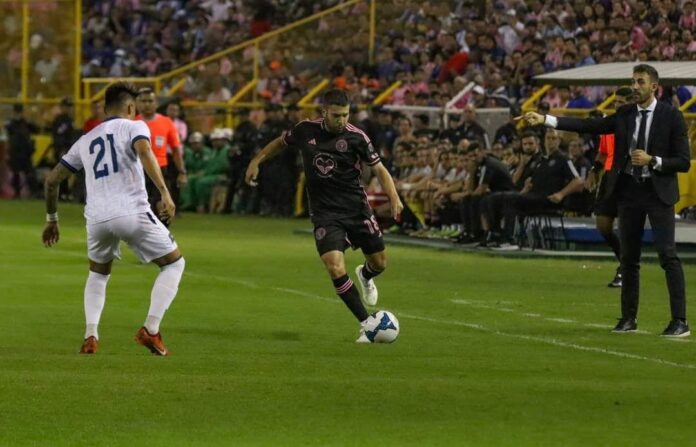
David Dóniga Lara coaching on the sidelines during El Salvador’s match against Inter Miami, with Jordi Alba controlling the ball.

19 January 2024. San Salvador. The Cuscatlán Stadium is practically full to see the national team play its first match of the year… And to see Messi! Inter Miami, in preparation for the 2024 season, has designed a pre-season that takes them to the capital of the Central American country on a tour of matches across the American continent.

There is huge excitement to see the best player in the world for the first time on Cuscatlecan soil. But I don’t have time for celebrations or festivities: I was introduced ten days ago, I was able to train with the local players for two days in the first week, and prior to the match in which I make my debut as national coach in front of my people, against Messi, Suárez, Busquets, Alba and company led by Tata Martino, I have only been able to do three sessions with the players I have been able to recover from the total available.

El Salvador 0-Inter Miami 0, and the match ended with a ball hitting the crossbar of the American team’s goal. The express preparation for the match, which a national team requires, has worked (not because of the result, as we could have won): in five sessions, the team has managed to achieve what it set out to do. How do you do that?

Last week, I talked to you about the three key points for starting a sports project on the right foot, applied to the reality of competition. Today, we’re going to dive a little deeper into specific match preparation. The keys to arriving at the match in a position to compete and overcome your opponent.

The system for selecting players.

One of the things I wanted to change in El Salvador was to create a comprehensive database of all eligible players. My previous experience in selecting players to accompany me, for example, with the Panama national team in 2022 at the Maurice Revello Tournament, made me aware of the difficulty of reaching all players across the country.

My complicated manual work of searching for the best Panamanian under-21 players, combined with the day-to-day work with the senior national team with the same difficulties, made it clear to me that when I returned to a national team, the creation of the database would be the first step in the project. And so I did.

In less than a month, together with my team of IT specialists and my own scout, we had reached all professional Salvadoran players, most players up to the age of 14, and a group of players with the option of becoming naturalised. This list became part of a database that fed into software for data management, the creation of monthly follow-up lists, reports on scouted players, and the organisation of call-up lists. With all this information, classified by ratings and colours, the selection process could be more or less successful depending on personal preferences, but it had a solid foundation: all potentially eligible players had been evaluated. In order to prepare for the match, it is necessary to select the players who will form the best possible team.

Call-up models where selection takes priority.

At the risk of repeating myself, as this was one of the key points last week, I believe it is essential to take this into account when preparing for matches. I want to make this clear because taking advantage of this structural feature is vital to gaining an edge.

Between the November and March windows, the international calendar does not include national team matches. As the vast majority of El Salvador’s national team players were in the local league, using three to six weeks of training between January and March to practise the playing system and interactions within the model was a major step forward. FIFA weeks last 10 days, and players who play abroad usually take time to arrive (with some exceptions); if they have also played the previous day in their league, the first three days are practically lost. Arriving with the locals with their homework done helps those from abroad to join in more easily, as it is more practical for ten to follow fifteen in familiar tasks and objectives than for almost thirty to arrive without having been able to train and with new concepts to explain and apply.

As national team periods usually involve two matches, the slower adaptation of the away players is compensated for if those who are familiar with the model play in the first match, leaving the second for the newcomers. Planning is essential and translates into optimal periodisation (clearly marking the competitive ‘periods’ of the calendar year, five in my view) and specific programming (each microcycle of each period must address as much as possible the determining factors in preparing the team to compete, avoiding innocuous or filler work that does not add minutes of play). It is in the microcycle where the concrete materialises.

The microcycle

I defend the microcycle as the cornerstone of the process. Because planning puts the overall perspective of the year on the table and the periods set partial objectives. But what you want from the team can only be achieved through training, and microcycles are the tool for that. In this case, in the local microcycles, we welcomed the players once the league match day was over (Sunday night) and trained from Monday to Wednesday, returning to their clubs on Wednesday. Recovery by applying tactical ideas from the previous call-up, mainly through video and light tasks on the pitch, for Mondays; defensive aspects on Tuesdays and attacking aspects on Wednesdays, with 11-a-side or a friendly match being the way to organise these local meetings.

For FIFA windows, the start was the same but usually included an official match in the middle of the week (Wednesday or Thursday) and a match at the end (between Saturday and Monday), before returning the players to their clubs. Keep these ideas in mind: maximum specificity, 11-a-side for as long as possible and organisation without the ball, with the ball and in set pieces based on our idea, and repeat to reinforce, with a clear understanding of how our game can hurt the opponent in the weak points we know.

Information for the player: clear and concise. Transfer to the game: completely specific. Improvement: through repetition of tasks and goal-oriented work, transforming conscious behaviours into habits.