Home Blog Page 30

Football Shirts: From Sport to Fashion Icon

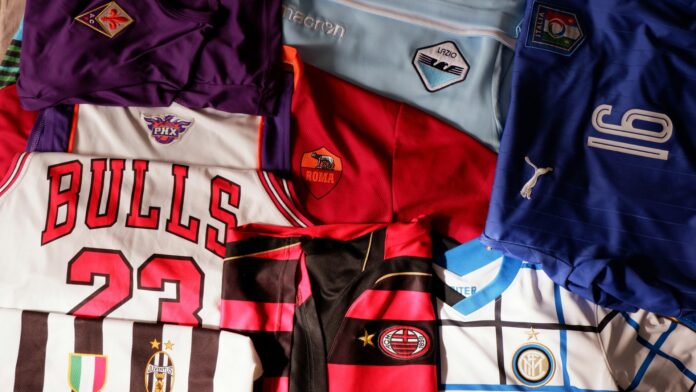
Photo by Vladislav Glukhotko on Unsplash

From the streets of London to Los Angeles, football jerseys have evolved from stadium essentials to full-on fashion statements. What was once just a symbol of club loyalty is now a canvas for self-expression; mixing heritage, nostalgia, and bold design. With the World Cup at bay in just 12 months in the United States, this evolution isn’t just reshaping fan identity; it’s transforming the finance of football and brand marketing within the game.

At the core of this transformation is the way football kits have moved beyond the pitch to become lifestyle garments. Retro shirts from the ‘90s have made a massive comeback, becoming streetwear staples worn worldwide. The Nike T90 template, the Arsenal bruised banana strip, and Nigeria’s iconic 2018 zig-zag design aren’t just fan favorites—they’re cultural artifacts that resonate across generations. Fans no longer just wait for matchday to wear their team’s colors. Kits are now styled with denim, layered under bomber jackets, or paired with sneakers and jewelry, creating a new visual language around football culture; and as the World Cup approaches U.S. soil, brands and clubs alike are doubling down on this moment, blending sport and style to captivate both traditional fans and fashion-savvy newcomers.

Global brands like Adidas have leaned into this shift, helping define the intersection between fashion and football. In 2024, instead of limiting special collections to their “Elite” clubs, Adidas released retro heritage lines that celebrated the histories of a broader range of teams—from Arsenal and Bayern to AS Roma and Ajax. These collections revived iconic designs from the ‘70s, ‘80s, and ‘90s, reintroducing the Trefoil logo and classic crests with modern silhouettes and fabrics. Additionally, cross collaborations have brought fresh energy into the kit space. Adidas’ 2023/24 collaboration with Manchester United and Manchester-based music legends The Stone Roses captured Manchester’s deep cultural identity, blurring the lines between football, music, and fashion. These projects not only tap into nostalgia but also tell richer stories that appeal to a global, style-conscious audience.

This storytelling has become a key pillar in the commercial strategy of top clubs. Jersey drops are now timed like fashion collections—complete with cinematic launch videos, influencer rollouts, and exclusive retail partnerships with platforms like END. and KITH. From pre-match gear to training collections and one-off anniversary kits, clubs are building full wardrobes around their brands. These releases cater especially to Gen Z, who value design, identity, and exclusivity in what they wear; and as clubs lean into fashion-forward marketing, the impact is clear: revenue from merchandise is soaring, global visibility is growing, and club branding is evolving from team apparel into lifestyle expression.

More importantly, this fashion-first approach is helping clubs break into non-traditional football markets. From North America to parts of Asia and Africa, teams are using kits, collaborations, and cultural partnerships to attract younger fans who may not follow match results, but follow style, music, and creators. PSG’s alignment with Jordan, Inter Milan’s work with Moncler, and Arsenal’s partnership with Stella McCartney show how clubs are embedding themselves in new cultural spaces. In doing so, they are no longer just selling kits—they’re selling belonging, identity, and aspiration. As the line between streetwear and sportswear continues to blur, football clubs are positioning themselves not only as competitors on the field but as globally relevant brands redefining what fandom and sports marketing looks like in the 21st century.

This shift is particularly crucial in the U.S., where football, still building its cultural foothold, has found a surprising entry point through fashion. For many younger Americans, the football shirt isn’t about the 90 minutes on the pitch; it’s about an aesthetic, storytelling, and a global connection. As MLS clubs begin to launch bolder designs and European giants increase their investment in U.S. retail activations and influencer marketing, kits are becoming the most visible, and wearable, form of football fandom and marketing. In a country where streetwear culture drives entire economies, the jersey has emerged as a marketing bridge: an accessible product that introduces the sport to new audiences without requiring them to know league tables or follow any sort of transfer news. With the World Cup on the horizon, this fashion-first strategy is converting casual consumers into emotionally invested fans; and unlocking fresh revenue streams in the process.

Driving this cultural and commercial shift are platforms like Classic Football Shirts, which have turned retro kits into coveted fashion items and storytelling devices. Started by Matthew Dale, Gary, and Doug Bierton from their dorm room at the University of Manchester, their brand has seen them expand to having three flagship stores in major U.S. markets (Los Angeles, New York, Miami.) Their curated drops, pop-up events, and collaborations with creators have made vintage kits not only accessible but aspirational both digitally and in-person. Content creators like Ellis Platten have amplified this movement, using social media to showcase the emotional value and cultural relevance of historic shirts, blending fan knowledge with modern aesthetics, and matchday vlogs. By treating kits as both collectible artifacts and wearable art, CFS and voices like Ellis are helping reframe football apparel for a generation less focused on matchday tradition and more attuned to identity, fashion, and individuality. In doing so, they’re not just preserving football history: they’re marketing it to the future.

The rise of football fashion isn’t just a trend—it’s a transformation. What began as simple sportswear has become a powerful tool for storytelling, identity, and market expansion. From legacy clubs leveraging nostalgia to creators turning kits into cultural currency, the modern football jersey now lives far beyond the pitch. As the 2026 World Cup approaches, especially in a market as style-driven and culturally fragmented as the U.S., this fusion of football and fashion offers a once-in-a-generation opportunity. Clubs, brands, and creatives that understand this moment aren’t just selling shirts, they’re shaping how the next generation connects with the game.

The Players Week – Edition #21

Welcome to the 21st edition of The Players Week, your essential guide to the insights and strategies shaping every step of a footballer’s journey.

This week we explore:

Data Analysis: Agents in Youth Academies
An in-depth look at how European academies manage relationships with agents. We share key findings from the latest European Club Association report, revealing varying rules, practices, and attitudes. This analysis offers essential context for players, parents, and agents navigating one of the most critical and often misunderstood aspects of youth development.

A Tribute to Diogo Jota and André Silva
Football mourns the heartbreaking loss of Diogo Jota and his brother André Silva following a tragic car accident. We remember their careers, character, and the profound impact they made on teammates, coaches, and fans. This tribute is a reminder that behind the headlines are human stories of dedication, family, and love for the game.

How to Start as a Business Angel: Part II
Football careers are short, but smart planning can open new paths. This guide continues our series on how current and former players can become business angels, providing practical steps on building your team, joining investor networks, and assessing your first startup pitches. A must-read for those looking to secure their future beyond the pitch.

How Brands Calculate the Commercial Value of a High-Profile Footballer

Computer screen showing marketing analytics dashboard in an office setting
Photo by Anastassia Anufrieva on Unsplash

In today’s sports and marketing landscape, a high-profile footballer is more than just an athlete. They are a brand in themselves, a gateway to millions of fans, a cultural icon, and a walking advertisement.

When companies look to sign a player for sponsorship, endorsement, or ambassadorial deals, they weigh up a mix of hard numbers, softer intangibles, and strategic fits.

Here’s what’s really in play behind the scenes:

1. Social Media Reach and the True Quality of It

A footballer’s follower count on Instagram, TikTok, X (formerly Twitter), and YouTube is the first metric most brands look at. However, numbers alone don’t tell the full story. Brands dive into the quality of a player’s social audience: how engaged their followers are, how often they comment or share posts, and whether the player’s fanbase is growing organically or inflated by bots and paid promotions. A player with five million engaged followers, fans who genuinely care and interact, is often more commercially valuable than one with fifteen million passive, detached followers. Brands also examine the demographics of a player’s audience: where they live, their age range, gender breakdown, and even consumer behaviors. The goal isn’t just reach, it’s relevant reach. A brand targeting Gen Z consumers in North America or Europe, for instance, will prioritise players whose audiences mirror that target market.

2. Authenticity and Brand Fit

In the era of instant feedback and public scrutiny, authenticity is everything. Consumers today can spot a fake endorsement from a mile away, and when a partnership feels forced, both the brand and the player lose credibility. That’s why brands carefully evaluate whether a player’s image, values, and lifestyle naturally align with their product or service. A footballer with a genuine passion for fashion and design, for example, will naturally be a stronger and more convincing partner for a luxury apparel brand. Similarly, a player known for fitness, recovery, and mindfulness is a far better fit for a health tech brand than someone whose public image centers on nightlife. Authenticity drives better content, deeper audience trust, and ultimately, greater commercial success. Brands today are not just buying visibility, they’re buying into a narrative that feels real.

3. Public Image and Media Presence

Brands also study how a footballer is portrayed in the broader media and not just within the sports world. Positive coverage in mainstream media outlets, appearances on talk shows, thoughtful podcast interviews, and presence at high-profile public events all boost a player’s profile and increase their perceived commercial value. A player who is charismatic, articulate, and relatable in interviews becomes more valuable because they can comfortably represent a brand in multiple formats, from television commercials to live events. On the flip side, players who are routinely in the news for controversies or who shy away from media obligations carry more risk. Media presence isn’t just about frequency, it’s about tone and positioning. Brands are investing in faces and voices that enhance their own reputation, not gamble with it.

4. On-Field Performance and Career Trajectory

While off-field factors are critical, on-field performance still plays a major role in commercial evaluations. Success on the pitch drives visibility, relevance, and association with excellence; qualities that every brand wants to tap into. A player who is starring in the Champions League or at a World Cup can offer exponential exposure compared to a player stuck in mid-table obscurity. Brands also consider the player’s career trajectory: a rising young star with a strong narrative of potential might represent a smart, long-term investment, while an established veteran who commands deep respect offers immediate prestige and credibility. Injuries, form slumps, or transfers to less visible leagues can affect commercial value overnight, which is why brands tend to favour players who not only perform but do so consistently on the biggest stages.

5. Personal Story and Background

Narrative sells. A compelling personal story can elevate a player’s brand value far beyond what statistics alone ever could. Brands seek players whose journeys resonate with their target audiences, whether it’s overcoming adversity, breaking new ground, representing underrepresented communities, or symbolising hope and ambition. A player who has risen from poverty to stardom, for instance, offers an inspirational arc that a financial services company might build a campaign around. Similarly, a player known for embodying national pride or cultural heritage can ignite powerful emotional connections in regional markets. When a brand can tell a real, human story through a player, the marketing becomes more memorable, and more valuable.

6. Community Presence and Off-Field Projects

Today’s most valuable footballers are not just judged by their performances or trophies; they are also measured by what they give back. Community involvement, charitable foundations, social activism, and grassroots engagement all add depth to a player’s public image. Brands increasingly prefer to partner with players who are seen as socially responsible and who use their platforms for positive impact. A footballer who regularly participates in local initiatives, launches youth academies, or champions social causes signals integrity and leadership. These qualities reflect positively on the brands they endorse, reinforcing values like trustworthiness, authenticity, and community spirit. In a marketing environment where consumers expect brands to stand for more than just profit, a player’s off-field presence can significantly enhance their commercial appeal.

7. Risk Assessment and Reputational Management

Before signing any deal, brands undertake detailed risk assessments. Past controversies, questionable associations, or hints of volatile behaviour can all raise red flags. Sponsorship deals are not just investments; they are reputational gambles. One misstep by a player, whether it’s a social media blunder, legal issue, or off-field scandal, can cause immense damage to the brand’s image. That’s why companies prioritise players with a clean history, consistent professionalism, and strong support networks. Brands also monitor potential “red flag” industries such as betting, alcohol, and politically sensitive causes, making sure that a player’s affiliations don’t contradict the brand’s own corporate values. In today’s hyper-connected world, reputational damage travels fast, and brands would rather walk away from a deal than take on unnecessary risk.

8. Cultural Relevance and Global Appeal

Finally, a player’s commercial value often hinges on how culturally relevant they are, and how far their influence reaches. Some players are global superstars whose name and face are instantly recognised from London to Lagos to Los Angeles. Others may have a more regional but equally powerful pull. A player who dominates European football might be a perfect ambassador for a luxury brand targeting EU markets, while a beloved South American hero could open up unique opportunities in Latin America. Understanding not just where a player is known, but where they are revered, helps brands localise campaigns and drive deeper resonance. In a fragmented, globalised market, the right player offers not just reach, but cultural currency, an authentic bridge between brand and audience.

Final Thought

The commercial value of a footballer is never about one single factor. It’s a blend of numbers, narrative, and nuance.

The best brand-player partnerships aren’t just transactional, they feel like a natural extension of who the player is and what the brand stands for.

When those pieces align, the value created can far exceed anything that can be captured in a spreadsheet.

Futbol ve Politika: Profesyoneller İçin Kılavuz

Chess pieces arranged on a board symbolising strategic control and influence without direct ownership in modern football governance.
Photo by Damiano Lingauri on Unsplash
Bu Asla Sadece Bir Oyun Değildi: Futbol Her Zaman Politikti

Politikanın futbola yalnızca son yıllarda girdiğini düşünmek kolaydır. Milyar dolarlık satın almaların ve devlet destekli yatırımların yapıldığı bu dönemde, oyunun ancak şimdi güç odaklarıyla kesişmeye başladığı zannedilebilir. Oysa futbol her zaman siyasetin bir parçası olmuştur. Kimi zaman açıkça, kimi zaman perde arkasında bu etkileşim hep var olmuştur. 1934 Dünya Kupası’nı ulusalcı propaganda amacıyla kullanan Mussolini’nin İtalya’sından, 1978 turnuvasını insan hakları ihlallerini örtbas etmek için düzenleyen Arjantin askeri rejimine kadar pek çok örnek bunun göstergesidir. Avrupa genelinde şehir kulüplerinin sınıf, inanç ya da ideolojik kimlikleri temsil etmesi de futbolun asla toplumsal ve siyasi bağlamdan bağımsız olmadığını kanıtlar niteliktedir. Bugün olan biten fark, siyasetin daha fazla olması değil, daha görünür hale gelmesidir. Küresel medya ve kamusal hesap verebilirliğin öne çıktığı bir çağda, futbolda görev alan profesyoneller artık bu oyunu şekillendiren dünyayı görmezden gelemez. Siyasi farkındalık bir yük değil, önemli bir araçtır. Bu farkındalık, kişiye öngörüyle, özgüvenle ve netlikle liderlik etme yetkinliği kazandırır.

Kulüp Satın Almalarının Ardındaki Stratejik Oyun

Bir devletin varlık fonu bir futbol kulübünü satın aldığında, bu genellikle yalnızca maddi kazanç amacıyla yapılmaz. Bu tür satın almalar çoğu zaman uluslararası görünürlük, etki alanı ve ulusal imajla ilgili daha büyük bir planın parçasıdır. 2008 yılında Manchester City, Abu Dabi’nin yatırım grubu tarafından satın alındı. Bu adım kulübü tamamen dönüştürdü ve bir ülkenin futbol aracılığıyla nasıl küresel alanda profilini yükseltebileceğini gösteren örneklerden biri haline geldi. Bu süreçte başarı, marka yönetimi ve yeni altyapılar ön plana çıktı. Birkaç yıl sonra Katar, Paris Saint-Germain’in kontrolünü ele geçirdi. 2011’den bu yana PSG, Katar’ın dünya sahnesinde tanıtımında önemli bir rol oynadı. Özellikle 2022 Dünya Kupası’na giden süreçte bu etki daha da görünür hale geldi. 2021 yılında ise Suudi Arabistan Kamu Yatırım Fonu, İngiltere’nin en köklü kulüplerinden biri olan Newcastle United’ı devraldı. Bu satın alma, ülkenin uluslararası imajını güçlendirme stratejisinin bir parçası olarak değerlendirildi. Bu tür devralmalar ne rastlantısal ne de yalnızca sportif tercihlerle ilgilidir. Hepsi dikkatle planlanmış stratejilerin ürünüdür. Futbol alanında çalışan profesyoneller için bu hamlelerin arkasındaki dinamikleri anlamak büyük önem taşır. Bu anlayış, rekabet ortamını doğru okumayı ve bu güçlü yatırımcıların getireceği değişimlere hazırlıklı olmayı sağlar.

Parlamento Kararları Soyunma Odasına Ulaştığında

Politika, futbolu birçok farklı şekilde etkiler ve kimi zaman bu etkiler son derece doğrudan olabilir. Bunun en net örneklerinden biri Brexit’tir. Ulusal düzeyde alınan bir siyasi karar olarak başlayan süreç, kısa sürede İngiliz kulüplerinin oyuncu transfer politikalarını kökten değiştirdi. Birleşik Krallık Avrupa Birliği’nden ayrıldıktan sonra, kulüpler artık genç Avrupalı yetenekleri serbestçe transfer edemez hale geldi. Yeni çalışma izni kuralları süreci daha karmaşık bir hale getirdi. Altyapı akademileri gelişim planlarını yeniden düzenlemek zorunda kaldı ve scout ekipleri Güney Amerika, Asya ve Afrika gibi farklı bölgelere yönelmeye başladı.Bu değişiklikler yalnızca gazete manşetlerinde kalmadı; antrenörler, sportif direktörler ve scoutlar için günlük, somut zorluklara dönüştü. Siyasi kararların farkında olmak, siyasete karışmak anlamına gelmez. Bu, yalnızca oyunun kuralları değiştiğinde uyum sağlayabilmeye hazır olmak demektir.

Dünya Kupaları, Dünya Anlatıları

Günümüzde büyük futbol turnuvaları artık yalnızca maçlardan ibaret değil. Bu organizasyonlar, ülkelerin kendilerini ifade ettiği, değerlerini paylaştığı ve dünya kamuoyundaki algılarını şekillendirdiği güçlü anlara dönüşmüş durumda. 2022 Dünya Kupası bunun çarpıcı bir örneğiydi. Turnuva, Orta Doğu’ya ilk kez futbolu getirmesinin yanı sıra, dünya genelinde çalışma koşulları, toplumsal cinsiyet eşitliği ve ifade özgürlüğü üzerine tartışmaları da beraberinde getirdi. 2018’de Rusya’da düzenlenen turnuva da benzer bir ağırlık taşıyordu. Küresel gerilimlerin arttığı bir dönemde gerçekleşmiş olması, sporun ötesinde bir anlam yüklenmesine neden oldu. Bu örnekler, günümüzde büyük turnuvaların artık yalnızca sporla değil, aynı zamanda kimlik ve itibarla da ilgili olduğunu açıkça gösteriyor. Futbol dünyasında görev yapan profesyoneller için bu durum yeni bir sorumluluk alanı doğuruyor. Bir turnuvanın neyi temsil ettiğini anlamak, kulübünüzün imajını korumanıza, kamuoyuna vereceğiniz mesajları doğru yönlendirmenize ve oyuncularınızı yalnızca futboldan ibaret olmayan bir sahneye hazırlamanıza yardımcı olabilir.

Futbolseverlerin Göremediği Ama Hissedebildiği Kısım

Futbol güvene dayanır. Taraftarlar oyunun adil olduğuna inandığında, oyuncular kendilerini çevreleyen sisteme güvendiğinde ve kulüpler eşit şartlarda rekabet ettiklerini bildiklerinde futbol güçlü kalır. Ancak bazı durumlarda bu güven zedelenebilir. Siyasi müdahale, zaman zaman sağlıklı yönetişimin yerini alabilir. Bazı liglerde hükümetler futbol federasyonlarına baskı yapabilir, hakem atamalarını etkileyebilir ya da mali denetim süreçlerine müdahil olabilir. Böyle bir ortam oluştuğunda bunun etkisi herkes üzerinde hissedilir. Taraftarların ilgisi azalır, sponsorlar tereddüt eder, oyuncular kendilerini güvensiz hisseder. Bu tür sistemleri tek başınıza düzeltmeniz beklenmez. Ancak müdahalenin nerede ve nasıl gerçekleştiğini bilmek bile önemli bir fark yaratır. Bu baskıları ne kadar iyi anlarsak, futbolu değerli kılan ilkeleri o kadar iyi koruyabiliriz.

Farkındalıkla Oyuna Liderlik Etmek

Futbol, kendi içine kapalı bir dünya değildir. Yapılan her transfer, imzalanan her sponsorluk anlaşması ve kulüplerin aldığı her karar, çok daha geniş bir tabloya bağlıdır. Siyasal iklimler değişir, küresel gündem dönüşür ve futbol da bazen fark edilmese bile bu değişimle birlikte hareket eder. Böylesi bir ortamda, saha dışındaki dünyaya karşı farkındalık sahibi olmak bir dikkat dağınıklığı değil, hazırlıklı olmanın bir parçasıdır. Bu oyunda başarılı olmak için küresel siyaset uzmanı olmanız gerekmez. Ancak meraklı kalmak, doğru soruları sormak ve çevrenizdeki dinamikleri anlamak büyük fark yaratabilir. Geniş çerçeveyi görebilenler, amaçla uyum sağlayanlar, netlikle liderlik edenler ve futbolun geleceğini özgüvenle, özenle şekillendirenlerdir.

The Agents Week – Edition #71

Welcome to the 71st edition of The Agents Week, your trusted source for the latest insights, challenges, and updates in the world of football agency.

This week we explore:

Working with Football Agents: A Guide for Clubs, Players and Parents
With FIFA’s 2023 regulations in place, understanding the responsibilities of agents is more important than ever. This practical guide breaks down licensing, contracts, minor protection, and conflict-of-interest rules. It offers essential tips for clubs, players, and families on choosing the right representation and avoiding costly mistakes.

Inside the Journey: Mikhail Yunoshev of ADM Sports
From player to agent, Mikhail Yunoshev shares how he built ADM Sports from the ground up with passion and integrity. Representing overlooked talent across Spain, Russia, and beyond, he focuses on holistic development and personal growth. His approach is a lesson in building trust, delivering value, and redefining what it means to be a football agent.

The Hidden Power of Holding Space
In a business obsessed with fast solutions, agents often forget the value of listening. This feature explains how the simple act of holding space can transform your client relationships. Learn how to resist the urge to fix problems immediately, create trust, and help clients gain clarity in moments of stress.

Who is Michael Lindeman?

Michael Lindeman is one of the most forward-thinking performance coaches in world football today. Born in the Netherlands, he has built a career that spans across some of the most competitive and culturally diverse football environments in Europe and the Middle East. From Ajax to Fulham, from the Dutch national team to clubs in Saudi Arabia, Egypt, and the United Arab Emirates, Lindeman has consistently worked at the cutting edge of physical preparation, coaching methodology, and high-performance development.

His professional journey began in the early 2000s, during a period when performance science was still emerging in football. Over the years, he became known for pioneering the use of tools like Omegawave and Players DNA in elite setups, often years before they became mainstream. What sets him apart is not only his ability to introduce innovation, but to integrate it into everyday practice in a way that resonates with coaches, players, and entire clubs.

Lindeman’s career has been shaped by collaboration with some of the biggest names in football, including Martin Jol and Leo Beenhakker. He has also influenced the next generation of coaching minds, including figures like Nuri Sahin. His role has evolved far beyond fitness alone. Today, Lindeman is a sought-after advisor in building club-wide performance ecosystems, aligning football methodology with neuroscience, psychology, and leadership culture.

What makes his work unique is the belief that readiness is not just a physical measure but a holistic state that includes mental, emotional, and social dimensions. For Lindeman, performance is not a department. It is a mindset.

Our Exclusive Interview with Michael Lindeman

Who is Michael Lindeman outside of football?

Outside of football, I am someone who is constantly curious. I enjoy learning, reflecting, and improving, not just in sport, but in life. I am fascinated by psychology, neuroscience, and the human side of performance. I love innovation and finding ways to think a few steps ahead. I have lived in seven different countries, and every place has taught me something about people, leadership, and connection. I also enjoy time with family and exploring new cultures. These experiences have shaped how I see the world and how I approach my work.

What principles shape your approach to coaching and performance work?

My philosophy is built around the idea of readiness. That means understanding what a player truly needs in that moment physically, mentally, and emotionally. If a player is not mentally ready, for example, there is no point in delivering a tactical session. I believe in individualising preparation based on the player’s current state and making sure everything connects to the team’s game model. Readiness is about alignment. You have to connect football, brain, and body in one clear plan.

You’ve worked in several countries across Europe and the Middle East. What did you take away from these different football cultures?

Each culture taught me something valuable. Dutch football gave me structure and clarity. England showed me intensity and rhythm. Germany brought discipline. Turkey offered passion. And the Middle East gave me ambition and vision. Over time, I learned to adapt without losing my core. Performance is never just about physical data. It is about creating a shared culture and environment where people can grow. You have to align communication, recovery, motivation, and training. That’s what I try to do wherever I work.

You spent years working with Martin Jol. What lessons from that time still guide you today?

Martin was a huge influence. He taught me that simplicity is power, especially under pressure. He was able to make players feel understood and valued. One thing he used to say stuck with me: if something doesn’t work, look at yourself first. He was also a master at managing energy, he could switch from tough to warm instantly, depending on what the team needed. I try to bring that same awareness into my work. It’s not just about exercises, but about creating the right environment for people to perform.

How has the field of athletic preparation changed over the past twenty years?

It has evolved in every possible way. Twenty years ago, fitness was often seen as hard running and repetition. Now it is about precision, data, and understanding how the brain and body work together. We look at decision fatigue, cognitive stress, recovery cycles, and emotional regulation. I was among the first to use neuro-based tools like Omegawave and Players DNA in football. The future of performance lies in understanding the whole person. For me, emotional and mental readiness will define the next level in elite sport.

Where do you see your professional journey heading next?

I want to be part of a club or federation that sees performance not as a department, but as a philosophy that influences everything. I am also thinking about launching a platform that connects brain-based training, leadership, and development culture. Another goal is to contribute to Vision 2030 in the Middle East, especially through performance-driven academies that build athletes and leaders for the future. I am drawn to ambitious places where there is hunger for growth, innovation, and long-term thinking.

الأخطاء الخمسة الأكثر شيوعًا في امتحان وكيل كرة القدم من الفيفا

a boy frustrated due to mistakes in fifa football agent exam
Photo by Towfiqu barbhuiya on Unsplash

المقدمة
يعتبر امتحان وكيل كرة القدم من الفيفا اختبارًا صعبًا يهدف إلى ضمان حصول المرشحين المؤهلين على رخصتهمللأسف، يفشل العديد من الوكلاء الطموحين ليس بسبب نقص المعرفة أو الرغبة، بل بسبب ارتكاب أخطاء يمكن تجنبها أثناء الامتحان، مما يساهم في انخفاض معدل النجاحفي هذه المقالة، سنستعرض الأخطاء الأكثر شيوعًا وكيفية تجنبها.

1. عدم قراءة السؤال بشكل صحيح
أحد الأخطاء الأكثر شيوعًا وكلفة هو عدم قراءة الأسئلة بعنايةتحتوي الأسئلة غالبًا على كلمات رئيسية دقيقة تؤثر على الإجابة الصحيحة، مثل “اختيار واحد أو أكثر“. تجاهل هذه الكلمات يمكن أن يؤدي إلى عدم الحصول على أي نقاط.
نصيحة: خصص بضع ثوانٍ إضافية لقراءة السؤال والتعليمات المرفقة بعناية.

2. سوء إدارة الوقت
يتكون امتحان وكيل كرة القدم من 20 سؤالًا يجب إكمالها في ساعة واحدة، مما يعني ثلاث دقائق فقط لكل سؤاليقع العديد من المتقدمين في فخ قضاء الكثير من الوقت على الأسئلة الصعبة، مما يؤدي إلى عدم كفاية الوقت للإجابة على الأسئلة الأخرى.
نصيحة: قم بممارسة إدارة الوقت من خلال إجراء امتحانات تجريبية ضمن حدود زمنية صارمة.

3. الاعتماد المفرط على الطبيعة المفتوحة للامتحان
الامتحان مفتوح الكتاب، مما يسمح للمرشحين بالرجوع إلى مواد الدراسةرغم أن ذلك يبدو كميزة، إلا أنه يمكن أن يؤدي إلى شعور زائف بالأمانالبحث عن المعلومات وسط 700 صفحة خلال ثلاث دقائق لكل سؤال ليس واقعيًا.
نصيحة: لا تعتمد على هذه الميزة كاستراتيجية رئيسية، وقم بالتحضير الشامل قبل الامتحان.

4. التحضير غير الكافي
عدم التحضير الكافي يعد من الأخطاء الشائعةالأسئلة مصممة لاختبار فهمك العميق للمواد.
نصيحة: اقرأ مواد الدراسة على الأقل مرة واحدة قبل الامتحان، واستفد من الامتحانات التجريبية المتاحة.

5. الفشل في فهم الفروق بين المفاهيم المرتبطة
عدم فهم الفروق بين المفاهيم المرتبطة يعد خطأ شائعًا آخرغالبًا ما تختبر الأسئلة قدرتك على التمييز بين اللوائح الوطنية والدولية.
نصيحة: تأكد من فهم الفروق بين هذه المفاهيم، وخصص وقتًا لدراسة كيفية تفاعل اللوائح الوطنية والدولية.

الخاتمة
اجتياز امتحان وكيل كرة القدم من الفيفا ليس سهلاً، لكن من خلال تجنب هذه الأخطاء الشائعة، يمكنك زيادة فرص نجاحكانتبه للتفاصيل، إدارة الوقت بفعالية، ولا تعتمد كثيرًا على صيغة الكتاب المفتوحمع النهج الصحيح، يمكنك النجاح في الامتحان وتصبح وكيل كرة قدم مرخصنوصي أيضًا بالتحقق من دورة “كيف تنجح في امتحان وكيل كرة القدم من الفيفا” لمساعدتك في تحقيق النجاح، حيث لدينا معدل نجاح ملحوظ بنسبة 88%.

Club, Jugadores y Cuerpo Técnico: La Clave de una Comunicación Unificada

Photo by Jeffrey F Lin on Unsplash

En el fútbol, la estrategia y el talento son esenciales, pero hay un factor que puede marcar la diferencia entre el éxito y el fracaso: la comunicación. Dentro de un club, la relación entre la Junta Directiva, los jugadores y el cuerpo técnico debe estar alineada a través de un mensaje unificado. Cuando la comunicación es clara y consistente, el equipo puede enfocarse en su rendimiento sin distracciones. En cambio, cuando hay mensajes contradictorios o falta de transparencia, se generan tensiones, incertidumbre y un impacto negativo en el desempeño del equipo.

Alineación con los Objetivos del Club

Los jugadores y el cuerpo técnico no solo representan al club en el campo, sino que son el reflejo de su identidad y valores. La Junta Directiva debe comunicar claramente cuáles son los objetivos deportivos a corto y largo plazo para que todo el equipo entienda la dirección del club.

  • Metas deportivas claras: ¿Se busca ganar títulos inmediatamente o se prioriza un proyecto a largo plazo con desarrollo de jóvenes talentos? Con una respuesta clara, los jugadores pueden sentirse orientados y los entrenadores pueden tomar decisiones que estén alineadas con la visión del club.
  • Filosofía de juego y estabilidad: Cuando un club cambia constantemente de entrenador o de estrategia, los jugadores tienen dificultades para adaptarse. Una comunicación efectiva entre la Junta y el cuerpo técnico permite definir una línea de trabajo coherente.
Transparencia en las Decisiones Clave

En el mundo del fútbol, las decisiones de la directiva (como cambios de entrenador, fichajes o renovaciones de contrato) afectan directamente al vestuario. Cuando estas decisiones se comunican de manera tardía o confusa, se generan rumores y especulación, lo que puede afectar la moral del equipo.

  • Manejo de cambios técnicos: Si un entrenador es destituido sin una explicación clara, los jugadores pueden sentirse inseguros sobre su futuro y la dirección del equipo. La Junta debe ser transparente sobre los motivos de los cambios y el nuevo rumbo del proyecto.
  • Gestión de fichajes y salidas: La incertidumbre en el mercado de transferencias puede afectar el desempeño de los jugadores. Comunicar claramente los planes de fichajes y evitar promesas incumplidas genera confianza y estabilidad en el equipo.
Comunicación en Momentos de Crisis

Toda temporada tiene altibajos, y en los momentos difíciles, una comunicación clara desde la directiva hacia los jugadores y cuerpo técnico es crucial.

  • Respaldo en tiempos difíciles: Cuando los resultados no acompañan, los jugadores y entrenadores necesitan sentir el respaldo de la Junta. Un mensaje claro que evite culpas y refuerce la confianza puede marcar la diferencia en la recuperación del equipo.
  • Evitar declaraciones contradictorias: Si la Junta Directiva, el entrenador y los jugadores emiten mensajes diferentes sobre la situación del equipo, se crea confusión dentro y fuera del vestuario. Una estrategia de comunicación alineada evita malentendidos y mantiene la unidad del grupo.
Preparación para la Comunicación Pública

En la era digital, cualquier declaración de un jugador o entrenador puede generar impacto inmediato en los medios y en la afición. Por ello, es fundamental que el club prepare a su plantilla para manejar la comunicación externa de manera coherente con la filosofía del club.

  • Entrenamiento en medios: Ofrecer a los jugadores y entrenadores orientación sobre cómo hablar con la prensa y manejar redes sociales ayuda a evitar polémicas innecesarias.
  • Mensajes coordinados: Cuando el club atraviesa situaciones difíciles, es clave que los jugadores y el cuerpo técnico transmitan un mensaje unificado que refuerce la estabilidad y confianza en el proyecto.
La Comunicación, un Factor de Éxito en el Vestuario

Un club de fútbol exitoso no solo necesita talento en el campo, sino también una estructura de comunicación clara y bien definida. Cuando la Junta Directiva, el cuerpo técnico y los jugadores están alineados en objetivos, decisiones y mensajes, el equipo puede concentrarse en lo que mejor sabe hacer: competir y ganar.

Un equipo bien comunicado es un equipo más fuerte.

The Student Athlete – Edition #51

The Student Athlete magazine cover with stadium background and text reading "for student-athletes".

Welcome to the 51st edition of The Student Athlete, your digital source for the latest and most impactful stories in the life of student-athletes.

This week we dive into:

Budget vs Performance: The Money Gap in College Sports
Power Five schools spend over $180 million on athletics while Group of Five budgets often sit below $40 million. We break down how this disparity shapes recruiting, NIL deals, and playoff appearances, and what it really means for student-athletes.

How Paying College Athletes Can Transform Their Health
With new direct-pay rules in place, athletes can finally afford real nutrition. We unpack the link between food security, recovery, and elite performance, and why this change goes beyond just money in the bank.

Coach Spotlight: Matt Sparks (Notre Dame Track & Field)
From ACC titles to NCAA champions, Sparks has built one of the nation’s top distance programs through consistency, development, and a culture of academic and athletic excellence.

Football Without Borders: The Evolving Russian Market Despite Sanctions

Photo by Dmitry Ant on Unsplash

By Maxim Evstigneev, Takhir Kholikberdiev & Ivan Bakulin

In the spring of 2022, Russian football looked as though it had been locked in a windowless room and left to survive on its own. No European competitions, international transfers severely complicated. And yet, if you take a closer look in 2025, there is a surprising vibrancy beneath the surface. Academies are being built, talents are being scouted from the far corners of the world, and unexpected champions are rising.

No one saw it coming, but now Russian football seems more itself than ever not glossy, but strikingly alive.

When Zenit Isn’t the Champion

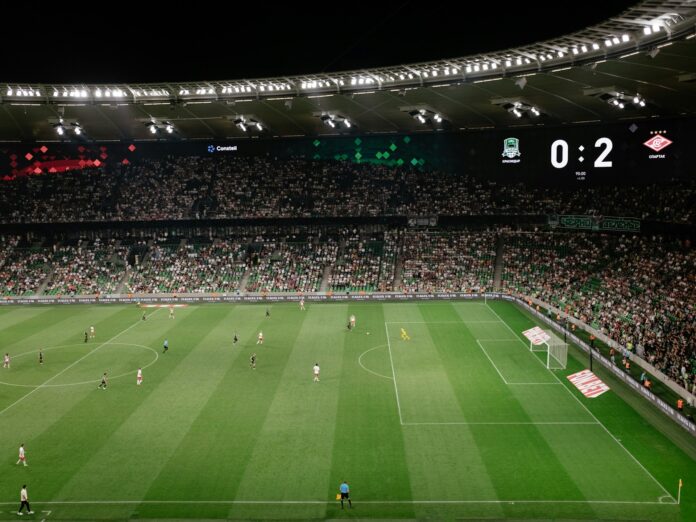
A few match days before the end of the season, many fans were rubbing their eyes in disbelief, Zenit wasn’t leading the table? No, they weren’t. The title went to Krasnodar. Once dismissed as the “plaything” of businessman Sergey Galitsky, the club has proven itself to be more than a well-funded project. It’s a team with a philosophy and grit. Their Premier League triumph wasn’t a stroke of luck; it was the result of long-term planning: homegrown players, one of Europe’s most modern stadiums, a world-class academy, a homegrown and tactically astute manager Murad Musayev, and most importantly patience.

In just 17 years, Krasnodar has gone from a local amateur team in southern Russia to the champions of a vast nation.

A Billion-Euro Pulse

They said the money would dry up. They were wrong. In 2024, Russian clubs earned approximately €1.5 billion. It’s not the oil-fueled era anymore, nor the age of unlimited contracts, but the money is still there and it’s circulating.

Zenit continues to spend as they always have over €40 million in the winter transfer window alone. Spartak went even further, investing around €50 million. Krasnodar, true to its ethos, spent less but smarter, selling players for $35 million. Across the league, a record-breaking €150 million was spent on incoming players.

Russian football has become an internal market closed off, but highly active. It is no longer a shop window for Europe, but a self-contained ecosystem with its own economy, logic, and even trends.

Where They Play, They Build

Every club is building something. The legacy of the 2018 World Cup is no longer a legacy it’s the new normal. Krasnodar boasts a stadium any international agent would be proud to visit. In Kazan, Moscow, St. Petersburg, Samara, and Sochi, the infrastructure is good enough to host Champions League-level matches. Despite sanctions and the withdrawal of European contractors, clubs are not halting development.

Russian football is investing in what can’t be devalued: infrastructure, pitches, and youth.

Brazilian Blood and a PSG Export

While Europe looks away, South America opens its doors. This season has seen a wave of young Argentinians, Uruguayans, and Colombians arrive in Russia players whose value in Europe would be much higher, but who can grow even more in the RPL.

Budgets vary, but even lower-tier RPL clubs are spending between €500,000 and €2 million on foreign players. Top clubs are ready to invest tens of millions when it comes to talent with the potential to become key players and lift the team in the standings. Spartak’s €14 million signing of Barco wasn’t just a hefty price tag it was a statement: we’re still here to play. Zenit now spends more in Latin America than some Serie A clubs like the recent €33 million signing of winger Luiz Henrique from Botafogo.

When recruiting foreign players, Russian clubs focus not just on stats, but on personality mental toughness, adaptability, and football IQ. A technically gifted but mentally fragile player won’t last long. This makes it essential for agents to assess not only a player’s skills but also their psychological profile and readiness for a different culture, climate, and footballing philosophy.

As for exports, business is good there too. Krasnodar sold goalkeeper Matvey Safonov to PSG for €20 million. And this summer, a serious bidding war is expected for academy graduate and team captain Eduard Spertsyan, also the captain of Armenia’s national team, who’s now on the radar of Leeds United, Juventus, and several La Liga clubs. In a closed-off league, big deals still make noise.

Agents Are Back in Business

When things get complicated, the people who know how to negotiate become invaluable. That’s why this is a golden era for agents. Commissions are up, but so are the demands. Unlike Europe, Russia still places a premium on human relationships and internal dynamics. Cultural fluency, trust between agent and sporting director, and the ability to “walk into the right room the right way” often matter more than data from Wyscout.

In Russia, the transfer market doesn’t just value hard analytics, it rewards trust-building, contextual intelligence, and navigating a complex club and cultural ecosystem.

Scouting in Russia isn’t just about metrics; it’s about reading between the lines and understanding the human behind the player. In such a market, the agent becomes a key mediator connecting the club, the player, and the player’s home country. This makes the system flexible, dynamic, and resilient against one-size-fits-all solutions.

Why Good Players Still Want to Come to Russia

Because here, they can become central figures not just squad players. Because contracts are stable, salaries are competitive, infrastructure is top-tier, and their contributions are genuinely valued. In an era where many leagues are overcrowded or dictated by algorithms, Russia remains a place where personality and performance still hold sway.