Home Blog Page 31

الاتصالات: الركيزة الأساسية لنادي كرة قدم ناجح

Four people in a modern glass-walled meeting room engaged in discussion around a conference table, with a cityscape visible through large windows.
Photo by Rodeo Project Management Software on Unsplash

تتميز كرة القدم كعالم يجمع بين الشغف، التفكير الاستراتيجي، التنافس والروح الرياضية. بالإضافة إلى كل ذلك، تجد خلف كل نادي كرة قدم ناجح عنصر أساسي غالبًا ما يغفل عنه الكثيرون: التواصل.

يُعتبر نادي كرة القدم منظمة معقدة تضم العديد من الأطراف: مجلس الإدارة، اللاعبون، الجهاز الفني، موظفو الإدارة، الصحفيون، المشجعون، والهيئات المنظمة للبطولات، إلخ… كل منهم لديه احتياجاته وتوقعاته الخاصة.

ويمكن أن تُحدِّد الطريقة التي يتواصل بها النادي مع هذه المجموعات نجاحه داخل الملعب وخارجه.

مجلس الإدارة: الشفافية والاستراتيجية

يتحمل مجلس الإدارة مسؤولية تحديد الرؤية واستراتيجية النادي. يجب أن تكون التواصل الداخلي واضح المعالم لضمان اتخاذ قرارات فعالة. كذلك، الشفافية مع باقي الأعضاء والمشجعين تعزز الثقة وتساعد في تجنب الشائعات والأزمات غير الضرورية.

اللاعبون والجهاز الفني

رسالة موحدة

تنفرد غرفة الملابس بكونها نظامًا بيئيًا خاصا يتطلب توافقًا في الأهداف والتوقعات. يتفق كل من مارس في أعلى المستويات على أن اللاعبين والمدربين  يحتاجون إلى رسالة وتوجيه واضحين من طرف الإدارة. الغرض من ذلك:  تجنب الالتباسات وتعزيز بيئة العمل. كما يجب على النادي توجيه اللاعبين حول كيفية إدارة تواصلهم مع العموم، خاصة في عصر وسائل التواصل الاجتماعي.

الإدارةالنجاح من خلال التواصل الداخلي

يحتاج الموظفون الإداريون، من لجان التسويق إلى الموارد البشرية، إلى معلومات دقيقة حول قرارات النادي واستراتيجياته. ويتيح هذا التواصل الداخلي  لكل قسم العمل بتناسق، مما يضمن تنفيذ المبادرات التجارية والعلامات التجارية بسلاسة.

الصحفيون ووسائل الإعلامبناء علاقات إيجابية

تُعتبر وسائل الإعلام قناة أساسية لربط النادي ببيئته. يساعد التعامل الجيد مع الصحفيين على نقل أخبار دقيقة وإيجابية عن الفريق. الاستجابة السريعة لاستفساراتهم وتقديم مؤتمرات صحفية منظمة يعزز صورة النادي ويمنع انتشار الشائعات.

المشجعونقلب النادي

الرابط بين النادي ومشجعيه هو عاطفي وعميق. يساهم التواصل الفعال مع المتابعين في تعزيز الولاء وترسيخ هوية النادي. من الضروري أن يتلقى المشجعون معلومات مباشرة حول التعاقدات، والنتائج، والمبادرات الاجتماعية.

الهيئات المنظمةالامتثال للمعايير

تتطلب الدوريات والاتحادات وهيئات التنظيم الأخرى اتصالات رسمية ومنظمة من الأندية. الامتثال للوائح وإدارة التسجيلات بشكل صحيح أمر ضروري لتجنب العقوبات الإدارية.

الخلاصة

لا يُبنى نادي كرة القدم فقط على المواهب والاستراتيجية الرياضية، بل أيضًا على التواصل الشامل، الفعال والمتوافق مع جميع الأطراف الرئيسية. ويساهم ذلك في تعزيز الروابط بين مكونات النادي والقدرة على الاستماع في بناء الثقة والاستقرار، مما يؤدي إلى نجاح النادي داخل وخارج الملعب.

Who is Vicente Suanno?

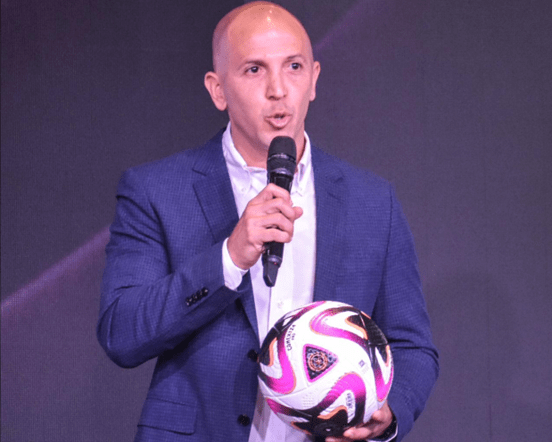
Vicente Suanno speaking on stage in a blue blazer, holding a microphone and a pink-and-black football
Vicente Suanno, former Venezuelan international and rising football executive, combines elite playing experience with global leadership in youth development and governance.

Vicente Suanno is a dynamic football executive whose career bridges the worlds of elite playing experience and modern sports leadership. A former professional midfielder with dual Venezuelan and Italian citizenship, Suanno transitioned seamlessly into football management after retiring from competition in 2018, building a reputation as one of the most progressive minds in South American football governance.

He launched his post-playing career as Assistant Coach of Venezuela’s U-20 National Team, quickly earning respect for his tactical insight and ability to connect with young players. His success in youth development led to his appointment as General Manager of Deportivo La Guaira, where he transformed the club’s sporting structure and steered them to their first-ever national title. Suanno prioritized academy integration, promoting 12 youth players to the first team and securing the high-profile transfer of John Aramburu to Spain’s Real Sociedad—proof of his sharp eye for talent and market strategy.

In 2021, Suanno joined the Venezuelan Football Federation (FVF) as Director of Competitions and Youth Development. There, he launched Corazón Vinotinto, a nationwide program focused on unifying the country’s fragmented youth development pathways and instilling a shared footballing identity. The impact was immediate and historic: Venezuela’s U-17 team qualified for back-to-back FIFA U-17 World Cups in 2023 and 2025 for the first time in national history, a milestone that cemented Suanno’s legacy in youth football reform.

Beyond his achievements on home soil, Suanno has cultivated a global outlook. He is a graduate of the UEFA Executive Master for International Players (UEFA MIP), one of the most prestigious programs for former elite athletes transitioning into executive roles. Through the MIP, he gained exposure to best practices in European football governance, club administration, and commercial strategy, enriching his leadership with international perspective.

Now residing in the United States, Suanno operates fluently in both Spanish and English and brings a multicultural, disciplined, and visionary approach to football leadership. His mission remains clear: to build sustainable, competitive football structures rooted in identity, opportunity, and long-term growth. With a rare blend of credibility on the field and competence in the boardroom, Vicente Suanno represents the next generation of global football executives.

Our Exclusive Interview with Vicente Suanno

Who is Vicente Suanno outside of football? How would you describe yourself beyond your professional identity?

Outside of football, I’m a father, a husband, and a constant learner. I’m someone who values humility, discipline, and resilience. My life is guided by service, whether it’s through family, football, or leadership. I see myself not just as a professional, but as someone on a personal mission to grow, contribute, and leave a meaningful legacy. I’m deeply rooted in my values, but I’m also open to change, learning, and evolving with the world around me.

What inspired your transition from being a professional footballer to taking on executive leadership roles in the sport?

As a player, I was always fascinated by the “why” behind decisions. I naturally gravitated toward leadership roles, often serving as captain, and I was always observing how clubs and federations were run. When I retired in 2018, I knew I wanted to stay in the game, but from the side that builds structures, develops talent, and shapes the future. My motivation was simple: to take everything I had learned on the pitch and use it to influence the game from the top down.

How did your experience at Deportivo La Guaira shape your approach to youth development and club management?

Deportivo La Guaira was a pivotal chapter in my journey. As General Manager, I had the privilege of building a winning culture that extended far beyond the first team. We became champions for the first time in the club’s history, but what I’m most proud of is promoting 12 academy players to the senior squad and overseeing the successful transfer of John Aramburu to Real Sociedad. That experience taught me that success is sustainable only when it’s rooted in development. It reinforced my belief that clubs thrive when there is a clear identity, a structured pathway for young players, and full alignment throughout the organization.

Can you share the vision and impact behind Corazón Vinotinto and how it redefined youth football in Venezuela?

Corazón Vinotinto was born out of a need to unify and inspire. Together with other directors at the Venezuelan Football Federation, we created this national project to bring meaning, structure, and identity to our youth football system. It was more than a strategy; it was a cultural reset. Through this plan, we achieved something historic: back-to-back qualifications for the U-17 World Cup in 2023 and 2025. That had never happened before. It proved that when vision is matched with execution, and heart with structure, real transformation is possible, even in the most challenging environments.

What did you take away from completing the UEFA MIP program, and how has it influenced your leadership style?

The UEFA MIP program was life-changing. It gave me a global perspective, a world-class education, and a network of incredible minds from all corners of football. Balancing the MIP while working full-time at the Federation wasn’t easy, but it was worth it. It refined my approach to leadership, not just strategically, but in how I connect with people, make decisions, and carry responsibility.

As part of the program, I had the opportunity to travel across 19 countries in Europe, learning firsthand from some of the world’s top institutions, federations, and clubs. I deepened my understanding of scouting, strategic planning, marketing, and modern football governance. The MIP taught me to think systemically, to lead with empathy, and to stay curious. It gave me tools, but more importantly, it sharpened my purpose.

Looking ahead, what kind of football projects or executive challenges are you most excited to take on next?

Right now, I’m based in the United States and actively looking to contribute to an ambitious organization, whether in MLS, USL, a federation, or an academy. I’m excited by projects that are forward-thinking, multicultural, and centered on player development and identity. I want to be part of something that is growing, evolving, and making a real impact. I believe my background, which bridges South America and Europe, player and executive, structure and soul, gives me a unique lens. I’m ready to take on challenges that require both vision and execution.

The Modern Goalkeeper: Beyond Shot-Stopping

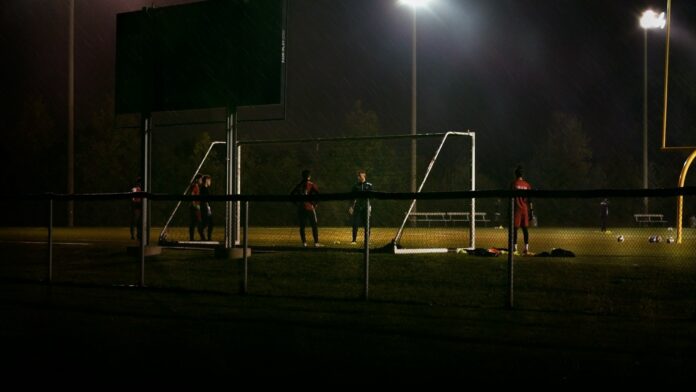
Goalkeepers and a coach train under floodlights on a rainy night, preparing near the goalpost in a dimly lit football field
Photo by Jeremy Vejgman on Unsplash

The traditional image of a football goalkeeper, rooted primarily in preventing goals, is rapidly becoming outdated. In today’s dynamic and tactical game, the goalkeeper’s role has expanded dramatically, transforming them into key-players, astute communicators, and potent initiators of attacks. This fundamental shift redefines what it means to be a top-tier goalkeeper, moving beyond the historical undervaluation of the position, where sums over $100 million are frequent for outfield players but rare for goalkeepers.

From Stopper to Key-player

Modern goalkeepers are fundamental to a team’s build-up play, particularly in “building from the back”. This requires excellent footwork and passing accuracy under pressure, making their proficiency with the ball as vital as their shot-stopping ability. Since distribution is 80% of the goalkeeper actions in a game, distribution drills are no longer additional but integrated along with traditional saving exercises in every training.

Their comprehensive distribution repertoire includes:

  • Goal Kicks: These initiate organized tactical plays, requiring goalkeepers to master short and long passes from a static ball. Strategic decisions based on opponent positioning and team plans are vital, as are prompt repositioning and communication after each kick.
  • Back Passes: Essential technical skills include receiving and accurately passing the ball, both short and long, with both feet. Their positioning must facilitate receiving the ball with minimal pressure, enabling effective passes to overcome opponents.
  • Hand Transition: This method allows for rapid counter-attack initiation. Goalkeepers need maximum precision and accuracy in their throws, rapidly scanning for optimal targets within their range to turn a save into a lightning-fast counter-attack.
  • Volley Transition: Crucial for swift counter-attacks, this skill demands accuracy and power to launch long passes into advantageous areas, requiring the goalkeeper to quickly identify and target open spaces or teammates.

The Tactical “Quarterback”

Beyond technical ball skills, the modern goalkeeper is a defensive orchestrator. They must possess acute tactical awareness, continuously reading the game, anticipating opponent attacks, and organizing their defense. This leadership role involves constant communication and direction to teammates, including verbal commands (e.g., “TIME!”, “MAN ON!”, “CLEAR IT!”) and clear gestures (e.g., for wall positioning). The emergence of the “sweeper-keeper” further emphasizes their active role outside the penalty area, clearing through balls and supporting the defensive line with quick decisions and precise long passes.

Revolutionizing Training Methods

To foster these evolving skills, goalkeeper training has dramatically adapted. Sessions now emphasize dynamic, game-like scenarios that simulate match situations, promoting decision-making and adaptability over repetitive drills. Key training trends include:

  • Reaction-based drills: Utilizing small, fast-moving balls or unpredictable deflection boards to sharpen reflexes.
  • High-pressure simulations: Replicating real-game stress, such as penalty shootouts with loud distractions, to build mental fortitude and composure.
  • Functional fitness: Focusing on explosive movements (e.g., box jumps, medicine ball throws) to enhance power for diving and rapid recoveries.

The Role of Technology

Technology is integral to this evolution. Advanced data analytics provides detailed insights into performance, allowing for personalized training and tactical adjustments based on save rates, distribution patterns, and opponent tendencies. Video analysis offers coaches a powerful tool to dissect movements, pinpoint areas for improvement, and prepare goalkeepers for specific opponents by studying their habits and preferred shooting angles. Innovations like motion capture systems, smart gloves, and predictive analytics further refine technique and anticipation.

Conclusion

The modern goalkeeper’s role has transcended merely stopping shots, becoming a multi-faceted position demanding comprehensive skills in playmaking, distribution, tactical awareness, and communication. This evolution, supported by innovative training approaches and technological advancements, underscores their indispensable contribution to every facet of the beautiful game. As football continues its relentless evolution, so too will the demands on goalkeepers, ensuring their continued importance as the “backbone of their teams”.

Here is a video example of a typical distribution training: https://youtu.be/88xn7kEuX2w

References

  1. Yam, D. (2025). A Data Driven Goalkeeper Evaluation Framework. MIT Sloan Sports Analytics Conference.
  2. rMLS (2024). Advanced Goalkeeping Statistics. r/football, Reddit. Avialable at: https://www.reddit.com/r/football/comments/1emcj9q/advanced_goalkeeping_statistics_analysis_ive_done/ Accessed on 19 July 2025
  3. Numazu, N., Hirashima, Y., & Matsukura, K. (2024, December). Analysis of football goalkeeper performance and shot scenarios in the 2022 World Cup. Journal of Physical Education and Sport, 24(12), 2115-2125. doi:10.7752/jpes.2024.12310.
  4. BC Football. (2015). Club Goalkeeping Development Manual. Available at: https://cloud.rampinteractive.com/saskatchewanfootball/files/BC-Football-Goalkeeper-Club-Development_Stages-4-7.pdf Accessed on 20 July 2025
  5. Berneanou, G. (2021). Football Goalkeeper Integration.
  6. El Assouri, A. (2024). Impact of Data and Analytics on Goalkeeper Strategies. Keeper in Motion.
  7. Teimouri, M. (2025, February). Football Goalkeeper Performance Evaluation: Clustering Approach. arXiv. https://doi.org/10.48550/arXiv.2502.05548
  8. Hugh, P. (2025, January 5). The Future of Goalkeeping: Trends and Innovations in Training. Football Wizdom.
  9. White, A., Hills, S. P., Hobbs, M., Cooke, C. B., Kilduff, L. P., Cook, C., Roberts, C., & Russell, M. (2020, April). The physical demands of professional football goalkeepers throughout a week-long competitive microcycle and transiently throughout match-play. Journal of Sports Sciences, 38(8), 848-854. doi:10.1080/02640414.2020.1736244.
  10. El Assouri, A. (2024, May). The role of video analysis in goalkeeper development. Keeper in Motion. Available at: https://keeperinmotion.com/en/2024/05/02/the-role-of-video-analysis-in-goalkeeper-development/ Accessed on 21 July 2025
  11. Waite, A. (2023, January). Understanding The Role Of The Goalkeeper Scout. Available at: https://goalkeeper.com/news-and-media/exclusives/post/role-of-the-goalkeeper-scout Accessed on 21 July 2025

From the Ashes to the Pitch: Hiroshima’s Enduring Message of Peace Through Football

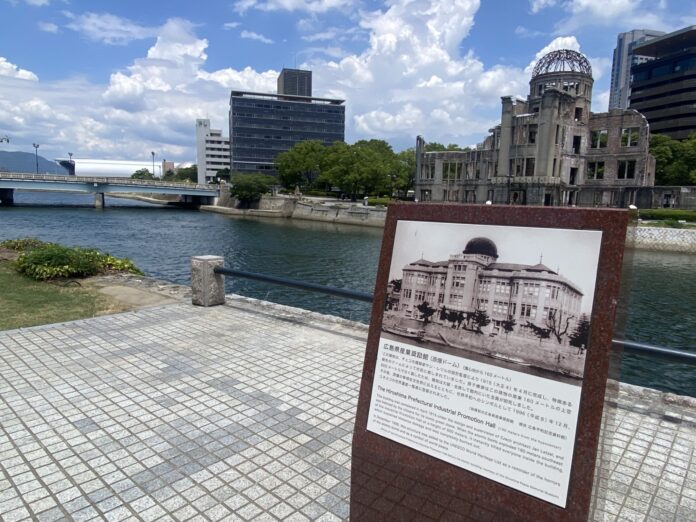
View of the Hiroshima Peace Memorial (Atomic Bomb Dome) with a historical information plaque in the foreground beside the Motoyasu River
The Hiroshima Peace Memorial, also known as the Atomic Bomb Dome, stands as a powerful symbol of resilience and a lasting message of peace for future generations.

August 6 – A Day That Lives in the Heart of the City

For the people of Hiroshima, August 6 is more than a date. It is a day that connects the past and the future, a moment to pray for peace, honour the victims and renew the vow that such a tragedy must never happen again.

“Peace is absolute in Hiroshima,” says Shiozaki. “There is a fundamental belief that war can never be allowed. The memory of that war and the atomic bombing appeals to our hearts, reminding us that for human beings to kill each other or to possess and use nuclear weapons brings nothing of value.”

This conviction shapes the daily life of the city. Peace is not an abstract ideal but a lived reality, woven into education, culture and sport.

Football as a Messenger of Peace

When asked how football can carry Hiroshima’s message to younger generations, Shiozaki is clear: “Instead of conflict in the form of war, we compete through the sport of football. To truly ‘fight’ does not mean to harm others, but to compete fairly within the rules with the goal of victory.”

Football’s universal language transcends borders and gender, making it a powerful medium to teach children that rivalry does not require hostility.

Resilience on the Pitch – The Post-War Spirit of Hiroshima Football

Hiroshima’s football culture carries the DNA of resilience. Just two years after the bombing, Hiroshima High School Affiliated Middle School won the first national post-war middle school football tournament.

“It became a symbol of post-war recovery,” Shiozaki reflects. “Even now, Hiroshima football is imbued with the mindset of never giving up until the end, working hard, and fighting fairly with a team-first spirit.”

The Peace Memorial Football Tournament – Football with a Purpose

While the Peace Memorial Football Tournament develops youth football in Hiroshima, its deeper mission is to share peace through sport. By inviting overseas teams, the event blends competition with peace education.

“I want the players to understand that the reason they can immerse themselves in what they love is because peace exists,” Shiozaki explains. “They should learn from history that war produces nothing.”

A visit to the Peace Memorial Museum, listening to the testimonies of survivors and standing before the Atomic Bomb Dome are powerful experiences that organisers hope will stay with every participant.

Coaching Philosophy – Building Players and People

Sanfrecce Hiroshima inherits a philosophy from its predecessor Mazda Soccer Club: before becoming a top football player, one must be an upstanding member of society.

“This was taught by Kazuo Imanishi, Japan’s first general manager,” Shiozaki notes. “As professionals who give dreams to children, coaches must never stop learning. That is the identity of Sanfrecce Hiroshima — development and community.”

This philosophy was reinforced during a recent seminar by Takano-san, a close friend of Shiozaki. “He built his position through his own effort and continues to aim higher. By sharing his experiences in Europe, he helps us grow not only as coaches but as people admired by children.”

Looking Outward – The Value of International Exchange

For Hiroshima, international exchange is about more than football tactics. “It is about mutual understanding and accepting different values,” Shiozaki says. “It is also about having others learn about Hiroshima and our efforts to create and expand a peaceful world.”

The Identity of Hiroshima Football

When asked to define the city’s football identity in a single sentence, Shiozaki’s answer is immediate: “To value people.”

In a city that has known the worst of human destruction yet chosen to answer with unity and respect, football is more than a sport. It is a living testament to the belief that through fairness, teamwork and compassion, even the deepest scars can give rise to hope.

What is WFS Hong Kong?

White World Football Summit logo on a transparent background
World Football Summit brings its global platform to Hong Kong for the first time, connecting football’s top leaders, legends, and innovators.

World Football Summit gathers Ferdinand, Puyol, Zanetti, Collina, and other icons of the beautiful game to prove Asia’s potential in its first event in the city.

MADRID / HONG KONG August 2025 — The future of football is being written in Asia. And it starts in Hong Kong.

World Football Summit (WFS) is set to redefine the global football landscape with its inaugural Hong Kong summit on September 3rd-4th, marking a pivotal moment where technology, culture, and strategic vision converge at the heart of Asia’s football revolution.

As the Asian football market surges to a remarkable USD 7.187 billion, with digital engagement breaking records and investment opportunities expanding, this summit represents a critical junction in the sport’s global narrative. For instance, the Asian Football Confederation (AFC) has witnessed a 20% growth in digital followers, with website page views exploding by 258%—a testament to a market on the brink of unprecedented transformation.

Our Hong Kong summit transcends a traditional conference,” explains Jan Alessie, Co-founder and Managing Director at World Football Summit. “We’re creating a global platform where football’s most innovative minds will explore how East and West can reshape the beautiful game’s future.”

The inaugural WFS Hong Kong, proudly supported by the Hong Kong Tourism Board, is designed to provide a platform where football legends meet tech innovators. Where East meets West. Where digital transformation isn’t just discussed—it’s demonstrated.

Part of the lineup reads like a football hall of fame, given the caliber of the legends that have confirmed their participation so far.

  1. Rio Ferdinand, Manchester United legend
  2. John Terry, Chelsea FC legend
  3. Javier Zanetti, Inter Milan Vice President and legend
  4. Carles Puyol, Barcelona legend and member of the 2010 World Cup-winning team
  5. Davor Šuker, former Croatian FA President, 1998 WC Golden Boot
  6. Fabio Capello, former football coach and player
  7. Pierluigi Collina, legendary referee and Chairman of the FIFA Referee Committee

In addition, other football industry titans such as Romy Gai (FIFA), John Sharkey (Kai Tak Sports Park), Ramón Calderón (Former President at Real Madrid), or Allan Zeman (Lan Kwai Fong Group), will join the event.

The full lineup of speakers will dive deep into the most critical questions facing football:

  • How do digital technologies redefine fan experiences?
  • What are the new investment models in sports?
  • How can clubs leverage eSports and emerging technologies?

The general summit themes are razor-sharp:

  • Fan Engagement in the Digital Age
  • Football’s Cultural Crossroads
  • East and West: Reimagining Football Relationships
  • Digital Transformation and Innovation

“Hong Kong represents a unique gateway between global football markets,” added Filipe Gonçalves, Chairman at Asia Partners, co-organizers of the event. “This summit is not just an event—it’s a strategic bridge connecting diverse football ecosystems, positioning Asia at the forefront of the sport’s next evolution.”

From broadcasting innovations to sustainable business models, from talent development to cross-continental investments, the WFS Hong Kong summit will provide an unparalleled platform for connection, insight, and strategic thinking. With an expected attendance of 3,000 international industry professionals and more than 100 speakers, the event promises to be a defining moment in football’s global evolution.

A dedicated fan zone will transform the event from a conference into a celebration. Interactive experiences, gaming, football skills competitions, classic memorabilia—this is where strategy meets passion.

Global football summit brought to Hong Kong for the first time, proudly supported by the Hong Kong Tourism Board.

World Football Summit Hong Kong 2025 is proudly supported by the Hong Kong Tourism Board, aiming to elevate the city’s positioning as a premier destination for global sports business and innovation.

By supporting WFS, the Hong Kong Tourism Board reaffirms its commitment to attracting world-class international events and leveraging the power of football to enhance the city’s global appeal, economic development, and regional influence within the Greater Bay Area.
This partnership highlights the shared vision of making Hong Kong a central hub for the future of the sports industry in Asia and beyond.

Event Details:

  • Date: 3rd-4th September, 2025
  • Location: Asia World Expo, Hong Kong
  • Focus: Connecting the global football ecosystem

The future of football is being written. Will you read it or write it?

About World Football Summit

World Football Summit is a leading international organization for the football industry. Through its platform, we organize events across four continents that bring together key stakeholders from the ecosystem, fostering business opportunities, collaboration, and innovation in the sector. Thousands of professionals representing companies and institutions from around the world actively engage with WFS.

Who is Emma May-Bradley?

Emma May-Bradley smiling in a black blazer against a white background
Emma May-Bradley, former Washington Spirit President and current Rebel Girls executive, is a leading voice in women’s sports and brand strategy.

Emma May-Bradley is a marketing, communications, and operations executive with over 20 years of experience driving growth for global brands in consumer goods, media, and sports. She is the Co-Founder of Playmakers Nashville, a non-profit focused on advancing and empowering women working in sports across Middle Tennessee. She also leads marketing and sports strategy for Rebel Girls, a girl empowerment brand using storytelling to inspire the next generation.

From 2022 to 2023, Emma served as President and Board Advisor for the Washington Spirit (NWSL), where she oversaw a full organizational transformation. Under her leadership, the club grew from 4 to 45 employees in a single year, saw an 85% increase in attendance, and achieved a 110% growth in merchandise revenue. Her leadership helped transition the 2021 NWSL Championship team into a fully professional, scalable organization.

Before joining the Spirit, Emma spent nearly four years at Nike, Inc. (2019–2022), where she progressed through senior leadership roles, including Sr. Director of Global Athlete Marketing. She launched Nike’s first athlete-focused content studio, led Serena Williams’ retirement campaign, and played a key role in driving a 525% increase in WNBA revenue over three years.

Earlier, at Turner Sports (2014–2019), Emma rose to Vice President of Marketing, where she led initiatives for the Emmy-winning Inside the NBA/NBA on TNT franchise, launched BR Live, and helped grow NBA League Pass subscriptions by 135%. Her previous roles in culture and sports marketing at Red Bull, Nissan North America, and Athlon Sports further shaped her expertise in building brands with cultural relevance.

Emma grew up playing all kinds of sports but focused on soccer starting in middle school, serving as her high school’s starting goalkeeper for four years. Watching the U.S. Women’s National Team win gold at the 1996 Olympics in Athens, Georgia cemented her love for the sport. She remains a passionate sports fan and is known for always having a game on, regardless of the sport or league.

She holds a Bachelor of Science in Political Science from Middle Tennessee State University.

Our Exclusive Interview with Emma May-Bradley

Who is Emma May-Bradley outside of sports? What drives you personally when you’re not building brands or organizations?

I’m a pretty chill human. I love my husband John & pup Rizzo more than anything in the world. I love to garden, travel all over the world, eat all the best food, and be a good friend to those I love. Mostly I want to make a positive impact in the world around me and do my best to treat my community with love.

When you stepped into the role at the Washington Spirit, the club was at a turning point. What mindset did you bring to lead through that transition?

Most importantly I wanted to build a foundation that could last for years to come, a foundation that was built around trust & teamwork and a foundation that put the players & fans first in everything we did. I also wanted to ensure that we created the best live sports environment possible and had a little fun while doing it.

You oversaw massive growth at the Spirit, from staff size to fan engagement and revenue. What do you think made those changes stick?

I think the Spirit organization is committed to investing in doing right by their players and the fans and that is a foundation that will lead to success in all areas, from revenue to fan engagement. I also hope that I was able to share with our fans, players and the entire organization that how we treat our players, fans & internal team matters deeply. Every decision is meaningful, and at the end of the day, to do the right thing, always.

How did your background at Nike and Turner Sports shape the way you approached storytelling and strategy in women’s soccer?

For over a decade now I’ve been obsessed with the idea of fandom and putting the fan at the center of every decision I make. This was the lens that I used both at Turner and at Nike, if we focus our efforts on our fans then the business will follow. If we make decisions based on our own personal desires, we will lose. It’s why being an empath, being always curious and understanding your fan is the most important piece to growing business.

Who have been the most influential figures in your sports career, and what lessons did you take from them?

I’ve been so lucky to work with amazing people everywhere I’ve been but the person who has influenced me the most is the late Oscar Pope. My team hired Oscar as a marketing specialist to work on the NBA on TNT/NBA TV marketing team and every single day he blew me away with his passion for our fans & our product, his positivity, and his humor. He inspired me daily to be grateful for the job we got to do and reminded me always to have a bit more fun.

What are your future plans professionally? Are there areas in sports or beyond that you’re looking to explore next?

Right now I’m really focused on doing work that is impactful for our society as a whole. Whether it’s starting a non-profit to empower & advance women who are working in the sports industry, sharing my story with high-school & college women so they too can dream of working in sports, or helping to build Rebel Girls Sport so we can inspire the most confident generation of girls ever. Sports, in its most pure sense, makes the world a better place and there is no better than the beautiful game. My hope is that I will continue to lead teams who love what they do, find fulfillment in the work, and create immense impact.

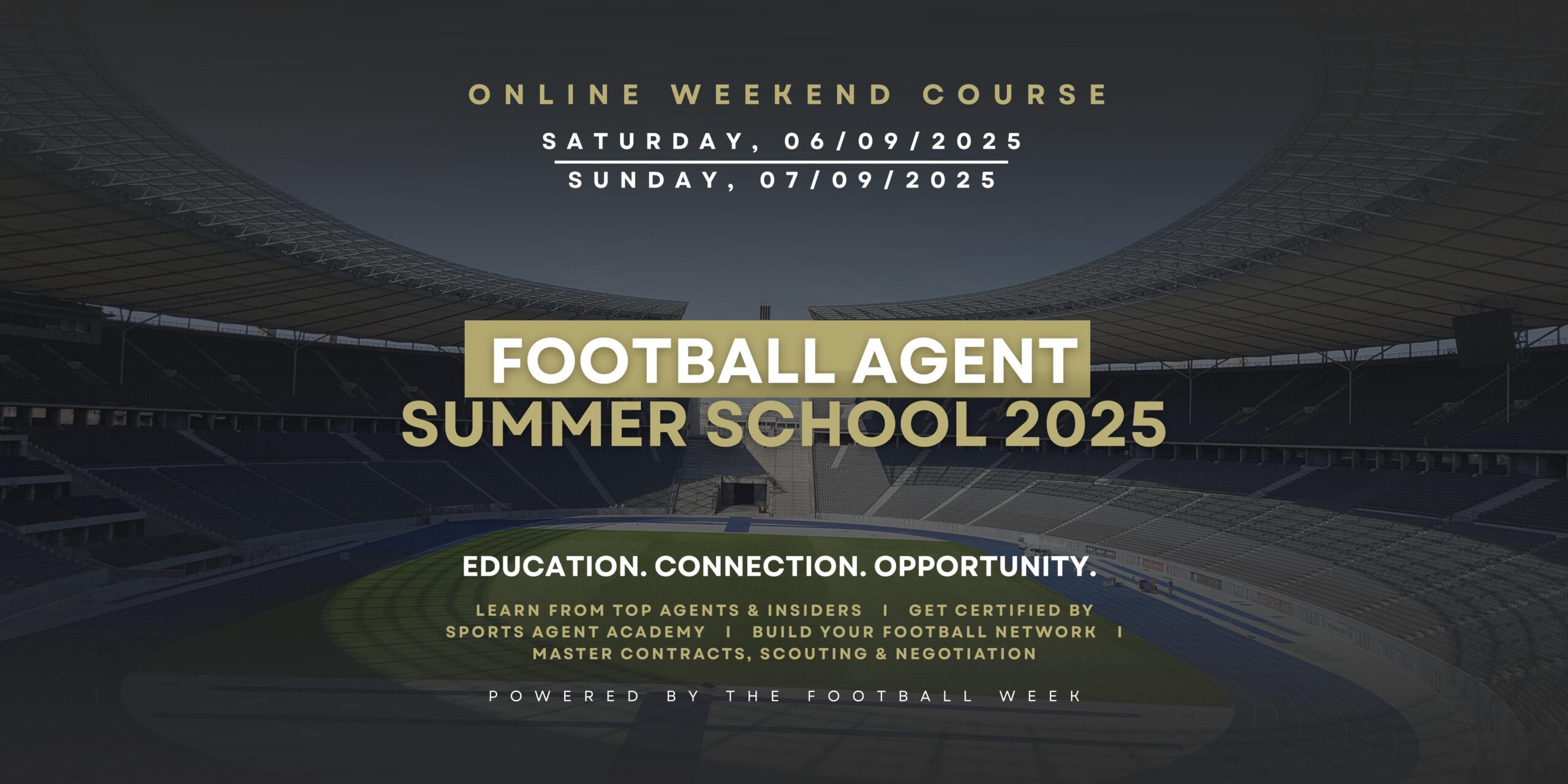
Football Agent Summer School 2025: Learn the Game Behind the Game

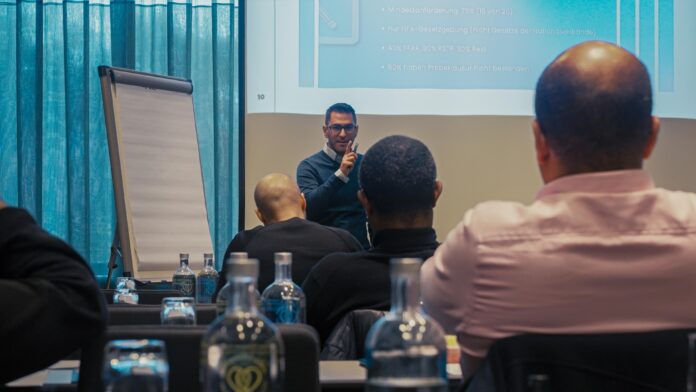
Dr. Erkut Sogut teaching aspiring football agents during a live classroom session
Dr. Erkut Sogut empowers students with real-world knowledge, legal expertise, and insider insights from the top levels of football agency.

A Unique Opportunity for New and Aspiring Football Agents

Football agency is no longer a niche profession. With the global growth of the game, more players are turning professional, more deals are being signed, and more qualified professionals are needed to represent talent with integrity and expertise.

If you are passionate about football and want to work in the business of player representation, the first step is education. But not just any education. You need the right combination of practical training, expert insight, and access to a strong network.

That is why we created the Football Agent Summer School 2025. This two-day live online course is designed to fast-track your journey and give you the tools to succeed.

Key takeaway:
You do not need years of experience to get started. You just need the right guidance, and this course gives you exactly that.

Learn Directly from One of the World’s Leading Football Agents

The course is led by Dr. Erkut Sogut, a FIFA Licensed Agent, sports lawyer, and educator. He has negotiated record-breaking contracts at the highest levels. In 2018, he secured the highest salary in Premier League history at the time. He achieved a similar milestone in 2021 by negotiating the highest salary in the Turkish Super League. Today, he continues to work closely with top players, clubs, and agents around the world.

Dr. Sogut is passionate about mentoring the next generation of agents and teaching both the legal side and the human side of this profession.

In this course, you will not just hear theories. You will get real-life examples, personal stories, and case studies from inside the industry.

Key takeaway:
There is no better way to learn than from someone who has negotiated at the highest level.

What You Will Learn During the Course

This two-day experience is packed with high-value training and insight. Topics include:

  • How to represent professional players and manage their careers
  • Contract negotiation techniques and legal basics
  • Understanding FIFA regulations and the new licensing system
  • Navigating transfers, endorsements, and international markets
  • Building your client base and standing out in the industry
  • Live Q&A sessions and exclusive guest speakers from the football world

Key takeaway:
This course is packed with actionable knowledge that helps you hit the ground running.

When, Where, and How It Works

?️ Dates: 6–7 September 2025
? Format: Live and online (attend from anywhere)
? Bonus: Pre-course welcome session on 5 September
? Audience: Global community of aspiring and licensed agents

Key takeaway:
Attend from anywhere in the world and connect with future colleagues.

Discounted Tickets Available for Students and IFFA Members

?️ General Admission: $399
? Early Bird: $299 (until 7 August)
? Student: $299 (with verification)
? IFFA Members: $249 (with verification)

To apply for a student or IFFA discount, email us at info@thefootballweek.org.

Key takeaway:
We are making this course as accessible as possible. Do not miss your chance to grow.

Join Our Global Community of Football Professionals

This is more than just a weekend course. It is your entry point into The Football Week network, a platform dedicated to education, opportunity, and connection in football.

By joining the course, you will get access to a community of people who want to see each other grow.

Key takeaway:
This is more than a course. It is the beginning of your journey in football.

Graphic showing key details of the Football Agent Summer School 2025, including dates, format, and course highlights.
Get real-world insights, join a supportive community, and gain the tools you need to take your first steps as a football agent.

How to Register

? Click here to secure your spot now

Still Have Questions?

Feel free to reach out to us at info@thefootballweek.org or via our social media pages. If you would like a custom social media graphic to announce your registration, we would be happy to create one for you.

Why Game-Realistic Training Matters for Goalkeepers

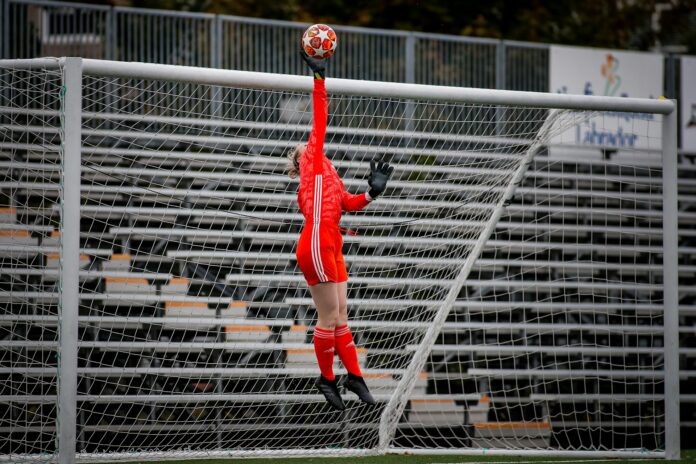
Goalkeeper in red kit leaps to tip the ball over the crossbar during training, highlighting agility and game-realistic decision-making
Photo by My Profit Tutor on Unsplash

Many coaches tell me, “In goalkeeper training, we can simulate match situations, but we’ll never reach the same speed or quality as a real game.”

That’s not entirely wrong — but using it as an excuse is dangerous. I believe it’s essential to accept this challenge, not avoid it. We need to get as close as possible to the reality of the game. That means creating training environments that expose our goalkeepers to the same types of decisions, rhythms and pressures they’ll face on matchday.

For decades, goalkeeper training was heavily focused on isolated technical work. And don’t get me wrong — this part is still hugely important to me. Controlled drills, consistent repetitions, ideal service, “goalkeeper gymnastics” to develop a clean and precise technique. Especially in the German goalkeeper education system, where my roots lie, this foundation is essential.

The game has changed

Football has progressed — and no position has undergone a greater transformation than goalkeeping. Today’s goalkeepers are expected to manage the game, contribute as playmakers, and organize their team far beyond the box. Still, at the core, the primary responsibilities remain unchanged: to protect the goal and control space in the key moments that decide matches.

In real games, goalkeepers operate in some sort of chaos. They deal with constantly changing angles, distances, defenders, attackers, pressure and space. The rhythm of the situation matters. The decision-making window is shrinking.

Game-realistic goalkeeper training means more than just turning up the tempo or intensity. It means:

  • Creating real angles, distances and time pressures
  • Designing exercises with moving balls, unopposed and opposed finishes
  • Simulating scenarios from the game: crosses, cutbacks, switches, second phases, transitions
  • Varying the rhythm and triggers

We have to recognize that goalkeepers don’t just react — they read. They prevent and solve problems. They process visual and tactical information before the shot is taken. So, our training must reflect that.

Ask yourself:

  • Does this exercise replicate what the goalkeeper sees in a match?
  • Are they reading the game situation, not just reacting to service?
  • Does the pressure they’re under in this moment feel like a game?

At the core of all this is decision-making

Decision-making doesn’t grow in sterile environments. It needs stimulus. It needs unpredictability. It needs mistakes. If your goalkeeper isn’t occasionally getting it wrong in training, they’re not being challenged enough. Like any skill, decision-making improves through repetition — but these game-specific reps rarely happen in team training, where the goalkeeper often plays a more secondary role. That’s why it’s so essential we create intentional, high-repetition decision-making scenarios in goalkeeper-specific sessions. Of course, you still need technical work. Of course, you still need structure. But that can’t be the whole picture. Your goalkeeper needs to leave training feeling like they played a match — mentally, physically emotionally.

I’m not saying every session needs to be full-intensity chaos. But isolation can no longer be the default. Game-realism must a consistent and intentional part of the goalkeeper’s training rhythm — not the exception, but the standard.

Because if we train in ways that don’t reflect the game, we shouldn’t be surprised when the game exposes our goalkeepers.

The Women’s Cup Milan 2025 Ends with Juventus Victory

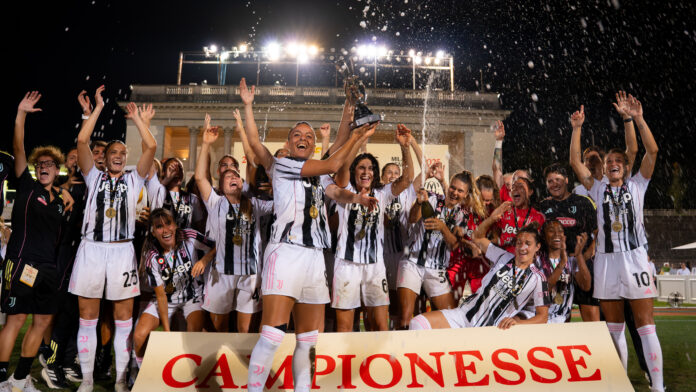
Juventus Women celebrate winning The Women’s Cup Milan 2025, lifting the trophy with gold medals and champagne under stadium lights
Juventus Women crowned champions of The Women’s Cup Special Edition in Milan after a 2–1 win over Inter in the final.

Juventus Crowned Champion of The Women’s Cup Special Edition in Milan

The special edition of The Women’s Cup held in Milan concluded with Juventus as champions after defeating Inter 2-1 in the final.

  • 45’ Emma Stolen Godo (J)
  • 80’ Marija Milincovik (I)
  • 84’ Michela Cambiaghi (J)

FC Como Women (FCCW), part of the Multi Club ownership Mercury 13, secured third place in the tournament following an exciting semifinal against Atlético Madrid that ended 1 – 0 in favor of the FC Como Women team.

Stefano Sottili’s side claimed victory thanks to a curling shot from Nischler (MVP Tournament) at the edge of the box in the 54th minute, securing third place in the special Milan edition of The Women’s Cup, held at the Arena Civica.The Women’s Cup Milan 2025 was much more than just a competition for F.C. Como Women.

It was an opportunity to experience meaningful moments both on and off the pitch, and to further solidify the identity of a club in full evolution.

Adding even more symbolism to the event was the official debut of the new Nike 2025/26 kits, unveiled just a few days earlier through the The Next Wave campaign. A look that speaks of identity, ambition, and vision for the future — introduced in the most fitting setting: a high-profile international showcase.

On the field, the tournament also marked the long-awaited debut of Alisha Lehmann in a Como Women shirt — a particularly emotional moment, as it came against her former team, Juventus. Alongside her, Matilde Pavan also made her return to the pitch, having just rejoined Como on loan from the Bianconere. Two different stories, but both full of meaning, adding further depth and emotion to the tournament.

From a sporting perspective, the outcome was extremely positive, as confirmed by team captain Giulia Rizzon:

“This tournament was an important opportunity for us to face top-level teams. We know Juventus well from the league — a solid side with extraordinary individual talent. Atlético Madrid, on the other hand, was a real international test that challenged us in different ways. Taking part in this event allowed us to raise our level and prepare in the best possible way for the official start of the season.”

Event Details

Exclusive Format

Mercury 13, owner of FCCW and part of the Multi Club ownership, hosted this innovative event. This edition of The Women’s Cup was held in a closed format to the public, exclusive to special guests. Attendees included friends and family of participating players, as well as sponsors invited by the organizers and Mercury 13.

“I’ve been to more matches than I can count, but The Women’s Cup Special Edition with Mercury13 was the first time I felt completely at ease. Witnessing the outstanding talent and determination of the women players on the pitch was truly inspiring – these athletes showcased skill, passion, and drive that left a lasting impression. They’re ready to *take on the world* this upcoming season, and it was amazing to see them push themselves to new heights in this tournament. The Ibiza-inspired music, free-flowing drinks, great food, and comfortable couches set a new standard — all while being steps from the action and celebrating with players after the final whistle. Sharing it with my 2-year-old daughter, both of us in ‘summer white,’ made it unforgettable. Once again, Mercury13 & TWC is in pole position, proving what’s possible for the future of the women’s game.”— Victoire Cogevina, Co Ceo and Co Founder of Mercury 13.

The occasion featured a unique atmosphere created by the arrangement of umbrellas and living-style sofas, music with a DJ, and catering for guests. The Italian architecture of the Palazzo of the Arena Civica contributed to the special atmosphere surrounding the entire cup.

Training and Camaraderie

During the tournament days at the Arena Cívica in Milan, players from the 4 participating teams had the opportunity to train in preparation for the 25/26 season, strengthening bonds of friendship and camaraderie among women who share the goal of elevating the competitive level of professional women’s football.

The tournament demonstrated a high level of competitive play, with exciting matches that highlighted the skill and talent of the players of the participating teams.

Global Presence

“The Women’s Cup aims to reach new audiences and share the power of women’s soccer,” said Juan Pablo Reynal, CEO of The Women’s Cup. “We are proud to name VIZIO the exclusive viewing destination for the tournament in the U.S. so that millions were  able to enjoy the best talent and competition from around the women’s game. Victoire Cogevina was in charge of interviews and comments on the pitch and cabin, inviting VIP’s to describe their experience around the global growth of women’s in sports.  For all of Italy, the tournament was broadcast by Sportitalia free-to-air, Sky Sports; in Brazil by Goat; in MENA and Sub-Saharan Africa by W Sports; in Mexico by TVC Deportes; and globally by thewomenscup.tv.

Who is David Platt?

David Platt in a black suit with arms crossed, posing confidently against a light geometric background
David Platt brings decades of global football leadership to his current role as a consultant for clubs, federations, and investors.

David Platt is a football professional with over two decades of experience across some of the sport’s most competitive environments. His career spans roles at Manchester United, Liverpool FC Academy, Qatar FA, Aspire Academy, Al Ain FC, and the British Olympic system, where he has worked in scouting, coaching, player/athlete/staff development, sports science/sports psychology, sporting directorship and executive leadership.

He began his career in player development and coaching, contributing to the development of players who would go on to play in the Premier League and on the international stage. At Liverpool FC Academy, David worked closely with the 2006 and 2007 FA Youth Cup-winning teams and helped lead player development programs that shaped the careers of many top talents. His academic background, comprising a BSc in Sports Science, MSc in Sports Psychology, an Advanced Certificate in Science and Football, and an MBA with distinction, provided a strong foundation for both technical and leadership roles.

David served as a first team scout at Manchester United during the final years of Sir Alex Ferguson’s tenure, contributing to the Premier League-winning season of 2012–2013 with tactical and player analysis. His reports helped inform decision-making at one of the most demanding clubs in world football.

From 2009 to 2014, he worked within the British Olympic system, supporting medal-winning teams such as GB Boxing, GB Triathlon, and GB Paralympic Swimming. He also collaborated with other high-performance teams such as GB Cycling, Sailing, and Hockey. David’s insights into world class systems, performance environments, and culture-building were sharpened during this period and continue to inform his work today.

His international experience expanded further during his time with Qatar FA and Aspire Academy. There, he helped build a new scouting department as part of the country’s long-term 2022 World Cup vision. The project contributed to Qatar’s breakthrough as AFC champions in 2019 and again in 2023. In 2020, he became Sporting Director / CEO at Al Ain FC, the most successful football club in the UAE. His leadership contributed to the club winning the domestic league and cup double in 2022 and going on to become champions of Asia in 2024.

Today, David runs his own consultancy, advising football clubs, federations, and investors worldwide. His services cover areas such as club acquisitions, football strategy and operations, player and staff recruitment, and sporting director leadership. He also provides advisory solutions to organizations that lack in-house sporting directors and supports ongoing projects in people development through mentoring, coaching, and speaking engagements.

David’s approach is defined by a deep understanding of both the technical and business sides of football. He combines his football knowledge with financial literacy, operational awareness, and a global network built through years of collaboration with professionals across the globe, including living and working in Europe and the Middle East. His clients will value his people skills, professionalism, and ability to improve sporting outcomes through practical, evidence-based advice.

Whether helping investors prepare for club acquisitions, evaluating players, advising technical directors, or mentoring staff, David can bring a thoughtful and comprehensive perspective. His track record includes working with Premier League, Asian, World and Olympic champions as well as emerging federations and growing clubs. Throughout, he remains committed to the core values of drive, professionalism, and loyalty, supporting organizations not only to compete but to grow with clarity and purpose.

OUR EXCLUSIVE INTERVIEW WITH DAVID PLATT

Who is David Platt outside of football? What helps him stay grounded away from the demands of the sport?

Outside of football, I’m a dedicated father, partner, and football obsessive! Believe it or not, I relax by watching football! I enjoy keeping fit and healthy at the gym and spending time with family, friends and my partner. They bring me down to earth quickly if I ever get too big for my boots!

What did you take away from your time at Manchester United during the Sir Alex Ferguson era, and how has that shaped your work since?

United under Sir Alex was a masterclass in clarity, trust, and high standards. What I took most from that period wasn’t just tactical or scouting knowledge, it was how leadership flows through an entire organisation. People knew their roles, knew the expectations, and bought into something bigger than themselves. There was a lot of trust given to you once they hired you and a lot of belief shown in you.

One example of that was when I was first hired, the first match I worked on was doing an opposition report on Manchester City for the derby. Thrown in at the deep end, but it was a great example of how they showed you trust and belief, even for a new recruit. Also, expressing an honest opinion that was different to senior management was seen as a positive rather than hiding or being overly agreeable.

I’ve carried that lesson into every leadership and advisory role since, to hire people, support them, believe in them, and give them the trust to do their job. And to encourage and respect them so that they give you their honest opinion and feel supported and safe enough to do that.

I worked under the Chief Scout, who I learned a great deal from and who has always been a bit of a mentor to me. There were fantastic scouting systems and processes in place at the club at the time, which I learned a great deal from, including how to operate at the highest level in regard to people and process/system management.

You’ve worked with both clubs and national federations. What feels different when leading projects in those two environments?

With clubs, the pressure is day-to-day and week-to-week. You’re dealing with transfer windows, results, fans, media, a hectic match schedule, players and staff in the building every day, etc. It’s fast, unforgiving, and very direct.

Federations are a different challenge. It’s more about strategic and systems thinking, aligning development pathways and talent ID, long-term performance culture, and working to peak at major events that can be every 2 to 4 years. Both are rewarding, but they require very different lenses.

I would say that although both are demanding and enjoyable in different ways, a better work/life balance is achievable in national federations as it is less intensive and timelines differ significantly. When you do hit major events, that’s when intensity overdrive comes in though! I worked with Team GB helping them to prepare for the Olympic Games and learned a huge amount about what is required to peak and win while handling the intensity and pressure of a major competition.

Al Ain had major success shortly following your time there. What do you think made the biggest difference in building a winning team?

Leadership alignment: I had a very good relationship with the Board of Directors there, both individually and collectively. We shared the same vision and everyone understood their roles. It was important for me to have support and trust from above in order to be impactful and for us to move the club forward in the direction that we wanted.

Clear strategy: We built a clear strategy that acted as a blueprint to achieve success. Of course, nothing goes exactly according to plan and that needed adapting sometimes, but there was a clear strategy to follow.

Decisive, fair change: We made tough, sometimes ruthless, but fair changes for the good of the club, on squad management/players, staff, culture, scouting/recruitment, and other areas, to set the tone and accelerate progress. When you are at a club like Al Ain the expectation and standard is to win; if you are not winning, you need to identify the reasons and take decisive action to change. I’m not one for change for change’s sake, there has to be a genuine need for change, but I feel the changes we did make made a real difference.

There were many things, but these are 3 that spring to mind. Al Ain are a great club, really special, with a feeling about it not dissimilar to what I experienced at Liverpool and Manchester United, in terms of their standing within the country, passionate and expectant fans, and very high standards comparatively within the region.

You’ve spent a lot of time in the Middle East. How do you see football developing in places like Qatar and Saudi Arabia?

The growth has been dramatic, and it’s still very much going. When I first worked in Qatar, they were laying the foundations. Now you’re seeing the results: Asian titles for the first time in their history, world-class facilities, and a presence on the global stage. For a country with such a small population to be crowned Asian Champions two times over is testament to the investment made and infrastructure that has been built.

Club football is also developing and professionalizing across the Middle East, with my old club Al Ain now being Champions of Asia, which is nice to see.

Saudi Arabia is now the one pushing, huge ambition, strategy, investment, and a clear desire to be among the best. Global recognition is now being found, with the strong performance of Al Hilal in the FIFA Club World Cup being one example of this. Saudi Arabia has Vision 2030, an ambitious vision of what they are aiming to achieve as a country by that year, and also the World Cup in 2034. So I am sure they will keep pushing to drive standards forward and it will be very interesting to see the changes there over the next 5 to 10 years.

You’ve worked with top athletes across football and Olympic sports. What’s something they all seem to have in common?

Commitment.

Making sacrifices and doing the things that you don’t necessarily want to do but that will make you successful. Extra practice, recovery, meetings with support staff who can help you with injury prevention, nutrition, psychology, performance analysis, etc. Obsessiveness with being the best. Following positive lifestyle routines, effort and work rate, discipline, professionalism/preparation, setting high standards, all these types of things and more make up “commitment” for me.

And “commitment” is something I have seen in top players and athletes and a word that has continuously been a theme of the discussions I have had with world-class leaders, management, and staff over the years regarding what is required to be a successful footballer or athlete at the top level.

When clubs or owners come to you for help, what kinds of challenges do they usually bring, and how do you support them?

Although my consultancy is still young, I’ve already seen a familiar pattern: owners and investors typically excel in finance and operations but lack the deep sporting expertise needed to run a football club effectively.

That’s where I come in, to bridge the gap. Whether supporting a club acquisition or helping a board realign football operations, I provide a blend of sporting insight and strategic oversight. My approach includes:

  • Auditing football operations, departments, staff, squads, and structure
  • Evaluating the club’s football DNA, squad management and recruitment strategy, and leadership model
  • Advising on integration of sporting and financial goals through clear, realistic strategies
  • Helping build performance environments that support both short-term results and long-term growth
  • The goal is always the same: build sporting success that’s sustainable, aligned, and accountable. When the sporting side is properly structured and integrated with business aims, performance improves.

Looking ahead, what are your next goals or plans in football and beyond?

I’m focused on building my consultancy, supporting clubs, federations, and investors with integrated sporting-business advisory services.

In the future, I may return to a Sporting Director or Executive role at a club or federation, but not presently, as I am very much focused on the consultancy which is a different and enjoyable challenge.

Ultimately, I want to use my global experience to support organisations that want to improve and achieve success. Whether it’s a club trying to build the right culture, a federation rethinking its strategy, or an investor stepping into football for the first time, I’m passionate about bringing lasting impact and success by utilising my experience to help others achieve.

And beyond football? I think the leadership lessons from sport can benefit wider industries. I’d love to share more of that in time, through speaking or coaching and mentoring.