Samsunspor’s “Purple Jersey” carries the powerful message “#KadınaŞiddeteHayır” (“Say No to Violence Against Women”), turning a football kit into a global statement for equality and awareness.
From Turkey’s Black Sea to a Global Cause
In late 2022, an unlikely champion in the fight against gender-based violence emerged from the Turkish football world. Samsunspor, a storied club founded in 1965 in the Black Sea city of Samsun, launched a bold initiative on November 25, 2022, the International Day for the Elimination of Violence Against Women. On that day, the club unveiled a special “Mor Forma” (Purple Jersey) campaign aimed at raising awareness about violence against women, a pressing issue in Türkiye and around the globe.
The choice of purple was no coincidence: it’s the color symbolizing the struggle against domestic violence and femicide, a painful crisis that has grown in urgency. In Türkiye, reported incidents of violence against women jumped from roughly 165,000 in 2019 to over 255,000 in 2021, and over 40 percent of Turkish women have faced abuse in their lifetime. Such staggering statistics underscored the need for action. Samsunspor’s response was to use what it knows best: football as a platform for change. By stepping onto the pitch in purple, the club effectively declared that the shout of “No to violence against women” would now echo from the stadium stands, not just remain behind closed doors.
“The shout of ‘No to violence against women’ would now echo from the stadium stands, not just remain behind closed doors.”
A Jersey Worn as a Message
Samsunspor’s purple kit is far more than an alternate jersey; it’s a wearable statement. Emblazoned across the shirt is the phrase “Kadına Şiddete Hayır” (“Say No to Violence Against Women”) boldly printed in 15 different languages. This global mosaic of languages, from Turkish to English and beyond, drives home the universality of the message: violence against women is not just a Turkish issue but a worldwide scourge that must end.
The jerseys were introduced with the tagline “Dünyanın En Ağır Forması,” or “The Heaviest Jersey in the World,” signifying the heavy responsibility society bears in combating this violence. Samsunspor’s players didn’t wear these kits for just a one-off occasion; they incorporated the purple jersey into their 2022/23 season, ensuring the message was seen by fans in stadiums across the country all year long. With the image of Mustafa Kemal Atatürk already proudly featured on the club’s crest, the new purple strip blended tradition with advocacy, reinforcing the idea that honoring heritage also means upholding equality and justice.
Turning Passion into Impact
What began as a symbolic gesture on the field quickly evolved into tangible impact off the field. The Purple Jersey campaign captured public imagination, spurring fans and supporters to take part. Ten thousand limited-edition jerseys were sold, raising approximately 2.4 million Turkish Lira in revenue. True to the club’s promise, 10 percent of that income was pledged to organizations supporting women affected by violence.
“Mor Forma is one of the projects our club is most proud of, and one of the first examples in sports drawing attention to violence against women,” noted Zeycan Rochelle Yıldırım, who spearheads the campaign.
The campaign’s reach didn’t stop at merchandise sales. Social media and digital engagement around the cause skyrocketed, extending the conversation to a global audience. Samsunspor’s cause-driven content helped make it the second-ranked club in Europe for social media engagement in 2023. The club’s online posts related to the Purple Jersey saw tremendous interaction, with an average of about 1.17 million views per day and story posts receiving an astounding 97.8 percent engagement rate. These figures reflect a community rallied around a cause, fans engaging with the club’s message in ways that traditional match results alone could never achieve.
Beyond Awareness: Concrete Actions on the Ground
What truly sets Samsunspor’s Purple Jersey campaign apart is how it moved from awareness to action. The club and its partners translated the campaign’s momentum into a series of real-world initiatives to support women. Under the guidance of the Garip & Zeycan Yıldırım Foundation (GZYV), the family foundation behind the club’s owners, several concrete steps were taken: women in high-risk situations were offered free self-defense classes, partnerships were formed to fund organizations like the Mor Salkım Women’s Solidarity Association and UNFPA, full-time psychologists were hired for women’s shelters and support centers, and aid was delivered to women in earthquake-affected regions of Türkiye.
These initiatives meant that the campaign did not end when the final whistle blew or when the jerseys sold out; instead, it continued in community centers, gyms, and even disaster zones, wherever help was needed. “We wanted to do more for women beyond just our club’s statements,” explains Zeycan Rochelle Yıldırım. “With inspiration from the Purple Jersey, we added gender equality to our foundation’s core mission.”
“We wanted to do more for women beyond just our club’s statements.” — Zeycan Rochelle Yıldırım
Those funds and programs have provided survivors and at-risk women with life-changing support, from learning how to defend themselves to receiving psychological care and gaining skills for financial independence. Studies show that major football events can trigger spikes in domestic violence, with incidents rising by 26 percent when national teams play and up to 38 percent if the team loses. Samsunspor tackled this link head-on, turning a traditionally male-dominated sport into a vehicle to champion women’s rights.
Leadership Driving Change
At the heart of the Purple Jersey campaign is Zeycan Rochelle Yıldırım, whose vision and leadership have been instrumental in its success. She brought a fresh perspective to Samsunspor’s strategy by leveraging the club’s influence for social good.
Under her direction, the foundation not only contributed financially but also expanded its mission to focus on gender equality, a relatively new area for football-affiliated charities in Türkiye. Yıldırım has spoken passionately about the belief that “we must share the responsibility everywhere, in every language, to end violence against women.” This ethos of shared responsibility fueled efforts to promote the campaign internationally. From coordinating with global organizations to engaging Turkish diaspora communities, she helped Samsunspor’s message resonate far beyond its fan base.
Blending Heritage with a Progressive Vision
Samsunspor’s Purple Jersey campaign is a natural extension of the club’s evolution in recent years, as it marries a proud Turkish heritage with modern sports marketing savvy. Founded in 1965, Samsunspor enjoyed domestic success in the 1980s and 1990s, becoming a source of pride for its city. After businessman Robert Yüksel Yıldırım took over the club in 2019, making it one of Türkiye’s few privately owned teams, Samsunspor rocketed up the divisions, re-establishing itself among the country’s top contenders.
This resurgence on the pitch has gone hand in hand with a transformation off it. Samsunspor embraced corporatization and prioritized social responsibility as a core value. The result is a club culture that feels both deeply Turkish in identity and global in outlook. The influence of international sports business strategies is evident, from branding and fan engagement to community outreach that mirrors the “sport for good” ethos seen in leading clubs abroad. Samsunspor’s commitment to causes like the Purple Jersey campaign illustrates this blend.
A Pioneer in Türkiye, Inspiring Beyond
The Purple Jersey initiative stands as a pioneering first in Türkiye. Never before has a Turkish club so fully integrated a social cause into its brand and operations. Samsunspor’s bold move has started to shift perceptions of what a football club can represent. The campaign’s success is measured not only in revenue or jerseys sold, but in the conversations sparked and the lives touched.
It has shown that a club outside the traditional Istanbul powerhouses can lead the way in innovation, both competitively and morally. For international readers unfamiliar with Samsunspor, this campaign is an introduction to a club that honors its Turkish roots while confidently breaking new ground. By saying “no to violence against women” and backing it up with concrete support, Samsunspor has set a new benchmark. It invites other clubs, in Turkey and beyond, to imagine how the love of the game can be harnessed for the greater good.
As the campaign enters its fourth year, one thing is clear: Samsunspor has proven that football can be a powerful force for positive change. When a club and its community unite for a cause, the weight of even the world’s heaviest jersey can be lightened, carried together by thousands in solidarity, hope, and the shared belief that violence against women has no place in our stadiums, our homes, or our world.
Mônica Esperidião, ESG and Impact Partnerships Manager at World Football Summit, continues to shape the future of women’s football through leadership, inclusion, and purpose-driven impact.
In 2014, when Telefónica Vivo became the first sponsor to activate support for the Brazilian Women’s National Team, Mônica Esperidião played a central role in making it happen. Ten years later, she continues to shape the future of women’s football on a global stage as part of the World Football Summit.
Mônica Esperidião Hasenclever is an expert in sports management and marketing, currently serving as ESG and Impact Partnerships Manager at World Football Summit (WFS). She leads initiatives such as the Female Leaders Program, The Most Inclusive Match, and high impact collaborations with federations, leagues, clubs, and global brands.
Before joining WFS, she spent more than eight years at Telefónica Vivo, where she managed sponsorships for the Brazilian men’s and women’s national teams. She played a key role during the 2010 and 2014 FIFA World Cups and successfully led the renewal of the Brazilian national team’s sponsorship after the 7:1 defeat, proving the long term value of well activated partnerships. Since moving to Spain in 2016, she has pursued a purpose driven vision: positioning women’s football as a high value product and advancing gender equality in sport.
Alongside her work at WFS, Mônica is Co Founder of WES and a mentor at the LWF and SIGA programs, helping to inspire and empower the next generation of leaders in sport.
Football can only reach its full potential if it is sustainable, inclusive, and equitable — values that guide every initiative led by Mônica Esperidião.
Our exclusive interview with Mônica Esperidião
Mônica, you lead ESG and Impact Partnerships at WFS. How do sustainability, inclusion, and gender equality shape the way football is presented at the World Football Summit Madrid?
At WFS, we believe that football can only reach its full potential if it is sustainable, inclusive, and equitable. These values are not side conversations, they are at the core of how we design and deliver our events.
From the selection of speakers to the initiatives we promote, we ensure that sustainability, gender equality, and social impact are fully integrated into the football narrative. We do this by partnering with clubs, leagues, federations, institutions, NGOs, and companies that share our mission to inspire the industry to think differently and act responsibly.
The Female Leaders Program and initiatives such as The Most Inclusive Match are milestones at WFS. What is the story behind these projects, and what impact have they had so far?
I clearly remember when WFS cofounders Marian and Jan were surprised by my request to attend the 2018 event simply to interview women. They supported the idea and accredited me as press, and for three years I came to the summit to give visibility to women working in football.
When I officially joined WFS in 2022, those experiences evolved into structured initiatives that today form the Female Leaders Program, which includes:
Special discounted tickets for women at all WFS events
A minimum target of 30 percent female speakers
The Female Leaders Gathering, now one of the most anticipated moments at WFS
The La Menina WFS Tour, designed to highlight local female leaders and promote sport among children
A scholarship program with universities to help more women pursue careers in the sports industry
Another project that means a lot to me is The Most Inclusive Match. Our partner, José Soares from Integrated Dreams, opened our eyes to the importance of accessibility and inclusion for people with disabilities. In 2023, we organized a record breaking event with the largest number of fans with disabilities attending an official LaLiga match.
Since then, we have completed three editions:
Betis vs Real Valladolid 2023
Atlético de Madrid vs Lille 2024
Real Sociedad vs Rayo Vallecano 2025
We are now preparing the first international edition, which will be announced at WFS Madrid.
“The Most Inclusive Match” shows that football’s true power lies in opening its doors to everyone, regardless of ability.
You bring over 15 years of experience in sponsorships and sports marketing, including two FIFA World Cups. How does this background help you develop partnerships and initiatives at WFS today?
My background in sponsorships, including two FIFA World Cups, two Olympic Games, and multiple professional leagues, taught me how to connect brands, athletes, and fans on a global scale while achieving business results.
At WFS, I apply these insights to build partnerships that go far beyond visibility. The goal is to create purpose driven collaborations that combine commercial value with social impact and legacy. For me, the most successful partnerships are those that drive measurable outcomes for both the business and the community it serves.
Having worked across multiple sports from football to basketball, what insights do you apply to strengthen WFS as a truly global platform?
Each sport has its own ecosystem, culture, and level of professionalization, and every sponsorship requires a different approach. Depending on the project, I had to adapt my leadership style to the maturity of that sport’s management, its financial resources, and the way its fan base engages with it.
That experience taught me flexibility to analyze, listen, and shape strategies that suit each environment. Bringing this cross sport mindset to WFS allows us to position our events not just as football conferences but as platforms for the entire sports industry. Collaboration is always the common thread, it drives innovation, growth, and impact.
You relocated from Brazil to Spain. How do these two very different football cultures influence your perspective on women’s football and the positioning of WFS as a leader in this space?
Brazil taught me the passion and emotion of football, while Spain and Europe gave me structure, strategy, and perspective. These two worlds shaped how I see women’s football, not only as a game but as an ecosystem that needs solid foundations to grow.
Both countries share a similar history of prohibition for women, which created a structural gap but also an incredible opportunity. Today, we see more brands attending WFS to share their women’s football success stories, more companies presenting their expertise, and more professionals using the women’s game as a model of innovation.
The evolution has been extraordinary. Back in 2017, during the first Women’s Football Summit, we did not generate any revenue. Today, we have transformed it into a full week of activities that engage the entire city and attract global attention.
The World Football Summit in Madrid is around the corner. What can participants expect, and which themes or sessions are you most excited about?
At this year’s WFS Madrid, sustainability and equality will once again take center stage. Highlights include:
The 11th Female Leaders Gathering, with a joint campaign alongside Liga F and the Fundación Tximist by Aintzane Encinas, plus scholarships for three women pursuing Master’s degrees at the Johan Cruyff Institute
An exhibition on women’s football by photographer Madeleine Penfold
Volunteers with disabilities working at the event, creating real job opportunities
The announcement of the 4th edition of The Most Inclusive Match
ColorADD coded credentials to make navigation easier for attendees with color blindness
Sustainable water initiatives, with proceeds used to build clean water wells in underserved communities
WFS Awards trophies made entirely from recycled plastic
Looking ahead, what is your long term vision for WFS and for your own role in shaping the future of women’s football worldwide?
My long term vision for WFS is to consolidate it as the global meeting point where the football industry not only drives business but also creates solutions to its social challenges.
Regarding women’s football, my mission is to continue contributing to unlocking its full potential, strengthening its sustainability, growth, and identity, while ensuring that it remains a space where equality and opportunity are the norm, not the exception.
O futebol feminino está vivenciando uma transformação sem precedentes, evoluindo de um esporte marginalizado para um negócio que caminha a passos largos para a casa dos bilhões de dólares. As receitas globais da modalidade devem crescer de 740 milhões de dólares em 2024 para 820 milhões de dólares em 2025, representando 35% das receitas totais dos esportes de elite femininos, que devem atingir pelo menos 2,35 bilhões de dólares em 2025. Esta análise examina como o futebol feminino se transformou da “irmã mais nova” do futebol masculino em um segmento de negócio independente e com alto potencial de lucratividade.
O Ponto de Virada: Números Impressionantes
A revolução do futebol feminino pode ser medida em dados concretos que refletem uma mudança fundamental na percepção e na valorização do esporte. É possível observar o crescimento exponencial de receita quando as 15 principais equipes femininas registraram um crescimento de 35% na receita na temporada 2023/24, ultrapassando a marca de € 100 milhões pela primeira vez. O Arsenal Women registrou um crescimento de 138% ano a ano , enquanto o Barcelona Femení viu um crescimento de 74%, atingindo 13,4 milhões de euros em 2022-23. A liga inglesa (WSL) já possui acordos de transmissão com valores anuais de 8,7 milhões de euros, que aumentarão para 15,2 milhões de euros a partir de 2025/26. A final da Copa do Mundo Feminina de 2023 (Espanha vs. Inglaterra) teve mais de 12 milhões de espectadores na BBC, superando a final masculina de Wimbledon. Além disso, um estudo de 2024 classificou o futebol feminino como o quinto esporte com maior público presencial no Reino Unido.
“A final da Copa do Mundo Feminina de 2023 (Espanha vs. Inglaterra) teve mais de 12 milhões de espectadores na BBC, superando a final masculina de Wimbledon.”
O Caso do OL Lyon: Lições de Transformação
O fascinante estudo de caso da transformação do OL Lyon em Olympique Lyonnais revela as complexidades de reposicionar uma marca histórica no mercado moderno do futebol feminino. A entrada de Michelle Kang como investidora em 2023 marcou um ponto de virada, trazendo a visão de transformar o clube de “irmã mais nova” em uma referência independente. A mudança de identidade visual e nome para “Olympique Lyonnais” foi uma declaração de independência comercial.
A estratégia enfrentou resistência inicial dos fãs tradicionais, mas ganhou apoio de jogadoras internacionais e novos públicos. O caso do Lyon revela aspectos cruciais do modelo de negócio, como a mudança do centro de treinamento, que possui capacidade para 1.500 pessoas, para o estádio principal, com aproximadamente 60.000 de capacidade, representando um investimento estratégico na experiência do fã, bem como preços acessíveis de ingressos entre 5 e 30 euros. Assim, enquanto o clube mantém a acessibilidade, educa o mercado sobre o valor do produto, superando a antiga cultura de convites.
“A transformação do OL Lyon mostra como o futebol feminino está deixando de ser um projeto simbólico para se tornar um negócio com identidade própria e sustentável.”
A Nova Economia do Futebol Feminino
A análise da Deloitte mostra que as receitas comerciais representaram 55% do total em 2024, seguidas pela transmissão (27%) e pelo dia do jogo (18%). Isso revela a importância crescente de parcerias e patrocínios específicos para a modalidade.
A tendência de “unbundling”, uma separação dos acordos comerciais femininos dos masculinos, está criando oportunidades de investimento mais direcionadas. Apenas sete dos principais clubes europeus negociam o patrocínio da camisa do time feminino separadamente, mas 38% de todos os clubes femininos profissionais já têm um patrocinador principal exclusivo.
O sucesso dessa abordagem é visível em casos como o da estrela americana Alex Morgan, que em 2022 ganhou 6,3 milhões de dólares em contratos comerciais, em contraste com seu salário de 800 mil dólares como jogadora.
O Mercado Brasileiro: Uma Oportunidade Estratégica para 2027
A realização da Copa do Mundo Feminina da FIFA de 2027 no Brasil é uma oportunidade única para destravar um dos maiores mercados emergentes do mundo. As lições aprendidas na Europa são diretamente aplicáveis ao cenário brasileiro:
Potencial de Mercado e a Lei da SAF: O Brasil tem uma imensa tradição no futebol (representando 0,72% do PIB nacional) e um novo arcabouço regulatório com a Lei da SAF, que cria um ambiente de segurança jurídica para investidores. Isso posiciona o país para atrair capital global dedicado ao esporte, semelhante aos investimentos de grupos como o Mercury 13 na Europa.
Aplicando o Modelo Europeu: Os clubes brasileiros podem usar o “unbundling” para criar propostas de valor específicas para suas equipes femininas, atraindo patrocinadores que buscam se associar aos valores de progresso e diversidade do esporte. O caso do OL Lyon serve de manual — a criação de uma identidade de marca forte e independente pode atrair novos públicos e parceiros que talvez não se conectem com a marca tradicional do futebol masculino.
Desafios e Oportunidades
Apesar do crescimento, a sustentabilidade financeira continua sendo um desafio fundamental. O caso do Lyon, que registrou prejuízo mesmo com recorde de 38.000 torcedores, destaca que a indústria está em uma fase de alto investimento que precede a lucratividade. Isso reforça a necessidade de investidores comprometidos e modelos de negócio inovadores.
O engajamento de jovens atletas também é crucial. Manter as meninas no esporte durante a adolescência (entre 12 e 14 anos) é um momento decisivo para o futuro da modalidade.
Conclusão: A Virada de Jogo
O futebol feminino não está apenas crescendo, está se reinventando como um negócio independente e próspero. A modalidade provou que pode gerar valor comercial significativo quando tratada como um produto premium. Clubes como o OL Lyon, com sua ousada estratégia de rebranding, e investidores como Michelle Kang, estão escrevendo o manual de como monetizar e profissionalizar o futebol feminino.
Para investidores, marcas e gestores no Brasil, a Copa do Mundo de 2027 representa um momento de oportunidade única. O futebol feminino oferece algo cada vez mais raro no mercado esportivo saturado: a chance de ser pioneiro. A questão não é mais se investir no futebol feminino, mas como e quando fazer esse movimento estratégico. O futuro bilionário do futebol feminino já chegou.
Łukasz Fabiański, Wojciech Szczęsny and Jarosław Tkocz with the Polish National Team.
Poland’s Goalkeeping Architect
Jarosław Tkocz, born 25th of February 1973, is a UEFA A license Goalkeeping Coach, whose name is synonymous with Polish goalkeeping excellence. From being named Ekstraklasa’s Goalkeeper of the year 2003 to his role as Goalkeeping Coach for Poland’s national team (2013–2018) and top-flight Polish clubs, Tkocz has shaped elite goalkeepers and contributed to historic achievements.
Poland National Team
Tkocz’s time with the Polish national team was a defining chapter in his career. With limited on-field training, he relied on video analysis, tactical briefings, and club-based routines, while emphasizing mental preparation and team cohesion.
“Working with the national team brings a different pressure compared to club football… On-field sessions focused on implementing these strategies.”
During this period, Poland reached 5th in the FIFA World Ranking in 2017, qualified for Euro 2016, and competed at the 2018 World Cup.
Working with goalkeepers like Boruc, Szczęsny, Fabiański, and Skorupski, Tkocz tailored his methods to each player, fostering trust and professionalism. With limited time for direct training, Tkocz adapted to club-based routines while emphasizing mental preparation and team cohesion. Among his proudest moments were Euro 2016 qualification and the 2018 World Cup.
Jarosław Tkocz leading a pre-match warm-up session with Poland’s goalkeepers during international duty.
“The moment of greatest pride was qualifying for the European Championship in France 2016… people in roadside cafes and restaurants would stand up and applaud as we drove by in the bus with ‘Poland’ written on it.”
From Player to Coach
Tkocz’s journey to becoming a top coach was forged in the Polish Ekstraklasa and the Russian Premier League, where he carved out a reputation as a reliable goalkeeper. In 2003, he was recognized as the Best Goalkeeper in the Polish top division, a reward for his consistency and determination.
“In my case, it was determination, perseverance, and the fantastic team… I was determined to repay the trust of my coaches and give my all on the pitch.”
His playing career ended prematurely due to injuries, but coaching had always been on the horizon.
“Even when I was an active player, I took notes, analyzed training sessions, and thought about how to improve myself.”
Throughout his career, Tkocz credits the guidance and example of influential coaches for shaping both his playing and coaching philosophy. He reflects on how these experiences fueled his development:
“Those who gave me opportunities helped build my confidence, while those who didn’t believe in me only fueled my determination to prove them wrong.”
Among the key figures in his coaching journey are Adam Nawałka, the former Poland national team manager, and Marco Savorani, Italy’s national team goalkeeper coach.
Jarosław Tkocz coaching during Polish national team camp.
Mentorship and Success at Club Level
Tkocz has consistently translated his philosophy into tangible results at the club level, combining technical expertise with individualized mentorship. At Raków Częstochowa (1st tier Poland), he played a pivotal role in shaping Vladan Kovacevic into one of Poland’s top goalkeepers.
“Vladan joined us with several deficiencies, but he was extremely receptive and determined. I’m thrilled that he trusted me and the club’s staff.”
Under his guidance, Kovacevic not only won the Best Goalkeeper Award 2022 but also contributed to Raków’s Polish Cup and Super Cup victories and a second-place finish in the league. Tkocz emphasizes that goalkeeper development cannot be separated from team dynamics:
“The team as a whole had a strong hunger for success, which ultimately translated into our results. Our head coach, Marek Papszun, skillfully capitalized on these circumstances and led the team to achieve success.”
Developing Polish Goalkeepers
Tkocz has long been an advocate for structured, individualized goalkeeper development. His own experience in the Polish system shaped this philosophy.
“Polish youth excel in athleticism and gymnastics… Early specialization, working with dedicated goalkeeper coaches develops technical skills and mental resilience.”
“My passion is developing goalkeepers and elevating them to the next level as quickly as possible.”
Club Experience Meets International Insight
Tkocz’s exposure to clubs across Europe enriched his approach. Collaborations with Juventus, Roma, Empoli, Fiorentina, Swansea, Bournemouth, and Bayer Leverkusen allowed him to observe best practices and integrate them into his coaching.
“My experiences in Italy significantly shaped my philosophy… one key takeaway was the use of guiding principles to enable goalkeepers to anticipate and react to specific game situations.”
He emphasizes that a goalkeeper’s development extends beyond technique. Mental preparation, confidence, and tactical understanding are equally critical.
“A goalkeeper’s mental state is crucial. We focus on building confidence during every training session, as well as after them.”
Head Coach, Adam Nawałka and Jarosław Tkocz coaching at the 2018 World Cup.
A Lasting Influence
From Ekstraklasa recognition to international tournaments, Tkocz has lived every side of the goalkeeper’s journey. His philosophy remains consistent: technical precision, tactical awareness, and above all, mental resilience.
“My passion is developing goalkeepers and elevating them to the next level as quickly as possible. Currently, I’m open to new challenges and projects.”
As Poland continues to produce world-class goalkeepers, Tkocz’s influence is clear — a mentor whose work has strengthened Poland’s proud goalkeeping tradition and inspired its future stars.
Our Exclusive Interview with Jarosław Tkocz
After your playing career in the top flight in Poland and Russia, what motivated you to transition into goalkeeping coaching?
Injuries forced me to end my professional playing career at the age of 33. I have always known that coaching is my calling and a way of life. Even when I was an active player, I took notes, analyzed training sessions, and thought about how to improve myself.
You’ve coached in Poland, Russia, Saudi Arabia, and on the international stage. How has your goalkeeping philosophy evolved through these diverse experiences?
Working with the Polish national team gave me the opportunity to visit various clubs where Polish goalkeepers were playing. Observing the work of coaches in these clubs significantly developed my coaching philosophy. I’ve had the chance to collaborate with clubs like Roma, Juventus, Empoli, Fiorentina, Spal, Bologna, Swansea, Bournemouth, and Bayer Leverkusen, among others. My goalkeeping philosophy has evolved considerably after working with the Polish national team, where I was able to implement my ideas in clubs later on. In a club environment where work is systematic and planned, we have a significant impact on the development of our goalkeepers. My experience and consistent work have allowed me to develop a large number of goalkeepers in a short period of time.
You are a coach who is constantly learning from different systems. What did you learn from your past club exchanges with teams in Italy (Juventus) and the UK (Swansea)?
My experiences in Italy significantly shaped my coaching philosophy, particularly in regards to goalkeeper development. I was impressed by the emphasis on work ethic, physical conditioning, defensive organization, and the synergy between goalkeepers and defenders. I also learned the importance of drilling technical and tactical skills, such as proper goalkeeper stance and movement patterns. One key takeaway was the use of guiding principles to enable goalkeepers to anticipate and react to specific game situations. Additionally, I observed effective coaching techniques employed by top coaches, which I believe are essential for goalkeeper development.
What was it like as a goalkeeper coming up through the Polish system?
The Polish goalkeeper development system provided a strong foundation for our players, thanks to a school system that prioritizes sports development. Polish youth excel in athleticism and gymnastics, which serves as a solid base for goalkeeper training. Notably, Polish goalkeepers benefit from early specialization, working with dedicated goalkeeper coaches and engaging in extensive individual training sessions. This bespoke approach, coupled with a strong gymnastic foundation, enables our goalkeepers to develop the necessary skills and physical attributes. Additionally, the mental resilience of our goalkeepers is well-developed, allowing them to perform under pressure and handle high-stress situations effectively.
What are the characteristics of a Polish goalkeeper?
Our goalkeepers possess excellent mental toughness, complemented by strong physical and athletic preparation. Their technical skills are well-developed, and their movement and agility have improved significantly over the past few years. We’ve also seen notable advancements in their ability to work in tandem with the defense. Moreover, our goalkeepers have made considerable progress in their distribution and involvement in offensive play, demonstrating a more well-rounded skillset.
How would you describe the Polish football league? Does the style of the league affect your preparation?
The Polish league is a good platform for goalkeeper development. In recent years, the youth development regulations have led to the emergence of several promising goalkeepers. Goalkeeper preparation should be comprehensive and holistic, regardless of the league they play in. Poland has certainly raised the bar in terms of physical conditioning for goalkeepers, with a greater emphasis now placed on the goalkeeper’s role in offensive play. However, it’s essential to remember that the primary responsibility of a goalkeeper is to defend the goal.
Working with the national team brings a different pressure compared to club football. How do you prepare goalkeepers for international competition?
Goalkeepers’ primary development occurs within their clubs, and when they join the national team, on-field training time is limited. Therefore, recovery and management of minor injuries that impact player comfort are essential. Our approach centered on video analysis and tactical briefings, utilizing meticulously prepared plans to convey our game model. On-field sessions focused on implementing these strategies. For individual goalkeeper training, we replicated their club-based methods, prioritizing familiarity and comfort in their preparation for international matches. Additionally, we invested considerable time in mental preparation and team bonding exercises, recognizing the importance of a cohesive unit.
Poland reached 5th in the FIFA World Ranking in 2017 while you were goalkeeping coach. What did it take behind the scenes to achieve that consistency?
The appointment of the first coach is pivotal in setting the tone for the team’s trajectory. Adam Nawałka’s appointment as head coach marked a turning point for the Polish national team, as he brought a clear vision, unwavering dedication, and a well-assembled coaching staff. His efforts to restore the prestige of playing for the national team paid dividends. Furthermore, the support and guidance provided by PZPN President Zbigniew Boniek, drawing on his extensive experience as a former national team player, were instrumental in the team’s success. Both Nawałka and Boniek can be credited as the masterminds behind the Polish national team’s achievements in 2017.
You worked with some of Poland’s greatest goalkeepers: Boruc, Szczęsny, Fabiański, Skorupski. How did you adapt your training methods to fit different personalities and styles?
Working with such personalities is a great pleasure; they’re true professionals. We had excellent relationships, and our training methods were based on their club activities. During training camps, where we spent more time together, we had the opportunity for intense work. The training methods were discussed beforehand, and there were no issues with acceptance from the goalkeepers.
What was your proudest moment with the national team? – What was the most valuable lesson you gained from that experience?
The moment of greatest pride was qualifying for the European Championship in France 2016. The entire tournament in France was an incredible experience. When we arrived at the stadium on match days, people in roadside cafes and restaurants would stand up and applaud as we drove by in the bus with ‘Poland’ written on it. A similar feeling of pride came when we qualified for the World Cup and participated in the tournament in Russia 2018. However, the biggest lesson I took away from my work with the national team came after leaving the federation. Football teaches humility, as for 1.5 years I didn’t have a job.
The Saudi league has been growing rapidly with major investments. From a goalkeeper coach’s perspective, what differences did you notice compared to European football?
The Arab league is very well-paid, and significant financial resources have become available. However, there are areas for improvement, such as infrastructure, medical care for players, and sports science support. Club owners hire high-quality coaches, but often don’t give them sufficient time to implement their work. The mentality of local players is also unique and requires a tailored approach. Additionally, religious and cultural differences play a significant role.
What was the biggest professional or cultural challenge you faced in Saudi Arabia, and how did you adapt to it?
Foreign players approach their duties with a high level of professionalism, whereas local players sometimes lack a bit of discipline. It’s essential to be flexible and find a balance. It’s challenging to enforce high standards from players who believe they’re performing perfectly. Personally, I encountered a significant disparity in the level of goalkeepers at the club I worked for. I had to design separate training sessions for certain goalkeepers and different ones for the others.
How much time do you focus on mental training for keepers?
A goalkeeper’s mental state is crucial. We focus on building confidence during every training session, as well as after them. Today, individualization of specific areas has led to clubs hiring dedicated sports psychologists. If a club doesn’t have one, players often work individually with a mental coach at their own expense. When collaboration with a sports psychologist isn’t possible, goalkeeper coaches take on this responsibility through conversations and relationships with goalkeepers.
What are the most difficult aspects of being a Goalkeeper that most people underestimate?
The most challenging moments for a goalkeeper are after a defeat where they’ve made a mistake. The criticism that follows on social media and online portals can be intense, and it’s crucial for the goalkeeper to receive support from their coach and the club during this time. When the spotlight is on them, they need people around them to help them cope with the pressure.”
What aspects of your own playing career do you share the most when coaching your goalkeepers?
Playing in the goalkeeper position certainly helps me understand my players. I know the challenges they face, their thought process during a match, and how to develop their skills. My experience enables me to quickly identify areas for improvement and focus on key aspects of their game. I can rapidly diagnose the deficits of the goalkeepers I work with.
What do you believe is the most important quality for a goalkeeper to succeed at both club and international level?
One of the most important characteristics of a goalkeeper is determination and a drive to succeed. A desire to develop and an open-minded approach to new solutions are essential. A key aspect is finding the right coach at the right time, someone who can develop and guide the goalkeeper to reach their full potential.
What advice would you give to young goalkeepers in Poland dreaming of reaching the national team or top European leagues?
Young goalkeepers should develop their athleticism comprehensively, with a strong emphasis on gym training and physical preparation. They should seek out coaches who can help them develop their skills and remain determined in their pursuit of excellence.
Looking forward, do you see your future primarily in club football or international football.. what do you see as your next step?
My passion is developing goalkeepers and elevating them to the next level as quickly as possible. I find working with a club brings me greater satisfaction, while working with a national team is a huge honor and prestige. Currently, I’m open to new challenges and projects.
“My passion is developing goalkeepers and elevating them to the next level as quickly as possible.”
Back to your playing career, what were the key aspects to your success in 2003 when you won Best Goalkeeper Award in the Polish Ekstraklasa?
In my case, it was determination, perseverance, and the fantastic team spirit that led us to secure third place in the Polish top league. I’m certain that the trust shown to me by my coaches had a significant impact on my performances. I was determined to repay that trust and give my all on the pitch.
Who were some of your mentors that helped shape your playing and coaching career?
Undoubtedly, the coaches I’ve encountered throughout my career have had a significant impact on my development. Those who gave me opportunities helped build my confidence, while those who didn’t believe in me only fueled my determination to prove them wrong. Key figures in my journey as a coach include Adam Nawałka (former Poland national team manager) and Marco Savorani (Italy national team goalkeeper coach and coach of several Italian clubs).
When Vladan Kovacevic won best GK award 2022, under your coaching at Rakow Czestochowa.. What were the reasons behind his success and the team’s success that year?
Vladan joined us with several deficiencies, but he was extremely receptive and determined. I’m thrilled that he trusted me and the club’s staff. The team as a whole had a strong hunger for success, which ultimately translated into our results. Our head coach, Marek Papszun, skillfully capitalized on these circumstances and led the team to achieve success.
Formations in football are never just numbers on paper. They represent the economic power of a club, the type of players it can attract, and the culture of work it builds around the game. The 3-5-2 system, which was once considered outdated, has made a strong comeback across the football world. Today it serves as a survival mechanism for low budget clubs and at the same time as a flexible tool for the richest teams on the planet.
“The 3-5-2 system has evolved from an outdated idea into one of the most balanced and versatile tactical structures in modern football.”
Atalanta: The Low Budget Model
Atalanta has become one of the most fascinating case studies in modern European football. The club relies on discovering undervalued players and investing minimal resources in transfers. Instead of building around individual stars, Atalanta maximizes its collective output through the 3-5-2 system. The compact structure, constant pressing, and balance between defense and attack allow them to compete with clubs whose budgets are multiple times larger. Their consistency in Serie A and impressive Champions League campaigns show how discipline and teamwork can replace raw spending power. Atalanta proves that success is possible when the system is stronger than the individuals.
Arsenal: The Billion Euro Contrast
In contrast, Arsenal has spent more than one billion euros in the last few years. Their default structure is based on a back four, but they have often shifted into a back three when situations demanded it. This shows that for a wealthy club, 3-5-2 is not a necessity but a luxury. At home it allows managers to add more attacking players and create overwhelming pressure on the opponent. In difficult away matches, it becomes a tool for defensive stability and control. This contrast highlights how the same formation can be used in completely different ways depending on financial power, squad depth, and objectives.
The Identity of 3-5-2
The teams that rely on 3-5-2 usually share a common identity. They are compact, organized, and built on collective work rather than unpredictable moments of individual genius. Modern football has moved away from relying on tricky, flashy players who can change a match in one move. The game is now shaped by running distances, predictable movements, physical duels, and speed. Finding a truly intelligent playmaker who can consistently break down defenses has become as rare as finding a diamond in a mine. As a result, clubs increasingly prioritize fast, strong, and agile players who can fit into tactical systems with discipline. The 3-5-2 system captures this modern shift while still leaving a place for creativity inside a collective framework.
Why 3-5-2 Matters Today
This system matters because it brings balance and adaptability. For smaller clubs, it is almost a forced choice. Without collective effort and compact structure, they cannot survive against bigger opponents. For richer clubs, it is a flexible option that lets them add an extra attacker without losing stability. It blends raw athleticism with tactical creativity and ensures that the weaknesses of one player are covered by the strengths of another.
Atalanta’s 3-5-2 in Detail
The back three begins with a central defender who often dictates the first phase of buildup and sets the tempo of possession. On either side, the wide centre backs are not just traditional stoppers but hybrid players who step out wide, support the wing backs, and press opposition wingers. This creates both stability in defense and width in attack.
The wing backs are the true engines of the team. In possession they stretch the field, provide constant vertical runs, and attack the final third. In defense they drop deep to form a back five. Their role demands extreme physical output and tactical awareness. Atalanta has built much of its identity around this position, with players like Robin Gosens and Hans Hateboer showing how decisive wing backs can be in modern football.
The midfield trio is a balance of roles. There is a holding midfielder who protects the defense and serves as a link in possession. There is a box to box midfielder who covers distance, supports both ends of the pitch, and maintains intensity. And there is an advanced midfielder who floats behind the strikers, arriving late in the box and connecting with the forward line. This triangle allows Atalanta to press aggressively and still maintain creativity in transitions.
The forward line usually consists of two complementary profiles. One is a physical reference striker who holds up the ball and occupies defenders. The other is a mobile, opportunistic forward who uses movement and pace to exploit spaces. This partnership destabilizes defenses through constant pressure, rotations, and combinations.
The Key Features of Atalanta’s 3-5-2
The system thrives on relentless pressing, especially in the middle third. It is flexible, shifting from 3-5-2 in possession to 5-3-2 when defending and even 3-4-1-2 when chasing goals. The tempo is always high, with heavy emphasis on distance covered, repeated sprints, and compact spacing. It is a structure that prioritizes teamwork over star power and proves that consistent results can be achieved without global superstars.
“In a football world defined by spending power, the 3-5-2 reminds us that structure and discipline can still close the gap between giants and underdogs.”
Conclusion
The global return of 3-5-2 is not a coincidence. It offers a solution across the entire financial spectrum. For smaller clubs it is survival. For larger clubs it is a weapon of flexibility. It reflects the evolution of football towards athleticism, intensity, and tactical discipline, while still giving room for flashes of creativity within a collective framework. 3-5-2 is no longer a relic of the past. It is a mirror of the present and perhaps the system that will shape the future of the game.
In recent years, Cambodian football has gone from being a local championship with limited visibility to a league that is now gaining recognition on the international stage. At the center of this transformation is Peter Koo, the General Manager of the Cambodian Premier League (CPL). His strategy is built on a simple yet powerful principle: “Strong League = Strong National Team.”
The essence of this formula is clear: a national team cannot progress without a strong domestic league. Regular competition, solid infrastructure, youth academies, and professional standards form the foundation on which international success is built. Under Koo’s leadership, the CPL is focused not only on improving the quality of football in the country but also on creating a sustainable ecosystem where everyone benefits from young players and coaches to fans and investors.
“Strong League = Strong National Team.”
Today, the Cambodian Premier League consists of 11 clubs, runs a full season from August to May, and sets itself an ambitious goal to become one of the leading leagues in Southeast Asia. At the same time, the focus goes beyond match results: the league is investing in technology, educational initiatives, and fan engagement. This approach positions the CPL not merely as a national competition but as a driver of change in Cambodia’s sports and social life.
Who Is Peter Koo
Peter Koo (also known as Koo Ja Hyeon) is the executive who has become the face of Cambodian football’s transformation. In his early forties, he grew up in South Korea, where he received his education and gained his first managerial experience in the sports industry. From an early age, he was deeply involved in football, and his work with clubs and sports organizations gave him a systematic understanding of how a league must function in order to be competitive.
Koo had already made a name for himself in Cambodia before being appointed General Manager of the CPL. He worked with Life FC as General Secretary and took part in several football projects focused on developing academies and club infrastructure. This experience became an important foundation for his transition to the national stage.
Since July 2024, Koo has led the Cambodian Premier League. He views football as a pyramid, with FIFA and the AFC at the top and national leagues and clubs forming the base. Although the Cambodian Premier League is legally independent from the Football Federation of Cambodia, it is fully aligned with the federation’s strategic direction. This model allows the league to maintain managerial autonomy while moving toward a shared goal elevating Cambodian football to a new level.
Peter Koo’s personality strongly shapes his leadership style in the CPL. He blends Asian pragmatism with modern approaches to sports management: focusing on infrastructure, digital tools, talent development, and fan engagement. His mission is not only to achieve short-term successes but also to build a solid foundation for the long-term growth of football in Cambodia.
Transformation of the Professional League
Since Peter Koo’s appointment as General Manager of the Cambodian Premier League, the focus has shifted from simply administering matches to building a fully-fledged product with clear structure, digital tools, licensing systems, and club support programs. His approach can be described as “turning the league into an ecosystem,” where clubs, fans, and management structures develop on equal terms.
Perfecting the League Product
One of Koo’s key ideas is the concept of “proactively perfecting the product.” The Cambodian Premier League should not be seen merely as a domestic competition but as a professional brand capable of competing with other leagues in Southeast Asia. To achieve this, modern analytical methods are being introduced: negotiations are underway to connect all clubs to unified platforms for video analysis and scouting. This will give not only the top clubs but also less resourced teams equal access to tools for player assessment, match preparation, and recruitment. As a result, competitive balance improves, and in the long term, the overall standard of the league rises.
Financial Support and Club Licensing
Koo emphasizes that a league cannot be strong without strong clubs. This is why the CPL has reinforced the requirements for club licensing the mandatory criteria that clubs must meet. These include operating youth academies, providing adequate infrastructure, ensuring proper training conditions, and adhering to safety standards. To support this transition, the league introduced a system of subsidies and support funds. Clubs that invest in developing their facilities and stadiums receive co-financing through the Stadium Enhancement Fund, which allows them to modernize locker rooms, fitness centers, player areas, and fan services.
Fan Engagement and Digital Innovation
One of the most visible innovations has been the launch of CPL Play, a gamified fan engagement platform. Supporters can purchase digital player cards, collect them, trade with friends, and use them in interactive games to earn “CPL Stars” a virtual currency that unlocks bonuses. This initiative not only increases audience involvement but also builds a new generation of fans who experience the league as a digital product. In Cambodia, where the younger population is highly engaged with mobile platforms, this move carries significant strategic weight.
“If a 20-year-old plays today and gains experience, in 10 years he will become a leader of the Cambodian Premier League.”
Creating a Competitive Environment
According to Koo, football exists only where there is competition. The CPL is actively discussing the introduction of a promotion and relegation system through the creation of League 2. The temporary suspension of a second division was necessary to focus on improving the quality of the top tier. Now that the foundation is stronger, reintroducing League 2 will heighten competition for places and accelerate the development of clubs.
Focus on Sustainability
All of these initiatives are designed not for short-term results but for long-term stability. Koo views the league as a business structure: it must be profitable, attractive to sponsors and investors, and resilient during economic downturns. The focus lies in increasing match attendance, improving broadcast quality, monetizing media rights, and expanding sponsorship packages.
Under Peter Koo’s leadership, the Cambodian Premier League has evolved from a simple competition calendar into a modern sports product with structured management, digital innovations, and a sustainable financial model.
Ecosystem and Talent Development
One of the main challenges of Cambodian football has always been the gap between youth teams and the top league. Academy graduates were often unprepared for the high intensity of the Cambodian Premier League, which slowed the growth of the national team and reduced overall competitiveness. Peter Koo made this issue a priority and proposed a systemic solution.
Cambodian Development League
To close the gap between age groups and the first division, the CPL is launching the Cambodian Development League. It will serve as a platform for players under 22-23 years old, giving them regular match practice in conditions as close as possible to professional football. Participation of foreign players will be strictly limited, with the focus placed on Cambodian players who are expected to form the backbone of the national team in the next 5-10 years.
The Development League will follow the CPL calendar, ensuring process synchronization. Clubs will be required to provide playing time for young athletes, thereby creating a pool of promising talent for the national squad. In an interview, Koo emphasized: “If a 20-year-old plays today and gains experience, in 10 years he will become a leader of the Cambodian Premier League.”
Development of Referees, Coaches, and Managers
The key idea of the Development League is not only to support players. According to Koo, this platform should also serve as a training ground for all stakeholders in the football system:
Referees: Officials who previously only worked in youth matches will have the opportunity to referee Development League games and gain experience before advancing to CPL level.
Coaches: Especially local specialists will be given the chance to work with young squads in an official league setting, improving their methods and gaining valuable practice.
Managers and Administrators: Clubs will involve young staff in match organization and operations, building a talent pool for future growth.
Club Licensing and Academies
A major tool for development is the tightening of club licensing requirements: having a youth academy is no longer optional but a mandatory criterion for CPL clubs. Academies must include multiple age levels (U13, U15, U18) and create a clear pathway into the Development League. This establishes a complete “ladder of progression” from grassroots football schools to the professional league.
CPL Cares Program
Recognizing the vulnerability of young players, the CPL launched the CPL Cares initiative, aimed at safeguarding their rights and well-being. It includes standards for nutrition, medical supervision, abuse prevention, and psychological support. Koo emphasizes that a safe and professional environment is an essential condition for nurturing future stars.
International Perspective
One of the key indicators of the Cambodian Premier League’s growth has been its increasing presence on the international stage. Peter Koo emphasizes that only a regular and competitive domestic environment allows clubs to perform with credibility in Asia.
Success of Cambodian Clubs
A symbol of progress came when Preah Khan Reach Svay Rieng FC reached the final of the AFC Challenge League. For Cambodian football, this was a historic achievement: the club not only demonstrated a high level of preparation but also proved that the CPL system is delivering real results. As Koo notes: “The quality of players and clubs can only be high if the league provides the platform for their development.”
Thanks to this success, Cambodia has secured the right to enter two clubs into the AFC League 2, opening new opportunities for international growth. The next target is consistent qualification for the playoffs and competing for top positions.
Goals and Ambitions for the Coming Years
Koo outlines a step-by-step strategy for international development:
Short term (1-2 years): win the AFC Challenge League and strengthen the CPL’s status as a competitive regional league.
Mid term (3-5 years): ensure Cambodian clubs regularly compete in AFC League 2, with consistent progress to at least the Round of 16.
Long term (5-10 years): establish the CPL’s reputation as one of the top leagues in Southeast Asia.
Support Mechanisms for Clubs
To prepare teams for international competitions, the CPL works closely with the AFC and AFF:
Subsidies and grants: clubs receive funding to invest in infrastructure and squad development.
Calendar coordination: the league adjusts its schedule to allow clubs to prepare adequately for international fixtures.
AFC club licensing: by meeting strict criteria, clubs not only gain entry into tournaments but also match professional standards required at the continental level.
Balancing Domestic and International Growth
Koo stresses that international success is impossible without a strong domestic foundation. This is why the CPL focuses on raising the level of all clubs, not just the frontrunners. The planned creation of League 2 and the introduction of a promotion and relegation system will heighten competitiveness and better prepare teams for the intensity of Asian tournaments.
The Cambodian Premier League is already laying the groundwork for sustainable international presence. The achievements of its clubs in AFC competitions confirm that Peter Koo’s strategy is working, turning ambitions into a concrete program for development.
Results and Emotional Impact
Under Peter Koo’s leadership, the Cambodian Premier League has achieved not only sporting and organizational progress but also something even more important: it has become part of the everyday life of Cambodians. For Koo, football is not just about numbers and rankings, it is about emotions, the atmosphere in the stadiums, and the power of bringing people together.
Emotions in the Stands as the Main Indicator of Success
Koo admits that one of the most rewarding aspects of his work is watching families come to the stadiums. Children, parents, and friends spend time together, cheering for their clubs, celebrating victories, and sharing the pain of defeat. According to him, it is precisely this atmosphere laughter, shouting, tears, and joy that makes his role in the Cambodian Premier League truly meaningful.
Rising Attendance and Fan Engagement
In recent seasons, the CPL has recorded a significant increase in match attendance. This growth is not only due to the improved quality of football but also to new league initiatives:
fan activities before and after matches,
the launch of CPL Play, which engages a younger audience,
cooperation with transport companies and local authorities to make stadiums more accessible.
These measures make football more available and attractive not only for Cambodian residents but also for tourists, who increasingly include CPL matches in their travel plans.
Economic Impact and the Role of Sponsors
Koo emphasizes that attendance has a direct effect on football’s economy. The more fans that come to the stadiums, the greater the interest from sponsors and investors. Fan presence benefits not only the clubs but also local communities: stadiums become hubs of economic activity, supporting small businesses and tourism.
Message to the Fans
In his interviews, Koo consistently thanks supporters for their loyalty. He notes that it is precisely their dedication that motivates the league and clubs to work even harder. For him, football is a symbiosis: clubs and the league create the product, but it is the fans who bring it to life and give it meaning.
The results of the Cambodian Premier League are measured not only by club performances in international tournaments or by rising professionalism, but also by the fact that football has become a unifying force for Cambodian society.
Prospects and Challenges
Under Peter Koo’s leadership, the Cambodian Premier League has already proven its ability to change and grow systematically. However, the path to becoming one of Southeast Asia’s leading leagues is not straightforward and requires overcoming a series of challenges.
Development Prospects
Launch of League 2: The introduction of a promotion and relegation system will create additional competition, accelerate club growth, and help establish a sustainable football ecosystem.
Strengthening International Presence: The immediate goal for the coming years is to win the AFC Challenge League and ensure the regular participation of two Cambodian clubs in AFC League 2. Achieving this will mark the CPL as a league capable of competing at the regional level.
Digitalization and New Services: The expansion of CPL Play and the introduction of unified analytical platforms for clubs will not only raise the quality of preparation but also enhance the league’s commercial appeal.
Development of Academies and Human Resources
Expanding the Development League, improving the standards of academies, and preparing new referees, coaches, and managers will build a solid foundation for both the national team and Cambodian professional football as a whole.
Key Challenges
Financial Sustainability: The CPL must balance increasing development costs with stable revenue streams. This requires strengthening partnerships, growing media rights sales, and boosting attendance figures.
Infrastructure Limitations: Many clubs still need significant upgrades to their stadiums and training facilities. Although the league has introduced support programs, this process requires both time and substantial investment.
Regional Competition: The CPL aspires to join the ranks of Southeast Asia’s top leagues. However, it faces strong competition from established championships in Thailand, Vietnam, and Malaysia. Closing the gap will demand consistent effort and improvement in sporting quality.
Balancing Development and Results: Koo emphasizes that development must always lead to results. At the same time, it is crucial to avoid imbalance: too much emphasis on quick international success can strain the system, while focusing solely on domestic development risks slowing progress.
Conclusion
Under Peter Koo’s leadership, the Cambodian Premier League has become a tool for the systematic development of football in the country. In recent seasons, the league has strengthened infrastructure, introduced digital solutions, launched youth-focused projects, and established new standards for its clubs.
The true value of these changes lies in building a long-term ecosystem: one that develops players for the national team, trains referees, coaches, and managers, modernizes stadiums, and increases fan engagement. The results are already visible Cambodian clubs are reaching the finals of Asian tournaments, and the league itself is gaining recognition from international observers.
The main challenge for the coming years is to maintain stability while progressing step by step from victories in regional competitions to becoming one of Southeast Asia’s top leagues. The path is not easy, but the Cambodian Premier League has already proven its potential for breakthrough, and Peter Koo’s strategy makes that breakthrough a realistic goal.
Emotional mastery starts before you step onto the pitch. Photo by Nelson Ndongala on Unsplash.
Football and fashion have always flirted with each other. But in today’s hyper-visual, social-first world, the relationship has evolved into a serious commercial partnership, and one of the most valuable brand-building opportunities in modern sport.
No longer confined to the pitch, today’s footballers are global icons, shaping trends across luxury, streetwear, and lifestyle. Their outfits on matchday arrivals or international duty go viral on Instagram. Accounts like @footballerfits, @sportsworld, and GQ Sports break down every look. And clubs are realising that aligning with high-end fashion brands isn’t just a style choice, it’s a strategic business move.
A new kind of visibility
The tunnel walk has replaced the catwalk. Players don’t just arrive to matches anymore, they make an entrance. With every step from the team bus to the dressing room, they’re photographed, clipped, and reposted across millions of feeds.
“Pre-game and travelwear have become some of the most valuable real estate in modern football.”
By partnering with luxury fashion houses or premium tailoring brands, clubs extend their visual identity into the world of culture, far beyond football fans. For sponsors, it’s a gateway to new audiences. For clubs, it’s a way to reinforce prestige, brand consistency, and modern appeal.
Iconic examples of football x fashion collaborations
AC Milan x Off-White
In 2022, AC Milan signed a groundbreaking partnership with Off-White, the luxury streetwear brand founded by the late Virgil Abloh. This wasn’t your typical suit supplier agreement, it was a full creative partnership.
Off-White designed custom formalwear, travel kits, and even limited-edition items blending football heritage with high fashion. The move instantly positioned Milan as one of the most culturally forward-thinking clubs in the game, earning them editorial coverage in Vogue, Hypebeast, and Highsnobiety.
Hugo Boss x multiple clubs
Hugo Boss has long been a staple in football’s fashion game, dressing clubs like:
Real Madrid
Paris Saint-Germain
Tottenham Hotspur
Bayern Munich
These deals often include:
Tailored suits for travel, cup finals, or red carpet events
Bespoke collections co-branded with club IP
Campaigns using star players as fashion ambassadors
These partnerships provide brand consistency off the pitch and give fashion brands exposure to a global sports audience. Real Madrid’s Hugo Boss campaigns, for example, featured stars like Benzema and Kroos in slick content shoots that rivalled any fashion house campaign.
Arsenal x 424
Arsenal’s collaboration with LA-based streetwear label 424 (between 2019-2022) saw the club’s formalwear transformed into sleek, monochrome, minimalist styles that mirrored the club’s urban roots and forward-facing brand image. It was bold, authentic, and earned Arsenal new fans outside the usual Premier League circles.
Financial impact and strategic value
While these deals don’t usually rival shirt sponsorships in raw value, their brand impact is disproportionate.
Align the club with luxury and cultural credibility
Appeal to younger, lifestyle-driven demographics
Help players feel confident and perform better (image matters to confidence)
For example, premium tailoring partnerships like those with Hugo Boss or Armani can be worth £500,000–£2 million per year, depending on the scale and content rights. Meanwhile, more immersive partnerships (like Off-White or capsule collections) can rise into multi-million euro territory, especially if product drops and e-commerce sales are shared.
The cultural ROI
Football clubs aren’t just competing for trophies, they’re competing for attention. In the fight to win Gen Z and millennial audiences, being culturally relevant matters just as much as being top of the league.
“Fashion turns clubs into lifestyle brands — it makes them culturally relevant and globally aspirational.”
Fashion provides that gateway. It makes the club more than a sports team, it becomes a lifestyle brand.
It also humanises players. When fans see Bukayo Saka in a clean pre-match outfit or Rafael Leão modelling designer streetwear, they see more than athletes, they see style icons, creators, and aspirational figures. That’s powerful real estate for clubs and their sponsors alike.
What makes a great fashion partnership?
To work commercially and culturally, the best fashion collaborations:
Feel authentic to the club’s identity and fanbase
Reflect how players actually want to dress
Offer co-branded content and capsule collections, not just logo placement
Include digital and social campaigns that amplify beyond the game
Final word: style is strategy
Fashion is no longer a soft add-on in a club’s commercial strategy, it’s a hard driver of brand value, culture, and off-field influence.
Whether it’s a tailored Hugo Boss suit, a head-turning Off-White collab, or a modern streetwear drop with an emerging brand, football clubs are starting to look beyond the 90 minutes and into the lifestyles that define today’s global fandom.
Because in modern football, how you look walking into the stadium can be just as valuable as how you play inside it.
When young American footballers dream of playing in Europe, they usually picture the bright lights of the Premier League, the Bundesliga, or La Liga. Even within Italy, the ambition is to wear the jersey of a Serie A giant like Juventus, Milan, or Inter. But for many players, that direct leap is unrealistic and, more importantly, it might not even be the smartest path.
Italy’s second and third divisions (Serie B and Serie C) represent an overlooked but powerful developmental pathway for young American dual nationals with EU citizenship. These leagues may not grab global headlines, but they offer something that ambitious players desperately need: a competitive, tactical, and professional environment where growth is non-negotiable.
“Serie B and Serie C may not feature global superstars, but they provide a tactical and professional environment where young players must grow or fall behind.”
The value of Italian football culture
Italian football has always carried a reputation for its tactical sophistication. Serie B and Serie C may not feature global superstars, but the football is still demanding. Matches are tight, tactical battles where a single mistake can decide results. Young players who succeed here learn resilience, discipline, and the art of adapting to a tactical system, skills that too often get overlooked in the more open, athletic style of play in MLS, USL or college soccer.
For American players accustomed to the relative freedom of the U.S. game, stepping into a system where positioning, game intelligence, and situational awareness are drilled into you every week can be career-defining.
Why it works for Americans
There are several reasons why Italy’s lower leagues present a real opportunity for U.S. talent, especially those coming out of academy squads or college programs. Although Serie B clubs are limited in signing non-EU players and Serie C clubs are barred from signing non-EU players entirely, American dual nationals with an EU passport enjoy a unique advantage: they are eligible to play in these leagues where many others cannot. This opens doors that are closed to young players from non-EU countries.
For the players themselves, the competitive edge of European football is invaluable. Unlike MLS, USL (for now), or even college soccer which lack promotion and relegation, Italy’s promotion and relegation system means every match carries high stakes. A standout season in Serie B or Serie C is not just about survival, it can quickly draw attention from Serie A scouts and clubs across Europe. Tanner Tessmann and Gianluca Busio’s rise with Venezia, for example, shows how quickly strong performances in Serie B can lead to top-flight opportunities.
The benefits extend to the clubs as well. Dual nationals in the United States represent a relatively untapped market for Italian lower-division teams, allowing them to add talent while still working within strict foreign-player quotas. Financially, the arrangement makes sense too. Players fresh out of college or MLS academies are often eager for European experience and willing to sign on manageable wages. For Serie B and Serie C clubs, where budgets are often tight, signing a motivated dual national can be a smarter, more cost-effective option than relying on veteran lower-league players who may command higher salaries.
In short, dual national Americans can offer clubs both value and upside: a low-risk investment with the potential for significant long-term returns.
Challenges to consider
Of course, this pathway isn’t without its difficulties. Serie B and Serie C don’t come with the glamour, financial security, or visibility of Europe’s top leagues. Stadiums are smaller, media coverage is limited, and the pressure to perform is relentless.
For young Americans, the adjustment can be steep. Players must adapt not only to a new language and culture but also to Italy’s notoriously tactical style of play, where positional discipline and situational awareness are demanded in every match. Mistakes that might be forgiven in MLS, the USL or college soccer can quickly cost a place in the starting lineup.
Financially, the reality can be sobering as well. Salaries in the lower divisions often fall short of what a promising MLS player might earn, and contracts can be less stable. The margin for error is slim, especially for foreign players competing with locals who already know the league’s rhythms and expectations.
“Players who survive and thrive in these conditions emerge as more complete professionals: tactically educated, mentally tough, and accustomed to the high-stakes environment of promotion and relegation.”
Yet for those who persevere, the reward is significant. Players who survive and thrive in these conditions emerge as more complete professionals: tactically educated, mentally tough, and accustomed to the high-stakes environment of promotion and relegation. In many cases, these are the very qualities that attract the attention of bigger clubs.
A pathway worth exploring
For ambitious young Americans, Serie B and Serie C should not be viewed as consolation prizes but as proving grounds. These leagues are often filled with academy prospects from Italy’s biggest clubs, sent out on loan to gain experience and toughen their game. Sharing the pitch with hungry young Italians, veterans fighting for promotion, and clubs desperate to avoid relegation or earn promotion creates an environment where every match matters.
This system has shaped generations of Italian players who went on to star in Serie A and beyond. Leonardo Bonucci, for instance, spent time on loan in Serie C with Treviso early in his career before becoming one of Italy’s most decorated defenders. Ciro Immobile also spent crucial developmental years in Serie B before rising to the top of Serie A and winning a European Golden Shoe. The same pathway that produced Italy’s stars can provide a springboard for American players who embrace the challenge.
For Italian clubs, meanwhile, the U.S. remains a largely unexplored market. Dual national players in particular represent a valuable resource: hardworking, athletic, and eager to prove themselves in Europe. For a club with limited resources, uncovering a motivated American prospect can mean acquiring not just an affordable player, but one with resale potential and marketability both in Italy and abroad.
On top of that, the growing number of American investors in Italian football (from Serie A down to Serie C) could accelerate this trend. Ownership groups with U.S. ties are often more open to scouting the American market, which may create additional opportunities for young players looking to use Italy’s lower leagues as their path to Europe.
Conclusion
The next chapter of American success in European football may not come from the Bundesliga pipeline or the Premier League dream. It may come from the battlegrounds of Serie B and Serie C, where discipline is demanded, opportunities are earned, and young players grow into professionals.
As someone who understands both the American and Italian footballing cultures, I believe this pathway is more than viable, it’s underutilized. And the players and clubs who recognize that first may be the ones who benefit the most.
The official logo of MIVA Sports, a global leader in developing and supporting women’s sports.
MIVA Sports is a highly specialised company that provides extensive expertise in the development of women’s sports, with a main objective to cultivate the love of sports around the world.
MIVA creates, develops and manages innovative and high-impact projects for leading sports organisations such as confederations, national associations, leagues, clubs, NGOs and charities. The company specialises in taking tailored approaches to address the unique challenges that women’s sport faces, from grassroots to the elite level, focusing on maximizing impact for all stakeholders.
“MIVA Sports focuses on maximising impact for all stakeholders, from grassroots to the elite level.”
By designing, developing and managing impactful projects across sports, their aim is to promote health, personal development, social integration and empowerment to positively affect individuals and communities while inspiring a lifelong love of sports.
Leadership and expertise
Founded and led by Dan Whymark, who is a leading women’s sport expert and has over 15 years of experience in sports, Dan has managed some of the most impactful projects in women’s football such as UEFA Playmakers and the Business Case of Women’s Football. With a career that has included working at Juventus and UEFA, Dan and MIVA Sports bring a deep experience of sports at all levels, a proven track record of partnering with the world’s largest institutions and a truly global perspective.
Areas of expertise
Grassroots & participation
Elite sports
Governance and funding
Competition development and management
Thought leadership and expertise
Strategic development and support
Knowledge-sharing and events
Four stages of support
MIVA Sports provides expertise to leading sports organisations across four specific stages and can intervene at any stage depending on the situation of each specific organisation:
Strategy creation
If the organisation does not have a strategy or women’s-specific strategy in place, MIVA can provide expertise and resource resulting in a powerful document that will lead the way for the development and growth of the sport going forward.
Project design
Once a strategy is in place it is crucial to define and create innovative projects that will implement different pillars of the strategy. MIVA has a track record of developing such projects with a focus on strategic impact and ROI.
Project implementation
MIVA will support the delivery or improvement of new or existing projects, managing stakeholders, ensuring strategic alignment and the achievement of KPIs.
Stakeholder support and mentorship
An often-overlooked element of strategic success, it is extremely important to support the stakeholders who implement these projects where your strategy “touches the ground”.
MIVA has extensive experience of working with such stakeholders such as federations, leagues, clubs, competitions and individuals to ensure they have the knowledge and resource to deliver your strategic objectives.
“Supporting stakeholders where strategy touches the ground is vital for long-term success.”
Exploring new projects
Dan and the team are always happy to explore any new project that has the potential for impact on health, social integration and community through sport at any level. To learn more or to explore working together, visit www.mivasports.com.
Petr Ruman on the training ground, bringing his intensity and tactical vision to life as head coach.
Petr Ruman, born on November 2, 1976 in Přerov, Czech Republic, is a UEFA Pro License football manager and former professional player with a career that spans the top tiers of German football and an emerging leadership role in international coaching. Known for his tactical sharpness, developmental focus, and professional discipline, Ruman served as head coach of MŠK Žilina in the Slovak Super Liga.
Playing career
As a player, Ruman began his professional journey at Baník Ostrava, with a brief return after playing for Fotbal Frýdek-Místek. In 1999, he moved to Germany and spent several impactful seasons with SpVgg Greuther Fürth in the 2. Bundesliga, scoring 38 goals in 169 appearances. He later joined Mainz 05, where he made history by scoring the club’s first-ever UEFA Cup goal in 2005 and competed at the highest level of German football. His playing career concluded at VfR Aalen following a short stint cut short by injuries.
Coaching career
Ruman transitioned to coaching in 2010, starting with youth teams at Mainz 05 and later contributing to the academies of FSV Frankfurt and SV Darmstadt 98. His work during this period laid the foundation for his player-centered philosophy and emphasis on long-term development. In 2018, he joined Greuther Fürth as U23 head coach and first-team assistant, helping the club gain promotion to the Bundesliga. His work at the U23 level produced notable talents such as David Raum, Maximilian Bauer, and Maxi Dietz.
In 2021, Ruman was appointed head coach of Türkgücü München in the 3. Liga, where he led the team in league and cup competitions. Though his tenure was brief, it reflected his growing reputation as a tactically sound and structured manager. He returned to Greuther Fürth II before taking on his position at MŠK Žilina in 2025.
Philosophy and values
Ruman’s coaching philosophy is rooted in intensity, both in and out of possession. He prioritizes high-tempo pressing without the ball and fast-paced combination play when in control. His approach integrates tactical flexibility, disciplined execution, and a clear commitment to player development. At the core of his leadership are values such as respect, teamwork, and passion.
“At the core of his leadership are values such as respect, teamwork, and passion.”
Across his managerial career, he has earned respect not only for results but also for his ability to create cohesive teams, implement professional training systems, and mentor young athletes. His work with clubs like Mainz 05 and Greuther Fürth, along with his recent appointment in Slovakia, showcases a career built on purpose, structure, and international ambition.
With a deep understanding of German football culture and a growing presence in European coaching circles, Petr Ruman stands out as a manager with the vision and expertise to shape the future of football from the academy to the first team.
“Petr Ruman stands out as a manager with the vision and expertise to shape the future of football from the academy to the first team.”
Our Exclusive Interview with Petr Ruman
Who is Petr Ruman outside of football?
I am a calm, family-oriented person who loves spending time with my family. I see my work as a calling, not just a job. I enjoy seeking out challenges and obstacles because they help me grow and move forward, both as a coach and as a person.
How did your experiences as a professional player influence your coaching style?
My playing career taught me the importance of hard work, discipline, and team spirit. I experienced different coaches and styles, and I saw what helps players grow and what can hold them back. As a coach, I try to bring clear communication, honesty, and trust into the team. I understand what players go through on and off the pitch, and I try to support them while also challenging them to step out of their comfort zone to develop further.
What core values guide your leadership and decision-making as a head coach?
Honesty, trust, and respect are at the core of my leadership. I believe in clear communication and consistency in how we work and behave, on and off the pitch. I value hard work and a growth mindset, and I expect the same from my players and staff. I also believe in courage when making decisions, even if they are difficult, always keeping in mind what is best for the team and the development of each player.
What do you see as the biggest challenges and opportunities in developing young players today?
One of the biggest challenges today is helping players stay focused and patient in a world full of distractions and instant rewards. Many players want quick results, but development takes time and consistent work.
At the same time, there are great opportunities with the access to better facilities, technology, and knowledge to help players improve faster than before. If young players are open-minded, willing to work hard, and take responsibility for their growth, they can develop not only as footballers but also as strong personalities ready for the demands of professional football.
How do you approach building a high-performance team culture across different levels and clubs?
For me, it starts with clear values and consistent behaviors that everyone in the team can follow, no matter the level. Trust, respect, hard work, and open communication are key. I try to create an environment where players and staff feel safe to make mistakes, learn, and take responsibility.
I also believe in aligning the daily work with a clear playing philosophy so that every player knows what is expected in training and matches. Consistency in standards and care for the people in the team are essential for building a high-performance culture that can last across different clubs and age groups.
What are your future goals and aspirations in football management?
My main goal is to continue developing as a coach and leader, helping teams and players reach their full potential. I want to build competitive, ambitious squads that play attractive and effective football. Ultimately, I aspire to work at the highest levels of the game and contribute to the long-term success and growth of the clubs I’m part of.

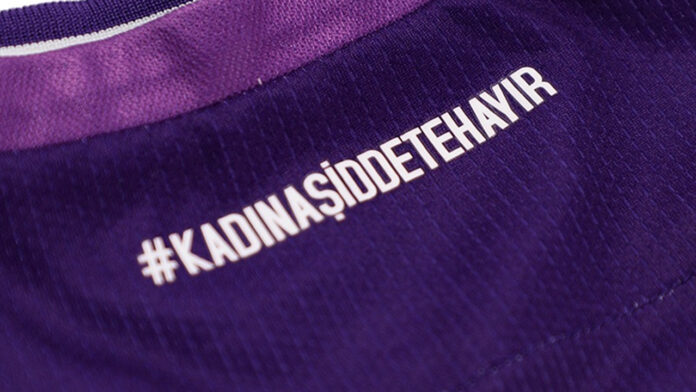

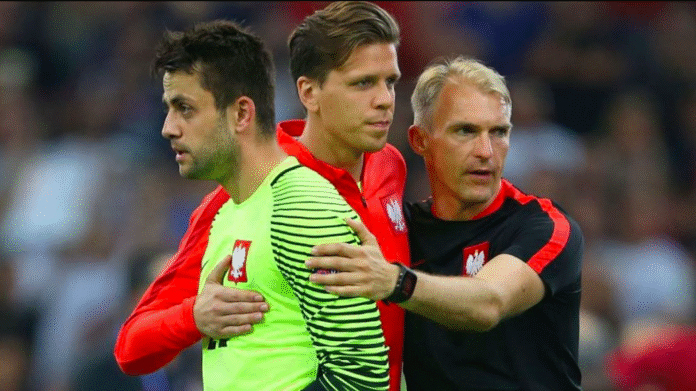
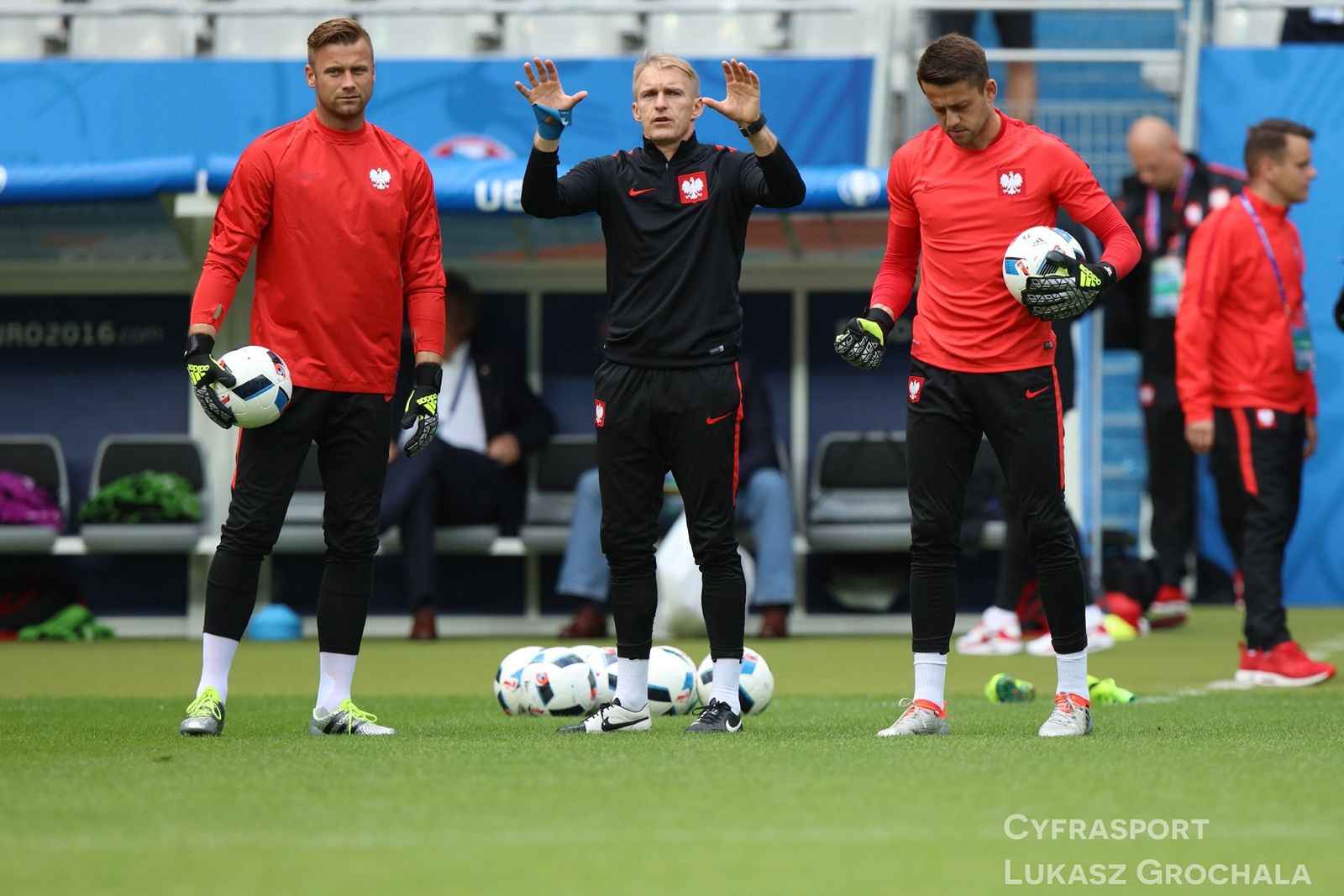
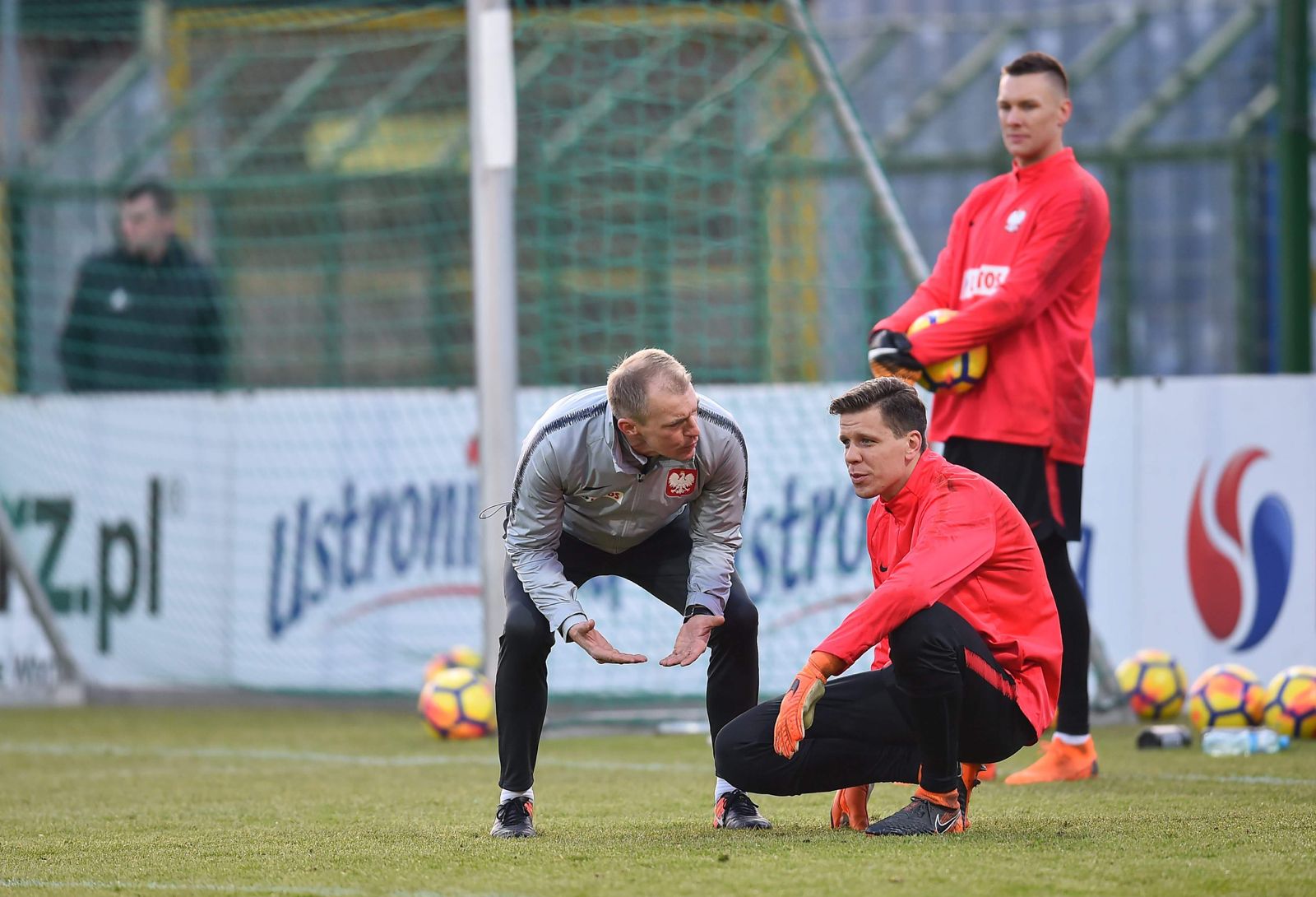
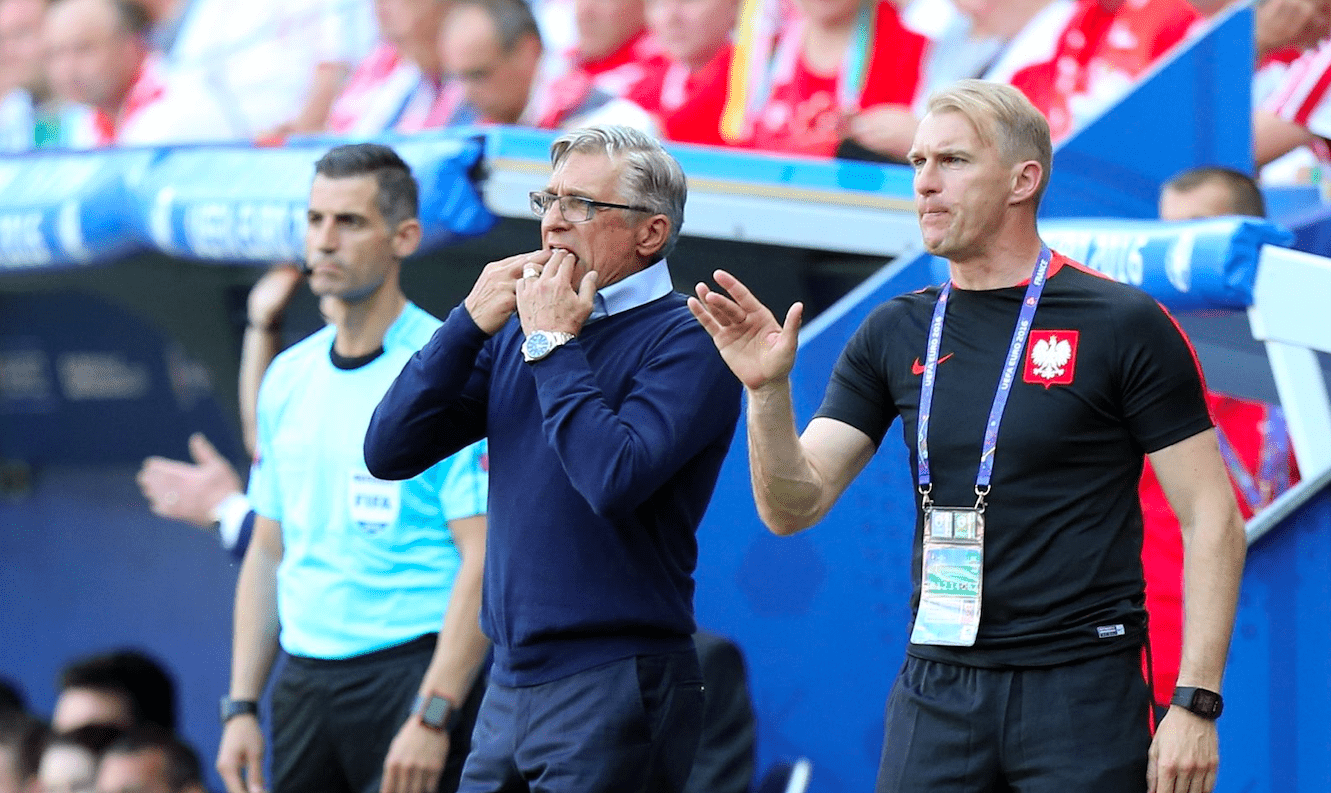
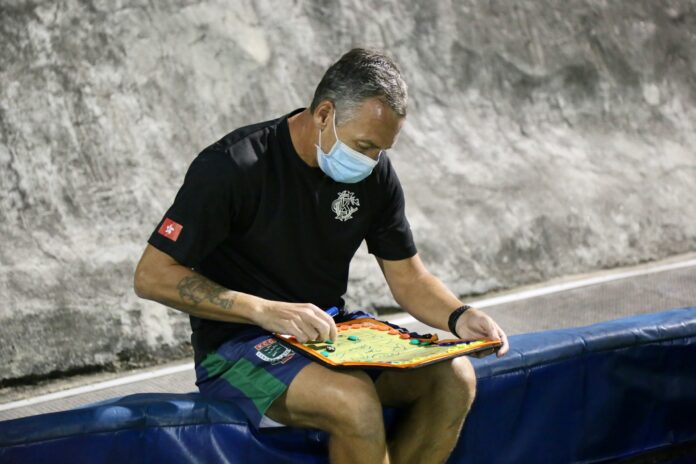
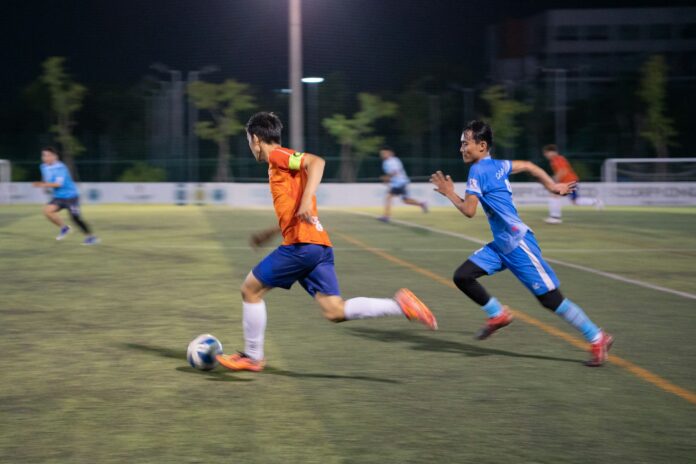


.jpg)