Home Blog Page 15

Who is Niaz Shazad?

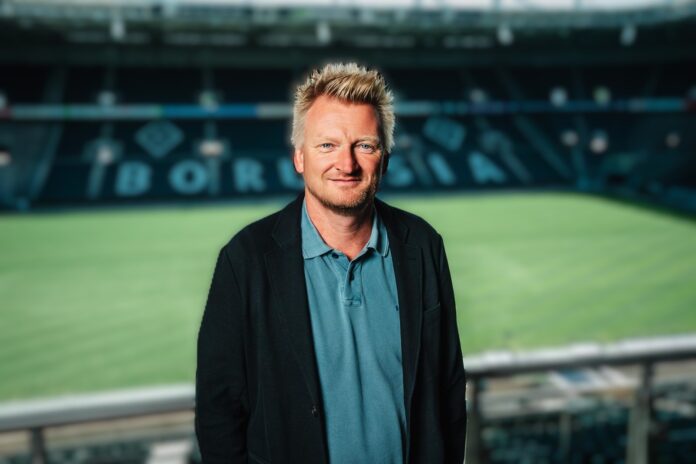
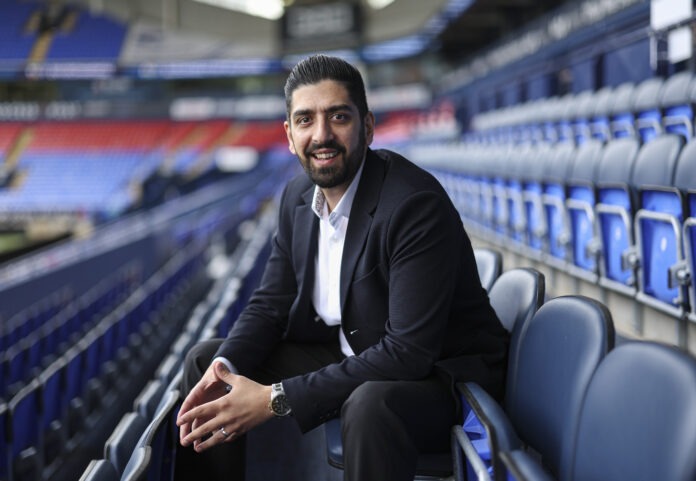
Niaz Shazad, football executive and CFO, seated in a stadium, reflecting leadership and governance in modern football.
Niaz Shazad represents a new generation of football executives combining financial expertise with strategic leadership. His work highlights the evolving role of governance and sustainability in the modern game.

Who is Niaz Shazad?

Niaz Shazad is an accomplished CFO and football executive, most recently serving as Chief Financial Officer and Interim Co-Chief Executive at Bolton Wanderers Football Club. With over a decade of leadership experience across Premier League clubs, governing bodies, and sports organisations, he brings a rare blend of financial strategy, operational leadership, and sporting insight representing a new class of executive in the boardroom: values-driven, commercially astute, and unafraid to tackle the structural challenges holding the game back.

Chartered by ACCA and holding a Diploma in Global Football Sport Directorship from the PFA, Niaz has become a trusted figure in both financial and footballing circles, including the EFL, the FA, and UEFA. He stepped into dual leadership at Bolton during a pivotal period, driving a turnaround strategy centred on sustainability, innovation, and football-first operations.

Executive leadership across elite sport

Before Bolton, Niaz held senior positions at England Rugby and most recently City Football Group, where he worked closely with Manchester City’s executive team across both men’s operations and women’s football. He played a key role in structuring player transfers, commercial strategy, stadium development, financial governance, and landmark commercial events, including UEFA Champions League nights and world-record deals in the women’s game.

His professional journey also includes key roles across multiple sectors outside of football including retail, education, and fitness and leisure with organisations such as TES Global and Virgin Active, where he honed his skills in strategic finance, business transformation, and customer-focused operations.

Fluent in the language of both finance and football, and with experience across elite sport, commercial enterprise, and community-led strategy, he is well-positioned to contribute to forward-thinking organisations at home and abroad.

Advocacy, inclusion, and community impact

Beyond his club responsibilities, Niaz is a passionate advocate for representation and opportunity in football. He is currently mentoring several emerging leaders, graduated amongst the first alumni of the FA’s Kickstart programme, serves as a guest lecturer with the PFA, and designed work experience initiatives for underprivileged and underrepresented youth at CFG.Whether in the boardroom or the community, he leads with purpose, professionalism, and a belief in football’s power to create meaningful societal impact.

Fluent in the language of both finance and football, and with experience across elite sport, commercial enterprise, and community-led strategy, he is well-positioned to contribute to forward-thinking organisations at home and abroad.

Whether in the boardroom or the community, he leads with purpose, professionalism, and a belief in football’s power to create meaningful societal impact.

Our exclusive interview with Niaz Shazad

Who is Niaz Shazad outside of football?

I’m just a guy who loves sport. A Newcastle fan, a test-cricket tragic, and recently a bit obsessed with Padel. Outside of the spreadsheets and stadiums, I’m someone who values time with family and friends. I’ve got a newborn at home, so life’s been a bit of a blur lately in the best way possible. Football is my profession, but I try to stay grounded in the things that really matter.

You’ve held leadership roles across clubs, governing bodies, and commercial entities. What has shaped your executive approach the most?

It’s been a mix of great mentors and tough lessons. I’ve been lucky to work with great people across multiple sports from the Rugby Football Union to Manchester City, and now Bolton and each environment shaped me in different ways.

I try to take the best from leaders I’ve worked with, and those whom I admire from afar. Wasim Khan, for example, has been a huge influence and supporter. His calmness and clarity of vision is a tremendous asset in any room, which I’ve looked to adapt into my own style. Martyn Hawkins is another who I spent a great four years with and learnt much from in and out of the offices.

I’ve also worked under people whose styles didn’t necessarily align with mine, but that also teaches you something. Over time, you shape your own identity as a leader. Mine is very much built on listening first, making decisions second, and understanding that good leadership is about taking people on the journey with you, not just drawing up plans.

What was the biggest challenge you faced stepping into dual leadership at Bolton Wanderers, and how did you navigate it?

Well seeing the previous Chief Executive depart merely four weeks into my tenure, and subsequently being asked to step in for the foreseeable future wasn’t something I had envisaged ahead of joining.

Taking on both CFO and Interim Co-CEO roles meant wearing multiple hats and seeing the club from every angle. Inevitably, the biggest challenge was capacity, not just in time but in emotional and mental bandwidth.

What helped was doing a full audit when I joined, lifting the lid on everything from finance to football operations. It wasn’t about fixing things immediately, but acknowledging them, applying nuance and understanding the context of the specific environment before considering or proposing any recommendations.

It was then about building trust, working with good people who cared deeply about the club and giving them the clarity and tools to thrive and deliver.

From your time at City Football Group to Bolton, how do you adapt your financial and operational strategy to clubs at different levels of the football pyramid?

It’s like comparing a start-up to a global corporation. At City Football Group, everything is specialised and scaled. You’re working with huge global resources, and your focus is often narrow but deep. At Bolton, it’s broader,  you wear more hats, but you also get to shape things more directly.

You can’t just copy and paste ideas from one club to another. Every organisation has its own assets, liabilities, culture, and community. What works at one club might fall flat at another. The key therefore is listening, learning quickly, and tailoring your approach. Some things translate like good governance, process, and accountability, but others need a fresh lens.

What do you believe is the biggest financial misconception clubs face in trying to balance competitiveness with sustainability?

Sustainability within Football is a nuanced conversation in itself, but sustainability doesn’t mean you cannot be ambitious. People often frame it as one or the other, but that’s a false assertion. You can be strategic and ambitious while still being responsible. It’s about timing, smart investments, and not chasing shortcuts. Every decision has to serve the long-term holistic health of the club, and key to that is finding the optimal balance between on and off-pitch. I’ve seen clubs throw money at player acquisitions / wages only for the player to visit a training ground and return in double quick time!

You’ve overseen everything from player trading strategies to major infrastructure projects. Which area of football operations do you think is most often undervalued by leadership teams?

The people. Honestly, it’s about investing in your staff, growing your people to grow your business. You can have the best mission/vision statements, the club’s motto plastered on walls, you can have the best strategy in the world, but without the right people in the right roles, it means little.

It’s also about recognising that leadership isn’t one-size-fits-all. You need to manage people differently based on who they are, not just what they do. That emotional intelligence (the soft skills) are just as important as technical know-how. Sir Bobby Robson used to illustrate the point expertly when he stated “some need an arm round the shoulder, other’s needed a kick up the ar*e!”.

Sometimes, tough unpopular decisions have to be taken, but it’s key there is alignment top-down, as well as support for said decisions. Football is a difficult industry with many an emotional reaction/decision, therefore calmness & clarity of vision and unity is all-important to ensure success, and that unity can only be achieved when trust is present amongst the people.

You’re a graduate of the PFA’s Global Sporting Directorship programme. How important is cross-functional knowledge (finance + sport) in today’s football leadership?

It’s essential. The days of staying in one lane are over. In my role, I’ve needed financial expertise, operational oversight, football knowledge, and leadership skills all in one. You’ve got to be able to talk to the head coach one minute, your finance team the next, and then a sponsor after that.

Being cross-functional is also about translation, helping different departments understand each other so they can row in the same direction. The language of finance is great, but if no-one understands your EBITDA’s and Amortisations, it’s of little value. I’m a big believer that leadership today is about alignment and empathy as much as it is about KPIs and budgets.

With Football operations evolving and becoming more sophisticated, it’s paramount you are able to understand the impact of a decision through multiple lenses as opposed to just your own lane.

Your involvement in The FA Kickstart and PFA mentoring initiatives highlights a commitment to inclusion. What change do you most want to see in football’s boardrooms?

I’m a big advocate of the need for greater representation. Not just for optics, but because it’s good business. The data’s there.

  • Boston Consulting Group conducted a study in 2017 examining diversity and innovation. They found that companies with more diverse management teams have 19% higher innovation revenues.

  • McKinsey conducted a comprehensive study in 2015 examining the relationship between diversity and financial performance. They found that companies in the top quartile for ethnic and racial diversity in management were 35% more likely to have financial returns above their respective national industry medians. In the UK, greater gender diversity on the senior-executive team corresponded to the highest performance uplift: for every 10% increment in gender diversity, EBIT rose by 3.5 percent.

  • Within Football itself, Tottenham Hotspur, with their signing of Son Heung-min helped propel their global appeal significantly – around 12 million South Koreans, almost a quarter of the entire population – are estimated to be Spurs fans. Their friendly match against a K-League team in summer 2024 was the most streamed sporting event in the nation’s history, with 2 million viewers tuning in. South Korea is now the club’s second largest e-commerce market, making twice as many purchases as the USA.

These are not merely inclusive practices or statistics, it’s strategy.

But beyond numbers, it’s about opening doors. I’ve had moments in my career where someone took a chance on me. I want to be that person for someone else. We have to build boardrooms that reflect the communities our clubs serve, that’s how you build trust, relevance, and resilience.

What’s one leadership lesson you’ve learned from working in high-pressure environments?

Keep your head when others are losing theirs. Football is full of noise: results, emotions, media, and especially social media. But leadership is about clarity. It’s about separating the urgent from the important and not letting pressure push you into short-term thinking.

A further key learning personally over the last 18 months has been how as a leader, every moment counts. Walking to the office, going for lunch, into a meeting, or in the boardroom – your every action is being seen, heard and judged – the room often looks to you before you even speak. Your body language speaks way before you vocalise your thoughts, thus your composure in those moments sets the emotional temperature for everyone else.

Our receptionist pulled me up for walking in with a frown one morning, and asked if I’m ok. I wasn’t even aware, given I’d put in a 17hr marathon the day prior and was on limited sleep! But evident of the prior point, how you turn up at every moment is seen, so it’s paramount you bring your best version at every turn not to reflect any negative emotion or impact onto others.

If you do that, you’ll be well on the way to earning the trust and buy-in from those around you.

Looking ahead, what are your personal or professional priorities in football over the next few years?

Personally, continuing a progressive growth-oriented trajectory, whilst making time for those important moments with family & friends – I’ve been guilty in the past, as many others have, of sacrificing birthdays and key milestones, so finding a balance is important.

Professionally, I want to continue building environments that open doors. Whether that’s at Bolton or elsewhere in football, I want to create space for others like me to rise. I’d love to work abroad at some point, maybe in the Middle East, especially with everything happening around Vision 2030 and the 2034 World Cup.

And I want to keep using football as a platform to serve. At Bolton, we’ve done things like the BL1 initiatives, collaboration with MyLahore at the recent Bradford fixture, to bringing together hundreds from underrepresented communities to celebrate the game. That’s the kind of impact that lasts longer than a scoreline.

Final one, any book recommendations?

Many.

Legacy by James Kerr: essential reading. If you’re as fascinated by the All Blacks as I am, it’s a terrific read into the culture and psychology of what it means to put on that famous jersey.

Relentless by Tim Grover: it’ll challenge your mindset. Tim was the man who mentally built the likes of Michael Jordan and Kobe Bryant.

The 5 types of wealth by Sahil Bloom: A life manual of sorts on how to generate Time, Social, Mental, Physical, and Financial wealth. Great storytelling, great takeaways, and great wisdom.
Emotional Coherence and Performance in Young Footballers

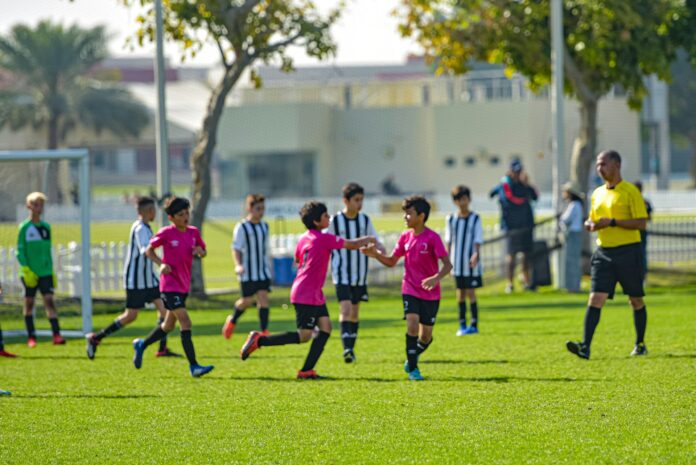
Young football players celebrating together during a grassroots match, reflecting confidence, teamwork, and emotional development on the pitch.
Moments of connection and encouragement play a vital role in building confidence and self-esteem in young footballers. Supportive environments help players grow emotionally as well as technically. Photo by Alliance Football Club on Unsplash.

As parents of aspiring professional footballers, you understand the importance of training, nutrition, and discipline. But there is another field your child plays in every day, one that is invisible yet profoundly influential: the emotional field of your home.

This article explores how your emotional coherence as parents can affect your child’s sleep, focus, and performance on the pitch. It also introduces a simple ritual to help stabilise your child’s nervous system and enhance their resilience, both on and off the field.

The Invisible Field: Emotional Resonance

In football, players are trained to read the field: spacing, timing, and energy. But your child is also reading another field, the emotional tone of your home. Children, especially those under high performance pressure, are highly sensitive. They pick up and respond to the emotional frequencies around them.

When you and your partner are aligned, your child feels safe and grounded. When there is tension or misalignment, your child’s nervous system senses it, even if nothing is said.This is not about blame. It is about field awareness.


This is not about blame. It is about field awareness.

Personal Story: The 4:30 AM Wake-Up Call

Let me share a personal story.

One night, my one year old son Casper woke up at 4:30 AM and could not resettle. There was no noise, no nightmare, just restlessness. The night before, my partner Amy and I had not exchanged our usual hug and “I love you” before bed. There was no argument and no overt tension, simply unexpressed affection.

That small omission was enough to subtly disrupt the emotional field. Casper, being sensitive to our emotional tone, felt the gap. His nervous system responded not to conflict, but to the absence of coherence.

This experience taught me that even subtle shifts in emotional expression can affect a child’s sleep and stability, even at just one year old.

Scientific Backing: Emotional Coherence and Child Development

Research increasingly shows that emotional coherence, the alignment of emotional, cognitive, and physiological states, plays a crucial role in child development and nervous system regulation.

Neurogenesis and emotional environment

Studies in neurogenesis suggest that new neural connections are supported by enriching emotional environments and novel experiences. A coherent emotional field supports brain plasticity and learning.

Coherence and stress response

Chronic stress disrupts neural coherence, often leading to fragmented thinking and emotional reactivity. In contrast, emotional coherence is associated with more stable brainwave patterns and improved cognitive function.

Heart brain coherence

Research from the HeartMath Institute highlights the role of heart rhythm coherence in emotional regulation. Greater coherence between heart and brain is associated with improved emotional stability, focus, and resilience.

Your child’s performance is not only physical. It is relational and regulatory.

Together, these findings underline an important truth: your child’s performance is not only physical. It is relational and regulatory. Their nervous system continually entrains to the emotional field you create at home.

The Bedtime Field Closure Ritual

To help stabilise your child’s emotional field, consider this simple bedtime ritual:

  • Breath alignment
    Before bed, sit with your child and breathe together for three minutes. Gently match their rhythm.
  • Emotional check in
    Ask, “What is one thing you felt today that you did not get to talk about?”
  • Field closure phrase
    Say together, “The day is complete. We are safe. We are aligned.”
  • Silence
    Hold thirty seconds of silence and allow the nervous system to settle.

This ritual signals to your child’s nervous system that the emotional field is coherent and complete. It functions like a cooldown, not just for the body, but for the emotions as well.

Why This Matters for Performance

Emotional coherence supports deeper, more restorative sleep, which improves recovery and focus.

A stable emotional field reduces anxiety and overthinking during training and matches.

Most importantly, your child learns self regulation by observing and feeling your coherence.

Your child’s performance is not only physical. It is harmonic.

Reflection for Parents

Before bed, ask yourself:

  • What emotional tone am I bringing into the field tonight?
  • Am I aligned with my partner, or is there something unresolved?
  • How can I model coherence, not just discipline?

Closing Thought

Your child plays on two fields: the pitch and the emotional field of your home. Becoming aware of both is one of the most powerful ways to support their resilience, wellbeing, and long term success.

Who is Catarina Martins?

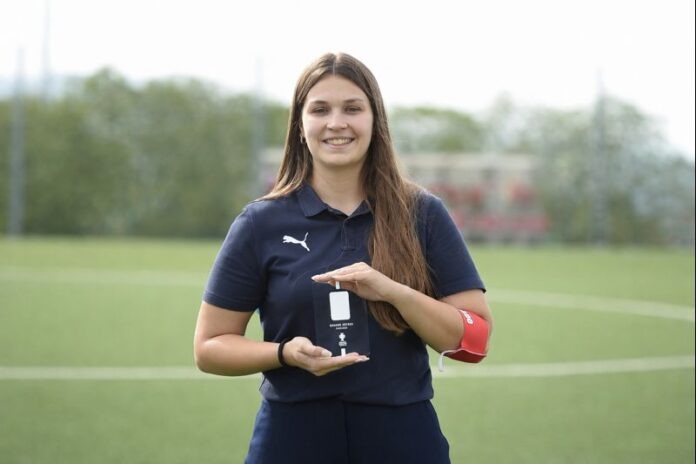
Catarina Martins holding a recognition award on a football pitch, reflecting her role in women’s football operations and development.
Catarina Martins represents the growing impact of dedicated professionals working behind the scenes to support development, safeguarding, and leadership in women’s football.

Working behind the scenes in football operations

Catarina Martins works in the spaces most people never see. Planning sessions. Travel logistics. Safeguarding protocols. Daily routines that rarely make headlines, but determine whether a team functions or not.

Catarina Martins works in the spaces most people never see.

As Team Manager of SC Braga’s U19 Women, she operates at the core of the club’s performance environment. Her background combines hands on football operations, academic research in football business, safeguarding expertise, and international exposure through UEFA events.

Beyond her operational role, she contributed to the wider women’s football discourse by translating The Women’s Game: More Than Just a Game into Portuguese.

Her work reflects a belief that development is not driven by talent alone, but by structure, responsibility and consistency.

Development is not driven by talent alone, but by structure, responsibility and consistency.

Our exclusive interview with Catarina Martins

You are currently Team Manager of SC Braga’s U19 Women. What does your day to day work look like, and how do you ensure that players and staff have everything they need to perform at their best?

My day to day is centred around planning and coordination, making sure every detail of the team’s routine is aligned. I manage training schedules, additional gym sessions, treatment and rehab appointments for injured players, and transportation to and from training.

I work closely with the medical department, performance staff, physios, kit staff and the technical team to ensure everyone is informed and operations run smoothly.

Player support is a central part of my role. I do regular check ins, both on the pitch and individually, so I can anticipate needs, address issues early and ensure recovery and nutrition plans are being followed.

I am the main point of contact for the squad, whether the issue is logistical, practical or personal.

Matchdays add another layer. I manage travel and accommodation for away games, coordinate equipment and materials, and ensure home match logistics are fully prepared. I also handle communication and planning around national team call ups.

Ultimately, my role is about clear communication, proactive organisation and being someone players and staff can rely on so they can focus fully on performance.

Your experience ranges from Team Liaison Officer at O Sports to operational roles across several Braga squads and volunteering at UEFA events. How have these environments shaped your understanding of elite football operations?

Working across different contexts taught me flexibility and the importance of systems. At O Sports I learned high volume event coordination and stakeholder management.

Within Braga, I experienced how tight daily routines and attention to detail directly affect performance. At UEFA events, I observed best practices at an international level.

Bringing these perspectives together helped me understand how to combine rigorous processes with a people centred approach that works across youth and elite environments.

You have worked with both senior teams and youth squads at SC Braga. How do you adapt your leadership and communication to different age groups and levels of maturity?

With youth players, my approach is educative and supportive. I focus on clear guidance, structure and encouragement that gradually builds independence.

I place strong emphasis on instilling the club’s values while maintaining enjoyment, fun and a positive learning environment.

With senior players, communication becomes more collaborative. I respect their routines and experience while ensuring the operational framework supports their needs.

Across all age groups, I prioritise respect, honesty and timely communication, adapting my tone and level of detail to what each group requires.

You hold a Professional Master in Football Business and a Master in International Business, with a thesis focused on player transfers in Portuguese women’s football. How does this academic foundation influence your work as a team manager?

My academic background shapes how I think, plan and evaluate decisions in football. Studying football business and international business trained me to work with structure, evidence and long term planning rather than relying solely on intuition or short term solutions.

As a team manager, this allows me to design processes that are efficient, scalable and aligned with broader club objectives.

I analyse systems, identify inefficiencies and propose solutions that improve both performance and sustainability.

It enables me to operate comfortably between the sporting and organisational sides of the club, ensuring daily operations align with long term vision.

Safeguarding is becoming increasingly important in global football, and you hold multiple UEFA certifications in this area. How do you apply safeguarding principles in daily team operations and player support?

Safeguarding is non negotiable for me and is embedded into daily operations rather than treated as a separate process.

It starts with clear codes of conduct, accessible reporting channels and regular staff training so everyone understands their responsibilities.

Players know who to speak to and trust that confidentiality, respect and protection are guaranteed.

Operationally, this includes proactive risk assessments for travel, secure transport and accommodation, and close collaboration with medical, performance and technical staff to identify concerns early.

Safeguarding creates an environment where players feel safe and supported, which is essential for wellbeing and performance.

Before fully entering football, you worked in business development in the metal exports industry. Which corporate skills have proven most valuable in your football career?

Business development gave me a strong foundation in negotiation, partnership building and stakeholder management, all of which translate directly into football operations.

Managing complex timelines and logistical constraints mirrors the pressure of export operations, where solutions must be found quickly and collaboratively.

That experience strengthened my ability to stay calm under pressure, adapt to changing circumstances and make informed decisions.

Above all, it taught me resilience and attention to detail, qualities that are essential in football’s fast paced and unpredictable environment.

You recently translated The Women’s Game: More Than Just a Game. What motivated you to take on this project, and what did you learn from the process?

What motivated me was the lack of accessible, high quality content on women’s football for Portuguese speaking audiences.

I saw the translation as a way to contribute beyond my operational role by bringing international perspectives and debate into a national context where resources are still limited.

Working line by line with contributors from different countries highlighted how varied the realities of women’s football are in terms of funding, governance, culture and development stages.

It reinforced how important language and context are in shaping how the game is understood and discussed.

Is there a particular theme from the book that resonated strongly with your experience in Portuguese football?

The theme that resonated most with me was that structure determines opportunity, not just talent.

In Portugal, I have seen capable players and coaches constrained by inconsistent pathways, fragmented youth structures and limited resources.

Without coherent systems, even strong individual potential struggles to translate into long term development.

Alignment between youth and senior football, sporting vision and operational decision making, and short term performance and long term planning is essential for sustainable progress.

As someone committed to the development of women’s football, what should Portugal prioritise over the next years to elevate the game nationally?

Portugal must prioritise building a sustainable ecosystem for women’s football, with the right people, skills and qualifications in the right positions.

This includes investing in structured youth academies for girls, professionalising club operations and ensuring players have stable contracts and clear career pathways.

Clubs and institutions also need targeted commercial strategies to attract sponsors and media visibility, alongside leadership development programmes that increase female representation in coaching, management and executive roles.

Meritocracy, supported by strong safeguarding and player welfare education, must be central.

Looking ahead, what are your long term aspirations in football, and how do you see your role evolving?

I want to continue growing within football operations and gradually move into more strategic roles, such as Head of Team Operations, Director of Women’s Football, or positions focused on academy structures and long term development models.

I am particularly interested in roles at the intersection of player care, club management and governance, whether at club, federation or association level.

My goal is to help build environments where talent can genuinely thrive and where women’s football is treated with long term investment, planning and respect.

Building Confidence and Self-Esteem in Young Football Players

Coach speaking calmly to a young goalkeeper, supporting confidence and self-esteem during youth football training.
Supportive communication between coaches and young players plays a vital role in building confidence, self-belief, and long-term development in football. Photo by Марина Шишкина.

Confidence and self-esteem are crucial to young football players’ success, both on and off the field. As a parent, one of the most effective ways to foster these qualities is by providing consistent, open communication that reassures them they are valued beyond their performance. Football can be demanding, and children often face intense pressure to meet expectations from coaches, teammates, and even themselves.

An Important Tool

Effective communication can be a relief during those anxious moments. Asking them how they feel after a game, listening to their concerns or frustrations without judgment, and offering genuine words of encouragement can help them build confidence. With your support and empathetic communication, you can help ease this pressure and build their self-worth.

Create a Safe Space

The first step is to create a safe space where your child feels free to share their thoughts and feelings, no matter the topic. After a game or practice, ask questions that go beyond “How did you play?” Instead, encourage reflection with questions like, “How did you feel out there?” or “What did you enjoy most today?” By allowing them to express both victories and frustrations without fear of criticism, you are signaling that their value is not tied to winning or losing but to their unique journey and effort.

Importance of Feedback

Your feedback is a powerful tool. It’s easy to focus on goals scored or achievements on the scoreboard, but placing equal or greater emphasis on their effort, commitment, and sportsmanship reinforces a growth mindset. Celebrating moments of teamwork, determination, or resilience—even in a loss—sends a message that they are growing in ways that extend beyond the field. When children feel recognized for their hard work and persistence, they develop a stronger, more resilient sense of self-esteem that will serve them in all areas of life.

Setting Smart Objectives

Encouraging your young athlete to set personal goals can further build their confidence. By shifting focus from comparisons with peers to individual progress, they learn that personal growth is a worthwhile achievement in itself. These goals can be as simple as practicing a new skill or focusing on a positive attitude during games. Over time, this approach fosters self-encouragement, where they become their own biggest supporter.

Above all, remember that the most impactful message you can give them is that you are proud of who they are, regardless of the outcome of a game. With your unwavering support, they will grow up knowing that their self-worth isn’t defined by wins or losses but by the courage and dedication they bring to every experience.

What is ScoutDecision?

ScoutDecision logo representing a football decision support platform for scouting, recruitment, and performance management.
ScoutDecision is designed to support smarter football decisions by centralising scouting, recruitment, performance, and collaboration tools in one platform.

ScoutDecision is a football decision-support and collaboration platform that helps clubs, federations, agencies, scouts, and coaches work in a more structured, efficient, and informed way. It centralizes data, workflows, and communication across the football ecosystem, supporting better sporting and operational decisions.

Origins

ScoutDecision was born in 2020 during a Master’s degree in Engineering at the Technical University of Lisbon, within a Decision Support Models course. The founding team applied analytical models to a real football case, working with an active sporting director to support a recruitment decision using objective data. Following the project’s success, the same team officially founded ScoutDecision in 2022.

What ScoutDecision Does

ScoutDecision’s services are built around three core pillars:

Scouting & Recruitment

Centralized player databases, scouting reports, shortlists, shadow teams, and recruitment tracking throughout transfer windows.

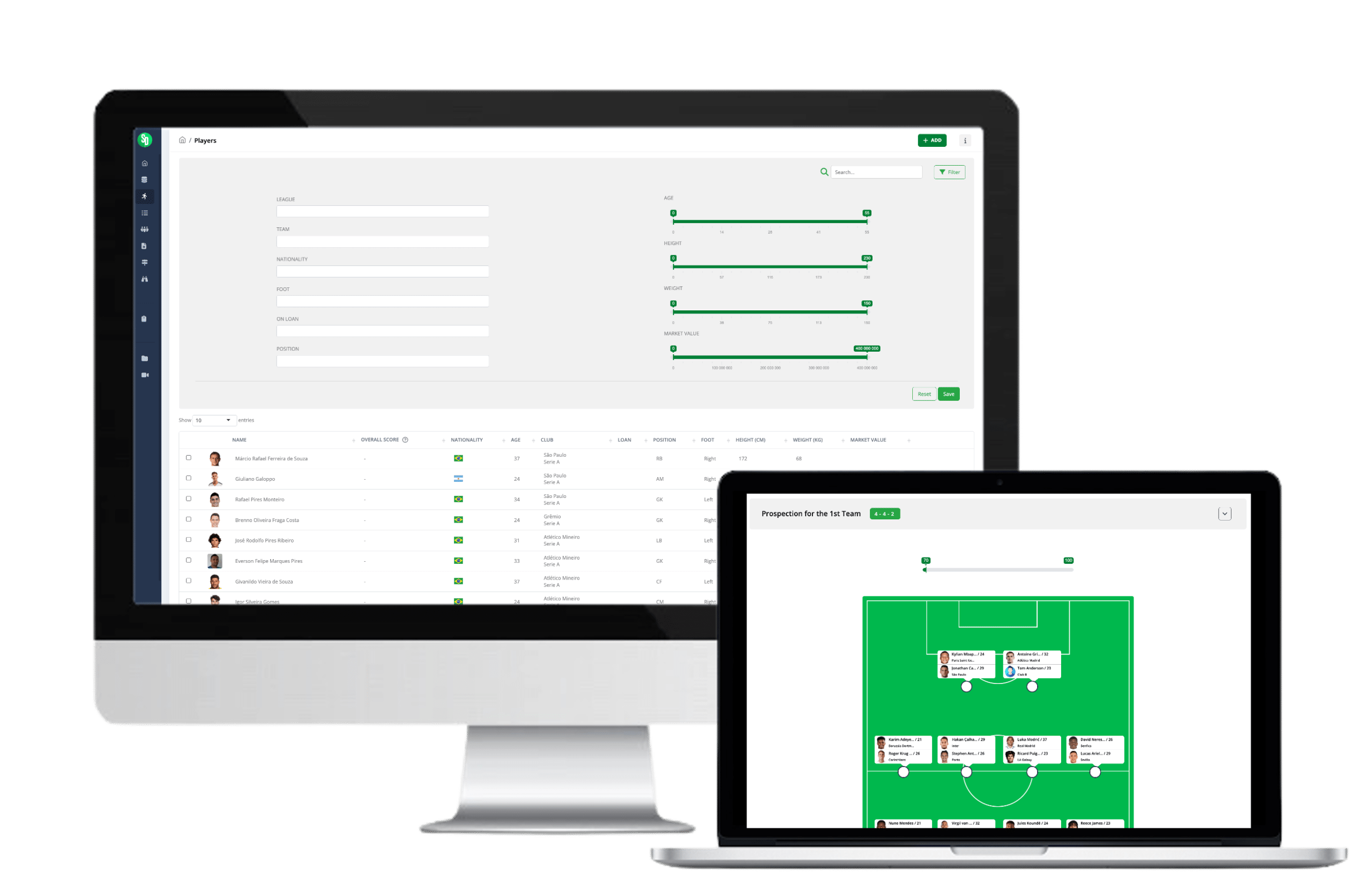
ScoutDecision player database with filters for age, position, value, and recruitment criteria.
ScoutDecision centralises player data and scouting reports, allowing teams to filter and evaluate talent efficiently.

Training, Performance & Health

Planning sessions and matches, collecting wellness and RPE data, coordinating medical and performance departments, and integrating GPS data for load and injury prevention.

ScoutDecision dashboard showing player wellness, RPE data, and training load monitoring for football teams.
ScoutDecision enables clubs to monitor player wellness, training load, and performance data in one structured environment.

Transfers & Agency CRM

Player and market management for agencies, a built-in marketplace for clubs and agencies, live requests, and virtual matchmaking events during transfer windows.

What Makes It Different

ScoutDecision stands out for its flexibility and customization. Users can tailor reports, player profiles, evaluation criteria, and workflows to match their football philosophy. The platform integrates with existing systems, supports data migration, and adapts to each organization’s processes rather than forcing standardization.

The platform integrates with existing systems, supports data migration, and adapts to each organization’s processes rather than forcing standardization.

Global Reach & Partnerships

ScoutDecision works with football federations, clubs, and agencies worldwide, with strong presence in Europe and South America, and partners across Africa, Asia, and North America. Collaborations include national federations, professional clubs, and leading football agencies.

Vision

ScoutDecision’s long-term goal is to become a fully integrated football operations platform, connecting departments, professionals, and data in one ecosystem. With upcoming AI-driven tools, enhanced CRM capabilities, and an expanding events network, ScoutDecision aims to support faster, smarter, and more collaborative football decisions.

ScoutDecision’s long-term goal is to become a fully integrated football operations platform, connecting departments, professionals, and data in one ecosystem.

Our exclusive interview with ScoutDecision

How was ScoutDecision created? (Who, What, When, Where, Why)

ScoutDecision was officially founded in 2022, but its origins date back to 2020, during the founders’ Master’s degree in Engineering at the Technical University of Lisbon.

The idea emerged in a course called Decision Support Models, where students were challenged to apply analytical and mathematical models to real-world decision-making problems. Instead of choosing a theoretical case, the team decided to apply the model to professional football.

They worked directly with a highly respected and still active sporting director, who acted as a real decision-maker throughout the project. His role was essential in shaping the model, as he constantly challenged the team to adapt the academic framework to the realities of professional football.

The project focused on a concrete sporting decision: identifying and selecting the best central defender for the sporting director’s team, based on his own decision criteria combined with objective performance data.

The results exceeded expectations. Both the sporting director and the professor recognized the strong practical value of the approach. At that point, the team realized the concept could go far beyond an academic exercise.

Motivated by this validation, the same engineering team continued developing the idea and eventually transformed it into a professional product. This led to the official creation of ScoutDecision in 2022, turning an academic concept into a professional scouting and decision-support platform for the football industry.

What services does ScoutDecision offer?

ScoutDecision works with a wide range of football stakeholders, including clubs, federations, agencies, scouts, and coaches. Its services are structured around three main pillars, covering the full football decision-making and operational ecosystem.

Scouting and Recruitment

This pillar allows clubs, agencies, and scouts to centralize and organize their entire scouting workflow in one place. Users can manage player databases, scouting reports, shadow teams, shortlists, and recruitment processes across transfer windows.

The objective is to bring structure, clarity, and efficiency to recruitment preparation and decision-making.

Training, Performance, and Health & Wellness

ScoutDecision supports coaching and performance staffs in planning and managing training sessions and matches. It enables the collection of player feedback through RPE and wellness questionnaires and facilitates coordination across medical and performance departments, including physiotherapy, nutrition, fitness testing, and strength & conditioning.

The platform also integrates with GPS systems, allowing clubs to centralize data related to player load, well-being, and performance, helping with monitoring and injury prevention.

Transfer Windows and Agency Relationship Management

For agencies, ScoutDecision functions as a CRM, enabling the organization of player information, documents, videos, and market requests, including those coming from daily communication channels like WhatsApp.

This pillar also includes a built-in marketplace, active for over a year, where clubs and agencies can share live requests, showcase players, access a community of verified users, and connect with scouts for freelance opportunities.

In addition, ScoutDecision organizes virtual matchmaking events during each transfer window, facilitating private meetings and direct conversations between clubs, agencies, and scouts.

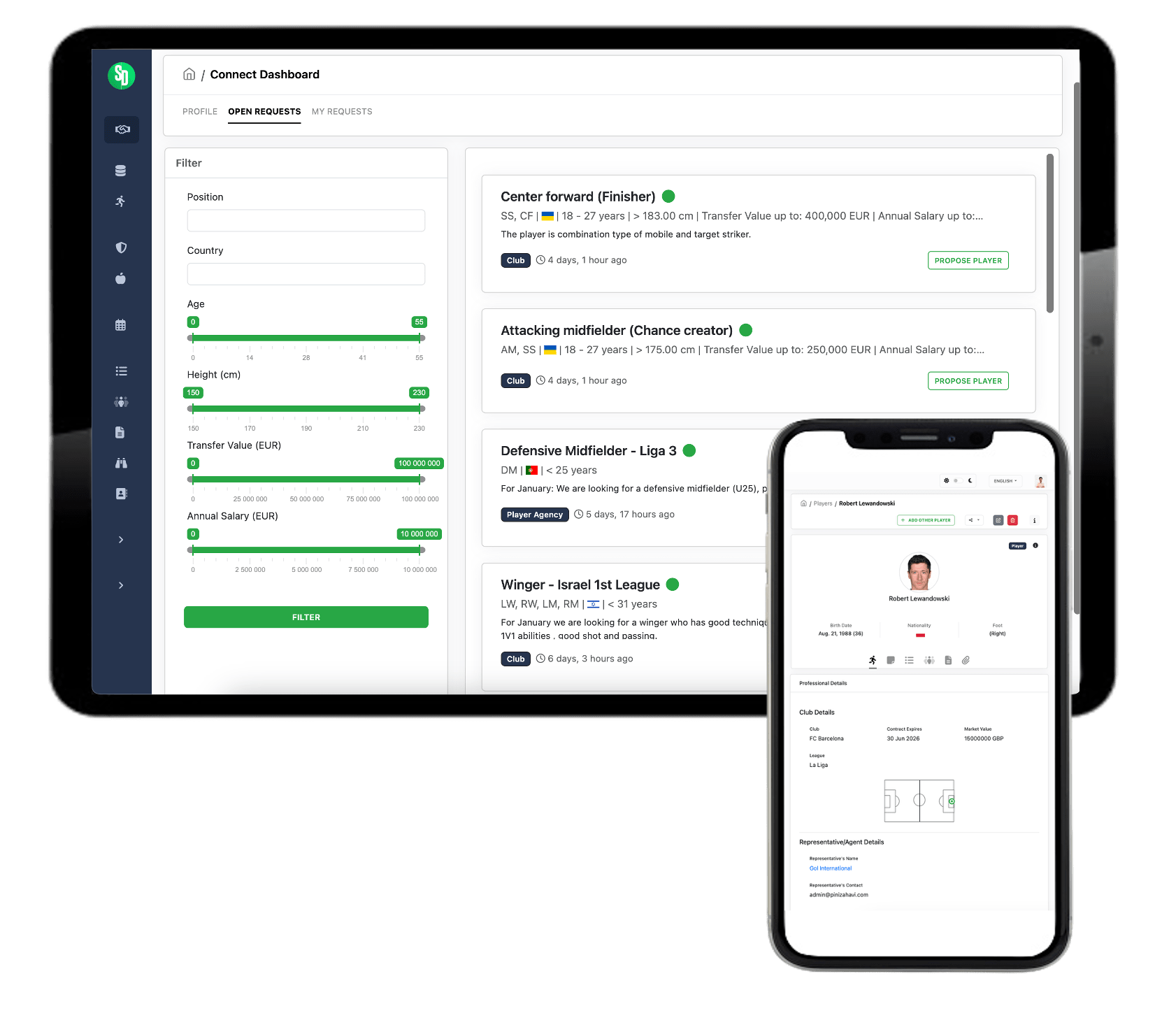
ScoutDecision connect dashboard displaying live player requests and matchmaking between clubs and agencies.
The ScoutDecision marketplace connects clubs, agencies, and scouts through live requests and structured transfer workflows.

What differentiates ScoutDecision from other CRM and scouting software?

ScoutDecision stands out due to its flexibility, breadth of use cases, and strong partner-oriented approach.

The platform is designed to serve a wide range of football professionals, clubs, federations, agencies, scouts, and coaches, within a single ecosystem. It is highly customizable at the user level, allowing teams to tailor report templates, player profile fields, evaluation criteria, and data visualizations according to their own football philosophy and decision-making processes.

Another key differentiator is the close relationship with partners. ScoutDecision provides hands-on onboarding and ongoing support, including individual customizations, ensuring that the platform adapts to each organization’s workflow rather than forcing users to adapt to the software.

Finally, ScoutDecision acts as an aggregator for football organizations. It integrates with existing systems, supports data migration from Excel or other football tools, and centralizes information into one structured workspace, enabling more connected, efficient, and informed decision-making.

What partnerships or collaborations does ScoutDecision currently have?

ScoutDecision has built a strong and diverse network of collaborations worldwide.

At an institutional level, it works with several football federations, including India Football Federation, Nigerian Football Federation, and Bosnia and Herzegovina Football Federation.

At club level, ScoutDecision collaborates with teams across multiple continents, including Argentinos Juniors (Argentina), Estrela da Amadora (Portugal), Grêmio Novorizontino (Brazil), Audax Italiano (Chile), Equidad (Colombia), Ararat Armenia (Armenia), and Kolos Kovalivka (Ukraine).

The platform’s strongest markets are currently Europe and South America, but it also supports clients in the United States, Japan, and across Africa, reflecting its global reach.

Additionally, ScoutDecision works closely with football agencies such as ProEleven, Player Solution, and Sportsbloom, providing tools tailored to recruitment, player management, and transfer processes. These partnerships play a key role in refining the platform based on real-world football operations.

What’s coming next for ScoutDecision?

Looking ahead, ScoutDecision aims to further evolve into a complete decision-making and collaboration platform for football.

A major focus is the integration of AI, developed in a targeted and practical way. Rather than generic AI features, the goal is to create tools deeply connected to users’ workflows, helping them save time, extract insights from their own data, and make faster, better-informed decisions.

ScoutDecision is also investing heavily in strengthening its CRM capabilities, particularly around transfer windows, helping clubs and agencies bring structure and clarity to what is often a chaotic period.

In parallel, the company plans to expand its events ecosystem, scaling virtual matchmaking events and, in the future, introducing in-person events to further connect clubs, agencies, and scouts.

What are ScoutDecision’s long-term goals?

ScoutDecision’s long-term vision is to build an integrated platform that connects multiple departments within a club or agency, while also supporting freelance scouts and smaller technical teams.

The objective is to centralize data, workflows, and collaboration across the entire football organization, creating a unified environment that supports smarter decisions, stronger cooperation, and more efficient operations at every level of the game.

Who is Bastian Huber?

Bastian Huber, football executive and former technical director, pictured in a professional stadium environment.
Bastian Huber represents a modern football leader, combining scouting expertise, development philosophy, and strategic leadership at the highest level of the game.

Bastian Huber has established himself as one of German football’s versatile and forward-looking professionals. His career spans teaching, coaching, scouting, and club leadership, with each stage adding to a profile built on development and structure.

Career and leadership background

At TSG Hoffenheim, Huber spent six years shaping the club’s sporting direction. From 2019 to 2023 he worked as Head of Scouting, managing national and international talent identification. His work contributed directly to the club’s player pipeline, which has long been regarded as one of the strongest in Germany.

Promoted to Technical Director in 2023, he coordinated scouting, coaching, and performance analysis, ensuring a unified football philosophy across the academy and professional teams. The club’s youth program thrived during this period, winning both the U19 German Championship and the U19 Cup in 2024, while the senior side competed in the UEFA Europa League.

With a blend of academic background, coaching expertise, and executive experience, Bastian Huber represents the modern model of a football leader.

Academic and teaching experience

Before Hoffenheim, Huber spent a decade teaching sports, economics, and law at Bavarian schools. This experience gave him strong communication and leadership skills that later translated into managing football departments at a high level.

Playing and coaching pathway

His football background is equally rich. As a player, Huber competed in the Bayernliga with 1. FC Passau and won major honors at the university level, including three World Interuniversity Games titles and two German University Championships.

He later moved into coaching, working with the University of Erlangen-Nürnberg team, the German University National Team, and the academy of SpVgg Greuther Fürth. He also served as Deputy Regional Chairman of the German Soccer Coaches Association (BDFL).

Qualifications and professional development

Huber holds DFB A, B, and C licenses, along with certifications in tennis, skiing, and snowboarding. He is currently pursuing a Master’s degree in Sports Management at the University of St. Gallen, further underlining his commitment to professional development.

With a blend of academic background, coaching expertise, and executive experience, Bastian Huber represents the modern model of a football leader. His work continues to reflect a clear philosophy: success in football comes from long-term structures, talent development, and strong leadership.

His work continues to reflect a clear philosophy: success in football comes from long-term structures, talent development, and strong leadership.

Our exclusive interview with Bastian Huber

You transitioned from teaching in Bavarian schools to leading scouting and technical development at Hoffenheim. How did your background in education influence your work in professional football?

My time as a teacher laid the foundation for my work in professional football. It gave me a deep understanding of young people, their parents and the processes behind human development. Pedagogical and psychological aspects are just as important as the ability to design structures and organizations that enable peak performance. At the same time, my studies in economics, law and sports provide the analytical and professional basis to apply these experiences successfully in a professional football environment.

During your time as Technical Director, Hoffenheim’s U19s won both the league and the cup in 2024. What made that youth team special, and what role did the club’s structure play in their success?

What made this team special was the exceptional combination of individual quality, team spirit, and a clear shared philosophy. Many of the players had been developed within the club for years and were deeply familiar with our playing principles and values. This continuity, combined with close collaboration between scouting, coaching, and performance analysis, created an environment in which development was consistently fostered.

At the same time, we employed and actively developed key staff members whose expertise and passion made the decisive difference, though this also required a high level of leadership and coordination. The club’s clear structure and open communication were crucial in ensuring that this success was both achievable and sustainable.

Scouting is often about predicting potential. What qualities do you look for in young players beyond technical ability?

Beyond technical ability, I pay particular attention to personality, curiosity, and the ability to learn. A young player should be willing to take responsibility, handle setbacks, and work continuously on self-improvement.

Key factors also include attitude, teamwork, and the willingness to align with a collective concept. An important part of the scouting process is personal conversations with the player, his family, and his closest environment, these often provide valuable insights into character, motivation, and support structures.

Ultimately, it’s not just about how good a player is today, but about the development potential and inner drive he brings for the future.

You’ve worked as a coach, scout, and executive. Which role has shaped your football philosophy the most?

Each role has shaped my football philosophy in different ways, but working as a coach has had the greatest impact. Direct contact with players teaches you how individual development, motivation, and team dynamics interact to enable performance.

At the same time, my experience as a scout showed me which long-term factors truly determine talent, while the leadership role highlighted the importance of structures, organization, and communication. Together, these experiences have reinforced my belief that success can only be achieved when development, structure, and clear values are consistently integrated.

Many in Germany see Hoffenheim as a model for innovation and player development. What do you think other clubs can learn from your experience there?

Other clubs can especially learn the importance of a holistic approach for long-term success. At Hoffenheim, it has become clear that close collaboration between scouting, coaching, performance analysis, and management is crucial to optimally develop players.

As a leader, I supported promoting the pathway from the academy to the first team and systematically strengthening internal scouting. Clear structures, open communication, and the targeted development of key staff create an environment in which talents can fully realize their potential.

Moreover, patience and continuity are essential. Sustainable success does not happen overnight, but through consistent work on processes, values, and development pathways.

You are now pursuing a Master’s degree in Sports Management at the University of St. Gallen. How do you see your next step in football leadership evolving?

After completing my Master’s degree in Sports Management at the University of St. Gallen, I aim to further expand my experience in leadership roles within professional football.

My goal is to design structures and processes that consistently link player development, team performance, and long-term success. I plan to combine my knowledge from coaching, scouting, and management to strategically support clubs and enable sustainable sporting achievements.

In the long term, I aspire to positions where I can significantly shape both the operational responsibilities and the strategic direction of a club.

The MLS NEXT Fest Dilemma Explained

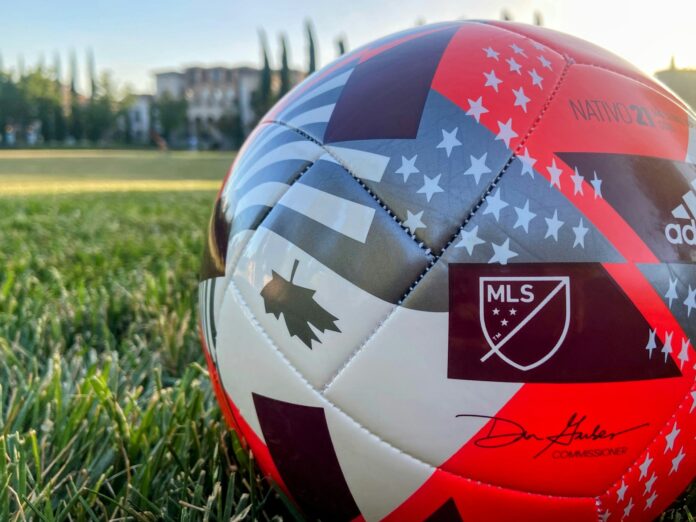
MLS match ball on a training pitch, symbolising youth development pathways and access within the US football system.
Photo by Tareq Ismail on Unsplash

Once upon a time football belonged to the streets. It was the game of the poor, the sanctuary of the invisible, the voice of the forgotten. The rich watched it; the poor lived it. Dreams were free, the ball was freedom, and talent could grow anywhere a kid dared to believe.

But today the game has changed. Not on the field, off it. Football has slowly shifted into something unrecognizable:

A sport once played by the poor and watched by the rich has become a sport played by the rich and watched by the poor.

A sport once played by the poor and watched by the rich has become a sport played by the rich and watched by the poor. And that transformation is killing the very thing football once protected: possibility.

The reality behind the festival

MLS NEXT Fest is marketed as the ultimate showcase, the week where dreams meet opportunity. Every MLS scout in one place. Every top team on display. Every aspiring player under the brightest national spotlight.

But beneath the noise, there is a dilemma: Does the event create opportunity, or does it only create the illusion of opportunity?

Money talks. Talent gets lost.

In the United States, youth football is no longer shaped by talent alone. It is shaped by economics:

  • Showcases
  • Travel fees
  • Academy memberships
  • Private training
  • Exposure events
  • Tournament circuits

The more a family can afford, the more “opportunities” a player receives. And in this structure, talent often becomes secondary. Thousands of gifted players disappear before anyone truly evaluates their ceiling.

Not because they lack ability, but because they lack access.

The visibility trap

MLS NEXT Fest has the highest scouting density in America. But access to the stage is not the same as access to development.

Many clubs expand into B, C, D teams not for development, but for revenue. Kids float through the system without consistent guidance, without a real plan, and without meaningful minutes. A club logo replaces actual growth.

Football rewards the ones who play, not the ones who pay.

A talented player who sits on the bench in a big platform may regress more than a player who plays 80 minutes every weekend in a smaller environment. Football rewards the ones who play, not the ones who pay.

The illusion of the pathway

Every parent hears the same promise: “Join us and your child will be seen.” But being seen is not development. Exposure is not progression. A festival is not a pathway.

The real pathway lives in:

  • quality training
  • consistent minutes
  • physical and mental development
  • long-term coaching
  • patience with late bloomers

Yet these are the very things the pay-to-play economy has weakened.

The game that forgot its children

Football was once the ladder out of poverty. Today it has become the ladder into expense. In the old game, hunger beat privilege. In the new game, privilege shapes opportunity. When money becomes the first filter, talent becomes the first casualty.

The responsibility of coaches

if we lose those kids, we don’t just lose players, we lose the game.

We cannot undo the economics overnight. But we can fight for the kids the system overlooks. We can build environments where development comes before branding. Where minutes matter more than marketing. Where a child’s dream is not measured by their family’s bank account.

Our responsibility is simple: Protect the ones who would be forgotten. Develop the ones who would be discarded. Believe in the ones who were never supposed to survive the system. Because if we lose those kids, we don’t just lose players, we lose the game.

Why Many Brands Avoid Working with Footballers

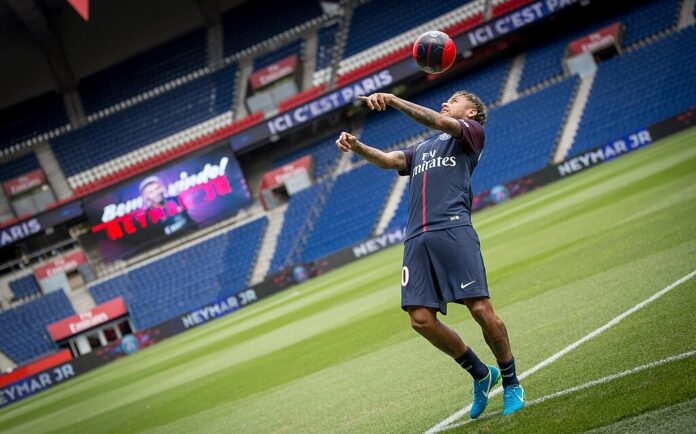
Footballer under media attention during a club presentation, highlighting visibility and reputational risk in brand partnerships.
At the elite level, footballers operate under constant public scrutiny. For brands, visibility brings reach, but also reputational risk that must be carefully managed. Antoine Dellenbach from Paris, France, CC BY-SA 2.0, via Wikimedia Commons.

Footballers dominate headlines, command millions of followers, and drive huge audiences to screens. Yet many major brands still hesitate to partner with them. It seems counterintuitive: athletes are cultural icons, football is the world’s biggest sport, and marketing is driven by reach and relevance. So why do so many companies actively and deliberately avoid footballers when building their campaigns?

This article explores the key reasons brands hold back, and outlines how players can proactively position themselves as valuable, authentic partners that brands want to work with.

Why Brands Hesitate to Work With Footballers

Reputation Risk

Brand alignment hinges on trust. When companies partner with public figures, they’re not just buying influence, they’re borrowing credibility. Footballers, particularly those in the top leagues, live under constant scrutiny from the press and on social media. One misstep can quickly become a viral headline.

Take Mason Greenwood for example. Once considered a rising star for Manchester United and England, he lost endorsement deals with Nike almost overnight after serious allegations surfaced. Even before formal legal outcomes, brands moved quickly to distance themselves to protect their own image.

Cristiano Ronaldo, one of the most marketable athletes in history, has faced similar scrutiny. Although many brands continued their relationship with him following past allegations, others (like EA Sports) carefully managed how they featured him in campaigns. The reputational stakes are high, and not all players carry the insulation of global superstardom.

For brands, even something as small as an ill-judged Instagram post or on-pitch controversy can create risk.

For brands, even something as small as an ill-judged Instagram post or on-pitch controversy can create risk. In contrast, actors or influencers often operate within a more scripted, controlled environment.

Club and League Conflicts

Footballers operate within complex commercial ecosystems. Players are often contractually bound by the sponsorships of their clubs, national teams, or kit suppliers, which can clash with external deals.

For instance, when Lionel Messi moved to Paris Saint-Germain, he became part of a Nike-sponsored club, while he personally had a long-standing deal with Adidas. These overlapping affiliations make bespoke commercial work more complicated.

Another example: national teams might have official sponsors for products like drinks, tech, or airlines, which players cannot contradict, even in personal endorsements. If a player signs a deal with Pepsi but plays for a team backed by Coca-Cola, the brand messaging gets messy and legally problematic.

This tension often makes brands hesitant to invest heavily in individual players, particularly those still under club control, unless the commercial pathways are cleared.

Lack of Clear Personal Branding

Many players, especially outside the elite tier, lack a defined off-pitch identity. Without a clear personal story, aesthetic, or value system, brands struggle to build campaigns around them.

Compare Marcus Rashford and Jack Grealish. Both are talented English players, but they’ve cultivated very different public personas. Rashford is known for activism, particularly around child food poverty, and has positioned himself as a socially conscious figure with broad appeal. That’s led to long-term brand collaborations with companies like Burberry, Nike, and BT.

Grealish, meanwhile, has leaned into a more lifestyle and fashion-forward image, amplified by his move to Manchester City and high-profile Puma and Gucci deals. While both are effective in different ways, they show how clarity of brand identity gives brands a clear narrative to work with.

Without that clarity, even talented players struggle to move beyond the generic “footballer” tag.

Short-Term Thinking

Some players take a scattergun approach to commercial work, chasing short-term payouts rather than long-term brand equity. Endorsing a supplement one month, a betting company the next, and a fashion label the following week can dilute trust and credibility.

A notable case was Dele Alli, whose early rise at Tottenham suggested huge commercial potential. However, inconsistent performances and a lack of strategic focus off the pitch saw his commercial appeal fade. Brands are wary of players who treat endorsements as transactions rather than partnerships.

Contrast that with someone like Megan Rapinoe, who has built a highly curated brand presence through partnerships with Nike, Victoria’s Secret, and HBO. The key was her alignment with her values and public identity. Brands prefer this consistency, not opportunism.

Limited Media Training

It’s often underestimated how critical media ability is to brand work. Advertising campaigns, press events, and public appearances all demand composure, personality, and clear communication. Many footballers aren’t trained in these areas and can appear stiff, nervous, or inarticulate when put in front of a camera.

A good example of the opposite is David Beckham. While not the most naturally expressive athlete early in his career, he invested in media training and evolved into one of the most polished spokespeople in sport. That transformation helped him land long-term partnerships with brands like H&M, Armani, and Breitling.

Younger stars like Bukayo Saka are also showing media maturity beyond their years, which makes them more attractive to brands targeting younger audiences with professionalism and warmth.

Audience Mismatch

Social media numbers can be misleading. A player might have 5 million Instagram followers, but if 90% are based in one region, and the brand is targeting a different market, the fit weakens.

For example, a promising Brazilian forward might appeal strongly to fans in South America but offer little relevance for a European skincare brand trying to reach women aged 30-45 in Germany.

Brands increasingly use tools like audience insights and engagement metrics to assess fit, not just follower counts. A smaller but better-aligned influencer or content creator might offer more focused value than a big-name footballer with generic global appeal.

Football Culture Stereotypes

Despite football’s global popularity, there are still lingering stereotypes attached to the game, especially around image. Some brands still view footballers as symbols of excess: luxury cars, designer clothes, nightclubs, and ego-driven behaviour.

This perception can make footballers seem out of sync with brand values, especially for companies focused on purpose, sustainability, family life, or health and wellness.

That said, players like Héctor Bellerín have helped challenge this stereotype. Known for his interest in fashion, veganism, and environmental causes, Bellerín has partnered with eco-conscious brands and even invested in Forest Green Rovers, a club known for its sustainability focus.

He’s proof that with the right positioning, a footballer can break the mold and attract forward-thinking brand partnerships.

He’s proof that with the right positioning, a footballer can break the mold and attract forward-thinking brand partnerships.

How Players Can Build a Brand That Attracts Partnerships

Despite these challenges, there is a growing group of footballers who are doing things differently, and attracting major commercial deals as a result. Here are some actionable ways players can reposition themselves to appeal to top brands:

Define a Clear Personal Brand

Players should treat themselves like a company. What do they stand for? What makes them different? It might be a commitment to mental health, creativity off the pitch, sustainability, fashion, community leadership, or entrepreneurship. A clear narrative helps brands connect the dots between the player and their mission.

Invest in High-Quality Content

Social media isn’t just about match day photos. The most successful footballers use platforms like Instagram, YouTube, and TikTok to share behind-the-scenes footage, hobbies, interviews, training habits, or charity work. Content humanises athletes, builds trust, and gives brands insight into tone, audience, and reach.

Stay Consistent

A brand is built over time, not in one season. Players should be strategic about the partnerships they accept and how they show up online. Mixed signals (e.g. promoting luxury watches one day and budget fast food the next) confuse audiences and weaken long-term value.

Be Selective with Partnerships

Saying no is as important as saying yes. By choosing fewer, high-quality partnerships, especially with brands that align with their personal values, players become more credible. For example, when Marcus Rashford partnered with Burberry to support youth charities, it was about shared purpose.

Get Comfortable in Front of the Camera

Media training isn’t about sounding scripted. It’s about learning how to communicate clearly, handle pressure, and bring out personality in professional settings. Players who can speak well, tell stories, and hold attention are far more likely to be seen as brand-ready.

Build an Off-Pitch Legacy

Brands want to associate with people who stand for more than their profession. Players who are involved in business ventures, education, philanthropy, or content creation bring extra dimensions that brands can tap into. These stories create depth and audience loyalty.

Collaborate with Creators and Cross-Industry Talent

Some of the best football brand-building happens when players work with people outside football. Think musicians, artists, designers, or YouTubers. These collaborations open players up to new audiences and show that they’re culturally relevant beyond sport.

Final Thought

Brands aren’t avoiding footballers because they lack influence. They’re avoiding risk, inconsistency, and poor fit. But that landscape is shifting.

For the next generation of players, this is a clear opportunity: play at the highest level, and build a personal brand that goes beyond the game. That’s where long-term influence, and long-term value, truly begins.

What Parents Don’t See Behind the Academy Dream

A worn football resting alone on an empty floor, symbolising the uncertainty and pressure of the academy journey.
Photo by Guillaume de Germain on Unsplash.

From the age of three, football was where I felt most myself. The cages in Madrid, the parks in London, that was my world. Football wasn’t just a sport; it was my identity, my routine, my purpose.

But what nobody tells you is that the dream comes with a mental weight most young players aren’t prepared for. And most parents never see it.

The Pressure Before You Even Touch the Ball

I’ve been to more trials than I can count, in different countries, different environments, different expectations. Some felt hopeful. Some felt hostile.

One moment has stayed with me forever: walking into a trial abroad, stepping onto the pitch, and instantly feeling twenty pairs of eyes locked onto me. Not in a welcoming way. In a “Is this guy here to take my place?” way.

In academy football, players aren’t just competing with opponents, they’re competing with teammates for survival.

In academy football, players aren’t just competing with opponents, they’re competing with teammates for survival. Every new arrival feels like a threat. Every training session feels like an evaluation. Every mistake feels like a verdict.

It’s like starting a new job where every move is judged, and one slip could cost you your place. The scrutiny never stops, and everyone is watching to see if you belong.

Parents don’t see the silence in the changing room when a new player walks in. They don’t see the tension when boys realise the club can only sign one of them. They don’t see the pressure to perform or disappear.

It’s a ruthless system. Mentally, it shapes young players fast, sometimes too fast.

Injury: The Breaking Point Most Players Hide

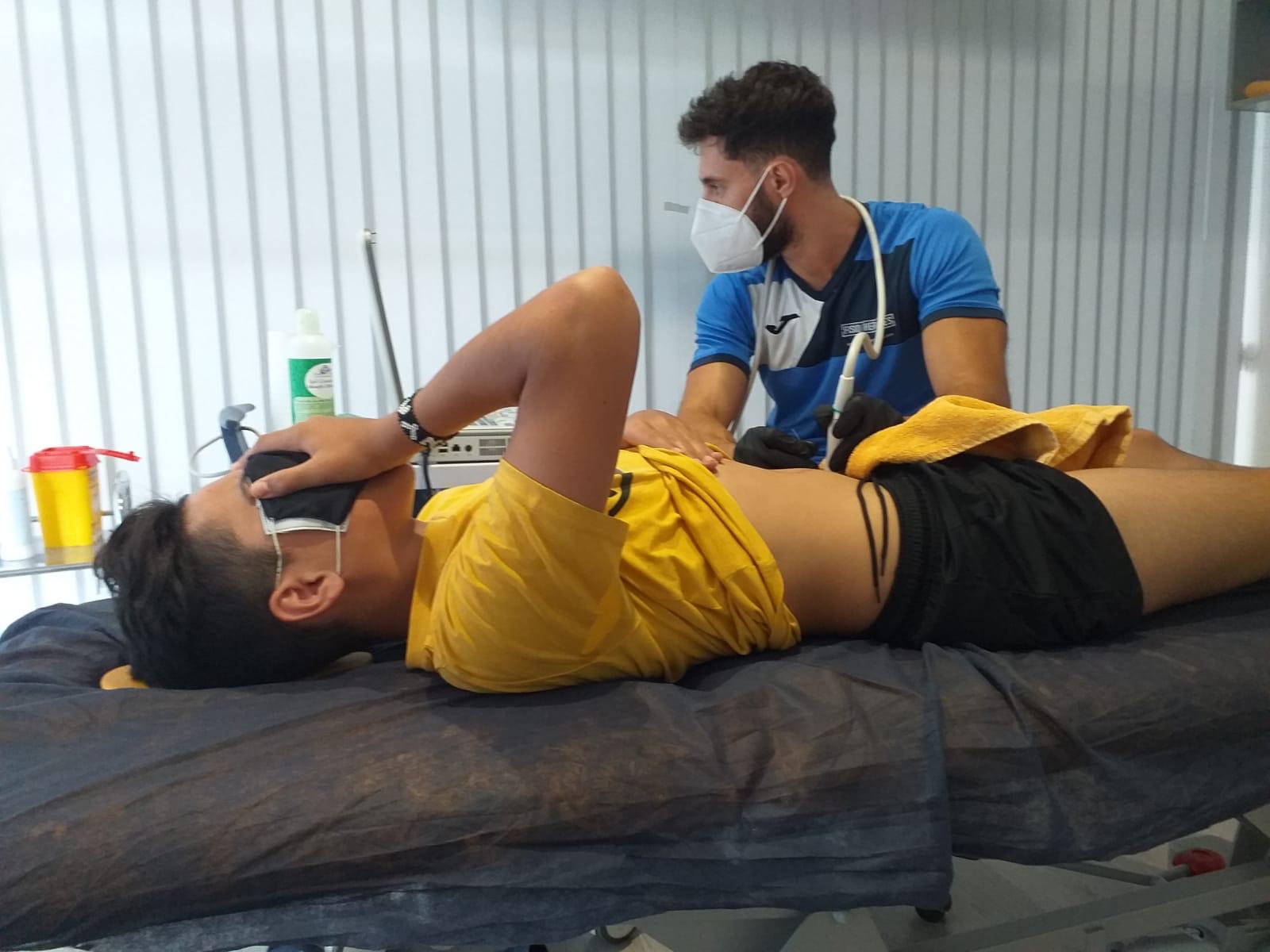
Football academy player receiving treatment during injury rehabilitation, highlighting the physical and mental toll of setbacks.
Injury is one of the most defining moments in a young footballer’s journey. Beyond the physical pain, it often brings isolation, uncertainty, and fear about the future.

At 14, an ankle injury cut my season in half. One minute I was flying, the next I couldn’t even jog. At that age, you feel untouchable until your body reminds you you’re not.

At 18, a torn groin took even more. The pain was one thing, but the questions were worse:

  • What if this is it?
  • What if I never come back?
  • Who am I if I’m not a player?

These are thoughts young footballers rarely say out loud. Injury doesn’t just stop your body, it stops your identity. You watch teammates improve while you stand still. You start to feel forgotten, replaceable, sometimes invisible.

Parents see a child resting at home. What they don’t see is the quiet panic in their chest.

Parents see a child resting at home. What they don’t see is the quiet panic in their chest.

What I Discovered When Football Was Taken Away

Former academy player attending a football industry event, showing alternative pathways within the professional game.
When playing stops, new opportunities can begin. Understanding football beyond the pitch can open doors many young players never consider.

When I couldn’t train or compete, I made a decision: I wouldn’t disappear. I attended events, spoke to coaches, analysts, and scouts, anyone willing to give advice. I wanted to understand the game beyond the pitch.

That journey led me to work as an international scout and later as a commercial manager. I began seeing football from angles most teenagers never experience.

And that’s when I realised something important. Even when I couldn’t play, football still had space for me.

Talent Won’t Save You. Mindset Will.

Growing up, people told me I was sharp, quick, a natural. But talent disappears the moment your body does.

What lasts?

  • Character
  • Work ethic
  • Resilience
  • Ability to grow, adapt, and reinvent yourself

These qualities carry players further than raw ability ever will.

What Parents Need to Understand

Your child may love football with everything they have, but the academy pathway is mentally demanding in ways that are easy to miss. They might be:

  • Comparing themselves to teammates daily
  • Scared to make mistakes
  • Worrying about losing their spot
  • Hiding pain to avoid seeming weak
  • Unsure how to talk about the pressure
  • Trying to impress coaches while pretending not to be nervous

None of this shows up in match reports, but all of it shapes who they become. Parents play a bigger role than they realise: supporting, listening, grounding, and reminding their child that their identity is bigger than a badge on a shirt.

The Bigger Message for Young Players

Football might break you at times. Injury, rejection, pressure, comparison, they all hurt.

But being broken doesn’t mean being finished. Sometimes the moments that stop your journey are the same moments that shape your future. Sometimes detours lead you deeper into the game, not out of it.

Football gave me purpose. It also tested me in ways I never expected. But every setback built a stronger version of me.

And that’s what I want parents to understand. The academy dream isn’t just about football. It’s about identity, resilience, and growth on and off the pitch. Your child’s journey won’t be perfect, but with the right support, it can be powerful.

Who is Andrea Cannavacciuolo?

Andrea Canna observes training attentively while seated on the sidelines during a sunlit session.
Andrea Canna stays focused as he watches over a training session. The Italian coach is known for his meticulous attention to detail and calm presence.

Andrea Cannavacciuolo is a Mental Performance & Human Potential Coach with a rare full-time pedigree in professional football, having worked inside clubs across both Europe and Major League Soccer. His unique approach integrates emotional intelligence, communication strategy, and attitudinal development to strengthen team performance from within.

Andrea’s career began as a physical trainer, earning his PRO certification at Coverciano, Italy’s elite coaching center. Over time, he shifted focus toward the mental and relational dimensions of sport, developing a highly adaptive methodology grounded in real-time engagement with coaches, staff, and players.

His work fosters shared purpose, functional communication, and psychological resilience, often described by peers as invisible but essential.

He has worked with numerous clubs including Monza, Palermo, Albinoleffe, Cosenza, Feralpisalò, and most recently Charlotte FC in MLS. Whether in consultancy roles or embedded full-time within a technical staff, Andrea is known for his fluid presence, quietly aligning human dynamics with team performance objectives. His work fosters shared purpose, functional communication, and psychological resilience, often described by peers as invisible but essential.

Multilingual in Italian, English, Spanish, and French, Andrea combines scientific insight with intuitive coaching to create what he calls silent levers, behind-the-scenes interventions that impact results, cohesion, and ultimately, club value.

 Our exclusive interview with Andrea Cannavacciuolo

Who is Andrea Cannavacciuolo outside of football?

Outside of football, I’m guided by the same values that shape my behind-the-scenes role: connection, shared purpose, and a strong sense of community, what I often call the “pack” spirit. Though my work is often invisible, it’s rooted in supporting collective performance. Beyond that, I love writing, learning languages, and traveling,  ways to keep exploring and connecting with the world.

Albert Einstein said: “Not everything that counts can be counted, and not everything that can be counted counts”

You’ve worked full-time as a Mental Performance and Human Potential Coach in professional football, which is still quite rare. Why do you think this role is so often underestimated or misunderstood?

This role is often underestimated because it focuses on factors that, although they profoundly impact performance and add great value, are not easily visible or measurable in numbers. Not everyone chooses to work systematically on these aspects. Some leaders hesitate due to concerns about changing traditional roles or recognition dynamics, but forward-thinking managers (like Guardiola, who has long relied on the quiet support of Manel Estiarte) embrace this change and integrate such roles into their staff. Unfortunately, some clubs still accept the underutilization of potential as a normal side effect.

Albert Einstein said: “Not everything that counts can be counted, and not everything that can be counted counts”

How did your journey shift from physical training to focusing on mental performance? What inspired that evolution in your career?

I started out fully focused on helping players reach peak physical performance. A study visit with the Brooklyn Nets in the NBA shifted my perspective — I realized that mindset and attitude can impact performance as much as physical and technical work. That insight led me to gradually redirect my studies toward mental preparation. I trained at EKIS, a leading school in the field in Italy, and have since fully dedicated myself to this work in professional football. Today, alongside mental performance coaching, I also support the staff in group management strategy.

What are the most common invisible challenges inside a football team that can impact performance without being noticed?

Some of the most impactful challenges inside a football team are often invisible: unresolved internal tensions, misaligned goals, unclear communication, emotional overload under pressure, and untapped individual or collective potential. Over time, I’ve learned the value of constant maintenance of key pillars like alignment, communication, and relationship quality — elements that quietly strengthen the group’s “immune system” and drive high, sustainable performance. My work supports coaches and directors in reinforcing these dynamics discreetly, with a focus on long-term value and shared success.

You’ve described your method as a fluid, almost invisible intervention. Can you explain what that means in practice, and how you collaborate with coaches and staff without disrupting existing structures?

Fluidity, for me, means adapting to the unique rhythm and needs of each environment. I operate like a silent drone — observing from a distance, capturing subtle signals from the group’s daily life, and transforming them, without judgment, into useful strategies. This may happen individually, in small groups, or in plenary moments. I quietly support the quality of relationships, help streamline internal communication, and act as a bridge across different leadership roles to keep alignment strong. I also help ease leadership overload by processing excess information and offering clear, actionable insights. One reference from my time at Charlotte sums it up well: “Andrea worked like oil in a well-tuned engine — never flashy, always essential.”

In your experience, what distinguishes a good team environment from a great one?

A good team environment is built on strong professional standards. A great one, instead, is rooted in values that elevate the human factor — where individual and collective growth is encouraged through deep instincts of cooperation and mutual protection. I’ve developed structured programs to support this process, tailored to each club I work with. One of them is T.E.A.M. (Trust, Excellence, Alignment, Motivation), which involves all members of the organization and aims to strengthen group well-being, clarity, and shared values at the highest level.

You’ve worked in multiple football cultures, with Italy and the United States among them. How do cultural differences influence your approach to mental performance?

Speaking multiple languages supports my approach, but what truly makes the difference is the cross-cultural nature of coaching techniques. When we work on awareness and emotional regulation, we access deep levels that often bypass potential resistance linked to cultural differences. Even in very different environments like Italy and the United States, I’ve found that, when well calibrated, mental performance work reaches people in a direct and authentic way.

Communication seems central to your work. What do you believe are the most damaging communication habits in elite sport, and how can they be improved?

In elite sport, communication is like the nervous system in the human body — when it fails to connect properly with the musculoskeletal system, movement disorders occur. Similarly, in a team, poor communication between roles and departments can create dysfunction, tension, and performance breakdowns. Among the most damaging habits are neglecting to analyze feedback and struggling to communicate clearly under pressure. Both issues can be significantly improved through tailored internal training protocols that strengthen awareness, responsiveness, and relational clarity.

What is your approach when working with young players compared to experienced professionals?

When working with young players, my focus is on helping them set clear goals and identify what might be holding them back from reaching their full potential. Through targeted coaching techniques, I support their personal growth, helping them align their available resources with ambitious objectives and accelerating their development. A key part of the process is guiding them to connect their individual aspirations with the team’s collective goals — turning personal evolution into shared value.

Looking ahead, what kind of environments or challenges are you most excited to take on next in your career?

I’m most excited by environments where I can humbly contribute to developing winning, growth-oriented mindsets — built on emotional stability — places where I can support the club’s evolution by helping align individual goals with collective purpose. I’m drawn to contexts where there’s real coherence between values and ambitions. I’m especially inspired by the opportunity to help unlock and give value to every drop of untapped potential. Winning by creating value, and creating value by winning — with long-term consistency — that’s the kind of challenge that inspires me most.