Home Blog Page 14

Return of Promotion and Relegation in Mexican Football

0
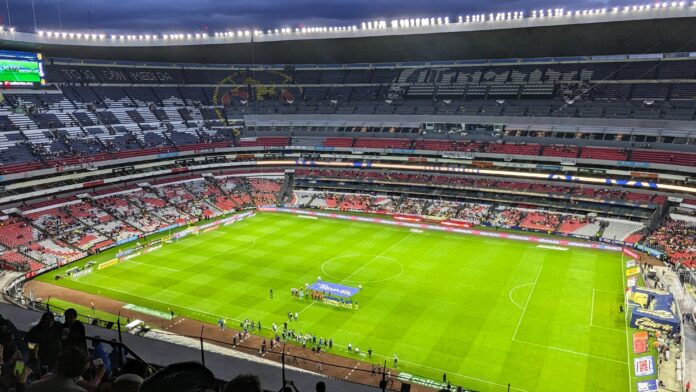
Estadio Azteca during Club América vs. Necaxa match in Liga MX, August 2023.
FromMorningToMidnight, CC0, via Wikimedia Commons

Introduction

Originally, Liga MX (the top tier) and Mexico’s second tier (now called Liga de Expansión MX) had the traditional system: at the end of each season, the worst-performing teams in Liga MX would be relegated, and the top teams from the second division were promoted.

In 2020, amid the COVID-19 pandemic and its economic fallout, an agreement was reached that suspended promotion and relegation for a period of six seasons. The goal was to give clubs in both tiers time to stabilize financially, build infrastructure, and adapt to the uncertainty caused by the pandemic.

In 2020, amid the COVID-19 pandemic and its economic fallout, an agreement was reached that suspended promotion and relegation for a period of six seasons.

As part of that arrangement, clubs in the second division received financial support (“stabilization”) and certain guarantees, though with the trade-off that they could not ascend to the top flight for the duration agreed.

The push to bring it back

A group of clubs from the second division (Liga de Expansión) began pushing for the reinstatement of promotion/relegation earlier; they argued that the promise or expectation was that the suspension was temporary, and they needed to know when and how it would end so they could plan (financially, infrastructure, etc.).

On May 19, 2025, 10 second-division clubs filed an appeal with the Court of Arbitration for Sport (CAS) against the Mexican Football Federation (FMF), seeking to restore promotion-relegation earlier than the end of the original six-season period. Some of those clubs later withdrew, leaving six (Atlético La Paz; Atlético Morelia; Cancún FC; Mineros de Zacatecas; Venados; Leones Negros de la U. de G.) to continue.

The CAS decision

CAS ruled that promotion and relegation will not return in the 2025-26 season, because FMF had made clear from the original agreements (the 2020 suspension) that the six-season break was to last through that period, ending with the 2025-26 season. CAS confirmed that promotion and relegation must be reinstated for the 2026-27 season. Thus, we have certainty: 2026-27 is the start date for the return of pro/rel.

CAS confirmed that promotion and relegation must be reinstated for the 2026-27 season.

Key conditions & requirements for promotion

While promotion and relegation will return, they likely won’t look identical to how things worked before suspension. Some of the important requirements or changes being discussed:

Certification / eligibility criteria

Clubs in Liga de Expansión MX wanting promotion will have to meet certain standards. Historically, this has included things like financial stability, appropriate stadium capacity, adequate infrastructure, business planning, etc.

Financial solvency

There’s reporting that aspiring clubs will need significantly improved financial backing, for example some sources suggest minimum equity (assets/net worth) requirements, possibly revolving credit lines, and demonstrating they can sustain operations at the higher level.

Infrastructure / stadium requirements

Venues must meet certain size and standard requirements (e.g. capacity, facilities) to host top-flight matches. Similarly, organizational and business practices may be audited.

League size & structure

There is discussion of expanding Liga MX from 18 teams to 20 teams, which may affect how many teams are promoted or relegated, and possibly moderate the impact on clubs by spreading out the adjustment period.

Conclusion

The restoration of promotion and relegation to Liga MX for the 2026-27 season is now assured by the CAS decision. However, it won’t be a simple reinstatement of the old system, significant standards will need to be met by second-division clubs, and there will be structural changes (league size, certification, financial and infrastructure requirements).

From the pause in 2020 through legal battles and negotiations, the landscape is shifting toward a more regulated, merit-based, but also more demanding version of promotion and relegation. Clubs, fans, and federations all have time in the next season to prepare for what should be a more competitive and dynamic Mexican football ecosystem.

Top 5 Sports Marketing Campaigns Ever

0
The Nike swoosh logo on a patterned wall, symbolising one of the most iconic sports marketing brands in the world.
Photo by wu yi on Unsplash

Sports marketing is about tapping into human emotion, culture, and aspiration. Here are five campaigns that elevated brands through powerful storytelling and athlete partnership.

1. Nike – “Just Do It” (1988 – Present)

This three-word mantra captured hearts and inspired action across the globe. Launched in 1988, Just Do It propelled Nike’s North American athletic footwear market share from 18% to 43%, boosting annual global sales from approximately $877 million to $9.2 billion by 1998.

Years later, Nike revived its game-changing momentum with the Dream Crazy campaign featuring Colin Kaepernick. The brand’s market value surged by around $6 billion, despite early criticism. Nike’s online sales spiked 31% over the Labor Day weekend compared to the previous year, while short-term site traffic jumped even higher.

Takeaway: A simple, emotionally compelling message supported by cultural courage can transform a brand’s global trajectory.

2. Gatorade – “Be Like Mike” (1991)

This campaign cemented athlete star power in sports marketing history. Featuring Michael Jordan, it prompted a leap in Gatorade sales, from $83 million to $120 million within a year of launch. By 1989, Gatorade held $450 million in annual sales, nearly the entire U.S. sports drink market.

Takeaway: Aligning with an aspirational athlete can elevate a product from functional to iconic.

3. Adidas – “Impossible Is Nothing” (2004 & Relaunched 2021)

This campaign redefined Adidas’s brand identity, shifting the tone from performance-driven to emotionally resonant and inclusive. Featuring legends like Muhammad Ali, Lionel Messi, and Beyoncé, it ran in 50+ countries, earned over 1 billion social views, and generated 18 million social engagements.

Originally, the tagline helped Adidas increase U.S. sales by 11% in 2004 and boosted their cultural relevance, helping secure placement as a top-3 sportswear brand.

Takeaway: Deep storytelling that connects emotionally and inclusively can reshape brand image for a new mainstream.

4. Red Bull Stratos – World Record 2012 Skydiving Stunt

This was sports marketing redefined. Felix Baumgartner’s leap from the stratosphere (nearly 24 miles high) drew an estimated 8 million concurrent YouTube live viewers, powered global broadcast, and delivered 300 million video views across platforms during the event.

Takeaway: Creating a once-in-history moment, external to sport, but rich in performance and adrenaline, can deliver unmatched brand visibility and engagement.

5. Nike – “Dream Crazy” (2018)

Beyond the financial impact already mentioned, Dream Crazy increased Nike’s social mentions by up to 170%, earned $163 million in media value, and won the Cannes Lions Grand Prix for creative effectiveness.

By tying moral conviction to brand identity, Nike aligned with younger generations. Among Gen Z, 75% said they were more likely to support Nike after the campaign.

Takeaway: When brands take a stand aligned with their audience’s values, even amid backlash, authentic connection, loyalty, and commercial returns follow.

How Brands Use Sports and Athlete Ambassadors to Connect with Consumers

The most successful campaigns in sports marketing history share a common thread: they use sport, and the personalities within it to create an emotional connection with consumers. This is where sport becomes the bridge between a brand and its audience.

Sport as a Universal Language

Sport cuts across borders, demographics, and cultures. Whether it’s Michael Jordan inspiring kids in every corner of the world or Lionel Messi’s story of perseverance resonating far beyond football, sport has a unique ability to unite people in shared moments of triumph, heartbreak, and aspiration. Brands understand this power and use it to position themselves as part of the same story. Nike’s Just Do It worked not because it talked about shoes, but because it spoke to the universal human experience of facing challenges and pushing through them.

Athlete Ambassadors as Cultural Icons

When brands choose athlete ambassadors, they’re investing in cultural influence. Athletes bring their own following, credibility, and values, which can amplify a brand’s message far beyond traditional advertising. Michael Jordan’s partnership with Gatorade was about aligning with a man who personified excellence, determination, and aspiration. That emotional association transferred directly to Gatorade’s image, making it not just a drink for athletes, but the drink for anyone who wanted to “be like Mike.”

Storytelling Beyond the Product

The most impactful sports campaigns rarely focus on product features. Instead, they tap into personal stories—overcoming adversity, breaking records, defying expectations. Adidas’s Impossible Is Nothing campaign, for example, told the stories of athletes like Muhammad Ali and Lionel Messi, connecting the brand to ideas of resilience, self-belief, and possibility. Consumers were buying into a mindset.

Values and Cultural Alignment

Modern consumers, especially Gen Z and Millennials, expect brands to stand for something beyond profit. Nike’s Dream Crazy campaign with Colin Kaepernick was a calculated risk that paid off because it aligned with the values of its core audience, social justice, equality, and courage in the face of criticism. By connecting through shared values, brands can create loyalty that goes beyond product choice and becomes part of a consumer’s identity.

Creating Unforgettable Moments

Some of the most powerful campaigns involve creating moments that people will remember for years. Red Bull’s Stratos jump is a prime example, it wasn’t tied to a single sport, but it embodied the brand’s positioning around pushing human limits. These moments become part of cultural memory, with the brand permanently attached to the achievement.

Emotional Ownership and Long-Term Loyalty

When a brand consistently connects through sport in an authentic way, consumers begin to feel emotional ownership over it. They aren’t just customers; they’re participants in the brand’s journey. This emotional investment translates into long-term loyalty, people choose the brand not because it’s the cheapest or most convenient option, but because it represents something they believe in.

Conclusion

The greatest sports marketing campaigns succeed because they go far beyond selling products, they sell a feeling, a story, and a set of values that consumers want to be part of. Sport offers an unrivalled platform for this kind of connection, with athletes acting as living embodiments of determination, ambition, and resilience. When brands harness these qualities authentically, they tap into a deep well of cultural relevance and emotional resonance.

From Nike’s enduring Just Do It to Red Bull’s record-breaking Stratos jump, these campaigns prove that the combination of powerful storytelling, authentic athlete partnerships, and a clear alignment of values can create moments that live in the public consciousness for decades. The message is clear: when sport and marketing come together with purpose, they inspire action.

How Player Care Is Changing Modern Football

0
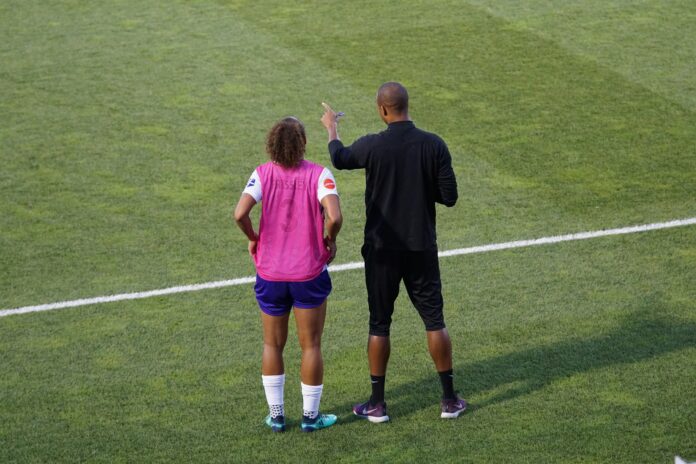
Coach giving tactical or emotional advice to a football player on the sideline during a match, symbolising player support.
Photo by Jeffrey F Lin on Unsplash

In a game increasingly defined by billion-euro transfers, advanced analytics and global scouting networks, one of football’s most important revolutions has flown under the radar: the rise of Player Care. Every department in modern clubs, from performance analysis to medical teams, has undergone a transformation. Yet the human side of the professional life, the daily personal, social and emotional scaffolding for players, is only now receiving serious recognition. In the era of high pressure, international mobility and ever-rising expectations, Player Care has become not just a nicety but an essential pillar of sustainable sporting success.

From logistics to holistic care

The earliest incarnations of Player Care were modest: a club liaison organising housing, transport and paperwork for a young signing, perhaps helping with immigration or a driver’s license. But even then the cracks were visible. Many players arriving from abroad, or stepping up from youth to senior squads, found themselves navigating unfamiliar cities, languages, social isolation and personal stress, often without structured support.

Take the story recounted by Hugo Scheckter, one of the field’s leading practitioners. He described a young foreign signing whose wife had spent six months in a flat, isolated and unable to drive or speak English – and ultimately the player left the club for a fraction of his transfer fee. “That was 100% on me,” Scheckter later reflected. Those missed details were not “nice extras” but part of the performance equation. From these early mis-steps emerged a broader awareness that players are more than athletes, they are individuals with complex lives.

“Those missed details were not ‘nice extras’ but part of the performance equation.”

Modernising the discipline

Today’s clubs are rewriting the rule-book. Player Care is no longer an add-on, it is a formal discipline, with dedicated teams staffed by specialists in psychology, welfare, transition and relocation. The UK has led the way; the organisation The Player Care Group (TPCG) was founded in 2020 to audit, train and build Player Care departments across top clubs.

Clubs such as Brighton & Hove Albion have built integrated welfare programmes stretching from academy age up to first team, as noted by emotional-welfare specialist Sue Parris: “Player Care is broadly logistics, personal development, welfare… until you realise how many young people are living away from home for the first time, getting injured, losing networks.”

The shift is clear: performance and wellbeing are inseparable. A club might boast the best medical or strength-conditioning teams, but without strong Player Care, cultural or mental breakdowns can erode squads faster than any injury. Arsenal’s academy manager Per Mertesacker put it plainly: “This is a football club but this is so much more than just kicking a ball around.”

Global expansion and competitive edge

While the UK market may have set the tone, the concept is now spreading rapidly. As clubs scout globally, bringing players from every corner of the planet, the need for support systems that cover relocation, cultural adaptation and off-pitch life has become urgent. In women’s football, Player Care is gaining traction: for example, the partnership between Kitman Labs and the Women’s Super League (WSL) to provide a unified welfare-and-performance platform across clubs illustrates the new standard.

In a market where a top club’s name must become attractive to players and their families, a robust Player Care infrastructure is increasingly a competitive advantage. Clubs that get this right don’t just land the signing, they enable the thriving of that player with fewer disruptions, faster adaptation and more stable performance.

What’s next for player care?

Looking ahead, four key developments promise to shape the next chapter of this field:

  • Data-driven wellbeing monitoring – Longitudinal tracking of players’ off-pitch adaptation, family welfare and personal metrics will allow clubs to intervene proactively rather than reactively.
  • Career-transition planning – Beyond the active playing years, more clubs are building pathways for life after football, integrating education, personal-development workshops and post-career support. This reflects broader definitions of Player Care beyond the “here and now”.
  • Standardisation and accountability – With agencies like UEFA and federations embracing holistic welfare definitions (see FIFA’s “player care refers to both short and long-term wellbeing…”). There is growing pressure for minimum standards and auditing of clubs’ obligations to players.
  • More attention to women’s football and youth transitions – As the women’s game professionalises, providing structured Player Care from the youngest ages becomes a differentiator. The same applies in academies: early-career mobility demands strong transition support.

“The shift is clear: performance and wellbeing are inseparable.”

Why this matters beyond the field

The value of Player Care extends beyond being “nice to have”. When properly implemented it reduces risk: of failed transfers, early drop-outs, reputational damage and under-performance. Teams may win trophies partly because their players feel supported off the pitch. It creates an environment where resilience, stability and humane treatment feed performance.

At a time when football is under scrutiny, fixture congestion, international call-ups, mental-health stories, the department that sits between performance and welfare is quietly rising in importance. The clubs that treat it as peripheral may find themselves left behind.

Closing reflection

Player Care may not make headlines, but it is quietly becoming one of football’s most important departments. In an industry built on raw talent, big money and global mobility, the person behind the shirt still matters most. Those individuals thrive when they are treated as people, not just assets.

The future belongs to clubs that understand that the best player support doesn’t just happen in the gym, the treatment room or on the pitch, it begins in the home, the settling-in week, the late-night call, the career conversation. Because modern football isn’t just about performance. It’s about people. And Player Care is the next frontier.

The Mjällby AIF Miracle: Sweden’s Small Giant

0
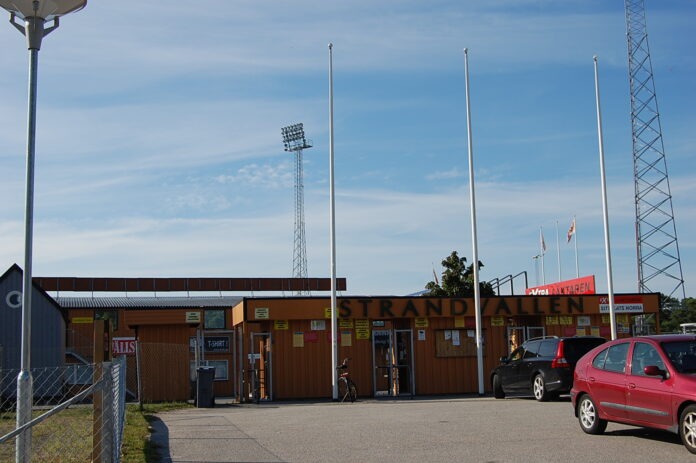
Entrance of Strandvallen Stadium in Blekinge, home ground of Swedish football club Mjällby AIF
The entrance to Strandvallen, home of Mjällby AIF. A symbol of local football spirit in Sweden’s Blekinge region. (Adville, CC0, via Wikimedia Commons)
Imagine this… They have no money, no fancy facilities. No million-dollar transfers, no “brand value” discussed day and night on TV. Yet from a tiny Swedish town, a team emerged… Its name: Mjällby AIF. And it defeated the giants of an entire nation one by one, writing history.We call it a “miracle,” but in truth, there is no miracle here. There is proper planning. There is smart management. There are people who still love football as football.Today, in our part of the world, football is no longer a game — it’s something beyond that. Chairman-centered boards, millions of dollars spent aimlessly and without a plan… And when you look at this picture, it breaks your heart.

But in a quiet, rainy corner of Sweden, a handful of people came together just to keep their club alive. They saw football not as a source of profit, but as a shared belief. Their budget is small, but their conscience is enormous. They learned not just to win, but to deserve winning.

Club president Magnus Emeus says: “We didn’t come here to manage the club, we came to serve it.”

Such a simple sentence, isn’t it? But if someone said that here, people would laugh. Because here, an executive performs not for the stands, but for the cameras. Here, success is measured not by how many trophies you won, but by how many contracts you secured.

What Mjällby achieved is not just a championship. It’s a reminder. A reminder that football can still be a product of effort, honesty, and planning. That somewhere out there, the soul of the game still lives on.

And look — after that championship match, the fans didn’t storm the pitch, break seats, or light flares. They just cried. Out of joy because their faith had been rewarded. Because they knew: this success didn’t come from anyone’s pocket… it came from a community’s sweat and devotion.

If you truly love football and play it with good intentions, the game itself will reward you in the long run.

Sweden’s little Mjällby taught a lesson to our grand leagues, our million-dollar budgets, our giant stadiums, our glittering “vision” presentations:

“If you truly love football and play it with good intentions, the game itself will reward you in the long run.”

But of course… no one here would understand that because here, everyone believes success is measured only in money.

So, where is this town? Who are these people?

“For us, football is a way of life. It wasn’t money, but faith that brought us here.”

Mjällby is a tiny place in southen Sweden, near the town of Sölvesborg in the Blekinge region. Its population? Only 3,000. That’s about the size of an apartment complex in Istanbul. But these 3,000 people have kept their club alive for generations, like breathing.

The club was founded in 1939 by a group of fishermen and carpenters. Its colors, yellow and black, symbolize the hope of the sun and the toil of labor. They play their matches in the nearby city’s small Strandvallen Stadium, which holds just 7,000 people — but it’s packed every single game. There are no businessmen, no politicians, no profiteers in their management. Only local people who believe in belonging to a club.

Their budget is at least ten times smaller than that of Sweden’s giants like Malmö. But their squad is built on mutual belief. Coach Anders Torstensson has been with the club for ten years. He didn’t leave, didn’t run away — he endured. In other words, he wasn’t fired!

President Magnus Emeus says again: “For us, football is a way of life. It wasn’t money, but faith that brought us here.”

And yes… The yellow-and-black boys of this small town have now humbled all of Sweden. They didn’t buy their championship — they earned it. They may have lifted the biggest trophy in their history, but more importantly, they held up a mirror to the conscience of the football world.

The Mjällby miracle is just a reminder: Football can still be beautiful as long as it’s driven not by profit, but by belief.

What is WFS Madrid?

0
Close-up of WFS Madrid 2025 event lanyards featuring Altitude Search branding.
WFS Madrid 2025 brought together leaders and visionaries from across global football for its largest event to date.

After three years away, World Football Summit returned to Madrid and it did so in record-breaking fashion.

With more than 2,500 attendees, 120 speakers, 35 panels and sessions, and 45 exhibitors, this year’s edition became the largest WFS event to date, reaffirming Madrid’s role as a global capital for the football industry.

Over two days, WFS Madrid gathered senior leaders from across the ecosystem to address both headline issues and long-term challenges. The debate around LaLiga’s proposed match in Miami sparked contrasting views on the globalization of domestic competitions, while other sessions focused on how to keep football competitive in an era of accelerated change and increasingly fragmented audiences.

Among the prominent voices shaping the discussion were Fernando Carro (CEO, Bayer Leverkusen), Peter Moore (former CEO, Liverpool FC), Rafael Louzán (President, Royal Spanish Football Federation), André Amaral (CEO, Liga Portugal), Chris Davis (CMO, New Balance), Luca Percassi (CEO, Atalanta BC), Lise Klaveness (President, Norwegian FA), and Nadine Kessler (Director of Women’s Football, UEFA).

Together, they explored how innovation, inclusivity, and a renewed focus on the fan experience can ensure that football remains both a thriving business and a powerful cultural force.

World Football Summit also reaffirmed its global commitment to gender balance and representation, surpassing its long-standing pledge for at least 30% of female speakers (a goal achieved and exceeded at WFS Madrid, where women represented 32% of all speakers).

Beyond the debates and networking sessions, the summit also featured cultural and social highlights, including the WFS Industry Awards, celebrating excellence and leadership across global football, and an exclusive photography exhibition by renowned artist Madeleine Penfold, capturing the beauty, emotion, and diversity of the game.

The World Football Summit always strives for more. With Madrid setting a new benchmark, they’re already gearing up for our next chapter — WFS Riyadh, taking place on December 10–11 in Saudi Arabia.

Michael Lindeman: The Art of the Assistant Manager

0
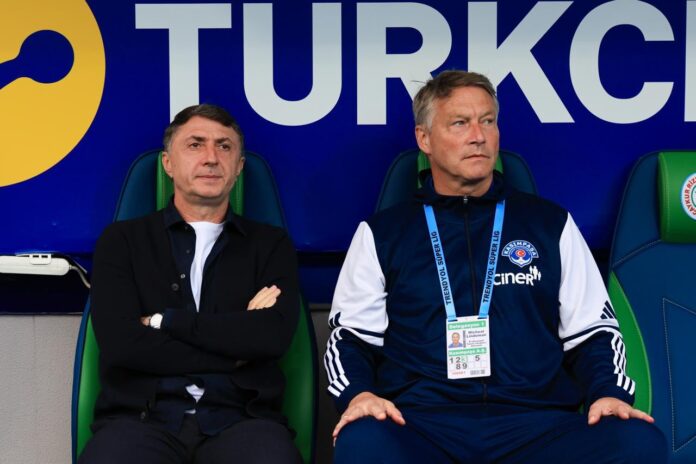
Michael Lindeman and Shota Arveladze seated in the dugout, focused before kickoff.
Lindeman and Arveladze: A partnership built on alignment, clarity, and shared ambition.

In modern football the role of an assistant manager often remains unseen, yet it can define the heartbeat of a team. At Kasımpaşa SK, Michael Lindeman works closely with head coach Shota Arveladze to build not just a competitive squad but a culture of trust, identity and resilience in one of Europe’s most unpredictable leagues.

A new chapter in Istanbul

“Football is about relationships and timing,” Lindeman begins. “I was introduced to Shota through a top agent, and from the first conversation there was an immediate sense of alignment in values, in work ethic and in ambition.”

For Lindeman, joining Kasımpaşa was not just about returning to the Süper Lig. It was about helping shape something meaningful. “What attracted me here was the chance to build a team with identity, resilience and courage. The margin for detail can make the difference, and that’s exactly what this project is about.”

Building a new identity

Kasımpaşa faced one of the biggest rebuilds in recent years, with a completely new squad entering the season. For Lindeman, such transitions are not only about signing players but defining culture.

“When you rebuild a squad, you are shaping a culture based on key points and values,” he explains. “The biggest challenge is creating instant chemistry in an environment that usually takes months or years. We started with clarity: clear tactical roles, clear behavioural standards, clear communication. Once players feel that clarity, trust follows and identity emerges.”

He smiles and adds, “Identity is not a slogan on the wall. It’s what players do under pressure in the 90th minute. Culture is what exists when the boss isn’t around.”

Making ambition count

Operating with a smaller budget than many Süper Lig clubs, Kasımpaşa’s ambitions rely on creativity rather than resources. “Constraints can be powerful; they force creativity,” Lindeman says. “We look not only at talent but at fit: mentality, adaptability and hunger. I always say a player must have a FACE. If I mention his name, you should be able to list one or two traits immediately – speed, composure, leadership, aggression. Planning means maximising every detail: training efficiency, recovery and role definition. Success is not about the size of the budget but the size of the vision.”

The connector behind the coach

As an assistant, Lindeman sees himself as the link between the head coach’s vision and the players’ execution. “An assistant is a connector,” he explains. “I translate the head coach’s vision into daily reality on the pitch, in analysis and in player interactions. My role is part tactical, part organisational and part human. I spot details before they become problems and create space where players can express themselves fully while respecting the team framework. I see myself as both an architect and a bridge.”

Trust as the invisible contract

Trust, Lindeman believes, is what holds everything together. “Trust is the invisible contract that makes everything possible,” he says. “Between Shota and me, it means alignment without needing constant explanation. With players, it means they know I have their back even when I demand the highest standards. With the club, it means consistency – that what we say is what we do. Without trust, tactics collapse. With trust, even the impossible becomes achievable.”

“Trust is the invisible contract that makes everything possible”

He reflects for a moment. “Trust connects to dignity and responsibility, which go beyond the pitch. When trust is broken, between player and coach or between sport and society, the entire system suffers.”

Turning ideas into habits

Lindeman’s coaching philosophy blends structure with psychology. “Principles only live if they are trained every day,” he says. “A principle like pressing high is not just theory; it’s repetition, correction and reinforcement until it becomes instinct. Training is where the blueprint turns into behaviour, and that transformation is my responsibility.”

He often uses a framework to guide his players’ learning. “Some players are unaware and incompetent , they don’t even know what they are doing wrong. Then we make them aware and incompetent , we explain what has to be improved. Next comes awareness with competence , they remember to apply it. Finally they reach the stage of unconscious competence, where it becomes instinctive. That’s the goal.”

Science meets management

Lindeman’s scientific background still shapes how he sees the game. “It gave me a double lens,” he says. “I see football both through the tactical eye and through the body’s capacity. I understand how to push without breaking, how to optimise recovery and how to individualise within a collective. I’ve worked with player DNA testing and I keep that mindset of measuring, evaluating and adjusting. But science alone is never enough; it’s when science becomes human that performance truly evolves.”

Leadership without the spotlight

For Lindeman, leadership as an assistant means presence without ego. “I want players to see me as approachable for support but also as someone who enforces standards,” he says. “It’s a balance between empathy and firmness. Players respect consistency when they know what to expect from you. But you must stay authentic. Players know within five minutes if you’re acting or being real.”

He adds that leadership also means protection. “Players need to feel respected and safe, regardless of background or gender. As assistants we have a duty to uphold that environment.”

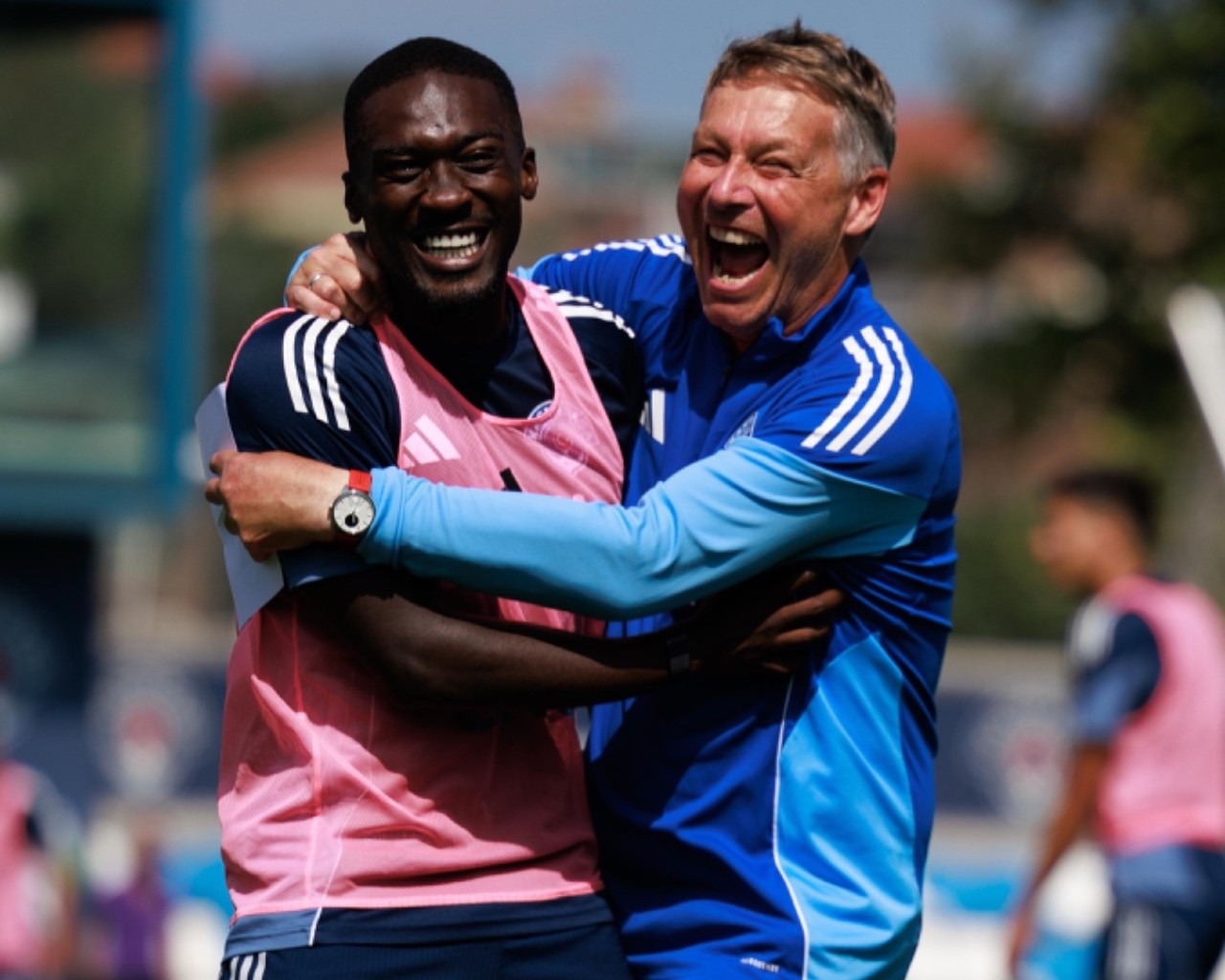
Michael Lindeman embraces a Kasımpaşa player during training, sharing a moment of joy and connection.
Lindeman believes footballers are humans before athletes and connection is key to performance.

The human side of football

Beyond tactics, Lindeman insists on keeping the human side alive. “Footballers are not machines; they have families, pressure, emotions,” he says. “Sometimes the best coaching is just a conversation. Mental readiness is about creating an environment where players feel safe to give everything, knowing that mistakes are part of growth. Fun is a huge factor we implement daily.”

He continues, “Players are humans before athletes. Supporting them means inclusion, well-being and respect. Human rights in sport start with daily human care.”

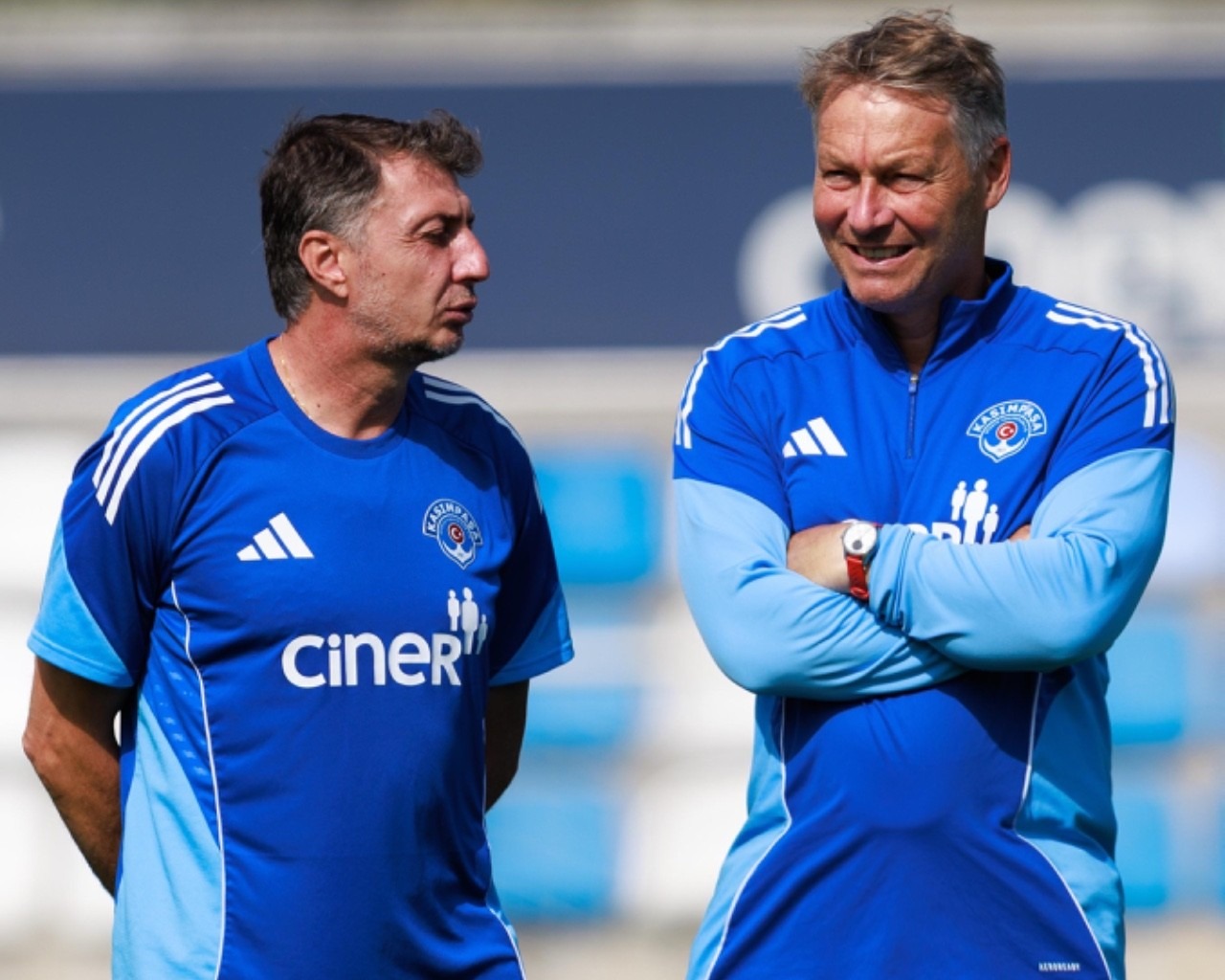
Michael Lindeman and Shota Arveladze discuss strategy during a training session at Kasımpaşa.
Looking ahead, Lindeman sees football as a platform for both performance and dignity for all players.

Looking forward

As for the future, Lindeman’s ambitions remain both grounded and expansive. “My goal is always to add value where I am,” he says. “Right now that means helping Kasımpaşa succeed and helping Shota realise his vision. Of course I see myself leading a team one day, but it’s difficult to enter the UEFA Pro Licence pathway as it often favours younger coaches over experience.”

He looks beyond the touchline. “I’ve worked across Egypt, Germany, Libya, Switzerland, England, the Netherlands, Turkey and the Emirates. I’ve seen how football can unite people. Long term I want to help create environments where both performance and human dignity thrive, for boys and girls, men and women alike.”

Who is Alan McCann?

0
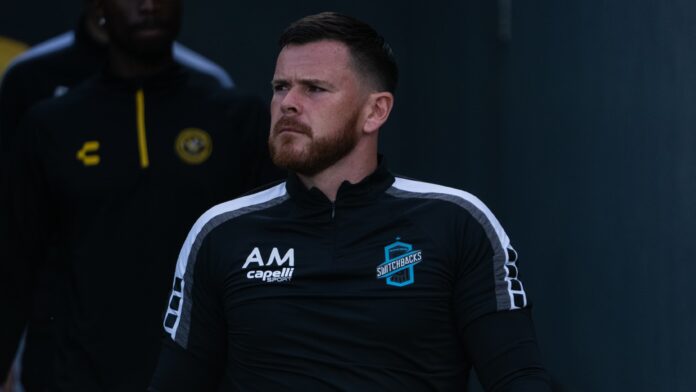
Alan McCann walks out of the tunnel in Switchbacks training gear, focused and composed before a match.
Alan McCann, Technical Director at Colorado Switchbacks, brings Irish intensity to the heart of American football development.

From Dublin’s schoolboy leagues to shaping the future of the Colorado Switchbacks, Alan McCann’s journey blends Irish grit with American ambition.

As Technical Director and Assistant Coach at the Colorado Switchbacks, McCann oversees everything from player performance and recruitment to the implementation of the club’s new Switchbacks II program, a reserve side designed to bridge academy and first-team football.

“It’s about building a consistent environment,” he explains. “Players moving up to the first team should land into familiar drills, vocabulary, and approaches. That gives them a ‘soft landing’ into the professional environment, and it helps our coaches grow through the same pathway.”

Previously, as Director of Sports Performance, McCann focused on ensuring the team could physically sustain its high-pressing, transition-heavy style. “We wanted the group to peak physically from March to November,” he says. “That meant blending the football side into everything, from warm-ups to testing.”

Shaping a Club for the Long Term

McCann believes the USL Championship is evolving fast. “Everything is exploding into bigger opportunities day by day,” he says. “The level has become a lot more competitive, especially since MLS second teams moved into MLS Next Pro.”

For Colorado Springs, growth starts at home. “Launching an academy and expanding the stadium are the big next steps,” he notes. “The club already has a huge impact on the city, and those projects will only strengthen that for generations.”

“Players moving up to the first team should land into familiar drills, vocabulary, and approaches. That gives them a soft landing into the professional environment.”

From Dublin to the Dugout

Before arriving in the U.S., McCann came through one of Ireland’s most competitive youth systems. He played for Home Farm FC and Belvedere FC, represented the North Dublin Schoolboy League (NDSL) in the Kennedy Cup, and later captained the Dublin District Schoolboy League (DDSL), competitions often scouted by English and Scottish clubs.

“It was extremely competitive,” he recalls. “At 16, a lot of lads were heading abroad to sign for Premier League or Scottish sides.” His next step was St. Patrick’s Athletic, where he began the U21, Reserve, and First Team pathway in the League of Ireland.

Building a Coaching Identity

McCann’s coaching philosophy draws from mentors across three countries. “My father was the first coach I learned from, he knew how to bring a dressing room together to win trophies,” he says.

In Ireland, he worked with Paul Osam, Maurice O’Driscoll, Harry McCue, Gino Brazil, and Johnny McDonnell, while later in the U.S., Paul Conway, Brendan Burke, and Jim Curtin shaped his thinking. “All those experiences blended into how I approach the game now,” he says.

As a Head Coach in USL League Two, McCann learned the full spectrum of leadership: recruitment, tactics, player management, and helping college players transition into the professional ranks. “That time taught me a lot about man-management and pathways,” he explains. “It’s helped me the most in my current role.”

Scouting, Data, and the Human Side

McCann’s background in scouting runs deep, he served as a Director of Scouting across multiple regions in USL2, developing a network that now fuels Switchbacks recruitment. “We currently have 14 players in the 2025 squad who came through USL2 or college soccer,” he says.

While the club has embraced analytics, McCann insists that human connection remains central. “We’re big believers in going to watch a player in person, and meeting them,” he emphasizes. “Each player responds differently, so there’s no one-size-fits-all approach.”

“We’re big believers in going to watch a player in person and meeting them. Each player responds differently, so there’s no one-size-fits-all approach.”

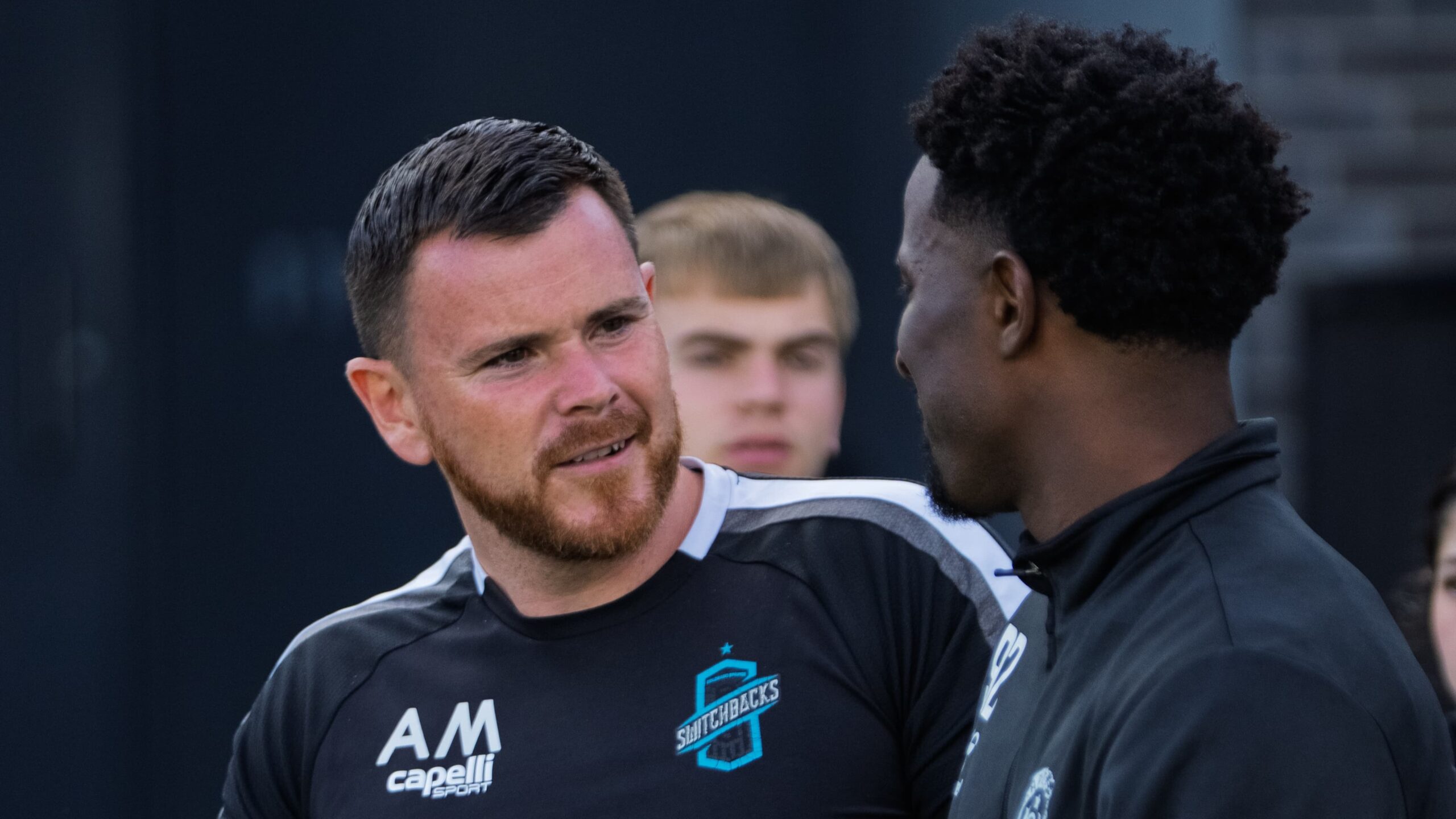
Alan McCann talks with a player during a training session, reflecting his hands-on leadership style at Colorado Switchbacks.
“Every player responds differently,” says McCann, who believes in combining data with strong personal connection.

The U.S. Pathway: Room to Grow

For McCann, one of the greatest strengths of American soccer lies in its flexibility. “If a player doesn’t break through an academy at 18, they still have a second chance through college or USL2,” he says. “In most countries, it’s an academy or nothing.”

He sees potential for the USL Academy system to take the next big step. “If USL Academy can build a truly competitive, nationwide structure, the potential is endless,” he says. “You’re already seeing players choose USL over MLS for more first-team opportunities.”

Learning Every Day

Even as he leads one of the USL’s most forward-thinking projects, McCann approaches each day as a student of the game. “If I can become sharper every day, then the likelihood of impacting players and teams for the better increases,” he says.

Football, he adds, “has given me everything.” His motivation is to return that through developing others, and winning. “Helping people achieve their goals and better their lives is a main driver,” he says. “Doing that through winning trophies is the ultimate compliment.”

His message to young Irish players and aspiring coaches? “Be ready to sacrifice a lot. Trust yourself, work relentlessly, and take your opportunity when it comes.”

Our exclusive interview with Alan McCann

You were born and raised in Ireland, can you tell us about your early footballing experiences there?

It was training twice a week and a game on the weekend. All of it was run by volunteer coaches doing it because they loved it up until about U16. I played for Home Farm FC and Belvedere FC in the youth system. While at Home Farm I also represented the North Dublin Schoolboy League (N.D.S.L.) in the Kennedy Cup and then captained the Dublin District Schoolboy League (D.D.S.L.). These were the teams and games scouts from English and Scottish Premier League teams would watch so it was extremely competitive at the time, with many lads going abroad to sign once they turned 16. I then moved to St. Patrick’s Athletic and began into their U21, Reserve and First Team pathway in the League of Ireland.

Could you share some of the lessons that shaped you during your time as a player in the Irish system?

It might seem like a very basic detail but being vocal on the pitch was a must growing up. Every team I played in growing up had a majority of the team that was vocal on pitch, even at the younger ages. My experience now coaching is that it is the polar opposite in many youth environments. Aggression, standing up for yourself and your teammates along with taking on responsibility on/off field were things I noticed coming to the US that made an Irish footballer have big impacts on environments.

When you began coaching, what philosophy or style did you want to build around? How much of that came from your own playing days vs coaches you observed?

I was lucky to have had great examples of coaches to steal all of their best traits from when I was a player. In Ireland, my father was the first I got to learn from. Bringing a dressing room together to fight for each other and bring out each other’s best abilities to win trophies, year after year was a huge early lesson. Coaches such as Paul Osam, Maurice O’Driscoll, Harry McCue, Gino Brazil and Johnny McDonnell were all coaches I learned from as I got into my late teens. In the USA, as a player, I have been able to learn the most from Paul Conway, Brendan Burke and Jim Curtain. Then in Sweden the coaching was brilliant although my time there was short. All of those experiences really blended all together to form an approach when I first began.

You’ve held different roles (manager, assistant manager, match analyst) before your current role at Colorado Switchbacks. How did those earlier roles prepare you for each new challenge?

Each role had its own lessons that I was then able to fall back on for the current role. As a Head Coach in USL2 it was recruitment, man managing of players, tactical approach to different opponents, delegating roles to staff, planning and implementing training on the football side. The unique side to USL2 is helping the college level players transition up into the professional game. So that meant speaking to agents, coaches at different clubs and helping advise each player to the best possible pathway to give them the best possible chance at having a career. All of that has helped me in the current role the most.

What are your priorities as Technical Director and Performance Manager? How do those roles differ from being on-the-touchline assistant manager?

In the previous role of Director of Sports Performance it was more of a focus and specialization on the physical side for the team. Ensuring they can physically peak for games was the sole focus. The individual load management of each player throughout the training week should then tie into the team’s physical goals. During that time we were a high pressing, transition based team so ensuring the team was physically capable and durable to do that from March-November was the focus in that role. As it was a dual role as Assistant Coach, incorporating the football side into any warm up or physical testing helped to blend it all together.

As Technical Director, it is more a focus on the bigger picture impact that you can have on the club. The biggest one of that being the implementation of our Switchbacks II program. It serves as a reserve team to the first team with the capacity to build a Switchbacks Academy underneath also. Ensuring that the concepts and principles being taught at Switchbacks II level are matching with the first team through communicating with the coaches running it on the day to day. This allows players moving up to the first team land into familiar training drills, coaching vocabulary, and approach. This serves as a potential ‘soft landing’ into the professional environment and in theory gives us a greater chance of graduating an academy player into a fulltime professional. It also allows our coaches at that level the chance to move up in the system also.

The team plays under the USL Championship. How would you describe the level, competitiveness, and infrastructure in the USL, and what opportunities do you see for growth at Switchbacks?

It seems as though everything is exploding into bigger opportunities day by day in USL. The level has become a lot more competitive in the past few years, in particular with the movement of the second teams into MLS Next Pro. The Western Conference in particular seems to be everyone capable of beating everyone on their day. It will be very interesting to see how promotion and relegation gets implemented in the next couple of years.

The growth in the current league infrastructure is firstly the launching of an academy. The club has had a hugely positive impact on Colorado Springs as a city and this would only help to keep that growing for generations to come. The expansion of the stadium is most likely the more immediate opportunity applicable to the future league infrastructure as the USL starts to identify different tiers within the promotion and relegation system. Identification of talent that can progress onto the bigger world football and international football stage is likely another opportunity within the next few years.

Can you walk us through your process for identifying and developing talent within the club? How do you integrate analytics, scouting, and coaching for player development?

During my time in the USL 2 as a Head Coach, I also served as a Director of Scouting for various regions throughout the time there. This has allowed me to grow a network throughout the USL 2 and collegiate game that has proven dividends throughout the years. We currently have 14 players in the 2025 squad that came through either the USL 2 or collegiate system. The data side has also been introduced in the more recent times to compliment our process within the club. We are big believers in physically going to watch a potential player and then meeting them as a person also.

On the coaching side, understanding that each player/person is different is key. This means they may respond to the same experience a million different ways. Having a one size fits all approach most likely will not work but most definitely will not bring out the peak of each individual and as a result, the team. Learning what each person responds to, how they take in information, how they physically respond to training load, while bringing that altogether to fit team goals is the approach.

What do you believe are the strengths of the U.S. pathway for young players? Where do you see the most obvious areas for improvement?

The strength of the US pathway that I have the most experience with is that if a player has not been able to break through the traditional academy to professional route; they then have a second chance almost through the collegiate and USL 2 system. In many other countries the pathway within that country’s system is either academy into professional or nothing. Different players can peak at different ages and different stages of their growth. The US system allows another chance for those late developers or slow to peak talents.

Within our USL system, at academy level, there is a huge chance to grow it as the progression into the first team for the right talents can happen quicker compared to that at MLS. If USL Academy can grab a hold of the stakeholders at each club and create a viable, competitive system, country wide, then the potential for growth is endless. There is also a growing trend of players leaving the collegiate system, starting to choose USL over MLS options as they can see a greater chance for first team football exposure.

What motivates you most day-to-day? What are the values you want your teams to represent?

Continuing to learn more everyday sounds a bit cliché but it is a genuine approach. If I can become sharper in different aspects each day, then the likelihood of effecting players and teams for the better increases by the day. This sport has given me everything I have in life and changed it dramatically for the better. Being in a position to help others achieve their goals and better their lives is a main driver. That process being done through winning trophies is the ultimate compliment in my opinion.

What advice would you give young Irish players or young coaches who want to follow a path similar to yours?

Be prepared to sacrifice a lot if choosing this route. It definitely is the road less traveled so there have been a lot of ups and downs along the way. There’s been a lot of patience needed throughout the years of going through an undergrad and two master degrees. Trusting yourself as long as you can compliment it with genuine unrelenting hard work and then it’s about taking your opportunity when it comes your way.

Discipline Is the New Talent in Football

0
Athlete preparing to lift a barbell in a gym, symbolising strength, discipline, and training focus.
Photo by Victor Freitas on Unsplash

Introduction: The myth of talent

For decades, football was built around the myth of talent. A player’s natural touch, instinct, or harmony with the ball was seen as a destiny-defining gift. But modern football has quietly destroyed that illusion.

Today, success is no longer the result of natural ability but of sustainable habits. It is not about how you play on match day, but how you prepare every single day.

Talent is a spark. Discipline is what keeps that spark alive.

Talent is a spark.
Discipline is what keeps that spark alive.

The reality of modern football: Routine over brilliance

The biggest weakness in football today is the lack of routine coaching. Most academies develop technique, but not habits. Many young players become “good” with a few extra sessions, but only those who work with the same consistency every day become “professionals.”

There are thousands of talented 17-year-olds. But only a few wake up at the same hour, eat with the same discipline, and train with the same focus every single day. Those are the ones who make the difference.

“Talent wins games. Discipline builds careers.”

The science of discipline: How habits shape the player

The human brain rewards repetition. After 21 days of continuous practice, a behavior becomes a habit. Football is no different.

The player who warms up the same way, plays the same precise passes, and focuses on small details every single day is unconsciously writing his character into muscle memory.

Discipline is not an act. It is an identity. And it reveals itself in the final minutes of the game.

The coach’s role: From motivation to architecture

A modern coach is no longer just a motivator. He is an architect of habits. Discipline cannot be forced. It must be designed.

Telling a player to “be more focused” is easy. Building a system that structures his sleep, nutrition, repetition and mindset, that is real coaching.

True discipline is not created through pressure but through purpose. A player will not believe in something he does not understand. That is why great coaches do not teach discipline, they make their players feel its value.

Mental resilience: When character outruns talent

At the highest level, success is no longer defined by how you strike the ball, but by how strong your mind is. Making the right decisions when you are tired, staying professional under criticism, and standing back up after every failure, these are not natural gifts, they are learned reflexes.

Sometimes the talented player signs the first contract. The disciplined one signs the fifth.

The new standard: Discipline as a skill

Once, the word “hard-working” was used to cover a lack of talent. Now it defines excellence. Modern football revolves around the idea of the hard-working talent. Because technical quality can only survive through discipline.

Talent might win you a match. But discipline builds a career, leaves a legacy, and sustains success.

Discipline is no longer a virtue. It is the new talent.

Conclusion: The modern player’s code

In today’s game, success is not a destination. It is a process. The small things repeated every day create the big differences that define a career.

“Talent opens the door. Discipline keeps it open.”

In the modern era, it is not the most talented who survive, but the most consistent. And the future of football will be written by those who master the art of discipline.

Education: Football’s Forgotten Lifeline

0
Youth football players in pink and white jerseys compete during a training match on a green pitch, with a goalkeeper in the background near the goal.
Photo by Alliance Football Club on Unsplash

By Ruben Figueira & Manuel Jorge

Introduction

Professional football has long been seen as the golden ticket, a path to fame, fortune, and global recognition. For many young athletes, a professional contract represents the realization of childhood dreams. Yet behind the glamorous headlines of multimillion-pound contracts and record-breaking transfers lies a sobering truth: far too many footballers end their careers broke, adrift, and unprepared for life after the game. Studies show that between 40% and 60% of former Premier League players declare bankruptcy within just five years of retirement. In France, half of professional footballers are financially ruined within the same timeframe. The paradox is painful: how do individuals who earn more in a week than many do in a year end up with nothing?

The answer lies in the fragile foundations of a football career: short spans, sudden wealth, poor financial advice, and a lack of education. While football demands total commitment on the pitch, neglecting education off the pitch can prove catastrophic. Education, academic, financial, and personal, is not just a fallback option; it is a critical tool for resilience, empowerment, and long-term success.

The Harsh Reality of Life After Football

The professional football career is startlingly short. The average top-division career in France lasts around four years. Injuries, dips in form, or failed contract renewals can cut careers even shorter. Each summer, up to 25% of players find themselves without a club.

For many, the financial fallout is devastating. Research by XPro revealed that 60% of former Premier League players went bankrupt within five years of retiring; updated estimates put the figure closer to 40%. In France, unemployment rates among ex-footballers exceed 15%. Players who once enjoyed wealth and fame find themselves struggling with debt, job insecurity, and identity loss.

The stories are as dramatic as they are tragic. David James, the former England goalkeeper, reportedly earned around £20 million across his career, yet filed for bankruptcy in 2014, auctioning off memorabilia to pay debts. Lee Hendrie, a former Aston Villa midfielder, lost an estimated £10 million through failed investments and overspending, leading to depression and bankruptcy. Ronaldinho, once one of the world’s most marketable footballers, allegedly had just £5 left in his bank account despite career earnings in the tens of millions. Even Diego Maradona, widely considered one of the greatest players of all time, died with modest savings and significant tax debts.

The financial collapse is often compounded by mental health struggles. Studies show that more than a third of active players experience symptoms of depression. For retired athletes, the risk is even higher, with many citing financial worry as the primary factor impacting their mental health. Some turn to destructive coping mechanisms: gambling, alcohol, and substance abuse. The end of a career can mean not just financial ruin but also a profound personal crisis.

The end of a career can mean not just financial ruin but also a profound personal crisis.

Why Education Matters

Against this backdrop, education emerges as a critical safeguard. It provides footballers with the tools to navigate life both during and after their playing days.

Earning millions means little without the knowledge to manage it.

Financial literacy as protection

Earning millions means little without the knowledge to manage it. Many bankruptcies stem from disastrous investments, failed tax schemes, or reckless spending. Education in basic finance, taxation, investments, and budgeting can shield players from exploitation and ensure that short-term wealth translates into long-term security.

Career transition and identity

A footballer’s identity is often tied exclusively to the sport. Yet the majority of players admit they do not know what they will do after retirement. Education broadens horizons, offering pathways into coaching, management, business, or entirely new fields. It builds confidence that life after football can still be fulfilling and purposeful.

Mental resilience

Players who invest in education are often better prepared for the inevitable transition. Athletes with higher education levels are less prone to depression during career changes. Education fosters adaptability, critical thinking, and a sense of control, essential buffers against the psychological toll of retirement.

Empowerment and independence

An educated footballer is less dependent on agents, advisors, or entourages. With knowledge comes the ability to scrutinize deals, make informed decisions, and resist predatory schemes. Education provides agency, the capacity to shape one’s destiny rather than being shaped by circumstance.

Lessons from Global Programs

While the statistics are grim, several countries and organizations are pioneering solutions by embedding education into football culture.

The Netherlands: The CFK Bridging Scheme

Dutch footballers benefit from a unique pension system where a portion of their salary is saved into the CFK fund during their playing years. On retirement, they receive annuity payments, providing financial stability while they transition into new careers. Crucially, the scheme is complemented by educational support from the Dutch players’ union, ensuring athletes can pursue diplomas and vocational training while still playing.

Denmark: Spillerforeningen’s 4player Program
The Danish players’ union offers holistic support through 4player, guiding athletes from their early careers through retirement. Services include career counselling, education planning, job placement, and mental health resources, even an anonymous helpline for those struggling.

United Kingdom: The PFA (Professional Footballers’ Association)
In England, the PFA provides one of the most comprehensive player support systems worldwide. Each member has a lifetime education allowance of up to £7,500, which can fund degrees, vocational training, or coaching qualifications. The PFA also runs a 24/7 confidential counselling helpline and provides financial planning advice, understanding that sudden wealth often leads to poor financial decisions. For those released from contracts, extra funding and outplacement programs are available, softening the blow of career interruptions.

FIFPRO Global Initiatives

As the world players’ union, FIFPRO has launched projects like Mind the Gap, which equips players with tools for career transition. It also partners with universities to create tailored academic programs, such as the HBO Academy in the Netherlands, offering part-time business degrees designed for active athletes.

Football Academies: Setting Standards Early

Several clubs have embedded education into their academies. Sporting CP in Portugal maintains a Psychopedagogical Department ensuring youth players achieve academic success rates above 90%. Benfica runs a school department with tutoring and study centers, integrating education into daily training. FC Porto provides subsidies and tutoring for players from disadvantaged backgrounds, while SC Braga even built its own on-site school. Outside Europe, Altınordu FK in Turkey blends academics with life skills like farming and languages, while Ecuador’s Independiente del Valle opened a bilingual high school within its training campus.

These initiatives demonstrate that football and education need not be in conflict. With the right structures, young players can excel both on the pitch and in the classroom.

Case Studies of Success vs. Failure

The contrast between failure and success in football careers is stark. Ronaldinho and Maradona, despite immense earnings, serve as cautionary tales of unchecked spending and lack of planning. Their stories underscore how fame and fortune can vanish without financial literacy or discipline.

On the other hand, players like Rio Ave’s captain Vítor Gomes embody the benefits of prioritizing education. Gomes completed both a university degree and a master’s while still playing professionally. His journey shows that academic achievement is not only compatible with a football career but can enhance it, providing stability, balance, and options for the future. Other success examples include former elite athletes like Juan Mata, who cofounded CommonGoal, or Esteban Grandero, who founded Olocip.

The message is clear: education is the difference between becoming a tragic headline and a role model for sustainable success.

Building a Culture of Dual Careers

The challenge lies not just in offering educational opportunities, but in embedding them into football culture. For too long, the narrative has been that football demands total commitment, leaving no room for studies. This false dichotomy has cost countless players their futures.

Instead, education must be normalized as part of the football journey. Academies, clubs, and unions must work hand in hand with schools and universities to provide flexible, accessible learning pathways. Success should not be measured solely by trophies but also by the number of players who transition into stable, fulfilling lives after retirement.

Moreover, players themselves must see education as an investment, not a distraction. The mindset shift, from football or education to football and education, is vital. Programs like those in Portugal, Denmark, and the Netherlands show that this cultural change is possible and profoundly impactful.

Conclusion

Football is more than a game; for many, it is a livelihood. Yet without education, that livelihood is perilously short-lived. The statistics of bankruptcy, unemployment, and depression among retired footballers are not accidents. They are the predictable outcome of a system that prioritizes short-term performance over long-term well-being.

Education offers the antidote. It equips players to manage wealth, transition careers, and sustain mental health. It empowers them to take charge of their destinies, ensuring that the end of a football career does not mean the end of stability or dignity.

For clubs, unions, and governing bodies, investing in education is not charity, it is a necessity. By embedding dual-career pathways into football, the sport can protect its players and preserve its integrity. For players themselves, embracing education is the most powerful way to ensure that the glory of today does not become the regret of tomorrow.

Football will always be about goals, but perhaps the most important one is scored off the pitch, in the classroom, where the game of life is truly won.