Home Blog Page 13

Who is Gamze Tutaker?

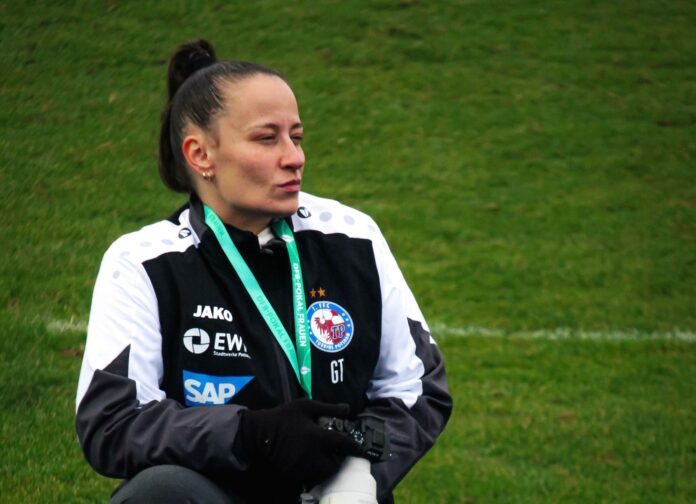
Gamze Tutaker working pitchside during a women’s football match, capturing moments from the technical area.
Gamze Tutaker during a women’s football match, documenting the game from close range and behind the scenes. Her work reflects the growing importance of visual storytelling in women’s football.

Background and professional focus

Before the first whistle, before the floodlights switch on, before images reach millions of screens, Gamze Tutaker is already working. Her photography does not chase moments. It waits for them. In women’s football, where visibility, authenticity and trust matter more than ever, her lens captures more than action. It captures presence.

Gamze Tutaker is a team photographer in women’s football. Her work sits between speed and sensitivity, precision and intuition. Operating in high-pressure matchday environments, she documents elite performance while respecting the personal space and emotional rhythms of players and staff. Beyond the ninety minutes, she focuses on routines, emotions and the unseen details that shape professional football. Working confidently in multilingual environments, she brings a calm, human approach to one of the fastest-moving roles in the modern game.

Her photography does not chase moments. It waits for them.

Our exclusive interview with Gamze Tutaker

You are currently working as a team photographer in women’s football. How would you describe your role, and what does a typical matchday or training day look like from your perspective behind the camera?

My role is to visualise what is happening in front of me by closely observing situations and allowing images to develop in my mind. For me, a strong photograph is not about shooting constantly, but about patience and timing. It is about waiting for the exact moment when emotion, movement and atmosphere come together.

A matchday begins the day before. Preparation is essential. I check my equipment, follow the weather forecast and make sure I am technically prepared for every possible condition, whether low light, rain or bright sunshine. On matchday itself, I usually wake up very early. I consciously prepare my mindset and calm my nervous system, because clarity is fundamental. Random or stressful thoughts directly affect creativity.

When I arrive at the stadium, I greet the players, observe their routines and capture these quieter moments before the game. I pay close attention to body language and personal space, because respecting privacy is crucial. The goal is never to distract anyone, but to blend into the environment.

Once warm-up starts, the pace increases. Images are taken, edited and uploaded within minutes for social media. The same applies to goals and halftime or fulltime moments.

After the final whistle, the most demanding part begins. Selecting and editing around 250 to 300 images from approximately 15,000 to 20,000 shots requires focus, discipline and speed. Delivering quality under pressure means working extremely efficiently, often with no more than about one and a half minutes per image. Even then, the full editing process takes around four to five hours.

Your work focuses on action shots and moments behind the scenes. What draws you to documenting everyday life in women’s football beyond the ninety minutes?

I want to give something back to women’s football by sharing my perspective and contributing to how the game is seen and remembered. Photography allows me to tell stories beyond results, stories about preparation, emotion, connection and effort.

It also motivates me to inspire others, especially women, to consider sports photography as a professional path. Making players happy with my images is incredibly fulfilling. When they feel seen and respected, it becomes a true win-win situation. These are not just pictures of them, but pictures created with them.

These are not just pictures of them, but pictures created with them.

Photography in a team environment requires trust and sensitivity. How do you create a comfortable atmosphere for players and staff while still capturing authentic and powerful images?

Trust takes time and consistency. It cannot be rushed. I place a lot of value on respecting boundaries, because without mutual respect, this work simply does not function. As a team photographer, you need to create a sense of reliability and safety.

That also means understanding when someone feels comfortable being photographed and when they do not. Reading these moments and respecting them is essential. There is space for laughter and small talk, but professionalism is always present. This balance allows authentic moments to unfold naturally.

You are responsible not only for photography, but also for editing, retouching, colour correction, and digital delivery. How important is full creative control in your workflow?

Full creative control is very important to me. Photography does not end when the shutter is pressed. Editing, colour correction and final delivery are integral parts of the storytelling process.

Once your eye and mind are trained, decisions become intuitive. The workflow becomes faster, more fluid and more consistent. That flow is essential, especially when working under tight deadlines.

Live content and social media have become central to modern football communication. How do you approach real-time photography and content delivery under pressure?

Once you understand how social media works and what it requires, you develop a clear instinct for which images matter in real time. It is about recognising key moments instantly, goals, celebrations, emotions, and delivering them without delay.

Speed is important, but judgement is equally crucial. Not every image needs to go out immediately. Experience helps you decide what truly represents the moment.

Your background combines creativity, digital competence, and strong organisational skills. Which of these abilities has proven most critical in professional football environments?

The most critical ability is staying present under pressure. Very often, you are selecting images at the exact moment something important happens on the pitch. Managing these parallel demands is challenging.

Preparation is key, and having two cameras ready is often the most practical solution. It reduces the risk of missing decisive moments while still meeting delivery expectations.

Working in women’s football often means limited resources but high expectations. How do you balance creativity and quality within these constraints?

I never let pressure take control. I genuinely enjoy every part of my job, and gratitude helps me navigate stressful situations. Pressure limits creativity, so staying calm and focused is essential.

Enjoying the process allows quality to remain high, even when resources are limited.

You speak multiple languages and come from a multicultural background. How does this influence your communication and your way of working within diverse teams?

It helps me enormously in understanding players from different cultural backgrounds. Communication becomes more personal and more precise.

For example, within our team we have a player from Kazakhstan, and I can choose between speaking Turkish or Russian. That creates trust and makes interactions more natural.

From your experience, how has the visual representation of women’s football evolved in recent years, and where do you still see gaps or missed opportunities?

Women’s football has reached a very high visual and professional level, which I truly love for everyone involved. At the same time, I am convinced this is only the beginning.

There is still room to tell deeper stories and to show more of the everyday reality behind the big moments. The growth is real, and the future holds enormous potential.

Looking ahead, how would you like to develop your career as a photographer within women’s football, and what kind of stories do you want to tell through your work?

I want to improve myself every day by continuing to shoot, learn and refine my craft. Taking small steps while enjoying the process will bring me closer to my long-term goal of becoming a successful sports photographer.

I am excited about the future and motivated to keep telling stories that reflect the depth, emotion and professionalism of women’s football.

The Rise of the Defensive Striker in Modern Football

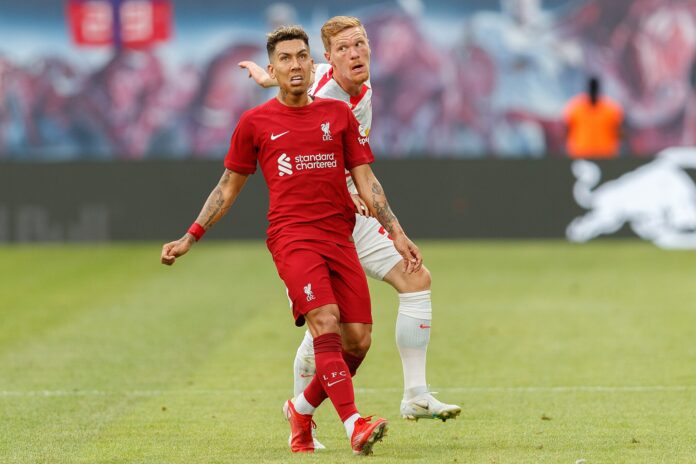
Roberto Firmino applying defensive pressure during open play, illustrating the modern defensive striker role.
Roberto Firmino’s off-ball work highlights how modern strikers influence games through pressing, positioning, and defensive discipline. Steffen Prößdorf, CC BY-SA 4.0, via Wikimedia Commons.

For years, football searched for solutions through the ball. False nines. Playmakers. Number tens who could organize attacks and control rhythm.

Today, the game has shifted. Modern football coaches prioritize team defense above everything else. And that defense no longer starts at the back line. It starts from the very front.

Modern football coaches prioritize team defense above everything else.

This is why football is now quietly searching for a new profile. Rare. Demanding. Often misunderstood. The defensive striker.

This term is not yet fully established in football literature. But the game itself is already moving in this direction. And it is only a matter of time before the name follows the need.

What defines a defensive striker

A defensive striker is not defined by goals. He is defined by what the opponent is not allowed to do.

This player applies constant pressure on the opponent’s ball playing center backs or defensive midfielder. He disrupts the first pass. He prevents clean progression. He forces the opponent to play sideways or long before they are ready.

He is not usually an elite finisher. But he is physically strong. Mentally disciplined. And capable of repeating high intensity sprints for ninety minutes.

He is often versatile. Able to operate in multiple positions depending on the game model. And for many coaches, he becomes a key player rather than a complementary one.

Why this profile is so rare

This is exactly why this profile is so rare. And this is also why the players who can combine this defensive discipline with goal output start at sixty million euros and above in today’s market.

Not because they score goals. But because they allow teams to control games without the ball.

A defensive striker is not defined by goals. He is defined by what the opponent is not allowed to do.

A message for academy coaches

For academy coaches, there is a clear message here. Do not automatically push every strong or tall player into defensive positions. Football is evolving too fast for old assumptions.

Today, defense begins in the opponent’s half. And tomorrow, it will begin even higher.

One of your greatest successes as a coach may not be producing the next superstar striker. It may be recognizing and developing one of these profiles before the rest of the game fully understands its value. Because every top level team is already searching for this player.

FIFA Agent Mock Exam 1

Multiple Choice Exam
Photo by Nguyen Dang Hoang Nhu on Unsplash

1. Justin, an established professional footballer, is unhappy about his lack of playing time with his club during the season. He is considering terminating his contract with the club based on sporting just cause. The club plays 30 matches during the season. In which of the following scenarios would he have grounds to prematurely terminate his contract? Select one:

a. He appeared in only two matches

b. He appeared in only seven matches

c. He appeared in only three matches

d. He appeared in only five matches


2. AFC Red have been issued with a Payment Notification for EUR 100,000 but have failed to pay the FIFA Clearing House within the 30-day deadline. How much does AFC Red have to pay to the FIFA Clearing House? Select one:

a. EUR 125,000

b. EUR 105,000

c. EUR 102,500

d. EUR 100,000


3. Which parties could be sanctioned by the FIFA Disciplinary Committee for being involved in a bridge transfer? Select one or more:

a. Only clubs

b. Any party subject to the FIFA Statutes and regulations involved in a bridge transfer

c. Only players

d. Clubs and players


4. In relation to which of the following may a Football Agent not charge a service fee? Select one or more:

a. The club’s conditional bonus after their former player won a continental competition

b. The player’s loyalty bonus after 12 months

c. The player’s performance bonus after ten goals

d. The club’s sell-on fee


5. What is considered to be an Approach to a player? Select one or more:

a. An e-mail to a player

b. A message on social media

c. A meeting with a player’s brother

d. An e-mail to a player’s club about a potential transfer of a different player


6. What are the possible consequences for a club that fails to pay the relevant amounts as ordered by the Football Tribunal? Select one or more:

a. A reprimand

b. A ban from registering any new players, whether nationally or internationally

c. A fine imposed by the Football Tribunal

d. A suspension from participating in tournaments


7. Which parties can exert influence on a club in the meaning of article 18bis of the FIFA Regulations on the Status and Transfer of Players (RSTP)? Select one:

a. Any third parties and the counter club(s) can exert influence on a club in the meaning of article 18bis of the RSTP

b. Only Football Agents can exert influence on a club in the meaning of article 18bis of the RSTP

c. Only third parties can exert influence on a club in the meaning of article 18bis of the RSTP

d. Only clubs can exert influence on another club in the meaning of article 18bis of the RSTP


8. A player is a student and moves without their parents to another country temporarily for academic reasons in order to undertake an exchange programme. Which requirements must be fulfilled? Select one or more:

a. The duration of the player’s registration for the new club until they turn 18 or until the end of the academic or school programme may not exceed one year

b. The duration of the player’s registration for the new club until they turn 18 or until the end of the academic or school programme may not exceed two years

c. The player’s new club may only be a purely amateur club

d. The player’s new club may only be an amateur or semi-professional club


9. Based on which amount is a solidarity contribution calculated? Select one:

a. The player’s salary

b. The player’s market value

c. Any transfer fee paid from one club to another club

d. All payments made as part of a transfer, including club-to-player/agent payments


10. Which of the following activities constitute Football Agent Services? Select one or more:

a. Organising trials with clubs

b. Negotiating with a coach for a Client to be called up to their respective representative team for the FIFA World Cup™

c. Negotiating the termination of a professional contract

d. Representing clients before the Football Tribunal


11. When an Engaging Entity is paying the service fee on behalf of an Individual, which of the following conditions apply? Select one or more:

a. The negotiated annual Remuneration must be above USD 200,000

b. The Individual must be a minor

c. The Individual and Engaging Entity must agree

d. The service fee must not be deducted from an Individual’s Remuneration


12. Is there an educational requirement to be a FIFA Agent? Select One.

a. Yes, you need a Bachelor Degree

b. Yes, you need a Master’s

c. Yes, you need a PhD

d. No, no educational requirements


13. The cumulative total of both “Registration Periods” in Football may not exceed: Select One.

a. 10 weeks

b. 12 weeks

c. 14 weeks

d. 16 weeks


14. Training Compensation is not due in EU/EAA if the former club doesn’t offer the player a contract how many days before expiry of his current one?

a. 15 days

b. 30 days

c. 60 days

d. 90 days


15. Which of the following occurs after a football agent fails to comply with CPD requirements following the expiry of the provisional suspension period of 60 days? Select one or more

a. Their clients have just cause to terminate all representation agreements with that agent

b. All service fees must be returned to clients

c. Their football agent licence is withdrawn

d. The football agent is permanently suspended from the profession and may not apply for a new licence


16. A president of a club comes to you for advice on match manipulation. He is concerned that some of the club’s players may be involved in match-fixing practices and wonders if the club may be held liable for their behaviour. Is this so?

a. No, clubs may only be liable for behaviour of their own officials

b. Yes, clubs may be held liable for the behaviour of their players, but are exonerated from liability if they can provide the absence of any fault or negligence on the part of the club

c. Yes, clubs may be held liable for the behaviour of their own players under the principle of strict liability

d. No, clubs may not be held liable for the behaviour of their players under any circumstances


17. The Council may convene an Extraordinary Congress at any time and shall do so if what proportion of the member associations make such a request in writing?

a. ⅓

b. ½

c. ⅕

d. ¼


18. Which of the following are recognised standing committees? Select one or more

a. Finance Committee

b. Medical Committee

c. Club Committee

d. Player Committee


19. The FIFA Clearing house is entitled to request an individual, club, or member association to provide information when performing a compliance assessment. Which of the following are example(s) of information that the FIFA Clearing House may request? Select one or more

a. Corporate structure

b. Beneficial ownership

c. Source of funding

d. Source of wealth


20. Which of the following is not a provision for a natural person to become a football agent? Select one or more.

a. Submitting a licence application

b. Paying an annual fee to FIFA

c. Registering a FIFA ID

d. Complying with eligibility requirements

ANSWERS
  1. A
  2. C
  3. B & D
  4. D
  5. A,B,C
  6. B
  7. A
  8. A & C
  9. C
  10. A & C
  11. C & D
  12. D
  13. D
  14. C
  15. A & C
  16. C
  17. C
  18. A & B
  19. A,B,C,D
  20. C

How did you get on? Still some work to do? You can prepare with the How to Pass the FIFA Football Agent Exam workbook, a practical and comprehensive guide designed to help you master the exam content. It combines theoretical knowledge, practical cases and mock exams to prepare you in a structured and effective way, based on the latest official FIFA materials.

Follow the Sports Agent Academy on LinkedIn to get the latest exam content, practice questions and successful strategies.

Who is Philipp Aigner?

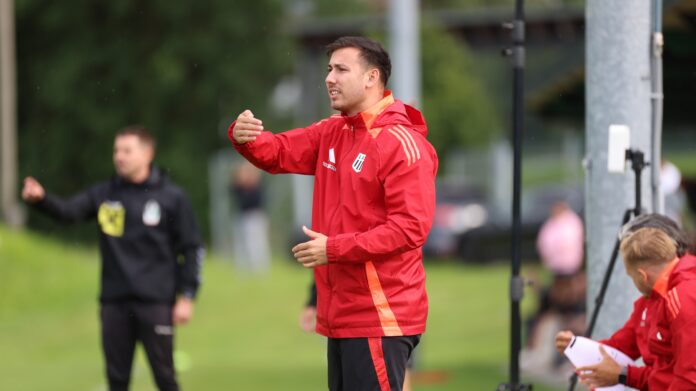
Philipp Aigner delivers instructions during a training session, reflecting his analysis-led coaching approach.
Philipp Aigner during a training session, where analysis, communication, and on-pitch detail come together. His work bridges tactical preparation and practical execution in high-performance environments.

Background and career

Philipp Aigner’s pathway into professional football did not follow a conventional route. While he spent many years playing at club level, a pivotal moment came when his club moved close to insolvency, prompting him to reassess his future in the game. Rather than continuing on an uncertain playing path, he made a conscious decision to step back and explore football from a different perspective.

Driven by curiosity, Aigner enrolled in a match analysis course, which led to an internship at the St. Pölten academy. There, he quickly became involved in daily analytical and coaching processes, gaining practical insight into structured player development and performance analysis.

What began as a one-year internship evolved into greater responsibility. Aigner progressed to Head of Match Analysis while also serving as Assistant Coach of the U18 team, combining video analysis with direct on-pitch coaching. This experience reinforced his belief that analysis only becomes valuable when it directly shapes behavior and decision-making on the field.

In parallel, he worked as a Video Analyst for the Austrian Futsal National Team. The futsal environment, with its emphasis on space, timing and rapid decision-making, further influenced his tactical thinking and later work in set pieces and structured attacking play.

During this period, his football roles were not full-time. Alongside his work in the game, he balanced regular employment while steadily investing in his long-term ambition to build a professional career in football.

The decisive step came with a full-time offer from LASK Linz. Joining the club as a Video Analyst marked a major milestone, later expanding into a hybrid role as Video Analyst and Assistant Coach, with a growing focus on set pieces and tactical implementation.

A modern mind in set-piece coaching and analysis

Philipp Aigner is part of a new generation of football coaches who operate at the intersection of data, structure and on-pitch execution. His work focuses on turning marginal moments into strategic advantages, treating set pieces not as isolated actions but as an integral part of a team’s tactical identity.

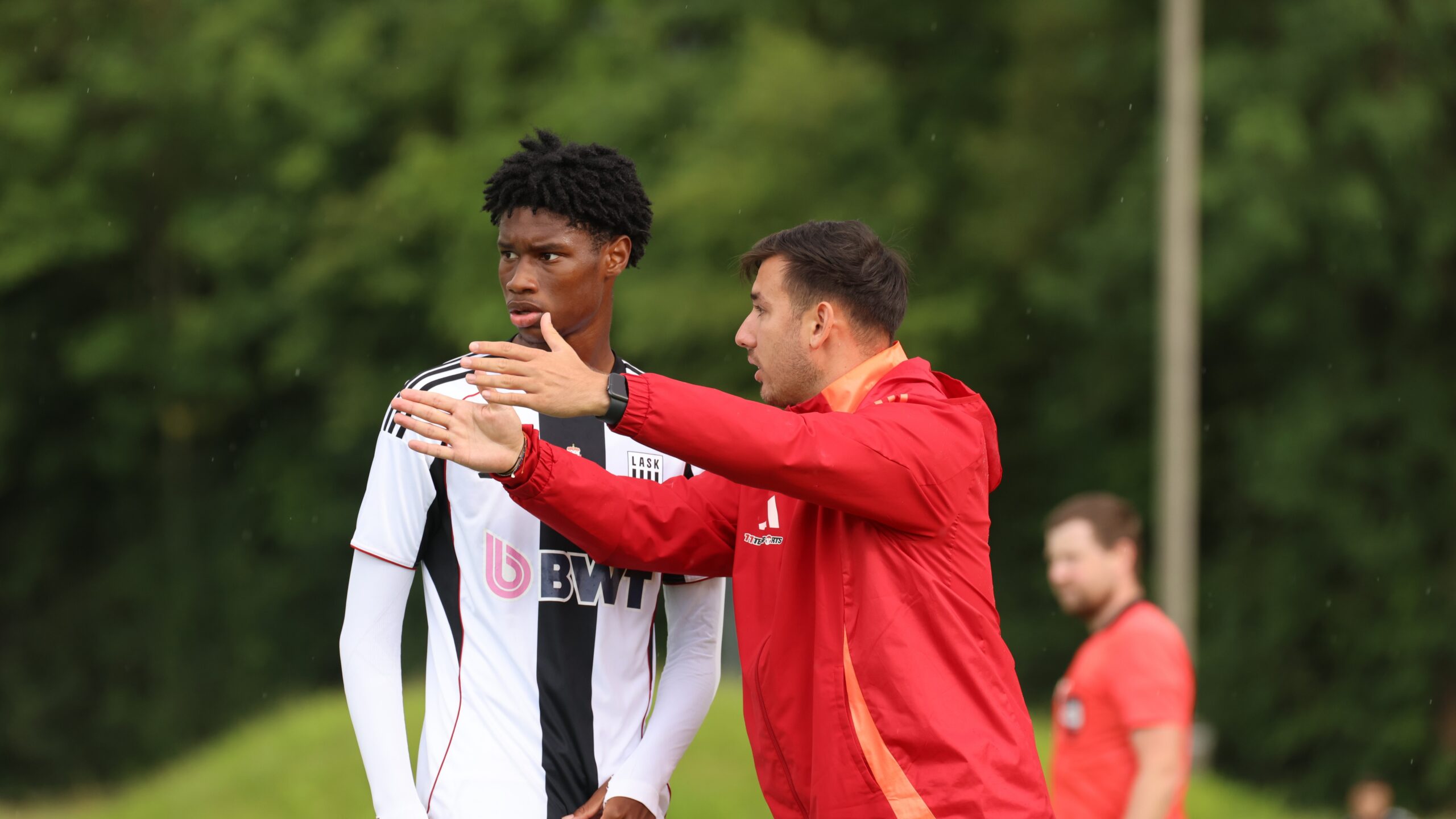
Philipp Aigner gives tactical instructions to a player during a training session.
Philipp Aigner communicating tactical detail to a player during training. The moment highlights his focus on clarity, timing, and on-pitch execution.

Our Exclusive Interview with Philipp Aigner

How did you start a career in football without having a professional player background?

I did play football myself, but I was always aware that I would need to invest my time differently to progress in the professional game. Without a professional playing background, I knew early on that I had to add value through understanding the game deeply and through the quality of my work rather than reputation. I began by investing heavily in education, self-study and practical experience analysing games, working with video and supporting teams wherever I could gain insight into the coaching process.

Analysis became my entry point, because it allowed me to be close to decision-making and to understand football from a structural and tactical perspective. Over time, the role naturally expanded. By consistently translating analysis into practical solutions for coaches and players, trust grew and I became more involved on the pitch. Not having a professional playing career forced me to be very precise in my communication, well-prepared and solution-oriented qualities that are essential in high-performance environments. Looking back, that path shaped how I work today. It taught me that credibility in football doesn’t only come from the past, but from clarity, reliability and impact in the present.

Credibility in football doesn’t only come from the past, but from clarity, reliability and impact in the present.

Which key moments or decisions shaped your early career path and helped you move into coaching and analysis?

Several key moments shaped my early career, but more than anything it was a series of deliberate decisions rather than one defining event. One important step was the decision to invest heavily in learning alongside playing. Early on, I realized that if I wanted to move into professional football without relying solely on my playing background, I had to build a different skill set. I chose to spend time analysing matches, working with video and engaging with tactical concepts, even when it wasn’t required.

Another decisive moment was recognizing that analysis could be a bridge into coaching. Instead of treating analysis as a purely technical role, I focused on how insights could influence training content and decision-making. That mindset helped me build trust with coaches and gradually take on more responsibility on the pitch. Equally important were the environments I worked in early on. Being around coaches who were open to dialogue and willing to challenge ideas accelerated my development. Those experiences taught me the importance of communication, context and timing, not just having good ideas, but knowing when and how to share them.

How would you describe your current role, and what are your main responsibilities within the coaching and performance staff?

My role sits at the intersection of analysis and coaching. I work as an analyst and assistant coach, with a specific responsibility for set pieces, while also supporting the head coach and staff in tactical and performance-related topics. On a daily basis, I’m involved in match and training analysis, opponent preparation and the translation of analytical insights into concrete training content. A big part of my work is ensuring that information flows efficiently, from data and video into clear coaching messages that players can actually apply on the pitch. I’m also responsible for the design, implementation and continuous development of our attacking and defensive set-piece strategy. That includes video preparation, on-field coaching and close coordination with the head coach to align set pieces with our overall game model.

What does your daily and weekly workflow look like, from analysis and preparation to direct involvement on the training pitch and on matchday?

My workflow is built around the match cycle, constantly alternating between analysis, planning and on-pitch implementation. Early in the week, the focus is on reflection and adjustment.

I analyse our last match in detail, with a particular emphasis on set pieces and key tactical moments and identify clear areas for improvement. In parallel, I start opponent analysis, looking for tendencies and patterns that are relevant to our game model rather than collecting information for its own sake.

Midweek is about translation and preparation. Together with the coaching staff, I turn insights into concrete training objectives. For set pieces, this includes designing routines, preparing defensive schemes and creating short, targeted video clips. On the pitch, I’m directly involved in coaching these situations, refining details and ensuring clarity in individual roles and collective behavior.

As we move closer to matchday, the emphasis shifts strongly toward reduction and communication. Especially on matchday itself, set pieces are one of the most difficult areas to influence. Players have already been fed a large amount of information throughout the week, and cognitive overload becomes a real risk. That’s why we often talk about “working in the shadows.” It means using time very deliberately identifying the right moments to communicate, keeping messages extremely focused and sometimes choosing not to add information unless it clearly improves execution.

The goal is to support players without distracting them, so they can rely on automatisms and clear reference points under pressure. On matchday, I support the staff with live analysis and targeted input, mainly around set pieces, opponent adjustments and document key moments immediately after the game to feed directly into the next cycle.

The teams that succeed are not necessarily those with the most ideas, but those who translate complex tactical concepts into clear behaviors.

How do you translate complex analysis and tactical ideas into clear, practical solutions that players and coaches can apply under real match pressure?

For me, the key is reduction and relevance. Complex analysis only has value if it survives match pressure, so I always start by identifying the one or two behaviors that truly influence the situation we want to improve. I translate data and tactical concepts into simple cues, clear visuals, and repeatable actions. With players, that means short video clips, concrete reference points on the pitch, and language that connects directly to their decision-making rather than abstract theory.

With coaches, it’s about showing the why behind an idea, but also being very clear about the how and the trade-offs. Especially with set pieces, everything is built around clarity timing, and automatisms. If a solution can’t be executed instinctively, it’s too complex. So I test ideas in training, simplify them further if needed and make sure they fit the team’s overall game model. My goal is that players don’t have to “think tactics” in decisive moments, they just recognize the picture and act with confidence.

What is your personal vision of football, and how do you believe the game is evolving tactically and structurally at the highest level?

My personal vision of football is centered around clarity, adaptability and collective intelligence. I believe the game is at its best when players clearly understand principles rather than fixed instructions and when teams are able to adapt their behavior to different match contexts without losing their identity. At the highest level, football is evolving toward a game of controlled chaos. Structurally, we see more fluid positions, constant occupation, manipulation of spaces and a reduced distinction between phases of the game. Build-up, pressing, rest defense and transitions are increasingly interconnected rather than treated as isolated moments.

Tactically, the margins are becoming smaller, which increases the importance of details and specialization. Set pieces, restarts and micro-structures around the ball can decide matches more than ever. At the same time, physical and cognitive demands are rising, which means teams must manage information carefully and create environments where players can make fast and confident decisions under pressure. For me, the key challenge and opportunity lies in simplifying complexity. The teams that succeed are not necessarily those with the most ideas, but those who translate complex tactical concepts into clear behaviors that can be executed instinctively. Football will continue to evolve, but clarity, timing and execution will remain decisive at the highest level.

Looking ahead, what kind of football projects or environments do you see yourself working in, and what ambitions drive you for the next phase of your career?

Looking ahead, I see myself working in high-performance environments where analysis, coaching and decision-making are closely connected. I’m particularly motivated by projects that value detail, structure and long-term development, rather than short-term reactions.

I want to continue growing in roles where I can take increasing responsibility, especially in areas like tactical planning, set pieces and the translation of analysis into on-pitch impact.

Being close to the daily coaching process is important to me, not just producing insights, but actively shaping how a team plays and improves. My ambition is to be part of a club or project that is curious, demanding and open to innovation, where different perspectives within the staff are encouraged and where performance is constantly questioned and refined. At the same time, I want to work in environments with a strong football culture and clear values, where success is built through collective work and consistency.

Ultimately, what drives me is the desire to keep learning and to help teams perform at their highest possible level by bringing clarity to complexity and by contributing to sustainable success on and off the pitch.

Sheffield FC: The Birthplace of World Football

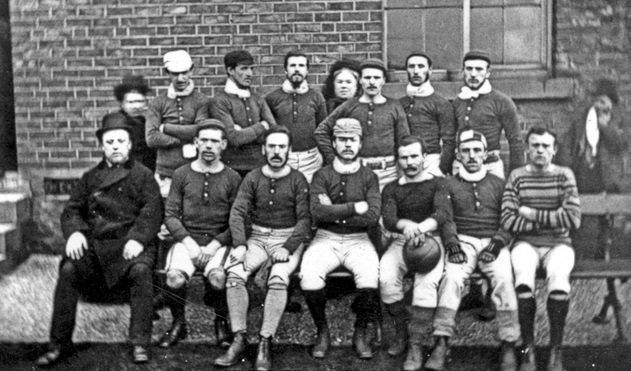
Historic Sheffield FC team photograph from the 19th century, representing the origins of organised football.
A historic Sheffield FC team photograph, symbolising the club’s role in shaping the early rules and identity of world football. [1], Public domain, via Wikimedia Commons.

Football is now a global industry. Mega stadiums, billion-euro broadcasting deals and superstar athletes dominate the modern game. Yet the foundations of football were laid far from this spectacle in the industrial heart of 19th-century England. At the center of that story stands a club officially recognized by FIFA as the world’s oldest: Sheffield Football Club.

A Game Born in an Industrial City (1857)

Sheffield FC was founded on October 24,1857, in the steel city of Sheffield. Its founders, Nathaniel Creswick and William Prest, were cricketers searching for a sport to keep fit during the winter months.

At the time, “football” was not a single, unified game. Different schools and towns played by different rules some allowing handling, others resembling rugby. Sheffield FC emerged at a moment when the sport desperately needed structure and identity.

At the time, “football” was not a single, unified game.

The Sheffield Rules: Football’s First Constitution

In 1858, the club published what became known as the Sheffield Rules, one of the earliest written sets of football regulations.

Many elements now taken for granted in the modern game were first systematized here:

  • The throw-in
  • The corner kick
  • The free kick
  • Clear limits on physical contact
  • The principle that a ball passing over the crossbar was out of play

When the Football Association (FA) was founded in London in 1863, it drew heavily from the Sheffield Rules. Modern football’s rulebook was built, in large part, on these foundations.

The First Derby, the First Rivalry

One of football’s earliest recorded rivalries also emerged in Sheffield. Founded in 1860, Hallam FC became Sheffield FC’s natural opponent. Matches between the two clubs are considered among the oldest football fixtures ever played.

While today these games take place at amateur level, their historical value surpasses many of football’s most famous modern derbies.

A Club That Resisted Professionalism

As football moved toward professionalism in the late 19th century, Sheffield FC chose a different path. The club consciously maintained its amateur status for decades, prioritizing the spirit of the game over competitive success.

This decision meant fewer trophies but it preserved something far more enduring: football’s original ethos.

FIFA Recognition and Global Respect

Sheffield FC’s contribution to football history has been formally recognized. FIFA awarded the club the prestigious Order of Merit, an honor reserved for institutions and individuals who have profoundly shaped the game.

The club also holds a permanent place in the FIFA Museum, widely regarded as a living monument to football’s origins.

Sheffield FC Today

Today, Sheffield FC competes in the lower tiers of the English football pyramid. Its stadium is modest, its resources limited. Yet its identity carries a weight no modern giant can replicate: it represents where football began.

From Origins to Industry: Sheffield FC vs Modern Football

Comparing Sheffield FC to modern football is to compare a handwritten manuscript with a global media empire.

Where Sheffield FC was founded on community, participation and shared rules, modern football revolves around branding, commercial value and global audiences. Clubs today are multinational corporations; players are assets; matches are content.

Yet every kick, every set piece, every tactical structure traces its lineage back to Sheffield. Without the Sheffield Rules, there is no Premier League. Without amateur pioneers, there is no Champions League. Sheffield FC reminds us that football was first a social language, then a competition, and only later an industry.

Sheffield FC reminds us that football was first a social language, then a competition, and only later an industry.

As the modern game accelerates, its need for memory grows stronger. In that sense, Sheffield FC is not just football’s past it is its conscience.

Who is Sergio Almenara?


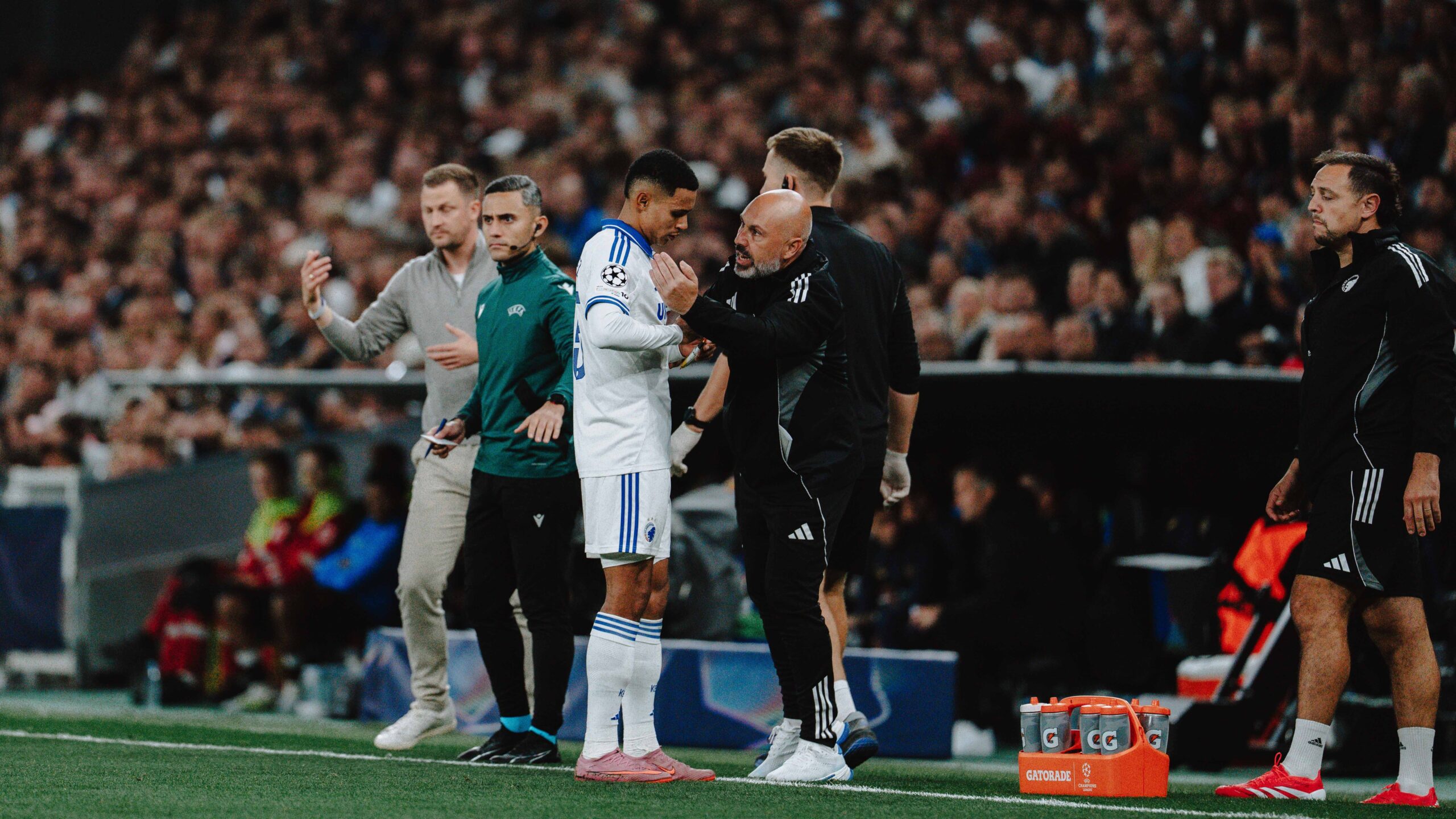
Sergio Almenara on the touchline during a match, reflecting his leadership and tactical focus as a modern football coach.
Sergio Almenara on the touchline, where structure, communication, and tactical detail define his approach to modern football coaching.

Background and current roles

Sergio Almenara is a Spanish professional football coach recognized for his expertise in set pieces, tactical organization, and performance development. He currently works as Assistant Manager and Set-Piece Coach at FC Copenhagen and serves as Set-Piece Coach for the Finland national team.

Since joining FC Copenhagen in 2025, Almenara has operated in a high-intensity, results-driven environment with matches every three days. His role demands fast and precise analysis, clear communication with staff, and the ability to deliver detailed tactical solutions under pressure. His focus is on helping FCK compete for domestic titles while maintaining a consistent presence in the UEFA Champions League.

At international level, Almenara provides Finland with a structured and principle-based set-piece framework. With limited international windows, he prioritizes clarity, organization, and adaptable decision-making, giving players the freedom to apply creativity within a clear strategic system.

Coaching journey and methodology

Almenara’s coaching journey spans Spain, Finland, South Africa, and Denmark, across roles including video analyst, head coach, director of methodology, and scouting. These experiences have shaped his tactical depth and strong analytical foundation. He previously worked as Assistant Manager and Head of Scouting at FC Inter Turku, and later contributed significantly to a successful period at Orlando Pirates as Assistant Manager and analyst, capturing four major trophies.

His set-piece philosophy blends structure, precision, and adaptability. Viewing each routine as a tactical puzzle, he designs strategies tailored to player strengths and match demands while preserving the team’s identity. Supported by data-driven insights and close collaboration with staff, he aims to expose opponent weaknesses through well-timed, high-execution solutions.

A modern and forward-thinking coach, Sergio Almenara leverages international experience, analytical rigor, and innovative methodology to consistently deliver competitive advantages for both club and country.

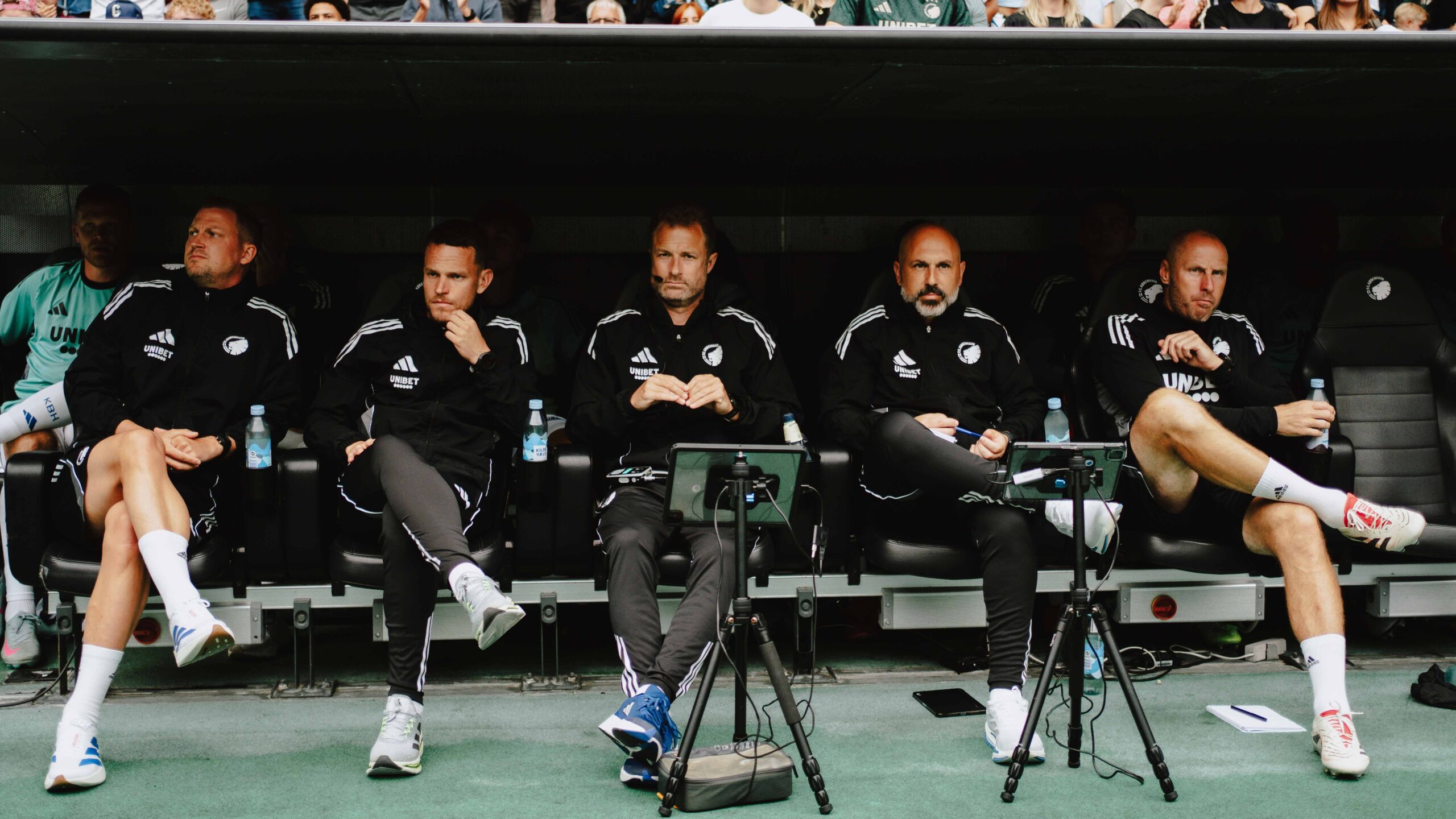
Sergio Almenara seated on the bench with coaching staff during a match, highlighting collaboration and match preparation.
Working within elite technical staffs, Sergio Almenara operates in high-pressure environments where preparation and teamwork are essential.

Our exclusive interview with Sergio Almenara

As of 2025 you joined FC Copenhagen as assistant manager and Set Piece Coach. What is the current day-to-day like? What attracted you to this project, and what are your personal ambitions with the club?

The day-to-day is hectic, with games every three days. There isn’t much time to reflect, mostly to execute. FCK is the biggest club in the Nordic countries, and the fan base, the stadium, and the environment made the decision very easy.

My ambitions are simple: to coach at the highest possible level in European football and, with FCK, to win titles and play in the Champions League every year.

My ambitions are simple: to coach at the highest possible level in European football and, with FCK, to win titles and play in the Champions League every year.

As set piece coach for the Finland national team, how do you structure your set-piece training, and what do you prioritize: creativity, organization, or adaptability?

Adaptability is the key word. With national teams, training time is very limited, so you can’t go too deep into details. Structure and organization are the priorities. Then creativity comes from the players, what they see and what they can execute. At club level, you have far more time to develop the set-piece phase.

During your time as assistant coach at Orlando Pirates, the club won multiple trophies. What were the key factors behind that success?

We had great and very creative players who, as much as their intuition allowed, followed the organization, structures, and game plans laid out by the three Spanish coaches who went there to improve the team’s performances from previous years.

You have coached in Spain, Finland, South Africa, and now Denmark. How have your methods adapted to different leagues?

Adaptation is the most important process. Adjusting to the country, the league, the club, the coaching staff, and the players’ context is what allows you to implement new ideas while respecting what was already working before you arrived.

How did you first get into coaching, and what motivated you to leave Spain for roles abroad?

I was 16, playing for my neighborhood club in Valencia, when they asked me to coach the U8 team where my little brother played. The motivation to coach had always been there, but the lack of opportunities in bigger clubs made me realize that if I wanted to become a professional, I would have to leave the country.

Sergio Almenara giving instructions to a player during a match, demonstrating hands-on leadership and tactical communication.
Clear communication and in-game guidance are central to Sergio Almenara’s coaching philosophy at both club and international level.

Your coaching résumé is quite varied, from video analyst, youth academy manager, assistant coach, to head of scouting and technical coach. How did these diverse roles shape your football philosophy?

I worked with small coaching staffs who pushed me to learn analysis and scouting processes, as well as how to use the software and platforms required to perform at a high level. Those roles broadened my understanding of the game and shaped my overall perspective.

How would you describe your overall philosophy toward set pieces?

The philosophy is simple: develop principles that make us feel strong and safe, while also allowing us to threaten opponents with our routines and individual skills.

The philosophy is simple: develop principles that make us feel strong and safe, while also allowing us to threaten opponents with our routines and individual skills.

What do you prioritize when analyzing an opponent’s defensive setup on corners and free kicks? How do you identify vulnerable zones?

We look at where our routines can hurt them the most with minimal changes to our usual behaviors. Sometimes, if we see a big opportunity, we make small adjustments – like the goal we scored against FC Basel in the Champions League.

We identify vulnerable zones through detailed discussions with our set-piece analyst, Nikolai Grum, balancing what is best for us with how much it compromises our structures. If the compromise is too big, I share it with the coaching staff and we find an agreement. With the national team, I analyze alone, but if something important comes up, I share it with the staff.

Can you walk us through your process for creating a new offensive or defensive set-piece routine?

  1. Analyze the strengths and weaknesses of my players.
  2. Review previous routines that were effective before my arrival.
  3. Check whether my ideas align with the players’ strengths.
  4. Design and practice the routine.
  5. Gather feedback from analysts, coaches, and players.
  6. Modify it into the final version.
  7. Review possible adaptations based on improvement areas or opponent weaknesses.

How often do you introduce new routines, and how do you balance novelty with consistency?

We don’t introduce too many completely new things. We work from the principles we agree on with the players at the beginning of the season, and those principles sustain our organization and performance.

Occasionally, we design something new for a specific opponent, but never at the expense of our principles and structures.

Do you customize routines to specific player strengths, or design systems that any player can fit into?

Yes, we customize. As I always tell the players: creating a set-piece routine is like assembling a puzzle. Every game you may have one, two, or three new players, and you must make them all fit within the same principles and structures. Sometimes the strategy changes so we can get the most out of whoever is on the field.

What is your preferred approach for defending corners: zonal, man-marking, hybrid, or does it depend on the opponent?

It depends on the spaces you want to protect and on balancing the players you have with their specific skills. Hybrid is the most common approach for us.

How can a team exploit defensive set-piece recoveries to launch quick transitions?

By positioning rebound players in starting zones where they can immediately challenge the opponent and create dilemmas for them.

How heavily do you rely on data and video tools when preparing set-piece strategies?

We use data as much as we can. For example, in the last derby against Brøndby, we targeted a specific area because the data showed they were very strong in the central zone. It didn’t work as expected, football is a continuous learning process, and we always try to learn from our mistakes. In other games, however, the data has helped us succeed.

الأثر المالي لملكية الأندية المتعددة في كرة القدم

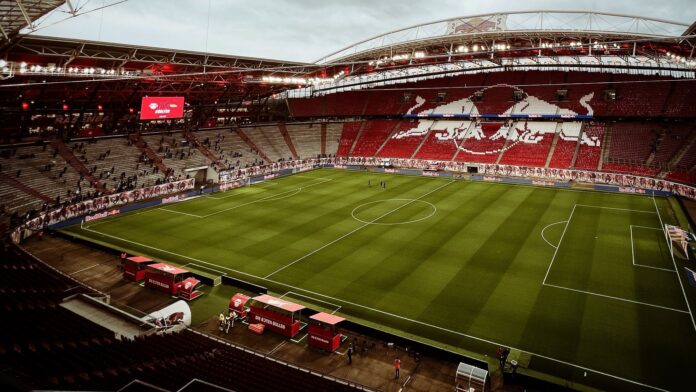
RB Leipzig’s Red Bull Arena showcasing the scale and branding of Red Bull’s multi-club football network.
The Red Bull Arena in Leipzig stands as a symbol of modern multi-club ownership, where financial investment and global branding merge to shape football’s new era.

يُعَدّ هذا المقال الجزء الرابع من سلسلة «الملكية الخاصة في كرة القدم: تغيير قواعد اللعبة أم رهان محفوف بالمخاطر؟»، والتي تستكشف الكيفية التي تُعيد بها صناديق الاستثمار الخاصة تشكيل مشهد كرة القدم من خلال ضخّ رؤوس الأموال وإعادة تعريف ملكية الأندية، بما تحمله من إمكانات تحوّل جوهرية ومخاطر كبيرة في الوقت نفسه.

في الجزء الأول من هذه السلسلة، تناولنا كيف فتح عدم الاستقرار المالي وفترة ما بعد الجائحة الباب أمام ظهور أنماط جديدة من المُلّاك داخل صناعة كرة القدم. وفي الجزء الثاني، درسنا كيف تنظر هذه الصناديق إلى الأندية باعتبارها أصولاً ضمن محفظة استثمارية أوسع، والمنطق الكامن وراء نموذج الملكية متعددة الأندية، وما يعنيه ذلك للحَوْكمة والأداء والاستدامة على المدى الطويل. أمّا في الجزء الثالث، فقد عرضنا عملية الاستحواذ على الأندية وخطواتها.

واليوم، يهدف هذا المقال إلى تقييم ما إذا كانت نماذج الملكية متعددة الأندية (MCO) تُولّد منافع مالية مستدامة أم أنها تُشكّل مخاطر طويلة الأمد على الأندية وأصحاب المصلحة في منظومة كرة القدم.

عندما تستحوذ شركات الاستثمار الخاص على نادٍ لكرة القدم، فهي لا تشتري مجرد فريق، بل تستثمر في أصل تتوقّع تحويله وتحسينه ثم الخروج منه لاحقًا بربح. ولكن هل ينسجم هذا المنطق مع الواقع المالي الفريد لهذه اللعبة؟ تعتمد الإجابة على الكيفية التي يُعرَّف بها النجاح: أَبِمقاييس مالية أم بمعايير كروية؟

عندما تستحوذ شركات الاستثمار الخاص على نادٍ لكرة القدم، فهي لا تشتري مجرد فريق، بل تستثمر في أصل تتوقّع تحويله وتحسينه ثم الخروج منه لاحقًا بربح.

أساليب الاستثمار: من إعادة الهيكلة إلى التحسين

عادةً ما يأتي الفاعلون في مجال الاستثمار الخاص بدليل عمل مُعدّ لعمليات إنعاش الشركات. وفي كرة القدم، يترجم ذلك غالبًا إلى:

إعادة هيكلة الديون

تنطوي العديد من عمليات الاستحواذ على امتصاص ديون النادي أو إعادة تنظيمها. قد يخفف ذلك من الضغط المالي على المدى القصير، لكن في بعض الحالات يتم استخدام ديون جديدة لتمويل عملية الاستحواذ نفسها (على طريقة الـ LBO)، مما يزيد من مستوى المخاطر المستقبلية.

مثال:

تَمَّ الاستحواذ على نادي بيرنلي (Burnley FC) من قبل شركة ALK Capital في ديسمبر 2020 مقابل نحو 170 مليون جنيه إسترليني، عبر صفقة مُموَّلة بالاقتراض، نُقِل بموجبها ما يقرب من 60–65 مليون جنيه إسترليني من الديون إلى عاتق النادي نفسه، ومُرهونة بأصوله الخاصة.

وبعد هبوط الفريق في مايو 2022، انهار رقم معاملاته من 123.4 مليون جنيه إسترليني إلى 64.9 مليوناً فقط، أي بانخفاض يقارب 50%، ويرجع ذلك بشكل أساسي إلى انخفاض إيرادات البث من 110 ملايين إلى 47.8 مليون جنيه إسترليني.

هذا التراجع المفاجئ كشف هشاشة هيكل التمويل بالاقتراض (LBO) وأجبر النادي على الاعتماد على مدفوعات “الهبوط” (parachute payments) ومدفوعات التضامن. كما أبرز كيف يمكن للهبوط أن يُقوِّض بسرعة النماذج المالية القائمة على الرافعة المالية.

ضبط التكاليف والكفاءة

غالبًا ما تقوم الأندية المملوكة لشركات الاستثمار الخاص بفرض سقوف رواتب أكثر صرامة، واعتماد هياكل إدارية أكثر خفة، وتركيز عملية اتخاذ القرار، وذلك بهدف خفض التكاليف وتعزيز الكفاءة.

مثال:

قام نادي تولوز (Toulouse FC)، تحت ملكية شركة RedBird Capital، بخفض فاتورة الأجور وحجم الطاقم بشكل كبير، مع التركيز على المواهب الشابة منخفضة القيمة في السوق. وقد أدّت هذه الاستراتيجية إلى صعود النادي إلى دوري الدرجة الأولى الفرنسي (Ligue 1) وتحقيقه كأس فرنسا في عام 2023.

الاستثمار في البنية التحتية

تُعتبَر عمليات تجديد الملاعب، وبناء مرافق تدريب جديدة، وتطوير المنصّات الرقمية ليست مجرد نفقات، بل محرّكات قيمة طويلة الأمد.

مثال:

اعتبر ناديا إيه سي ميلان وإنتر ميلان، المملوكان حاليًا لشركتي الاستثمار الأميركيتين RedBird و Oaktree على التوالي، أنّ التجديد الكامل لملعب جوزيبي مياتسا، المعروف باسم سان سيرو، غير قابل للتطبيق ماليًا.

وبدلًا من ذلك، يجري الناديان مباحثات لشراء الملعب التاريخي الذي بُني عام 1926، إضافة إلى المنطقة المحيطة به، من بلدية ميلانو، وذلك في إطار خطة إعادة تطوير تبلغ قيمتها 1.2 مليار يورو وتشمل مشروعًا عقاريًا أوسع. ومن المتوقّع أن يساهم هذا المجمّع الجديد في رفع تقييم الناديين خلال السنوات المقبلة بمئات الملايين من اليوروهات.

استقدام أكثر ذكاءً

يصبح الكشف عن المواهب والتعاقد مع اللاعبين اعتمادًا على البيانات أولوية أساسية. كما يُنظَر إلى عملية الاستقطاب بصورة متزايدة باعتبارها رافعة مالية، لا مجرد حاجة رياضية.

مثال:

تحت إدارة جيرار لوبيز، وبتمويل ارتبط في بداياته بشركة Elliott Management، اعتمد نادي ليل (Lille OSC) نموذجًا قائمًا على استقطاب المواهب المُقيَّمة بأقل من قيمتها الفعلية ثم بيعها لتحقيق أرباح.

فقد باع النادي اللاعب نيكولا بيبي إلى نادي أرسنال عام 2019 مقابل 80 مليون يورو (وهو رقم قياسي للاعب إفريقي)، بعد أن تعاقد معه مقابل 10 ملايين يورو فقط.

وفي عام 2020، أبرم ليل أيضًا صفقة انتقال فيكتور أوسيمين إلى نابولي مقابل نحو 70 مليون يورو.

توقّعات العائد: خلق القيمة مقابل الرؤية الرياضية

تهدف هذه الاستراتيجيات إلى إنشاء نادٍ أكثر قابلية للاستثمار، يحقق نموًّا في الإيرادات مع استقرار في التكاليف. غير أنّه خلف الجداول المالية توجد معايير أكثر ليونة وأقل قابلية للقياس، غالبًا ما يجري تجاهلها.

فبناء أكاديمية، أو إنشاء ثقافة داخل النادي، أو الحفاظ على تفاعل الجماهير، لا ينسجم بسهولة مع نموذج عائد استثماري يمتد لخمسة أعوام.

عوامل المخاطرة: الربح المالي مقابل ثقافة كرة القدم

إنّ التأثير المالي لملكية الاستثمار الخاص ليس إيجابيًا على نحوٍ موحّد. فقد برزت عدة مخاطر رئيسية عبر عدد من الأندية.

تشمل هذه المخاطر قِصَر الأمد في الرؤية، وفرط الرفع المالي، واضطراب الحوكمة، وتقديم الأرباح على حساب الشغف الجماهيري، إضافة إلى فقدان القيمة غير الملموسة المرتبطة بالهوية والذاكرة والانتماء.

الخاتمة

تُعرَض التحسينات المالية غالبًا من خلال ميزانيات عمومية مُنقّاة وهوامش EBITDA محسّنة. غير أنّ جميع المكاسب ليست هيكلية.

يجلب الاستثمار الخاص إلى كرة القدم خبرات مالية ضرورية وجرعة من التحديث، غير أنّ الأندية تُصبح مهدّدة بالتحوّل إلى هياكل تجارية فارغة عندما تطغى الهندسة المالية على القيم الرياضية.

ولكن رغم أنّ إعادة الهيكلة المالية والنمو التجاري يُعَدّان ركيزتين أساسيتين في عملية تحوّل أي نادٍ، فإنّهما يظلان بلا معنى حقيقي من دون نتائج تُحقّق داخل الملعب.

وفي المقال التالي، نستكشف ما إذا كان دليل العمل الاستراتيجي الذي يعتمده الاستثمار الخاص قادرًا فعلًا على تحقيق النجاح الرياضي، أم أنّ اللعبة ما تزال عصيّة على الخضوع للتحكّم المالي.

Who is Erol Bulut?

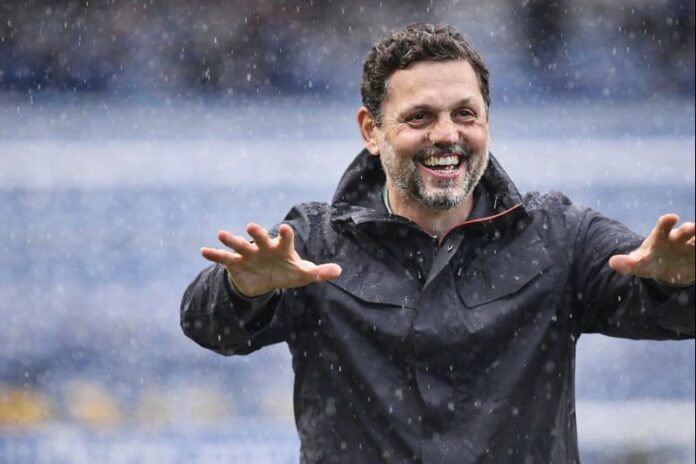
Erol Bulut gestures from the touchline during a match, reflecting his calm leadership and tactical focus as a head coach.
Erol Bulut on the touchline, embodying the composed leadership and tactical clarity that have defined his managerial career across multiple football cultures.

Background and playing career

Erol Bulut is a respected Turkish German professional football manager and former player with a wealth of experience across top tier leagues in Europe and beyond. Born on 30 January 1975 in Bad Schwalbach, Germany, he enjoyed a distinguished playing career as a left back and left midfielder, featuring in over 300 professional matches for clubs including Eintracht Frankfurt, Fenerbahçe, Olympiacos, Bursaspor, and OFI Crete.

As a player, he won major honours including the Turkish Süper Lig title with Fenerbahçe and league and cup successes in Greece with Olympiacos before retiring from professional football in 2012. After hanging up his boots, Bulut transitioned into coaching and quickly climbed the ranks. He began as an assistant coach at clubs such as Kartalspor, Yeni Malatyaspor, Elazığspor, and İstanbul Başakşehir before taking his first head coach role at Yeni Malatyaspor in 2017.

Managerial journey

There he notably kept the newly promoted club in the Turkish top flight and helped achieve a club record finish, qualifying for the Europa League playoffs. He then managed Alanyaspor, guiding them to the Turkish Cup final and a European qualification spot, and later took charge of his former club Fenerbahçe, one of Turkey’s biggest teams. His journey continued with Gaziantep FK and extended internationally when he was appointed head coach of Cardiff City in England’s Championship, achieving a respectable mid table finish in the 2023 24 season. After parting ways with Cardiff City in late 2024, Bulut returned to Turkish football, signing a two year contract with Antalyaspor in October 2025.

Coaching philosophy and credentials

His managerial experience reflects adaptability, tactical awareness, and a strong commitment to competitive performance across different football cultures. Known for his high tactical intelligence, focus on player development, and calm leadership, Bulut brings a blend of German structural understanding and Turkish football passion to his coaching.

With a UEFA Pro Licence and a preferred tactical approach that emphasizes balanced pressing and organised build up play, he is widely regarded as a coach capable of strengthening teams with clear identity and resilience. As of 2026, Erol Bulut is exploring his next professional opportunity, offering clubs a coach who combines international experience with a deep understanding of competitive league demands and long term player development.

Our exclusive interview with Erol Bulut

You have worked at different clubs in Turkey and abroad, from Yeni Malatyaspor to Cardiff City. How have these different experiences shaped your philosophy as a head coach and your approach to building teams?

Working in different leagues taught me that there is not only one correct way to play football. In Turkey, the game is often shaped by quick solutions and tactical flexibility, while in England the key factors are sustainable tempo and physical continuity. In the Championship, you must be able to play with the same intensity every week, which forces you to plan in a more realistic way.

In England, especially in the Championship, you play 50-55 matches in a season. This makes player rotation unavoidable. It is impossible to continue with the same players all the time. For this reason, you must build not only a strong starting eleven, but a squad of around eighteen to twenty players with very similar performance levels.

Building a team is not only about talent, but about continuity, physical endurance, and mental readiness.

This may sound easy in theory, but in practice it is extremely difficult. Players who come into the game must not lower the level of the team and ideally should maintain the same standard. This experience clearly showed me that building a team is not only about talent, but about continuity, physical endurance, and mental readiness.

Today, when building a team, I focus less on a player’s name or individual talent and more on how well he can perform his role with discipline and consistency over time. For me, the decisive factor is not whether a player plays well in one match, but whether he can carry the same responsibility throughout the season.

My experiences in different leagues also showed me that my football philosophy should not rely on a single culture. My current approach is based on a balanced and mature structure that combines the organizational discipline of German football with the creativity and problem solving ability of Turkish football. This allows me to build teams that control the game but can also react correctly in decisive moments.

At Alanyaspor, you reached the Turkish Cup final and qualified for European competition. What were the key principles behind that success, and how do you carry them into new projects?

The most important factor behind our success at Alanyaspor was that everyone clearly knew their role. Players understood when to take risks and when to stay patient. Our game plan was based on compact defending, stepping forward at the right moments, and being brave but organized when we had possession.

When I start a new project today, I first establish these basic principles. When a system is clear, players know what to do, when to do it, and why. This shortens decision making time and removes hesitation.

Players no longer play with the fear of making mistakes, but with the confidence of repeating the right actions. This confidence raises performance and reduces fluctuations. Players do not play one match very well and the next very poorly. They remain above a certain level. Once the system is established, individual performances also become more stable.

In modern football, leadership requires strong communication as much as tactical knowledge. How do you balance structure and flexibility during difficult periods in a season?

In modern football, no matter how good a tactical plan is, it can only be reflected on the pitch through communication. In difficult periods, what players need most is clarity and trust in what they are doing. For me, the priority is always to protect the main structure of the game.

Structure gives the team something to hold on to during uncertain times. Flexibility does not mean breaking the structure, but adjusting the details and the way the message is delivered. Not every player reacts the same way under pressure.

Some feel more comfortable with clear instructions, while others perform better when they are given responsibility. For this reason, while the system remains the same, the communication style must adapt to the player’s character.

In this context, the role of leaders on the pitch is very important. In difficult moments, the coach’s voice does not always fully reach the field. You need leader characters within the team who can stabilize and guide the group from inside the game.

Player psychology is at least as important as tactics in modern football.

Player psychology is at least as important as tactics in modern football. As a head coach, you must care not only about training and match plans, but also about the mental state of your players.

If there is no natural mentor in the team, the coach must take on this role. Following players’ psychology on a daily basis and intervening at the right moment is critical to overcoming difficult periods in a healthy way. This helps the team stay disciplined and united instead of falling apart. For me, leadership is not about changing rules, but about making sure everyone understands them correctly.

You have worked in different football cultures and environments. What have been the most valuable lessons for you in managing expectations from club management, players, and supporters?

Working in different environments taught me that expectations exist everywhere, but how they are managed differs from club to club. Club management looks for results and sustainability, players seek trust and clarity, and supporters want to see identity and fight on the pitch.

These three expectations do not always meet at the same point. The most important lesson for me was learning how to balance these expectations without completely giving up my own principles.

Open and realistic communication with management, clear roles for players, and showing supporters a team that reflects its identity on the pitch help create this balance.

It is very important to define goals clearly from the beginning to meet management expectations. Once a head coach is appointed, the transfer strategy must be planned according to the club’s short, medium, and long term goals.

Transfers should not be made based on names or short term needs, but on the desired playing identity and objectives. Without a transfer policy that fits the coach’s football philosophy, it is impossible to build a healthy and sustainable structure.

I also learned that if you constantly change direction based on external expectations, the team loses its identity. On the other hand, completely ignoring expectations creates a disconnect with the club and its community.

Therefore, the role of the head coach is not to pass pressure directly onto the team, but to filter it and deliver the right message to the pitch.

Looking ahead, what kind of club project and football philosophy best represent you, and how would you define your long term vision as a head coach?

The project that best represents me is one that does not lose direction under short term pressure, but aims to build a clear playing identity. What matters to me is not rewriting the story every season, but progressing step by step on a stable path.

My football philosophy is based on organized play, clear roles, and player development. I prefer to work in a structure that creates space for young players while maintaining balance with experienced ones.

Sustainable success is not measured only by results, but by the club’s football culture. My long term vision is to leave behind a system that can survive even after the head coach changes.

I want to build a structure where supporters know how the team plays, players understand why they have their roles, and the club’s identity is defined beyond results. For me, real success is building a football philosophy that continues after I leave.

Sometimes coaches are chosen because they fit an already functioning structure. In such cases, the expectation is not to change everything, but to protect and develop an existing culture.

Being able to analyze the current structure correctly, maintain its strengths, and make the right adjustments at the right time is just as valuable as building a completely new system. Wherever I go, I do not destroy everything. I analyze what works and try to improve it.

Brand Activations That Redefined Football Marketing

Children playing street football in an urban setting, reflecting grassroots engagement and community impact in the football ecosystem.
Grassroots football remains a powerful platform for brands seeking authentic community engagement and cultural relevance beyond traditional sponsorship assets. Photo by Şahin Sezer Dinçer on Unsplash.

Brands don’t invest millions in football just because “everyone is watching.” They do it because football is one of the few cultural territories that simultaneously delivers attention, emotion, and a sense of belonging. Unlike other forms of entertainment, football isn’t passively consumed, it’s lived, defended, and passed down through generations.

Football is one of the few cultural territories that simultaneously delivers attention, emotion, and a sense of belonging.

For a brand, entering football is more than just about gaining visibility, it’s about earning a place in people’s identities.

Today, logos on jerseys and LED banners aren’t enough. Oversaturation and changing fan behaviors have pushed brands to evolve. The real value now lies in brand activations: experiences, programs, and actions that turn sponsorship into something tangible, useful, and emotionally relevant.

Here are 5 standout activations that show how brands can truly make an impact in the football world:

Lay’s RePlay: From Chip Bags to Community Pitches

Lay’s (PepsiCo), together with the UEFA Foundation for Children, launched RePlay, a global program building 5-a-side pitches in underserved communities using recycled packaging. These aren’t symbolic gestures, they’re real, functional spaces built in countries like Egypt, South Africa, England, Brazil, Italy, Mexico, and the U.S., all supported by local partnerships and long-term community programs.

  • Communication takeaway: This activation turns “sustainability” from a buzzword into real impact. Lay’s doesn’t just talk about purpose; it builds it, delivering joy, health, and opportunity through football.
  • Lay’s positions itself as a brand that prioritizes sustainability and community wellbeing.
  • UEFA walks the talk with its “Football for Good” slogan by supporting meaningful, off-pitch projects.
  • Communities gain access to safe sports infrastructure and social connection through the world’s most loved game.

Heineken x UEFA Champions League: “Trust Bars” in South Korea

In South Korea, Champions League matches often air in the middle of the night and many fans end up watching them alone. Heineken’s solution was to set up 24/7 Trust Bars, self-service spaces with no staff, just beer, snacks, and a key left for guests. This trusted system aligned perfectly with Korean culture around safety and transparency, allowing over 30,000 fans to experience the competition in a social, welcoming way.

This is brand communication as an experience, not only a message.

  • Communication takeaway: This is brand communication as an experience, not only a message. Heineken not only shows it understand the fans, they genuinely improves their lives through an unforgettable experience.
  • Heineken increases sales during low-demand hours and earns consumer trust.
  • UEFA expands its fan engagement in non-European markets.
  • Fans enjoy their favorite competition in a collective, social space, anytime.

Adidas x Parley: Ocean Plastic Becomes Iconic Kits

In partnership with environmental group Parley, Adidas launched limited-edition kits made from recycled ocean plastic. Clubs like Real Madrid, Bayern Munich, and several MLS teams wore these jerseys to raise awareness and promote ocean conservation.

  • Communication takeaway: The jersey is sacred to fans. When it becomes a symbol for a greater cause, the message spreads far beyond the pitch.
  • Adidas boosts sales through innovation and purpose-driven design.
  • Clubs gain global PR and align with sustainability goals, independent of match results.
  • Fans participate in environmental action through something they love: their favorite team’s shirt.

Bonus Activations from Around the World

Santander x CONMEBOL Libertadores

A deep-rooted platform built around passion, legacy, and glory, not just visibility. Santander embraced the raw emotional intensity of South American football, with on-site fan experiences and powerful narrative content in finals and important matches through fan zones, the trophy and experiences.

The bank doesn’t try to “modernize” the fan. It honors the cultural depth of Libertadores football.

TotalEnergies x Africa Cup of Nations (AFCON)

More than a title sponsor through naming rights, TotalEnergies built community zones, youth programs, and a campaign connecting football to African development.

The brand goes beyond the game, tying energy to long-term social impact across the continent’s development.

Scotiabank x CONCACAF

Focused on youth football and multicultural engagement across Canada, the Caribbean, and Central America. Their narrative? Inclusion and opportunity through sport.

Scotiabank addresses a key challenge in CONCACAF — cultural fragmentation — by acting as a unifying force.

In today’s football world, brands aren’t winning just by showing up — they’re winning by being relevant. Great activations solve real tensions for fans, deliver business results and long-term reputation boosts and make a positive, lasting impact on the communities they engage.

In an era of short attention spans and growing distrust in traditional ads, brand activations are the real playing field where marketers must earn their place in football culture.

Read more about these initiatives that transformed football marketing

Alianza Lays x UEFA

Alianza Heineken x UEFA

Alianza Adidas x Parley

Who is André Vale?

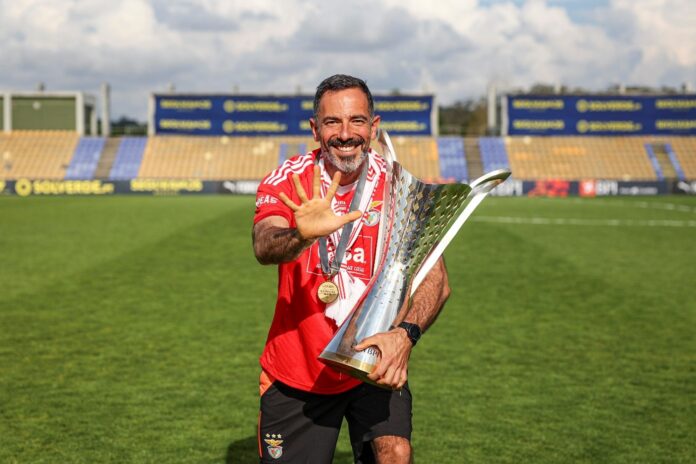
André Vale celebrates with a trophy on the pitch, highlighting his leadership journey in elite football coaching.
André Vale’s coaching journey is built on joy, clarity, and high standards. His leadership story offers lessons for coaches working at every level of the game.

André Vale is a Portuguese football coach, mentor, and educator, known for his principled and holistic approach to developing both players and teams. With over a decade of experience at Sport Lisboa e Benfica, Vale has played a pivotal role in building one of the most successful women’s programs in Europe. As Head Assistant Coach of Benfica Women’s First Team since 2020, and after several roles as headcoach both in male and female football, he has helped lead the team to five consecutive league titles, multiple cup victories, and a historic UEFA Women’s Champions League quarter-final, most notably, the match that ended FC Barcelona’s 32-game winning streak.

Vale’s coaching philosophy is rooted in clarity, adaptability, and player-centered development. He believes in simplifying the chaos of the game through principle-led coaching, game-based learning, and fostering mental, emotional, and spiritual growth alongside tactical excellence. His tactical identity is defined by flexibility, high pressing, and bold attacking football, with a focus on turning complexity into solvable moments on the pitch.

Central to Vale’s work is the creation of environments where players from different cultures, ethnicities, and experience levels can grow together. He places strong emphasis on trust, open communication, and shared principles, ensuring every player feels seen, valued, and challenged. By aligning individual backgrounds with collective goals, he promotes mutual respect, accountability, and learning, transforming diversity into a competitive and human strength within the team.

Beyond coaching, Vale is a tutor on UEFA license courses across Portugal, a frequent guest on Benfica TV, and a published author. His book Coaching Football to Inspire (2025) reflects his mission to develop players and teams who make a difference, on and off the pitch. He is also the creator of Who Coaches the Coach?, a 7-hour online course aimed at empowering coaches at all levels.

Fluent in Portuguese and English, and with experience living in Italy, Ireland, the Netherlands, and the UK, Vale brings a global mindset to his work. Whether leading elite players or mentoring young coaches, André Vale is committed to football not just as a game, but as a tool for education, joy, and lasting impact.

Our exclusive interview with André Vale

Who is André Vale outside of football?

I’m someone who has always been fascinated by people, dreams, and what makes us come alive. I’m a family person, a husband, a dog and cat parent, and someone who finds peace in early mornings, nature, journaling, training and yoga. My background is in engineering, but my heart was always on the pitch. I’ve lived in several countries, worked many jobs, and coached across different environments, but who I am, has always been shaped by my core values which are respect, honesty, justice, and empathy. I try to live simply, give generously, and stay grounded in joy, curiosity and adventure.

I’m someone who has always been fascinated by people, dreams, and what makes us come alive.

You have been pivotal in leading Benfica Women to five straight league titles and a Champions League quarter-final, among other Cup’s titles. What has been the secret behind such consistent success?

First of all, it was always a multidisciplinary team effort together with amazing players with a huge will to win, but to improve, to shine and develop. If there is a secret that was the secret. Just a lot of clarity, consistency, and collective commitment. We focused not only on how we play but on why we play. Success came because we created a culture where players feel joy, responsibility, and freedom at the same time. We don’t just train tactics, we develop people. We built a process rooted in principles that allowed us to adapt, evolve, and perform. And most importantly, we respected the players’ dreams every step of the way.

You often speak about emotional intelligence, spiritual balance, and joy. How do you bring these values into the high-pressure world of elite football?

For me, pressure is not the enemy. Disconnection is. When players feel connected to themselves, to the team, and to something bigger than just the scoreboard, pressure becomes fuel. I try to help to create an environment where there is emotional safety and high challenge. We talk about mindset, values, and self-awareness as much as we talk about tactics. I meditate, I journal, and I encourage the same in players if they’re open to it. Joy is not a soft word. It’s a powerful force in high performance. We are never afraid to lose; the only thing we’re really scared of is to lose ourselves.

You’ve coached both youth players and senior professionals. What are the biggest lessons you’ve learned from those different contexts?

One of the biggest lessons is that coaching isn’t about age or level. It’s about connection. A seven-year-old and a Champions League player both want the same thing: to be seen, understood, and guided. I normally say we’re all children stuck in adult’s bodies, so being with youth, where you plant seeds, with seniors, you help shape the tree, but both require trust, clarity, and presence. Also, with youth you must be extra mindful because that’s the golden age of learning, and your words can shape not just their game, but their character.

You describe football as “chess in motion” and talk about simplifying the chaos. How do you do that in practice?

Football is chaotic by nature, it’s 22 people inside the pitch plus coaches trying to manage the game from the outside, so it’s 22 brains processing information at the same time, it will be chaotic, question is who can manage that chaos better, who is better equipped to understand chaos and lead that chaos into moments of organization and brilliance that will hopefully result in amazing plays and goals! So a big part of my job is to develop a methodology that puts the players to the small games that the game gives over and over in training sessions, so that when on the pitch they can automatically and subconsciously recognise those moments and have the best and fastest decision making they can to unblock it. When those moments happen in a match, players feel like they’ve already lived them 100 times. That’s where the freedom comes from. Structured repetition that leads to spontaneous, intelligent action. We train situations, not just drills.

What excites you most about the future of women’s football globally?

Women’s football is one of the most exciting movements in global sport right now. For me it’s not just sports, it’s expression of freedom. The talent, the hunger, the growth, it’s inspiring. What excites me most to have a part on it is the opportunity to build something meaningful, not just successful. To create environments where players are treated as professionals, where pathways are clear, and where fans feel part of something transformative.

You created a course called “Who Coaches the Coach?” What is one mindset shift you hope to spark in those who learn from you?

I want coaches to remember that they matter. Not because of the formations they choose, but because of the impact they can have on lives. I want them to stop obsessing over being right and start focusing on being helpful. Coaching is not about control. It’s about guidance. And your best tool is who you are, not just what you know. I always say: you fulfil your dreams by helping others fulfil theirs. That’s the mindset I try to share.

How do you define success in your coaching journey?

Success, for me, comes in many forms. Of course, I celebrate trophies and milestones. But some of my proudest moments are messages from former players telling me how I helped them become better players and individuals. Or watching someone I believed in overcome a huge personal challenge. Success is when a team plays with joy and identity. Success is when a quiet player finds their voice. It’s not just the Champions League. It’s the little victories that no one sees but change everything.

Joy is not a soft word. It’s a powerful force in high performance.

You’ve lived in several countries. How has that international experience shaped your actual football and your leadership?

Living abroad taught me to listen more and judge less. It showed me the hardships of being away from loved ones, habits, and routines—but also how to discipline and motivate yourself to discover strengths you didn’t even know you had.

Those experiences allow me today to better understand player adaptation. Whether it’s players coming from different countries with language barriers, or players moving within the same country, the emotional and cultural challenges are very real.

Living abroad also taught me that if you want to thrive in a foreign environment, you have to be available to blend in. That means observing, understanding, being curious, and opening yourself to different experiences. This is probably the main reason why I love working in multicultural environments and fostering the sharing of experiences within the group. It shortens adaptation time for new players and helps build a genuine family feeling within the squad.

Football is a universal language, but understanding the people behind the players is what truly makes the difference.

What’s one lesson or philosophy that you carry with you on and off the pitch?

One lesson I carry with me is that growth comes from discomfort, but purpose comes from helping others grow. Early in my journey, I chased success and happiness for myself. Over time, I understood that real fulfillment only exists when it’s shared. When you invest in people, when you help them believe, improve, and overcome obstacles, you create impact that goes far beyond results.

On the pitch, that means demanding excellence while caring deeply about the person behind the player. Off the pitch, it means showing up with humility, empathy, and consistency. Success fades, but the way you help others grow stays with them for life, and that’s the standard I try to live by every day.