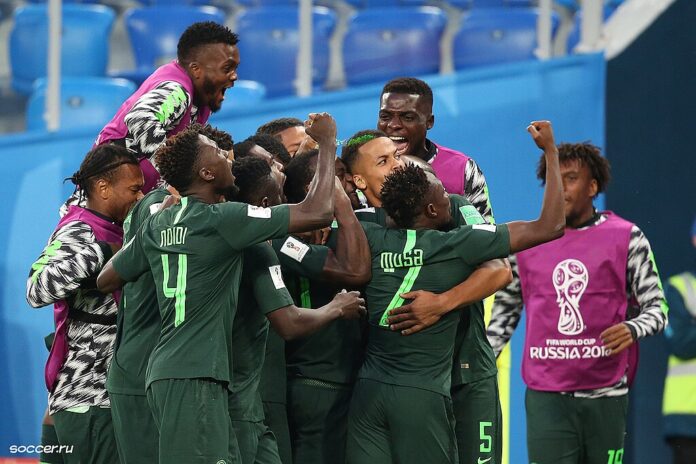
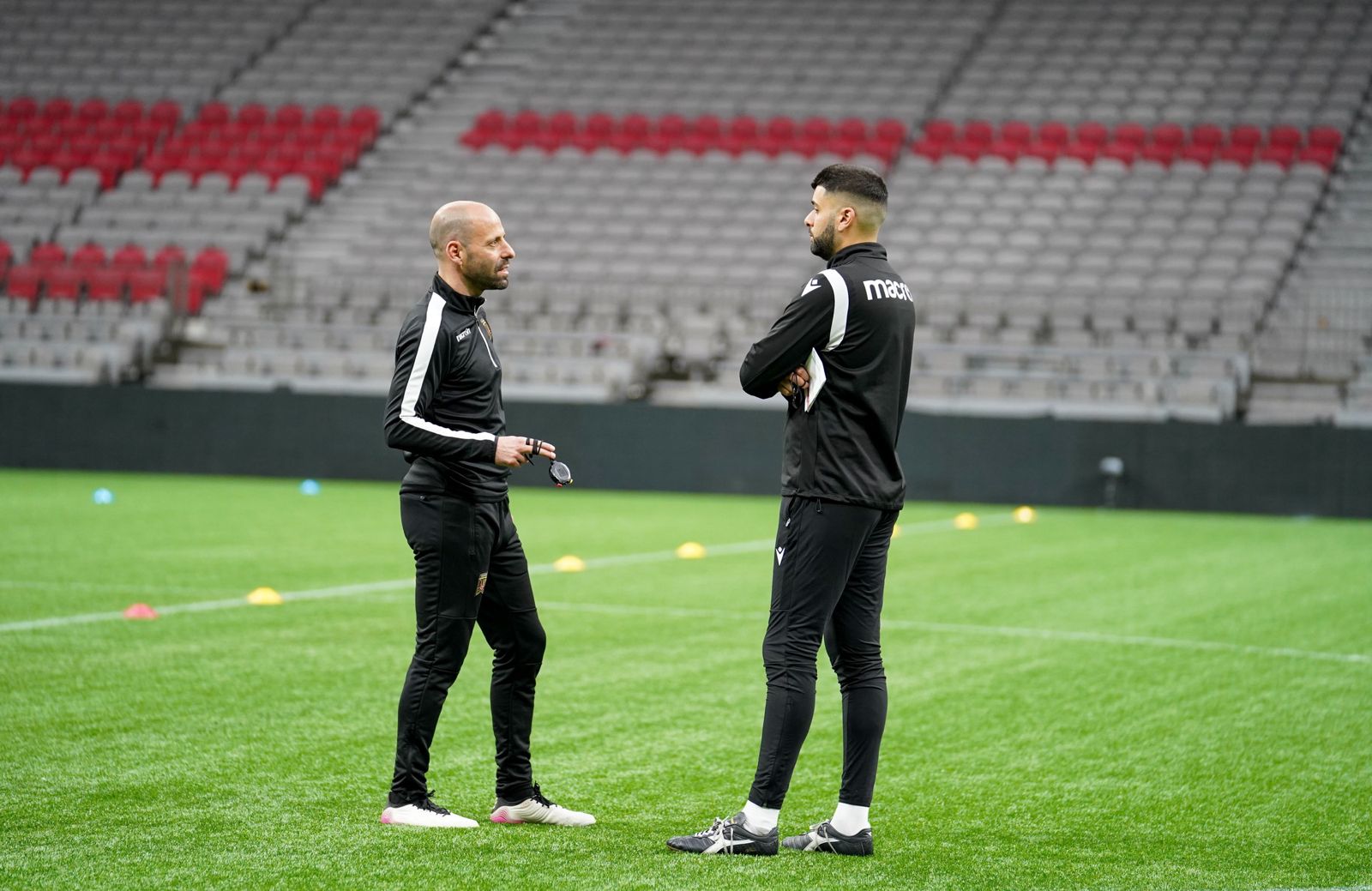
In June 2024, I was part of a football scouting trip to Kaduna, in northern Nigeria, where several football academies turned up with players who all had a dream of playing professional football in Europe.
There was no shortage of talent among the hundreds of players who played the tournament at the Ahmadu Bello Stadium. They had passion and energy. And they all had hope of being picked.
But there was something missing. The game is changing and European teams want players who understand tactical systems, not just those who can dribble or run fast.
One player met the criteria out of more than 150. This is the problem that Nigerian football faces.
One player met the criteria out of more than 150. This is the problem that Nigerian football faces.
An untapped goldmine
Nigeria has never had a talent problem. From the street pitches of Akure to the dusty fields of Kano, young boys and girls play football with a mix of joy, skill, and improvisation that has produced global icons like Jay-Jay Okocha, Nwankwo Kanu, John Obi Mikel, and, most recently, Victor Osimhen.
Yet, for every Osimhen who makes it to Europe, hundreds of equally gifted players fall through the cracks. The reason? A developmental gap that separates Nigerian football academies from the systems European clubs rely on to groom, evaluate, and export talent.
As the game becomes more global, Nigerian academies stand at a crossroads: either evolve into structured, data-driven talent incubators developing poorly-formed players.
Across the country, hundreds of football academies have sprung up in every major city. Many of these academies are driven by passion rather than profit, providing crucial access to training and competition for young players.
Training sessions often lack modern facilities, recovery programs, and tactical drills. Match footage and data, key tools for global scouts, are rarely available. Worse still, the absence of a well-organized youth league system means many players develop without consistent, competitive football.
The world of football is the worse for it
Victor Osimhen’s recent Champions League performances for Galatasaray have been the best advertisement for Nigerian footballers. His raw, tireless energy and eye for goal were all formed in Nigeria.
But he has been refined by the structures in place when he first moved to Europe at Wolfburg when he turned 18. He had further stints at Lille and Napoli, where I watched a few of his matches on the way to winning the Scudetto after three decades.
Osimhen’s rise shows us that there is more to the Nigerian football space that needs a deliberate structure in order to get the best. Nigeria can start with a competitive national youth league that combines data with talent scouting, better trained youth coaches, physical therapists and player welfare.
And I must add, proper playing facilities. A dearth of good playing places makes it difficult for talent to to shine when they arrive on proper pitches.
There is a lot of talent that falls through a poorly organised system. Unless Nigeria improves, the football world will continue to be denied an opportunity to see more Osimhens.
Unless Nigeria improves, the football world will continue to be denied an opportunity to see more Osimhens.
Mark Cartwright arrives at the stadium with the calm confidence that defines his work as a modern sporting director. A leader known for transforming recruitment models and driving long term football development.
Mark Cartwright is a Welsh sporting director and former professional goalkeeper who has emerged as one of the most influential executives shaping modern football infrastructure in both Europe and the United States. He has experienced the game from every angle as a player, agent, Technical Director in the Premier League with Stoke City, Chief Sporting Director for the United Soccer League (USL), and most recently, Sporting Director at Huddersfield Town. Cartwright is known for transforming recruitment structures, embedding high-performance cultures, and redefining how clubs create value through talent development.
Capped at U21 level for Wales and a former Division Three title-winner with Brighton & Hove Albion, Cartwright transitioned off the pitch into agency, successfully negotiating contracts and transfers before being appointed Technical Director at Stoke City in 2012. There, he reduced transfer spending by 96% while increasing the squad’s asset value by more than 300%, helping the club secure multiple top-nine Premier League finishes.
In 2021, he became the first-ever Chief Sporting Director in USL history, where he implemented a new transfer ecosystem that resulted in record-breaking fees, a six-fold rise in sustainable transfer revenue, and a landmark wave of USL talent moving to MLS and European clubs.
Recognised by FIFA, The FA, and the UAE Pro League as a consultant and mentor to executives around the world, Mark Cartwright is widely regarded as a modern sporting director who blends negotiation expertise, elite recruitment models, and a people-first approach to leadership.
Our Exclusive Interview with Mark Cartwright
Personal & Leadership Philosophy
Family and friends, I have a wonderfully supportive wife and two amazing children.
Who is Mark Cartwright outside of football, and what keeps you grounded away from the pressures of the game?
Family and friends, I have a wonderfully supportive wife and two amazing children, they understand the stresses of the game and my focus here is to make sure we all laugh and enjoy our time together. To clear my head, I find walking and working out helps me find the clarity I need away from the game. And of course, a good group of friends that come from different angles of life that can share love and laughter. I’m blessed in this department having lived in the US and UK and journeyed around Europe I have a diverse array of friends and confidants both home and abroad that can share a variety of discussions and perspectives and I can lean on for advice.
You’ve seen football from almost every angle as a player, agent, Technical Director, league executive and now Sporting Director. How has that shaped your view of leadership in football?
I’ve been incredibly lucky to have not only worked with but also met and befriended many inspiration leaders in the world of football, from that angle I have been able to absorb all manners of high performing leadership and along with my personal values and skills, I’ve developed my own style that has helped me throughout my journey
What personal values have anchored you through each transition in your career?
Hard work, a never give up attitude, I was told on my 17th birthday I would never play football again but through sheer hard work and tenacity I managed a 10-year professional career, I took this into the next stages of my career. Honesty and humility.
From Goalkeeper to Deal Maker
You went from earning a scholarship in the U.S. and playing professionally to becoming a licensed agent. What lessons from your playing days helped you most during negotiations and talent representation?
As a player that had always negotiated his own contracts, I knew the importance of preparation, planning and even manipulating the conversation so that what the manager said was exactly what I had wanted him to say.
As an agent, what did you learn about the human side of transfers that sporting directors sometimes overlook?
I know the tricks of the trade on the agency side, so I have always been able to “call people out” when I knew they weren’t correct, but always in a manner where they knew it was because I was “poacher turned gamekeeper”. It helps that I can see and understand their viewpoints and be able to either agree or disagree in a productive manner. I also believe that the majority of Sporting Directors won’t fully understand the relationship an agent has with their players and families and that it goes far beyond just doing a deal, therefore you need to use your emotional intelligence and be considerate of how deep this goes for the player and his family.
Stoke City Era: Reducing Spend, Increasing Value
I built a very good recruitment department with key personnel who I can proudly say moved on to bigger and better positions.
During your time at Stoke City, you reduced transfer spending dramatically while increasing squad value by over 300%. What were the key principles behind that strategy?
I built a very good recruitment department with key personnel who I can proudly say moved on to bigger and better positions, then clarity of exactly what we were trying to achieve in terms of net spend, squad valuation and then most importantly the ability to trade for a profit, so all the usual player KPI’s but also future value.
How do you build a recruitment model that outperforms budgets?
As above but adding in different marketplaces to match our budgets.
What does a good academy-to-first team pathway look like in your eyes?
First, let’s be honest luck is a huge factor in a pathway, avoidance of injuries, staying grounded, families giving the right leadership all help determine the future of a potential player. From there, it is building the right sequence of events of events to push the player through, that could be loan opportunities, it could be determining that the player already has the right physicality and mentality to be pushed up through the levels. I stay open minded as to what the pathway can look through understanding of the individual needs and the pace the individual is developing both as a player and person.
Redefining the USL: Transfer Culture & League Identity
You were the USL’s first-ever Chief Sporting Officer. What was your vision when you took that role?
These clubs are incredibly sophisticated on the business side, commercial, ticketing, marketing for example. My aim was to bring the Sporting side onto the same levels of sophistication and development and to help them understand contracts, how to build and keep value in a player and then most importantly to open the world to them and help them bring a player trading model into their clubs.
You helped USL players move to MLS and European clubs at record fees. What changed in the ecosystem to allow that?
Through education, player values, multi-year contracts, understanding of the FIFA rules and regulations, realising that a 1-year contract gave you little to no value in a player, education around player pathways and recruitment, education on squad building and ultimately by helping them be recognised on the global scale through my connections across the globe
You’ve spoken about resetting the culture at Huddersfield Town. What does a “high-performance culture” mean in practical terms?
There are many ways to look at this, but in reality, it is about providing the right environment and the right team around the team, to be able to deliver the highest level of quality to a strategically recruited team of players. It can be implemented across the whole club so that every single person in the business knows that what they do can help on a match day, that commercial bringing in extra revenue to help fund a purchase, it’s media showcasing the player in the best manner to the fans and the list goes on!!
When you’re tasked with rebuilding a club’s sporting identity, where do you start? People, processes, or philosophy?
You must start with the vision from the owner, then break it down into the philosophy of how you will implement the plan of action, understand what you already have and don’t have, strengths and weaknesses in the building and then put the correct processes into place making sure you have “the right people with the right knowledge in the right positions”. All moving in the same direction -the direction you want them moving in!
Modern Sporting Director: Skills & Future
What do you believe the next generation of Sporting Directors need to understand that perhaps wasn’t necessary 10 years ago?
Social media for sure, and because of this the future generation need to understand the resilience they will need under the ever-increasing scrutiny. They need to be far more front facing and media trained than ever before. Players are also far more aware of their mental health and it’s importance, maybe 10 years ago players had to “just get on with it” but now emotional intelligence and awareness of mental health is a huge topic for SD’s.
With transfer values rising globally, how important is it for clubs to develop internal valuation models instead of just reacting to market price?
It’s vitally important that clubs can decipher current trends around the varying markets and have internal processes that can help determine a valuation of a player to a marketplace that not only brings in the highest value but also the highest possibility of the player succeeding – given the amount of add on clauses and sell on % this is hugely important.
You’ve advised FIFA, The FA and leagues abroad, what trends do you see coming in global football governance that clubs must prepare for?
Looking Ahead
With experience across Europe and the U.S., do you believe talent migration trends will change over the next decade?
I don’t see many trends changing in terms of player migration, where I do think it will change is coaches pathways and migration, I see that the best young coaches here in the UK need to look abroad and open their eyes to the different styles and approached worldwide, this will give them a more holistic view.
Finally, what legacy do you want to leave in any club or league you work with?
For me it’s about progress and development of not just the club but the people within it, can you leave the infrastructure, the processes, the people in a better place than when you arrived.
Ein Artikel von Christian Krüger für The Football Week
Der Torhüter als erster Offensivspieler
Im modernen Fußball ist der Torhüter längst mehr als nur der letzte Mann. Er ist der erste Offensivspieler, oft derjenige, der den Rhythmus des Spielaufbaus vorgibt. In der Spielphilosophie vieler Trainer ist er ein zentraler Bestandteil des Aufbauspiels. Kaum ein Scout oder Trainer spricht heute über Torhüter, ohne die Fähigkeit zu betonen, „Fußball spielen zu können“.
Wenn wir diese Eigenschaft als entscheidend ansehen, stellt sich die Frage: Wer trägt die Verantwortung für ihre Entwicklung? Liegt sie ausschließlich beim Torwarttrainer – oder sollte der Mannschaftstrainer stärker eingebunden sein, um die geforderten Fähigkeiten gezielt zu fördern?
Im modernen Fußball ist der Torhüter längst mehr als nur der letzte Mann. Er ist der erste Offensivspieler.
Technische Ausbildung als Basis
Das Torwarttraining ist zweifellos ein wichtiger Schlüssel zur Ausbildung und Weiterentwicklung, sowohl im Bereich der Tor- und Raumverteidigung als auch im Offensivspiel. Ein elementarer Baustein dabei ist die Spielnähe.
Doch wie lässt sich diese Spielnähe im Offensivspiel herstellen? Welche Voraussetzungen braucht es, und wo liegen die Grenzen?
Eine Verbesserung des Offensivspiels kann im Torwarttraining natürlich erreicht werden – insbesondere in der technischen Ausbildung. Passspiel, Flugbälle, Beidfüßigkeit, Abwürfe oder Hüftdrehstöße können isoliert trainiert und so gezielt weiterentwickelt werden.
Mehrere Passübungen mit direktem Passspiel, mit zwei Kontakten oder variierenden Distanzen und Winkeln, lassen sich in methodischen Reihen gestalten, um über hohe Wiederholungszahlen technische Sicherheit zu gewinnen.
Spielnähe schaffen durch Reize und Druck
Durch das Integrieren von visuellen und auditiven Reizen in das Training können spielähnliche Situationen geschaffen werden. Mündliche Anweisungen trainieren die akustische Wahrnehmung und Reaktionsfähigkeit. Farbige Flats oder Markierungen sprechen den visuellen Sinn an und fördern das Scannen sowie die Vororientierung.
Auch Zeit- und Gegnerdruck können gezielt eingebaut werden – etwa durch Zeitvorgaben oder durch das aktive Anlaufen und Zustellen von Passwegen durch andere Torhüter oder Trainer. Je nach Leistungsstand der Spieler kann man mehrere Reize kombinieren, um die Entscheidungsfindung zu fordern und die Handlungskomplexität zu erhöhen.
Diese Trainingsform kann, insbesondere in jungen Jahren, zu einer deutlichen Weiterentwicklung beitragen. Mit zunehmendem Alter und wachsendem Erfahrungsniveau stoßen solche Übungen jedoch an Grenzen.
Spielnähe braucht Mit- und Gegenspieler
Ab einem bestimmten Punkt lassen sich Fortschritte im Offensivspiel nur noch erzielen, wenn der Torhüter aktiv und regelmäßig ins Mannschaftstraining eingebunden wird.
Denn eine wirklich spielnahe Situation entsteht erst, wenn mehrere Mit- und Gegenspieler beteiligt sind. Das Scannen, das Erkennen freier Räume, das richtige Passtiming und das Gefühl für Zeit und Raum werden nur im Zusammenspiel mit anderen Spielern maximal realistisch trainiert.
Geeignete Trainingsformen sind beispielsweise gezielte Rondoformen in Spielrichtung oder Spielformen auf Tore, bei denen der Torhüter aktiv am Spielaufbau beteiligt ist. Durch Zeit- und Gegnerdruck entsteht eine deutlich höhere Komplexität, die Handlungsschnelligkeit und Entscheidungsverhalten intensiv schult.
Performance schlägt Technik
Am Ende entscheidet nicht die beste Technik, sondern die beste Performance in der jeweiligen Spielsituation. Deshalb sollten Trainer versuchen, so viele echte Spielsituationen wie möglich zu schaffen. Spielähnliche Übungen sind wertvolle Bausteine, aber sie dienen nur der Vorbereitung auf reale Spielszenen und Entscheidungen unter Druck.
Wenn ein Cheftrainer also einen Torhüter fordert, der „gut Fußball spielen kann“, trägt er selbst Verantwortung dafür, diese Qualität auch zu fördern. Denn letztlich entscheidet er über Trainingsinhalte und Spielformen – und kann damit den größten Mehrwert für das gesamte Team schaffen.
Am Ende entscheidet nicht die beste Technik, sondern die beste Performance in der jeweiligen Spielsituation.
Somit ist es elementar für Cheftrainer zu verstehen, dass Torhüter – zur Weiterentwicklung ihrer offensiven Fähigkeiten – auf den Mannschaftstrainer und dessen Förderung in diesem Bereich angewiesen sind. Der Mannschaftstrainer wiederum benötigt den Torhüter, um seine Spielphilosophie umsetzen zu können.
Gemeinsame Verantwortung für Entwicklung
Für die Weiterentwicklung des Torhüters im Offensivspiel ist die Zusammenarbeit zwischen Torwarttrainer und Mannschaftstrainer entscheidend. Nur im abgestimmten Zusammenspiel beider Trainerbereiche kann der Torhüter individuell gefördert und das Team als Ganzes weiterentwickelt werden.
Sätze wie „Der Torhüter macht mir meine Rondoform kaputt“ oder „Ich kann die Torhüter in meiner Ballhalteform nicht gebrauchen, sie verlieren zu viele Bälle“ sollten der Vergangenheit angehören.
Der cleverste Mannschaftstrainer ist derjenige, der erkennt, dass auf dem Feld elf Spieler stehen und dass der Torhüter ein zentraler Teil dieses Teams ist.
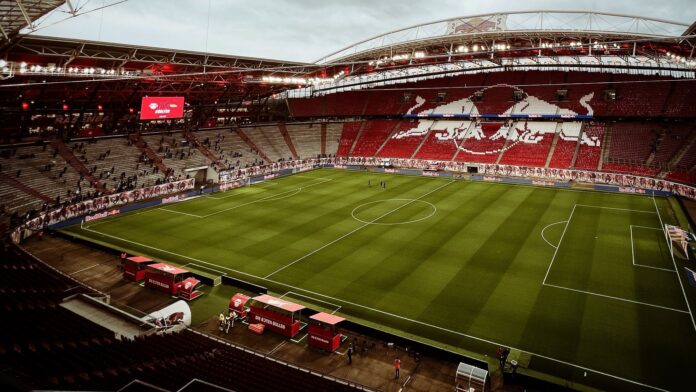
The Red Bull Arena in Leipzig stands as a symbol of modern multi-club ownership, where financial investment and global branding merge to shape football’s new era.
Este artículo es la tercera parte de la serie “Capital privado en el fútbol: ¿Una revolución o una apuesta arriesgada?”, que analiza cómo el capital privado está transformando el panorama futbolístico, inyectando capital y redefiniendo la propiedad de los clubes con un potencial tanto transformador como arriesgado. En la primera parte, exploramos cómo la inestabilidad financiera y el contexto pospandemia abrieron la puerta a nuevos tipos de propietarios. En la segunda, estudiamos cómo estos fondos consideran los clubes como activos dentro de una cartera de inversión más amplia, la lógica detrás de los modelos multiclub y sus implicaciones en la gobernanza y sostenibilidad. En esta tercera parte, analizamos si los modelos de propiedad multiclub (MCO) generan beneficios financieros sostenibles o si, por el contrario, representan riesgos a largo plazo para los clubes y sus partes interesadas.
Cuando una firma de capital privado adquiere un club, no compra solo un equipo, sino un activo que espera transformar, optimizar y vender con beneficios. Pero ¿es esta lógica compatible con la realidad financiera única del fútbol? La respuesta depende de cómo se mida el éxito: ¿en métricas financieras o en resultados deportivos?
La respuesta depende de cómo se mida el éxito: ¿en métricas financieras o en resultados deportivos?
Estrategias de inversión: de la reestructuración a la optimización
Los actores del capital privado suelen aplicar metodologías propias de las reestructuraciones corporativas. En el fútbol, esto se traduce en:
Reestructuración de deuda
Muchas adquisiciones implican absorber o reorganizar la deuda del club. Esto puede aliviar la presión financiera a corto plazo, pero a veces se financia la compra con nueva deuda (modelo LBO), aumentando el riesgo futuro.
Ejemplo: El Burnley FC fue adquirido por ALK Capital en diciembre de 2020 por aproximadamente 170 millones de libras, mediante una operación apalancada que transfirió alrededor de 60–65 millones de libras de deuda al propio club, garantizada con sus activos. Tras el descenso en mayo de 2022, la facturación del club se desplomó de 123,4 millones a 64,9 millones de libras, una caída de casi el 50 %, debido principalmente a la reducción a la mitad de los ingresos por retransmisiones televisivas (de 110 millones a 47,8 millones de libras).
Esta caída repentina puso en evidencia la fragilidad del modelo LBO, obligando al club a depender de los pagos de compensación y solidaridad, y demostró cómo un descenso puede desmantelar rápidamente un modelo financiero apalancado.
Control de costes y eficiencia
Los clubes propiedad de fondos de capital privado suelen aplicar límites salariales más estrictos, estructuras de gestión más ligeras y una toma de decisiones centralizada para reducir los costes operativos.
Ejemplo: El Toulouse FC, bajo la gestión de RedBird Capital, redujo drásticamente su masa salarial y el tamaño de su plantilla administrativa, centrando su estrategia en jóvenes talentos infravalorados. Esta política permitió al club ascender a la Ligue 1 y conquistar la Copa de Francia en 2023.
Inversión en infraestructuras
Las renovaciones de estadios, la construcción de nuevos centros de entrenamiento y el desarrollo de plataformas digitales no se consideran simples gastos, sino motores de valor a largo plazo para el crecimiento y la sostenibilidad del club.
Ejemplo: El AC Milan y el Inter, actualmente propiedad de las firmas de inversión estadounidenses RedBird y Oaktree respectivamente, consideraron financieramente inviable una renovación completa del estadio Giuseppe Meazza, más conocido como San Siro. En su lugar, ambos clubes están en conversaciones para adquirir conjuntamente el histórico recinto construido en 1926 y sus alrededores al ayuntamiento de Milán, como parte de un plan de reurbanización de 1.200 millones de euros que incluye un proyecto inmobiliario más amplio. Este nuevo desarrollo podría incrementar en cientos de millones la valoración de ambos clubes en los próximos años.
Reclutamiento inteligente
El scouting basado en datos y la compraventa estratégica de jugadores se convierten en una prioridad. El proceso de fichajes se percibe cada vez más como una palanca financiera, y no solo como una necesidad deportiva.
Ejemplo: Bajo la dirección de Gérard Lopez y con el respaldo financiero inicialmente vinculado a Elliott Management, el Lille OSC desarrolló un modelo de transferencias basado en la adquisición de talentos infravalorados y su posterior venta con plusvalía. El club vendió a Nicolas Pépé al Arsenal en 2019 por 80 millones de euros (una cifra récord para un jugador africano) tras haberlo fichado por solo 10 millones. En 2020, el Lille también negoció el traspaso de Victor Osimhen al Nápoles por aproximadamente 70 millones de euros.
Estas estrategias buscan crear un club más “invertible”, capaz de aumentar sus ingresos mientras mantiene estables los costes. Sin embargo, detrás de las hojas de cálculo se esconden métricas más sutiles e intangibles, como la cultura, la identidad o el vínculo con la afición, que a menudo son ignoradas.
Expectativas de retorno: creación de valor frente a visión deportiva
El capital privado no suele aspirar simplemente a alcanzar el punto de equilibrio; su objetivo son los múltiplos de rentabilidad. Un club adquirido por 100 millones puede tener como meta ser vendido por 500 millones en cinco a siete años. Esta lógica impulsa decisiones clave:
Expansión comercial: Incrementar los ingresos mediante alianzas globales, merchandising, contenido digital y la expansión hacia mercados emergentes.
Ejemplo: CVC Capital Partners invirtió 2.100 millones de euros en los derechos audiovisuales de LaLiga a cambio de una participación del 8,2 % en una nueva entidad comercial con una duración de 50 años. El objetivo es ayudar a los clubes a modernizarse y aprovechar el crecimiento del consumo digital a nivel global.
Apreciación del activo: Especialmente en los modelos multiclub, los jugadores se forman y transfieren entre equipos afiliados con el fin de maximizar la rentabilidad del talento.
Ejemplo: La red de Red Bull, que incluye clubes como Leipzig y Salzburg, permite el desarrollo de talentos y su movimiento entre diferentes mercados, optimizando así el ciclo de formación y valorización de los jugadores.
Planificación de salida: Desde el primer día, la mayoría de las firmas de capital privado trabajan con una salida definida, ya sea mediante una reventa, una oferta pública inicial (IPO) o la integración en un conglomerado deportivo más amplio.
Ejemplo: La gestión a corto plazo de Elliott Management en el AC Milan es un ejemplo ilustrativo: la firma reestructuró el club en 2018 y lo vendió cuatro años después a RedBird por 1.200 millones de euros, duplicando su valoración inicial.
Sin embargo, estas tácticas pueden chocar con la imprevisibilidad del éxito deportivo. La creación de una academia o el mantenimiento del compromiso de los aficionados no encajan fácilmente en un modelo de retorno a cinco años.
Sin embargo, estas tácticas pueden chocar con la imprevisibilidad del éxito deportivo.
Factores de riesgo: ganancia financiera frente a cultura futbolística
El impacto financiero de la propiedad por parte de fondos de capital privado no es uniformemente positivo. Han surgido varios riesgos clave en numerosos clubes que reflejan los efectos colaterales de este modelo de gestión:
Short-termism: The pressure to meet return targets may result in prioritizing quick wins, such as player flipping or budget cuts, over long-term sporting coherence.
Ejemplo: El Standard de Liège, bajo la gestión de 777 Partners, experimentó varios cambios de entrenador en solo dos temporadas, con rendimientos inestables y una creciente frustración entre los aficionados. En mayo de 2024, un tribunal belga autorizó la incautación de todos los activos de 777 Partners en Bélgica, incluidos las cuentas del club, la sociedad propietaria del estadio y sus acciones, tras una demanda del antiguo propietario Bruno Venanzi y de los accionistas del estadio por pagos impagados.
Exceso de apalancamiento: Los clubes cargados con deuda derivada de su adquisición pueden enfrentarse a un riesgo existencial si los resultados deportivos no acompañan.
Ejemplo: La compra apalancada del Burnley FC es un ejemplo clásico de vulnerabilidad: el fracaso en lograr el ascenso podría haber tenido un impacto grave en su solvencia financiera.
Disrupción en la gobernanza: Los fondos de capital privado suelen introducir cambios rápidos en los consejos de administración, y su control centralizado puede debilitar la gestión local y la toma de decisiones autónoma del club.
Ejemplo: El Hertha Berlín, otro club perteneciente al grupo 777 Partners, atravesó múltiples cambios de liderazgo entre 2021 y 2023, lo que contribuyó a su descenso de categoría y a una profunda inestabilidad interna.
Beneficio por encima de la pasión: El descontento de los aficionados aumenta cuando los clubes se reducen a simples activos financieros. Las decisiones sobre la marca, los precios de las entradas o los acuerdos de patrocinio tomadas sin consultar a la comunidad local suelen provocar una reacción negativa y una pérdida de conexión emocional con la afición.
Ejemplo: Los aficionados del Everton protestaron enérgicamente en 2023 contra la adquisición propuesta por 777 Partners, alegando la falta de transparencia financiera de la firma y su historial problemático en otros clubes.
Pérdida de valor intangible: Los clubes no son solo empresas, sino también portadores de memoria, identidad y orgullo regional. Este valor emocional suele ser invisible en las estrategias dirigidas por fondos de capital privado.
Ejemplo: Como se ha visto en los casos de Vasco da Gama o Génova, los aficionados se han opuesto firmemente a los cambios de propiedad que modificaron la identidad visual del club, su vínculo con la comunidad o sus tradiciones de afición.
Conclusión
Las mejoras financieras suelen presentarse mediante balances saneados y márgenes EBITDA en aumento. Sin embargo, no todas las ganancias son estructurales. Algunos clubes muestran un aparente “crecimiento” gracias a ventas de activos o recortes temporales, en lugar de una expansión sostenible de los ingresos. A menudo, estas cifras reflejan impulsos artificiales, como ventas de jugadores, reducciones de costes o inyecciones de capital puntuales.
Además, pocos propietarios de capital privado tienen en cuenta métricas intangibles como la confianza, la conexión cultural o el valor social de los clubes de fútbol. Estos elementos no aparecen en los informes anuales, pero su erosión es profundamente sentida por los aficionados. Son costes difíciles de cuantificar, pero probablemente más dañinos a largo plazo.
El capital privado puede aportar al fútbol la experiencia financiera y la modernización que tanto necesita, pero cuando la ingeniería financiera supera a los valores deportivos, los clubes corren el riesgo de convertirse en cáscaras corporativas vacías. El verdadero desafío no reside en si estas estrategias funcionan, sino en quién se beneficia realmente: ¿Los aficionados, el legado y el proyecto deportivo, o simplemente los balances de los accionistas?
Pero aunque la reestructuración financiera y el crecimiento comercial sean pilares esenciales en la transformación de un club, carecen de verdadero sentido sin resultados en el terreno de juego. En el próximo artículo, exploraremos si el manual estratégico del capital privado puede realmente traducirse en éxito deportivo, o si el fútbol sigue siendo, en última instancia, un juego resistente al control financiero.
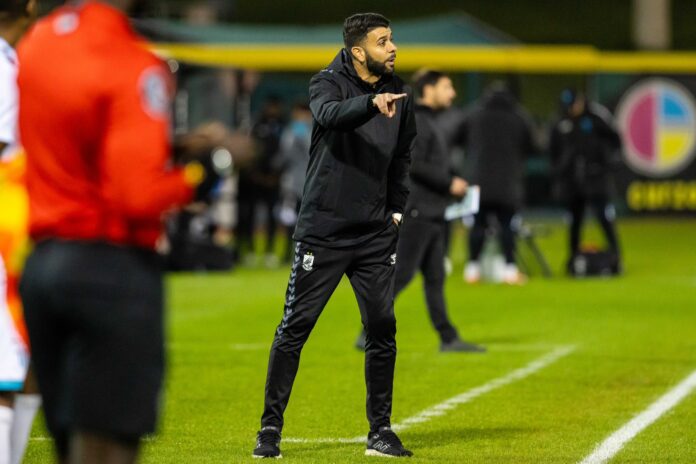
Jeyhan Bhindi gives instructions from the touchline during a USL League One match with Union Omaha. His leadership and tactical clarity are central to the club’s defensive identity.
Canadian-Turkish UEFA A License Coach and video analyst, Jeyhan Bhindi, is one of North America’s rising coaching talents. With over 150 professional games, 115 in the Canadian Premier League as an Assistant Coach, he has worked in the NASL, USL Championship, Canadian Premier League, and has spent 2025 leading Union Omaha’s defensive organization in USL League One.
Early Years: From Canada to Coaching
Raised in Canada with strong Turkish roots, Jay began coaching while attending college after stepping away from playing, working with U9–U18 teams at a local academy. The experience shaped his approach to youth development and confirmed his coaching ambitions. At 24, he joined NASL side Ottawa Fury FC, marking his professional debut. By 33, he had earned his UEFA A License, traveling between North America and Europe to complete the program.
“From day one, I gave everything to learning. I wanted to understand how players develop and how I could grow as a coach.”
“From day one, I gave everything to learning. I wanted to understand how players develop and how I could grow as a coach.”
Union Omaha: Taking the USL by Storm
In 2025, Jay joined reigning champions Union Omaha in USL League One, one of the league’s most successful clubs with five trophies in five years. Recruited by the two-time USL1 Coach of the Year, he brought his tactical expertise to the technical staff. Tasked with organizing the defense, Jay has helped Omaha remain one of the league’s most aggressive and disciplined sides, setting a USL1 record for PPDA and showcasing their trademark “controlled aggression.”
“I wanted to push myself in a new environment. Union Omaha gave me the chance to grow my reputation, work with talented players, and test myself in a different league.”
“I wanted to push myself in a new environment. Union Omaha gave me the chance to grow my reputation, work with talented players, and test myself in a different league.”
Video Analysis and Coaching Philosophy
Jay’s foundation in video analysis began with Ottawa Fury FC (NASL) and deepened at Austin Bold FC, where he earned a “Game Analyst Specialist” certificate from Spain’s MBP School of Coaches. He views analysis and coaching as inseparable; using video insights to shape training sessions and tactical structure. His philosophy centered on defensive organization and “controlled aggression,” his approach prioritizes pressing, duels, and second-ball recovery, with metrics like PPDA (setting a USL1 record) and duel success reflecting his teams’ intensity and discipline.
“The magic happens when analysis becomes training. It’s not enough to watch clips, you have to bring them to life on the field, while working under a new coach with a different leadership style.”
Canadian Premier League: Professional Growth at Home
Before moving to the U.S., Jay spent four seasons in the Canadian Premier League with FC Edmonton and Valour FC, coaching 115+ matches and gaining key insight into Canada’s evolving football landscape. He sees the next step as strengthening academies and expanding the CPL to create clearer pathways for players and coaches.
“It was special to coach in my home country. Every season, you could see the league and its players growing.”
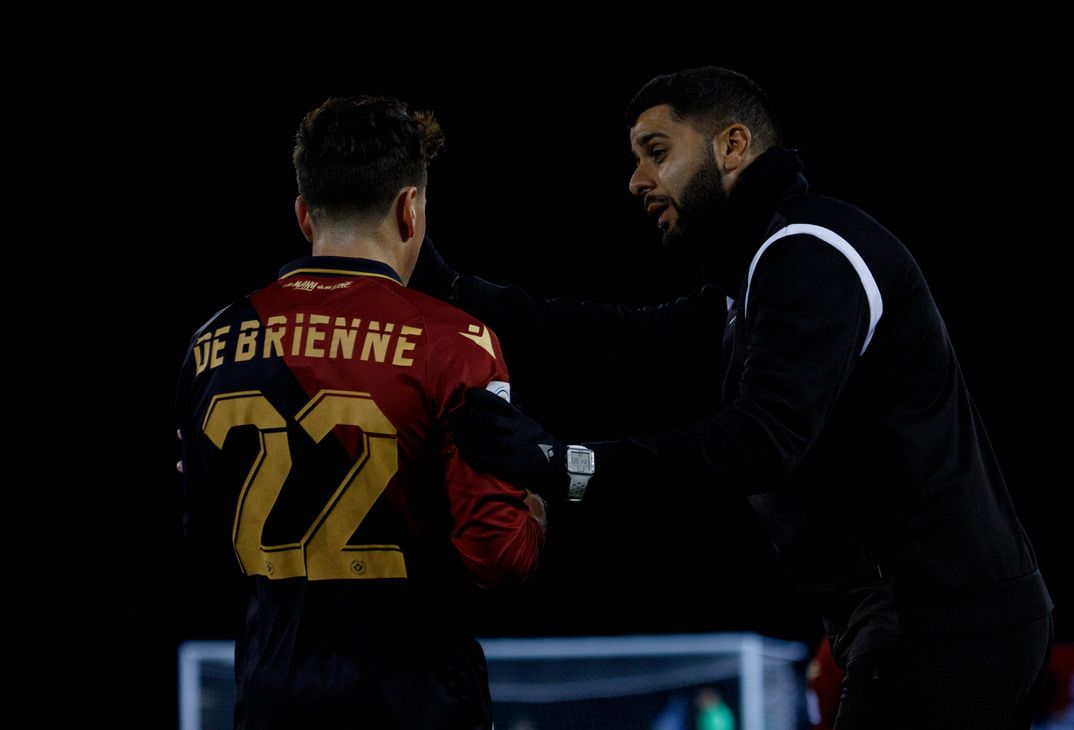
Jeyhan Bhindi offers tactical guidance to a Valour FC player during a match, reflecting his hands-on approach to player development and in-game detail.
Global Influences and Looking Ahead
Jay has worked under head coaches from Portugal, Brazil, South Africa, and Britain, gaining diverse tactical and leadership insights. His learning includes internships with FC Porto, Beşiktaş, and Fenerbahçe, as well as advanced courses with coach educator Raymond Verheijen. Fluent in English, Turkish, French, and Portuguese, Jay thrives in multicultural settings. Focused on mastering defensive strategy and video analysis, he’s committed to excelling as an assistant coach, while staying open to future opportunities across North America, Europe, Asia, or Turkey.
Jeyhan Bhindi exchanges insights with a fellow coach during a training session, highlighting the collaborative and detail-driven nature of his work across North America.
Our exclusive interview with Jeyhan Bhindi
This year, you took a role in USL League One with Union Omaha. What was it about this opportunity that appealed to you? What do you anticipate to be the biggest adjustments moving to a new league in the U.S.?
The opportunity to work under a new head coach in a new league, new country, new type of players, and new environment was attractive to me. After working three seasons with Valour FC in the Canadian Premier League, I felt I wanted to experience something different to extend my growth as an assistant coach. Union Omaha has been the best club in the USL ecosystem’s history, winning five trophies in five years, most recently being league champions. But of course, there is no current promotion or relegation system in North America yet. The coach who brought me to Union Omaha has won Coach of the Year in back-to-back seasons. Football in the U.S. is growing at a rapid pace in all divisions. I wanted to expose myself to a new market, grow my reputation and network in football. With promotion and relegation on the horizon in the USL football pyramid and the World Cup coming in 2026, I felt this was a good time to go to the U.S. and try something new.
What motivated you to pursue the UEFA A Licence, and what were the biggest challenges along the way?
When I was working at Ottawa Fury FC at 24, being around the professional team every day, I knew this was the career I wanted to pursue. I chose the UEFA coaching education pathway because I wanted something globally recognized and it is the highest regarded coaching qualification in football. Since football is a global sport, I wanted to ensure I could work anywhere.
Earning my UEFA A Licence as someone from North America was a huge accomplishment for me. The biggest challenges were timing and finances. The UEFA courses were only offered in the summer when most European leagues are off, but here in North America, we are in season. I had to get permission from my teams to take time off to go to Europe. There was also the financial challenge of course fees, flights, and accommodations, but I saw it as an investment in myself.
You’ve collaborated with many top European clubs. What were some valuable lessons you learned from those experiences?
First of all, it was about building relationships with the people at those clubs, creating friendships with coaches. This job is about relationships. Building those connections expanded my in-depth learning from them.
The biggest thing I learned from being inside a genuine professional environment every day was about coaching methodology. In my mid-20s, I really took the time to study Tactical Periodisation because the coaches I worked with at Ottawa Fury FC were students of Prof. Vítor Frade and used this coaching methodology. Theory alone is not enough when it comes to education. I wanted to learn directly from the source about its application.
That is why in 2018 I went to FC Porto for a coach education club internship, to the birthplace of the methodology. They opened their doors to me and allowed me to truly understand the application process. From there I gained in-depth knowledge of how to apply it in daily training, which completely changed my perspective on constructing exercises and the weekly cycle.
Can you tell us about your early years and how you first got into coaching? What experiences growing up in Canada shaped your love of football?
I worked with various teams, boys and girls U9–U18, to gain experience coaching different age groups and to learn about myself, to see where I best fit in the coaching world based on my personality. I started this journey at 21 and devoted so much effort to developing as a coach. I wanted to expand my learning and see how player development worked in other parts of the world, so I made connections and spent my own money to visit clubs in Europe for educational internships. I went to Turkey to spend time at Manisaspor, Fenerbahçe, and Beşiktaş, observing their daily work and joining them for a week each. They opened their doors and allowed me to be part of training sessions and team life.
Afterward, I researched which country produced the best coaches, and at that time Portuguese coaches were winning titles all over the world. I decided to go there to learn from the source. I visited FC Porto, Vitória de Setúbal, and Académica de Coimbra. During this period, I also completed courses with the renowned coach educator Raymond Verheijen on Football Periodisation.
In 2014, the academy I worked for in my city bought a professional team in the NASL, Ottawa Fury FC. That was my introduction to professional football. I was part of the organization and experienced the professional environment daily, training sessions, meetings, and staff collaboration. Working closely with a small team gave me invaluable experience in what it means to operate inside a professional club. From there, my ambition truly took off.
What courses or certifications in video analysis have you taken? How have they shaped your coaching approach?
While working as an analyst at Austin Bold FC in the USL Championship, the head coach enrolled me in a video analysis course with MBP School of Coaches in Spain. It was an intensive, year-long program that taught me video analysis from a structured, professional perspective. I earned my Game Analyst Specialist certificate from MBP. During the pandemic, I also took part in several online courses and webinars to continue developing my analytical and technological skills.
Why do you believe it is especially important for assistant coaches to have expertise in both on-field coaching and video analysis or technology?
In today’s game, these roles are often intertwined. I have held dual roles as both an assistant coach and analyst. From the analyst’s perspective, it is crucial to think like a coach, to prioritize and present video content in a way that is meaningful.
Anyone can say, “They play in a 4-4-2,” but true analysis is about asking, why is this information relevant, how can we use it, how does it connect to our model of play or game plan. From there, you can help design exercises that reflect your analysis, translating ideas into training reality. That is where the real magic happens. Technology is now a huge part of the professional environment, and teams are constantly seeking an edge. This was something emphasized heavily in our UEFA A course, the importance of being tech-savvy.
How would you describe your coaching philosophy? Are there particular styles of play or values you try to instill in your teams?
I am passionate about the defensive side of the game. I believe that if your team is strong in defensive organization, you always have a chance to get results. Of course, today’s game is fluid, defense and attack are interconnected.
I aim to instill controlled aggression, a phrase a former coach of mine used often. Whether pressing high, medium, or low, I emphasize being aggressive and proactive when out of possession. I use data to support this approach, metrics like PPDA, duel success, and second-ball recoveries help measure our defensive intensity.
This past season, in my role with Union Omaha, I have been given responsibility for working closely with the defensive line and contributing to our defensive organization and opponent strategy. This season, we have consistently had one of the highest PPDA numbers in the league, thanks to our players’ bravery, aggression, and tactical discipline.
Having coached in various roles in Canada, what do you see as the strengths of the Canadian football system? What are its biggest areas for growth?
Many people might be surprised that football has the highest youth participation rate in Canada. The country’s ethnic diversity means many families come from nations with deep football cultures. Over the last seven years, football in Canada has grown rapidly. The national team now regularly competes for the top spot in CONCACAF, qualified for the last World Cup, and will be a host in 2026. Many Canadian players are now at top European clubs, and the domestic game has advanced tremendously.
Since the launch of the Canadian Premier League in 2019, with eight professional teams in addition to the three Canadian MLS clubs, the quality and infrastructure have improved each year. I have worked in the CPL for four seasons, from 2021 to 2024, and witnessed this growth firsthand, tactically, technically, and professionally. In 2025, the launch of the Women’s Professional League added another milestone. The next step for Canadian football is to expand the CPL and strengthen professional academy systems to elevate player development nationwide.
Do you have any ambitions to work in Turkish football, either as a coach or in another role?
After seven years in professional football, I have learned that this job is about the present, today and tomorrow. Right now, my focus is on being the best assistant coach I can be. That is the role I want to specialize in.
At this moment, I do not have the desire to be a head coach. Maybe that will change in a few years, but I prefer to take things one step at a time.
I would love to work outside North America one day, whether in Europe, Asia, or the Middle East. Of course, working in Turkish football would be special, given my background. It is a highly competitive environment, but I believe my multilingual ability would be a real asset, especially in a country where communication with foreign players is key.
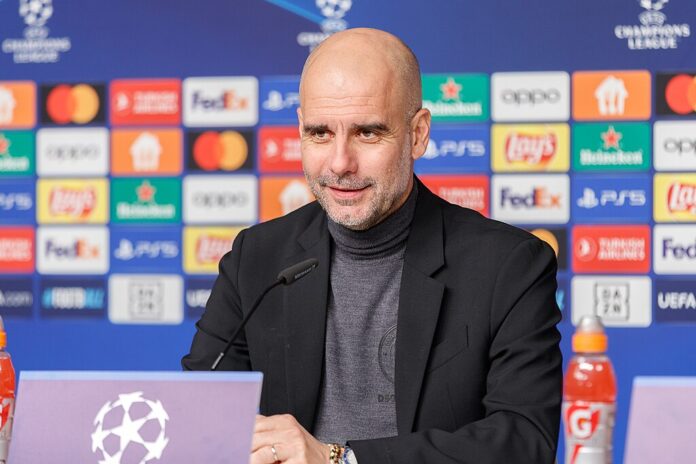
Pep Guardiola at a Champions League press conference, representing the global impact of Spanish coaching philosophy. Steffen Prößdorf, CC BY-SA 4.0, via Wikimedia Commons
Football without borders
Football is no longer confined to player transfers it has entered a new era of managerial globalization. Certain countries have turned coaching into an exportable asset, spreading their football philosophies worldwide. Argentina has emerged as a powerhouse in this domain, while European nations continue to disseminate their managerial styles across leagues and national teams. Yet, this phenomenon goes beyond tactics: cultural values, social structures, and personal resilience play a critical role in shaping globally successful coaches.
This phenomenon goes beyond tactics: cultural values, social structures, and personal resilience play a critical role in shaping globally successful coaches.
Argentina: philosophy, education, and courage in coaching
Systematic football education
In Argentina, football is more than a sport; it’s a way of life. Clubs and youth academies cultivate coaches not just in tactical knowledge but also in leadership, philosophy, and critical thinking. Legendary figures like Marcelo Bielsa emphasize mental discipline and problem-solving, training coaches to think as strategically as they manage.
Resilience and adaptability
Argentine coaches are renowned for their ability to adapt quickly to new environments. Beyond tactical acumen, they possess cultural and psychological resilience, enabling them to thrive under scrutiny and criticism. Their openness to change and adaptability often makes them valuable assets in international contexts.
Sociological advantages
A culture of struggle: Football often serves as a vehicle for social mobility. Challenging economic realities encourage risk-taking and bold career decisions.
Mentorship and collectivism: Argentine coaching networks emphasize mutual support, strengthening opportunities for career advancement.
Global networks: Diaspora connections and international relationships help Argentine coaches establish themselves in Europe, North America, and Asia.
Notable Argentine coaches
Marcelo Bielsa: Known for a philosophical and systematic approach; led Leeds United and Marseille.
Mauricio Pochettino: Emphasizes youth development and pressing football; managed Tottenham Hotspur and PSG.
José Pékerman: International representative of Argentine coaching; led Colombia and Venezuela national teams.
European coaching exports: culture meets strategy
Europe’s coaching exports combine tactical expertise with cultural capital, sending managers abroad who carry both footballing and sociological tools.
Spain
Coaching presence: 56 Spanish coaches work in European leagues (2023/24 UEFA data).
Sociological strength: Collective football philosophy and focus on player development ease adaptation abroad.
Key figures: Pep Guardiola, Luis Enrique
Italy
Coaching presence: Around 45 Italian coaches operate internationally.
Sociological strength: Italian coaches integrate discipline and hierarchy into their management style, emphasizing leadership on and off the pitch.
Key figures: Carlo Ancelotti, Antonio Conte, Vincenzo Montella (Turkey National Team)
Germany
Coaching presence: German managers influence both club and national teams.
Sociological strength: Organizational expertise combined with social discipline enhances adaptability.
Key figures: Jürgen Klopp, Hansi Flick, Thomas Tuchel (England National Team)
Portugal
Coaching presence: Active across Europe and Portuguese-speaking leagues.
Sociological strength: Act as cultural bridges, facilitating success in varied social and footballing contexts.
Key figures: José Mourinho, André Villas-Boas
The Balkans (Serbia, Croatia)
Coaching presence: High international coach density relative to population.
Sociological strength: Resourcefulness, resilience, and cost-effective problem-solving increase competitiveness.
Key figures: Zlatko Dalić, Siniša Mihajlović
The sociology behind global coaching success
Both Argentine and European coaching exports highlight that tactical knowledge alone is insufficient. Social skills, cultural adaptability, and mentorship networks are equally essential. Collective cultures, risk-taking abilities, and strong professional networks are key factors that allow coaches to succeed internationally. Migration and diaspora links further facilitate the global mobility of coaching talent.
Tactical knowledge alone is insufficient. Social skills, cultural adaptability, and mentorship networks are equally essential.
Challenges and limitations
Even highly skilled coaches face hurdles:
Cultural adaptation and short-term contracts can impede effectiveness.
High numbers of foreign coaches may overshadow domestic youth development.
Economic and social pressures can either empower or restrict adaptability, depending on individual circumstances.
The ideal international coach
Success in global football requires more than tactical knowledge it demands personal, social, and cultural intelligence. Essential traits include:
Tactical and technical mastery
Quickly adapt to diverse leagues.
Flexibly implement player development and team strategies.
Cultural awareness and language skills
Respect local traditions and football culture.
Multilingual ability strengthens communication and relationships.
Empathy and sociological insight
Manage players from varied social and economic backgrounds.
Build team cohesion, motivation, and a sense of belonging.
Courage and risk-taking
Embrace working in different countries and challenging environments.
Manage failure while maintaining continuous learning.
Networking and mentorship
Cultivate strong connections with clubs, managers, and coaches.
Mentor younger coaches to ensure long-term knowledge transfer.
Continuous development
Stay updated on new tactics, training methods, and management strategies.
Constantly refine both on-field and off-field leadership skills.
Conclusion: the cultural dimension of coaching globalization
The success stories from Argentina and Europe reveal that coaching exports are far more than numerical achievements. They are the product of education, philosophy, resilience, and social intelligence. Football, at its highest level, combines skill, strategy, culture, leadership, and societal awareness. Argentine and European coaches exemplify how the global game thrives not just on talent, but on cultural and sociological adaptability.
Sean Buckley during an on-field session, reflecting the hands-on leadership approach that defines his performance philosophy at the highest levels of the game.
Sean Buckley is a distinguished performance and sports science leader with more than 25 years working at the highest levels of professional soccer. Based in Salt Lake City, Utah, he currently serves as Head of Performance for Real Salt Lake (2024–2025), where he played a pivotal role in helping the club set a new record with 59 points in a single MLS season.
Before that, he served as Head of Sports Science at Minnesota United FC (2022–2023), where he leveraged advanced athlete testing and monitoring systems to optimize training loads, reduce injury risk, and elevate player performance. His earlier stints include roles as First Team Performance Coach for Phoenix Rising FC, Mazatlán FC (Mexico), AEK Larnaca (Cyprus), and Lobos BUAP (Mexico).
With strong foundations in sports science and strength & conditioning, Buckley is fluent in both English and Spanish and has led the integration of athlete monitoring technologies such as GPS, Vald, and TrainHeroic across professional squads. His expertise spans performance program design, leadership, staff management, operations, and business strategy.
Throughout his career, he has held prominent roles in Mexico, Cyprus, and the U.S., including leadership positions at Cruz Azul and Pumas UNAM, and has even ventured into entrepreneurship as a franchise owner. His academic credentials include a Master’s in Sports Science, an MBA, and undergraduate degrees in the United States.
In this conversation, we explore how Sean balances cutting edge science with coaching intuition, builds resilient and high performing squads, and steers performance programs across diverse environments.
In this conversation, we explore how Sean balances cutting edge science with coaching intuition, builds resilient and high performing squads, and steers performance programs across diverse environments.
Our exclusive interview with Sean Buckley
You have driven performance across different leagues and cultures. What core principles guide your approach to building performance systems that transcend context?
My approach is guided by the principle that everything we do must serve one critical goal of arriving on match day with as many players as possible available and in peak condition to perform. I build strong personal relationships with players to earn credibility and buy-in, allowing performance strategies to truly take hold. Across cultures and leagues, I balance scientific theory with real world practicality, ensuring systems are both evidence based and adaptable to each unique environment.
In your time at Real Salt Lake you used live GPS data to adapt training loads and reduce injuries. Can you walk us through a practical example where real time adjustments made a measurable difference?
At Real Salt Lake, I used live GPS data to monitor team averages in key metrics like High-Speed Running and sprint distance, particularly during mid-week sessions designed to prepare players for match demands. I routinely set target objectives for these metrics to ensure players receive the proper physical stimulus while minimizing the risk of hamstring injuries. By tracking data in real time, I could advise the head coach to add or shorten the duration of 11v11 open field play to precisely meet, but not exceed those load targets, resulting in improved readiness and fewer soft tissue issues across the season.
By tracking data in real time, I could advise the head coach to add or shorten the duration of 11v11 open field play to precisely meet, but not exceed those load targets.
How do you align strength, conditioning, sports science, and recovery protocols in a way that supports both peak match performance and long-term durability?
I align strength, conditioning, sports science, and recovery by first analyzing each player’s individual match and training loads to plan the week accordingly to identify who needs extra conditioning or playing minutes and who requires recovery or modified strength work. Some athletes can tolerate slightly higher gym volumes, while others need focused maintenance of strength and power to sustain performance through the season. Just as important, I always try and “know my players.” I speak with them daily to understand how they feel, combining that subjective feedback with objective data to fine tune their workloads and optimize their development and sport performances.
Having worked in Mexico, Cyprus, and MLS, how do you adapt your methodologies to different player profiles, expectations, and resource environments?
When entering a new environment, whether in Mexico, Cyprus, or MLS, I start by quickly assessing all available resources: technology, gym and field equipment, training space, and the level of support staff. I also determine how much input the head coach allows in decisions around load management and training design. With this context established, I draw on years of experience to build the most effective and stimulating performance program possible and one that fits the environment while maximizing player readiness and long-term development. I have learned that all organizations and club dynamics are different, and I am the one that needs to adapt while still providing the essence of my experience.
As someone who leads staff, operations, and also engages in business and financial management, how do you balance performance culture with organizational sustainability?
I balance performance culture with organizational sustainability by combining my formal education in sports science, strength and conditioning, and an MBA with my hands on experience as a business owner, performance coach, and performance director. This blend allows me to make decisions that support both elite athletic outcomes and long-term operational efficiency whether it’s investing in equipment, building a performance facility from the ground up, hiring and mentoring staff, or implementing high performance programs on the field and in the gym. My goal is always to serve the club’s broader vision while ensuring every resource directly contributes to player performance and organizational growth.
Beyond your current role, what new projects or goals are you pursuing?
Sean Buckley: In the second half of 2025, I’ve dedicated my time to launching Pro Kicks, the ultimate soccer challenge designed for players of all ages and skill levels from elite professionals to rising stars. This fast paced, competitive game enhances technical ability, precision, and decision making while keeping training fun and engaging. As I continue growing this venture (more at http://www.prokicks.shop), my goal is to secure my next coaching or performance director position in elite soccer by the start of 2026, where I can bring renewed energy and innovation to a professional environment.
Real estate brands from Dubai have accelerated into English football, not just as logo placements but as growth partners with clear commercial logic. Two of the most telling deals are Chelsea’s tie-up with DAMAC and Arsenal’s multi-year alliance with SOBHA Realty. Both speak to how luxury property developers use football to reach global audiences, build credibility in mature markets, and generate qualified demand for big-ticket assets.
Below is a clear-eyed look at what’s been signed, why it makes sense, and how the macro picture in Dubai, population growth, property transaction volumes, and inflows of high-net-worth individuals, underpins the strategy.
The deals, in brief
Chelsea × DAMAC: shirt exposure + a first-of-its-kind branded residences play
In May 2025 Chelsea announced a long-term global partnership making DAMAC the club’s Official Property Development Partner. As part of the launch, DAMAC appeared on the men’s and women’s shirts for the remainder of the 2024/25 season and unveiled “Chelsea Residences by DAMAC,” football-themed, Chelsea-branded towers planned for Dubai Maritime City. The club and developer pitched the project as the first Chelsea-branded residential offering, with amenities such as a rooftop pitch and athlete performance spaces designed into the lifestyle concept.
Independent trade outlets reported that the short run of front-of-shirt exposure through season’s end was modest in value compared with typical multi-year shirt deals, framed primarily as activation for the residences launch, while the broader partnership positions DAMAC and Chelsea for longer-term, off-pitch monetisation via the real estate project.
Independent trade outlets reported that the short run of front-of-shirt exposure through season’s end was modest in value compared with typical multi-year shirt deals.
Arsenal × SOBHA Realty: front-of-shirt sleeve + training ground naming rights
Arsenal signed a four-year agreement with SOBHA Realty in 2024 that elevated the Dubai developer to a prominent on-kit position and, crucially, secured naming rights to the club’s elite training base, the Sobha Realty Training Centre, marking a Premier League first for training-centre naming. The deal integrates marketing rights across matchday, digital, content, and hospitality and was designed to build SOBHA’s brand beyond the Gulf while leveraging Arsenal’s international audience.
The macro backdrop: why Dubai property is chasing global eyeballs
Three structural forces in the UAE (and Dubai in particular) explain why developers are leaning into elite sport:
Population and demand growth. Dubai’s resident population has surged and is on course to hit 4 million in 2025, up from 3.83 million at the end of 2024, driven by migration of skilled workers and entrepreneurs. More people, and more affluent households, translate into deeper rental and sales demand.
Record real-estate activity. The emirate continues to post heavyweight transaction volumes. Knight Frank estimates c.169,000 deals in 2024, with a total value around AED 367 billion, underscoring the depth and liquidity that global developers want to tap.
Inflow of high-net-worth individuals and investor-friendly policy. The UAE is the world’s top destination for new millionaires, with Henley & Partners projecting another 9,800 HNWIs to relocate in 2025. Pair that with investor visas linked to property purchase (the “Golden Visa” framework) and developers have every incentive to market internationally to reach mobile capital.
This macro context makes European football, high reach, high trust, high frequency, an ideal funnel to raise awareness and convert interest into site visits, sales gallery appointments, and ultimately transactions.
This macro context makes European football, high reach, high trust, high frequency, an ideal funnel to raise awareness and convert interest into site visits, sales gallery appointments, and ultimately transactions.
What each side gets
The developer’s upside
A global credibility lift. Association with blue-chip Premier League properties helps position a developer as a tier-one brand beyond the Gulf. SOBHA’s training-centre naming rights with Arsenal and DAMAC’s Chelsea partnership both operate as credibility signals in London and other mature markets.
A performance-marketing engine. Shirt, sleeve, and facility naming deliver mass awareness; digital rights and matchday content deliver mid-funnel engagement; hospitality and tours convert to qualified leads. For DAMAC, the Chelsea-branded residences provide a direct monetisation path from that funnel.
Access to diaspora and travelling fans. Premier League clubs aggregate fans from the UK, Europe, Africa, and Asia, many of whom are frequent travellers to Dubai for work or leisure, a prime profile for second homes or investment properties. Population and media data show the UAE gaining residents and global attention, reinforcing the target pool.
The club’s upside
New revenue lines with non-traditional categories. Real estate offers a large, relatively under-tapped sponsorship category with high ARPU potential. Training-centre naming and property-linked activations diversify inventory beyond typical airlines, finance, or betting sponsors.
Content, hospitality, and destination experiences. Clubs can host pre-season events, fan experiences, and partner showcases in Dubai’s hospitality ecosystem, creating premium content and higher-value B2B sales moments. (SOBHA’s and DAMAC’s flagship galleries in London and Dubai double as venues for these activations.)
Strategic optionality. As UEFA/league rules and categories evolve, having deep-pocketed partners in a fast-growing sector reduces revenue volatility and strengthens compliance with financial sustainability rules through multi-year, multi-asset partnerships.
How the rights are being used
On-kit visibility as a gateway, not the destination. In Chelsea’s case, limited front-of-shirt exposure helped launch the longer-term property story; the real play is the residences pipeline. Arsenal’s structure goes further into infrastructure naming, embedding SOBHA into daily elite performance and content streams.
Branded real estate as a long-horizon asset. DAMAC’s Chelsea Residences are positioned with extensive “club-coded” amenities (rooftop pitch, performance centre, themed hospitality), creating distinctiveness versus generic luxury towers and inviting organic PR far beyond property press.
Full-funnel international marketing. Press launches at Stamford Bridge, London showroom tours, and integrated digital campaigns aim squarely at UK and European buyers who increasingly consider Dubai as a primary or secondary home market.
Why football, why now?
Audience scale meets intent. The Premier League’s global weekly cadence delivers efficient reach among travel-ready, internationally mobile consumers. With Dubai on track to cross four million residents and continuing to attract expats and HNWIs, developers see football partnerships as a repeatable engine for qualified demand.
Category white space. Airlines and betting firms have long dominated shirt categories. Luxury property is newer, so the distinctiveness of a training-centre naming or a branded residences launch generates disproportionate earned media relative to spend.
Policy tailwinds. Investor-friendly residency pathways (including property-linked long-term visas) make global marketing more convertible; a fan who discovers the project via matchday content can feasibly become a Dubai resident owner within months.
Risks and realities
These partnerships aren’t without friction:
Short-term shirt deals are limited in value. Analysts noted that Chelsea’s late-season shirt run carried modest direct value; clubs will still chase multi-year front-of-shirt anchors for baseline revenue. But as an activation trigger for a multi-billion-dirham property pipeline, the calculation changes.
Market cyclicality. Real estate is cyclical. Developers must use football not only for awareness, but also for trust and after-sales service narratives to weather down-cycles.
Brand fit. Clubs will be careful that luxury property messaging aligns with community initiatives and affordability optics. Arsenal’s messaging around the training-centre and community engagements shows how to balance premium positioning with social impact.
What success looks like (KPIs to watch)
Lead metrics: UK/EU sales gallery appointments, qualified leads from matchday and digital campaigns, conversion rates into deposits at launches.
Audience lift: unaided awareness and consideration for the developer’s brand in the UK and Europe; share of voice versus domestic competitors.
Asset utilisation: content output from the training centre and residences; hospitality utilisation by corporate clients and HNW prospects.
Transaction outcomes: incremental sales specifically attributable to the partnership period, benchmarked against Dubai’s robust baseline of ~AED 367bn in 2024 transaction value.
The bottom line
Chelsea–DAMAC and Arsenal–SOBHA Realty illustrate a new phase of sport–property convergence. For developers, elite football is a powerful top-of-funnel machine that can be tied directly to unit sales in a fast-growing, HNWI-magnet market. For clubs, the category unlocks durable, multi-asset revenue beyond traditional sponsors. With Dubai’s population closing in on four million, record real-estate liquidity, and the world’s highest inflow of new millionaires, expect more real estate brands to seek the trust, reach, and story power that only top clubs can provide.
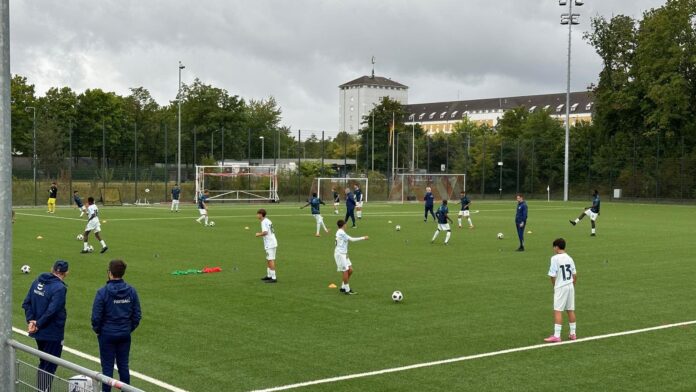
Youth players work through positional and spacing drills that highlight the foundations of compact and anti compact defensive behavior. Their coordinated movements reflect the modern emphasis on rhythm, intention and collective defensive intelligence.
Modern defending is not only about closing space. Modern defending is knowing when to close and when to open. The greatest evolution in defensive thinking is not pressing more or dropping deeper. It is understanding when compactness protects and when controlled openness destroys the opponent.
Compactness protects. Anti-compactness hunts.
Elite teams do not simply close space. They direct space. They manipulate space. They invite, then punish. They breathe out, then choke. They slow the game, then strike. Defending today is not a wall. It is a living rhythm.
Compact is security. Anti-compact is provocation. The modern truth is clear. Only teams who master both can dominate matches at the highest level.
Compact Philosophy
Being compact is not only reducing distance. Being compact is sharing the same intention. It is one heartbeat, one reaction, one defensive brain across eleven players. When a team becomes compact, it becomes a single organism.
Compact defending means aligned distances, synchronized reactions, priority of central protection, correct body angles and aggressive control around the ball. A compact block suffocates the opponent. It closes the interior, forces play wide, dictates direction and drains rhythm.
But compactness alone is survival, not dominance. A compact team must always carry vertical threat. Without danger, compactness becomes passive and reactive. With threat, compactness becomes a weapon. The question compact defending asks:
Can you break us before your confidence breaks?
Compact defending means aligned distances, synchronized reactions, priority of central protection, correct body angles and aggressive control around the ball.
Anti-Compact Intelligence
Anti-compact defending is not chaos. It is calculated openness designed to kill the opponent’s first idea. It is not chasing the ball. It is hunting the pass. It is suffocating intention before it becomes action.
Anti-compact means holding wider shape in the first second after losing the ball, removing easy passing options, delaying the opponent’s rhythm and forcing hesitation. It gives the illusion of freedom and then closes with precision. It is not mindless aggression. It is predatory patience.
The message of anti-compact football is simple. You may have the ball. You do not have control.
The message of anti-compact football is simple. You may have the ball. You do not have control.
Expansion and Contraction Cycle
Modern defending is breath. Expansion and contraction. Stretch and squeeze. A team inhales to widen and kill passing lanes. It exhales to collapse and eliminate the ball carrier. Not one or the other. Both, in the correct moment.
The sequence is simple. After losing the ball, hold the width for one second to block options. Then close fast to suffocate the receiver. Then widen again to force backward play. Then collapse again to recover the ball. Expansion without contraction is chaos. Contraction without expansion is panic. Mastering both is modern intelligence.
Ball Pressure Versus Decision Pressure
Old defending chased the ball. Modern defending chases the decision. Pressing a player is physical effort. Pressing his thinking is psychological dominance. When you suffocate a man’s choice, his technique disappears. When you take away his first idea, he doubts his second. In elite football doubt is defeat.
Emotional Discipline
Compact and anti-compact decisions collapse when emotion replaces clarity. Fear shrinks a team too early. Panic pushes a team too far. Calm does not mean still. Calm means clarity while moving at full speed. Modern defending is intelligence under stress.
Conclusion
Compactness protects. Anti-compactness kills. One denies entry. The other denies thought. To dominate today you must breathe. Open at the right moment. Close at the right moment. And never act without intention.
True defending is not inside or outside. High or deep. Narrow or wide. It is choosing the correct answer before the opponent finishes the question.
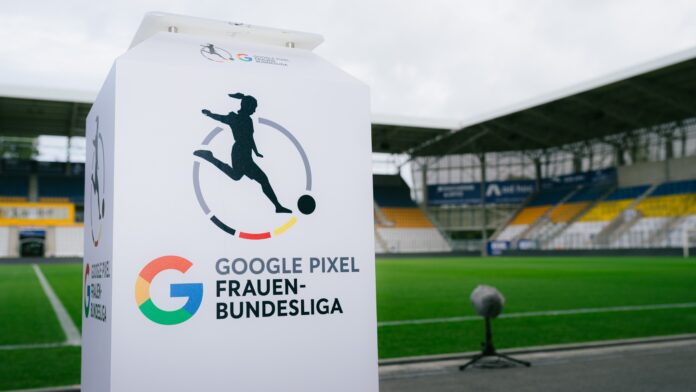
The Google Pixel Frauen-Bundesliga continues its evolution as the DFB launches a new investment model to professionalise the league. Image courtesy of Hannes Anger/haangmedia.
Der Deutsche Fußball Bund hat einen historischen Schritt beschlossen, um den Frauenfußball in Deutschland strukturell und wirtschaftlich auf ein neues Niveau zu heben. Ab 2026 erhält die Frauen Bundesliga eine eigene Gesellschaft und wird für die kommenden acht Jahre mit 100 Millionen Euro ausgestattet. Damit will der DFB die Liga professionalisieren, international konkurrenzfähig machen und die Abwanderung von Spitzenspielerinnen ins Ausland stoppen.
Ab 2026 erhält die Frauen Bundesliga eine eigene Gesellschaft und wird für die kommenden acht Jahre mit 100 Millionen Euro ausgestattet.
Das Vorhaben wurde am 7. November 2025 beim DFB-Bundestag in Frankfurt am Main offiziell verabschiedet. Verbandspräsident Bernd Neuendorf bezeichnete die Gründung der neuen Liga-Gesellschaft als „ein starkes und mutiges Signal“. Ziel sei es, dass die Frauen Bundesliga, wie die Männer, zu den führenden Ligen der Welt gehöre. Das Investitionsprogramm soll bereits mit Beginn der Saison 2026/27 greifen.
Das Modell sieht eine gemeinsame Gesellschaft von DFB GmbH & Co. KG und den teilnehmenden Clubs vor. Sie wird die Vermarktung, Organisation und strategische Steuerung der Liga übernehmen. Damit wird die Frauen Bundesliga künftig als Joint Venture geführt, vergleichbar mit der DFL-Struktur im Männerfußball, aber mit eigenem Fokus, eigenem Budget und eigenen Entwicklungszielen. Die geplante Gesellschaft trägt den Arbeitstitel „DFL Frauen“.
Wachstum durch Struktur und Kapital
Die Basis für die Reform bildet die DFB-Studie „Neue Perspektiven – Die wirtschaftliche Zukunft der Frauen-Bundesliga“, die im Auftrag des DFB gemeinsam mit der Sportmarketingagentur Two Circles erstellt wurde. Sie ist Teil der Strategie FF27 „Frauen im Fußball“ und liefert erstmals eine umfassende, datenbasierte Grundlage über Fanpotenzial, Zielgruppen, Einnahmen und Wachstumsszenarien des deutschen Frauenfußballs. Grundlage der Untersuchung waren nationale Marktanalysen, eine repräsentative Befragung von mehr als 2.000 Personen, qualitative Interviews mit 39 Clubs der Männer- und Frauen-Bundesligen sowie Fokusgruppen mit Medien- und Sponsoringpartnern.
Laut Studie gilt die Frauen Bundesliga als einer der dynamischsten Wachstumssektoren im europäischen Sport. In Deutschland interessieren sich 48 Prozent aller Fußballfans sowohl für Männer- als auch für Frauenfußball, das entspricht rund 19 Millionen Menschen. Weitere 19 Millionen verfolgen bislang nur den Männerfußball, mehr als die Hälfte davon hat Frauenfußball bisher „noch nie bewusst wahrgenommen“. Das ungenutzte Fanpotenzial ist enorm.
Im optimistischen Szenario („High Case“) prognostiziert die Studie bis 2031/32 ein Marktvolumen von 130 Millionen Euro pro Saison. Zum Vergleich: Derzeit erwirtschaften die Clubs gemeinsam weniger als 20 Millionen Euro. Bereits bis 2026/27 soll der Umsatz auf 37 Millionen Euro steigen.
Die Wachstumsannahmen beruhen auf klaren wirtschaftlichen Indikatoren: steigende Reichweiten im Free TV und Pay TV, höhere Zuschauendenzahlen, eine wachsende Zahl aktiver Spielerinnen, professionelle Sponsoringstrukturen und die zunehmende Integration von Frauenteams in die Cluborganisationen.
Professionalisierung als Schlüssel
Noch immer können viele Spielerinnen in der Bundesliga nicht vollständig vom Fußball leben. Deshalb liegt der Fokus des DFB-Investments auf Professionalisierung. Mittel fließen in Infrastruktur, medizinische Betreuung, Trainingsstandards, Digitalisierung, Marketing und Personalentwicklung. Ziel ist, innerhalb der nächsten Jahre flächendeckend hauptamtliche Strukturen in allen Vereinen zu etablieren.
Ein weiterer Faktor ist die Integration des Frauenfußballs in bestehende Clubstrukturen. Die DFB-Studie unterscheidet vier Integrationsmodelle, von minimaler Anbindung bis zur vollständigen Einbettung. Clubs mit hoher Integration erzielen laut Analyse deutlich bessere sportliche und wirtschaftliche Ergebnisse, da sie Ressourcen, Know-how und Markenpräsenz effizienter nutzen.
Auch die Investitionsbereitschaft wächst: 82 Prozent der Vereine hatten vor fünf Jahren kaum in den Frauenfußball investiert, heute ist es nur noch etwa die Hälfte. Ein Drittel der Clubs plant, in den kommenden fünf Jahren hohe bis sehr hohe Summen bereitzustellen.
Medienrechte, Zuschauer und Sponsoring
Mit dem neuen Rechtezyklus 2023-2027 beginnt eine neue Phase der medialen Sichtbarkeit. Erstmals werden alle Spiele live übertragen, durch ARD, ZDF, Sport1, DAZN und MagentaSport. Die jährlichen Einnahmen aus nationalen Medienrechten steigen dadurch von 325.000 Euro auf 5,17 Millionen Euro, was einer Steigerung um das 16-Fache entspricht.
Parallel rechnet die DFB-Studie mit einer deutlichen Zunahme der Reichweite: Bis 2032 soll sich die durchschnittliche Zuschauerzahl pro Live-Spiel im Free TV von 150.000 auf 750.000 erhöhen. Schon 2022/23 hat sich die Berichterstattung über die Liga mehr als verdoppelt, von 138 auf 306 Beiträge in den ersten fünf Spieltagen.
Auch im Stadion wächst das Interesse. Der aktuelle Zuschauerschnitt liegt unter 1.000 pro Spiel, doch das Prognosemodell erwartet 7.500 pro Spiel bis 2032 – eine Verzehnfachung. Bei mindestens 60 Spielen pro Saison sollen dann mehr als 10.000 Fans in den Stadien sein. Die Entwicklung zeigt: Der Spieltag wird zu einem eigenständigen wirtschaftlichen Faktor.
Sponsoring bleibt die wichtigste Einnahmequelle. Es macht derzeit rund die Hälfte der Gesamterlöse aus. Das Studienmodell empfiehlt, Sponsoringrechte künftig unabhängig von den Männerteams zu vermarkten. So ließe sich der Marktwert transparenter darstellen, neue Partnerkategorien erschließen und die wirtschaftliche Eigenständigkeit der Clubs stärken.
Prognosemodell und Umsatzentwicklung
Das Prognosemodell der DFB-Studie beschreibt den Weg der Frauen Bundesliga bis 2032 in konkreten Zahlen:
Zahl aktiver Spielerinnen: von 187.000 auf 500.000 (+167 Prozent)
Social-Media-Reichweite: von 146.000 auf 900.000 Follower
DFL-Clubs mit Frauenabteilung: von 8 auf 16
Spiele mit über 10.000 Zuschauenden: von 0 auf 60 pro Saison
Live-Übertragungen mit mehr als 1,5 Millionen TV-Zuschauer*innen: von 1 auf 10 jährlich
Der aktuelle Zuschauerschnitt liegt unter 1.000 pro Spiel, doch das Prognosemodell erwartet 7.500 pro Spiel bis 2032 – eine Verzehnfachung.
Auf dieser Grundlage ergibt sich eine Umsatzsteigerung von derzeit rund 18 Millionen Euro auf bis zu 130 Millionen Euro bis 2032. Der DFB spricht von einem realistischen, aber ehrgeizigen Zielkorridor.
Blick nach vorn
Parallel zur neuen Gesellschaft plant der Verband weitere Strukturreformen. Von der Saison 2027/28 an wird eine dreigeteilte 3. Liga für Frauen eingeführt, um die Durchlässigkeit zwischen Nachwuchs, Regionalligen und Bundesliga zu verbessern und die Talentförderung zu professionalisieren.
Gleichzeitig soll die Bewerbung für die Frauen-EM 2029 zusätzlichen Schub geben. Das Turnier wäre ein weiterer Katalysator, um Reichweite, Sponsoring und Nachwuchsbeteiligung zu steigern. Der DFB sieht im wachsenden Mädchen- und Frauenfußball „ein gewaltiges Potenzial“, das über die Strategie FF27 hinaus systematisch erschlossen werden soll.
Das Ziel ist klar formuliert: Die Frauen Bundesliga soll in den kommenden Jahren zu den führenden Ligen der Welt gehören. Mit der neuen Gesellschaft, dem langfristigen Kapital und einer datenbasierten Wachstumsstrategie schafft der DFB die Voraussetzungen dafür, dass Deutschlands Topliga im Frauenfußball nicht nur sportlich, sondern auch wirtschaftlich international Maßstäbe setzt.