Home Blog Page 11

Who is Simon Mesfin?

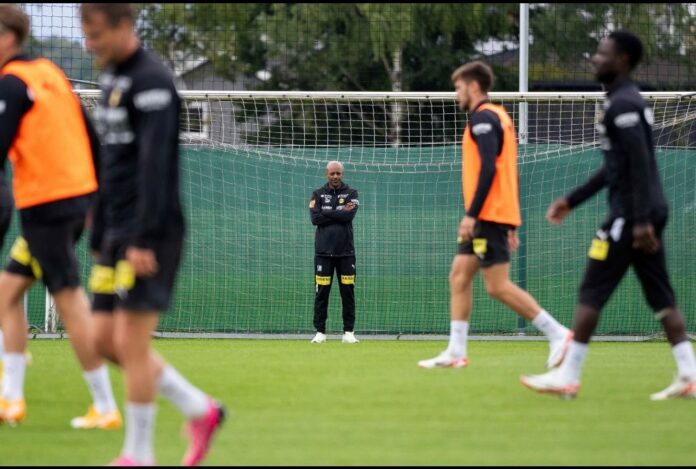
Simon Mesfin observing Lillestrøm SK first team training session during preparations in Norway.
Simon Mesfin oversees Lillestrøm SK training as sporting director, reflecting his hands on leadership approach. Strategic oversight begins on the training ground.

Hometown Sporting Director Behind Lillestrøm SK’s Historic 2024/25 Unbeaten Season

Simon Mesfin, born 1980, is a Norwegian sporting executive with Eritrean roots who spent 15 years at Lillestrøm Sportsklubb, serving as Sporting Director from 2017. His responsibilities included sporting strategy, player recruitment, contract management, staff appointments, and alignment between the first team and academy. Throughout this period, Lillestrøm SK experienced domestic success, European qualification, relegations, promotions, and rebuilding phases, while maintaining a clear long-term sporting vision.

The 2024/25 season stands as one of the greatest in Lillestrøm SK’s history, with an unbeaten league campaign and Norwegian Cup triumph marking the culmination of long-term sporting leadership. Built on stability, clarity, and identity, the team under head coaches Hans Erik Ødegaard and Eirik Mæland successfully combined LSK’s traditional DNA: work rate, physicality, and intensity, with a possession-based playing style. Aligned leadership and targeted recruitment enabled consistent execution, resulting in an unbeaten league season and a historic domestic double.

Built on stability, clarity, and identity, the team under head coaches Hans Erik Ødegaard and Eirik Mæland successfully combined LSK’s traditional DNA: work rate, physicality, and intensity, with a possession-based playing style.

Additional career achievements include Norwegian Cup titles in 2017 and 2025, qualification for the UEFA Europa League in 2018 and the UEFA Conference League in 2023, as well as two promotions to Eliteserien. Mesfin also served as interim head coach during the 2023 Eliteserien season, leading the team for six matches with an average of 1.5 points per game.

As part of his broader contribution to the LSK football ecosystem, Mesfin previously served as Sporting Director of LSK Women FK (2014–2015), overseeing consecutive league and cup doubles in both seasons.

Concluding a 15-year tenure at his hometown club, Simon Mesfin leaves Lillestrøm SK in a strong sporting and structural position. The unbeaten 2024/25 campaign stands as a defining achievement of this work.

Now taking a step back, he remains open to senior leadership roles in sporting management within long-term, values-driven football projects.

Concluding a 15-year tenure at his hometown club, Simon Mesfin leaves Lillestrøm SK in a strong sporting and structural position.

Here’s Our Exclusive Interview with Simon Mesfin

You have been at Lillestrøm SK since 2011. Can you walk us through your time at the club and what has been your different roles throughout the years?

I have dedicated a significant part of my career to Lillestrøm Sportsklubb (LSK), holding senior sporting and leadership roles for over a decade. My work has been focused on the responsibility for sporting strategy, squad development, recruitment, and long-term club planning. Both for the First team and the Academy. During my tenure, I have experienced a full spectrum of elite football, including trophy wins, European competition, two relegations with subsequent promotions, interim coaching, and top-four league finishes.

Lillestrøm Sportsklubb: Director of Sports (2017–2025)

From July 2017, I served as Director of Sports for LSK’s men’s team. My responsibilities included:

  • Sporting strategy and long-term planning
  • Player recruitment and contract management
  • Staff appointments and performance follow-up
  • Coordination between first team and academy structures

During my tenure, the men’s team has experienced a wide range of competitive outcomes, from domestic cup victories to relegation and successful promotion campaigns.

Key Achievements: Lillestrøm Sportsklubb

Norwegian Cup (NM Cupen):

  • Winners: 2017, 2025
  • Cup Finals Reached: 2017 – Winners/ 2022 – Runners-up/ 2025 – Winners

European Competitions:

  • UEFA Europa League: 2018 (qualified via Norwegian Cup)
  • UEFA Europa Conference League: 2023 (qualified through league performance)

League Achievements:

  • Experienced two relegations from Eliteserien and two promotions back to the top division
  • Achieved two top-4 finishes in Eliteserien, demonstrating consistent competitiveness at the highest level

Interim Head Coach – Summer 2023:

  • Led the team as interim head coach for six Eliteserien matches
  • Points per game: 1.5
  • Maintained squad focus and competitive stability during a transitional phase

Relegation and Promotion Management:

  • Oversaw squad restructuring, coaching transitions, and long-term strategic planning during rebuilding phases
  • Successfully guided the club back to top-flight football after each relegation

Collaboration with LSK Kvinner FK

While my main focus has always been Lillestrøm Sportsklubb, I have also worked closely with LSK Kvinner FK in the period of 2014 – 2015. The elite women’s club in the region. LSK Kvinner is a separate club, but has a long-standing partnership with Lillestrøm Sportsklubb, sharing talent pathways, facilities, and strategic support.

During 2014–2015, I served as Sporting Director of LSK Kvinner FK, overseeing:

  • Toppserien (Norwegian Women’s League) Champions: 2014, 2015
  • Norwegian Women’s Cup Winners: 2014, 2015
  • Domestic league and cup doubles both years

As Sporting Director, what are the key sporting principles and philosophies that guide the club’s style of play and identity?

LSK has always had a clear DNA: hardworking, strong in duels, and traditionally direct in its style of play. When I took over as Sporting Director, our goal was to modernize this approach by introducing a more possession-based style, while still preserving the club’s traditional identity.

I believe we succeeded in this during periods of coaching stability. Unfortunately, we lost key head coaches in both 2023 and 2024, which created challenges in developing continuity in our style of play. With Hans Erik Ødegaard and Eirik Mæland in place from 2025, the development has progressed very well, and we have successfully combined modern football principles with LSK’s traditional DNA.

Coming off an incredible season with both a league and cup win, and zero league losses, what were the key factors behind this achievement?

The success we achieved was the result of strong foundations, a clear philosophy, and stability within the coaching staff. On the pitch, the players fully embraced the playing style we had been developing over several years—combining LSK’s traditional DNA of hard work, physicality, and directness with a modern, possession-based approach.

Consistency in the head coach role was critical, allowing the team to develop, adapt, and execute the principles effectively. Off the pitch, stability in the sporting structure, clear communication, and strong alignment between recruitment, coaching, and player development made a significant difference.

Compared to the previous season, having Hans Erik Ødegaard and Eirik Mæland in place provided tactical clarity and leadership, which translated directly into performance. Ultimately, it was the combination of culture, identity, and a stable environment that allowed the team to achieve an unbeaten league season and cup success. Hans Erik Ødegaard, Eirik Mæland, the staff, and of course the players did fantastic work in 2025.

Looking ahead to next season in the Eliteserien, what are the club’s main objectives?

Although I am no longer in the role of Sporting Director after the 2025 season, I have full confidence in the team that has been built at LSK. With Hans Erik Ødegaard and Eirik Mæland leading the coaching staff, supported by a strong backroom team and a talented squad, I believe the club is well positioned for another successful season.

I truly believe that LSK will continue to perform at a high level and challenge in the upper half of the Eliteserien table.

What are your thoughts on the Norwegian football system?

Norwegian football is currently in a very exciting period of development. At club level, we are seeing increasing success in European competitions, with Norwegian teams performing very well in UEFA tournaments and players gaining international recognition, leading to major transfers abroad.

On the national team side, there is a very talented generation of players, including Martin Ødegaard and Erling Braut Haaland, who are already world-class and will play key roles in the upcoming World Cup. The combination of strong club structures, good coaching, and high-quality talent coming through the system gives me great optimism for the future of both Norwegian club football and the national team.

Where did your football journey begin, and what are the biggest lessons you learned as a player and coach?

My football journey began at a young age in Norway, playing at the grassroots level and progressing through local clubs. Experiencing the game both as a player and later as a coach taught me the importance of hard work, discipline, and teamwork.

The biggest lesson I’ve learned is that success is never about one individual—whether a player, coach, or leader. It is about teamwork, culture, preparation, and consistency. Creating the right environment, where players can develop both individually and collectively and clearly understand the club’s philosophy, is essential. These lessons have shaped my approach as a Sporting Director, with a strong emphasis on long-term development, clear principles, and a strong club culture.

Ramadan 2026 in Professional Football

Dates and Turkish tea on a wooden table symbolising Ramadan fasting and matchday nutrition in football.
Dates and tea traditionally mark the breaking of the fast during Ramadan. In professional football, nutrition, hydration and scheduling become key considerations during this period. Photo by Berke Citak on Unsplash.

Context and Sporting Relevance

Ramadan 2026 begins on 19 February and concludes on 19 March. For professional football organisations, this period represents a recurring operational phase that intersects with training load, match preparation and recovery management.

Ramadan, the ninth month of the Islamic calendar, requires fasting from dawn to sunset. During daylight hours no food or fluid is consumed. Nutritional intake is concentrated in the evening meal after sunset, Iftar, and the pre dawn meal, Suhoor. For elite athletes, this creates a daily rhythm that must be considered within performance planning structures.

The objective for clubs and federations is not to engage in theological debate. It is to ensure that sporting preparation, medical oversight and regulatory frameworks are aligned with the realities of the calendar.

The objective for clubs and federations is not to engage in theological debate. It is to ensure that sporting preparation, medical oversight and regulatory frameworks are aligned with the realities of the calendar.

Performance and Medical Considerations

From a sports science perspective, fasting affects hydration patterns, glycogen availability and sleep cycles. Training intensity, environmental temperature and fixture congestion can influence the degree of physiological stress.

Professional environments typically respond through structured measures such as adjusted session timing where possible, tailored nutritional planning for non fasting hours, gradual rehydration protocols after sunset and continuous load monitoring by medical staff.

Islamic jurisprudence permits professional athletes to postpone fasting under certain conditions and compensate at a later time. Decisions therefore remain individual. The role of clubs is to provide informed medical guidance and maintain open communication regarding performance readiness.

Club Level Practice in Women’s Football

In 2022, players from SC Freiburg, including Ereleta Memeti and Hasret Kayıkçı, spoke publicly about fasting while competing at professional level. Kayıkçı stated that fasting remains an integral part of her faith and emphasised the importance of understanding from coaches and teammates.

The example illustrates that internal alignment between player, coaching staff and performance department is central to managing Ramadan in a professional setting. It also demonstrates that fasting and elite competition can coexist when expectations are clearly defined.

League Level Operational Adjustments

Since 2021, the Premier League has provided guidance allowing referees to permit short pauses at natural stoppages around sunset so players can break their fast. These interruptions are integrated into normal match flow and do not represent a formal change to competition rules.

In 2022, the Bundesliga adopted a comparable approach. A visible example was Mainz defender Moussa Niakhaté receiving a brief opportunity to take fluids after sunset during a league match. The adjustment was operational rather than structural, reflecting a pragmatic interpretation within existing regulations.

Regulatory Framework in France

The approach in France differs. The French Football Federation does not permit match interruptions for religious observance, referencing the constitutional principle of institutional neutrality.

In April 2023, FC Nantes defender Jaouen Hadjam was excluded from the matchday squad after choosing to continue fasting. Coach Antoine Kombouaré publicly stated that he respected the player’s beliefs while prioritising sporting considerations in team selection. The case illustrates how national governance frameworks can shape competition level practice.

Federation Guidance and Institutional Standards

The German Football Association has published sports science recommendations addressing hydration and nutrition during Ramadan. The guidance highlights gradual rehydration after sunset, balanced food intake and coordination between players, coaches and medical staff.

Such frameworks demonstrate that Ramadan management is not solely an individual matter. It requires institutional clarity and structured preparation.

Such frameworks demonstrate that Ramadan management is not solely an individual matter. It requires institutional clarity and structured preparation.

Women’s Football and Structural Development

In women’s football, formalised Ramadan protocols are not yet standardised across all competitions. While individual clubs provide support, federation level consistency remains in development in many jurisdictions.

Given the global expansion of women’s football, including regions with significant Muslim player populations, Ramadan planning can be integrated into broader athlete welfare and governance strategies. Evening kick off times, common in several women’s leagues, may in practice facilitate fasting players without requiring structural rule changes.

The key issue for decision makers is not symbolic positioning. It is performance stability, regulatory clarity and equal treatment within existing frameworks.

Conclusion

Ramadan 2026 once again intersects with the professional football calendar. Different leagues operate under different regulatory principles. Clubs apply varying operational models based on competition schedules and medical advice.

For executives, sporting directors and federation officials, the central task remains consistent. Integrate Ramadan into annual planning cycles, formalise medical standards and ensure that governance frameworks are applied coherently.

In a global sport shaped by diverse player populations, structured preparation and institutional clarity are the defining elements of professional management.

Which Pass at Which Moment in Football

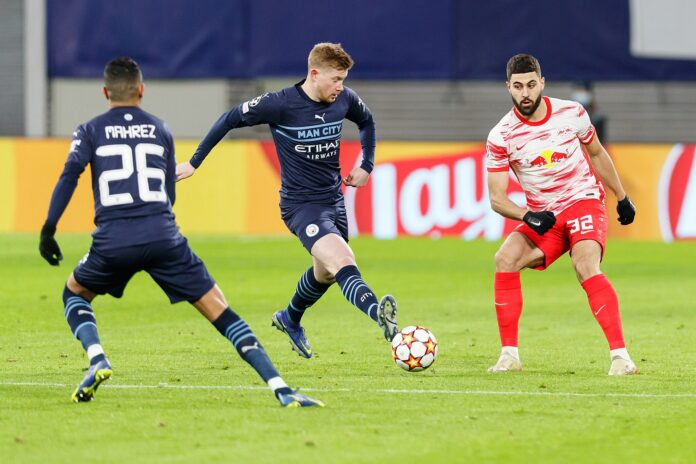
Kevin De Bruyne plays a forward pass for Manchester City under pressure in a Champions League match
Kevin De Bruyne prepares a decisive forward pass during a Champions League match. A moment that reflects timing, vision and exploiting space in transition. Steffen Prößdorf, CC BY-SA 4.0, via Wikimedia Commons.

How to Beat Possession-Dominant Teams

Possession-dominant teams do not control the game. They control time.

Against teams that keep the ball for long periods, the problem is never the ball itself. The problem is when the ball changes ownership.

This is why match plans against strong possession teams are not built around taking the ball, but around what happens in the very few moments when you win it.

Those moments may come only two or three times in a match. And that is where matches are decided.

Passes, in this context, are not technical actions. They are time decisions.

Each pass answers one question. Does this action steal time from the opponent, or give time back to them?

Possession-dominant teams do not control the game. They control time.

Vertical Pass

The vertical pass is not about bravery. It is about timing. It is played immediately after ball recovery, when the opponent is running, not thinking.

After losing the ball, possession teams are most vulnerable. Their defensive line is high. Their midfield is disorganized. Their orientation is broken. A vertical pass at this moment attacks organization, not space.

Rule

  • If the opponent is running, play forward. If the opponent is set, do not.

Horizontal Pass

The horizontal pass is not patience. It is manipulation. It is used when the center is closed and pressure is concentrated on one side.

The objective is not to keep the ball. The objective is to lock the opponent on one side and delay their shift.

A horizontal pass has no value on its own. It prepares the next action.

Rule

  • If you play sideways, you must be preparing something.

Diagonal Pass

Possession teams often over-invest in one zone. The diagonal pass punishes that belief. It is played when pressure collapses toward the ball side and the far side opens late.

This is not a speed pass. It is a direction change.

Rule

  • If everything is concentrated on one side, the solution is never there.

Wall Pass

Aggressive pressing is based on one assumption. The ball carrier is isolated. The wall pass destroys this assumption. It is used against high pressure to release a line, not a player.

One opponent is eliminated. One line is broken.

Rule

  • Pressure does not work against synchronized teams.

Trap Pass

There are moments when passing is a mistake. The trap pass exists for those moments. It is used to invite pressure, to pull the opponent forward, and to create the real space later.

This is discipline against impatience.

Rule

  • Not every space should be played. Some spaces must be called.

Where Matches Are Won

These passes do not appear many times during a match. But when they appear in the correct context, the difference is decisive.

Wrong pass, you give the ball back. Correct pass, you win the match.

Football is not won by how long you have the ball, but by what you do in the moment you win it.

Possession teams build the game. Teams that read time decide it. Football is not won by how long you have the ball, but by what you do in the moment you win it.

Who is Nicola Alexander Sahm?

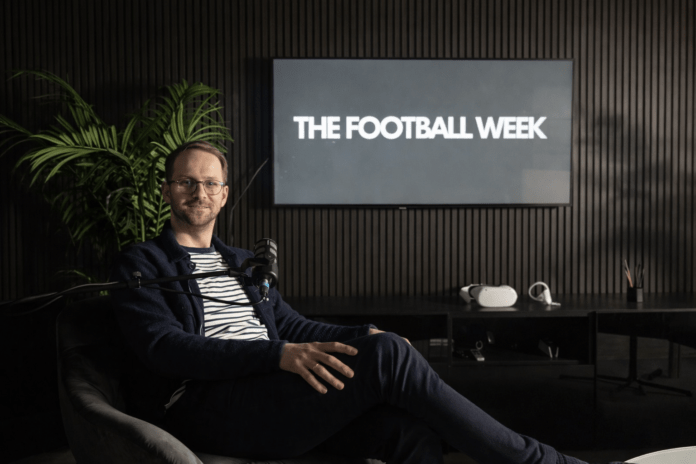
Nicola Alexander Sahm speaking in a studio interview for The Football Week on academy scouting and leadership.
Nicola Alexander Sahm shares insights on academy scouting, leadership, and sustainable player development. A closer look at the thinking behind modern talent identification in football.

Modern Football Executive Leadership

Nicola Alexander Sahm represents a modern football executive profile: structurally and analytically driven, culturally intelligent, deeply performance-oriented, and known for exceptional resilience in demanding environments. For almost seven years, he has led academy scouting at 1. FSV Mainz 05, widely regarded as one of Europe’s strongest development institutions. A role requiring precision, long-term planning and the ability to consistently identify talent with first-team potential.

During his time in Mainz, the academy has earned elite credibility on the national and international stage: German U19 champions in 2023, followed by a remarkable 8th place finish in the UEFA Youth League in 2024. Even more telling is the club’s ability to translate academy potential into professional impact. With Mainz, alongside SC Freiburg, widely recognised as the benchmark in Germany for academy-to-first-team progression. In recent months, 18-year-old centre-back Kacper Potulski has drawn attention as a regular starter in the professional squad. Recruited in 2023 from Poland through Nico’s department, underlining Mainz’s commitment to sustainable squad building through targeted, high-conviction talent acquisition.

Nico has built his reputation not through headlines, but through creating systems that consistently produce talent and long-term sporting value.

Nico has built his reputation not through headlines, but through creating systems that consistently produce talent and long-term sporting value. His work sits precisely at the intersection of recruitment strategy, development pathways and competitive squad planning. The areas that define sustainable success in modern football. In a climate where many clubs still rely on short-term fixes, his approach stands out: structured, measurable, and relentlessly focused on turning individual potential into performance, while creating short-term success through a culture of shared responsibility and a lived sense of togetherness.

Nico’s leadership style combines clarity with human depth. A six-month period teaching at a primary school near Kisumu, Kenya, shortly after high school, played a formative role in strengthening his values and understanding of responsibility. Not as a story of achievement, but as an experience that sharpened his respect for people, cultures and perspective. Today, that background supports his natural strength in international communication and intercultural exchange. An increasingly decisive edge in modern recruitment, squad planning and leadership within diverse environments.

In an era where clubs search for sporting leaders who can unite strategy, structure and culture, Nico is seen as a rare profile: someone who does not merely find talent, but builds the environment in which talent becomes first-team quality. His unique strength lies in combining elite academy scouting expertise with executive-level thinking. Turning recruitment into a strategic advantage and development into a club identity. And while his focus remains firmly on the responsibility in front of him, profiles like his rarely stay under the radar for long. Simply because modern football is increasingly shaped by leaders who combine structure, values and competitive clarity.

Our exclusive interview with Nicola Alexander Sahm

Values. Humanity. Structure. Performance.

Over the past years, 1. FSV Mainz 05 has earned widespread recognition for the remarkable number of academy players successfully integrated into the professional squad. While coaches and young talents often stand in the spotlight, one of the key architects behind this sustainable success has largely worked behind the scenes: Nicola Alexander Sahm, Head of Academy Scouting.

We spoke with Nico about the philosophy, structures and leadership principles that helped shape one of Europe’s most respected development environments.

Identity and Foundations

Mainz 05’s youth success is built on clear structures and consistent processes. You’re known as someone who thinks analytically and strategically. Where does that mindset come from?

I’ve always believed that talent alone doesn’t create success. People do, when the environment is right. And creating that environment is where structure becomes powerful.

Football today is too complex to rely on instinct and hope. You need clarity. You need systems. You need processes that hold under pressure. But for me, structure is never the goal, it’s the foundation. The real objective is to give people confidence and direction, especially in moments when emotions run high and pressure is at its peak.

I’m deeply analytical, not because I’m obsessed with numbers, but because decisions in football have real consequences: careers, futures, relationships. In scouting and development, you don’t deal with products, you deal with human beings. Analysis helps reduce uncertainty and ensures decisions remain fair, explainable and consistent.

In difficult situations, that’s where a strong values compass matters. You can’t lead high performers with panic or ego. You need calm, standards and trust.

Talent alone doesn’t create success. People do, when the environment is right.

Many football leaders talk about performance society. What does performance-oriented leadership mean to you in daily work?

Performance isn’t matchday, it’s a culture. It shows up in daily habits, discipline, standards and in doing the right things when nobody is watching.

In elite football, performance also means leadership: bringing together strong personalities who all want to be the best, and turning that individual ambition into collective strength. My role is to connect high performers through clarity, trust and shared purpose, creating an environment where individuals reach their maximum level because the group makes them stronger.

Sustainable success doesn’t come from speeches. It comes from standards that are lived every day, honest communication and leadership that remains stable, especially under pressure.

Your own playing career ended early due to injuries. How did that experience influence you?

It took away something that felt like my identity.

At that age, football isn’t just something you do, it’s your world. When it suddenly stops, you either break or adapt. I had to rebuild myself, stay patient and find another way to stay close to the game with purpose.

Looking back, it shaped my resilience and perspective. It also showed me how fragile careers can be. Behind every athlete there is a human being. You can demand the maximum, but only if you lead by example. And even under relentless pressure, humanity must never be lost.

You spent six months teaching in Kenya after high school. Why was that important to you?

I needed perspective.

Football had been my entire world. Kenya showed me a completely different reality of life, community and responsibility. It taught me humility and appreciation.

Most importantly, it helped me understand that values are not what you say. Values are what you do when nobody is watching.

What did that experience teach you about leadership?

That respect and trust come before authority.

In modern football, with different cultures and personalities, leaders must listen and understand context. Emotional intelligence isn’t soft, it’s performance-relevant.

Where does resilience show up in your daily work?

Plans fail. Players struggle. Coaches change. Pressure rises.

Resilience means staying stable in unstable environments. Not panicking. Not blaming. Staying focused on solutions and trusting the process while remaining demanding and fair.

The Work: Scouting as Strategy

You’ve led academy scouting for almost seven years in one of Europe’s strongest development environments. What does that role really involve?

Many people think scouting is simply watching players. That’s the smallest part.

The real responsibility is building a system: identifying, selecting and developing profiles that match the club’s identity, minimising risk, creating long-term value and ensuring constant quality, regardless of market trends.

Academy scouting is not about single transfers. It’s about building the future of the club.

At the same time, my background in sports economics and football management helps me connect long-term development with financial responsibility and strategic squad planning at professional level.

Mainz became German U19 champions in 2023 and reached the Top 8 of the UEFA Youth League in 2024. What do those achievements represent to you?

They confirm that the process works.

At elite academy level, success isn’t luck. It reflects years of decisions in recruitment, coaching, values, standards and of course the resources available to a club.

For me personally, it shows that when you build correctly, success becomes repeatable. Not guaranteed, but repeatable. This repeatability is something I’ve always approached not only from a sporting perspective, but also with a clear economic and strategic framework in mind.

The transition from academy to first team is often a major weakness in European clubs. Why has it worked so well in Mainz?

Because the pathway is real, not theoretical.

Many clubs say they trust youth, but panic after two bad results and buy short-term solutions. If you want progression, you need alignment between academy, coaches, performance staff, first team and leadership.

Development must be treated as an investment and an opportunity, not a risk. When the culture supports it, transition becomes natural.

How do you prevent scouting from becoming reactive to market hype?

By being structured and having the courage to say no.

The market is always loud. Agents push. Social media creates narratives. Without strong processes, you start chasing noise.

A good scouting department must be calm, clear and difficult to influence. That doesn’t mean rigid. It means consistent.

Kacper Potulski joined from Poland in 2023 and is already a regular in the professional squad at just 18. What does his development illustrate?

It shows what happens when conviction meets process.

It’s about looking beyond obvious markets, identifying the right profile early and building a clear pathway. But the key isn’t the signing, it’s the development and integration afterwards and choosing the right club environment at the right time.

That’s where scouting becomes strategic. The signing is the beginning, not the success.

Philosophy: Sustainable Development and Immediate Impact

Many believe long-term development and short-term success contradict each other. You disagree. Why?

Because development isn’t slow. It’s structured.

If people understand standards, roles and responsibility, performance happens now. When trust and togetherness are lived daily, success becomes a consequence, not a miracle.

The strongest clubs are those that develop sustainably and compete in the present, because culture produces performance every day. And culture always starts at leadership level.

How do you define football identity?

Identity isn’t a template. It’s not formation or pressing height.

It’s what you tolerate, what you reward, how you react to setbacks, how you treat people. It grows through shared experiences and a community that makes each other better.

The Future of the Game

Where is scouting heading in the next decade?

It will become more strategic and interdisciplinary.

Data will be standard. Human judgement will become even more valuable. The competitive edge will lie in interpretation.

The future belongs to clubs that combine football expertise, analytics, psychology, cultural intelligence and strong leadership.

What separates normal clubs from truly great ones?

Consistency.

Great organisations evolve but keep their core stable. They know what they stand for, build people and create structures that outlast individuals. They trust the process and hold their course independent of noise, names or short-term moods.

Final Question

If someone spends 30 minutes with you, what should they take away?

First of all, that I genuinely love football and respect everything it demands.

I work in a structured and system-oriented way, because sustainable success needs clear processes, strategy and responsibility. But structure must never replace humanity. At the centre of every decision are people, not numbers or short-term outcomes.

Leadership also means making clear and sometimes difficult decisions. I believe in honest, direct communication, even in uncomfortable situations, because respect and clarity belong together and accountability has to be visible.

Football is a business. Transfers must fit sporting strategy and economic reality, and my academic background in sports economics and football management helps me connect both perspectives. But long-term success only works when strategic thinking is combined with human understanding and when boundaries are set when needed.

At the highest level, it’s not only about talent. It’s about connecting high performers and creating environments where strong personalities become collective strength, with empathy when it helps and firmness when it’s required.

When people function together, performance follows. And when standards are clear, pressure becomes something you manage, not something that drives you.

Examen blanc d’agent FIFA – Test 1

Photo by Aditya Sethia on Unsplash

1. Justin, un footballeur professionnel confirmé, est mécontent de son manque de temps de jeu avec son club cette saison. Il envisage de résilier son contrat avec le club pour juste cause sportive. Le club dispute 30 matchs dans la saison. Dans lequel des scénarios suivants aurait-il des motifs pour résilier prématurément son contrat ? Sélectionnez une réponse :

a. Il n’a disputé que deux matchs

b. Il n’a disputé que sept matchs

c. Il n’a disputé que trois matchs

d. Il n’a disputé que cinq matchs


2. Le club AFC Red a reçu une notification de paiement de 100 000 EUR mais n’a pas payé la FIFA Clearing House dans le délai de 30 jours. Quel montant AFC Red doit-il maintenant payer à la FIFA Clearing House ? Sélectionnez une réponse :

a. 125 000 EUR

b. 105 000 EUR

c. 102 500 EUR

d. 100 000 EUR


3. Quelles parties peuvent être sanctionnées par la Commission de Discipline de la FIFA pour leur implication dans un transfert-pont ? Sélectionnez une ou plusieurs réponses :

a. Uniquement les clubs

b. Toute partie soumise aux Statuts et règlements de la FIFA impliquée dans un transfert-pont

c. Uniquement les joueurs

d. Clubs et joueurs


4. Pour lesquelles des situations suivantes un agent de football ne peut-il pas facturer de frais de service ? Sélectionnez une ou plusieurs réponses :

a. La prime conditionnelle du club après qu’un ancien joueur a remporté une compétition continentale

b. La prime de fidélité du joueur après 12 mois

c. La prime de performance du joueur après dix buts marqués

d. La clause de pourcentage à la revente du club


5. Qu’est-ce qui est considéré comme une approche d’un joueur ? Sélectionnez une ou plusieurs réponses :

a. Un e-mail envoyé à un joueur

b. Un message sur les réseaux sociaux

c. Une rencontre avec le frère d’un joueur

d. Un e-mail envoyé au club d’un joueur à propos du transfert d’un autre joueur


6. Quelles peuvent être les conséquences pour un club qui ne paie pas les montants ordonnés par le Tribunal du Football ? Sélectionnez une ou plusieurs réponses :

a. Un avertissement

b. Une interdiction d’enregistrer de nouveaux joueurs, que ce soit au niveau national ou international

c. Une amende imposée par le Tribunal du Football

d. Une suspension de participation aux compétitions


7. Quelles parties peuvent exercer une influence sur un club au sens de l’article 18bis du Règlement du Statut et du Transfert des Joueurs (RSTJ) de la FIFA ? Sélectionnez une réponse :

a. Toute tierce partie et le(s) club(s) adversaire(s) peuvent exercer une influence sur un club au sens de l’article 18bis du RSTJ

b. Seuls les agents de football peuvent exercer une influence sur un club au sens de l’article 18bis du RSTJ

c. Seules les tierces parties peuvent exercer une influence sur un club au sens de l’article 18bis du RSTJ

d. Seuls les clubs peuvent exercer une influence sur un autre club au sens de l’article 18bis du RSTJ


8. Un joueur est étudiant et déménage sans ses parents dans un autre pays temporairement pour des raisons académiques dans le cadre d’un programme d’échange. Quelles conditions doivent être remplies ? Sélectionnez une ou plusieurs réponses :

a. La durée d’enregistrement du joueur pour le nouveau club jusqu’à ses 18 ans ou jusqu’à la fin du programme scolaire ne peut pas dépasser un an

b. La durée d’enregistrement du joueur pour le nouveau club jusqu’à ses 18 ans ou jusqu’à la fin du programme scolaire ne peut pas dépasser deux ans

c. Le nouveau club du joueur doit être un club purement amateur

d. Le nouveau club du joueur doit être un club amateur ou semi-professionnel


9. Sur quelle base est calculée la contribution de solidarité ? Sélectionnez une réponse :

a. Le salaire du joueur

b. La valeur marchande du joueur

c. Toute indemnité de transfert payée d’un club à un autre

d. Tous les paiements effectués dans le cadre d’un transfert, y compris ceux du club au joueur ou à l’agent


10. Quelles activités sont considérées comme des services d’agent de football ? Sélectionnez une ou plusieurs réponses :

a. Organiser des essais avec des clubs

b. Négocier avec un entraîneur pour qu’un client soit convoqué en équipe nationale pour la Coupe du Monde de la FIFA™

c. Négocier la résiliation d’un contrat professionnel

d. Représenter des clients devant le Tribunal du Football


11. Lorsqu’une entité employeuse paie les frais de service pour le compte d’un individu, quelles conditions s’appliquent ? Sélectionnez une ou plusieurs réponses :

a. La rémunération annuelle négociée doit être supérieure à 200 000 USD

b. L’individu doit être mineur

c. L’individu et l’entité employeuse doivent être d’accord

d. Les frais de service ne doivent pas être déduits de la rémunération de l’individu


12. Y a-t-il une exigence de diplôme pour être agent FIFA ? Sélectionnez une réponse :

a. Oui, il faut un diplôme de licence

b. Oui, il faut un master

c. Oui, il faut un doctorat

d. Non, il n’y a aucune exigence de diplôme


13. La durée cumulée des deux « Périodes d’Enregistrement » en football ne peut pas dépasser : Sélectionnez une réponse :

a. 10 semaines

b. 12 semaines

c. 14 semaines

d. 16 semaines


14. Une indemnité de formation n’est pas due dans l’UE/EEE si l’ancien club n’offre pas de contrat au joueur combien de jours avant l’expiration de son contrat actuel ?

a. 15 jours

b. 30 jours

c. 60 jours

d. 90 jours


15. Que se passe-t-il lorsqu’un agent de football ne respecte pas les exigences de formation continue après l’expiration de la suspension provisoire de 60 jours ? Sélectionnez une ou plusieurs réponses :

a. Ses clients ont juste cause pour résilier tous les contrats de représentation

b. Tous les frais de service doivent être remboursés aux clients

c. Sa licence d’agent de football est retirée

d. L’agent de football est définitivement suspendu et ne peut pas demander une nouvelle licence


16. Un président de club vous consulte au sujet de la manipulation de matchs. Il craint que certains joueurs du club ne soient impliqués dans des pratiques de matchs truqués et se demande si le club peut être tenu responsable de leur comportement. Est-ce le cas ?

a. Non, les clubs ne peuvent être tenus responsables que du comportement de leurs propres officiels

b. Oui, les clubs peuvent être tenus responsables du comportement de leurs joueurs, sauf s’ils prouvent l’absence de faute ou de négligence

c. Oui, les clubs peuvent être tenus responsables du comportement de leurs joueurs en vertu du principe de responsabilité stricte

d. Non, les clubs ne peuvent jamais être tenus responsables du comportement de leurs joueurs


17. Le Conseil peut convoquer un Congrès extraordinaire à tout moment et doit le faire si quelle proportion des associations membres en fait la demande par écrit ?

a. ⅓

b. ½

c. ⅕

d. ¼


18. Parmi les comités permanents reconnus, lesquels sont valides ? Sélectionnez une ou plusieurs réponses.

a. Comité des finances

b. Comité médical

c. Comité des clubs

d. Comité des joueurs


19. La FIFA Clearing House est en droit de demander à un individu, un club ou une association membre de fournir des informations lors d’une évaluation de conformité. Parmi les exemples suivants, lesquels peuvent être demandés ? Sélectionnez une ou plusieurs réponses.

a. Structure de l’entreprise

b. Propriété bénéficiaire

c. Source de financement

d. Source de richesse


20. Parmi les éléments suivants, lequel n’est pas une condition pour qu’une personne physique devienne agent de football ? Sélectionnez une ou plusieurs réponses.

a. Soumettre une demande de licence

b. Payer une redevance annuelle à la FIFA

c. Enregistrer un identifiant FIFA (FIFA ID)

d. Se conformer aux critères d’éligibilité


Réponses :

  1. A
  2. C
  3. B & D
  4. D
  5. A, B, C
  6. B
  7. A
  8. A & C
  9. C
  10. A & C
  11. C & D
  12. D
  13. D
  14. C
  15. A & C
  16. C
  17. C
  18. A & B
  19. A, B, C, D
  20. C

Comment réussir l’examen d’agent de football de la FIFA : Édition 2025

Comment cela s’est-il passé ? Avez-vous encore des points à renforcer ? Vous pouvez vous préparer avec le cahier d’exercices Comment réussir l’examen d’agent de football de la FIFA, un guide pratique et complet conçu pour vous aider à maîtriser le contenu de l’examen.

Créé par l’expert en droit du sport et des agents Dr Erkut Sogut, en collaboration avec Jamie Khan, ce workbook combine connaissances théoriques, études de cas pratiques et examens blancs afin de vous préparer de manière structurée et efficace, en s’appuyant sur les documents officiels les plus récents de la FIFA.

Who is Omar Adlani?

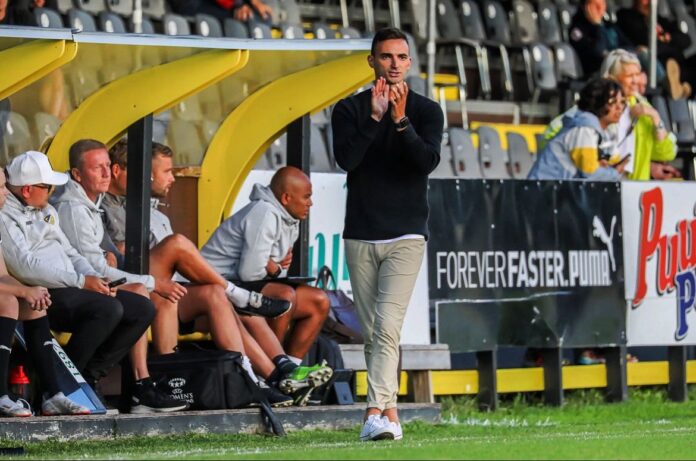
Omar Adlani directing his team from the touchline during a competitive league match.
Omar Adlani on the touchline, embodying his proactive and disciplined coaching philosophy. Leadership, clarity and intensity define his approach in elite environments.

Modern Coaching Leadership and Identity

Modern coaching leadership is no longer defined solely by tactics or matchday decisions. It is shaped by identity, emotional intelligence, and the ability to align people, processes, and performance under constant pressure. Omar Adlani belongs to a generation of head coaches who view clarity, authenticity, and cultural awareness as fundamental leadership tools in elite football.

Omar Adlani is Head Coach at FC Basel, operating within one of Switzerland’s most demanding football environments. His pathway spans club and national team football, talent development, performance analysis, and coaching roles across different countries and cultures. Known for a proactive game model, disciplined daily standards, and a strong emphasis on alignment between people and principles, Adlani represents a modern coaching profile focused on sustainable performance rather than short-term noise.

Modern coaching leadership is no longer defined solely by tactics or matchday decisions. It is shaped by identity, emotional intelligence, and the ability to align people, processes, and performance under constant pressure.

Our exclusive interview with Omar Adlani

You are currently Head Coach at FC Basel. How would you describe your coaching identity, and what principles define your work at this stage of your career?

My coaching identity has evolved significantly through experience, pressure, and exposure to different football cultures. Today, I see myself as a coach who values bravery, intensity, and emotional balance.

I strongly believe in a clear game model based on proactive football, high pressing, and intelligent use of possession. My teams must be brave, disciplined, and emotionally strong. At this stage of my career, my core principles are consistency, accountability, and continuous improvement, both individually and collectively.

I have made many mistakes as a young coach and I will continue to make more. That is part of the process. One of the most important lessons I have learned is to always be myself. Early in my career, there were moments when I tried to copy the style or personality of coaches I admired. I realised this is not sustainable. When you do that, you slowly lose your own identity, and players feel it. Authenticity is essential in leadership.

My work today is defined by clarity in the game model, consistency in daily standards, and strong, honest relationships with players and staff. I believe performance comes from alignment, when everyone understands the idea, feels respected, and is held to the same level of responsibility.

At FC Basel, my principles are simple: train with purpose, compete every day, and never lose our hunger. It is a club with history, ambition, and expectations. My responsibility is to build a team that reflects that identity not only in how we play, but in how we behave, prepare, and respond to challenges.

Authenticity is essential in leadership.

Your pathway includes roles as head coach, assistant coach, talent coach, and staff member across several countries. How have these environments shaped your understanding of modern football leadership?

My pathway through different roles and countries has had a major influence on how I understand modern football leadership.

I began my full-time coaching career as both a talent coach and assistant coach within a women’s first-team environment, while also working as a regional coach in southern Helsinki and as part of the U19 national team staff. This combination immediately exposed me to different layers of the game: elite senior football, youth development, and national team structures.

As a talent coach, my responsibility extended far beyond the pitch. It included individual training plans, video analysis, and supporting players socially and mentally. This role fundamentally shaped my understanding of the individual aspect of coaching, developing players as people and professionals while integrating them into a collective structure.

Alongside this, I had a significant role within the coaching staff, leading training sessions, preparing and delivering video meetings, contributing to match analysis, and working on scouting. This taught me the importance of collaboration, clarity of roles, and preparation in a high-performance environment.

Working within regional programs and national team structures introduced me to a very demanding working culture. National team camps are short but intense. Large amounts of information must be delivered in limited time. This experience taught me how to prioritise what truly matters, simplify messages, and maximise impact quickly.

Moving into head coach roles added another dimension. You learn responsibility and decision-making under constant pressure. Leadership is not only about tactics or selecting a starting eleven, but about creating a culture where people feel challenged, supported, and motivated to improve.

All of these experiences shaped my view that modern football leadership is multidimensional. Tactical competence is essential, but so are emotional intelligence, communication, cultural awareness, and the ability to manage individuals within a collective structure. Whether working with young talents, senior professionals, or staff, the foundation remains the same: clarity, trust, and consistency under pressure.

You have also worked within national team structures. How does international football differ from day-to-day club work?

The biggest difference is time. In club football, you work with players daily, build habits gradually, and correct details over weeks and months. At international level, time is extremely limited. Preparation must be precise and efficient. Every training session, meeting, and video clip must have a clear purpose.

Tactically, this means focusing on a small number of key principles rather than complex structures. Decision-making becomes more selective. You must decide what is essential, what can be simplified, and what can realistically be executed within a few sessions.

Player management is also different. Players arrive from different clubs, game models, and physical and emotional states. Some are fatigued, others full of confidence. You must read the group quickly, manage expectations, and build cohesion in a very short time.

There is also a strong emotional component. Playing for a national team involves identity, pride, and external pressure. The environment must be intense and competitive, but also calm and stable. Creating that balance is part of the role.

These experiences reinforced my belief that modern coaching is about clarity, adaptability, and human management as much as tactical knowledge. The ability to organise efficiently, communicate simply, and unite people around a clear idea is crucial at international level and extremely valuable in club football as well.

You have extensive experience in analysis, scouting, and periodisation. How do you translate complexity into clear guidance?

Analysis only has value if it leads to better decisions and behaviour on the pitch. The challenge is not collecting information, but transforming complexity into clarity.

My first principle is relevance. I filter everything through one simple question: does this help the player perform better in the next match or training session? If not, it does not belong.

Secondly, analysis is always connected to our game model and principles of play. This helps players understand not only what to do, but why they are doing it.

From a practical perspective, I reduce information to a small number of key messages, usually three to five points, supported by short video clips and clear visuals. These messages are then reinforced on the pitch through training exercises that reproduce the situations we analysed.

Periodisation is done in close cooperation with the fitness coach. He defines the physical framework. I translate that into football-specific content. Physical development and tactical learning must always happen together.

With the staff, analysis is more detailed. We challenge interpretations, align on priorities, and ensure everyone delivers the same message. Consistency is essential.

What do you look for when identifying players with long-term potential beyond immediate performance?

The most important factor for me is attitude and mentality. A player’s willingness to learn, accept feedback, and work consistently is often a stronger predictor of long-term success than technical ability alone.

Technical, tactical, and physical qualities can be developed. What matters most is how players process information and make decisions. Those who combine mental agility with commitment to development tend to reach higher levels and sustain performance over time.

How important is interdisciplinary knowledge for head coaches at the highest level?

When leading a team of experts, you must be able to understand and interpret what is presented to you. You are not expected to be the best in every domain, but you need enough knowledge to make informed decisions and ask the right questions.

Interdisciplinary understanding allows physical preparation, tactics, psychology, and analysis to function as one coherent framework. At the highest level, leadership is about connecting expertise, not replacing it.

How do you ensure alignment between youth development and first-team demands?

Alignment starts with clarity of identity. The first team’s game model, principles of play, and behavioural standards must be shared across the club.

Communication is crucial. Regular exchange between academy and first-team staff ensures development priorities are realistic and directly linked to senior demands.

Contextual training environments that reflect first-team intensity and decision-making speed accelerate transitions. Individual development plans then provide clarity for each player’s pathway.

How do you balance transparency in media work with protecting internal processes?

Transparency does not mean sharing everything. My priority is always to protect the team and the internal environment.

I communicate clearly about values and direction, take responsibility publicly when needed, and highlight the collective. Internally, communication is direct and honest. Externally, it must remain calm, consistent, and aligned with the club’s objectives.

How do language skills and multicultural experience support your leadership?

Language is one of the most powerful leadership tools a coach can have. Speaking to players and staff in their own language, even imperfectly, immediately changes the relationship. It builds trust, respect, and connection.

Living and working in different cultures has helped me understand how people think, communicate, and respond to leadership. That awareness is invaluable when managing diverse teams.

The work ethic and resilience I grew up with, shaped by my parents’ immigrant experience, continue to guide how I lead and work. That perspective grounds me and reinforces the values I bring into the dressing room every day.

How do you define long-term success beyond results on the pitch?

Success is building teams and environments that are competitive, sustainable, and respected, not only for results, but for how they work and represent their clubs.

Of course, competing for titles and European success is part of the ambition. But real success is also about identity, culture, and development.

Leaving clubs stronger than I found them, structurally and culturally, matters to me. If players improve, staff grow, and supporters recognise a team that works with courage and integrity, that is real success.

Beyond that, success is also about perspective. Remembering how privileged we are to work at this level keeps me grounded, motivated, and grateful.

José Mourinho’s Brand Strategy Beyond Football

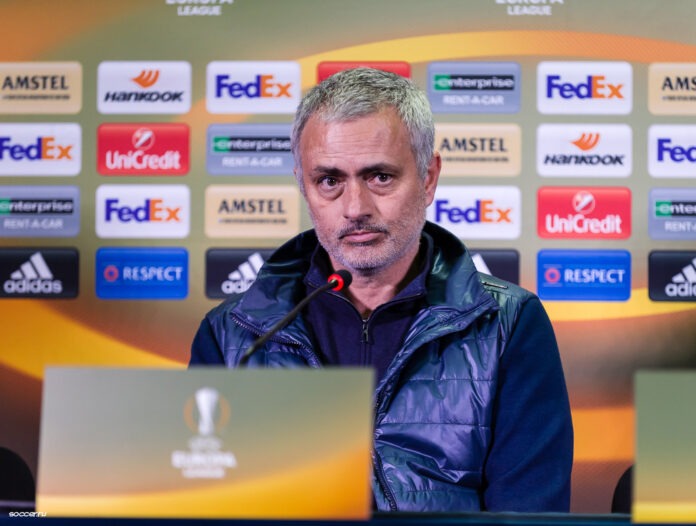
José Mourinho speaking at a Europa League press conference, reflecting his influence beyond football management.
José Mourinho at a European competition press conference, a figure whose identity extends far beyond the touchline. His commercial journey illustrates how a modern manager can evolve into a global brand. Светлана Бекетова, CC BY-SA 3.0 GFDL, via Wikimedia Commons.

José Mourinho’s journey from tactical mastermind to global brand icon demonstrates the immense commercial power a modern manager can harness. Known as “The Special One” since 2004, Mourinho has parlayed his personality into endorsements with global names like Adidas (since 2005), Hublot, Jaguar, Heineken, Zegna, Snickers, Turkish Airlines, Lipton Tea, and Football.com. His status as one of the most recognisable figures in world football has allowed him to command as much as €1.5-2 million annually per brand partnership.

José Mourinho’s journey from tactical mastermind to global brand icon demonstrates the immense commercial power a modern manager can harness.

Major Endorsements and Global Campaigns

Adidas

Mourinho’s relationship with Adidas is his most enduring commercial partnership, beginning in 2005 and continuing through to today. What makes this relationship remarkable is its resilience. Despite Mourinho managing clubs sponsored by rival brands, Chelsea (Nike), Real Madrid (Adidas), Inter Milan (Nike), Tottenham Hotspur (Nike), and Roma (New Balance), the Three Stripes never severed ties with him. This demonstrates how Mourinho transcends team affiliation; his image carries weight on its own. Adidas has long positioned him as a figure of authority, intelligence, and leadership within the game. Campaigns featuring Mourinho often lean into his iconic confidence and sharp presence, qualities that resonate globally and strengthen Adidas’ identity as a brand synonymous with winners.

Hublot and Jaguar

Luxury brands have also leveraged Mourinho’s aura. His partnership with Hublot positioned him as a global ambassador for the Swiss watchmaker, a role that linked the precision and prestige of luxury timepieces to his reputation for tactical mastery. The same philosophy applied to his partnership with Jaguar, which used Mourinho’s persona in campaigns around the F-Type sports car. Both deals reportedly earned him millions annually, and they served to elevate his personal brand beyond football, presenting him as an international symbol of ambition, style, and taste. By aligning with high-end lifestyle products, Mourinho broadened his commercial reach, appealing to affluent consumers who admire him as much for his image as for his success on the pitch.

Heineken

As one of UEFA’s most visible Champions League sponsors, Heineken turned to Mourinho to embody the excitement and prestige of European football. His work with the brand included high-profile global campaigns, positioning him as a charismatic, instantly recognisable face who could connect football culture with wider audiences. Reports suggest this partnership brought Mourinho around £4 million per year, putting him in the same bracket as some elite players when it comes to commercial earnings. For Heineken, Mourinho represented an entertainer capable of cutting through the noise in markets across Europe, Asia, and Latin America, regions where football and beer brands are deeply intertwined.

Football.com

In 2023, Mourinho signed on as a global ambassador and creative partner with Football.com, a digital platform aiming to redefine how fans engage with the sport. The campaign reimagined defining moments from Mourinho’s managerial career, blending nostalgia with innovation to highlight the platform’s emphasis on ambition and creativity. By weaving his career story into the activation, the brand was able to leverage Mourinho’s narrative as a natural bridge between football history and future-facing digital innovation. It was a partnership that went beyond simple brand endorsement, instead casting Mourinho as a figure who legitimises the brand’s vision of growth and disruption in football’s digital space.

Snickers x Meta

Perhaps one of Mourinho’s most innovative brand deals came through a collaboration between Snickers and Meta. The campaign harnessed AI-powered technology to create a Mourinho avatar on WhatsApp, enabling fans to interact with him directly in a playful, digital-first way. This activation highlighted Mourinho’s adaptability to the modern media landscape: he was the face and voice of an interactive experience designed to resonate with a younger, tech-savvy generation. It was a clever fusion of humour, technology, and football culture, and a case study in how managers can remain relevant in an age dominated by digital engagement.

Collectively, these campaigns underline Mourinho’s exceptional ability to generate commercial value. At times, his endorsement earnings have been reported to exceed the annual salaries of top-level managers, highlighting the strength of his brand in and beyond football. Unlike most managers, Mourinho has cultivated an identity so powerful that it consistently attracts global partnerships, ensuring his influence stretches far beyond the touchline.

The Special One Wine: A Personal Brand Into Product

In January 2025 Mourinho launched a boutique red wine named “The Special One”, handcrafted from Portugal’s prestigious Douro Valley. At approximately €144 per bottle, the limited-release wine bears a label silhouette commemorating his iconic Champions League celebration in 2004 and is marketed as a premium lifestyle product for fans and collectors.

By extending his nickname into a tangible product, Mourinho converted personal brand equity into ownership. The wine launch deepens his commercial persona beyond football, allowing him to profit directly from brand identity rather than simply licensing or ambassador fees.

What Mourinho’s Brand Strategy Teaches Modern Managers

Craft a Memorable Persona

José Mourinho has never blended into the background. From declaring himself “The Special One” in his first Chelsea press conference to his sharp one-liners in post-match interviews, he has created a persona rooted in confidence, mastery, and theatrical wit. That public identity is what makes him compelling not only as a football manager but also as a commercial figure. Audiences, and brands, know what to expect: a man who commands attention, stirs emotion, and creates headlines. For modern managers, the lesson is clear. In a crowded football market, having a defined, consistent persona can set you apart from your peers and make you attractive to sponsors seeking bold and recognisable personalities. Whether it’s through charisma, humour, tactical genius, or even calm authority, managers who craft a strong identity become marketable far beyond the touchline.

Tie Endorsements to Consistent Values

Mourinho’s commercial partnerships reveal a deliberate alignment with values that mirror his own reputation. Adidas taps into his leadership and footballing pedigree. Hublot and Jaguar highlight his association with precision, luxury, and ambition. Heineken connects him to moments of global football celebration and prestige. This consistency is key. Every deal reinforces the same themes: excellence, status, and reliability. For modern managers, the takeaway is that partnerships should not be scattergun. Choosing endorsements that align with personal credibility, be it leadership training, performance analytics, wellness, or lifestyle products, creates authenticity. A manager who stands behind brands that naturally reflect their image builds trust with consumers, paving the way for longer-term, more lucrative deals.

Own Your Brand Fully

Mourinho’s commercial success also comes from his ability to own his image. From coining “The Special One,” a phrase that now transcends football, to launching his own branded ventures like The Special One Wine, Mourinho has ensured that key aspects of his persona are trademarked and monetised. This protects him from dilution while giving him direct control over his commercial value. Modern managers can follow this model by trademarking catchphrases, unique symbols, or even personal methodologies. In doing so, they not only safeguard their intellectual property but also open new income streams through merchandise, licensed partnerships, or entrepreneurial ventures. In a world where personal branding is as important as team results, full ownership prevents ambiguity and maximises commercial upside.

Build Multi-Industry Appeal

What makes Mourinho unique is how far his brand stretches beyond football. He has appeared in luxury lifestyle campaigns, technology activations, and even humorous digital marketing stunts. He is not confined to football pitches but is also relevant in boardrooms, advertising billboards, and social media feeds. This multi-industry reach broadens his audience to include corporate leaders, casual fans, and lifestyle consumers alike. For today’s managers, the lesson is to think wider than football. Opportunities exist in leadership training, motivational speaking, media punditry, publishing, and digital ventures. By positioning themselves as thought leaders and entertainers as well as coaches, modern managers can transform into cross-industry icons. This ensures that their brand power, and revenue potential, continues to grow, even when results on the pitch fluctuate.

The Pitfalls of Personal Branding for Managers

Performance Risk

At the heart of any manager’s reputation lies results on the pitch. When a team struggles, even the strongest brand image can become a liability. A manager fronting global advertising campaigns while failing to deliver victories risks alienating fans, damaging credibility, and creating awkward optics for sponsors. For example, when Mourinho was sacked by Manchester United in 2018, headlines that had once celebrated him as “The Special One” quickly shifted to portray him as outdated. For sponsors, the lesson is that aligning too closely with a manager’s personal aura means inheriting the volatility of football results. A poor run of form can tarnish even the most polished campaign.

At the heart of any manager’s reputation lies results on the pitch.

Conflict with Club Sponsors

Managers also operate in a commercial ecosystem controlled by their clubs. Mourinho’s long-standing partnership with Adidas clashed with his tenure at Tottenham, a Nike-sponsored club. While the conflict was managed through careful contract structuring and mutual respect, such situations are delicate. Clubs want full loyalty to their partners, while managers are increasingly global brands in their own right. Navigating these overlapping commercial interests requires skilled negotiation. For modern managers, failing to anticipate these conflicts can lead to strained relationships with both clubs and sponsors.

Overshadowing the Club

There is also the danger of a manager’s persona eclipsing the institution they serve. Mourinho’s name has often generated more headlines than the teams he managed. While that can be commercially beneficial, it also risks unsettling fans, players, and executives if it feels like the manager is bigger than the club. In periods of poor form, this imbalance becomes even more pronounced, leading to criticism that the manager is too focused on their image rather than results. For brands, tying their campaigns too strongly to a single personality risks blowback if fans perceive ego overshadowing collective success.

Dilution of Message

Finally, personal brands need careful management to avoid overexposure or controversy. Managers who appear in too many campaigns risk becoming caricatures rather than authentic figures. Similarly, erratic public behaviour or controversial comments can quickly undermine a carefully built image. Mourinho’s outspoken style, while central to his appeal, has also created flashpoints that put sponsors under pressure. For modern managers, controlling their public-facing narrative is as important as tactical decisions on the pitch. Without discipline, brand value can decline as fast as it was built.

Conclusion

José Mourinho’s evolution from elite manager to multifaceted commercial figure offers a roadmap for how modern coaches can build lifetime brands. His career shows that personality, creativity, and authenticity can be transformed into long-lasting commercial value from marquee clothing and watch partnerships to a wine label bearing his own identity.

But along with upside, managers must manage brand reputation carefully. For every creative activation and product line, there’s a risk: performance dips, off-pitch controversies, or brand clashes can all undermine credibility. Smart managers will balance ambition with authenticity, and ensure the brand outlives the football jobs.

In today’s era where sport, media, and lifestyle converge, a strong manager brand may be the ultimate hedge against the volatility of the touchline.

Who is Sacha Esteves?

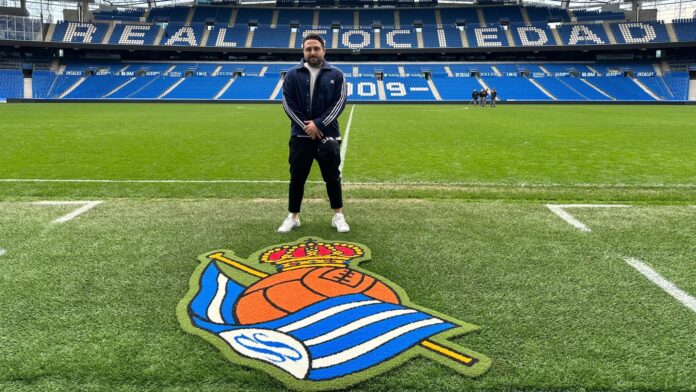
Sacha Esteves standing on the pitch at Real Sociedad’s stadium, reflecting his scouting work and connection to elite youth development.
Sacha Esteves at Real Sociedad, where he spent three seasons scouting young talent in France. The setting reflects the environment and standards that shaped his approach to player identification and development.

France to Real Sociedad: the journey of Sacha Esteves, a scout specialized in young talent

For three seasons, Sacha Esteves held a key role at Real Sociedad as the person responsible for scouting young French talent. Tasked with analyzing age groups ranging from U14 to reserve teams, he contributed to identifying profiles capable of integrating the academy of a club renowned for its high standards, stability, and the coherence of its sporting project.

In this role, he traveled throughout France, with a particular focus on the Paris region, one of the country’s richest talent pools. His mission was to identify atypical profiles able to bring real added value to Real Sociedad’s playing model. Contrary to common belief, recruitment was not limited to players with a purely “Spanish” style, but rather to complementary profiles, especially in terms of speed, power, and verticality.

His mission was to identify atypical profiles able to bring real added value to Real Sociedad’s playing model.

To cover as much ground as possible, he relied on a rigorous methodology combining targeted live scouting with video analysis through specialized platforms such as Wyscout, Hudl, and Eyeball, enabling him to develop a global and structured view of the French talent pool.

His background as a coach, holding a UEFA B coaching license, combined with his experiences as a sporting advisor, within player agencies, and at CarriereFoot, allowed him to refine his eye, strengthen his understanding of the game, and build a strong nationwide network. This dual scouting and coaching perspective enhances his ability to analyze both the player and the person. Operating daily in an international context, he works fluently in French, Spanish, and English, with working knowledge of Italian.

His time at Real Sociedad remains a foundational chapter in his career. There, he discovered a united institution driven by a shared vision, where youth development emphasizes relationship with the ball, game intelligence, and the player’s overall growth, beyond purely athletic criteria.

Sacha Esteves continues his journey with the same passion and high standards, driven by a desire to keep learning, to discover other footballing cultures, and to put his expertise at the service of an ambitious project.

His time at Real Sociedad remains a foundational chapter in his career.

Our exclusive interview with Sacha Esteves

You spent three seasons at Real Sociedad. What were your missions and responsibilities?

During those three seasons, I was in charge of the French youth market. My role was to scout age groups ranging from U14 up to reserve teams in France. From time to time, for certain tournaments or youth national team events, I could also travel abroad. Like most scouts, my main mission was to identify the profiles most likely to meet the club’s needs at a given moment and potentially join the academy. There is a huge amount of young talent in Paris.

What criteria do you prioritize when bringing a young French player to Spain, and how do you try to cover as much ground as possible?

Île-de-France is an incredible talent pool, at any match, even in the lower divisions of an age group, you can find one or several surprises. The criteria were somewhat the opposite of what most people think about Spanish football. There’s a common belief that Spanish clubs only look for players with a “Spanish” playing style, but in reality, it’s quite the opposite. Why bring in a player who is similar to 98% of those already there? My mission was precisely to identify these “atypical” players who could bring real added value to the squad they would join.

The key qualities I was looking for were speed, power, and verticality, traits that are harder to find locally, where profiles tend to be more technical, ball-oriented players rather than space-oriented ones.

To try to cover as much ground as possible, every week I created a table or schedule listing all the most interesting matches in each region, from U14 to Ligue 1, using color codes (Friday in green, Saturday in blue, Sunday in red). This gave me an overall view of everything happening in France each weekend. The regions with the most different colors were the ones I chose to travel to. Then, during the following week, I tried to catch up as much as possible on the matches I had missed in other regions using various video platforms such as Eyeball, Hudl, or Wyscout.

During your years at Real Sociedad, what lessons did you learn from Spanish football?

I’ll start by talking about the club itself. From the outside, Real Sociedad has a very good image and reputation in France, and once I arrived, I immediately understood why the institution was where it is. It’s no coincidence that the club has achieved such strong results in recent years. The people there genuinely love the club, are highly competent, and all move in the same direction, like a big family.

The lessons from this experience were numerous. Football sensitivity is different. There is a specific methodology regarding the player’s relationship with the ball, where from a very young age, the focus is on ensuring that players touch the ball frequently and enjoy themselves with it. I also learned that athleticism alone is not everything, and that game intelligence (football IQ) is just as important in a player’s development.

What are your ambitions for the coming seasons?

I will travel to Senegal in February to attend the African Challenge Cup, in partnership with Diambars Academy, as I continue to discover new countries and football cultures. This follows recent experiences in Qatar for the U17 World Cup and in Japan, where I explored a style of football that has always attracted and intrigued me. Ideally, each time, I aim to produce an in-depth analysis, as I did with Japanese football.

My goal is to remain just as passionate. Without that passion, even today, without a club, I wouldn’t be traveling all over France to watch U15 or National 3 matches. I want to keep learning every day about football, through discussions with people inside and outside the game, as well as through books and podcasts, and to continue developing my eye in order to better understand and analyze both the player and the person.

Finally, I hope to quickly find a club where my experience and expertise can be a daily asset, and to continue being someone who is recognized, respected, and appreciated in this profession.

What made you want to move into scouting and talent identification?

After several years away from football, following my playing and coaching career, I was focusing on a sports agent license, which I didn’t pursue. However, this process allowed me to return to the sidelines and start regularly observing all types of matches, initially in collaboration with agents. Being back regularly at the pitch is what made me want to start scouting and identifying profiles capable of reaching the top level.

How were your early experiences as a sporting advisor, within player agencies, and at CarriereFoot decisive for the rest of your career?

These experiences allowed me to constantly observe matches, helped me “train my eye”, and enabled me to build a network, first in Paris and Toulouse, then in Lyon, Marseille, Bordeaux, Lille, and elsewhere, both on and off the pitch. Over the years, by sharing my travels on social media, this gradually sparked the curiosity of certain clubs, including Real Sociedad.

Same Field, Same Effort, Different Numbers in Football

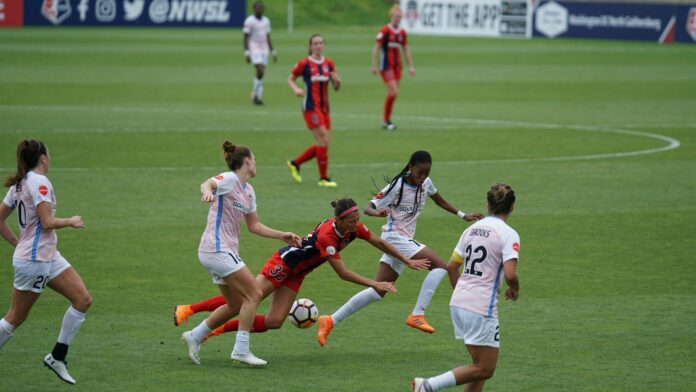
Women’s footballers contest possession during a match, highlighting professionalism and the pay gap discussed in the article.
A matchday duel that reflects the intensity and professionalism of women’s football. The article explores why the numbers behind the game still lag far behind the effort on the pitch. Photo by Jeffrey F Lin on Unsplash.

There are differences between women’s and men’s football. No one denies that.

But football is not just about muscle, speed, and power. Football is also about labor, discipline, and the art of giving up parts of life. And this is exactly where the numbers begin to speak.

According to FIFA’s 2025 report, the average annual income of a female footballer worldwide is $10,900. Yes, you read that correctly. Per year.

Five days of training a week. Weekend away matches. Risk of injury, performance pressure, contractual uncertainty. The return: not even eleven thousand dollars.

The same report also states this: In lower-tier leagues, this figure drops to $2,800–$4,300. If this is not football, what is it? If this is not professionalism, then what is?

According to FIFA’s 2025 report, the average annual income of a female footballer worldwide is $10,900.

Europe: Bright Lights, Deep Shadows

Women’s football in Europe is growing. There is no doubt about that.

In the English Women’s Super League, annual salaries have reached £30,000–£250,000. France, Germany, and Spain are moving in a similar upward direction. But let’s not overlook a small detail: These numbers apply to the elite top 10%.

In the same leagues, hundreds of female footballers are still on part-time contracts, working second jobs to survive, stepping onto the pitch without health insurance.

The total prize pool for the UEFA Women’s European Championship is around €41 million. For the men’s European Championship, it exceeds €300 million.

Same continent. Same football. But a sixfold difference.

United States: Become World Champion, Then Go to Court

The U.S. Women’s National Team. They win trophies. They fill stadiums. They are the showcase of world football. Yet for years, they had to go to court just to receive equal pay with the men’s national team.

Total prize money at the 2019 Women’s World Cup: $30 million. At the 2018 Men’s World Cup: $400 million. This gap cannot be explained by success. It can only be explained by the system.

Yes, in the NWSL, star players can earn $200,000–$400,000. But even this does not come close to the average level of men’s football.

Africa: Where the Numbers Fall Silent

The real silence is in Africa.

FIFA data shows that in many African leagues, the majority of female footballers have short-term contracts, no health insurance, no maternity leave, no social security. So before talking about salaries, we are looking at a picture where human rights should be discussed first.

There, a female footballer is not just an athlete; she is a worker trying to survive.

There, a female footballer is not just an athlete; she is a worker trying to survive.

On the Phrase “It Doesn’t Generate Revenue”

They say women’s football does not generate revenue. But the real question is this: Does it not generate revenue, or is it simply not allowed to?

Why is it excluded from broadcasting packages? Why are sponsorships not created? Why is there no marketing? And then turning around and saying, “See, no one watches,” is presenting the result as the cause.

This is not economics. This is a conscious choice.

This is Not a Salary Article

This article is not just about money. This article is about the woman who gives the same effort but earns less, the woman who shows the same professionalism but is labeled amateur, the woman who steps onto the same pitch but is forced to dream smaller.

Female footballers are not asking for more. They are simply saying: “Let our labor not be a footnote in the numbers.”

Final Word

Women’s football is growing. But it is still growing by resisting. And let us not forget: If the value of a sport is measured only by the money it generates, then the problem is not football it is conscience.

Running on the same pitch and living with different numbers has never fit any era or any sense of justice.

From Acquisition to Governance in Modern Football Clubs

Youth teams line up before a U19 match in Germany, reflecting structured academy football and long-term development pathways.
A U19 youth match setting in Germany, highlighting the organised environments that underpin modern football development. Such structures sit at the heart of governance, investment strategy and long-term club planning.

Welcome back to the series “Private Equity in Football: A Game-Changer or a Risky Bet?”, in this fourth part, we will take a closer look at the process of buying football clubs.

For investment funds, acquiring a football club is far more than a trophy purchase, it’s a calculated entry into a high-risk and high-reward market. While headlines often focus on the final figure or the brand name, the process behind each acquisition is a carefully engineered mix of financial discipline, legal precision, and strategic intent.

For investment funds, acquiring a football club is far more than a trophy purchase, it’s a calculated entry into a high-risk and high-reward market.

Strategic Targeting & Market Research

Every deal begins with identifying the right target. Investment funds look for clubs that are undervalued relative to their brand potential, market access, or developmental infrastructure. Some funds prioritize historic clubs in top leagues with untapped commercial upside, such as AC Milan (RedBird), while others seek out lower-profile clubs that can serve as feeder or development platforms within a broader network, like Toulouse FC for RedBird or Vasco da Gama for 777 Partners.

Strategic criteria often include:

  • Broadcasting footprint and media rights potential;
  • Stadium ownership and local infrastructure;
  • Fan engagement metrics and digital presence;
  • Access to youth academies or underexploited talent markets;
  • Financially distressed but historically strong clubs (e.g., Inter Milan before Oaktree’s loan takeover);
  • Underperforming relative to brand potential;
  • Geographic entry points into key markets (e.g., Vasco da Gama in Brazil for 777 Partners).

Due Diligence & Financial Audits

Once an investment target is identified, funds enter the due diligence phase, a meticulous process that combines traditional corporate financial audits with the unique complexities of the football industry. For private equity firms, this is where the real work begins: validating the club’s true worth, identifying potential risks, and shaping the final acquisition structure.

This analysis is typically led by a combination of M&A experts, sports finance consultants, and Big Four audit firms to ensure no detail is overlooked. Here are the key pillars:

Balance Sheet Strength & Debt Exposure

Funds review the club’s financial statements, including:

  • Asset base : stadium ownership, player contracts (treated as intangible assets), training facilities;
  • Liabilities : short- and long-term debts, unpaid transfer fees, tax obligations;
  • Debt covenants : restrictions imposed by creditors that could limit cash flow usage.

Clubs in lower-tier leagues often carry hidden liabilities (e.g. deferred payments), which affect valuation.

Ownership Structure & Governance

Understanding who owns what is critical, especially in clubs with:

  • Multiple shareholders;
  • Historical family ownership or municipal stakes;
  • Complex voting rights or golden shares (e.g., some Spanish or German clubs).

Some European clubs, particularly in Spain and Germany, operate under complex governance frameworks, including voting restrictions and golden shares, that limit external investor control. In Germany, the 50+1 rule mandates majority fan ownership, while in Spain, certain clubs retain member-led structures or legacy rights that affect board-level decision-making.

Contractual Obligations

This includes a deep dive into:

  • Player and staff contracts : length, clauses, buy-outs, deferred wages;
  • Commercial deals: sponsorships, stadium naming rights, merchandising;
  • Broadcasting arrangements.

Revenue Profile & Cost Structure

A football club’s revenue is highly volatile and cyclical:

  • Revenue mix : matchday, broadcasting, commercial;
  • Exposure to sporting risk : promotion/relegation, UEFA participation, player sales;
  • Wage-to-turnover ratio : a key efficiency metric, which UEFA recommends under 70%.

Some clubs rely disproportionately on broadcasting income or player trading, which heightens exposure to high risks.

Legal & Regulatory Compliance

Football clubs are subject to unique regulatory environments (Financial Fair-Play, National Federation’s rules, etc), and ongoing legal issues can influence potential deals.

Funds review:

  • Pending lawsuits or disputes;
  • Sanctions risks;
  • Cross-border tax implications (especially in multi-club ownership).

For private equity investors, due diligence is not a box-ticking exercise, it’s a value-protection strategy. Football clubs may offer brand value and fan loyalty, but they also carry opaque finances, volatile cash flows, and regulatory complexities. This phase is critical not only for pricing the deal but also for identifying restructuring needs. Funds often hire sport-focused advisory teams or big four audit firms (e.g. Deloitte Sports Business Group, Football Benchmark Group, etc) to perform this assessment.

For private equity investors, due diligence is not a box-ticking exercise, it’s a value-protection strategy.

Deal Structuring

Once the due diligence phase is completed; where funds scrutinize a club’s financial health, contractual liabilities, and commercial outlook, the next critical step is deal structuring. This phase determines how the acquisition is financed and what kind of control or exposure the investor will take on. The structure depends heavily on the fund’s risk appetite, the club’s valuation and cash flow situation, and broader market conditions.

Here are the most common structuring formats in football investments, explained with examples:

Full Equity Acquisition

This is the cleanest form of ownership, the investor acquires 100% (or a controlling majority) of the club’s shares using its own capital or co-investors.

In 2022, RedBird Capital Partners acquired AC Milan for approximately €1.2 billion, marking one of the largest full-club acquisitions in European football. RedBird financed the deal through a combination of its own capital and minority co-investment from Yankees Global Enterprises, seeking to leverage Milan’s brand equity and commercial upside.

Leveraged Buyouts (LBOs)

In this structure, the fund acquires the club primarily using borrowed money. Often, the club’s future revenues (e.g., TV rights, ticketing, sponsorship) or real estate assets (e.g., stadiums) are used as collateral to secure the loan.

Elliott Management gained control of AC Milan in 2018 via a loan default. Elliott had initially loaned €303 million to Chinese owner Li Yonghong to buy the club. When he defaulted, Elliott repossessed the equity.

In May 2021, Oaktree Capital Management extended a €275 million loan to Suning Holdings, the Chinese majority owner of Inter Milan, to address liquidity challenges exacerbated by the COVID-19 pandemic. By May 2024, the debt had accrued to approximately €395 million due to the high-interest rate and compounding terms. Suning failed to repay the loan upon maturity, leading Oaktree to exercise its rights under the loan agreement and assume control of Inter Milan through debt enforcement mechanisms.

These examples show a classic distressed LBO, where a creditor seizes ownership through financial failure, then restructures the asset for resale.

Convertible Debt & Staged Earn-Outs

In transitional or riskier deals, funds may opt for hybrid instruments, such as convertible debt (a loan that can later be turned into shares) or performance-based earn-outs, where part of the purchase price is deferred and paid only if the club hits predefined financial or sporting milestones.

This is often used when the fund wants a foot in the door but doesn’t want to overpay upfront. It’s also common in lower league or financially fragile clubs, where future stability is uncertain. While private deals of this type are often not disclosed in detail, several League One and Two clubs in England have attracted investors on this basis, notably US-based groups experimenting with performance-based equity conversion models.

Minority Stake Investments

Here, the fund buys a non-controlling interest (typically below 20%), gaining exposure to football’s commercial upside without bearing full operational risk.

In 2019, Silver Lake, a US tech-focused private equity giant, invested $500 million for a 10% stake in City Football Group, owner of Manchester City and several other clubs. By 2022, Silver Lake increased its holding to 18%, valuing CFG at around $4.8 billion, one of the highest valuations in world football.

Why Structuring Matters

Deal structure defines not only the financial exposure of the investor, but also its strategic flexibility. For example:

  • An LBO offers leverage and tax advantages but adds pressure to optimize cash flow for debt service;
  • A minority stake is lower risk, but limits control over decision-making and exit timelines;
  • Convertible debt can offer upside with downside protection, ideal for volatile markets or distressed clubs.

For funds, the choice isn’t just about acquiring a football club, it’s about engineering a financial vehicle that matches their return expectations, governance preferences, and long-term vision.

Post-Acquisition Restructuring

Once an investment fund finalizes the acquisition of a club, governance reform and operational transformation are often the first priorities. The goal is to reshape the institution to unlock long-term value and performance. This phase is critical in aligning the club with the fund’s financial logic, sporting vision, and risk appetite. This often includes:

Boardroom Realignment & Executive Appointments

Private equity investors often install a new board, replacing legacy leadership with profiles from finance, law, tech, or elite sports management. These appointments aren’t symbolic, they bring tighter corporate governance, faster decision-making, and clearer KPIs.

At AC Milan, RedBird Capital appointed Giorgio Furlani as CEO post-acquisition, aligning board oversight with a capital-focused strategy and expertise from the sports, media, and entertainment sectors, reflecting a commercial mindset influenced by American sports business models.

Sporting Department Recalibration

Investment groups often reshape the sporting structure, from academy to first team, to optimize talent pipelines and reduce inefficiencies.

Toulouse FC, under RedBird since 2020, installed a new sporting director, upgraded academy structures, and leveraged data science in recruitment. The result was directly seen with the promotion to Ligue 1 in 2022 and a historic Coupe de France win in 2023.

Financial Discipline & Budgeting Tools

Funds enforce rigorous budgeting practices post-acquisition. Clubs adopt centralized spending approval, salary caps relative to revenue, and long-term cash flow forecasts.

Data Infrastructure & Tech Integration

Private equity firms are increasingly turning clubs into ‘labs’ for sports tech innovation, deploying platforms for scouting, performance optimization, and injury prevention.

Silver Lake’s investment in City Football Group enabled a global data infrastructure across clubs. Tech sharing now drives everything from medical protocols to marketing campaigns, multiplying returns across the portfolio.

Conclusion

From scouting undervalued clubs to reshaping their governance and integrating them into wider portfolios, private equity investors bring a structured, profit-driven approach to football club management. These acquisitions are rarely emotional, they are data-backed, and designed for long-term asset growth. Yet the real test lies not in how clubs are bought, but in how value is extracted after the deal.

Now that clubs have entered the hands of financial investors, the question becomes: what happens next? Are these deals creating long-term stability, or simply flipping clubs like assets on a spreadsheet?

In the next article, we’ll explore how funds attempt to extract value post-acquisition, through debt restructuring, cost optimization, infrastructure upgrades, and recruitment strategies. We’ll also examine their return expectations, the tension between capital gains and sporting legacy, and the risks of turning clubs into short-term financial vehicles at the expense of their soul.

The business model may be rational, but is it good for the game?