
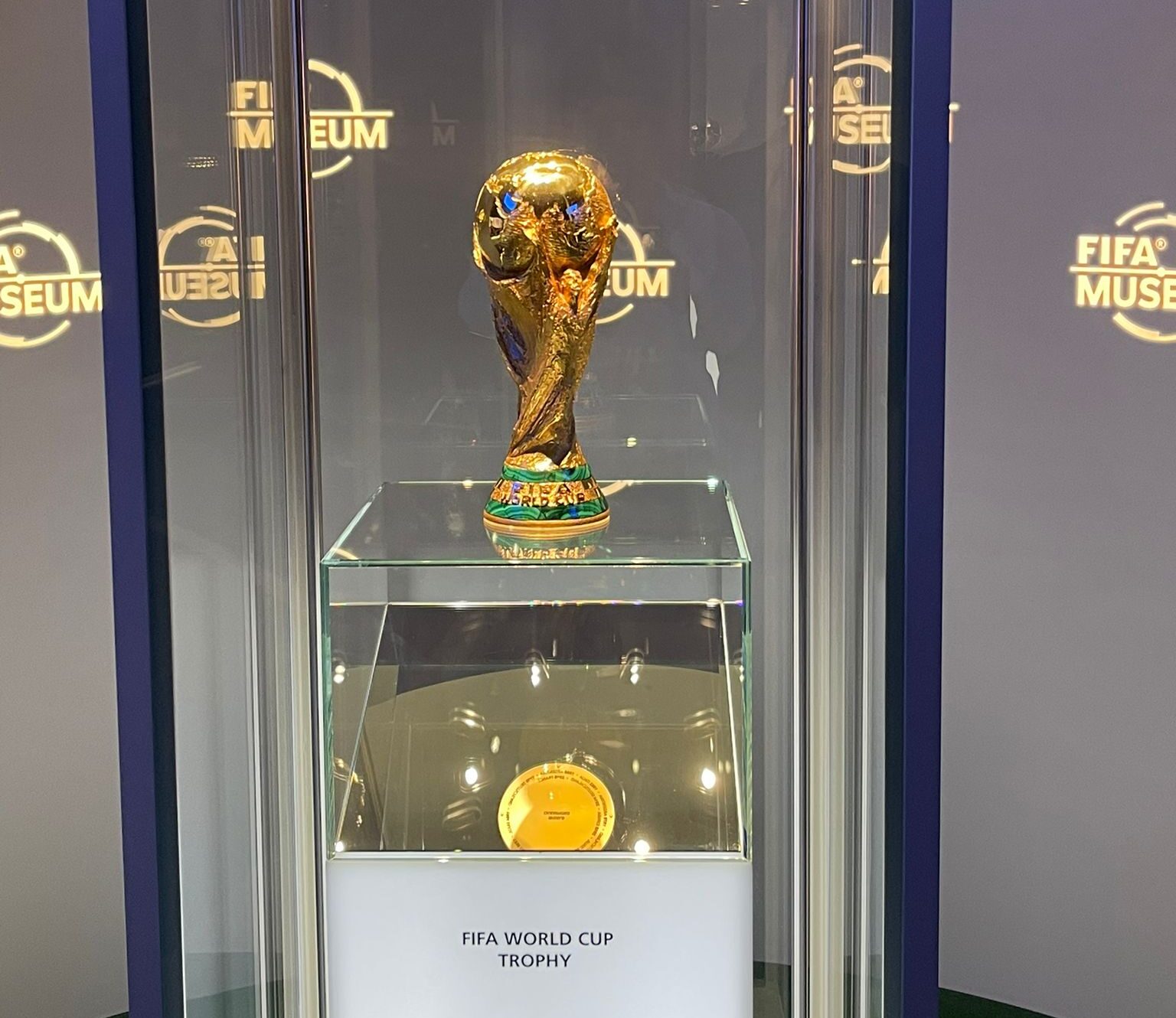
When the 2026 FIFA World Cup arrives, it will be a commercial spectacle the likes of which sports sponsorship has seldom seen. Co-hosted across the United States, Canada, and Mexico, 2026 presents a rare convergence of media market power, stadium infrastructure, and global audience scale. For brands wishing to associate with football’s highest stage, this edition offers richer rights packages, deeper local activations, and broader digital integration than ever before. The key lies in how sponsorships are structured, activated, and integrated across physical and digital touchpoints.
FIFA has long used a tiered model of commercial partnerships, and 2026 builds on it. At the apex are the FIFA Partners, brands that gain rights across all FIFA events, not just the World Cup itself. Adidas, Coca-Cola, Visa, Hyundai-Kia, Qatar Airways, Lenovo, and Aramco are among those global rights holders. Below that sits the World Cup Sponsor tier, focused exclusively on 2026. These include McDonald’s, Verizon, Bank of America, AB InBev (Budweiser), Frito-Lay, Mengniu Dairy, Unilever, and consumer electronics brand Hisense, which returns for its third consecutive World Cup. Then there are Regional Supporters, which secure rights specifically in North America, for example, American Airlines, The Home Depot, Valvoline, and Diageo. And finally, FIFA opens space for “Other Partners,” brands that can activate in specific service categories or host cities, names like Airbnb and NRG Energy among them.
The expanded format, with 48 national teams instead of 32, means more matches, more broadcast windows, and more commercial inventory.
Why the 2026 FIFA World Cup Is Commercially Unique
What makes the 2026 model so commercially potent are several structural advantages unique to this edition. Hosting in the United States offers access to one of the world’s largest sports media markets. Sponsors gain not only exposure on global broadcasts but also across American stadiums, digital platforms, and out-of-home campaigns.
The expanded format, with 48 national teams instead of 32, means more matches, more broadcast windows, and more commercial inventory. Each additional group match, knockout tie or crossover game becomes a chance for exposure, storytelling, and fan engagement. Moreover, local activation across multiple U.S. host cities drives bespoke campaigns in major metros, allowing sponsors to target local audiences in addition to global reach.
Major Brands Positioning for 2026
Several high-profile deals illustrate how brands are already positioning themselves to benefit. Hisense, for example, has returned as an official 2026 partner, leveraging its long history with FIFA and focusing on product visibility, immersive fan experiences, and integration into broadcast infrastructure.
Bank of America secured the title of official banking sponsor, its first global partnership with FIFA, positioning itself at the economic heart of the tournament. Meanwhile, Aramco, as a FIFA Partner, commits significant investment in energy branding over the broader cycle.
Valvoline’s role as a regional supporter ties its image to performance and reliability in the automotive space, visible across pit stops, fan zones, and branded content. Verizon is being positioned as a utility, enabling advanced connectivity experiences for fans in stadiums, tailgate zones, and live match settings.
The size of these deals is immense: estimates place official sponsor deals in the range of seventy-five million to one hundred million U.S. dollars for the tournament cycle.
The size of these deals is immense: estimates place official sponsor deals in the range of seventy-five million to one hundred million U.S. dollars for the tournament cycle, while total marketing and advertising revenue expectations for 2026 are poised to break records.
Commercial Opportunities Beyond Traditional Sponsorship
These elevated rights packages unlock new commercial paths for players, clubs, and brands beyond the more familiar jerseys and LED boards. Players may be woven into global campaigns as storytelling anchors or digital activators. Clubs and federations may license specially branded merchandise, digital collectibles, or limited-edition releases tied to World Cup matches.
Host cities and regions can convert their infrastructure and tourism assets into sponsor-forward experiential zones, linking matchday energy to local commerce. Technology and fan experience brands, those building stadium screens, AR/VR overlays, or companion apps, stand to weave deeply into the fabric of the event, not as ancillary partners, but as mission-critical sponsors.
Challenges and Risks for Sponsors
Nonetheless, this upper echelon of commercial opportunity brings complexity and risk. Brands must navigate exclusivity carefully, FIFA categories are protected, and overlap can be destructive. The cross-border nature of a tri-nation World Cup introduces logistical, legal, and tax challenges for activation.
Brands in host cities must calibrate their local deployment so as not to waste investment. Reputational risk looms if operational issues, infrastructure failures, or controversies arise during the tournament.
The 2026 FIFA World Cup promises to be the defining commercial milestone of this decade.
And attribution becomes a thorny issue: measuring the direct lift from stadium branding, digital activations, or broadcast presence across multiple platforms will demand rigorous reporting and data systems.
The Long-Term Commercial Impact of 2026
Yet for brands with vision, capacity, and strategic clarity, 2026 is more than a sponsorship event, it is a legacy-building opportunity. The expanded format, coupled with the commercial commitment stretching across three nations and the ability to tell stories across screens, stadiums, and social feeds, elevates the World Cup beyond matches. It becomes a multi-year activation platform.
For athletes, federations, agencies and brands thinking ahead, the moment to plan is now. Getting in early on integrated partnerships, mapping multichannel activation strategies, and aligning with the right host-city or digital co-brands can ensure that a logo becomes recognisable in every household.
The 2026 FIFA World Cup promises to be the defining commercial milestone of this decade, not just for football, but for global sport marketing as a whole.