Home Blog Page 7

Qui est Zakarya Oumouche?

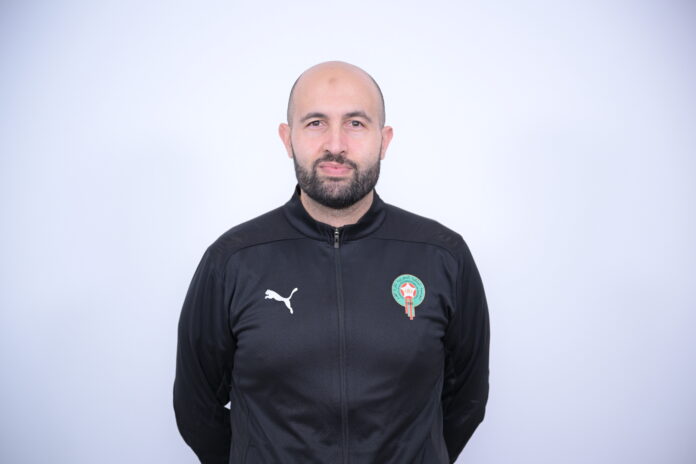
Zakarya Oumouche, Moroccan football coach and U17 national team assistant, in official team training apparel.
Zakarya Oumouche plays a key role in Morocco’s youth development structure, contributing to the success of the U17 national team. His work reflects a modern approach to coaching, combining performance, structure and player development.

Profile

Role: Cadre Technique à la Direction Technique Nationale (DTN) et Sélectionneur adjoint de l’équipe nationale marocaine U17

Specialisation: Projet de jeu national, détection et sélection des talents, préparation des stages et compétitions internationales, accompagnement global des jeunes joueurs

Experience: Près de dix ans au Paris Saint-Germain, Fath Union Sport, Renaissance Sportive de Berkane, équipe nationale marocaine U17

Focus Areas: Formation, exigence technique et tactique, développement humain, cohérence des parcours

Zakarya Oumouche, né en 1984, est Cadre Technique à la Direction Technique Nationale (DTN) et Sélectionneur adjoint de l’équipe nationale marocaine U17, avec laquelle il a contribué à un succès historique en remportant la Coupe d’Afrique des Nations U17. Il intervient sur le projet de jeu national, la détection et la sélection des talents, la préparation des stages et compétitions internationales, ainsi que sur l’accompagnement global des jeunes joueurs.

Formé pendant près de dix ans au Paris Saint-Germain, il y développe une solide culture du haut niveau, de l’exigence et de l’individualisation du développement du joueur, fondements de son approche de la formation.

Formé pendant près de dix ans au Paris Saint-Germain, il y développe une solide culture du haut niveau, de l’exigence et de l’individualisation du développement du joueur, fondements de son approche de la formation.

Au Maroc, il occupe des postes clés à Fath Union Sport puis à la Renaissance Sportive de Berkane comme Coordinateur Méthodologique, Directeur Technique et entraîneur adjoint en Botola Pro 1, où il structure les projets de formation, pilote les staffs et évolue dans un environnement professionnel de très haut niveau.

Sa philosophie repose sur une approche globale du joueur, combinant exigence technique et tactique, développement humain et cohérence des parcours.

Sa philosophie repose sur une approche globale du joueur, combinant exigence technique et tactique, développement humain et cohérence des parcours.

Ses ambitions sont de continuer à progresser dans le coaching, de former des joueurs capables de répondre aux standards du haut niveau et de contribuer durablement à l’évolution de la formation et de la performance du football marocain.
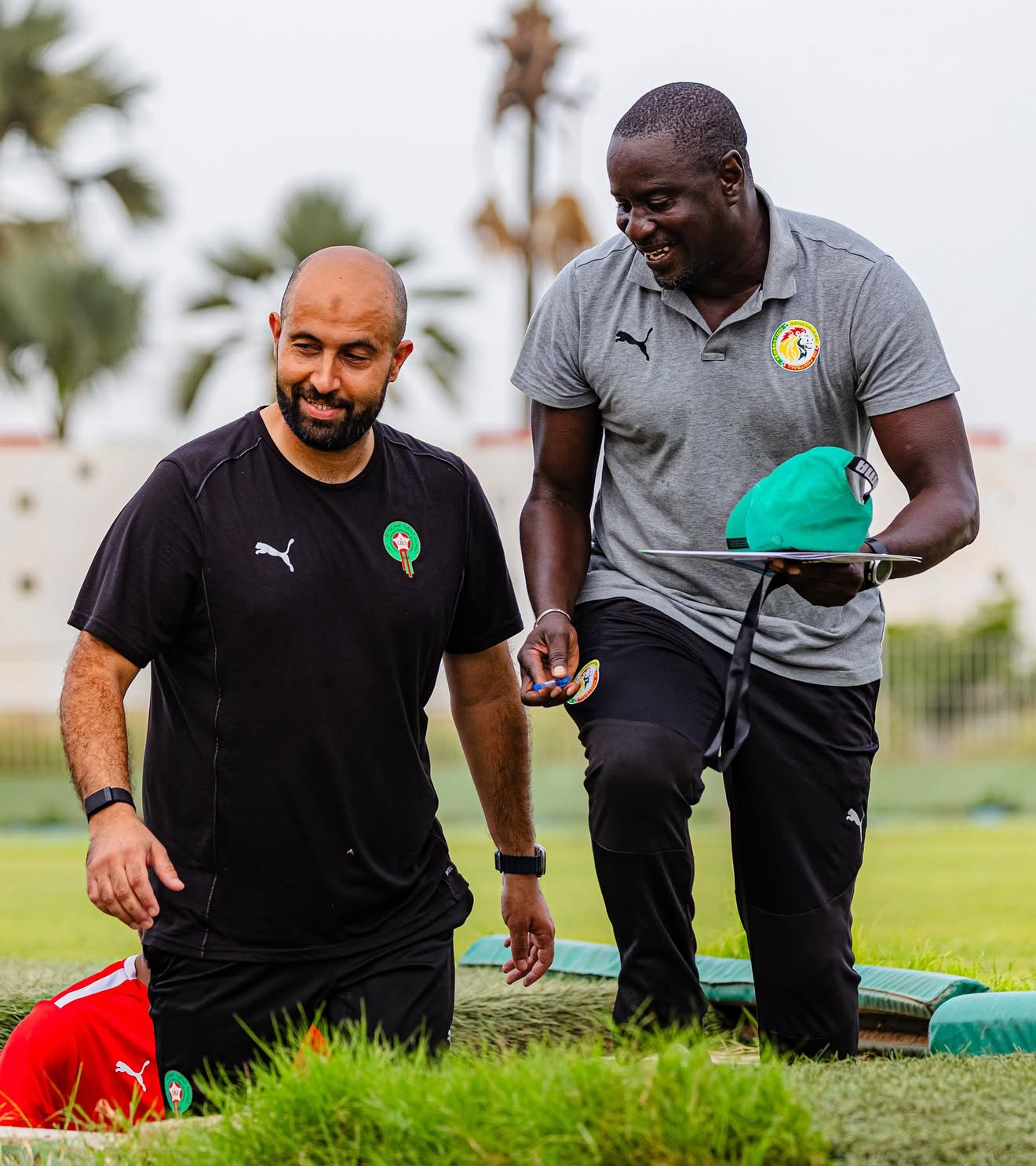
Zakarya Oumouche working with coaching staff during a training session for youth football development in Morocco.
Zakarya Oumouche in a training environment, reflecting his hands-on role in developing young players within Morocco’s football structure. His work combines technical coaching with mentorship and performance preparation.

Key Insights

  • Zakarya Oumouche combine formation de haut niveau et développement humain du joueur.
  • Son parcours relie le Paris Saint-Germain, le football professionnel marocain et la sélection nationale U17.
  • Sa vision repose sur la cohérence des parcours et la préparation des joueurs au très haut niveau.

Notre Interview Exclusive avec Zakarya Oumouche


Comment avez-vous commencé le coaching ?

J’ai débuté dans le coaching par passion pour le football et la transmission. J’étais joueur en U17 et, en parallèle, je venais apporter mon aide aux catégories de l’école de football. J’ai commencé avec les jeunes, en apprenant sur le terrain et à travers la formation, ce qui m’a progressivement permis de construire mon identité de coach.


En quoi votre expérience de près de 10 ans au PSG a-t-elle façonné votre approche de la formation de joueurs ?

Mes dix ans au PSG m’ont appris l’exigence du haut niveau en formation, l’importance du détail et de l’individualisation. Cette expérience a façonné une approche globale du développement du joueur, orientée vers la performance future et les exigences du football professionnel.

Mes dix ans au PSG m’ont appris l’exigence du haut niveau en formation, l’importance du détail et de l’individualisation.


Qu’est-ce qui vous a motivé à poursuivre votre carrière au Maroc après votre passage en France ?

Après mon passage en France, j’ai été motivé par l’envie de mettre mon expérience au service du développement du football au Maroc. C’était l’opportunité de contribuer à un projet en pleine évolution, tout en m’inscrivant dans un contexte culturel et sportif que je connais bien, avec un réel potentiel de formation et de performance.


Vous avez occupé des postes de Coordinateur Méthodologique et de Directeur Technique à Fath Union Sport et à la Renaissance Sportive de Berkane. Quelle est votre philosophie de formation ?

Ma philosophie de formation est basée sur une approche globale du joueur, alliant exigence technique et tactique, intelligence de jeu et développement humain. Je privilégie des parcours cohérents, l’individualisation et la formation des éducateurs, avec pour objectif de préparer des joueurs pour le haut niveau professionnel.


Comment s’est déroulée votre expérience avec l’équipe première de la RS Berkane en tant qu’entraîneur adjoint en Botola Pro 1 ?

Mon expérience avec l’équipe première de la RS Berkane en Botola Pro 1 a été très enrichissante. Elle m’a permis de travailler dans un contexte de haute exigence, avec une gestion quotidienne de la performance, de la préparation tactique et de l’environnement compétitif. En tant qu’entraîneur adjoint, j’ai contribué au travail d’analyse, à la planification et à l’accompagnement des joueurs, tout en consolidant ma compréhension des réalités du football professionnel et des exigences du très haut niveau.


Vous avez remporté la Coupe d’Afrique des Nations U17 pour la première fois de l’histoire du Maroc. Quels ont été les facteurs clés de ce succès ?

Ce succès historique s’explique par plusieurs facteurs clés : une préparation rigoureuse et bien planifiée, une forte cohésion au sein du groupe et un encadrement attentif au développement technique, tactique et mental des joueurs. L’engagement collectif, la discipline et la motivation des jeunes ont également été déterminants, tout comme la capacité de l’équipe à s’adapter et à gérer la pression des grandes compétitions.


Quelles sont vos ambitions pour les prochaines saisons ?

Pour les prochaines saisons, mon ambition est de continuer à apprendre et à progresser dans tous les aspects du coaching — technique, tactique, humain et organisationnel — tout en m’inscrivant dans la durée pour développer des joueurs et renforcer durablement la qualité de la formation.


FAQ

Qui est Zakarya Oumouche ?

Zakarya Oumouche est Cadre Technique à la Direction Technique Nationale et Sélectionneur adjoint de l’équipe nationale marocaine U17.

Quelle est la philosophie de formation de Zakarya Oumouche ?

Sa philosophie repose sur une approche globale du joueur, alliant exigence technique et tactique, intelligence de jeu et développement humain.

Quels sont les objectifs de Zakarya Oumouche ?

Ses ambitions sont de continuer à progresser dans le coaching, de former des joueurs capables de répondre aux standards du haut niveau et de contribuer durablement à l’évolution de la formation et de la performance du football marocain.
Morocco vs Senegal: AFCON Final Legal Battle Explained

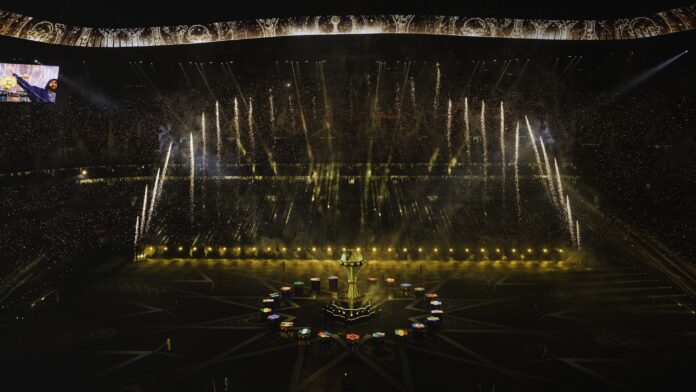
AFCON stadium ceremony with trophy centre stage, fireworks and crowd during Africa Cup of Nations final
The Africa Cup of Nations final showcased the scale and spectacle of African football on the global stage. Moments like these frame the context behind high-stakes sporting and legal decisions. Image courtesy of Yassine Toumi.

Introduction

In the history of African football, few moments have shaken the continent to its core quite like what unfolded on March 17th, 2026.

Two months after Senegal had lifted the Africa Cup of Nations trophy inside a jubilant Prince Moulay Abdellah Stadium in Rabat, the Confederation of African Football overturned the on-pitch result and awarded the title to Morocco.

The final score, retroactively imposed: 3-0 to the Fédération Royale Marocaine de Football. The legal mechanism: Article 84 of the AFCON Regulations, applied to a night of drama that had seemed, until then, to be the crowning glory of a remarkable tournament.

The ruling, unprecedented in the history of the competition, triggered a firestorm of controversy. Legends of the game, football administrators, legal scholars, and millions of fans were suddenly drawn into a debate about the sanctity of the final whistle, the limits of institutional power, and the price of emotional indiscipline.

Morocco were crowned champions. Senegal were stripped of a title they had celebrated. African football, however, for all its extraordinary progress, found itself once again on trial. Because whatever CAS ultimately decides, whether the trophy stays in Rabat or travels to Dakar, the damage to the continent’s football image may prove harder to overturn than any ruling.

The ruling, unprecedented in the history of the competition, triggered a firestorm of controversy.

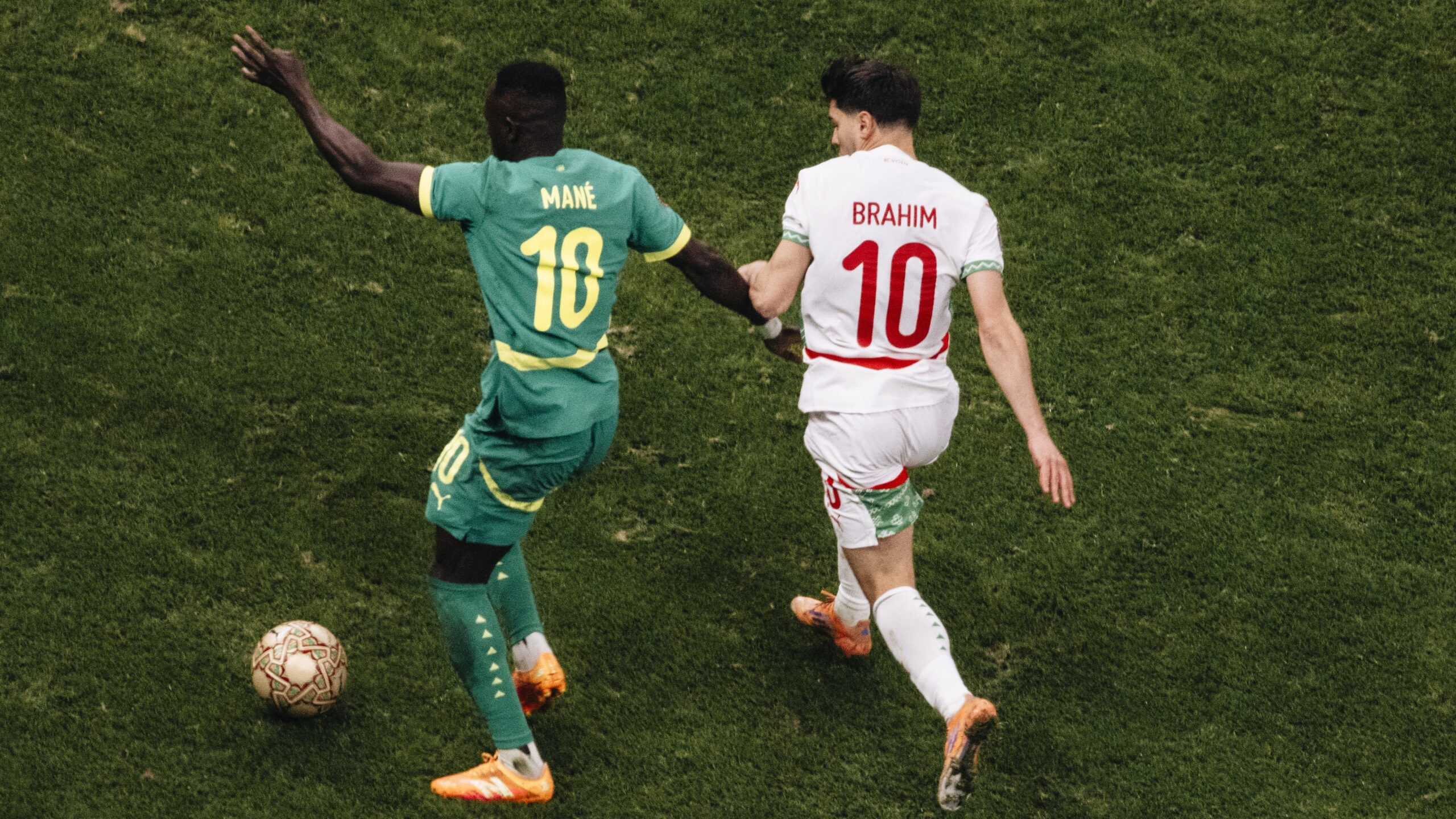
Senegal’s Sadio Mané challenges Morocco’s Brahim Díaz during the AFCON 2025 final in Morocco.
A decisive on pitch duel during the AFCON 2025 final between Senegal and Morocco that preceded one of the tournament’s most controversial endings. Image courtesy of Yassine Toumi.

A Night of Chaos: What Happened on the Pitch

The AFCON 2025 final, played on January 18th, had all the makings of a classic. Morocco, the host nation, faced Senegal, the defending champions, in front of a packed Prince Moulay Abdellah stadium in Rabat.

The match was tight and tense throughout, still goalless deep into stoppage time when referee Jean-Jacques Ndala of the DR Congo first disallowed a Senegalese goal, after a foul in the build-up. The decision infuriated the Senegalese bench.

What followed few moments later pushed the game beyond the threshold of normal controversy. A VAR review led the referee to award Morocco a penalty for a foul by Malick Diouf on Brahim Diaz.

Senegal coach Pape Thiaw, already incensed by the disallowed goal, entered the pitch to protest against the decision, and sent his players off into the dressing room. The stadium, and the watching world, was left in stunned silence.

For sixteen extraordinary minutes, the final teetered on the edge of abandonment. The referee did not bring the match to a close, seemingly uncertain how to apply the regulations. It was Senegal captain Sadio Mané who rushed into the tunnel and physically compelled his teammates to return.

When Senegal players re-entered the pitch, Brahim Diaz stepped up for Morocco’s penalty and missed his Panenka attempt. The game went to extra time, where Pape Gueye struck the winner in the 94th minute to seal a 1-0 victory.

But the final whistle brought no peace. Morocco’s head coach Walid Regragui was scathing in his post-match assessment: “The image we’ve given of Africa is shameful. A coach who asks his players to leave the field… what Pape did does not honour Africa.” The CAF Disciplinary Board imposed fines and bans on both sides but, crucially, left the result intact. That would change.

For sixteen extraordinary minutes, the final teetered on the edge of abandonment.

A Stain on a Masterpiece: The Tournament That Deserved Better

On the pitch, Senegal had won. But off it, those sixteen minutes of chaos threatened to overshadow something genuinely remarkable.

The 2025 Africa Cup of Nations had, over thirty-five days, been widely hailed as the finest edition in the tournament’s history. Morocco compressed what would typically require a decade of development into just twenty-four months, delivering world-class infrastructure across six host cities, with state-of-the-art stadiums, connectivity between major cities, and security systems that drew praise from international observers.

The tournament shattered commercial records, while five of the six stadiums designated for the 2030 FIFA World Cup were successfully tested and hosted major games, and Egypt’s Mohamed Salah publicly called it the best-organized tournament he had experienced on the continent.

It was, by any measure, a triumph of organization and ambition. All of it, every sold-out stadium and every piece of acclaimed infrastructure, was put at risk by a single act of indiscipline in the final’s dying moments.

Former Nigeria international William Troost-Ekong captured the sentiment felt by many across the continent: “AFCON is the continent’s showpiece event. So much progress has been made over the last few years to give the competition the respect it deserves. This progress has been undermined.”

Thierry Henry, never shy of an opinion, praised Morocco’s hosting effort while pointing the finger at CAF’s failure to prepare its referees for the standard demanded on the pitch, the very structural weakness that, in his view, planted the seeds of the final night’s chaos.

All of it, every sold-out stadium and every piece of acclaimed infrastructure, was put at risk by a single act of indiscipline in the final’s dying moments.

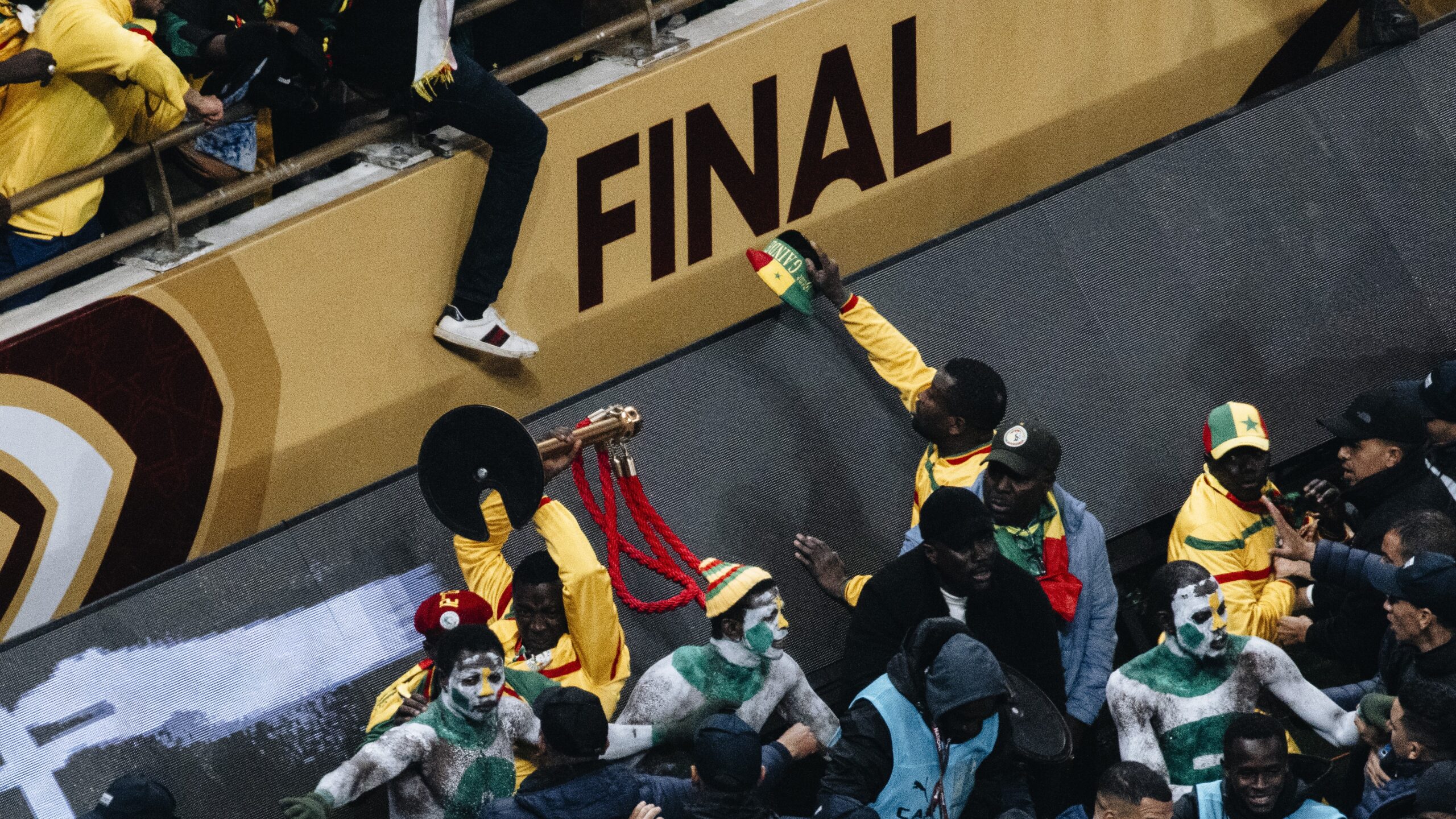
Pitch disturbance during AFCON 2025 final as Senegal supporters react near touchline following controversial ruling
CAF disciplinary sanctions followed incidents involving supporters and officials during the AFCON 2025 final in Morocco. Image courtesy of Yassine Toumi.

Regret and Responsibility: Thiaw’s Mea Culpa

In the immediate aftermath of the final, Pape Thiaw did something rare in the heat of football controversy: he apologized. Speaking to BeIN Sports, Senegal coach did not deflect or seek to justify his decision.

“I don’t want to go over all the incidents. I apologize for the football,” Thiaw said. “After reflecting on it, I made them come back on the pitch. You can react in the heat of the moment. We accept the errors of the referee. We shouldn’t have done it, but it’s done and now we present our apologies to football.”

It was a striking admission, a coach acknowledging that his actions had failed the game itself. The contrition was genuine. It was also, as events would prove, insufficient to shield Senegal from the regulatory consequences that were quietly taking shape within CAF’s disciplinary structures.

Morocco’s Legal Challenge: FRMF Takes the Fight to CAF

The morning after the final, the Fédération Royale Marocaine de Football moved swiftly. FRMF announced lodging a formal complaint with both CAF and FIFA, arguing that the Senegalese walkout had materially disrupted the proper course of the match in violation of the competition’s own rules.

The legal anchor was Article 82 of the AFCON Regulations, which states that any team leaving the field without the referee’s authorization must be considered to have forfeited. Morocco’s argument was straightforward: the fact that the game eventually resumed did not erase the violation, it merely deferred its consequences.

When the CAF Disciplinary Board initially ruled on fines and bans without altering the scoreline, Morocco appealed. In its appeal, FRMF argued that the Disciplinary Board’s decision should be set aside and that the conduct of the Senegal team fell within the scope of Articles 82 and 84 of the AFCON Regulations. The stage was set for a landmark ruling.

Precedents: When Teams Have Walked Off, and Paid the Price

To appreciate the legal foundation of CAF’s decision, two prior cases offer instructive parallels.

In April 2024, Fenerbahçe walked off during the Turkish Super Cup against Galatasaray barely two minutes into the match, in a deliberate act of protest against the Turkish Football Federation. The authorities wasted no time: Galatasaray were declared winners and Fenerbahçe sanctioned immediately.

The case established that a governing body will enforce forfeiture rules decisively when a walkout is clear and deliberate. Going further back, the 1920 Antwerp Olympic football final saw Czechoslovakia abandon their match against Belgium after just forty minutes, protesting what they perceived as biased refereeing.

The international authorities disqualified Czechoslovakia on the spot and awarded Belgium the gold medal. The principle embedded in that decision, that abandoning an official match without authorization constitutes a forfeiture, became foundational in sports governance.

The critical distinction between both cases and the 2025 AFCON final is the one that makes the CAF ruling truly unprecedented: neither Fenerbahçe nor Czechoslovakia completed their matches. Senegal did.

A full ninety minutes were played, a period of extra time was contested, and a winner was crowned by a final whistle. That detail is the legal fault line on which the entire dispute now rests.

The Law of the Land: Articles 82, 83 and 84 Decoded

On March 17th, 2026, the CAF Appeal Board issued its ruling. The Disciplinary Board’s earlier decision was set aside. Senegal were declared to have forfeited the final, and Morocco were recognized as AFCON 2025 champions with a 3-0 technical result. The legal path to that conclusion runs through three articles of the AFCON Regulations, each building on the last.

Article 82 is the starting point. It provides that if a team “refuses to play or leaves the ground before the regular end of the match without authorisation of the referee, it shall be considered loser and shall be eliminated for good from the current competition.” Senegal’s sixteen-minute walkout, undisputed in its facts, is what the Appeal Board found to constitute a breach of this provision.

Article 83 addresses a separate situation entirely, covering a team’s failure to appear on the pitch within fifteen minutes of the scheduled kick-off. Senegal arrived on time and properly equipped, so this article was not directly in play.

That is where Article 84 introduces the controversy. It states that “the team which contravenes the provisions of articles 82 and 83 shall be eliminated for good from the competition,” losing the match by 3-0. The word “and” sitting between the two articles has become the fault line of the entire legal dispute.

Does forfeiture require both articles to be breached simultaneously, or is a breach of either one sufficient to trigger the consequences? The Appeal Board opted for the broader reading, applying Article 84 on the basis of Article 82.

Legal scholars have since questioned whether that interpretation stretches the plain meaning of the text beyond what its drafters intended. A separate but equally significant objection concerns the referee’s role.

By allowing the match to resume after the walkout, critics argue, the referee implicitly closed the door on any subsequent forfeiture finding. CAF’s counter-position is that its regulations govern the competition independently of the referee’s in-match decisions, and that a disciplinary body’s authority to act on a regulatory breach does not expire simply because the game was allowed to finish.

It is precisely this tension, between what happens on the pitch and what can be decided in a boardroom, that CAS will now be asked to resolve.

Senegal Heads to CAS: The Battle Continues

The Fédération Sénégalaise de Football has confirmed it will appeal the ruling to the Court of Arbitration for Sport in Lausanne, the supreme judicial authority in international sports disputes. The FSF contests the legal basis of the decision, arguing that a result produced on the field after a completed match cannot be retrospectively overturned through a disciplinary process.

The ruling has divided opinion sharply across the football world. Critics of the decision, including former Liberian president and Ballon d’Or winner George Weah and former Nigeria captain William Troost-Ekong, have stated that it sets a dangerous precedent and damages African football’s credibility.

Supporters of the ruling, by contrast, maintain that CAF had no choice but to apply its own regulations consistently, and that allowing a team to walk off a pitch without consequence would set an equally damaging precedent for the integrity of the competition.

One CAS arbitrator, Raymond Hack, suggested the court could ultimately side with Senegal, pointing to the principle that completed matches should not be overturned absent corruption or fundamental illegality. Others, however, have noted that CAF’s regulations are the specific governing law of AFCON and that the Appeal Board was within its mandate to apply them as written.

Conclusion

The outcome at CAS is genuinely uncertain, and both legal positions carry merit. What is clear is that the controversy has cast a shadow over a tournament that, by every organizational measure, deserved to be remembered for its excellence alone.

Whether the trophy ultimately stays with Morocco or returns to Senegal, the damage to African football’s image will take time to repair, and that, more than any legal argument, is the real cost of what happened on the night of 18 January.

FIFA 에이전트 모의 시험 1

Multiple Choice Exam
Photo by Nguyen Dang Hoang Nhu on Unsplash
1. 저스틴은 기량이 검증된 프로 선수지만 현 소속 구단에서의 출전 시간 부족에 불만을 갖고 있습니다. 그는 스포츠적 정당한 사유 (“sporting just cause”)를 근거로 하여 구단과의 계약 해지를 고려하고 있습니다. 해당 클럽은 시즌 동안 총 30경기를 치르는 구단입니다. 다음 중 그가 계약을 조기에 해지할 수 있는 근거가 되는 시나리오는 무엇입니까? 하나를 선택하십시오:
a. 2경기에만 출전했을 때
b. 7경기에만 출전했을 때
c. 3경기에만 출전했을 때
d. 5경기에만 출전했을 때

2. 구단 AFC Red는 100,000 유로의 지급 통지서 (“Payment Notification”) 를 받았으나, 30일의 기한 내에 FIFA 클리어링 하우스 (FIFA Clearing House) 에 해당 금액을 지급하지 못했습니다. AFC Red는 FIFA 클리어링 하우스에 얼마를 지급해야 할까요? 하나를 선택하십시오:
a. 125,000 유로
b. 105,000 유로
c. 102,500 유로
d. 100,000 유로

3. 아래 중 브릿지 이적 (“bridge transfer”) 에 연루되어 FIFA 징계위원회로부터 제재를 받을 수 있는 당사자는 누구입니까? 하나 이상을 선택하십시오:
a. 구단만 해당
b. 브릿지 이적에 연루된 FIFA 정관 및 규정의 적용을 받는 모든 당사자
c. 선수만 해당
d. 구단 및 선수

4. 다음 중 축구 에이전트가 서비스 수수료(수수료)를 청구할 수 없는 경우는 무엇입니까? 하나 이상을 선택하십시오:
a. 이전 소속 선수가 대륙 대회에서 우승한 후 구단이 받는 조건부 보너스
b. 12개월 후 선수가 받는 로열티 (충성) 보너스
c. 10골 득점 후 선수가 받는 성과급 (퍼포먼스 보너스)
d. 구단의 셀온 페이 (“sell-on fee”, 재이적 시 발생하는 수익 공유분)

5. 아래 중 선수에 대한 접촉 (“Approach”)으로 간주되는 것은 무엇입니까? 하나 이상을 선택하십시오:
a. 선수에게 이메일 발송
b. 소셜 미디어(SNS) 메시지 발송
c. 선수의 형제와 만남
d. 다른 선수의 잠재적 이적에 관해 선수의 소속 구단에 이메일 발송

6. 축구 재판소 (“Football Tribunal”) 의 명령에 따라 해당 금액을 지급하지 않은 구단이 받을 수 있는 제재는 무엇입니까? 하나 이상을 선택하십시오:
a. 공식적 견책 (“Reprimand”)
b. 국내외 신규 선수 등록 금지
c. 축구 재판소가 부과하는 벌금
d. 토너먼트 참가 정지

7. FIFA 선수 지위 및 이적에 관한 규정(RSTP) 제18조bis의 의미 내에서 구단에 영향력을 행사할 수 있는 당사자는 누구입니까? 하나를 선택하십시오:
a. 모든 제3자 및 상대 구단(들)
b. 축구 에이전트만 가능
c. 제3자만 가능
d. 다른 구단만 가능

8. 학생인 선수가 학업상의 이유로 교환 학생 프로그램에 참여하기 위해 부모의 동행 없이 일시적으로 타국으로 이주합니다. 선수 등록 시 어떤 요건이 충족되어야 합니까? 하나 이상을 선택하십시오:
a. 해당 선수가 18세가 되거나 학업 프로그램이 종료될 때까지 새 구단에 등록되는 기간은 1년을 초과할 수 없다.
b. 해당 선수가 18세가 되거나 학업 프로그램이 종료될 때까지 새 구단에 등록되는 기간은 2년을 초과할 수 없다.
c. 선수의 새 구단은 아마추어 구단이어야만 한다.
d. 선수의 새 구단은 아마추어 또는 세미프로 구단이어야만 한다.

9. 연대 기여금 (“solidarity contribution”)은 어떤 금액을 기준으로 계산됩니까? 하나를 선택하십시오:
a. 선수의 급여
b. 선수의 시장 가치
c. 구단 사이 지급되는 이적료
d. 구단-선수/에이전트 간 지급을 포함하여 이적으로 발생되는  모든 지급액

10. 다음 중 축구 에이전트 서비스 (“Football Agent Services”) 에 해당하는 활동은 무엇입니까? 하나 이상을 선택하십시오:
a. 입단 테스트(트라이얼) 조직
b. 고객이 FIFA 월드컵™에 참가하는 대표팀에 소집될 시 협회/감독과 협상
c. 프로 계약 해지 협상
d. 축구 재판소에서 고객을 대리

11. 영입 주체 (“Engaging Entity”)가 개인을 대신하여 서비스 수수료를 지급할 때, 다음 중 어떤 조건이 적용됩니까? 하나 이상을 선택하십시오:
a. 협상된 연봉(보수)이 미화 200,000달러를 초과해야 함
b. 해당 개인이 미성년자여야 함
c. 개인과 영입 주체가 동의해야 함
d. 서비스 수수료가 개인의 보수에서 공제되어서는 안 됨

12. FIFA 에이전트가 되기 위한 학력 요건이 있습니까? 하나를 선택하십시오.
a. 예, 학사 학위가 필요합니다.
b. 예, 석사 학위가 필요합니다.
c. 예, 박사 학위가 필요합니다.
d. 아니요, 학력 요건은 없습니다.

13. 두 차례의 등록 기간 (“Registration Periods”)을 합산한 총 기간은 다음을 초과할 수 없습니다. 하나를 선택하십시오.
a. 10주
b. 12주
c. 14주
d. 16주

14. EU/EAA 지역에서 이전 클럽이 현재 계약 만료 며칠 전까지 선수에게 계약 제안을 하지 않으면 훈련 보상금 (“Training Compensation”)을 받을 권리가 소멸됩니까?
a. 15일
b. 30일
c. 60일
d. 90일

15. 축구 에이전트가 60일간의 임시 정지 기간 만료 후에도 CPD (보수 교육) 요건을 준수하지 않을 경우 어떤 일이 발생합니까? 하나 이상을 선택하십시오.
a. 고객은 해당 에이전트와의 모든 대리 계약을 해지할 정당한 사유를 갖게 됨
b. 모든 서비스 수수료를 고객에게 반환해야 함
c. 축구 에이전트 자격증이 박탈됨
d. 축구 에이전트 직무에서 영구적으로 정지되며 새 자격증을 신청할 수 없음

16. 한 구단의 회장이 승부 조작에 관해 귀하에게 조언을 구하러 왔습니다. 그는 클럽의 일부 선수들이 승부 조작 관행에 연루되었을 가능성을 우려하며, 구단이 그들의 행동에 대해 책임을 져야 하는지 궁금해합니다. 그러합니까?
a. 아니요, 구단은 소속 임원 (“club officials”) 의 행동에 대해서만 책임을 집니다.
b. 예, 구단은 소속 선수의 행동에 대해 책임을 질 수 있으나, 구단 측의 과실이나 태만이 없음을 증명할 경우 책임이 면제됩니다.
c. 예, 구단은 엄격 책임 원칙 (“strict liability”)에 따라 소속 선수의 행동에 대해 책임을 질 수 있습니다.
d. 아니요, 구단은 어떠한 상황에서도 선수의 행동에 대해 책임을 지지 않습니다.

17. 평의회 (“The Council”)는 언제든지 임시 총회를 소집할 수 있으며, 회원 협회의 어느 정도 비율이 서면으로 요청할 경우 반드시 소집해야 합니까?
a. 1/3
b. 1/2
c. 1/5
d. 1/4

18. 다음 중 지속적으로 운영되는 상설 위원회는 무엇입니까? 하나 이상을 선택하십시오.
a. 재무 위원회 (Finance Committee)
b. 의무 위원회 (Medical Committee)
c. 구단 위원회 (Club Committee)
d. 선수 위원회 (Player Committee)

19. FIFA 클리어링 하우스는 준법 평가 (“compliance assessment”)를 수행할 때 개인, 구단 또는 회원 협회에 정보 제공을 요청할 권한이 있습니다. 다음 중 FIFA 클리어링 하우스가 요청할 수 있는 정보의 예는 무엇입니까? 하나 이상을 선택하십시오.
a. 기업 구조
b. 실소유자 (“beneficial ownership”) 정보
c. 자금 출처
d. 자산 출처

20. 다음 중 축구 에이전트가 되기 위한 규정이 아닌 것은 무엇입니까? 하나 이상을 선택하십시오.
a. 자격증 신청서 제출
b. FIFA에 연회비 납부
c. FIFA ID 등록
d. 적격성 요건 준수

정답:
  1. A
  2. C
  3. B & D
  4. D
  5. A,B,C
  6. B
  7. A
  8. A & C
  9. C
  10. A & C
  11. C & D
  12. D
  13. D
  14. C
  15. A & C
  16. C
  17. C
  18. A & B
  19. A,B,C,D
  20. C

결과가 어땠나요? 아직 보완할 점이 남아 있나요? 시험 내용을 완벽히 숙달할 수 있도록 설계된 실용적인 가이드 “FIFA 축구 에이전트 시험 합격 전략: 워크북 (How to Pass the FIFA Football Agent Exam workbook)” 으로 준비를 해 보는건 어떨까요?
이 워크북은 최신 FIFA 공식 자료를 바탕으로 이론적 지식, 실무 사례 그리고 모의고사를 결합하여 체계적이고 효과적인 학습을 도와줍니다.
LinkedIn에서 스포츠 에이전트 아카데미 (“Sports Agent Academy”)도 팔로우하고 최신 시험 콘텐츠, 모의 연습 문제 그리고 성공적인 합격 전략을 확인해 보시길 바랍니다!

Who is Chris Henderson?

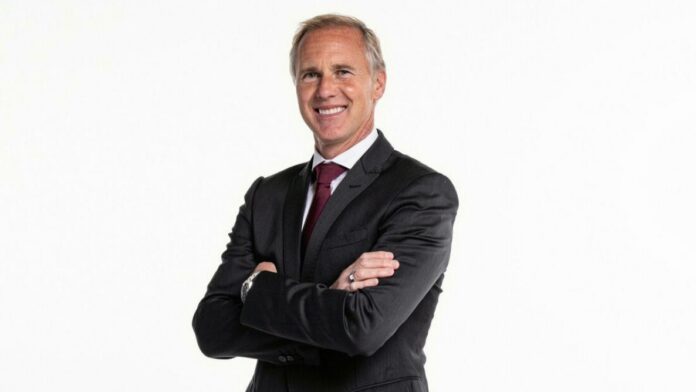
Chris Henderson, MLS Sporting Director, in formal attire representing leadership in football operations
Chris Henderson has built a reputation as one of MLS’s most respected sporting executives, known for structure, alignment, and long-term success. His leadership reflects a modern approach to building sustainable football organisations.

Profile

Role: Sporting Director and Chief Soccer Officer of Atlanta United

Specialisation: Soccer operations, roster construction, and system building

Experience: United States Men’s National Team, Seattle Sounders, Inter Miami CF, Atlanta United

Focus Areas: Structural alignment, cap discipline, player recruitment, and sustainable competitiveness

Biography

Chris Henderson represents one of Major League Soccer’s most accomplished and structurally disciplined soccer executives. A former U.S. international with 7 caps for the United States Men’s National Team and US member of the World Cup Italia 1990 and the 1993 Copa America, Henderson has successfully transitioned from elite player to championship architect in the front office. Today, as Sporting Director and Chief Soccer Officer of Atlanta United, he is widely regarded as one of the league’s foremost system builders. He is an executive who prioritizes structure, alignment, and sustainable competitiveness over short-term noise.

Henderson’s playing career laid the foundation for his executive mindset. Competing at the highest international level gave him firsthand experience in elite environments where standards, preparation, and collective identity determined success. Those lessons have defined his work off the pitch.

Competing at the highest international level gave him firsthand experience in elite environments where standards, preparation, and collective identity determined success.

His executive career truly came into prominence with the Seattle Sounders, where he served as Vice President of Soccer and Sporting Director from 2008 to 2021. During that period, Seattle became one of MLS’s model franchises, winning two MLS Cups, reaching multiple MLS Cup Finals, lifting four U.S. Open Cups, and securing a Supporters’ Shield. What distinguished Henderson’s tenure was not a single championship run, but the construction of a repeatable winning system. Through intelligent roster continuity, strong cap management, domestic talent identification, and close collaboration across departments, Seattle built a durable competitive identity that lasted more than a decade.

In 2021, Henderson took on the challenge of Inter Miami CF as Chief Soccer Officer and Sporting Director. Tasked with stabilizing an expansion club navigating early structural and roster complexities, he reset the squad, brought financial discipline to roster construction, and aligned recruitment with medical, analytics, and performance departments. Under his leadership, the club moved from expansion turbulence into genuine contention, capturing the Leagues Cup, winning the Supporters’ Shield, and reaching the U.S. Open Cup Final. Beyond trophies, he helped position Miami as a credible global destination while maintaining strategic roster balance and long-term asset awareness.

Since 2025, Henderson has led Atlanta United’s soccer operations. In a market known for ambition and high expectations, he has focused on profile-driven recruitment, strengthening spine positions, building a consistent Latin American talent pipeline, and embedding professional standards across departments. His approach emphasizes alignment between coaching staff, recruitment, sports science, and executive leadership. The result has been a shift toward clarity, accountability, and long-term squad coherence.

Across every chapter of his career, a clear pattern emerges. Henderson is not defined by headline signings alone. He is defined by architecture. By system thinking. By alignment. By cap discipline. By culture. He consistently builds environments where talent performs within structure, where departments operate as one ecosystem, and where competitive success becomes repeatable rather than accidental.

He is defined by architecture. By system thinking. By alignment. By cap discipline. By culture.

In modern football, where sporting departments increasingly resemble complex organizations rather than isolated scouting units, Chris Henderson stands out as a leader who understands that championships are rarely won by impulse. They are built through structure, clarity, and shared standards.

Key Insights

  • Chris Henderson prioritizes structural alignment across all departments to build sustainable success.
  • His approach focuses on long-term system building rather than short-term results.
  • Roster construction is driven by discipline, balance, and a strong team spine.

Our Exclusive Interview with Chris Henderson


You have transitioned from World Cup player to long-term championship architect in MLS front offices. How did your experiences at the highest level as a player shape the way you build and manage soccer departments today?

Competing at the highest level taught me that talent alone doesn’t win, but clarity, accountability, and collective purpose do. I learned to understand individual motivations inside a collective mission and what drives a player, what a staff member needs, and how alignment fuels performance.

Competing at the highest level taught me that talent alone doesn’t win, but clarity, accountability, and collective purpose do.


Across Seattle, Miami, and now Atlanta, a clear pattern emerges: strong structural alignment between recruitment, coaching, medical, analytics, and leadership. Why do you believe organizational alignment is the true competitive edge in modern football?

Seattle, Miami, and now Atlanta, I’ve seen that true competitive advantage comes from structural alignment through soccer operations. Recruitment, coaching, medical, analytics, and ownership moving in the same direction with shared language and shared standards.

While working in Seattle I went back to school from 2015 to 2020 and studied how successful businesses and teams succeed and function. I studied Accounting, Statistics, and Structured Organizations. The extra focus on self improvement set up the next steps for me in club leadership. As a player and briefly as a coach, I learned to understand individual motivations inside a collective mission, what drives a player, what a staff member needs, and how alignment fuels performance.


Your roster construction often prioritizes the “spine” of the team before adding attacking flair. What is the strategic thinking behind spine-first building, and how does it impact long-term competitiveness?

My roster philosophy prioritizes the spine, having teams built through stability down the middle. Once the foundation is strong, creativity and attacking flair can thrive without destabilizing the group. In MLS, balancing ambition with sustainability requires financial intelligence, understanding cap mechanisms, asset appreciation, and timing, looking to compete now without compromising tomorrow.


At Inter Miami, you guided the club from expansion instability to trophy credibility. What were the key leadership principles required to shift a culture from chaos to contention?

In Miami, shifting from chaos to contention required clarity of roles, cultural accountability, and changing daily standards. We worked with Sportsology on our mission, vision and values and club structures and processes. We also added Messi, Busquets, Alba and Suárez which would help any team.


Now at Atlanta United, you are shaping the next phase of the club’s sporting evolution. What does a successful, sustainable model look like in your vision, and how do you measure progress beyond trophies?

At Atlanta, we have hired Tata Martino and his staff, the same staff that was in Miami. The ambition of the club is high and we have great support from owner, Arthur Blank. We are focused on internal player development, intelligent cap management, and a unified identity from academy to first team.


FAQ

Who is Chris Henderson?

Chris Henderson is the Sporting Director and Chief Soccer Officer of Atlanta United and a former U.S. international player.

What is Chris Henderson known for?

He is known for building structured, sustainable football systems with strong alignment across departments.

What is Chris Henderson’s approach to roster building?

His approach prioritizes building a strong team spine, financial discipline, and long-term competitiveness.

Who is Stjepan Babić

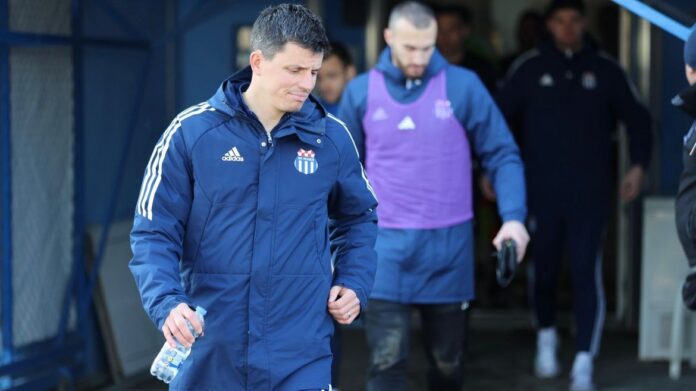
Stjepan Babić walks out with players before training, reflecting his leadership and hands-on coaching approach
Stjepan Babić leads from the front, combining structure, communication and presence in his day-to-day coaching work. His approach reflects a clear focus on development and team identity.

Profile

Role: Head Coach of NK Lučko in the Croatian Second League

Specialisation: Player development and playing identity

Experience: Croatia, Russia, Slovenia, Lithuania, Hungary and Cyprus

Focus Areas: Stabilising the first team, integrating young talents from NK Lučko’s academy, and building a recognisable style of play

Biography

Stjepan Babić, born 1988, is a coach driven by clarity, development, and long-term vision. As head coach of NK Lučko in the Croatian Second League, his objective is to stabilise the first team while building a recognisable playing identity that can become the club’s trademark.

A former professional player developed through the renown GNK Dinamo Zagreb youth system, Babić competed at the highest level of Croatian football with NK Zagreb, NK Inter Zapresic and NK Varaždin, and gained valuable international experience playing in the top divisions of Russia, Slovenia, Lithuania, Hungary and Cyprus. Exposure to different football cultures, playing styles, and professional environments strengthened his adaptability and broadened his understanding of the game. During his playing career, he developed a strong interest in coaching, learning that success is built on relationships, trust, and clear communication.

During his playing career, he developed a strong interest in coaching, learning that success is built on relationships, trust, and clear communication.

His coaching career began in 2021 at NK Ravnice in Zagreb, where he worked as U-12 head coach and assistant coach with the senior team. This marked his transition into senior football and led to his first head coaching role at NK Lučko in the 2022/23 season. He later coached NK Rudeš U-19 before being appointed head coach of the first team in December 2024. Despite not holding a Uefa Pro Licence at the time, he had quickly gained the club’s trust and led the team through a crucial period of stabilisation, setting the groundwork for a promotion push. He returned to NK Lučko this season with a refined coaching vision and renewed drive.

For Babić, success is not measured by results alone. A strong emphasis is placed on player development, particularly the integration of young talents from NK Lučko’s academy, while maintaining a competitive team environment.

In the short term, Babić’s aim is promotion to the Croatian First League. In the long term, he seeks to leave a lasting impact through a proactive, attractive style of play that players and supporters can enjoy.

His guiding principle reflects that ambition:

“Our play shows how we love football.”

For Babić, success is not measured by results alone.

Key Insights

  • Stjepan Babić is focused on building a clear and recognisable playing identity at NK Lučko.
  • Player development and the integration of young talent are central to his coaching philosophy.
  • His long-term ambition combines promotion, proactive football, and lasting impact.

Our Exclusive Interview with Stjepan Babić


You are currently Head Coach for NK Lučko in Croatia, what are your objectives for the club?

As the Head Coach of NK Lučko in Croatia, my main objectives are to stabilise the senior team and to create a clear and recognisable playing identity that is sustainable in the long term and will be a trademark of the club. My focus is on player development, especially on integrating young players from the club’s academy into the first team. Also, many young players from big clubs like Dinamo Zagreb and Lokomotiva Zagreb are now in our team, and they also have ambition like ours.

In the long run, the goal is to return NK Lučko to the level it previously competed at, the second league and within three years the top division of Croatian football. My personal objectives are to help the club in every possible way to achieve these goals and to make progress every day, every week in my work and football knowledge.

As the Head Coach of NK Lučko in Croatia, my main objectives are to stabilise the senior team and to create a clear and recognisable playing identity that is sustainable in the long term and will be a trademark of the club.


Your first role outside of playing was Assistant Coach and U19 at NK Rudeš. How was that experience and how did that prepare you for your current role?

My first role outside of playing started in 2021 at NK Ravnice from Zagreb, a small club near Maksimir Stadium, home of our biggest club in Croatia, GNK Dinamo Zagreb. I was U-12 coach and assistant coach with the first team, which competed in the third division in Croatia. This experience was invaluable to me, as I worked with young players who were just stepping onto a full-size pitch. I was involved in their first steps in 11v11 football, teaching them the basic principles of the game. A strong emphasis was placed on their technical development, understanding of the game, and relationships within team play.

What I enjoyed most was seeing how much children and young players genuinely enjoyed training and playing football, as well as how quickly they absorbed new knowledge and skills. In addition, working with the first team of Ravnice prepared me for my first step into senior football, which came with my initial coaching role at NK Lučko in the 2022/2023 season, where I led the team in the then fourth tier of Croatian football. After those experiences and my work at the two clubs, I took over NK Rudeš U-19, which I coached for one and a half seasons in the highest level of Croatian youth football. In December 2024, at the invitation and recommendation of the club’s leadership, I was appointed head coach of the NK Rudeš first team, despite not yet holding a UEFA PRO licence at that time.

I led the first team of NK Rudeš until August 2025, during a season in which we achieved club stabilisation and prepared and selected the squad for the ongoing season. In the current season, NK Rudeš is in first place and competing for promotion to the first division. In September, I then began my second term as head coach of NK Lučko.


What were the biggest lessons you learned during your playing career that you’ve taken into your coaching role?

I believe that I began thinking seriously about coaching around the age of 27, while playing in the Slovenian First League for NK Olimpija Ljubljana and NK Rudar Velenje. I was deeply interested in training processes, as I was a player who invested a great deal in myself and my preparation. In hindsight, I believe I sometimes trained too much, simply because at that time I did not know any other way. That constant drive pushed me to explore, learn, and experiment extensively on myself.

I have always admired coaches who built strong relationships with their players and who were able to lead a group with a certain ease. On the other hand, I found it difficult to understand coaches who lacked communication with their players. The most important lesson I have learned is that the right relationship is the key to any form of success, and that the only true authority is knowledge which, without a strong relationship, can often lose its value.

The most important lesson I have learned is that the right relationship is the key to any form of success, and that the only true authority is knowledge which, without a strong relationship, can often lose its value.


What are your thoughts on the Croatian football system?

In my opinion, the Croatian football system is unique in the world. It is difficult to find another nation that has achieved such outstanding results at the national team level while operating in conditions and with infrastructure that are nowhere near the level of those results. Football has a huge influence in Croatia, and it is almost impossible to explain how so many top-quality players are developed in a country with fewer than four million inhabitants.

The character of Croatian players and athletes is something I would especially highlight, as they have learned to develop in far more challenging conditions than their counterparts in larger countries. Club football in Croatia is not at the level of Europe’s top leagues, but each season produces a number of transfers of high-quality players to major clubs in the strongest leagues. If conditions and infrastructure in Croatia, particularly at small and medium-sized clubs, begin to develop more rapidly, it is possible that within the next ten years the league could reach a level that would be highly competitive with the strongest and wealthiest leagues.


What are your short and long-term objectives?

My short-term personal goal is to achieve promotion with NK Lučko to the second tier of Croatian football. I also aim to enrol in the UEFA PRO Licence course in order to be able to work at the highest level of competition. My long-term goal is to create a lasting impact through the quality of my work on the players and clubs I have worked with and will work with in the future.

I strive to build a clear identity and a style of play that is highly proactive, one that I, my staff, and my players can truly enjoy. Supporters are the ones who follow and encourage us, and I believe that people, in addition to results, want to watch good football. When I succeed in combining both, I am confident that I will achieve the true goal that inspired me to start playing football as a child.

I want to enjoy football through my coaching work, because my personal motto, one that I share with my team, is:

“OUR PLAY SHOWS HOW WE LOVE FOOTBALL.”


FAQ

Who is Stjepan Babić?

Stjepan Babić is the head coach of NK Lučko in Croatia and a former professional player with international experience.

What is Stjepan Babić’s coaching focus?

His coaching focus is on stabilising the senior team, developing young players, and building a clear and recognisable playing identity.

What are Stjepan Babić’s long-term goals?

His long-term goals are to create a lasting impact through his work and to build a proactive style of play that players and supporters can enjoy.

Cerezo Osaka and the Power of Fan Culture: Why Patience Is the Boldest Strategy in Modern Football

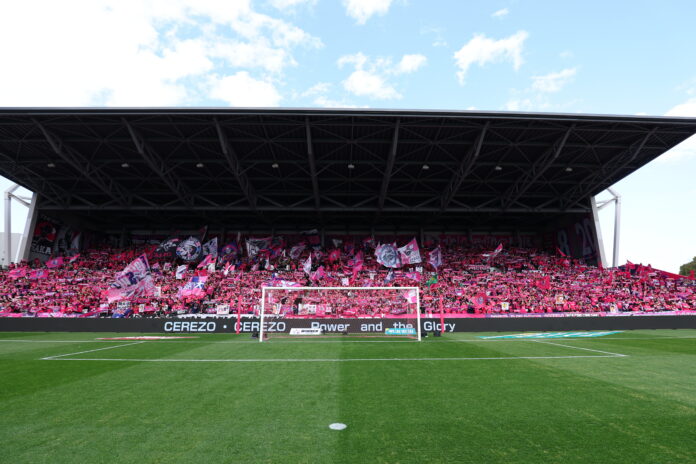
Cerezo Osaka supporters fill the stands with pink flags creating a vibrant fan culture atmosphere in the J League
Cerezo Osaka’s supporters create a powerful matchday atmosphere driven by identity, emotion and collective energy. Fan culture sits at the heart of the club’s philosophy.

A Stadium Washed in Pink

On certain nights in Osaka, the stadium does not simply light up. It glows.

Before kickoff, thousands of pink lights shimmer across the stands. LED effects pulse through the arena. The entire stadium turns into a living expression of sakura, the cherry blossom that defines both the club and the city.

It feels like a celebration. But it is more than spectacle.

Cerezo Osaka is not built on noise or short term hype. It is built on patience. In an era where football often rewards immediacy, Cerezo has chosen something far more demanding: long term development

Cerezo Osaka is not built on noise or short term hype. It is built on patience.

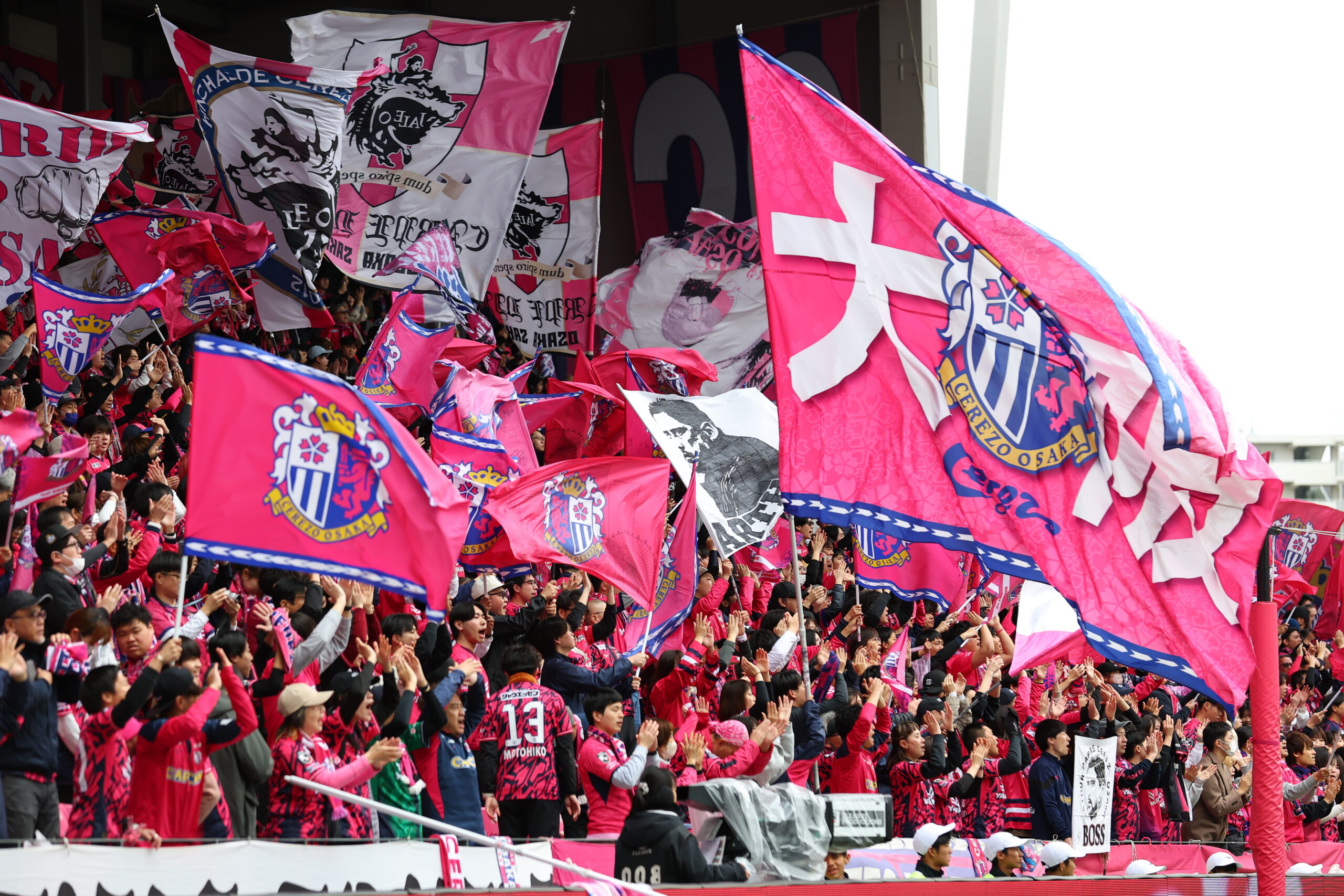
Cerezo Osaka fans wave pink flags in the stands showcasing identity and passionate supporter culture in Japan
The symbolism of Cerezo Osaka is carried by its supporters, where colour, identity and tradition come together in the stands.

The Warmth That Defines a Club

Ask how to describe a typical Cerezo supporter and one word surfaces immediately: warmth.

According to Shuya Ikuta, Fan Experience Group Manager, the defining characteristic of the fan base is the way supporters watch over players almost like parents. They do not measure success solely by instant results. They believe in growth. They believe in allowing young players to mature over time.

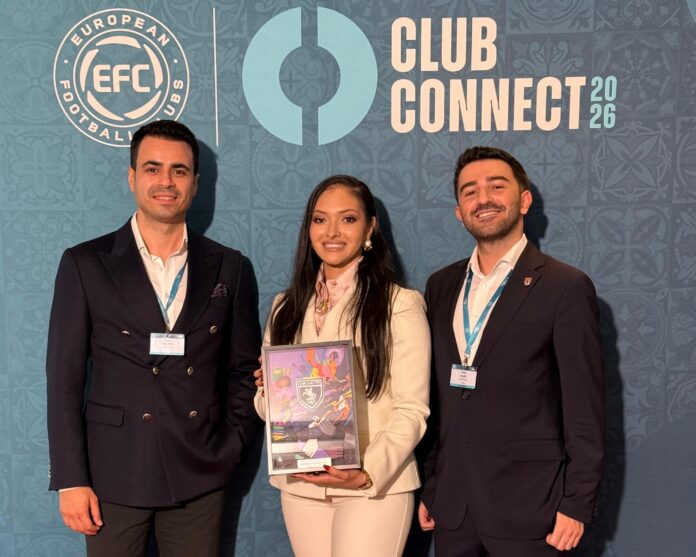
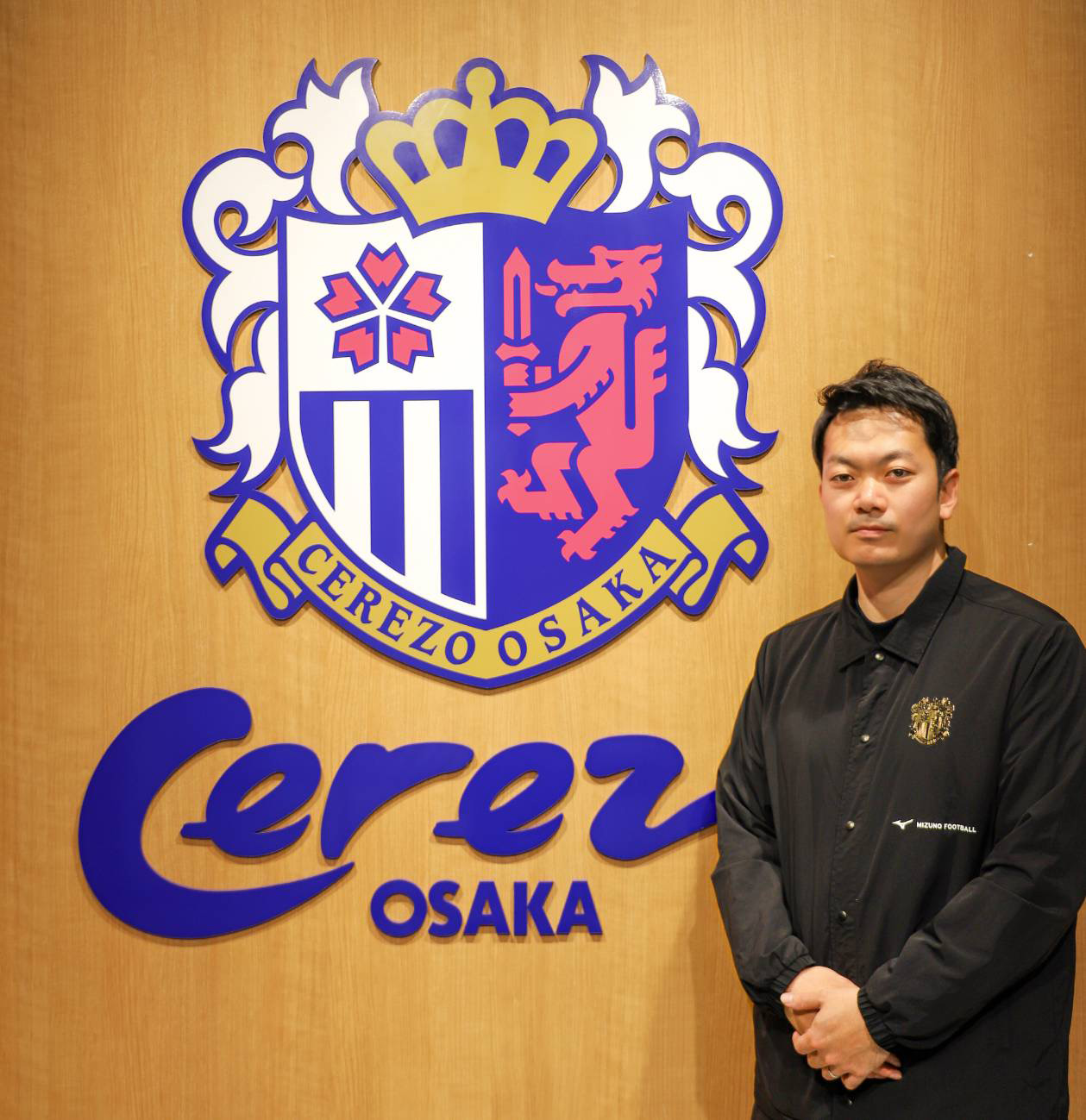
Shuya Ikuta of Cerezo Osaka stands beside club crest representing fan engagement and supporter culture strategy
Shuya Ikuta, Fan Experience Group Manager at Cerezo Osaka, plays a key role in shaping the club’s supporter culture and engagement strategy.

The club is often referred to as the Cerezo of Development. That label is not marketing language. It reflects a deeply rooted philosophy. Supporters understand that building something sustainable requires patience, especially when working with academy talent.

This mindset is institutionalized through the Hanasaka Club, a dedicated support organization that funds the academy system from youth levels to girls teams. Fans join not just to attend matches, but to actively contribute to the nurturing of future professionals .

In European football, development is often framed as a pathway to transfer profit. In Osaka, it feels different. Development is identity.

They do not measure success solely by instant results. They believe in growth. They believe in allowing young players to mature over time

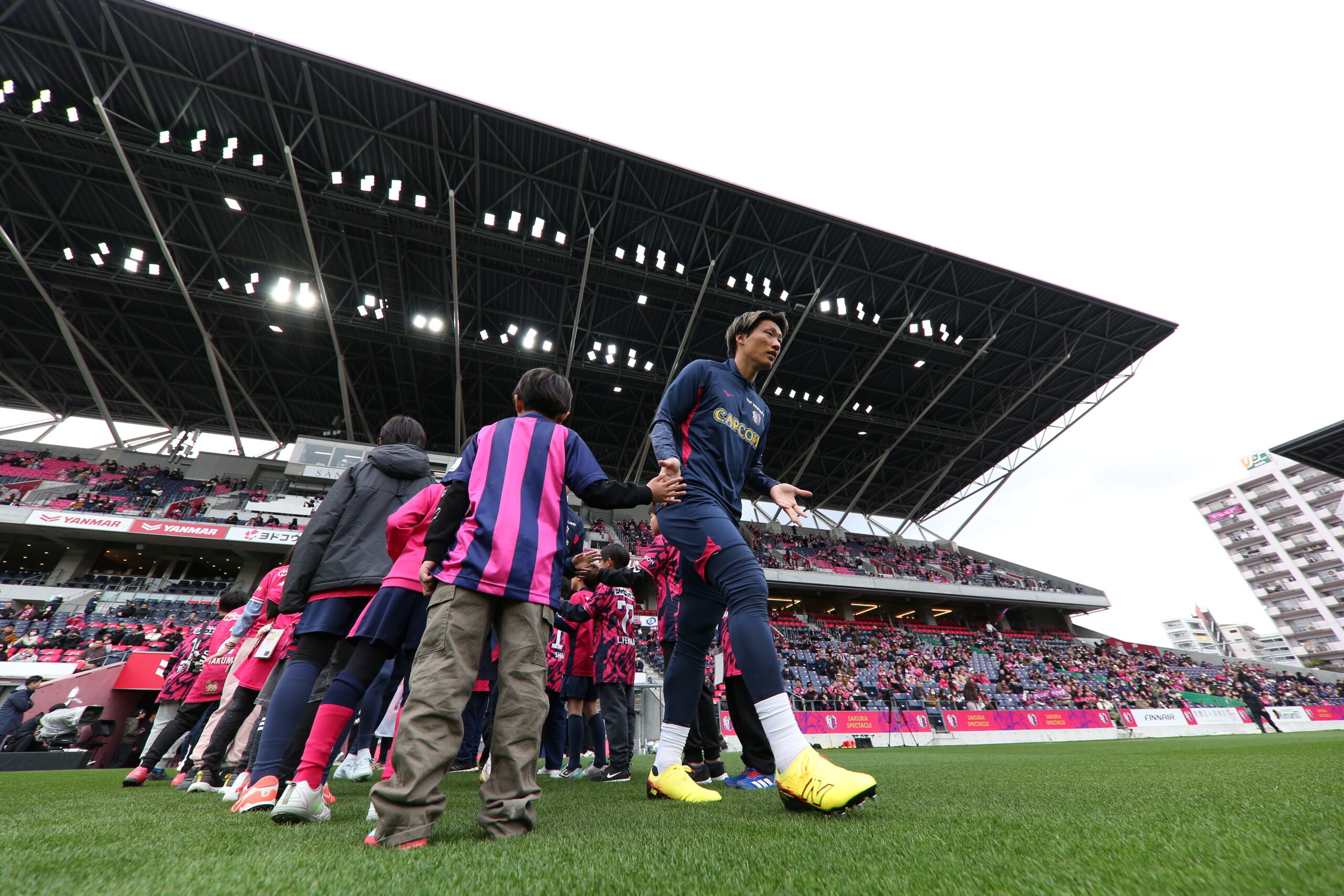
Cerezo Osaka player greets young fans on the pitch highlighting close bond between team and supporters
Cerezo Osaka’s connection with its supporters extends beyond the stands, creating moments of interaction that reflect trust and community.

Sakura and the Legacy of Number 8

The symbolism surrounding Cerezo Osaka runs deep.

The word Cerezo means cherry blossom in Spanish. Sakura is not only the official flower of Osaka but one of the most powerful symbols in Japanese culture. It represents renewal, beauty and the understanding that growth follows cycles. For the club, it reflects a commitment to be rooted locally while aspiring globally .

Another symbol carries equal emotional weight: the Number 8 shirt.

The tradition began with club legend Hiroaki Morishima, now Chairman of Cerezo Osaka. Since then, players such as Shinji Kagawa and Hiroshi Kiyotake have inherited the number. It is not merely a squad number. It represents leadership, responsibility and continuity across generations .

In many clubs, symbolism fades over time. At Cerezo, it is actively preserved.

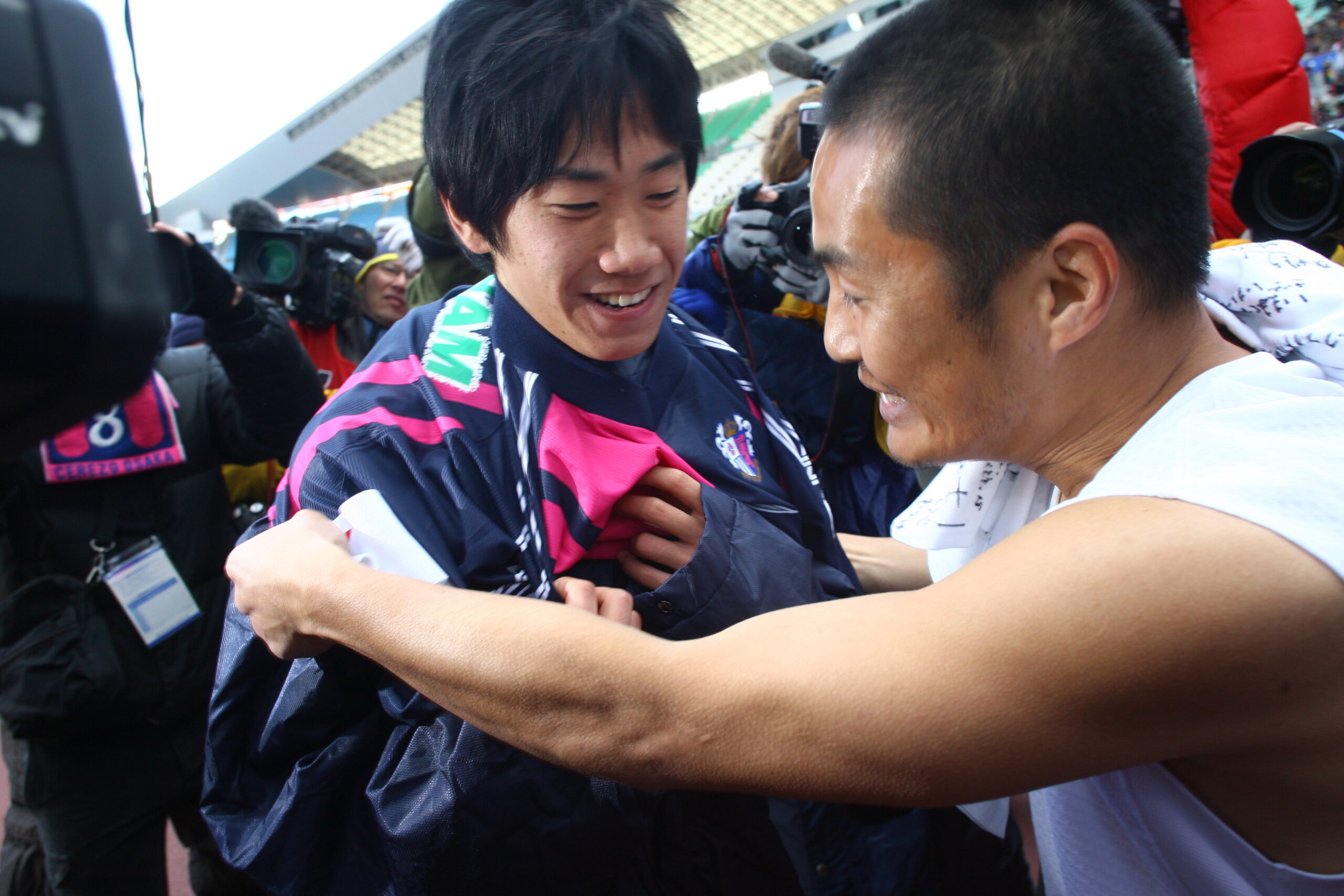
Hiroaki Morishima hands his jersey to Shinji Kagawa after his final match, symbolising Cerezo Osaka legacy
Club legend Hiroaki Morishima passes his jersey to Shinji Kagawa, representing the continuity and identity at the heart of Cerezo Osaka.

Designing More Than a Match

Cerezo Osaka views matchday as a comprehensive entertainment experience .

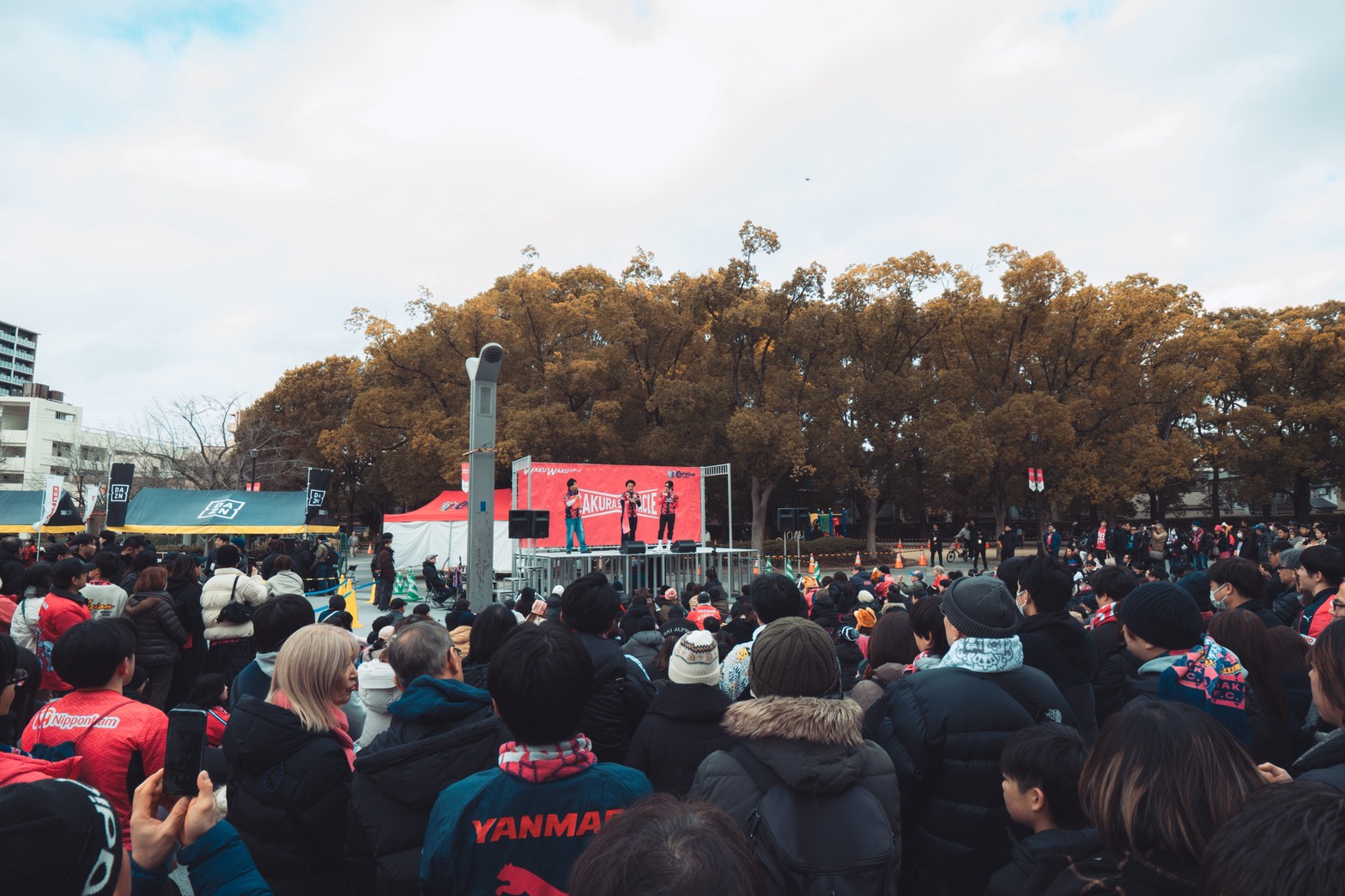
Outside the stadium, the WAKUWAKU Stage hosts talk shows and performances rooted in Osaka’s famous comedy culture. Owarai, a central element of local identity, becomes part of the pre match atmosphere. Football is integrated into the broader cultural fabric of the city.

Inside the stadium, local musicians frequently perform. During night fixtures, the SAKURA NIGHT concept transforms the arena into a glowing pink festival. The objective is clear: create emotional memory, not just sporting attendance.

This approach reflects something larger about Japanese sports culture. The event itself matters as much as the result. Clubs that understand this create loyalty that extends beyond performance cycles.

Fans gather at Cerezo Osaka WAKUWAKU Stage pre match, highlighting community engagement and fan experience
The WAKUWAKU Stage brings fans together beyond the pitch, reflecting Cerezo Osaka’s commitment to creating a full matchday experience.

The objective is clear: create emotional memory, not just sporting attendance.

Turning Anxiety into Belief

One match last season encapsulated how Cerezo Osaka blends storytelling with sporting drama .

Facing Kashima Antlers at home, the club carried a painful statistic: twelve consecutive home defeats against this opponent over fifteen years. The weight of history was tangible.

Rather than ignore it, the club leaned into it.

The business department launched a Victory campaign. Billiken san, an Osaka icon known as the God of Happiness, was invited to the stadium. At the time, he had an impressive record of eleven consecutive wins when attending matches. Victory amulets were distributed to fans. The narrative was deliberately reframed. Today, we win.

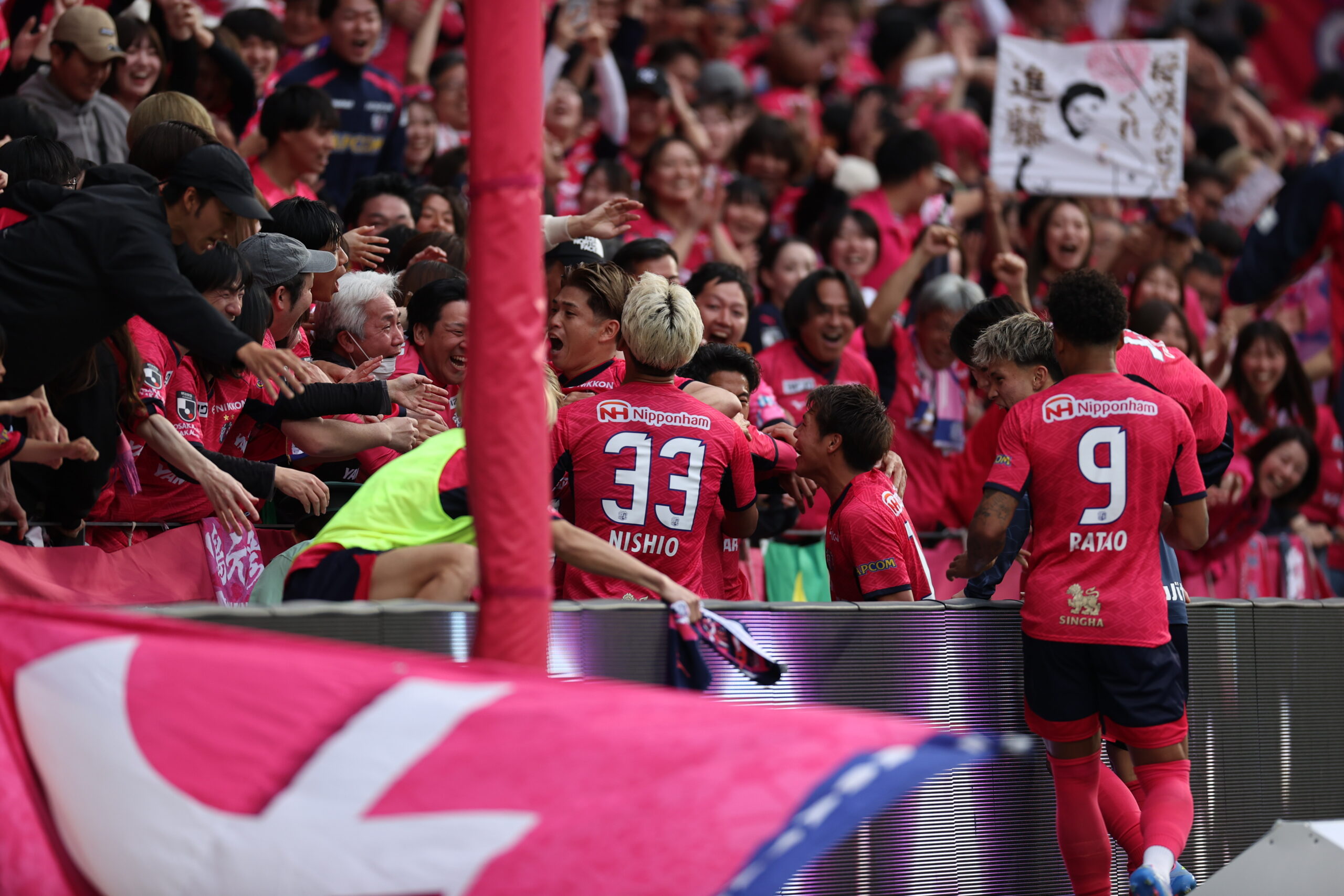
The match itself was chaotic. Goals were ruled out through VAR decisions. Tension escalated. Then, in the final moments, Cerezo scored the decisive goal.

The explosion of emotion inside the stadium was not accidental. It was the result of narrative, symbolism and performance converging at the right moment. According to Ikuta, it created the highest voltage atmosphere in the club’s history .

In modern football, storytelling is often artificial. In Osaka, it felt organic.

Cerezo Osaka players celebrate decisive goal against Kashima Antlers with fans, capturing emotional connection
A decisive moment against Kashima Antlers sparks a powerful celebration between players and supporters, turning pressure into belief.

Segmented Engagement in the J League

Cerezo Osaka is considered a pioneer of segmented marketing within the J League.

Female supporters, known as Cerejo, are engaged through a fusion of football, fashion and contemporary fandom culture. Specially designed shirts and interactive campaigns lower the barrier for newcomers and encourage social participation.

Families benefit from the club’s location in Nagai Park. The stadium surroundings are treated as a full day destination, with activities and attractions that allow children to enjoy the experience regardless of the match result.

At the same time, core supporter groups remain central. The club maintains open dialogue with those leading chants and actively collaborates to ensure their passion remains the driving force inside the stadium.

The balance is deliberate. Modern clubs cannot survive on one demographic alone. Cerezo understands this and plans accordingly.

Young Cerezo Osaka fan in club colours reflects family friendly engagement and next generation supporter culture
Cerezo Osaka actively engages families and young supporters, building long term loyalty across generations.

Listening as a Strategic Tool

Fan engagement at Cerezo Osaka is not built on assumption.

The club gathers quantitative data through official league surveys, collects direct feedback from ticket holders after matches and monitors social media reactions in real time .

This information flows directly into marketing and operations departments. Adjustments can be implemented immediately for the next home game or strategically for the following season.

In many organizations, feedback is symbolic. Here, it appears structural.

Digital Proximity and Global Ambition

Digital platforms are used with precision.

X delivers real time updates. Instagram focuses on visual storytelling and lifestyle positioning. YouTube offers deeper, long form content such as behind the scenes footage and player features to strengthen emotional connection .

The official club app serves as the central hub of the fan experience. Its redesigned interface helps supporters plan their matchday journey, while an integrated GPS map improves navigation within the stadium complex.

Beyond domestic engagement, Cerezo has also experimented with inbound tour packages that combine local tourism with exclusive matchday experiences. Digital infrastructure becomes a bridge between Osaka and international audiences .

A Quietly Radical Model

In a football landscape driven by urgency, Cerezo Osaka represents something quietly radical.

The club invests in youth while accepting the risks that come with it. It embraces cultural symbolism rather than chasing global uniformity. It designs entertainment without sacrificing identity.

Patience in modern football can appear passive. In Osaka, it feels intentional. Perhaps that is the real lesson.

While others compete for immediate attention, Cerezo Osaka continues to grow, season after season, like the cherry blossoms that define its name.

Not loud.
Not rushed.
But deeply rooted.

Football Transfers in Mexico Explained

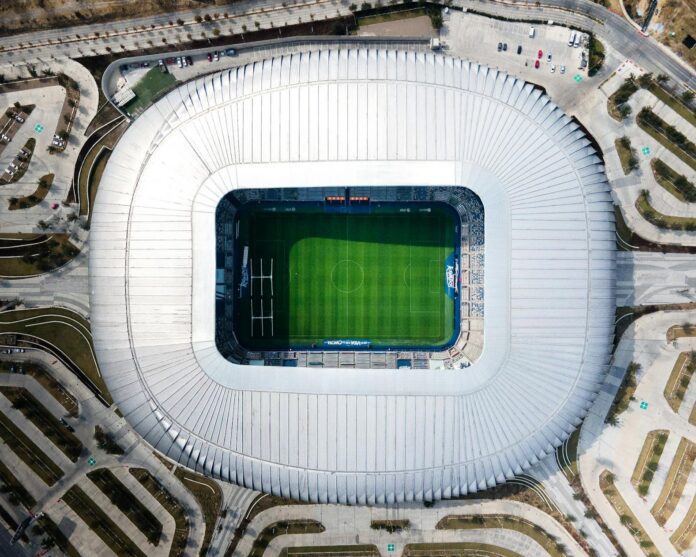
Aerial view of a modern football stadium in Mexico representing Liga MX infrastructure and matchday environment
A top-down view of a modern stadium reflecting the scale and commercial strength of Liga MX. Infrastructure and fan demand play a key role in shaping Mexico’s football market. Photo by Alan Vega.

Introduction

While the laws of the game are the same and well known world wide, when it comes to countries, each one has similarities but more importantly differences regarding legal documents, transfers, tax laws, etc. In this week’s newsletter we will be diving into the football market in Mexico. We will take a look at their leagues, the structure, closing a deal, the systems, the culture, and more.

While the laws of the game are the same and well known world wide, when it comes to countries, each one has similarities but more importantly differences regarding legal documents, transfers, tax laws, etc.

The Main Differences

The Mexican market is a pretty unique one, being next to a country like the United States has influenced the way the league functions and this like everything in life comes with pros and cons. Before diving into specifics, let’s take a look at the structure and market. In 2020 the league made the polemic decision to eliminate promotion and relegation and instead have two leagues. The first tier is the Liga MX and the second tier is Liga Expansion. Both leagues have two short seasons per year known as “apertura” from June to December and the “clausura” from January to May rather than the European model of a long year season. In addition to this, the leagues are not purely point based, there are 17 matches and at the end the best six teams of the table go through to the play-off rounds, the spot seven to tenth have a play-in to see which will be the remaining two to go through to the play-offs and from there the tournament turns into knockout rounds similar to the Champions League or World Cup.

One thing to point out about the Mexican leagues is that multi ownership is permitted so you will see more than one club in the same league being owned by the same group. For example, Grupo Orlegi own Atlas and Santos, Grupo Pachuca own Pachuca and Leon. There’s also media companies that own clubs such as Televisa (Club America) and TV Azteca (Mazatlan & Puebla).

While there are many unpopular sporting decisions within the league, the commercial side of things is always booming. Liga MX more specifically is an extremely commercialised league and one that generates a bigger amount of revenue than even some European leagues through commercial deals. A big reason for this is the neighbouring country, the USA. Liga MX unlike many other leagues around the world has two main markets, Mexico of course but also the United States which is home to more than 40 million Mexicans giving the league a lot of power to negotiate commercial deals between brands in both countries as well as TV deals and more especially considering that even

to this day it is the most watched football league in the United States outdoing elite leagues such as Premier League and La Liga.

Liga MX unlike many other leagues around the world has two main markets, Mexico of course but also the United States which is home to more than 40 million Mexicans giving the league a lot of power to negotiate commercial deals between brands in both countries as well as TV deals and more especially considering that even to this day it is the most watched football league in the United States outdoing elite leagues such as Premier League and La Liga.

The Transfer System Structure

Mexico has two transfer windows per year. The winter transfer window which is from January to February and a longer summer window which begins in mid June and ends beginning of September. Like in the rest of the world, during these windows clubs will register new players but unlike many other leagues in Mexico it is always for a new season and never the middle of the season because of how the league is structured as previously mentioned.

Another crucial piece of information to know is that the Mexican leagues allow seven players (previously eight) on the field to be foreigners and nine in total. This has been a big topic for debate within the league because most of the clubs in the league will have the seven spots filled out giving way to only four Mexican players in the starting squad.

A common practice amongst agents is to bring South American players to Liga MX. Likewise, as in the Premier League, it is common for the Mexican market to buy, sell and loan players mostly internally. More often than not, Liga MX clubs are the ones paying the asking price amongst each other. This is important for agents to consider because if their clients play in Liga MX there are many possibilities for movement between the clubs internally.

Many of these deals are based on strong relationships with sporting directors of the clubs and reputation on past transfers. Furthermore, agents working with South American players will notice that Mexico is one of the best markets for them because of the high demand for such players and because of how lucrative the deals are in the first tier league, Liga MX.

Many of these deals are based on strong relationships with sporting directors of the clubs and reputation on past transfers.

Financial and Payment Details

As previously mentioned, Liga MX to be specific is a very lucrative league and the transfer fees as well as salaries are well above majority of leagues in The Americas and some European. The leagues average salary is $384,000 (6,500,000MX) US dollars per year with the best paid players earning up to five million (85,000,000MX) US dollars. While at first glance this doesn’t seem an extremely high average one must consider that the national currency in Mexico is the Mexican peso which makes the average salary extremely high and we still have to consider performance bonuses such as wins, goals, clean sheets, etc.

Due to the financial conditions of Liga MX it has become the go to league for many players who don’t make it to European football. Just like the players who are looking for a strong financial position look at Liga MX as an option, agents will also find that the transfer fees within the league are quite high compared to the rest of the continent. It is not uncommon to see fees between Mexican clubs to be eight, nine, ten, even 12 million dollars for one player which leads to high agent fees as well. It is paramount to point out that while the amounts might be shown in USD, after 2020 the league enforced the clubs to deal with players contracts in Mexican pesos.

Now that we have touched upon salaries and fees we have to touch upon the tax rates. Indifferently of the profession Mexico has tax rates based on a person’s earnings, there is not a specific tax rate for footballers. That being said, because players salaries are usually high in Liga MX, players are adhered to the highest tax rate which is 31.92% if they earn one million pesos or more monthly. Depending on how this money is used and allocated there can be deductibles and tax write-offs. Extremely important for agents to know that if their client is in Mexico with a work Visa which is the case for foreign players, there are additional taxes to be paid and it is the agents job to look into which additional taxes apply for their client. This also includes foreigners with a permanent permit such as the FM2 document (equivalent to a green card).

VISA Requirements

Unless the player is born in Mexico or receives the citizenship through family ties or length of stay, every foreigner who is making a move to the country and Liga MX will have to get a work permit (Visa) to be employed in the country long term. From the several types of Visa Mexico offers, perhaps the most important for an agent to be familiar with as simple as it sounds is the “visa de trabajo” since their clients will be performing as employees even as footballers. The agent needs to coordinate the help form the club to acquire de work visa for their client and also verify with the INM (Instituto Nacional de Migración).

In the past there has been some confusion as to where the player can apply for the Visa with more liberty to do it within the country or neighbouring countries in the past. To make this very important point clear, the players have to apply and go through the process of obtaining their visas from the Mexican embassy in their home country. This is something that was recently changed.

Additional Points to Note

Mexico is country a with 130 million people without counting the 40+ million living in the United States. Football is the biggest sport in the country and the Liga MX is highly followed with lots of fans from different clubs and cities. While there have been unpopular decision regarding the league, there is still a high demand for tickets, viewership, jerseys, and more.

An interesting note is that because of the demand for Mexican football in the USA, Mexican clubs play friendly games every single year in US territory as well as the Mexican national team which is one of the few if not the only national team worldwide that more often than not plays in the USA rather than in Mexico.

Who is Marco Fritschka?

Marco Fritschka at RB Leipzig academy facility, highlighting his role in elite goalkeeper development
Marco Fritschka works within the RB Leipzig academy, focusing on developing goalkeepers for elite football. His approach combines structure, mindset and long term performance preparation.

Profle

Role: Goalkeeper Coach, RB Leipzig Academy

Specialisation: Goalkeeper Development, Youth Coaching, High-Performance Preparation

Experience: RB Leipzig Academy, VfL Wolfsburg Academy, Domestic and International Internships

Focus Areas: Individual Development, Mindset, Video Analysis, Long-Term Goalkeeper Preparation

Biography

In elite football, development is decided long before matchday. In the goalkeeper position, where decisions are made in fractions of seconds, preparation, clarity and mindset matter more than raw talent. Marco Fritschka operates exactly in this space, where youth development meets high-performance demands and responsibility begins early.

Marco Fritschka is a goalkeeper coach in the academy of RB Leipzig, currently working with the U15 and U16 age groups. His pathway into professional football combines a completed vocational education outside the game, several years of academy experience at VfL Wolfsburg, extensive domestic and international internships, and a deliberate decision to pursue coaching education abroad. His work is defined by individual development, clear structures and the long-term preparation of young goalkeepers for the realities of elite football.

In elite football, development is decided long before matchday.

Key Insights

  • Marco Fritschka focuses on individual goalkeeper development through structure, mindset and communication.
  • His work combines academy coaching, international learning experiences and long-term high-performance preparation.
  • Video analysis, physical testing and clear decision making are central to his goalkeeper development model.

Our Exclusive Interview with Marco Fritschka


You are currently working as a goalkeeper coach in the U15 and U16 age groups. What defines your day to day work and your development priorities?

A key element of my work is communication with the boys. It is essential to focus on the individual potential of each goalkeeper. Development does not only happen on the pitch. Video analysis from goalkeeper training sessions and matchdays plays an important role as well.

Another central factor is mindset. Through regular development talks, you can influence this to a certain extent, although the player’s environment is crucial. It is important to really know your goalkeepers. Where do they come from? What is their social background? How are things going at school? Showing interest and engaging with their needs is an important part of development.

That said, the primary focus remains goalkeeper-specific and football education. The additional aspects support the process and are very beneficial for development, but they do not replace the core work on the pitch.


You worked for several years in the U14 and U15 age groups. How did this shape your view on youth development?

In the U14 and U15 age groups, training can already be very specific. The basics are largely in place, which allows you to work with greater complexity so that processes also function under high pressure. The difference between U14 and U15 is not particularly large. The tempo increases and some players are physically more developed than others. I see the same dynamic now in the U15 and U16 age groups.

When it comes to youth development, I have a clear opinion. Players develop best when not everything is done for them and they are required to make decisions themselves. Especially in the goalkeeper position, decision making is central.

It does not matter whether a player is introverted or extroverted. What matters is having a clear structure, a clear goal, and working consistently towards it. You can be average in tactics, technique or physical attributes, but when it comes to mindset, you have to be strong if you want to reach the top.

You can be average in tactics, technique or physical attributes, but when it comes to mindset, you have to be strong if you want to reach the top.


Before fully entering football, you completed a professional apprenticeship outside the sport. How did this experience shape you?

I am very grateful that I completed a full professional education. I learned what life outside football looks like, and that experience grounded me. It made me appreciate what I have been able to do for the past ten years even more.

My time at Volkswagen was particularly formative. Doing something every day that you do not necessarily enjoy teaches you a lot. Football was always my anchor and my motivation during that period. I had a clear goal and pursued it consistently.

That is why I value what I have achieved and experienced in football so much. You appreciate things more when you have to work hard for them.


You completed numerous internships and observations at clubs across Europe. What impact did these experiences have on your work today?

Every internship gave me valuable impressions. It was always exciting to see how different clubs operate. It was not about whether I liked a specific training session or not. The exchange itself was the most valuable part.

At a high level today, those experiences do not directly shape my daily work, but they make it easier for me to integrate elements into our complex goalkeeper training. I adapt and modify content so that it fits our philosophy.

Another important aspect is the network that develops through these internships. In modern football, a strong network is indispensable.


You are currently completing further coaching education through the Football Association of Wales. Why did you choose this pathway?

My personal standard is continuous development. The decision to complete the UEFA Goalkeeper B Licence in Wales had several reasons. One was the opportunity to gain experience by completing a licence abroad. Another was that the structure of the Welsh programme aligns well with the Red Bull philosophy.

Language also played an important role. I took English lessons to prepare for the course. Stepping out of my comfort zone was a conscious decision and helped me develop mentally as well.


How do you integrate modern demands such as data, video analysis and physical testing into goalkeeper development?

First of all, goalkeepers need to clearly understand the requirement profile. Data can be used to analyse many aspects, but for the goalkeeper it must always be clear what is expected and how to behave in specific situations.

Video material from training sessions and matches allows us to analyse behaviour and decision making. From a physical perspective, we use running tests, jumping tests, strength assessments and cognitive units.

In the end, everything serves one purpose, preparing goalkeepers as well as possible for the demands of top-level football.


How do you balance individual development and competition in a high-performance environment?

I do not really see this as a tension. A lot of it comes down to mindset. Anyone working in this business knows that only a few will reach the very top.

What matters most is honest and clear communication within your environment, even if that creates friction. Having a clear opinion and standing by it is crucial. At the same time, it is equally important to be open to criticism and allow other perspectives.

When that balance exists, individual development is not blocked. This applies to us as coaches, but above all to the players.


What defines an effective goalkeeper coach today?

Every coach needs to develop their own signature. That signature exists independently of the club philosophy, but it is essential to fully identify with that philosophy.

Effectiveness comes from having a clear plan and structure and knowing exactly what to train, when to train it, and how to coach it. When goalkeepers work within clear principles and are coached consistently within that framework, development accelerates.

Effectiveness comes from having a clear plan and structure and knowing exactly what to train, when to train it, and how to coach it.


How important is cultural awareness in modern youth football?

Cultural awareness is essential. Academies today are highly multicultural, and professional football even more so. That diversity is a positive thing.

Players often communicate in English, and internationalisation supports development. Exposure to other cultures provides new perspectives and insights that contribute positively to personal and sporting growth.


Looking ahead, what are your long-term ambitions?

I have set clear goals for myself. Reaching them takes time and a lot of work, which I am happy to invest in order to achieve the best possible outcome.

I want to continuously improve my coaching so that the boys receive the best possible education. Change is constant in football. The game evolves, and as a goalkeeper coach you must adapt, stay curious and look beyond your own horizon.

I am convinced that continuous development and learning are essential. Football will never stand still, especially not for goalkeepers.


FAQ

Who is Marco Fritschka?
Marco Fritschka is a goalkeeper coach in the academy of RB Leipzig, currently working with the U15 and U16 age groups.

What is Marco Fritschka’s coaching focus?
His work focuses on individual development, mindset, clear structures and the long-term preparation of young goalkeepers for elite football.

What defines his approach to goalkeeper development?
He combines goalkeeper-specific coaching, video analysis, physical testing and communication to prepare young players for high-performance demands.

How to Pass the FIFA Football Agent Exam

Candidate preparing for the FIFA Football Agent Exam using digital materials and notes on a laptop.
Preparation is key to passing the FIFA Football Agent Exam, combining study, practice, and smart navigation. Mastery of the regulations separates successful candidates from the rest. Photo by Compare Fibre on Unsplash.

Becoming a FIFA-licensed football agent is a goal many aspire to, but passing the exam isn’t just about knowing the rules. It’s about mastering them. The exam is tough for a reason: it ensures agents truly understand the regulations that govern world football. But with the right approach, preparation, and mindset, passing is absolutely within reach.

passing the exam isn’t just about knowing the rules. It’s about mastering them.

Here’s how to give yourself the best shot.

1. Understand What You’re Up Against

The FIFA Football Agent Exam is digitally open book and consists of 20 multiple-choice questions. You have 60 minutes to complete it, so roughly three minutes per question. That’s not a lot of time if you’re flicking through PDFs hoping to stumble across the right clause.

Passing requires a score of 75% or more. The questions are drawn from official FIFA Study Materials, which include regulations on player transfers, intermediaries, training compensation, solidarity payments, and more.

2. Don’t Let “Open Book” Fool You

Yes, the exam is open book. No, that doesn’t make it easy.

Unless you’ve already studied the documents in depth, you won’t have enough time to look up every answer. The key is to become so familiar with the materials that you instinctively know where to look when you get stuck.

Reading the regulations once won’t cut it. You need to:

  • Work through each document methodically
  • Highlight key sections and clauses
  • Take notes and summarise complicated topics
  • Revisit tricky areas regularly

Over time, certain rules and phrases will become second nature. That’s when you know you’re getting exam-ready.

Unless you’ve already studied the documents in depth, you won’t have enough time to look up every answer.

3. Practice Like You’re Playing

Preparation isn’t just about reading, it’s about applying.

FIFA provides a mock exam on its Agent Platform. Take it. Time yourself. Learn how the questions are worded. Notice the structure and flow.

You should also explore additional prep resources:

  • Free and paid courses
  • Sample question banks
  • Webinars and workshops

But do your homework before spending money. Look for reviews, course previews, and credible instructors. Some courses offer direct interaction and Q&As, while others are just practice questions, know what works best for your learning style.

4. Nail Your Exam-Day Strategy

When exam day arrives, set yourself up for success:

  • Create a quiet, well-organised space
  • Have your digital study materials ready and searchable
  • Stay calm and keep a steady pace

If a question stumps you, don’t dwell. Move on and return to it later. That extra time could be what helps you crack it with a fresh mind.

Use a staged approach to each question:

  1. Use common sense to rule out clearly wrong answers.
  2. Eliminate options that don’t align with the regulations.
  3. Check your memory before diving into the study materials.
  4. If in doubt, quickly locate and confirm your answer using the digital documents.

Sometimes, it’s better to trust your preparation and go with your gut, especially when the clock is ticking.

5. Master the Art of Navigation

Knowing the content is one thing. Knowing where to find it is just as important.

This is where document navigation can make or break your exam. Practise using keywords from mock questions and locating the corresponding sections in the regulations. Build muscle memory.

A few tips:

  • Repeatedly revisit the table of contents in each document.
  • Make mental notes about where key rules are located.
  • Avoid over-relying on Control+F. It won’t always work, especially when the keyword appears in dozens of clauses.

Instead, know the structure of each document. For example:

  • Training compensation? Check the FIFA RSTP (Regulations on the Status and Transfer of Players).
  • Representation agreements? Go to the FIFA Football Agent Regulations (FFAR).

When it matters most, you’ll save valuable time.

6. Keep Learning. Even After You Pass.

Passing the exam is a big milestone, but it’s not the end.

FIFA regulations evolve. Staying up to date is essential if you want to build a career as a trusted and knowledgeable agent. Make it a habit to revisit the study materials, attend webinars, and learn from real-world cases.

The best agents aren’t just exam passers, they’re lifelong learners.

This isn’t just about passing a test. It’s about proving that you’re ready to operate at the highest level of the game.

Final Thoughts

There’s no shortcut to passing the FIFA Football Agent Exam. But with disciplined preparation, smart strategy, and sharp navigation skills, you’ll massively increase your chances of success.

This isn’t just about passing a test. It’s about proving that you’re ready to operate at the highest level of the game. And if you’re serious about becoming a football agent, that’s the standard you should aim for.

You can prepare with the How to Pass the FIFA Football Agent Exam workbook, a practical and comprehensive guide designed to help you master the exam content. It combines theoretical knowledge, practical cases and mock exams to prepare you in a structured and effective way, based on the latest official FIFA materials.

Follow the Sports Agent Academy on LinkedIn to get the latest exam content, practice questions and successful strategies.