Home Blog Page 24

Who is Laura Lücker?

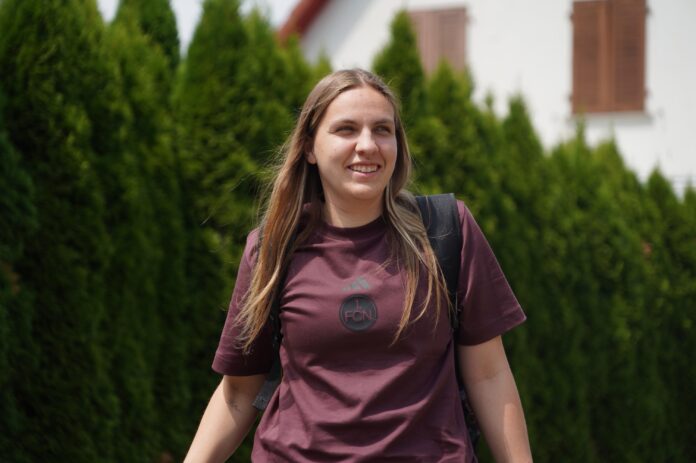
Laura Lücker, Organizational Lead of 1. FC Nürnberg’s women’s team, walking outdoors in casual club attire with a backpack.
Laura Lücker, Organizational Lead at 1. FC Nürnberg, bringing her player experience and leadership skills to the heart of women’s football operations.

Laura Lücker, born on March 17, 1999, is a former professional footballer and a rising figure in German football management. She began her football journey at the Carl-von-Weinberg Sports School in Frankfurt, where she completed both her Realschule and Abitur with a focus on sport and biology. As a goalkeeper, she played for MSV Duisburg during the 2018–2019 season and continued her career at 1. FC Nürnberg until 2023. Her playing style was marked by strong positional awareness and leadership in the backline, traits that later translated into her off-pitch career.

Parallel to her playing career, she pursued a degree in Business Management with a focus on Sport at Campus M University, graduating in 2024 with a final grade of 1.9. She also gained early professional experience through internships and short-term work in the healthcare sector, which provided her with a disciplined and service-oriented approach to team management.

After retiring from professional play, Lücker transitioned into administrative roles within football. She began as a working student in team management at 1. FC Nürnberg, where she was responsible for coordinating team logistics and supporting the coaching staff. In July 2024, she was promoted to Organisational Lead of the women’s team, overseeing daily operations, player support systems, and internal coordination across departments.

Laura Lücker is part of a new generation of former athletes moving into leadership roles within the sport. Her ability to bridge the player experience with structured operational insight positions her as a key figure in the professionalization of women’s football in Germany. With a deep understanding of both the athletic and business dimensions of the game, she continues to shape the future of club football from the inside.

Our Exclusive Interview with Laura Lücker

Who is Laura Lücker beyond your roles as a former player and current football operations leader?

Beyond my role as the Organizational Lead at 1. FC Nürnberg and my time as a player, I’m someone who genuinely cares about the people around me. I try to be helpful and always have an open ear. Since it’s hard to describe myself, I asked a few friends. They see me as reliable, funny, and someone who is always up for anything and does everything for others. Being dependable is also something I bring to my job. Most of all, I’m a family person. I love spending time at home with my family and my two dogs. My friends are just as important and I enjoy spending quality time with them.

What motivated your shift from playing professionally to building a career behind the scenes in club management?

Unfortunately, a knee injury and several surgeries forced me to end my playing career. I always loved being around my teammates and close to the team. When I was asked if I could imagine working in team management, I didn’t hesitate. It allowed me to stay connected to football and remain involved with the team even without playing. Football has always been a major part of my life, and I couldn’t imagine walking away from it completely.

How do you see your role contributing to the growth and professionalization of women’s football at 1. FC Nürnberg?

My focus is on improving and simplifying organizational processes so that the team can fully focus on football. I want everything outside the pitch to run as smoothly as possible. This is especially important for new players, so they can settle in easily and concentrate on their performance.

Can you share more about the evolution of your responsibilities from player to Organizational Lead within the same club?

The role is completely different from being a player. Now it’s all about what happens off the field. At the beginning, I had to find my way and grow into the position. The club gave me a lot of trust from the start, which helped me take on more responsibilities quickly. Over time, I developed into the Organizational Lead. At first, I had to ask a lot of questions because I was still inexperienced, but now that I’ve completed my studies, I can fully focus on my job.

What challenges have you faced as a young leader in a traditionally male-dominated football environment?

Thanks to the trust I received from the club and the strong position of women’s football in Nürnberg, I didn’t face any challenges because of my age or gender. I was recognized early on for stepping into this role at a young age, and that support helped a lot.

Looking ahead, what are your personal ambitions for your career in football and the impact you hope to make?

I’m still very young at 26 and have a long career ahead of me. My goal is to keep growing both as a person and as an Organizational Lead. Football is fast-paced and you have to be ready for anything. I’m open to the future and excited for what’s to come.

How European Football Federations Can Unlock New Sponsorship Revenue

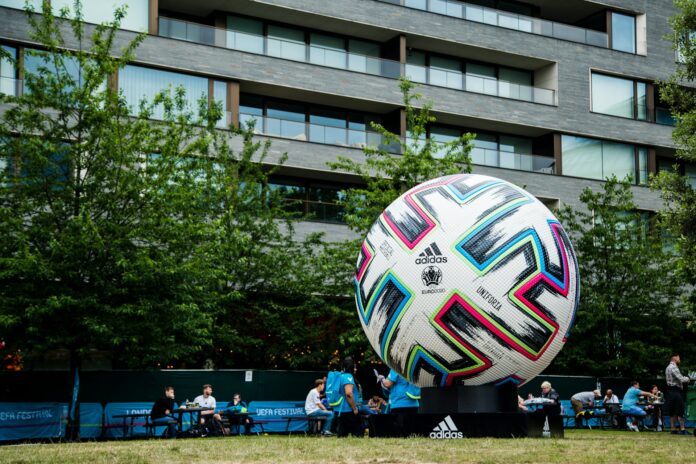
Giant Adidas Uniforia football on display at a UEFA Festival event, symbolizing European football branding and sponsorship.
Photo by Robert Anderson on Unsplash

European football’s global popularity and booming sponsorship market mean national associations have a prime opportunity to grow commercial revenues. Football’s reach is staggering and the sports sponsorship market grew to about $114.4 billion in 2024, projected to reach around $190 billion by 2030. Brands are investing heavily in digital fan engagement, data analytics, and immersive technologies. To compete in this dynamic landscape, European federations must modernize their sponsorship models. That means building rich digital platforms, offering diverse partnership packages, activating rights creatively, and proving clear ROI with data. Below are key strategies and examples from federations like The FA (England), DFB (Germany), and FFF (France) on staying competitive and attractive to global sponsors.

Enhance Digital Engagement and Fan Data

Modern federations must meet fans on today’s digital platforms. By creating robust apps, OTT streaming, social content, and CRM systems, associations can engage fans anywhere and collect valuable first-party data. The French Football Federation (FFF), for example, ranked best-in-class for digital maturity, scoring 100% in both data-collection capability and digital-product diversity. England’s FA has also invested in digital: its “FA MatchDay” mobile app and competition management platform has over 150,000 downloads and 68,000 weekly users – double the original target. These tools give the FA a 360-degree view of five million fans. By segmenting these digital audiences, federations can tailor content to fan interests and give sponsors precise demographic targets.

  • Own multi-channel digital platforms. Develop mobile apps, websites, and OTT channels for news, live streams, ecommerce, and interactive features. Collect registrations and preferences to build fan profiles.
  • Personalize content. Use analytics to segment followers and serve them content that boosts engagement. The FA, for instance, leveraged real-time social listening to craft sponsored content aligned with fan conversations.
  • Engage globally. Promote content in multiple languages and regions. Streaming platforms can reach overseas fans and sponsors.

Investing in digital platforms both grows fan engagement and provides analytics that sponsors crave. Sponsors can measure the impact of their sponsorship deals in real time. This means federations can offer sponsors transparent metrics on reach and engagement, a key selling point in negotiations.

Diversify Sponsorship Packages and Assets

Football federations should expand beyond traditional kit and tournament sponsors. Create multi-tiered partnerships (global, regional, and local) and package different assets so that brands at every level find value. Italy’s FIGC recently moved from Puma to Adidas for national team kit supply: the four-year deal is worth about €35 million per year, up from €20 million under Puma. Coca-Cola’s long-running sponsorships with federations also illustrate package diversity. It has backed France’s FFF since 1997 and was also a global partner of Germany’s DFB since 1981. These deals covered grassroots youth programs, national teams, and fan events.

  • Expand categories. Offer partners rights to men’s teams, women’s teams, youth programs, fan festivals, and even esports teams. Germany’s DFB, for instance, added Google Pixel as a sponsor of the women’s national team, including digital rights to co-produce campaigns with players.
  • Tailor tiered packages. Define “Official Partner,” “Supplier,” or “Regional Sponsor” levels with escalating benefits. Include non-traditional sponsors: tech firms, telecoms, fintech, or sustainability brands.
  • Leverage events and digital assets. Auction sponsorship for friendly tournaments, qualification campaigns, or digital content series.

By packaging a broader range of rights, federations make themselves attractive to more brands. The FA noted increased revenues through partnership opportunities tied to its new platforms. Offer each sponsor a customized bundle of exposure and engagement tools – from TV spots to branded content and experiential activations.

Activate Sponsorships with Creative Campaigns

A logo on a kit or banner is no longer enough. Federations must help sponsors activate their investment by creating engaging experiences and content for fans. During their renewed deal with the French FA, Coca-Cola ran social-media quizzes, a “Football Stories” video series, and even quirky fan events like “Barber Football.” Google’s DFB deal went beyond naming rights: the Pixel campaign built exclusive stories and behind-the-scenes videos with players, distributed across Google’s platforms.

  • Co-create fan experiences. Host contests, quizzes, fantasy games, or branded mini-apps. Activate sponsors at matchdays with fan zones or at grassroots camps.
  • Content collaborations. Produce documentaries, social videos, or podcasts featuring players and the sponsor’s brand.
  • Celebrate communities. Tie sponsors to community initiatives and make them champions of the game off the pitch.

Spending on activations can boost sponsorship ROI by three times. Design engaging fan interactions, gamified mobile apps, social challenges, VIP experiences, so that both brand and federation connect emotionally with supporters.

Leverage Data Analytics to Demonstrate ROI

Sponsors demand accountability. Federations must arm themselves with metrics to prove value. By collecting and analyzing fan data from digital platforms and events, federations can provide concrete ROI reports. The FA’s new digital platform created a unified database of over five million fans. This intelligence lets the FA show sponsors who the fans are and how often they see sponsor content. They even used analytics to estimate “purchase intent” of fans talking about sponsors.

  • Provide detailed metrics. Offer sponsors data on impressions, engagement, traffic, and demographics.
  • Use advanced analytics. Apply AI and business intelligence tools to tie sponsor exposure to brand lift and consumer actions.
  • Build dashboards and reports. Create post-campaign summaries with insights and recommendations.

Demonstrating ROI makes partnerships more attractive. If France’s FFF reports 21.5 million social media engagements during the World Cup, a sponsor sees a strong return on visibility. Federations that track every interaction make it easier for brands to justify renewal and expansion.

Embrace Emerging Trends to Stay Competitive

The sponsorship landscape is evolving fast. Federations should be early adopters of new trends. Smart stadiums with Wi-Fi, AR replays, and targeted ads enhance sponsor visibility. AI-driven personalization can recommend content or offers to fans. NFTs and fan tokens can create new engagement and sponsorship touchpoints. Federations should also emphasize social responsibility.

  • Multimedia sponsorship rights. Offer exposure on TikTok, podcasts, or esports, not just in stadiums.
  • Women’s and youth football. Showcase women’s or U21 matches as sponsorship opportunities. The DFB’s women’s sponsorship by Google highlights this potential.
  • Sustainability and CSR. Partner with eco-conscious brands and promote sustainability initiatives.

Staying ahead of trends keeps a federation’s brand relevant. UEFA’s digital initiatives and centralized login systems are strong examples. Federations should position sponsors as co-creators of innovation, whether through AR match graphics or behind-the-scenes VR tours.

Conclusion

European football federations have a growing pie of sponsorship funds to win, but only those that innovate will capture the biggest slice. Key strategies include:

  • Digitize fan engagement through apps, streaming, and CRM tools.
  • Broaden sponsorship assets to include all teams and digital rights.
  • Activate creatively with content, contests, and real-life experiences.
  • Use data analytics to prove sponsor ROI and deepen partnerships.
  • Embrace technology and social trends to stay attractive to global brands.

By combining these approaches, national federations can grow sponsorship revenue and ensure long-term commercial success in a competitive football landscape.

How to Build a Winning National Team: David Dóniga Lara’s Lessons from Coaching El Salvador

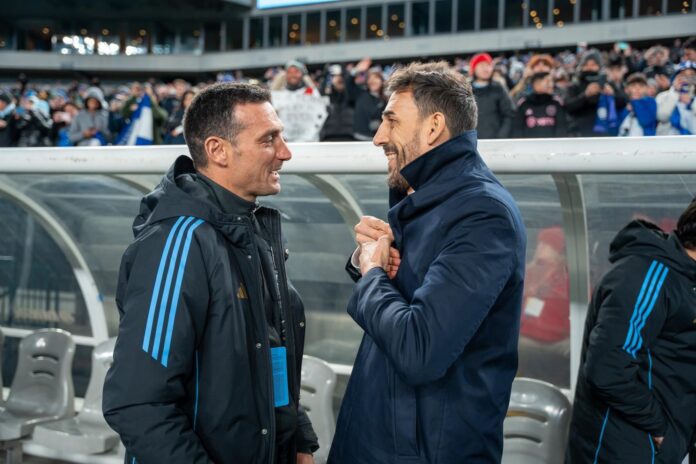
avid Dóniga and Lionel Scaloni share a friendly exchange on the sidelines during the El Salvador vs Argentina match in Philadelphia on March 22, 2024.

A recurring question occupies the minds of professionals, friends, and family every time I have had the good fortune to coach a national team: Don’t you miss the day-to-day life of the clubs? If those who have not had the experience knew how I work with national teams, they would see the frenetic pace of an elite team as a relief!

I have now managed two national teams in my 43 years. The specific nature of the job of national team coach deserves an article in itself to explain the key aspects of the work I have done in preparing for two World Cup qualifiers (Qatar 2022 and United 2026), a Gold Cup qualifier (2025) and promotion to the top group in the Concacaf Nations League (Nations League A for 2025, 2026 and 2027); as well as in the development of talent for high performance in the Panama U21 and U23 National Teams, which now make up almost half of the group that will attempt to reach the World Cup finals for the second time in its history next September. Join me as I delve into the exciting world of preparing a national team for the sole objective that millions of people, compatriots, who cheer and pressure in equal measure, desire: to win.

The first step

15 November 2024. It is 11 p.m. in San Salvador. The Cuscatlán stadium empties as the players, after celebrating their victory in matchday 6 of Group A of League B of the Nations League on the pitch with their teammates, families and friends, slowly make their way to the dressing room. On the hundred steps separating the entrance to the pitch from the dressing room, the camaraderie between each player, member of the coaching staff and myself translates into shouts of joy and hugs to celebrate the fact that, one year later, La Selecta is back in League A of the Nations League. And, incidentally, it has qualified directly for the 2025 Gold Cup. With one more victory in the two remaining World Cup qualifying matches in June 2025, the team would be in the final phase, the last round of qualifying for United 2026: six matches away from the dream return to the competition that saw them bid farewell in 1982 for 42 years…

How did I approach this achievement on 1 January 2024, when I took charge of the El Salvador national team, a team that had gone seventeen games in a row (a year and seven months) without winning a match? How do you turn a broken, aimless team into a winning team in the best competitions? I’ll tell you below.

It is impossible to summarise an entire year of work based on more than ten years of experience in elite football in one article. Here are the basic parameters around which my work system revolves, allowing me to approach each project with a general foundation and specific adaptation:

Understand the competition

Although all the national teams in the world fight every four years for a common goal, to reach the World Cup, each confederation has its own competition system, apart from its own competition; and on top of that, you have to identify the specific characteristics of the federation you work for, the national team and the country. My experience in Panama at Qatar 2022 and at the Central American Club Cup in 2023 gave me a perfect understanding of the context. When previous experience is not so specific, as has happened on other occasions, the organisation of the team study, the comparison with my scout, the analysis of recent performance through data (Opta/Wyscout) and the standard template for presentations together with my reference software (ScoutYouPro) allow me to have control over the context I am addressing within 24-48 hours. In this case, my practical knowledge was added to this systematic organisation: I was clear about which players were missing from the squad, what organisational model the competition required, and how to approach their preparation.

The first objective was to win some of the friendly matches played up to June while shaping the core squad and helping the players who would form the backbone of the team to assimilate the system. The second objective was to achieve one draw and one victory in the two matches in June (out of the four to be played in this second round, with Swiss groups of five teams). In these groups, it is essential to score points every match day, and an average of a win at home and a draw away will get you through, as two teams out of the five qualify. I’ll give you a heads up: with the team having assimilated the system perfectly, and after failing to secure a win against very tough opponents (Inter Miami, draw; Honduras, draw; and defeats against Costa Rica and Argentina), in June the long-awaited victory came after two years and the goal of a draw and a win was achieved. The Nations League remained for September, October and November in a group of four teams. Only two home games, the last two. And they were promoted with five wins out of six games. Adding a friendly against Guatemala, played in July 2024, which was won, the numbers stood at seven wins out of fifteen matches, with four draws and four defeats, the best numbers in the last five years for La Selecta. How important would you say it is to know the competition you are playing in order to optimise performance and apply your efforts at the decisive moments?

Understand the concentrations and the players

To achieve this performance, it is necessary to know how the place where you work operates. National teams in Central America give greater weight to the national team than to clubs. Collaboration between the federation and the league is considered essential so that the functioning of the local competition enhances the work of the national team and, in turn, the national team improves the performance of the league. This involves developing intermittent but recurring work with local players who, playing in the country’s league, are often called up to the national team. As FIFA windows are scheduled five times a year and players competing outside the country are required to attend, between windows we have weeks that can be devoted to team training in order to assimilate the system, the working methodology and the key ideas, as well as being able to call up young players or those who stand out in the local competition who would otherwise be very difficult to train. This advantage over teams from other confederations, which can only count on players during official windows, allows the intensity and lack of time during FIFA weeks throughout the year to be offset by prior basic preparation that ensures players arrive at the match with clear ideas. That is why we must take advantage of every microcycle, every training session, in what is truly essential.

Understand the fans’ objectives

Being responsible for the results of a team followed by more than ten million people is a huge demand. I love that pressure! And it’s much easier to handle if you know what people want. We all want to win. Watching your country’s team play game after game for two years without a single victory is a burden that, under national sentiment, is mitigated by the hope that next time will be different. And it’s a momentum that must be harnessed: people love their team. And they want you to give your all to represent them. Every step you take with that responsibility on your shoulders requires the awareness that nothing will be left in your hands to unite so many people in the excitement of victory. If the job of a coach requires implicit passion and a professional organisational system, the job of a national team coach requires something more, and that something more has an emotional charge of unlimited strength. Knowing how to convey to the players the physical and mental sensations I feel as part of their family, that of an entire country, embraced by a flag, is synonymous with success when it comes to competing by putting a system, a strategy, an operational plan on the table. You can win and you can lose, but that’s how we undoubtedly get closer to success. And I refer to the evidence.

Who is Simone Fornari?

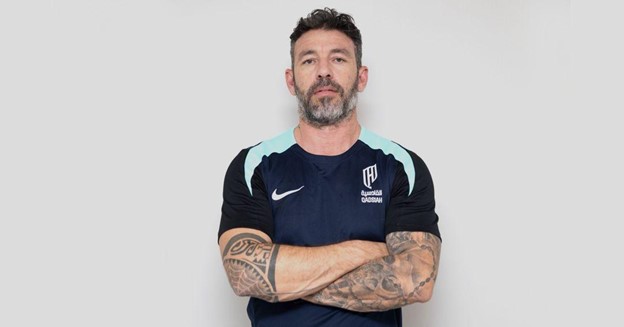
Dr. Simone Fornari, Italian football performance expert, wearing a training shirt with arms crossed.
Dr. Simone Fornari brings decades of experience in sports science and conditioning to help footballers reach peak performance.

Simone Fornari is a highly respected Italian sports performance expert with over two decades of experience working in elite football environments across Europe and the Middle East. Born on 20 July 1976 in Novi Ligure, Italy, after many years of field experience, he completed a PhD focused on athlete performance and the science of coaching, integrating practical expertise with a solid scientific foundation. His academic foundation is complemented by advanced training in leadership, intercultural communication, and applied sports performance, including certifications from FOCUS Sports Education and STATSports in GPS analysis for example.

Throughout his career, Dr. Fornari has held strength and conditioning roles with a wide range of professional football clubs. His journey includes positions at Genoa U17, Paniliakos in Greece, CSKA Sofia in Bulgaria, Universitatea Cluj and CS Universitatea Craiova in Romania, and Al-Kharaitiyat SC in Qatar. In 2022, he also worked with Politehnica Timișoara before moving to Saudi Arabia, where he collaborated with Al-Faisaly. From January 2024, he held a dual role as Strength & Conditioning Coach for the U19 team and Physical Performance Lead Coach at Al-Qadsiah Academy, becoming Head of Performance in July 2024. These experiences have given him a broad international perspective and deep familiarity with different footballing cultures, youth development systems, and high-performance environments. His diverse background in both youth and senior teams allows him to be adaptable and prepared to work at various levels of professional football.

Known for his evidence-based, athlete-centred methodology, Dr Fornari applies principles of ecological dynamics to create adaptable and resilient athletes. He places strong emphasis on data-driven training strategies, using tools like GPS analytics to optimise physical performance and minimise injury risks, while always keeping the athlete’s individuality at the center-recognizing them as a complex human being rather than a mere machine. He is an advocate for holistic development and promotes the concept of “invisible preparation,” which includes managing off-field behaviours and fostering psychological readiness. His coaching philosophy also incorporates complexity theory through frameworks such as the Cynefin model, enabling him to navigate uncertain and dynamic sporting contexts.

In parallel with his field work, Dr Fornari has made significant academic contributions. His doctoral research involved the development of applied tools like the Satisfaction Scale for Athlete in different contests and the High-Level Football Coach Profile, which aim to connect theoretical knowledge with real-world coaching practice. He often collaborates with players and coaches for survey-based projects and regularly publishes reflections and insights on LinkedIn, covering themes such as skill acquisition, self-organization, chaos in learning environments, and systems thinking in coaching.

His professional journey is marked by a deep commitment to continuous learning, innovation, and performance excellence. Whether through academic research or practical application on the training ground, Dr Simone Fornari continues to shape the future of football performance by blending scientific rigor with a human-centred coaching approach.

Our Exclusive Interview with Dr. Simone Fornari

Who is Simone Fornari outside of football? What experiences or values shaped your path into high-performance coaching?

Outside of football, I consider myself a facilitator of authentic leadership in complex contexts. My experience is rooted in understanding social, organizational, and interpersonal systems, developed through international contexts where I have collaborated with diverse teams across different cultures. These experiences have taught me the importance of deep listening, adaptability, and valuing each unique context. Values such as mutual respect, empathy, and integrity underpin my approach: I believe progress occurs by creating open environments where every voice is heard, and every variable is part of a dynamic system. I am convinced that true authentic leadership arises from self-awareness, active listening, and the ability to integrate rationality with emotional intelligence, presence, and responsibility. I believe that a genuine leader is not someone who has all the answers but someone who asks the right questions, fostering curiosity and deepening understanding.  Additionally, I am passionate about Philosophy and Communication, currently studying these fields out of personal interest. Although not directly part of my professional work, these studies profoundly influence who I am and how I approach challenges, fostering critical reflection, active listening, and empathetic communication. This passion enriches my everyday life, encouraging me to question, find meaning, and cultivate an open, conscious mindset.

Across your international career, how have cultural differences influenced your approach to athlete development and team management?

Working within diverse cultural contexts has taught me that each culture perceives the roles of the individual, the group, and leadership differently. This awareness has led me to develop a highly adaptable way of working, valuing diversity and promoting inclusion. For example, in some cultures, communication tends to be more direct, whereas in others, a more indirect and hierarchical approach is preferred. Being able to read and respect these differences allows me to build collaborative environments where people feel valued, secure, and motivated to contribute. I have understood that trust and active listening are essential for creating resilient teams capable of sustainably facing challenges, especially in complex and constantly evolving environments. Recognizing cultural differences becomes a vital tool for building meaningful relationships, fostering inclusion, co-creation, and long-term sustainability.

You have worked with clubs like CS Universitatea Craiova, Al-Faisaly, and Genoa. Which players or teams left a lasting impression on you and why?

Among the teams and players I’ve had the pleasure to work with, none stand out as more important than others. Every experience, athlete, and coach has been a piece of my professional growth. I’ve learned that there are no “more important” or “less important” individuals; each interaction contributes to shaping my approach. From working with high-level athletes to collaborating with emerging talents, I’ve realized that success is built on authentic relationships, active listening, and adaptability within the system. Emergent performance results from the interaction of multiple variables, and my role as a coach is to facilitate this interconnectedness, promoting autonomy and fostering sustainable, growth-oriented environments. True leadership manifests through qualities such as transparency, awareness, and ethical vision, not just managing people but building trust and facilitating shared growth processes.

How do you integrate data and performance analytics, such as GPS or constraint-led approaches, into daily training environments?

Technologies like GPS, sensors, and data analysis tools are fundamental for understanding the dynamics of athlete-environment interaction. I use these tools to gather objective data on movements, intensities, and behavioral patterns, which help identify strengths, areas for improvement, and critical issues. However, my approach always prioritizes the human element: data support decision-making but does not replace it. I contextualize this information within a broader framework that respects individual variability and promotes environments encouraging situational awareness, self-organization, and mental resilience. Technology thus becomes a facilitator of continuous learning and flexible adaptation, aiding in creating smarter, more sustainable growth environments while maintaining the centrality of human relationships.

In your PhD research and academic contributions, what key insights have you found most relevant for bridging theory and coaching practice?

My research and experience have taught me that effective coaching is based on facilitating interactions among many variables, with the goal of promoting autonomy and adaptation. My method involves creating training environments that foster self-organization, emergent learning, and resilience through systemic and practical approaches. I utilize tools such as continuous feedback, interaction analysis, and self-reflection techniques to help athletes and coaches interpret environmental signals and respond flexibly and creatively. My philosophy is grounded in the principle that optimal performance results from a dynamic balance among variables, and the coach’s role is to facilitate this interconnectedness – enhancing self-awareness and the capacity to adapt sustainably. By integrating the “three brains”, the rational neocortex, the emotional limbic system, and the instinctive reptilian brain, it is possible to develop a centered, credible leadership rooted in self-awareness and understanding of others..

Looking ahead, what is your long-term vision as a coach and sports performance professional?

I intend to continue innovating, including leveraging advanced technologies such as artificial intelligence and predictive analytics to better understand interaction dynamics and support more informed decision-making. Yet, the core of my work remains human-centered: relationships, empathy, and perception of human system variations are central to every intervention. My ambition is to promote an ethical coaching model that respects human complexity and diversity and can respond to the challenges of a rapidly evolving world. I aim to help athletes and teams develop resilient, adaptable, and sustainable performance systems over time, creating conditions that facilitate voluntary and sustainable change. The key lies in aligning rationality, emotionality, and presence: leaders who integrate these aspects, activating neural functions discussed by neuroscience, build credible, solid systems capable of facing the challenges of an ever-changing world, with social responsibility, ethics, and sustainability at the core.

La Revolución Financiera en el Fútbol

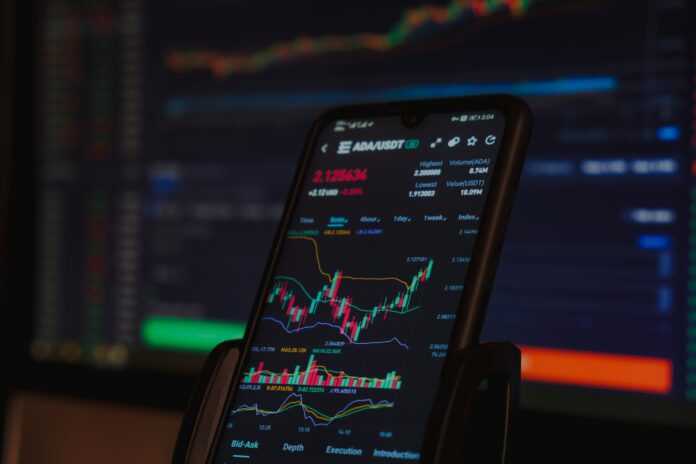
Photo by Sajad Nori on Unsplash

El fútbol está experimentando una transformación profunda, no solo en el terreno de juego, sino también en los despachos. A medida que los modelos tradicionales de clubes luchan bajo una creciente presión financiera, los fondos de inversión y el capital privado están interviniendo, redibujando el mapa económico del deporte. Este artículo es la primera parte de una serie titulada “Capital Privado en el Fútbol: ¿Un Cambio de Juego o una Apuesta Arriesgada?”, que explora cómo el fútbol está dejando de ser una actividad comunitaria para convertirse en un producto financiero, impulsado por la valorización de activos, el crecimiento comercial y la explotación de marca. Las implicaciones son enormes y plantean una pregunta central: ¿es este el futuro del juego o el comienzo de una crisis de identidad más profunda?

La Creciente Inestabilidad Financiera del Fútbol

En la última década, los costos operativos de los clubes de fútbol de élite en Europa se han disparado. Estos costos incluyen los salarios de los jugadores y del personal, las tarifas de transferencias, los gastos administrativos y operativos, el funcionamiento y mantenimiento de los estadios, los gastos de los días de partido, las instalaciones de entrenamiento y las academias juveniles. Según el Annual Review of Football Finance de Deloitte, el gasto total en salarios de los clubes de la Premier League aumentó un 10 % y superó por primera vez los £4 mil millones durante la temporada 2022/2023. En el mismo período, aunque los ingresos aumentaron en £603 millones —superando el incremento salarial de £377 millones—, el aumento de los gastos en salarios y los mayores costes de amortización provocaron aún así un incremento del 14 % en las pérdidas antes de impuestos de los clubes de la Premier League, alcanzando un total de £685 millones. Este aumento de los salarios, impulsado por contratos lucrativos y remuneraciones más altas para los jugadores, ha sido un factor clave en la escalada de costos que enfrentan los clubes. Además, los clubes de la Premier League vieron caer sus beneficios operativos (excluyendo la compraventa de jugadores) en un 18 %, situándose en £393 millones, ya que los costos operativos totales aumentaron hasta aproximadamente £1.6 mil millones, en parte debido a la inflación. Mientras tanto, la deuda neta aumentó en £473 millones, pasando de £2.7 mil millones a £3.1 mil millones en 2022/23, como resultado de las inversiones continuas en proyectos de infraestructura.

Además, las tarifas de transferencia también han experimentado un aumento dramático. Por ejemplo, la tarifa récord por un jugador en 2022 fue de £200 millones, pagada por el PSG por Neymar Jr, lo que pone de manifiesto las sumas cada vez mayores que los clubes están dispuestos a pagar por talento. Esta inflación en los traspasos genera preocupación sobre la sostenibilidad financiera de los clubes. La brecha entre ligas se está ampliando, con los clubes de la Premier League inglesa disfrutando de recursos financieros significativamente mayores que muchos de sus homólogos europeos.

Además, la pandemia de la COVID-19 desencadenó una grave recesión económica para muchos clubes de fútbol, especialmente en lo que respecta a los ingresos de los días de partido. El Informe Financiero de la UEFA reveló que las pérdidas netas combinadas de los clubes europeos superaron los €7 mil millones (£5.95 mil millones) durante el período de la COVID (2020 y 2021), siendo los clubes de la Serie A y La Liga algunos de los más afectados por los déficits. Los principales factores detrás de esta pérdida significativa incluyen una fuerte caída en los ingresos por días de partido debido a los estadios vacíos, lo que resultó en un déficit estimado de €4.4 mil millones (£3.74 mil millones), junto con una reducción en los ingresos comerciales y por patrocinio, que se proyecta en €1.7 mil millones (£1.45 mil millones). Los derechos de retransmisión también se vieron levemente afectados, contribuyendo con casi €1 mil millones (£850 millones) en pérdidas adicionales. La pandemia también tuvo un impacto en las asociaciones nacionales, ya que la UEFA asignó €236.5 millones (£201 millones) para apoyar a sus 55 asociaciones miembros en la superación de los desafíos provocados por la crisis sanitaria.

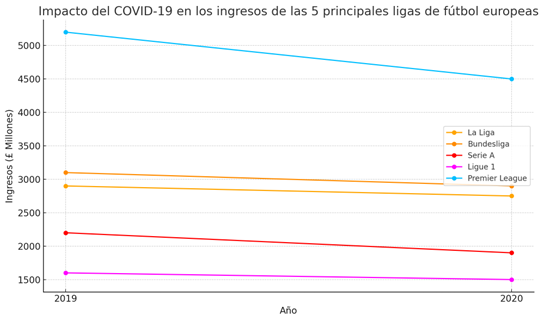
Durante la temporada 2019/20, el impacto financiero de la COVID-19 afectó gravemente a las principales ligas de fútbol de Europa. Según Deloitte, los ingresos de la Premier League cayeron un 13 %, pasando de £5.2 mil millones a £4.5 mil millones, lo que generó pérdidas significativas. La Bundesliga alemana experimentó una disminución más moderada del 4 %, bajando a £2.8 mil millones. En España, los ingresos de La Liga disminuyeron un 8 %, situándose en £2.7 mil millones. Francia, que canceló completamente su temporada, registró una caída del 16 %, hasta £1.4 mil millones. Mientras tanto, la Serie A de Italia sufrió la mayor caída, con una reducción del 18 % en sus ingresos, hasta £1.8 mil millones.

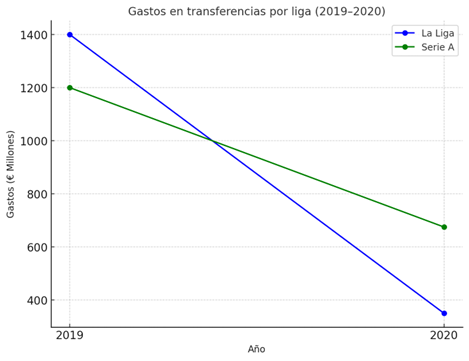
Esta crisis también impactó la ventana de fichajes del verano de 2020, durante la cual los clubes de la Serie A y La Liga redujeron drásticamente sus gastos en el mercado. Según el Observatorio de Fútbol CIES, los gastos de La Liga pasaron de €1.4 mil millones (£1.19 mil millones) en 2019 a €348 millones (£296 millones) en 2020, mientras que los de la Serie A disminuyeron de €1.2 mil millones (£1.02 mil millones) en 2019 a €667 millones (£567 millones) en 2020.

Estos desafíos financieros pusieron en entredicho los modelos de negocio de los clubes de fútbol. Obligaron a muchos de ellos a buscar nuevas fuentes de capital, y los fondos de capital privado empezaron a ver el fútbol como una oportunidad lucrativa, aunque arriesgada. Históricamente, los clubes de fútbol solían ser autosuficientes desde el punto de vista financiero, basándose en ingresos por días de partido, acuerdos de patrocinio local y modelos de propiedad por parte de los aficionados. Sin embargo, el auge de clubes de élite con propietarios multimillonarios y patrocinios globales ha ejercido una presión creciente sobre los clubes tradicionales. La capacidad de competir al más alto nivel requiere ahora una inyección de capital significativa, algo que los modelos comunitarios ya no pueden sostener en los niveles más exigentes de la competencia.

La Aparición de los Fondos de Inversión como Nuevos Actores de Poder

Las firmas de capital privado se han convertido en actores clave en el mercado global del fútbol. Por ejemplo, RedBird Capital Partners, CVC Capital Partners, Silver Lake y 777 Partners han realizado importantes inversiones en clubes de fútbol de toda Europa. Estos nuevos protagonistas del juego están definidos bajo el concepto de propiedad multi-club (Multi-club Ownership, MCO). La UEFA distingue entre la propiedad multi-club, donde una entidad ejerce control o influencia decisiva sobre varios clubes, y la inversión multi-club, que implica participaciones financieras sin control operativo directo.

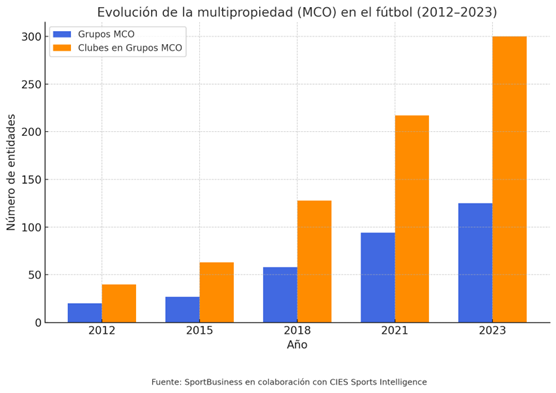
En los últimos años, la expansión de estas redes multi-club se ha acelerado drásticamente. Sin embargo, la propiedad multi-club no es una innovación reciente. Ya en los años 90, ENIC (English National Investment Company) comenzó a adquirir participaciones en clubes como el Tottenham Hotspur, Rangers FC, Slavia Praga y AEK Atenas, considerando el fútbol principalmente como un vehículo de inversión. Posteriormente, el modelo evolucionó con la adquisición de múltiples clubes por parte de Red Bull como estrategia de marketing, y más tarde con la aparición del City Football Group (CFG), ampliamente considerado como el primer ejemplo estructurado y estratégico del modelo MCO moderno. La cartera global de CFG abarca actualmente 13 clubes en cinco continentes.

Lo que comenzó como una estrategia de inversión de nicho se ha convertido en un fenómeno global, con más de 125 grupos de propiedad multi-club activos que actualmente gestionan aproximadamente 380 clubes y más de 13,000 jugadores en todo el mundo. La creciente tendencia de la propiedad multi-club es una de las principales estrategias que están utilizando las firmas de capital privado para maximizar sus rendimientos. Esto pone de relieve la creciente presencia de los fondos en el fútbol y su consideración de esta industria como un activo financiero sólido.

¿Qué Significa Esto para el Futuro del Juego?

Del Fútbol Impulsado por la Comunidad al Fútbol Impulsado por el Capital

La entrada masiva de capital privado en el fútbol está transformando el deporte, alejándolo de sus raíces tradicionales basadas en clubes comunitarios para adoptar un modelo cada vez más orientado al capital. Los fondos de inversión se preocupan menos por preservar la identidad local y se centran más en obtener rentabilidad financiera. Esto ha llevado a una profesionalización de las operaciones de los clubes, pero también genera preocupaciones sobre la pérdida del espíritu comunitario que el fútbol solía representar.

Los modelos de propiedad multi-club (MCO) tienden a reducir clubes históricos a meros activos dentro de una cartera comercial más amplia, lo que entra en conflicto con los valores tradicionales de comunidad, identidad y patrimonio local. Los clubes de fútbol fueron fundados para servir a sus comunidades locales, no como vehículos para la franquicia o la maximización de beneficios. Además, la rentabilidad financiera de las inversiones MCO sigue siendo cuestionable. El desarrollo de rutas efectivas de formación de jugadores entre clubes es raro, y mantener la competitividad requiere inversiones continuas y significativas. Para muchos, la sostenibilidad a largo plazo de este modelo sigue siendo incierta.

Gestión y Operaciones Optimizadas

El deporte profesional europeo se encuentra en una encrucijada estructural. Los clubes de fútbol son pilares culturales, profundamente arraigados en sus comunidades, pero muchos siguen siendo persistentemente no rentables. En la mayoría de las industrias, las empresas inviables están destinadas a fracasar; en el fútbol, el apego emocional hace que el fracaso sea casi impensable. Sin embargo, este valor sentimental oculta una realidad económica preocupante.

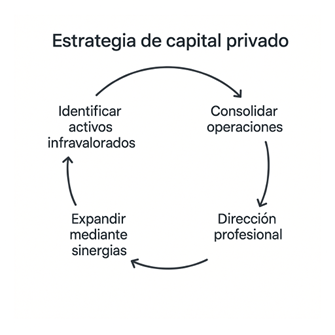
En 2022, más del 55 % de los clubes europeos registraron pérdidas netas, incluso en medio de una recuperación postpandemia. El modelo de propiedad multi-club (MCO) introduce una estructura empresarial racional, aplicando la clásica estrategia de capital privado. Este marco consiste en:

Con el capital privado al mando, los clubes han pasado a ser gestionados de forma más profesional, con un mayor énfasis en optimizar las fuentes de ingresos y controlar los costos. Esto incluye recortar gastos innecesarios, maximizar las alianzas comerciales y enfocarse en el retorno financiero. La implementación de la toma de decisiones basada en datos también se ha vuelto más común, ya que los inversores exigen un mejor seguimiento del rendimiento financiero, los indicadores clave de desempeño (KPIs) y la maximización de ingresos. Más que un motor de crecimiento, este enfoque se considera cada vez más como una tabla de salvación para la sostenibilidad a largo plazo.

Riesgos Potenciales

El principal riesgo en esta transición es que los clubes de fútbol puedan perder su identidad central. Podría darse prioridad a los accionistas sobre los aficionados. El aspecto comunitario del fútbol, donde las pasiones y tradiciones de los seguidores influyen parcialmente en la toma de decisiones del club, podría ser reemplazado por un modelo financiero cuyo objetivo principal sea la maximización del beneficio. Esto podría derivar en una mentalidad cortoplacista, en la que los clubes prioricen retornos rápidos en lugar del éxito a largo plazo, lo que podría perjudicar el aspecto deportivo del fútbol.

A pesar de su atractivo financiero, el modelo de propiedad multi-club presenta importantes desafíos estructurales y culturales. Los clubes bajo una propiedad compartida pueden tener dificultades para preservar su identidad individual, poniendo en riesgo la dilución del patrimonio y la lealtad de los aficionados. El desafío radica en equilibrar las ambiciones competitivas, la historia y la identidad de cada club dentro del grupo. Es imprescindible que cada club dentro del grupo siga siendo ambicioso, tanto para apoyar el desarrollo de jugadores al más alto nivel como para asegurar que los aficionados continúen viendo la mejor versión de su equipo.

Conclusión

De cara al futuro, se espera que el auge de la propiedad multi-club se acelere, ya que más inversores buscan diversificar sus activos y aprovechar las sinergias operativas entre los clubes afiliados. Sin embargo, esta creciente concentración de la propiedad ya está siendo objeto de escrutinio por parte de organismos reguladores como la UEFA, especialmente en torno a cuestiones de integridad competitiva y posibles conflictos de interés. No obstante, si este modelo tiene éxito, podría no mantenerse exclusivo del fútbol, sino abrir el camino para una adopción más amplia en otros deportes profesionales como parte de una tendencia global hacia la propiedad multi-deportiva.

¿Es inevitable la creciente influencia del capital privado en el fútbol, o estamos siendo testigos del inicio de una revolución peligrosa que podría socavar el patrimonio del deporte? Esta pregunta sigue siendo central mientras el fútbol continúa evolucionando bajo la presión de imperativos financieros. En el próximo artículo, como parte de esta serie sobre capital privado en el fútbol, analizaremos más de cerca la aparición de las MCO y examinaremos cómo estas ven el fútbol como un vehículo para la creación de valor a largo plazo, la expansión de marca y la diversificación estratégica de su portafolio.

Club World Cup: Global Football’s Big Stage

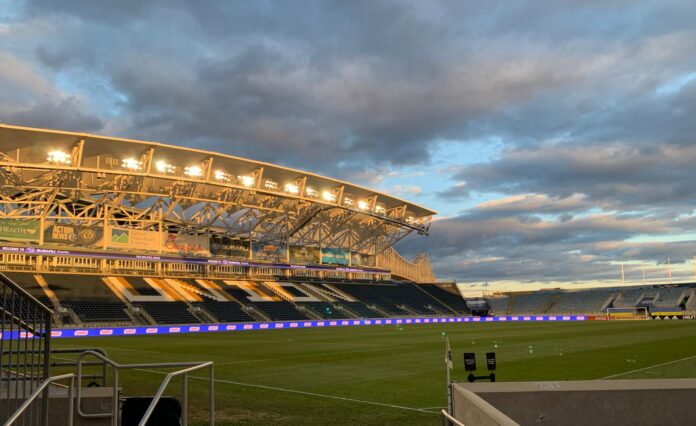
Subaru Park in Chester, Pennsylvania, illuminated at sunset ahead of a FIFA Club World Cup 2025 match.
Subaru Park, home of the Philadelphia Union, served as one of the host stadiums for the FIFA Club World Cup 2025.

The first club tournament following a format similar to the FIFA World Cup was, without a doubt, a major test and a preview of what next year’s event might look like.

From an audience standpoint, the tournament was undeniably successful, with international free streaming by DAZN, a streaming company that acquired the broadcast rights through a massive investment from Saudi Arabia.

On the pitch, the matches were more balanced than expected between European and non-European clubs, particularly the Brazilian teams and Saudi Arabia’s Al-Hilal. Theories behind this surprise performance point to the physical condition of the Brazilian clubs, who are in mid-season and more accustomed to playing in high temperatures similar to the U.S. summer. However, Brazil’s football calendar, which includes state championships during the summer, is very long. Clubs play around 70 matches per year and, due to the country’s continental size, they travel far more during competitions, often playing in other South American countries under severe altitude conditions.

European clubs played around 50 matches in the season, while Brazilian teams had already played about 40 on average. Another point raised by the sports media was the level of importance clubs (especially players) gave to the tournament. Some European-based players complained they would have preferred to be on vacation and said they were, in a way, forced by their clubs to play in the competition for financial reasons. These players seem to forget that, in order to afford the high salaries they earn, clubs must seek new revenue streams, such as prize money and marketing exposure from participating in the Club World Cup.

It’s understandable that the championship, still in its first edition, doesn’t carry the same weight for European clubs and their players as it does for Brazilian ones. However, elite athletes, once on the field, tap into their competitive spirit and that’s exactly what we saw, especially during the playoffs. At that stage, the stronger European squads (with better options to cover suspensions and injuries, and in Chelsea’s case, even bringing in key reinforcement João Pedro) overcame the non-European teams. The final match featured PSG, the best team of the season, and Chelsea, with its young, developing squad.

Even without making the final, Brazilian clubs had a very positive outcome, gaining international exposure for their brands and increasing the potential value of international broadcasting rights for the Brazilian league. Additionally, the Saudi club showed that their billion-dollar investment is paying off, which may attract even more top-tier talent to Saudi football. The country is set to host the 2034 World Cup, and given the development of its domestic players, it looks poised to make a respectable showing as host.

In the stands, there was a rich diversity of fans sharing their love for their clubs, a passion that, for many, runs deeper than national pride during World Cup season. However, despite U.S. experience hosting major sporting events and having modern stadiums, the event’s organization showed significant flaws. There were widespread complaints about traffic congestion around stadiums, limited parking, high ticket prices (which dropped for many matches due to poor sales), confusion at entry points, match delays due to weather, and limited access to food and water inside venues.

I believe all of these issues were stress-tested and will be reviewed by FIFA to improve the fan experience. The next challenge will be even greater, considering the tournament will be hosted across three different countries.

The Club World Cup proved that football is more global than ever, not only on the field but also in how fans engage with the sport. And it showed that the love for football in the U.S. is no longer just an immigrant phenomenon.

Scandinavian Football’s Hidden Talent Factory

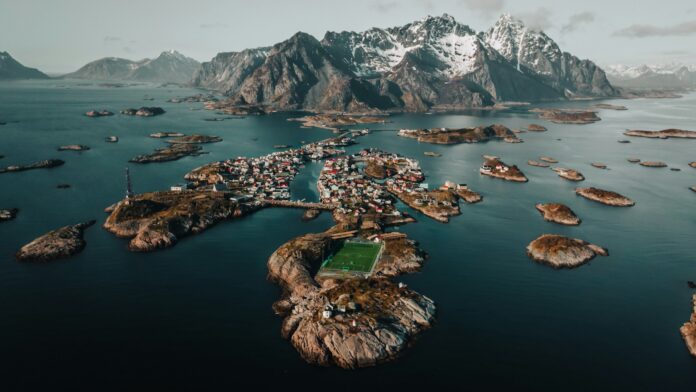
Aerial view of a coastal Scandinavian village surrounded by islands and mountains, featuring a football pitch prominently placed on a rocky outcrop.
Photo by Tetiana Grypachevska on Unsplash

Zlatan Ibrahimović, Erling Haaland, Alexander Isak, Lucas Bergvall, and Rasmus Højlund, just a few names that highlight the growing wave of talent emerging from the Scandinavian football market. These players, all developed and exported by Scandinavian clubs, have gone on to make major impacts on the European stage. But it wasn’t always this way. As recently as a few years ago, Scandinavia wasn’t seen as one of Europe’s prime talent pools.

In the 2019/20 season, a total of 174 players from Sweden, Denmark, Norway, Finland, and Iceland made permanent moves to clubs outside the region. By the 2023/24 season, that number had grown to 285, a 64% increase. So, what’s behind this increase? What makes the Scandinavian market so attractive, and which markets are these players going to?

Club Ownership Structures: A Development-Focused Model

One key factor is the unique ownership structure of many Scandinavian clubs. In Sweden, Norway, Finland, and Iceland, football clubs generally follow the 50+1 rule, meaning the majority of voting rights must be held by club members, usually the fans. This limits the power of private investors and prioritizes long-term sustainability and development over short-term profit.

Denmark, however, stands out as the exception. It allows full private ownership, which has led to significant investment in clubs like Brøndby IF, owned by Global Football Holdings and FC Midtjylland, formerly backed by Matthew Benham, who also owns Brentford FC. This contrast in ownership models has influenced each country’s approach to player development and recruitment.

Developing Talent from Within

Without access to large financial resources, most Scandinavian clubs rely heavily on their academies and internal development programs. Rather than spending heavily on star players, they invest in identifying, training, and promoting young talent.

Scandinavian clubs are also known for scouting within their own region, often signing players at low cost, developing them through structured programs, and selling them on to larger clubs. Notable talent-producing clubs include IF Brommapojkarna, Djurgårdens IF, Malmö FF, and AIK Fotboll.

These clubs consistently give young players meaningful first-team opportunities. For example, 18-year-old Bleon Kurtulus has started every match this season for Halmstads BK, gaining valuable top-flight experience and attracting international attention.

Another reason for the rise in exports is greater visibility through UEFA competitions. Clubs like Malmö FF, Bodø/Glimt, FC Copenhagen, and Midtjylland have participated more frequently in the UEFA Champions League and Europa League group stages over the past decade. These appearances offer international exposure for young players and allow scouts from top clubs to evaluate them against stronger competition.

When a Scandinavian club performs well in Europe, like Bodø/Glimt’s impressive run in the Europa competitions, it signals that their talent is capable of competing at a higher level.

Similarly, the academies of clubs in Denmark such as FC Copenhagen have always been at the forefront of recruiting players from a young age both in Scandinavia and from abroad and competing on a higher level. An example of this would be Roony Bardghji, transferring from Sweden to Denmark, getting appearances in the UEFA Champions League and now transferring to FC Barcelona. Sweden, in particular, benefits from a diverse population, with many young talents coming from the Middle East and the Balkans. Anel Ahmedhodžić, for instance, was born and raised in Malmö before making the move abroad to continue his career on a higher level.

Data-Driven Development and Coaching

One of the most impactful shifts in recent years has been the adoption of data and performance analytics across Scandinavian football. Clubs are increasingly using advanced metrics to scout players, design training programs, and improve tactical decision-making. Danish clubs such as FC Midtjylland have been at the forefront of this movement, implementing data models to identify undervalued players and optimise match preparation.

This analytical approach has created a smarter development environment, allowing Scandinavian clubs to compete intellectually, even if they can’t always compete financially. As a result, players trained in these systems are tactically well-educated and adaptable, which are traits that appeal to clubs in bigger leagues.

Scouting Beyond Borders: The African Pipeline

In recent years, Scandinavian clubs have also found great success in scouting talent from Africa. Young African players are often brought into Scandinavian academies, where they benefit from high-quality coaching, strong infrastructure, and a clear pathway to the first team.

These players tend to adapt quickly and showcase their abilities early, catching the attention of scouts from top European leagues. Denmark has particularly embraced this strategy. FC Nordsjælland, through its “Right to Dream” program, has become a prime example of combining African scouting with structured player development.

Top Destinations for Scandinavian Football Talent

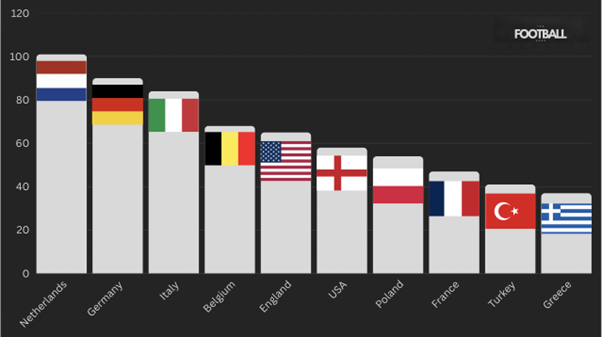
An analysis conducted on transfer data from 2019/20 to the 2025/26 season shows clear trends in the destinations of Scandinavian players. The top ten markets for exported talent include:

Bar chart showing top 10 countries where Scandinavian football talent is exported, with the Netherlands, Germany, and Italy leading the list.
Figure 1 – (Source: Faraz Alemtar)

Among these, the Netherlands stands out as the most frequent destination, followed by Germany, Italy, Belgium, and the United States.

Why the Netherlands?

The Netherlands has become a natural landing spot for Scandinavian players for several reasons. First, the cultural and lifestyle similarities help players settle in quickly. The Dutch Eredivisie and Eerste Divisie is also known for prioritising the development of young talent, with clubs unafraid to give younger players significant minutes in competitive matches.

From a footballing perspective, the Dutch style focuses on technical ability, attacking play, and tactical intelligence, which aligns well with the type of training Scandinavian players receive. Furthermore, salaries in the Netherlands are generally higher than in Scandinavian leagues, making the move financially attractive.

There’s also a deeper connection between Dutch and Scandinavian football philosophies. Both regions emphasise player education, positional play, and responsibility on the pitch. In both systems, players are expected to be intelligent decision-makers, not just athletes. This similarity means Scandinavian players often require less time to adapt to Dutch football than they would in other leagues.

In addition, the Netherlands often serves as a proven stepping stone to Europe’s top five leagues, making it an appealing intermediate destination for ambitious players seeking upward mobility.

The rise of the Scandinavian football market is no accident. It’s the result of smart ownership structures, a strong focus on youth development, data-driven decision-making, effective international scouting, and increased exposure through European competition. Scandinavian clubs have built efficient systems that consistently produce talented, well-rounded, and tactically prepared players.

As more European clubs recognise the quality and value of this talent pool, Scandinavia is no longer just an under-the-radar region, it’s a vital part of the global football ecosystem, and one of the most exciting talent factories in the world today and its growth will continue in the football industry.

Who is Jan Wappler?

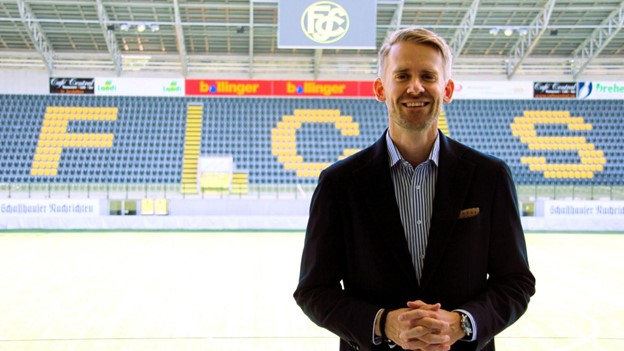
Jan Wappler standing in front of the FC Schaffhausen stadium stands, smiling in a suit
Jan Wappler, current Chief Commercial Officer of FC Schaffhausen, bringing his international expertise to Swiss football.

Jan Wappler is a Swiss-Australian football executive whose professional path blends international experience, strategic leadership, and a deep belief in the transformative power of sport. With dual citizenship and a background that spans public service, global education, and executive roles across several football institutions, Jan has become known for helping historic clubs reposition themselves with purpose, identity, and ambition.

Born in St. Gallen, Switzerland, and shaped by a multicultural upbringing, Jan has always been drawn to international environments. He speaks several languages fluently and developed an early passion for travel and cultural exchange. Although his initial professional years were spent in Switzerland’s public and private sectors, a desire for greater purpose and impact led him to change course at age 30, committing fully to a career in sports. With a long personal history in tennis and a growing appreciation for the unifying spirit of football, Jan made the transition in 2016, viewing it as both a personal reinvention and a natural evolution of his interests.

In the years that followed, Jan gained practical football management experience across multiple countries. He worked with UD Ibiza in Spain, contributed to special event operations at VfL Wolfsburg in the Bundesliga, and spent time at FIFA’s Zurich headquarters. These roles helped him build a foundation in club operations, matchday management, and strategic coordination within football’s institutional landscape. His academic background, including an MBA in Sports Management from Escuela Universitaria Real Madrid – Universidad Europea, a CEMS Master in International Management from the University of Sydney, and a Bachelor’s degree in International Relations from Bond University, added strong theoretical grounding to his growing hands-on expertise.

Jan’s most recent role was as Director of Corporate Affairs at Real Club Deportivo de La Coruña, one of Spain’s most storied football clubs. Joining Dépor in 2023, he helped drive a new era of institutional and cultural renewal. His responsibilities spanned rebranding the club’s visual identity, leading its communication and marketing strategies, structuring new international partnerships, and promoting corporate social responsibility initiatives. During his tenure, Dépor secured promotion from the third division to LALIGA Hypermotion and managed to consolidate its position in the second tier by the end of the 2024–2025 season. Jan’s role was central to the club’s off-pitch transformation, building a more contemporary, connected identity to match its sporting revival.

In the summer of 2025, Jan made a personal and professional return to Switzerland, taking on a new challenge as Chief Commercial Officer of FC Schaffhausen. One of the country’s oldest clubs, founded in 1896, FC Schaffhausen is embarking on a long-term rebuilding project following recent relegation to the third division. Under new ownership with Lotus One Swiss AG, which is part of the Lotus Singapore Group, a global entity with philanthropic values, a new and visionary local president in Martin Frick who is a successful businessman from the banking and banking technology industry, Boletin Hasani, a young and dynamic entrepreneur and CEO as well as sporting director Bernt Haas who played at the top level in Switzerland and across Europe, the club is undergoing deep structural reform. Jan is at the heart of this transformation, overseeing sponsorship, marketing, fan engagement, CSR, and infrastructure coordination as part of the club’s extended management team.

His arrival at FC Schaffhausen reflects both continuity and ambition. Like his work in Spain, this new role places him in a position to help restore a historic club’s identity, strengthen its relationship with the local community, and prepare it for sustainable long-term growth. The goal is clear: to return to the Swiss Super League within five years, driven by professionalism, financial discipline, and strong civic engagement. For Jan, the opportunity to contribute to a football institution deeply rooted in a region known for its landscapes, wines, and the Rhine Falls represents both a homecoming and a new chapter in his career.

Jan Wappler’s trajectory reveals a consistent commitment to rebuilding institutions with heritage, heart, and vision. Whether in Galicia or Schaffhausen, he has become a trusted leader in helping clubs navigate complex transitions while anchoring their future in purpose-driven strategies.

Our Exclusive Interview with Jan Wappler

Who is Jan Wappler beyond football? How would you describe yourself outside the game?

Thanks to my international upbringing in a multicultural household, I very much feel like a citizen of the world. At least that’s how I’ve seen myself for most of my life. Closing in on my 40th birthday, it is true that I now feel more drawn to my place of birth again which is also one of the reasons my wife and I decided to return after our recent time abroad in Spain and once again make it our home. That said, I still am very much interested in all things related to international travel, foreign cultures and languages, music, traditions, food, most definitely also global football, as well as our dachshund dog Suki. Finally, my wife being Brazilian (of Japanese descent) also makes me a huge fan of everything to do with Brazil (as well as Japan).

You’ve worked and studied across Switzerland, Spain, Germany, Turkey and Australia. How have these diverse environments shaped your approach to football leadership and club development?

You obviously take away many learnings and experiences from every country or club you work in or for. It’s true that the countries I’ve worked (and studied) in are quite diverse and at times the total opposite of each other in terms of work ethic, organization, but also as far as the intensity of passion for the game. Each of the opportunities I’ve had, whether in a big, medium, or small-sized club, a meticulously organized or a more chaotically run club (or country), it teaches you the importance of being flexible and the need to adapt to every situation as quickly as possible. It’s about understanding the location the club is in, who it represents, the culture and mentality of the city and its people, quintessentially its identity, what makes it tick and distinctive from others. Before being able to develop a project or starting to work effectively, I believe it is paramount to understand the place you’re in, engage in a lot more listening than speaking, and most importantly, work to gain the trust of those around you.

Looking back, what made you take the leap into the sports industry at age 30, and how did that decision change your outlook both professionally and personally?

I came to the conclusion and conviction that I wanted to enter an industry I had always been passionate about and from a very young age at that. In my case, this moment came about at age 30, but I believe it could also have happened sooner or later. The moment itself is not important as such, but your conviction and especially in my case, my gut feeling told me it was the right path to take.

Looking back, making this decision taught me that if you’re truly passionate about something, you must pursue it no matter what instead of playing it safe and avoiding it as a way of escaping uncertainties and dealing with the unknown. In addition to this, I definitely also believe that taking a leap of faith as I did showed me that it is never too late to go and find your luck.

At Deportivo La Coruña, you oversaw the beginnings of a rebranding project as far as visual and verbal identity as well as corporate repositioning. What were the biggest challenges and successes of that process?

Whilst this project is yet to be completed and finally unveiled by some of my talented and dedicated former colleagues, I look back at the beginnings of the task and remember clearly how sensitive a topic it was as a whole. At the end of the day, you’re diving into history, traditions, emotions, identity and sentiment, all of which are such crucial elements that define a football club and generate belonging and connection among its supporters. Therefore, to even embark and decide to be brave and convince a number of colleagues (locals and non-locals) that this is and will be a major part of the club taking the next step towards returning to the biggest stages, a place it truly belongs, was definitely not easy. When your club is deeply rooted in traditions where every little detail you may want to tweak or not could turn into a major upheaval causing shockwaves in your fan community, you must consider very carefully what you really want to achieve with the rebranding or repositioning as a whole. Therefore, defining the “why” as well as the scope of the project was definitely the biggest challenge to begin with, the “how far do we want to go with this?”. Secondly, you need to find the right partners to accompany you along that ensuing process. We knew that any potential partner (visual and creative) would have to literally immerse themselves in the club, the city, experience the at times harsh climate, see the sights and hear the sounds, taste the cuisine, learn all the history and details… in essence, experience it all to understand the identity, passion and what the overall sentiment of Dépor is for its “socios” (members), loyal fans as well as the wider community. I’m sure that the project will be a success knowing the people who worked on it, contributed to it both from a visual and verbal perspective, and I can’t wait to see it all come alive when the club deems it is appropriate to do so.

Having worked with clubs of different sizes and histories, what are the key ingredients for long-term, sustainable success in modern football?

At the risk of sounding too simplistic, I am deeply convinced that regardless of a club’s size or history, the key ingredient for sustained success in modern football is the environment the club operates in and the people that work in it, for it and around it. The bigger the club or the more significant its history, the greater the pressure and expectation will usually be. To offset this burdensome pressure, I think it is essential to create a bubble for a positive and harmonious work environment to take place which allows a myriad of puzzle pieces to all come together to fit perfectly as one big piece. When your core group of collaborators possesses the talent, confidence, the right mentality, has mutual respect among and for each other, and when there is a culture of recognition, empathy and empowerment, you can achieve incredible things. Naturally, there are a number of key and well-known organizational, sporting and financial variables which can determine if a club can have long-term and sustainable success both on and off the pitch, but to me personally, the key ingredient and starting point with the ability to make or break a project as the most sensitive component of all, has to be the culture, people and overall environment surrounding a club.

In an increasingly globalized football landscape, how important is local identity in shaping a club’s commercial and cultural strategy?

Local identity is extremely important in a landscape of international clubs competing both for global audiences as well as commercial and global relevance. Having a clear understanding of your local identity will go a long way towards defining your purpose, explaining who you are, giving an answer as to why you’re doing what you’re doing, simply put, it lays out your raison d’être and should be a source and guiding principle for your mission, vision and set of values as a club.

Your current role at FC Schaffhausen comes at a time of major structural change. What excites you most about being part of this rebuilding phase?

What excites me most is the opportunity to help and contribute towards the club improving one step at a time, giving it a professional structure and gradually restoring the community’s sense of belonging and pride in the club. Not long ago in 2022 FC Schaffhausen played a promotion playoff to secure a spot in Switzerland’s top division. Although eventually unsuccessful, it certainly showed the potential the club has. At the same time, the downward spiral that followed was a real pity to see. Speaking with different sectors of society in my short time since joining the club, you can sense and truly feel the pain which the recent decline has caused. Therefore, a huge accomplishment and satisfaction would be for us to bring the smiles back to the faces of all the people who sympathize with FC Schaffhausen and rekindle the excitement among so many young kids who want to be proud of their team again.

What are your future ambitions in football, and how do you see your role evolving in the broader landscape of the sport?

In my still short time of being part of this industry, I have already had the privilege of meeting so many interesting people and profiles, learning from diverse professionals in different countries and also working alongside immensely talented colleagues, including one of the finest young CEOs in club football today. That alone already makes me very happy and proud in itself. With that in mind, and to be perfectly honest with you, I don’t plan to look too far beyond the here and now of where I am today. Therefore, my immediate ambition is to do as well as I can in my current role to help the ownership and leadership team by contributing towards creating a better future for FC Schaffhausen, improving the club’s standing within society and regaining trust and confidence among partners, fans and the community alike. Beyond that, I don’t have any predefined ambitions or expectations and neither do I have a clear idea or estimate of how long I will continue or not continue to be part of this industry. What I do know, however, is that a role like my current one, being at the intersection and center of so many vitally important functions and departments in a club, should and must always have a crucial role to play in order to create what I mentioned earlier, namely, a positive and protected work space and environment where everyone can thrive and excel to the best of their abilities to the overall benefit of the club they work for and represent. I often refer to this role or liken it to that of “Chief of Staff”, one which already exists in a number of football clubs, but I believe should and will further grow in importance and prominence across clubs going forward.

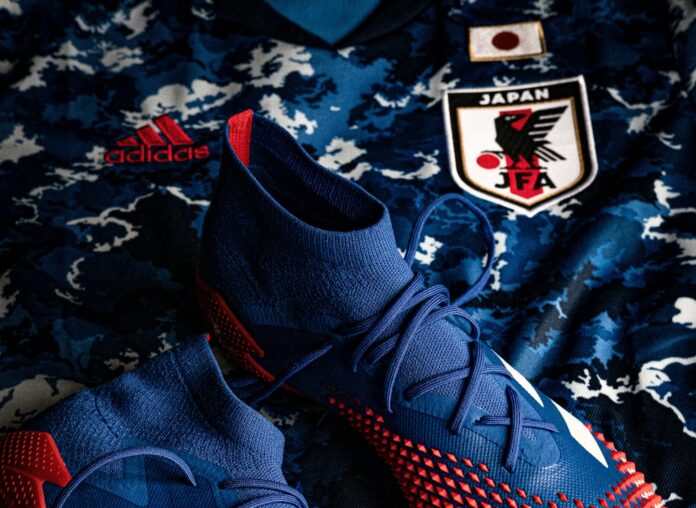
Why Japanese Football Is Rising: A Unique Development Path

Close-up of blue and red Adidas football boots placed on the Japanese national team jersey, featuring the JFA (Japan Football Association) crest.
Photo by Braden Hopkins on Unsplash

In recent years, Japanese football has experienced remarkable progress. An increasing number of Japanese players are making their mark in Europe’s top leagues, and at the 2022 FIFA World Cup in Qatar, the national team drew global attention by delivering impressive performances against football powerhouses such as Germany and Spain. The Japanese national team is now regarded by many as the “strongest in history,” and behind this success lies a unique player development system unlike that of any other country.

In Europe, known as the heartland of football, talented young players typically join professional club academies in their early teens. There, they undergo rigorous training and intense competition, with the aim of debuting for the first team around the age of 18. It is not uncommon for particularly gifted players to make their presence felt on the global stage while still in their teens.

Japan, however, has taken a different path. While many players do come through the academies of professional clubs, the country still places significant value on high school and university football as important gateways to the professional ranks. In recent years, the route of entering university and turning professional between the ages of 20 and 22 has gained recognition as a pathway that produces well-rounded, mature players ready to contribute immediately at the highest level.

This system is deeply rooted in Japan’s unique cultural and educational values. The concept of “bunbu ryōdō” — the balanced pursuit of both academics and athletics — is highly regarded, and it is common for aspiring footballers to prioritize education, often influenced by parents who place strong emphasis on academic achievement and long-term stability. Even after signing professional contracts, many young players do not immediately break into first-team action. University football offers a crucial opportunity to develop physical strength, tactical understanding, and personal maturity — all of which lay a solid foundation for a sustainable professional career.

Two prime examples of this pathway are Kaoru Mitoma, who now plays for Brighton in the Premier League, and Hidemasa Morita, a key player for Sporting CP in Portugal. Both players honed their skills and gained invaluable experience at the university level before entering the professional game. Their smooth transition to European football and rapid rise to prominence demonstrate the effectiveness of Japan’s unique development model.

Another distinctive feature of Japanese football is the coexistence of J.League youth academies and school football. In many countries, failing to enter a professional club’s academy significantly narrows one’s chances of pursuing a football career at a high level. In Japan, however, established pathways through high school and university football allow players to select environments and timing that best suit their individual growth.

It is precisely this diversity of development routes, combined with a cultural emphasis on steady, step-by-step progression, that has fostered the depth, competitiveness, and resilience seen in Japanese football today. Instead of chasing only “early-blooming prodigies,” Japan’s system enables players to develop at their own pace, resulting in a steady stream of talent capable of competing on the global stage. This unique environment is now being recognized worldwide as a one-of-a-kind model.

Looking ahead, Japan’s continued success will depend on how effectively this system can be refined and adapted while facing the fierce competition of European and global football. Yet, the achievements to date provide clear evidence that Japan is steadily moving in the right direction.

Feel Your Way into Flow

A tranquil mountain river flowing through rocks and forest, symbolizing mental clarity and flow state
Photo by kazuend on Unsplash

In football, being “in the zone” is a familiar experience. Those moments where everything clicks, decisions are instinctive, movements effortless, and the game seems to slow down. This state is often referred to as flow – a psychological sweet spot where presence and performance intersect.

But what if flow isn’t just something that happens? What if it’s something we can train? Not by doing more or thinking harder, but by developing the subtle skill of feeling.

What Is Flow?

The concept of flow was introduced by Hungarian American psychologist Mihaly Csikszentmihalyi (pronounced Me-high Cheek-sent-me-high). A leading voice in positive psychology, Csikszentmihalyi studied how people enter states of deep focus and optimal experience, whether they’re athletes, musicians, or artists.

In his book Flow: The Psychology of Optimal Experience, he described flow as:

“A state in which people are so involved in an activity that nothing else seems to matter. The experience itself is so enjoyable that people will do it even at great cost, for the sheer sake of doing it.”

Flow is marked by:

  • Total absorption in the moment
  • A merging of action and awareness
  • Loss of self-consciousness
  • Time distortion
  • A sense of control
  • Effortlessness and intrinsic reward

In football, it looks like freedom under pressure. A player who isn’t thinking about the game. They’re simply inside it.

But how do you access that more consistently?

Feeling as a Gateway to Flow

Here’s a working hypothesis from years of experience inside elite football:

Flow becomes more accessible when a player develops the capacity to feel. Not just naming emotions but staying present with the felt sensations in the body without needing to escape them.

This isn’t about overthinking. Flow involves the absence of thought. What we’re pointing to is something quieter. The ability to remain open to the physical, emotional, and energetic shifts happening inside, with softness and without resistance.

You might call it embodied emotional agility. A capacity to feel clearly and move freely, even under pressure.

Face it. Feel it. Let it Go.

This ability to feel, stay open, and release pressure can be trained. One tool I’ve developed for this is a simple process:

Face it. Feel it. Let it go.

It helps players meet intensity without collapsing or overcompensating. And it works in real-time, not just in seated meditation.

Face it: Recognise what’s arising; nerves, tightness, fear, frustration. Meet it directly without turning away.

Feel it: Tune into the sensation in the body. Not the story, just the experience. Notice it in your chest, shoulders, breath, belly. Stay with it.

Let it go: Allow it to move through. Letting go doesn’t mean pushing it away. It means giving it space to shift naturally, without clinging or suppression.

Using It in Real Life and Performance

This process works in everyday training, high-stress moments, and extreme challenges. For example, I used it during a 100km ultra-run from London to Brighton. Whenever fatigue or overwhelm kicked in, I returned to this process. It changed the nature of the experience. I wasn’t fighting my way through. I was feeling my way forward. That’s a massive difference.

Other places to train this:

  • Tough training sessions
  • Cold immersion
  • Endurance events
  • Rehab and return-to-play moments
  • Pre-match intensity
  • Quiet daily life

This is not the only way. It’s simply a way. A practical, repeatable system to build emotional agility and presence – skills that open the space for flow to arise.

More Than Performance

This isn’t just a performance tool. It’s a human skill. The more you practise feeling and releasing in the everyday, the more available you become during competition. You carry less internal resistance. You access more clarity. And you move with a freedom that can’t be forced.

The best part? You can train it anytime, anywhere.