Home Blog Page 22

日本サッカー躍進の鍵:世界唯一の育成システムとは?

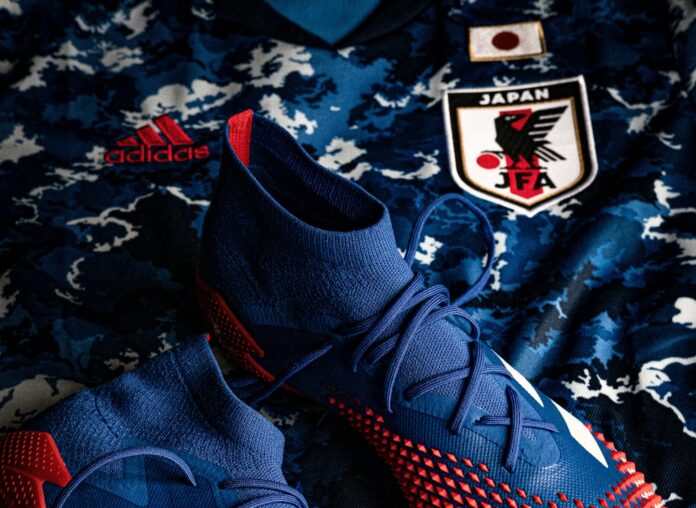
Close-up of blue and red Adidas football boots placed on the Japanese national team jersey, featuring the JFA (Japan Football Association) crest.
Photo by Braden Hopkins on Unsplash

近年、日本サッカーは目覚ましい進化を遂げている。多くの日本人選手がヨーロッパのトップリーグで活躍し、2022年のカタールワールドカップではドイツ、スペインといった強豪国を相手に堂々たる戦いを繰り広げる姿が世界中の注目を集めている。「史上最強」とも評される日本代表の強さの背景には、他国には見られない独自の育成システムの存在がある。

サッカー大国とされる欧州では、才能ある若手選手は10代半ばからプロクラブのアカデミーに所属し、徹底したトレーニングと厳しい競争の中で育成される。そして18歳前後にはトップチームデビューを果たし、早ければ10代のうちに世界の舞台に立つことも珍しくない。

一方、日本の育成システムはこれとは大きく異なる。もちろん、プロクラブのアカデミー出身者も多いが、日本では依然として高校・大学サッカーがプロへの重要な登竜門として根強い人気と実績を誇っている。特に近年は、大学を経て20〜22歳でプロ入りするルートが「成熟した即戦力」を生み出すパターンとして注目されている。

この背景には、日本独特の教育・文化的要素が関係している。日本では「文武両道」が重視され、学業とスポーツの両立が当然とされている。サッカー選手を目指す若者も、進学を重視する親の意向や、将来を見据えた堅実な考え方から、高校・大学を経てプロを目指す傾向が強い。実際、プロ契約を結んだからといってすぐにトップチームの試合に出場できるわけではなく、フィジカルや戦術理解、人間性といった面を大学サッカーでしっかりと鍛えることが、むしろ選手のキャリアを安定させる近道となっている。

その象徴ともいえるのが、ブライトンで活躍する三笘薫や、ポルトガルのスポルティングで主力としてプレーする守田英正だ。彼らはともに大学サッカーで実力と経験を積み、満を持してプロの世界に飛び込んだ。その結果、欧州の高いレベルにも即座に適応し、短期間で存在感を示すことに成功している。

さらに、日本独自のもう一つの特徴が、Jリーグの下部組織と学校サッカーの共存だ。多くの国では、プロクラブのアカデミーに入れなければ高いレベルでサッカーを続けることは難しいが、日本では高校や大学といった「学校サッカー」の道が確立されており、選手自身が自分に合った環境やタイミングを選択できる柔軟性がある。

この多様な選択肢と、焦らず段階的に成長を重ねる文化こそが、近年の日本サッカーの層の厚さと競争力を生み出しているのだ。単に「早熟の天才」を追い求めるのではなく、選手がそれぞれのペースで着実に力をつけ、結果的に世界の舞台で活躍する——こうした独自の育成環境は、今や「世界で唯一のモデル」として注目を集め始めている。

今後、日本サッカーのさらなる飛躍には、このシステムをいかに磨き、欧州や世界と戦う中でアップデートし続けられるかが鍵となるだろう。しかし、これまでの成果が示すように、日本は確かな道を歩んでいる。

Who is Islam Gamal Ahmed?

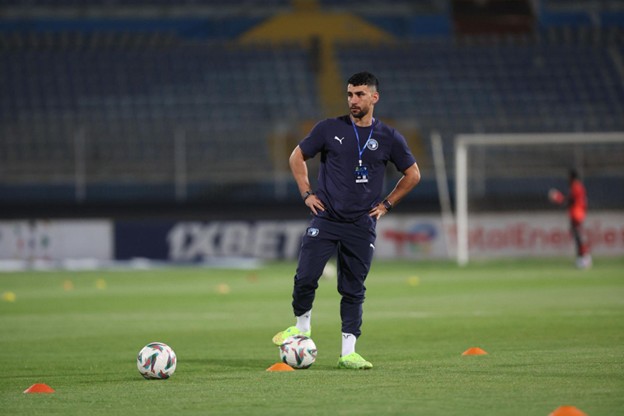
Islam Gamal Ahmed standing on the pitch during a training session with Pyramids FC, wearing official team gear and surrounded by footballs and cones.
Islam Gamal Ahmed leads a high-performance training session at Pyramids FC, where he serves as a key figure in fitness, recovery, and return-to-play protocols.

Islam Gamal Ahmed, widely known as Jimmy, is an elite Sports Performance Coach, Return-to-Play Specialist, and former professional footballer with a career that bridges top-tier football environments across Egypt, Kuwait, and the United States. A UK graduate in Sports Science, he has built his expertise through a combination of academic excellence and hands-on experience, earning multiple elite certifications including the FIFA Diploma in Football Medicine, High-Performance Football Coaching Certificate (FSI), Strength & Conditioning and GPS Analysis (Sports Science UK), and NCSF (USA). He is also a UEFA C License coach and is currently working toward the Fitness UEFA B badge, further expanding his technical and tactical depth.

Jimmy’s professional playing career saw him represent prestigious clubs and competitive leagues, including Al Ahly Academy and Al Nasr in Egypt, Al Sahel in Kuwait, and several UPSL and NPSL teams in the United States. This first-hand experience as a player allows him to approach coaching with an insider’s understanding of the game’s physical and mental demands.

Currently serving as a Sports Performance Coach at Pyramids FC, Jimmy specializes in load management, injury rehabilitation, and high-performance conditioning tailored for elite athletes. His approach blends cutting-edge sports science with practical strategies to optimize player readiness, accelerate recovery, and reduce injury risk. He works closely with athletes to bridge the gap between medical clearance and match readiness, ensuring peak performance on game day.

Career Highlights & Achievements

  • Egyptian Cup winner — first in club history
  • African Champions League winner — first in club history
  • Proven track record of preparing athletes for peak performance at domestic and continental levels

Our Exclusive Interview with Islam Gamal Ahmed

How did your transition from professional footballer to elite performance coach shape your approach to athlete development?

Being a footballer put me in a good spot among my players since I had experience in that field. As a player, I know how they feel and can read their facial expressions. I was in the same shoes as them, and I brought that knowledge to my team and individual players. I combine the perspective of a former footballer with the authority of a coach to get the best out of them. I also have the advantage of being able to personally demonstrate exactly what needs to be done, executing it 100% correctly to convince them.

What specific methodologies do you use in load management and return-to-play programs at Pyramids FC?

We use different methods such as RPE, GPS data, and force platform analysis to understand where our players stand. Our microcycle relies on these metrics plus medical data. Each player has his own tailored program, and each position has different requirements that we account for. In return-to-play (RTP), the priority is dealing with the player mentally first to prepare him for the next stage. The medical report is crucial at the first stage, after which we take over and work on the whole body, not just the injured limb. We collect RPE daily from the player and monitor for any reactions through clinical checks and force platform readings. If the doctor allows, I begin working on the injury with methods such as isometric holds. I also integrate EMS technology in RTP phases to maintain muscle strength. Once the player is ready for phase 3, we move to pitch work tailored to his position, focusing on anaerobic endurance. This is never neglected in any stage and is crucial for ensuring players return ready to perform without struggle.

Which of your certifications or academic experiences has had the biggest impact on your current coaching philosophy?

The Sports Science degree gave me a strong foundation in physiology, biomechanics, and performance analysis. The FIFA Sports Medicine Diploma shaped how I integrate injury prevention and return-to-play strategies into high-performance environments. The High-Performance Football Coach certification from FSI and my Strength & Conditioning qualification from Sports Science UK helped me connect the science with the real-world demands of elite football.

Can you share the most challenging injury case you’ve managed and how you brought the player back to peak performance?

One of the most challenging cases was Emam Ashour, an Al Ahly player and one of Africa’s top talents. He came to me with shoulder and knee pain, low muscle mass, and was mentally out of the game. I tailored a performance transformation program for him, using equipment and methods such as Flycone, BlazePods, BFR, Flywheel training, and position-specific drills. He went on to become the best player in the Egyptian League, African Champions League, and also the top scorer. Other challenging cases include Hamdy (LB at Pyramids and national team), Marie (CB at Pyramids and national team), and Lakay (South African national team and Pyramids FC). I tailored programs for each of them, leading to outstanding performances that helped us win the African Champions League and compete for the league title in the final round.

How do you adapt high-performance training methods for players competing in different leagues and climates?

We start by profiling league demands. Each player has his own program, but we also use a classification system with three groups of players who share similar profiles. For climate adaptation, we adjust training load based on heat, humidity, or altitude. We apply specific nutritional components, and since we have the DNA profile of each player, we use it to focus on detailed performance enhancements.

What do winning the Egyptian Cup and African Champions League for the first time in club history mean to you personally and professionally?

It was a defining moment for me both personally and professionally. Personally, I know every detail in preparation, recovery, and performance management helped make that possible. It validated the countless hours of planning, the commitment to player welfare, and the trust we built within the squad. Professionally, I believe high-performance programs are not just about science but about building an environment where players can peak physically, mentally, and tactically when it matters most. It also fulfilled a personal dream, as I never won a trophy during my playing career, and achieving that as a coach was deeply rewarding.

Navigating the European Dream: Trials and Transfers for Ghanaian Footballers

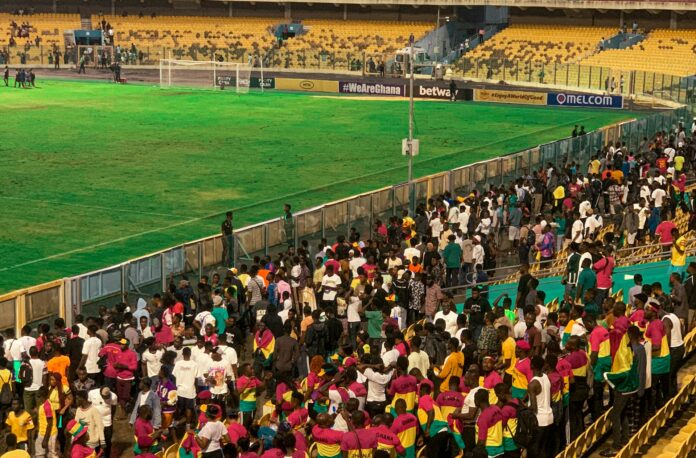
A crowd of Ghanaian football fans gathers in the stands of Accra Sports Stadium, wearing colorful national team jerseys, as they wait near the pitch after a match.
Photo by Maxx Sas on Unsplash

For countless young Ghanaian footballers, the dream of playing in Europe represents more than just career advancement. It is a symbol of success, a gateway to financial freedom, and a source of pride for families and communities. But behind the glamor of European stadiums and elite competitions lies a brutal reality one marked by exploitation, false promises, and emotional hardship.

The Lure of European Football

From Accra to Tamale, Cape Coast to Kumasi, the dream is the same: secure a trial abroad, impress the scouts, sign a contract, and change your life forever. European football is viewed as the pinnacle, a place where talent is rewarded, and players can rise from obscurity to global recognition.

Agents, scouts, and football “facilitators” often fuel these ambitions, selling the European dream with grand assurances. Stories of successful exports like Michael Essien, Thomas Partey, and Mohammed Kudus serve as constant reminders that it is possible. But for every Ghanaian who makes it to the top, dozens more are left stranded in foreign countries, broken by the system they hoped would save them.

How to Identify Legitimate Agents and Clubs

A major pitfall for young players is the growing menace of fake agents. These individuals pose as representatives of reputable clubs, charging desperate players and their families exorbitant fees for trials that either do not exist or are grossly misrepresented.

Legitimate agents are typically registered with football associations, particularly FIFA and the Ghana Football Association (GFA). They operate transparently and do not demand large sums of money upfront. Players and their families should research agents, request official documentation, and verify club affiliations before engaging in any deals. Football Associations and entities also provide a list of licensed intermediaries, which can be a helpful starting point.

Furthermore, genuine clubs tend to operate through structured and well-communicated channels. Any trial that requires visa fees, processing costs, and “booking fees” without formal communication from the club itself should raise immediate red flags.

The Psychological Impact of Failed Trials

Beyond the financial risks, there’s a significant psychological toll associated with failed trials. Players often leave Ghana with high hopes and the weight of expectation on their shoulders. When things do not go as planned, whether due to poor performance, exploitation, or cultural challenges, the emotional crash can be devastating.

Many return home feeling ashamed, isolated, and mentally exhausted. Their communities, once filled with hope, may view their return as a failure. This stigma has led to depression, loss of motivation, and, in some cases, complete withdrawal from football altogether.

Mental health support for these young men is virtually non-existent, and their struggles are often dismissed. The need for counselling and rehabilitation services is critical — not just for their football careers, but for their personal well-being.

The Need for Financial Injection in the Domestic League

At the heart of this crisis is a larger systemic issue; the underdevelopment of Ghana’s domestic football scene. Local clubs, often underfunded and poorly resourced, struggle to offer competitive wages and facilities. This pushes many players to see foreign trials —no matter how risky as their only route to professional fulfilment.

A serious investment in the Ghana Premier League and Division One clubs could reverse this trend. If local players saw a future in Ghanaian football, fewer would fall prey to fake agents or embark on desperate trips abroad. Infrastructure, player welfare, and competitive remuneration must be prioritized if Ghana is to retain its talent.

The European dream is still alive for many young Ghanaian players, but it has become entangled in a web of exploitation, unrealistic expectations, and systemic neglect. Addressing this issue requires a multi-faceted approach: education, regulation of agents, psychological support, and, most importantly, substantial investment in domestic football.

Until then, Ghana’s most gifted footballers will continue to chase dreams overseas, not knowing whether they’re running toward glory.

How to Prepare a National Team Match: Inside El Salvador’s Microcycles

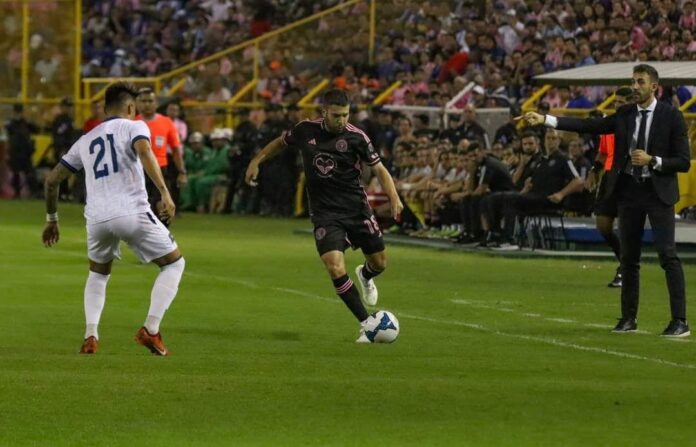
David Dóniga Lara coaching on the sidelines during El Salvador’s match against Inter Miami, with Jordi Alba controlling the ball.

19 January 2024. San Salvador. The Cuscatlán Stadium is practically full to see the national team play its first match of the year… And to see Messi! Inter Miami, in preparation for the 2024 season, has designed a pre-season that takes them to the capital of the Central American country on a tour of matches across the American continent.

There is huge excitement to see the best player in the world for the first time on Cuscatlecan soil. But I don’t have time for celebrations or festivities: I was introduced ten days ago, I was able to train with the local players for two days in the first week, and prior to the match in which I make my debut as national coach in front of my people, against Messi, Suárez, Busquets, Alba and company led by Tata Martino, I have only been able to do three sessions with the players I have been able to recover from the total available.

El Salvador 0-Inter Miami 0, and the match ended with a ball hitting the crossbar of the American team’s goal. The express preparation for the match, which a national team requires, has worked (not because of the result, as we could have won): in five sessions, the team has managed to achieve what it set out to do. How do you do that?

Last week, I talked to you about the three key points for starting a sports project on the right foot, applied to the reality of competition. Today, we’re going to dive a little deeper into specific match preparation. The keys to arriving at the match in a position to compete and overcome your opponent.

The system for selecting players.

One of the things I wanted to change in El Salvador was to create a comprehensive database of all eligible players. My previous experience in selecting players to accompany me, for example, with the Panama national team in 2022 at the Maurice Revello Tournament, made me aware of the difficulty of reaching all players across the country.

My complicated manual work of searching for the best Panamanian under-21 players, combined with the day-to-day work with the senior national team with the same difficulties, made it clear to me that when I returned to a national team, the creation of the database would be the first step in the project. And so I did.

In less than a month, together with my team of IT specialists and my own scout, we had reached all professional Salvadoran players, most players up to the age of 14, and a group of players with the option of becoming naturalised. This list became part of a database that fed into software for data management, the creation of monthly follow-up lists, reports on scouted players, and the organisation of call-up lists. With all this information, classified by ratings and colours, the selection process could be more or less successful depending on personal preferences, but it had a solid foundation: all potentially eligible players had been evaluated. In order to prepare for the match, it is necessary to select the players who will form the best possible team.

Call-up models where selection takes priority.

At the risk of repeating myself, as this was one of the key points last week, I believe it is essential to take this into account when preparing for matches. I want to make this clear because taking advantage of this structural feature is vital to gaining an edge.

Between the November and March windows, the international calendar does not include national team matches. As the vast majority of El Salvador’s national team players were in the local league, using three to six weeks of training between January and March to practise the playing system and interactions within the model was a major step forward. FIFA weeks last 10 days, and players who play abroad usually take time to arrive (with some exceptions); if they have also played the previous day in their league, the first three days are practically lost. Arriving with the locals with their homework done helps those from abroad to join in more easily, as it is more practical for ten to follow fifteen in familiar tasks and objectives than for almost thirty to arrive without having been able to train and with new concepts to explain and apply.

As national team periods usually involve two matches, the slower adaptation of the away players is compensated for if those who are familiar with the model play in the first match, leaving the second for the newcomers. Planning is essential and translates into optimal periodisation (clearly marking the competitive ‘periods’ of the calendar year, five in my view) and specific programming (each microcycle of each period must address as much as possible the determining factors in preparing the team to compete, avoiding innocuous or filler work that does not add minutes of play). It is in the microcycle where the concrete materialises.

The microcycle

I defend the microcycle as the cornerstone of the process. Because planning puts the overall perspective of the year on the table and the periods set partial objectives. But what you want from the team can only be achieved through training, and microcycles are the tool for that. In this case, in the local microcycles, we welcomed the players once the league match day was over (Sunday night) and trained from Monday to Wednesday, returning to their clubs on Wednesday. Recovery by applying tactical ideas from the previous call-up, mainly through video and light tasks on the pitch, for Mondays; defensive aspects on Tuesdays and attacking aspects on Wednesdays, with 11-a-side or a friendly match being the way to organise these local meetings.

For FIFA windows, the start was the same but usually included an official match in the middle of the week (Wednesday or Thursday) and a match at the end (between Saturday and Monday), before returning the players to their clubs. Keep these ideas in mind: maximum specificity, 11-a-side for as long as possible and organisation without the ball, with the ball and in set pieces based on our idea, and repeat to reinforce, with a clear understanding of how our game can hurt the opponent in the weak points we know.

Information for the player: clear and concise. Transfer to the game: completely specific. Improvement: through repetition of tasks and goal-oriented work, transforming conscious behaviours into habits.

الاتصالات: الركيزة الأساسية لنادي كرة قدم ناجح

Four people in a modern glass-walled meeting room engaged in discussion around a conference table, with a cityscape visible through large windows.
Photo by Rodeo Project Management Software on Unsplash

تتميز كرة القدم كعالم يجمع بين الشغف، التفكير الاستراتيجي، التنافس والروح الرياضية. بالإضافة إلى كل ذلك، تجد خلف كل نادي كرة قدم ناجح عنصر أساسي غالبًا ما يغفل عنه الكثيرون: التواصل.

يُعتبر نادي كرة القدم منظمة معقدة تضم العديد من الأطراف: مجلس الإدارة، اللاعبون، الجهاز الفني، موظفو الإدارة، الصحفيون، المشجعون، والهيئات المنظمة للبطولات، إلخ… كل منهم لديه احتياجاته وتوقعاته الخاصة.

ويمكن أن تُحدِّد الطريقة التي يتواصل بها النادي مع هذه المجموعات نجاحه داخل الملعب وخارجه.

مجلس الإدارة: الشفافية والاستراتيجية

يتحمل مجلس الإدارة مسؤولية تحديد الرؤية واستراتيجية النادي. يجب أن تكون التواصل الداخلي واضح المعالم لضمان اتخاذ قرارات فعالة. كذلك، الشفافية مع باقي الأعضاء والمشجعين تعزز الثقة وتساعد في تجنب الشائعات والأزمات غير الضرورية.

اللاعبون والجهاز الفني

رسالة موحدة

تنفرد غرفة الملابس بكونها نظامًا بيئيًا خاصا يتطلب توافقًا في الأهداف والتوقعات. يتفق كل من مارس في أعلى المستويات على أن اللاعبين والمدربين  يحتاجون إلى رسالة وتوجيه واضحين من طرف الإدارة. الغرض من ذلك:  تجنب الالتباسات وتعزيز بيئة العمل. كما يجب على النادي توجيه اللاعبين حول كيفية إدارة تواصلهم مع العموم، خاصة في عصر وسائل التواصل الاجتماعي.

الإدارةالنجاح من خلال التواصل الداخلي

يحتاج الموظفون الإداريون، من لجان التسويق إلى الموارد البشرية، إلى معلومات دقيقة حول قرارات النادي واستراتيجياته. ويتيح هذا التواصل الداخلي  لكل قسم العمل بتناسق، مما يضمن تنفيذ المبادرات التجارية والعلامات التجارية بسلاسة.

الصحفيون ووسائل الإعلامبناء علاقات إيجابية

تُعتبر وسائل الإعلام قناة أساسية لربط النادي ببيئته. يساعد التعامل الجيد مع الصحفيين على نقل أخبار دقيقة وإيجابية عن الفريق. الاستجابة السريعة لاستفساراتهم وتقديم مؤتمرات صحفية منظمة يعزز صورة النادي ويمنع انتشار الشائعات.

المشجعونقلب النادي

الرابط بين النادي ومشجعيه هو عاطفي وعميق. يساهم التواصل الفعال مع المتابعين في تعزيز الولاء وترسيخ هوية النادي. من الضروري أن يتلقى المشجعون معلومات مباشرة حول التعاقدات، والنتائج، والمبادرات الاجتماعية.

الهيئات المنظمةالامتثال للمعايير

تتطلب الدوريات والاتحادات وهيئات التنظيم الأخرى اتصالات رسمية ومنظمة من الأندية. الامتثال للوائح وإدارة التسجيلات بشكل صحيح أمر ضروري لتجنب العقوبات الإدارية.

الخلاصة

لا يُبنى نادي كرة القدم فقط على المواهب والاستراتيجية الرياضية، بل أيضًا على التواصل الشامل، الفعال والمتوافق مع جميع الأطراف الرئيسية. ويساهم ذلك في تعزيز الروابط بين مكونات النادي والقدرة على الاستماع في بناء الثقة والاستقرار، مما يؤدي إلى نجاح النادي داخل وخارج الملعب.

Who is Vicente Suanno?

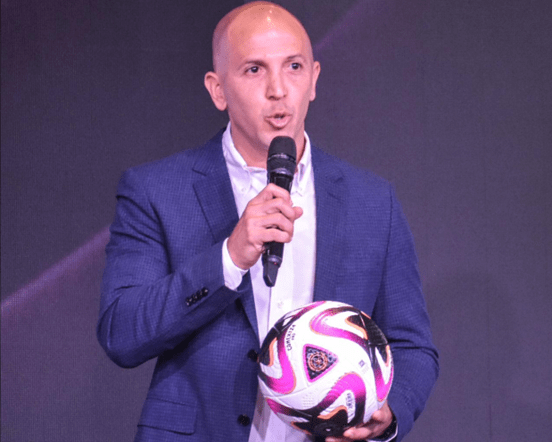
Vicente Suanno speaking on stage in a blue blazer, holding a microphone and a pink-and-black football
Vicente Suanno, former Venezuelan international and rising football executive, combines elite playing experience with global leadership in youth development and governance.

Vicente Suanno is a dynamic football executive whose career bridges the worlds of elite playing experience and modern sports leadership. A former professional midfielder with dual Venezuelan and Italian citizenship, Suanno transitioned seamlessly into football management after retiring from competition in 2018, building a reputation as one of the most progressive minds in South American football governance.

He launched his post-playing career as Assistant Coach of Venezuela’s U-20 National Team, quickly earning respect for his tactical insight and ability to connect with young players. His success in youth development led to his appointment as General Manager of Deportivo La Guaira, where he transformed the club’s sporting structure and steered them to their first-ever national title. Suanno prioritized academy integration, promoting 12 youth players to the first team and securing the high-profile transfer of John Aramburu to Spain’s Real Sociedad—proof of his sharp eye for talent and market strategy.

In 2021, Suanno joined the Venezuelan Football Federation (FVF) as Director of Competitions and Youth Development. There, he launched Corazón Vinotinto, a nationwide program focused on unifying the country’s fragmented youth development pathways and instilling a shared footballing identity. The impact was immediate and historic: Venezuela’s U-17 team qualified for back-to-back FIFA U-17 World Cups in 2023 and 2025 for the first time in national history, a milestone that cemented Suanno’s legacy in youth football reform.

Beyond his achievements on home soil, Suanno has cultivated a global outlook. He is a graduate of the UEFA Executive Master for International Players (UEFA MIP), one of the most prestigious programs for former elite athletes transitioning into executive roles. Through the MIP, he gained exposure to best practices in European football governance, club administration, and commercial strategy, enriching his leadership with international perspective.

Now residing in the United States, Suanno operates fluently in both Spanish and English and brings a multicultural, disciplined, and visionary approach to football leadership. His mission remains clear: to build sustainable, competitive football structures rooted in identity, opportunity, and long-term growth. With a rare blend of credibility on the field and competence in the boardroom, Vicente Suanno represents the next generation of global football executives.

Our Exclusive Interview with Vicente Suanno

Who is Vicente Suanno outside of football? How would you describe yourself beyond your professional identity?

Outside of football, I’m a father, a husband, and a constant learner. I’m someone who values humility, discipline, and resilience. My life is guided by service, whether it’s through family, football, or leadership. I see myself not just as a professional, but as someone on a personal mission to grow, contribute, and leave a meaningful legacy. I’m deeply rooted in my values, but I’m also open to change, learning, and evolving with the world around me.

What inspired your transition from being a professional footballer to taking on executive leadership roles in the sport?

As a player, I was always fascinated by the “why” behind decisions. I naturally gravitated toward leadership roles, often serving as captain, and I was always observing how clubs and federations were run. When I retired in 2018, I knew I wanted to stay in the game, but from the side that builds structures, develops talent, and shapes the future. My motivation was simple: to take everything I had learned on the pitch and use it to influence the game from the top down.

How did your experience at Deportivo La Guaira shape your approach to youth development and club management?

Deportivo La Guaira was a pivotal chapter in my journey. As General Manager, I had the privilege of building a winning culture that extended far beyond the first team. We became champions for the first time in the club’s history, but what I’m most proud of is promoting 12 academy players to the senior squad and overseeing the successful transfer of John Aramburu to Real Sociedad. That experience taught me that success is sustainable only when it’s rooted in development. It reinforced my belief that clubs thrive when there is a clear identity, a structured pathway for young players, and full alignment throughout the organization.

Can you share the vision and impact behind Corazón Vinotinto and how it redefined youth football in Venezuela?

Corazón Vinotinto was born out of a need to unify and inspire. Together with other directors at the Venezuelan Football Federation, we created this national project to bring meaning, structure, and identity to our youth football system. It was more than a strategy; it was a cultural reset. Through this plan, we achieved something historic: back-to-back qualifications for the U-17 World Cup in 2023 and 2025. That had never happened before. It proved that when vision is matched with execution, and heart with structure, real transformation is possible, even in the most challenging environments.

What did you take away from completing the UEFA MIP program, and how has it influenced your leadership style?

The UEFA MIP program was life-changing. It gave me a global perspective, a world-class education, and a network of incredible minds from all corners of football. Balancing the MIP while working full-time at the Federation wasn’t easy, but it was worth it. It refined my approach to leadership, not just strategically, but in how I connect with people, make decisions, and carry responsibility.

As part of the program, I had the opportunity to travel across 19 countries in Europe, learning firsthand from some of the world’s top institutions, federations, and clubs. I deepened my understanding of scouting, strategic planning, marketing, and modern football governance. The MIP taught me to think systemically, to lead with empathy, and to stay curious. It gave me tools, but more importantly, it sharpened my purpose.

Looking ahead, what kind of football projects or executive challenges are you most excited to take on next?

Right now, I’m based in the United States and actively looking to contribute to an ambitious organization, whether in MLS, USL, a federation, or an academy. I’m excited by projects that are forward-thinking, multicultural, and centered on player development and identity. I want to be part of something that is growing, evolving, and making a real impact. I believe my background, which bridges South America and Europe, player and executive, structure and soul, gives me a unique lens. I’m ready to take on challenges that require both vision and execution.

The Modern Goalkeeper: Beyond Shot-Stopping

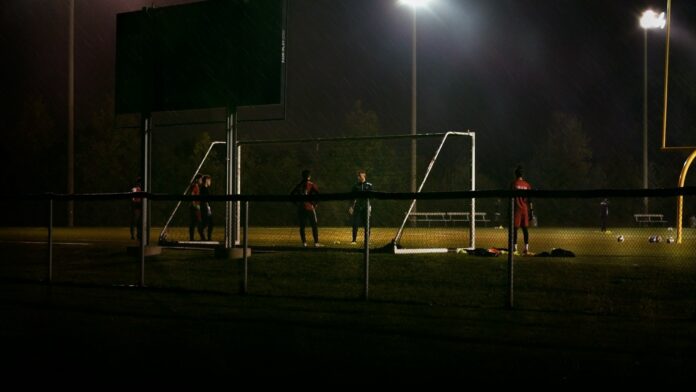
Goalkeepers and a coach train under floodlights on a rainy night, preparing near the goalpost in a dimly lit football field
Photo by Jeremy Vejgman on Unsplash

The traditional image of a football goalkeeper, rooted primarily in preventing goals, is rapidly becoming outdated. In today’s dynamic and tactical game, the goalkeeper’s role has expanded dramatically, transforming them into key-players, astute communicators, and potent initiators of attacks. This fundamental shift redefines what it means to be a top-tier goalkeeper, moving beyond the historical undervaluation of the position, where sums over $100 million are frequent for outfield players but rare for goalkeepers.

From Stopper to Key-player

Modern goalkeepers are fundamental to a team’s build-up play, particularly in “building from the back”. This requires excellent footwork and passing accuracy under pressure, making their proficiency with the ball as vital as their shot-stopping ability. Since distribution is 80% of the goalkeeper actions in a game, distribution drills are no longer additional but integrated along with traditional saving exercises in every training.

Their comprehensive distribution repertoire includes:

  • Goal Kicks: These initiate organized tactical plays, requiring goalkeepers to master short and long passes from a static ball. Strategic decisions based on opponent positioning and team plans are vital, as are prompt repositioning and communication after each kick.
  • Back Passes: Essential technical skills include receiving and accurately passing the ball, both short and long, with both feet. Their positioning must facilitate receiving the ball with minimal pressure, enabling effective passes to overcome opponents.
  • Hand Transition: This method allows for rapid counter-attack initiation. Goalkeepers need maximum precision and accuracy in their throws, rapidly scanning for optimal targets within their range to turn a save into a lightning-fast counter-attack.
  • Volley Transition: Crucial for swift counter-attacks, this skill demands accuracy and power to launch long passes into advantageous areas, requiring the goalkeeper to quickly identify and target open spaces or teammates.

The Tactical “Quarterback”

Beyond technical ball skills, the modern goalkeeper is a defensive orchestrator. They must possess acute tactical awareness, continuously reading the game, anticipating opponent attacks, and organizing their defense. This leadership role involves constant communication and direction to teammates, including verbal commands (e.g., “TIME!”, “MAN ON!”, “CLEAR IT!”) and clear gestures (e.g., for wall positioning). The emergence of the “sweeper-keeper” further emphasizes their active role outside the penalty area, clearing through balls and supporting the defensive line with quick decisions and precise long passes.

Revolutionizing Training Methods

To foster these evolving skills, goalkeeper training has dramatically adapted. Sessions now emphasize dynamic, game-like scenarios that simulate match situations, promoting decision-making and adaptability over repetitive drills. Key training trends include:

  • Reaction-based drills: Utilizing small, fast-moving balls or unpredictable deflection boards to sharpen reflexes.
  • High-pressure simulations: Replicating real-game stress, such as penalty shootouts with loud distractions, to build mental fortitude and composure.
  • Functional fitness: Focusing on explosive movements (e.g., box jumps, medicine ball throws) to enhance power for diving and rapid recoveries.

The Role of Technology

Technology is integral to this evolution. Advanced data analytics provides detailed insights into performance, allowing for personalized training and tactical adjustments based on save rates, distribution patterns, and opponent tendencies. Video analysis offers coaches a powerful tool to dissect movements, pinpoint areas for improvement, and prepare goalkeepers for specific opponents by studying their habits and preferred shooting angles. Innovations like motion capture systems, smart gloves, and predictive analytics further refine technique and anticipation.

Conclusion

The modern goalkeeper’s role has transcended merely stopping shots, becoming a multi-faceted position demanding comprehensive skills in playmaking, distribution, tactical awareness, and communication. This evolution, supported by innovative training approaches and technological advancements, underscores their indispensable contribution to every facet of the beautiful game. As football continues its relentless evolution, so too will the demands on goalkeepers, ensuring their continued importance as the “backbone of their teams”.

Here is a video example of a typical distribution training: https://youtu.be/88xn7kEuX2w

References

  1. Yam, D. (2025). A Data Driven Goalkeeper Evaluation Framework. MIT Sloan Sports Analytics Conference.
  2. rMLS (2024). Advanced Goalkeeping Statistics. r/football, Reddit. Avialable at: https://www.reddit.com/r/football/comments/1emcj9q/advanced_goalkeeping_statistics_analysis_ive_done/ Accessed on 19 July 2025
  3. Numazu, N., Hirashima, Y., & Matsukura, K. (2024, December). Analysis of football goalkeeper performance and shot scenarios in the 2022 World Cup. Journal of Physical Education and Sport, 24(12), 2115-2125. doi:10.7752/jpes.2024.12310.
  4. BC Football. (2015). Club Goalkeeping Development Manual. Available at: https://cloud.rampinteractive.com/saskatchewanfootball/files/BC-Football-Goalkeeper-Club-Development_Stages-4-7.pdf Accessed on 20 July 2025
  5. Berneanou, G. (2021). Football Goalkeeper Integration.
  6. El Assouri, A. (2024). Impact of Data and Analytics on Goalkeeper Strategies. Keeper in Motion.
  7. Teimouri, M. (2025, February). Football Goalkeeper Performance Evaluation: Clustering Approach. arXiv. https://doi.org/10.48550/arXiv.2502.05548
  8. Hugh, P. (2025, January 5). The Future of Goalkeeping: Trends and Innovations in Training. Football Wizdom.
  9. White, A., Hills, S. P., Hobbs, M., Cooke, C. B., Kilduff, L. P., Cook, C., Roberts, C., & Russell, M. (2020, April). The physical demands of professional football goalkeepers throughout a week-long competitive microcycle and transiently throughout match-play. Journal of Sports Sciences, 38(8), 848-854. doi:10.1080/02640414.2020.1736244.
  10. El Assouri, A. (2024, May). The role of video analysis in goalkeeper development. Keeper in Motion. Available at: https://keeperinmotion.com/en/2024/05/02/the-role-of-video-analysis-in-goalkeeper-development/ Accessed on 21 July 2025
  11. Waite, A. (2023, January). Understanding The Role Of The Goalkeeper Scout. Available at: https://goalkeeper.com/news-and-media/exclusives/post/role-of-the-goalkeeper-scout Accessed on 21 July 2025

From the Ashes to the Pitch: Hiroshima’s Enduring Message of Peace Through Football

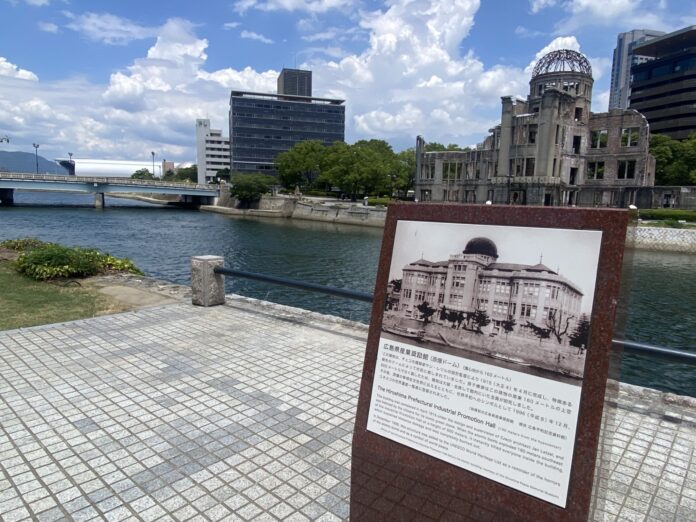
View of the Hiroshima Peace Memorial (Atomic Bomb Dome) with a historical information plaque in the foreground beside the Motoyasu River
The Hiroshima Peace Memorial, also known as the Atomic Bomb Dome, stands as a powerful symbol of resilience and a lasting message of peace for future generations.

August 6 – A Day That Lives in the Heart of the City

For the people of Hiroshima, August 6 is more than a date. It is a day that connects the past and the future, a moment to pray for peace, honour the victims and renew the vow that such a tragedy must never happen again.

“Peace is absolute in Hiroshima,” says Shiozaki. “There is a fundamental belief that war can never be allowed. The memory of that war and the atomic bombing appeals to our hearts, reminding us that for human beings to kill each other or to possess and use nuclear weapons brings nothing of value.”

This conviction shapes the daily life of the city. Peace is not an abstract ideal but a lived reality, woven into education, culture and sport.

Football as a Messenger of Peace

When asked how football can carry Hiroshima’s message to younger generations, Shiozaki is clear: “Instead of conflict in the form of war, we compete through the sport of football. To truly ‘fight’ does not mean to harm others, but to compete fairly within the rules with the goal of victory.”

Football’s universal language transcends borders and gender, making it a powerful medium to teach children that rivalry does not require hostility.

Resilience on the Pitch – The Post-War Spirit of Hiroshima Football

Hiroshima’s football culture carries the DNA of resilience. Just two years after the bombing, Hiroshima High School Affiliated Middle School won the first national post-war middle school football tournament.

“It became a symbol of post-war recovery,” Shiozaki reflects. “Even now, Hiroshima football is imbued with the mindset of never giving up until the end, working hard, and fighting fairly with a team-first spirit.”

The Peace Memorial Football Tournament – Football with a Purpose

While the Peace Memorial Football Tournament develops youth football in Hiroshima, its deeper mission is to share peace through sport. By inviting overseas teams, the event blends competition with peace education.

“I want the players to understand that the reason they can immerse themselves in what they love is because peace exists,” Shiozaki explains. “They should learn from history that war produces nothing.”

A visit to the Peace Memorial Museum, listening to the testimonies of survivors and standing before the Atomic Bomb Dome are powerful experiences that organisers hope will stay with every participant.

Coaching Philosophy – Building Players and People

Sanfrecce Hiroshima inherits a philosophy from its predecessor Mazda Soccer Club: before becoming a top football player, one must be an upstanding member of society.

“This was taught by Kazuo Imanishi, Japan’s first general manager,” Shiozaki notes. “As professionals who give dreams to children, coaches must never stop learning. That is the identity of Sanfrecce Hiroshima — development and community.”

This philosophy was reinforced during a recent seminar by Takano-san, a close friend of Shiozaki. “He built his position through his own effort and continues to aim higher. By sharing his experiences in Europe, he helps us grow not only as coaches but as people admired by children.”

Looking Outward – The Value of International Exchange

For Hiroshima, international exchange is about more than football tactics. “It is about mutual understanding and accepting different values,” Shiozaki says. “It is also about having others learn about Hiroshima and our efforts to create and expand a peaceful world.”

The Identity of Hiroshima Football

When asked to define the city’s football identity in a single sentence, Shiozaki’s answer is immediate: “To value people.”

In a city that has known the worst of human destruction yet chosen to answer with unity and respect, football is more than a sport. It is a living testament to the belief that through fairness, teamwork and compassion, even the deepest scars can give rise to hope.

Passion Meets Innovation: Hong Kong’s Leap into Football’s Future

White World Football Summit logo on a transparent background
World Football Summit brings its global platform to Hong Kong for the first time, connecting football’s top leaders, legends, and innovators.

World Football Summit gathers Ferdinand, Puyol, Zanetti, Collina, and other icons of the beautiful game to prove Asia’s potential in its first event in the city.

MADRID / HONG KONG August 2025 — The future of football is being written in Asia. And it starts in Hong Kong.

World Football Summit (WFS) is set to redefine the global football landscape with its inaugural Hong Kong summit on September 3rd-4th, marking a pivotal moment where technology, culture, and strategic vision converge at the heart of Asia’s football revolution.

As the Asian football market surges to a remarkable USD 7.187 billion, with digital engagement breaking records and investment opportunities expanding, this summit represents a critical junction in the sport’s global narrative. For instance, the Asian Football Confederation (AFC) has witnessed a 20% growth in digital followers, with website page views exploding by 258%—a testament to a market on the brink of unprecedented transformation.

Our Hong Kong summit transcends a traditional conference,” explains Jan Alessie, Co-founder and Managing Director at World Football Summit. “We’re creating a global platform where football’s most innovative minds will explore how East and West can reshape the beautiful game’s future.”

The inaugural WFS Hong Kong, proudly supported by the Hong Kong Tourism Board, is designed to provide a platform where football legends meet tech innovators. Where East meets West. Where digital transformation isn’t just discussed—it’s demonstrated.

Part of the lineup reads like a football hall of fame, given the caliber of the legends that have confirmed their participation so far.

  1. Rio Ferdinand, Manchester United legend
  2. John Terry, Chelsea FC legend
  3. Javier Zanetti, Inter Milan Vice President and legend
  4. Carles Puyol, Barcelona legend and member of the 2010 World Cup-winning team
  5. Davor Šuker, former Croatian FA President, 1998 WC Golden Boot
  6. Fabio Capello, former football coach and player
  7. Pierluigi Collina, legendary referee and Chairman of the FIFA Referee Committee

In addition, other football industry titans such as Romy Gai (FIFA), John Sharkey (Kai Tak Sports Park), Ramón Calderón (Former President at Real Madrid), or Allan Zeman (Lan Kwai Fong Group), will join the event.

The full lineup of speakers will dive deep into the most critical questions facing football:

  • How do digital technologies redefine fan experiences?
  • What are the new investment models in sports?
  • How can clubs leverage eSports and emerging technologies?

The general summit themes are razor-sharp:

  • Fan Engagement in the Digital Age
  • Football’s Cultural Crossroads
  • East and West: Reimagining Football Relationships
  • Digital Transformation and Innovation

“Hong Kong represents a unique gateway between global football markets,” added Filipe Gonçalves, Chairman at Asia Partners, co-organizers of the event. “This summit is not just an event—it’s a strategic bridge connecting diverse football ecosystems, positioning Asia at the forefront of the sport’s next evolution.”

From broadcasting innovations to sustainable business models, from talent development to cross-continental investments, the WFS Hong Kong summit will provide an unparalleled platform for connection, insight, and strategic thinking. With an expected attendance of 3,000 international industry professionals and more than 100 speakers, the event promises to be a defining moment in football’s global evolution.

A dedicated fan zone will transform the event from a conference into a celebration. Interactive experiences, gaming, football skills competitions, classic memorabilia—this is where strategy meets passion.

Global football summit brought to Hong Kong for the first time, proudly supported by the Hong Kong Tourism Board.

World Football Summit Hong Kong 2025 is proudly supported by the Hong Kong Tourism Board, aiming to elevate the city’s positioning as a premier destination for global sports business and innovation.

By supporting WFS, the Hong Kong Tourism Board reaffirms its commitment to attracting world-class international events and leveraging the power of football to enhance the city’s global appeal, economic development, and regional influence within the Greater Bay Area.
This partnership highlights the shared vision of making Hong Kong a central hub for the future of the sports industry in Asia and beyond.

Event Details:

  • Date: 3rd-4th September, 2025
  • Location: Asia World Expo, Hong Kong
  • Focus: Connecting the global football ecosystem

The future of football is being written. Will you read it or write it?

About World Football Summit

World Football Summit is a leading international organization for the football industry. Through its platform, we organize events across four continents that bring together key stakeholders from the ecosystem, fostering business opportunities, collaboration, and innovation in the sector. Thousands of professionals representing companies and institutions from around the world actively engage with WFS.

Who is Emma May-Bradley?

Emma May-Bradley smiling in a black blazer against a white background
Emma May-Bradley, former Washington Spirit President and current Rebel Girls executive, is a leading voice in women’s sports and brand strategy.

Emma May-Bradley is a marketing, communications, and operations executive with over 20 years of experience driving growth for global brands in consumer goods, media, and sports. She is the Co-Founder of Playmakers Nashville, a non-profit focused on advancing and empowering women working in sports across Middle Tennessee. She also leads marketing and sports strategy for Rebel Girls, a girl empowerment brand using storytelling to inspire the next generation.

From 2022 to 2023, Emma served as President and Board Advisor for the Washington Spirit (NWSL), where she oversaw a full organizational transformation. Under her leadership, the club grew from 4 to 45 employees in a single year, saw an 85% increase in attendance, and achieved a 110% growth in merchandise revenue. Her leadership helped transition the 2021 NWSL Championship team into a fully professional, scalable organization.

Before joining the Spirit, Emma spent nearly four years at Nike, Inc. (2019–2022), where she progressed through senior leadership roles, including Sr. Director of Global Athlete Marketing. She launched Nike’s first athlete-focused content studio, led Serena Williams’ retirement campaign, and played a key role in driving a 525% increase in WNBA revenue over three years.

Earlier, at Turner Sports (2014–2019), Emma rose to Vice President of Marketing, where she led initiatives for the Emmy-winning Inside the NBA/NBA on TNT franchise, launched BR Live, and helped grow NBA League Pass subscriptions by 135%. Her previous roles in culture and sports marketing at Red Bull, Nissan North America, and Athlon Sports further shaped her expertise in building brands with cultural relevance.

Emma grew up playing all kinds of sports but focused on soccer starting in middle school, serving as her high school’s starting goalkeeper for four years. Watching the U.S. Women’s National Team win gold at the 1996 Olympics in Athens, Georgia cemented her love for the sport. She remains a passionate sports fan and is known for always having a game on, regardless of the sport or league.

She holds a Bachelor of Science in Political Science from Middle Tennessee State University.

Our Exclusive Interview with Emma May-Bradley

Who is Emma May-Bradley outside of sports? What drives you personally when you’re not building brands or organizations?

I’m a pretty chill human. I love my husband John & pup Rizzo more than anything in the world. I love to garden, travel all over the world, eat all the best food, and be a good friend to those I love. Mostly I want to make a positive impact in the world around me and do my best to treat my community with love.

When you stepped into the role at the Washington Spirit, the club was at a turning point. What mindset did you bring to lead through that transition?

Most importantly I wanted to build a foundation that could last for years to come, a foundation that was built around trust & teamwork and a foundation that put the players & fans first in everything we did. I also wanted to ensure that we created the best live sports environment possible and had a little fun while doing it.

You oversaw massive growth at the Spirit, from staff size to fan engagement and revenue. What do you think made those changes stick?

I think the Spirit organization is committed to investing in doing right by their players and the fans and that is a foundation that will lead to success in all areas, from revenue to fan engagement. I also hope that I was able to share with our fans, players and the entire organization that how we treat our players, fans & internal team matters deeply. Every decision is meaningful, and at the end of the day, to do the right thing, always.

How did your background at Nike and Turner Sports shape the way you approached storytelling and strategy in women’s soccer?

For over a decade now I’ve been obsessed with the idea of fandom and putting the fan at the center of every decision I make. This was the lens that I used both at Turner and at Nike, if we focus our efforts on our fans then the business will follow. If we make decisions based on our own personal desires, we will lose. It’s why being an empath, being always curious and understanding your fan is the most important piece to growing business.

Who have been the most influential figures in your sports career, and what lessons did you take from them?

I’ve been so lucky to work with amazing people everywhere I’ve been but the person who has influenced me the most is the late Oscar Pope. My team hired Oscar as a marketing specialist to work on the NBA on TNT/NBA TV marketing team and every single day he blew me away with his passion for our fans & our product, his positivity, and his humor. He inspired me daily to be grateful for the job we got to do and reminded me always to have a bit more fun.

What are your future plans professionally? Are there areas in sports or beyond that you’re looking to explore next?

Right now I’m really focused on doing work that is impactful for our society as a whole. Whether it’s starting a non-profit to empower & advance women who are working in the sports industry, sharing my story with high-school & college women so they too can dream of working in sports, or helping to build Rebel Girls Sport so we can inspire the most confident generation of girls ever. Sports, in its most pure sense, makes the world a better place and there is no better than the beautiful game. My hope is that I will continue to lead teams who love what they do, find fulfillment in the work, and create immense impact.