

Coaching abroad is something many young coaches dream about, but few truly understand until they experience it firsthand. Moving countries doesn’t just change the language you hear or the food you eat, it challenges how you see the game, how you communicate, and how you define your role as a coach.
Moving countries doesn’t just change the language you hear or the food you eat, it challenges how you see the game, how you communicate, and how you define your role as a coach.
As a Canadian coach with Croatian roots currently working in Zagreb with the U19s at NK Trnje, I’ve had the opportunity to coach within several different football cultures. My experience includes time in Canada with Vancouver Whitecaps FC youth, U19 and senior football in Croatia including HNK Hajduk Split U19s and NK HAŠK 1903, as well as U19 football in Spain with ETURE FC.
Each environment has offered a different lens on development, but Croatia in particular has challenged many of my early assumptions about coaching.
Understanding the Croatian Football Environment
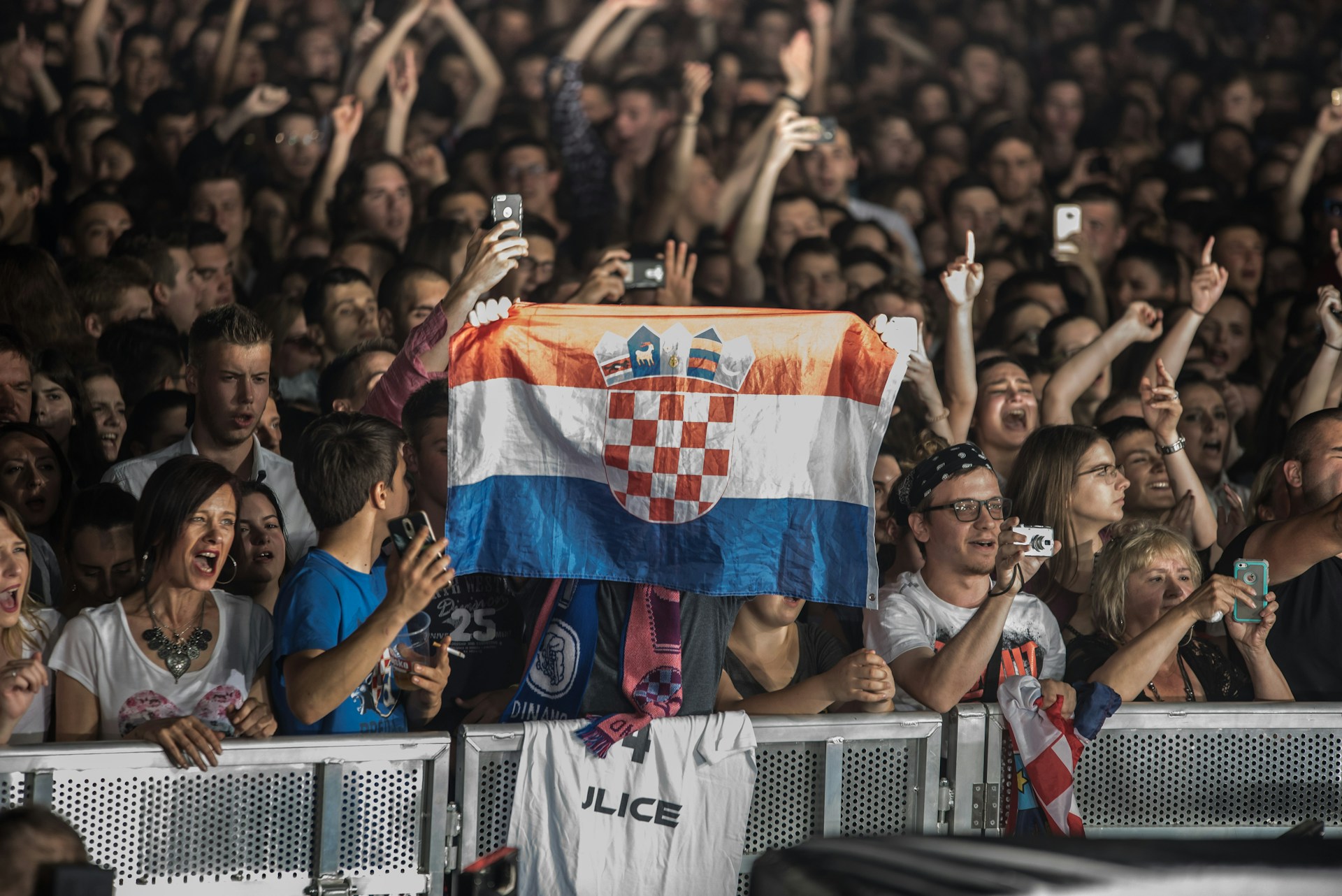
Croatia is a small country with an enormous football identity. Players grow up surrounded by the game, in conversation, in the street, and in constant competition. From a young age, many players develop a natural relationship with football that is difficult to replicate elsewhere.
Training environments are demanding. Players are expected to compete, win, and take responsibility. Even at youth level, there is an underlying understanding of the game that allows sessions to move quickly and with intensity.
For a foreign coach, this environment can be both inspiring and challenging.
The Coach’s Role: Instructor vs Facilitator
One of the biggest differences I’ve noticed between Canada and Croatia is the role the coach is expected to play.
In Canada, coaches are often required to actively build the player, technically, tactically, and mentally. Structure, guidance, and constant feedback are essential, because many players rely on the coach to shape their understanding of the game.
In Croatia, much of that foundation already exists. Many players arrive with passion, competitiveness, and an internal drive that does not need to be created. Because of this, the coach’s role often shifts toward facilitating rather than forcing development, organizing the environment, intense behaviour, and challenging players, sometimes with behaviour that isn’t commonly seen elsewhere.
This doesn’t make coaching easier; it simply makes it different.
In Croatia, much of that foundation already exists. Many players arrive with passion, competitiveness, and an internal drive that does not need to be created.
Youth Development: Zagreb and Beyond
Coaching in Zagreb has highlighted how structured and competitive youth football can be. Club presidents can have immense power, expectations are not always clear, and players are accustomed to being held accountable.
At the same time, my experience in Spain reinforced the value of player autonomy and game-based learning, where decision-making, technique and creativity are encouraged through context rather than instruction alone.
Seeing these approaches side by side has been invaluable. It reinforces the idea that development is not universal, it is shaped by culture, environment, and history.
Personal Lessons Learned Coaching Abroad
Coaching abroad has taught me to listen more, speak less, and observe carefully before trying to impose ideas. It has also reinforced the importance of simplicity, clear sessions, clear objectives, and clear communication.
Coaching abroad has taught me to listen more, speak less, and observe carefully before trying to impose ideas.
I’ve learned that:
- Players respond best when trusted
- Over-coaching can limit responsibility
- The environment often teaches more than the coach
Most importantly, I’ve learned that adapting does not mean abandoning your principles, it means delivering them in a way that fits the context.
Advice for Coaches Considering Coaching Abroad
For coaches interested in working abroad, a few lessons stand out:
- Learn the language, even at a basic level
- Be prepared to start lower than expected
- Observe before you speak
- Accept discomfort as part of growth
Coaching abroad is not about proving you are better. It’s about becoming more adaptable, reflective, and complete.
Final Thoughts
Coaching in Croatia has challenged me in ways I didn’t anticipate, but it has also sharpened my understanding of the game and my role within it.
When players already carry football inside them, the coach’s influence becomes quieter, but no less important. Learning when to guide, when to step back, and when to simply observe has been one of the most valuable lessons of my journey so far.
For coaches willing to step outside familiar systems, working abroad offers insights that no course or license alone can provide.