

Introduction
In the history of African football, few moments have shaken the continent to its core quite like what unfolded on March 17th, 2026.
Two months after Senegal had lifted the Africa Cup of Nations trophy inside a jubilant Prince Moulay Abdellah Stadium in Rabat, the Confederation of African Football overturned the on-pitch result and awarded the title to Morocco.
The final score, retroactively imposed: 3-0 to the Fédération Royale Marocaine de Football. The legal mechanism: Article 84 of the AFCON Regulations, applied to a night of drama that had seemed, until then, to be the crowning glory of a remarkable tournament.
The ruling, unprecedented in the history of the competition, triggered a firestorm of controversy. Legends of the game, football administrators, legal scholars, and millions of fans were suddenly drawn into a debate about the sanctity of the final whistle, the limits of institutional power, and the price of emotional indiscipline.
Morocco were crowned champions. Senegal were stripped of a title they had celebrated. African football, however, for all its extraordinary progress, found itself once again on trial. Because whatever CAS ultimately decides, whether the trophy stays in Rabat or travels to Dakar, the damage to the continent’s football image may prove harder to overturn than any ruling.
The ruling, unprecedented in the history of the competition, triggered a firestorm of controversy.
A Night of Chaos: What Happened on the Pitch
The AFCON 2025 final, played on January 18th, had all the makings of a classic. Morocco, the host nation, faced Senegal, the defending champions, in front of a packed Prince Moulay Abdellah stadium in Rabat.
The match was tight and tense throughout, still goalless deep into stoppage time when referee Jean-Jacques Ndala of the DR Congo first disallowed a Senegalese goal, after a foul in the build-up. The decision infuriated the Senegalese bench.
What followed few moments later pushed the game beyond the threshold of normal controversy. A VAR review led the referee to award Morocco a penalty for a foul by Malick Diouf on Brahim Diaz.
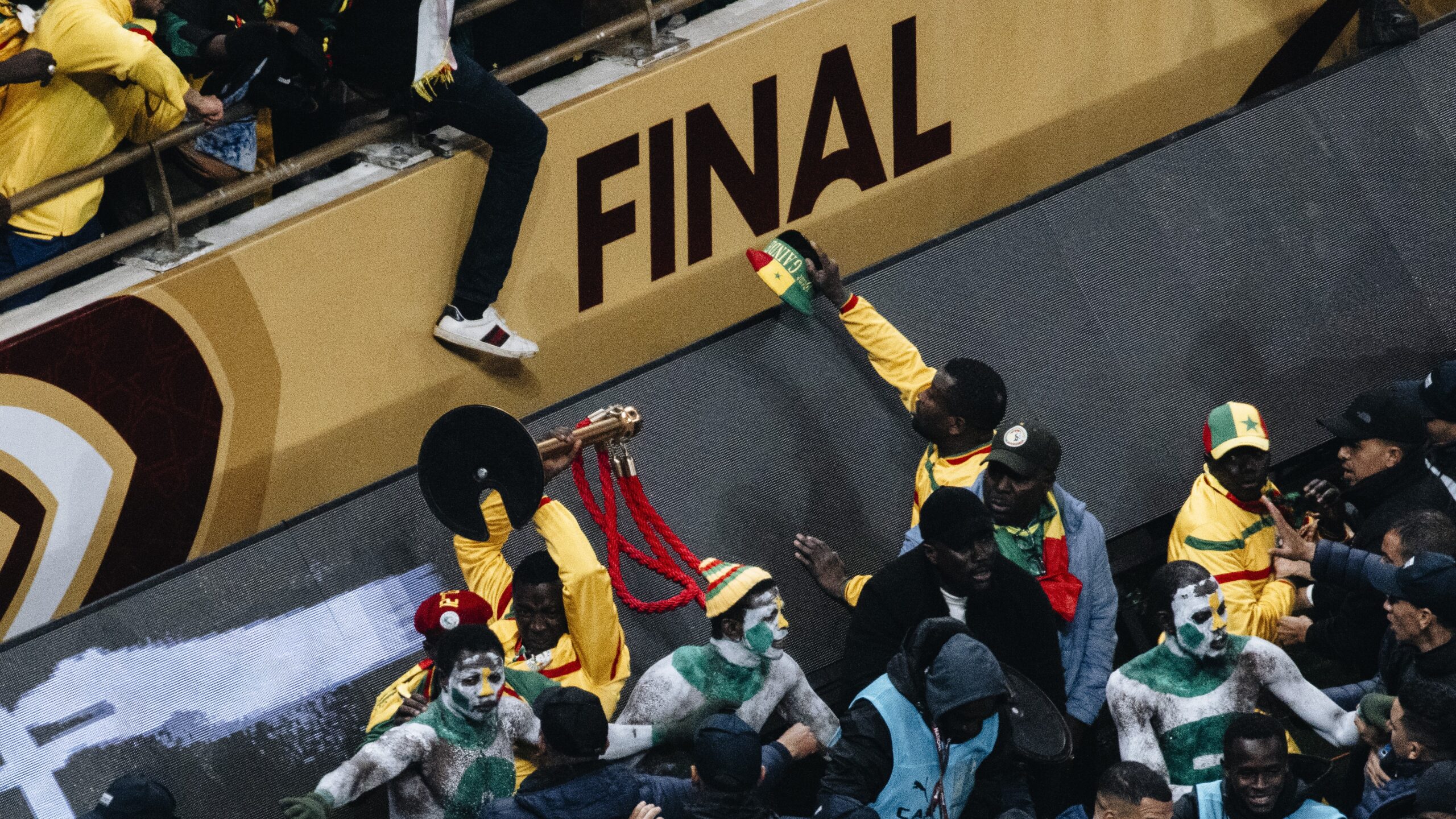
Senegal coach Pape Thiaw, already incensed by the disallowed goal, entered the pitch to protest against the decision, and sent his players off into the dressing room. The stadium, and the watching world, was left in stunned silence.
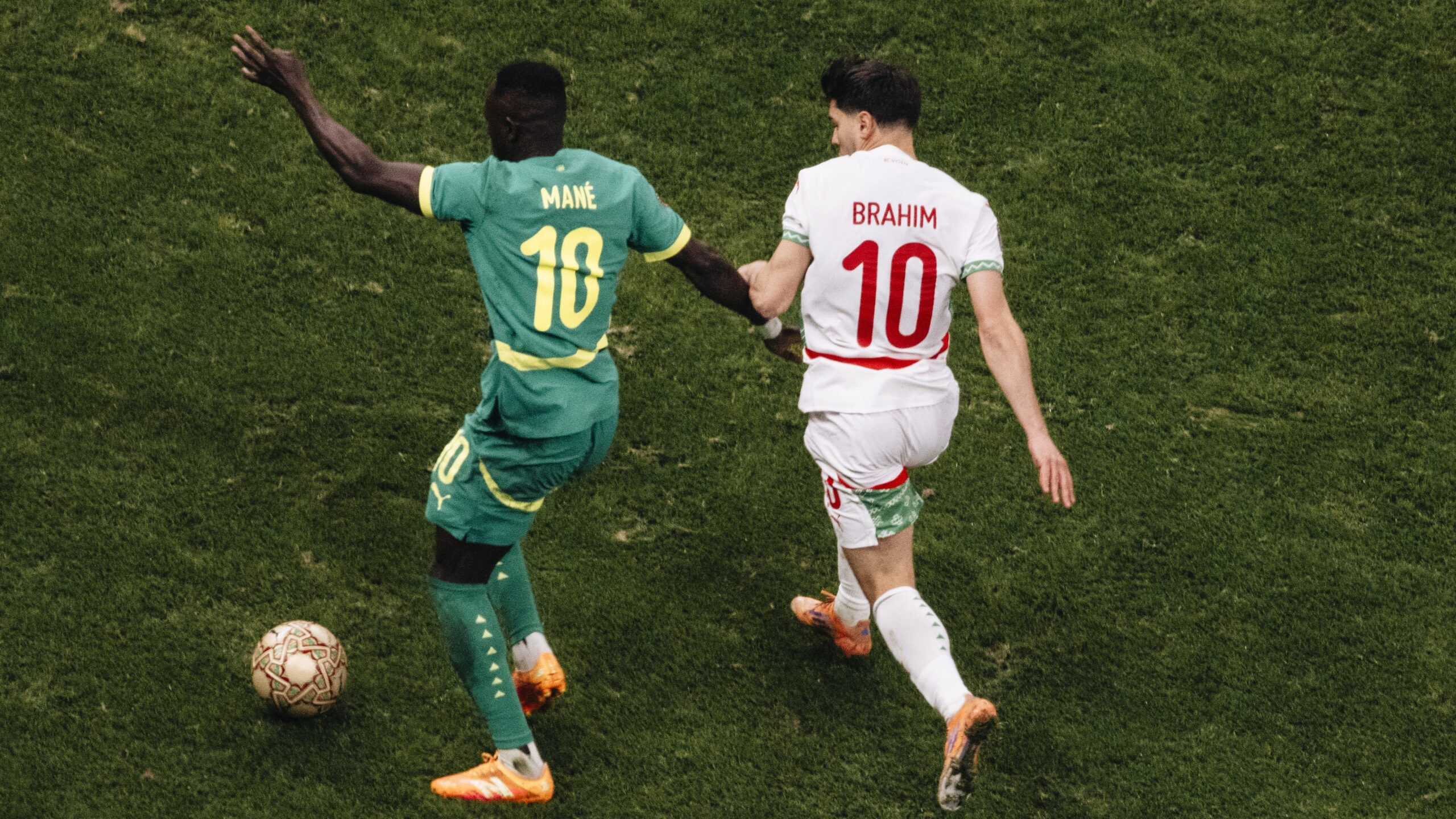
For sixteen extraordinary minutes, the final teetered on the edge of abandonment. The referee did not bring the match to a close, seemingly uncertain how to apply the regulations. It was Senegal captain Sadio Mané who rushed into the tunnel and physically compelled his teammates to return.
When Senegal players re-entered the pitch, Brahim Diaz stepped up for Morocco’s penalty and missed his Panenka attempt. The game went to extra time, where Pape Gueye struck the winner in the 94th minute to seal a 1-0 victory.
But the final whistle brought no peace. Morocco’s head coach Walid Regragui was scathing in his post-match assessment: “The image we’ve given of Africa is shameful. A coach who asks his players to leave the field… what Pape did does not honour Africa.” The CAF Disciplinary Board imposed fines and bans on both sides but, crucially, left the result intact. That would change.
For sixteen extraordinary minutes, the final teetered on the edge of abandonment.
A Stain on a Masterpiece: The Tournament That Deserved Better
On the pitch, Senegal had won. But off it, those sixteen minutes of chaos threatened to overshadow something genuinely remarkable.
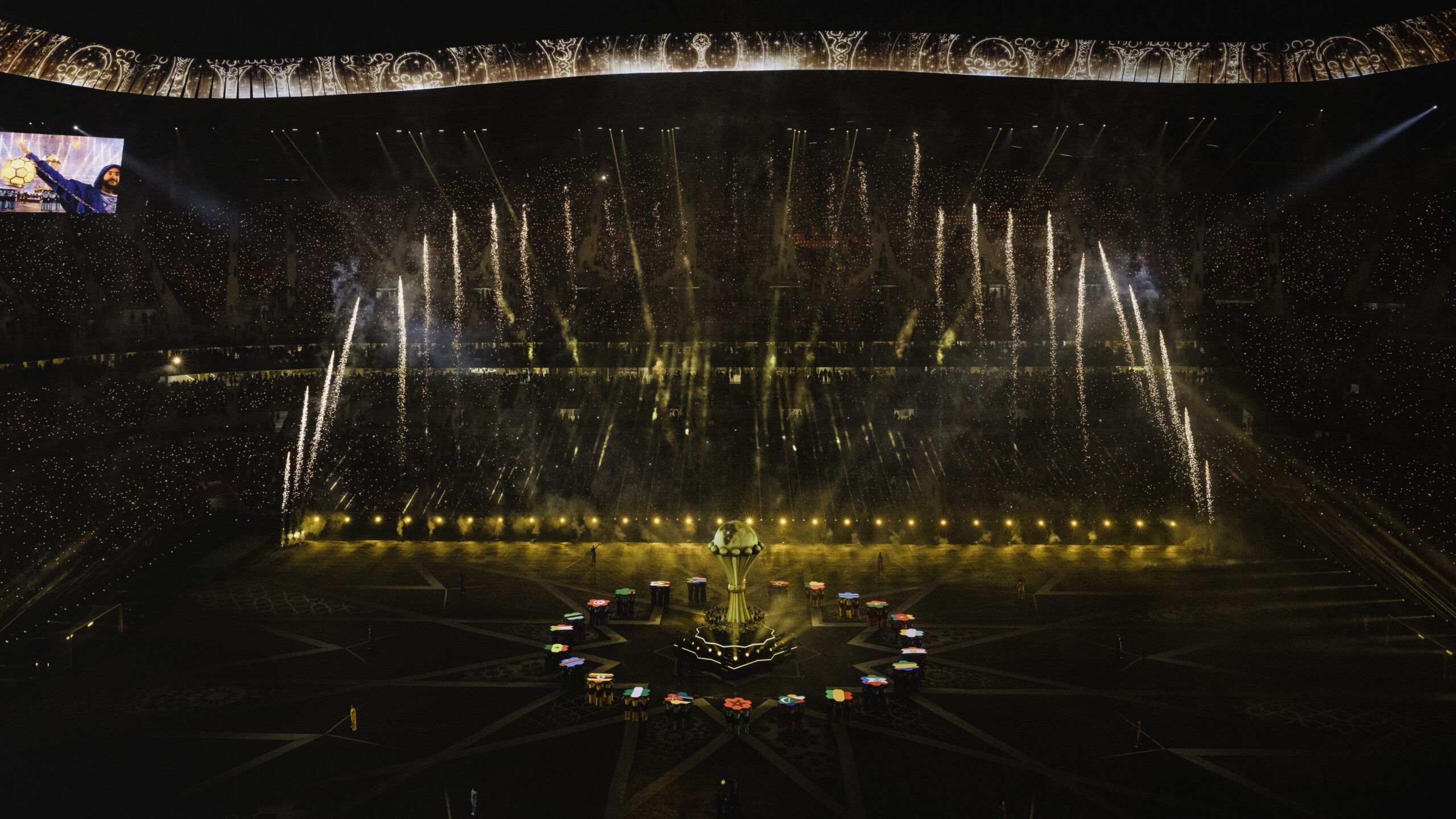
The 2025 Africa Cup of Nations had, over thirty-five days, been widely hailed as the finest edition in the tournament’s history. Morocco compressed what would typically require a decade of development into just twenty-four months, delivering world-class infrastructure across six host cities, with state-of-the-art stadiums, connectivity between major cities, and security systems that drew praise from international observers.
The tournament shattered commercial records, while five of the six stadiums designated for the 2030 FIFA World Cup were successfully tested and hosted major games, and Egypt’s Mohamed Salah publicly called it the best-organized tournament he had experienced on the continent.
It was, by any measure, a triumph of organization and ambition. All of it, every sold-out stadium and every piece of acclaimed infrastructure, was put at risk by a single act of indiscipline in the final’s dying moments.
Former Nigeria international William Troost-Ekong captured the sentiment felt by many across the continent: “AFCON is the continent’s showpiece event. So much progress has been made over the last few years to give the competition the respect it deserves. This progress has been undermined.”
Thierry Henry, never shy of an opinion, praised Morocco’s hosting effort while pointing the finger at CAF’s failure to prepare its referees for the standard demanded on the pitch, the very structural weakness that, in his view, planted the seeds of the final night’s chaos.
All of it, every sold-out stadium and every piece of acclaimed infrastructure, was put at risk by a single act of indiscipline in the final’s dying moments.
Regret and Responsibility: Thiaw’s Mea Culpa
In the immediate aftermath of the final, Pape Thiaw did something rare in the heat of football controversy: he apologized. Speaking to BeIN Sports, Senegal coach did not deflect or seek to justify his decision.
“I don’t want to go over all the incidents. I apologize for the football,” Thiaw said. “After reflecting on it, I made them come back on the pitch. You can react in the heat of the moment. We accept the errors of the referee. We shouldn’t have done it, but it’s done and now we present our apologies to football.”
It was a striking admission, a coach acknowledging that his actions had failed the game itself. The contrition was genuine. It was also, as events would prove, insufficient to shield Senegal from the regulatory consequences that were quietly taking shape within CAF’s disciplinary structures.
Morocco’s Legal Challenge: FRMF Takes the Fight to CAF
The morning after the final, the Fédération Royale Marocaine de Football moved swiftly. FRMF announced lodging a formal complaint with both CAF and FIFA, arguing that the Senegalese walkout had materially disrupted the proper course of the match in violation of the competition’s own rules.
The legal anchor was Article 82 of the AFCON Regulations, which states that any team leaving the field without the referee’s authorization must be considered to have forfeited. Morocco’s argument was straightforward: the fact that the game eventually resumed did not erase the violation, it merely deferred its consequences.
When the CAF Disciplinary Board initially ruled on fines and bans without altering the scoreline, Morocco appealed. In its appeal, FRMF argued that the Disciplinary Board’s decision should be set aside and that the conduct of the Senegal team fell within the scope of Articles 82 and 84 of the AFCON Regulations. The stage was set for a landmark ruling.
Precedents: When Teams Have Walked Off, and Paid the Price
To appreciate the legal foundation of CAF’s decision, two prior cases offer instructive parallels.
In April 2024, Fenerbahçe walked off during the Turkish Super Cup against Galatasaray barely two minutes into the match, in a deliberate act of protest against the Turkish Football Federation. The authorities wasted no time: Galatasaray were declared winners and Fenerbahçe sanctioned immediately.
The case established that a governing body will enforce forfeiture rules decisively when a walkout is clear and deliberate. Going further back, the 1920 Antwerp Olympic football final saw Czechoslovakia abandon their match against Belgium after just forty minutes, protesting what they perceived as biased refereeing.
The international authorities disqualified Czechoslovakia on the spot and awarded Belgium the gold medal. The principle embedded in that decision, that abandoning an official match without authorization constitutes a forfeiture, became foundational in sports governance.
The critical distinction between both cases and the 2025 AFCON final is the one that makes the CAF ruling truly unprecedented: neither Fenerbahçe nor Czechoslovakia completed their matches. Senegal did.
A full ninety minutes were played, a period of extra time was contested, and a winner was crowned by a final whistle. That detail is the legal fault line on which the entire dispute now rests.
The Law of the Land: Articles 82, 83 and 84 Decoded
On March 17th, 2026, the CAF Appeal Board issued its ruling. The Disciplinary Board’s earlier decision was set aside. Senegal were declared to have forfeited the final, and Morocco were recognized as AFCON 2025 champions with a 3-0 technical result. The legal path to that conclusion runs through three articles of the AFCON Regulations, each building on the last.
Article 82 is the starting point. It provides that if a team “refuses to play or leaves the ground before the regular end of the match without authorisation of the referee, it shall be considered loser and shall be eliminated for good from the current competition.” Senegal’s sixteen-minute walkout, undisputed in its facts, is what the Appeal Board found to constitute a breach of this provision.
Article 83 addresses a separate situation entirely, covering a team’s failure to appear on the pitch within fifteen minutes of the scheduled kick-off. Senegal arrived on time and properly equipped, so this article was not directly in play.
That is where Article 84 introduces the controversy. It states that “the team which contravenes the provisions of articles 82 and 83 shall be eliminated for good from the competition,” losing the match by 3-0. The word “and” sitting between the two articles has become the fault line of the entire legal dispute.
Does forfeiture require both articles to be breached simultaneously, or is a breach of either one sufficient to trigger the consequences? The Appeal Board opted for the broader reading, applying Article 84 on the basis of Article 82.
Legal scholars have since questioned whether that interpretation stretches the plain meaning of the text beyond what its drafters intended. A separate but equally significant objection concerns the referee’s role.
By allowing the match to resume after the walkout, critics argue, the referee implicitly closed the door on any subsequent forfeiture finding. CAF’s counter-position is that its regulations govern the competition independently of the referee’s in-match decisions, and that a disciplinary body’s authority to act on a regulatory breach does not expire simply because the game was allowed to finish.
It is precisely this tension, between what happens on the pitch and what can be decided in a boardroom, that CAS will now be asked to resolve.
Senegal Heads to CAS: The Battle Continues
The Fédération Sénégalaise de Football has confirmed it will appeal the ruling to the Court of Arbitration for Sport in Lausanne, the supreme judicial authority in international sports disputes. The FSF contests the legal basis of the decision, arguing that a result produced on the field after a completed match cannot be retrospectively overturned through a disciplinary process.
The ruling has divided opinion sharply across the football world. Critics of the decision, including former Liberian president and Ballon d’Or winner George Weah and former Nigeria captain William Troost-Ekong, have stated that it sets a dangerous precedent and damages African football’s credibility.
Supporters of the ruling, by contrast, maintain that CAF had no choice but to apply its own regulations consistently, and that allowing a team to walk off a pitch without consequence would set an equally damaging precedent for the integrity of the competition.
One CAS arbitrator, Raymond Hack, suggested the court could ultimately side with Senegal, pointing to the principle that completed matches should not be overturned absent corruption or fundamental illegality. Others, however, have noted that CAF’s regulations are the specific governing law of AFCON and that the Appeal Board was within its mandate to apply them as written.
Conclusion
The outcome at CAS is genuinely uncertain, and both legal positions carry merit. What is clear is that the controversy has cast a shadow over a tournament that, by every organizational measure, deserved to be remembered for its excellence alone.
Whether the trophy ultimately stays with Morocco or returns to Senegal, the damage to African football’s image will take time to repair, and that, more than any legal argument, is the real cost of what happened on the night of 18 January.