
Profile
Role: Former professional footballer, UEFA Pro Licence coach and Assistant Manager of the Tunisia national team
Specialisation: Leadership, tactical preparation, set piece expertise and individual player development
Experience: Germany, England, Saudi Arabia and Tunisia
Focus Areas: Leadership, tactical preparation, set piece expertise, individual player development, communication structures and player development
Biography
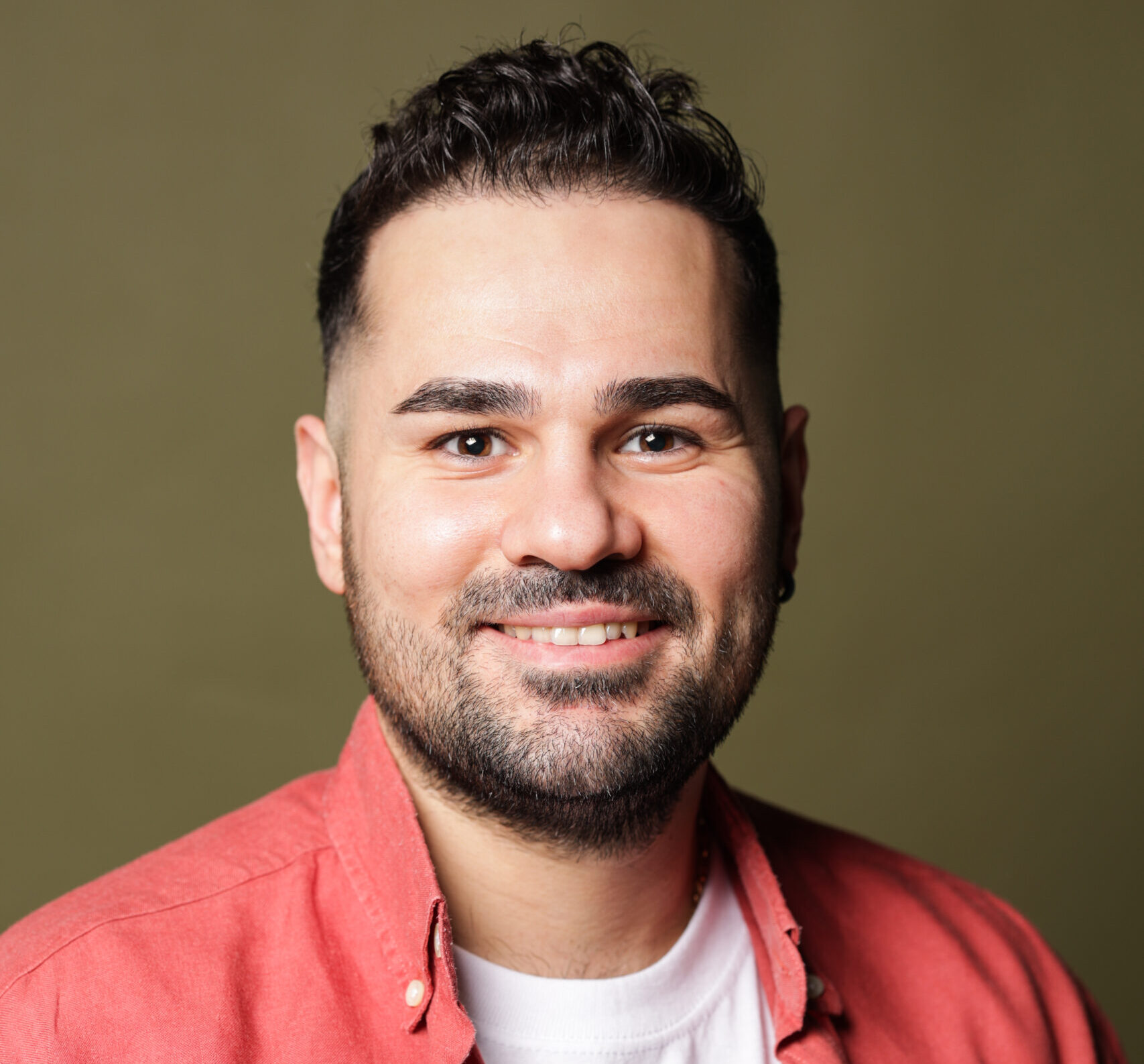
Michael Hefele is a former professional footballer and UEFA Pro Licence coach whose career bridges elite playing experience, high level coaching, and international football environments. Born in Germany in 1990, Hefele enjoyed more than a decade as a professional player, competing in over 260 first team matches across Germany and England. Throughout his playing career, he was widely recognised for his leadership qualities, captaining most of the clubs he represented and becoming a central figure both on and off the pitch.
His time in England played a defining role in shaping further his football identity. As a player for Huddersfield Town, Hefele achieved promotion to the Premier League and was one of the key players, underlining his influence during one of the club’s most successful modern periods. He later represented Nottingham Forest, further deepening his understanding of the Championship’s physical demands, tactical intensity, and competitive culture. These experiences provided him with first hand insight into high pressure environments, long seasons, and the importance of consistency at elite level.
Following his retirement, Hefele transitioned seamlessly into coaching in England. At Huddersfield Town, he worked in multiple strategic roles including Football Analyst, Club and Communication Lead, and Individual Coach, gaining a deep understanding of modern performance analysis, communication structures, and player development. He later joined West Bromwich Albion as Assistant Coach, where he contributed to a Championship semi final run and a top five league finish, reinforcing his experience in promotion driven projects and elite performance standards.
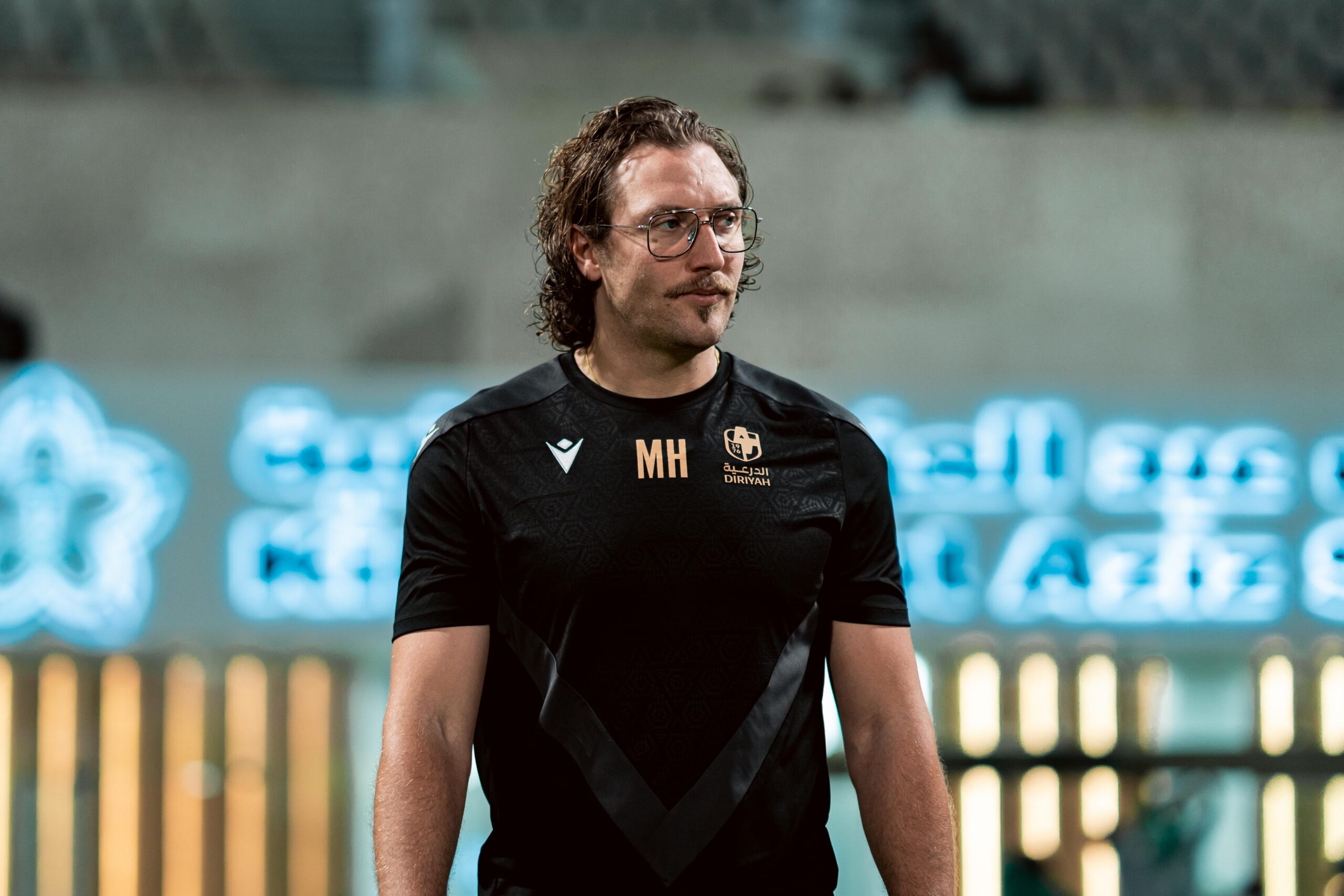
Beyond England, Hefele expanded his international profile with assistant manager roles in Saudi Arabia at Al Riyadh and Al Diraiyah, working closely with head coaches and senior management in culturally diverse and high expectation environments. As of now, he serves as Assistant Manager of the Tunisia national team and will experience the World Cup 2026, adding international football and tournament preparation to his portfolio.
Academically, Michael Hefele complements his practical experience with strong qualifications, holding a UEFA Pro Licence, and completing an MSc in Sporting Directorship. Known for his strengths in leadership, tactical preparation, set piece expertise, and individual player development, he is respected for his calm authority, empathy, and ability to connect structure with human management.
Michael Hefele represents a modern football professional shaped by English football intensity, German organisational discipline, and international adaptability, positioning him as a valuable asset in both club and national team environments.
Key Insights
- Michael Hefele’s career combines elite playing experience, coaching, analysis, leadership and international football environments.
- His work across England, Germany, Saudi Arabia and Tunisia has shaped his views on adaptability, communication and cultural intelligence.
- Hefele places strong emphasis on player development, trust, leadership, structure and supporting players as human beings.
Our Exclusive Interview with Michael Hefele
Your career has taken you from being a promotion winner in English football to working today at international level. How have your experiences in England shaped your understanding of leadership, pressure, and consistency in elitefootball?
England gave me much more than just football. It was the place where I experienced two crucial, life-changing moments: achieving promotion, which was an unbelievable highlight, and later being forced to retire. Living both extremes taught me resilience and self-awareness. As a leader, those moments helped me understand how important it is to stay calm under pressure, to take responsibility, and to keep moving forward even when the path changes.
Those experiences shaped my understanding of football not only as a game, but as an industry built on people. Playing in England taught me the value of consistency, clear standards, and strong leadership in high-pressure environments. Adapting to a new culture showed me how essential communication and trust are within a group. When a club is aligned around clear values and a shared direction, leaders can guide the team through success and adversity. Knowing when to stay consistent and when to adapt is, for me, one of the key qualities of effective leadership at the elite and international level.
Knowing when to stay consistent and when to adapt is, for me, one of the key qualities of effective leadership at the elite and international level.
You have held various roles including analyst, individual coach, communication lead, and assistant manager. How does this broad perspective influence the way you support a head coach and contribute to daily performance processes?
Having the opportunity to experience different roles and work across various departments helped me truly understand what really matters, because I lived it and breathed it myself. That was a deliberate choice. I wanted to start from scratch and learn every part of the football organization.
This is also why I chose to study alongside my practical experience, to broaden my mindset and continue developing myself. It allowed me to better understand not only the wants, but the real needs of a club and of a head coach. For me, leadership is about cutting through the noise, identifying the key priorities, and supporting decision-makers with precise, filtered information.
My goal is always to help the head coach as effectively as possible, because I know that if I were in that role, this is exactly the kind of support and clarity I would value.
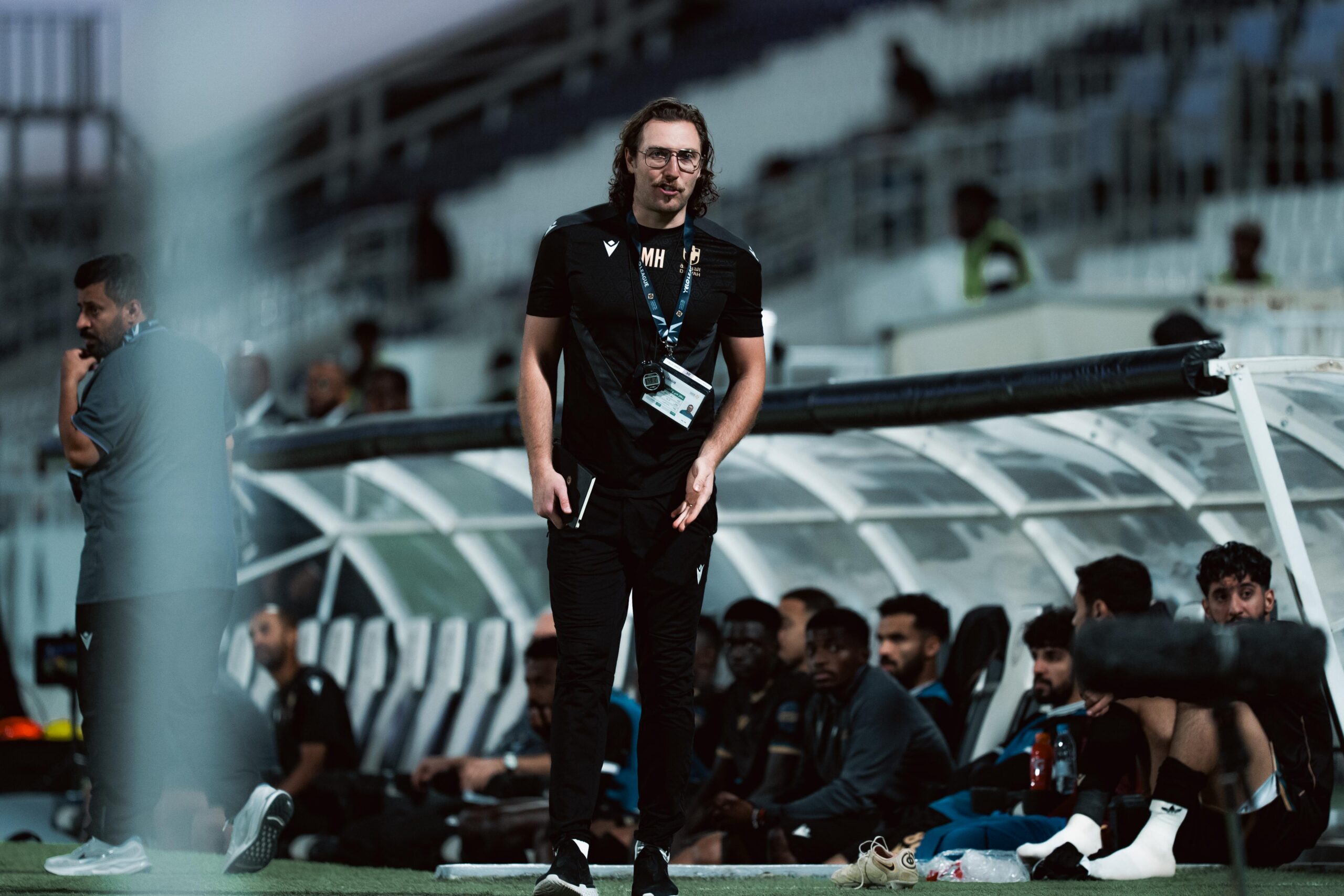
Working across different football cultures in England, Germany, Saudi Arabia, and now with the Tunisia National Team, adaptability is key. What have you learned about managing players and staff in such diverse environments?
To be honest, this has been one of the greatest experiences of my life, and I am extremely grateful for it. It is where I have grown the most as a person. Living in so many different cultures and truly understanding them has developed my cultural intelligence, which is invaluable to me.
Leadership looks very different in every environment. Each country has its own way of working, communicating, and building trust, and that is what makes football so beautiful. You have to be open-minded, willing to listen, and ready to adapt. Otherwise, you won’t last long.
Leadership looks very different in every environment.
For me, it is a real privilege to adapt to a culture and live it. I don’t believe in arriving somewhere and trying to change people or impose “my way.” That approach simply doesn’t work. Instead, leadership is about understanding the environment, respecting it, and bringing people with you in a way that fits their culture.
Recognizing how to do that, earning buy-in, and building trust is difficult but I genuinely enjoy that process. Being able to experience those moments and connect with people across cultures brings me pure happiness.
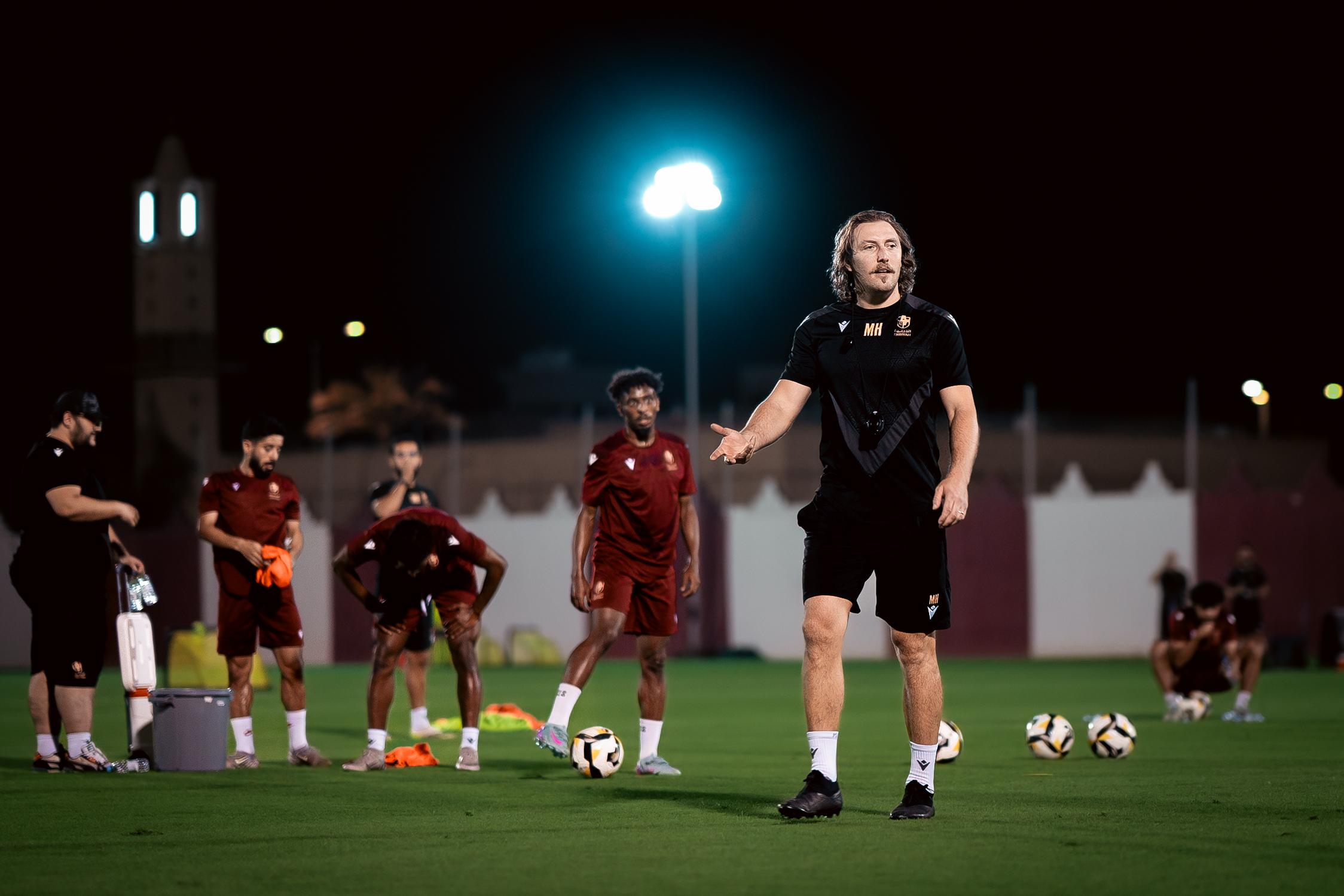
Tunisia is qualified for the 2026 World Cup. From your perspective, what are the most important factors in building stability, identity, and competitive edge within a national team aiming to perform on the world stage?
They did an amazing job qualifying for the World Cup, and that deserves full respect. From there, it’s important to analyse the entire situation in detail and with an objective perspective. You have to understand what has worked, what can be improved, and where the real potential lies.
The focus then is on working relentlessly to bring together the best possible team! One that fights for each other and plays with real unity. More than anything, it’s about creating belief, energy, and excitement around the group. And all the other secrets I will keep for myself
As an assistant manager at international level, how do you personally measure success in your role beyond match results, and what aspects of your work give you the greatest sense of responsibility and fulfilment?
The greatest fulfilment for me is helping a player improve and supporting them as they move one step closer to their dreams. It’s about helping them grow as footballers, but even more importantly, as human beings. When those two elements come together, real and sustainable success becomes possible.
There is no greater joy than seeing players achieve their goals and the happiness, the smiles, the sense of pride. That is priceless.
There is no greater joy than seeing players achieve their goals and the happiness, the smiles, the sense of pride.
I am equally committed to supporting players during difficult moments, whether that is injury, lack of playing time, or personal challenges. I’ve been in those situations many times myself as a player, and I know how lonely they can feel. That experience drives me to be there for them. Sometimes leadership is about guidance and structure, and sometimes it’s simply about being present and having someone they can talk to.
FAQ
Who is Michael Hefele?
Michael Hefele is a former professional footballer and UEFA Pro Licence coach whose career bridges elite playing experience, high level coaching, and international football environments.
What is Michael Hefele’s current role?
As of now, he serves as Assistant Manager of the Tunisia national team and will experience the World Cup 2026, adding international football and tournament preparation to his portfolio.
What are Michael Hefele’s key coaching strengths?
Known for his strengths in leadership, tactical preparation, set piece expertise, and individual player development, he is respected for his calm authority, empathy, and ability to connect structure with human management.