

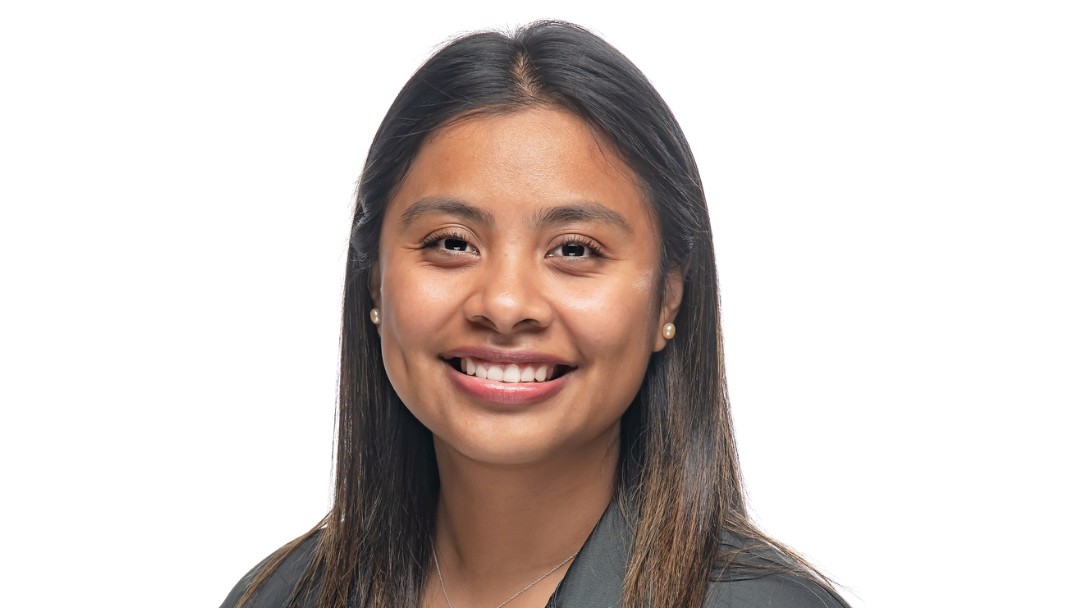
Profile
Role: Wellbeing Coordinator
Specialisation: Player wellbeing, education, and high-performance development
Experience: MLS Next academy environment
Focus Areas: Academic progress, personal wellbeing, player support, communication, and holistic player development
Biography
Thelma Ortega represents a new generation of football professionals working at the intersection of player wellbeing, education, and high-performance development. Operating within an MLS Next academy environment, she plays a critical role in supporting young athletes through one of the most demanding stages of their football journey, where expectations are high, competition is constant, and the margin for error is small.
In her role as Wellbeing Coordinator, Ortega acts as a central point of connection across the academy. She works closely with players, coaches, and families, ensuring that each individual is supported not only in their football development, but also in their academic progress and personal wellbeing. Her position requires both structure and sensitivity, balancing the demands of a professional environment with the realities of adolescent development.
A significant part of her work is focused on education, with academic support forming a large proportion of her day-to-day responsibilities. “Academics takes up about… 60% of my day, most of the time,” she explains, highlighting the importance placed on developing players beyond the pitch.
Academics takes up about… 60% of my day, most of the time,
At the heart of Ortega’s work is her daily interaction with players. Her approach is not to direct or impose, but to guide. “I try to help them kind of understand what they’re feeling. I never tell them what they’re feeling… I want them to kind of figure out their own emotions and be able to make their own decisions.” This philosophy reflects a long-term view of development, equipping players with the tools to manage themselves even when support is no longer immediately present.
I try to help them kind of understand what they’re feeling. I never tell them what they’re feeling… I want them to kind of figure out their own emotions and be able to make their own decisions.
Positioned between players and coaches, Ortega plays a key role in maintaining clarity within the environment. She describes herself as “kind of like the bridge in between,” helping players process coaching decisions while also supporting coaches in understanding player reactions. This requires a careful balance of trust, discretion, and communication, ensuring players feel safe to express themselves while maintaining alignment across the group.
Her experience has also given her a clear perspective on what drives success in young athletes. While talent is often the most visible trait, Ortega has observed that it is not always the most reliable indicator of progression. “Talent doesn’t always equal discipline,” she notes, emphasising that qualities such as commitment, leadership, and consistency are often what translate across both football and academics. Players who demonstrate these traits tend to show a natural alignment in their behaviours, both on and off the field.
Talent doesn’t always equal discipline
Equally, her work involves recognising when players are struggling, often before they express it verbally. “Body language is the first thing that I pick up,” she explains, highlighting how subtle behavioural cues can reveal underlying challenges. In an environment where young athletes may not always openly communicate their emotions, this awareness becomes a critical part of providing timely support.
Ortega also brings a grounded understanding of the realities of academy football. Unlike school environments, MLS Next operates within a professional framework where performance is constantly evaluated. “It’s kind of like a small pro type of sport,” she explains, acknowledging the increased pressure and the competitive nature of the pathway. Not every player will thrive in this environment, and part of her role is helping players and families navigate that reality with clarity and honesty.
For parents, this often means adjusting expectations. While opportunities at this level are significant, Ortega emphasises the importance of ensuring that players are genuinely enjoying their experience. The demands are high, and without that intrinsic motivation, the environment can quickly become overwhelming.
What stands out most in Ortega’s work is her commitment to building meaningful relationships. Trust, in her view, is not assumed but developed over time. “My biggest thing is communication… and vulnerability,” she says, describing how she creates an open and supportive environment for players. By sharing parts of herself, showing patience, and treating players with respect, she creates a space where young athletes feel comfortable to open up and engage.
“I don’t try to force a relationship… I like for them to build it naturally,” she adds, reinforcing a patient, person-centred approach that prioritises long-term connection over short-term control.
In a football landscape that is placing increasing value on holistic player development, Ortega’s role reflects a broader shift in how academies are structured and supported. Her work highlights the importance of creating environments where young athletes can develop not only as players, but as individuals capable of navigating the pressures and expectations of elite sport.
Key Insights
- Thelma Ortega supports young athletes across player wellbeing, education, and high-performance development.
- Her role connects players, coaches, and families within an MLS Next academy environment.
- Her approach focuses on communication, vulnerability, trust, and helping players understand their own emotions.
Our Exclusive Interview with Thelma Ortega
What does your role actually look like day to day?
Academics takes up about… 60% of my day, most of the time. A lot of it is just checking in on them, making sure they’re on top of their work, and also seeing how they’re doing emotionally.
You mentioned being a bridge between players and coaches. What does that mean in practice?
I’m kind of like the bridge in between. Players might come to me about something they didn’t understand from a coach, or something they’re feeling, and I help them process that… and then on the other side, I can help coaches understand how a player is reacting.
When players come to you with challenges, how do you support them?
I try to help them kind of understand what they’re feeling. I never tell them what they’re feeling… I want them to figure out their own emotions and be able to make their own decisions.
What have you noticed about players who manage football and academics well?
Discipline, commitment, leadership… those things transfer. The players who are disciplined on the field tend to be disciplined in the classroom too.
And what about players who rely more on natural talent?
Talent doesn’t always equal discipline. Sometimes those players need a little bit more support academically, just to stay on track.
How do you spot when a player might be struggling?
Body language is the first thing that I pick up. You can kind of tell when something’s off, even if they’re not saying it yet.
How different is an MLS Next environment compared to school football?
It’s kind of like a small pro type of sport. It’s very performance-based. It’s about winning, it’s about results… so it’s a different level of pressure.
What do you think parents often misunderstand about this environment?
I think sometimes they don’t realise how competitive it is, or how much is expected. It’s important that they’re checking in with their child and making sure they’re actually enjoying it.
How do you build trust with the players?
My biggest thing is communication… and vulnerability. I try to be open with them, be patient, and just show respect.
Do you take a structured approach to building those relationships?
I don’t try to force a relationship. I like for them to build it naturally… over time.
FAQ
Who is Thelma Ortega?
Thelma Ortega is a Wellbeing Coordinator working within an MLS Next academy environment.
What does Thelma Ortega’s role focus on?
Her role focuses on supporting young athletes through player wellbeing, education, academic progress, and personal development.
How does Thelma Ortega support players?
She supports players by helping them understand what they are feeling, process challenges, and build trust through communication and vulnerability.