Home Blog Page 56

Muundo na Uundaji wa Mtihani wa Wakala wa Mpira wa Miguu wa FIFA

Photo by Glenn Carstens-Peters on Unsplash

FIFA imezindua mabadiliko makubwa ya kimuundo kwenye Mtihani wa Wakala wa Mpira wa Miguu, ambayo yataanza kutekelezwa kuanzia tarehe 4 Machi 2025. Mabadiliko haya yanaashiria mabadiliko kutoka kwenye mtihani wa awali unaofanyika kimwili hadi kwenye mtindo wa mtandaoni, pamoja na taratibu kali za ufuatiliaji na mahitaji ya kiteknolojia yaliyosasishwa. Mabadiliko yanalenga kuongeza haki, uwazi, na uboreshaji wa kiwango, kuhakikisha kwamba wagombea wote, bila kujali eneo, hufanya mtihani chini ya hali sawa na zilizodhibitiwa kikamili.

Mabadiliko ya Kimuundo

Awali, wagombea walitakiwa kufanya mtihani kimwili katika maeneo maalum yaliyowekwa na Mashirika ya Mpira wa Miguu ya Kitaifa (NAs). Ingawa mfumo huo uliruhusu udhibiti wa hali za mtihani, kulikuwa na tofauti kubwa katika mazingira ya mtihani, ikiwa ni pamoja na tofauti za ufadhili wa kiteknolojia, ufikiaji wa mtandao, na uboreshaji wa vifaa vya maeneo. Zaidi ya hayo, sheria kuhusu vifaa vilivyoruhusiwa hazikuwa sawa: baadhi ya NAs ziliruhusu wagombea kuleta nakala za kuchapwa (zikiwemo zile zilizoandikwa kwa mikono), wakati nyingine zilizuia kikamili.

Kwa sasa, FIFA imeondoa mtihani wowote unaohusisha maeneo maalum na kuchukua nafasi yake kwa mtindo wa mtandaoni pekee. Hii inamaanisha kwamba wagombea lazima wafanye mtihani katika mazingira binafsi yaliyojengwa na wao wenyewe. Mabadiliko haya yanaweka mzigo mkubwa kwa wagombea kuhakikisha kuwa wana teknolojia inayohitajika, mtandao thabiti, na eneo linalofaa la kufanya kazi. Mfumo mpya unaanzisha hatua za usalama zilizoimarishwa, ikiwa ni pamoja na lazima ya kutumia kamera na kipaza sauti kwenye kompyuta ya mgombea, pamoja na ufuatiliaji wa sekondari kupitia kifaa cha simu janja. Tofauti na awali, ambapo walinzi walikuwa wakishuhudia wagombea kimwili, FIFA sasa itatumia zana za ufuatiliaji zinazotumia akili bandia (AI) kufuatilia tabia na kugundua shughuli za kushuku kwa wakati halisi.

Sheria Mpya Kuhusu Vikomo 

Mabadiliko mengine muhimu ni uondoaji wa vikomo yoyote wakati wa dakika 60 za mtihani. Awali, wagombea waliruhusiwa kuchukua vikomo vya msalani chini ya udhibiti, lakini hii haikubaliki tena. Mara tu mtihani unapoanza, wagombea lazima waonekane kwenye kamera na kukaa kwenye kiti hadi muda utakapokwisha. Kama mgombea ataondoka, ataangalia kwingine kwa muda mrefu, au kupoteza muunganisho wa mtandao, jaribio lao litabatilishwa mara moja, na watalazimika kujiandikisha tena kwa kipindi kijacho.

Adhabu Kali kwa Ukiukwaji

FIFA pia imeanzisha sheria kali zaidi kuhusu ukiukwaji wa sheria za mtihani. Chini ya mfumo wa awali, ukiukwaji kama mawasiliano yasiyoidhinishwa, kufikia vyanzo vya nje, au kutumia vifaa vya kielektroniki vingeweza kusababisha kufutwa kwa muda wa mtihani huo, lakini wagombea walikuwa wakiweza kujiandikisha tena kwa mtihani ujao bila adhabu zaidi. Chini ya kanuni mpya, ukiukwaji mkubwa (kama kudanganywa, kupiga picha ya skrini, au kushiriki maudhui ya mtihani) unaweza kusababisha kufutwa kwa ushiriki katika mitihani ijayo. Kwa hali mbaya, wagombea wanaweza kupigwa marufuku kudumu kupata leseni ya wakala wa FIFA.

Lengo la FIFA

Kwa mabadiliko haya, FIFA inalenga kuunda mchakato wa mtihani unaodhibitiwa kikamili na kuondoa tofauti za mazingira ya mtihani. Wagombea lazima wawe tayari kikamili, kwa mujibu wa mahitaji ya kiteknolojia na uelewa wa sheria, kwani kushindwa kufuata masharti yoyote kunaweza kusababisha kufutwa kwa jaribio lao.

Muundo wa Mtihani na Mahitaji ya Kupita

Mtihani wa Wakala wa FIFA sasa unafanyika mtandaoni kikamili, badala ya mtindo wa awali wa kimwili. Mabadiliko haya yanaondoa hitaji la kusafiri kwenda kwenye vituo maalum. Mtihani bado una muda wa dakika 60, na wagombea wanatakiwa kupata angalau 75% ili kupita.

Maswali ni ya kuchagua jibu sahihi na yanahusu kanuni za FIFA kama vile uhamisho wa wachezaji, mikataba, majukumu ya wakala, na utawala wa mpira wa miguu. Maswali pia yanalenga kujaribu uwezo wa mgombea kutumia kanuni za FIFA katika hali halisi za mazoezi.

Vikomo Vimekataliwa Kabisa

Moja ya mabadiliko makubwa ni marufuku ya vikomo wakati wa mtihani. Awali, wagombea waliruhusiwa kuomba vikomo vya msalani chini ya usimamizi, lakini sasa hakuna uwezekano wa kusitisha mtihani. Hivyo, wagombea lazima wawe wamejitayarisha vyema kabla ya kuanza mtihani.

Mahitaji ya Kiteknolojia 

Kwa kuwa mtihani unafanyika mtandaoni, FIFA imeweka mahitaji madhubuti ya kiteknolojia:

Kompyuta yenye kamera na kipaza sauti vinavyofanya kazi kikamili.

Simu janja kwa ajili ya ufuatiliaji wa sekondari.

Muunganisho thabiti wa mtandao. Kuvurugika kwa mtandao kunaweza kusababisha kufutwa kwa mtihani.

FIFA inashauri wagombea kujaribu vifaa vyao na mtandao kabla ya tarehe ya mtihani.

Vifaa Vinavyoruhusiwa na Visivyoruhusiwa 

✔️ Vinavyoruhusiwa:

– Vyanzo vya kusoma vya kidijitali kwenye kompyuta.

– Miwani ya matibabu (ikiwa inahitajika).

– Kalamu na karatasi moja tupu kwa ajili ya kuchukua maelezo (inaonyeshwa kwenye kamera kabla na baada ya matumizi).

– Kikokotoo kilichojengwa ndani ya jukwaa la mtihani.

Visivyoruhusiwa:

– Simu janja (isipokuwa ile inayotumika kwa ufuatiliaji).

– Vifaa vya kielektroniki kama vile smartwatch au vipokezi sauti.

– Nakala za kuchapwa, maandishi ya mikono, au vyanzo vya nje.

– Vikokotoo vya nje.

Adhabu kwa Ukiukwaji 

FIFA ina sera kali ya “kutokubaliana kabisa” na ukiukwaji wowote, ikiwa ni pamoja na:

– Udanganyaji (kutumia vyanzo visivyoruhusiwa).

– Kuchukua skrini au kushiriki maudhui ya mtihani.

– Mawasiliano yasiyoidhinishwa.

– Kuacha mtihani bila idhini.

Ukiukwaji unaweza kusababisha kufutwa kwa mtihani, marufuku ya muda, au hata kudumu. FIFA pia inatumia mfumo wa AI kuchunguza tabia za kushuku wakati wa mtihani.

Matokeo na Ruzuku 

Matokeo yatatumwa kwa barua pepe ndani ya siku 14. Hakuna ruzuku ya matokeo. Kama mgombea atashindwa, anahitaji kusubiri mtihani ujao.

Mwisho

Mabadiliko ya FIFA yanaonyesha mwelekeo wa kuimarisha usalama na haki katika mtihani. Kwa kufuata miongozo kwa makini na kujiandaa kikamili, wagombea wanaweza kuongeza nafasi zao za mafanikio.

Saudi Arabia’s World Cup Stadiums: Icons of Design, Culture, and Innovation

Image Courtesy of FIFA / Saudi Arabia 2024 Bid

The Kingdom of Saudi Arabia is revealing a string of modern stadiums that combine innovative architecture with cultural relevance in anticipation of hosting the 2034 FIFA World Cup. The five cities of Riyadh, Jeddah, Al Khobar, Abha, and NEOM will host the fifteen venues that will make up the tournament. Each one is a reflection of the country’s determination to provide an unforgettable sporting experience and make a lasting impression.

Riyadh: The Sporting Wonders of the Capital

King Salman International Stadium

Image Courtesy of FIFA / Saudi Arabia 2024 Bid

This Riyadh stadium, with its 92,760 seats, is going to be the showpiece of Saudi Arabia’s World Cup infrastructure. Its architecture, by the world-renowned Populous, blends in with the surrounding environment, making use of natural shading and ventilation. It will play host to the first match and the championship when it opens in 2029.

King Fahd Sports City Stadium

Image Courtesy of FIFA / Saudi Arabia 2024 Bid

This iconic stadium will be refurbished and enlarged to accommodate 70,200 spectators. The design, which draws inspiration from Bedouin tents, will be updated to meet FIFA standards while preserving its essence.

New Murabba Stadium

Image Courtesy of FIFA / Saudi Arabia 2024 Bid

Inspired by the layered bark of native acacia trees, this 46,000-seat stadium is part of Riyadh’s pioneering New Murabba stadiums urban development. Its exterior features textured, angular forms and illuminated entrances. The stadium is designed for adaptability, equipped with immersive technology and features that prioritize the needs of fans. After hosting World Cup group and knockout matches, it will transform into a multi-use arena for public gatherings, concerts, and gaming events. This building embodies the vision of Saudi Arabia, which is to combine urban vitality with architectural artistry.

Prince Mohammed bin Salman Stadium

Image Courtesy of FIFA / Saudi Arabia 2024 Bid

This one-of-a-kind cliff-top venue, situated atop picturesque Tuwaiq Mountain, will have a retractable roof and a planned capacity of 46,979 spectators. It will provide an unparalleled atmosphere for matchdays and expansive views of the desert.

ROSHN Stadium

Image Courtesy of FIFA / Saudi Arabia 2024 Bid

With a focus on sustainability and innovation, ROSHN Stadium will offer a 46,000-seat experience with advanced technology and enhanced spectator amenities.

Prince Faisal bin Fahd Sports City Stadium

Image Courtesy of FIFA / Saudi Arabia 2024 Bid

A complete redesign will transform this 1971-built venue into a 46,865-capacity stadium. Emphasizing energy efficiency and Salmani architecture, it will be set within a new green park zone.

King Saud University Stadium

Image Courtesy of FIFA / Saudi Arabia 2024 Bid

Originally a 25,000-seat venue, this stadium will expand to host over 46,000 spectators. A lightweight elliptical roof design will cap this venue, which will return to university and community use post-World Cup.

South Riyadh Stadium

Image Courtesy of FIFA / Saudi Arabia 2024 Bid

Among the most eco-friendly stadiums in the Kingdom, South Riyadh Stadium is located close to Wadi Namar. With a design influenced by Salmani and eco-friendly features like solar panels and rainwater collection, this stadium can accommodate more than 47,000 spectators. It strikes a balance between old-fashioned reverence for nature and cutting-edge ecological consciousness with its drought-resistant landscaping and site-specific architecture. The stadium is set to become an iconic part of the Saudi Pro League and a thriving community hub after playing host to early-stage World Cup matches.

Jeddah: Coastal Sporting Excellence

King Abdullah Sports City Stadium

Image Courtesy of FIFA / Saudi Arabia 2024 Bid

Nicknamed “The Shining Jewel”, this  iconic stadium will retain its faceted architectural identity while being upgraded to meet FIFA’s highest standards.

Qiddiya Coast Stadium

Image Courtesy of FIFA / Saudi Arabia 2024 Bid

Representing innovation combined with natural beauty, Qiddiya Coast Stadium will seat more than 46,000 spectators and be located along the picturesque Red Sea shoreline close to Jeddah. The venue’s design, which takes design cues from the nearby coastline, is reminiscent of waves. Group stage and knockout matches will be held at the stadium, which is set to open in 2032. Removable upper tiers and flexible spaces for concerts, esports, and exhibitions will highlight its long-term versatility and entertainment potential as it transforms into a dynamic complex after the World Cup.

Jeddah Central Development Stadium

Image Courtesy of FIFA / Saudi Arabia 2024 Bid

A brand-new stadium with a 45,794 capacity, it will be a central piece in Jeddah’s urban transformation, combining modern flair with traditional design elements.

King Abdullah Economic City Stadium

Image Courtesy of FIFA / Saudi Arabia 2024 Bid

This 45,700-seat stadium is situated in KAEC, north of Jeddah. The architectural firm AFL drew design inspiration from coral reefs in the Red Sea for its shape. In addition to hotels and retail spaces, the precinct will house sports clinics.

Al Khobar: Eastern Province’s Rising Star
Image Courtesy of FIFA / Saudi Arabia 2024 Bid

Located in Al Khobar, Aramco Stadium showcases the perfect blend of modern architecture with industrial history. Supported by Saudi Aramco, a global powerhouse in the energy sector, this stadium is being constructed with an anticipated capacity of more than 46,000. With Aramco’s help, the Kingdom is showing that it is serious about improving its sports infrastructure by using its economic might. The stadium’s design echoes Aramco’s tradition of innovation and precision through its emphasis on sustainability, efficiency, and amenities for fans’ comfort. In addition to hosting crucial group and knockout matches during the World Cup, Aramco Stadium, located in the Eastern Province, will also function as a regional sports and entertainment center in the long run.

Abha: The Elevated Experience

Abha Stadium

Image Courtesy of FIFA / Saudi Arabia 2024 Bid

Located in the picturesque Asir Mountains, this 45,428-seat stadium will blend in with its natural surroundings, providing fans with a refreshing atmosphere, panoramic views, and an international football experience like no other.

NEOM: A Stadium of the Future

NEOM Stadium

Image Courtesy of FIFA / Saudi Arabia 2024 Bid

Situated 350 meters above ground inside the revolutionary city of The Line, NEOM Stadium will seat 46,010 spectators. As a symbol of futuristic urbanism, it will incorporate the highest levels of sustainability, smart technology, and architectural ambition.

These stadiums are more than venues; they are monuments to Saudi Arabia’s transformation and cultural pride. Each one tells a story of heritage, innovation, and the Kingdom’s unwavering commitment to hosting a groundbreaking 2034 FIFA World Cup.

Top 10 Tips to Pass the FIFA Football Agent Exam

Exam Paper
Photo by Louis Bauer on Pexels
Introduction

As preparations for the next FIFA Football Agent exam begin, let us provide you with our top 10 tips for passing the exam and some final points to remember. Pay close attention, following these may just be the difference between passing and failing!

1. Read through and highlight the FIFA Study Materials

Perhaps the most demanding of the top 10 tips is to take sufficient time to sit down and read through the entirety of the 800 page FIFA Study Materials document. Although this may seem a mammoth task, by taking a bit of time each day you can work through each section of the document and will quickly become accustomed to the content of each of the smaller documents contained within it. The FIFA Agent Exam questions will be formed from questions on the FIFA Football Agent Regulations (FFAR), the Regulations on the Status and Transfers of Players (RSTP), FIFA Code of Ethics, FIFA Disciplinary Code, FIFA Statutes, Clearing House Regulations, Procedural Rules Governing the Football Tribunal, and two FIFA Child Safeguarding components. Therefore, it is essential to have read each one at least once to ensure you are aware of everything that is covered within the document.

As you work through the Study Materials, it is also worth using a coloured pen or highlighter on a printed version to emphasise key clauses and articles of the different documents. For example, key sections such as definitions and the most difficult topics or lengthy paragraphs can be simplified by highlighting the relevant parts that can then help you remember which information is in which section of the document and can make answering questions more efficient.

Remember though, that in the exam it is no longer possible to have a printed version of the study materials with you. You should ensure that you focus on finding the digital version easier to navigate, but may find benefit in utilising a printed copy during your preparation.

2. Develop a Study Material Navigation System

We have just mentioned the use of a highlighter and this is one way of exercising this next tip; to develop an efficient, accurate and fast navigation system to find an answer quickly during the time-pressured exam. Navigation is of utmost importance as it can relieve a lot of stress and pressure during the exam if a candidate has a useful system in place. One way of doing this is to ensure you have repeatedly read and understood the table of contents at the beginning of the study materials and for each separate document.

For example, if a question comes up on registration periods, as one of the most challenging examinable topics, it will enhance the chances of successfully answering the question correctly if you can immediately know the relevant location in the digital Study Materials. Due to time constraints, it is best to avoid spending time trying to find where each section is before you can even get around to reading it and locating the answer. We would advise that the best way of preparing a navigation system is to use another piece of paper and write out the pages where each new document begins and noting down which bits of content are covered in each one, as well as also identifying the page numbers and article numbers of the most difficult topics that are commonly examined such as training compensation, solidarity contributions, the FIFA Football Tribunal, and Protection of Minors. We have given some examples in the table below to give you an idea for formulating your own navigation system:

Topic Document Study Material Page
Training Compensation RSTP Page 195

Pages 234-237

Solidarity Mechanism RSTP Page 195

Pages 238-239

FIFA Football Tribunal Procedural Rules Governing the Football Tribunal Pages 258-282
Protection of Minors RSTP Pages 188-193


3. Take a Course

For many, this may be the first examination setting they have been in for a particularly long time, since their days in school. It can be a foreign environment and creates uncertainty for how to prepare to take the exam and how to conduct yourself when actually sitting it. In reality, preparing for this exam is very similar to how one might prepare for an exam at school. At school, teachers were on hand to explain everything to you, answer questions and help you be best prepared to take an exam successfully. For the agent exam, this should be the same.

By registering for our course via thefootballweek.org/course, you have access to experts and teachers, Daniel Geey and Dr Erkut Sogut, who can do exactly this. Our course has an 88% pass rate, nearly double the global pass rate for the exam. It is composed of two different courses, one 8-hour full day session which takes place approximately one month before the exam, and then another shorter 5-hour course which takes place in the week preceding the exam to iron out your final queries. The course brilliantly compliments what you will have learned in this book, it brings everything together and allows you to ask questions, interact and to network and learn with others in the same position as you.

If you wish to compare courses, the key things to remember is to check the pass rates, reviews, credibility and reputation of each course. There are now several available to candidates which offer different approaches to preparation such as live webinars over several weeks, a one day live course, practice question access, and written reading material. Depending upon your own learning preferences some may appeal more than others but in simple terms, it is vital that you take a course which provides accurate information and useful guidance for the exam. We would advise taking a live preparation course as you can ask questions and learn with others which is often more beneficial.

Financial constraints may make taking a course, as well as paying the examination fee, seem less attractive but we would advise that it is worth the money if it is a course that is guaranteed to increase your chances of success. Remember that the pass rate for the exam is very low and therefore courses that have pass rates well above this level are worth the money to avoid retaking and paying the exam fee twice.

We would also strongly encourage you to subscribe to the “Agents Week,” your go-to magazine for all the latest updates and essential information in the agents’ world. Stay informed on recent changes in regulations, get insights into the FIFA Football Agent exam, and discover many other intriguing topics. This weekly publication is designed to keep you ahead in your career. To further enhance your preparation, you can also read our Monday blogs and engage with the LinkedIn Questions on Sports Agent Academy, starting 50 days before the exam. Don’t miss out on these valuable resources!

Do feel free to reach out to the Sports Agent Academy on all of our relative social media platforms to ask us any questions about our available courses and further exam support resources.

4. Do As Many Practice Questions as Possible

As with the majority of things in life, practising answering questions will create the most improvement and preparation. Most of the courses available as mentioned above will offer access to a large number of practice questions which can be a benefit to attendees. There are also questions available as a ‘mock exam’ via the FIFA Agent Platform and Portal which we would highly recommend attempting as it is also presented and structured in the exact manner of the real exam. It can help candidates learn how the exam appears and the logistics of answering questions, skipping and returning and time management.

Specific topics and content within the FIFA Study Materials create more anxiety for candidates than others. However, we have found that those that engage directly with these topics by answering many practice questions around the subject quickly begin to develop a smart method of correctly answering them. This will help them feel more confident going into the exam if the topic comes up.

5. Learn With Others

As well as taking a course with experts in the FIFA Football Agent Exam, communicating and interacting with your personal network can be one of the best ways to learn. Different people in the industry have different areas of knowledge. This means that some of the topics you are finding easier or more difficult will not be the same for others. Reach out to your network, have phone calls and coffee meet-ups and go through different areas of the Study Materials. This will help you identify which topics you are most comfortable with and also those which you need to dedicate more revision time to. It may also raise some uncertain questions and queries that you can discuss and discover the correct answer. Fundamentally, it is important to remember that almost every candidate taking the exam will be concerned about at least one area of questioning in the exam. Working together can help squash these worries and increase the chances of success for everyone!

6. Master Time Management

We have the luxury of a very simple task. Answer 20 questions in 60 minutes. This means that the average time available per question is 3 minutes. Hence, one of our top 10 tips concerns time management. When practising answering questions and working through different examples, it is key to bear in mind these time constraints. Try to answer each question within the 3 minutes.

Then when it comes to sitting the real exam, remember your timings. The worst possible scenario would be to finish the hour period having to leave several questions unanswered. You stand a better chance of getting 15 questions right if you answer all 20 questions. Therefore, a candidate needs to have good awareness and a time management system to ensure they are not rushed or panicked within the exam.

7. Write Out Calculations

Yes this is an exam for football agents, but something you may be asked to do is maths! Topics such as training compensation and the solidarity mechanism will require accurate mathematical calculations to accurately determine the exam figure of the fee due to training clubs from a new buying club. Don’t try and attempt these purely mentally. It becomes a lot easier when you use a piece of paper to write out all the key details such as the category being used for the contribution as well as the age of the player in each calendar year. Take the time to write down these calculations and be careful not to make simple mathematical mistakes. Practice, as always, is key for these to familiarise yourself with ‘football maths’!

8. Read the Question Fully

There are two key points that you may quickly notice when you begin trying practice questions for the FIFA Agent Exam. By reading each question thoroughly and attentively you will avoid making unnecessary simple errors.

Firstly, you must identify whether the question is asking ‘positively’ or ‘negatively’. For example a question may begin ‘which of the following is the best definition of…’ or it will say ‘which of the following is NOT part of the definition of…’. Looking for a keyword such as not will help make sure you answer the exact question being asked rather than assuming what it is asking.

Secondly, FIFA have commonly included questions which ask candidates to ‘select one or more’. This means that of the answer options provided, more than one of these may be right. A common mistake is for candidates to choose the first correct answer they see and presume it is the only right option and will move on to the next. Even if you select two correct options, but a third is also correct, you score 0 on this question so it can make a real difference to your result. Make sure that if it asks you to select one or more, you highlight EVERY correct option.

9. Process of Elimination

It is likely that you will encounter at least one question in the exam that you may not immediately know the answer to. Our top tip in such a situation is to work methodically through each option, paying attention to the key words and components in the question, and begin to dismiss each incorrect option. This is known as the ‘process of elimination’ and can be an effective method of pinpointing the right answer. Once you know that it definitely cannot be two of the options, suddenly finding the right option becomes a lot simpler. Just be careful that using this process may take up a significant portion of the 3 minutes per question.

10. Don’t Panic

After the first exam since its reintroduction in April, many candidates we spoke to that failed to pass on this attempt told us that their biggest issue was getting flustered and losing their composure when faced with a difficult question. The exam is designed to challenge your knowledge so it can be expected that several questions may seem challenging initially. Don’t panic. Depending on the time you have left, there are different options available. Firstly, you can turn to our previous tips such as navigating to the right part of the Study Materials and using the process of elimination to narrow down the answers. Alternatively, you can move on for now, if time allows, and continue to answer the other questions you are more confident on. Once these are done, you can return to the skipped question and approach it with a fresh mind, hopefully arriving at the correct answer.

Summary

Have we missed anything? Let us know your best tip to pass the exam by getting in touch today!

Baller League: A Fresh Take on Football

Photo by Ashwini Chaudhary(Monty) on Unsplash

Sports entertainment is undergoing a transformation. From high-profile crossover events like Logan Paul vs. Mike Tyson in boxing to LIV Golf’s unconventional format and the NBA’s All-Star Celebrity Game, the industry is rapidly evolving. Football is now stepping into this new era with the launch of Baller League—a groundbreaking competition that blends traditional football with an entertainment-first approach tailored for today’s digital and interactive audience.

Baller League is not just another football tournament—it’s a complete reimagination of the game’s structure and how it engages fans. Spearheaded by German entrepreneur Felix Starck, the league aims to revolutionize football’s appeal by merging high-energy gameplay with digital innovation and real-time fan participation, making the sport more immersive than ever.

Starck’s vision is to modernize football in a way that resonates with Gen Z, millennials, and those seeking more than a conventional 90-minute match experience. To achieve this, Baller League seamlessly integrates sports, entertainment, gaming, and social engagement, creating a product that extends beyond the pitch and into the everyday digital habits of fans.

At the core of Baller League is its fast-paced six-a-side format, with matches split into two 15-minute halves to maintain intensity. While retaining essential football rules such as offsides and throw-ins, the league introduces innovative elements to amplify excitement. Players are selected through a draft system similar to American sports leagues, featuring a mix of seasoned professionals and up-and-coming talent identified through regional tryouts. A key differentiator is the introduction of “Galaxy Minutes” and “Gamechanger” moments in the final three minutes of each half, where a randomized rule twist—determined by a virtual wheel spin—shakes up the game, forcing players to adapt their tactics in real time. This condensed format ensures relentless action, making the matches more thrilling and accessible to modern audiences.

Understanding the evolving viewing habits of fans, Baller League embraces a digital-first approach. Instead of relying on traditional stadium experiences, the league focuses on online streaming, broadcasting all matches live and free via Twitch and YouTube. This strategy meets younger audiences where they already engage with content, ensuring maximum accessibility and interaction. Beyond the live matches, the league fosters engagement through social media, exclusive behind-the-scenes content, and interactive fan-driven initiatives. Additionally, select live match days will take place in smaller venues across London, offering a more immersive, close-up experience that strengthens the connection between players and supporters.

A major appeal of Baller League lies in its fusion of football icons and digital influencers. Legends such as Lukas Podolski, Mats Hummels, and Luis Figo provide credibility and legacy, attracting traditional football enthusiasts. Meanwhile, social media powerhouses like KSI, Miniminter, and Chunkz introduce a new level of excitement, managing teams and promoting the league to millions of followers. This unique blend of sports and online culture creates a hybrid entertainment experience that traditional leagues lack. Brand partnerships also play a crucial role, with industry leaders like Samsung Galaxy, Vodafone, Nivea, Gatorade, and Citroën integrating their presence through key activations, from sponsoring the player draft to engaging in dynamic in-game moments. These collaborations allow brands to interact with audiences in innovative and meaningful ways.

Following a successful debut in Germany in early 2024—where match days amassed over three million digital viewers—Baller League is now expanding into the UK. The first season will feature 12 teams composed of elite footballers, street football talents, and top futsal players, all managed by prominent figures from sports, music, and entertainment. Spanning 11 live match days and culminating in a Final 4 showdown, the competition is set to redefine how football is consumed and experienced.

Baller League is more than just a tournament—it’s a bold step forward in the evolution of football entertainment. By fusing rapid-fire gameplay, digital interactivity, and a star-studded lineup of football legends and influencers, the league reinvents the sport for the modern era. In a landscape where traditional formats are being challenged, Baller League offers a fresh, engaging alternative that transforms football into an immersive spectacle.

“Bring Me an Offer, and We’ll Talk” – The Modern Dilemma for Agents

Photo by Romain Dancre on Unsplash

In today’s football landscape, there is a phrase agents hear more often than they would like:

“Bring me an offer from a club, and then we can work together.”

It sounds simple. Logical, even. But beneath this seemingly straightforward request lies one of the biggest challenges modern agents, especially young and upcoming ones, are facing.

This has become a routine practice, almost a ritual. Players, and more commonly their family members, repeat this to several agents at once. It turns the player’s representation into an open contest: whoever delivers the first club offer gets the right to represent them.

The Rise of the Family Representative

More and more players today are being “represented” by family members, most often the father. On Transfermarkt, this is even reflected in the Agent section, where instead of a licensed intermediary or agency, it simply says:

“Family Member”

This small detail speaks volumes. It highlights how common it has become for players to rely on a relative, often someone with no formal training or experience, to handle one of the most critical aspects of their career.

These family members often act as the decision-makers and gatekeepers, telling interested agents:

“Bring us an offer, and then we’ll talk.”

And so begins a chaotic process where multiple agents chase club contacts with no agreement in place, while the family reserves the right to choose whichever option looks best later, if they respond at all.

But Agents Are Not Clubs

This is a fundamental misunderstanding of what agents do. We do not offer contracts. We facilitate them.

Only agents with strong, long-term relationships with clubs can even attempt to deliver serious interest. And even then, clubs will be cautious if they hear the same player has been pitched by multiple different agents. It makes the situation look unprofessional and desperate.

When ten different agents approach the same club with the same player, it devalues the player’s image. Clubs are less likely to respond, and the player risks missing out entirely.

The Agent’s Dilemma: Even an Offer Is Not Enough

Let’s assume you do everything right. You manage to secure interest from a club. Maybe you even get them to put together an official offer. Great, right?

Not necessarily.

Because the moment you go back to the family with that offer, you may hear:

“Thank you. We’ll think about it.”

And just like that, you are out of the picture.

Why? Because you never had a written agreement. The player or the family can now take that offer, or even just the idea of interest, and shop it around. They may hand the deal to another agent to finalize. Or they may go directly to the club themselves.

Even the club may not want to talk to you.

When there is confusion about who represents the player, most clubs will ask:

“Do you have a representation contract?”

And if you do not, many clubs will avoid the risk and go straight to the source—the player or the family. In fact, clubs often rely on this method. When in doubt, they ask the player directly, “Who is your agent?”

And the answer, more often than not, is:

“My father” or “My family”

So even if you bring value, create the connection, or spark the interest, without a contract you have no ground to stand on.

Trust Is Good, But Contracts Are Better

Yes, relationships in football often begin with trust. But trust alone will not protect your work.

If there is no signature, there is no structure. And in football, verbal trust without a written agreement leaves you wide open to being used, replaced, or ignored.

A Better Use of Time and Energy
Instead of chasing uncertain opportunities, agents can focus their efforts in smarter ways:

Support your existing clients. Build their careers and deepen the trust.
Scout and sign players who are ready to commit, not just those testing the market.
Collaborate with trusted agents, those with players in hand who need support in specific regions.

Build relationships with clubs. That is the long game that creates real opportunities.

A Final Thought

The agent-player relationship should be built on trust, alignment, and long-term vision, not on who can bring the fastest offer.

Players and families must understand that good representation is not about quick transactions. It is about shared goals, strategy, and continuity.

And agents must remember their value, protect their time, and stop being baited into an unwinnable game.

Being an agent is about more than just delivering offers. It is about building futures. And that starts with mutual respect, clear roles, and written agreements.

The Business Model of Football Kits and Merchandise: Inside the Billion-Dollar Game

Photo by Bibesh Manandhar on Unsplash

Football clubs have undergone a remarkable transformation over the past three decades, evolving from local sporting institutions primarily focused on match results into sophisticated global entertainment brands with diverse revenue streams. This shift represents one of the most significant changes in the business of football, with merchandise and kit deals now forming a cornerstone of club finances.

Unlike the traditional revenue sources of ticket sales and broadcasting rights, merchandise offers clubs a direct connection to global fanbases that transcends geographical boundaries. According to Deloitte’s Annual Review of Football Finance, merchandise and commercial partnerships now account for approximately 40% of revenue for elite European clubs, with kit deals specifically representing between 5-15% of total annual income.

The Economics Behind Football Kits

The financial machinery behind football kit sales reveals a surprising reality about where fan money actually goes. When supporters purchase a standard replica shirt at the typical price point of £75, the revenue distribution creates a complex ecosystem that often leaves clubs with a surprisingly small slice of the pie. Manufacturers like Nike and Adidas command the lion’s share, capturing approximately 60% (£45) of each sale to cover design, production, marketing, and profit margins. Retailers claim the next largest portion at roughly 20% (£15), covering their operational costs and markup. Government taxation through VAT accounts for another 10% (£7.50), leaving clubs with just the final 10% (£7.50) from each shirt bearing their crest and colors.

This stark breakdown explains why clubs only receive approximately £31 from the average seasonal fan expenditure of £317 on merchandise, despite the emotional connection supporters feel when purchasing official club products. The economics become even more fascinating when examining outlier cases like Real Madrid, who have vertically integrated their merchandise operation by owning their distribution network. This strategic business decision allows the Spanish giants to capture around £38 per shirt, roughly five times what most clubs receive, creating a significant competitive advantage in merchandise revenue that helps fund their galáctico transfer policy and stadium investments while demonstrating how innovative commercial structures can dramatically alter the financial equation for ambitious clubs.

Record-Breaking Kit Deals

The financial scale of kit manufacturing partnerships has entered truly staggering territory, reflecting both football’s global commercial power and the fierce competition between sportswear giants for prestigious club associations. Real Madrid’s landmark deal with Adidas, valued at £1.2 billion over eight years, represents an unprecedented financial commitment that provides the club with approximately £150 million annually, a figure that exceeds the total operating budget of many respectable European clubs.

Arsenal’s partnership, worth £600 million over five years, similarly demonstrates how these arrangements have become fundamental financial pillars rather than supplementary income streams. Perhaps most telling is Barcelona’s emergency sale of future kit rights for £171 million upfront cash during their 2021 financial crisis, effectively mortgaging a future revenue stream to address immediate liquidity challenges. This desperate measure illustrates how kit deals have evolved far beyond simple manufacturer relationships into sophisticated financial instruments that can be leveraged, restructured, or even collateralised.

Modern kit partnerships now commonly include complex clauses related to performance bonuses, minimum guarantees, and international marketing commitments that require specialised legal and commercial expertise to negotiate. The evolution of these arrangements reflects how thoroughly the business of football has professionalised, with clubs increasingly operating as sophisticated global enterprises where commercial partnerships can become as strategically important as the players on the pitch or the tactics employed by managers.

Innovation Driving Sales

The most forward-thinking clubs have recognised that maximising kit revenue requires creative approaches that transcend traditional designs and release schedules. Paris Saint-Germain’s groundbreaking collaboration with Jordan Brand represents perhaps the most successful example of football-fashion crossover, driving an astonishing 3 million sales in 2024 and establishing the Parisian club as a legitimate lifestyle brand that appeals to consumers far beyond traditional football supporters. This partnership specifically targeted the lucrative North American and Asian markets where basketball aesthetics command significant cultural currency, demonstrating how strategic collaborations can unlock entirely new consumer segments.

Arsenal’s meticulously designed retro collection, which sold 300,000 units within just 48 hours of release, capitalised on the powerful combination of nostalgia and limited availability, creating a sense of urgency among supporters while appealing to the growing vintage football aesthetic popular with younger demographics.

Perhaps most emblematic of football’s commercial future is Inter Milan’s cryptocurrency-based kit launch that generated £4.2 million through NFT revenue alone, completely separate from physical shirt sales. This pioneering approach created digital scarcity and collectability while engaging tech-savvy supporters in an innovative ownership model. The most successful merchandise strategies now incorporate elements from luxury fashion marketing—including limited drops, designer collaborations, and artificial scarcity—suggesting that football’s commercial future increasingly resembles the strategies employed by premium lifestyle brands rather than traditional sporting goods manufacturers.

Strategic Global Marketing

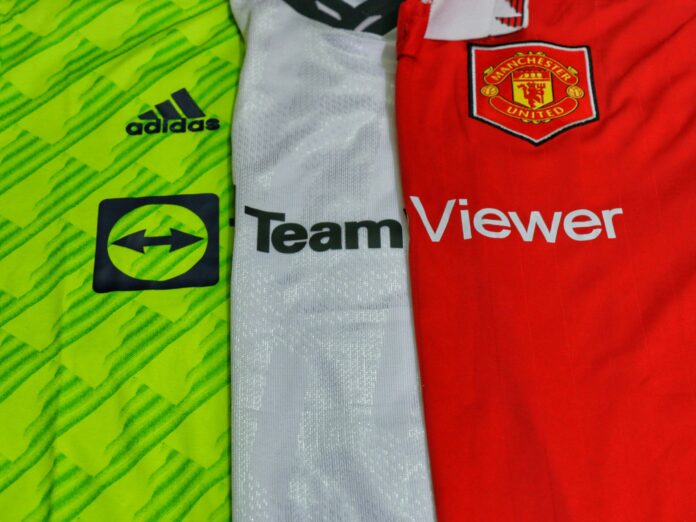
The contemporary approach to kit releases has evolved into a sophisticated global marketing strategy that carefully targets distinct geographical and demographic segments. Manchester United exemplifies this approach by strategically releasing multiple kits annually, each designed with specific markets and consumer preferences in mind.

The traditional home kit maintains continuity with club heritage to satisfy core supporters and preserve brand identity. The away kit typically incorporates European design sensibilities and historical references that resonate with the club’s continental fanbase. Third kits increasingly feature bold, experimental designs with particular color schemes and cultural references calibrated to appeal to Asian markets, where merchandise sales are growing exponentially and younger fans embrace distinctive aesthetics. Fourth kits often incorporate streetwear influences and contemporary fashion trends to capture the North American market, where football competes with established sports for cultural relevance and commercial attention.

This meticulously segmented approach, combined with region-specific marketing campaigns and strategic ambassador relationships, has enabled Manchester United to generate a remarkable £267 million in annual merchandise revenue, a figure that exceeds the total operating income of most professional football clubs worldwide.

The sophistication of these global marketing strategies demonstrates how thoroughly data-driven and consumer-focused top clubs have become, treating different geographical markets as distinct segments requiring tailored approaches rather than applying the one-size-fits-all model that characterised football merchandise in previous decades.

Emerging Trends

The football kit industry stands at the intersection of multiple transformative trends that promise to reshape how supporters engage with club merchandise in the coming years. Sustainability has emerged as a significant frontier, exemplified by Forest Green Rovers’ groundbreaking kit produced from recycled coffee grounds, a carbon-negative product that appeals to environmentally conscious supporters while generating significant positive press coverage for a relatively small club.

This approach reflects growing consumer demand for ethical production processes, with several Premier League clubs now incorporating recycled ocean plastic and other sustainable materials into their official merchandise. Technological integration represents another evolving frontier, demonstrated by AC Milan’s augmented reality-enabled home shirt that allows supporters to access exclusive digital content, player interactions, and match highlights by scanning elements of the physical jersey with their smartphones. Barcelona’s development of smart fabric technology takes this concept further by incorporating biometric sensors that can track movement and performance metrics, creating a direct connection between professional player analytics and the consumer experience.

These innovations point toward a future where football kits transcend their traditional function as team identifiers or fashion statements to become interactive platforms that offer digital experiences, performance insights, and evolving content. The convergence of sustainability, technology, and interactive experiences suggests that football merchandise is entering a new era where the physical product serves as merely the starting point for a more comprehensive relationship between supporters and their clubs, potentially creating entirely new revenue streams and engagement opportunities.

The Democratisation of Kit Success

Perhaps most interestingly, smaller clubs are finding success through design-focused approaches. Venezia FC, despite playing in Italy’s lower divisions, has achieved remarkable sales in Japan by prioritising distinctive design and limited-edition releases.

Football clubs have undergone a remarkable transformation over the past three decades, evolving from local sporting institutions primarily focused on match results into sophisticated global entertainment brands with diverse revenue streams. This shift represents one of the most significant changes in the business of football, with merchandise and kit deals now forming a cornerstone of club finances.

Unlike the traditional revenue sources of ticket sales and broadcasting rights, merchandise offers clubs a direct connection to global fanbases that transcends geographical boundaries. According to Deloitte’s Annual Review of Football Finance, merchandise and commercial partnerships now account for approximately 40% of revenue for elite European clubs, with kit deals specifically representing between 5-15% of total annual income.

The Liverpool-Adidas Deal: A Case Study in Modern Kit Partnerships

Liverpool FC’s recent announcement of a multi-year partnership with Adidas serves as a perfect case study of how these relationships have evolved into complex financial arrangements with far-reaching implications for both parties.

Historical Context

This reunion carries significant historical weight. Liverpool and Adidas first collaborated from 1985 to 1996, a golden period that saw the club win multiple league titles and European trophies while sporting iconic designs that remain collector’s items today. Their second partnership from 2006 to 2012 coincided with Liverpool’s transition into American ownership under Fenway Sports Group (then New England Sports Ventures).

The Financial Architecture

The club’s outgoing arrangement with Nike represents the modern template for kit deals. Rather than the fixed-fee models of the past, Liverpool received:

  • A guaranteed base payment of £30 million annually
  • A royalty structure providing 20% of all net sales on Liverpool-branded merchandise
  • Performance bonuses tied to on-field achievements

This innovative structure, negotiated by Liverpool CEO Billy Hogan, pushed the total value beyond £60 million annually—significantly outperforming the previous New Balance deal despite the lower guaranteed base payment.

Sources with knowledge of the new Adidas agreement indicate it represents a substantial increase over these figures. Industry analysts estimate the guaranteed component could reach £50-60 million annually, with the royalty percentage potentially rising to 22-25%. Over the likely 5-7 year term, the deal could be worth between £350-500 million depending on Liverpool’s sporting performance and global sales figures.

Strategic Timing and Market Context

The timing of this announcement is particularly notable as it comes after:

  1. The post-pandemic recovery of retail markets globally
  2. Liverpool’s significant expansion in Asian and North American markets
  3. The appointment of Arne Slot as manager, representing a new era for the club
  4. Adidas’s aggressive strategy to reclaim market share from Nike in the football category

For context, this deal follows other recent manufacturer partnerships including:

  • Real Madrid and Adidas: £1.2 billion over 8 years (£150m annually)
  • Manchester United and Adidas: £900 million over 10 years (£90m annually)
  • Barcelona and Nike: £100 million annually
  • Manchester City and Puma: £65 million annually
The Performance-Incentivised Structure

The performance-based component of Liverpool’s new deal represents the cutting edge of kit partnership models. Rather than fixed payments regardless of outcomes, Liverpool’s earnings will fluctuate based on:

  • League position and Champions League qualification
  • Trophy achievements across all competitions
  • Global retail performance metrics
  • Digital engagement and merchandising innovation

This alignment of incentives encourages both parties to maximise commercial opportunities while giving Adidas greater confidence in their significant investment. For Liverpool, it potentially increases the total value while creating additional revenue certainty compared to pure royalty models that are vulnerable to market fluctuations.

Industry analysts note that these performance-incentivised structures are becoming the norm among elite clubs, with Arsenal, Tottenham, and Juventus all implementing similar models in their recent manufacturer agreements. This represents a significant evolution from the fixed-fee approaches that dominated until the mid-2010s.

Conclusion

The football kit business has evolved from simply outfitting teams to becoming a cornerstone of club finances. As Liverpool’s return to Adidas demonstrates, these partnerships continue to grow in financial significance while becoming increasingly sophisticated in their structure and global marketing approach.

The most successful clubs recognise that merchandise is no longer just about producing team wear, it’s about creating cultural artifacts that resonate with fans worldwide, regardless of their connection to the actual sport.

Die aufgehende Sonne des Fußballs: Japans Weg zur globalen Talentfabrik

Photo by Collab Media on Unsplash

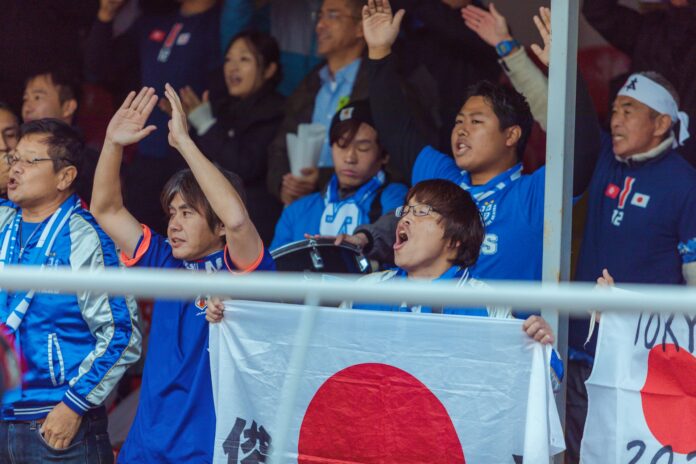
Während finanzstarke Ligen wie in Saudi-Arabien, Katar oder den Vereinigten Arabischen Emiraten weltweit Schlagzeilen machen, hat sich Japan leise, aber konsequent zu einer der spannendsten Fußballnationen der Welt entwickelt. Im Mittelpunkt dieses Erfolgs steht ein durchdachtes, nachhaltiges System zur Talentförderung – ein Modell, das Disziplin, Innovation und strategische Planung vereint.

Starke Grundlagen: Schulen, Akademien und Universitäten

Für viele junge Japaner beginnt die Fußballreise bereits in der Schule. Fußball ist fest in das Bildungssystem integriert. Von der Grundschule bis zur High School gibt es strukturierte Wettbewerbe, darunter das All Japan High School Soccer Tournament, eines der meistgesehenen Sportereignisse des Landes. Stars wie Takefusa Kubo machten dort ihre ersten Schritte.

Auch die professionellen J.League-Klubs leisten mit ihren Jugendakademien einen wichtigen Beitrag. Fast jeder Verein verfügt über eine eigene Akademie mit modernster Infrastruktur, die den direkten Übergang in den Profibereich ermöglicht. Spieler wie Takehiro Tomiyasu oder Hiroki Ito entwickelten sich dort zu internationalen Größen.

Ein weiterer einzigartiger Weg führt über die Universitäten: Spieler wie Kyogo Furuhashi oder Kaoru Mitoma nutzten das Hochschulsystem, um sich fußballerisch und akademisch weiterzuentwickeln – ein Modell, das auch Spätentwicklern Chancen bietet.

Die Rolle des Verbands: Der JFA-Eliteplan und die 100-Jahre-Strategie

Der japanische Fußballverband (JFA) spielt eine Schlüsselrolle. Der JFA Elite Program identifiziert früh Talente, bietet internationale Erfahrung, professionelles Training und gezielte Förderung. Stars wie Ritsu Doan und Tomiyasu profitierten davon.

Ergänzt wird das Ganze durch den 100-Year Plan, mit dem Ziel, Japan bis 2050 zu einer Fußballgroßmacht zu machen. Dieser Plan fußt auf drei Säulen:

  • Nachwuchsförderung durch Programme wie das Elite Program
  • Clubsystem-Erweiterung mit dem Ziel von über 100 Profivereinen bis 2092
  • Internationale Integration, um mehr japanische Spieler in Europas Topligen zu etablieren
Struktur schafft Erfolg: Regeln für Einheimische und Ausländer

Die J.League verpflichtet ihre Klubs, junge Spieler zu entwickeln, die mindestens drei Jahre im eigenen Jugendbereich ausgebildet wurden. Wer regelmäßig U21-Spieler einsetzt, erhält finanzielle Anreize – ein wirksames Mittel zur Förderung des heimischen Talents.

Gleichzeitig verfolgt die Liga eine kluge Ausländerpolitik: Maximal fünf ausländische Spieler dürfen gleichzeitig auf dem Platz stehen. Akteure aus asiatischen AFC-Nationen sind davon ausgenommen – das stärkt sowohl die Ligaqualität als auch die regionale Zusammenarbeit.

Ein globales Sprungbrett: Spieler als sportlich und finanziell attraktive Investments

Japanische Spieler sind nicht nur technisch und mental stark, sondern auch wirtschaftlich äußerst interessant. Ihre Transfers zeigen eindrucksvoll, welches Potenzial sie haben:

  • Takehiro Tomiyasu wechselte 2018 für 800.000 € nach Europa – sein Marktwert erreichte später 35 Mio. €.
  • Kaoru Mitoma wurde für nur 3 Mio. € von Brighton verpflichtet, heute liegt sein Wert bei 45 Mio. €.
  • Yuito Suzuki steigerte seinen Marktwert bei Brøndby um über 1000 % in weniger als zwei Jahren.

Weitere Beispiele wie Hiroki Ito, Ko Itakura oder Ritsu Doan zeigen: Wer in japanisches Talent investiert, profitiert sportlich und finanziell.

Leidenschaft und Infrastruktur: Die J.League als Vorbild

Mit einem Zuschauerschnitt von über 20.000 pro Spiel und moderner Infrastruktur – darunter Stadien wie das Saitama Stadium oder die Panasonic Arena – bietet die J.League ein professionelles Umfeld auf europäischem Niveau. Vereine wie Urawa Red Diamonds oder Yokohama F. Marinos sind fest in ihren Communities verankert und ziehen begeisterte, respektvolle Fans an.

Fazit: Ein System mit Zukunft

Japans Fußballmodell ist ein Paradebeispiel für nachhaltigen Aufbau. Vom Schulfußball über Universitäten und Akademien bis hin zur J.League und internationalen Erfolgen – jedes Glied in der Kette ist strategisch durchdacht. Spieler wie Mitoma, Tomiyasu oder Kamada stehen stellvertretend für eine Generation, die sich global etabliert hat.

Doch dies ist erst der Anfang: Mit klarer Vision, Disziplin und Innovationskraft ist Japan bereit, im Weltfußball eine noch bedeutendere Rolle zu spielen. Der Aufstieg der „aufgehenden Sonne“ ist keine Momentaufnahme – sondern ein langfristiges Versprechen an die Zukunft des globalen Spiels.

Who is Alix Bruch?

Alix Bruch

Alix Bruch is a dynamic leader in women’s football and sports development, currently serving as Sporting Director at Calgary Wild FC, where she has put together the new “Wild FC” team in the newly founded Canadian professional league. Her journey through sport has been anything but linear—starting out as a professional footballer with ZFK Spartak, where she competed on some of Europe’s biggest stages, including the UEFA Women’s Champions League.

Alix brings a rare blend of on-field experience and off-field expertise. After her playing career, she pivoted into roles that combined her passion for sport, leadership, and communication. She founded Shift Athlete Services, supporting athletes as a certified football agent and advocate, and held leadership roles with organizations like Classroom Champions and the MacEachen Institute for Public Policy and Governance. Her impact spans mentorship, athlete development, and strategic communications.

Academically, Alix holds a BSc in Geology from St. Francis Xavier University, where she was recognized as an Academic All-Canadian. She later earned a Journalism degree with distinction from the University of King’s College, receiving the Governor General’s Silver Medal for academic excellence. Currently, she’s continuing her education with a Mini MBA in Sporting Directorship through FOCUS Sports Education, reinforcing her leadership in high-performance environments.

 Our Exclusive Interview with Alix Bruch

You transitioned from being a professional footballer to an agent to a Sporting Director — what motivated that shift, and how did you experience the adjustment?

I stepped away from playing professionally primarily due to health concerns. I didn’t get answers right way, but I was eventually diagnosed with endometriosis, which is a very painful inflammatory disease, and that made it difficult for me to be living abroad without access to proper healthcare. It took me a while to find my footing in sport again; it was a difficult transition out of playing and it took a lot of trial and error to get to where I am now. I knew I wanted to stay involved in sport, but I wasn’t sure where I wanted to land. It was actually during the COVID-19 pandemic that I decided to become a football agent. I had just finished a second degree and was working remotely full-time and, on the side, I started my own women’s specific agency, dedicated to helping Canadian’s land professional contracts abroad. With no domestic professional league as well as a lack of Canadian agents, it was very difficult for players to take the next step and so I felt that I had a unique skillset and collection of experiences to be able to make a meaningful impact. Fast forward four years and I have now transitioned into the role of sporting director, which was a logical next step and one that I am very excited about.

Which aspects of your playing career most influence your decisions now as Sporting Director at Calgary Wild FC?

I am especially attuned to the player care and experience component of the club. As a franchise, we have been clear from the beginning that we want to be the player’s choice club. We want to create an environment that allows players to develop and be challenged in a supportive and safe space. Our reputation will inevitably have an impact on our future recruitment, and so it was really important to us that we get the culture right in our first year. When I look back at my time as a player, my fondest memories are from the teams that had exceptional team culture. Most players, particularly women, will look back at their career and remember the people they played with more than the wins and losses, so I think that is certainly something to keep in mind as we build the club.

How do you go about building a sustainable team culture, especially within the constraints of a brand-new league?

This is a big one. Building a sustainable and positive team culture certainly comes with many challenges as we needed to recruit an entire roster from scratch. It is really difficult to know how players will adjust and mesh together without ever actually seeing them in the environment, and so character and values were a massive pillar in our recruitment strategy. We wanted to bring in talented and experienced players who were going to raise our standards and challenge us as a club to be the best on and off the field, while also ensuring they have an understanding of what it means to be part of building a club from the ground up. My conversations with prospective players were always fairly long and were a chance to get to know each other and level-set on value alignment. Our head coach, Lydia Bedford, has also been integral in setting standards and shaping the culture, pulling from her significant experience in the Premier League, WSL, Championship, and English youth national teams. All of this combined has put us on stable footing through pre-season, and now the work begins to maintain that culture through the highs and lows of a regular season.

What do you look for when scouting players for Calgary Wild FC — what qualities really stand out to you?

I believe a group of great people can accomplish great things together. This is why character is such a big part of our recruitment strategy and we are really pleased with the players we have brought into the club. From a technical perspective, we look for players who can play. We want to be in possession and be really comfortable playing out of the back and out of pressure. This means we look for players who are technically sound and confident on the ball, and who have a strong tactical understanding of the game to be able to make quick decisions under pressure. In addition, particularly in our first season, we looked for adaptability, both positionally and tactically. We play the other five teams in the league five times each, so it is important we are able to be flexible and adaptable in how we play both from offensive and defensive standpoints.

You’ve broken ground in a male-dominated field — how have your experiences shaped your views on gender equity in football?

I have always been keenly interested in gender equity in sport, particularly how the intersectionality of race, sexuality, gender, and (dis)ability impacts participation. Prior to becoming an agent, I had gone back to school to do a journalism degree, and much of my focus was writing about these issues. Studying and practicing journalism gave me a front row seat to how policy gets made and how systems work. Combining that with my personal experiences in football has given me a strong foundation to identify barriers and injustices in the game, and I try to take that with me into any role I take on. I am of an age and generation where I have seen how far football has come, while also seeing how far we have to go, and I hope to be part of progress and removing barriers to people being able to enjoy the game.

How important is community integration and local talent to your club’s identity and long-term goals?

Community is a massive part of the Wild FC. From the ways we’ve raised capital, to the ways we’ve recruited, to how we’ve connected with local organizations and our fans, community has been at the heart of building this club. We have a unique opportunity as the first women’s professional sports team in our city to reach people that otherwise wouldn’t attend a sporting event. We don’t need to follow a playbook based on men’s sports and what already exists in the city, and that is really exciting to me.

From a sporting perspective, players from Calgary (and the wider province of Alberta) have historically been underrepresented in the Canadian national team. We already know that great players are produced here in Alberta, including the six local players we have on our roster, and so we are committed to building out an academy program and true pathway to the first team in order to develop more players locally and eventually integrate them into the first team and be the starting point of their career.

Looking back at your many roles in football, which one has been the most challenging for you, and why?

I think every job comes with its unique challenges, but if I had to choose, I would say being an agent. It was difficult for a few reasons, the primary one being I was doing it on my own. One of the reasons I fell in love with soccer was being part of a team, because doing hard things with 20+ people by your side is a lot more enjoyable than doing it on your own. I love being in a club role because I get to be a part of a team again.

The Game Behind the Game – How Transfers Are Decided in Secret

Photo by Hassan Pasha on Unsplash

Transfer negotiations decide careers before the ball even rolls.

The ball is no longer just on the pitch. Decisions about players, millions and prospects are made quietly at the negotiating table. But what really happens there?

Introduction

A transfer, a contract, a new jersey and finally a photo for the public. This is what transfers look like from the outside.

What happens before that is hardly noticed by the public. Discussions take place, interests are aligned, talks are prepared. Clubs position themselves, advisors explore options, players have to make decisions about their future.

This is where the crucial preparation begins, which not only influences a player’s career, but also the strategic planning and economic development of a club.

This article provides an insight into the processes that shape transfer decisions.

It shows what really matters in negotiations and why a clear, professional approach at the table makes all the difference.

Before the first offer: The invisible phase

Negotiations begin long before an official offer is formulated.

Even before figures are on the table, an initial picture is forming. Not loudly, not officially, but noticeably.

Scouts gather impressions, advisors hold initial discussions in the background, club managers exchange assessments. Even small signals such as an interview, a gesture on the pitch or a post on social media are noticed, categorized and linked with meaning.

The starting point for subsequent conversations does not emerge in one fell swoop. It develops step by step through observation, interpretation and expectation.

And it is precisely at this point that the negotiation begins, subtly and indirectly. Three psychological mechanisms play a central role in this phase:

Priming

This term comes from psychology and describes how information placed early on influences our thinking and our expectations – without us consciously realizing it.

For example, if an agent casually mentions that the player has “recently attracted a lot of interest from abroad”, this automatically changes the perception of the other person. Even without concrete offers, the player is classified as “in demand”. This can have a positive effect on the dynamics of the conversation, negotiating position and assessment of market value.

Framing

Framing is about the targeted framing of information. The content of the message remains similar, but its effect depends heavily on how it is formulated.

Example: The sentence “He is open to a new challenge” sounds positive, constructive, development-oriented. The same content, framed negatively, would read: “He really wants to leave.”

Both statements express the same desire, but the first variant conveys openness and a willingness to talk, while the second creates pressure and provokes rejection.

Good negotiators choose their words consciously, not manipulatively, but with sensitivity to the situation.

Subtext

Subtext refers to everything that is not spoken but is nevertheless communicated, for example through tone of voice, body language, eye contact, pauses or deliberate silence. Example: If a sports director falters several times during a conversation, thinks about a question for a long time or deliberately hesitates, this can signal uncertainty or tactical restraint. Conversely, deliberate silence on the part of players can also create pressure or convey strength. If you are able to read such signals and use them in a targeted manner, you can conduct the conversation with more depth, often without formally dominating it.

Experienced negotiators know this: Those who influence communication, mood and expectations early on create a strategically advantageous starting position. It is not uncommon for key decisions to be made before formal offers have even been formulated.

BATNA: The underestimated source of real bargaining power

The same basic question arises in every negotiation: Who needs the deal more urgently?

This is where a concept comes into play that is given too little attention in practice:

BATNA – Best Alternative to a Negotiated Agreement.

In short: What is my best alternative if I don’t reach this agreement?

One example:

  • A player with a current contract, a regular place and several options for the coming season can compare offers in peace , if necessary, stay.
  • A club that is already in advanced contact with several players for a vacant position does not have to push through an offer at any price.

In both cases, there is a strong BATNA, i.e. a good alternative to negotiation. This creates composure, negotiating security and room for maneuver, an inner strength that is clearly noticeable at the table.

If you know your own BATNA and ideally can also assess that of your counterpart, you can negotiate with more calm, clarity and flexibility. Because they know: I have options.

And this is exactly what changes the dynamics of the conversation. Where there was previously pressure, clarity and structure emerge. Emotion is replaced by strategy.

Strength is not shown in loudness, but in real options.

Why many negotiations fail and how to do it better

Despite good prerequisites, many deals fall through and this is often not due to numbers, but to behavior.

A typical scenario: An offer is rejected, combined with indignation or devaluation. The other person feels unappreciated. The atmosphere changes. The door is closed.

It would have been so easy to react differently:

“Thank you for submitting the offer. In its current form, it does not yet reflect the value and prospects that we see in this constellation. However, we are open to further discussions.”

“Thank you for the offer. From our point of view, it does not yet fit in with the framework conditions we have in mind, but we are happy to remain in contact.”

Good negotiators know: Not every rejection is an end. It can also be a beginning if it is communicated with attitude, clarity and appreciation.

Negotiations rarely fail because of the content. They fail much more often because of how differences are dealt with at crucial moments.

Using Psychological Levers Effectively

Successful negotiation means taking the lead. The course of a negotiation can be actively shaped by applying psychological principles that skilled negotiators use deliberately.

Strong negotiators don’t leave conversations to chance. They understand which psychological mechanisms are effective in critical moments and use them purposefully to steer discussions, build trust, and influence decisions. This is not about manipulation, but about conscious, well-directed leadership. The following principles are among the most effective tools in professional negotiation practice.

Set an anchor

The first numerical proposal in a negotiation acts like an anchor. It sets a mental framework within which the rest of the conversation takes place. Even if completely different sums are discussed later, the first figure remains in the room as a silent reference point. Whoever mentions this number or allows it to be on the table first influences the other person’s perception and orientation right from the start. The more consciously this anchor is set, the stronger its effect – strategically and psychologically.

Reciprocity

Anyone who shows concessions in a negotiation, be it through a factual concession or a clever gesture, often triggers an impulse in the other party to move towards something as well. This reciprocal willingness creates trust and movement. Reciprocity is one of the most effective dynamics in negotiations if it is used in a targeted and authentic way.

Loss aversion

People perceive potential losses more strongly than equally large gains. This can lead to objectively good offers being subjectively perceived as a risk and rejected. If you understand how fear of loss influences decisions, you can formulate offers in such a way that they emphasize security and development rather than potential sacrifice.

Timing and silence

Not every effect is created by arguments. Sometimes it is deliberately placed pauses that steer the conversation. A moment of silence, a brief pause or deliberate hesitation can have more impact than many words. Particularly in sensitive negotiation phases, it becomes clear that presence is not only created by what is said, but also by what is deliberately left unsaid.

These means are not tricks, they are tools. And like any tool, they only work well if they are used correctly: consciously, in measured doses and with integrity.

The contract – more than term and salary

A contract is not just a result. It is an instrument. Properly designed, it is a career plan in legal form.

What is on the agenda today goes far beyond traditional elements. In addition to salary, bonuses and contract duration, tailored components are increasingly being negotiated, both in the professional sector and for young talent.

Common and professional examples are:

  • Performance-related bonuses for goals, assists, appearances or promotions
  • Clauses on automatic renewal after a certain playing time
  • Buy-out options or fixed exit clauses
  • Buy-back clauses, especially for loaned or changing talent
  • Matching rights, the right to match an external offer
  • Resale interests for the selling club
  • Bonuses for national team nominations or U-squad appearances
  • Loan agreements with guaranteed playing times or recall rights
  • Additional care packages for family, school place, language courses, visa And these are just a few examples.

In truth, there are hardly any limits to contract design, at least not if you think creatively, bring experience to the table and negotiate outside the box.

Good negotiators recognize where individual agreements create real added value, for the player and for the club. They combine sporting prospects, economic planning and personal life realities to create a contract that is not only legally sound, but also strategically effective.

Those who only rely on standards miss out on opportunities. Those who negotiate creatively, with foresight and tactical skill will get the best out of it.

Understanding the perspectives of all parties involved

Transfer negotiations do not follow a fixed procedure. They are an interplay of different interests, roles and dynamics:

  • Players think about development, playing time and recognition.
  • Parents want security, care and trust.
  • Coaches are looking for characters who fit into the system and into the dressing room.
  • Sports directors juggle budgets, squad structures and long-term The focus is always on the sporting and financial success of the club.
  • Club managements consider image, sponsor impact and media resonance.
  • Agents shape careers – strategically, protectively and with vision.

Anyone who recognizes, takes seriously and integrates all these perspectives is not just conducting a negotiation, they are moderating a decision.

Communication: The game outside the table

Negotiations do not end in the room. They continue in public, in the media, in the cabin.An interview at the wrong time, a leaked interview content or a polarizing social media post can cause more damage than any rejected offer.

That’s why negotiation also includes:

  • Communication strategy
  • Media management
  • Clarity internally and externally

If you don’t communicate consciously, others will define the meaning for you.

Conclusion: Negotiating means shaping and is about much more than numbers

Transfer negotiations are now part of the strategic core of professional soccer. They are a decisive lever for career planning, team development and, above all, for the sporting and economic direction of a club

Good negotiators on both sides – the club and the player – make the difference.

They not only achieve better results, but also create solutions that are sustainable.

Anyone who negotiates unprepared or unstructured is missing out on enormous potential, both financially, strategically and in terms of sport. It often depends on the quality of the negotiation whether a change enables the next step or whether it becomes apparent afterwards that potential has been wasted.

Because in the end, “You don’t get what you deserve. You get what you negotiate.” Chester L. Karrass.


Who is Kees van Wonderen?

van Wonderen

At The Football Week, we don’t just report on football. We get to know the people behind the game. That’s why we asked Kees van Wonderen a series of personal questions to discover more about the man behind the coach.

He gave us more than just answers. His reflections reveal his values, his journey, and the experiences that shaped him into the person he is today.

But before we tap into his words directly, let’s take a closer look at the life and career of Kees van Wonderen.

A Calm Leader With a Clear Vision

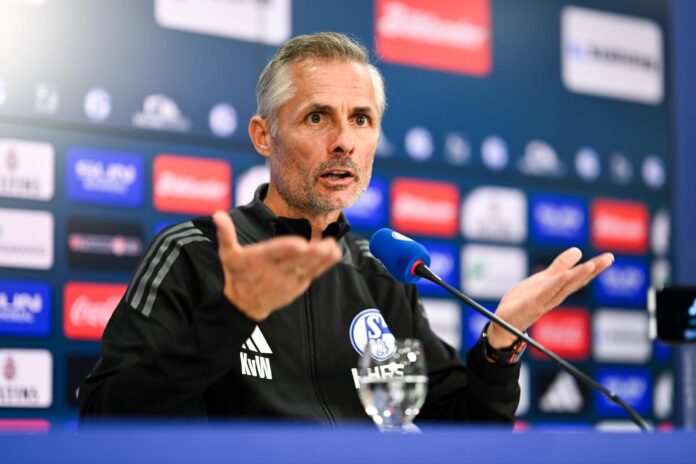
Kees van Wonderen might not be the loudest name in European football, but his quiet, methodical rise through the game commands attention. Known for his tactical clarity, development-first mindset, and modern approach to leadership, van Wonderen brings a refreshing profile to the managerial landscape. As the head coach of Schalke 04, he stepped into a role charged with expectation and opportunity.

From Dutch Roots to the Eredivisie

Born on January 4, 1969, in the small Dutch town of Bergen, van Wonderen built his football career from humble beginnings. He didn’t emerge through one of the traditional power academies, but instead developed his skills at local side VV Bennekom before earning his break at NEC Nijmegen. A cerebral central defender, he went on to make his name in the Eredivisie with NAC Breda and ultimately with Feyenoord, one of the Netherlands’ biggest clubs.

During his time in Rotterdam, he lifted the Eredivisie title and was part of the squad that won the 2002 UEFA Cup. While never the flashiest player, he was consistent, composed, and reliable. These are traits that would later define his coaching style.

Transitioning From the Pitch to the Sidelines

After hanging up his boots in 2004, van Wonderen didn’t rush into management. Instead, he spent time observing the game from the inside, first as a scout at Feyenoord, then gradually stepping into coaching roles. This deliberate approach allowed him to build a solid foundation shaped by learning, reflection, and mentorship.

He joined FC Twente’s technical staff during a successful period under Steve McClaren, then later took on national youth roles within the KNVB. With the Netherlands U17 and U18 teams, he built a reputation for nurturing young talent and for creating teams that played with intelligence and structure.

Building a Coaching Identity

Van Wonderen’s coaching philosophy is based on balance between discipline and freedom, structure and spontaneity. His teams are organized but never robotic. He values positional play, off-the-ball intelligence, and collective responsibility.

When he took charge of Go Ahead Eagles in 2020, many questioned whether his style would translate to senior football. He answered that with results. Promotion to the Eredivisie, a stable campaign in the top flight, and a growing list of admirers across Dutch football followed. He then moved to Heerenveen, where he further proved his ability to lead teams with modest budgets against bigger clubs, all while integrating younger players and improving the team’s tactical identity.

His Time at Schalke

In October 2024, Schalke 04 appointed van Wonderen as head coach, entrusting him with one of the most emotionally charged projects in German football. Schalke, with its rich history and massive fanbase, sought stability, growth, and a long-term vision. These are qualities van Wonderen is known to deliver.

He brought to Gelsenkirchen not only his calm authority but also a proven track record of helping clubs transition, improve, and rediscover their identity. For a club like Schalke, seeking both performance and process, van Wonderen provided the steady hand they needed.

Why Football Professionals Should Take Note

For club owners, sporting directors, and headhunters, Kees van Wonderen represents a modern football coach who is grounded in tradition and fluent in today’s game. He understands the power of youth development, speaks the language of modern tactics, and is capable of managing pressure with dignity.

He is not the headline-grabbing firebrand, but rather the type of coach that builds long-term success. The kind that transforms clubs from within.

If you are a fan wondering what the future holds for your club under van Wonderen, expect a team that works hard, communicates clearly, and evolves with purpose. His style is deliberate, humble, and focused. For those covering his journey, van Wonderen is a case study in patience, planning, and long-term thinking in football management. He may not shout, but his work speaks loudly.

A Personal Glimpse: Our Exclusive Interview with Kees van Wonderen

Can you share a little about your upbringing? Where did you grow up, and what were some of the most influential moments of your childhood?

I grew up in a small village in Holland. My parents owned a shoe store, and we lived above it. That environment shaped me. Growing up in a family business taught me to be independent, take responsibility early on, and understand what hard work really means. I was always drawn to football. Every day, I was outside with a ball, playing wherever I could. That passion was always there.

When you’re not on the football pitch, how do you spend your time? Do you have any hobbies or interests that keep you grounded?

As I said, from a young age football was everything. But when I wasn’t playing, I was outside swimming, climbing trees, building things with friends. And of course, I spent a lot of time in the shop with my parents. There was always something happening there.

What inspired you to pursue football as a career? Was there a specific moment or person that set you on this path?

It came from within. There wasn’t a single moment or a specific person who pushed me toward football. It was just something I was deeply passionate about from the start. It was the only thing that truly captured my interest.

Looking back, how did your first steps in football shape you as a person, not just as a player or coach?

I was talented from a young age, quick, skillful, and often made the difference in games. But around the age of 13 or 14, others started growing and I stayed small. Suddenly, I wasn’t standing out anymore. That was tough. It really challenged me mentally. I stuck with it, and eventually started growing at 18. My performances improved, and by 22, I signed my first professional contract with NEC Nijmegen. It taught me resilience and how to keep going even when it feels like the odds are against you.

Who has been the most influential person in your life, both personally and professionally? How have they impacted the way you approach challenges?

My parents, without a doubt. They supported me through every phase. When things were tough, they gave me balance and encouragement. And when things were going well, they kept me grounded. They’ve always been the stable foundation in my life.

As a coach and a public figure, your life is often in the spotlight. How do you balance your personal life with the demands of your profession?

Life teaches you to deal with different kinds of moments, good and bad. I’ve learned to stay humble, to be thankful, and to enjoy the good days while staying resilient during the tough ones. My wife, my daughters, and our dog help me stay grounded. They’re my home.

If you weren’t involved in football, what do you think you would be doing today? Is there a dream or passion outside of the sport that you’ve always wanted to explore?

That’s a hard question because football is really my life. But if I hadn’t pursued this path, I think I might have taken over my parents’ store or ended up in some kind of commercial job. Still, I can’t imagine not being part of the game.

We thank Kees van Wonderen for taking the time to share his story with The Football Week. His openness and reflections offer a unique window into the person behind the profession. We wish him all the best in his continued journey as a football coach.