Home Blog Page 35

Who is Tsuyoshi Takano?

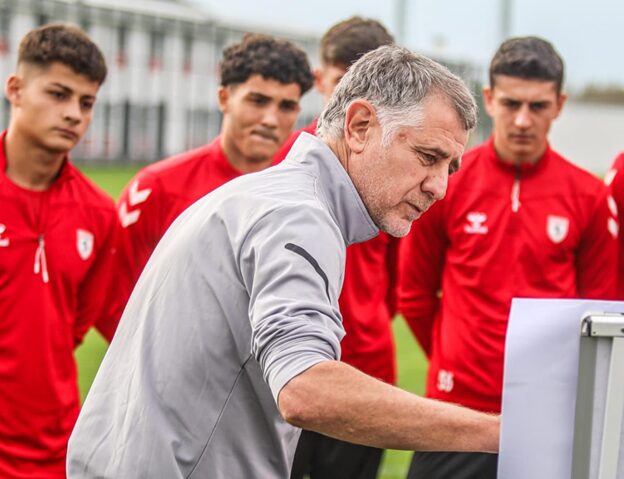
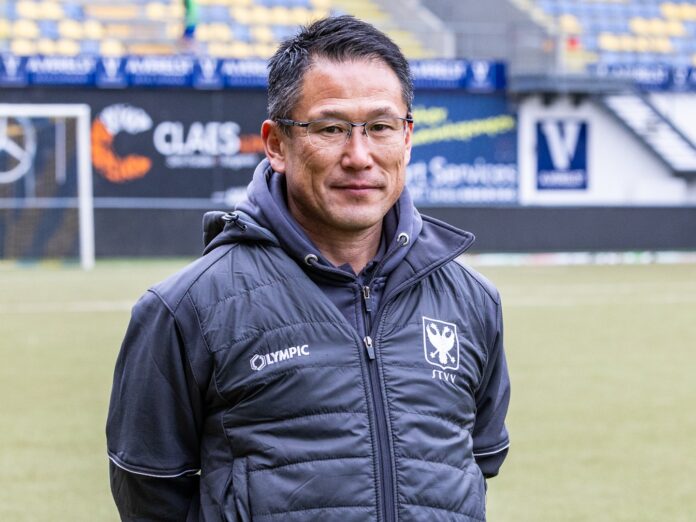
Tsuyoshi Takano standing on a football pitch in STVV training gear, with a focused expression, during his time at the Belgian club.

Tsuyoshi Takano is not your typical football coach. With a career that spans Europe and Asia, Takano has built a name for himself as a pioneer of “Collective Football” a tactical and developmental approach that transforms limited resources into long-term success.

He holds the UEFA Pro License and has worked in environments as diverse as the Premier League, J.League, Belgium’s youth system, and the Thai top flight. Known for his sharp tactical mind, commitment to player development, and a philosophy that focuses on synchronized team play, Takano has consistently helped clubs punch above their weight. At STVV in Belgium, he led the youth sector as Managing Director and U21 Head Coach, producing a record number of first-team players without a recruitment budget.

Whether guiding Southampton into the Premier League, mentoring talents like, James-Ward Prowse, Maya Yoshida and Takehiro Tomiyasu, or building bridges between Asia and Europe, Takano’s profile is that of a modern, globally connected coach who turns potential into performance.

Here are five questions for the man behind the philosophy.

Our Exclusive Interview with Tsuyoshi Takano

You describe your football identity as “Collective Football.” What does that mean in practice and how does it shape your teams?

“Collective Football” enables a team to become more than just the sum of its individuals. It’s about creating a team that doesn’t just play together, but thinks together ,through shared interpretation, not scripted patterns.

The way I see football, the game is made up of three types of situations: some are more fixed or structured ,like set-pieces or building out from the goalkeeper ,some are chaotic like 50-50 balls or play in tight areas and many fall somewhere in between. That’s why I lead and coach the team to handle these moments through a shared way of anticipating and interpreting the game, so we can outplay the opposition as a collective unit.

So, in practice, I spend less time structuring the team with rigid movements and roles, and more time structuring the players’ thought processes. Of course, we discuss systems and use them as reference points. But for us, it’s the shared interpretation that allows players to move as if within a structured system ,not because they’re following fixed patterns, but because they understand the situation in the same way.

When I start building a team, I begin by learning each player’s background and how they see the game. In parallel, I guide them toward common reference points ,guiding players to connect individuals into a cohesive unit. Once that’s in place, we train under more complex, unpredictable conditions to sharpen decision-making and execution. During the season, this is further refined through opposition analysis ,always with the aim of keeping our identity while remaining tactically flexible.

Over time, as the team gains experience competing against different teams and repeating situations, players begin to recognize emerging trends within the league. That pattern recognition becomes part of their intuitive decision-making ,further strengthening our collective intelligence. So, my team gets stronger towards the later part of the season and the 2nd season.

You’ve worked across England, Belgium, Thailand and Japan , all with very different football cultures. How have these experiences influenced your coaching philosophy?

Working in such diverse football cultures has helped me develop real versatility ,not just in tactical terms, but also in managing people within clubs and teams. I’ve coached across different levels of competition, with varying degrees of football intelligence and ability, all shaped by different cultural values and beliefs. Each country and each club came with its own unique context.

These experiences have taught me to adapt quickly when entering a new country or environment. And I believe that this speed of adaptation is essential, especially when it comes to managing players and staff effectively to deliver a successful campaign.

Different cultures and setups present different types of challenges. They constantly push me to find new ways to help teams grow within their own realities. That process has taught me that there’s never just one way to succeed and, therefore, pushed me to become more creative, more adaptive, and more resilient, both as a coach and as a leader.

At STVV, you developed players with no recruitment budget, yet achieved one of the highest academy promotion rates in Belgium. What’s your secret to spotting and nurturing talent?

When it comes to spotting talent, I’m not looking for the balanced or well-rounded player. I look for something unique, a quality the player seems to have been born with. Then, I try to imagine what kind of player he could become in two or three years and how he would get there. I focus on potential built around that unique asset, not on chasing perfection.
For example, Matte Smets, who transferred to KRC Genk and eventually became a full national team player, had an incredible ability to sense danger. He could recognize those dangers three or four steps ahead (before no one detected, even coaches), and it wasn’t something anyone had taught him. So I focused on developing more on his attacking qualities and helping him build a wider awareness of the pitch to make his stregnth to the super stregnth.

In terms of nurturing talent, I fully embrace the ups and downs that come with development. Every event , positive or negative, is an opportunity for a small step forward. I also expect the same mindset from my staff for the player and himself, “We don’t give up on a player after three or four months” and “We, coaches, also must admit our own mistakes and learn from it”. Development is a process, and belief is a big part of it.

Working without a recruitment budget means I have to offer something else. That is trust. In today’s environment, people are often told what they want to hear. I take the opposite approach: I’m honest from the start. It doesn’t always make things easier, but it builds real trust over time. That honesty, I believe, is why both players and parents often value my feedback more than any financial incentive, coupled with the proven history of player development and football activities.

You’ve been called a “bridge between Asia and Europe.” What role can Japanese players and coaches play in the future of European football?

One of the most valuable contributions is discipline. That’s something deeply rooted in Japanese culture and history. But it’s not just about being respectful or following rules. It’s a daily mindset, staying positive, training with full focus, and supporting teammates, no matter what.

In some countries, what stands out is explosive emotional energy or strong personality. In Japan, it’s the quiet commitment to doing what you need to do, not just what you want to do. That kind of discipline may not be flashy, but it has a real, lasting impact in the dressing room.

It builds a foundation of trust, consistency, and humility, the kind of culture that helps teams grow and stay together through a full season. In the long run, I believe that mindset can be a powerful ingredient for success in any European club.

That’s why I see Japanese players and coaches as having more and more value in Europe, not just for their skills, but for what they bring to the team’s internal culture.

You’ve mentored top-level players like James Ward Prowse, Maya Yoshida and Takehiro Tomiyasu. What do you look for in a young player who could succeed internationally?

To succeed abroad, talent and professionalism alone aren’t enough. I believe a player needs two key qualities: mental resilience, the ability to keep dealing with setbacks while accepting that the environment around him is not at his home country, and flexibility, the willingness to adapt to new environments, both on and off the pitch.

The world is more connected than it was 30 years ago, but cultural differences still matter. Even small habits, customs, weather or communication styles can influence a player’s emotional stability. This is a highly subjective area, but it’s something coaches and clubs need to be aware of and support properly.

Maya Yoshida is a great example. When he joined Southampton, he made his Premier League debut within a week. He was already solid in what he did best, possession and building up, but he also adapted quickly to the demands of a new league. Fast adaptation, for instance, is a major factor in the Premier League. I remember one morning. We talked about a specific situation from the previous match. Later that same day, in a small-sided game, he had already adjusted his response to that situation.

That adaptability is one of the reasons he survived six managerial changes at Southampton and is still going strong today as captaining his club in MLS. That is the fifth country of his career.

Transfers über die Medien: Ein Spiel mit hohem Risiko Der Fall Nick Woltemade

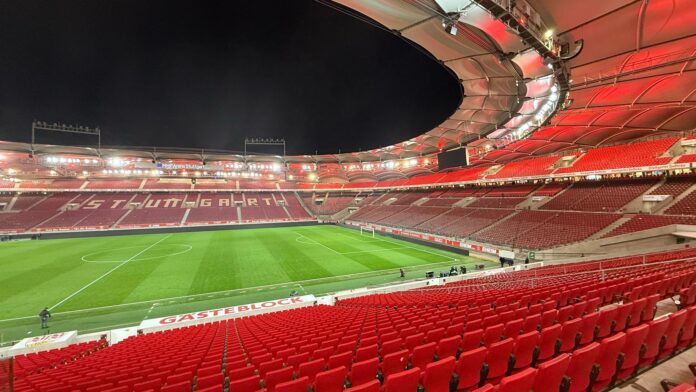
View of the empty MHP Arena in Stuttgart at night, with red stadium lights illuminating the seating and pitch before a match.
Transfers beginnen nicht auf dem Rasen. Sie beginnen im Kopf, und manchmal in der Presse.

Die Transferphase ist im Profifußball längst kein rein sportliches Terrain mehr. Sie ist Bühne, Verhandlungstisch und Machtspiel zugleich. Immer häufiger wird nicht mehr nur im Verborgenen taktiert, sondern ganz bewusst über die Medien kommuniziert. Vereinsverantwortliche und Spielerberater nutzen die Öffentlichkeit, um Druck zu erzeugen, Narrative zu prägen und Verhandlungen zu beeinflussen.

Der aktuelle Fall von Nick Woltemade ist ein Paradebeispiel dafür: Der Nationalspieler des VfB Stuttgart steht im Fokus des FC Bayern, doch die Gespräche zwischen den Vereinen sind ins Stocken geraten. Mit einem öffentlichen Statement hat sein Berater Danny Bachmann nun einen ungewöhnlich offenen Schritt gewählt: „Wenn ein Bundesliga-Rekordangebot von 55 Millionen Euro nicht einmal für ein persönliches Gespräch reicht, stellt sich die Frage, was der VfB eigentlich unter ‚außergewöhnlich‘ versteht. Das war nicht vorhersehbar.“

Der Berater bestätigt damit die kolportierten Zahlen, welche zuletzt in den Medien kursierten, obwohl es seitens der beiden Vereine hierzu keine „offizielle Kommunikation“ gab. Somit entfacht er die Diskussion um Sinn, Risiko und Wirkung medial gespielter Transfers neu.

Der mediale Transferpoker: Gewinner oder Verlierer?

Von einem Geheimdeal kann hier keine Rede sein: Der Poker um Nick Woltemade ist öffentlich, laut und taktisch geführt. Der Spielerberater Danny Bachmann entscheidet sich für ein mediales Druckmittel. Doch wie erfolgreich ist dieser Ansatz tatsächlich? Und welche Konsequenzen bringt er für alle Beteiligten mit sich? Ein Blick hinter die Kulissen eines modernen Transfergeschäfts.

Transfers über die Medien auszuspielen, ist ein zweischneidiges Schwert. Die Strategie erzeugt Aufmerksamkeit, erhöht den Druck und stellt Narrative in den Raum. Doch sie hinterlässt in der Regel mindestens einen Verlierer. Ein Verlierer könnte wie folgt aussehen:

Der abgebende Verein (in diesem Fall der VfB Stuttgart) wird öffentlich unter Druck gesetzt. Aussagen wie die von Berater Danny Bachmann („Was hält der VfB eigentlich für außergewöhnlich?“) sollen suggerieren, dass sich der Klub irrational verhält. Solche Aussagen provozieren Reaktionen, untergraben aber gleichzeitig das Vertrauensverhältnis.

Der aufnehmende Verein (wie der FC Bayern) riskiert, dass sein Interesse als aggressiv und unsensibel wahrgenommen wird. Wenn der Deal nicht zustande kommt, wirkt der Verein als Verlierer im öffentlichen Ringen um die Transferhoheit.

Der Spielerberater steht zwischen allen Fronten. Geht der Plan auf, wird er als starker Strippenzieher gefeiert. Scheitert der Transfer, kann er bei beiden Vereinen nachhaltig beschädigtes Vertrauen hinterlassen.

Der Spieler kann selbst zum Spielball werden. Wenn die öffentliche Wahrnehmung ihn als „rausstreikenden“ Akteur abstempelt, schadet das seiner Reputation – und zwar unabhängig davon, wie professionell er sich intern tatsächlich verhält.

Die Rolle des Spielerberaters: Druckmittel Öffentlichkeit

Warum greifen Berater wie Danny Bachmann zu diesem Mittel? Die Antwort liegt in der Psychologie des Geschäfts. Transfers sind nicht nur Zahlen und Verträge. Sie sind auch eine Frage der Deutungshoheit und emotionalen Dynamiken. Wer die Medien mit einem Statement füttert, verschiebt die öffentliche Wahrnehmung gezielt.

Das Ziel ist, Druck auf den abgebenden Verein zu erzeugen, um Verhandlungen entweder zu erzwingen oder zumindest zu beschleunigen. Die Methode dabei ist klar: Durch öffentliche Stellungnahmen, das gezielte Streuen von Informationen oder vermeintlichen Angeboten sowie die mediale Platzierung von Gerüchten und Zitaten wird ein Szenario geschaffen, das den Verein in eine reaktive Position zwingt.

In der Regel geschieht dies genau dann, wenn ein oder mehrere Angebote bereits abgelehnt wurden oder die Gespräche ins Stocken geraten sind. Also in dem Moment, in dem sich der Berater gezwungen sieht, die nächste Eskalationsstufe zu zünden, um Bewegung in die Sache zu bringen.

In der Praxis funktioniert das oft über enge Kontakte zu Journalisten, bewusst gewählte Wortwahl und Timing rund um medial aufgeladene Zeitpunkte (etwa vor Turnieren oder Deadline Days).

Der Fall „Viktor Gyökeres“ zeigt ähnliche Muster: Auch hier wurde die mediale Präsenz als Instrument genutzt, um Preis und Interesse hochzuhalten.

Das Kalkül hinter der Taktik

Das mediale Ausspielen eines Transfers birgt sowohl Chancen als auch Risiken und ist in seiner Wirkung kaum kalkulierbar.

Eine der größten Chancen liegt im erzeugten Tempo. Öffentliche Aufmerksamkeit setzt alle Beteiligten unter Zugzwang und kann langwierige oder festgefahrene Verhandlungen spürbar beschleunigen. Gleichzeitig erlaubt die mediale Präsenz dem Spielerberater, das Narrativ aktiv mitzugestalten. Er kann gezielt das Bild vom Spieler formen: Etwa als begehrten Leistungsträger oder unterschätzten Rohdiamanten. Das wiederum wirkt sich oft direkt auf den Marktwert aus: Je mehr über einen Spieler gesprochen wird, desto größer scheint das Interesse, was bei potenziellen Käufern zusätzliche Dynamik entfalten kann.

Doch diesem strategischen Vorteil stehen erhebliche Risiken gegenüber. Wird ein Klub öffentlich unter Druck gesetzt, kann das Vertrauen in den Berater massiv beschädigt werden: nicht nur im aktuellen Fall, sondern auch mit Blick auf künftige Transfers. Hinzu kommt, dass der Spieler selbst zunehmend zur Projektionsfläche wird. Die mediale Überhöhung oder Polarisierung kann ihm in der Kabine, bei Fans oder in der öffentlichen Wahrnehmung schaden. Insbesondere ist das dann der Fall, wenn der Transfer scheitert und er beim vermeintlich abgebenden Klub bleibt. Am gefährlichsten ist jedoch das emotionale Eskalationspotenzial: Fühlen sich Vereinsverantwortliche öffentlich bloßgestellt, treten häufig Prinzipien an die Stelle ökonomischer Vernunft. In solchen Momenten entscheiden verletzte Eitelkeiten über Millionen und nicht selten platzt ein Deal genau deshalb.

Szenarioanalyse: Wie geht der Fall Woltemade aus?

Der Transferpoker um Nick Woltemade steht an einem kritischen Punkt. Zwei Angebote von Bayern wurden abgelehnt und das öffentliche Statement des Beraters hat die Lage weiter aufgeheizt. Der VfB bleibt bei seiner Forderung: „außergewöhnlich“ – ein bewusst dehnbarer Begriff. Drei Szenarien sind realistisch:

  1. Bayern legt nach: Transfer gelingt (60+ Mio.)
    Wenn die Münchner ihre Schmerzgrenze nach oben verschieben (wie medial angedeutet), könnte der VfB einlenken. Allerdings nur dann, wenn dies ohne Gesichtsverlust geschieht. Ein strategisch platziertes „Friedensgespräch“ auf Vorstandsebene wäre hier zielführend.
  2. Der VfB bleibt hart: Transfer scheitert
    In diesem Fall bleibt Woltemade in Stuttgart. Die große Frage: Wie geht er damit um? Und wie reagiert das Umfeld? Der Spieler muss dann beweisen, dass er nicht Teil eines erzwungenen Ablaufs war. Die Beziehung zu Trainerteam und Fans wird entscheidend. Eine Trennung von seinem Spielerberater ist in so einem Fall nicht ausgeschlossen.
  3. Eskalation: Der Spieler positioniert sich öffentlich
    Sollte Woltemade selbst öffentlich Druck aufbauen (z. B. Wechselwunsch äußern), würde das den VfB stark unter Druck setzen, allerdings auf Kosten seiner eigenen Integrität. Das wäre der Weg der Eskalation und hätte langfristige Folgen für sein Image. Ein Streik ist hierbei nicht ausgeschlossen.

Öffentlichkeit als Schachzug mit unkalkulierbarem Risiko

Transfers über die Medien zu spielen, kann kurzfristig Bewegung in festgefahrene Situationen bringen. Doch es ist ein taktisches Manöver mit hohem Risiko. Im Fall Woltemade ist dieses Spiel nun in einer entscheidenden Phase angelangt. Die Frage bleibt: Wer lässt sich bewegen und wer lässt sich nicht instrumentalisieren?

Der Berater hat seine Karten offen auf den Tisch gelegt. Nun liegt es an den Vereinen, zu reagieren und einen Weg zu finden, wie trotz aller Rhetorik ein sauberer, respektvoller Abschluss gelingen kann. Denn am Ende bleibt: Ein Transfer ist nur dann ein Erfolg, wenn alle Seiten dabei ihr Gesicht wahren.

Which Foreign Players Can Sign with Iranian Clubs? A Guide for Football Agents

Passport
Photo by Kit (formerly ConvertKit) on Unsplash

Before signing an employment agreement with a foreign player, Iranian football clubs must comply with internal regulations issued by the Football Federation Islamic Republic of Iran (FFIRI). These regulations stipulate that only players who meet specific professional experience requirements are eligible to join Iranian clubs. Eligibility is determined by the number of matches played, either for National Teams or in certain club competitions, within the two years preceding the contract.

The required experience is divided into two categories: National Team appearances and leagues matches. If the player does not meet these criteria, their contract will not be registered and the player cannot be fielded. Even if, for any reason, the contract is registered, the player will be deemed ineligible.

Note that in the event of a breach of these regulations, no liability shall be attributed to the player. Moreover, regarding FIFA and CAS jurisprudence, the employment agreement is valid. However, it is essential to be informed of these requirements prior to signing with an Iranian club.

The eligibility criteria, categorized under National Team appearances and club matches, are outlined as follows:

National Team

Regarding the nationality of players and playing in official or friendly National Teams’ matches:

A. Players with nationalities Associated with AFC or OFC

Group 1. Players with the nationality of Japan, South Korea, Qatar, UAE, Australia, Saudi Arabia, China, Uzbekistan, Iraq, Oman, Syria, and New Zealand:

a) Must have played in at least three matches for the U-23 National Teams, or
b) Must have played in at least two matches for the National Team of that country.

Group 2. Players with the nationality of other countries within the AFC or OFC region:

Must have played in at least four matches for the National Team.

B. Players with nationalities Associated with CAF

Group 1. Players with the nationality of South Africa, Cameroon, Ivory Coast, Senegal, Tunisia, Algeria, Egypt, Nigeria, Morocco, and Ghana:

a) Must have played in at least three matches for the U-23 National Teams, or
b) Must have played in at least two matches for the National Team of that country.

Group 2. Players with the nationality of other CAF countries

Must have played in at least four matches for the Senior National Team.

C. Players with nationalities Associated with CONCACAF

Group 1. Players with the nationality of the USA, Mexico, Costa Rica, and Jamaica:

a) Must have played in at least three matches for the U-23 National Teams, or
b) Must have played in at least two matches for the Senior National Team of that country.

Group 2. Players with the nationality of other CONCACAF countries:

Must have played in at least four matches for the National Team.

D. Players with nationalities Associated with CONMEBOL

Must have played in at least in one match of the Senior National Team or U-23 National Teams.

E. Players from UEFA Region

Group 1. Players with the nationality of any of the following:

England, France, Spain, Italy, Germany, Portugal, Belgium, Denmark, Switzerland, Croatia, Netherlands, Scotland, Sweden, Poland, Austria, Ukraine, Serbia, Turkey, Russia, Greece, Czech Republic, Republic of Ireland, Wales, Romania, Hungary, Slovakia, Norway, Northern Ireland, Iceland, Finland, Bosnia and Herzegovina:

Must have played in at least one match of Senior National Team or U-23 National Team

Group 2. Players with the nationality of other UEFA countries

Must have played in at least four matches for the senior National Team.

Leagues Matches

Regardless of nationalities of players:

A. Leagues Associated with AFC and OFC

Players who played in the leagues of Japan, South Korea, Qatar, UAE, Australia, Saudi Arabia, China, Uzbekistan, Iraq, or New Zealand:

a) Must have played in at least eight official matches in the top-tier league and national cup competitions of that country, and
b) Their former club must have finished ranked 1st to 6th in the league table.

B. Leagues Associated with CONCACAF

Players who played in the leagues of the USA or Mexico:

a) Must have played in at least eight official matches in the top-tier league and national cup competitions of that country, and
b) Their former club must have finished ranked 1st to 6th in the league table.

C. Leagues of CONMEBOL countries

Group 1. For Brazil and Argentina leagues:

Players who have played in the first and/or second national league and cup competitions.

Group 2.  For other leagues associated with CONMEBOL countries:

Must have played in at least eight official matches in the top-tier league and national cup competitions.

D. Leagues of UEFA countries

Group 1. Players who have played in the national league and cup competitions of England, France, Spain, Italy, or Germany.

Group 2. Players who have played in the leagues of: Portugal, Belgium, Denmark, Switzerland, Croatia, Netherlands, Scotland, Sweden, Poland, Austria, Ukraine, Serbia, Turkey, Russia, Greece, Czech Republic, Republic of Ireland, Wales, Romania, Hungary, Slovakia, Norway, Northern Ireland, Iceland, Finland, Bosnia and Herzegovina:

Must have played in at least eight official matches in the top-tier league and national cup competitions of that country.

Group 3. Other UEFA leagues:

  1. a) Must have played in at least eight official matches in the top-tier league and national cup competitions of that country, and
  2. b) Their former club must have finished ranked 1st to 6th in the league table.

E. Continental Competitions

Players who have played in at least one match of any continental club competition, such as the UEFA Champions League, UEFA Europa League, Copa Libertadores, or the AFC Champions League Elite, are eligible.

Notes:

  1. The player must have actually played in the matches, being on the bench does not count.
  2. Two criteria are considered for players: National Team appearances and club competition experience. If a player meets only one of the two criteria, he is eligible to conclude an employment agreement with an Iranian football club.
  3. All statistics must be from the two years preceding the conclusion of an agreement with an Iranian club.
  4. National Team
Confederation Group / Nationality Minimum Required Matches
AFC / OFC ???????? ???????? ???????? ???????? ???????? ???????? ???????? ???????? ???????? ???????? ???????? ???????? 3 U-23 matches or 2 senior NT matches
Other AFC / OFC countries 4 senior NT matches
CAF ???????? ???????? ???????? ???????? ???????? ???????? ???????? ???????? ???????? ???????? 3 U-23 matches or 2 senior NT matches
Other CAF countries 4 senior NT matches
CONCACAF ???????? ???????? ???????? ???????? 3 U-23 matches or 2 senior NT matches
Other CONCACAF countries 4 senior NT matches
CONMEBOL All countries 1 U-23 or 1 senior NT match
UEFA ???????? ???????? ???????? ???????? ???????? ???????? ???????? ???????? ???????? ???????? ???????? ???????? ???????? ???????? ???????? ???????? ???????? ???????? ???????? ???????? ???????? ???????? ???????? ???????? ???????? ???????? ???????? etc. 1 U-23 or 1 senior NT match
Other UEFA countries 4 senior NT matches
  1. Leagues Matches
Confederation / Region League / Country Minimum Requirements
AFC / OFC ???????? ???????? ???????? ???????? ???????? ???????? ???????? ???????? ???????? ???????? 8 matches in top-tier league or national cup and club ranked 1st–6th
CONCACAF ???????? ???????? 8 matches in top-tier league or national cup and club ranked 1st–6th
CONMEBOL ???????? ???????? Played in first or second division and national cups (no match minimum)
CONMEBOL Other CONMEBOL leagues 8 matches in top-tier league or national cup
UEFA ???????? ???????? ???????? ???????? ???????? Played in national league or cup competitions (no match minimum)
UEFA ???????? ???????? ???????? ???????? ???????? ???????? ???????? ???????? ???????? ???????? etc. 8 matches in top-tier league or national cup
UEFA Other UEFA leagues 8 matches in top-tier league or cup and club ranked 1st–6th
Continental Competitions UEFA CL / EL, AFC CL Elite, Copa Libertadores, etc. 1 match played in any major continental competition

The Women’s League – Edition #57

Cover image of The Women’s League magazine featuring bold turquoise text on a purple stadium background. Tagline reads: "For women’s football decision makers."

Welcome to the 57th edition of The Women’s League, your digital source for the latest and most impactful stories in Women’s football.

This week we dive into:

Who is Alessandra Nencioni
Former pro and now Club Manager at Napoli Calcio Femminile, Nencioni blends playing experience, club management, and academic excellence in sport business. A powerful example of post-playing success.

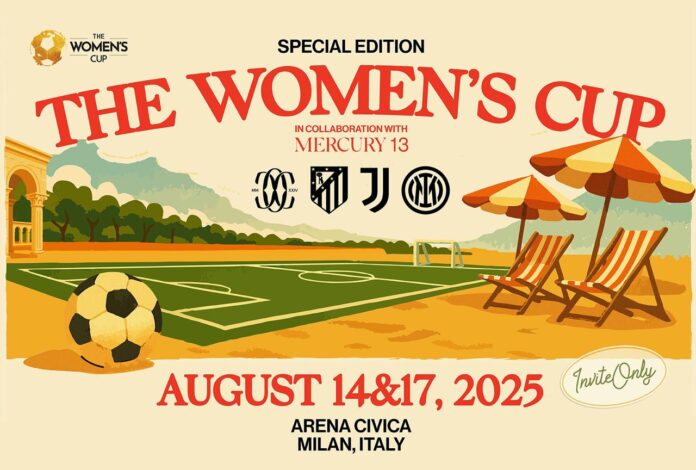
The Women’s Cup Milan 2025
Juventus, Inter, Atlético Madrid, and Como clash in a reinvented tournament designed for the modern fan. Hosted by Mercury 13, this edition promises broadcast innovation and bold storytelling.

On the Market: Fabrice Abriel
After a strong run at Fleury and a brief spell at PSG, the experienced French coach is ready for his next challenge in the women’s game.

Who is Rui Lança?

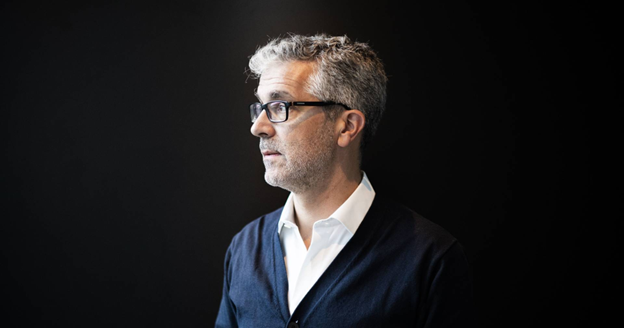
Rui Lança, Executive Director at Al-Ittihad Club, in profile view against a black background.

Rui Lança is a seasoned sports executive, author, and leadership expert with over 25 years of multidisciplinary experience across elite sports, education, and corporate consulting. He currently serves as Executive Director of Other Sports at Al-Ittihad Club in Saudi Arabia, where he oversees the development and strategic management of the club’s basketball, volleyball, and other non-football divisions. In this role, he is responsible for building high-performance infrastructures, optimizing athlete development systems, and integrating international best practices into one of the Gulf region’s most ambitious multi-sport institutions.

Before joining Al-Ittihad, Rui held senior leadership roles at Sport Lisboa e Benfica, where he was Director of Pavilion Sports (male and female). During his tenure, Benfica’s handball team won the EHF European League title for the first time in the club’s history, while the volleyball and basketball teams consistently secured national championships. Rui’s leadership professionalized team operations, introduced data-informed performance strategies, and established a culture centered on discipline, leadership, and sustainable success.

In addition, Rui worked at Vitória Futebol Clube (Setúbal) in professional football in Portugal during the 2016/17 season, as part of the coaching staff under head coach José Couceiro. He worked directly with several football coaches in performance and coaching, with a specific focus on leadership. Rui has also been a university lecturer for 20 years, a certified leadership trainer, and a corporate consultant, delivering workshops and advisory programs for executive teams and high-performance organizations. A former futsal coach, he is the author of six books on leadership, coaching, and team culture, earning recognition across both sports and business sectors. He holds a degree in Sports Sciences and a master’s degree in Sports Management, combining academic depth with practical leadership.

Rui Lança is known for his ability to lead complex organizations, cultivate elite talent, and translate the mindset of sport into long-term performance models. His people-centered approach continues to shape the future of sports leadership on a global scale.

Our Exclusive Interview with Rui Lança

Who is Rui Lança outside of his professional life?

For those who work in sports, especially across multiple disciplines, it’s hard to fully disconnect, as it’s something people talk about constantly, wherever you go. Fortunately, I do what I love, which is working in high-performance sport and leading people. Beyond that, I’m just a normal person. I love to travel, discover new places and cultures, listen to music, read, and write. I enjoy simple things like spending time with family and friends. Volunteering is also something I did for many years around the world, and it brought me a great sense of fulfilment.

What core values guide your leadership approach in both sports and business environments?

First and foremost, I genuinely like people. I enjoy understanding them, observing, interacting, and working with them. Whether it’s in the competitive world of sports or in business, that’s my guiding principle. I like helping people become better, developing them, and investing time in that process.
Then, of course, each context has its own specific rules and norms. Some environments are harsher than others, where results heavily influence our decisions and where we compete with everyone, as everyone wants to win. There are also environments where leadership can focus more on the medium to long term, allowing us to take a different approach.

How has your experience working in different countries and cultures shaped your management style?

I’ve been fortunate to work in several countries across Europe and to have done volunteer work, particularly in some African countries. That kind of experience gives you a set of soft skills that you simply can’t develop in more comfortable or familiar contexts. You get to know yourself better and gain a deeper understanding of differences in people, leadership styles, conflict management, and team dynamics, for example.
Over time, the way you approach urgency, handle conflict, and lead others is shaped by the soft skills you acquire along the way.

What was the most transformative project or achievement in your career so far?

Working in Saudi Arabia, at the country’s oldest club, and having to build almost everything from scratch, like a start-up but within a club with an impressive track record in football and other sports, makes the project extremely challenging. You really feel like you’re building history, and that’s incredibly rewarding.
The intersection of cultures and different working methods means that 1 + 1 is always unknown. Some differences can create great added value, while others may not. Fortunately, our first full season at Al-Ittihad was very successful, both from a sporting and organizational perspective, as we managed to implement several processes that are essential for achieving positive outcomes.

In what ways do you integrate academic research into your day-to-day leadership practices?

I believe that the academic world is sometimes too closed off when it comes to certain good organizational practices, and the opposite also happens. I always like to learn more, and one of the ways I grow is through writing books. It allows me to structure my thoughts and knowledge, and to interview and speak with professionals from completely different fields and parts of the world.
At the end of the day, we are the sum of who we are, what we’ve learned, and the people we interact with on a daily basis. I don’t like doing things just for the sake of it. I really like to understand the reason behind them and give them meaning. I believe there’s a balance in all of this.

What are your future goals and areas of focus in the evolving landscape of global sports?

To keep doing what I love and to stay involved in projects that are truly challenging. I want to continue working in the field of performance, whether in sports or within organizations and with people. There are many ways to add value and be part of these types of projects.
New events, new approaches to club management, and consulting work are increasingly necessary to help organizations prepare and evolve. There will always be people and teams who need to raise their standards of efficiency. Fortunately, there’s still so much good work to be done.

Football Agents in Ghana: Gatekeepers or Game Changers?

View of Baba Yara Stadium in Kumasi, Ghana, showing an empty pitch and stands with red, yellow, and white seating under a clear sky.
Photo by Timothy Yiadom on Unsplash

In today’s global football industry, soccer agents wield significant influence beyond the spotlight. Once primarily concerned with contract negotiations, their role has expanded into comprehensive career management. Agents now function as deal-makers, brand strategists, legal advisors, and mentors essential figures guiding players through the complexities of the modern game.

At the negotiation table, agents secure not just salaries but clauses that can shape a player’s future like performance incentives or transfer options. During transfer windows, they act as key intermediaries, using their networks and knowledge to orchestrate moves that can change careers and club fortunes alike. Their ability to balance business acumen with personal insight is crucial in high-stakes deals.

Off the pitch, agents help footballers develop personal brands. With players now viewed as global influencers, agents facilitate endorsement deals, media appearances, and manage public profiles. They ensure players are marketable, not just for their athletic prowess but also for their appeal to sponsors and fans worldwide.

Long-term career planning and financial management are also central to the agent’s role. From guiding transitions between leagues or into post-playing careers, to overseeing investments and legal matters, agents either provide these services directly or connect players with trusted experts. Ensuring financial security and wise career moves is vital in an unpredictable profession.

Despite their importance, the industry has faced criticism over unethical practices and a lack of regulation. Nonetheless, the modern agent remains indispensable a strategist, protector, and advisor. As football grows increasingly commercial and complex, so too does the role of the agent, firmly securing their status as pivotal players behind the scenes of the beautiful game.

Shaping the Game from the Shadows

Soccer agents have become powerful forces in the modern football ecosystem, influencing player valuations, transfer fees, and wage structures. High-profile agents like Emeka Obasi and the late Mino Raiola have not only represented star players but also shaped club strategies and league dynamics. Their role in globalizing the sport is also significant, as they scout talent worldwide and create pathways for players from underrepresented regions, enriching the game with diverse talent and narratives.

Agents often extend their influence beyond individual players, shaping recruitment strategies through strong ties with club executives and owners. Their ability to broker multiple deals and bundle players gives them leverage that can alter club decision-making. Additionally, agents play a major role in youth development, identifying talent at an early age and guiding young players through the ranks though this early involvement can blur ethical lines between mentorship and exploitation.

The Dark Side of Influence

Despite their importance, agents are frequently criticised for the vast sums they earn sometimes securing more than 10% of transfer fees especially in Ghana were transfer fees aren’t huge compared to the European index. Commissions, especially in blockbuster deals, have led to widespread calls for greater financial transparency and regulation. The practice of representing multiple parties in a single transaction also raises concerns about conflicts of interest and the fairness of negotiations.

More troubling are issues related to the treatment of young players, particularly those from vulnerable backgrounds. Allegations of manipulative contracts and profit-driven motives have fuelled scrutiny of agent conduct. Critics argue that agents contribute to financial imbalances in football by inflating fees and wages, deepening the divide between elite and smaller clubs. These concerns have intensified calls for stricter oversight and ethical reform in the profession.

The Case for Regulation

One of the major challenges facing Ghanaian football is the lack of robust regulation governing player agents. Although the Ghana Football Association (GFA) has made strides to align with FIFA’s agent licensing framework, enforcement remains patchy.

Currently, there is a challenge with centralised database of licensed agents accessible to the public. Many transactions happen informally, with little documentation or accountability. This regulatory vacuum makes it easy for unqualified or unscrupulous individuals to exploit the system, while legitimate agents struggle to distinguish themselves from the crowd.

There is a growing call from stakeholders including clubs, legal experts, and player unions for stricter licensing requirements, mandatory training, and transparency in agent-player relationships. Advocates also stress the need for education programmes that empower young players to understand their rights, contracts, and financial decisions.

FIFA’s updated Football Agent Regulations, which emphasis licensing, fee caps, and conflict of interest disclosures, offer a blueprint. But for these reforms to be effective in Ghana, the GFA must go beyond policy announcements and invest in enforcement, monitoring, and stakeholder collaboration.

Football agents in Ghana sit at a crucial crossroads. They have the potential to be game changers unlocking doors for Ghanaian talent, protecting player interests, and elevating the standards of the sport. But without regulation, oversight, and ethical accountability, they risk becoming gatekeepers who serve only their own interests.

The choice, ultimately, lies in how the industry and its regulators respond to growing concerns. If properly structured, the agent-player relationship in Ghana can transform from one of risk and mistrust to one of empowerment and opportunity. And in a football-loving nation brimming with raw talent, that transformation is not just desirable, it’s necessary.

The Fans Week – Edition #17

Welcome to the 17th edition of The Fans Week, your weekly guide to the biggest stories, controversies, and trends shaping the fan experience around the globe.

This week we explore:

Record-Breaking Support at Women’s Euro 2025
Over 460,000 fans attended the group stage in Switzerland, with sold-out matches and fan walks lighting up host cities. The tournament has become a cultural celebration of women’s football.

Away Fans Return in Argentina After 12 Years
In a landmark decision, Argentina lifts its long-standing ban on away supporters. The move marks a hopeful shift in fan trust, safety, and stadium energy.

Crystal Palace’s European Dream Derailed
UEFA regulations force Palace out of the Conference League due to shared ownership with Lyon. A case that reveals the growing tension between football governance and modern multi-club models.

Who is Mehmet Bulduk?

Mehmet Bulduk was born on October 20, 1969, in Istanbul. His football journey began at Sarıyer SK, where he was part of the first-team squad during the 1988–89 and 1989–90 Turkish Süper Lig seasons. This period saw Sarıyer field one of its strongest lineups, and Bulduk trained and played alongside several national team players, gaining invaluable experience and insight into top-level football.

Following Sarıyer, he transferred to İstanbul Büyükşehir Belediyespor (now Başakşehir FK), and continued his professional career with Bandırmaspor, Adıyamanspor, Amasyaspor, Kasımpaşaspor, Lüleburgazspor, Yıldırım Bosnaspor, and Nişantaşıspor. After a well-rounded playing career, he retired with deep insight into the Turkish football system across various tiers.

A Decade of Impact in Beşiktaş Youth Development

In 2003, Bulduk began his coaching career at Beşiktaş Football Academy under the mentorship of Serpil Hamdi Tüzün, one of Turkish football’s most influential youth developers. He coached every age group from U10 to U21, and achieved significant success as a head coach:

  • 2006–07 U16 Turkish Champions
  • 2008–09 U14 Turkish Champions
  • 2009–10 U15 Turkish Runners-up

More importantly, he played a key role in the development of many youth players who would go on to professional careers:

  • Necip Uysal (1991): Worked with him in U13, U16, and U19 squads
  • Atınç Nukan (1993): Joined Bulduk’s U13 team, later transferred to RB Leipzig for €5 million
  • Bülent Uzun (1990): Continued at Sakaryaspor
  • Tayfun Akdoğan (1996): Progressed to Adana Demirspor
  • İlyas Kubilay Yavuz (1994): Went on to Batman Petrolspor
  • Muhammed Demirci (1995): Played for Balıkesirspor
Relentless in Growth: Coaching Education and Methodology

Bulduk has invested in his continuous development by completing numerous coaching courses and seminars:

  • TFF A License Course (2003)
  • TFF Coaching Seminar (July 2004)
  • TFF Academy League Coaching Program (August to October 2008)
  • UEFA A License Course (May 2010, Antalya)
  • TFF International Coaching Seminars (January 2015 and May 2018)
  • UEFA Pro License Course (2024–2025)
  • UEFA Pro Student Exchange Program (March 2025, Geneva)

He prioritizes technical, mental, and social development in his players and has consistently applied modern methodologies shaped through education and experience.

Strategic Scouting and Club Building at Beşiktaş

In 2012, Bulduk joined the foundation team of Beşiktaş’s professional scouting department. During the club’s “FEDA” era, he contributed significantly to shaping a young, dynamic squad. His scouting efforts helped bring in and integrate key players such as Oğuzhan Özyakup, Atiba Hutchinson, Olcay Şahan, and Veli Kavlak.

He was part of the planning team behind Beşiktaş’s Süper Lig titles in 2015–16 and 2016–17. During this period, he worked closely with Samet Aybaba, Slaven Bilić, Şenol Güneş, and Sergen Yalçın. In the 2020–21 season, he collaborated with assistant coach Gürsoy Yalçın on the team’s tactical restructuring.

Global Talent Spotter: Identifying Future Stars

Throughout his scouting career, Bulduk traveled extensively, particularly in Europe and South America, identifying promising talents who would later achieve international success:

  • Anderson Talisca (Bahia, 2013)
  • Manuel Lanzini (River Plate, 2013)
  • Rodrigo De Paul (Racing Club, 2013)
  • Gustavo Gómez (Lanús, 2016)
  • Miguel Almirón (Lanús, 2016)
  • Darwin Núñez (Almería, 2019)
  • Andrew Robertson (Dundee United, 2013)
  • Rasmus Højlund (Copenhagen, 2021)

These players, scouted early by Bulduk, went on to elevate their clubs both competitively and financially.

Footballing Philosophy and Long-Term Vision

Bulduk defines himself as both a developmental and competitive coach. His philosophy focuses on building committed, energetic, and tactically sharp teams. He values:

  • Relentless teams that play with belief and determination
  • A style that entertains both players and spectators
  • Teams that never accept defeat until the final whistle
  • Units that cover for each other on the pitch
  • A consistent playing identity regardless of home or away matches

For Bulduk, football’s unpredictability is its most fascinating aspect. To reduce that uncertainty, he emphasizes modern preparation tools, opponent analysis, and mental readiness.

Looking Ahead: A Global Mission

With four decades of experience as a player, coach, developer, and scout, Bulduk is now focused on applying his knowledge globally. He is open to working in Turkey or abroad, including Europe, the Americas, Asia, or Africa, wherever football is taken seriously and developed professionally.

His ultimate ambition is to lead a team built on his philosophy and win a major international tournament. Whether it is the UEFA Champions League, Europa League, Copa Libertadores, AFC Champions League, or Copa Sudamericana, he aims to represent Turkish coaching at the highest level and inspire football communities around the world.

Our Exclusive Interview with Mehmet Bulduk

Who is Mehmet Bulduk outside of football?

I believe life is incredibly similar to football and throughout our lives we encounter all kinds of situations such as joy, sadness, surprises, disappointments, and moments of great happiness. I always try to live with faith, persistence, determination, and enthusiasm together with my family while staying true to universal principles.

For me, earning the trust of the people around me is the most important value. Learning, renewing oneself, being open to growth and knowledge, sharing, showing empathy, and treating people with dignity are all deeply meaningful to me.

I love reading, especially personal development books. I enjoy discovering new places, meeting new people, and researching different cultures. Above all, gaining the trust of those around me, offering them the right guidance, and earning their confidence are things I truly care about.

What lessons from your playing career have shaped your approach to coaching and player development?

My football career took place across various regions of my country, including Eastern Anatolia, the Black Sea, Marmara, the Aegean, and Thrace. This gave me the opportunity to get to know and understand the people of my country very well.

Through the game, I experienced winning, losing, becoming a champion, being relegated, receiving red cards, dealing with injuries, being left out of the squad, and serving as team captain. Living through all these emotions has greatly contributed to my ability to find solutions as a coach when I encounter similar situations. It has helped me understand when, where, and how to act.

These experiences have allowed me to develop open communication, build empathy, and create methods to deal with the challenges that arise in such situations.

How did you support the early careers of players like Necip Uysal and Atınç Nukan, and what do you remember most about their development?

I worked with Necip in the U13 and U16 teams, as well as in the PAF League that was active at the time. In our youth team, Necip played in every position except goalkeeper. He always fulfilled the tactical roles assigned to him, never avoided responsibility, was confident, and had big dreams. These qualities made all of us in the academy coaching staff stand behind him and support his journey. What stands out in my memory about Necip is that he was intelligent, hardworking, patient, goal-oriented, and constantly striving to improve himself.

With Atınç, I had the opportunity to work in the U13 team. When he joined, his game understanding, physical condition, confidence, and competitive spirit were not yet developed since he came from an amateur-level team. However, he had a strong desire to work hard, was open to learning, and quickly absorbed and applied what he was taught. He loved improving himself and went through very difficult periods but never gave up and eventually earned his place.

We especially focused on individual training with Atınç regarding his defensive stance and tactical positioning. His belief, willingness to work, and character opened the doors of the Beşiktaş professional team for him. What I remember most about Atınç is his strong character, belief in himself, work ethic, and respect for his coaches.

You scouted talents like Talisca, De Paul, and Darwin Núñez before they became international stars. What stood out to you about them at such an early stage?

When I watched these players live, what impressed me most and helped me notice them were their exceptional football intelligence, ability to interpret their positions accurately, composure under pressure, and willingness to take responsibility.

When scouting players for a club like Beşiktaş, the first qualities I look for are a high level of football intelligence, advanced game awareness, and the ability to interpret their role with ease. Most importantly, they must be able to make and execute the right decisions comfortably under pressure.

What did you learn from working with figures like Serpil Hamdi Tüzün, Şenol Güneş, and Sergen Yalçın?

Coach Serpil is one of the most valuable technical figures in Turkey in terms of tactical, personal, and mental development methods for youth and academy players. His thoughts on the game, the way he educated young players, his communication with them, and the methods he used in their development were all deeply impressive. He always believed that football could be played better.

Şenol Güneş stood out with his experience, work ethic, and his effective methods of managing top-level players.

Sergen Yalçın impressed with his incredible football intelligence, quick decision-making, confidence in himself and his team, and his firm stance on staying true to his principles.

All three coaches played a significant role during the time I worked with them. Their philosophies helped me define my own path, confront my own truths, and shape my understanding of football. I will always aim to stay true to myself and move forward with the playing style and football principles I believe in.

What is your long-term vision as a football coach and leader?

I want to be a coach who both competes and develops players, who communicates openly, empathizes with his team, instills his football philosophy, stands firmly behind it, and builds teams that play enjoyable football without the fear of losing.

I want to bring these ideas to life in an environment that believes in me, trusts me, and values respect and fairness. My goal is to become a sought-after coach, not just in my country but also in Europe, Asia, and America, to achieve successes that have never been reached and to win trophies that have never been won.

Elite Football, Elevated: The Women’s Cup Lands in Milan With Mercury 13 Special Edition

Juventus, Inter, Atlético de Madrid, and Como Women compete in a redefined women’s tournament.

A private-format tournament featuring Europe’s finest,  streamed globally from the iconic Arena Civica and available for free in the US exclusively on VIZIO WatchFree+.

London, UK – This August 2025, Milan becomes the epicenter of innovation in women’s club football as The Women’s Cup introduces a redefined competition experience, one designed to reshape how women’s sports are experienced, shared, and celebrated.

Bringing together three powerhouses of European football — Juventus, Inter Milan, and Atlético de Madrid, & newcomer F.C. Como Women — this exclusive edition marks the tournament’s highly anticipated debut on Italian soil. It’s more than a tournament; it’s a concept crafted to elevate the global game while spotlighting Italy’s vibrant football heritage and Mercury 13’s flair for the unexpected.

A Game-Changer in Format and Vision

In collaboration with Mercury 13, this special edition of The Women’s Cup will introduce an innovative format designed for the future-facing fan.  A global audience will tune in to a broadcast that goes beyond the match itself, delivering storytelling, access, and spectacle like never before.

Held at the historic Arena Civica, nestled in the heart of Milan’s Parco Sempione, this unique showcase brings together champions past and present. Atlético de Madrid, TWC 2023 titleholders, return to challenge Italy’s best, including Juventus, reigning champions of both Lega Serie A and The Women’s Cup 2024. Inter Milan, Serie A runners-up, and F.C. Como Women, the first club in Mercury 13’s portfolio, round out the lineup in a contest where legacy meets ambition.

Pushing Boundaries, Building Bridges

“Bringing The Women’s Cup to Italy in this new format is more than an expansion — it’s a reinvention,” said John Paul Reynal, President and CEO of The Women’s Cup. “This edition reflects a bold step forward, not only in how we present the game, but in how we partner with clubs and audiences to shape its future.”

Victoire Cogevina Reynal, Co-Founder and Co-CEO of Mercury 13, emphasized the long-term vision: “This event is a reflection of our commitment to designing premium experiences around women’s football, especially for a global and diverse female fanbase. It’s also a huge milestone for F.C. Como Women as we look ahead to what’s next for our growing network of clubs.”

TWC Special Edition in Collaboration with Mercury 13 – Milan, Italy 2025
All matches at Arena Civica, Milan (local time / ET)

August 14

  • Semifinal 1: Juventus vs F.C. Como Women– 6 PM local / 12 PM ET
  • Semifinal 2: Inter Milan vs Atlético de Madrid – 9 PM local / 3 PM ET

August 17

  • Third Place Match – 5 PM local / 11 AM ET
  • Final – 8 PM local / 2 PM ET

Viewers in the United States can watch the Women’s Cup LIVE and for free exclusively on VIZIO WatchFree+

The Women’s Cup is thrilled that VIZIO WatchFree+ will be the free, exclusive streaming partner in the United States to watch the Women’s Cup Tournament in Milan, Italy, August 14 – 17.  As recently announced, VIZIO will also be the exclusive destination for the Women’s Cup Brazil Tournament in July.  Last year’s TWC marked the first-ever live sporting event hosted exclusively on the WatchFree+ platform and this year the partnership returns with two exciting International Tournaments that make up the Global Series Summer 2025 games.

Eight games will be available exclusively on VIZIO WatchFree+ on a dedicated pop-up channel (ch. #1301), available from July16th to 26th aligned with the Brazil tournament and then again from August 13th to 19th when the Women’s Cup takes place to Italy.  The channel will also feature archival games from previous tournaments, game highlights, interviews, and more – enhancing the viewing experience for fans.

To watch The Women’s Cup on VIZIO WatchFree+, select channel #1301 from the electronic programming guide (EPG), or access directly from the VIZIO Home Screen. In addition, The Women’s Cup Channel will be available on the VIZIO mobile app, available to anyone.  Both VIZIO TV owners and those that do not have a VIZIO TV can download the free VIZIO mobile app to their mobile device, click on the WatchFree+ button in the bottom row menu, and tune-in to the The Women’s Cup Channel #1301.

For more information about WatchFree+, visit www.vizio.com/en/watchfreeplus.

CLUB STATEMENTS:

Inter Milan Head Coach, Gianpiero Piovani

“This is a prestigious tournament involving three big clubs that, as well as ourselves, performed well in their respective leagues last season. We really want to do well, and we’ll try to show our quality. We want to continue our development. We’ll go into the tournament with a lot of enthusiasm; we can’t wait to test ourselves against these sides. It’ll definitely be a good experience for us ahead of the start of the season.”

Juventus Head Coach, Massimiliano Canzi

“We’re excited to be invited back to the Women’s Cup, after last year’s edition in Louisville. It will be a great chance for us to play some high-quality games against strong teams like Inter, Atlético Madrid, and Como Women, and get an early feel for the new season”.

F.C. Como Women Head Coach, Stefano Sottili

Matches like these allow us to concretely assess the team’s level of preparation by immediately testing ourselves against top-tier opponents. Juventus, Inter, and Atlético Madrid are elite clubs, used to playing to win — facing them in such a competitive context is a key step in our development”.

Atlético de Madrid Head Coach, Victor Martin

“I believe that this type of tournament allows us to fine-tune our preparation ahead of the start of the competitions. Facing opponents like Inter, Juventus, and Como forces us to compete at the highest level. It’s a demanding challenge, and it also gives us the valuable experience of traveling and spending a few days together as a team — something that will greatly help us build the foundation for what we hope will be a very successful new season.”

About The Women’s Cup

THE WOMEN’S CUP: EXPANDING THE GAME, ELEVATING THE SPORT

The Women’s Cup (TWC) was established in 2021 as an annual professional soccer tournament in the United States, with its first editions hosted in Louisville (2021, 2022). Since then, the tournament has evolved into the world’s premier women’s club soccer competition, expanding globally under the TWC Global Series, with events in Madrid (2023), Cali (2024), Kansas City (2024), Louisville (2024), and now arriving in São Paulo (2025).

An exclusive invitation-only tournament, TWC brings together elite clubs from all five continents, offering them a unique opportunity to compete on a global stage. More than 20 clubs have participated, with past champions including Racing Louisville FC (2021), OL Reign (2022), Atlético de Madrid (2023), NY Gotham FC (2024), Juventus (2024), and Kansas City Current (2024).

TWC has become the preeminent women’s soccer invitational tournament in the world, not only showcasing the highest level of competition but also serving as a platform for advancing key initiatives that drive the growth of women’s soccer. By creating first-class events that combine sporting excellence with international visibility, TWC supports clubs in extending their global footprint, increasing brand exposure, and strengthening their network within the game.

More than just a tournament, The Women’s Cup is about growing the beautiful game. By connecting players and teams from all continents, TWC contributes to the expansion of women’s soccer worldwide, creating new opportunities for female athletes and reinforcing the sport’s presence in every region. The arrival of TWC in Brazil underscores the organization’s commitment to fostering growth in Latin America and beyond, ensuring that women’s soccer continues to thrive on a truly global scale.

https://thewomenscup.world/

Media Contact
Alejandra S Depalma
CCO / Mercury 13
press@mercury13.com

The Players Week – Edition #23

Welcome to the 23rd edition of The Players Week, your essential guide to the insights and strategies shaping every step of a footballer’s journey.

This week we explore:

Data Analysis: From Academy to First Team
Less than half of academies have a formal pathway to the first team. We unpack the latest data on coaching alignment, youth transitions, and support for released players.

Dealing with Criticism
From fans to coaches, criticism is part of the game. Learn how to filter feedback, stay mentally strong, and turn negativity into growth.

Building a Powerful Network as a Footballer-Business Angel: Part I
Start planning for life after football. This guide explains how to shift your mindset, find the right events, and use your network to become a smart investor.