Home Blog Page 28

Hacer ganadora a una selección nacional: claves del trabajo de un seleccionador

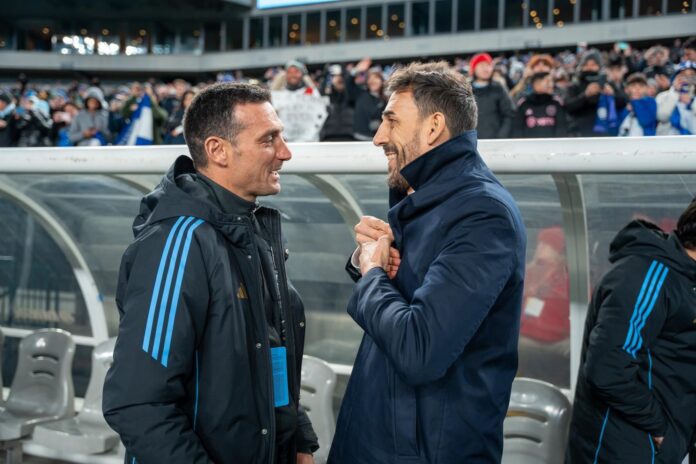
avid Dóniga and Lionel Scaloni share a friendly exchange on the sidelines during the El Salvador vs Argentina match in Philadelphia on March 22, 2024.

Una pregunta recurrente ocupa la mente de profesionales, amigos y familiares cada vez que he tenido la fortuna de dirigir a una selección nacional: ¿No echas de menos el día a día de los clubes? Si los que no han vivido la experiencia supieran cómo trabajo en selecciones, ¡verían desahogado el ritmo frenético de un equipo de élite!

Son ya dos selecciones las que he dirigido a mis 43 años. La especificidad del trabajo de seleccionador merece un artículo solo para conocer las claves de la labor que he desempeñado en la preparación de dos clasificaciones a Copa del Mundo (Qatar 2022 y United 2026), la clasificación a una Copa Oro (2025) y el ascenso al grupo de privilegio en Liga de Naciones de Concacaf (Nations League A para 2025, 2026 y 2027); así como en el desarrollo del talento para el alto rendimiento en la Selección Nacional de Panamá U21 y U23, que ahora forma parte de casi la mitad del grupo que en el próximo mes de septiembre afrontará su intento de alcanzar por segunda vez en su historia una fase final de un Mundial. Adéntrate conmigo en el apasionante mundo de la preparación de una selección para el único objetivo que, millones de personas, compatriotas, que alientan y presionan a partes iguales, desean: ganar.

El primer paso

15 de noviembre de 20254. Son las 23:00 en San Salvador. El estadio Cuscatlán se vacía mientras los jugadores, después de celebrar en el terreno de juego con sus compañeros, sus familias y allegados la victoria en la jornada 6 del grupo A de Liga B de Naciones, van accediendo a cuentagotas al vestuario. En los cien peldaños que separan el acceso al terreno de juego del camerino, la complicidad entre cada jugador y miembro del cuerpo técnico y yo se traduce en gritos de felicidad y abrazos para celebrar que, un año después, la Selecta vuelve a la Liga A de Naciones. Y de paso, se clasifica a la Copa Oro 2025 de manera directa. Con una victoria más en los dos partidos que quedan de clasificación a Copa del Mundo en junio de 2025, el equipo estaría en la última fase, la última ronda de clasificación para United 2026: seis partidos de distancia con respecto al soñado regreso a la competición que les vio despedirse de ella en 1982 por 42 años…

¿Cómo hice para enfocar este logro el día 1 de enero de 2024, cuando me hago cargo de la Selección Nacional de El Salvador, un equipo que llevaba diecisiete partidos seguidos (año y siete meses) sin ganar un partido? ¿Cómo hacer de un equipo roto sin rumbo un equipo ganador y en las mejores competiciones? Te lo cuento a continuación.

Resumir en un artículo un año entero de trabajo soportado sobre la experiencia de más de diez años en la élite del fútbol es imposible. Te ofrezco los parámetros básicos en torno a los que gira mi sistema de trabajo para encarar cada proyecto con una base general y una adaptación específica:

Entender la competición

Si bien todas las selecciones del mundo luchan cada cuatro años por un objetivo común, llegar al Mundial, cada confederación tiene un sistema de competiciones, aparte de una competición propia; y a todo eso, hay que identificar las características propias de la federación para la que se trabaja, la selección y el país. Mi experiencia en Panamá en Qatar 2022 y en Copa Centroamericana de Clubes en 2023 me hacían entender perfectamente el contexto. Cuando la experiencia previa no es tan concreta, como ha sucedido en otras ocasiones, la organización del estudio del equipo, la comparativa con mi scout, el análisis del rendimiento último a través del dato (Opta/Wyscout) y la plantilla tipo de presentaciones junto a mi software de referencia (ScoutYouPro) me permiten tener controlado el contexto al que me dirijo en 24-48 horas. En este caso, a esa organización sistemática se unía mi conocimiento práctico: tenía claro qué jugadores faltaban en la plantilla, qué modelo organizacional requería la competición y cómo enfocar su preparación.

Primer objetivo, ganar alguno de los amistosos hasta la fecha de junio mientras iba dando forma a la plantilla base y asimilaban el sistema los jugadores que formarían el tronco de la selección; y el segundo, para los dos partidos de junio (de los cuatro a disputar en esta segunda ronda, con grupos suizos de cinco equipos), sacar un empate y una victoria. En estos grupos es fundamental puntuar cada jornada, y una media de victoria en casa y empate fuera te otorga el pase, pues se clasifican dos equipos de los cinco. Te adelanto: con el bloque habiendo asimilado el sistema a la perfección, y tras no poder sacar una victoria ante rivales complicadísimos (Inter Miami, empate; Honduras, empate; y derrotas con Costa Rica y Argentina), en junio llegó es ansiada victoria tras dos años y se cumplió el objetivo de empate y victoria. Quedaba para septiembre, octubre y noviembre la Liga de Naciones en un grupo de cuatro equipos. Solo dos partidos en casa, los dos últimos. Y se ascendió con cinco victorias de seis encuentros. Añadiendo un amistoso contra Guatemala, jugado en julio de 2024, en el que se ganó, los números quedaron en siete victorias de quince encuentros, con cuatro empates y cuatro derrotas, los mejores números de los últimos cinco años de la Selecta. ¿Cuánta importancia le darías al conocimiento de la competición a disputar para optimizar el rendimiento y aplicar los esfuerzos en los momentos determinantes?

Entender las concentraciones y los jugadores

Para lograr ese rendimiento, es necesario conocer cómo se opera en el lugar en el que se trabaja. Las selecciones nacionales en la zona de Centroamérica dan mayor peso al equipo nacional que a los clubes. La colaboración entre federación y liga se estima esencial para que el funcionamiento de la competición local potencie el trabajo de la selección y que, a su vez, la selección mejore el rendimiento de la liga. Esto pasa por desarrollar un trabajo intermitente pero recurrente con los jugadores locales que, jugando en la liga del país, suelen ser convocados con la selección. Como las ventanas FIFA están previstas cinco veces al año y los jugadores que compiten fuera del país tienen la obligación de asistir, entre ventana y ventana tenemos semanas que se pueden dedicar a entrenamiento del equipo de cara a asimilar el sistema, la metodología de trabajo y las ideas clave, además de poder citar a jugadores jóvenes o que destacan en la competición local que de otra manera sería muy difícil tener la oportunidad de entrenar.

Esta ventaja con respecto a selecciones de otras confederaciones que solo pueden contar con los jugadores en las ventanas oficiales permite que la intensidad y la falta de tiempo de las semanas FIFA durante el año se vean amortiguadas con una preparación previa de base que hace llegar al jugador al partido con las ideas claras. Por eso hay que aprovechar cada microciclo, cada entrenamiento, en lo realmente esencial: el juego.

Entender los objetivos de la afición

Ser el responsable de los resultados de un equipo al que siguen más de diez millones de personas es una gran exigencia. ¡Me encanta esa exigencia! Y se lleva mucho mejor si se conoce lo que quiere la gente. Todos queremos ganar. Ver a la selección de tu país jugar partido tras partido durante dos años sin sacar un resultado a favor es una carga que, bajo el sentimiento nacional, se mitiga con la ilusión de que la próxima vez sí. Y es un impulso que hay que aprovechar: la gente ama a su selección. Y desea que lo des todo para representarles. Cada paso que das con esa responsabilidad a la espalda exige la conciencia de que no va a quedar nada en tus manos para lograr unir a tanta gente en la emoción de una victoria. Si al trabajo de entrenador hay que aplicarle una pasión implícita y un sistema de organización profesional, al de un seleccionador hay que aportarle un extra, y ese extra tiene una carga emocional de una fuerza ilimitada. Saber transmitirle a los jugadores las sensaciones corporales y mentales que siento formando parte de su familia, la de todo un país, abrazados por una bandera, es sinónimo de éxito a la hora de competir poniendo sobre la mesa un sistema, una estrategia, una operatividad. Se puede ganar y perder, pero así nos acercamos sin ningún género de dudas al éxito. Y a las pruebas me remito.
Who is Okan Özkan?

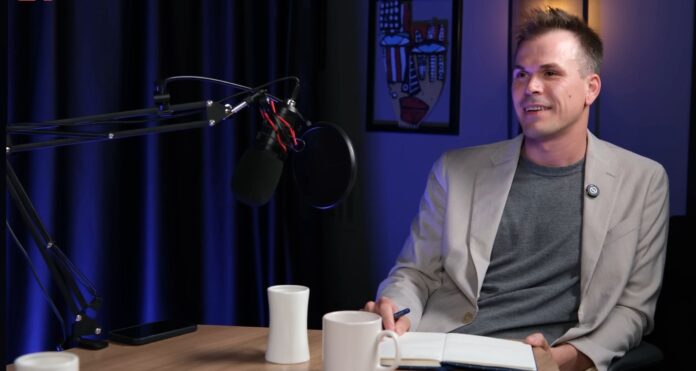
Okan Özkan during an interview, reflecting on his career from youth coaching to football executive roles at Fenerbahçe.

Okan Özkan (born 2 February 1991, Istanbul) is a Turkish football executive and former youth coach, best known for his long tenure at Fenerbahçe SK in both technical and administrative roles. A UEFA A-licensed coach with a strong academic background in economics and sports management, Özkan has been described by Turkish outlets as a “young and competent sports manager” who bridges on-field expertise with off-field strategy.

Early Life and Education

Özkan studied Economics at Istanbul University before expanding his education internationally with a year at the University of Siena in Italy (2012–13). He later participated in a Sports Law and Management course at Kadir Has University and a master’s degree in Sports Management at Marmara University. Reports also suggest he undertook formal coaching education in Scotland prior to his entry into professional coaching. This combination of economics, sports management, and coaching qualifications positioned him uniquely as both an analyst and practitioner within football.

Professional Background Before Football

Before moving fully into football, Özkan worked in finance and business. From 2013 to 2015, he was an auditor at KPMG, later taking up financial reporting roles at Vodafone. This financial grounding would later become a key asset in his football career, particularly during his tenure in Fenerbahçe’s finance and football management departments.

Transition into Coaching

In 2017, after starting his coaching education journey which ended with securing his UEFA A License, Özkan entered the coaching profession with Kasımpaşa SK’s youth academy, working with under-11 and under-7 teams. A year later, he joined Fenerbahçe SK, initially as part of the youth setup under Spanish Academy Director David Badia and Sporting Director Damien Comolli. In the 2019–2020 season, Özkan coached the U14 squad, where he was credited with introducing modern training methodologies and supporting the club’s youth development and performance analysis systems. These roles established his reputation as a technically adept, data-oriented coach with managerial ambitions.

Career at Fenerbahçe

Özkan’s progression within Fenerbahçe was rapid, spanning both technical and executive positions:

  • July 2017 – June 2018: Assistant coach, Kasımpaşa SK youth (junior age groups)
  • July 2018 – June 2020: Assistant coach, Fenerbahçe SK youth (U14)
  • Aug 2020 – June 2022: Finance Executive, Fenerbahçe SK (budgeting, reporting, financial oversight)
  • July 2022 – June 2023: Football Planning Executive, Fenerbahçe SK (scouting, roster planning, contracts, player data)
  • July 2023 – July 2025: Assistant Sporting Director / Deputy Coordinator of the First Team

By 2025, Özkan was appointed as Football Coordinator, succeeding Mario Branco. However, on 7 July 2025, he resigned from the club after more than seven years of service. Fenerbahçe issued a public statement thanking him for his contributions across multiple departments.

Key Contributions

  • Helped implement modern methodologies by using data-oriented models in youth coaching, contributing to the club’s academy development.
  • Led budget management and supported transfer processes during Emre Belözoğlu’s directorship.
  • Redesigned scouting organization and workflow by implementing data into the department and digitalizing operations.
  • Served as the person who gave final approval to contracts and reported to management.
  • Advocated for integrating youth prospects and database-driven analysis into Fenerbahçe’s broader decision-making.

Transfers Involved

Özkan had been involved in more than 100 in/out transfers at Fenerbahçe. He supported the process of several major departures, including Altay Bayındır to Manchester United, Arda Güler to Real Madrid, Ferdi Kadıoğlu to Brighton, Bruma to Braga, and Min-Jae Kim to Napoli. On the incoming side, he supported the arrival processes of Dominik Livaković from Dinamo Zagreb, Jayden Oosterwolde from Parma, Rodrigo Becão from Udinese, Fred from Manchester United, Rade Krunić from AC Milan, Sebastian Szymański from Dynamo Moscow, Cengiz Ünder from Marseille, and Edin Džeko as a free agent.

Collaborations and Influences

Özkan has worked alongside several high-profile figures:

  • Ali Y. Koç, the president of Fenerbahçe for the last 7 years and a respected businessman who is a member of one of Turkey’s leading families.
  • Selahattin Baki (Board Member), Acun Ilıcalı (Board Member), and Mario Branco (Sporting Director), leading scouting, planning, and transfer operations.
  • José Mourinho and Jorge Jesus, with whom he collaborated as Assistant Sporting Director during their time at Fenerbahçe.
  • Emre Belözoğlu, while handling finance and planning responsibilities.
  • David Badia and Damien Comolli during his early coaching and finance executive years in Fenerbahçe’s academy.

Reputation and Media Perception

At 34, Özkan is seen as part of a new generation of Turkish football executives. Local media often frame him as a rising talent in sports management, noting his unusual career path from finance into coaching and then senior club administration. While he does not have the public profile of a head coach or sporting director, his behind-the-scenes work has been recognized internally and in the press. His resignation in 2025 drew both surprise and debate among supporters, highlighting the visibility of his role in Fenerbahçe’s operations.

Conclusion

Okan Özkan’s career represents the modern evolution of football management: a blend of financial expertise, coaching qualifications, and strategic planning. From youth coaching to first-team coordination, he has contributed across multiple layers of Fenerbahçe SK. Though his resignation in 2025 closed a significant chapter, his profile as a young, data-savvy, and versatile football executive suggests he will remain a notable figure in Turkish football’s professional landscape.

Our Exclusive Interview with Okan Özkan

Who is Okan Özkan outside of football? How do you balance the demands of football management with your personal life?

I have a 5-year-old daughter. Outside of football, I usually spend my time with her. Traveling through her imaginary world transforms me and takes me away from reality. Furthermore, being surrounded by nature—biking, running, camping, and swimming—helps me find peace.

You took on very different roles at Fenerbahçe, from coach to finance executive to football coordinator. Which role did you enjoy the most and where did you learn the most?

For me to enjoy a job, I need to feel like I’m adding value to it. I’m incredibly grateful to have been given this freedom in every position I’ve held. I’ve added value to my work in every role, and being in that role has added value to me. I feel fortunate to work with some of the most important people in the most important departments of a football organization.

What are your future professional plans, and which part of a football organization do you see yourself contributing to in the coming years?

I previously played amateur football for nine years. Being on the field and coaching was incredibly motivating and made me feel good. That’s why I gave up my corporate career, but as I spent time in the industry, I realized that my background was more suited to sports management. The level I could reach as a sports manager excites me more than the level I could reach as a coach.

You started your career in finance before shifting into coaching and later management. How did that diverse background shape your approach to decision-making in football?

It’s crucial to have a strong grasp of the issues you’re making decisions about. Considering the financial, legal, organizational, and on-field aspects of football, having a background in these areas makes me more confident in my decisions. I also plan to further develop myself psychologically and sociologically through the lessons I’ll be taking in the near future, as these areas can also be considered important factors in decision-making.

You were often described as a “young and competent sports manager.” Do you feel that being relatively young in high-level roles was more of an advantage or a challenge?

I must admit, I see this as an advantage. Because youth allows you to hide behind more risky decisions. As you get older and gain more experience, you’re expected to make more conventional decisions.

Wenn man nicht spielt: Wie Spieler Chancen auf der Bank nutzen können

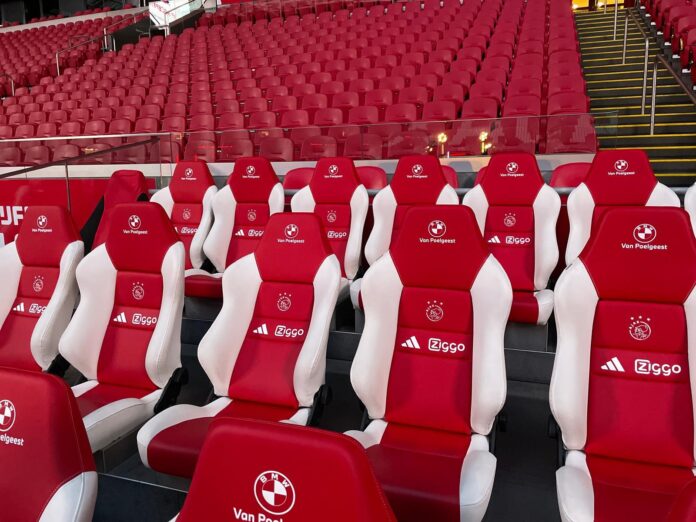
Red and white Ajax substitute bench seats at Johan Cruyff Arena, symbolizing the challenge and opportunity of not starting in football.

Die neue Saison hat begonnen. Für manche bedeutet das ein neuer Verein, ein neuer Trainer oder ein verändertes Team. Manchmal reicht schon ein kleiner Faktor: ein neuer Mitspieler, eine taktische Umstellung und plötzlich steht man nicht mehr in der Startelf. Stattdessen sitzt man häufiger auf der Bank.

Das ist hart. Viele Spielerinnen und Spieler fühlen sich dann übersehen, nicht wertgeschätzt oder zweifeln an sich selbst. Diese Gefühle sind normal und sie begleiten nicht nur junge Talente, sondern auch Profis auf höchstem Niveau. Entscheidend ist: Wie gehe ich mit dieser Situation um?

Selbstreflexion: Der erste Schritt

Bevor man nach außen schaut, sollte man bei sich selbst anfangen. Eine ehrliche Analyse hilft: Was mache ich schon gut? Wo habe ich Schwächen? Am besten schriftlich notieren. Wer Klarheit hat, kann gezielt arbeiten, statt sich im Frust zu verlieren.

Ursachen erkennen, statt Ausreden suchen

Warum spiele ich nicht? Oft sind es mehrere Faktoren: sportlich, mental, körperlich oder ernährungsbedingt. Alles hängt zusammen. Nur wer die Gründe versteht, kann sie auch anpacken. Schuld bei anderen zu suchen, führt nicht weiter, Verantwortung übernehmen schon.

Feedback einholen: Trainer als Schlüssel

Der direkte Weg führt ins Trainerbüro. Offenes Feedback bringt Orientierung:

  • Was läuft gut?
  • Was muss ich verbessern?

Wichtig ist, zuzuhören, die Punkte festzuhalten und konsequent daran zu arbeiten. Trainer merken sehr schnell, wer Kritik annimmt und bereit ist, Schritte nach vorne zu gehen.

Erfahrung nutzen: Lernen von anderen

Ein wertvolles Werkzeug ist das eigene Netzwerk. Über den Berater oder persönliche Kontakte lohnt es sich, mit erfahrenen Spielern ins Gespräch zu gehen – mit Fußballern, die ähnliche Phasen schon durchlebt und überwunden haben. Ihre Ratschläge sind oft praxisnah und motivierend, weil sie aus eigener Erfahrung sprechen und zugleich mit etwas Abstand auf die Situation blicken.

Mentalität: Bereit sein, wenn die Chance kommt

Nicht spielen bedeutet nicht untätig sein. Wer auf der Bank sitzt, sollte die Spiele aufmerksam verfolgen, Situationen analysieren und im Training Gas geben. Die innere Haltung muss sein: Ich bin der Nächste, der gebraucht wird.

Und dafür gibt es genug Beispiele, auf jeder Ebene, in jeder Liga, in jeder Saison. Immer wieder zeigt sich: Der Spieler, der mental stabil bleibt, Geduld beweist und nicht aufgibt, geht am Ende seinen Weg. Die Saison ist lang, die Chance kommt und wer vorbereitet ist, wird sie nutzen.

Geduld, Ausdauer und Charakter

Nichts verändert sich über Nacht. Wer glaubt, alles sei nach einer Woche anders, wird enttäuscht. Es braucht Geduld und Ausdauer. Gleichzeitig ist es entscheidend, Charakter zu zeigen: im Training vollen Einsatz bringen, das Team unterstützen, ein Vorbild an Haltung sein. Auch ohne Spielzeit kann man Respekt und Vertrauen gewinnen und das sind oft die Bausteine für die nächste Chance.

Eltern als Begleiter

Auch für Eltern ist es keine leichte Situation. Wichtig ist, das Kind nicht zusätzlich unter Druck zu setzen oder die Verantwortung auf den Trainer zu schieben. Stattdessen helfen Geduld, Motivation und Unterstützung. Eltern können dabei helfen, den Blick weg vom „Nicht-Spielen“ und hin zur Entwicklung zu lenken.

Verantwortung übernehmen und nachhaken

Die Entwicklung liegt in der eigenen Hand. Nach vier bis sechs Wochen ist der richtige Zeitpunkt, erneut das Gespräch mit dem Trainer zu suchen. So zeigt man Einsatzbereitschaft und die Bereitschaft, aktiv an sich zu arbeiten.

Fazit

Nicht zu spielen ist eine Prüfung, emotional, sportlich und mental. Doch genau diese Phasen formen Spielerinnen und Spieler. Sie verlangen Geduld, Selbstkritik und die Fähigkeit, Chancen vorzubereiten, bevor sie da sind.

Am Ende gilt: Auf der Bank zu sitzen ist keine Niederlage, sondern ein Test. Wer ihn besteht, ist bereit für den Moment, in dem die Chance kommt.

From 0 to €20M: How MLS Missed Out on Rising Stars in American Soccer

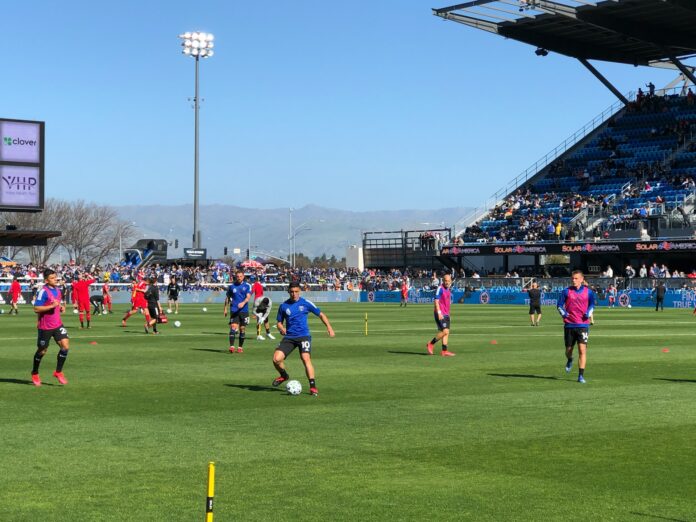
San Jose Earthquakes players warm up against Toronto FC during the 2020 MLS season opener.
Photo by Soccer Blur on Unsplash

Football is not just about the 90 minutes played on the pitch. True success begins with spotting the right player at the right time and then developing him. But just as important as development is scouting — the art of discovering talent.

Today, the biggest weakness in American soccer is exactly this: a scouting system that is narrow and insufficient.

From UPSL to Europe’s Spotlight

Right here in the Florida/Miami area, two stories unfolded before everyone’s eyes:

  • Yan Diomande (2006, winger): He shined at DME Academy and in UPSL. At the time, neither Inter Miami nor Orlando City’s scouting networks noticed him. Leganés picked him up and developed him. After just 10 La Liga matches he made an impression, and today he has joined RB Leipzig for €20 million. At just 18 years old, he has become one of the most expensive American-based youngsters to move to Europe.
  • David Rodríguez (2008, goalkeeper): A product of the Florida Wolves system. Living in the same city, he should have easily been on Inter Miami’s radar. Yet MLS scouting overlooked him. FC Cincinnati and later Millonarios U20 in Colombia seized the opportunity. Today, at 17 years old and 1.93m tall, he is being groomed for the Colombian national team.

These two examples alone sum up the problem: MLS clubs fail to see the talent right under their noses, while Europe spots it and turns it into millions.

The Misconception About UPSL

Many still dismiss UPSL as an “amateur” league. The reality is very different: UPSL is one of the best platforms for young players to showcase themselves. Here, 16- to 18-year-olds play against grown men, develop physically, and are forced to prove themselves every single match.

European scouts are already watching UPSL games. Yet most MLS clubs still ignore this league. In truth, UPSL is not the league to be overlooked — it’s the league to be closely watched.

U.S. National Team and the Narrow Talent Pool

In the United States, youth national team selections almost always come from MLS academies. This creates a huge flaw: talented kids who stand out in semi-professional or independent academies are left out completely.

If scouting networks were broader, the U.S. would already have a far richer player pool. But as long as clubs remain locked inside their academy walls, a large part of the country’s potential will never be discovered.

The €20M Reality

Today, Yan Diomande is worth €20 million. How many players in MLS are valued at that level? How many Designated Players (DPs) reach €20 million in market value? Very few. And the irony is this: he grew up in Miami, right in MLS’s backyard, but MLS clubs never spotted him.

This is not just Inter Miami or Orlando City’s loss; it is a loss for the entire league. Because MLS is sitting on a gold mine of talent in its own territory — but by failing to dig, it leaves Europe to cash in.

Conclusion

The journey from 0 to €20M teaches us a clear lesson: Player development is vital, but so is scouting. The United States has one of the deepest youth talent pools in the world. But without a scouting system broad enough to uncover and nurture it, that value will always flow overseas.

Who is Jenny Sugarman?

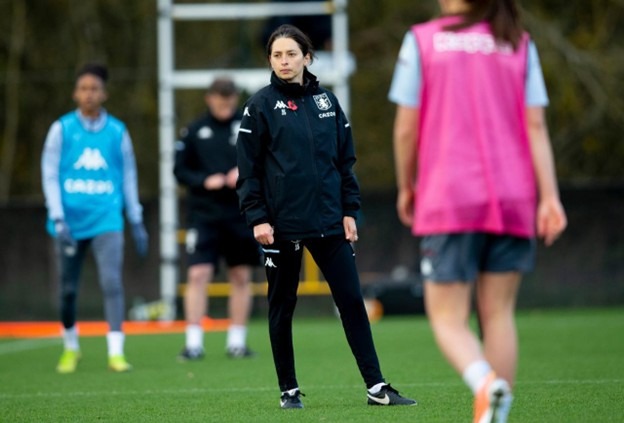
Jenny Sugarman coaching on the training pitch during a women’s football session.
Jenny Sugarman leading a training session, reflecting her commitment to developing players and building high-performance environments in women’s football.

Jenny Sugarman is a widely respected figure in women’s football, with over 25 years of experience spanning senior coaching, academy leadership, and coach education. She holds a UEFA A Licence and a Master’s degree in Sport Coaching from the University of Birmingham, blending academic insight with practical expertise. Sugarman is known for her “pracademic” approach, integrating evidence-based coaching with real-world application to develop high-performance environments and holistic learning cultures.

Most recently, she served as Head of Academy at Leicester City Women, where she was responsible for launching and leading the club’s Tier 1 Professional Game Academy. During her tenure, she oversaw the development of long-term talent pathways, instilled clear coaching structures, and worked closely with staff to create a culture rooted in growth, connection, and high standards. Prior to this, she was Head Coach at West Bromwich Albion Women from 2021 to 2023. Under her leadership, the team achieved back-to-back top-eight finishes in the FA Women’s National League North and reached the FA Cup fifth round. Notable milestones during her time at WBA included leading the women’s team out for their first-ever match at The Hawthorns and integrating young talents such as England U18 goalkeeper Poppy Bastock into the first-team setup.

Earlier in her career, Sugarman held coaching roles at Aston Villa Women as Assistant Manager, and previously led teams such as Loughborough Foxes and Derby County Women. Across these roles, she demonstrated consistent success in building player-first cultures and competitive teams, often navigating complex club structures and limited resources to deliver lasting impact. Her work as an FA and UK Coaching tutor further underlines her commitment to coach education and learning, with a particular focus on how individuals and teams grow both technically and psychologically.

Sugarman’s coaching philosophy centers on five key values: creativity, humility, growth, connection, and high standards. These principles guide her work in developing environments where players are challenged to think critically, take ownership, and reflect on their performance. Known for her calm and thoughtful leadership style, she creates spaces where players and staff feel supported yet driven to improve. Her influence extends beyond matchdays, as she contributes meaningfully to the long-term development of the women’s game through structural change, mentorship, and thought leadership.

With a proven record of achievement across both elite youth and senior football, Jenny Sugarman remains one of the most influential coaching voices in England’s women’s football landscape. Her ability to balance strategic vision with personal connection continues to inspire the next generation of players and coaches.

Our Exclusive Interview with JennySugarman

Who is Jenny Sugarman outside of football?

I’m a very family-oriented person. I’m proud to be a mum, and when I’m not involved in football, my time and energy are focused on my loved ones. I’m lucky to have a brilliant support network of family and friends.

What inspired you to pursue a career in coaching and player development?

When I was growing up, becoming a professional footballer wasn’t an option for women, but my love for the game never faded. Coaching became the path that allowed me to stay in football and pursue my passion. In the 20 years I spent playing, I only had a coach for one of those seasons, so helping others develop has always felt like giving back and creating the opportunities I never had.

How do your academic studies influence your day-to-day coaching approach?

They’ve given me a real appreciation for research, data, and evidence-based practice. I’ve learned to analyse and challenge ideas critically, which helps ensure that what I do on the pitch is purposeful and effective.

What values or principles do you prioritize when leading a team or academy?

People always come first. I strive to create a high-challenge, high-support environment where individuals feel empowered to take ownership of their performance and are motivated to grow, not just for themselves, but for the success of the team as a whole.

What has been your most rewarding experience in women’s football so far?

My most rewarding experience so far probably comes from before I was a full-time coach when I was volunteering at Loughborough Foxes. We built an incredible team culture that allowed a grassroots club to compete with professional setups. Being part of that journey, and working with genuinely great people, was incredibly fulfilling.

What are your future goals and aspirations within the game?

To continue developing players at the highest level and contribute meaningfully to the success of an elite team.

How Burger King Made Stevenage Famous on FIFA

Photo by litoon dev on Unsplash

In a global football landscape dominated by powerhouse clubs, celebrity players, and multi-billion-dollar sponsorship deals, it’s easy to assume that success in sports marketing requires immense scale. The biggest clubs command the biggest brands, and the flashiest activations usually come from the top of the game. But in 2019, one tiny English club quietly redefined what was possible, not with a blockbuster signing or elite league status, but with creativity and strategy.

That club was Stevenage FC, a side with no international fanbase, no marquee names, and no headline-grabbing TV rights. At the time, they were competing in League Two, the fourth tier of English football. On the surface, they were a world away from the likes of Barcelona, Manchester United, or Bayern Munich.

But then came Burger King.

A Sponsorship No One Expected

In one of the most innovative and disruptive campaigns in modern sports marketing, Burger King flipped the sponsorship model on its head. Instead of investing millions into partnering with a globally recognised team, they opted to sponsor Stevenage FC for a fraction of the cost. The logic was simple, but brilliant.

By securing the front-of-shirt sponsorship rights, Burger King’s logo appeared not just on Stevenage’s physical kits, but also on their in-game kits in FIFA 20, a game played by millions of football fans around the world.

With that foundation in place, they launched the “Stevenage Challenge.” It was a call to action aimed at gamers across the globe:

  • Pick Stevenage in FIFA
  • Score goals while wearing the Burger King-sponsored kit
  • Share the goal clips on social media
  • Win free food and rewards from Burger King

What began as a low-cost shirt deal became a globally activated digital campaign with near-unprecedented reach.

The Impact Was Phenomenal

What followed was a viral success story that no one could have predicted. More than 25,000 goals were shared online as players took on the challenge. Football fans and casual gamers alike embraced the underdog spirit, transforming Stevenage FC into a cult favourite within the FIFA community.

The campaign generated a staggering 1.25 billion earned media impressions, bringing visibility not only to Burger King but also to a club that typically played in front of just a few thousand fans each week. The calculated use of gaming, social media, and reward-based engagement turned the campaign into a marketing masterclass.

From a PR standpoint, the value was enormous, Burger King earned approximately $2.5 million in media exposure through the campaign. But even beyond the numbers, the concept received widespread acclaim. It was awarded the Cannes Lions Grand Prix, one of the highest honours in the global advertising and marketing industry.

A New Playbook for Sponsorship

In a single move, Burger King and Stevenage FC demonstrated that great marketing isn’t always about scale, it’s about smart execution. They didn’t need a Champions League club or a world-class stadium. What they needed was an insight into how digital culture works and the courage to act on it.

By activating through FIFA, a platform where every football club shares equal screen time, they bypassed traditional constraints and unlocked a massive audience. And by rewarding participation, they created content that was entirely user-generated, authentic, and driven by community.

In the end, Stevenage FC went from being virtually unknown to becoming the most played team on FIFA, all because one sponsor dared to think differently. This was more than a stunt; it was a blueprint for how to use digital-first thinking to create cultural impact.

It’s a case study that proves one thing: Creativity can take you where budget alone cannot.

Why It Worked: Media Reach Beats League Position

The brilliance of the Stevenage x Burger King campaign lies in its fundamental understanding of a modern truth: sponsorship isn’t just about logos, it’s about leverage. Burger King didn’t invest in a top-flight football team. They didn’t spend millions competing with global luxury brands for a space on the shirts of elite players. Instead, they saw an opportunity to turn a modest platform into a massive global stage, by using it more creatively than most of their big-budget competitors.

At the heart of their success was a key principle that every modern sports marketer should take seriously: in today’s digital-first world, a lot depends on how well you activate rather than just who you activate with.

While other brands were buying prime-time exposure in stadiums and relying on broadcast ads, Burger King built something different. Their campaign was:

  • Cost-efficient, thanks to a low-tier sponsorship deal that didn’t require the budgets associated with top leagues
  • Social media-native, designed to live and grow on platforms like Twitter, Instagram, and YouTube
  • Engineered for virality, using shareable content, user-generated clips, and built-in incentives
  • Culturally aligned with gaming, the fastest-growing corner of football fandom

They met fans where they already were, inside FIFA, the most popular football video game in the world. But rather than forcing their message into the spotlight, they invited fans to join the story. People didn’t just watch the campaign, they became the campaign.

Lessons for Sports Marketers

The Stevenage Challenge deserves to be studied in sports marketing case studies, brand decks, and creative brainstorms for years to come. Why? Because it shattered a few long-standing assumptions about what sponsorship is supposed to look like.

First, it proved that you don’t need to be associated with a top-tier club to capture attention. In fact, the novelty of using a lesser-known club gave the campaign a freshness and underdog appeal that resonated globally.

Second, it showed that big budgets aren’t everything. What mattered most was not the amount of spend, but the depth of understanding around fan behaviour, specifically, how football fans engage online, through gaming, and on social media.

Third, it reminded marketers that interruption is no longer the gold standard. Instead of blasting ads at a passive audience, Burger King invited people to participate, to play, compete, and share.

What made this work wasn’t just the logo placement. It was the full alignment of concept, platform, and execution. A clever idea, paired with a clear sense of how fans behave in digital spaces, became the fuel for something far bigger than a traditional campaign.

Final Thought: Creativity Over Cash

The Stevenage campaign is a powerful reminder that smart will always beat big. At a time when global football sponsorship is dominated by billion-dollar clubs, private equity funding, and luxury conglomerates, Burger King chose to go in a different direction, and won.

Their success proves that the most valuable asset in modern sponsorship isn’t necessarily league position, brand prestige, or financial firepower. It’s cultural insight, creativity, and bold execution.

Stevenage FC earned attention without chasing it, through clever positioning and global activation.

And for every brand out there considering where to place their next football sponsorship, there’s an important takeaway: you don’t always need to outspend your rivals. But you do need to outthink them.

Who is Ryan Martin?

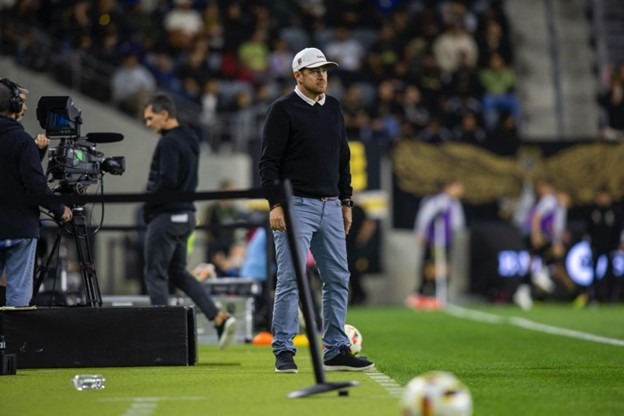
Ryan Martin, head coach of Loudoun United FC, standing on the touchline during a match.
Ryan Martin, Loudoun United’s head coach, has built a reputation as one of North America’s leading developers of young football talent.

Ryan Martin’s coaching career isn’t defined by trophies; it’s defined by the players and people he’s helped shape. A UEFA A and USSF Pro Licensed Head Coach, he’s spent the past five years turning Loudoun United FC into one of the most respected player development programs in North America. Since taking the helm in 2019, his focus on resilience, preparation, and individual growth has launched 19 players into the MLS, earning nine D.C. United Homegrown contracts, sent multiple players to top European leagues, and saw four of his former players compete at the Paris 2024 Olympics. Along the way, he’s coached talents like England international Jack Harrison, U.S. Men’s National Team winger Kevin Paredes, and rising star Griffin Yow.

Before Loudoun, Martin rebuilt the D.C. United Academy as its Director, driving more than $10.5 million in academy player sales and creating a clear path from youth soccer to the pros. His journey has taken him through some of the top environments in North American soccer, with roles at FC Cincinnati, Columbus Crew SC, Toronto FC, and Wake Forest University, where he helped guide the team to the 2007 NCAA Championship.

What sets Martin apart is how he blends the tactical with the personal. He’s as invested in a player’s mindset as their first touch, and he designs training and video sessions that meet each player where they are. His impact goes beyond players too; with staff he’s mentored (like Luis Guevarra) going on to win Olympic gold with the U.S. Women’s National Team. Whether preparing a teenager for their pro debut or leading a team into a big match, Martin’s goal stays the same: help people reach a higher level in the game and in life.

Our Exclusive Interview with Ryan Martin

Who is Ryan Martin outside of football, and what experiences have shaped the way you lead?

I am a new father to a three-month-old and live with my wife Zoë and dog in Washington, D.C.  We enjoy cycling, golf, traveling, live sports, and cooking when we can.

It’s hard to pinpoint one or two key experiences for me but I try to take leadership ideas from various coaches, business leaders, books, podcasts and anywhere I can.

Personally, I think leadership starts with my personal values, so my first objective is to live according to those. I have also gained leadership experience from actions and reflections, these lessons have come from wins and losses, dealing with locker room issues, managing up, individual conversations, and clarity of communication.

When I look back at my leadership five years ago, it’s incredible how far I have developed and grown.  I believe it all stems from a desire to grow, reflecting on experiences, and living with my personal values.

How did your journey in coaching begin, and what were the key moments that set you on this path?

My journey in coaching began from day one—I grew up with a coach—my father Jay Martin. He coached both soccer and lacrosse at the time at Ohio Wesleyan University. Fast forward to 2025 and he just retired as the all-time winningest coach in college soccer history.

I grew up always knowing I wanted to coach and play for as long as I could but was limited physically.  As I grew up, I would always ask my dad about how he made team selections and his game plans. I was fortunate to play one season in Salt Lake, and I would always write down the training sessions after and reflect on what I liked and didn’t. So, from an early age I was always preparing to coach.

I started coaching full time in 2007 when I joined the staff at Wake Forest. Thankfully, the journey has brought me to the Columbus Crew, FC Cincinnati, D.C. United, and Loudoun United.  I have also been fortunate to visit many countries for the game. I have been quite lucky, but I also believe I have made my own luck by working hard and always looking for ways to improve.

What was your vision when you took over at Loudoun United FC in 2019, and how has it evolved over time?

When I started in 2019, I was coming in from the Academy Director at D.C. United and Loudoun were just starting as the second team to D.C. United.  So, this was my opportunity to really take the top players from the Academy and help them get to D.C. United.  It was the opportunity to bridge the gap in development between youth and first team football.

Then in 2024, a new majority owner took over Loudoun and there is now more of a balance between winning and development.  This season we are currently in third place and have three talented players under 22 that we think have bright futures, so we are on the right path.

Which players or success stories stand out most to you from your years in player development?

I have been fortunate to have played a role in several players’ journey including Kevin Paredes (Wolfsburg), Griffin Yow (Westerlo), Bryang Kayo (OH Leuven), Matai Akinmboni (Bournemouth) and Ted Ku-Dipietro (Colorado Rapids) to name a few.

The thing that sticks out the most to me and probably the most important is the relationship I still have with all of them. In the past two months everyone I listed above have come back to attend a Loudoun game and stayed after to say hello. For me, this is the special part of helping a young player’s journey!

Who have been the biggest influences on your coaching philosophy, and what lessons have they passed on to you?

I have taken something from almost everyone I have worked with but have been fortunate to have four fantastic mentors in my journey.

The first is my father, Jay Martin, who is the all-time winningest coach in college soccer history. He coached for 45+ years at Ohio Wesleyan University, and I took a lot from him on how to build a culture and how to incorporate mental training to help individual players’ mindsets.

Second would be the Head Coach of the University of Pittsburgh, Jay Vidovich, who I coached at Wake Forest with for nine years. We recruited Jack Harrison and won the National Title in 2007. With him it was where the building blocks of my game model training, and coaching methodology started and the importance of supporting the individual to help improve team performance.

The Third is former U.S. international John Harkes, who I worked with at FC Cincinnati. We built the team from scratch to finish third in the inaugural season.  I learned a masterclass on man management, how important time with each player is, and how to have hard conversations.

Lastly, and most recently is Cody Royle, who is an author but is really my coach or “second set of eyes” (as his book is called).  He helps me from everything on my processes and structures, speaking and presenting to the team, helping with the leadership group, and helping me be my best self on game day.  He does this by helping me control the narrative and plan recovery so I can be my best self.

Looking ahead, what are your goals for the next stage of your coaching career?

In the short term I would love to help Loudoun make the playoffs and a run at a trophy, which we are currently on a path for.  In the long term my dream would be to coach abroad. I did my UEFA A with the FAI, I am currently learning a second language, and just focusing on growing as a coach and person, and hopefully some doors will open!

5 Claves: Comunicación Honesta en Clubes de Fútbol

Football fans waving flags and celebrating together, symbolizing the importance of community and trust in the game.
Photo by Akmal Ayyash on Unsplash

En el fútbol actual, donde los resultados se miden al instante y cada decisión es analizada al detalle, hay una verdad que sigue vigente: un club que se comunica con honestidad construye fortaleza a largo plazo.

Los clubes ya no son unicamente equipos de fútbol. Son comunidades vivas donde jugadores, aficionados, empleados, medios y socios comerciales esperan transparencia, claridad y coherencia. La comunicación es mucho más que un área dentro del club; es una herramienta de liderazgo. Y en el centro de esa herramienta está la honestidad.

Cuando un club elige hablar con la verdad, incluso si el mensaje no es popular, está sembrando confianza, credibilidad y resiliencia. Estas son cinco razones por las que esta práctica es más necesaria que nunca:

1. La confianza: base de toda relación

El fútbol se alimenta de emociones, pero se sostiene sobre la confianza. Ya sea para explicar una venta de acciones controvertida, un ajuste financiero o una mala racha, la honestidad es una muestra de respeto hacia todos los actores del club.

Los clubes que comunican de forma proactiva y transparente evitan malentendidos y rumores. Los aficionados valoran que se les hable con madurez. El personal interno se siente más comprometido. Y la imagen institucional se mantiene protegida ante posibles crisis.

2. Reputación y credibilidad institucional

En un entorno mediático instantáneo, controlar el relato es clave. Pero ese control no se logra maquillando la realidad, sino contando la verdad.

Un club que alinea sus palabras con sus actos genera credibilidad, no solo entre los hinchas, sino también con periodistas, patrocinadores y organismos rectores. Ese capital reputacional marca la diferencia al momento de negociar acuerdos, defender decisiones o construir alianzas duraderas.

3. Vinculación genuina con la comunidad

La transparencia activa la participación. Cuando un club explica el contexto detrás de una decisión, como una reestructuración financiera, un fichaje estratégico o una apuesta por la cantera, invita a su comunidad a sentirse parte del proceso.

No se trata de divulgar cada detalle, sino de comprometerse con una comunicación sincera, oportuna y empática. Los aficionados bien informados son más leales, los equipos internos trabajan más alineados y la percepción pública evoluciona del escepticismo al respaldo.

4. Prevención de crisis y gestión de expectativas

Ningún club está exento de los desafíos: lesiones, derrotas, restricciones de presupuesto o cambios internos son parte del día a día. La verdadera pregunta es: ¿está tu equipo de comunicación preparado para abordarlos con honestidad?

La comunicación transparente actúa como un escudo. Disipa rumores, evita especulaciones y demuestra liderazgo en momentos complejos. Un club que reconoce errores y explica sus decisiones suele ser recibido con más comprensión que uno que calla o evade responsabilidades.

5. Un nuevo estándar de liderazgo

Hoy los hinchas no son espectadores pasivos, y su voz se escucha en todo el mundo (podemos culpar a las redes sociales). Ellos preguntan, exigen rendición de cuentas y se relacionan a través de múltiples canales. Para prosperar en este contexto, los clubes deben dejar atrás los discursos cerrados y apostar por el diálogo auténtico.

Hablar con honestidad no es debilidad; es fortaleza. Demuestra madurez, genera confianza y define cómo quiere posicionarse el club ante el mundo.

Liderar con integridad tiene recompensa

El legado de un club se mide en trofeos, pero aún más importante, en los valores que representa. La comunicación honesta construye una cultura organizacional más fuerte, una institución más resiliente y vínculos más profundos con todos los que visten sus colores.

Porque cuando un club lidera desde la verdad, gana más que partidos: gana respeto, lealtad y futuro.

Who is Paul Temple?

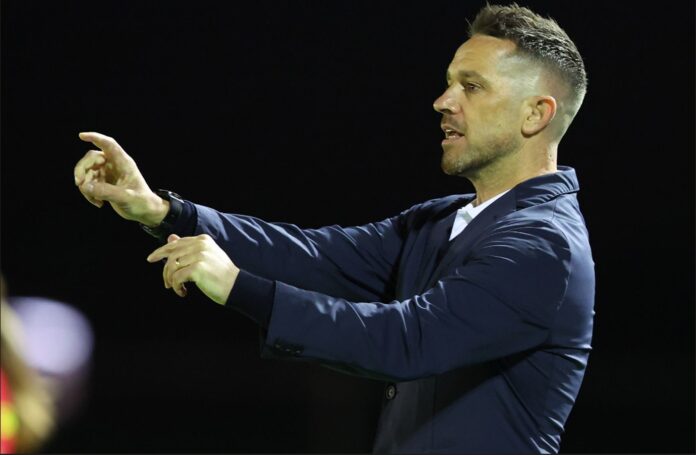
Paul Temple giving instructions from the touchline during a football match.
Paul Temple, one of New Zealand’s most influential coaches, bringing leadership and tactical clarity to the pitch.

Paul Temple is a British football coach with over 20 years of experience working across New Zealand’s football landscape, both at the club and international levels. Most recently, he served as Head Coach of the Wellington Phoenix Women in the A-League Women’s competition, where he implemented a performance-driven culture built around tactical intelligence, player development, and professional standards. Prior to this role, Temple led the club’s academy program, establishing one of the most productive youth systems in the country. Under his leadership, the academy produced several players who went on to earn international caps and secure professional transfers, strengthening the club’s reputation as a development hub.

Temple has coached at five FIFA World Cups, working with New Zealand’s national youth teams in both men’s and women’s football. These experiences on the global stage enhanced his expertise in preparing squads for elite competition, with responsibilities ranging from tactical preparation and match analysis to managing high-pressure tournament environments. He is widely recognized for his ability to simplify complex systems into clear tactical frameworks, allowing players to perform confidently with defined roles and responsibilities.

His coaching philosophy centers on a player-first approach, where individual growth is seen as integral to team success. Temple emphasizes leadership, accountability, and long-term development, and is known for creating environments that challenge athletes to take ownership of their progress while fostering trust and collective identity. His values-led leadership has earned the respect of both players and colleagues across the football community.

With a proven track record of building high-performance teams, advancing young talent into senior football, and navigating the demands of international competition, Paul Temple stands out as one of the most influential coaching figures in New Zealand football. His long-term impact continues to be felt through the players he has developed, the systems he has built, and the culture of professionalism he has instilled at every level.

Our Exclusive Interview with Paul Temple

Who is Paul Temple outside of football?

Firstly, I’m a dad and husband, I have two daughters who are very sporty so taking them to practices and watching them compete with my wife is a big part of the week.  As a family we like to get outside and explore as much as possible, we’re an active family.

What has been the most defining moment of your coaching career so far?

I’d say there have been two defining moments for me, firstly being named Head Coach for NZ at the 1st ever Women’s World Cup in 2008, New Zealand was hosting so the media spotlight was huge and I was only 26yrs old, it gave me a taste of football at a whole new level, when we won out last group game that will be remembered forever.
Secondly would be the 2021 U20 Men’s World Cup in Argentina.  We (New Zealand) played Argentina the hosts and to be on the sideline to witness the level of play was just incredible. We had a good team and had gotten through the group stage but seeing the differences when you play against the World’s best players was eye-opening in a positive way. The first and only game I enjoyed losing.

How has living and working in a multicultural football environment like New Zealand shaped your coaching perspective?

Drastically, I’m English born but consider myself a kiwi. I love New Zealand, the Maori culture is woven into its people in so many ways. I think the direct translation into my coaching would be humbleness and kindness. I’ve become a lot calmer when coaching and pay much more attention to human interaction.  There is a Maori saying “He aha te mea nui? He tangata, he tangata, he tangata” which means “What is the most important thing, it’s the people, the people, the people.”

What is your core philosophy when it comes to developing young players?

We play a team sport, and everyone has an important role in the team but when developing younger players, it’s about understanding how individual journeys look so different and progress at different times.  So, you must treat each player as an individual on their own personal journey, be patient with them and never presume it will go a certain way. The art of coaching is knowing when to push hard, when to ease off and when an arm around the shoulder is needed.

What have been the biggest challenges and lessons from leading both academy and senior teams?

The biggest challenge in coaching senior teams is the result at the weekend defines everything and how you are perceived. It’s a harsh environment because you could have a great culture and the players are improving a lot, but all most people look at is what happened in the game, you feel as a coach you’re constantly trying to justify what’s happening with results which is a challenge.

With the Academy the biggest challenge is timing.  You can have an educated guess when a player is ready to progress into the 1st team but sometimes the timing doesn’t feel right, they might be injured, might be lacking confidence and off form but then you can’t control when they may be needed and the circumstances above them dictate when they make a debut or not.  Ideally you want them to be feeling confident, playing well and be ready for a 1st team debut but in my experience, it doesn’t work like that very often so that is a challenge because it’s their dream and opportunity to establish a career.

What are your future goals and plans in football?

I find coaches have similar goals to players, I want to coach at the highest level possible, I want to work with the best players and the best management teams. I’ve built myself to be adaptable to any environment.  I’d be happy to work within Men’s, Women’s or Youth. I just want to feel excited by the project I’m involved in and enjoy working with the people around me.

The Rise of Multi-Club Ownership in Football

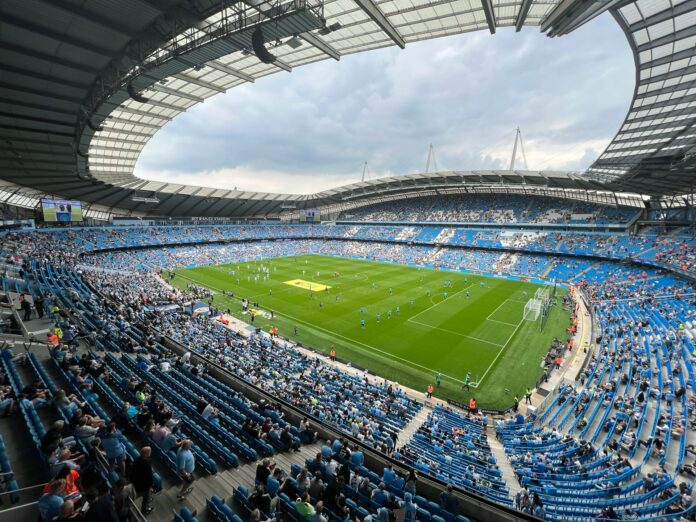
Etihad Stadium, home of Manchester City and flagship club of City Football Group, a leading example of multi-club ownership in football.
Photo by Jonny Gios on Unsplash

As European football undergoes an unprecedented financial transformation, private equity and investment funds are no longer peripheral actors, they are becoming central architects of the sport’s future. This article is the second part of the series “Private Equity in Football: A Game-Changer or a Risky Bet?”, exploring how private equity is reshaping the football landscape, injecting capital and redefining club ownership with both transformative potential and significant risk. In Part 1 of this series, we explored how the financial instability and post-pandemic football opened the door for new types of owners in the football industry. Now, in Part 2, we dig deeper: Who exactly are these investment funds? What are their strategies, their portfolios, and their ambitions in football? From RedBird Capital’s transatlantic empire to CVC’s groundbreaking deals with entire leagues, this article maps the key players reshaping football, not as fans, but as financiers.

We’ll uncover how these funds view clubs as assets within a broader investment portfolio, the logic behind multi-club ownership, and what this means for governance, performance, and long-term sustainability. Whether you’re an investor, club executive, or a fan trying to make sense of it, this piece will give you the financial blueprint behind football’s new era.

Overview of key players

Over the last decade, a wave of investment funds and private equity firms has entered the football industry, seizing opportunities across clubs, leagues, and media rights. Unlike traditional owners, often wealthy individuals or local business figures, these entities operate with a different logic: financial return, strategic asset acquisition, and global brand leverage.

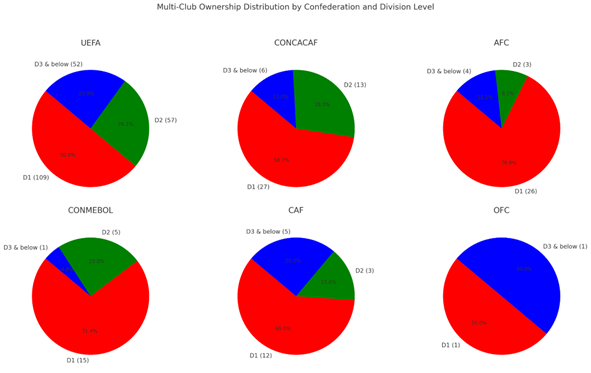
As explained in the first of this series, there are now 125 active MCO groups overseeing approximately 380 clubs worldwide. While the term “multi-club ownership” evokes images of vast football conglomerates, the reality is far more fragmented. The majority of ownership groups operate just two clubs, and fewer than 40% control three or more. This reveals a highly diverse and still maturing ecosystem, ranging from small cross-border partnerships to global investment platforms. Europe remains the strategic core, but MCOs now span every continent and division level, reshaping football’s geography and economic framework. As the model evolves, the next chapter may not be expansion, but consolidation.

Source: Profluence Sports

While many MCOs operate on a small scale, a handful of major players are building expansive, interconnected networks across global football. These groups, often backed by private equity or institutional capital, are reshaping the industry through strategic acquisitions, centralized management, and long-term brand building. Below are some of the principal actors driving this transformation with key information:

Fund Name Clubs/Assets Owned Estimated Assets under Management (AUM) ($) Strategic Focus
RedBird Capital AC Milan (Italy), Toulouse FC (France), minority in Liverpool FC (FSG) ~ $12B Equity, media (Skydance), brand building, sports infrastructure
777 Partners / A-CAP* Genoa (ITA), Standard Liège (BEL), Vasco da Gama (BRA), Hertha BSC (GER), Red Star FC (FRA), Sevilla FC (minority) ~ $12B Multi-club strategy, player trading, undervalued assets
CVC Capital Partners LaLiga (8% stake in media revenues), Ligue 1, IPL (Cricket), Six Nations (Rugby) ~ $223B Media rights monetization, long-term league partnerships
Silver Lake (18%) / Newton Investment and Development LLC City Football Group including Manchester City, Girona FC, SK Lommel, Palermo FC, New York City FC, Melbourne City FC, ESTAC, Yokohama F. Marinos, Montevideo City Torque, Mumbai City FC, Bahia, Shenzhen Peng City FC, Club Bolivar (Partner club) ~ $100B (Silver Lake) / N/A (Newton Investment and Development LLC) Tech-driven branding, data optimization, global sports investments, urban development, brand expansion
RedBull GmbH Red Bull Salzburg, RB Leipzig, New York Red Bull, Red Bull Bragantino, RB Omiya Ardija, Leeds United and Paris FC (minority stake) N/A (private company) Brand integration, infrastructure investment, strategic market entry with growth potential
Saudi Public Investment Fund (PIF) Newcastle United and Saudi clubs; Al-Hilal, Al-Nassr, Al-Ittihad, Al-Ahli (League restructuring) ~ $941B High-growth sectors such as entertainment, sports, technology, and infrastructure (Vision 2030)
Ineos Group Manchester United (minority stake of 28% with operational control), OGC Nice (17%), Lausanne-Sport (19.9%) N/A (private company) Diverse sports portfolio (football, F1, cycling, etc.), brand visibility, community engagement
BlueCo Chelsea FC, RC Strasbourg Alsace N/A (private football consortium) Multi-club ownership, youth development, financial sustainability
Eagle Football Holdings Olympique Lyonnais, Botafogo FR, RWD Molenbeek, Crystal Palace (minority stake), FC Florida ~ $0.9B Financial strategy: single-account model, targeting clubs with strong heritage and growth potential
Pachuca Group C.F. Pachuca, Club León, Real Ovedio, Everton de Viña del Mar, Club Atlético Atenas, Coyotes de Tlaxcala N/A (private company) Multi-club ownership, youth development, infrastructure invesment
Oaktree Capital FC Internazionale (majority via debt default in 2024) ~ $203B Distressed assets, strategic control via debt leverage
Pacific Media Group/NewCity Capital Barnsley FC, FC Thun, KV Oostende, AS Nancy Lorraine, Esbjerg fB, FC Den Bosch, FC Kaiserslautern N/A (private football consortium) Undervalued clubs in second-tier or struggling leagues by acquiring majority stakes
Global Football Holdings Crystal Palace FC, Real Salt Lake, Augsburg, SK Beveren, Brøndby, ADO Den Haag, Estoril Praia ~ $12B Development of sports franchises and infrastructure, technological innovation, venture capital

*Amid a fraud investigation, 777 Partners has had its assets transferred to A-CAP. Many of the clubs under their control are now pursuing new ownership.

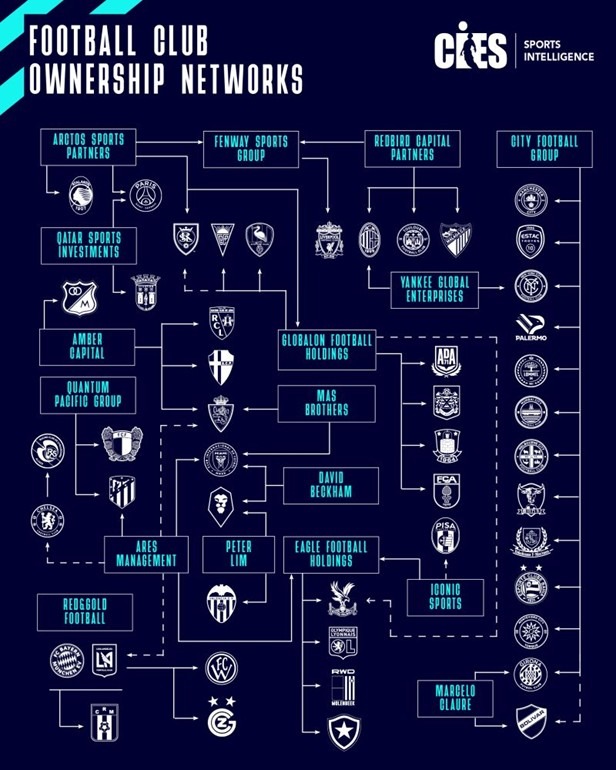
The rise in popularity of multi-club ownership (MCO) is becoming increasingly evident across European football. In the 2023–2024 season, minority and majority ownership stakes in clubs from the Big Five leagues climbed to 41.7%, 40 out of 96 clubs, up from 36.7% the previous year. UEFA reports that the number of clubs under MCO structures has skyrocketed from just 40 in 2012 to 180 by 2022, highlighting a transformative shift in the sport’s ownership landscape.

Source: CIES

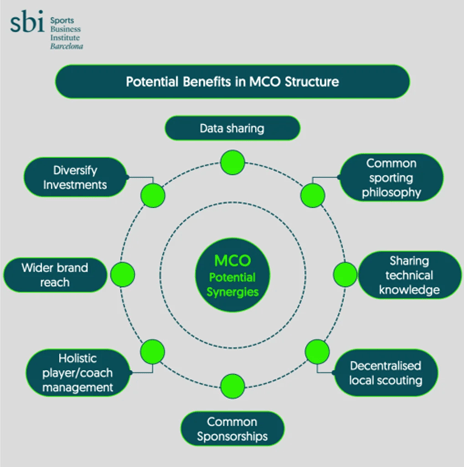
A key driver behind the appeal of multi-club ownership is its capacity to generate synergies, an approach inspired by private equity models of acquisition and value creation. These synergies manifest in various ways, including joint sponsorship deals, streamlined movement of players and coaches, unified scouting operations, enhanced global brand presence, consolidated financial management, and shared data systems leveraging GPS tracking and advanced tactical analysis tools.

What Is the Investment Logic Behind Football?

Multi-club ownership models typically revolve around a ‘flagship club’ competing in one of the more lucrative top-tier leagues, while the remaining holdings consist of satellite clubs operating in smaller, less commercially dominant competitions. At the portfolio level, MCO groups can achieve a higher overall valuation by creating synergies between their clubs, through shared resources, strategy, and operations. This often allows the parent company to command a premium compared to simply adding up the value of each club individually, much like the ‘buy-and-build’ approach used in private equity.

This setup is also designed to minimize conflicts of interest between affiliated clubs that might compete against each other, while the private equity-backed framework aims to replicate the success of the flagship model across the weaker clubs in the portfolio.

Football clubs, especially those in top European leagues, are increasingly being viewed as undervalued global entertainment assets. The logic for funds is rooted in several key pillars:

Asset Appreciation & Long-term value creation

Many historic clubs suffer from poor management but hold immense brand value. Investment funds seek to buy low (during crises or undervaluation), restructure operations, and grow the asset’s worth over time, either to hold or exit. This strategy includes:

  • Enhanced Club Valuations Through Synergies: MCO groups benefit from synergies, operational efficiencies, shared resources, and strategic coordination that make the collective portfolio worth more than the sum of individual clubs. This “premium” effect leads to higher valuations for each club, as investors value the benefits of integration and growth potential.
  • Player Asset Value Growth: Players are major club assets, and their market value often appreciates through strategic talent development and transfers within the MCO network. By nurturing young players in satellite clubs and eventually transferring or promoting them to flagship teams, MCOs maximize player valuations and generate profitable transfer fees.
  • Improved Financial Performance: Cost savings from centralized operations and increased revenues from diversified income streams (broadcasting rights, sponsorships, merchandise, digital content) contribute to healthier balance sheets and cash flows, which positively influence club valuations over time.
  • Strategic Capital Investments: MCO owners often invest in infrastructure upgrades, stadiums, training facilities, and technology that enhance the club’s competitive edge and market value. These tangible asset improvements support sustained appreciation and attract further investment.
  • Market Dynamics and Football’s Growing Popularity: The global popularity of football continues to rise, increasing demand for club ownership stakes. This macro-level trend drives overall asset price inflation, benefiting well-positioned MCO groups with diverse portfolios.

Synergies through Multi-Club Ownership (MCO)

As explained previously, RedBird, RedBull and many other groups are pioneering network strategies, building ecosystems of clubs across countries. These synergies allow:

  • Risk Diversification: By owning clubs in different leagues, countries, or competitive levels, MCO groups can offset poor performance in one market with success in another, reducing overall financial risk.
  • Economies of Scale and Operational Synergies: Centralizing functions like finance, HR, scouting, marketing, and player development allows MCO groups to reduce costs and improve operational efficiency. Shared resources create cost savings and better negotiating power with sponsors and partners.
  • Talent Development and Flow: MCO structures enable seamless player loans, transfers, and development pathways across clubs. Young talents can be nurtured in smaller clubs before moving to flagship teams, maximizing player value and career growth.
  • Brand Expansion and Commercial Growth: Owning clubs in diverse regions broadens the group’s global footprint. This increases sponsorship opportunities, fanbase reach, and merchandising potential, leading to increased revenue streams.
  • Data and Analytics Integration: Centralized data systems, including GPS tracking and tactical analytics, help optimize performance and scouting, providing a competitive edge.
  • Replication of Successful Models: Private equity-style ‘buy and build’ strategies are applied by replicating successful operational frameworks and branding across all clubs, enhancing overall valuation beyond the sum of individual parts.
  • Content and Audience Engagement: Control over content and narratives across platforms boosts fan engagement and commercial appeal, adding intangible but valuable assets to the group’s portfolio.
Source: Sports Business Institute Barcelona

Football as a Diversification Tool

In recent years, private equity  and venture capital  firms have increasingly viewed football clubs as valuable diversification assets within their broader investment strategies. This reflects a shift beyond traditional industry sectors into sports, which offers unique characteristics that complement and enhance portfolio resilience and growth.

Non-Correlated Asset: Football clubs operate in a sphere that is largely uncorrelated with traditional financial markets such as equities, bonds, or commodities. This means that the financial performance of a club, driven by ticket sales, broadcasting rights, sponsorships, and player trading, does not always move in tandem with stock markets or economic cycles.

Cultural and Political Footprint: Football clubs carry significant cultural and political influence, particularly in emerging markets and regions where the sport is deeply embedded in social identity. Ownership of a football club offers investors access to local political networks and societal goodwill, which can be leveraged for business expansion or soft power. In countries like the United States, India, or China, where football is growing rapidly, clubs serve as platforms for cultural diplomacy and brand penetration.

Example: City Football Group’s ownership of Mumbai City FC in India has helped them tap into one of the world’s largest and fastest-growing sports markets, gaining both commercial and cultural influence.

Technology and Media Innovation: Football clubs are increasingly used by PE and VC firms as living labs for cutting-edge technologies, including biometric analytics, AI-powered scouting, fan engagement platforms, and digital content monetization. Clubs provide a controlled environment to pilot innovations that can later be scaled across other portfolio companies or industries.

Conclusion

Investment funds and private equity firms have rapidly become key players in European football, shifting the sport’s ownership landscape from traditional local to global, financially driven entities. These funds operate multi-club ownership (MCO) models, with a flagship club in a major league supported by satellite clubs worldwide, creating valuable synergies like shared resources, talent development, and expanded brand reach. This strategy drives long-term asset appreciation, risk diversification, and operational efficiencies, transforming football clubs into high-value entertainment assets. Their growing influence not only reshapes club governance and performance but also leverages football’s cultural and technological potential as a unique, non-correlated investment.

Next in this series, we will take a detailed, step-by-step look at how investment funds acquire and manage football clubs, covering due diligence, financial audits, deal structuring, and governance reforms that shape the new era of football ownership.