
Home Blog Page 26

Guía Definitiva Para Escoger el Agente de Fútbol Adecuado Para Su Hijo

En este blog abordamos la agencia deportiva desde una perspectiva diferente. A través de los ojos de un jugador juvenil y su padre o representante legal que buscan firmar con un agente por primera vez.

La responsabilidad y decisión de firmar el primer contrato de representación con un agente es una de las decisiones más importantes para un jugador y su familia; particularmente sí es el primer agente con el que están firmando, siendo un jugador juvenil. Hemos notado que los recursos disponibles para que los padres y representante legal o guardián basen su decisión son incompletos. Por lo tanto, el objetivo de este blog es brindar una guía completa sobre el proceso de investigación, consideración, y firma con el primer agente para el jugador y su representante legal.
¿Cuándo Tener un Agente?

Antes que todo, es importante que el jugador y su familia entiendan cual es el momento indicado para tener un agente. La necesidad de tener un agente nace cuando hay detalles fuera de la cancha que tienen la necesidad de ser manejados y negociados. La responsabilidad del agente está en aliviar esta molestia del jugador y ayudar al desarrollo de la carrera de una forma calculada y direccionada. Por ejemplo, sí un jugador juvenil es muy bueno y varios clubes importantes ya están hablando con él, es probable que necesite un agente para asegurarse de obtener el mejor resultado de la situación. De la misma manera, un jugador que acaba de ser liberado por una muy buena academia y que esté buscando oportunidades en otros lugares, divisiones más bajas, o fuera del país, puede necesitar de un agente que lo ayude a encontrar la mejor opción. Sin embargo, es posible que algunos jugadores juveniles que ya obtuvieron una beca y no necesitan asistencia adicional, no firmen con un agente; pero pueden comenzar a establecer relaciones con los mismos para el futuro.

Un factor muy importante en el proceso ya sea por parte del jugador o su representante legal, es la paciencia. No existe una regla general o universal por parte de la FIFA que gobierne y dicte cuando un jugador puede firmar con un agente. Cada asociación miembro crea sus propias regulaciones. Por ejemplo, en Colombia no hay restricciones de edad; un jugador juvenil puede tener un agente a cualquier edad siempre y cuando su padre o representante legal este de acuerdo y firme el contrato de representación. Sin embargo, es importante tener en cuenta las reglamentaciones de cada asociación, ya que en algunas se exige una edad mínima para que los agentes puedan acercarse legalmente a jugadores juveniles. El factor común a lo largo de todas las asociaciones y el mayor error es que los jugadores y los padres se entusiasman con la perspectiva de tener un agente y se apresuran a firmar un contrato de representación inadecuado o con un agente que no está preparado para representar al jugador.

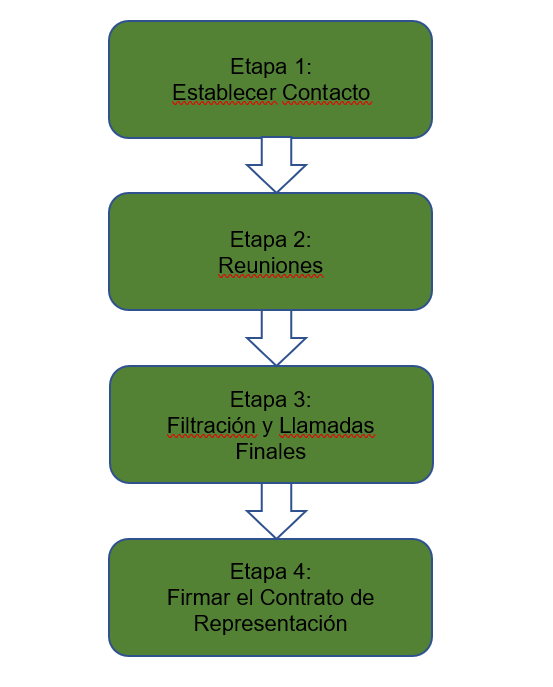
Etapa 1: Establecer Contacto

El proceso debe empezar contactando varios agentes que tengan un interés genuino en representar al jugador. En algunos casos, el agente contacta a los padres del jugador con el fin de tener una conversación, o posiblemente, son los padres quienes contactan al agente que ellos han escuchado, tenido referencias y consideran que es la persona correcta para representar a su hijo. Usualmente, los padres de otros jugadores que ya tengan agente dan referencias sobre el servicio del agente y lo recomiendan a otros padres. Es vital considerar diferentes opciones y entender la manera en la que los diferentes agentes y agencias operan, y la manera en la que cada una puede ofrecer diferentes servicios y beneficios. Las agencias grandes y pequeñas tienen sus ventajas y desventajas, todo depende de las circunstancias del jugador.

En este punto es importante plantear algo vital. En ninguna etapa del proceso de contratación debe intercambiarse dinero o regalos exorbitantes, ya que esto es una forma de ‘soborno.’ Algunos agentes les ofrecen dinero inmediato a los padres para que sus hijos firmen con ellos o algunos padres incluso lo solicitan.

Esto es sumamente peligroso y debe ser evitado por muchas razones. Primero, sí el dinero es superior a cierta cantidad, debe ser declarado a las autoridades fiscales ya que está sujeto a impuestos. Además, puede ser peligroso para los agentes ya que da una mala impresión para relaciones futuras y los padres puede que muevan a su hijo a otro agente a cambio de una cantidad más alta de dinero. Recuerden, el propósito de firmar con un agente es solo por el beneficio del jugador y no de los padres ni del agente, y el soborno lo contradice. Las consecuencias de esta decisión no valen la pena y el hecho de ‘vender’ el jugador a una agencia que paga la mayor cantidad de dinero por tenerlo, debilita el propósito de encontrar el mejor agente que beneficie la carrera del jugador.

Etapa 2: Reuniones

Durante el periodo de tiempo en el que el jugador y su familia encuentran el agente correcto, probablemente conocerán muchos agentes. En el caso de un jugador juvenil, debería ser mayor la responsabilidad de los padres encargarse de esto. Los 16 años son una etapa importante para el desarrollo de los jugadores, usualmente es cuando se les ofrece una beca en la academia y la necesidad de firmar inmediatamente con un agente no es del todo necesaria. De todas maneras, es importante que los jugadores y sus padres empiecen a conocer y a establecer amistades con agentes de interés para tener un mayor conocimiento del trabajo y las ofertas, en vez de que sea un acuerdo forzado justo antes de que el jugador firme su primer contrato profesional.

En esta etapa es fundamental empezar a desarrollar un conocimiento sobre el agente. Esto puede ser mediante reuniones en persona o reuniones digitales. Algunos de los aspectos fundamentales para fijarse son, que el agente sea una persona en la cual se puede confiar, transparente; que sea el tipo de persona con el cual el jugador y el padre o representante legal se sientan cómodos para trabajar, que el agente sea sociable e interesado en conocer padres, jugadores, y personas. También, que el agente tenga una extensa red de contactos en la industria, y que haya una estrategia clara para el trabajo que se hará con el jugador. La investigación informada es responsabilidad del jugador y su familia, lo cual les ayudara a tomar está importante decisión de la mejor manera. Esta investigación puede incluir contactar a otros padres que conozcan o trabajen con el agente y escuchar la experiencia de ellos y la calidad de los servicios ofrecidos. Por esta razón, es vital para los agentes tener una reputación intachable y darle la dedicación necesaria a cada cliente.

El fútbol es solo una parte de lo que un agente puede ofrecer. Los mejores agentes podrán demostrar que ellos brindan valor en otras áreas como la educación y desarrollo personal del jugador, construir y desarrollar las redes sociales al igual que otros tipos de mercadeo necesario para crecer la imagen personal del jugador, el apoyo mental que le dan a su cliente cuando tiene alguna lesión, y en el entorno de alta presión. En general, ayudarlos a convertirse en una buena y mejor persona.

Las reuniones con el fin de desarrollar las relaciones deben continuar a lo largo del proceso de selección e incluso después de él. Es más probable que se tome la mejor decisión después de haberse reunido en repetidas ocasiones y haber conocido los comportamientos del agente. El fin de estas reuniones es para conocer el agente personalmente y entender sus creencias, motivaciones, e intenciones. También, la confianza se ve más fortalecida.

Etapa 3: Filtración y Llamadas Finales

Mientras el proceso avanza, es posible que se haya empezado con muchos agentes y gradualmente se disminuya hasta quedar 2 o 3 restantes que han mantenido el interés y apuntan a ser las mejores opciones. El proceso de filtración se hace teniendo en cuenta los intereses y cumplimientos del criterio esencial del cual el jugador y su familia están buscando. Este proceso puede tener cualquier duración de tiempo, un par de semanas, un par de meses, o un par de años. Siempre y cuando el jugador y su familia estén suficientemente informados, hayan visto y entendido los intereses y servicios que el agente puede ofrecer durante el tiempo que han estado en contacto; el momento de firmar con el agente puede ser el apropiado. Preguntar por opiniones a entrenadores, familiares y amigos es vital para poder completar el proceso.

Un punto importante para tener en consideración en esta etapa es distinguir los roles entre el agente personalmente y la agencia para la cual ellos trabajan. Por ejemplo, las agencias grandes usaran sus agentes más reconocidos en el proceso de reclutamiento. Es importante establecer que ellos sean los cuales van a ser el contacto principal siguiendo el proceso. A menudo, una vez que el jugador ya este firmado, un agente más nuevo y con menos experiencia será el principal punto de contacto, y puede que no pueda cumplir las expectativas y el nivel de servicio el cual el jugador y su familia pensaron que recibirían. Recuerde que las agencias más grandes tienen una mayor cantidad de jugadores firmados y no hay tiempo suficiente en el día para poder darle a cada jugador la dedicación, cuidado y atención que se necesita. Asegúrese de establecer que usted o su hijo firmarán con un agente que se dedicara al jugador, en lugar de firmar con una agencia donde se convierte en “uno más de la manada,” a no ser que sea uno de los mejores jugadores que tengan en la agencia.

Sí no ha sido el caso, las etapas finales del proceso y las llamadas finales deben involucrar también al jugador. Al final del día, es el agente del jugador. La edad del jugador afectara la influencia que ellos tengan en la decisión. Sí el jugador es más joven, la orientación de los padres tendrá prioridad, pero a medida que un jugador crece, es más probable que el sepa cual agente es mejor para su proceso. Independientemente, involucrarlos al menos en las llamadas finales los ayudara a entender cada opción, los beneficios y posibles inconvenientes de cada uno. Las llamadas o reuniones finales, deben ser una discusión completamente informada, que le brinde al jugador y su familia la oportunidad de hacer cualquier pregunta o expresar cualquier otra inquietud antes de tomar la decisión final.

Etapa 4: Firmar el Contrato de Representación

Eventualmente, sin ninguna sensación de apuro o presión, la familia y el jugador pueden decidir por la mejor opción y entrar en un acuerdo de representación al firmar un contrato de representación con el agente. Sin embargo, cuando esta etapa llega, los padres o el jugador, dependiendo de la edad, deben contratar los servicios de un abogado para revisar y ofrecer orientación sobre el contrato de representación. Esto evitara que accedan de manera accidental a clausulas y condiciones desventajosas que crearan dificultades en el futuro. Es importante resaltar que la decisión final depende del jugador que está siendo representado. A menudo, la familia, los entrenadores y amigos podrán ayudarlos y guiarlos brindándole consejos.

Conclusión

Los agentes tienen el potencial de desempeñar un papel importante en el éxito de un jugador a lo largo de su carrera y pueden influenciar su trayectoria futbolística y éxito fuera del campo. Por lo tanto, la decisión de firmar un agente, como se ha demostrado en este blog, es de suma importancia y no debe tomarse a la ligera. Hemos demostrado que son muchos factores que deben ser considerados e identificados por el jugador y su familia cuando firman por primera vez con un agente. A menudo, sí está decisión se toma correctamente, el mismo agente permanecerá junto al jugador a lo largo de su carrera y se desarrollará una relación increíblemente productiva. Sin embargo, antes de entrar en el primer contrato de representación, se debe establecer confianza, comprensión y creencia en las capacidades y habilidades del agente. La decisión no debe ser apresurada bajo ninguna circunstancia y siempre se debe tener una opinión de un abogado para asegurarse de tener el mejor resultado.

Doing a Deal in England: FA Women’s Super League

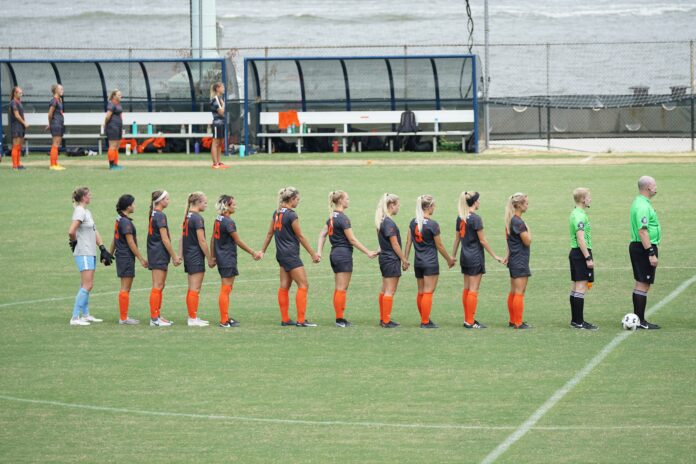
A women’s football team stands hand in hand on the pitch before kickoff, facing the referees during a pre-match ceremony.

In our next installment of ‚How to Complete a Football Transfer Anywhere in the World,‘ we turn our attention to the world of women’s football in England, with a particular focus on the FA Women’s Super League. We’ll be taking a look at intriguing aspects associated with the FA WSL and guide you with information to operate as a successful agent within one of the most popular leagues in women’s football.

Introduction

Women’s football in England has witnessed a remarkable upswing in recent years. With the England Lionesses achieving impressive feats and the arrival of star players, the spotlight on club football in England has intensified. This surge in attention has turned the English women’s football league into an appealing destination for players from around the globe. In this chapter, we’ll break down the nitty-gritty of facilitating player deals in English women’s football, providing insights and practical advice for agents navigating this thriving landscape. Whether you’re a seasoned agent or just entering the field, this chapter equips you with the knowledge you need to excel in the world of women’s football in England.

Competitions Structure

England’s women’s football landscape features a comprehensive multi-tiered league structure, mirroring the structure found in men’s football in the country. At the pinnacle stands the prestigious Barclays FA Women’s Super League (WSL), home to prominent clubs like Arsenal, Chelsea, Manchester City, and Manchester United. These clubs have not only made substantial investments in their women’s teams but have also attracted exceptional talent, both domestically and globally. Household names like Alessia Russo, Sam Kerr, and Chloe Kelly grace the WSL, showcasing their exceptional skills and elevating the league’s appeal. Grasping the club hierarchy and recognizing standout players is pivotal for agents and players, influencing career decisions and transfer strategies.

Beneath the WSL, you’ll find the Women’s Championship, a dynamic league that accommodates a blend of fully professional and semi-professional teams, exemplifying the evolving landscape of women’s football in England. Operating on a promotion and relegation system, this tier offers clubs the chance to ascend to the esteemed WSL or grapple with the risk of relegation. The Championship also plays a critical role in nurturing young talent, with numerous WSL clubs using these Championship teams for youth player development, bolstering the sport’s growth across all levels.

Extending further down the football pyramid is the Women’s National League, serving as the fourth tier of women’s football in England. This tier is a pivotal developmental platform for emerging talents and smaller clubs, fostering growth and progression within the league structure. The regional setup significantly contributes to nurturing the future stars of the game while enhancing the overall vibrancy and competitiveness of women’s football in the country. This multi-tiered system creates a robust foundation for the sport’s continued growth, offering a pathway for players to rise through the ranks and reach the pinnacle of women’s football in England.

Youth Football Development

Youth football development stands as a cornerstone in the ongoing evolution of women’s football in England. Similar to the men’s game, nurturing young talents, providing them with opportunities for skill enhancement, and guiding them toward professional careers is a central tenet for clubs, academies, and the sport’s governing bodies. England’s academy system forms the bedrock of this development, as leading clubs, particularly those with women’s teams competing in the FA Women’s Super League, operate youth academies designed to shape aspiring female footballers. These academies not only focus on honing the technical and tactical aspects of the game but also emphasize academic education, ensuring that young talents receive a well-rounded upbringing. Operating on an age group structure that typically commences at under-9 or under-10 levels and advances to under-16 or under-18, youth players progress through a structured pathway designed to prepare them for the senior level.

As future stars emerge within the academy system, the role of football agents in representing youth players takes on increasing significance. Agents work to identify promising talents and negotiate their first professional contracts, ensuring that the players and their families receive fair and advantageous deals. Beyond securing contracts, agents serve as mentors and advisors, guiding young talents as they navigate the transition from the youth setup to senior football.

Their expertise in contract negotiations, transfer deals, and commercial opportunities proves invaluable in helping young players achieve a seamless progression into the competitive landscape of women’s football in England. This support is pivotal for young players, ensuring that they receive the best possible opportunities to succeed as they embark on their professional careers. The involvement of agents in youth football development contributes to a brighter future for the women’s game in England, allowing emerging talents to maximize their potential both on and off the field.

Transfer Structure

The transfer structure in England closely mirrors that of most leagues around the world. In the FA Women’s Super League (FA WSL), primary transfer windows typically open in the summer, commencing in late June and extending until mid-September, allowing clubs to conduct their primary business. Additionally, a secondary transfer window operates throughout January, offering a mid-season opportunity to make necessary adjustments.

The transfer dynamics in the FA WSL are defined by several striking trends. Renowned men’s clubs like Arsenal, Chelsea, Manchester City, and Manchester United often extend their dominance into the women’s league, engaging in high-profile acquisitions and substantial investments. Notably, a significant portion of incoming talent originates from the Damallsvenskan in Sweden, the Division 1 Féminine in France, the Frauen-Bundesliga in Germany, or domestic clubs within the FA WSL itself.

Transfer fees in women’s football have seen a consistent uptrend, underscoring the surging demand for elite talent. The financial commitment to women’s football has significantly elevated the market, exemplified by major FA WSL clubs shattering transfer fee records in their pursuit of standout players. For instance, during the summer transfer window in 2023, Manchester City made history by smashing the national transfer record, investing £300,000 in securing Dutch midfielder Jill Roord. Additionally, the overall transfer record was eclipsed when Keira Walsh moved from Manchester City to FC Barcelona in 2022 for a reported fee exceeding £400,000. As clubs continue their vigorous competition for top-tier talent, it is anticipated that transfer fees will maintain their upward trajectory, signifying the enduring growth and investment in women’s football for the foreseeable future.

However, it’s crucial to acknowledge the disparity in transfer power within the league. While big clubs may have the financial clout to make substantial signings, smaller clubs in the FA WSL often find themselves in a different transfer landscape, seeking cost-effective deals and focusing on player development. This dichotomy creates an intriguing dynamic, where players and agents must consider a variety of factors when making transfer decisions, including the ambition and resources of the club, the opportunities for playing time, and the potential for career growth.

Player Earnings

In the FA Women’s Super League (FA WSL), player salaries have experienced a notable uptick in recent years, marking a positive trend in the financial landscape of women’s football. While the structure of player compensation may not be as regimented as in the NWSL, the league’s increasing allure has led to improved financial prospects for players. This transformation can be attributed to a surge in investments and sponsorships pouring into the league, bolstering the financial standing of both clubs and individual players.

Prominent clubs such as Arsenal, Chelsea, Manchester City, and Manchester United have recognized the talent and popularity of their players and have set a high bar for player salaries. For instance, top players like Vivianne Miedema, Lauren Hemp, and Ella Toone, Bethany England, have negotiated lucrative contracts that reflect not only their on-field excellence but also the marketability and growing fanbase of women’s football. These players serve as beacons of success for those aspiring to carve out a career in the FA WSL, demonstrating that significant financial rewards are attainable as the league’s prominence continues to ascend.

Moreover, the rise of endorsement deals and off-field prospects has become more conspicuous, enabling players to diversify their income streams beyond their playing contracts. As the FA WSL continues to draw the interest of prominent brands and media exposure, players who possess robust personal brands and marketability are poised to explore a wide array of lucrative off-field opportunities. A prime illustration of this phenomenon is evident in the case of Sam Kerr, the star forward for Chelsea and the Australian national team. Regarded as one of the league’s premier talents, Kerr’s reported annual salary of $3.3 million in 2022 is predominantly derived from partnerships with major corporate entities such as Nike, Electronic Arts, and Mastercard.

Visa Requirements

Eligibility for obtaining a visa to play in the FA Women’s Super League (FA WSL) is a crucial aspect that players and clubs must consider for a legitimate entry into the league.

To be eligible for an FA WSL visa, players must meet certain criteria. They must be affiliated with a club that holds membership in the FA WSL and has a valid Sponsor’s license, allowing the issuance of Certificates of Sponsorship for players.

For players themselves, international experience is a key factor. They should have represented their country in at least 75% of competitive women’s ‘A’ team matches during the two years before their visa application. The player’s home country should also have a FIFA World Ranking of 40th place or higher, indicating the country’s competitiveness in women’s football.

Obtaining a Governing Body Endorsement (GBE) is a necessary step. This endorsement confirms that the player meets the criteria for entry into the UK to participate in the FA WSL and can significantly contribute to the development of women’s football in England.

The length of the visa varies based on the player’s employment tier. Tier 2 Sportspersons may receive a visa for the length of their contract or up to three years. Tier 5 Temporary players usually receive visas for up to 12 months.

Players’ employment contracts are closely scrutinized. The contract terms, including salary and length, should match those offered to resident workers in similar positions.

Adhering to these requirements ensures a smooth visa application process, which is subject to thorough review by the Home Office and relevant governing bodies. Keeping track of changes in visa and immigration regulations is also essential for continued eligibility in the FA WSL.

Post Career Planning

For agents working closely with accomplished women’s football players in the FA Women’s Super League (FA WSL), a pivotal responsibility lies in orchestrating a seamless transition from their professional playing careers to life beyond the pitch. Even for the most successful athletes, football careers have a finite duration. Therefore, it’s imperative to ensure that your clients’ post-football lives are as enriching as their time on the field. This entails collaboratively crafting a comprehensive transition plan that encompasses various facets, including career options, educational pursuits, and investment strategies. By addressing these factors proactively, you can play a vital role in assisting your clients as they embark on a new, purposeful chapter in their lives.

Post-career planning is a facet that can easily be overshadowed by the demands of the current playing season. Nevertheless, for agents working with established women’s players in the FA WSL, it represents an essential aspect of their role. Ensuring that your clients are equipped with the necessary tools to navigate this transition gracefully is of utmost importance. This might involve identifying potential career paths, arranging internships, and work opportunities, or even exploring entrepreneurial ventures that align with your client’s interests and strengths. Furthermore, placing a strong emphasis on financial planning is essential to secure their future and ensure a comfortable post-football life.

Many established players in the FA Women’s Super League (FA WSL) naturally gravitate towards coaching or management roles within the women’s football realm as a logical step in their careers. As their agent, you play a crucial role in facilitating this transition by providing them with opportunities to acquire coaching licenses and enroll in management courses. This proactive approach not only allows your clients to extend their footballing legacy but also nurtures their post-playing careers purposefully and constructively.

A shining example of this transition is the remarkable journey of former England and Arsenal player, Casey Stoney. She successfully navigated the shift from her illustrious playing career to a coaching career by starting at the helm of the Manchester United women’s team. Today, she is widely celebrated as one of the most esteemed coaches in women’s football, with her talents recognized as she coaches at San Diego Wave FC in the National Women’s Soccer League (NWSL). Casey Stoney’s story underscores the incredible potential for your clients to thrive in coaching and management roles after their playing days in the FA WSL.

Another common industry many players transition into is the media side, where players often serve as pundits, presenters, or analysts. Leveraging their deep understanding of the game, these former athletes provide insightful commentary and expert analysis, enhancing the viewer’s understanding of the sport. Their unique perspective as former professionals adds authenticity and credibility to their roles. In doing so, they not only stay closely connected to the sport they love but also contribute to its growth and popularity by engaging fans and enhancing the overall viewing experience. Prominent examples of successful transitions into the media include former FA WSL stars like Jill Scott, Alex Scott, and Eni Aluko, who have become household names in the football broadcasting world. Their journeys serve as inspiration for players looking to make a smooth transition to a fulfilling post-playing career in the media.

In the world of women’s football, players and agents must remain proactive in seeking out skill development opportunities. For established players in the FA WSL, the continual growth and refinement of their footballing knowledge and skills are of paramount importance. This may entail enrolling in advanced coaching courses, participating in mentorship programs, or exploring other avenues for professional development. As an agent, you must connect your clients with these opportunities, guaranteeing that they continue to evolve as football professionals and set the stage for a flourishing post-playing career.

Future Outlook

The FA Women’s Super League (FA WSL) stands at the forefront of the global women’s football landscape, driven by increasing popularity and substantial financial growth. From the league’s inception to its contemporary status, women’s football in England has witnessed an inspiring transformation. The journey from being considered an afterthought to a burgeoning football powerhouse has been nothing short of remarkable.

Today, the FA WSL boasts some of the world’s most illustrious clubs, with Arsenal, Chelsea, Manchester City, and Manchester United leading the way. These clubs not only invest heavily in their women’s teams but also attract remarkable talents from around the world. Players like Vivianne Miedema, Lauren Hemp, and Ella Toone exemplify the pinnacle of women’s football, both in terms of their on-field prowess and marketability.

In the coming years, we can anticipate a continued rise in the prominence of the FA WSL. As young talents continue to ascend, they will not only shine on the pitch but also leverage the league’s growing reputation to secure lucrative endorsement deals and explore a multitude of off-field opportunities. The idea of seeing these players on magazine covers, endorsing major brands, and inspiring the next generation of female footballers is within reach. As the FA WSL flourishes, the future holds great promise for the league’s players, offering a dynamic environment for their careers to thrive.

For agents, being involved in the FA WSL is an important opportunity to shape the careers of these emerging stars, navigate the evolving landscape of women’s football, and facilitate groundbreaking deals. The league’s transformation presents an exciting challenge for agents who aim to connect their clients with top clubs, lucrative endorsements, and other off-field ventures. The commitment to gender equality demonstrated by the Football Association’s announcement of equal pay for both England’s men’s and women’s national teams adds another layer of significance to the journey of women’s football, making it more critical than ever for agents to play a pivotal role in fostering equity and inclusivity.

In conclusion, the FA Women’s Super League continues to evolve and serve as a powerful beacon of progress in women’s football. Its past achievements and present successes are the foundation upon which the future of the sport is being built. As the league’s popularity surges and finances grow, it not only elevates the players but also promises a brighter, more equitable future for women’s football, where dreams are nurtured and champions are celebrated, both on and off the pitch. For agents, the FA WSL is not only an arena of opportunity but a platform to contribute to the continued rise of women’s football.

The Parents Week – Edition #66

Welcome to the 66th edition of The Parents Week, your trusted source for the most meaningful stories in football family dynamics and development.

This week, we dive into:

Average Duration Between Debut and Direct Transition
New ECA data reveals the average number of days it takes for youth players to make a successful direct transition into senior football. We break down what this means for families and development timelines.

Protect the Brain, Boost Your Game – Part II
Continuing our series on brain health, we look at long-term effects of heading, new safety research, and how parents can support smarter, safer play for young footballers.

Reading FC: Academy and Bearwood Park Open Day
Reading opens its doors to parents and fans, showcasing one of the UK’s top academies and its world-class training facility. A behind-the-scenes look at the environment shaping future stars.

Who is Tsuyoshi Takano?

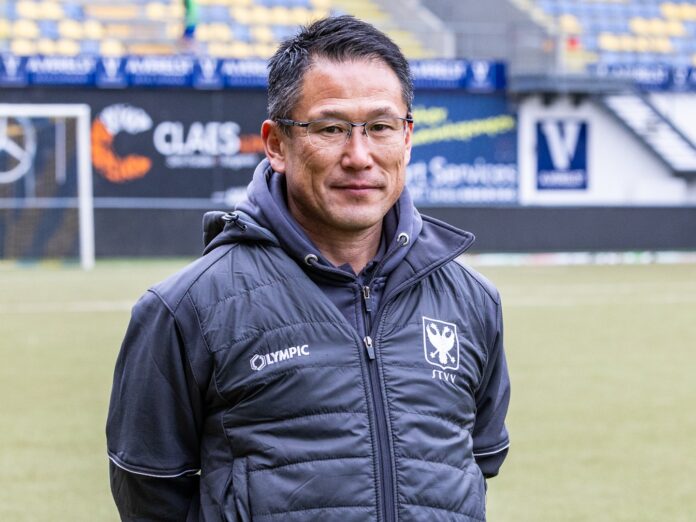
Tsuyoshi Takano standing on a football pitch in STVV training gear, with a focused expression, during his time at the Belgian club.

Tsuyoshi Takano is not your typical football coach. With a career that spans Europe and Asia, Takano has built a name for himself as a pioneer of “Collective Football” a tactical and developmental approach that transforms limited resources into long-term success.

He holds the UEFA Pro License and has worked in environments as diverse as the Premier League, J.League, Belgium’s youth system, and the Thai top flight. Known for his sharp tactical mind, commitment to player development, and a philosophy that focuses on synchronized team play, Takano has consistently helped clubs punch above their weight. At STVV in Belgium, he led the youth sector as Managing Director and U21 Head Coach, producing a record number of first-team players without a recruitment budget.

Whether guiding Southampton into the Premier League, mentoring talents like, James-Ward Prowse, Maya Yoshida and Takehiro Tomiyasu, or building bridges between Asia and Europe, Takano’s profile is that of a modern, globally connected coach who turns potential into performance.

Here are five questions for the man behind the philosophy.

Our Exclusive Interview with Tsuyoshi Takano

You describe your football identity as “Collective Football.” What does that mean in practice and how does it shape your teams?

“Collective Football” enables a team to become more than just the sum of its individuals. It’s about creating a team that doesn’t just play together, but thinks together ,through shared interpretation, not scripted patterns.

The way I see football, the game is made up of three types of situations: some are more fixed or structured ,like set-pieces or building out from the goalkeeper ,some are chaotic like 50-50 balls or play in tight areas and many fall somewhere in between. That’s why I lead and coach the team to handle these moments through a shared way of anticipating and interpreting the game, so we can outplay the opposition as a collective unit.

So, in practice, I spend less time structuring the team with rigid movements and roles, and more time structuring the players’ thought processes. Of course, we discuss systems and use them as reference points. But for us, it’s the shared interpretation that allows players to move as if within a structured system ,not because they’re following fixed patterns, but because they understand the situation in the same way.

When I start building a team, I begin by learning each player’s background and how they see the game. In parallel, I guide them toward common reference points ,guiding players to connect individuals into a cohesive unit. Once that’s in place, we train under more complex, unpredictable conditions to sharpen decision-making and execution. During the season, this is further refined through opposition analysis ,always with the aim of keeping our identity while remaining tactically flexible.

Over time, as the team gains experience competing against different teams and repeating situations, players begin to recognize emerging trends within the league. That pattern recognition becomes part of their intuitive decision-making ,further strengthening our collective intelligence. So, my team gets stronger towards the later part of the season and the 2nd season.

You’ve worked across England, Belgium, Thailand and Japan , all with very different football cultures. How have these experiences influenced your coaching philosophy?

Working in such diverse football cultures has helped me develop real versatility ,not just in tactical terms, but also in managing people within clubs and teams. I’ve coached across different levels of competition, with varying degrees of football intelligence and ability, all shaped by different cultural values and beliefs. Each country and each club came with its own unique context.

These experiences have taught me to adapt quickly when entering a new country or environment. And I believe that this speed of adaptation is essential, especially when it comes to managing players and staff effectively to deliver a successful campaign.

Different cultures and setups present different types of challenges. They constantly push me to find new ways to help teams grow within their own realities. That process has taught me that there’s never just one way to succeed and, therefore, pushed me to become more creative, more adaptive, and more resilient, both as a coach and as a leader.

At STVV, you developed players with no recruitment budget, yet achieved one of the highest academy promotion rates in Belgium. What’s your secret to spotting and nurturing talent?

When it comes to spotting talent, I’m not looking for the balanced or well-rounded player. I look for something unique, a quality the player seems to have been born with. Then, I try to imagine what kind of player he could become in two or three years and how he would get there. I focus on potential built around that unique asset, not on chasing perfection.
For example, Matte Smets, who transferred to KRC Genk and eventually became a full national team player, had an incredible ability to sense danger. He could recognize those dangers three or four steps ahead (before no one detected, even coaches), and it wasn’t something anyone had taught him. So I focused on developing more on his attacking qualities and helping him build a wider awareness of the pitch to make his stregnth to the super stregnth.

In terms of nurturing talent, I fully embrace the ups and downs that come with development. Every event , positive or negative, is an opportunity for a small step forward. I also expect the same mindset from my staff for the player and himself, “We don’t give up on a player after three or four months” and “We, coaches, also must admit our own mistakes and learn from it”. Development is a process, and belief is a big part of it.

Working without a recruitment budget means I have to offer something else. That is trust. In today’s environment, people are often told what they want to hear. I take the opposite approach: I’m honest from the start. It doesn’t always make things easier, but it builds real trust over time. That honesty, I believe, is why both players and parents often value my feedback more than any financial incentive, coupled with the proven history of player development and football activities.

You’ve been called a “bridge between Asia and Europe.” What role can Japanese players and coaches play in the future of European football?

One of the most valuable contributions is discipline. That’s something deeply rooted in Japanese culture and history. But it’s not just about being respectful or following rules. It’s a daily mindset, staying positive, training with full focus, and supporting teammates, no matter what.

In some countries, what stands out is explosive emotional energy or strong personality. In Japan, it’s the quiet commitment to doing what you need to do, not just what you want to do. That kind of discipline may not be flashy, but it has a real, lasting impact in the dressing room.

It builds a foundation of trust, consistency, and humility, the kind of culture that helps teams grow and stay together through a full season. In the long run, I believe that mindset can be a powerful ingredient for success in any European club.

That’s why I see Japanese players and coaches as having more and more value in Europe, not just for their skills, but for what they bring to the team’s internal culture.

You’ve mentored top-level players like James Ward Prowse, Maya Yoshida and Takehiro Tomiyasu. What do you look for in a young player who could succeed internationally?

To succeed abroad, talent and professionalism alone aren’t enough. I believe a player needs two key qualities: mental resilience, the ability to keep dealing with setbacks while accepting that the environment around him is not at his home country, and flexibility, the willingness to adapt to new environments, both on and off the pitch.

The world is more connected than it was 30 years ago, but cultural differences still matter. Even small habits, customs, weather or communication styles can influence a player’s emotional stability. This is a highly subjective area, but it’s something coaches and clubs need to be aware of and support properly.

Maya Yoshida is a great example. When he joined Southampton, he made his Premier League debut within a week. He was already solid in what he did best, possession and building up, but he also adapted quickly to the demands of a new league. Fast adaptation, for instance, is a major factor in the Premier League. I remember one morning. We talked about a specific situation from the previous match. Later that same day, in a small-sided game, he had already adjusted his response to that situation.

That adaptability is one of the reasons he survived six managerial changes at Southampton and is still going strong today as captaining his club in MLS. That is the fifth country of his career.

Transfers über die Medien: Ein Spiel mit hohem Risiko Der Fall Nick Woltemade

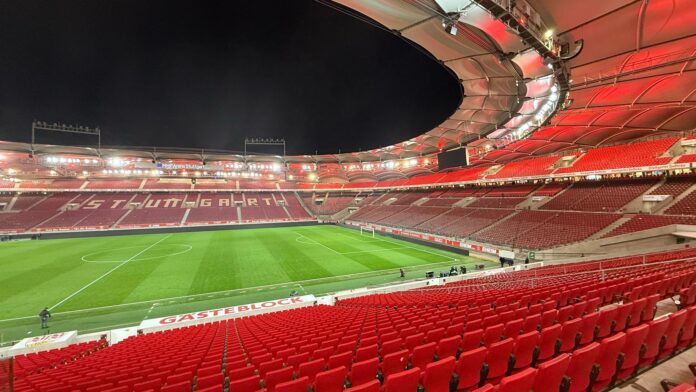
View of the empty MHP Arena in Stuttgart at night, with red stadium lights illuminating the seating and pitch before a match.
Transfers beginnen nicht auf dem Rasen. Sie beginnen im Kopf, und manchmal in der Presse.

Die Transferphase ist im Profifußball längst kein rein sportliches Terrain mehr. Sie ist Bühne, Verhandlungstisch und Machtspiel zugleich. Immer häufiger wird nicht mehr nur im Verborgenen taktiert, sondern ganz bewusst über die Medien kommuniziert. Vereinsverantwortliche und Spielerberater nutzen die Öffentlichkeit, um Druck zu erzeugen, Narrative zu prägen und Verhandlungen zu beeinflussen.

Der aktuelle Fall von Nick Woltemade ist ein Paradebeispiel dafür: Der Nationalspieler des VfB Stuttgart steht im Fokus des FC Bayern, doch die Gespräche zwischen den Vereinen sind ins Stocken geraten. Mit einem öffentlichen Statement hat sein Berater Danny Bachmann nun einen ungewöhnlich offenen Schritt gewählt: „Wenn ein Bundesliga-Rekordangebot von 55 Millionen Euro nicht einmal für ein persönliches Gespräch reicht, stellt sich die Frage, was der VfB eigentlich unter ‚außergewöhnlich‘ versteht. Das war nicht vorhersehbar.“

Der Berater bestätigt damit die kolportierten Zahlen, welche zuletzt in den Medien kursierten, obwohl es seitens der beiden Vereine hierzu keine „offizielle Kommunikation“ gab. Somit entfacht er die Diskussion um Sinn, Risiko und Wirkung medial gespielter Transfers neu.

Der mediale Transferpoker: Gewinner oder Verlierer?

Von einem Geheimdeal kann hier keine Rede sein: Der Poker um Nick Woltemade ist öffentlich, laut und taktisch geführt. Der Spielerberater Danny Bachmann entscheidet sich für ein mediales Druckmittel. Doch wie erfolgreich ist dieser Ansatz tatsächlich? Und welche Konsequenzen bringt er für alle Beteiligten mit sich? Ein Blick hinter die Kulissen eines modernen Transfergeschäfts.

Transfers über die Medien auszuspielen, ist ein zweischneidiges Schwert. Die Strategie erzeugt Aufmerksamkeit, erhöht den Druck und stellt Narrative in den Raum. Doch sie hinterlässt in der Regel mindestens einen Verlierer. Ein Verlierer könnte wie folgt aussehen:

Der abgebende Verein (in diesem Fall der VfB Stuttgart) wird öffentlich unter Druck gesetzt. Aussagen wie die von Berater Danny Bachmann („Was hält der VfB eigentlich für außergewöhnlich?“) sollen suggerieren, dass sich der Klub irrational verhält. Solche Aussagen provozieren Reaktionen, untergraben aber gleichzeitig das Vertrauensverhältnis.

Der aufnehmende Verein (wie der FC Bayern) riskiert, dass sein Interesse als aggressiv und unsensibel wahrgenommen wird. Wenn der Deal nicht zustande kommt, wirkt der Verein als Verlierer im öffentlichen Ringen um die Transferhoheit.

Der Spielerberater steht zwischen allen Fronten. Geht der Plan auf, wird er als starker Strippenzieher gefeiert. Scheitert der Transfer, kann er bei beiden Vereinen nachhaltig beschädigtes Vertrauen hinterlassen.

Der Spieler kann selbst zum Spielball werden. Wenn die öffentliche Wahrnehmung ihn als „rausstreikenden“ Akteur abstempelt, schadet das seiner Reputation – und zwar unabhängig davon, wie professionell er sich intern tatsächlich verhält.

Die Rolle des Spielerberaters: Druckmittel Öffentlichkeit

Warum greifen Berater wie Danny Bachmann zu diesem Mittel? Die Antwort liegt in der Psychologie des Geschäfts. Transfers sind nicht nur Zahlen und Verträge. Sie sind auch eine Frage der Deutungshoheit und emotionalen Dynamiken. Wer die Medien mit einem Statement füttert, verschiebt die öffentliche Wahrnehmung gezielt.

Das Ziel ist, Druck auf den abgebenden Verein zu erzeugen, um Verhandlungen entweder zu erzwingen oder zumindest zu beschleunigen. Die Methode dabei ist klar: Durch öffentliche Stellungnahmen, das gezielte Streuen von Informationen oder vermeintlichen Angeboten sowie die mediale Platzierung von Gerüchten und Zitaten wird ein Szenario geschaffen, das den Verein in eine reaktive Position zwingt.

In der Regel geschieht dies genau dann, wenn ein oder mehrere Angebote bereits abgelehnt wurden oder die Gespräche ins Stocken geraten sind. Also in dem Moment, in dem sich der Berater gezwungen sieht, die nächste Eskalationsstufe zu zünden, um Bewegung in die Sache zu bringen.

In der Praxis funktioniert das oft über enge Kontakte zu Journalisten, bewusst gewählte Wortwahl und Timing rund um medial aufgeladene Zeitpunkte (etwa vor Turnieren oder Deadline Days).

Der Fall „Viktor Gyökeres“ zeigt ähnliche Muster: Auch hier wurde die mediale Präsenz als Instrument genutzt, um Preis und Interesse hochzuhalten.

Das Kalkül hinter der Taktik

Das mediale Ausspielen eines Transfers birgt sowohl Chancen als auch Risiken und ist in seiner Wirkung kaum kalkulierbar.

Eine der größten Chancen liegt im erzeugten Tempo. Öffentliche Aufmerksamkeit setzt alle Beteiligten unter Zugzwang und kann langwierige oder festgefahrene Verhandlungen spürbar beschleunigen. Gleichzeitig erlaubt die mediale Präsenz dem Spielerberater, das Narrativ aktiv mitzugestalten. Er kann gezielt das Bild vom Spieler formen: Etwa als begehrten Leistungsträger oder unterschätzten Rohdiamanten. Das wiederum wirkt sich oft direkt auf den Marktwert aus: Je mehr über einen Spieler gesprochen wird, desto größer scheint das Interesse, was bei potenziellen Käufern zusätzliche Dynamik entfalten kann.

Doch diesem strategischen Vorteil stehen erhebliche Risiken gegenüber. Wird ein Klub öffentlich unter Druck gesetzt, kann das Vertrauen in den Berater massiv beschädigt werden: nicht nur im aktuellen Fall, sondern auch mit Blick auf künftige Transfers. Hinzu kommt, dass der Spieler selbst zunehmend zur Projektionsfläche wird. Die mediale Überhöhung oder Polarisierung kann ihm in der Kabine, bei Fans oder in der öffentlichen Wahrnehmung schaden. Insbesondere ist das dann der Fall, wenn der Transfer scheitert und er beim vermeintlich abgebenden Klub bleibt. Am gefährlichsten ist jedoch das emotionale Eskalationspotenzial: Fühlen sich Vereinsverantwortliche öffentlich bloßgestellt, treten häufig Prinzipien an die Stelle ökonomischer Vernunft. In solchen Momenten entscheiden verletzte Eitelkeiten über Millionen und nicht selten platzt ein Deal genau deshalb.

Szenarioanalyse: Wie geht der Fall Woltemade aus?

Der Transferpoker um Nick Woltemade steht an einem kritischen Punkt. Zwei Angebote von Bayern wurden abgelehnt und das öffentliche Statement des Beraters hat die Lage weiter aufgeheizt. Der VfB bleibt bei seiner Forderung: „außergewöhnlich“ – ein bewusst dehnbarer Begriff. Drei Szenarien sind realistisch:

  1. Bayern legt nach: Transfer gelingt (60+ Mio.)
    Wenn die Münchner ihre Schmerzgrenze nach oben verschieben (wie medial angedeutet), könnte der VfB einlenken. Allerdings nur dann, wenn dies ohne Gesichtsverlust geschieht. Ein strategisch platziertes „Friedensgespräch“ auf Vorstandsebene wäre hier zielführend.
  2. Der VfB bleibt hart: Transfer scheitert
    In diesem Fall bleibt Woltemade in Stuttgart. Die große Frage: Wie geht er damit um? Und wie reagiert das Umfeld? Der Spieler muss dann beweisen, dass er nicht Teil eines erzwungenen Ablaufs war. Die Beziehung zu Trainerteam und Fans wird entscheidend. Eine Trennung von seinem Spielerberater ist in so einem Fall nicht ausgeschlossen.
  3. Eskalation: Der Spieler positioniert sich öffentlich
    Sollte Woltemade selbst öffentlich Druck aufbauen (z. B. Wechselwunsch äußern), würde das den VfB stark unter Druck setzen, allerdings auf Kosten seiner eigenen Integrität. Das wäre der Weg der Eskalation und hätte langfristige Folgen für sein Image. Ein Streik ist hierbei nicht ausgeschlossen.

Öffentlichkeit als Schachzug mit unkalkulierbarem Risiko

Transfers über die Medien zu spielen, kann kurzfristig Bewegung in festgefahrene Situationen bringen. Doch es ist ein taktisches Manöver mit hohem Risiko. Im Fall Woltemade ist dieses Spiel nun in einer entscheidenden Phase angelangt. Die Frage bleibt: Wer lässt sich bewegen und wer lässt sich nicht instrumentalisieren?

Der Berater hat seine Karten offen auf den Tisch gelegt. Nun liegt es an den Vereinen, zu reagieren und einen Weg zu finden, wie trotz aller Rhetorik ein sauberer, respektvoller Abschluss gelingen kann. Denn am Ende bleibt: Ein Transfer ist nur dann ein Erfolg, wenn alle Seiten dabei ihr Gesicht wahren.

Which Foreign Players Can Sign with Iranian Clubs? A Guide for Football Agents

Passport
Photo by Kit (formerly ConvertKit) on Unsplash

Before signing an employment agreement with a foreign player, Iranian football clubs must comply with internal regulations issued by the Football Federation Islamic Republic of Iran (FFIRI). These regulations stipulate that only players who meet specific professional experience requirements are eligible to join Iranian clubs. Eligibility is determined by the number of matches played, either for National Teams or in certain club competitions, within the two years preceding the contract.

The required experience is divided into two categories: National Team appearances and leagues matches. If the player does not meet these criteria, their contract will not be registered and the player cannot be fielded. Even if, for any reason, the contract is registered, the player will be deemed ineligible.

Note that in the event of a breach of these regulations, no liability shall be attributed to the player. Moreover, regarding FIFA and CAS jurisprudence, the employment agreement is valid. However, it is essential to be informed of these requirements prior to signing with an Iranian club.

The eligibility criteria, categorized under National Team appearances and club matches, are outlined as follows:

National Team

Regarding the nationality of players and playing in official or friendly National Teams’ matches:

A. Players with nationalities Associated with AFC or OFC

Group 1. Players with the nationality of Japan, South Korea, Qatar, UAE, Australia, Saudi Arabia, China, Uzbekistan, Iraq, Oman, Syria, and New Zealand:

a) Must have played in at least three matches for the U-23 National Teams, or
b) Must have played in at least two matches for the National Team of that country.

Group 2. Players with the nationality of other countries within the AFC or OFC region:

Must have played in at least four matches for the National Team.

B. Players with nationalities Associated with CAF

Group 1. Players with the nationality of South Africa, Cameroon, Ivory Coast, Senegal, Tunisia, Algeria, Egypt, Nigeria, Morocco, and Ghana:

a) Must have played in at least three matches for the U-23 National Teams, or
b) Must have played in at least two matches for the National Team of that country.

Group 2. Players with the nationality of other CAF countries

Must have played in at least four matches for the Senior National Team.

C. Players with nationalities Associated with CONCACAF

Group 1. Players with the nationality of the USA, Mexico, Costa Rica, and Jamaica:

a) Must have played in at least three matches for the U-23 National Teams, or
b) Must have played in at least two matches for the Senior National Team of that country.

Group 2. Players with the nationality of other CONCACAF countries:

Must have played in at least four matches for the National Team.

D. Players with nationalities Associated with CONMEBOL

Must have played in at least in one match of the Senior National Team or U-23 National Teams.

E. Players from UEFA Region

Group 1. Players with the nationality of any of the following:

England, France, Spain, Italy, Germany, Portugal, Belgium, Denmark, Switzerland, Croatia, Netherlands, Scotland, Sweden, Poland, Austria, Ukraine, Serbia, Turkey, Russia, Greece, Czech Republic, Republic of Ireland, Wales, Romania, Hungary, Slovakia, Norway, Northern Ireland, Iceland, Finland, Bosnia and Herzegovina:

Must have played in at least one match of Senior National Team or U-23 National Team

Group 2. Players with the nationality of other UEFA countries

Must have played in at least four matches for the senior National Team.

Leagues Matches

Regardless of nationalities of players:

A. Leagues Associated with AFC and OFC

Players who played in the leagues of Japan, South Korea, Qatar, UAE, Australia, Saudi Arabia, China, Uzbekistan, Iraq, or New Zealand:

a) Must have played in at least eight official matches in the top-tier league and national cup competitions of that country, and
b) Their former club must have finished ranked 1st to 6th in the league table.

B. Leagues Associated with CONCACAF

Players who played in the leagues of the USA or Mexico:

a) Must have played in at least eight official matches in the top-tier league and national cup competitions of that country, and
b) Their former club must have finished ranked 1st to 6th in the league table.

C. Leagues of CONMEBOL countries

Group 1. For Brazil and Argentina leagues:

Players who have played in the first and/or second national league and cup competitions.

Group 2.  For other leagues associated with CONMEBOL countries:

Must have played in at least eight official matches in the top-tier league and national cup competitions.

D. Leagues of UEFA countries

Group 1. Players who have played in the national league and cup competitions of England, France, Spain, Italy, or Germany.

Group 2. Players who have played in the leagues of: Portugal, Belgium, Denmark, Switzerland, Croatia, Netherlands, Scotland, Sweden, Poland, Austria, Ukraine, Serbia, Turkey, Russia, Greece, Czech Republic, Republic of Ireland, Wales, Romania, Hungary, Slovakia, Norway, Northern Ireland, Iceland, Finland, Bosnia and Herzegovina:

Must have played in at least eight official matches in the top-tier league and national cup competitions of that country.

Group 3. Other UEFA leagues:

  1. a) Must have played in at least eight official matches in the top-tier league and national cup competitions of that country, and
  2. b) Their former club must have finished ranked 1st to 6th in the league table.

E. Continental Competitions

Players who have played in at least one match of any continental club competition, such as the UEFA Champions League, UEFA Europa League, Copa Libertadores, or the AFC Champions League Elite, are eligible.

Notes:

  1. The player must have actually played in the matches, being on the bench does not count.
  2. Two criteria are considered for players: National Team appearances and club competition experience. If a player meets only one of the two criteria, he is eligible to conclude an employment agreement with an Iranian football club.
  3. All statistics must be from the two years preceding the conclusion of an agreement with an Iranian club.
  4. National Team
Confederation Group / Nationality Minimum Required Matches
AFC / OFC ???????? ???????? ???????? ???????? ???????? ???????? ???????? ???????? ???????? ???????? ???????? ???????? 3 U-23 matches or 2 senior NT matches
Other AFC / OFC countries 4 senior NT matches
CAF ???????? ???????? ???????? ???????? ???????? ???????? ???????? ???????? ???????? ???????? 3 U-23 matches or 2 senior NT matches
Other CAF countries 4 senior NT matches
CONCACAF ???????? ???????? ???????? ???????? 3 U-23 matches or 2 senior NT matches
Other CONCACAF countries 4 senior NT matches
CONMEBOL All countries 1 U-23 or 1 senior NT match
UEFA ???????? ???????? ???????? ???????? ???????? ???????? ???????? ???????? ???????? ???????? ???????? ???????? ???????? ???????? ???????? ???????? ???????? ???????? ???????? ???????? ???????? ???????? ???????? ???????? ???????? ???????? ???????? etc. 1 U-23 or 1 senior NT match
Other UEFA countries 4 senior NT matches
  1. Leagues Matches
Confederation / Region League / Country Minimum Requirements
AFC / OFC ???????? ???????? ???????? ???????? ???????? ???????? ???????? ???????? ???????? ???????? 8 matches in top-tier league or national cup and club ranked 1st–6th
CONCACAF ???????? ???????? 8 matches in top-tier league or national cup and club ranked 1st–6th
CONMEBOL ???????? ???????? Played in first or second division and national cups (no match minimum)
CONMEBOL Other CONMEBOL leagues 8 matches in top-tier league or national cup
UEFA ???????? ???????? ???????? ???????? ???????? Played in national league or cup competitions (no match minimum)
UEFA ???????? ???????? ???????? ???????? ???????? ???????? ???????? ???????? ???????? ???????? etc. 8 matches in top-tier league or national cup
UEFA Other UEFA leagues 8 matches in top-tier league or cup and club ranked 1st–6th
Continental Competitions UEFA CL / EL, AFC CL Elite, Copa Libertadores, etc. 1 match played in any major continental competition

The Women’s League – Edition #57

Cover image of The Women’s League magazine featuring bold turquoise text on a purple stadium background. Tagline reads: "For women’s football decision makers."

Welcome to the 57th edition of The Women’s League, your digital source for the latest and most impactful stories in Women’s football.

This week we dive into:

Who is Alessandra Nencioni
Former pro and now Club Manager at Napoli Calcio Femminile, Nencioni blends playing experience, club management, and academic excellence in sport business. A powerful example of post-playing success.

The Women’s Cup Milan 2025
Juventus, Inter, Atlético Madrid, and Como clash in a reinvented tournament designed for the modern fan. Hosted by Mercury 13, this edition promises broadcast innovation and bold storytelling.

On the Market: Fabrice Abriel
After a strong run at Fleury and a brief spell at PSG, the experienced French coach is ready for his next challenge in the women’s game.

Who is Rui Lança?

Rui Lança, Executive Director at Al-Ittihad Club, in profile view against a black background.

Rui Lança is a seasoned sports executive, author, and leadership expert with over 25 years of multidisciplinary experience across elite sports, education, and corporate consulting. He currently serves as Executive Director of Other Sports at Al-Ittihad Club in Saudi Arabia, where he oversees the development and strategic management of the club’s basketball, volleyball, and other non-football divisions. In this role, he is responsible for building high-performance infrastructures, optimizing athlete development systems, and integrating international best practices into one of the Gulf region’s most ambitious multi-sport institutions.

Before joining Al-Ittihad, Rui held senior leadership roles at Sport Lisboa e Benfica, where he was Director of Pavilion Sports (male and female). During his tenure, Benfica’s handball team won the EHF European League title for the first time in the club’s history, while the volleyball and basketball teams consistently secured national championships. Rui’s leadership professionalized team operations, introduced data-informed performance strategies, and established a culture centered on discipline, leadership, and sustainable success.

In addition, Rui worked at Vitória Futebol Clube (Setúbal) in professional football in Portugal during the 2016/17 season, as part of the coaching staff under head coach José Couceiro. He worked directly with several football coaches in performance and coaching, with a specific focus on leadership. Rui has also been a university lecturer for 20 years, a certified leadership trainer, and a corporate consultant, delivering workshops and advisory programs for executive teams and high-performance organizations. A former futsal coach, he is the author of six books on leadership, coaching, and team culture, earning recognition across both sports and business sectors. He holds a degree in Sports Sciences and a master’s degree in Sports Management, combining academic depth with practical leadership.

Rui Lança is known for his ability to lead complex organizations, cultivate elite talent, and translate the mindset of sport into long-term performance models. His people-centered approach continues to shape the future of sports leadership on a global scale.

Our Exclusive Interview with Rui Lança

Who is Rui Lança outside of his professional life?

For those who work in sports, especially across multiple disciplines, it’s hard to fully disconnect, as it’s something people talk about constantly, wherever you go. Fortunately, I do what I love, which is working in high-performance sport and leading people. Beyond that, I’m just a normal person. I love to travel, discover new places and cultures, listen to music, read, and write. I enjoy simple things like spending time with family and friends. Volunteering is also something I did for many years around the world, and it brought me a great sense of fulfilment.

What core values guide your leadership approach in both sports and business environments?

First and foremost, I genuinely like people. I enjoy understanding them, observing, interacting, and working with them. Whether it’s in the competitive world of sports or in business, that’s my guiding principle. I like helping people become better, developing them, and investing time in that process.
Then, of course, each context has its own specific rules and norms. Some environments are harsher than others, where results heavily influence our decisions and where we compete with everyone, as everyone wants to win. There are also environments where leadership can focus more on the medium to long term, allowing us to take a different approach.

How has your experience working in different countries and cultures shaped your management style?

I’ve been fortunate to work in several countries across Europe and to have done volunteer work, particularly in some African countries. That kind of experience gives you a set of soft skills that you simply can’t develop in more comfortable or familiar contexts. You get to know yourself better and gain a deeper understanding of differences in people, leadership styles, conflict management, and team dynamics, for example.
Over time, the way you approach urgency, handle conflict, and lead others is shaped by the soft skills you acquire along the way.

What was the most transformative project or achievement in your career so far?

Working in Saudi Arabia, at the country’s oldest club, and having to build almost everything from scratch, like a start-up but within a club with an impressive track record in football and other sports, makes the project extremely challenging. You really feel like you’re building history, and that’s incredibly rewarding.
The intersection of cultures and different working methods means that 1 + 1 is always unknown. Some differences can create great added value, while others may not. Fortunately, our first full season at Al-Ittihad was very successful, both from a sporting and organizational perspective, as we managed to implement several processes that are essential for achieving positive outcomes.

In what ways do you integrate academic research into your day-to-day leadership practices?

I believe that the academic world is sometimes too closed off when it comes to certain good organizational practices, and the opposite also happens. I always like to learn more, and one of the ways I grow is through writing books. It allows me to structure my thoughts and knowledge, and to interview and speak with professionals from completely different fields and parts of the world.
At the end of the day, we are the sum of who we are, what we’ve learned, and the people we interact with on a daily basis. I don’t like doing things just for the sake of it. I really like to understand the reason behind them and give them meaning. I believe there’s a balance in all of this.

What are your future goals and areas of focus in the evolving landscape of global sports?

To keep doing what I love and to stay involved in projects that are truly challenging. I want to continue working in the field of performance, whether in sports or within organizations and with people. There are many ways to add value and be part of these types of projects.
New events, new approaches to club management, and consulting work are increasingly necessary to help organizations prepare and evolve. There will always be people and teams who need to raise their standards of efficiency. Fortunately, there’s still so much good work to be done.

Football Agents in Ghana: Gatekeepers or Game Changers?

View of Baba Yara Stadium in Kumasi, Ghana, showing an empty pitch and stands with red, yellow, and white seating under a clear sky.
Photo by Timothy Yiadom on Unsplash

In today’s global football industry, soccer agents wield significant influence beyond the spotlight. Once primarily concerned with contract negotiations, their role has expanded into comprehensive career management. Agents now function as deal-makers, brand strategists, legal advisors, and mentors essential figures guiding players through the complexities of the modern game.

At the negotiation table, agents secure not just salaries but clauses that can shape a player’s future like performance incentives or transfer options. During transfer windows, they act as key intermediaries, using their networks and knowledge to orchestrate moves that can change careers and club fortunes alike. Their ability to balance business acumen with personal insight is crucial in high-stakes deals.

Off the pitch, agents help footballers develop personal brands. With players now viewed as global influencers, agents facilitate endorsement deals, media appearances, and manage public profiles. They ensure players are marketable, not just for their athletic prowess but also for their appeal to sponsors and fans worldwide.

Long-term career planning and financial management are also central to the agent’s role. From guiding transitions between leagues or into post-playing careers, to overseeing investments and legal matters, agents either provide these services directly or connect players with trusted experts. Ensuring financial security and wise career moves is vital in an unpredictable profession.

Despite their importance, the industry has faced criticism over unethical practices and a lack of regulation. Nonetheless, the modern agent remains indispensable a strategist, protector, and advisor. As football grows increasingly commercial and complex, so too does the role of the agent, firmly securing their status as pivotal players behind the scenes of the beautiful game.

Shaping the Game from the Shadows

Soccer agents have become powerful forces in the modern football ecosystem, influencing player valuations, transfer fees, and wage structures. High-profile agents like Emeka Obasi and the late Mino Raiola have not only represented star players but also shaped club strategies and league dynamics. Their role in globalizing the sport is also significant, as they scout talent worldwide and create pathways for players from underrepresented regions, enriching the game with diverse talent and narratives.

Agents often extend their influence beyond individual players, shaping recruitment strategies through strong ties with club executives and owners. Their ability to broker multiple deals and bundle players gives them leverage that can alter club decision-making. Additionally, agents play a major role in youth development, identifying talent at an early age and guiding young players through the ranks though this early involvement can blur ethical lines between mentorship and exploitation.

The Dark Side of Influence

Despite their importance, agents are frequently criticised for the vast sums they earn sometimes securing more than 10% of transfer fees especially in Ghana were transfer fees aren’t huge compared to the European index. Commissions, especially in blockbuster deals, have led to widespread calls for greater financial transparency and regulation. The practice of representing multiple parties in a single transaction also raises concerns about conflicts of interest and the fairness of negotiations.

More troubling are issues related to the treatment of young players, particularly those from vulnerable backgrounds. Allegations of manipulative contracts and profit-driven motives have fuelled scrutiny of agent conduct. Critics argue that agents contribute to financial imbalances in football by inflating fees and wages, deepening the divide between elite and smaller clubs. These concerns have intensified calls for stricter oversight and ethical reform in the profession.

The Case for Regulation

One of the major challenges facing Ghanaian football is the lack of robust regulation governing player agents. Although the Ghana Football Association (GFA) has made strides to align with FIFA’s agent licensing framework, enforcement remains patchy.

Currently, there is a challenge with centralised database of licensed agents accessible to the public. Many transactions happen informally, with little documentation or accountability. This regulatory vacuum makes it easy for unqualified or unscrupulous individuals to exploit the system, while legitimate agents struggle to distinguish themselves from the crowd.

There is a growing call from stakeholders including clubs, legal experts, and player unions for stricter licensing requirements, mandatory training, and transparency in agent-player relationships. Advocates also stress the need for education programmes that empower young players to understand their rights, contracts, and financial decisions.

FIFA’s updated Football Agent Regulations, which emphasis licensing, fee caps, and conflict of interest disclosures, offer a blueprint. But for these reforms to be effective in Ghana, the GFA must go beyond policy announcements and invest in enforcement, monitoring, and stakeholder collaboration.

Football agents in Ghana sit at a crucial crossroads. They have the potential to be game changers unlocking doors for Ghanaian talent, protecting player interests, and elevating the standards of the sport. But without regulation, oversight, and ethical accountability, they risk becoming gatekeepers who serve only their own interests.

The choice, ultimately, lies in how the industry and its regulators respond to growing concerns. If properly structured, the agent-player relationship in Ghana can transform from one of risk and mistrust to one of empowerment and opportunity. And in a football-loving nation brimming with raw talent, that transformation is not just desirable, it’s necessary.

The Fans Week – Edition #17

Welcome to the 17th edition of The Fans Week, your weekly guide to the biggest stories, controversies, and trends shaping the fan experience around the globe.

This week we explore:

Record-Breaking Support at Women’s Euro 2025
Over 460,000 fans attended the group stage in Switzerland, with sold-out matches and fan walks lighting up host cities. The tournament has become a cultural celebration of women’s football.

Away Fans Return in Argentina After 12 Years
In a landmark decision, Argentina lifts its long-standing ban on away supporters. The move marks a hopeful shift in fan trust, safety, and stadium energy.

Crystal Palace’s European Dream Derailed
UEFA regulations force Palace out of the Conference League due to shared ownership with Lyon. A case that reveals the growing tension between football governance and modern multi-club models.