
Profile
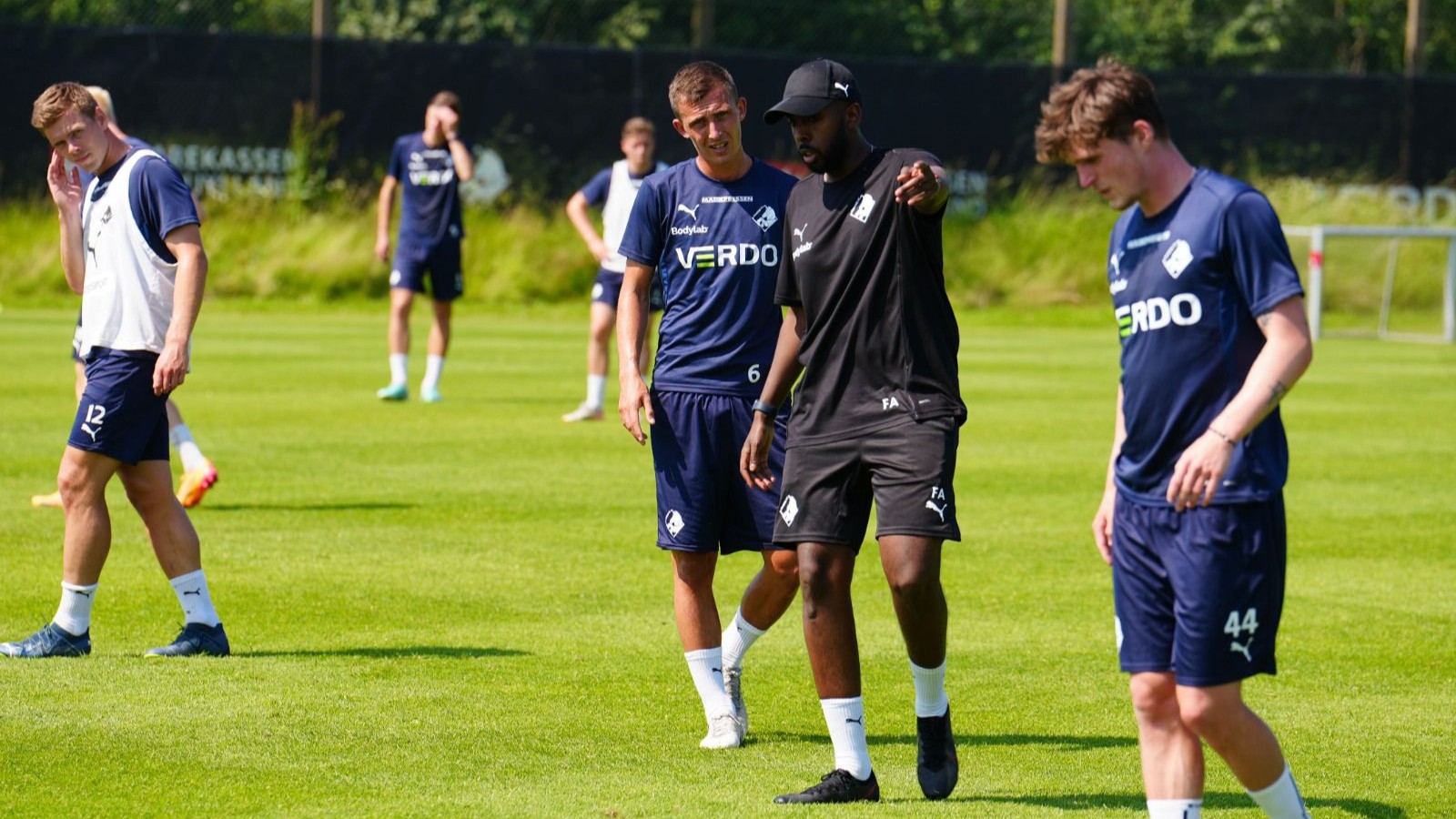
Role: Assistant Coach at Randers FC
Specialisation: integrating youth players into the first team while competing in a results-driven senior environment
Experience: elite senior football and global youth development
Focus Areas: coach education, talent identification, youth development, and player progression
Biography
Fatah Abdirahman, born 23 December 1991, is an Assistant Coach at Randers FC with experience across elite senior football and global youth development. Formed in the Danish football system, he has held academy leadership and talent identification roles, including Technical Director at the Right to Dream Academy in Ghana, and is also a licensed mental health counselor.
At Randers FC, Abdirahman works in the Danish Superliga, focusing on integrating youth players into the first team while competing in a results-driven senior environment. The role allows him to apply years of youth development experience at elite level, balancing performance with long-term player progression.
Before returning to Denmark in 2023, Abdirahman spent two years in Ghana as Technical Director at the Right to Dream Academy. The experience proved both professionally and personally demanding, underlining the importance of cultural adaptation on and off the field. His main objectives were coach education and accelerating player readiness for European football. Rich in raw talent, the teams competed in local leagues, against senior opposition, and through R2D’s International Academy, which selects the top players from across their academies, to face top European academies in international tournaments.
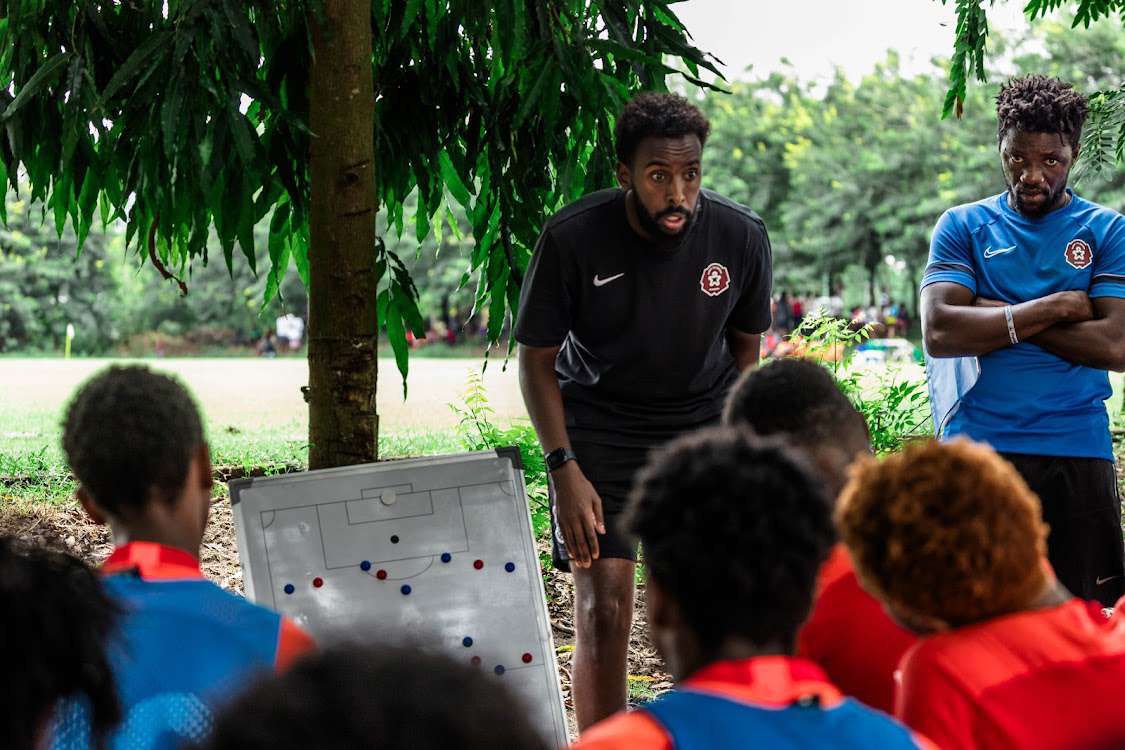
The experience proved both professionally and personally demanding, underlining the importance of cultural adaptation on and off the field.
Prior to that, he spent five and a half years at Aarhus GF (AGF), progressing from U17 coach to Technical Director. During this period, he played a key role in strengthening the club’s academy culture, development pathway, and recruitment strategy, including the early identification of Adam Daghim, later sold to RB Salzburg.
Abdirahman’s first professional role came in 2014 at FC Midtjylland, where he worked as an Individual and Youth Coach. Having started coaching at just 14 years old, inspired by his own youth coach, he has been shaped by Denmark’s development-focused football system. His career is defined by curiosity, adaptability, and a strong commitment to developing both players and coaches.
His career is defined by curiosity, adaptability, and a strong commitment to developing both players and coaches.
Key Insights
- Fatah Abdirahman has built a career across Danish elite football and international youth development.
- His work has centred on coach education, talent identification, and player progression.
- At Randers FC, he is applying youth development experience within a senior results-driven environment.
Our Exclusive Interview with Fatah Abdirahman
How did you start in coaching? What is your background?
I started coaching at 14 and a half. I played a bit growing up, and I had brothers who played (at a higher level than me, unfortunately) and my coach said to me one day that he thought I would make a great coach, and one of the youth teams needed one. That’s where it started, and I came to the realization that I was giving back and helping. Then I became more and more curious. I always loved helping and interacting with other people, and helping them develop.
You’ve worked across youth academies and senior clubs in Denmark. How would you describe the Danish football system?
It’s a very good system. The population is not huge (about 6 million), but we compete well at youth, senior, and national levels. We are strong in youth development, with high knowledge and education standards. The Danish league is becoming more recognised as a development league and is also good at developing coaches, for example Thomas Frank at Tottenham. Many scouts come to watch the league. It’s a good development system, and clubs are good at giving players first-team opportunities and then selling them on.
It’s a good development system, and clubs are good at giving players first-team opportunities and then selling them on.
You began your pro coaching career as an Individual Coach at FC Midtjylland Youth in 2014/15. How did you get that role?
At the time, I was a U13 coach at Randers. It was part-time, almost volunteer work, but the club helped me obtain my UEFA B, B2, and A licences. That’s when FC Midtjylland approached me. When I was in my early 20s, they came with a very detailed report on me as a coach, outlining my strengths and weaknesses and how I would fit into their organisation.
I had just finished my A licence, and a big club wanted me as a full-time coach, so they made a plan to introduce me to their environment as an individual coach and then give me a team as well. Due to family matters, my time at the club couldn’t continue at that moment, but I really enjoyed my experience there.
Looking back at your time at Aarhus GF, how did working with youth shape your coaching identity?
I arrived at a time when there was a lot going on at the club. I was there for five and a half years, with two or three sporting and academy directors, so you got a feeling for how quickly football can move. At the same time, you were part of developing a culture, a style of play, and a training methodology so you could see the full process, including the transition of youth players into the first team. It was a great experience where I had a lot of responsibility, making mistakes and learning from them.
In 2020, you were promoted to Technical Director at Aarhus GF. What were your initial objectives, and what challenges did you face transitioning into that role?
I started as U19 coach and then took charge of the pro pathway, helping to create a programme for youth players to integrate into the first team, and ensuring the development of future generations. I also had scouting responsibility, bringing players into the academy.
One example is Adam Daghim, who later moved to RB Salzburg for a fee and is now at Wolfsburg. At the time, there were several Danish clubs interested in him. We didn’t have an academy yet, so he had to stay with his other family in Aarhus.. but I could see that his style fit well with our system, so we made it work! (Plus he came for free.)
In 2022, you joined the renowned Right to Dream Academy as Technical Director. What motivated you, and what were the key lessons?
This was one of the experiences where I learned the most. Getting out of Denmark and out of my comfort zone, without friends and family, was a big learning experience. The project attracted me because I had always said that when the opportunity was right, I wanted to give back to Africa in a meaningful way.
They had approached me before, but when I stopped at AGF, they came again. It’s a top-class organisation, from how they treat people, to the structure, the staff, the style of play, and the way they view development. The first couple of months felt like going back to school because so many things they do are very different to what I had learned in other clubs. It was a totally different approach and one of the best decisions of my life.
It was a totally different approach and one of the best decisions of my life.
Where were you based at that time?
I was based in Ghana for two years. It was about adapting, taking responsibility, and sharing knowledge. You learn that you can’t just arrive as a European and expect people to adopt your process. You have to adapt to the culture you enter, embrace it, and then gradually introduce improvements. You can’t expect another country to operate the same way as Europe.
What about the sporting side of R2D?
We often played matches against men’s teams, which was different to my experiences before. One key objective for me was preparing players for Europe and helping them compete earlier than expected, by improving their understanding of the game. I also worked on developing the coaches, which is essential, as I always say better coaches lead to better players.
Did the teams play in local leagues?
Yes, in the local league, but we also had the International Academy (IA), which played tournaments and friendly matches outside Ghana. In Europe, they competed against top academies such as Ajax, Bayern, and Manchester United. The IA is a selection from all academies within the organisation and those players are closest to taking the next step, both because of their age and visibility.
How is the talent in Ghana?
It’s huge. Many people know there is talent, so the competition is intense. Right to Dream has a strong reputation and has been scouting for many years there. They know the areas well and are very clear about the type of player and person they want in their academies.
You were appointed Assistant Coach at Randers FC in 2023. What has the experience been like?
It’s been fantastic. I’ve always had the ambition to work at the highest level possible, and the Danish Superliga is the highest level here. I get to see how my youth football experiences and how it translates to senior football. The biggest difference is that the senior level is more black and white when it comes to results.
Have there been mentors who influenced your journey?
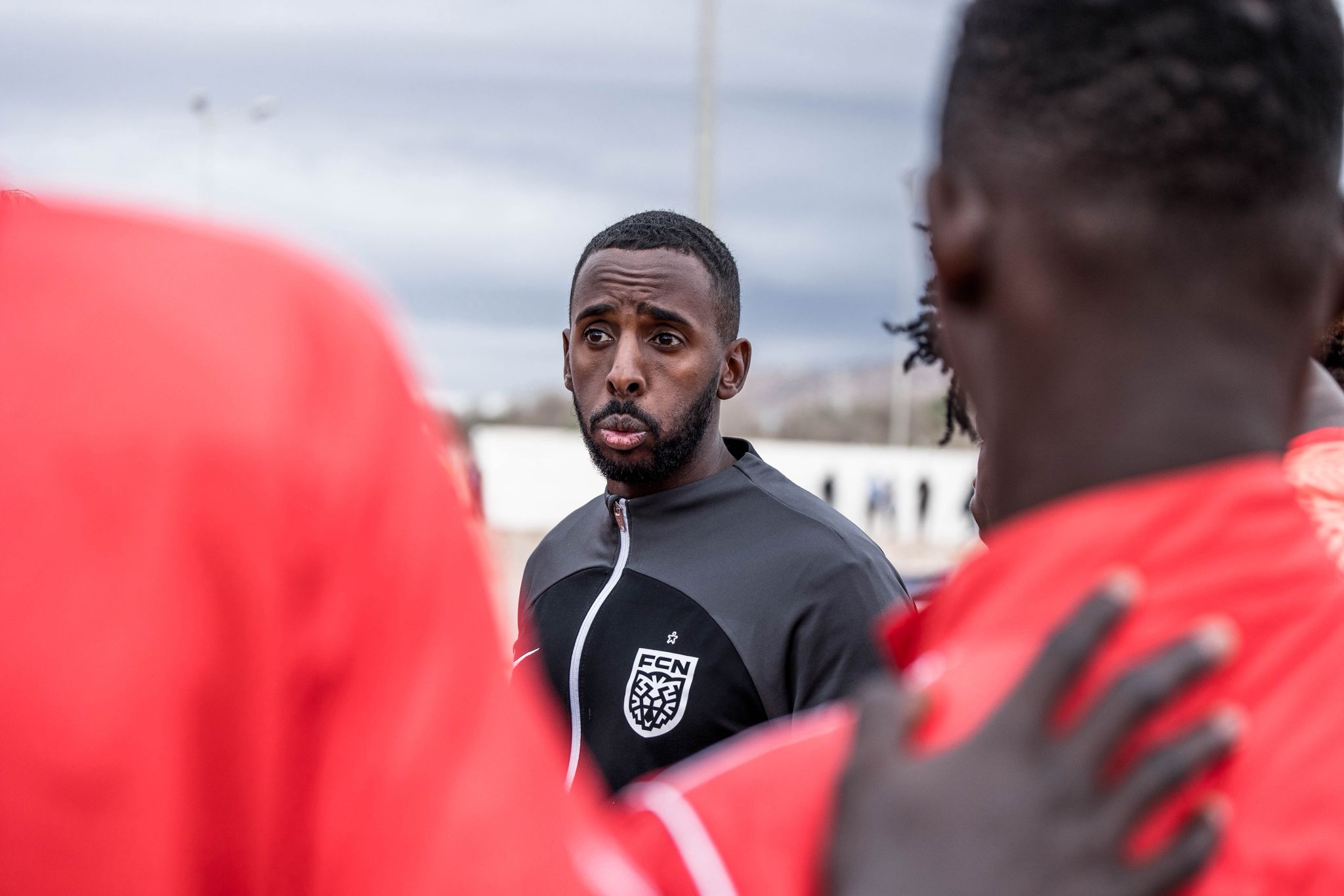
Yes, definitely. You can always learn something from others, it depends on how open-minded you are and the growth mindset you have. You can take something from everyone, but the key is how you filter it and decide how to use it. That’s something I’ve focused on throughout my career. I enjoy working with people and staying curious about current trends and what football might look like in the next 5 years.
What long-term goals do you have at Randers FC, both for the club and personally?
At Randers, my objective is still to develop young players, integrate them into the first team, and sell them on. We aim to be more regularly in the top six. Although the club has achieved this for many years, our budget is not that of a traditional top-six club.
Increasing the budget is one of the club’s objectives, allowing us to continue competing in the top six. Personally, my goal is to keep developing, stay curious, work hard every day, and remain adaptable, because in football, you never know what will happen.
FAQ
Who is Fatah Abdirahman?
Fatah Abdirahman is an Assistant Coach at Randers FC with experience across elite senior football and global youth development.
What roles has Fatah Abdirahman held before Randers FC?
He has worked at FC Midtjylland, Aarhus GF (AGF), and the Right to Dream Academy in Ghana, including roles as Individual and Youth Coach and Technical Director.
What is a key focus of his work at Randers FC?
His focus is on integrating youth players into the first team while competing in a results-driven senior environment.