


Introduction: The Unseen Intelligence of the Game
Modern football is not won by instinct. It is won by collective intelligence, by eleven players thinking as one. A team can be perfectly organized on paper, but if the mental rhythm between players is not aligned, the system collapses.
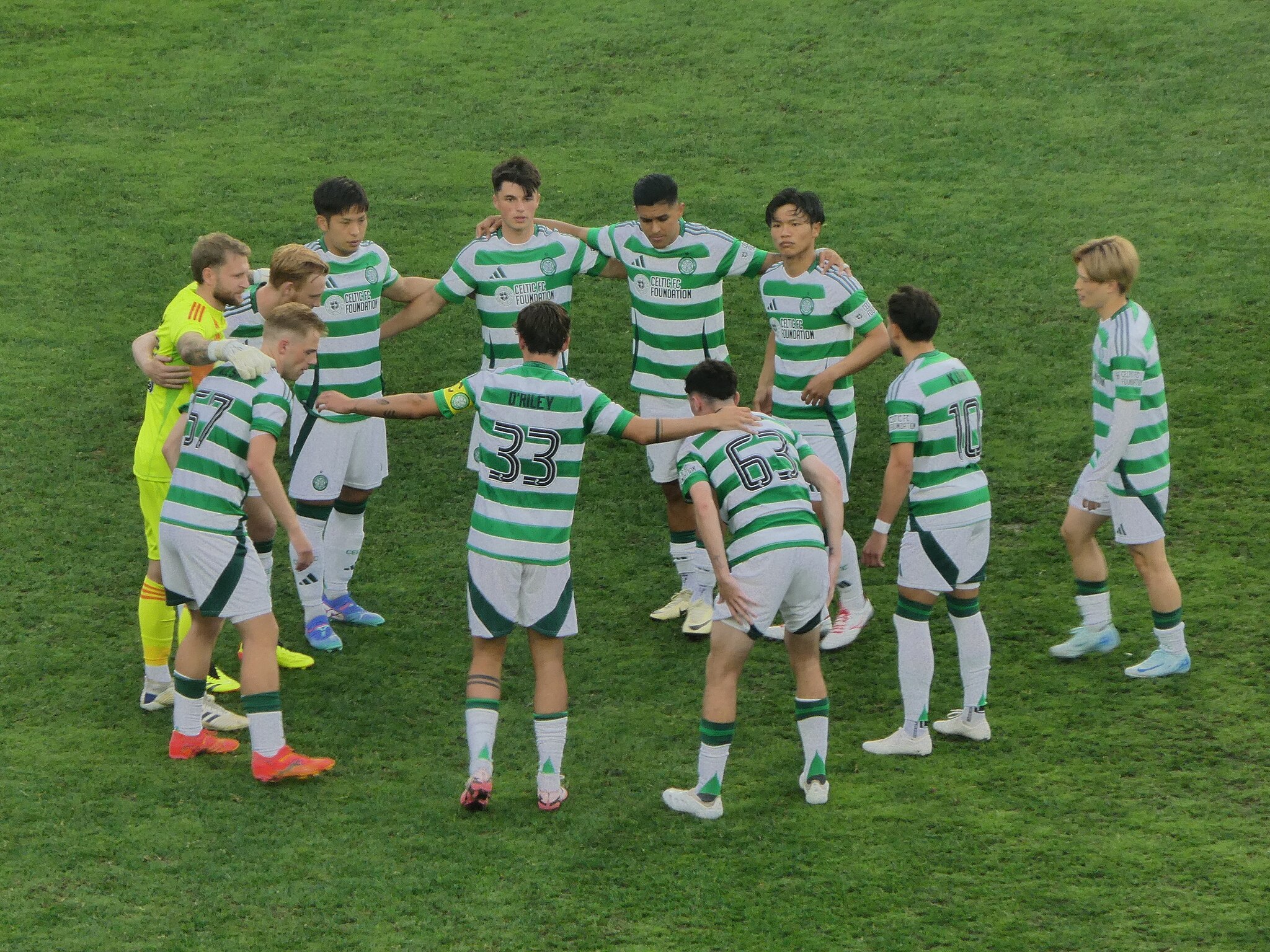
Collective intelligence is the ability of a team to act as a single brain. It begins with the coach’s plan and comes to life through the captain’s presence on the field.
The Brain of the Team: Players as the Coach’s Extension
A coach designs the idea. But that idea only breathes when players understand each other. Players are not just individuals in positions. They are the arms, the legs, and the mind of the coach.
When a player understands not only where to pass but why, he becomes part of the system. Collective intelligence is the transformation of individual reflexes into a shared instinct.
“Collective intelligence is the transformation of individual reflexes into a shared instinct.”
The Captain: The Voice of the Collective Mind
A captain is not the one who wears the armband. He is the translator of the team’s mind. He carries the message built in the locker room and delivers it through body language, tone, and timing.
Modern hierarchy in football is not command and control. It is energy transfer. A true captain does not dominate. He regulates. He directs the emotional current of the team. Every great system depends not only on tactics but on communication.
When the Collective Breaks: What Happens When One Stops Thinking Together
A team is like a living organism. Every part must work in sync. When one stops moving with the rhythm, you first try to understand, to guide, to heal, to realign. But if that part refuses to think collectively and continues to move for itself, then you remove it. Not in front of the team, but for the team.
It is not punishment. It is philosophy. Because football is not an individual sport. Those who wish to play alone can choose tennis or boxing. Football is a collective art.
“Every great system depends not only on tactics but on communication.”
The Tactical Layer: The Language of the Collective Mind
Collective intelligence is visible in simple details. The back line moving together. Pressing triggers starting at the same second. Midfield transitions built on silent communication. Immediate reaction after losing possession.
These are not coincidences. They are understood principles. Players know what to feel in every moment. It is no longer about tactics. It becomes shared intuition.
The Emotional Core: Trust, Empathy, and the Silent Bond
A system without emotional trust cannot survive. When one player stops believing in another, the team becomes eleven strangers.
Empathy is the fuel of collective intelligence. Feeling your teammate’s rhythm, his breath, his pressure, his confidence. That is what turns a mechanical system into a living organism.
Modern Leadership: From Control to Connection
Old leadership was about control. Modern leadership is about connection. The relationship between coach, captain, and player must not be vertical but circular. It is not about power. It is about purpose.
Teams today do not follow those who shout the loudest but those who understand the deepest. Collective intelligence is not born from authority. It is born from alignment.
Conclusion: The Collective Code
Collective intelligence is the hidden weapon of modern football. When the coach’s plan, the captain’s voice, and the players’ trust align, the team stops being eleven individuals and becomes one organism. Inside that organism, every part either contributes to the system or gets left behind. Football is no longer the art of playing alone. It is the art of synchronized thought.
When a team stops running separately and starts feeling together, the game becomes more than tactics. It becomes rhythm.