

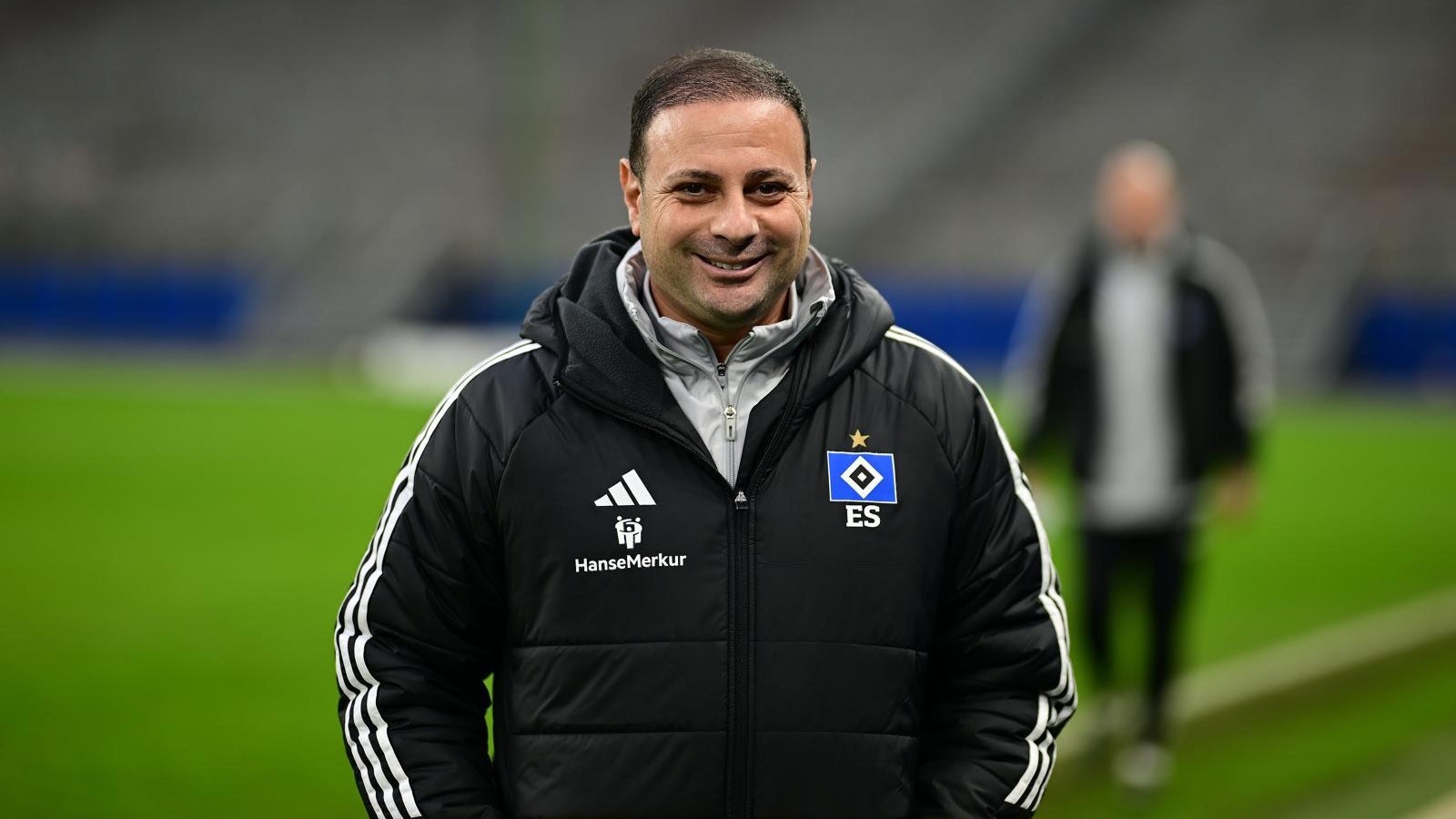
Profile
Role: Assistant Coach of the Hamburger SV Women’s first team
Specialisation: Player ownership, emotional intelligence, and long term development
Experience: Elite youth development within the club’s academy structure, academy football and senior football
Focus Areas: Modern coaching, character, trust, learning, responsibility and sustainable success
Biography
Developing players is no longer simply about improving technique or tactical understanding. The modern game demands footballers who can solve problems, make decisions under pressure, and take ownership of their performance. Creating that type of player requires more than coaching sessions and tactical instruction. It requires an environment built on trust, learning, and responsibility.
It requires an environment built on trust, learning, and responsibility.
Eren Şen currently serves as Assistant Coach of the Hamburger SV Women’s first team and brings extensive experience from elite youth development within the club’s academy structure. Holding the UEFA A Licence and working across both academy and senior football, he has developed a coaching philosophy centred on player ownership, emotional intelligence, and long term development. In this conversation, Şen discusses modern coaching, the importance of character, and why creating the right environment remains the foundation of sustainable success.
Key Insights
- Eren Şen believes modern player development must go beyond technique and tactics.
- His coaching philosophy is centred on trust, player ownership and emotional intelligence.
- He sees women’s football as a game with its own identity and a strong foundation for sustainable growth.
Our Exclusive Interview with Eren Şen
You work in both the academy environment and women’s football at Hamburger SV. How has this combination shaped your view of modern player development?
Academy football has benefited from years of professional structures, investment, and continuous development. In many areas, it is still one step ahead of women’s football. I strongly believe that many of these proven development principles can be successfully transferred into the women’s game, provided they are adapted thoughtfully to the specific needs of female players.
For me, however, development goes far beyond improving players on the pitch. It is equally important to support them as individuals away from football. Only when both aspects are addressed can players reach their full potential.
Many coaches speak about control and structure. You place great emphasis on freedom and individual responsibility. Why is this so important to you?
My experience as both a player and a coach has taught me that players need the freedom to make mistakes. As coaches, it is our responsibility to provide structure, direction, and clear principles. Within that framework, however, players should be encouraged to find solutions independently.
Too often, modern football removes responsibility from players. The consequence is that when difficult situations arise during matches, they struggle to solve problems themselves. Development happens when players are allowed to think, adapt, and take ownership of their decisions.
Development happens when players are allowed to think, adapt, and take ownership of their decisions.
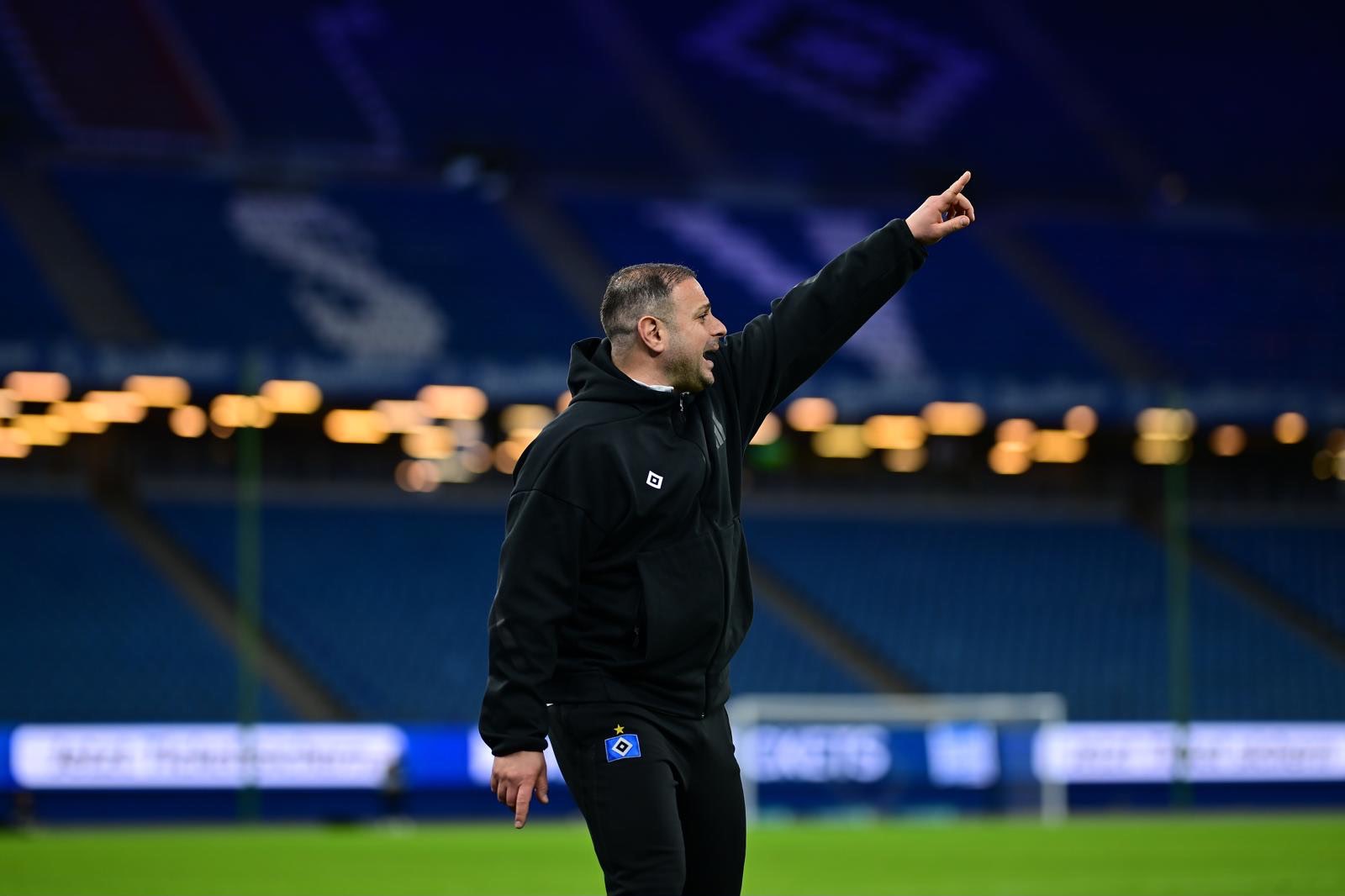
How do you demand high performance while still creating an environment where players remain brave and creative?
Everything starts with the relationship between coach and player. Once players genuinely feel that you are invested in their development as people and athletes, trust begins to grow.
That trust creates the foundation for demanding high standards and discipline. When players understand your intentions, even critical feedback is received positively because they recognise it as part of their development rather than criticism for its own sake.
You appear to work very closely with your players. How important are trust and emotional connection in modern coaching?
The emotional connection between coach and team is fundamental, particularly over the long term.
When a new group comes together, motivation and enthusiasm often come naturally. Sustained success, however, requires something deeper. Modern football demands that coaches build genuine connections with their players and create an environment where they feel valued, understood, and motivated to give their best every day.
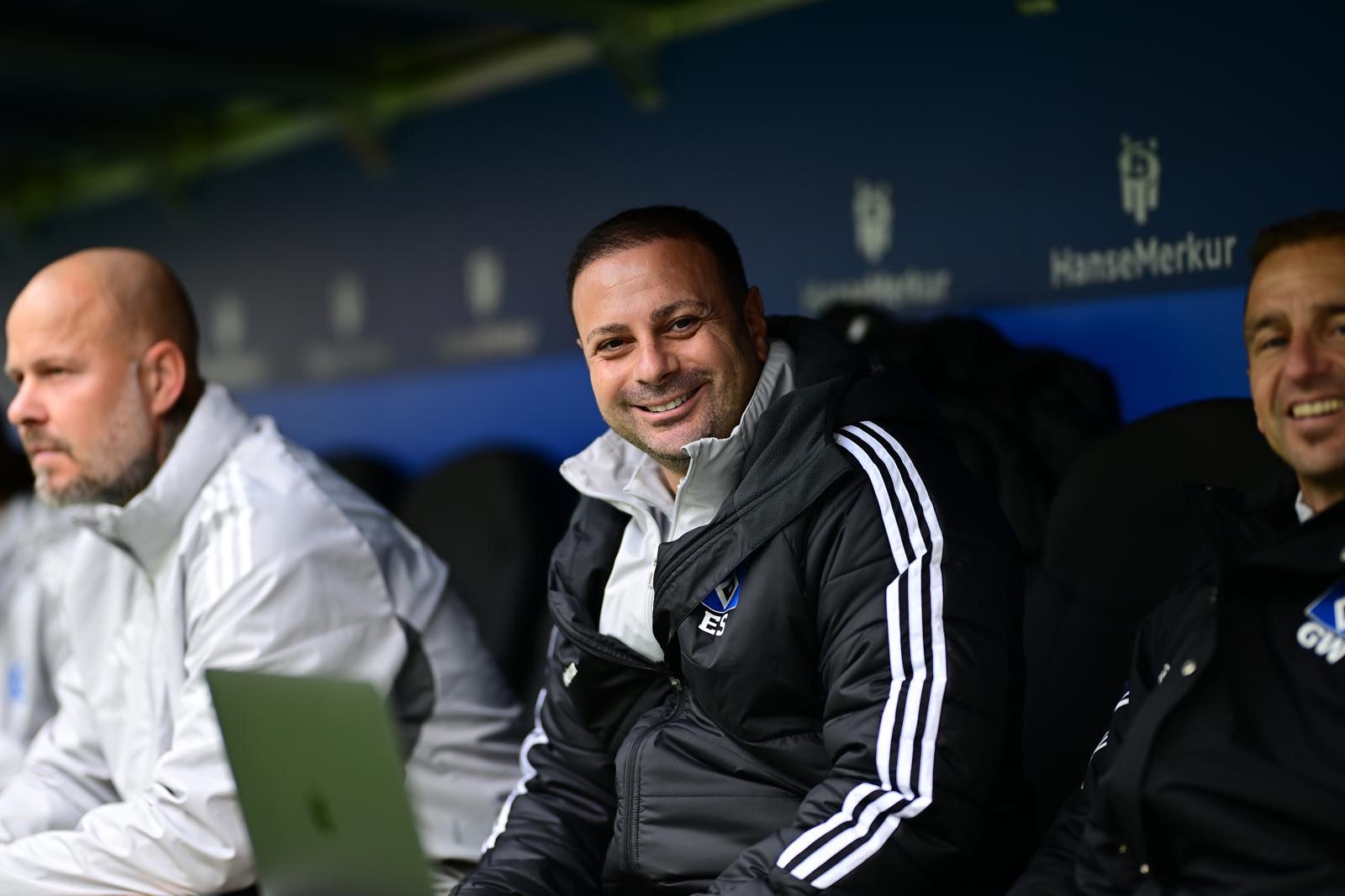
What qualities tell you more about a player’s potential than technical ability alone?
Character has become increasingly important in football. I would even argue that within women’s football, it can sometimes be more decisive than technical quality alone.
There is a large number of talented players across the game. What often separates individuals is their mentality, professionalism, and willingness to grow. Identifying these qualities has become one of the most important aspects of recruitment and player development.
Error culture is a term frequently used in football. What does a genuine learning culture look like in your daily work?
Mistakes are not there to be punished. They are there to be made and learned from.
In practice, this means creating training environments that challenge players and deliberately push them into situations where mistakes are likely to occur. Only when players are exposed to pressure and uncertainty can they develop the creativity and problem solving skills required at the highest level.
Mistakes are not there to be punished. They are there to be made and learned from.
The transition from academy football to the professional game remains one of the biggest challenges in football. Where do you see the main issues today?
Many of the challenges begin long before players reach the professional level.
To improve the transition process, young players need better developmental environments from an early age. They need coaches who are not only technically strong but also highly empathetic and genuinely committed to long term development.
At Hamburger SV, we are making strong progress in this area. One of the biggest advantages is being able to transfer proven academy experiences and methodologies into the women’s game in a meaningful way.
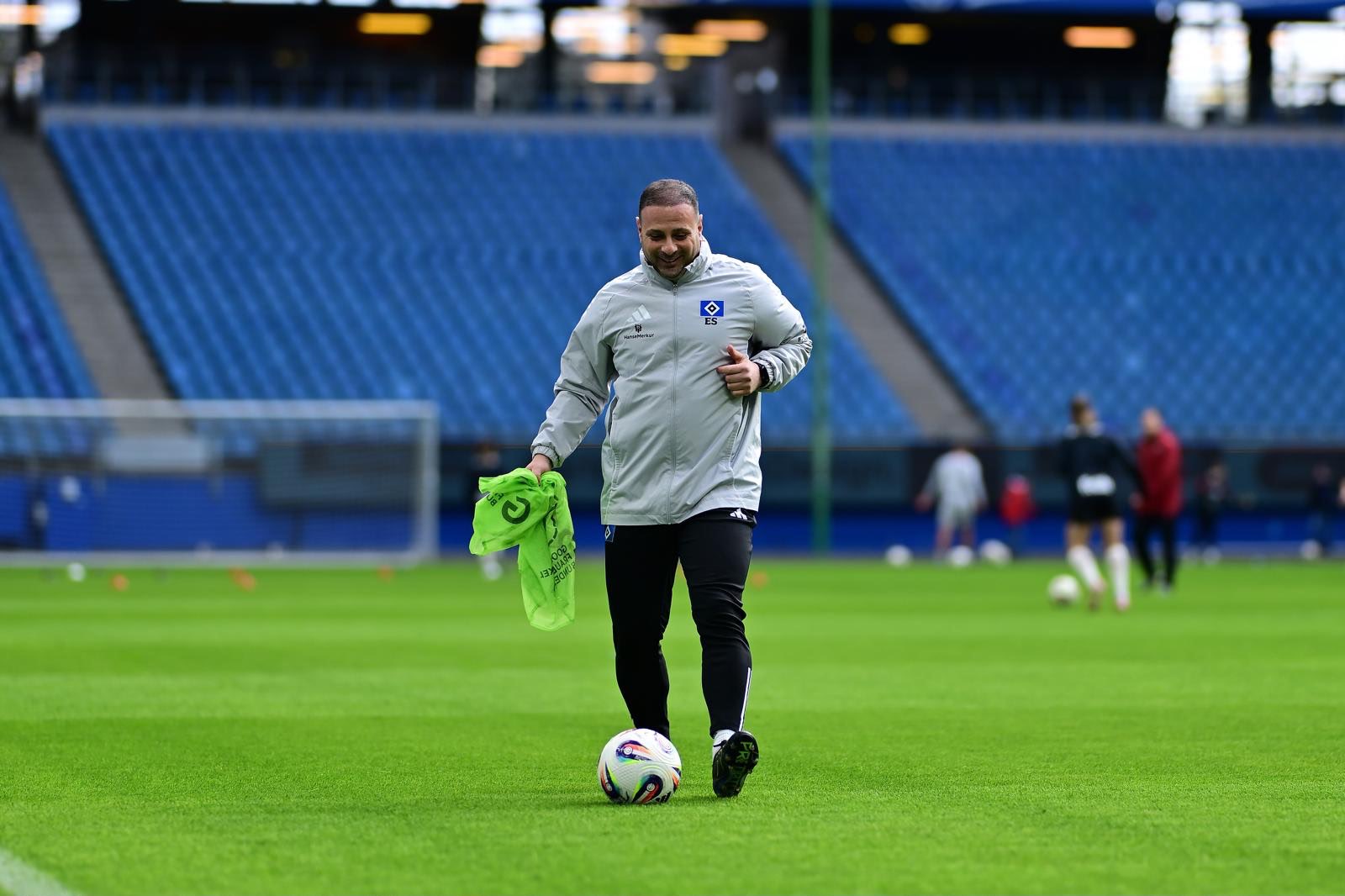
Your linguistic and cultural background allows you to move between different worlds. How does that influence your communication and leadership?
Football has evolved significantly. When I was younger, people often said that football only had one language. Today, that is no longer enough.
Modern coaching requires understanding the individual behind the player. Being able to communicate across different languages and cultures helps build trust and allows you to better understand each player’s needs, background, and perspective. This is especially important in diverse environments where players bring different experiences and cultural influences.
Women’s football is evolving rapidly both on and off the pitch. What developments have impressed you most in recent years?
It has been fascinating to see how much closer women’s football has moved towards the public and the wider football community.
For me, women’s football should not simply be viewed through the lens of men’s football. It has developed its own identity, and that is one of its greatest strengths.
At Hamburger SV, we have experienced this growth first hand through promotion to the Bundesliga. The key now is to continue growing sustainably. Women’s football attracts a very engaged, authentic, and family oriented audience. We experienced that atmosphere particularly during our major matches at the Volksparkstadion.
The support from leaders such as Eric Huwer and Christoph Romer, together with the commitment of the entire city of Hamburg, provides a strong foundation for continued growth.
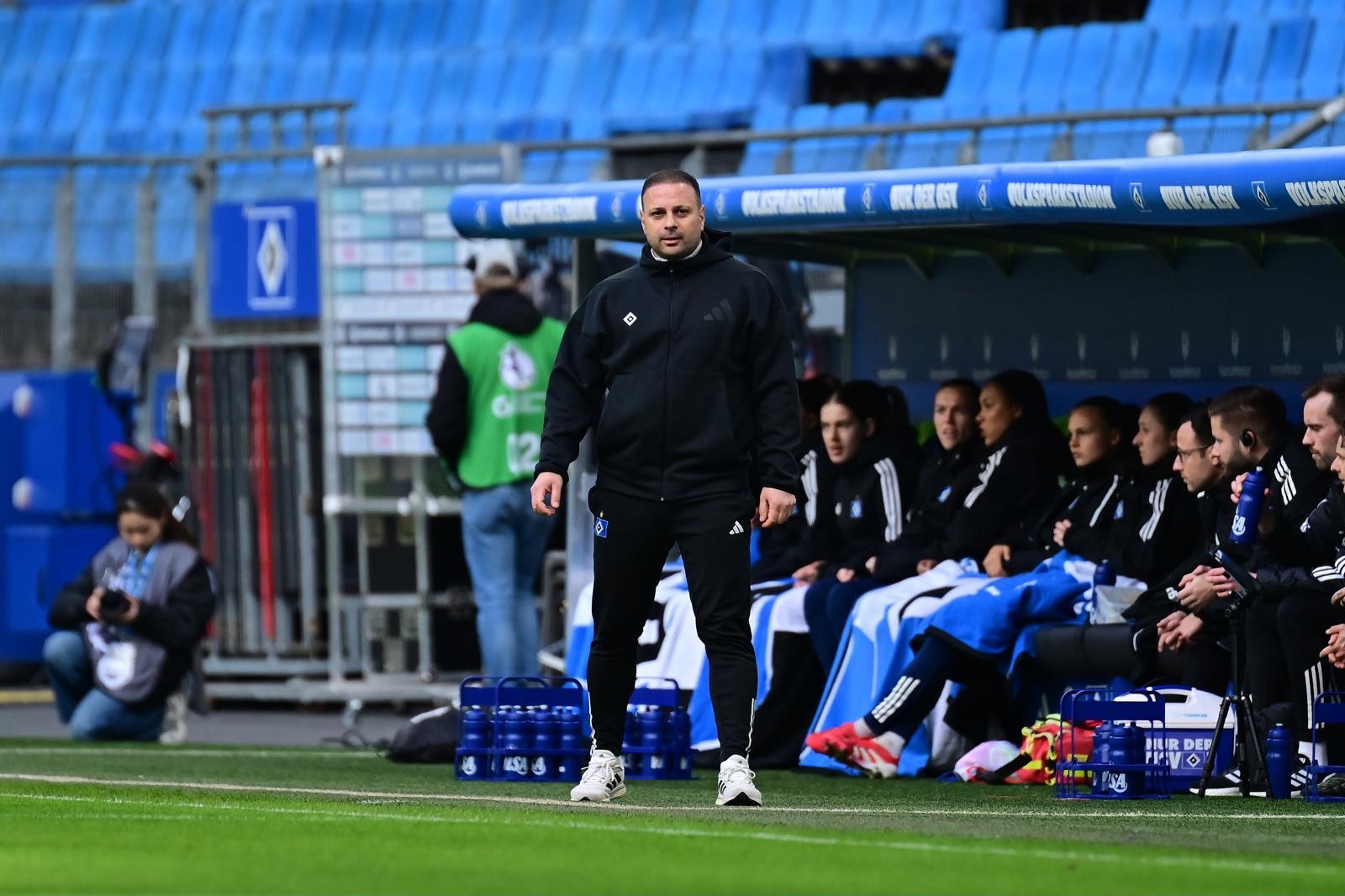
When players look back on their time working with you, what would you like them to remember?
The most important thing for me is that players never regret the time we spent together.
I want them to know that every decision I made was driven by a genuine desire to help them become the best version of themselves. I hope they remember me not only as a coach standing on the touchline, but as someone who was there for them as a person both on and off the pitch.
FAQ
Who is Eren Şen?
Eren Şen currently serves as Assistant Coach of the Hamburger SV Women’s first team and brings extensive experience from elite youth development within the club’s academy structure.
What is Eren Şen’s coaching philosophy?
Holding the UEFA A Licence and working across both academy and senior football, he has developed a coaching philosophy centred on player ownership, emotional intelligence, and long term development.
What does Eren Şen believe is important in player development?
For me, however, development goes far beyond improving players on the pitch. It is equally important to support them as individuals away from football.