

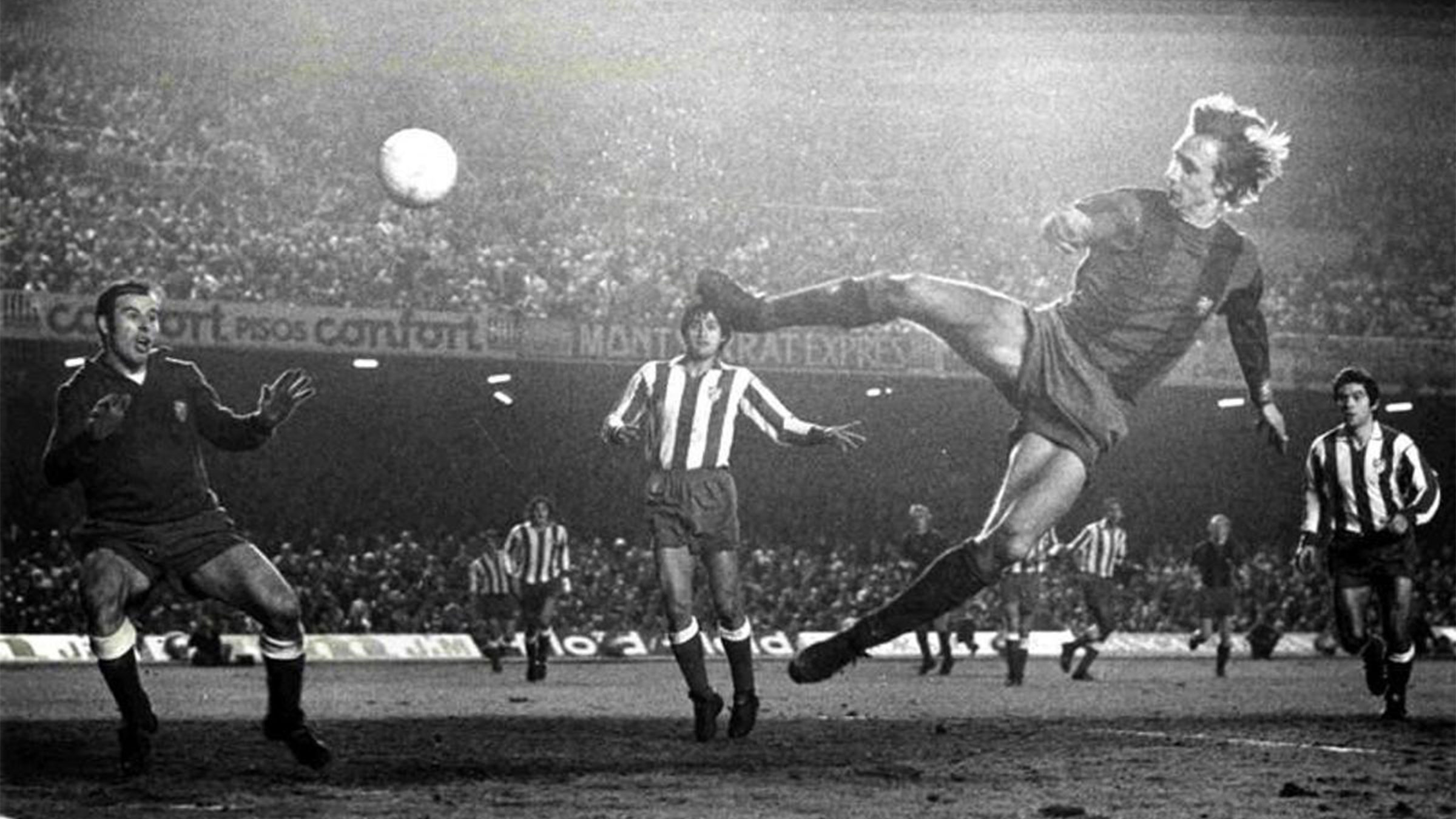

Throughout football history, certain shirt numbers have represented far more than positions on the pitch. Among them, the number 10 has always held a unique place. For decades, it symbolized intelligence, creativity, elegance, and leadership. The most gifted player in the team usually wore that shirt. Fans did not go to stadiums only to watch goals; they went to witness the magic of the number 10.
Fans did not go to stadiums only to watch goals; they went to witness the magic of the number 10.
Today, football has evolved into something very different. The modern game is faster, more physical, more aggressive, and far more system-oriented.
This transformation changed not only tactics but also the identity of football’s most artistic figure: the classic number 10. One of the most influential factors behind this change was the transition from the old 2-point system to the modern 3-point system.
The rise of the traditional number 10 took place during football’s more romantic era.
Starting with Pelé and later carried by legends such as Diego Maradona, Michel Platini, Roberto Baggio, Zinedine Zidane, Ronaldinho, Alex de Souza and Mesut Özil, the number 10 became the artistic soul of football. These players were not merely scorers or assist providers. They controlled the rhythm of matches, guided the tempo of their teams, and changed games with moments of genius.
The Golden Number 10s Of The 1970s
The 1970s represented football’s creative awakening. Tactical systems existed, but individual brilliance still had enormous freedom. The number 10 during this era was a conductor, an artist, and often the emotional leader of the team.
The greatest number 10s of the 1970s included:
- Pelé
- Johan Cruyff
- Teófilo Cubillas
- Zico
- Rivelino
These players defined football through elegance and imagination. Matches were slower, spaces were larger, and creative minds had the freedom to dictate games.
The number 10 was not expected to press constantly or defend aggressively. His primary mission was to think faster than everyone else.
Especially Johan Cruyff changed football intellectually, while Zico and Rivelino embodied the artistic soul of Brazilian football.
The Golden Number 10s Of The 1980s
The 1980s were perhaps the peak era of the classic number 10. Football still allowed space for creativity, but tactical discipline was becoming more important. This balance created some of the greatest playmakers in history.
The icons of the 1980s included:
- Diego Maradona
- Michel Platini
- Zico
- Socrates
- Enzo Francescoli
This was the era when the number 10 became football royalty.
Diego Maradona represented absolute individual genius. He could decide matches alone, dominate entire tournaments, and emotionally carry a nation on his shoulders.
Michel Platini represented intelligence, rhythm control, and technical perfection.
Socrates added philosophy and elegance to the role, proving that football intelligence could sometimes overpower physical intensity.
The classic number 10 reached its emotional and cultural peak during this decade.
The Golden Number 10s Of The 1990s
The 1990s represented the transition period between romantic football and modern football. Tactical structures became stricter, pressing became more organized, and physical intensity increased.
Yet the classic number 10 still survived through extraordinary talent.
The defining number 10s of the 1990s included:
- Roberto Baggio
- Zinedine Zidane
- Dennis Bergkamp
- Rivaldo
- Ariel Ortega
- Gheorghe Hagi
These players operated in a football world that was becoming faster and more tactical.
Roberto Baggio represented elegance and emotional football artistry.
Zinedine Zidane combined physical control with extraordinary technical intelligence, becoming perhaps the perfect bridge between old and modern football.
Dennis Bergkamp transformed simplicity into genius, while Rivaldo carried the last echoes of Brazil’s free artistic football culture.
The 1990s were the final decade in which the classic number 10 still truly dominated football.
The Last Classical Number 10s Of The 2000s
The 2000s became the final era in which traditional playmakers could still survive before modern pressing systems completely transformed football.
This generation included:
- Ronaldinho
- Kaká
- Juan Román Riquelme
- Francesco Totti
- Alex de Souza
- Mesut Özil
Among them, Mesut Özil became one of the last pure playmakers of modern football.
He represented:
- vision,
- elegance,
- simplicity,
- timing,
- and football intelligence.
Özil was not built around physical intensity or endless pressing. His game was built around seeing spaces before everyone else. He slowed football down mentally in an era where football was becoming physically faster.
Especially during his years with Real Madrid, Arsenal and the Germany national football team, he became one of the finest examples of the disappearing classical number 10.
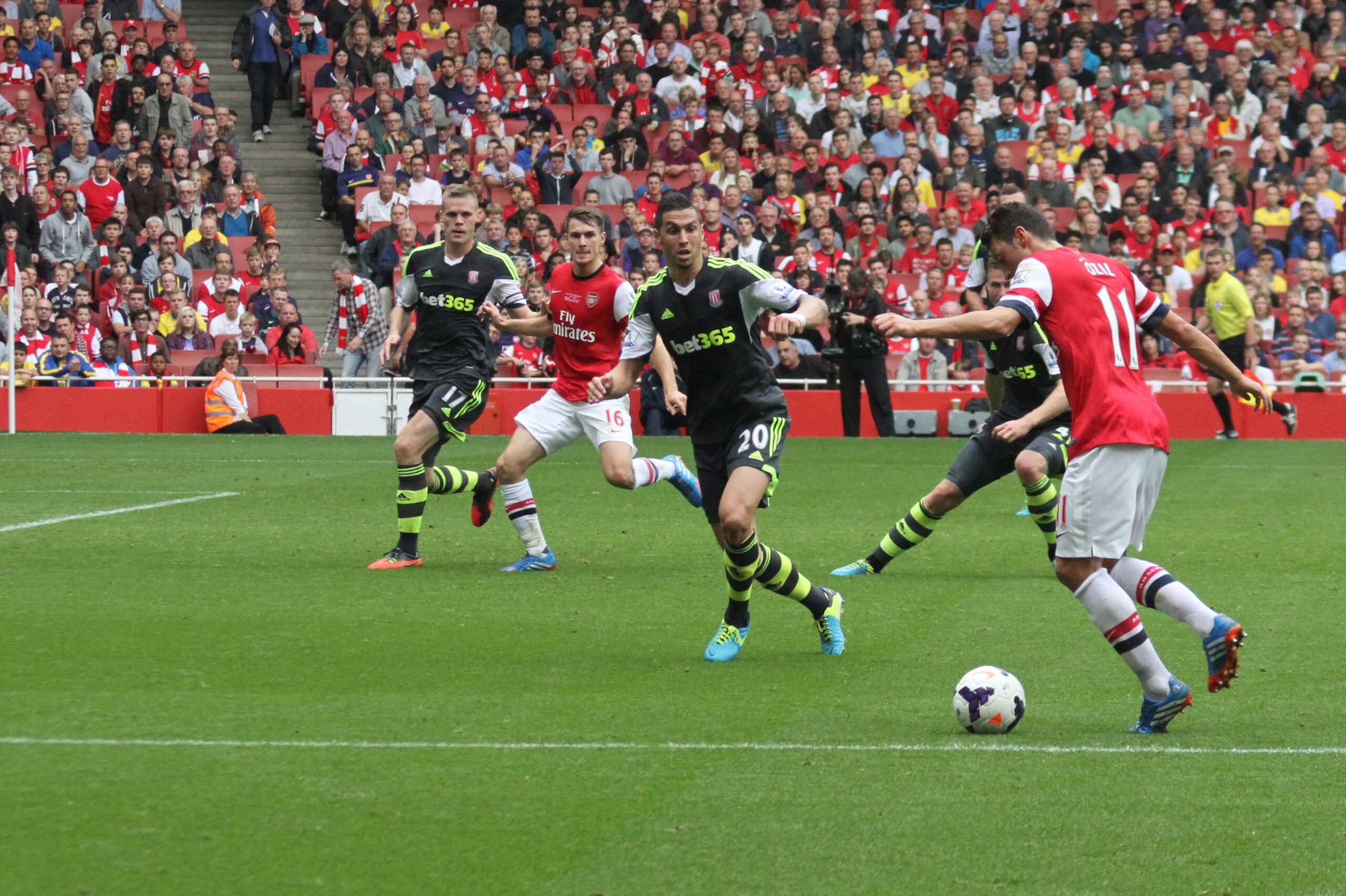

Many modern fans perhaps underestimated him because football increasingly values:
- pressing,
- athleticism,
- intensity,
- and physical output.
But for football romantics, Mesut Özil represented one of the final connections to the old football culture where intelligence and creativity could still dominate games.
But for football romantics, Mesut Özil represented one of the final connections to the old football culture where intelligence and creativity could still dominate games.
Football Before The 3-Point Era
Football in the 1980s and 1990s was played at a slower pace compared to today. Defensive lines sat deeper, pressing was less intense, and players had more time on the ball. In that environment, creative footballers could think, organize, and dictate play.
When the classic number 10 received the ball, the game seemed to slow down. Teammates and supporters trusted him to make the right decision. The greatest playmakers of that era possessed the rare ability to control time itself. With one pass or one movement, they could completely transform the flow of a match.
How The 2-Point System Protected The Number 10
One of the hidden reasons behind that slower and more strategic football culture was the old 2-point system. During that era, a victory was worth only two points, meaning that avoiding defeat was often considered more important than chasing victory.
Especially in away games, derbies, or European fixtures, a draw was not seen as a negative result. Coaches preferred balance and control rather than excessive risk-taking.
This environment naturally favored classic number 10s because the game was slower, spaces were larger, and creative players had more opportunities to influence matches.
The 3-Point System And The Rise Of Intensity
However, when FIFA introduced the 3-point system in the 1990s, football experienced a major psychological transformation.
A draw no longer felt like earning one point; it started to feel like losing two points. Teams suddenly became more aggressive and more willing to take risks.
Matches became faster, pressing intensified, and attacking football gained greater importance.
The introduction of the 3-point system gradually pushed football toward a more physical and aggressive structure. Coaches began demanding players who could run constantly, press intensely, and contribute defensively. Creativity alone was no longer enough.
The classic number 10 suddenly found less space and less time to operate.
From Free Artists To Football Engineers
As a result, the traditional playmaker role began to evolve. Modern creative midfielders still exist, but their responsibilities are completely different. Kevin De Bruyne, for example, is not a free-roaming classic number 10 but a high-intensity modern playmaker.
Luka Modrić represents the deeper, more dynamic version of the modern maestro. Football today no longer produces free artists; it produces multifunctional football engineers.
Football today no longer produces free artists; it produces multifunctional football engineers.
What Football Gained And Lost
Of course, modern football gained many things. The game became faster, more organized, more athletic, and tactically sophisticated. Yet something emotional disappeared along the way. The old number 10s created spontaneity, imagination, and beauty. They transformed football into art.
Modern football may be more efficient today. But the classic number 10s made football unforgettable. The 2-point era expanded football’s intelligence. The 3-point era expanded football’s speed. And perhaps that is why true football lovers still miss the old number 10s.