

Profile
Role: Head Coach
Specialisation: Player Development, Defensive Organisation and Team Identity
Experience: Bundesliga, SV Darmstadt 98, TSG Hoffenheim, SV Viktoria Aschaffenburg, Gençlerbirliği, SCR Altach, Samsunspor, Carl Zeiss Jena and VfR Aalen
Focus Areas: Leadership, Communication, Squad Construction, Individual Analysis and Player Development
Biography
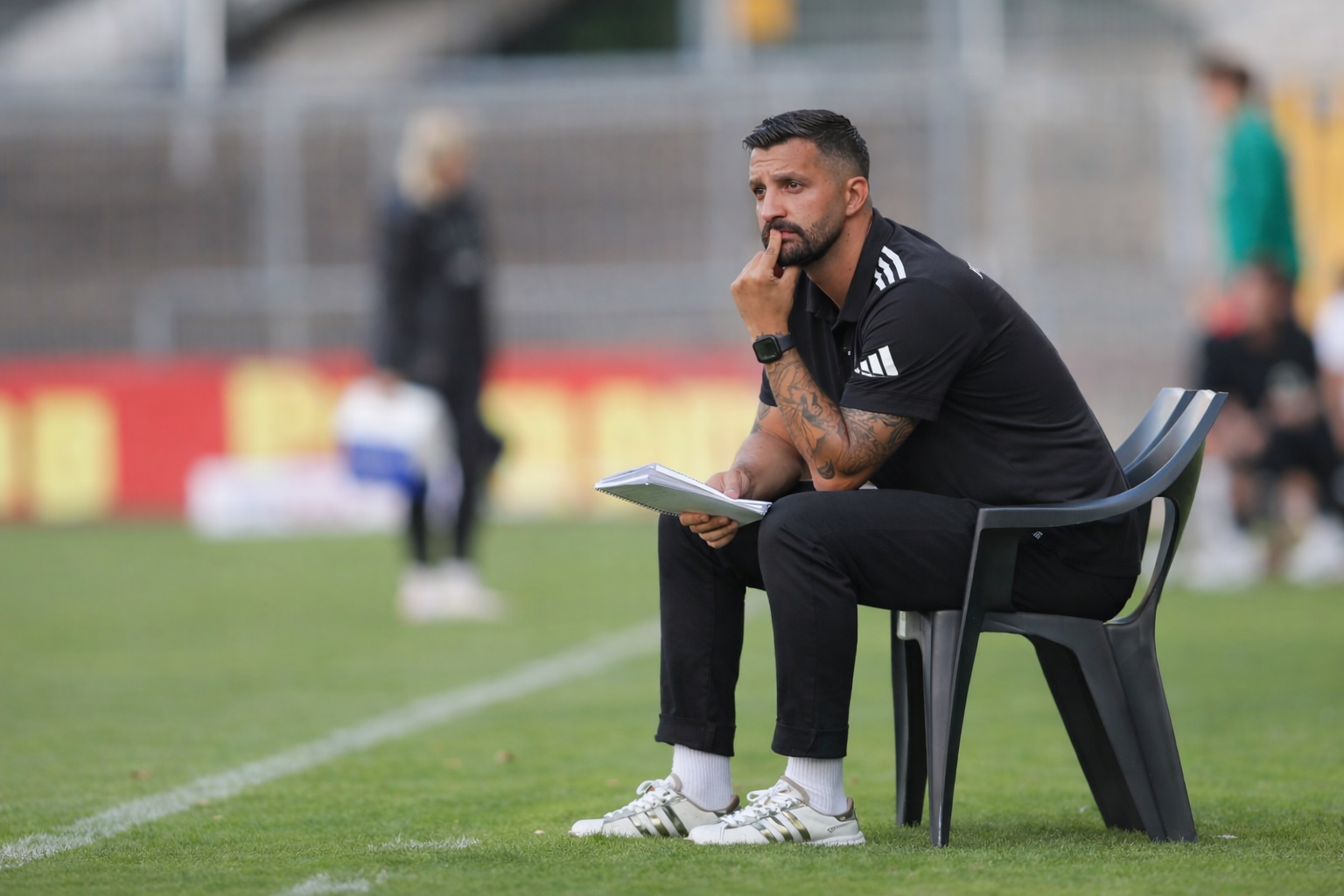
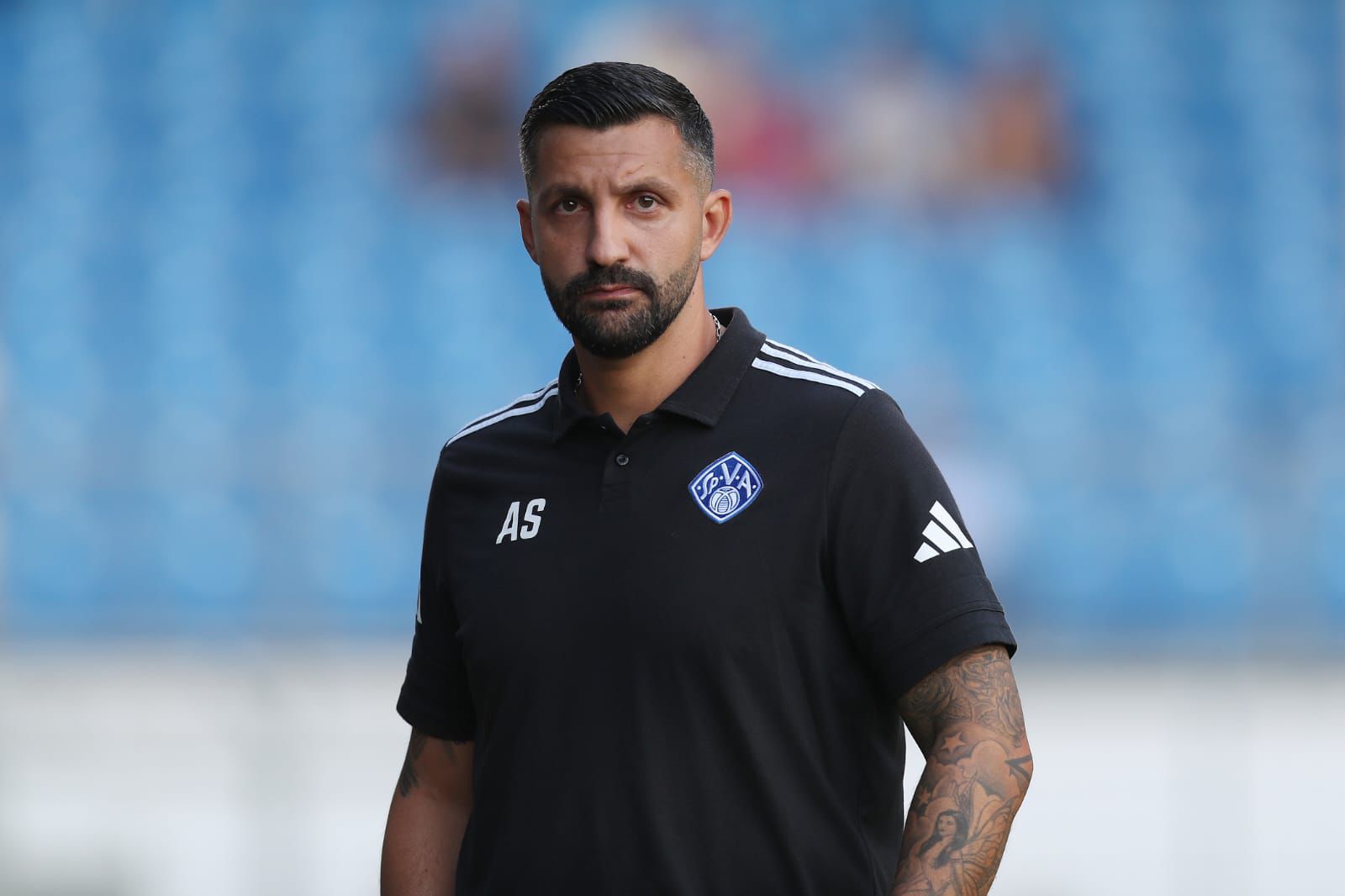
Aytaç Sulu represents a new generation of football coaches whose leadership is deeply shaped by experience at the highest levels of the professional game. A former Bundesliga captain and respected defensive leader, Sulu has successfully transitioned from the pitch to the touchline, combining his understanding of elite competition with a modern coaching philosophy focused on structure, communication, and player development.
Born in Heidelberg, Germany, Sulu built a long and respected playing career across German and international football. His most prominent chapter came with SV Darmstadt 98, where he served as team captain and became one of the central figures in the club’s historic rise from the 3. Liga to the Bundesliga within two seasons. Those promotions in 2014 and 2015 stand as defining moments in the club’s modern history and highlight Sulu’s influence as a leader on and off the pitch.
A former Bundesliga captain and respected defensive leader, Sulu has successfully transitioned from the pitch to the touchline, combining his understanding of elite competition with a modern coaching philosophy focused on structure, communication, and player development.
Across his professional career, Sulu played for clubs such as Gençlerbirliği, SCR Altach, Darmstadt 98, Samsunspor, Carl Zeiss Jena and VfR Aalen, gaining valuable experience across different football cultures and competitive environments. Known for his tactical discipline, aerial dominance and leadership qualities, he was widely respected as a defender who organized defensive structures and guided teammates through communication and presence.
Following his playing career, Sulu began developing his coaching pathway within one of Germany’s most progressive development environments. At TSG Hoffenheim, he worked as assistant coach with the U17 and later the U23 team, contributing to tactical development, individual and group analysis, defensive organization, and set-piece structures. His work within Hoffenheim’s academy structure also included involvement in the development of emerging talents such as Tim Drexler, Umut Tohumcu, Bambasé Conté and Max Geschwill, highlighting his ability to contribute to elite player development environments.
In 2025, Sulu took the next step in his coaching career by becoming head coach of SV Viktoria Aschaffenburg in the Regionalliga Bayern, where he was responsible for squad construction, implementing the team’s playing identity and shaping the overall structure of the squad.
Sulu holds the UEFA A Licence from the German Football Association (DFB) and has further complemented his football expertise with academic studies in Sports Management, reflecting a leadership profile that understands both the sporting and structural dimensions of modern football organizations.
His coaching philosophy is rooted in clear communication, structured teamwork, and maintaining the flow of the game. As a coach, he seeks to create environments where discipline and support coexist, allowing players to grow individually while contributing to a strong collective identity. His leadership balances authority with approachability, ensuring that players clearly understand their responsibilities while feeling supported in their development.
His coaching philosophy is rooted in clear communication, structured teamwork, and maintaining the flow of the game.
With experience across Bundesliga football, international leagues, and elite academy structures, Aytaç Sulu represents a coach who understands the demands of modern football from multiple perspectives. As he continues to develop his coaching career, his blend of leadership experience, tactical understanding and player development expertise positions him as an intriguing coaching profile within the European football landscape.
Key Insights
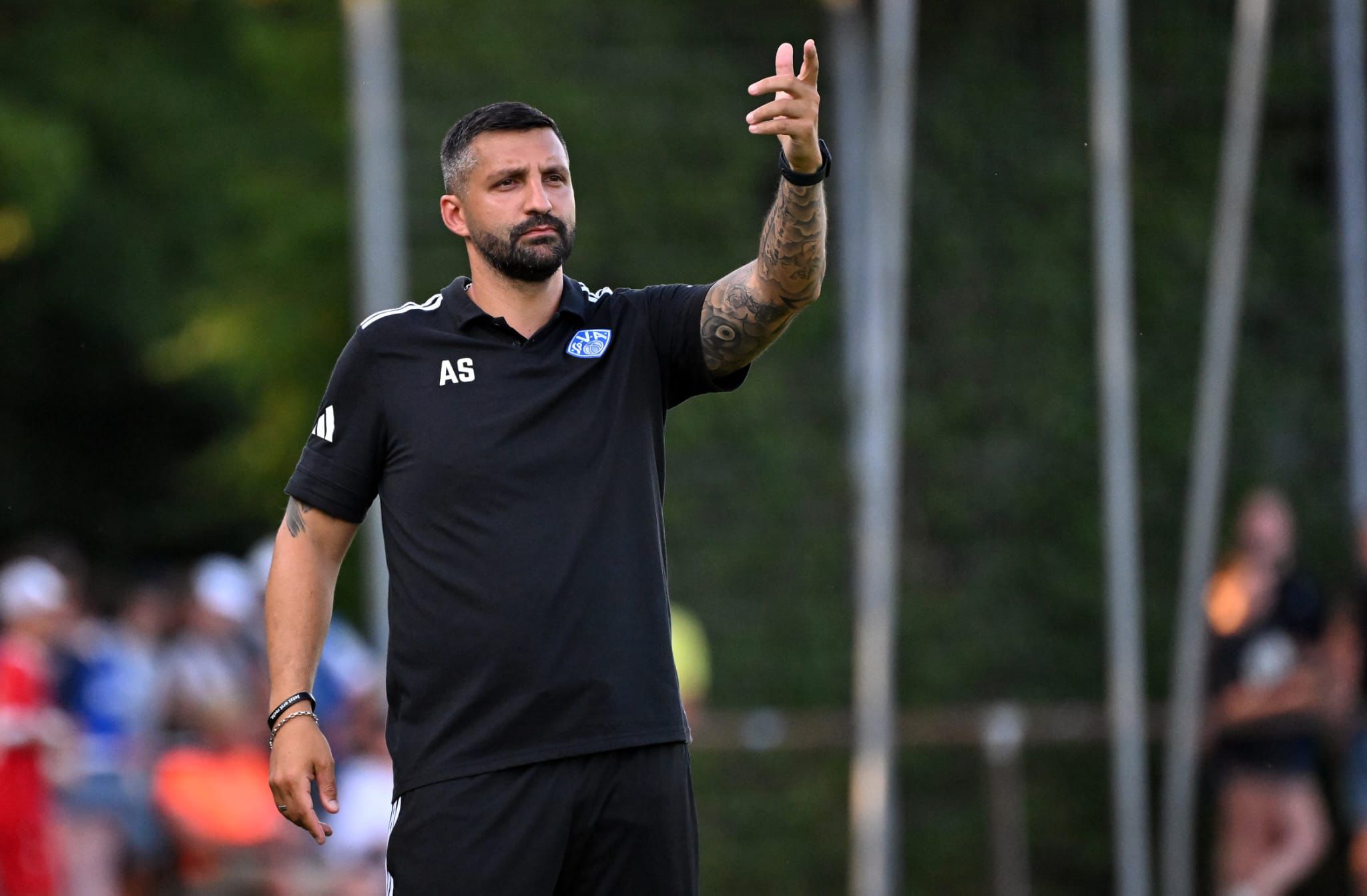
- Aytaç Sulu combines Bundesliga leadership experience with a modern coaching approach focused on structure and communication.
- His coaching pathway includes elite academy work at TSG Hoffenheim and head coach responsibility at SV Viktoria Aschaffenburg.
- His philosophy focuses on understanding players as people, building team identity and creating development environments.
Our Exclusive Interview with Aytaç Sulu
Leadership, Player Development and Building Team Identity
As a former Bundesliga captain who led Darmstadt to historic promotions, how has your experience as a leader on the pitch influenced the way you work with players today as a coach?
Of course, this experience helps me tremendously. As a captain and an extension of the coach on the pitch, I always had a very close connection to the dressing room and a deep understanding of the players, both individually and as a group.
Every player has a unique personality, different motivations, and different ways of responding to challenges. Today, as a coach, I place great importance on understanding these individual differences through continuous communication and observation.
My goal is always to connect with each player on a personal level, so that I can support them in the best possible way. I believe that when players feel understood and valued, they are much more open to development and performance. This is why I always aim to give each player the best version of myself as a coach.
I believe that when players feel understood and valued, they are much more open to development and performance.
Your coaching pathway includes working within the highly regarded academy structure of TSG Hoffenheim. What were the most important lessons you took from that environment regarding modern player development?
My time at TSG Hoffenheim was extremely valuable for my development as a coach. One of the most important lessons I took from that environment was the importance of detailed individualization in player development.
For me, working with players is not only about training sessions, it is about building a strong relationship and understanding the player as a person and as a footballer. Through consistent individual work, supported by video analysis and targeted training, you create a clear development pathway.
What I particularly value is the moment when players are able to transfer what they have learned into real match situations. That is the true indicator of development. It confirms that the process is working and that the player is evolving in a sustainable way.
Throughout your coaching work, you have been deeply involved in individual analysis, group tactics, and defensive organization. How do you translate these analytical processes into concrete improvements on the pitch?
I always work with a clear philosophy and defined principles of how I want my team to play. For me, it is essential that players understand not only what they have to do, but also why they are doing it.
That is why I strongly believe in transparency. I show players exactly what I expect from them, where they currently stand, and how they have developed over time. When players can clearly see their own progress, it creates trust in the process and increases their motivation.
For me, it is essential that players understand not only what they have to do, but also why they are doing it.
In my experience, analysis and individually tailored training are powerful tools when they are communicated in the right way. Players begin to understand that these processes are designed to help them improve, and that awareness translates directly into better performances on the pitch.
Many former professional players struggle to translate their playing experience into structured coaching approaches. How did you manage the transition from being a leader on the pitch to becoming a leader on the sidelines?
For me, the transition was a continuous learning process. The exchange with experienced coaches and sporting directors was very important, as it allowed me to gain different perspectives and challenge my own thinking.
However, what helped me the most were the practical experiences I gained through observing different coaches and teams across various levels. These insights gave me a deeper understanding of different leadership styles, training methods, and tactical approaches.
At the end of the day, real learning happens on the training ground. Through daily work, constant reflection, and interaction with players, you develop your own identity as a coach. That is where theory becomes practice, and where real progress is made.
As a head coach, you are responsible not only for tactics but also for squad construction and building a team identity. What are the first key principles you establish when shaping a new team environment?
The first step is always to analyse the squad in detail. You need to understand what kind of players you have and how their profiles fit into your football philosophy. But beyond tactical aspects, there are many factors that are equally important and often underestimated.
For me, understanding the person behind the player is essential. I want to know how a player thinks, what motivates him, what his character is like, and how he behaves within a group. These elements are crucial when building a strong and functional team environment.
Only when you combine footballing qualities with the right personalities you can create a team that is not only competitive but also stable and aligned. In my view, team identity is built just as much on character as it is on tactical structure.
Looking ahead, what type of football project or environment would best allow you to apply your leadership experience, coaching philosophy, and commitment to player development?
I do not limit myself to a specific type of project. I strongly believe that development is possible in every environment, regardless of league position or the current situation of a club or its players.
What matters most is the ability to recognize what a team or an individual player needs to improve. Every situation requires a different approach, and as a coach, you must be flexible and solution oriented.
My focus is always on helping players and teams reach their full potential. When you create the right environment for development, success will follow naturally, both for the team and for the whole club.
FAQ
Who is Aytaç Sulu?
Aytaç Sulu is a former Bundesliga captain and UEFA A Licence coach who has worked within TSG Hoffenheim’s academy and as head coach of SV Viktoria Aschaffenburg.
Which clubs did Aytaç Sulu play for?
Aytaç Sulu played for clubs including SV Darmstadt 98, Gençlerbirliği, SCR Altach, Samsunspor, Carl Zeiss Jena and VfR Aalen.
What is Aytaç Sulu’s coaching philosophy?
His coaching philosophy focuses on communication, structure, individual player development, team identity and understanding the person behind the player.